Storia
Sixteenth-century monastic origins
The estate’s documented narrative begins in the sixteenth century, when the property was a Camaldolese monastic site and already functioned as a centre of wine production. The present relais occupies the former medieval convent. Its surviving historic fabric includes the entrance portal and partly enclosed arches of the cloister. The Camaldolese monks established the local winegrowing tradition, and their hermitage became a reference point for the surrounding area.
The Brandolini family and Nino Mura
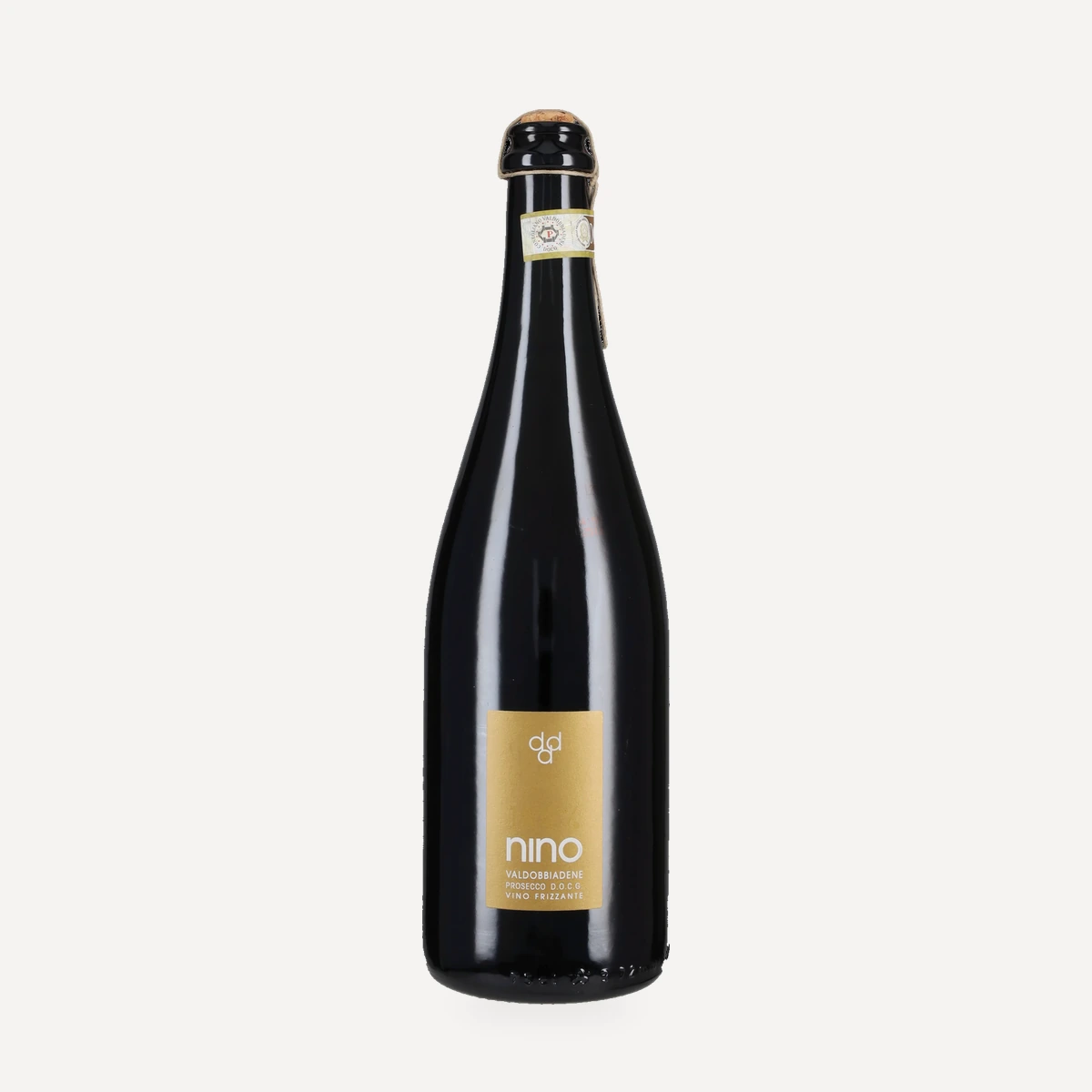
The estate later passed to the Brandolini family. During the first half of the twentieth century it became the property of Nino Mura, remembered as the “peasant poet.” Mura was an amateur poet with strong interests in nature and culture. During the 1950s and 1960s, he opened the estate to a small circle of friends that included poets Giovanni Comisso and Andrea Zanzotto, hosting convivial evenings at Rolle.
Antonio Bisol and the restoration of the estate
Antonio Bisol met Nino Mura in 1974 and subsequently purchased the entire estate from him. Careful restoration under Bisol helped preserve and enhance the property. The wider village of Rolle, memorably described by Andrea Zanzotto as “a postcard sent by the gods,” was later declared Italy’s first FAI Point for landscape protection.
Acquisition by the Baccini family
In 2011, the Baccini family acquired Duca di Dolle. Drawing on a background in research and development, the new owners made innovation, product quality and environmental sustainability central priorities. The family’s broader approach combines high technology with the conservation of historic and cultural assets in the Treviso area.
Expansion from 2015
Beginning in 2015, the Baccini family expanded the estate by a further 53 hectares comprising vineyards, woods, meadows and pastures. The acquisition was conceived as an investment in the enhancement and protection of Rolle’s landscape. The current landholding is presented as an agricultural ecosystem of almost 100 hectares, including 25 hectares of vineyards and approximately 75 hectares of woods and meadows.
Terroir
Location and landscape
Duca di Dolle lies in Rolle, a small hamlet of Cison di Valmarino in the province of Treviso. It occupies steep hills in the heart of the Conegliano and Valdobbiadene Prosecco landscape, recognised as a UNESCO World Heritage Site in 2019. The property stands between the Dolomites and Venice. The wider production zone is approximately 50 kilometres from Venice and is described as equidistant from the Dolomites and the Adriatic Sea, a combination that influences its climate.
The vineyards occupy pronounced slopes known as Rive. These descend toward the valley floor, where a small stream crosses the cooler, more humid woodland and an artificial irrigation lake collects rainwater and groundwater.
Soils
The soils have a difficult-to-work clay-calcareous substrate. Much of the subsoil consists of marl, a sedimentary rock of calcareous and clayey composition that breaks apart when exposed to air. The substrate contains minerals accessible to vine roots, particularly magnesium, manganese, zinc, iron and boron. These minerals are associated with the freshness and savoury character sought in the wines.
Climate
The hill climate is generally mild. Winters are cold without normally being severe and can bring occasional snow; spring and autumn are rainier; summers are warm without being excessively sultry. Marked day–night temperature changes and frequent winds support aromatic development in the grapes. Air movement also dries vines quickly after rain and helps slow the spread of fungi and other pathogens.
The estate ecosystem
The vineyards form part of a broader mosaic of woods, meadows and pastures. Hornbeam, oak, ash, alder and poplar dominate the woodland, with alder and poplar particularly associated with the cooler, wetter valley floor. The understorey includes wild garlic, lungwort, several kinds of anemone, butcher’s broom and Solomon’s seal. Wildlife includes foxes, wild boar, roe deer, red deer, small snakes and numerous bird species.
Vinificazione
All grapes used by Duca di Dolle come from its own vineyards; the estate does not buy fruit from external growers. Every operation from pruning to harvest is performed manually, reflecting the difficulty of working the steep Rive. Vineyard yields are intentionally kept below the maximum allowed by the production regulations.
The vineyards are drip-irrigated from an artificial lake on the valley floor. The lake replenishes itself with rainwater and groundwater, creating a closed local source for vineyard irrigation.
Preservation of genetic and agricultural heritage is represented by Perera. After old indigenous Perera vines were discovered within historic Rive, a dedicated area of the principal vineyard was planted to the variety to prevent its disappearance. Verdiso remains interspersed through the property in the traditional pattern of growing it alongside Glera.
The extensive woods, meadows and pastures surrounding the vines are maintained as part of the agricultural ecosystem. A small portion of the grassland supports free-ranging Nero di Parma pigs and laying hens. Fruit trees and a staff-tended vegetable garden grow near the principal buildings. Frequent winds help dry the canopy after rainfall, reducing conditions favourable to fungal and pathogenic development.
Pinot Nero is trained with a spurred-cordon system in the estate’s general description, while the technical description of the rosé vineyard identifies double Guyot training. Harvesting is manual; several estate vineyard selections are transferred immediately to the production facility in refrigerated vehicles at 8–10 °C.
Duca di Dolle defines its central role as that of a grape grower and works exclusively with fruit from its own vineyards. Production partners are selected for their approach to progress, innovation and environmental responsibility.
Fruit from the oldest Cartizze and Ferroviere Rive is kept separate during vinification to retain the sites’ individual aromatic character. The range employs both tank-method sparkling production and traditional bottle refermentation. The latter includes wines left on their own yeasts and unfiltered expressions, while Pinot Nero destined for the varietal rosé is pressed as whole bunches.
No comprehensive description is provided for reception, sorting, pressing of the white varieties, primary fermentation, tank specifications, temperature control, lees work, stabilisation, clarification or bottling across the range.
Filosofia
Duca di Dolle places terroir and raw material at the centre of its work. Its stated responsibility is to care for the land as an inherited patrimony and pass it forward, while producing high-quality grapes entirely from estate vineyards.
The declared mission is to become an excellent grower of grapes for wines of the highest quality. Manual work, reduced yields and the absence of external grape suppliers translate that objective into vineyard practice. Production partners are chosen for innovation and progress combined with environmental respect.
The estate defines its core values as excellence, respect and evolution: pursuing quality without complacency, protecting the land so it can produce authentic fruit, and using creativity to respond to changing needs. Its vision is to act as an ambassador for the surrounding hills and to integrate wine, landscape, hospitality, history and sensory experience into the broader “DDD Experience.”
The same principles extend to hospitality, which is guided by respect for people, nature and the future. Historic structures, natural materials, local food and the quiet of the landscape are treated as parts of a single estate identity.
Vini
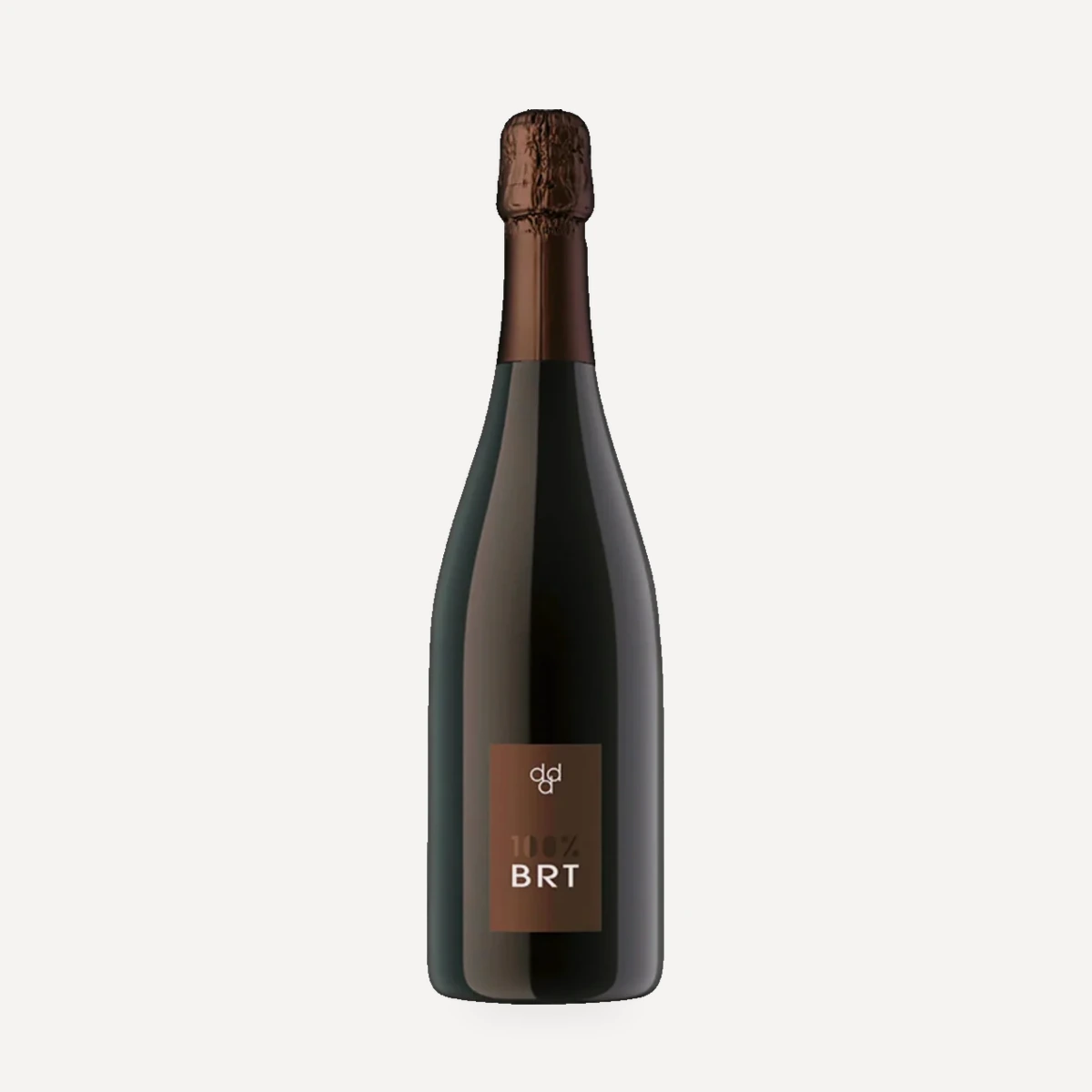
BRT
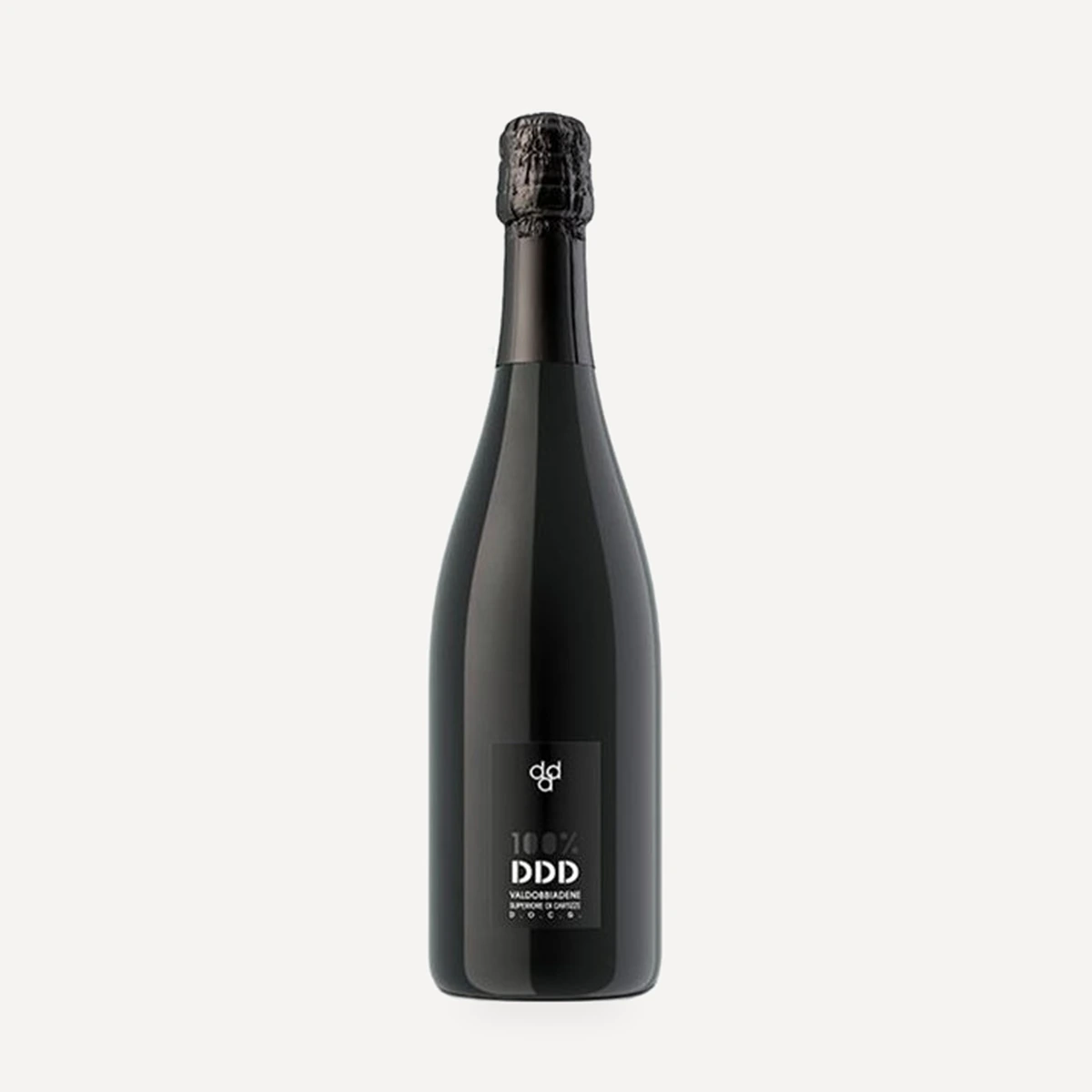
DDD
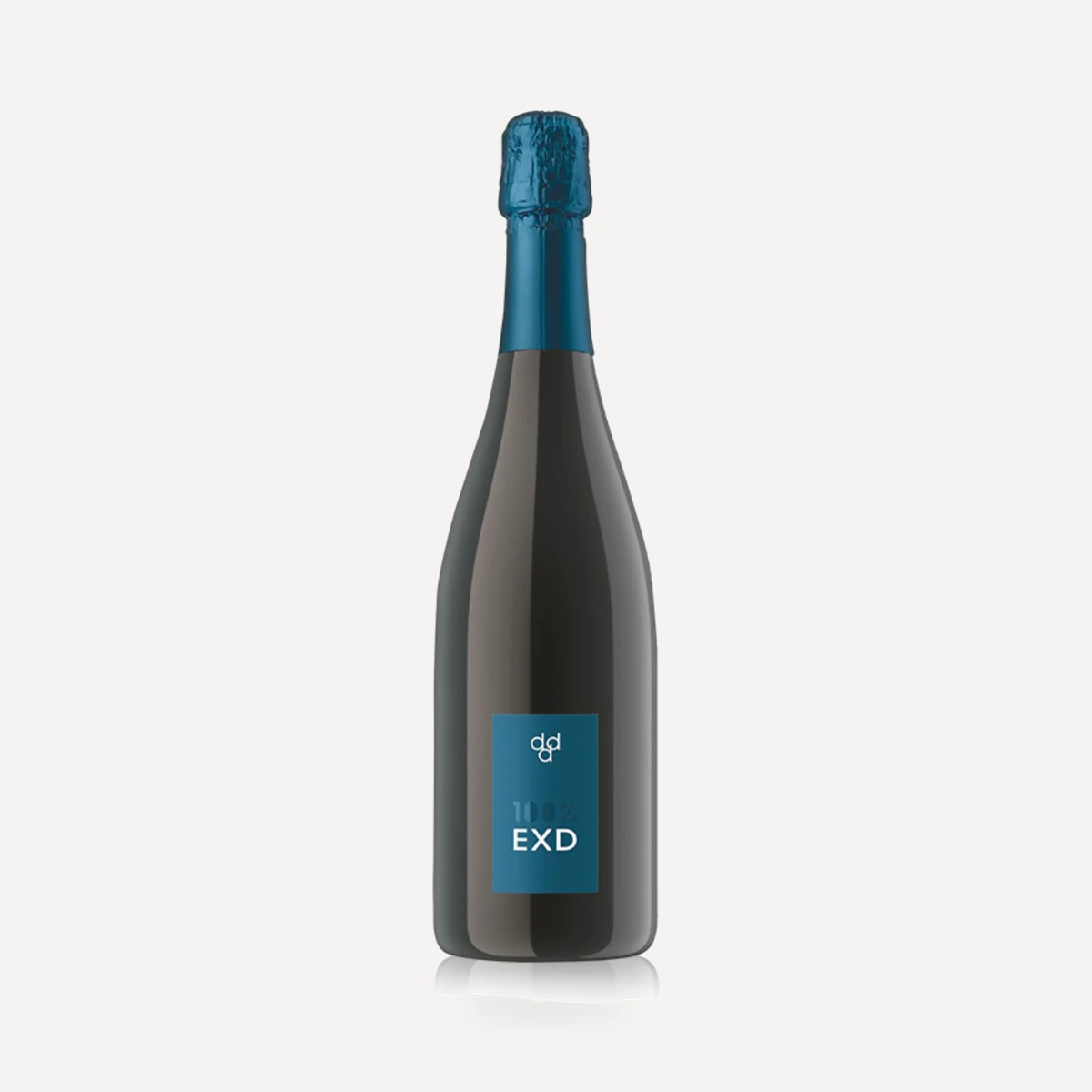
Exd