Storia
Family origins
Elvira takes its name from Elvira, the mother of 14 children whose generosity inspired Gaetano Zarantonello to create an agricultural activity devoted to genuine products and organic farming. The family presents care for the health of the land and its inhabitants as a value to be passed from one generation to the next.
1988: organic certification
The estate has cultivated its land organically since 1988, the year identified as its first organic certification. Its approach developed around low yields, manual vineyard work, minimal use even of treatments permitted in organic farming, spontaneous fermentations and limited cellar technology.
Diversification beyond wine
The family began making apple juice many years ago for household consumption. After obtaining the necessary authorizations, production was extended to commercial sale. Visually imperfect but sound apples were thereby given a use rather than being rejected from the fresh-fruit market.
2012: Biolwine recognition
At the second Biolwine exhibition during Sana in Bologna, the public selected Vigna Ghilotto Merlot IGT Veneto 2010 as the favored red wine. The exhibition involved 26 Italian organic producers and 62 labels, with guided tastings coordinated by ONAV specialists.
2016: new white wines and international fairs
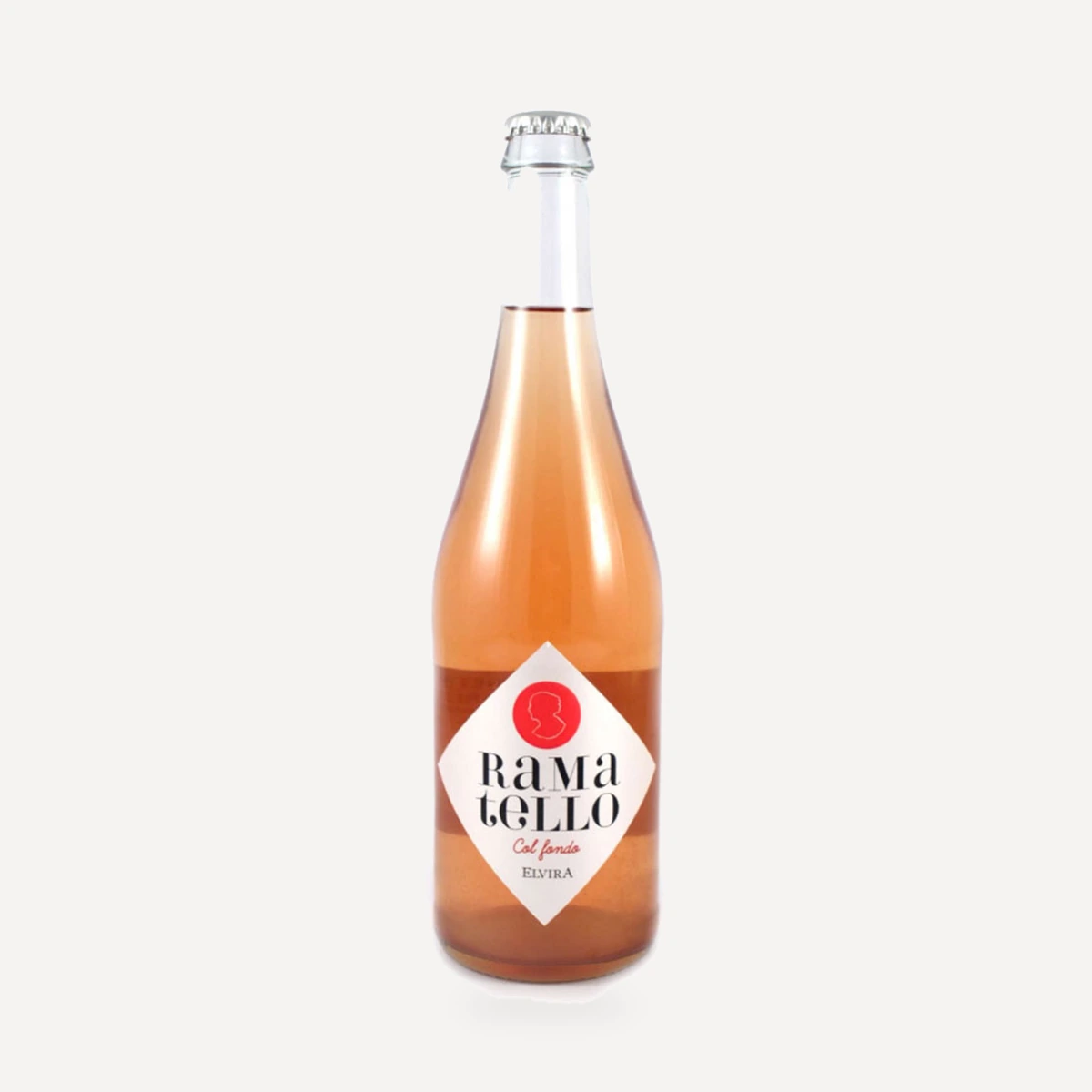
Elvira attended ProWein in Düsseldorf in March 2016 as part of a group of Italian natural and organic producers. The following month, from 9 to 11 April, it returned to the VinNatur event at Villa Favorita in Sarego. Two newly produced 2015 whites, Garganega and Pinot Grigio, were presented directly from tank shortly before their planned late-May bottling. The estate also showed Carmenere 2012, Merlot and Cabernet Riserva to visitors and importers.
Vineyard development documented in the current holdings
The individually described plantings include Cabernet Franc from 2002; Carmenere planted between 2003 and 2006; Merlot planted in 2006; three mixed white-grape parcels planted between 2007 and 2015; Garganega planted in 2012, 2013 and 2014; and a dedicated 2014 Garganega parcel near the summit of monte Faeo. The estate also began managing 1.5 ha of old vines at Villaga, including Sauvignon Bianco and the long-desired Tocai Rosso.
Terroir
Elvira’s owned vineyards occupy sloping hillsides on the southern Monti Berici, at elevations of 220–260 m. Their predominant aspect is east to southeast and the average gradient is approximately 15%.
The hills are karstic. Red, shallow clay-silt soils contain abundant stones and lie over marine sedimentary limestone, the local white stone of Vicenza. Individual vineyard descriptions also characterize the soils as clay-marl with a substantial calcareous skeleton. The estate links this marine-derived limestone to the saline character perceived in its wines. Mediterranean vegetation grows in the most exposed places.
Summers bring almost no rainfall, very hot days and low daytime humidity. Nights are much cooler and ventilated, producing a pronounced diurnal temperature range. Fog and haze are rare or absent, allowing strong sunlight. Near the summit of monte Faeo, several parcels are surrounded by woodland, mainly face east and benefit from both high solar exposure and good ventilation.
Site variations include a Merlot planting inside a south-facing dolina, a west-southwest-facing Cabernet Franc parcel and a southeast-facing Carmenere parcel. One Garganega planting lies almost level near the hilltop, with a southwest tendency and strong ventilation.
Vinificazione
All of Elvira’s farming is certified organic. The first organic certification dates to 1988, and current certification references include ICEA, control code IT BIO 006 and controlled-operator number E052. The estate also adheres to the VinNatur production protocol.
The viticultural program is deliberately low-input. Grass is mown only once, before harvest. Canopy work is performed manually. Plant-protection treatments are reduced to a minimum and are intended to encourage the vines’ natural defenses; the family describes its practice as avoiding synthetic chemistry and using very few of the products permitted in organic agriculture. No mineral fertilizer is applied. Manure is spread once every four or five years, and the vineyards receive no irrigation. Average production is approximately 40 q of grapes per hectare, with only a few bunches retained on each vine.
Green manure and permanent cover
Green-manure species are sown in autumn in alternating rows. The same alternating pattern is retained rather than rotated annually so that biodiversity is not lost in rows under permanent grass cover. The mixture is approximately 40% grasses, 40% brassicas and 20% legumes.
Radish and rapeseed provide taproots that explore deeper soil layers and leave vertical channels through which rainwater can penetrate. Their early growth covers the ground against erosion, while early flowering attracts pollinators and supplies pollen to predatory insects that later help regulate harmful vineyard fauna.
The fibrous roots of the grasses work the upper soil, improving softness, water permeability and oxygen movement. Their roots support beneficial fungi and bacteria in the rhizosphere and release exudates capable of chelating soil minerals, increasing nutrient availability to the vines. In spring, the grasses produce substantial biomass. Legumes host nitrogen-fixing bacteria in their root nodules, transferring atmospheric nitrogen into a form that can become available to other plants after the cover crop dies.
Instead of chopping and burying the cover crop in late spring, the estate flattens it with a special roller. The plants dry slowly into a summer mulch that limits evaporation and protects organic matter from rapid mineralization. The dying roots feed the soil through humification and leave channels for water, oxygen and soil life. In autumn, the ground is cultivated deeply while minimizing the mixing of soil horizons; the remaining dry material is partly incorporated to begin a new cycle of humification.
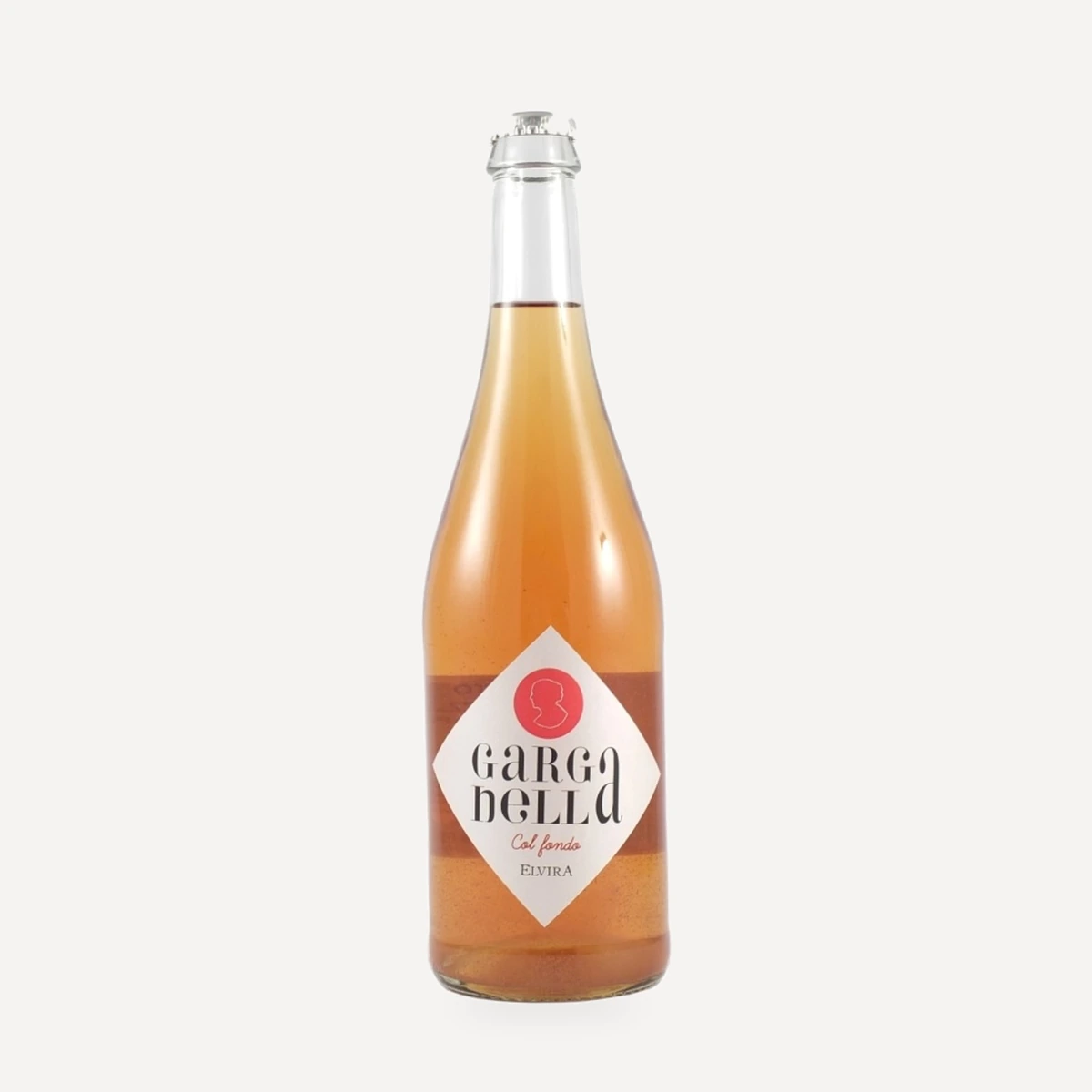
Harvesting and grape selection are manual. Grapes are placed in small containers, and some lots are picked during the coolest hours. The Gargabella fruit is harvested around the first ten days of September, while Pinot Grigio, Chardonnay and Durella for Ramatello are picked together between the second and third ten-day periods of August. Grapes intended for passito are gathered in single-layer crates and dried under natural ventilation.
The cellar is deliberately simple and minimally mechanized, with operations managed manually according to the condition and evolution of the grapes and wine. Fermentation temperatures are controlled with a cooling system that recirculates rainwater stored in an underground cistern. Production remains on the property through bottling and labeling.
Fermentations are spontaneous and driven by indigenous yeasts, sometimes initiated with a pied de cuve. The estate does not use cultured yeasts, bacteria, enzymes or other processing substances. Sulfur dioxide is the sole stated exception and is used in small quantities only when grape health and the wine’s resistance to oxidation make it necessary. Some lots are vinified without added sulfites, and the wines are intended to reflect the qualitative conditions of each harvest.
White-wine practices include destemming, fermentation in open vats and brief skin contact. The documented Garganega methods have included two days of skin contact at 18–22°C followed by steel maturation, as well as four days of maceration, soft pressing, fermentation at 16–18°C and six months in steel on fine lees with bâtonnage. No sulfites are added during maturation or bottling, and filtration may be omitted.
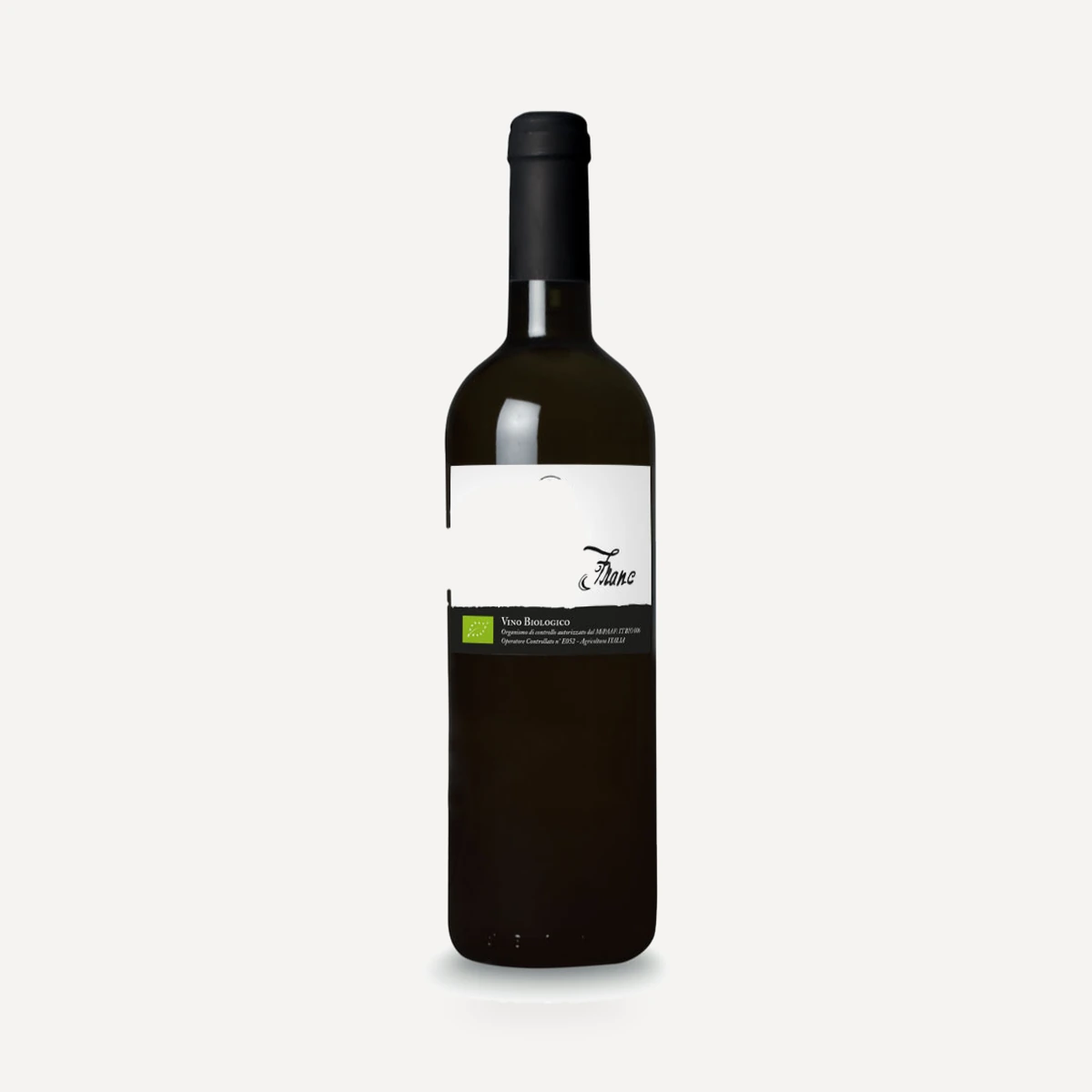
The red-wine method documented for Merlot, Cabernet Franc and Carmenere uses hand-picked, manually selected fruit, sometimes allowed to overripen on the vine. Natural fermentation proceeds with approximately ten days of skin maceration, daily délestage and repeated manual pump-overs. Cabernet Franc and Carmenere mature for 12 months in barriques. The more recent detailed account for Ghilotto specifies 12 months in first-use, untoasted French-oak barriques.
For the col fondo wines, the base must undergoes spontaneous fermentation after brief skin contact. In the following spring, must from dried Garganega is added before bottling to trigger a second spontaneous fermentation. No substances extraneous to the grapes are added. The bottles receive crown caps and are neither disgorged nor separated from the spent yeasts.
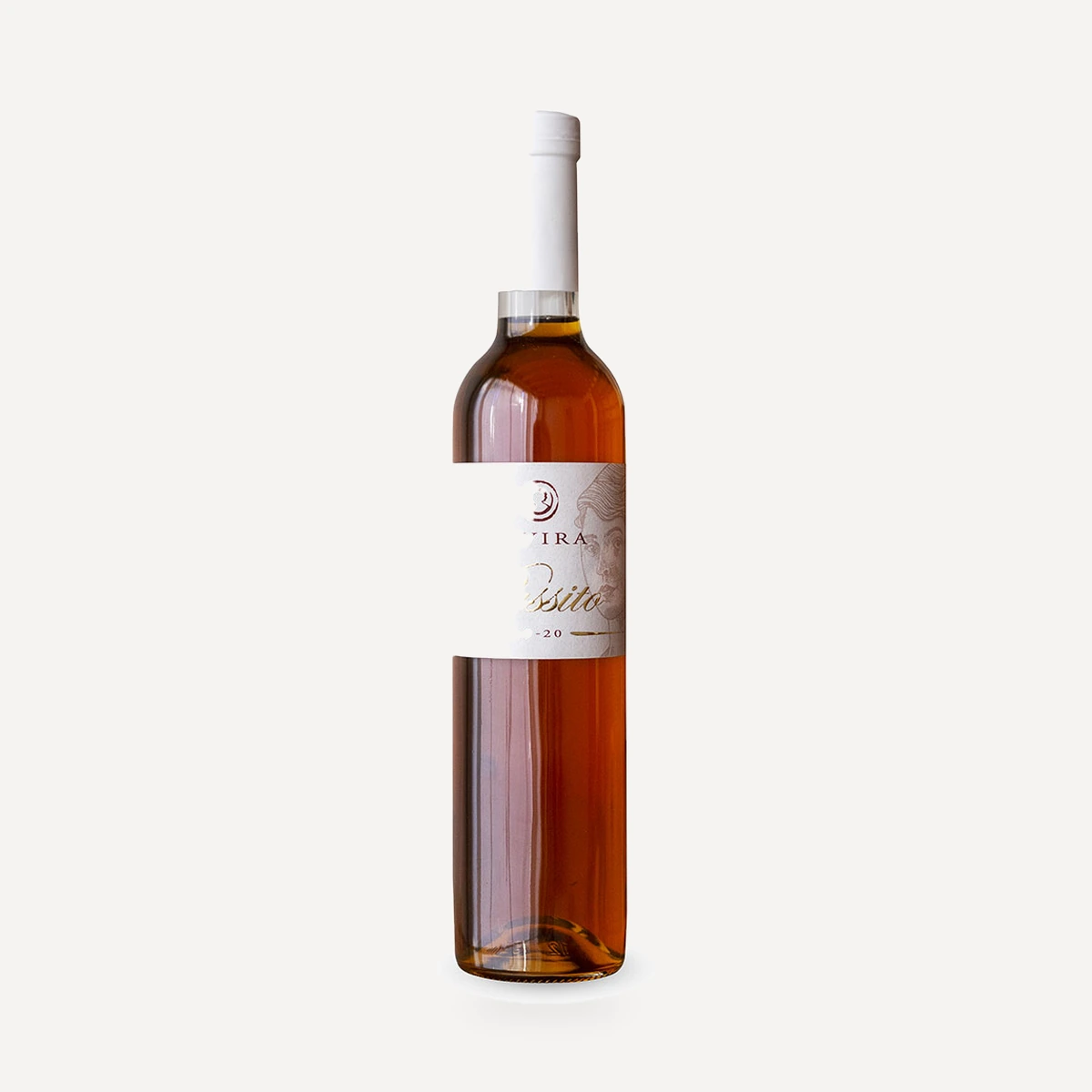
Passito production begins with hand-harvested Garganega placed in small, single-layer crates early in phenolic ripening, around the first ten days of September. The grapes dry in a fruit room at ambient temperature with natural, unforced ventilation and are monitored for any necessary selection. In March they are selected again by hand and whole-bunch pressed, producing must with more than 35% natural sugar. Cold conditions permit natural clarification; fermentation with indigenous yeasts begins gradually as temperatures rise from April. Most of this concentrated must is used for tirage of sparkling and semi-sparkling wines. The remainder ferments slowly in partially filled demijohns. The 2019 and 2020 portions were blended in steel about a year before bottling, then bottled manually by gravity without pumps, filtration, correction or addition.
Filosofia
Organic farming is treated as a way of life rather than only a production method. The family places the health of the soil and those who live from it at the center of its work and seeks to transmit that responsibility from one generation to the next.
The vineyard is approached as carefully as a household food garden. Low bunch numbers, manual work, restrained treatments, biological soil fertility and avoidance of irrigation are intended to produce healthy fruit while preserving the land’s natural balance.
In the cellar, the guiding principle is minimum conditioning between vineyard and bottle. Gaetano Zarantonello’s stated objective is to avoid artifice and allow the ground, vines and grapes to define the wine. Minimal technology, spontaneous indigenous-yeast fermentation and limited additions mean that each wine can vary with the quality and conditions of its harvest.
Vini
Bianco Passito Veneto
Cabernet Franc
Gargabella Colfondo