Storia
Origins
Esselè took shape after more than ten years of friendship and a shared interest in natural wine between Giulio and Matteo. The name means “here it is, at last,” expressing the point at which years of ideas, experiments, tastings and travel among vineyards finally became a concrete project. Their partners and friends supported its development, while Pierluigi Cocchini contributed guidance and technical experience in both vineyard and cellar.
2024: the project begins
Esselè was founded in 2024 around vineyards in Valle Peligna and Alto Tirino. Giulio and Matteo chose historic vines that had previously ceased to be tended and began bringing them back into cultivation, seeking to preserve both their existing character and the work of the people who had cared for them before.
The first production comprised Rosello 2024, a blend of red grapes; Rosato 2024, made solely from Montepulciano d’Abruzzo; and Bianco 2024, a macerated Sauvignon. Production began on a small scale, using indigenous yeasts, without filtration or chemical winemaking products, and with only a minimal pre-fermentation addition of sulfites.
2025: restoration in Ofena
By November 2025, the founders were restoring an old residence with a cellar in Ofena, in Alto Tirino. It was conceived as a place for meetings and hospitality, where visitors could encounter the wines together with their landscapes and stories.
2026: public events, VinNatur and a tasting cellar
On 10–11 May 2026, Esselè participated in Viva La Vite in Pescara, followed by the Abruzzo wine festival Vinorum on 15–17 May. The winery presented its bottles and evolving previews from the 2025 vintage. On 29 May, it joined “I Cocchini di Piè” at Parco della Libertà in Montesilvano, an informal public event bringing together producers who had worked with Pierluigi Cocchini’s guidance.
On 14 July 2026, Esselè announced its admission to VinNatur. The organization’s tasting commission assessed the wines, while its laboratory analysis found no chemical products and sulfite levels below 10 mg/L.
On 7 September 2026, the restored historic cellar in the village of Ofena opened as a tasting room and direct-sales point at Via Umberto I 48.
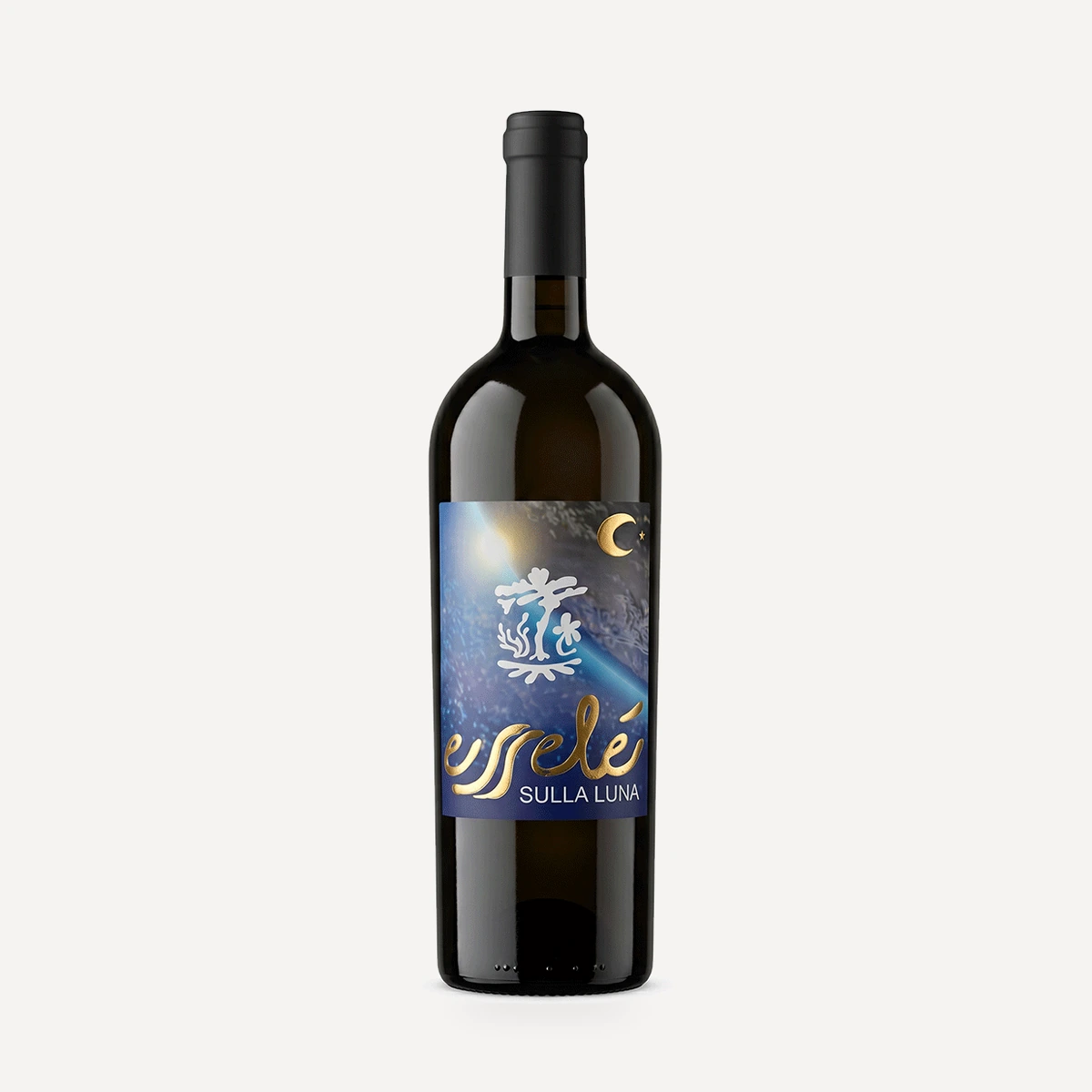
On 17 October 2026, Esselè reported its inclusion in the Scouting Abruzzo section of the Slow Wine 2027 guide. The guide highlighted Sulla Luna, Pelìno Libre and Cerasuolo d’Abruzzo for their expressive energy and individual character.
Terroir
Esselè works in two Abruzzo territories, Valle Peligna and Alto Tirino. The current vineyard holding covers 3 ha at elevations between 300 and 500 metres, where pronounced day–night temperature variation contributes to grape structure, freshness and complexity.
The two areas offer contrasting soils. Alto Tirino has alluvial soils associated with greater fruit intensity. Valle Peligna has calcareous-clay soils associated with savoury character and minerality. Esselè combines these complementary expressions in some wines while also producing wines closely identified with one territory.
The wider growing environment is marked by intense heat moderated by the protection of the Gran Sasso and Majella massifs. Night breezes rise inland from the Adriatic, reinforcing the temperature variation between day and night.
The founders regard Valle Peligna and Alto Tirino as the original homeland of Montepulciano d’Abruzzo. They connect the area’s long viticultural culture with the age of Ovid, who was born in Sulmona in 43 BCE.
Vinificazione
Esselè applies a minimal-intervention approach in the vineyard. Plant protection is limited to copper and sulfur, while fertilisation uses organic compounds. The soil is disturbed as little as possible, and spontaneous vegetation is retained as natural ground cover.
This approach is intended to keep the vineyards in harmony with their surrounding ecosystems. It is also central to the recovery of previously neglected historic vines: rather than redefining them, the founders seek to preserve what earlier growers established and allow the two territories to remain legible in the fruit.
Esselè joined VinNatur in July 2026. The admission process included tasting and laboratory assessment; the reported analysis found no chemical products and sulfite levels below 10 mg/L in the assessed wines.
Esselè describes its cellar work as minimal intervention. Grapes are softly pressed, and fermentation proceeds spontaneously with indigenous yeasts. Fermentation temperature is not controlled.
The cellar avoids filtration, fining and other corrective processing. Work is largely limited to pressing the grapes and protecting the developing wines from contact with air. A 2025 account recorded no chemical winemaking products and only a minimal addition of sulfites before fermentation. VinNatur laboratory analysis reported in 2026 found sulfites below 10 mg/L in the assessed wines.
Fermentation and maturation take place in stainless steel. The wines remain on their gross lees to encourage aromatic complexity, longevity and protein stability. After steel, maturation continues in bottle. Bottle age is considered an active stage of development in which youthful exuberance and angularity gradually give way to greater complexity and more prominent secondary nuances.
Filosofia
Esselè treats natural diversity as a value rather than a variation to be engineered away. Nature is understood as continuously changing, so wines are not expected to remain identical from vintage to vintage, bottle to bottle or even sip to sip. In this view, absolute uniformity belongs to manufactured products rather than living wine.
The founders seek the least mediated expression possible of Valle Peligna, Alto Tirino, the grapes and each growing season. They do not pursue large production volumes. Their stated goal is to make sincere wines that convey their places and respect the work of the growers who tended the old vineyards before them.
For Giulio, natural wine must not use its production philosophy as an excuse for faults: it should show harmony between aroma and flavour and, first of all, taste good. Matteo places equal emphasis on momentum and drinkability, wanting each sip to invite another.
This philosophy continues through ageing. Change in bottle is welcomed: youthful energy gradually becomes mature complexity, previously quiet traits emerge, and sharper edges soften over time.
Vini
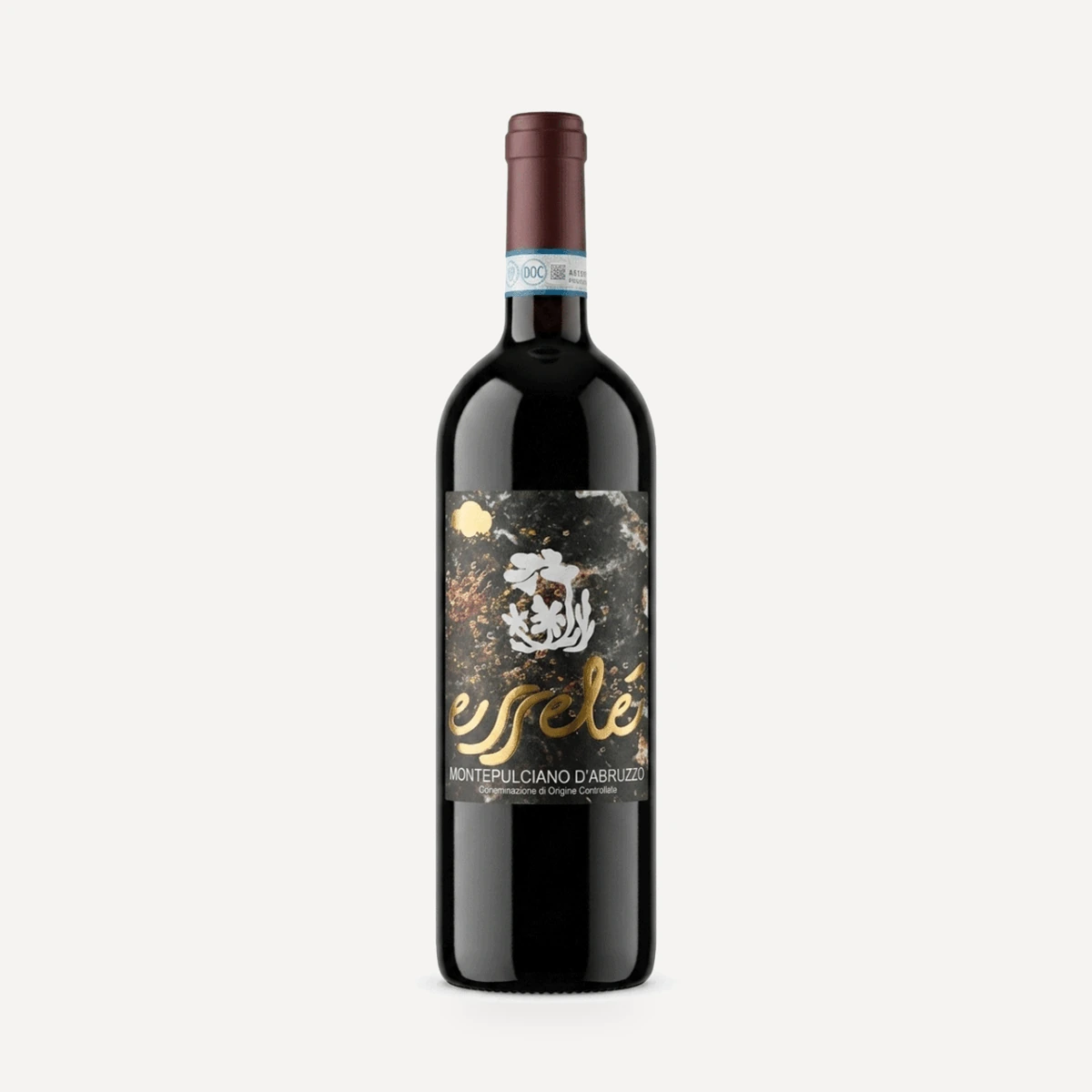
Montepulciano d'Abruzzo DOC
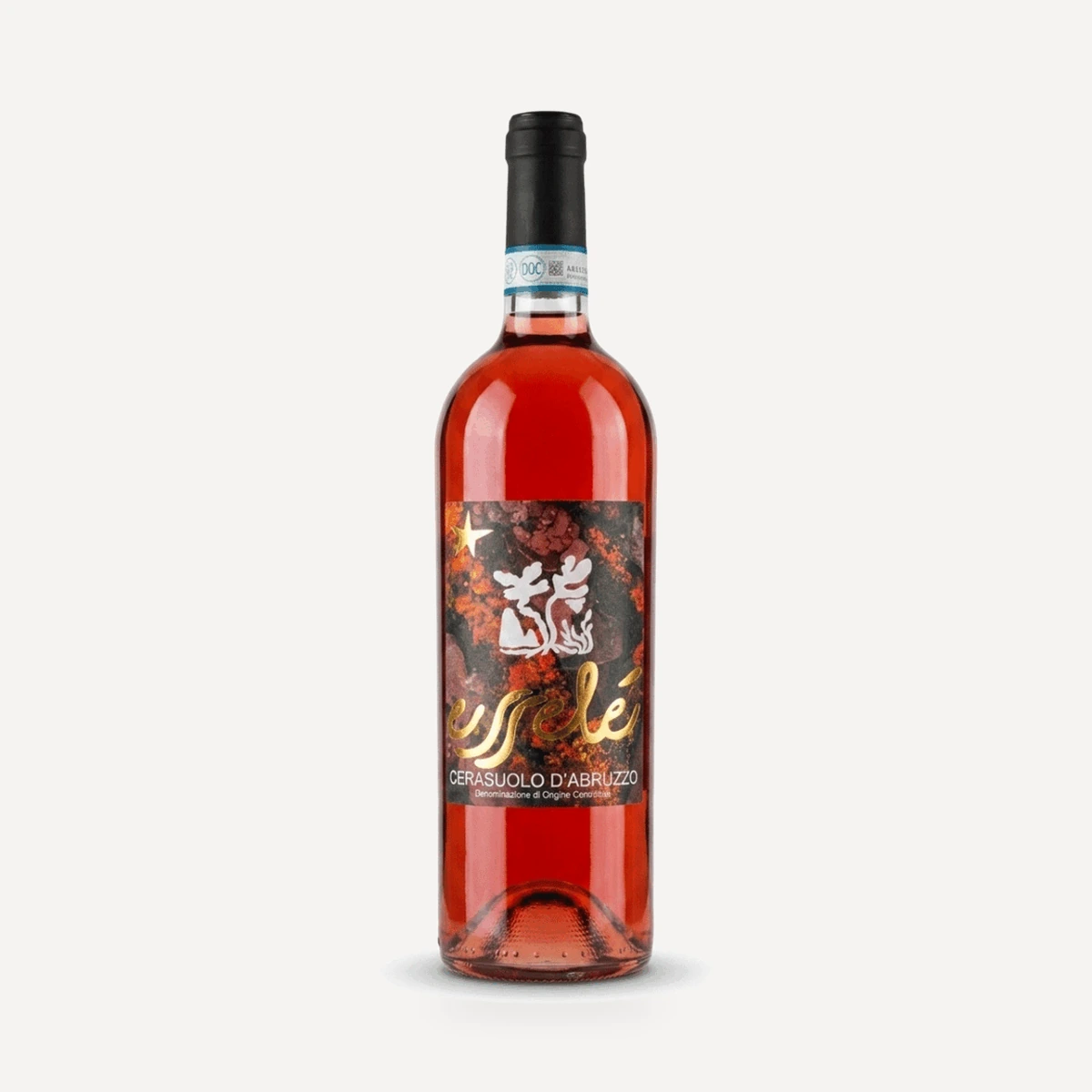
Cerasuolo d'Abruzzo DOC
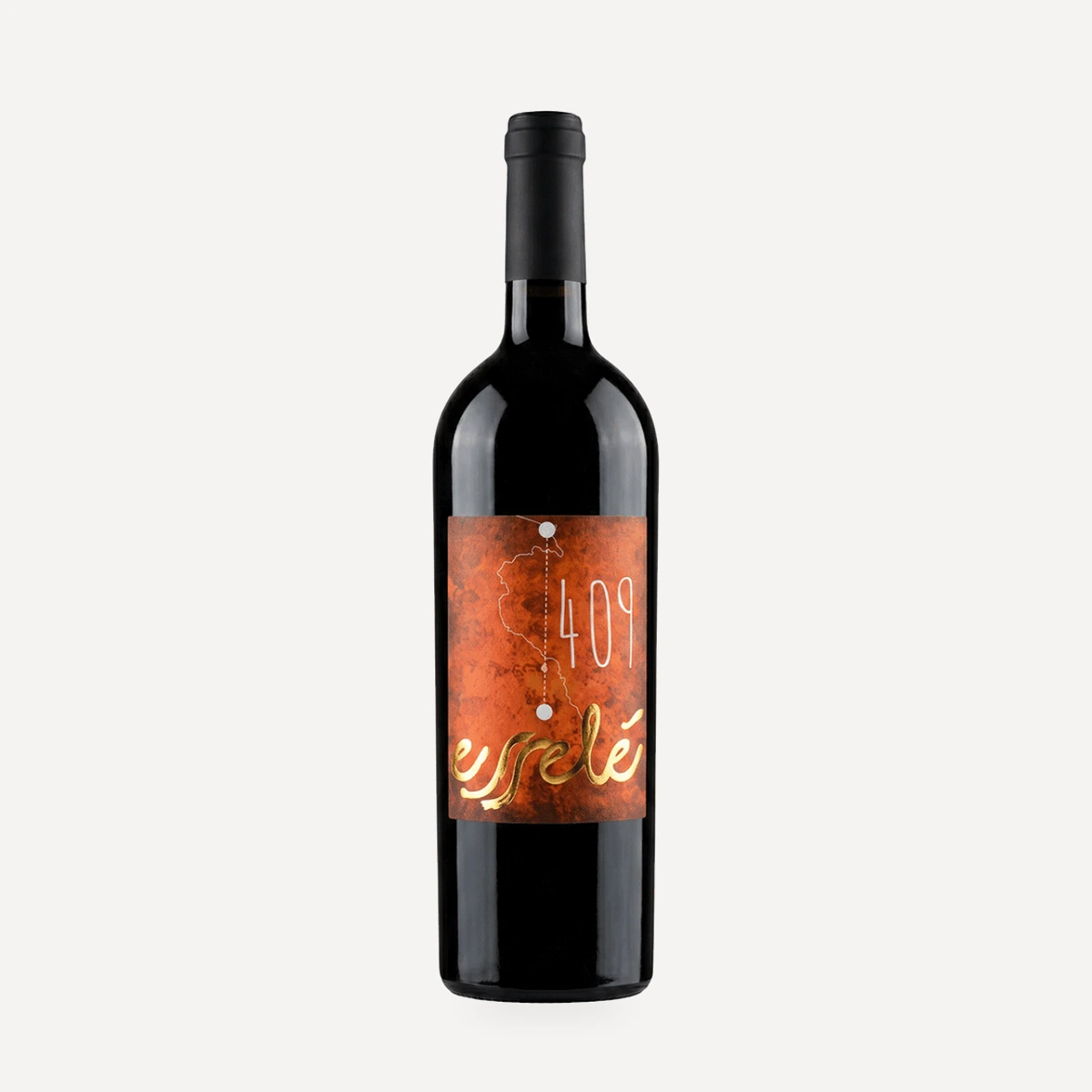
409
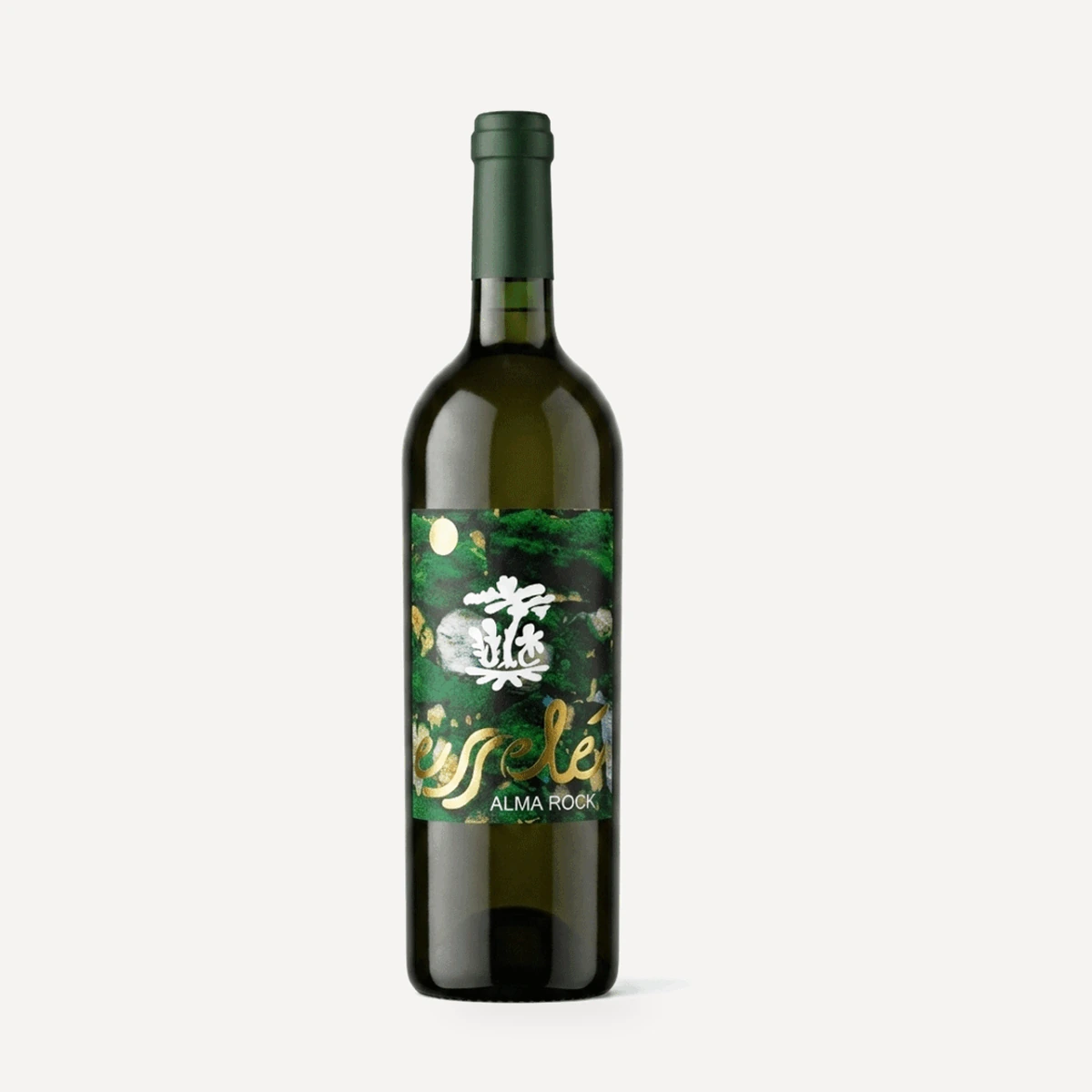
Alma Rock
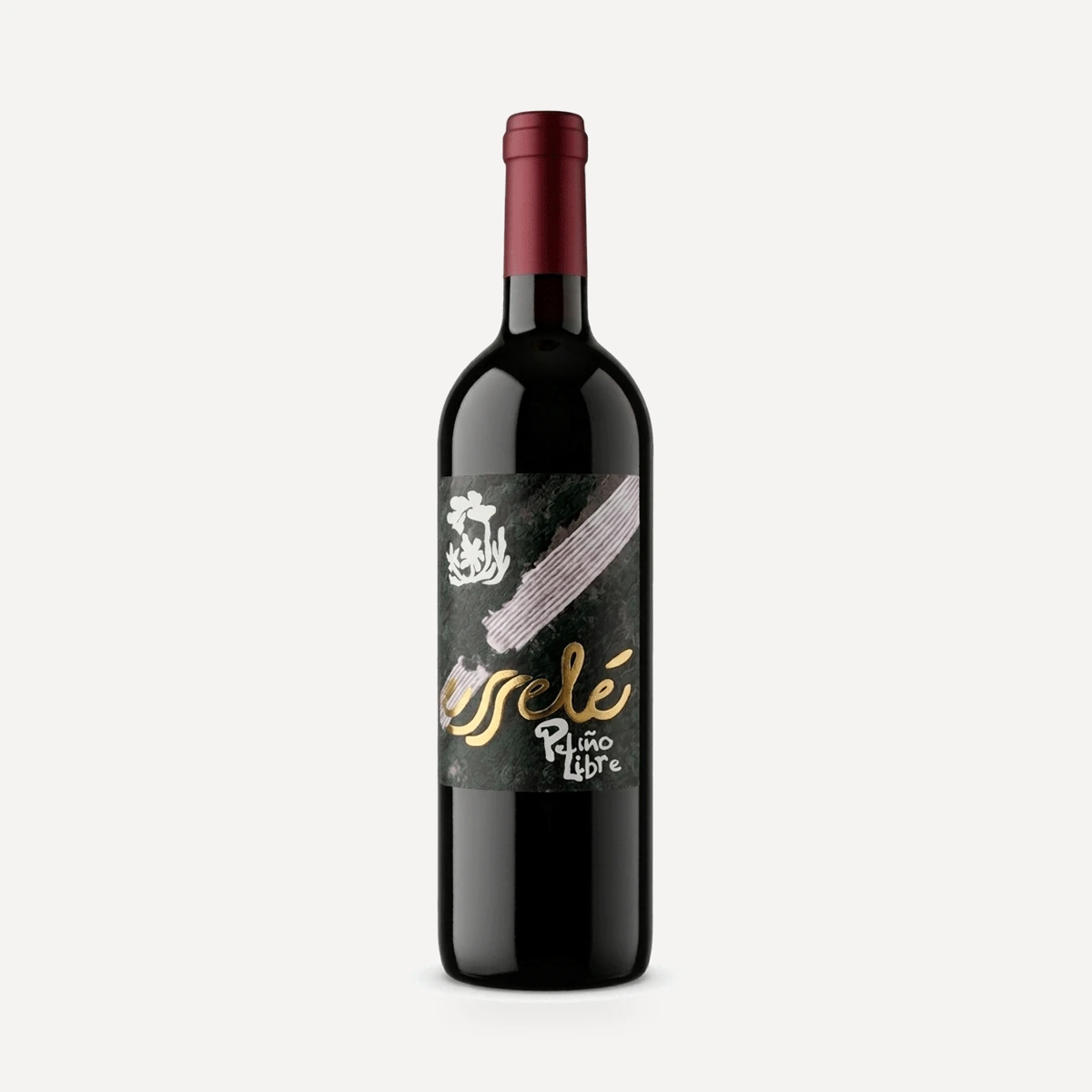
Peliño Libre
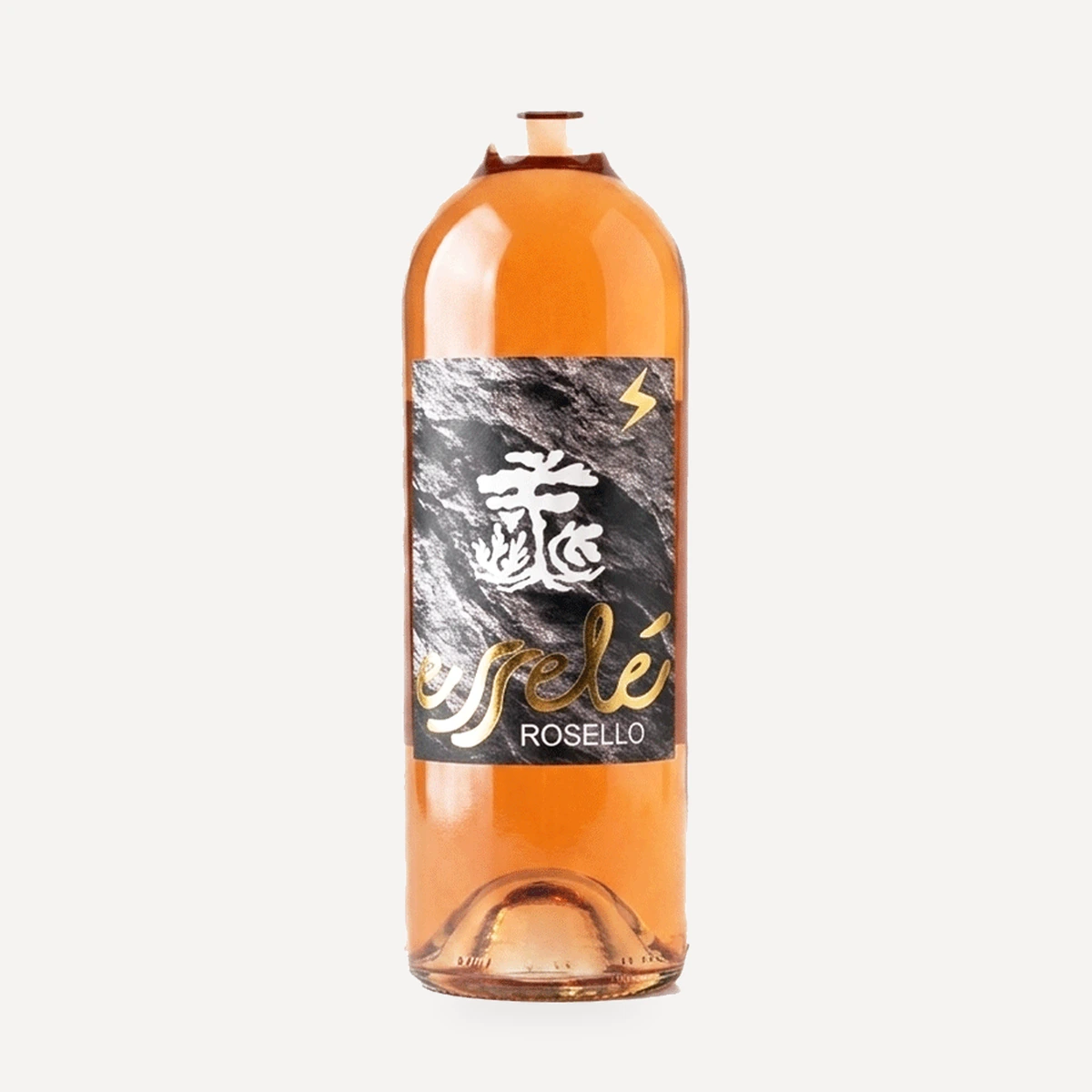
Rosello