Chi è
Fabulas is a winery in Abruzzo, Italy.
History, winemaking, wines and news for this producer are being prepared. Meanwhile, visit the official website.
Terroir
Fabulas’ vineyards lie in the municipality of Pretoro at 602 metres above sea level, within the agricultural landscape of Majella National Park. They occupy a mountainside influenced by the Majella massif, while the Adriatic Sea is approximately 35 km away.
Pronounced differences between daytime and nighttime temperatures are associated with greater sugar accumulation, slower acid degradation, improved phenolic composition and stronger aromatic development in the grapes. The soils are medium-textured with a calcareous tendency. Their natural fertility is linked to the historically limited exploitation of this mountain landscape.
The vineyards form part of an agricultural environment shaped by a millennial human presence in which plant, animal and agricultural biodiversity has been retained. Groups of trees and hedges interrupt the vine rows and contribute to the estate’s varied habitat.
Vinificazione
Fabulas manages its vineyards according to DEMETER agronomic standards and presents its approach as both organic and biodynamic. The farm model is intended to integrate plant and animal life, protect soil fertility and support the health of workers while pursuing higher grape quality.
Biodynamic spray and compost preparations form part of the approach. Vineyard treatments are restricted to copper, sulfur, and plant infusions and decoctions. Fertility is maintained with manure, biodynamic preparations, compost and green manures. Soil management includes shallow ploughing, mechanical weed control, legume cover crops and practices designed to conserve humus. Mechanical work is minimized.
Sheep graze among the vines, controlling spontaneous native vegetation and fertilizing the soil. The ground is periodically worked and sown with mixed cereals, flowers, clover and rapeseed. Trees and hedges break up the vineyard, bees forage among the diverse plants throughout the season, and nesting boxes provide habitat for several bird species.
Every stage from pruning through harvest is performed by hand. Grapes are collected in wooden boxes and in traditional baskets made from willow and cane. The mountainside position is associated with low disease pressure; plant protection is limited to copper and sulfur.
The estate also holds Biodiversity Friend certification, which assesses the territorial effects of agricultural practices in relation to environmental protection, soil fertility and worker health. The certification date is not stated.
Fabulas links fermentation to the vineyard ecosystem. Indigenous yeasts are selected from the local environment, including strains associated with pollen from chamomile and sulla, and introduced into the cellar to influence spontaneous fermentations. The objective is for yeast metabolism—including its secondary fermentation products, not only alcohol and carbon dioxide—to convey elements of the local ecosystem.
For still white wines, spontaneous fermentation without commercial selected yeasts takes place in temperature-controlled stainless-steel tanks, followed by approximately six months of bottle ageing. The copper-coloured Pinot Grigio receives 4–6 hours of contact between skins and must before white-wine vinification. Its spontaneous fermentation uses indigenous yeasts, and the cellar avoids modern decolourising techniques and products that are not permitted within the biodynamic approach, allowing the natural copper-to-pink tone to vary with the vintage.
Red-wine production includes tank maceration with manual pumping over and punching down. Fermentation takes place in cement tanks for 15–25 days, with duration determined by temperature and grape ripeness. Ageing is divided between barriques and stainless-steel tanks for six months, combining the fruit retained in tank with the palate softness contributed by barrique. A further 6–8 months of bottle ageing follows.
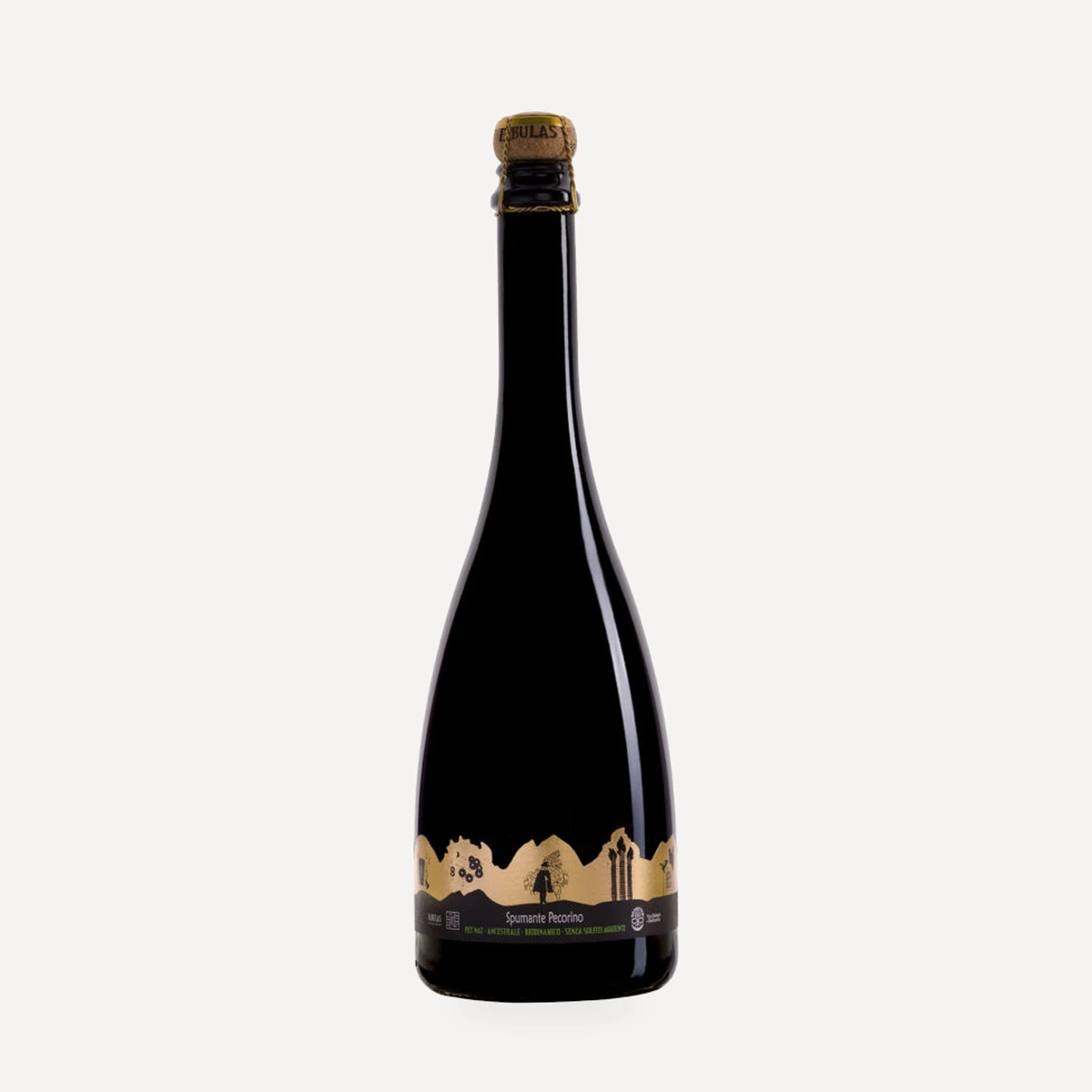
The ancestral sparkling process begins with fermentation in tank. Fermentation is arrested by cooling the must to 6°C when 18 g/L of residual sugar remains. After bottling, this native grape sugar drives a second fermentation without added sucrose. The wines mature sur lie on their own yeasts and remain naturally cloudy; they are bottled unfiltered, are not disgorged and receive neither added yeast nor added sulfites.
Filosofia
Fabulas presents the vineyard as an agricultural organism rooted in its territory rather than an isolated monoculture. Its biodynamic model combines grape quality with environmental protection, soil fertility, biodiversity and worker health. Plant diversity, grazing animals, native yeasts, trees, hedges, bees and birds are treated as interconnected parts of the estate.
The producer defines its role as one of territorial stewardship. Minimal mechanical work, manual vineyard operations, spontaneous fermentation and the use of local yeast populations are intended to retain a close relationship between wine and place.
Cultural continuity is equally central to the brand. The labels form a journey through Abruzzo’s legends, local customs and collective memory: Maja and the Majella, transhumance, brigandage, emigration, traditional songs, the sciacquajje earrings and the farchie of Fara Filiorum Petri.
Vini
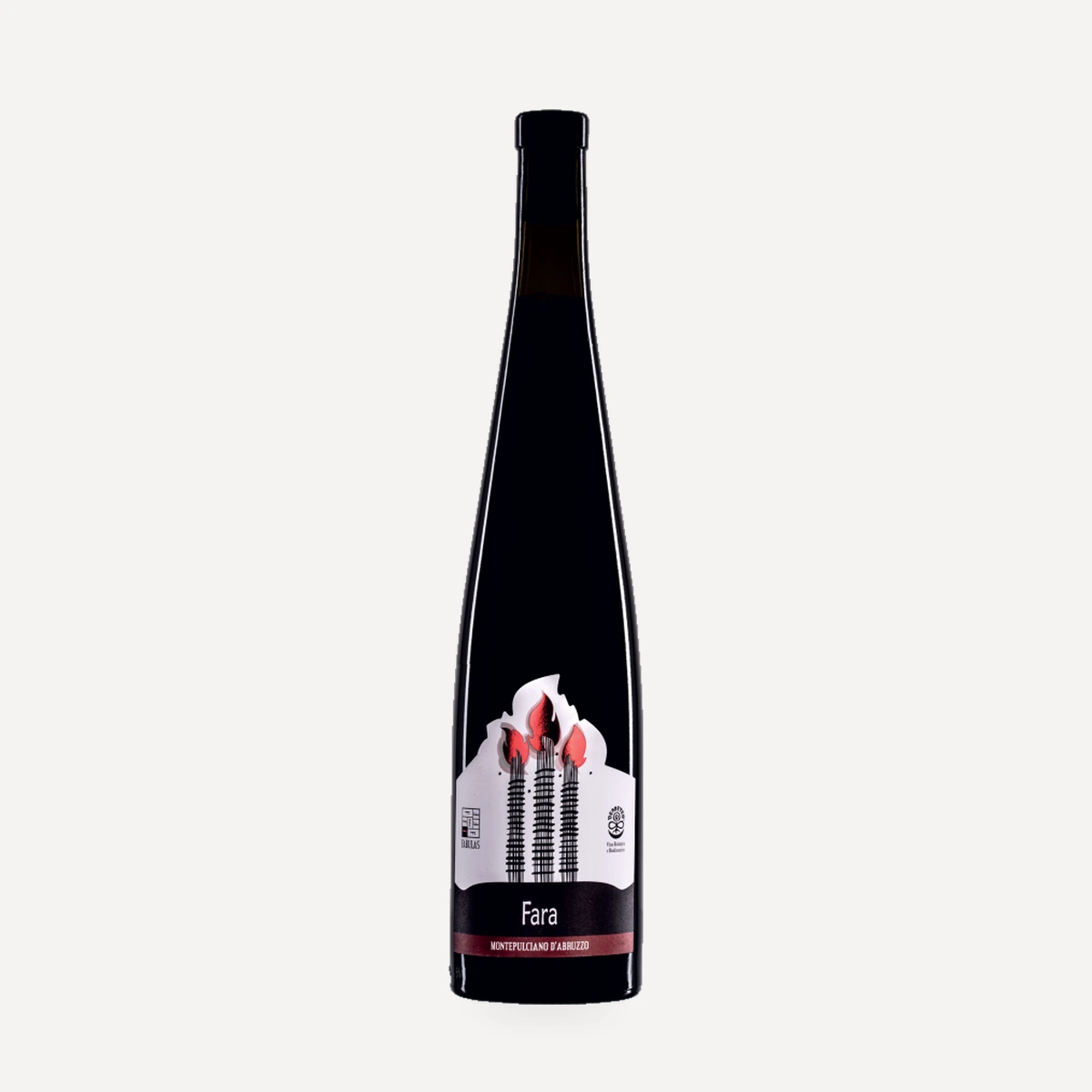
Farae
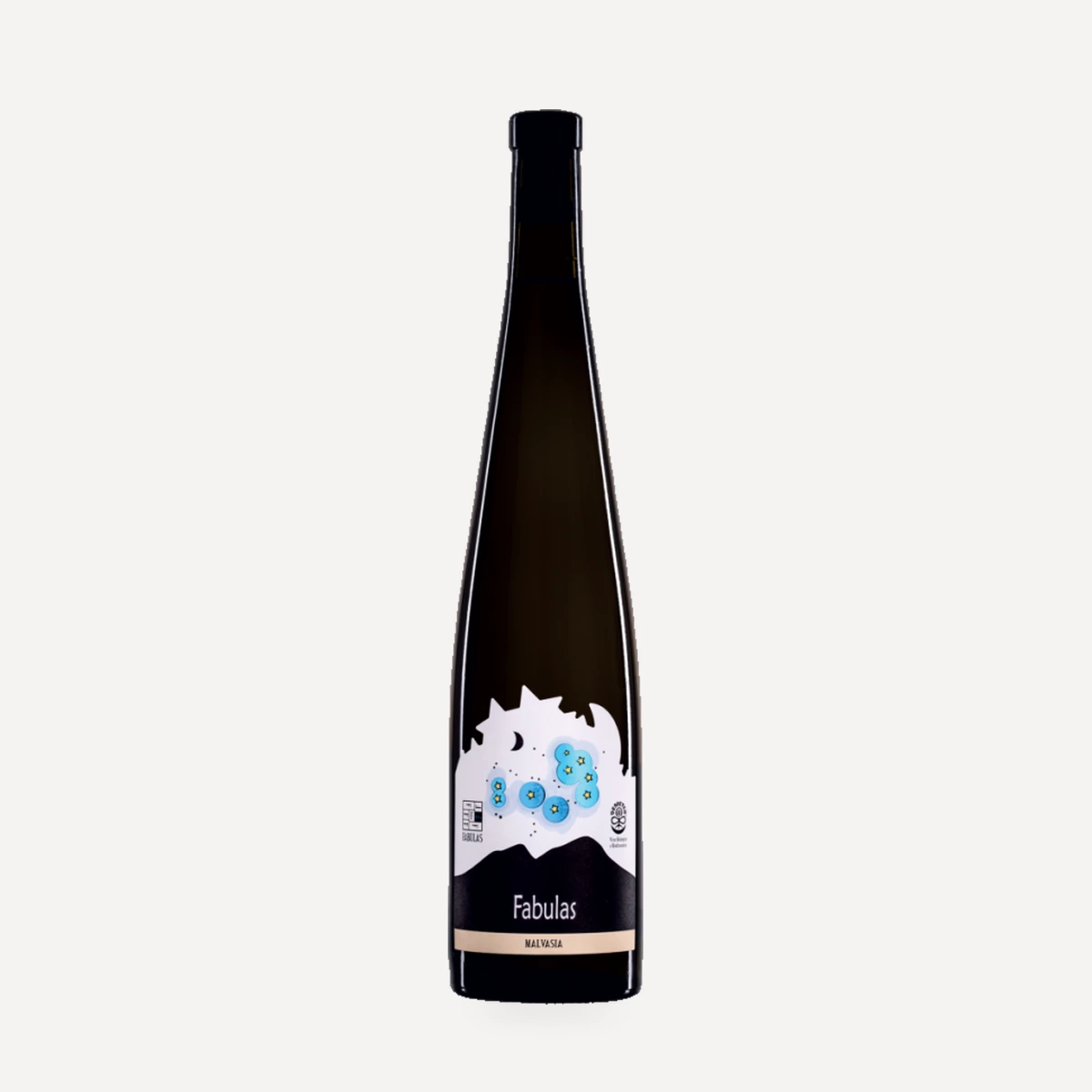
Fabulas
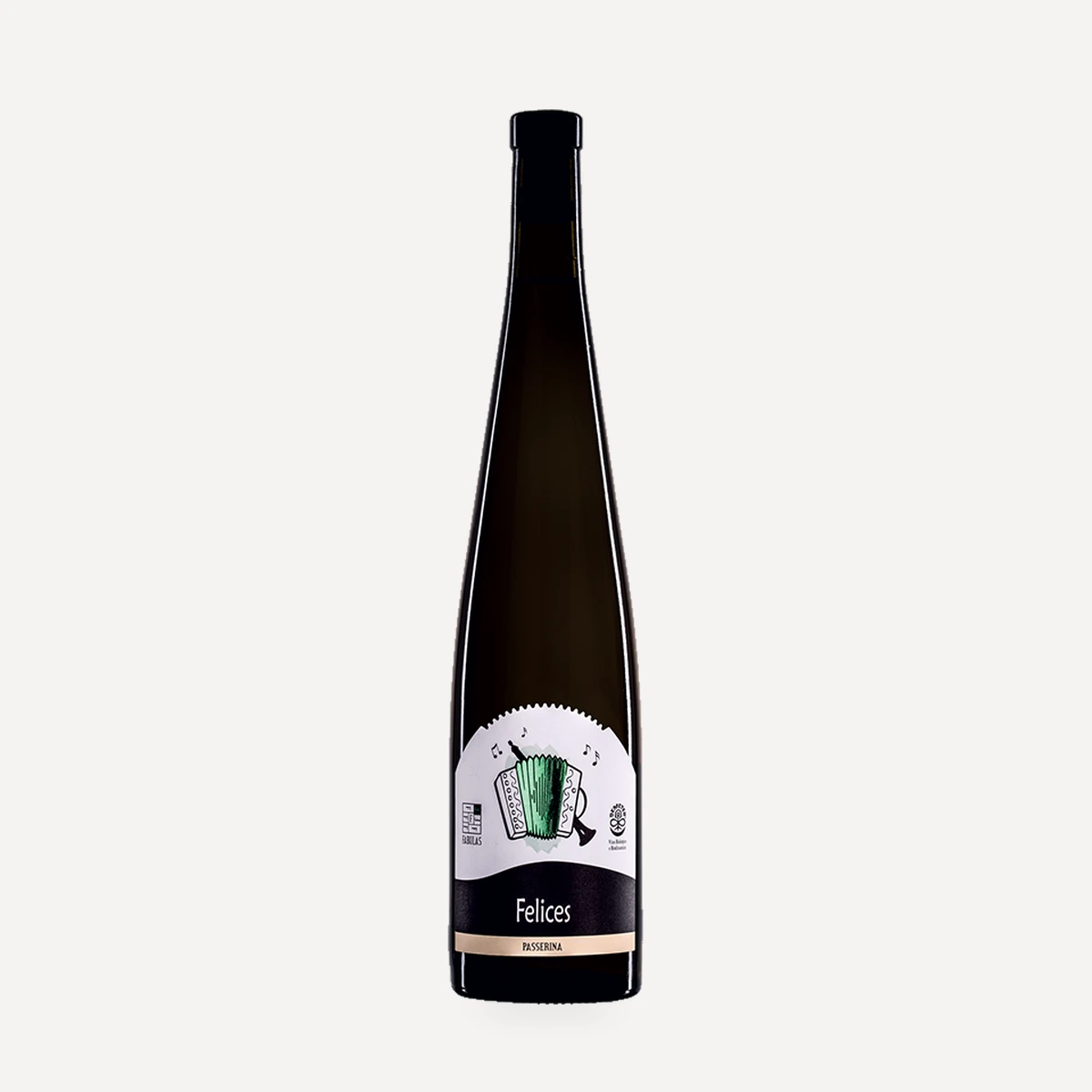
Felices
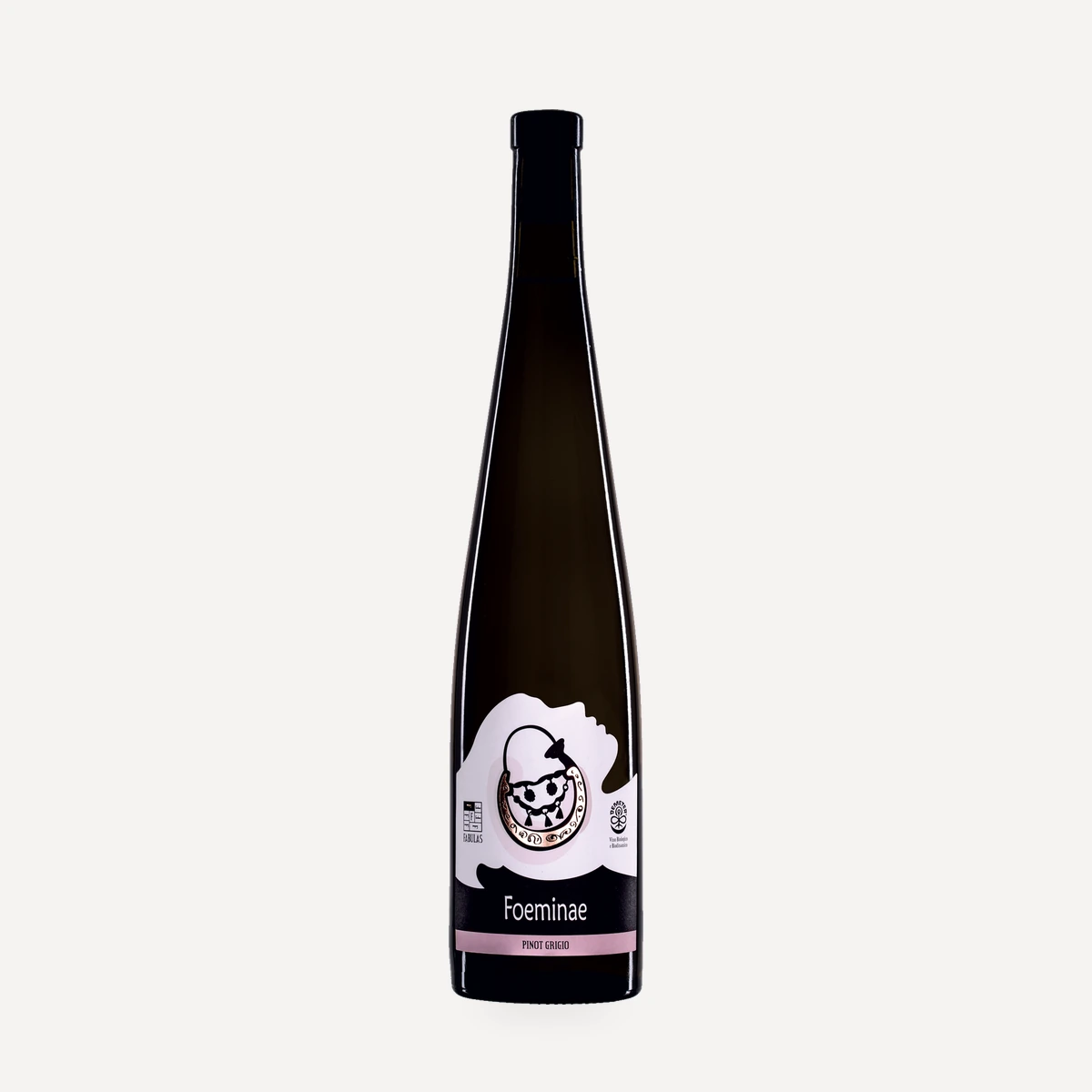
Foeminae
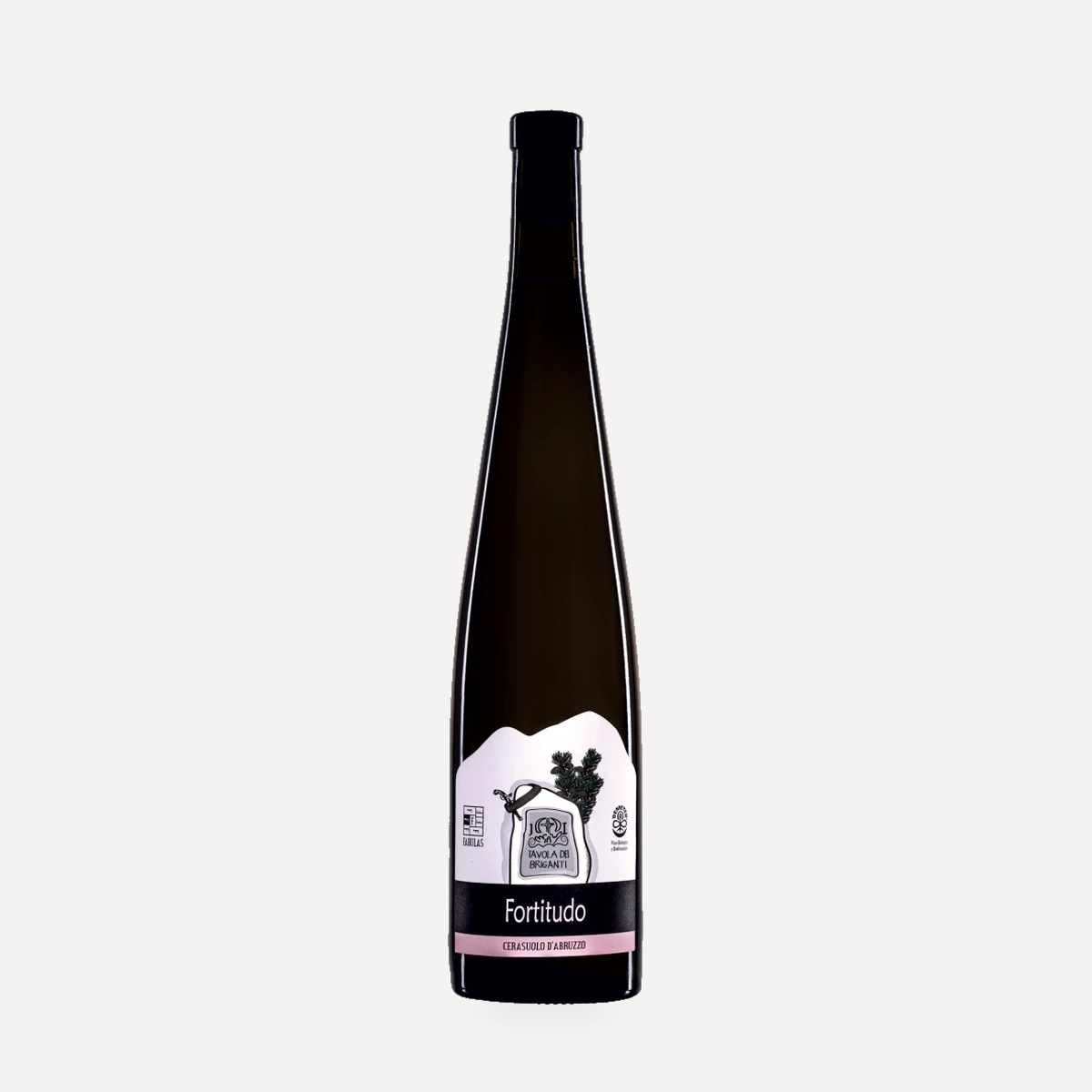
Fortitudo
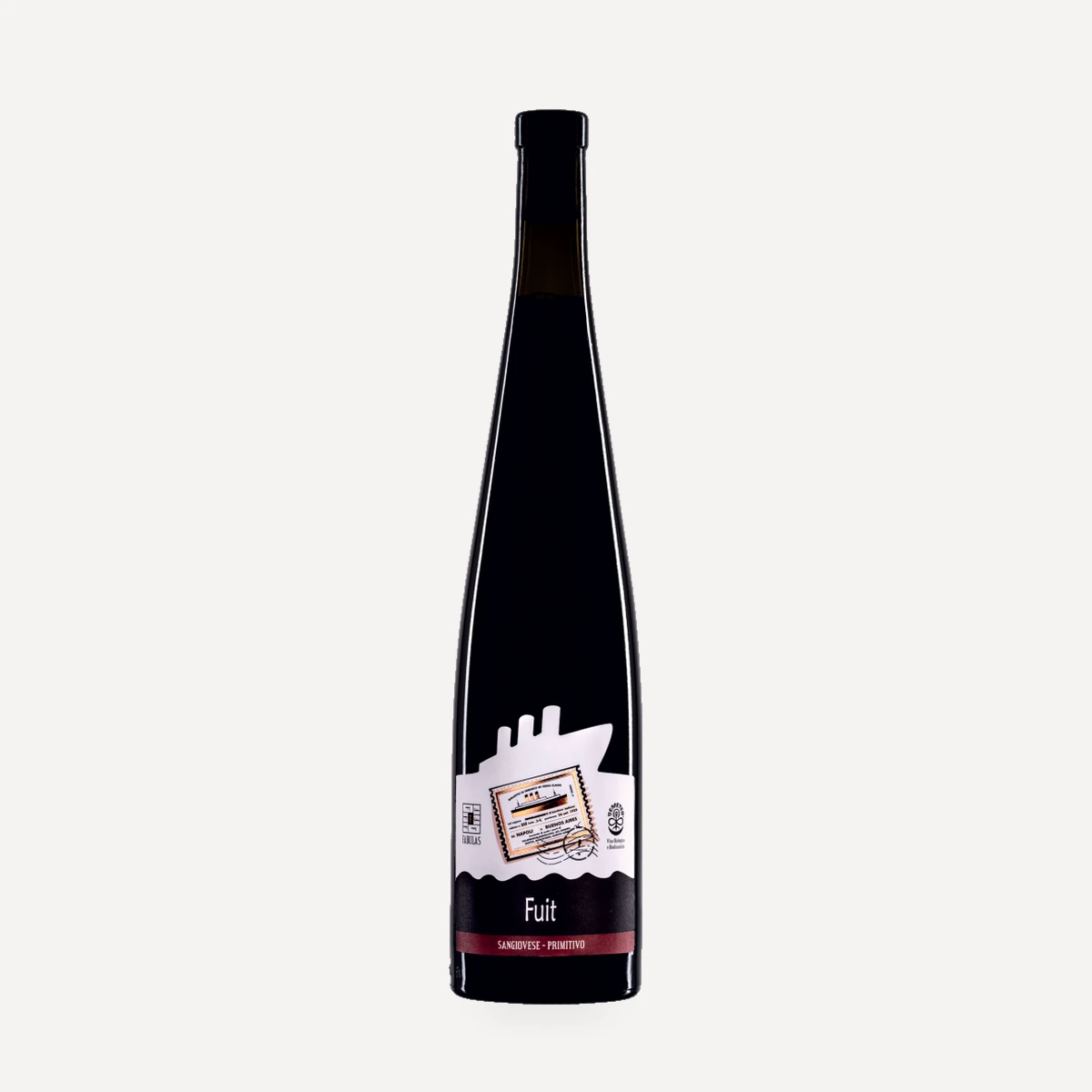
Fuit
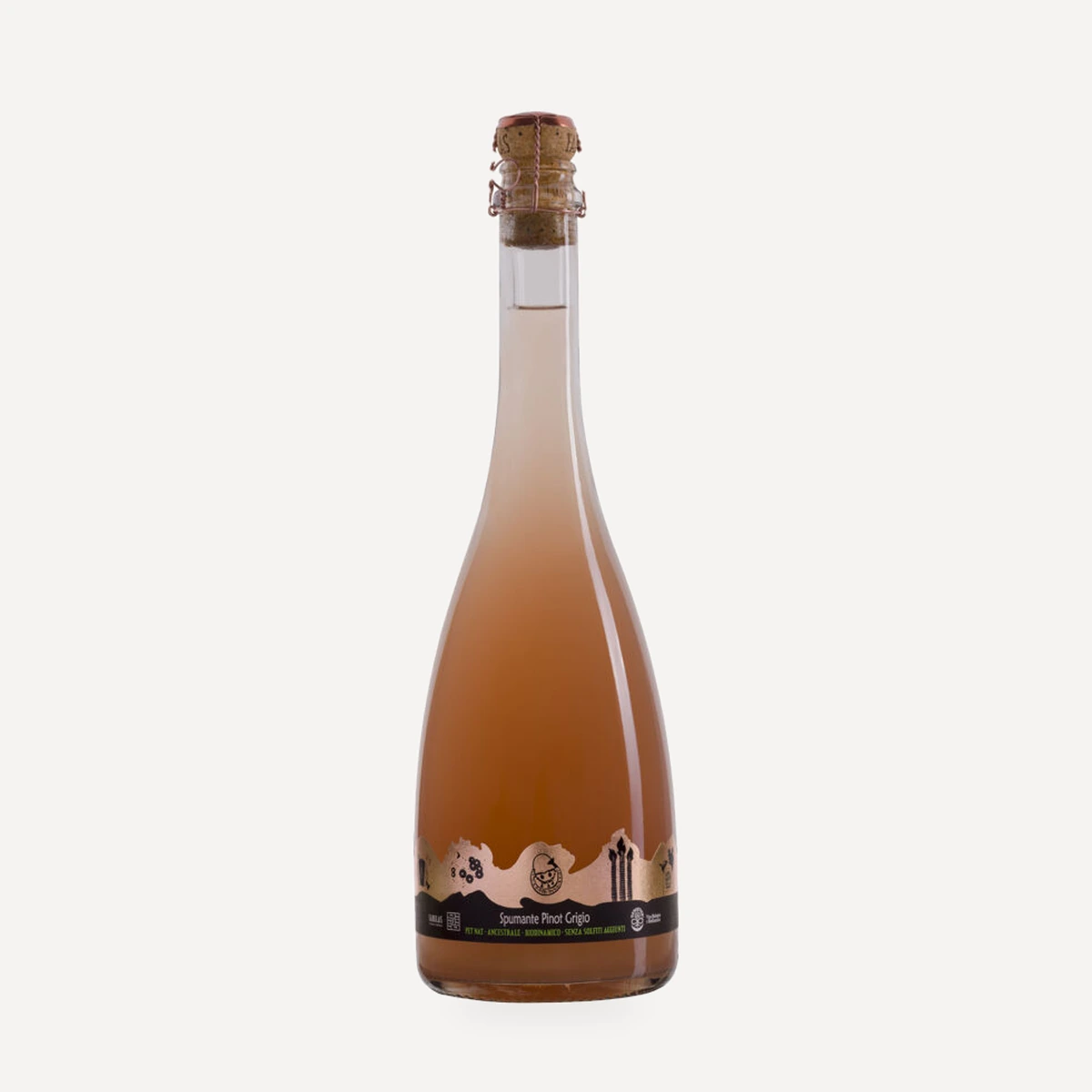
Sparkling Wine Pinot Grigio
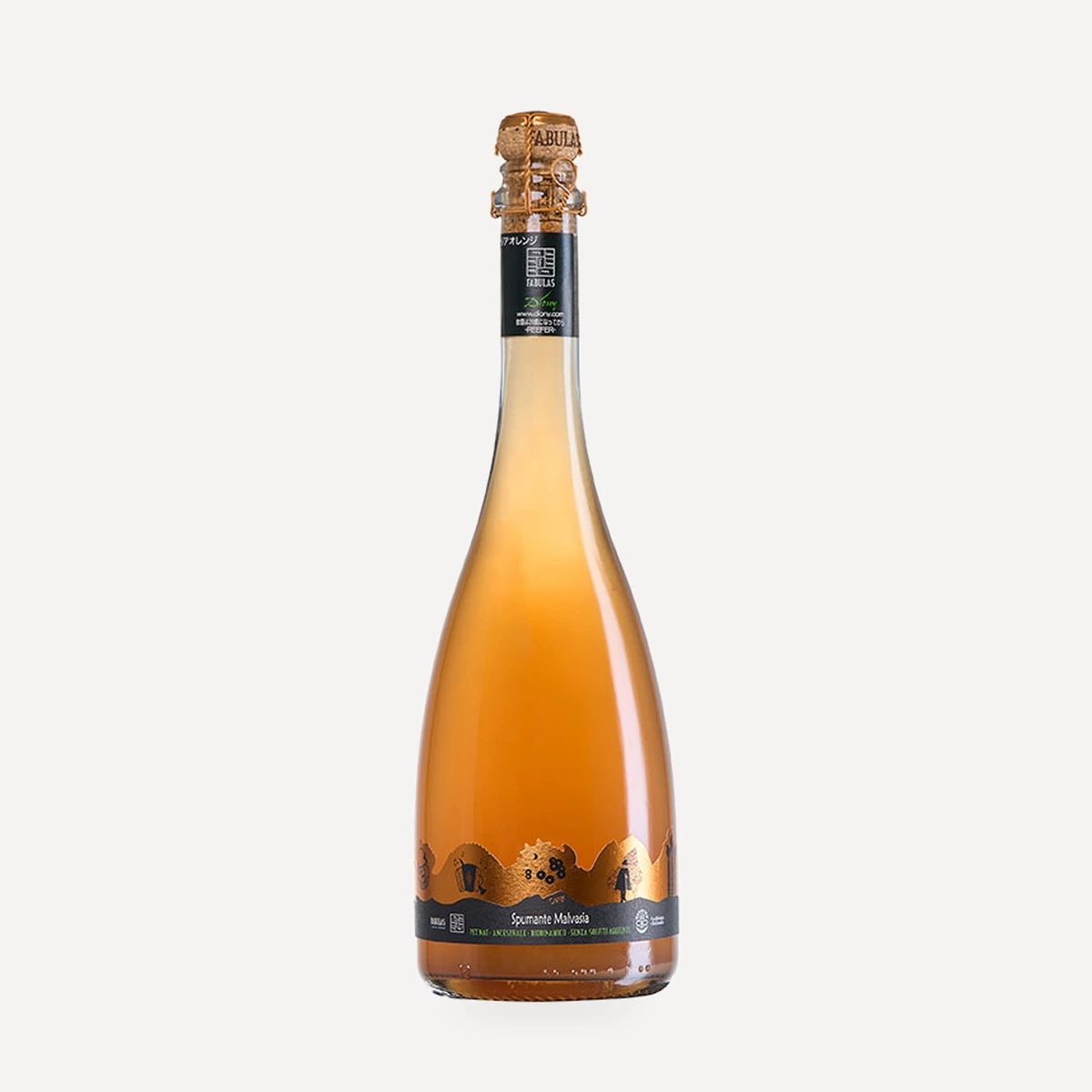
Sparkling Wine Malvasia