Storia
A young project in Crecchio
Feudi Bizantini was established as a young project by a group of wine enthusiasts who combined their efforts around the climate, soils, grape varieties and human work of Crecchio. No founding date or individual founders are identified.
The project developed around a modern winery in Crecchio, a historic Byzantine town whose hilltop centre is dominated by a medieval castle. Its stated direction joins respect for Abruzzo’s viticultural heritage with technological innovation, research, viticultural zoning and clonal selection. Particular attention is given to local varieties, led by Montepulciano and also including Trebbiano, Pecorino and Cococciola, while the Terre dei Rumi range introduces blends involving international varieties.
Terroir
Feudi Bizantini’s vineyards lie among the hills of the Province of Chieti in Abruzzo. The winery itself is in Crecchio, while the viticultural area described by the project extends through microclimates around Mount Maiella and towards the coastal zone of Ortona.
The vineyards occupy a position influenced by both the sea and the mountains. Sea and mountain breezes provide continuous ventilation and limit humidity. The proximity of the Gran Sasso range, together with the vineyards’ elevation, produces wide day-to-night temperature changes. These cooling effects are associated with the development of aromatic freshness and complexity.
The soils are described as thin, mineral-rich and particularly rich in limestone, over a lighter clay-and-sand base. Feudi Bizantini associates this combination of soils, ventilation and diurnal variation with fully ripened fruit, fresh perfume and aromatic definition.
Vinificazione
Viticultural research focuses on zoning and clonal selection so that varieties can be matched to the mineral-rich soils and differing microclimates between the mountain and coastal sectors. The project also emphasizes the preservation and development of Abruzzo varieties, particularly Montepulciano, Trebbiano, Pecorino and Cococciola.
No organic, biodynamic or other farming certification is identified, and no detailed information is supplied about soil cultivation, cover crops, pruning, disease control, irrigation, harvest dates, picking method or vineyard sorting.
Production takes place in a modern winery in Crecchio. The technical approach is based on temperature control, non-oxidative handling and stainless-steel fermentation, with barriques used for selected components and cuvées.
For white-grape processing, whole bunches can be rapidly chilled in a dedicated cooling tunnel, initiating cold contact with the skins. After destemming, the grapes are softly crushed under inert conditions at 0.7 bar. Cold static settling takes place at 14°C for 24–48 hours, followed by fermentation in inerted stainless-steel tanks at 8–11°C. Stainless-steel maturation of three months is specified for white and rosé production.
Rosé processing includes non-oxidative handling and 12 hours of cold skin maceration in stainless steel before fermentation at 8–11°C.
Red-wine production includes destemming, soft crushing under inert conditions at 0.7 bar and maceration in stainless steel for approximately 15–20 days. Published fermentation temperatures range from 20–25°C to 24–26°C. Some reds remain in stainless steel, while others are partly or wholly matured in barriques. French and American barriques are both used, and certain barrel-aged reds receive 12 months of maturation. No general information is provided about yeast selection, malolactic fermentation, cap management, clarification, filtration, sulphur additions, blending, bottling or bottle ageing.
Filosofia
Feudi Bizantini presents its goal as a faithful expression of the traditions associated with its territory. Modern vinification technology is intended to be used in a measured, non-invasive way rather than as a substitute for place or grape character.
Its approach combines respect for Abruzzo’s viticultural past with innovation and research. Zoning, clonal selection and controlled cellar technology are used to interpret the limestone-rich soils and the contrasting microclimates between mountain and coast. The project seeks to preserve and develop local varieties while also giving some ranges an international dimension through blends with non-native grapes.
Vini
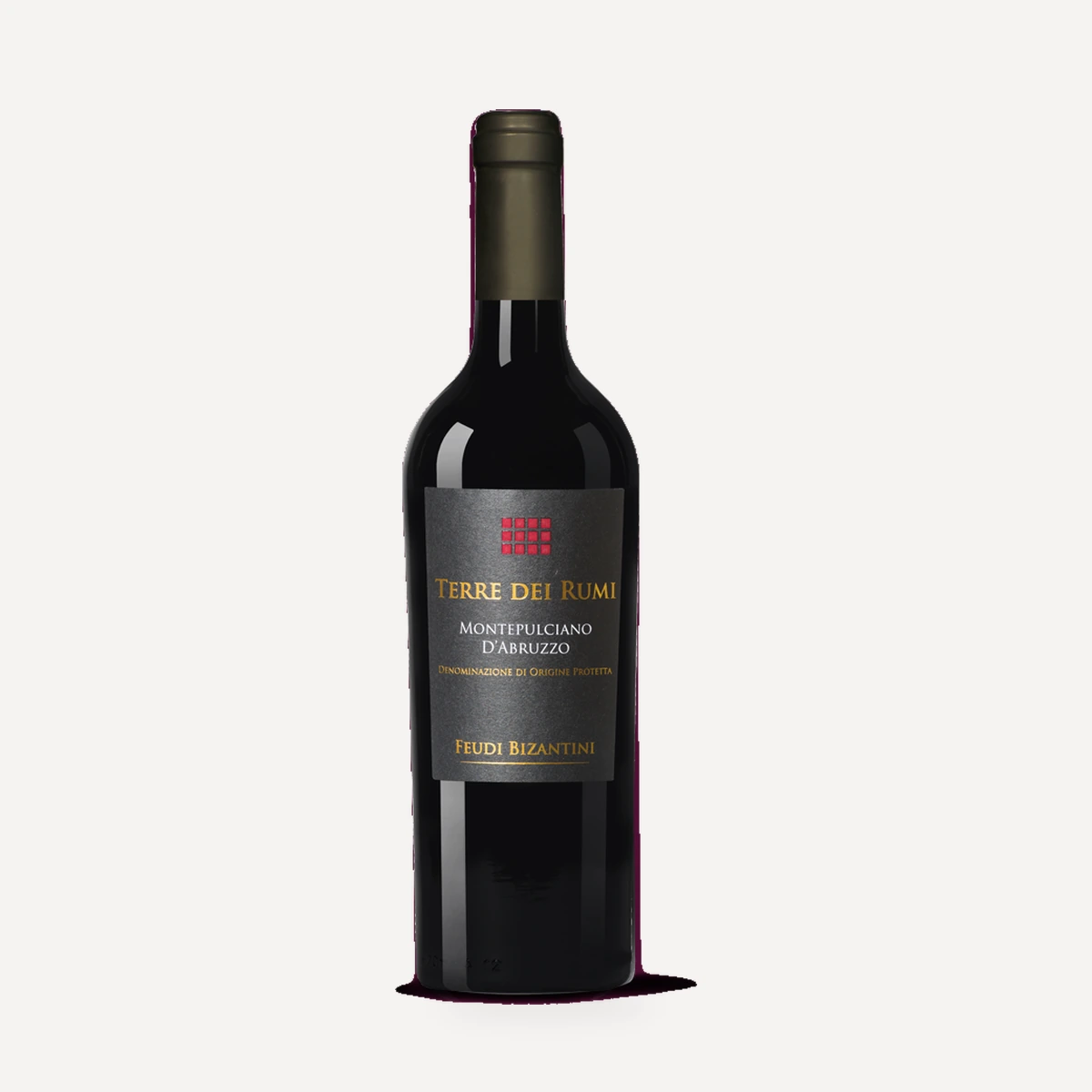
Terre dei Rumi Montepulciano d’Abruzzo
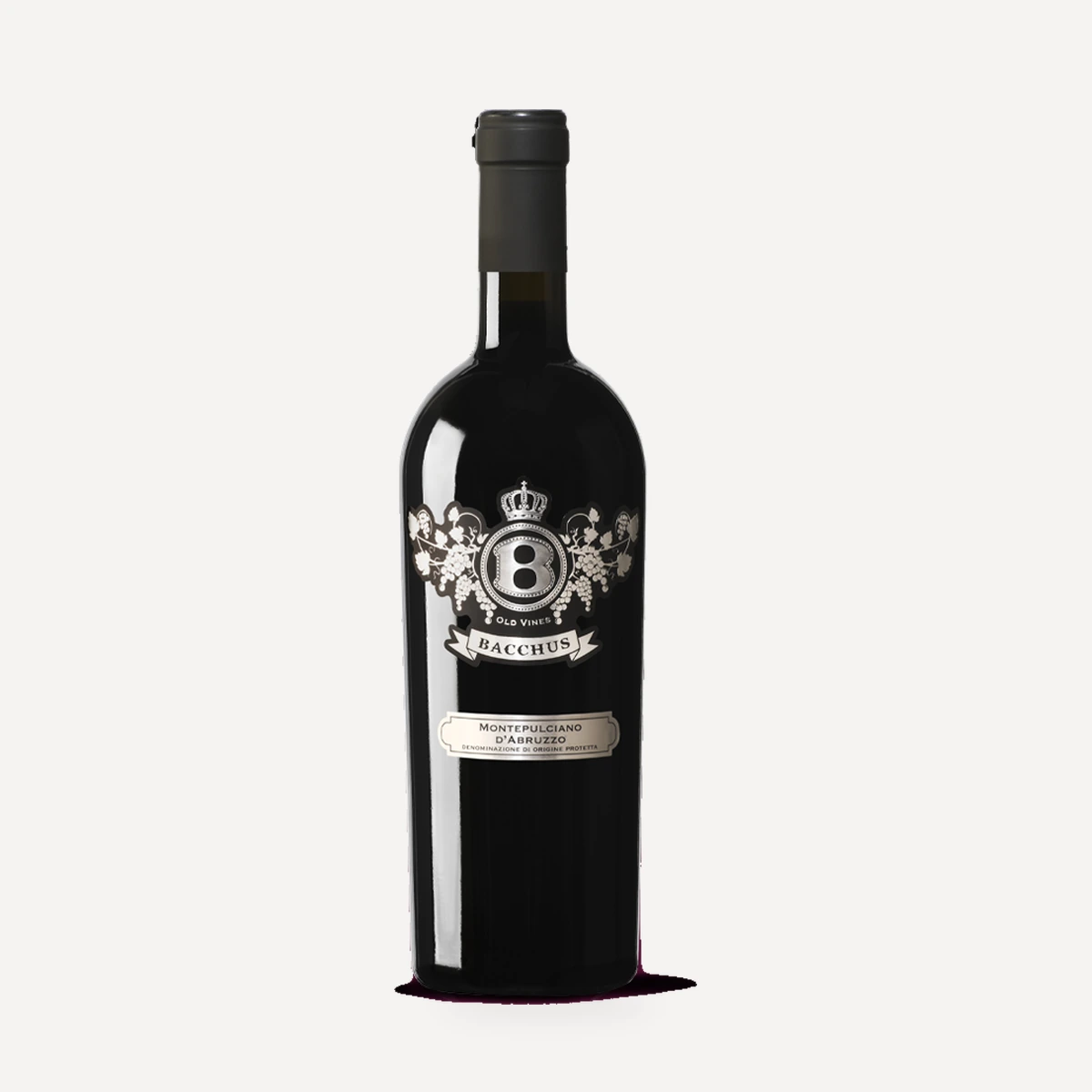
BACCHUS Montepulciano d’Abruzzo
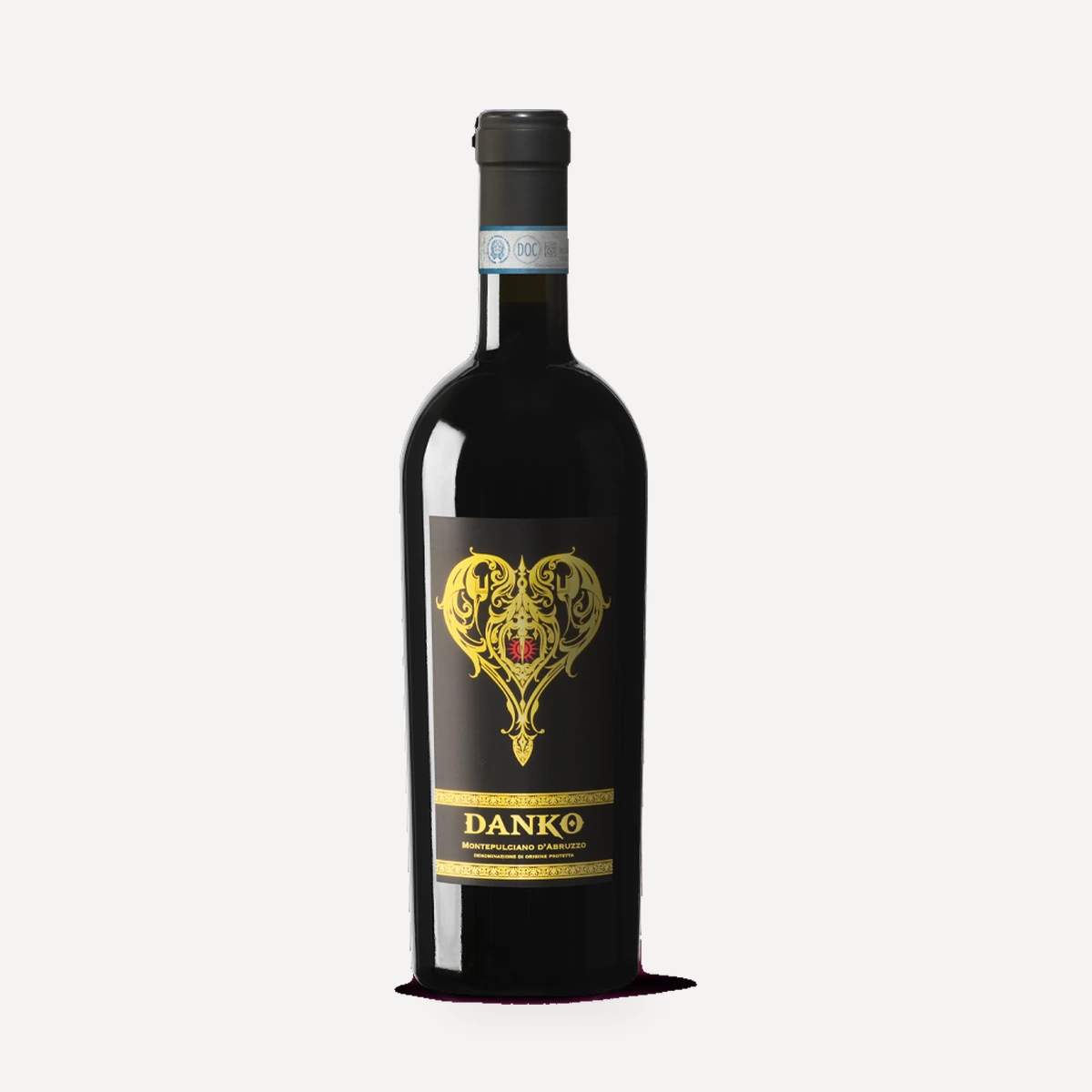
DANKO Montepulciano d’Abruzzo
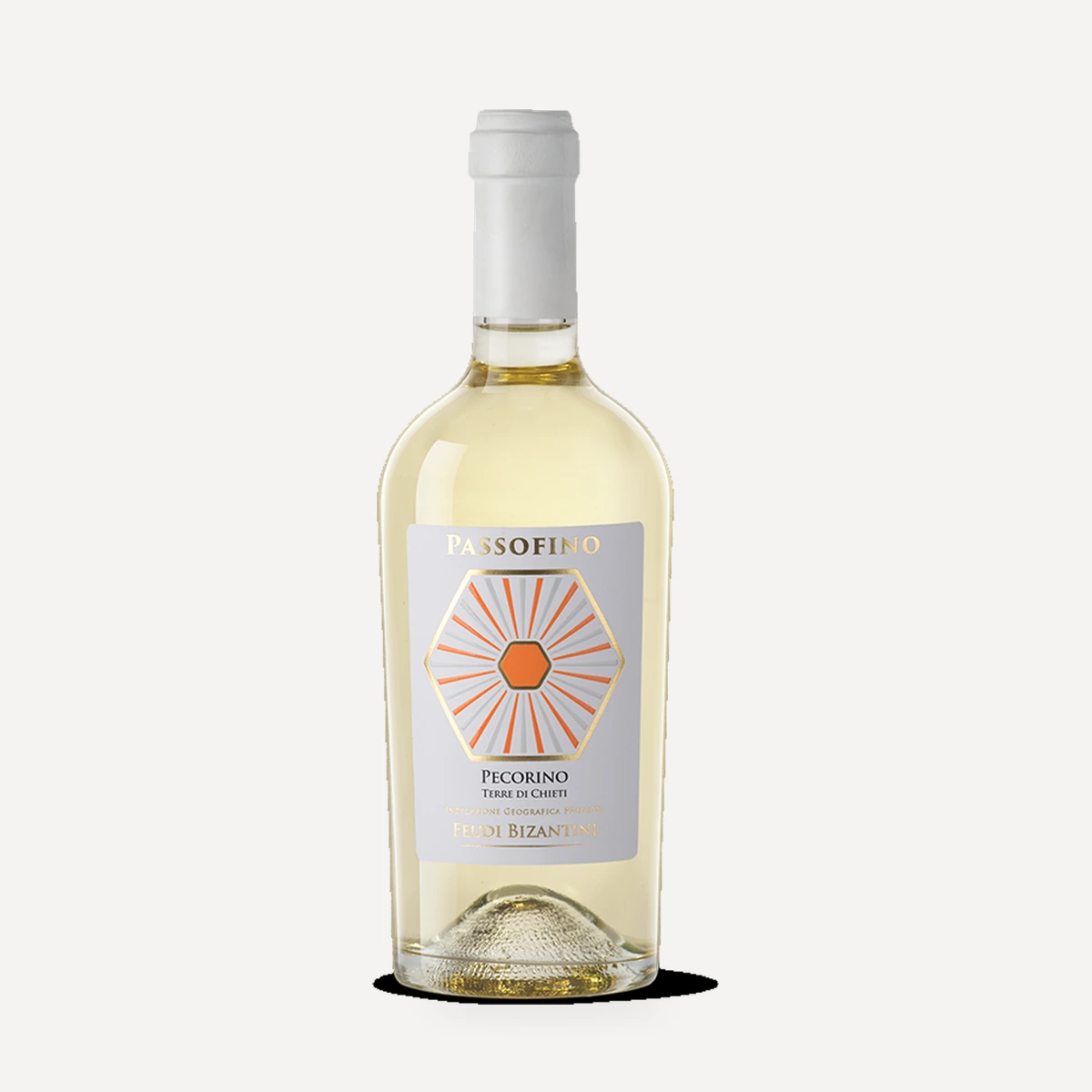
Passofino Pecorino
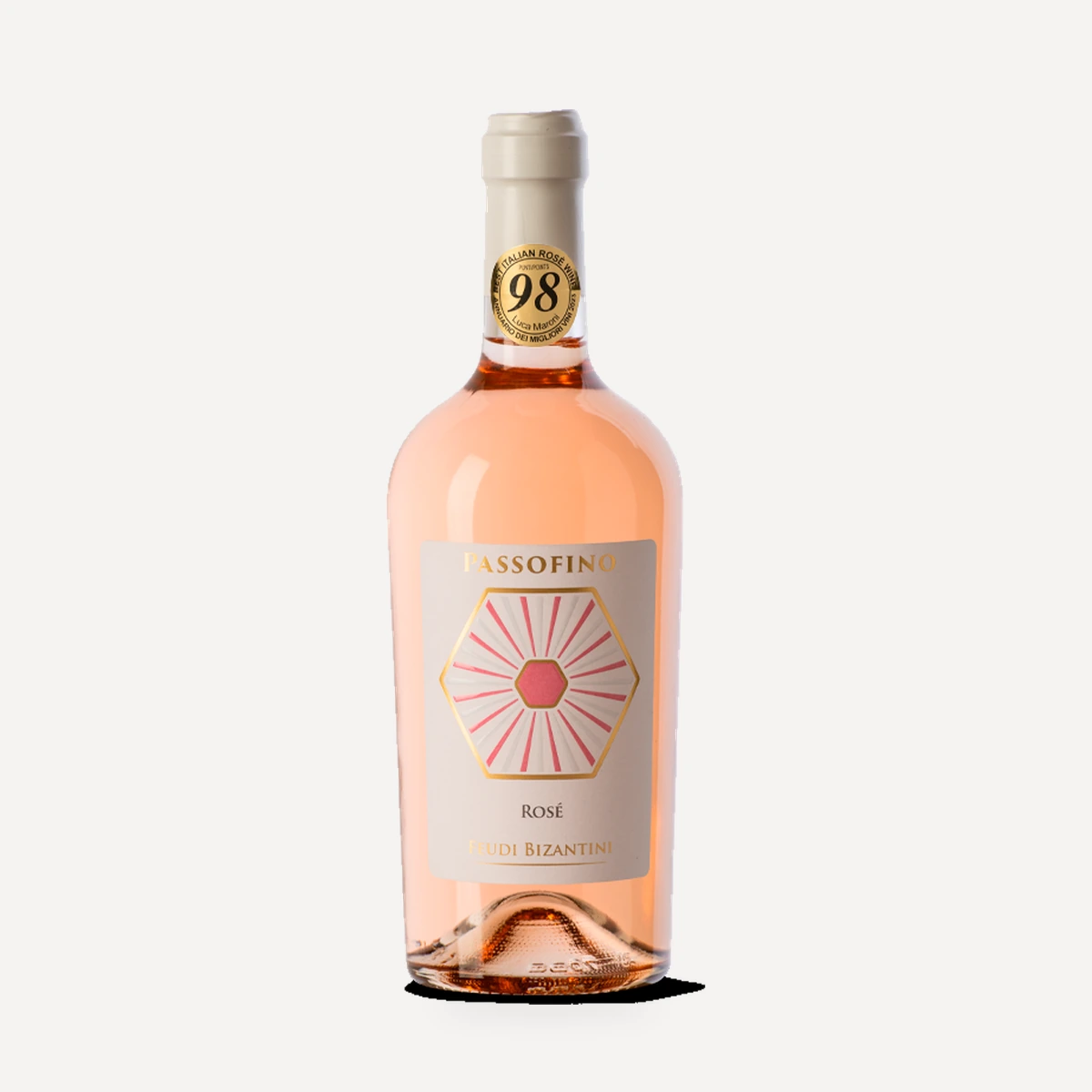
Passofino Rosé
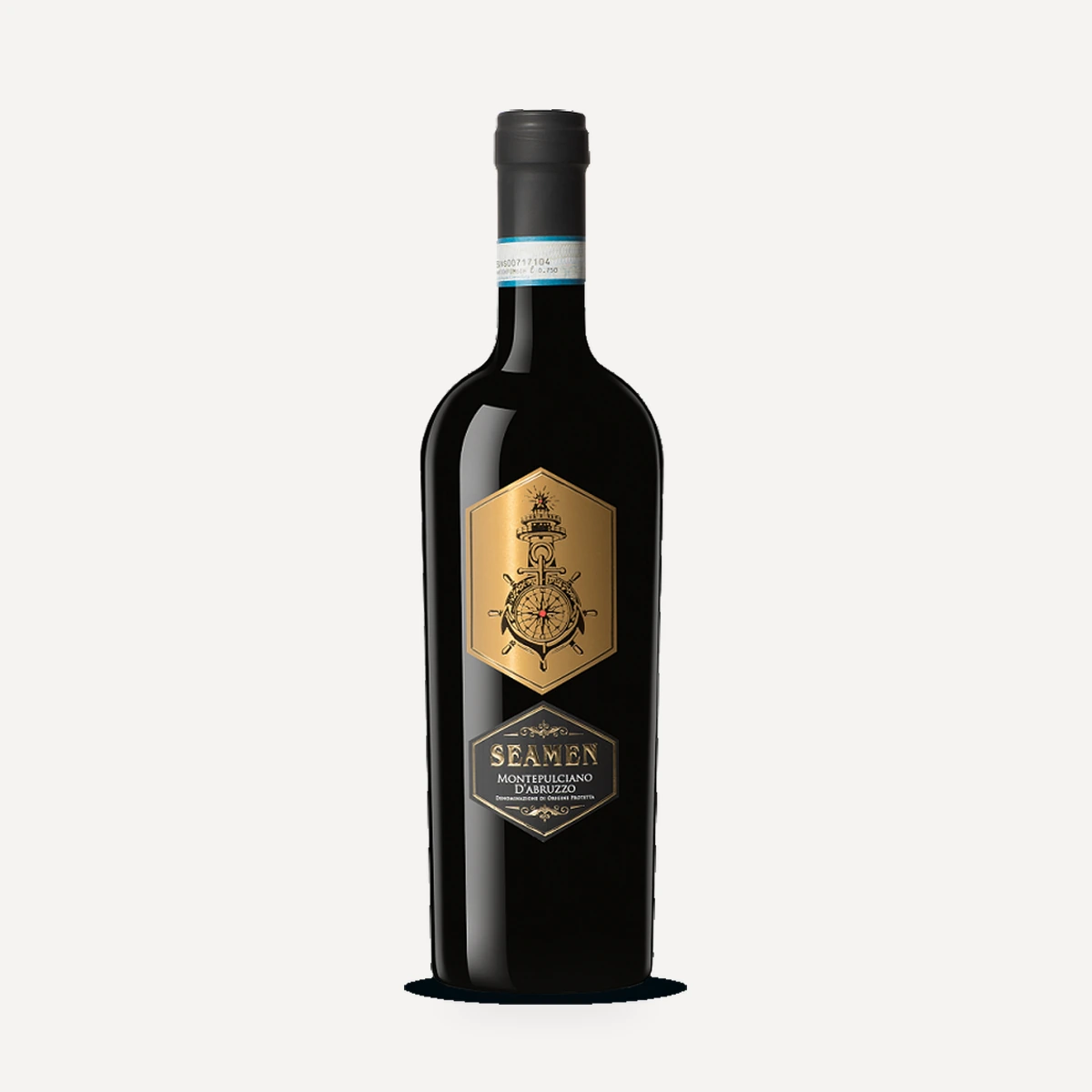
SEAMEN Montepulciano d’Abruzzo
IL RABDOMANTE Montepulciano d’Abruzzo
Passofino Montepulciano d’Abruzzo