Storia
Late 19th-century roots
The Miotti family’s agricultural roots at Colle di Santa Lucia in Breganze date to the late 19th century. Firmino Miotti describes the work as extending through his great-grandfather, grandfather and father before reaching him. The family cultivated vines and maintained a mixed rural holding centred on a farmhouse with a portico, pergola, hayloft, woodshed, poultry yard, rabbit hutches and a dovecote for torresani.
Firmino inherited both the land and the accumulated practical knowledge of his grandfather Pietro and father Francesco. His training included pruning, observing the vine’s natural rhythms and attending closely to the details of vineyard work. The family tradition was rooted in direct cultivation, peasant knowledge and the pursuit of quality.
The 1950s: Firmino takes responsibility
Firmino was still a young man when Francesco died prematurely in the 1950s. He took over the family holding and made it his life’s work, continuing to cultivate the vineyards while experimenting cautiously with new ideas. He remained directly involved in pruning, hoeing, winemaking and the everyday work of the farm.
Toward the end of the 1950s, Firmino met the young bookseller and writer Virgilio Scapin. Firmino recalled being 22 and Scapin 26. Their friendship linked the winery to Vicenza’s literary and artistic circles and later inspired stories based on the people, work and customs of rural Breganze.
1964 and the family household
Firmino married Pina in 1964 at the church of San Giorgio. Pina became part of the family enterprise and of the hospitality for which the Miotti farmhouse and cellar became known. Scapin attended the wedding and thereafter visited the family as often as several times a week.
The old caneva became an informal meeting place. Local friends were joined by writers, poets, artists, musicians, photographers and actors introduced through Scapin. Daytime vineyard work was followed by conversation, card games and discussion of the vineyards’ progress. Firmino supplied Scapin with stories of his forebears, local families, wartime memories and agricultural customs; Scapin transformed this material into literature.
The 1970s: stories born at the winery
Scapin began writing short stories to accompany Firmino’s wines in Christmas gifts. The first concerned Gruajo; another, La Fiora, grew from one of Firmino’s practical inventions, and La Prete followed. Five stories were collected in 1976 as I Magnasoéte. The book preserved the labour, humour, language and knowledge of the pre-industrial countryside that Scapin encountered through Firmino and Colle di Santa Lucia.
Preservation of native varieties
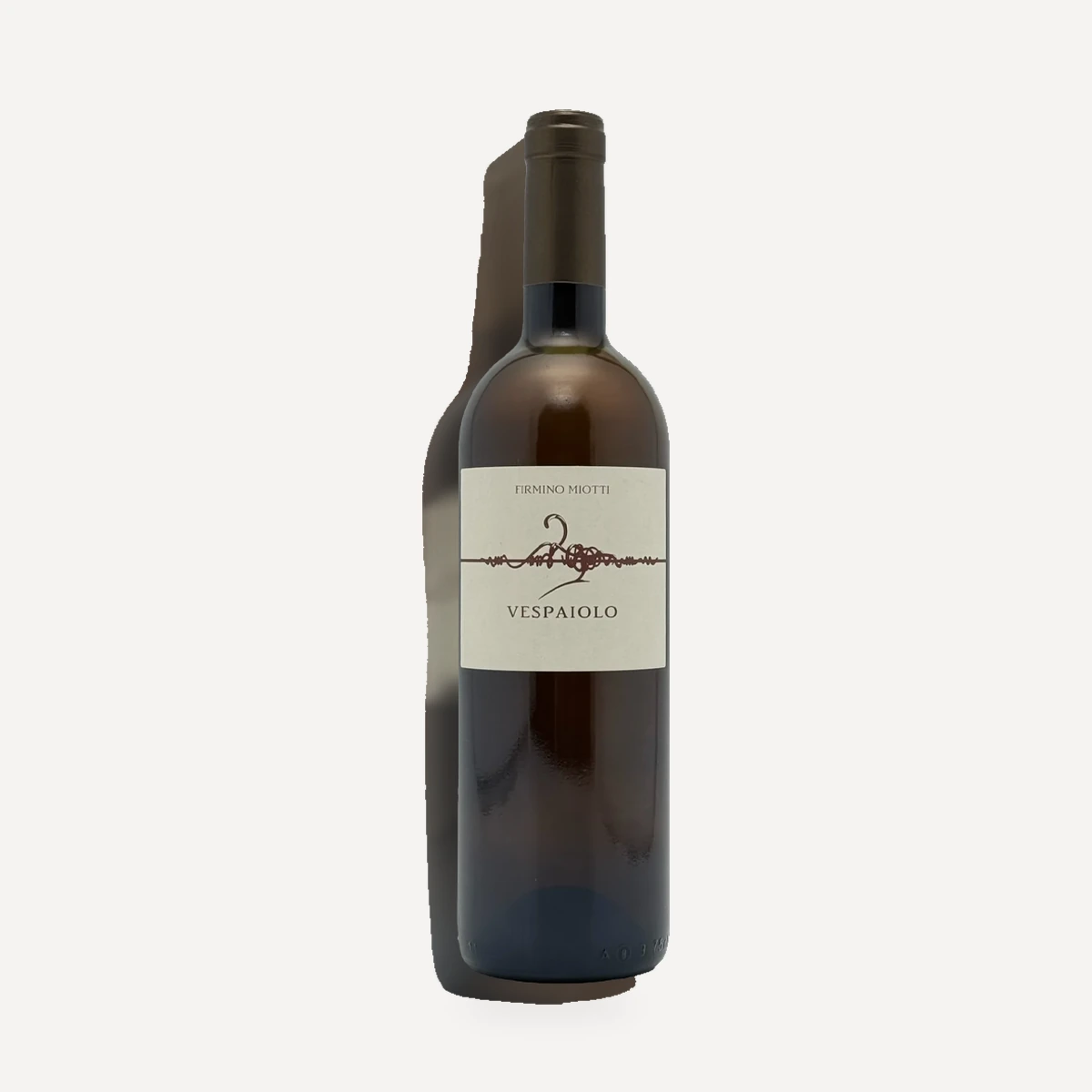
Over subsequent decades, Firmino worked to recover and protect historic Breganze grapes that had nearly disappeared. These included Gruajo, Pedevendo, Groppello di Breganze and Marzemina Bianca, locally known as Sampà or Sampagna. The varieties were retained and vinified separately rather than being allowed to vanish from local viticulture. Vespaiola remained central to both dry wines and the traditional production of Torcolato.
The family also helped found the Magnifica Fraglia del Torcolato and maintained the traditional practices of drying grapes for Torcolato and refermenting wine in bottle, while progressively adopting controlled fermentation, stainless steel, wood maturation and the classical method for sparkling wine.
A new production cellar
As production developed, winemaking moved from the old farm cellar to a spacious purpose-built winery across the road, close to the historic Miotti farmhouse. The older caneva was retained as a tangible link with the family’s agricultural and cultural history. Modern cellar practices were introduced without abandoning small-lot, family-controlled production.
Franca Miotti joins the winery
Firmino’s daughter Franca became a sommelier in 1992 and began formal training as a taster. After graduating from the University of Padua in Political Science with an economic specialization, she joined the family business in 1996, initially managing commercial activities.
In 1997 she attended viticulture and oenology courses at the École d’Œnologie of Université Bordeaux II and undertook further tasting and panel-test training. She later attended the University of Padua’s specialist oenology school in Conegliano. From the 2000s onward, she worked permanently in the cellar.
Franca introduced new perspectives, expanded the winery’s markets and developed practices including maturation in wood. She now serves as oenologist, owner and cellar manager, directing production across the range while working within the family’s established agricultural tradition.
The winery today
Firmino, Pina and Franca represent the family enterprise. The winery controls the entire cycle from cultivating and manually harvesting its grapes through vinification, maturation, bottling and direct sale, in keeping with its membership of FIVI. Production remains artisanal and limited, particularly for wines made from recovered native varieties and for long-aged sparkling wine.
The family combines inherited vineyard knowledge with controlled cellar techniques, wood and lees ageing, bottle refermentation and the classical method. Its continuing priorities are the identity of Breganze, the survival of local grape varieties, family continuity and direct hospitality.
Terroir
The vineyards lie at Breganze in Veneto, primarily on Colle di Santa Lucia within the Breganze DOC area. Their elevations range from approximately 200 to 400 m.
The hills are volcanic, with basalt and black tufa among the identified materials. The position is described as open, elevated and windy, with a view over the plain. Currents arriving from the Asiago plateau and the Prealpi Vicentine shape a temperate foothill microclimate.
Strong day-to-night temperature variation accompanies the volcanic soils. Together, these conditions are associated with natural acidity, mineral expression and the capacity for ageing. The family cultivates varieties historically adapted to this setting, led by Vespaiola, Gruajo, Pedevendo, Groppello di Breganze and Marzemina Bianca/Sampà, alongside Tai, Riesling, Merlot, Cabernet Sauvignon and Cabernet Franc.
Vinificazione
The Miotti family manages its own vineyards and harvests its own grapes as part of a fully controlled production chain. Vineyard work retains practices learned within the family, including direct pruning, hoeing, respect for the vine’s seasonal rhythms and detailed observation of individual plants.
Harvesting is manual. Grapes are selected as bunches and handled in small crates: documented protocols use 5 kg crates for selected red varieties and 10 kg crates for white and sparkling-wine fruit. Grapes intended for Torcolato are harvested in September and naturally dried in airy loft spaces until January.
Biodiversity is pursued principally through varietal conservation. For decades the family has recovered and maintained Gruajo, Pedevendo, Marzemina Bianca—also called Sampà or Sampagna—and Groppello di Breganze, all varieties that had approached disappearance from local vineyards. These are vinified separately, helping to preserve distinct plant material and the historical viticultural identity of Breganze.
The farming philosophy is artisanal and based on minimal intervention, manual harvest and limited use of oenological additives. No formal organic, biodynamic or regenerative certification is identified.
Production is controlled by the Miotti family from grape growing and manual harvest through vinification, maturation, bottling and direct sale. Work takes place in a spacious winery built across the road from the old farmhouse and historic caneva.
Harvested bunches are selected and moved in small crates. White and sparkling-wine fruit may be gently pressed and fermented at a controlled 18°C. Stainless-steel tanks are widely used, including maturation with fine lees kept in suspension. Selected native reds are picked into 5 kg crates, rested in an aerated room for approximately 10–15 days, completely destemmed and crushed, then macerated for about nine days with frequent punch-downs and pump-overs. These wines can mature in stainless steel on fine lees and undergo spontaneous malolactic fermentation.
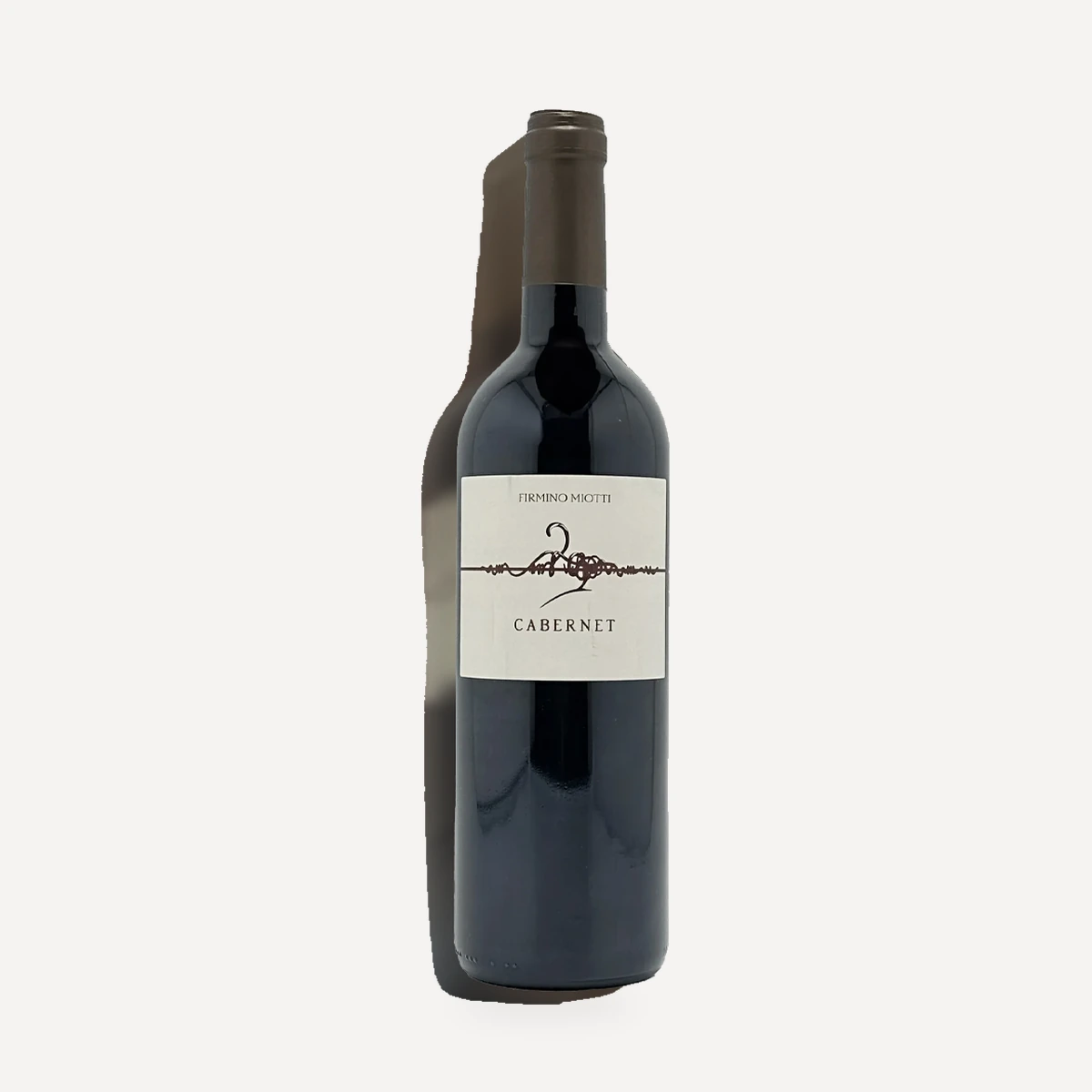
Structured red wines mature in oak. Small French oak barrels are used for the principal red blend, while part of the Vespaiolo production matures in acacia barriques; stainless steel retains the balance of that wine. Other whites and native-variety wines generally remain in steel or on their lees to preserve freshness and varietal identity.
Traditional sweet-wine production begins with manually harvested Vespaiola. Bunches dry naturally from September until January, concentrating sugar, aroma and acidity before gentle pressing, slow fermentation and extended cellar maturation. The name Torcolato recalls the older practice of twisting bunches while they dried.
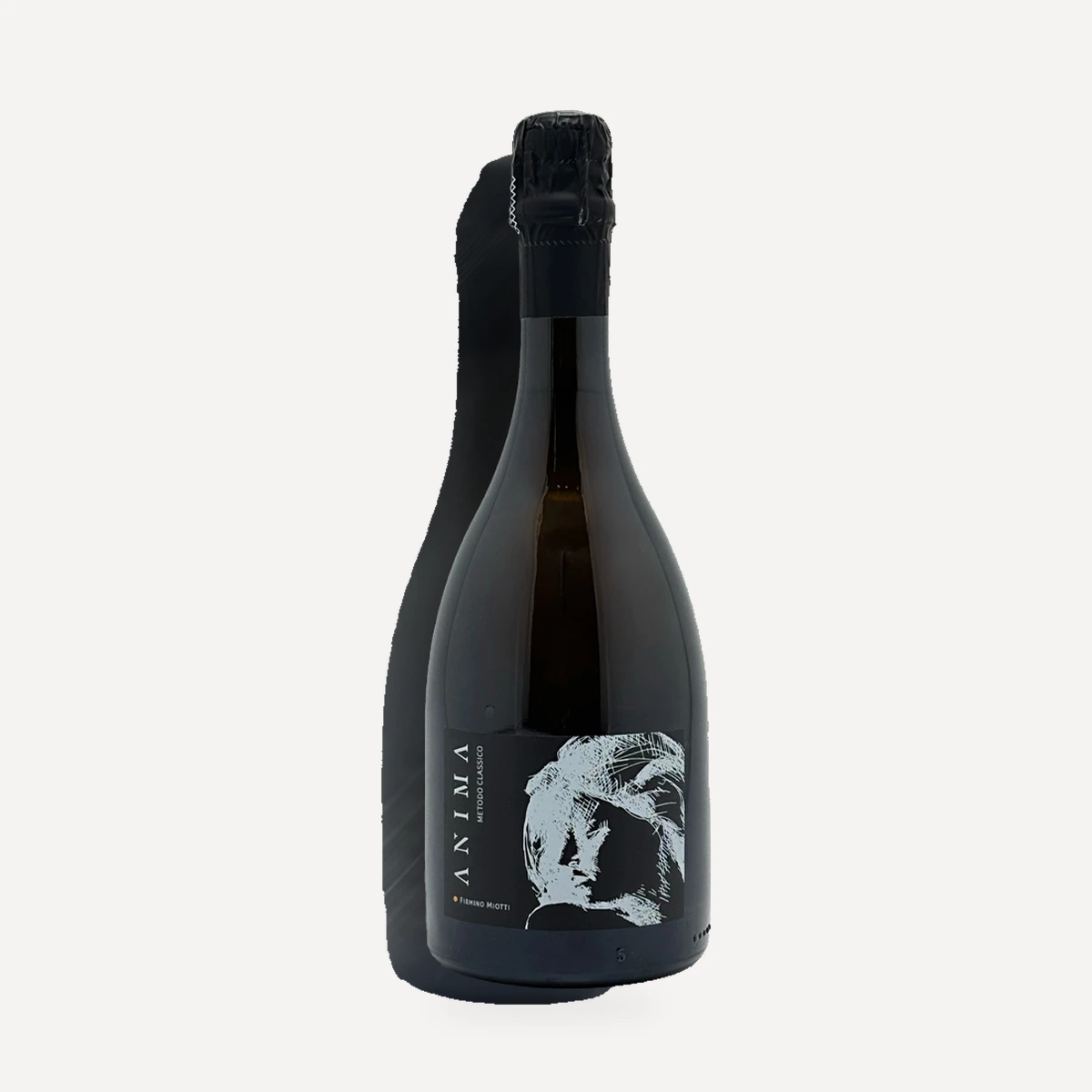
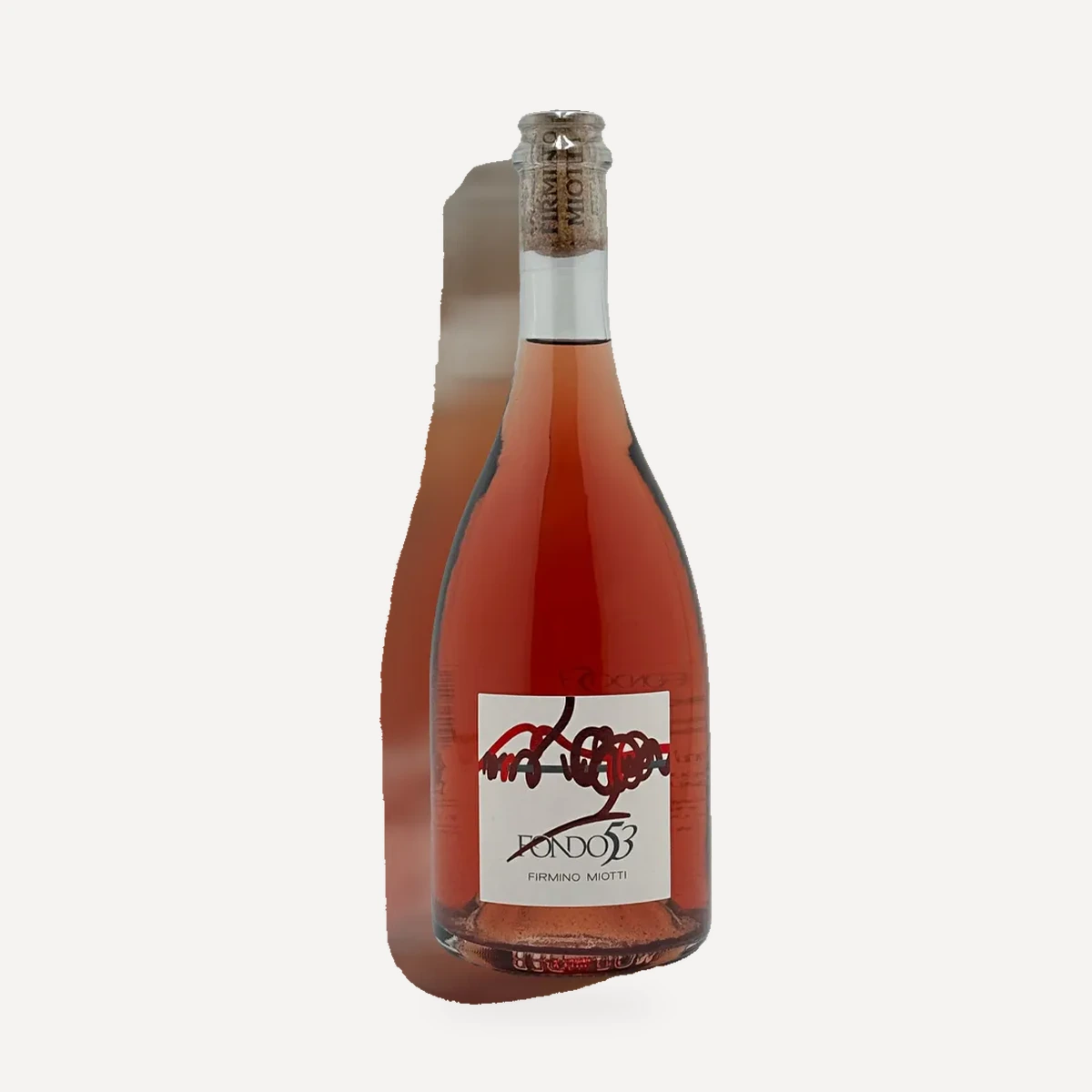
Bottle fermentation is used in two forms. The classical method includes secondary fermentation in bottle, at least 36 months on the lees, disgorgement and no final sugar dosage. The traditional col fondo method leaves the spent yeast in the bottle and omits filtration, preserving natural sediment and bottle-derived carbonation. Across the range, additives are used sparingly and production remains artisanal and limited.
Filosofia
The Miotti family frames winegrowing as the continuation of rural knowledge passed from one generation to the next. Pruning, patience, close attention to the vine and respect for seasonal timing remain central, but tradition is not treated as a prohibition on change. Controlled fermentation, stainless steel, wood maturation and the classical method are employed where they can develop a wine without severing its connection to place and grape variety.
Varietal diversity is a defining principle. The long-term recovery of Gruajo, Pedevendo, Marzemina Bianca/Sampà and Groppello di Breganze is intended to prevent the disappearance of Breganze’s historical plant heritage. The family’s aim is not simply to retain the names of these grapes, but to cultivate and vinify them separately as living expressions of local agriculture.
Production is deliberately artisanal and limited. Manual harvesting, direct family control, restrained cellar intervention and limited additives support a style intended to reflect volcanic soils, native grapes and vintage conditions. As a FIVI member, the family carries out the full chain itself, from cultivating vines to bottling and selling the finished wine.
Hospitality and cultural memory form a second strand of the philosophy. The old farmhouse and cellar were places where agricultural work, storytelling, food, friendship and local history met. The relationship between Firmino and Virgilio Scapin helped preserve the language, humour and customs of the Breganze countryside alongside its vines and wines.
Vini
Anima
Cabernet
Fondo 53
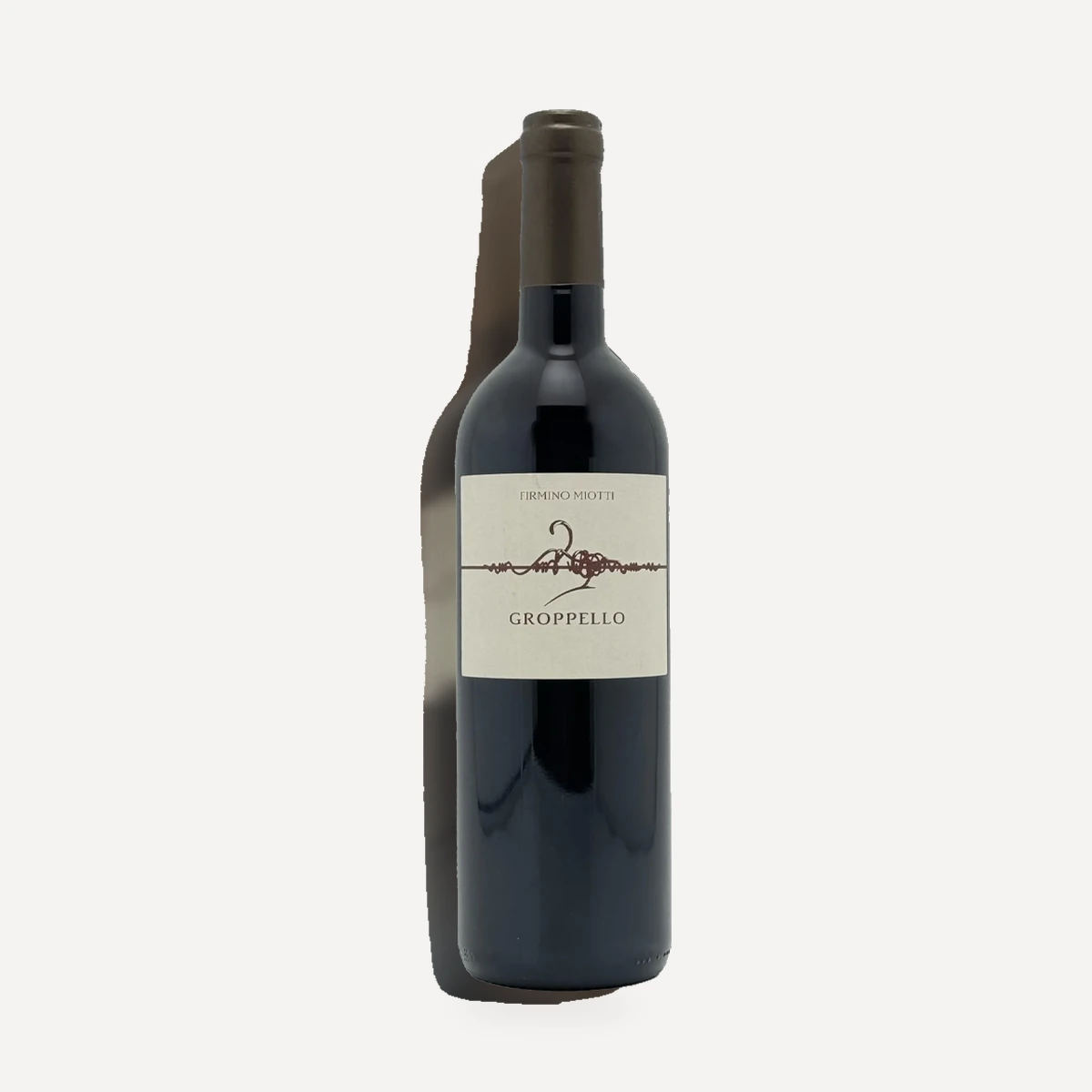
Groppello
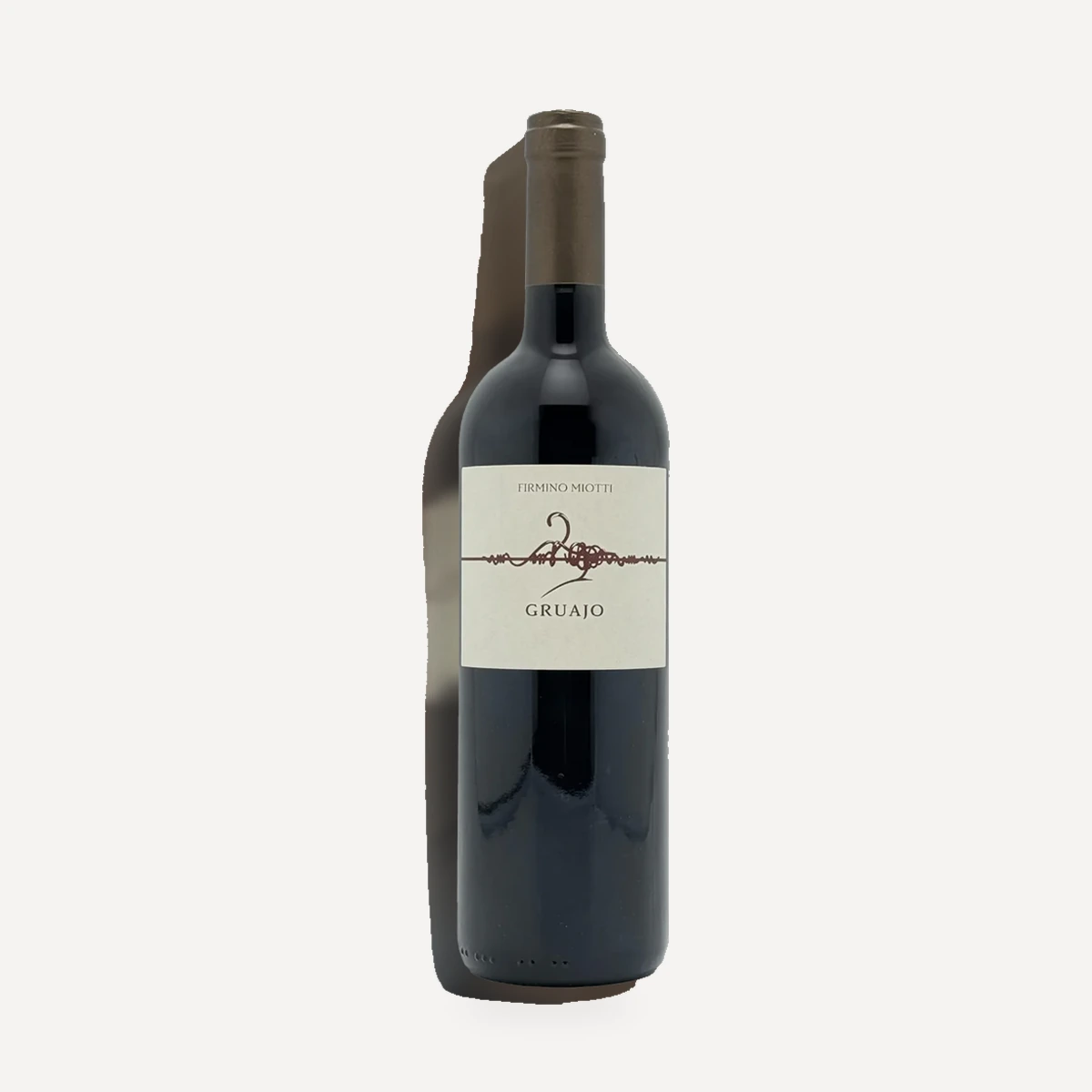
Gruajo
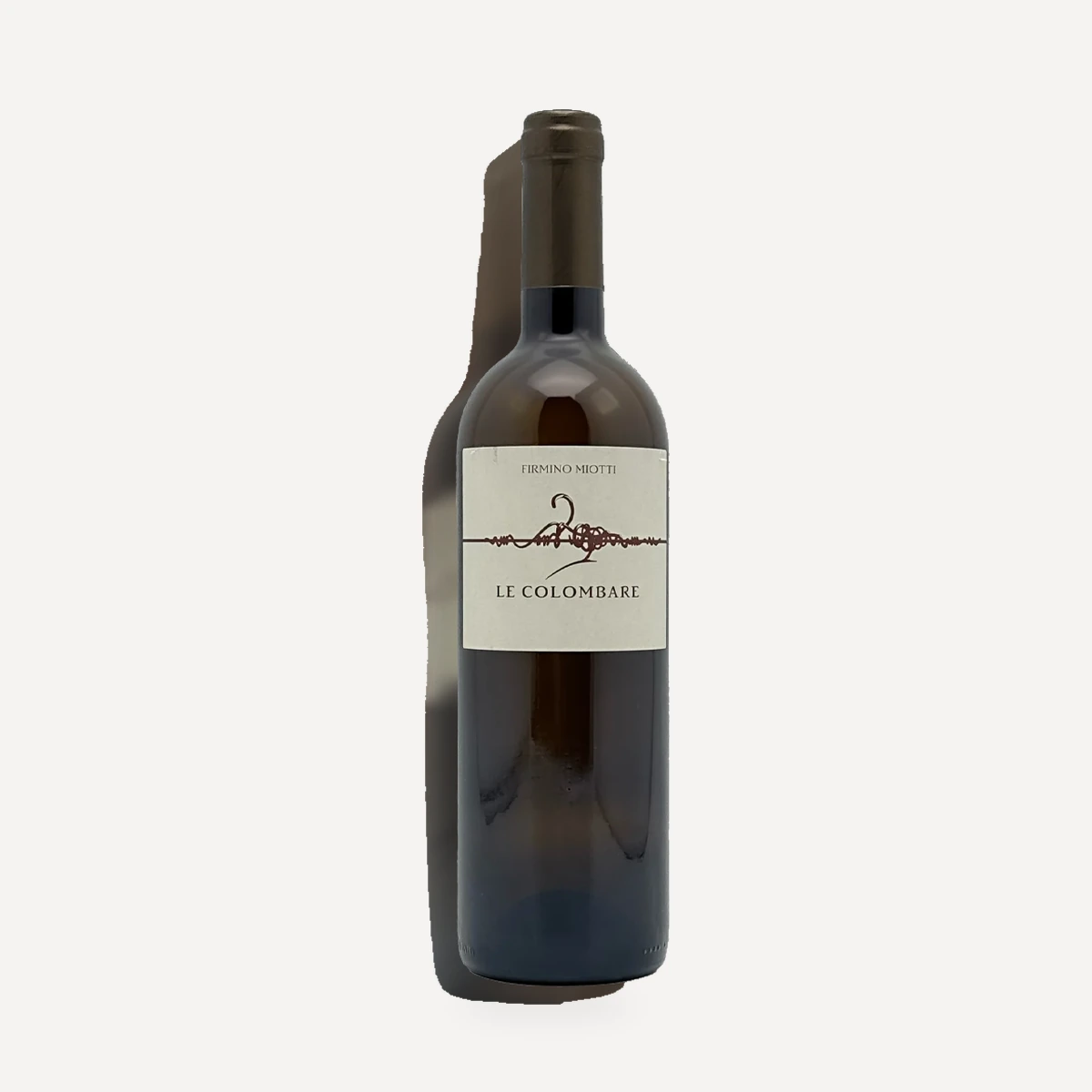
Le Colombare
Merlot
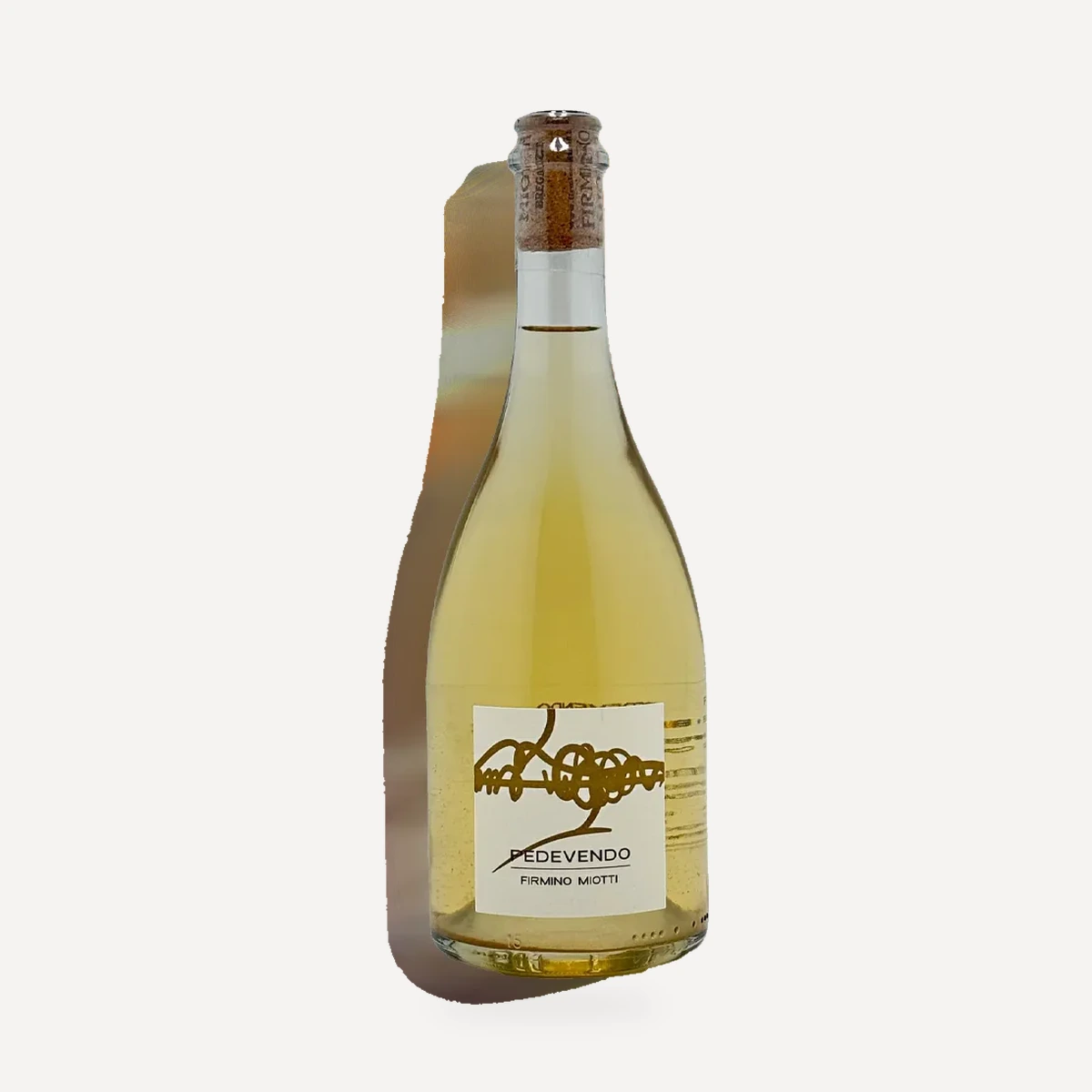
Pedevendo
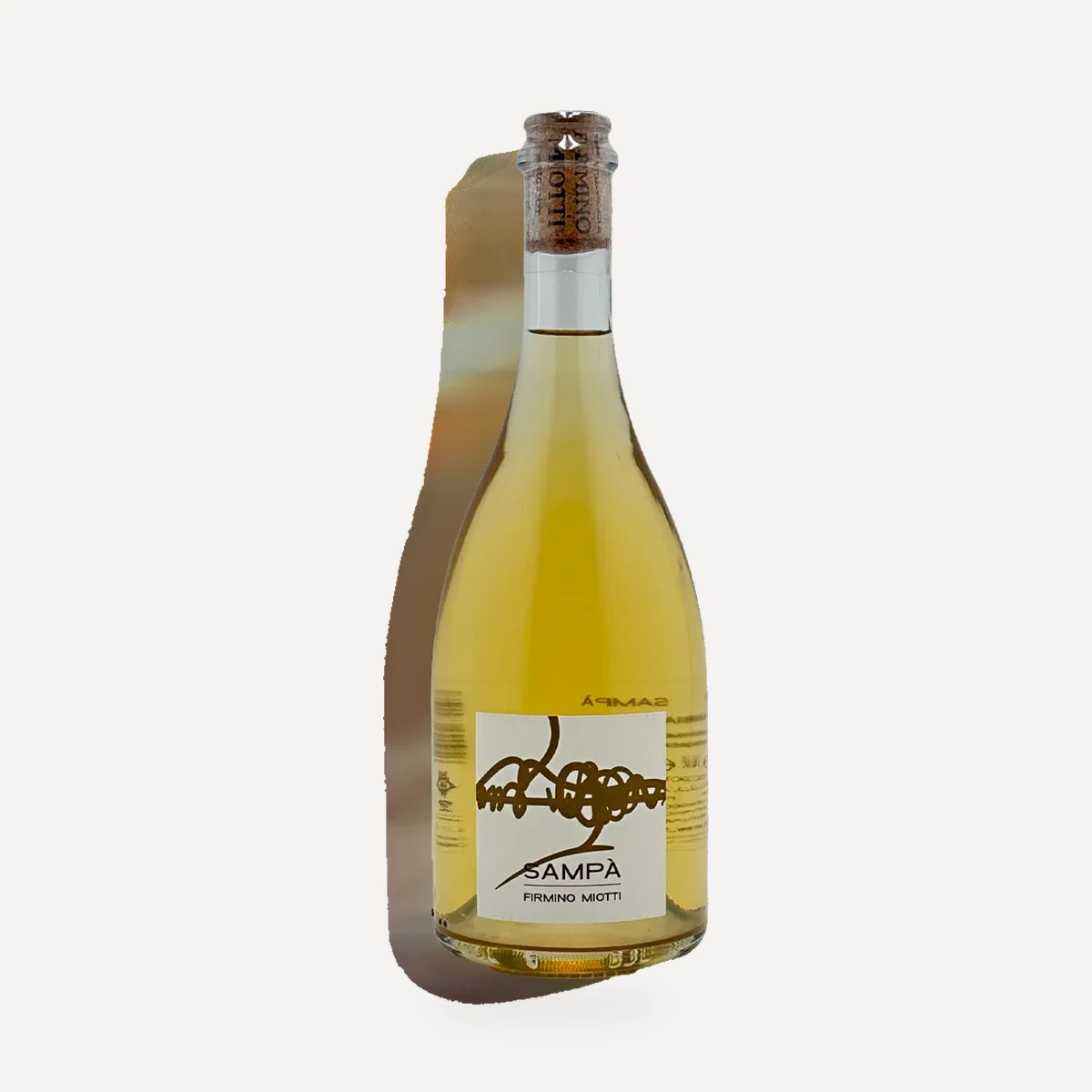
Sampà
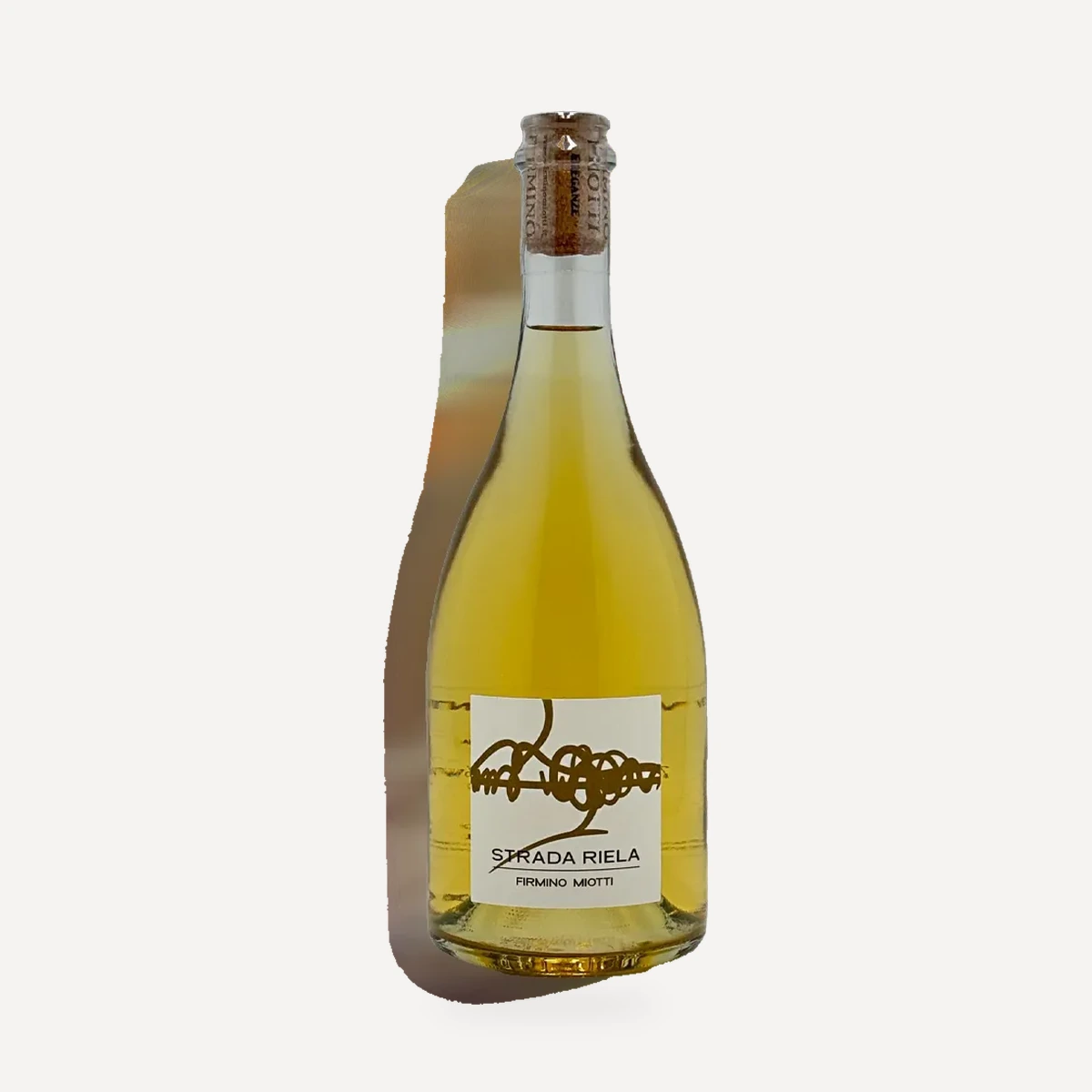
Strada Riela
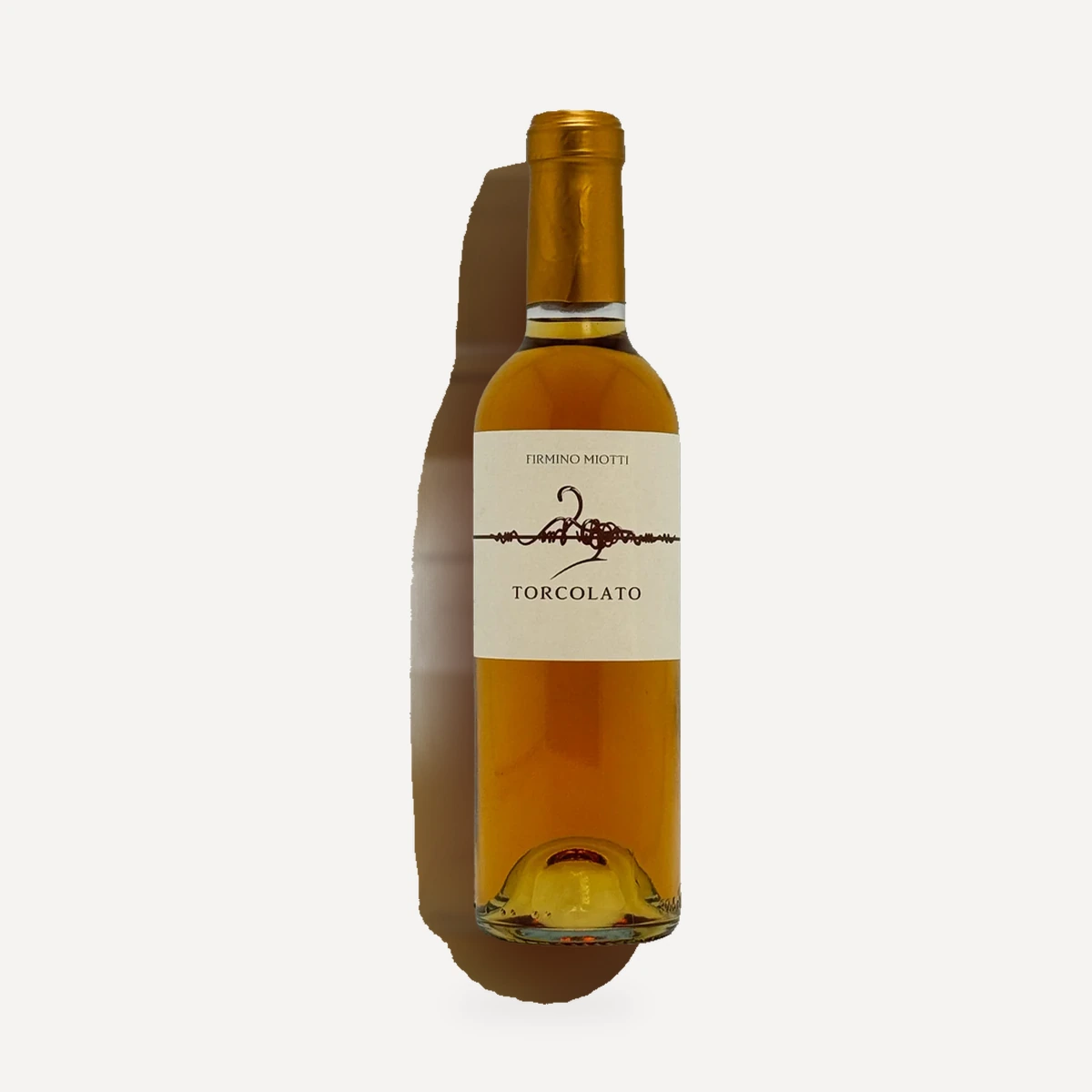
Torcolato
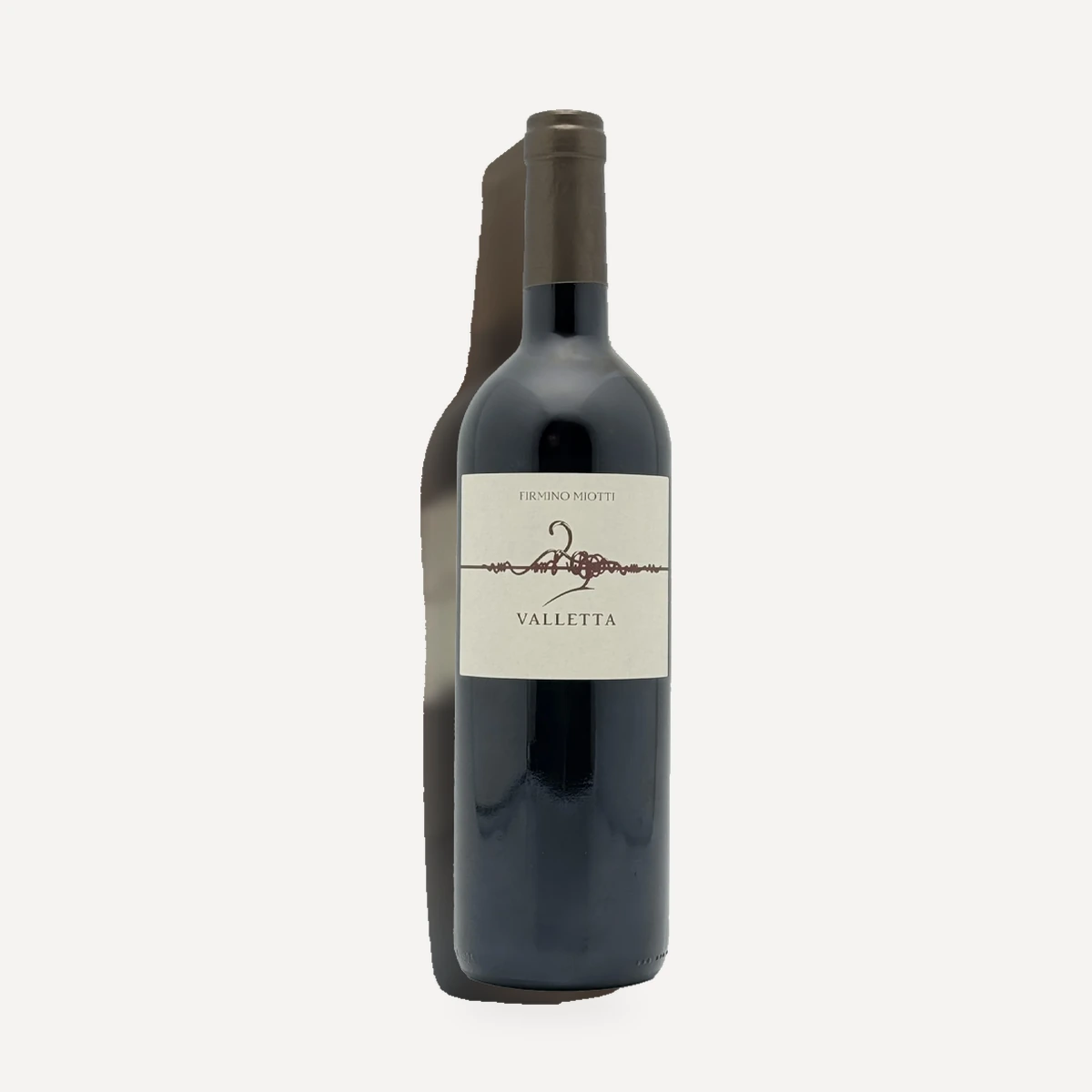
Valletta