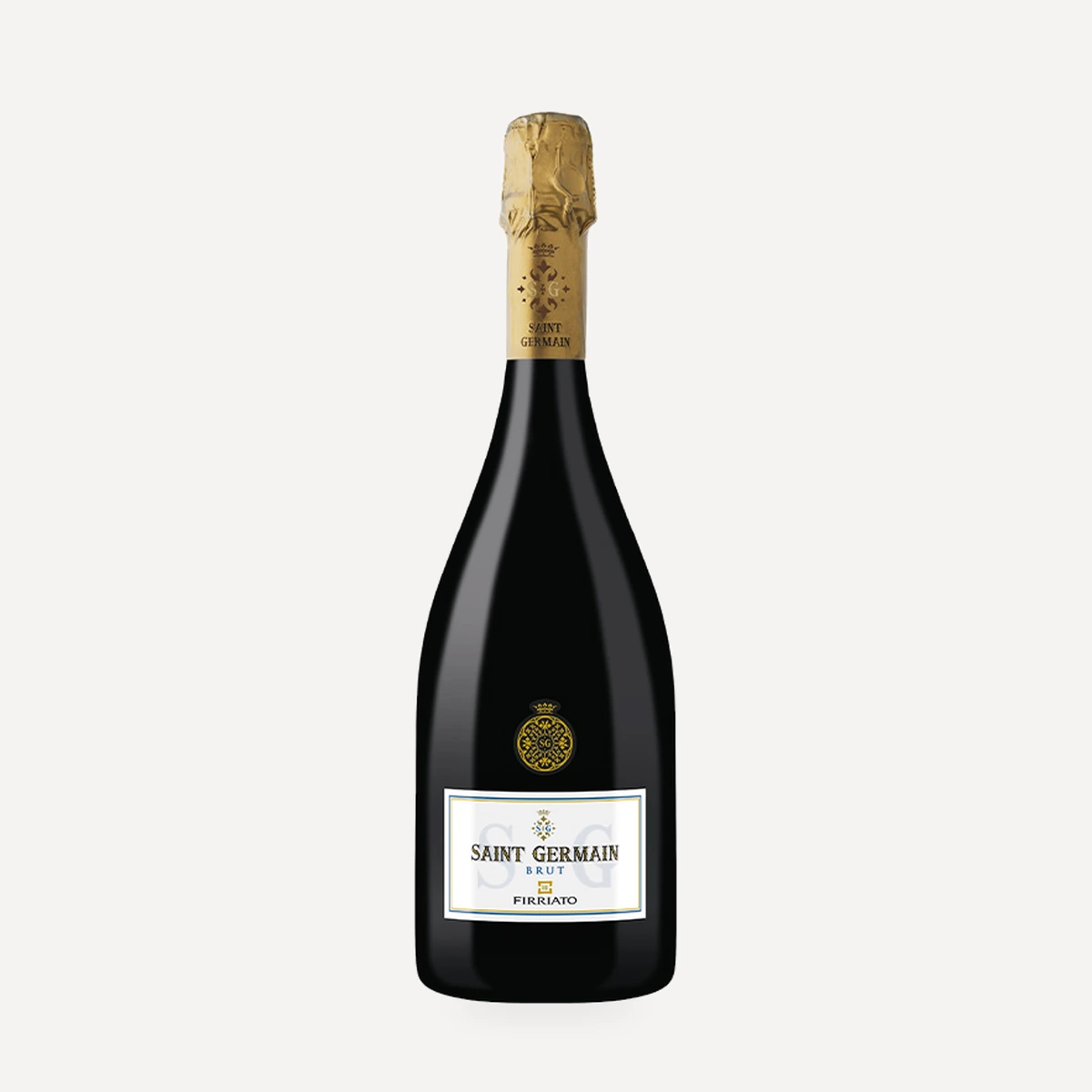
Questo vino
Vineyard and terroir
The native white varieties are grown at Tenuta di Borgo Guarini in the Trapani countryside. The vineyards face west at approximately 300 metres above sea level and stand on medium-textured soil tending toward clay. Vines are trained on vertical trellises and Guyot-pruned, at a density of 4,500 plants per hectare. Yield is 80–90 quintals per hectare.
Grapes
Native Sicilian white grape varieties.
Vinification
The varieties are harvested by hand between the first ten-day period of August and the first ten-day period of September according to their ripening schedules. Whole grapes are gently pressed, followed by temperature-controlled fermentation. The wine develops its sparkle in autoclave through the long Martinotti–Charmat method.
Ageing
Six months in stainless-steel tanks in contact with the lees during the long Charmat process, followed by at least three months in bottle.
Technical data
IGT Terre Siciliane Brut. Alcohol: 12% vol. Recommended serving temperature: 8°C.
Tasting profile
Bright, pale straw yellow, with a fine and persistent perlage. Floral nuances mingle with white peach and citrus. The palate is strongly savoury and mineral, stimulating salivation and inviting another sip. The wine’s calibrated acidity and freshness sustain its persistence through the mineral finish.
Serving and pairing
Serve at 8°C. The wine is presented with a paper cone of fried fish.
Label / history
The name evokes eighteenth-century France, although the wine is entirely Sicilian in origin. It refers to the Count of Saint Germain, a figure mentioned in the memoirs of Casanova and Giuseppe Balsamo, Count of Cagliostro, and traditionally associated with the legend of the philosopher’s stone and agelessness.