Storia
Foundation and the first vineyards
Firriato S.r.l. was constituted in 1978 and entered in the ordinary Companies Register on 19 February 1996. The family narrative begins at the start of the 1980s, when Salvatore Di Gaetano focused on Contrada Firriato, in the Trapani countryside between the western Sicilian coast and Erice. His first plantings comprised Nero d’Avola, Catarratto and Inzolia. The new enterprise placed primary responsibility for quality in the vineyard: grapes were expected to reach the cellar healthy, organoleptically complete and at the appropriate stage of ripeness.
The early decades brought new wines, acquisitions of agricultural estates, refinements in winemaking practice and investments in cellar technology. Firriato also developed an international commercial presence as Sicilian wine gained wider recognition.
Expansion of the family enterprise
In the mid-1990s, Salvatore’s wife, Vinzia Novara Di Gaetano, joined the management full-time. Her work combined communication with direct involvement in the agricultural estates and the people responsible for their vineyards and cellars. In 1998, her image became closely associated with the identity of the labels created by Salvatore.
The name Firriato comes from the rural culture of western Sicily. A firriato was a bounded and protected area near the manor house where prized crops, particularly vines, were planted. The term is associated with the idea of an enclosed vineyard, comparable in meaning to a French clos. The company’s emblem was designed around the same concepts of protection, order, method, territory and identity.
Etna and mountain viticulture
Firriato began exploring Etna at the start of the 1990s and produced its first Etna Rosso DOC vintage in 1994. The Etna project subsequently expanded into twelve contrade and included the construction of a modern gravity winery, the restoration of the historic property at Contrada Verzella and the development of sparkling, contrada and pre-phylloxera projects.
In 2007, the acquisition of additional parcels in Contrada Verzella revealed an approximately 2.5 ha vineyard of exceptionally old, ungrafted vines, predominantly Nerello Mascalese. Firriato began a formal conservation and valorization project in 2009. In 2013, the Department of Agricultural Sciences at the University of Palermo and the Consiglio Nazionale delle Ricerche were engaged to perform dendrological, dendrochronological, ampelographic and genetic investigations. The more recent account assigns the vines an average age of approximately 150 years and confirms that the vineyard predates the arrival of phylloxera on Etna. Genetic work identified eight profiles without matches in national or international databases, as well as surviving direct-producer hybrids retained for research rather than wine production.
The first Signum Aetnae vintage from the pre-phylloxera parcel was 2014. The vineyard is perpetuated by pot layering: new ungrafted plants derived from individual old vines replace losses while preserving their genetic continuity. A further experimental parcel contains roughly one hundred plants representing unidentified genotypes and other material of ampelographic, historical and scientific interest. The program is intended to create sufficient plant material for health, adaptability and microvinification studies.
Sustainability milestones
Firriato began a structured path of agronomic innovation and environmental responsibility in 1989. Synthetic-chemical vineyard treatments were abandoned in 1995 in favor of organic methods. In 1997, energy saving, reuse and recycling practices were extended to the cellar. Approximately 6,400 trees were planted in the Trapani estates in 1999 to help reduce carbon emissions, and an experimental vineyard dedicated to germplasm and viticultural biodiversity followed in 2004.
The environmental-management system received ISO 14001 certification in 2004. Sustainable cellar architecture was introduced in 2005, while the old Cavanera vineyard was inventoried and protected in 2007. ISO 22005 traceability certification followed in 2008. In 2010, all estates obtained BioAgriCert certification under Regulation EC 834/2007. Conservation work on existing buildings at Cavanera Etnea, Baglio Sorìa and Calamoni began in 2011, and new photovoltaic facilities were installed in 2012. Four hectares of woodland were established on Etna in 2013 to compensate for carbon emissions.
ISO 14064-1 greenhouse-gas monitoring and reduction certification was obtained in 2014. Product carbon-footprint work covered Le Sabbie dell’Etna Bianco DOC and Gaudensius Etna DOC. In 2015, Firriato was presented as a business case at the first international conference on sustainability in manufacturing in Milan, whose keynote speaker was Harvard professor Robert N. Stavins. Further milestones included EMAS certification for the Baglio Sorìa and Cavanera Etnea resorts, ISO 50001 energy-management certification, and ISO 14046 water-footprint assessment.
Hospitality, governance and recent organization
Conservative restoration of the sixteenth-century Baglio Sorìa and the old house and palmento at Contrada Verzella led to the opening of the Baglio Sorìa and Cavanera Etnea wine resorts in 2015. Baglio Sorìa combines the historic estate, vineyards, olive groves and hospitality; the Etna complex links the restored agricultural buildings with the modern winery and pre-phylloxera vineyard.
On 1 October 2024, Firriato completed the incorporation of the related company Firriato Distribuzione S.r.l. The merger was intended to simplify the corporate structure, improve vertical integration and operational efficiency, strengthen direct customer relationships and reduce administrative costs. Irene Di Gaetano entered the shareholder structure. The reorganized board comprises Domenico Di Gaetano as president with executive authority, Irene Di Gaetano as delegated director and Vinzia Novara as delegated director.
The company adopted a formal Organization, Management and Control Model under Legislative Decree 231/2001 in 2025, accompanied by an ethical code, risk mapping, monitoring procedures, an external supervisory body and protected reporting mechanisms. Current management systems include ISO 9001:2015, IFS Food Version 8, BRCGS Food Safety Issue 9, UNI EN ISO 22005 traceability, EQUALITAS Sustainable Organization and SOStain verification.
Terroir
Three Sicilian environments
Firriato’s 470 ha of vineyards are distributed across three sharply differentiated Sicilian environments: the hills and plains of the Trapani countryside, the marine setting of Favignana and the volcanic mountain landscape of Etna. Vineyard zoning and pedological investigation have identified six of the world’s twelve soil orders within the holdings. Exposure, solar radiation, wind, elevation and soil variability are assessed at estate and intra-vineyard scale.
Trapani countryside
Baglio Sorìa occupies ventilated hills near the Mediterranean and Erice, predominantly facing south. Its soils combine clays, red marls, sandstone intercalations, calcirudites and thick calcarenite banks associated with the organogenic carbonate complex of Monte Erice. Red ammonitic formations contribute to the identity of the red-wine sites. Clay moderated by limestone retains humidity and minerals, limits summer cracking and helps the vines avoid severe water stress. Carbonate and potassium salts produce a sub-alkaline pH and influence sugar and polyphenol metabolism, berry size and the pulp-to-skin ratio. Rain is concentrated in winter and spring, followed by a relatively dry, warmer season.
Borgo Guarini is a 165 ha high-hill estate that descends toward an alluvial stream plain. Elevations cited for its vineyards extend broadly from 200 to 400 m. Three soil orders—Entisols, Inceptisols and Vertisols—occur within its varied topography. Clay, carbonate matrices, differences between hills and exposure to Mediterranean winds create multiple mesoclimates within the same estate.
Pianoro Cuddìa covers 35 ha at approximately 109 m, faces north and lies in a flat, particularly windy, semi-desert environment. Clay exceeds 60%, while high sodium content and limited water availability slow the vines’ normal productive cycle and create pronounced physiological stress.
Dàgala Borromeo covers 40 ha at approximately 90 m and lies about 15 km from the coast. Its rolling and level ground consists of young, deep, fertile alluvial mud-sandy soils that allow extensive root development. The dry, ventilated microclimate has marked day-night temperature changes.
Tenuta Giudeo lies farther south in the Marsala countryside at 85–108 m. The upper slopes contain coarse sandstone, with clay accumulations at depth. Particle size becomes progressively finer down the slope while retaining a carbonate matrix: young Entisols occur above, Inceptisols in the middle and clay-rich Vertisols in the lower positions. The two principal orientations are north/northwest and east/southeast. The Thorntwaite index indicates conditions tending toward semi-arid, and diurnal temperature variation is around 15°C.
Favignana
Calamoni occupies almost 5 ha on the central-southern side of Favignana, approximately 10 m from the cliff and only a few steps from the sea. The island is not volcanic: its soils derive from marine sediments of fossils, shells and fish bones accumulated over millions of years, with biocalcarenite, exposed tuff and red sand. Vine roots develop horizontally near the aquifer, while biocalcarenite filters saline water. Strong winds create a marine-aerosol effect that deposits salt on grapes and leaves, sometimes causing light leaf scorch. Continuous ventilation keeps the environment dry and acts as an important natural defense against parasites. The Favinio wind limits humidity and spreads dried Posidonia through the vineyard; gull guano provides an additional natural nutrient source.
Etna
Cavanera Etnea lies around Castiglione di Sicilia on Etna’s northern and northeastern slopes. Its 84 ha of vineyards occupy three areas between approximately 650 and 950 m, with north, northeast and northwest exposures. The principal nucleus is on the northeastern flank, while further vineyards lie to the north. Twelve contrade express different combinations of elevation, exposure, mesoclimate and lava geology.
The vineyards border lava flows of different ages, including one dated to the 1556 eruption. Deep, sandy volcanic soils contain iron, silica, aluminium, manganese, magnesium and phosphorus. Their porosity and fine texture permit roots to descend several meters and make mineral nutrients readily available. Old and younger soils, lava ridges, terraces, woodland margins and dry-stone retaining walls form a highly fragmented mountain landscape.
The pre-phylloxera parcel survives where fine volcanic sand, soil acidity, elevation and lower temperatures inhibit the root phase of the insect’s life cycle. Its ungrafted vines are mainly Nerello Mascalese and have an average age assessed at approximately 150 years.
Vinificazione
All 470 ha are managed under certified-organic protocols and precision-viticulture principles. Bioagricert records the beginning of control in 1999, and the current operator certificate complies with Regulation (EU) 2018/848. The vineyard program excludes herbicides and chemical fertilizers and uses alternatives to synthetic products.
Management begins with zoning, soil analysis and observation of each estate, parcel and individual plant. Variety, soil, exposure, radiation, wind, canopy condition and seasonal development determine the timing of work. Interventions are scheduled, preventive and undertaken only when needed. Internal staff and qualified external consultants continually monitor vine health, while canopy and under-vine management maintain vegetative-productive balance and reduce parasite risk.
Soils are generally managed with complete or alternate-row cover. Where rows are cultivated, subsoilers and harrows limit disturbance. Winter green manures combine legumes and grasses; favino is used at Baglio Sorìa, where winter grazing by sheep and goats adds natural manure. Spontaneous vegetation is cut and incorporated as green manure at the beginning of summer. At Calamoni, loose soil is left untilled, summer mulch is used and dried Posidonia is distributed through the rows.
Baglio Sorìa retains substantial foliage to shade bunches from intense radiation and wind. Flowering normally begins between late May and early June and may last about two weeks. Fruit set is monitored to estimate production per vine. At Tenuta Giudeo, vegetation is similarly left free to increase bunch coverage and maintain a cooler berry microclimate. Dàgala Borromeo uses detailed manual work associated with the supported alberello system, including dormant pruning, defoliation and mazzonatura.
Replanting and vineyard renovation favor biodegradable materials; when these are unsuitable, recycled or recyclable alternatives are used. Vine ties are biodegradable, and end-posts use untreated local chestnut, pine or other local woods.
Harvesting is manual throughout Firriato. Bunches are selected in the vineyard and transported in crates. Ripeness decisions combine berry tasting with physical and chemical analysis of technological, phenolic and aromatic maturity. At Baglio Sorìa, individual parcels and even the same variety may be picked in several passes.
Water demand in the Trapani vineyards is met predominantly by rainfall and rain-fed natural or artificial reservoirs. Rainwater represents approximately 98% of vineyard water use; above-ground drip intervention accounts for 2.75% and underground systems occur in 7% of cases. Controlled-deficit irrigation may be used in particularly dry years to preserve photosynthetic activity and vegetative-productive balance. Etna’s porous, deep soils, milder temperatures and day-night variation generally eliminate the need for irrigation; rainwater used for treatments is the principal external water input there.
Wineries and grape reception
Firriato operates production facilities in the Trapani countryside and at Cavanera Etnea. The Paceco winery dates from the end of the 1970s and has undergone repeated technological and energy-efficiency improvements. Separate zones accommodate grape reception, vinification, maturation and bottling. Lighting and temperature management have been rationalized, while the external cladding generates internal air convection that acts as natural insulation.
The Cavanera Etnea winery is arranged vertically on three levels within a lava flow. The building penetrates several meters into the ground, using volcanic rock as natural thermal insulation. Gravity transfers fruit and must through the winery. Selected hand-harvested bunches arrive in crates and are discharged onto a vibrating hopper, then travel on conveyors to the press without pumps. Each wine category has a dedicated pressing program; grapes intended for white and sparkling wines are pressed without destemming.
Fermentation, maturation and controls
Alcoholic fermentation and maceration decisions are guided by must tasting and analytical testing. Malolactic fermentation is monitored with specific enzymatic kits. Blending and wood maturation are selected according to the enological objective. Separate production lines preserve the identity of fruit destined for the principal selections.
Every addition, transfer and blend is recorded. An internal laboratory and accredited external laboratories provide continuous analytical control. Wine is bottled only after stability and sensory characteristics have been confirmed. Finished bottles are stored in temperature-controlled rooms. The ISO 22005 system traces grapes, must, wine, additives, processing aids, bottles and closures through reception, vinification, processing and bottling, down to a minimum unit of a 0.375 L bottle.
The maturation spaces at Cavanera are excavated into a lava ridge, whose naturally stable humidity and temperature provide conditions for wood maturation of red wines and bottle ageing of traditional-method sparkling wines. The Paceco plant handles still and sparkling wines and includes blending, filtration, clarification, stabilization and glass-bottle packaging under BRCGS and IFS controls.
Environmental management
Cleaning and sanitation follow a documented plan specifying products, concentrations, equipment and operating instructions. Water consumption is monitored across cellar and bottling operations. Wastewater from machinery, working areas, equipment and bottle washing is treated; analyses are carried out monthly for selected parameters and annually for the full control set. Waste is stored in protected, identified containers, and 95% of paper, plastic and glass waste in the reporting period was directed to recovery.
A 432.73 kWp photovoltaic installation has operated since August 2023. Energy intensity declined from 0.40 kWh/L in 2023 to 0.35 kWh/L in 2024. Packaging is reviewed annually for water and energy impact; glass formats include 0.375, 0.75, 1.5 and 3 L, with lighter bottles and FSC-certified cork and carton suppliers considered where available.
Filosofia
Firriato’s declared production philosophy begins with the proposition that wine quality is established in the vineyard. Healthy fruit, complete sensory maturity and an accurately chosen harvest date take precedence, while cellar work is intended to preserve natural character and the distinctions of each variety and place.
The company treats terroir as the interaction of variety, soil, exposure, radiation, wind, climate and human knowledge. Its precision-viticulture model works at the level of the estate, parcel and individual vine. Intervention is expected to be necessary, timed and minimally disruptive rather than standardized across the holdings.
Indigenous Sicilian varieties and genetic diversity are central to this approach. The pre-phylloxera project extends the principle from wine production to the protection of individual old vines, unknown genotypes, historic cultivation methods and the cultural memory of Etna.
The family presents sustainability as a continuous process rather than a fixed achievement. Water, soil, energy, biodiversity, emissions, packaging, worker welfare and community relationships are measured through certified management systems. Environmental, social and economic responsibilities are integrated under EQUALITAS and SOStain.
Method, territory, pride and commitment form the symbolic vocabulary of the Firriato name and emblem. The family model also emphasizes teamwork and the transmission of practical knowledge between generations of vineyard and cellar workers. Current cultural partnerships extend this philosophy beyond wine, treating art, cinema, research and creativity as means of strengthening communities and local identity.
Vini
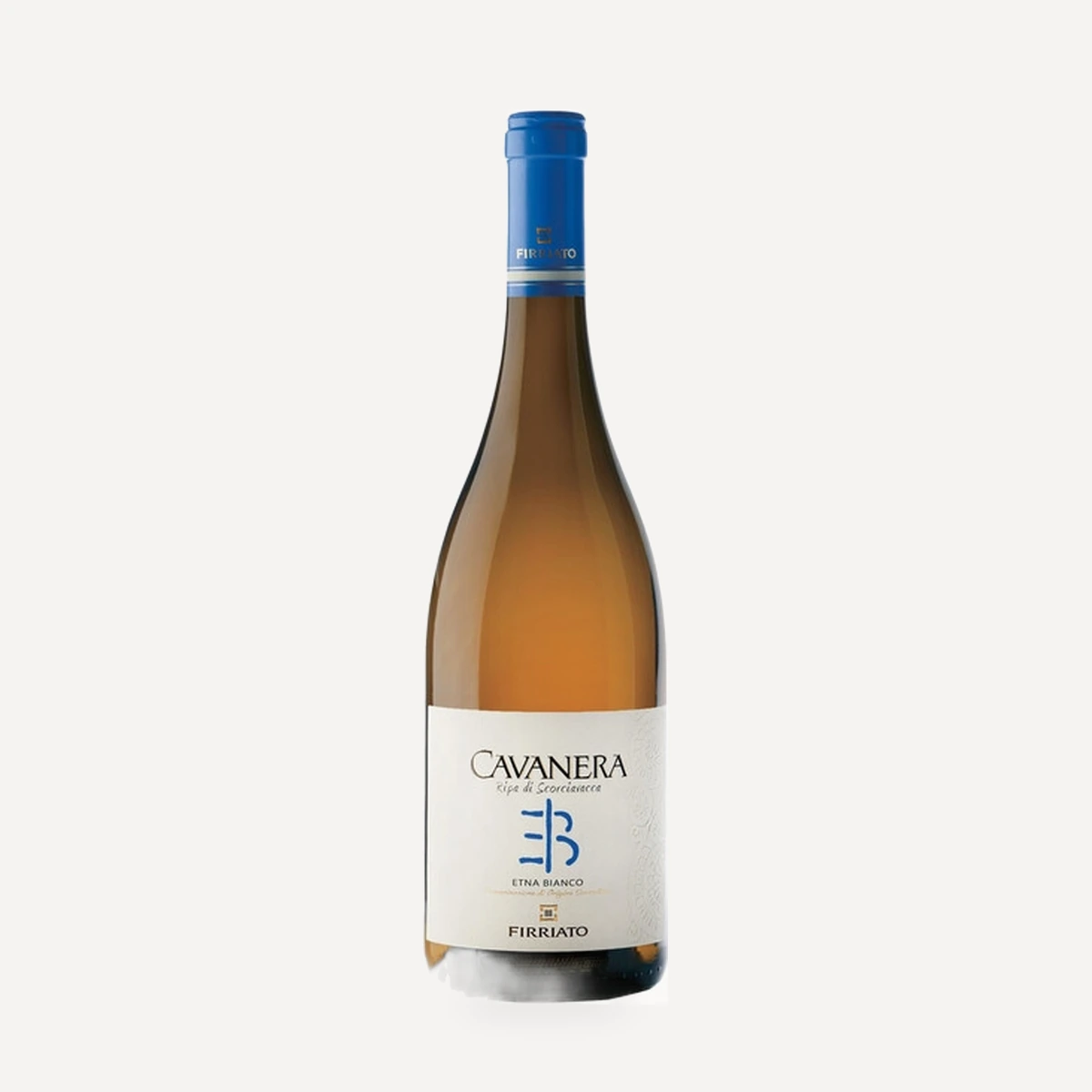
Cavanera Ripa di Scorciavacca Etna Bianco DOC
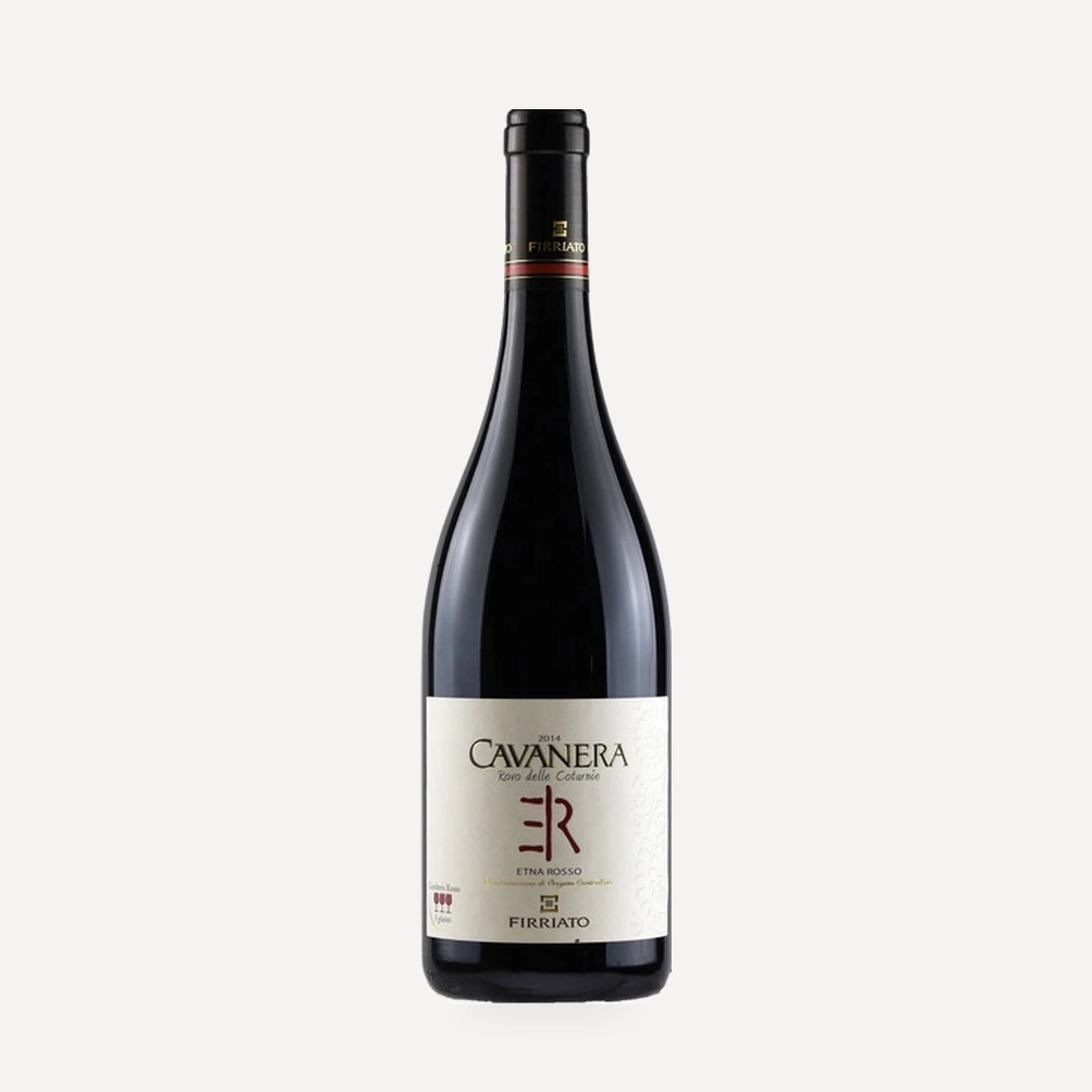
Cavanera Rovo delle Coturnie Etna Rosso DOC
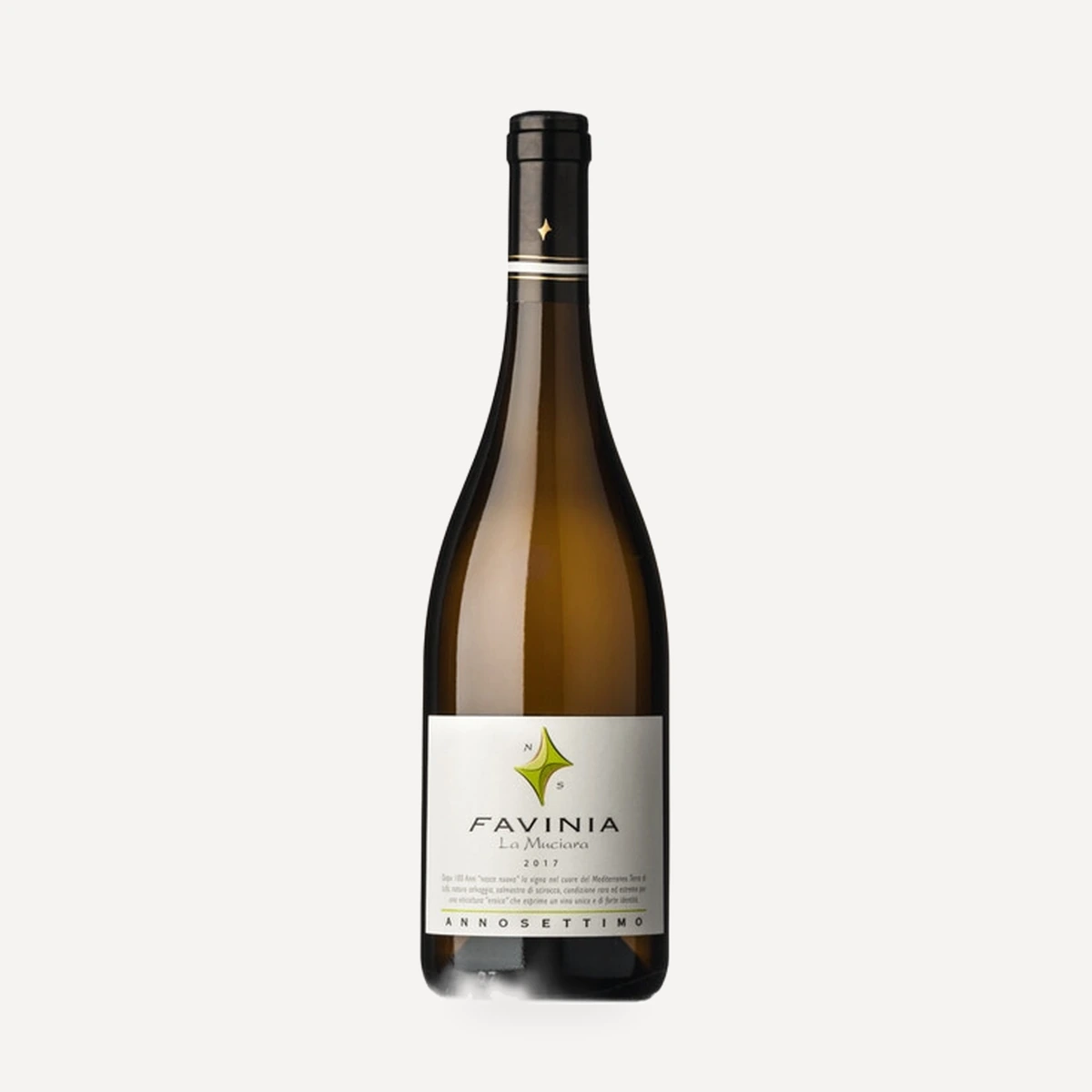
Favinia La Muciara Terre Siciliane IGT
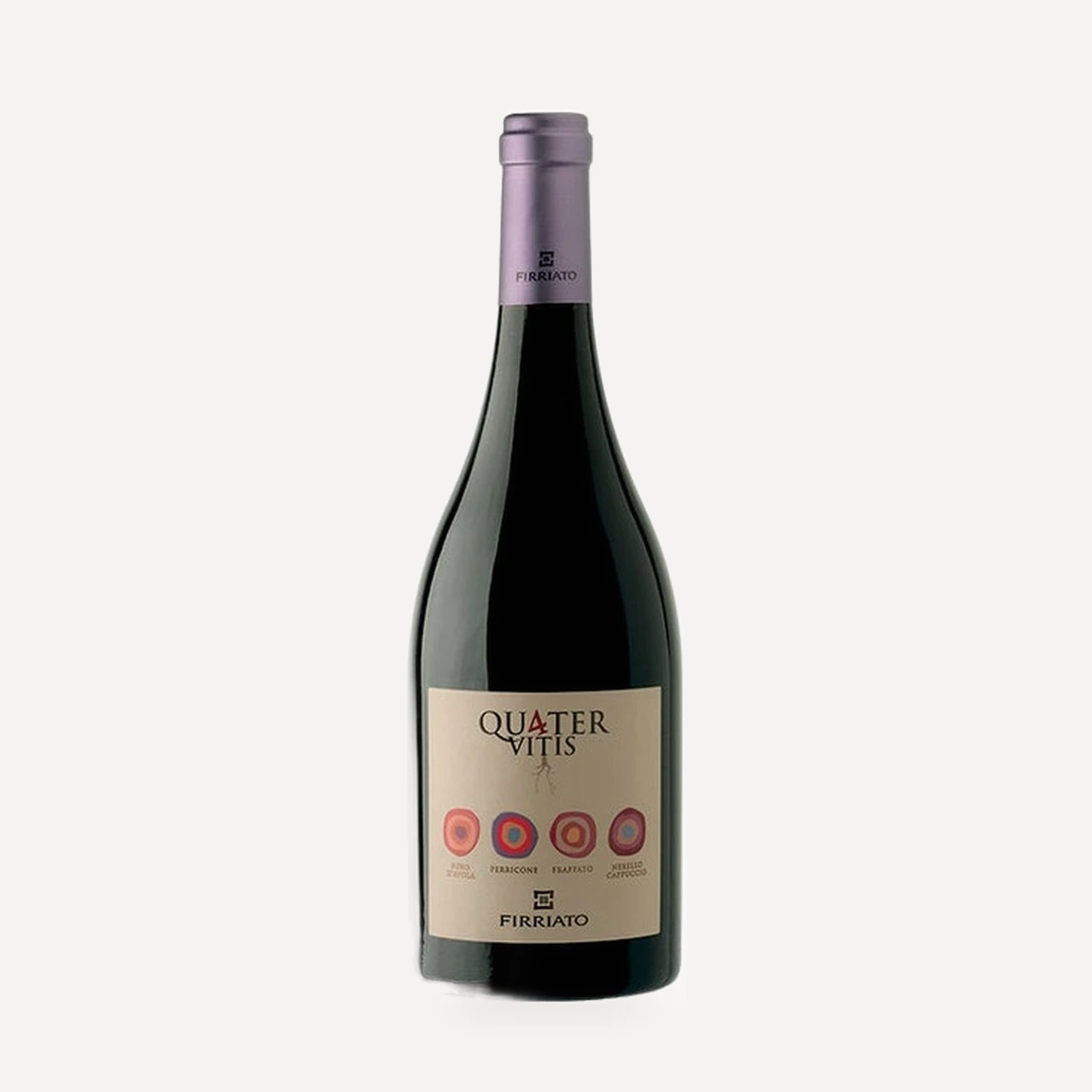
Quater Vitis Rosso Terre Siciliane IGT
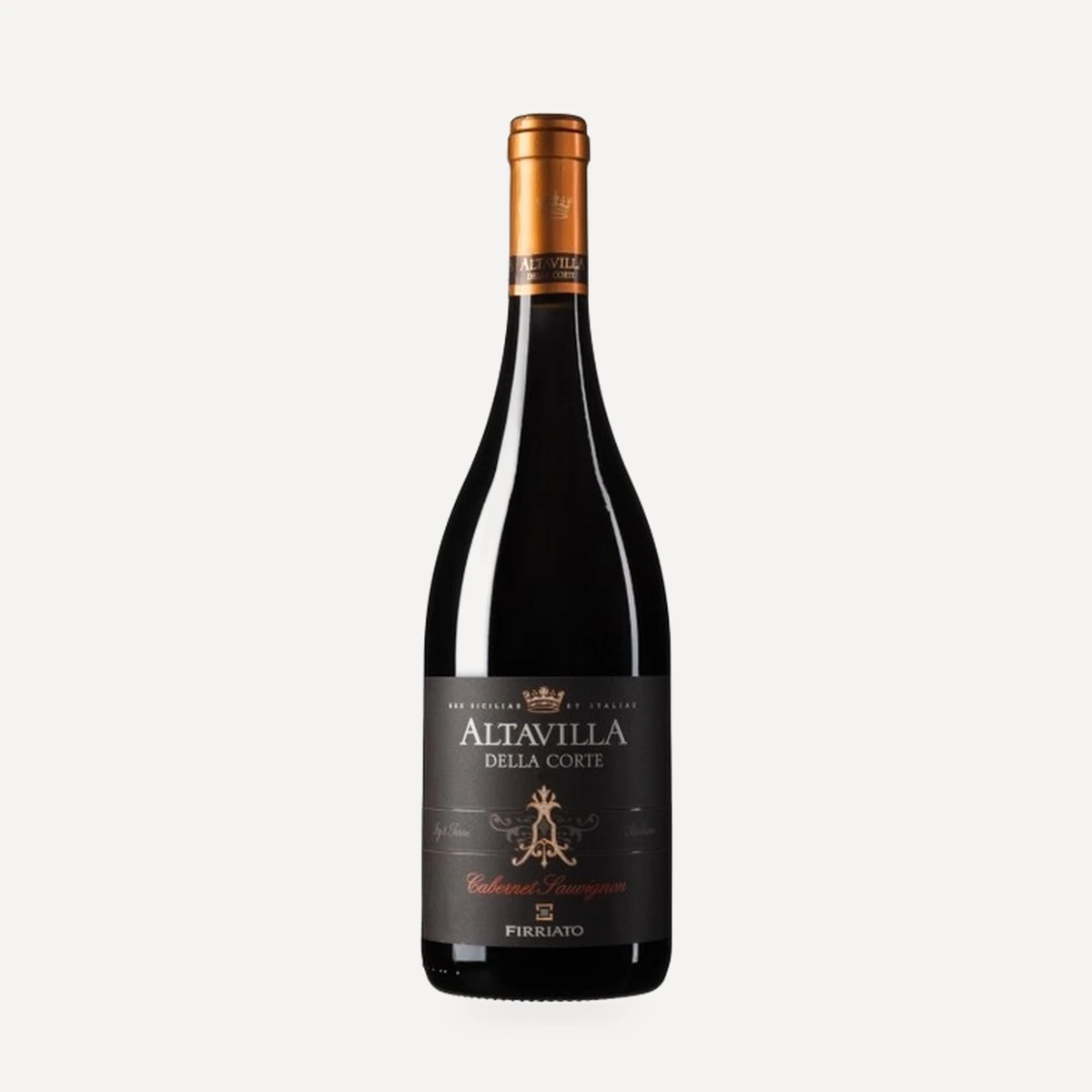
Altavilla della Corte Cabernet Sauvignon
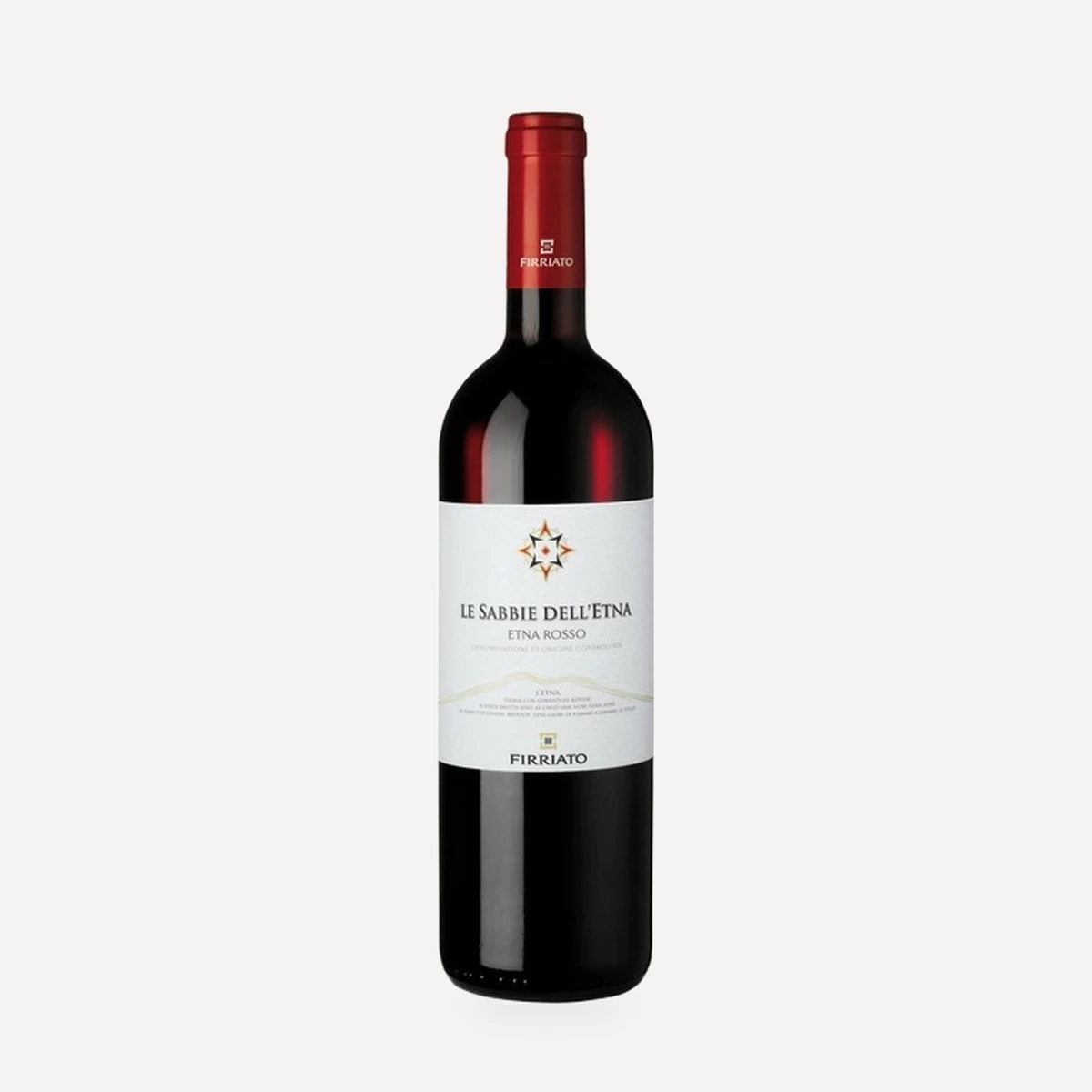
Le Sabbie dell'Etna Rosso Etna DOC
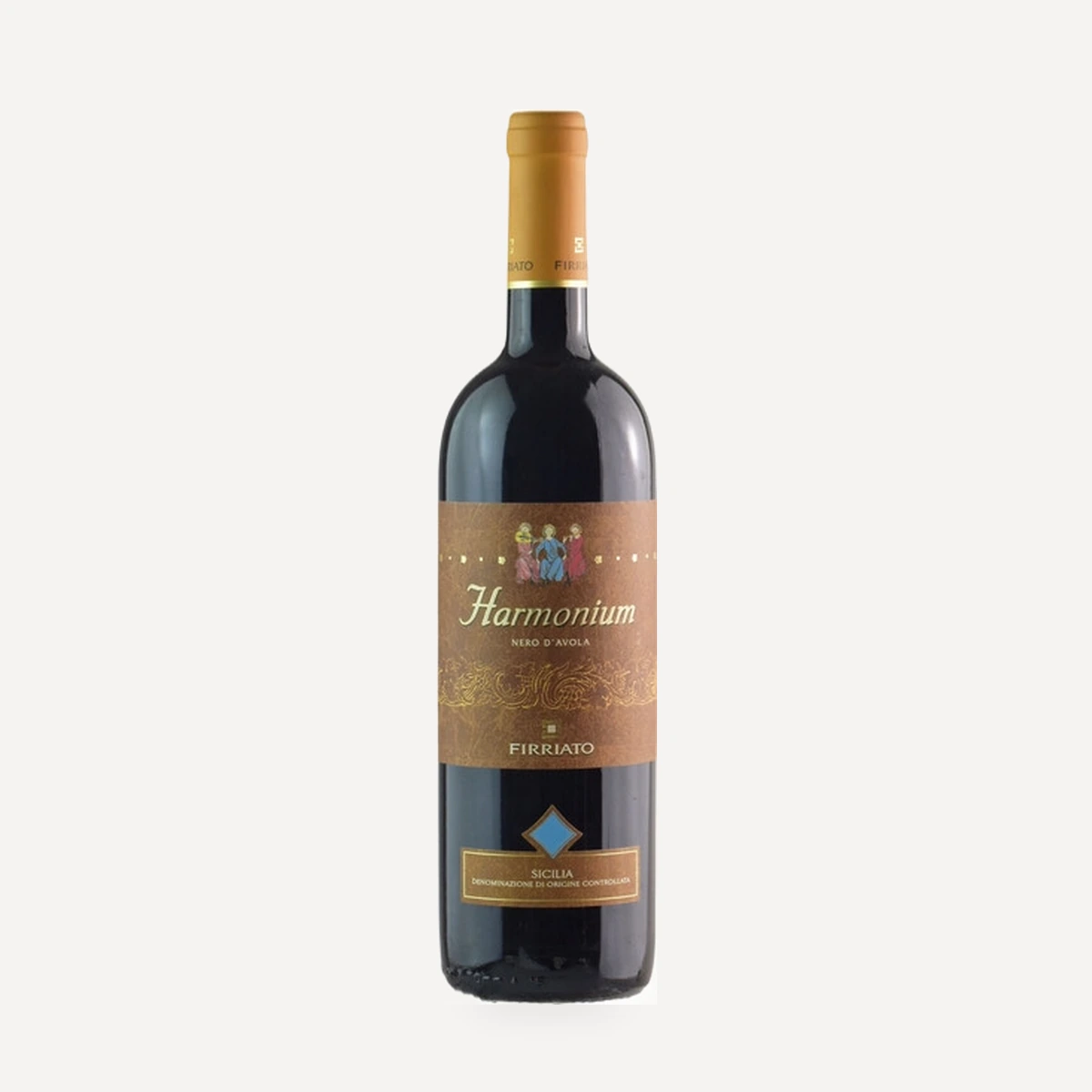
Harmonium Nero d'Avola Sicilia DOC
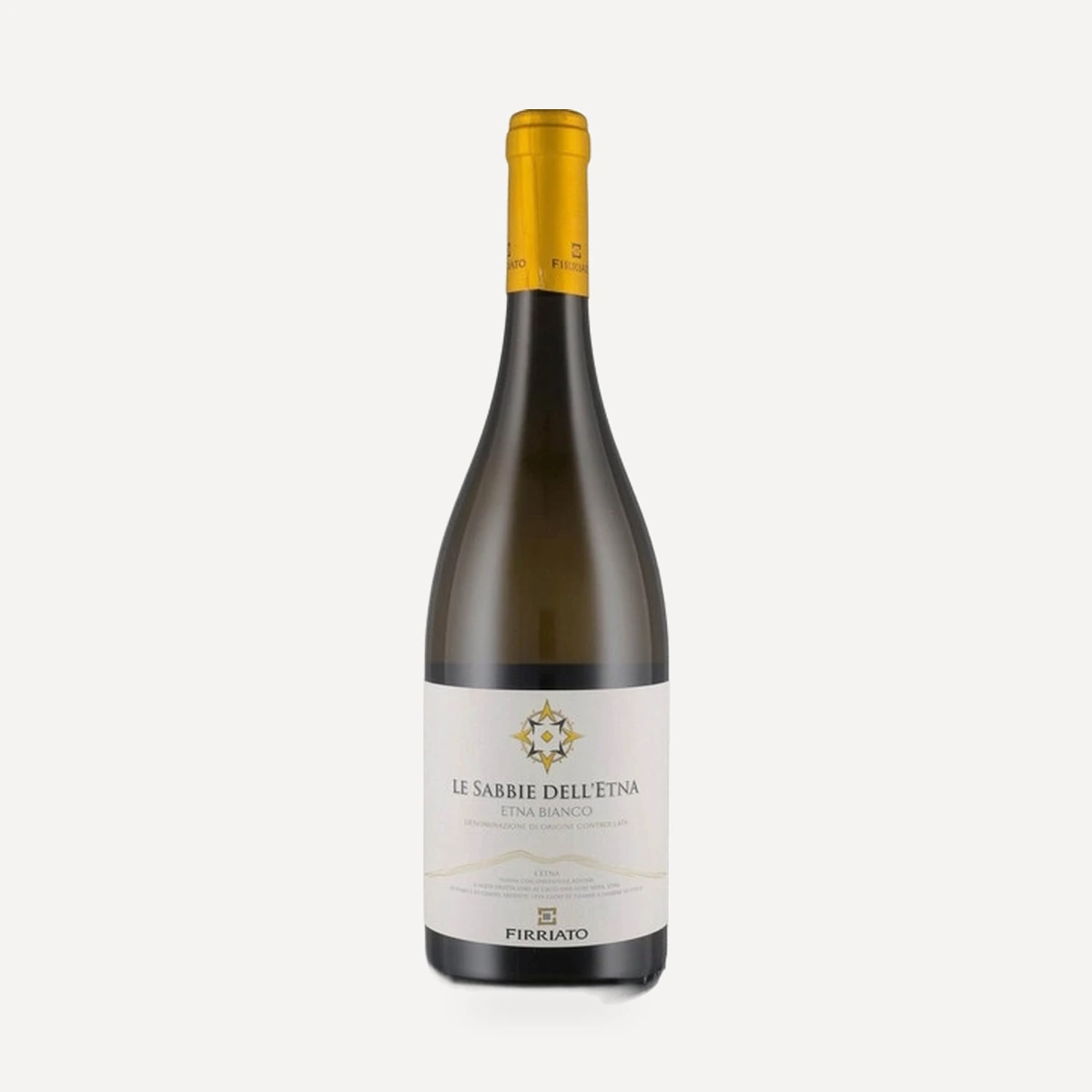
Le Sabbie dell'Etna Bianco Etna DOC
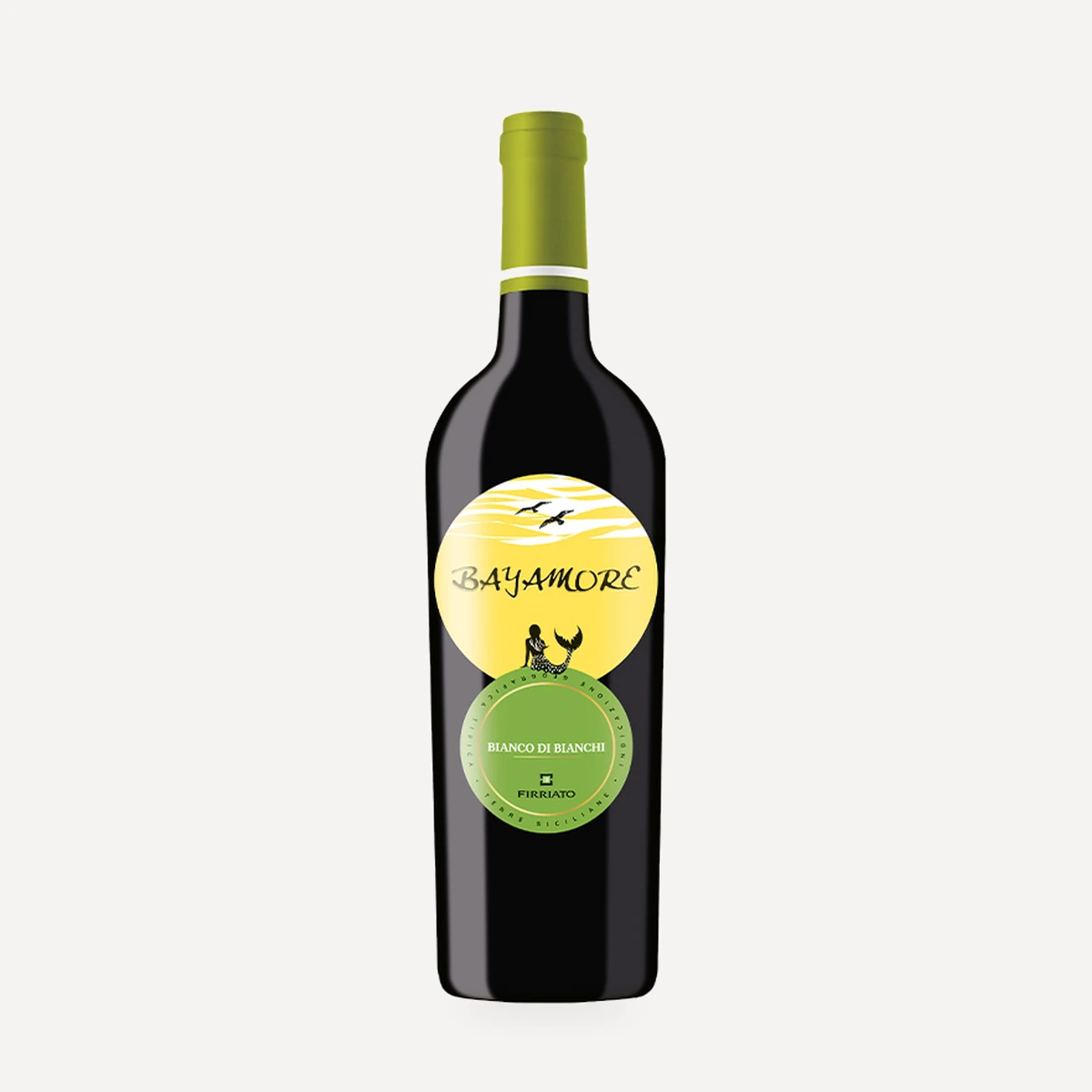
Bayamore Bianco di Bianchi
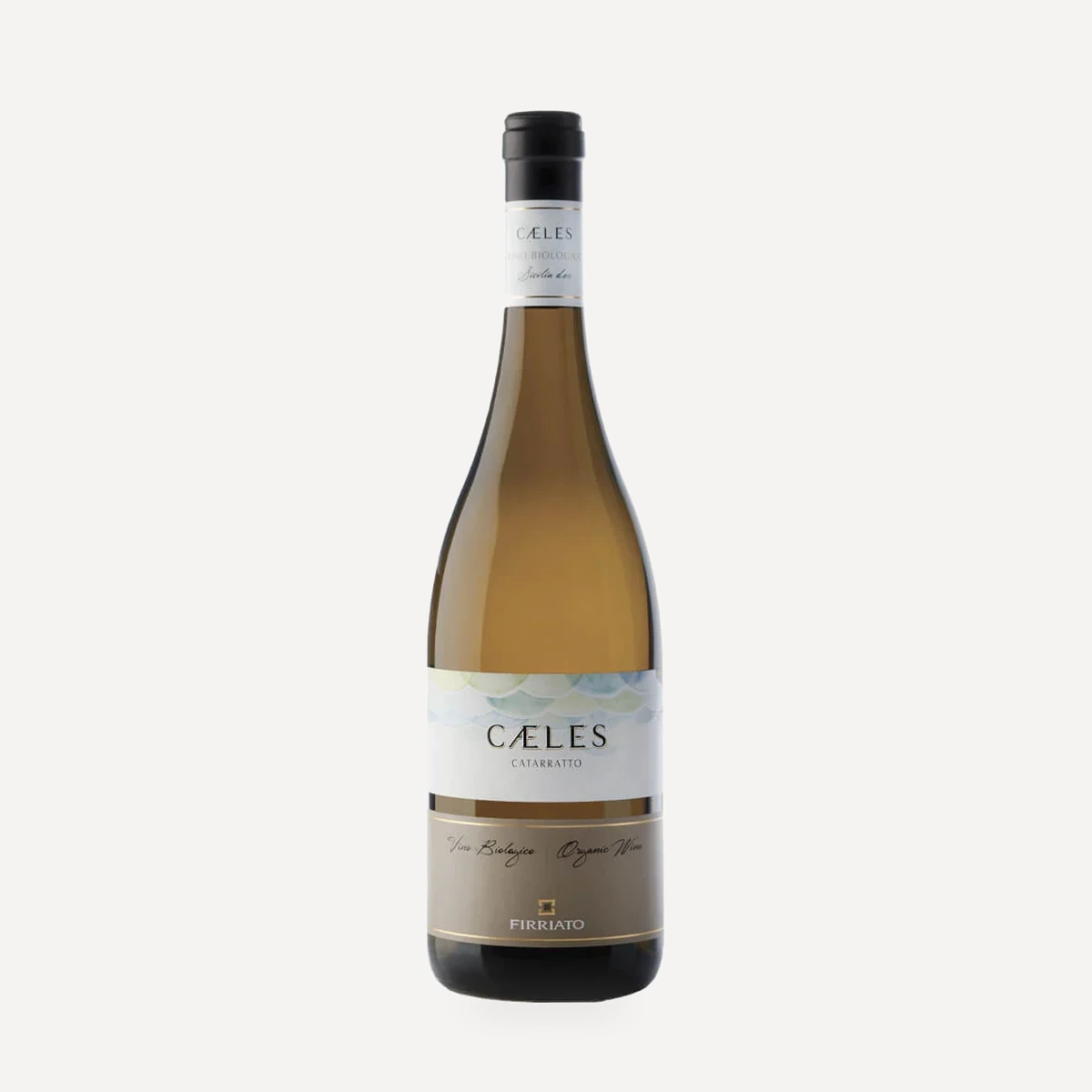
Caeles Catarratto
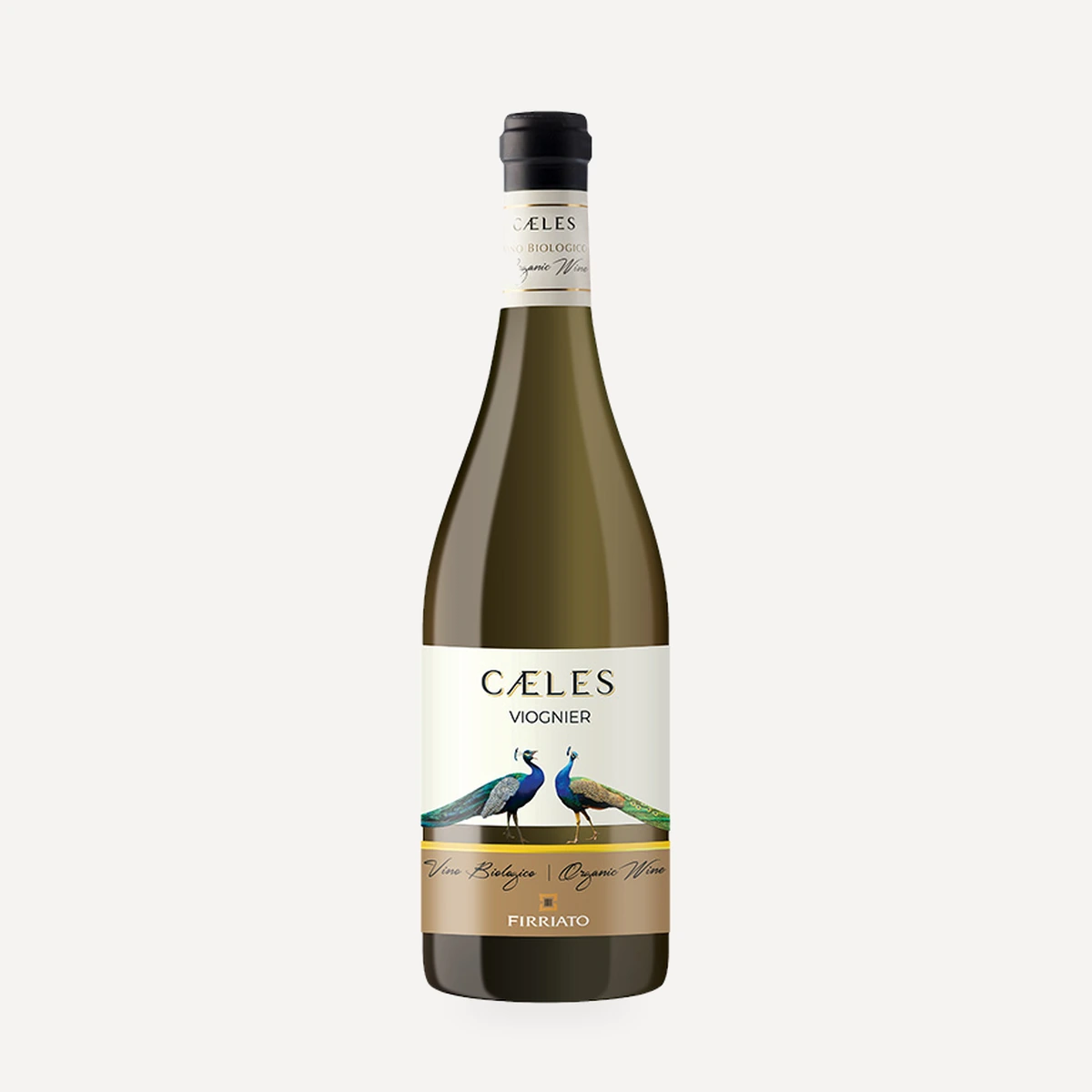
Caeles Viognier
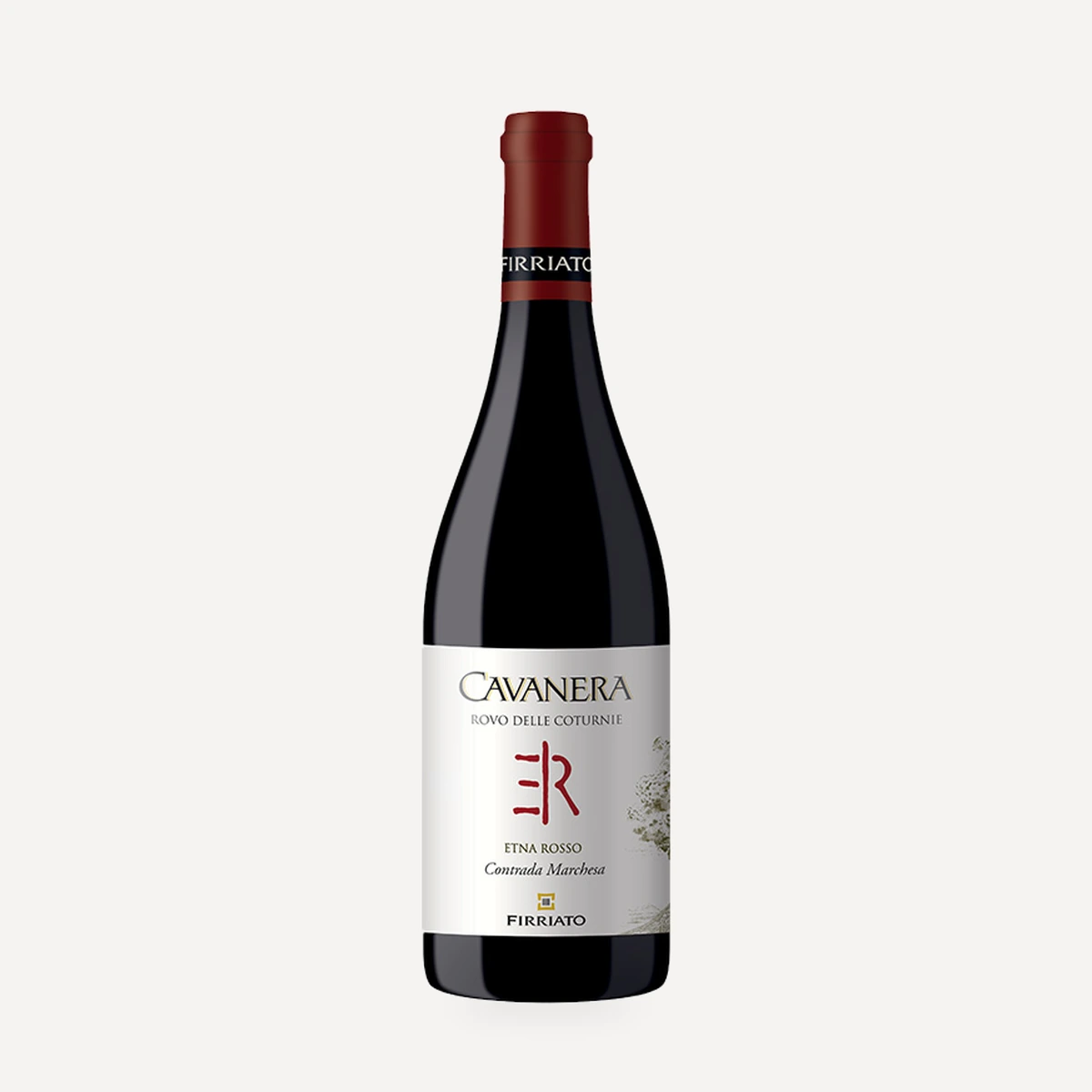
Cavanera Contrada Marchesa - Rovo delle Coturnie
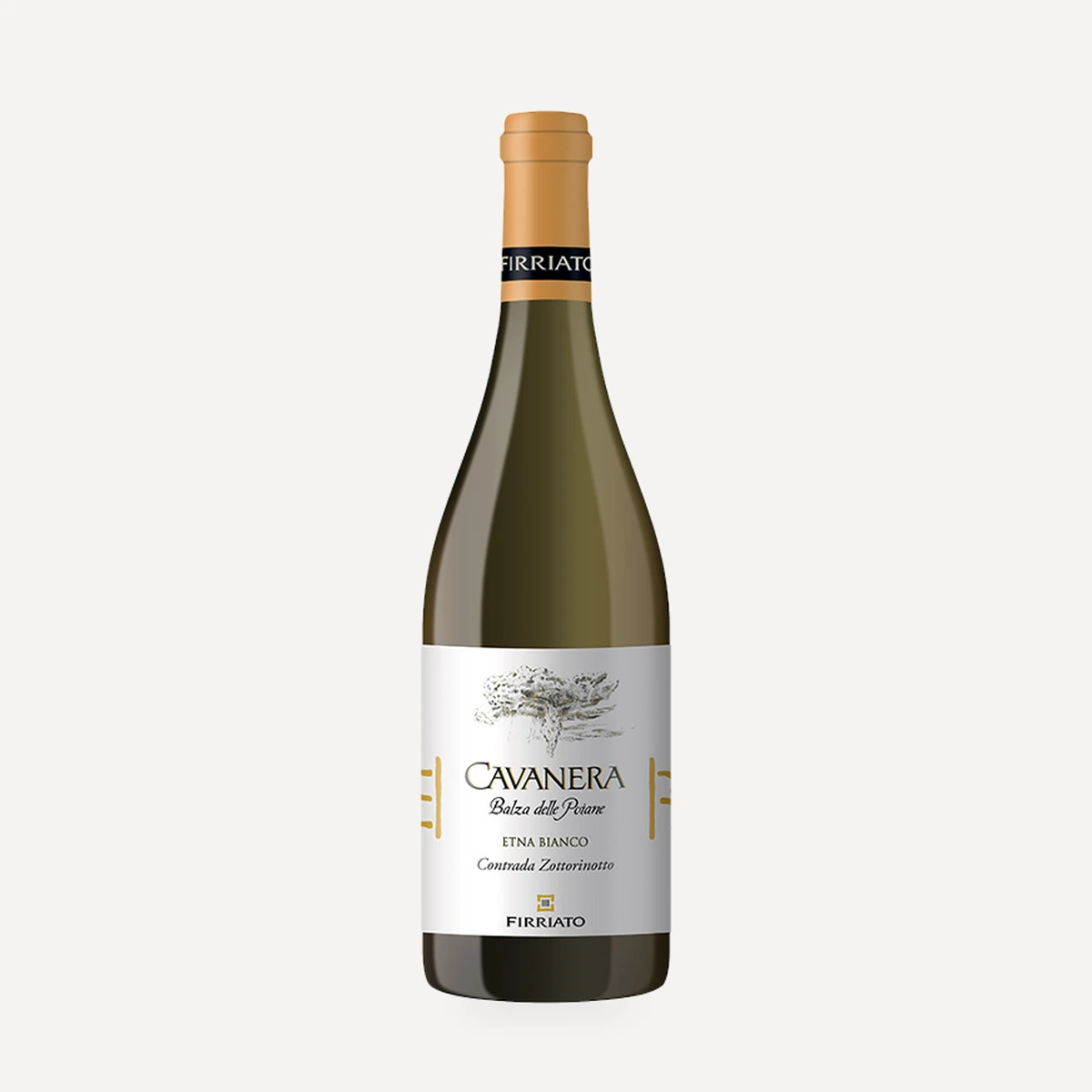
Cavanera Contrada Zottorinotto - Balza delle Poiane
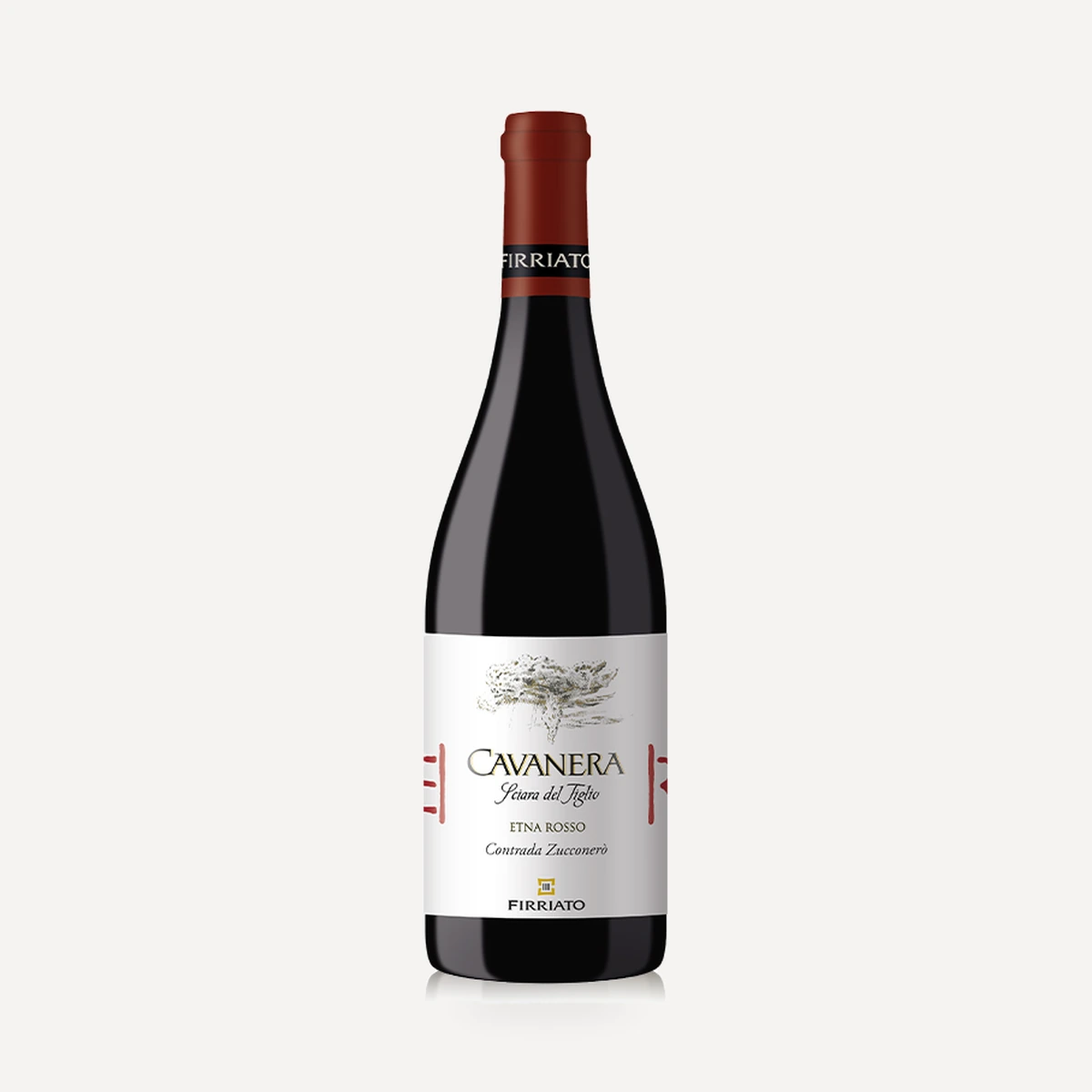
Cavanera Contrada Zucconerò - Sciara del Tiglio
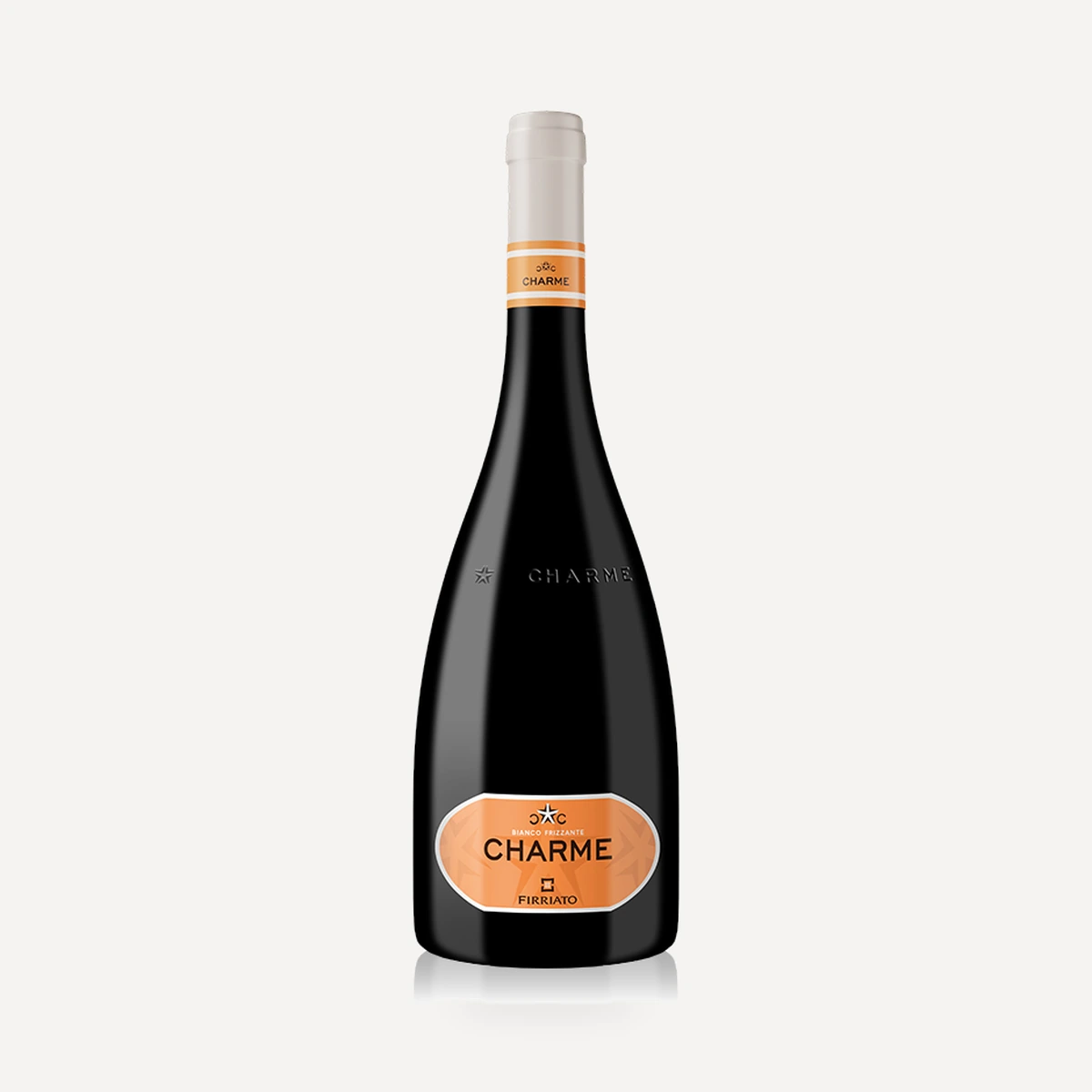
Charme Bianco
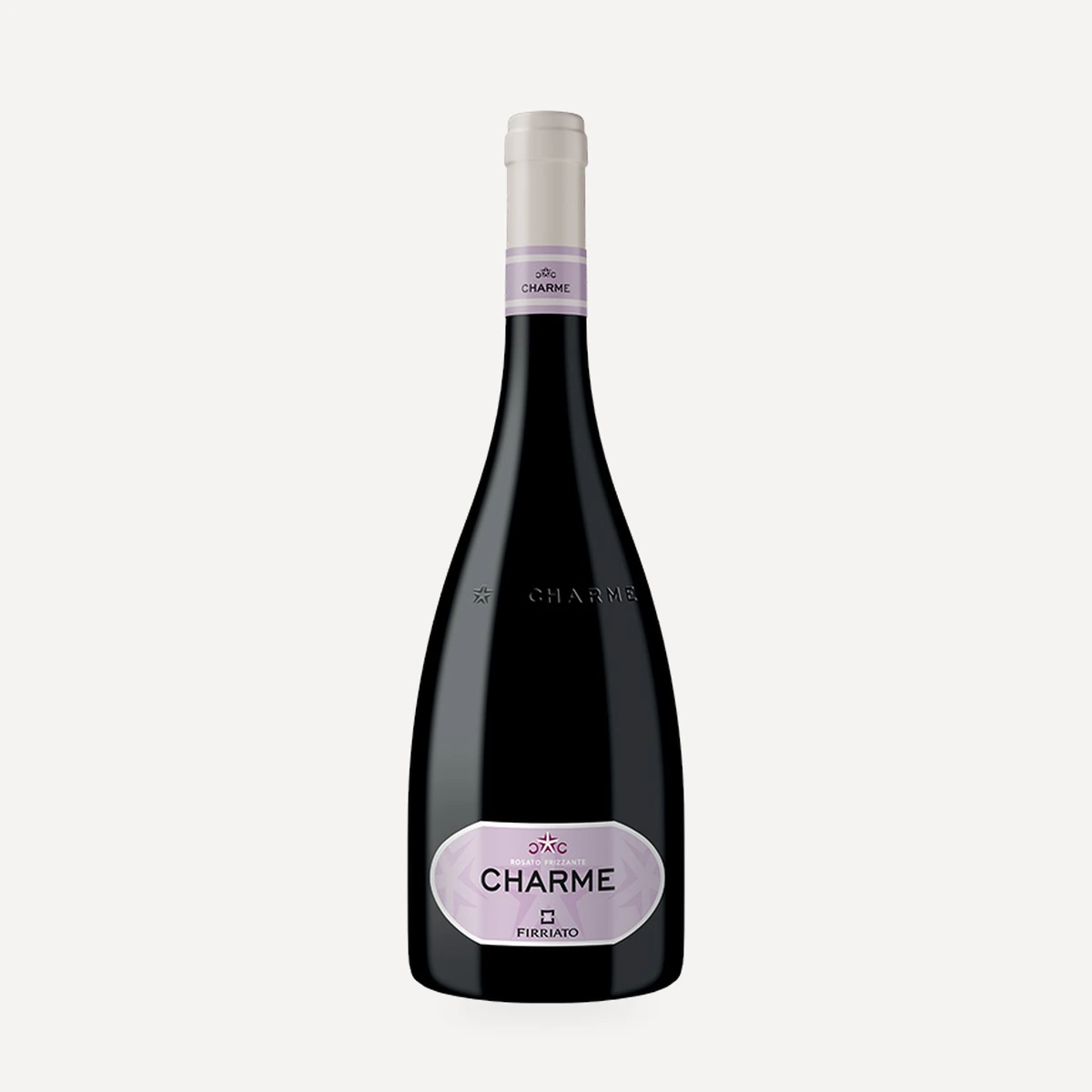
Charme Rosè
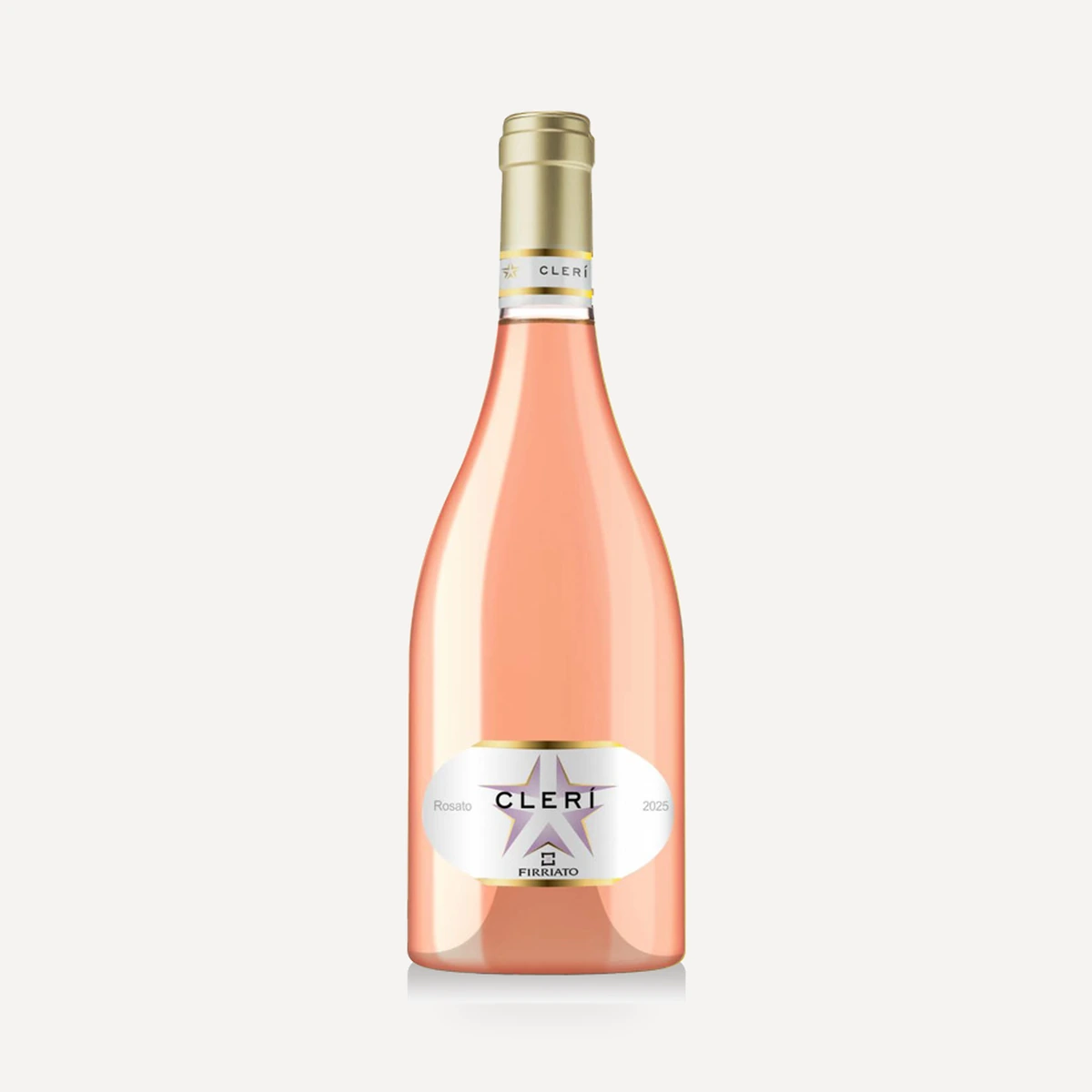
Clerí Rosato
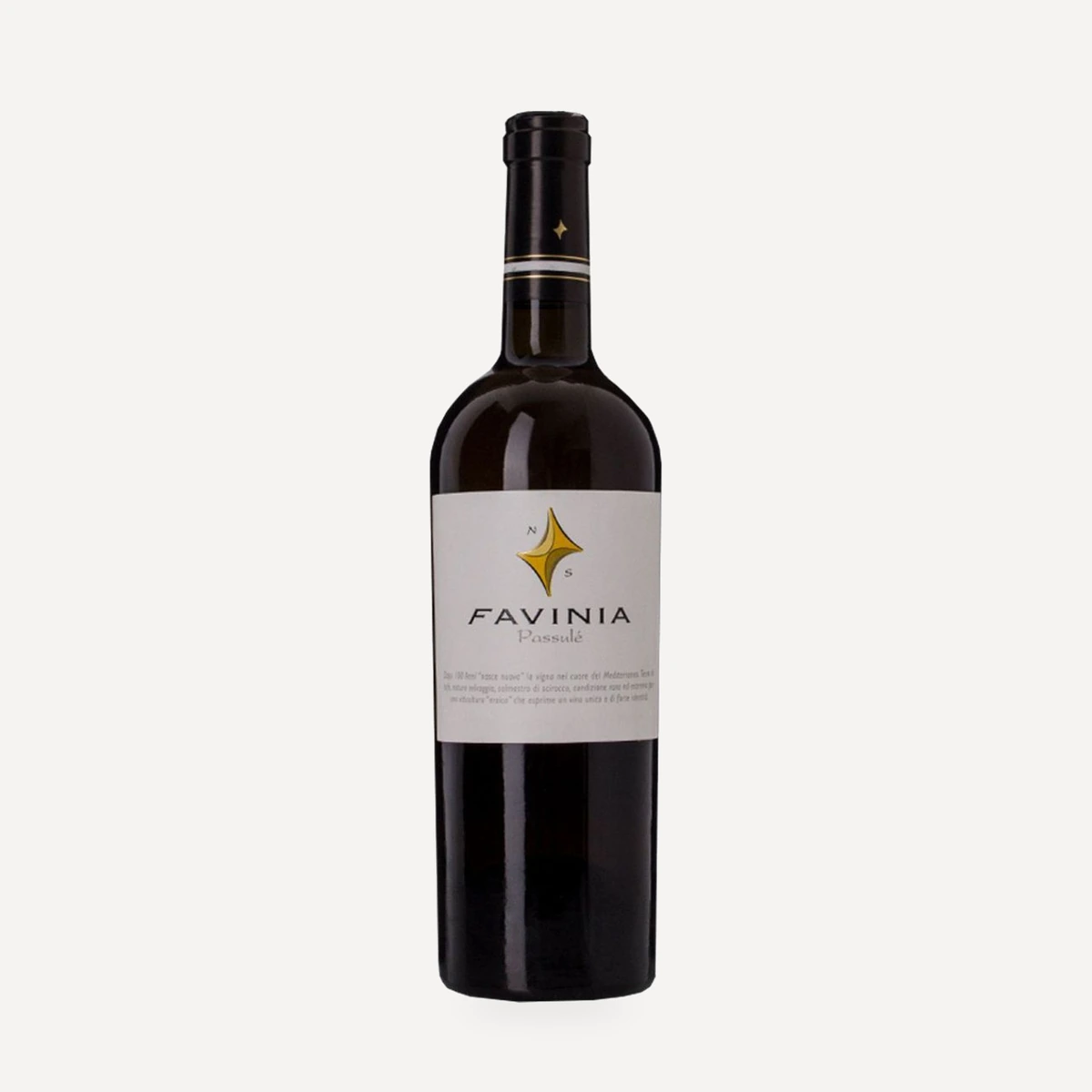
Favinia Passulè
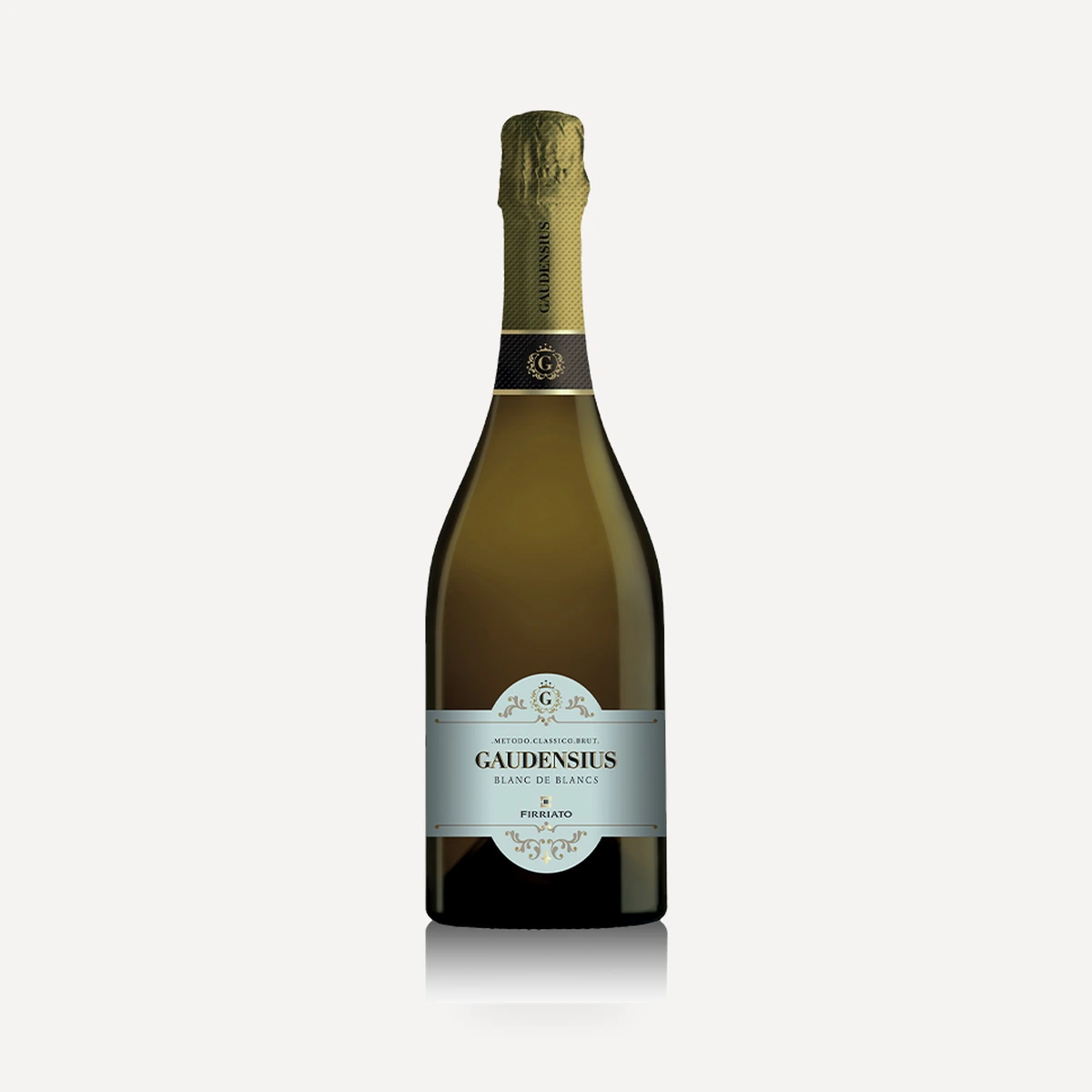
Gaudensius Blanc de Blancs
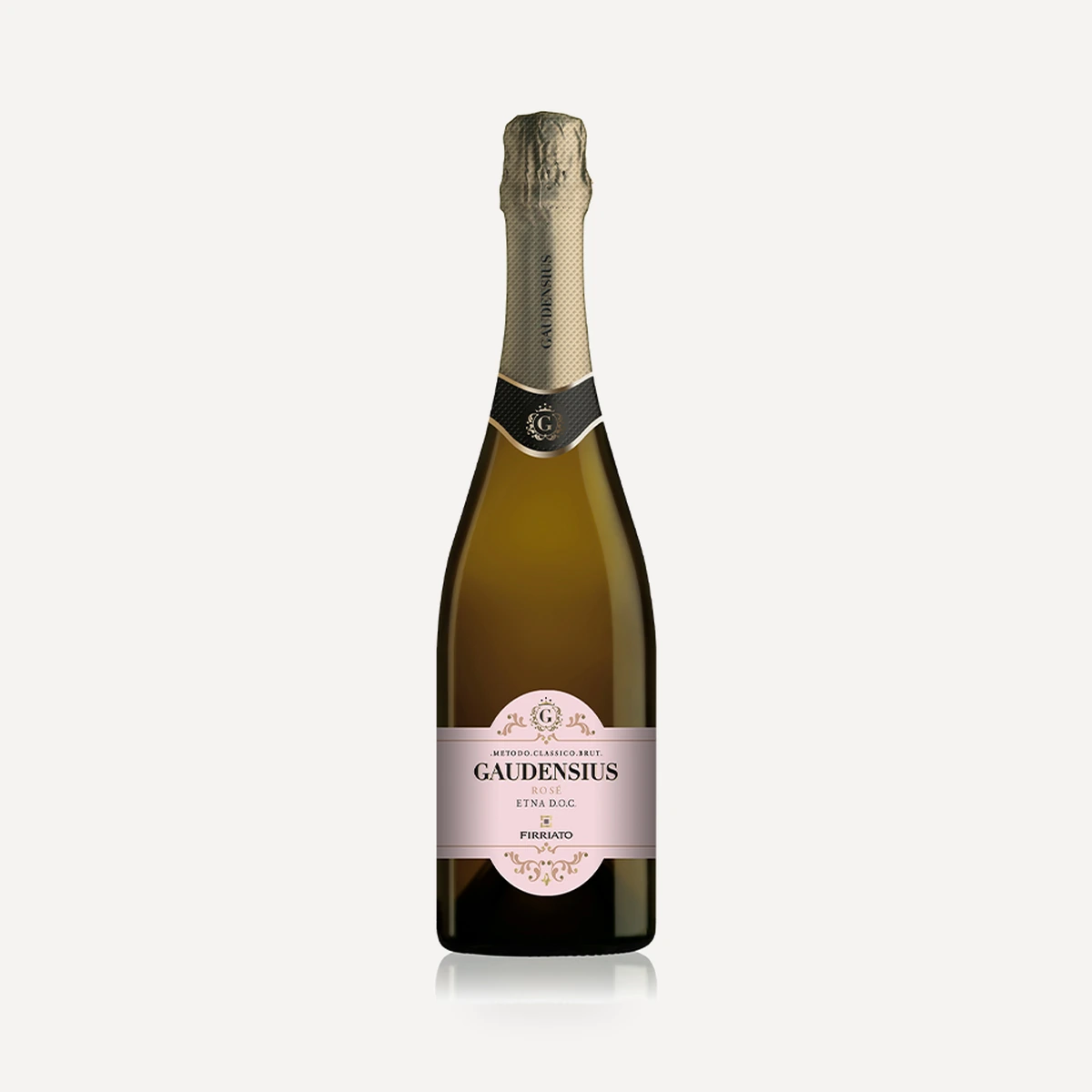
Gaudensius Rosé
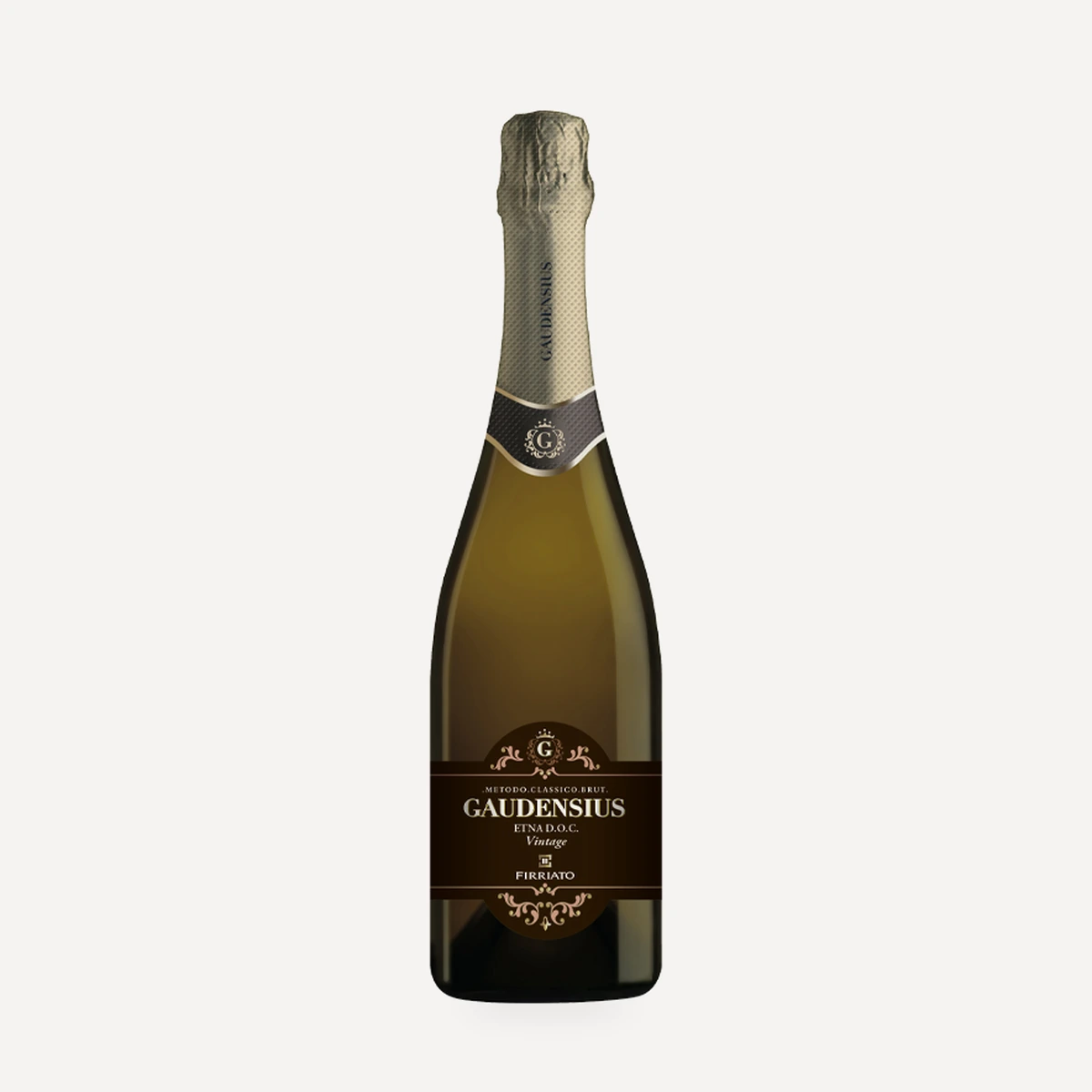
Gaudensius Vintage
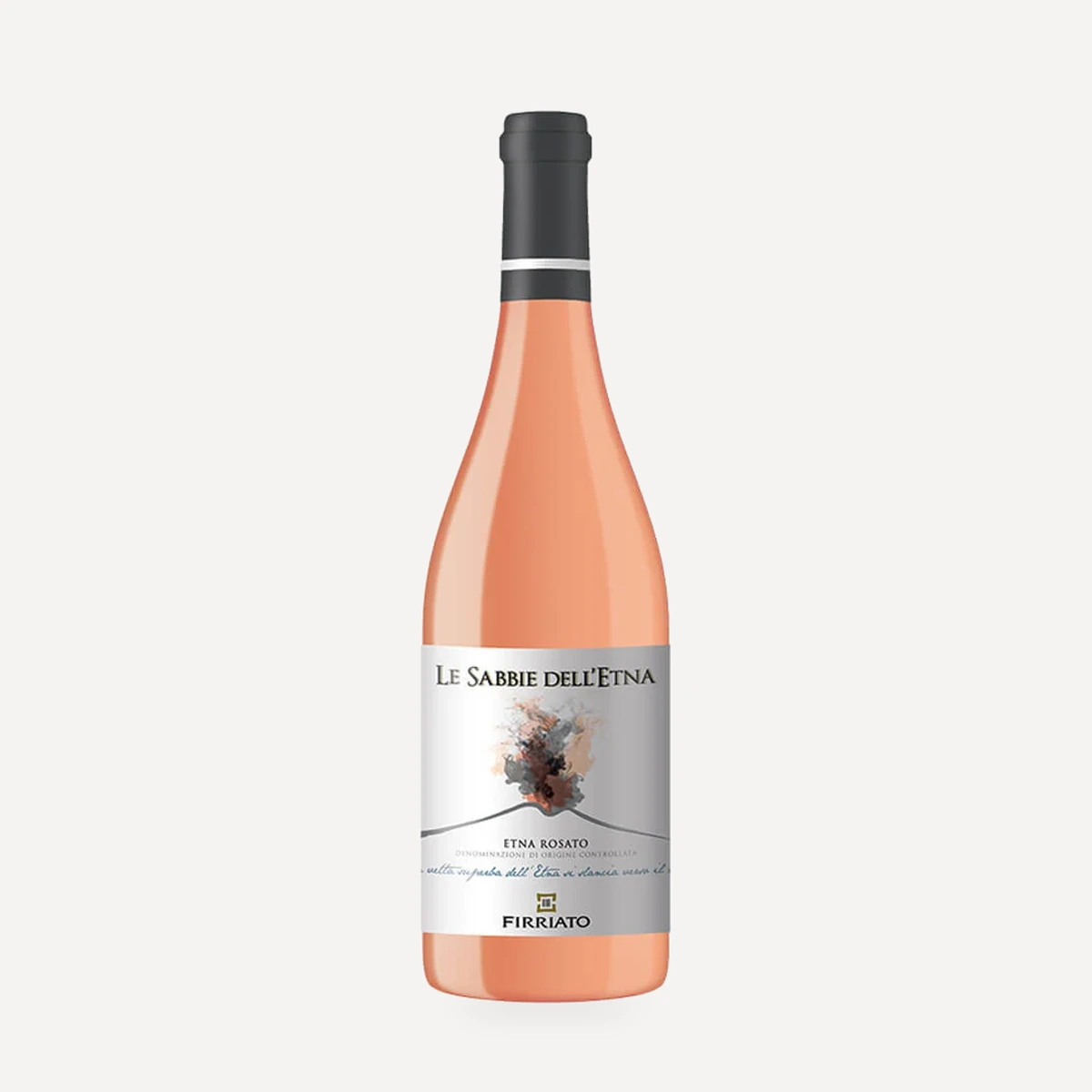
Le Sabbie dell'Etna Rosato
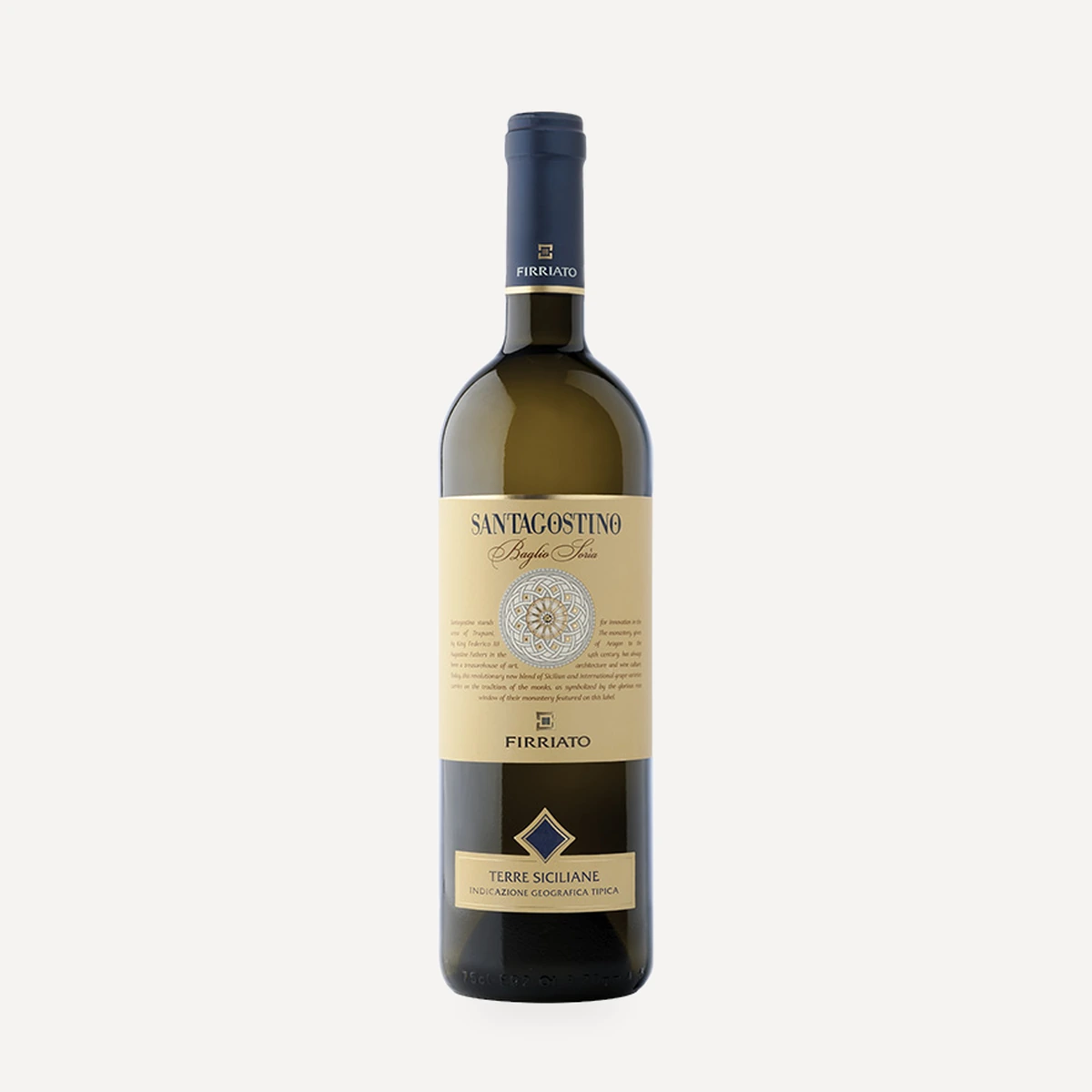
Santagostino Bianco
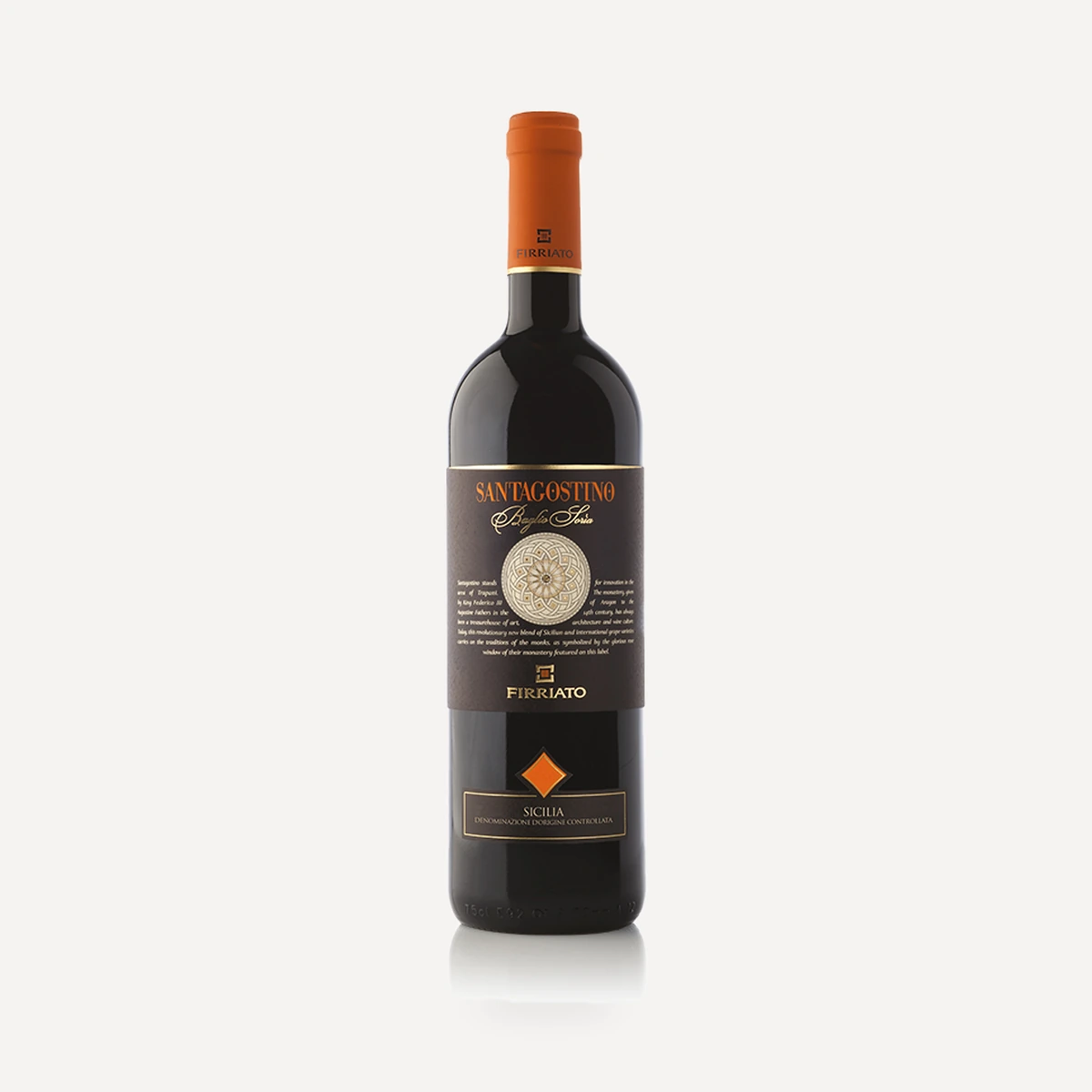
Santagostino Rosso
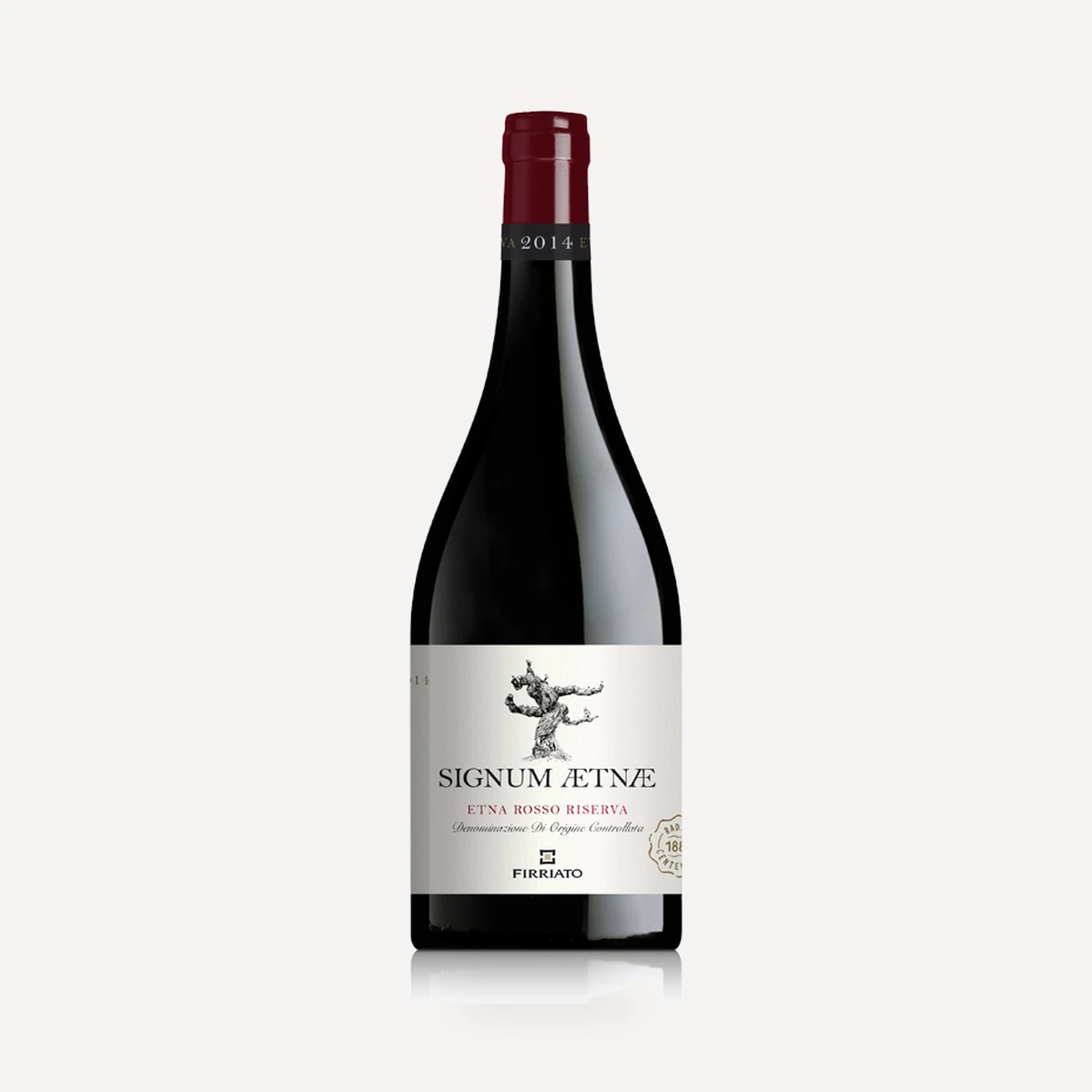
Signum Aetnae
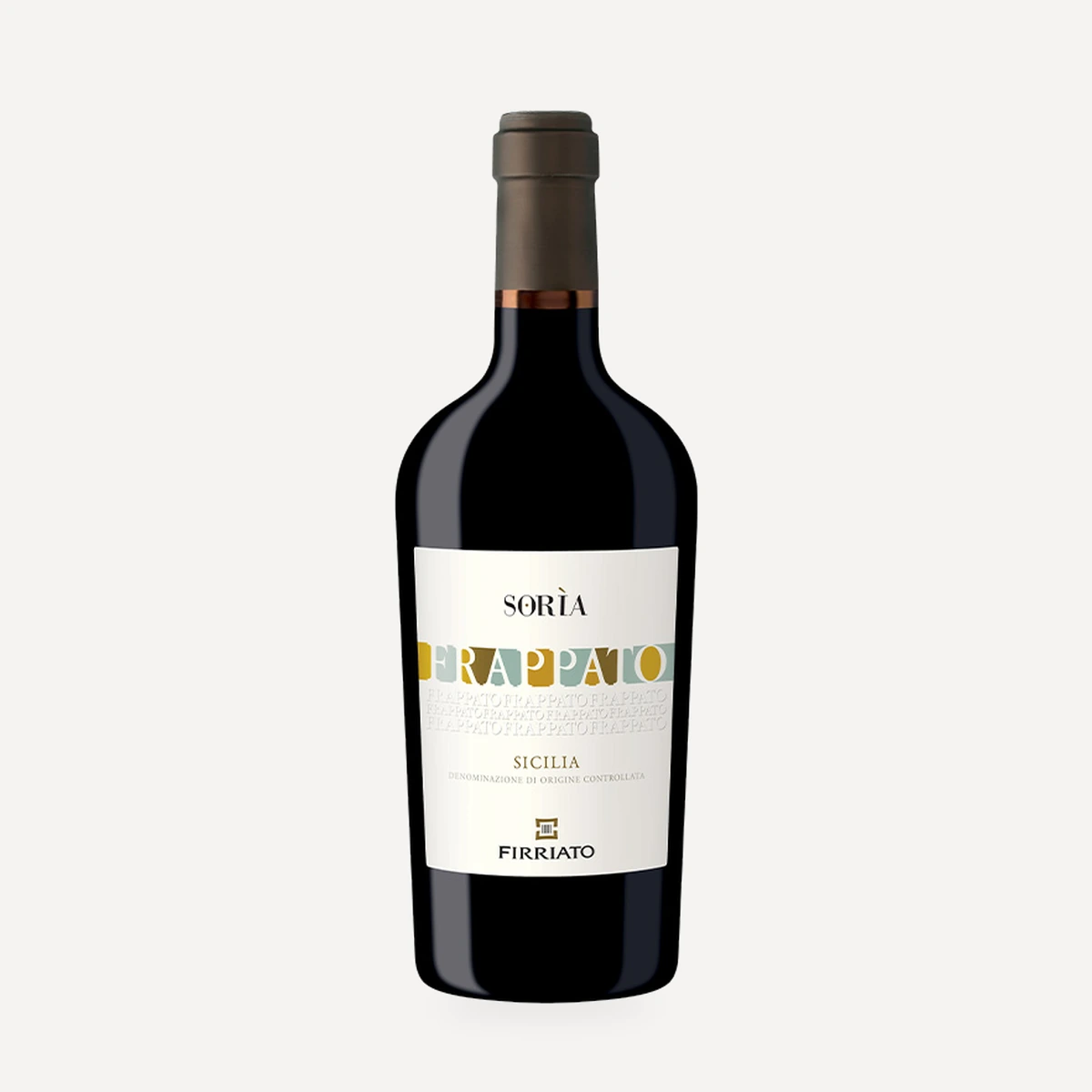
Sorìa Frappato
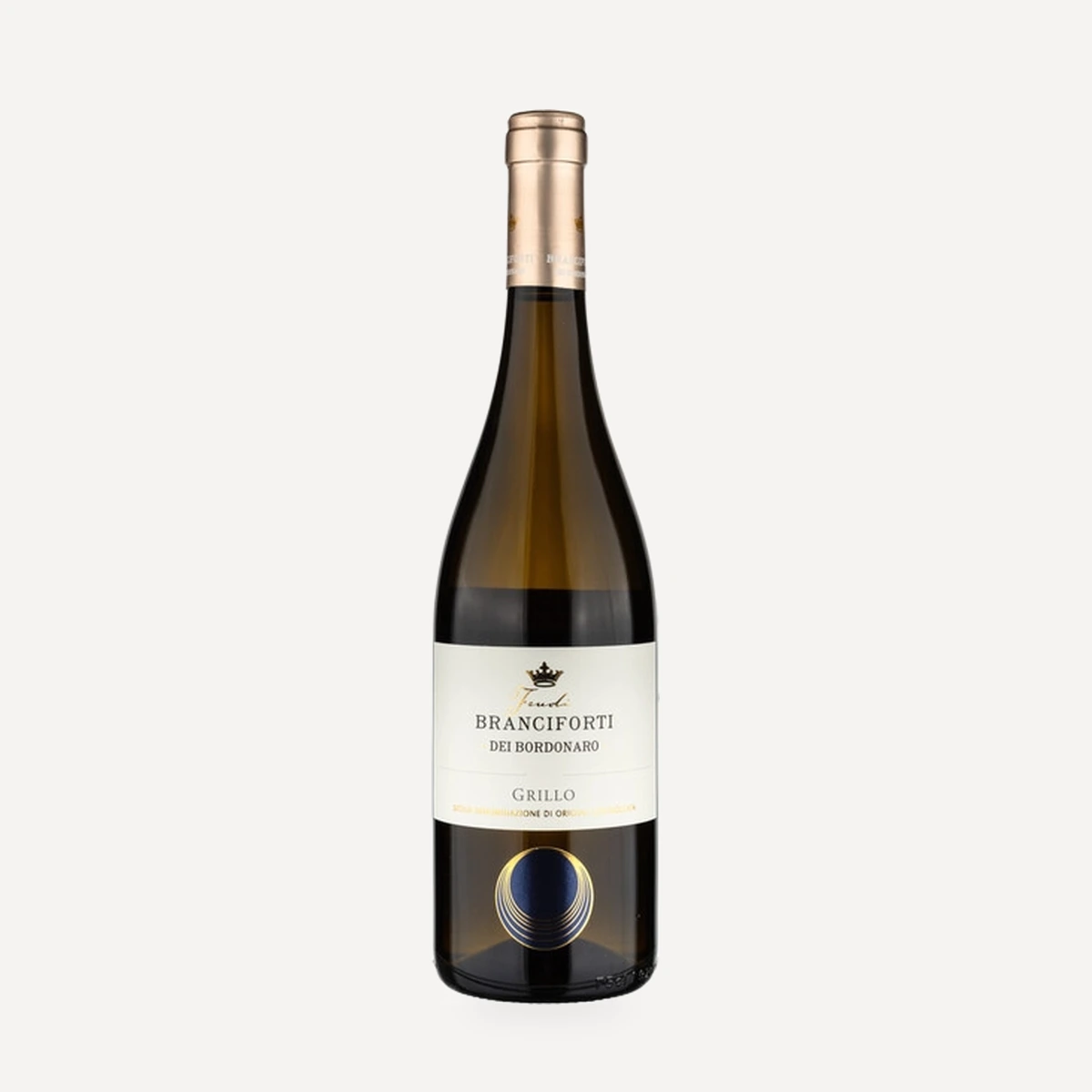
Grillo Sicilia DOC
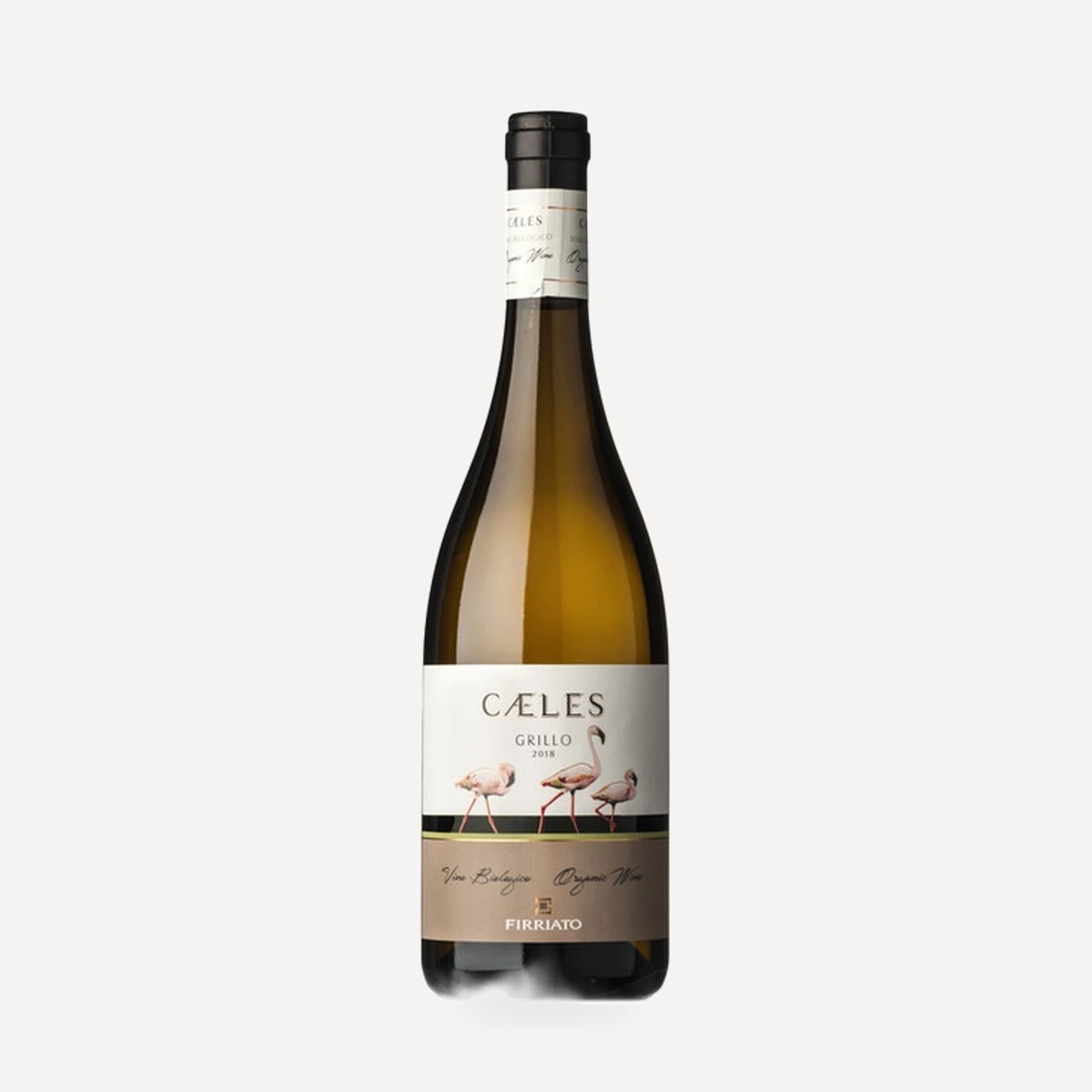
Caeles Grillo Sicilia DOC
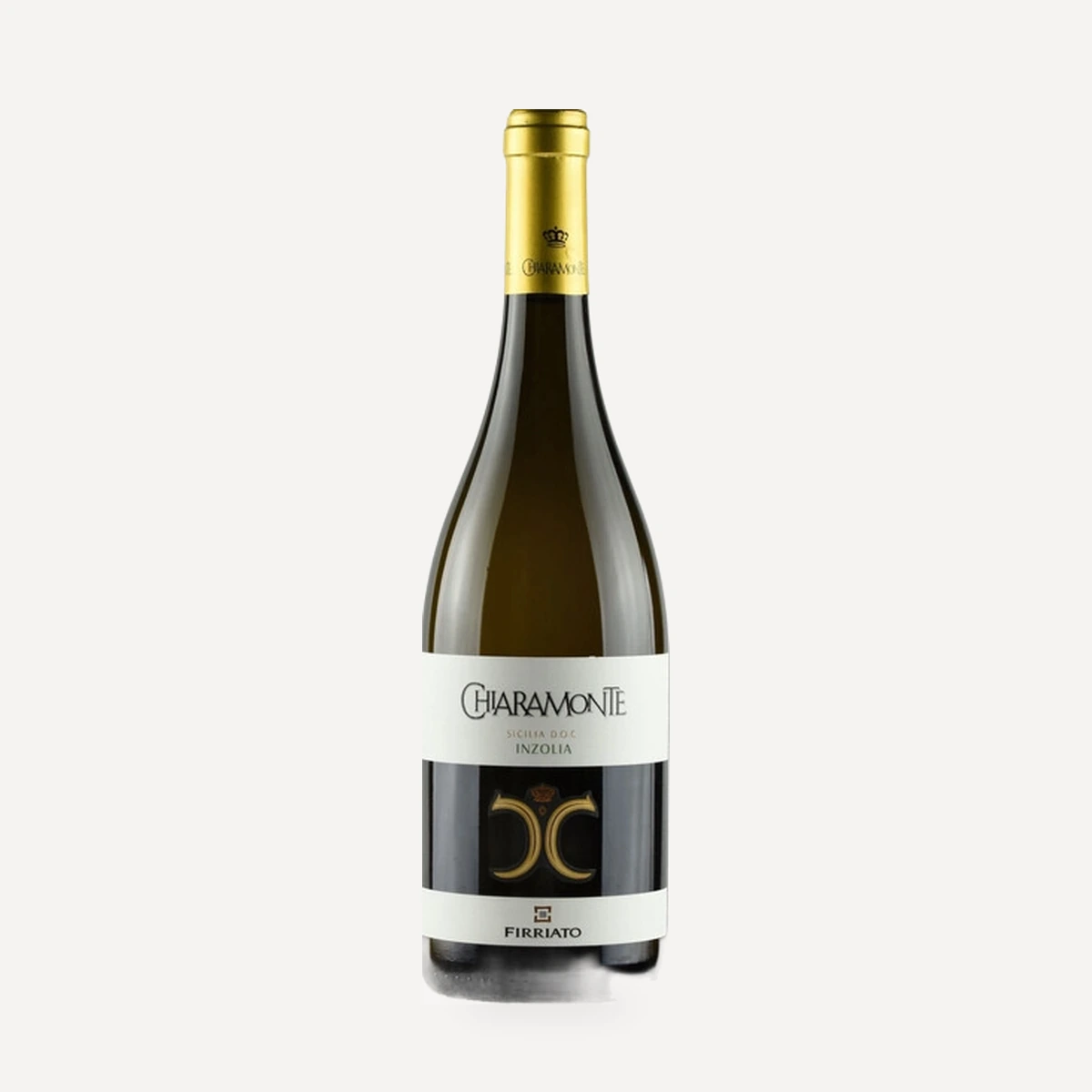
Chiaramonte Inzolia Sicilia DOC
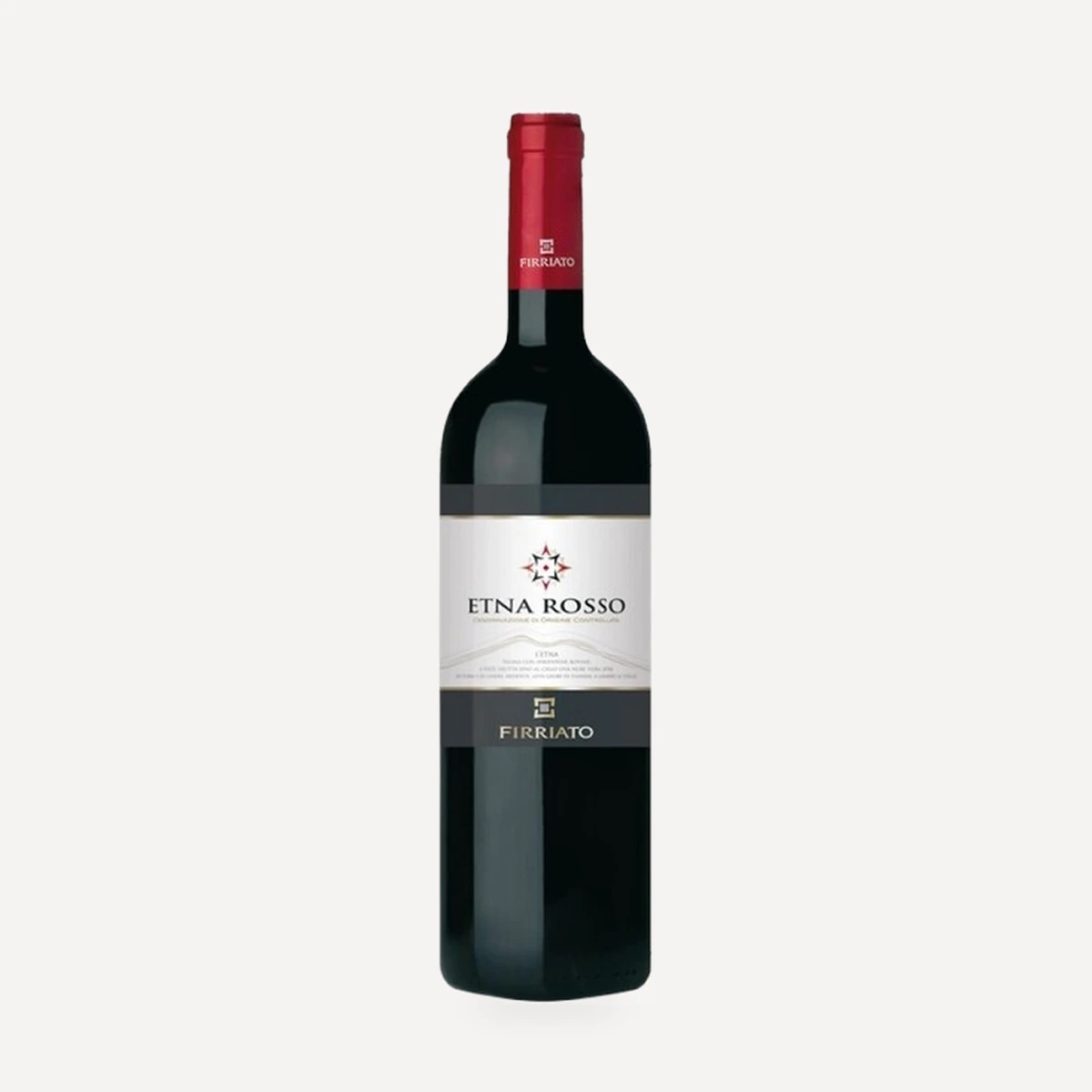
Etna Rosso DOC
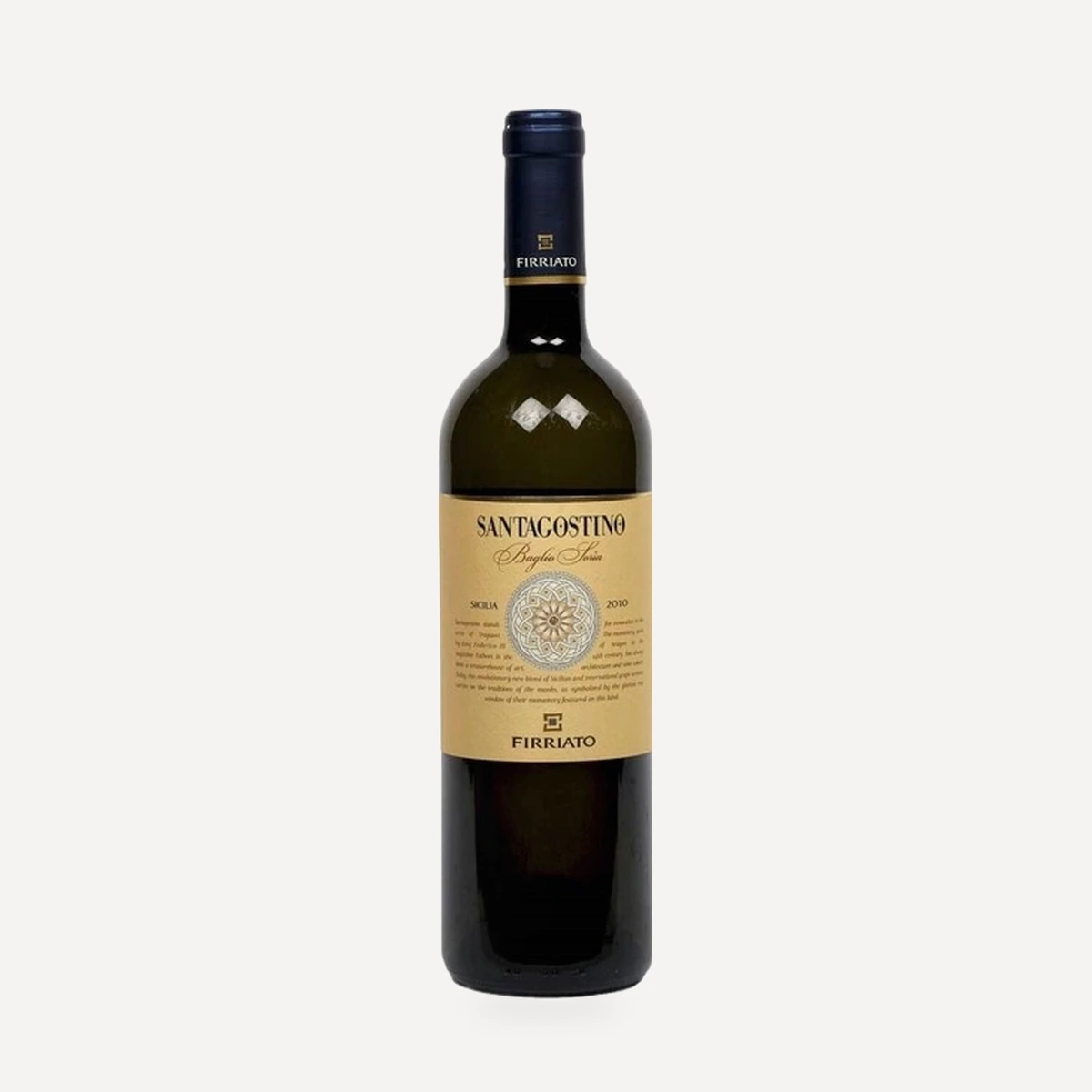
Santagostino Baglio Soria Sicilia IGT
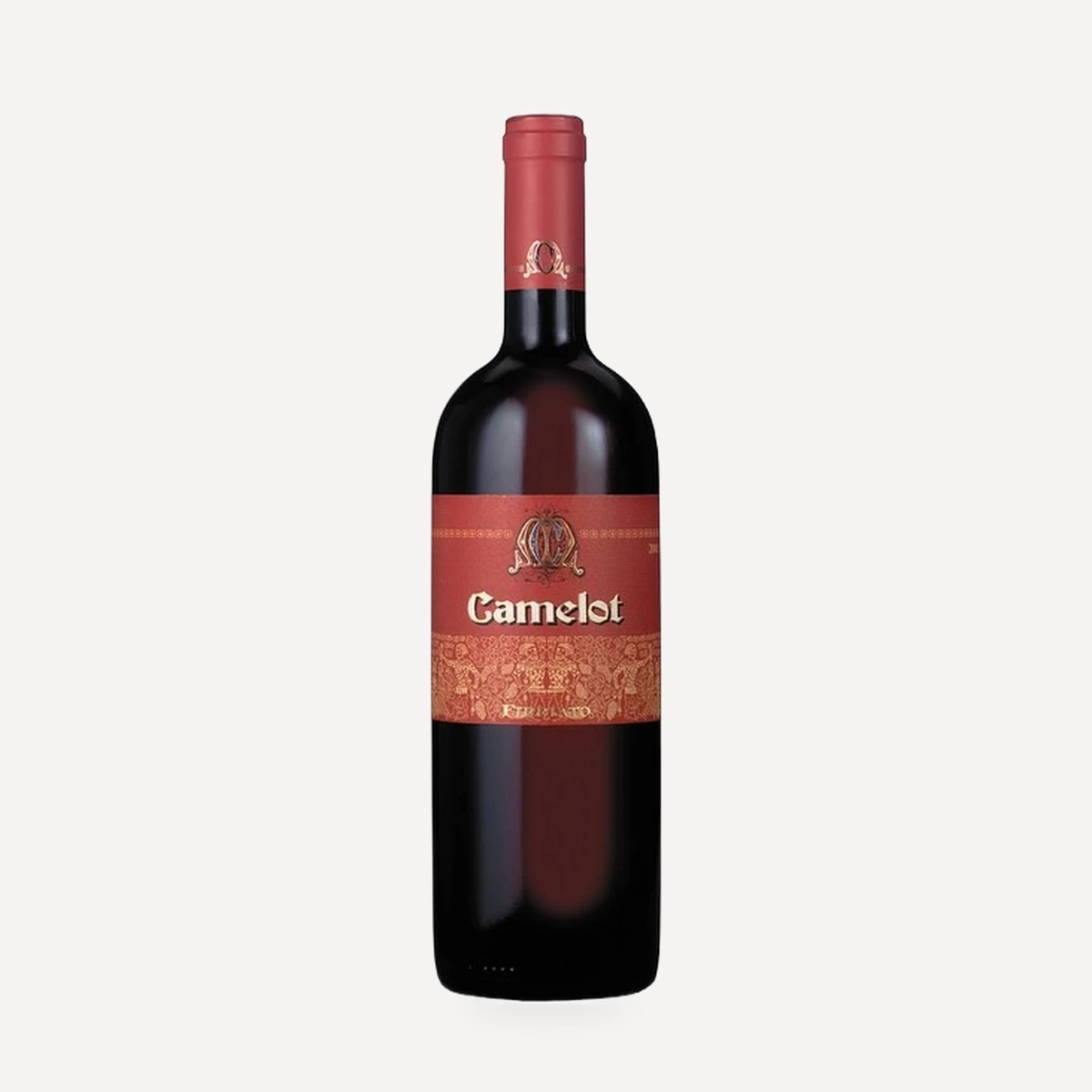
Camelot Sicilia IGT
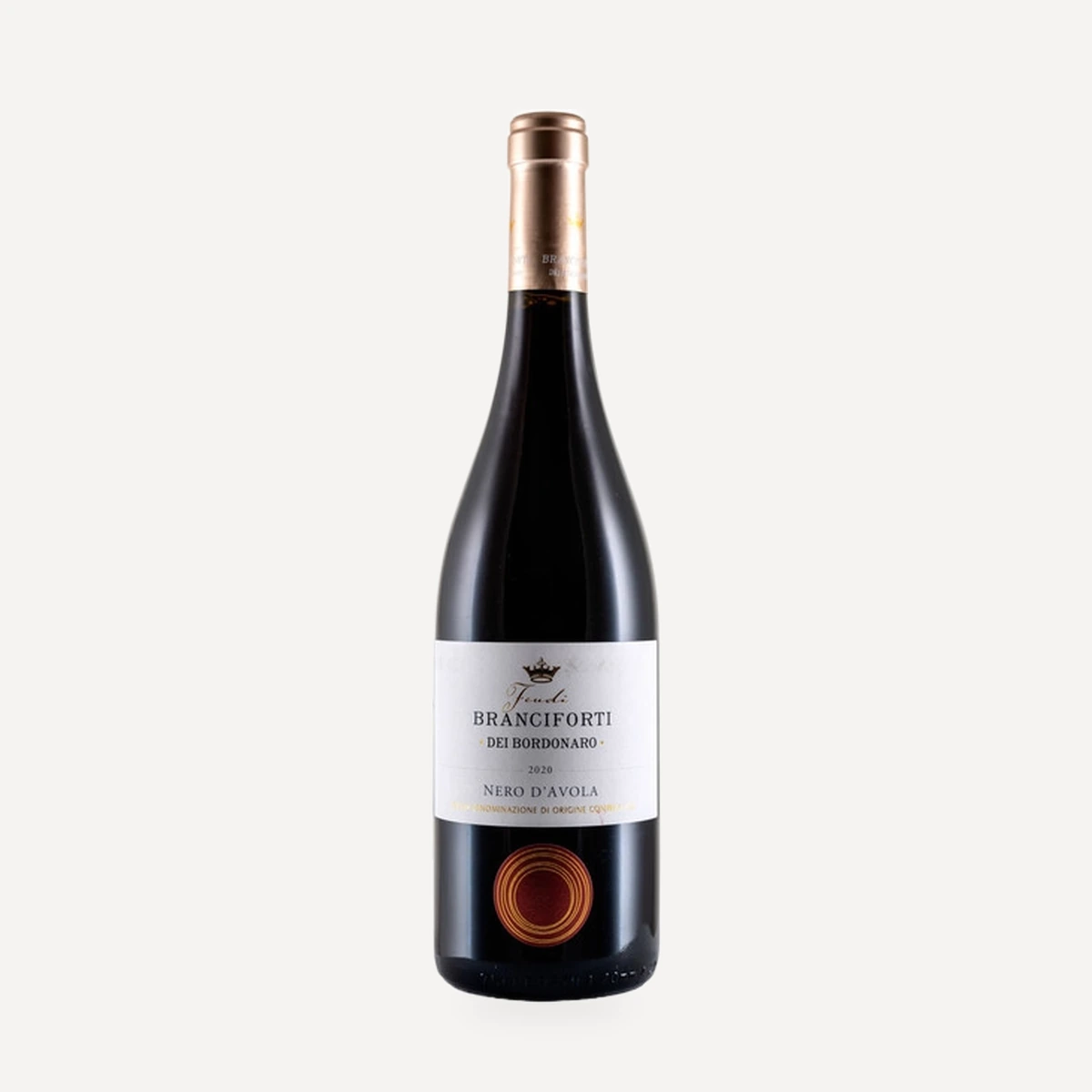
Nero d'Avola Sicilia DOC
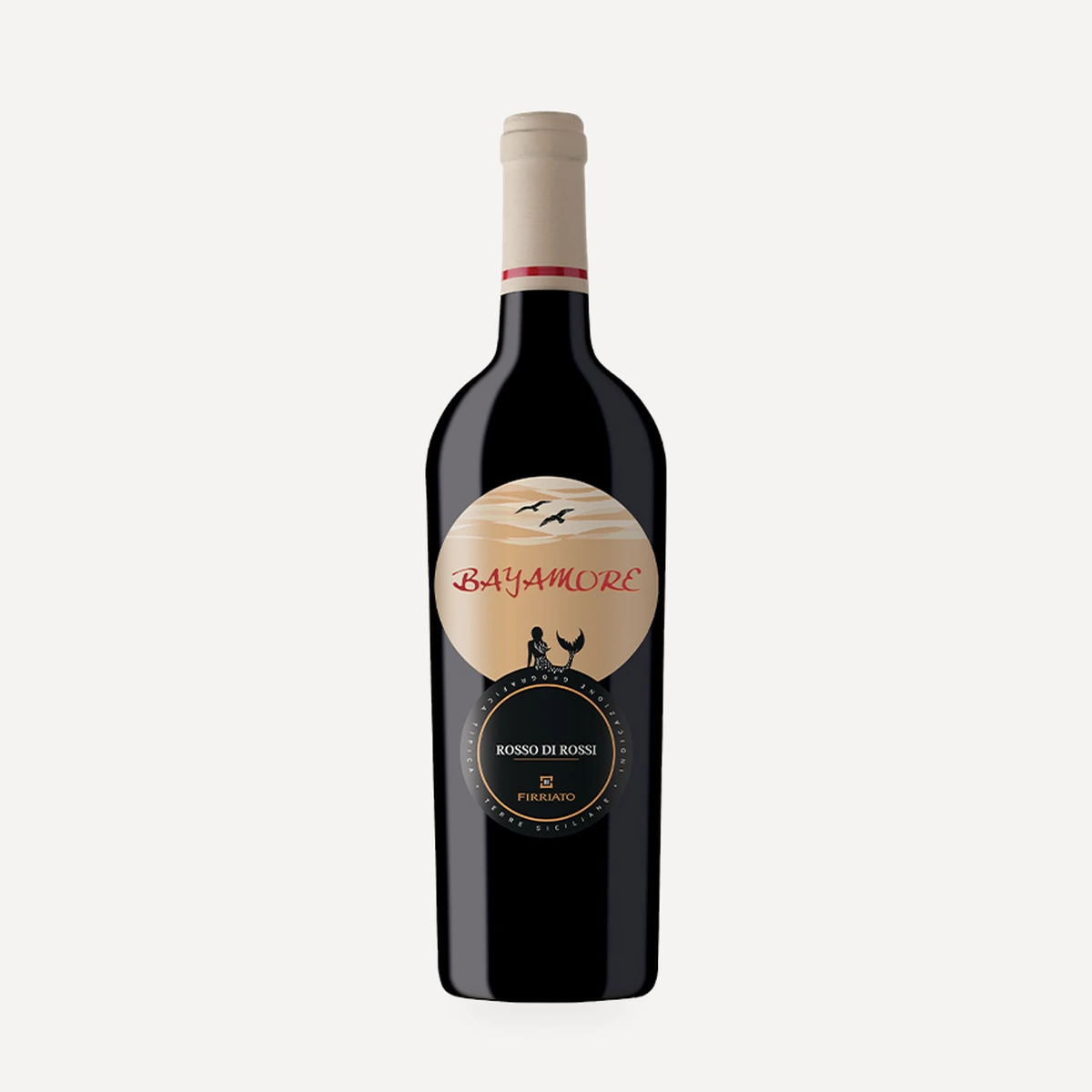
Bayamore
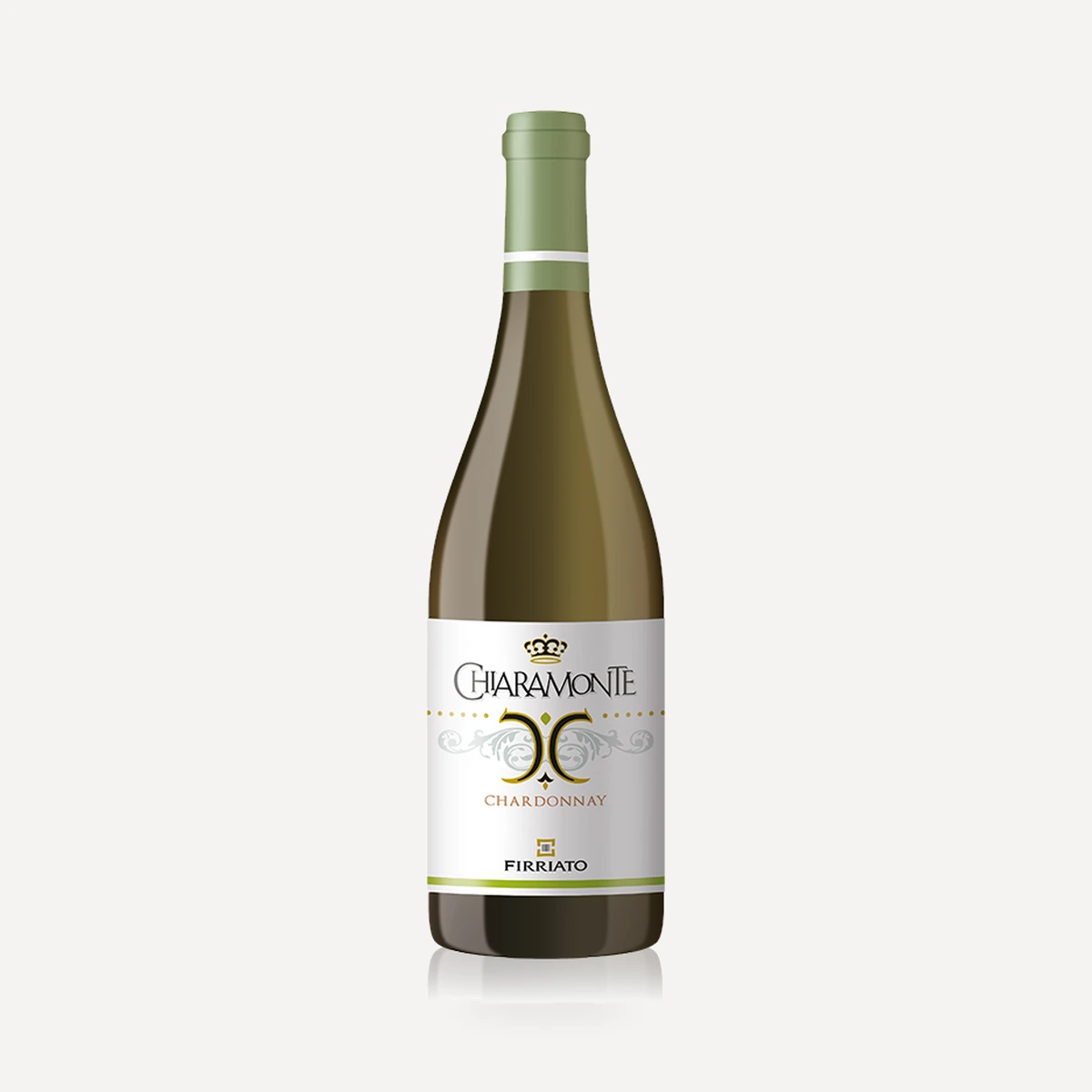
Chiaramonte Chardonnay
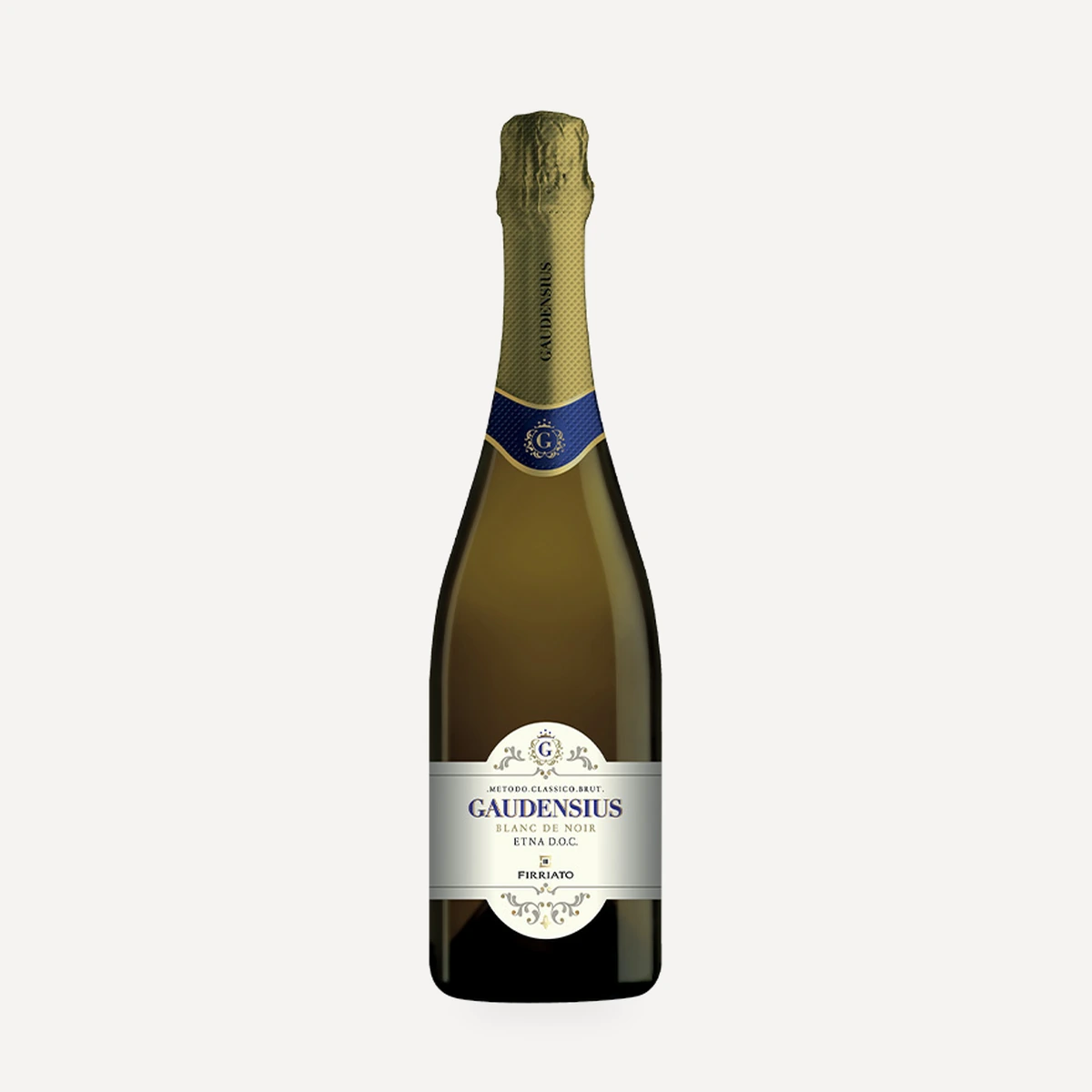
Gaudensius Blanc de Noir
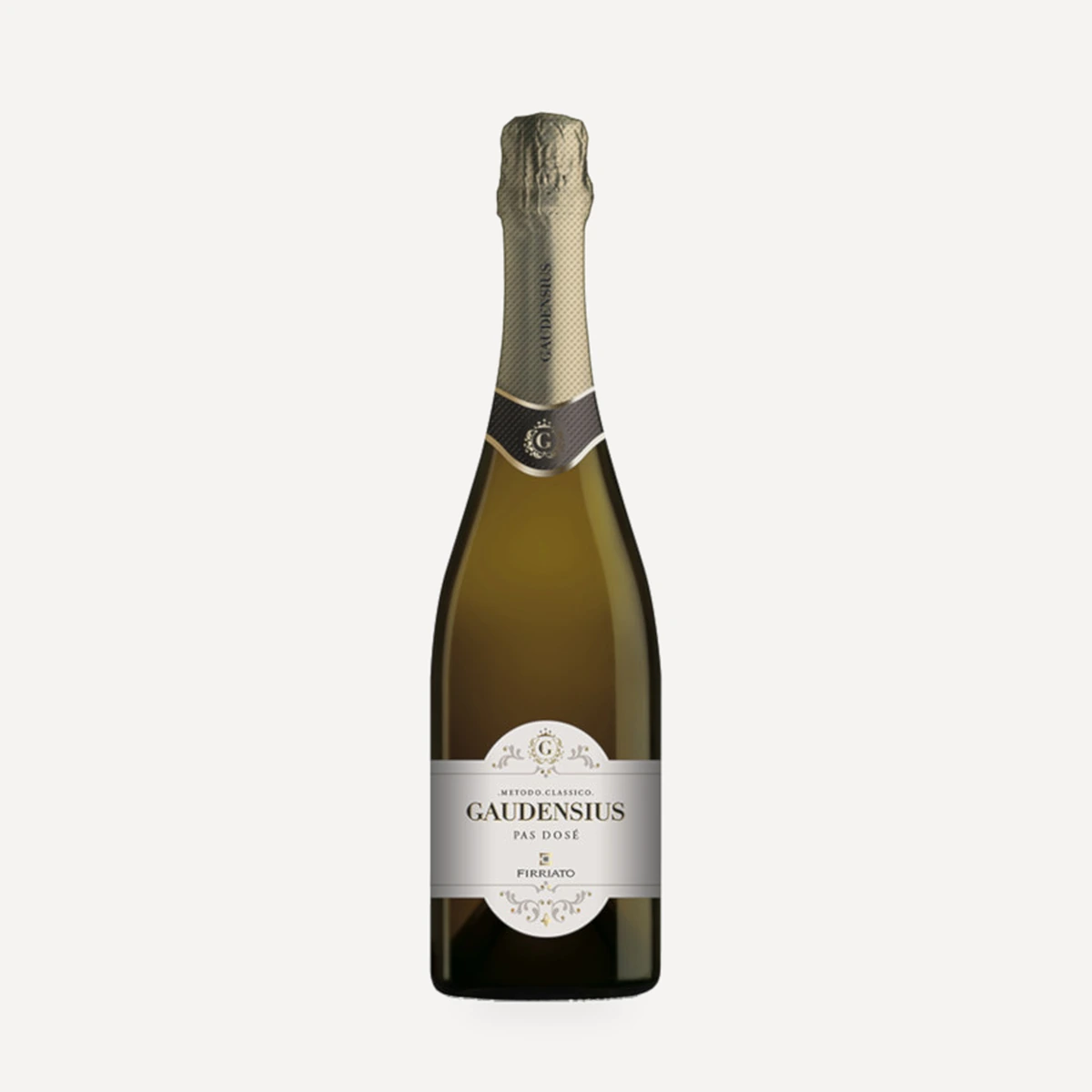
Gaudensius Pas Dosé
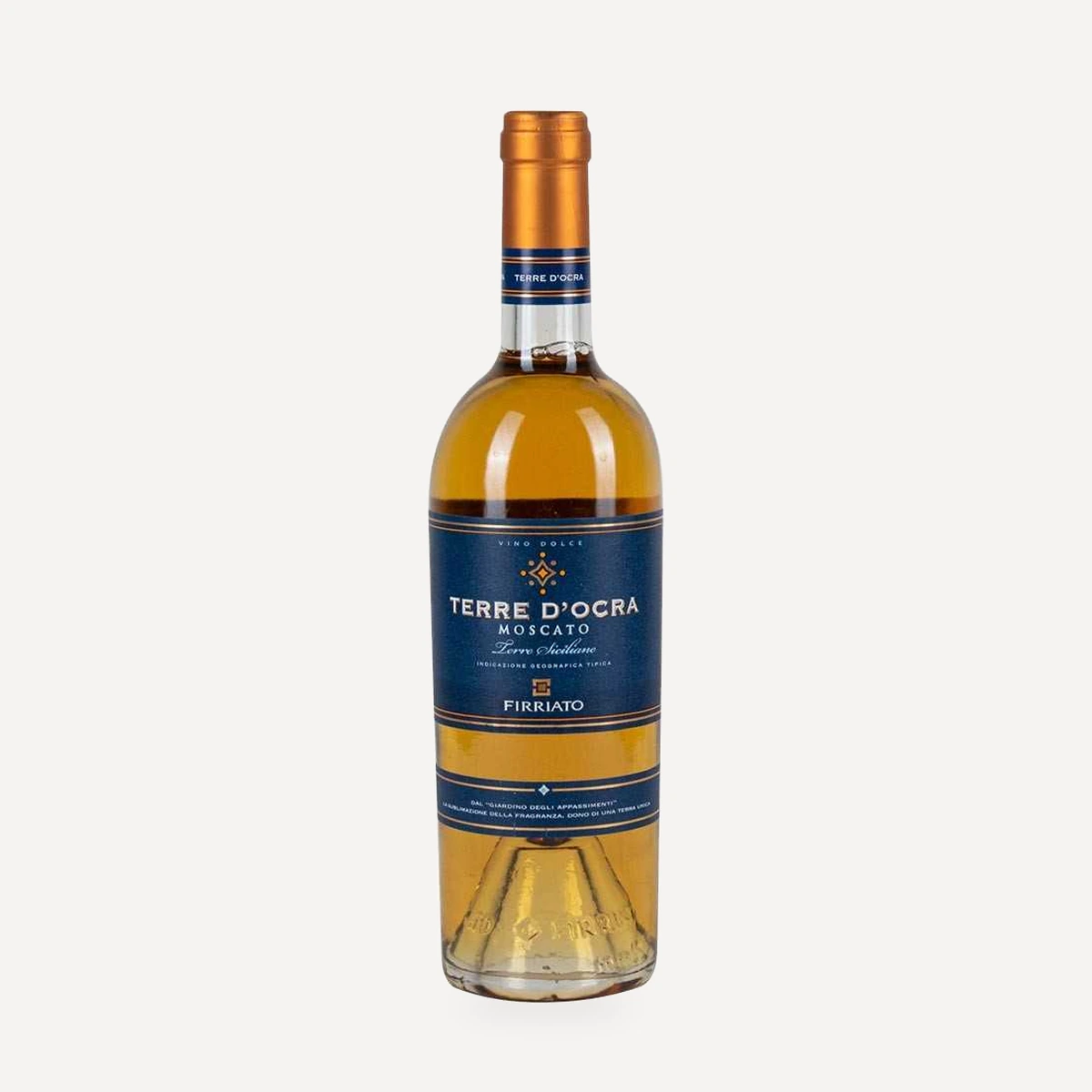
L'Ocra
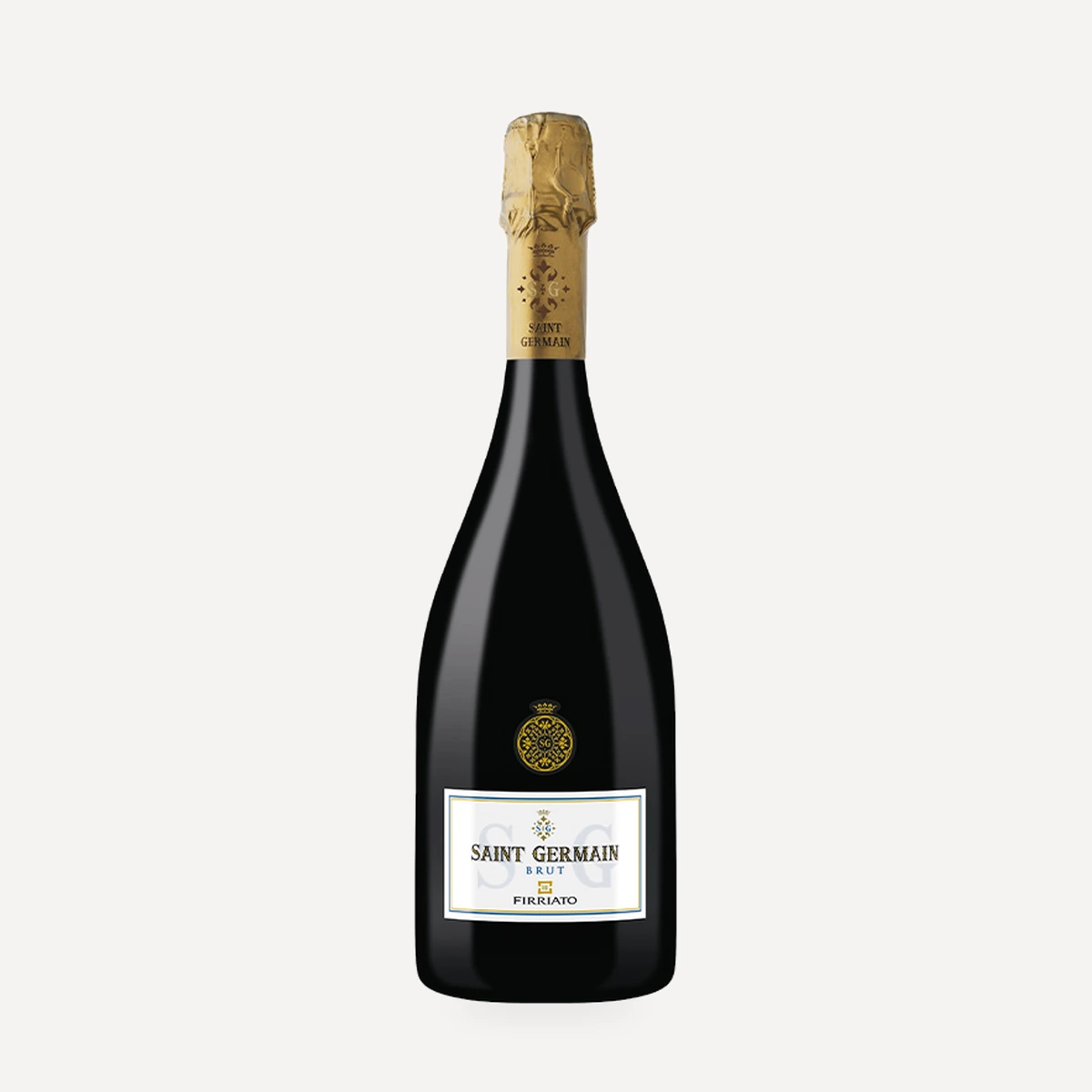
Saint Germain
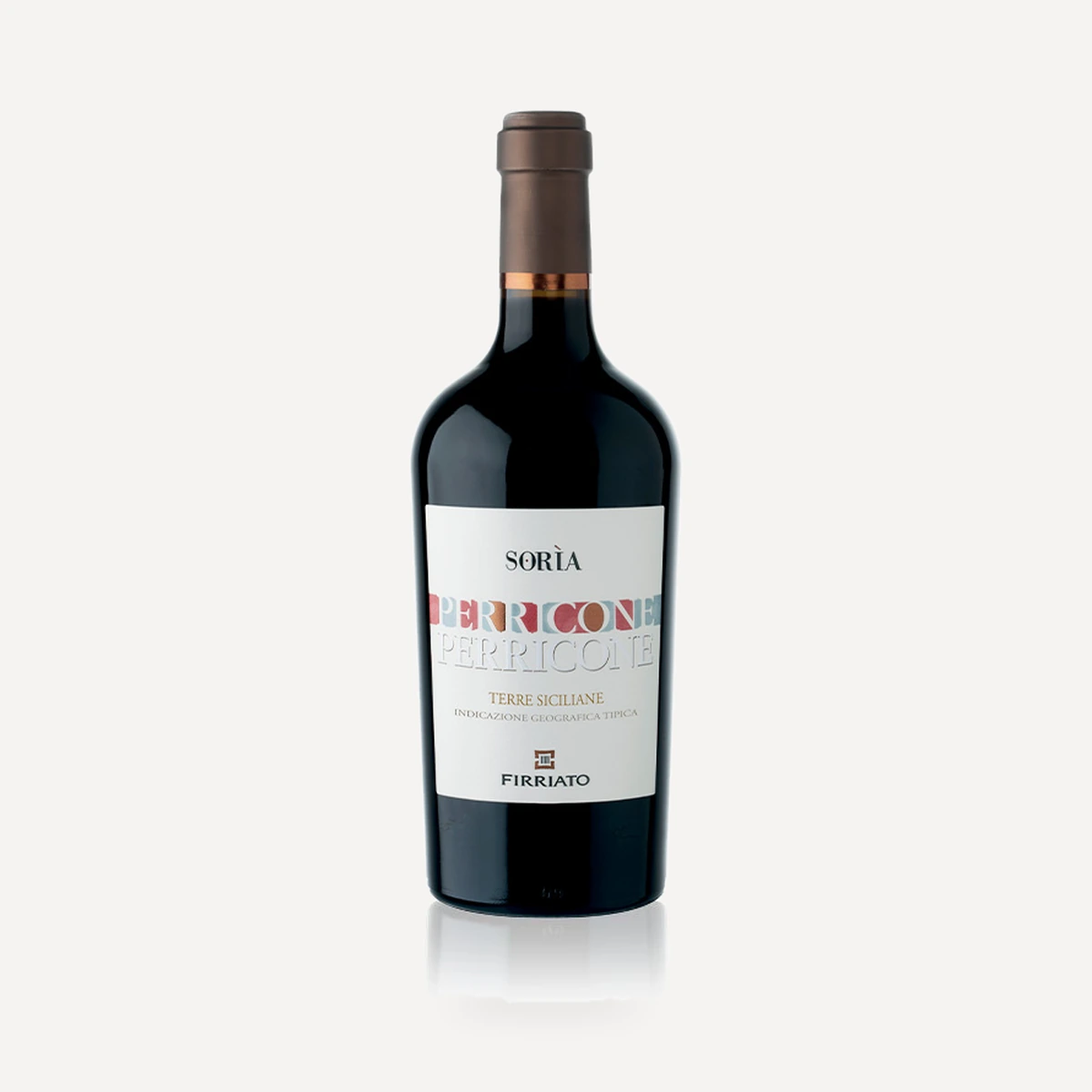
Sorìa Perricone
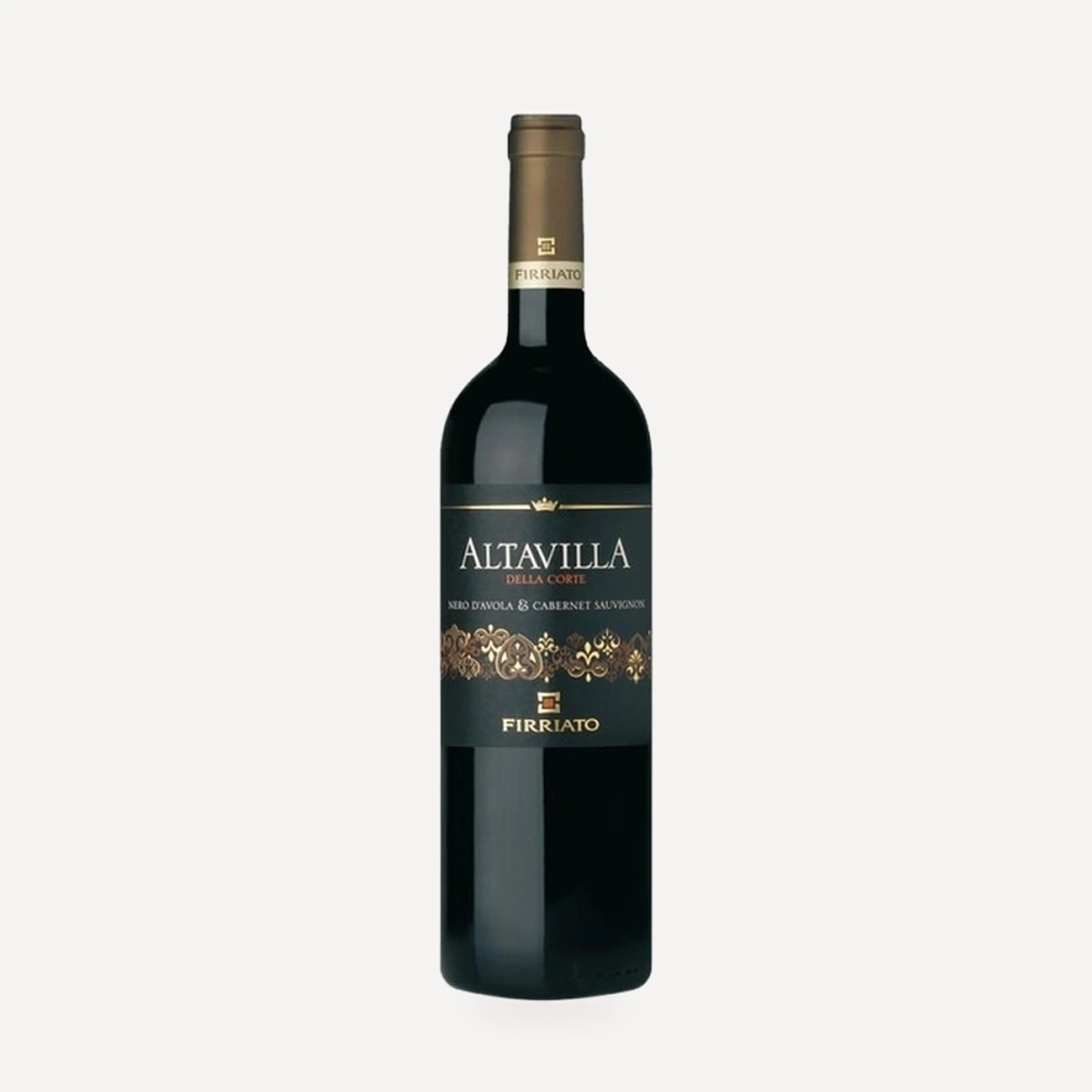
Altavilla della Corte Nero d'Avola & Cabernet Sauvignon Sicilia IGT
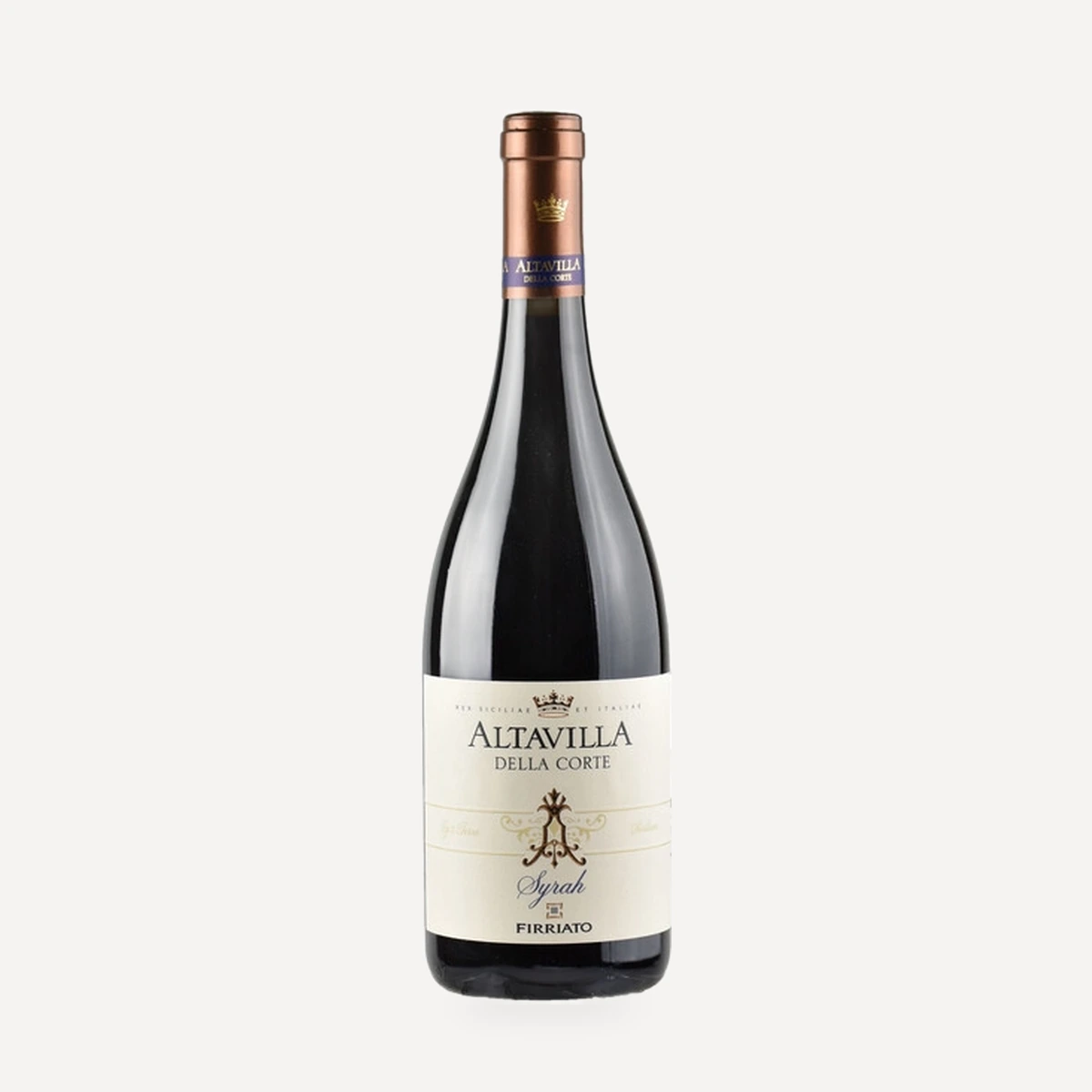
Altavilla della Corte Syrah Terre Siciliane IGT
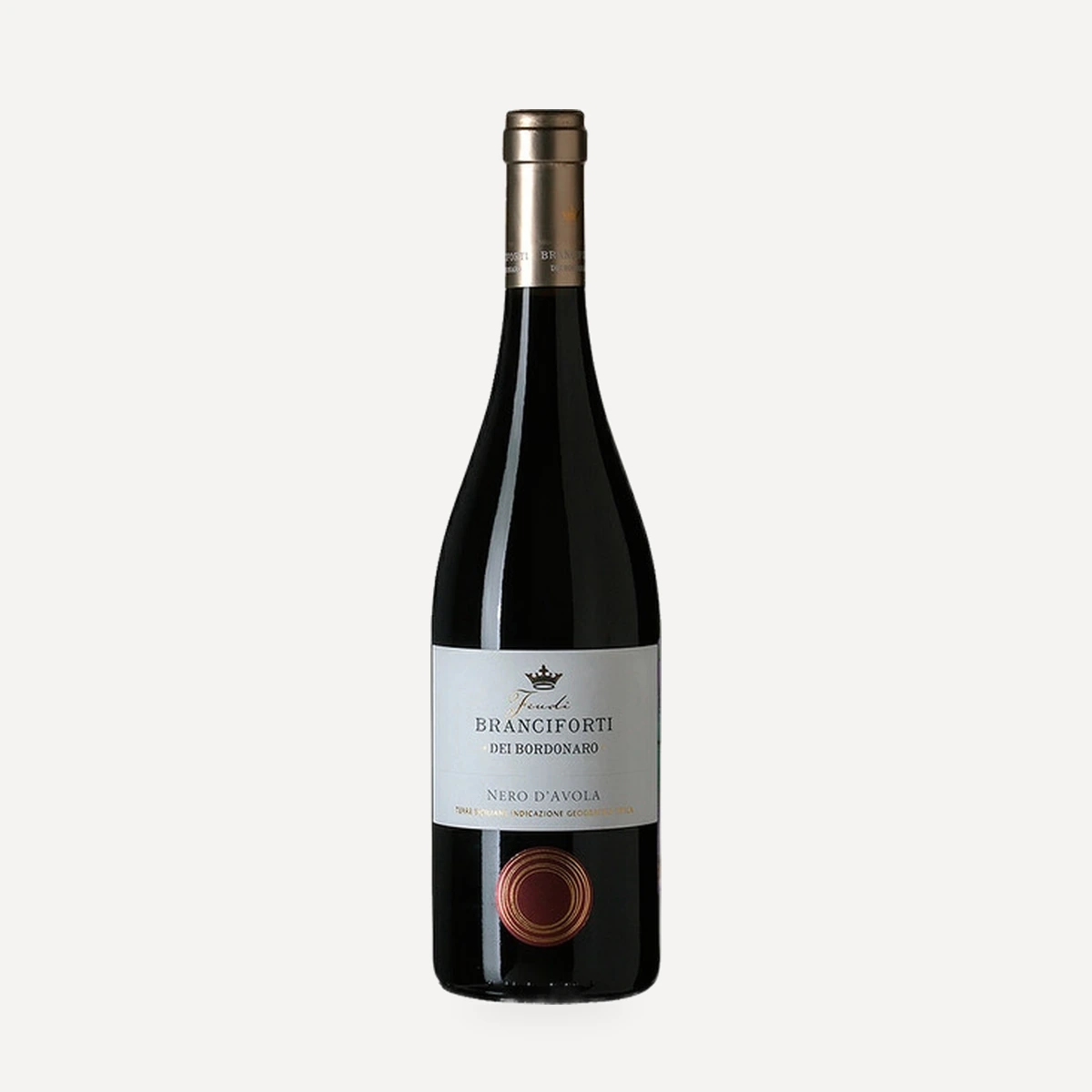
Nero d'Avola Terre Siciliane IGT
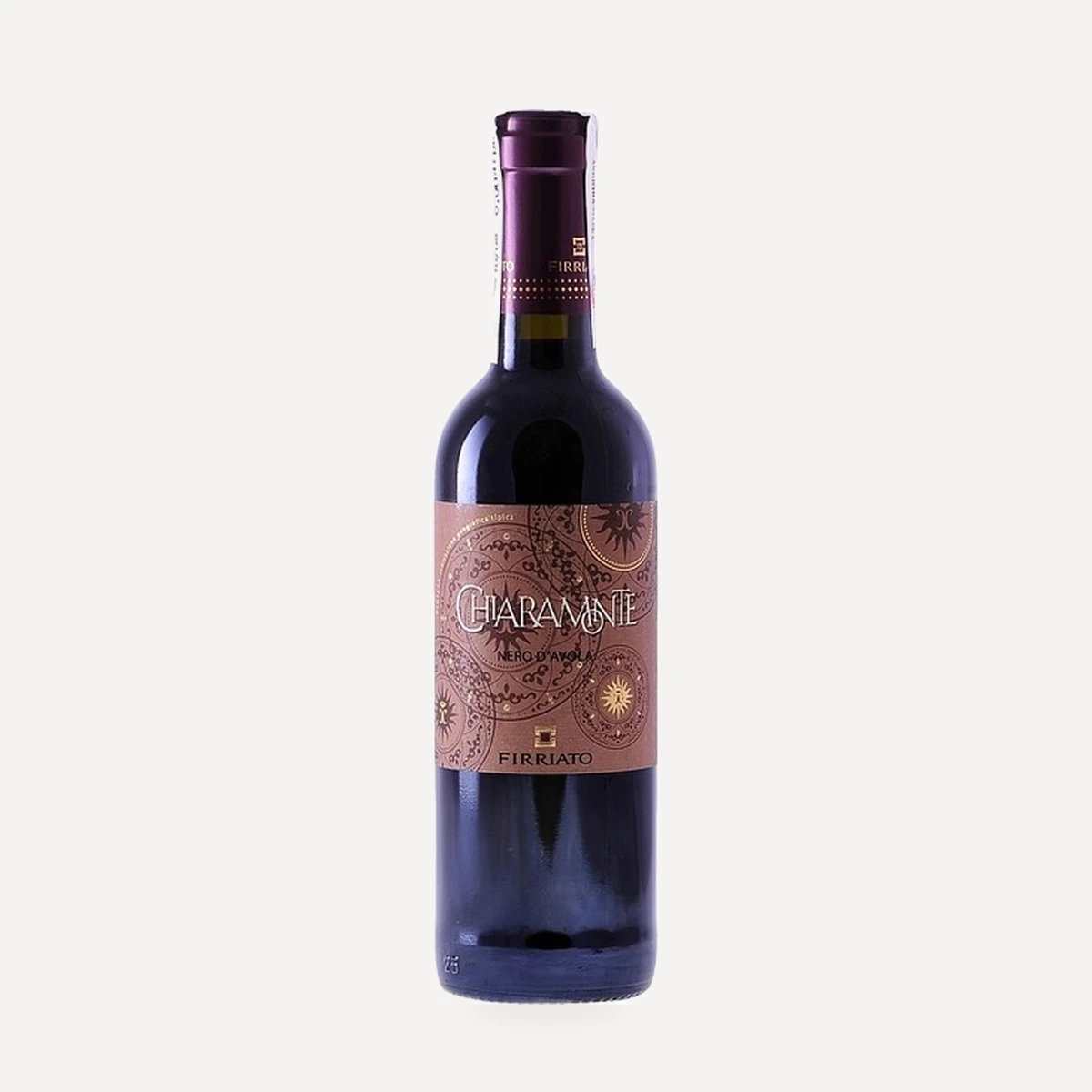
Chiaramonte Nero d'Avola Sicilia IGT
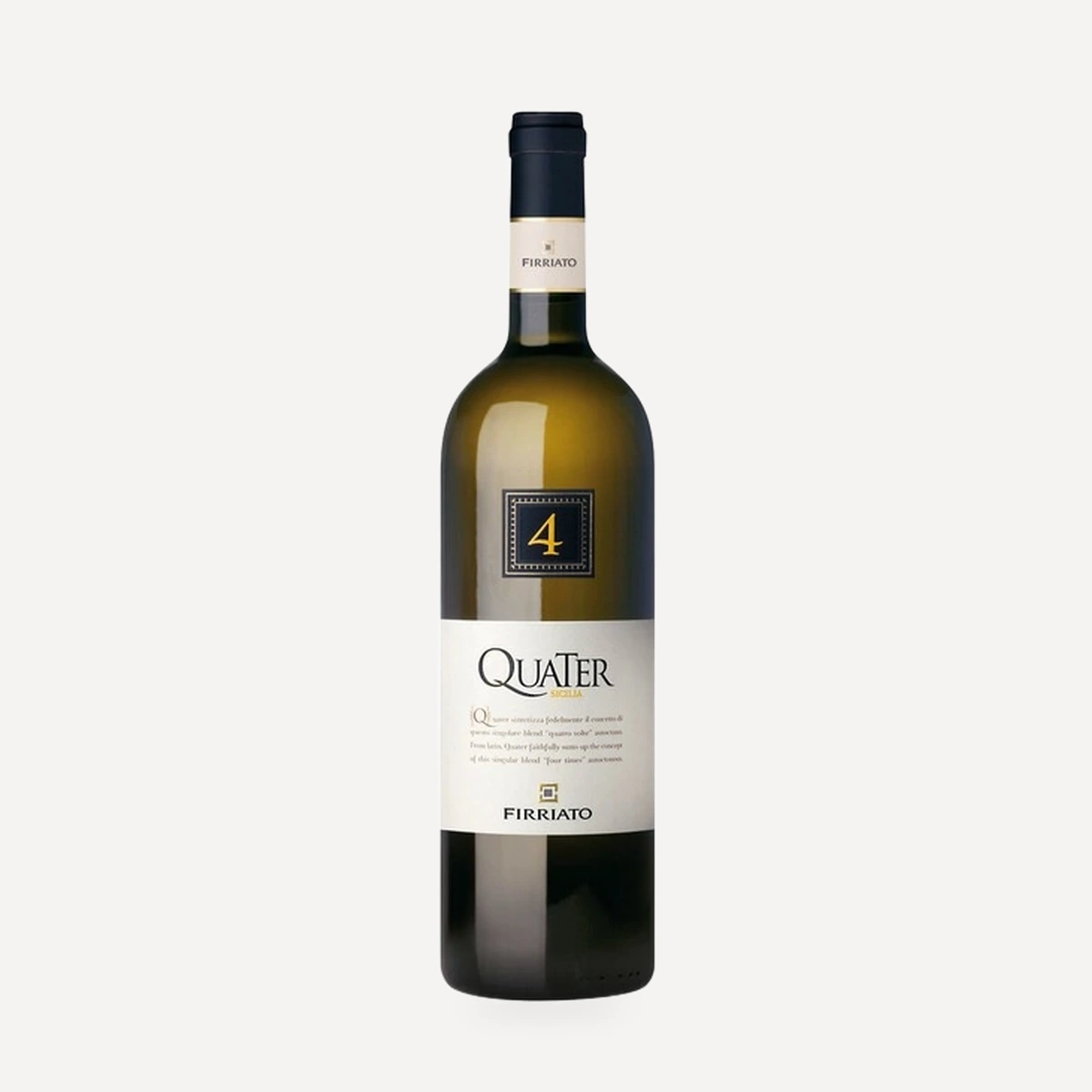
Firriato Quater Bianco Sicilia IGT
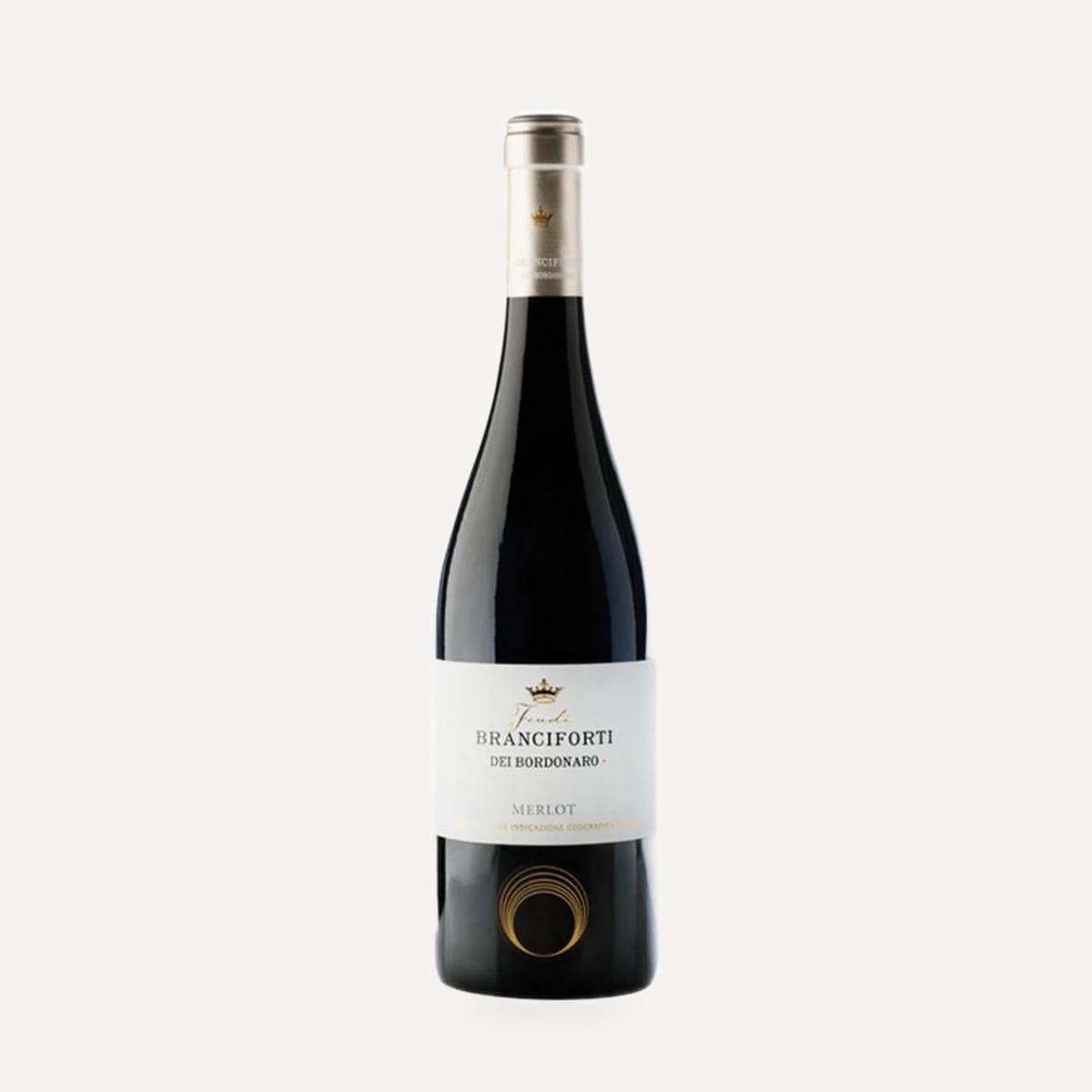
Merlot Terre Siciliane IGT
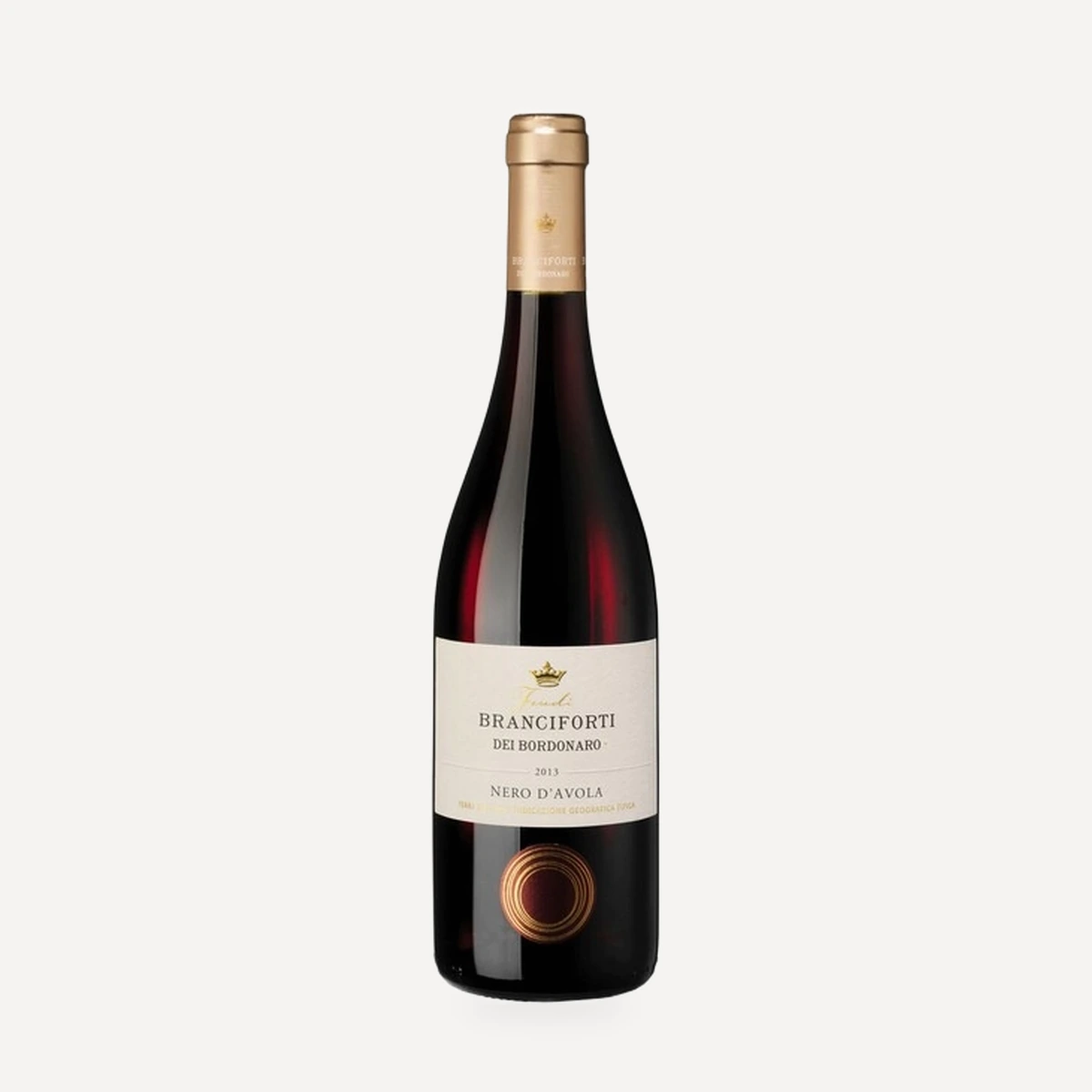
Branciforti Red Sicilia IGT
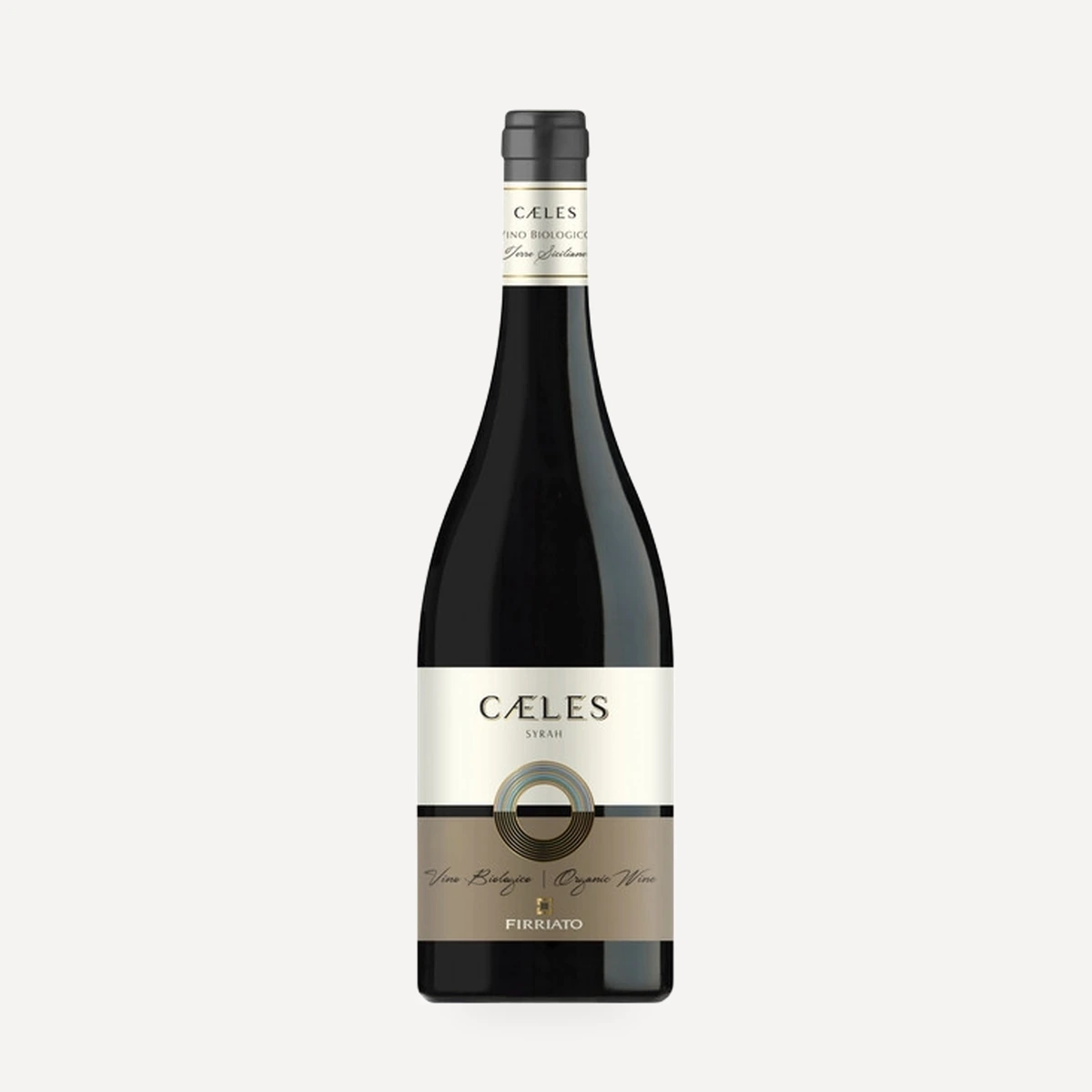
Caeles Syrah Terre Siciliane IGT
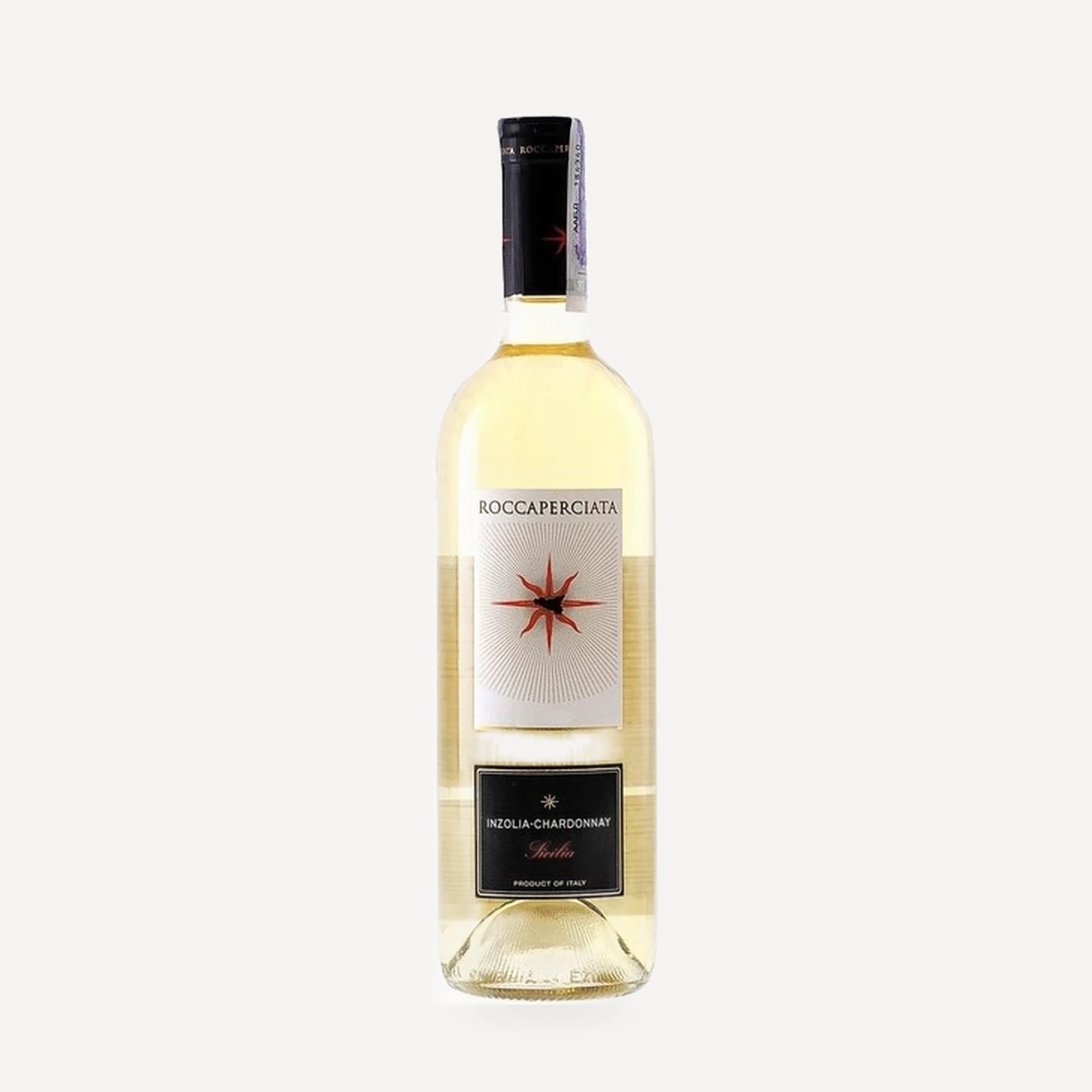
Roccaperciata Inzolia-Chardonnay Sicilia IGT
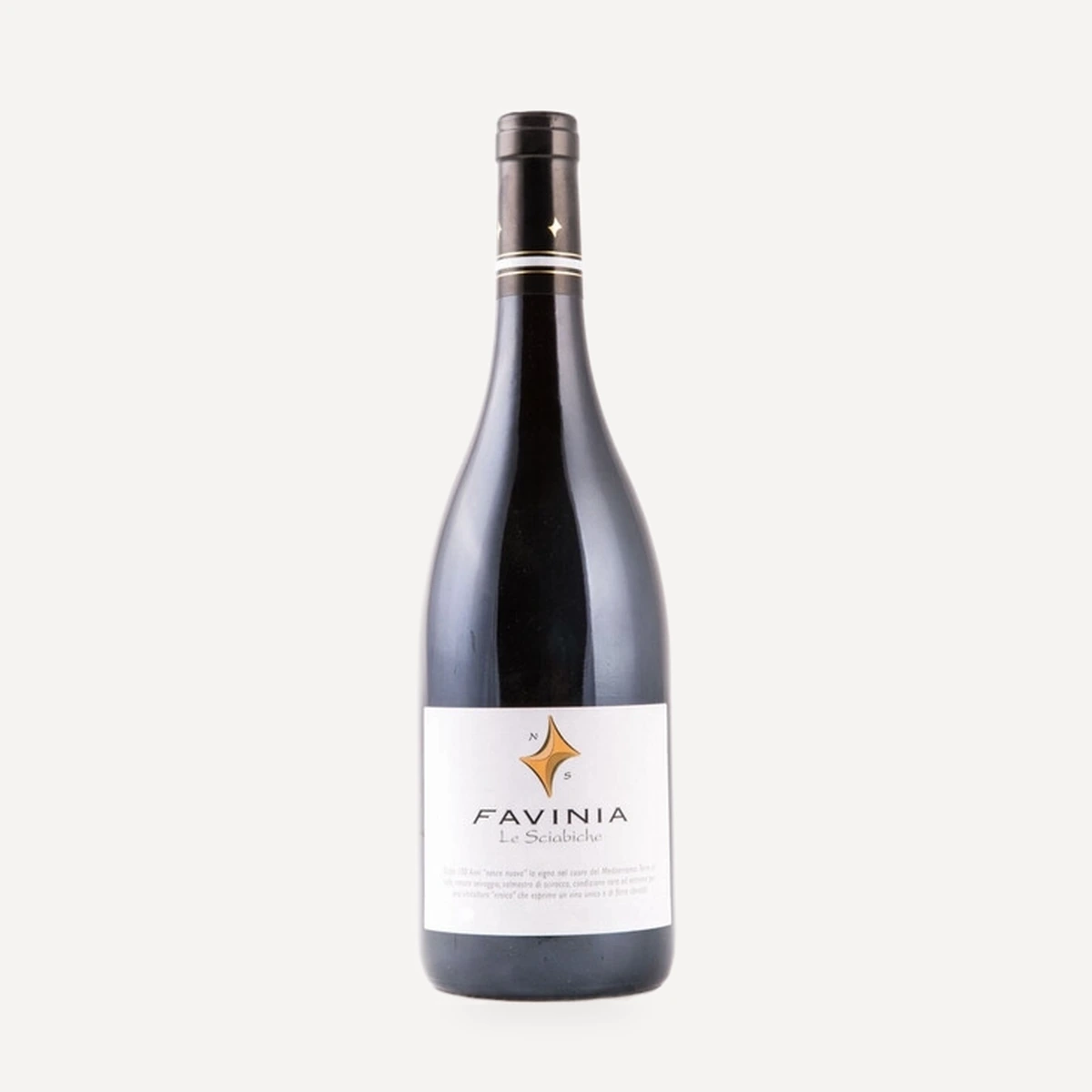
Favinia Le Sciabiche Terre Siciliane IGT
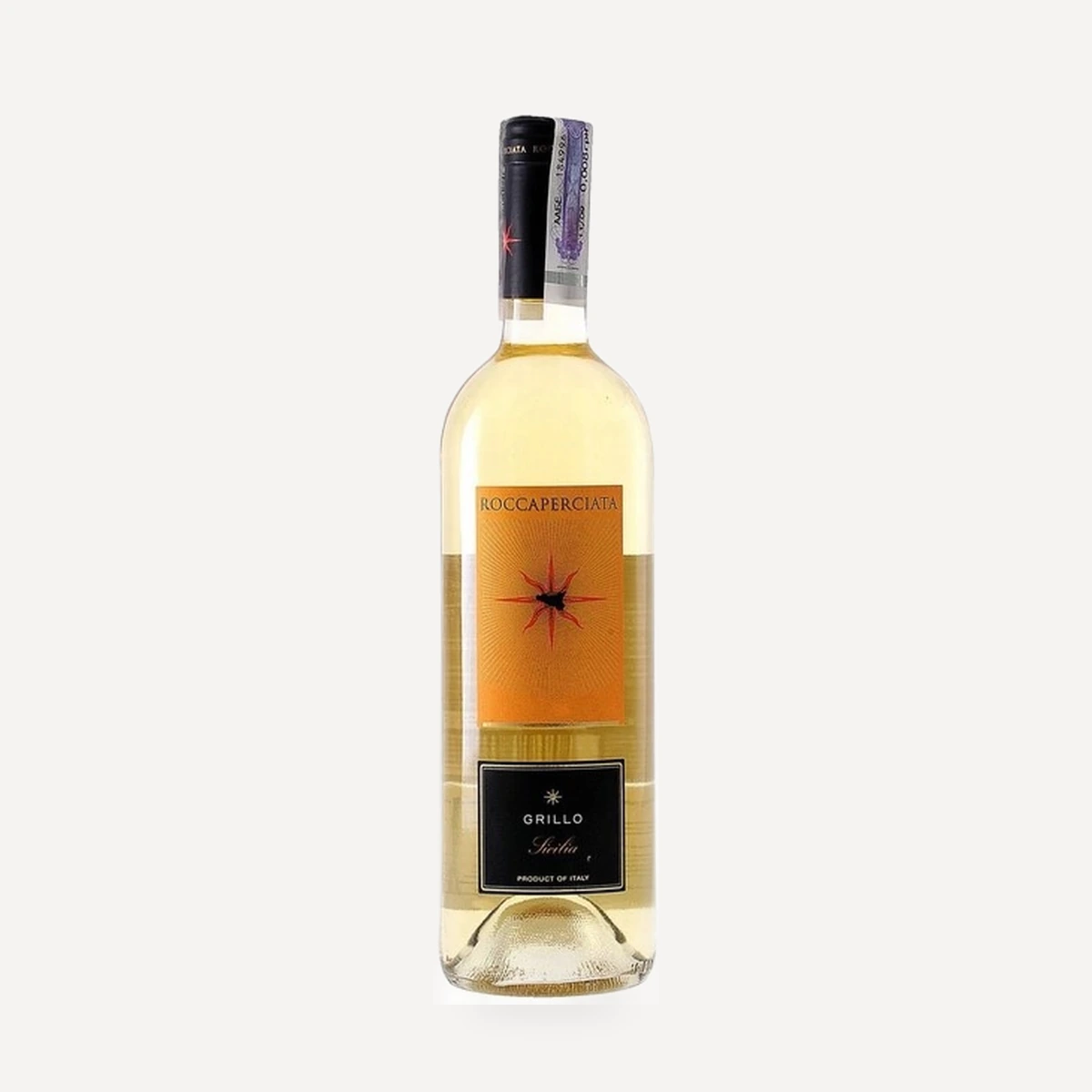
Roccaperciata Grillo Sicilia IGT
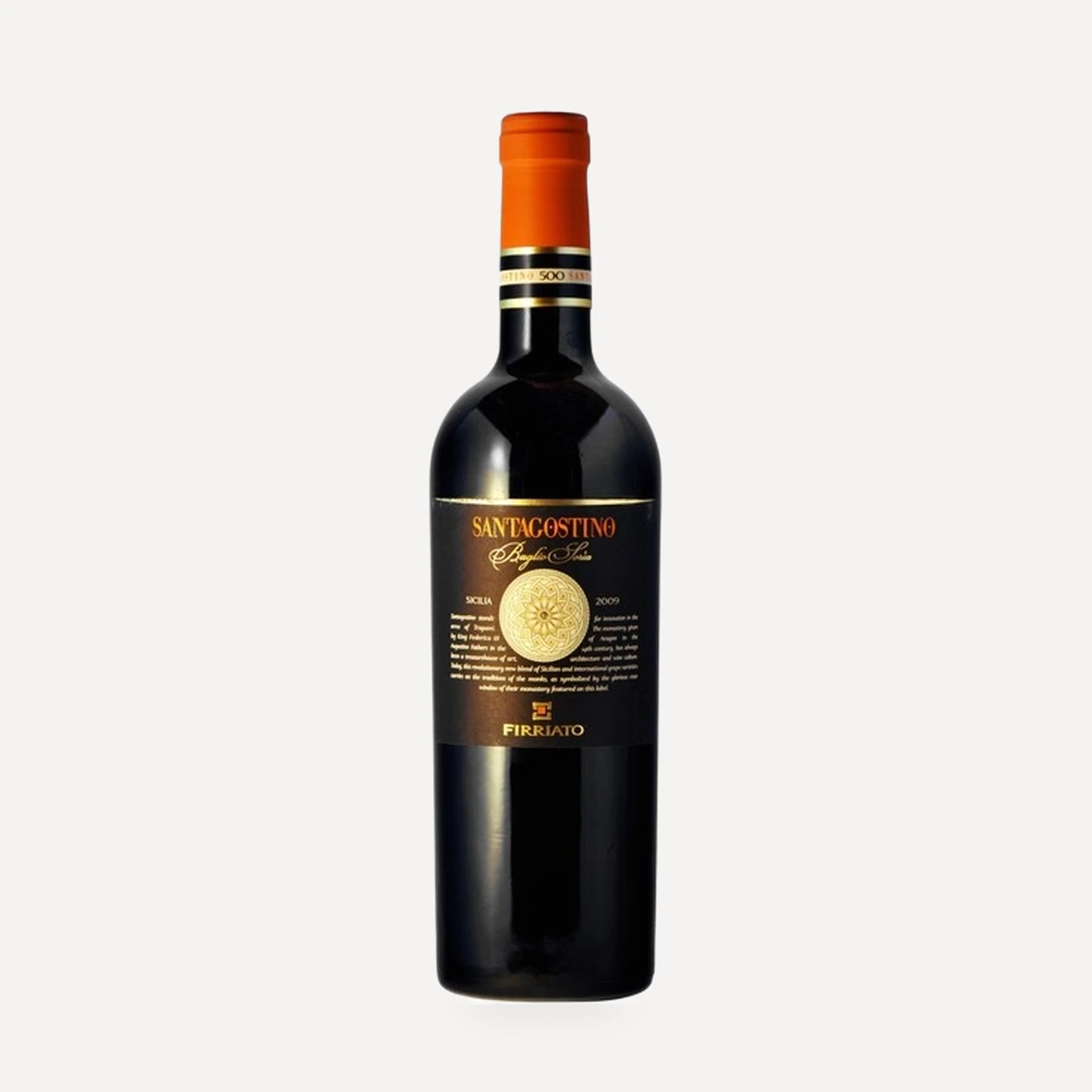
Firriato Santagostino Sicilia IGT
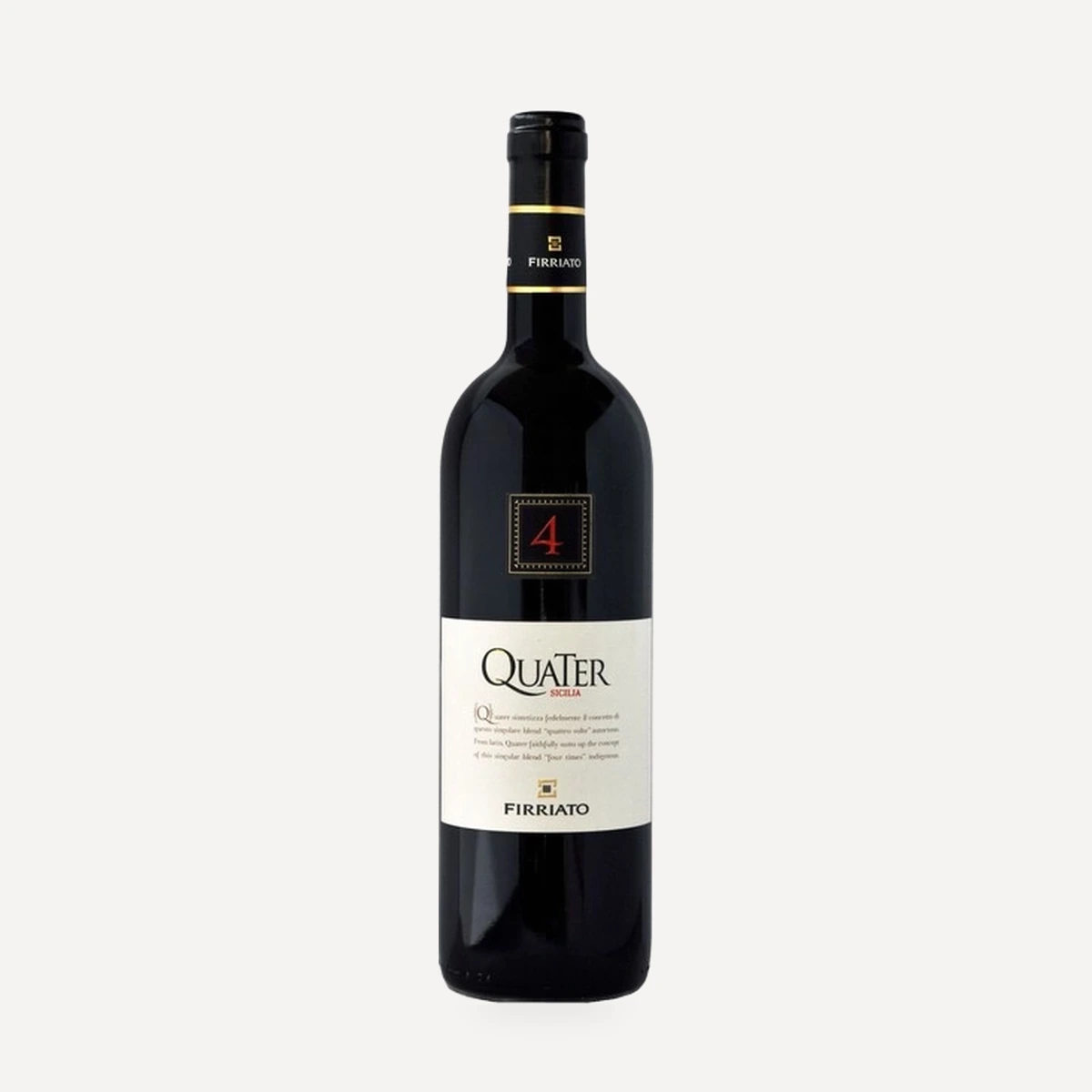
Quater Rosso Sicilia IGT
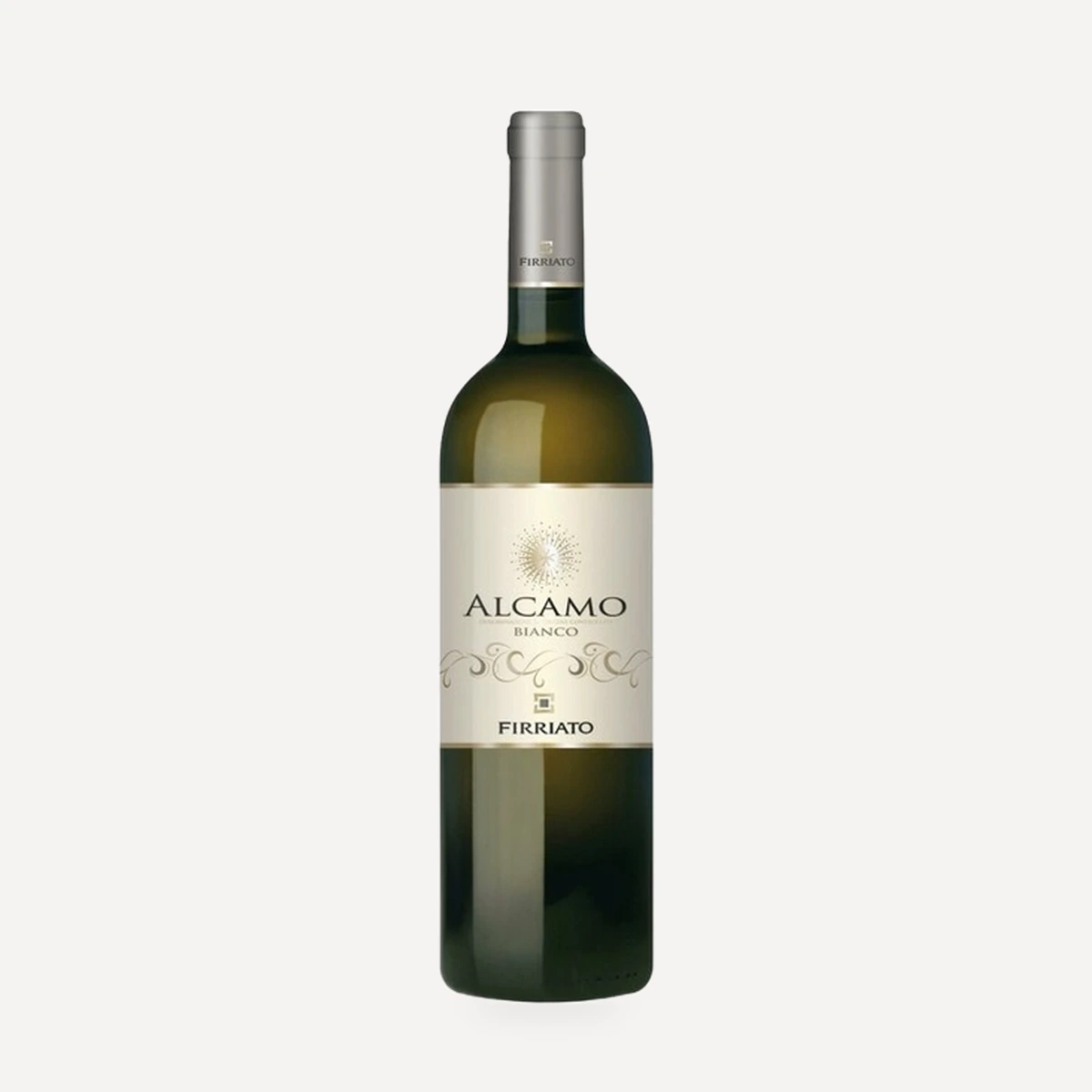
Alcamo Bianco DOC
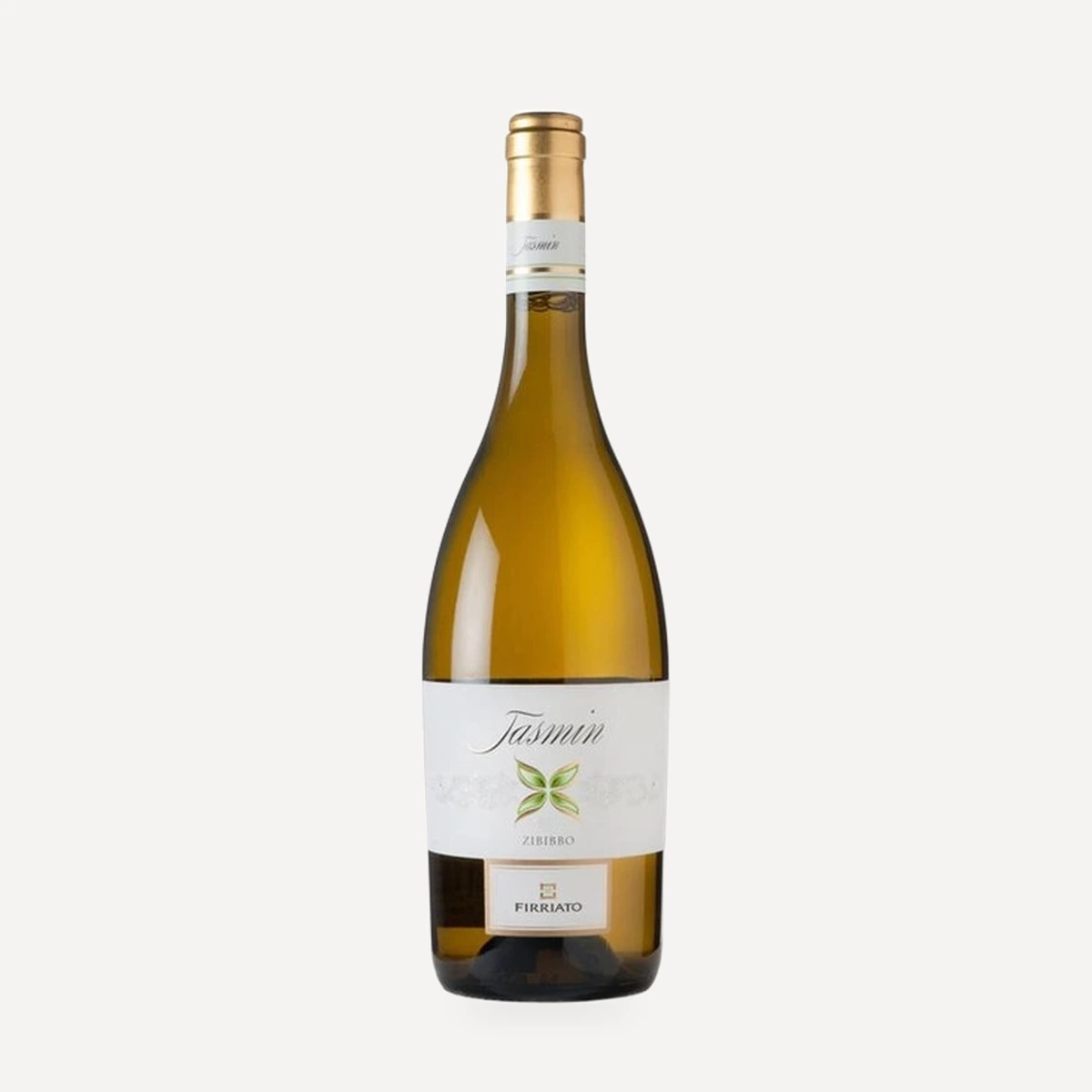
Jasmin Sicilia DOC
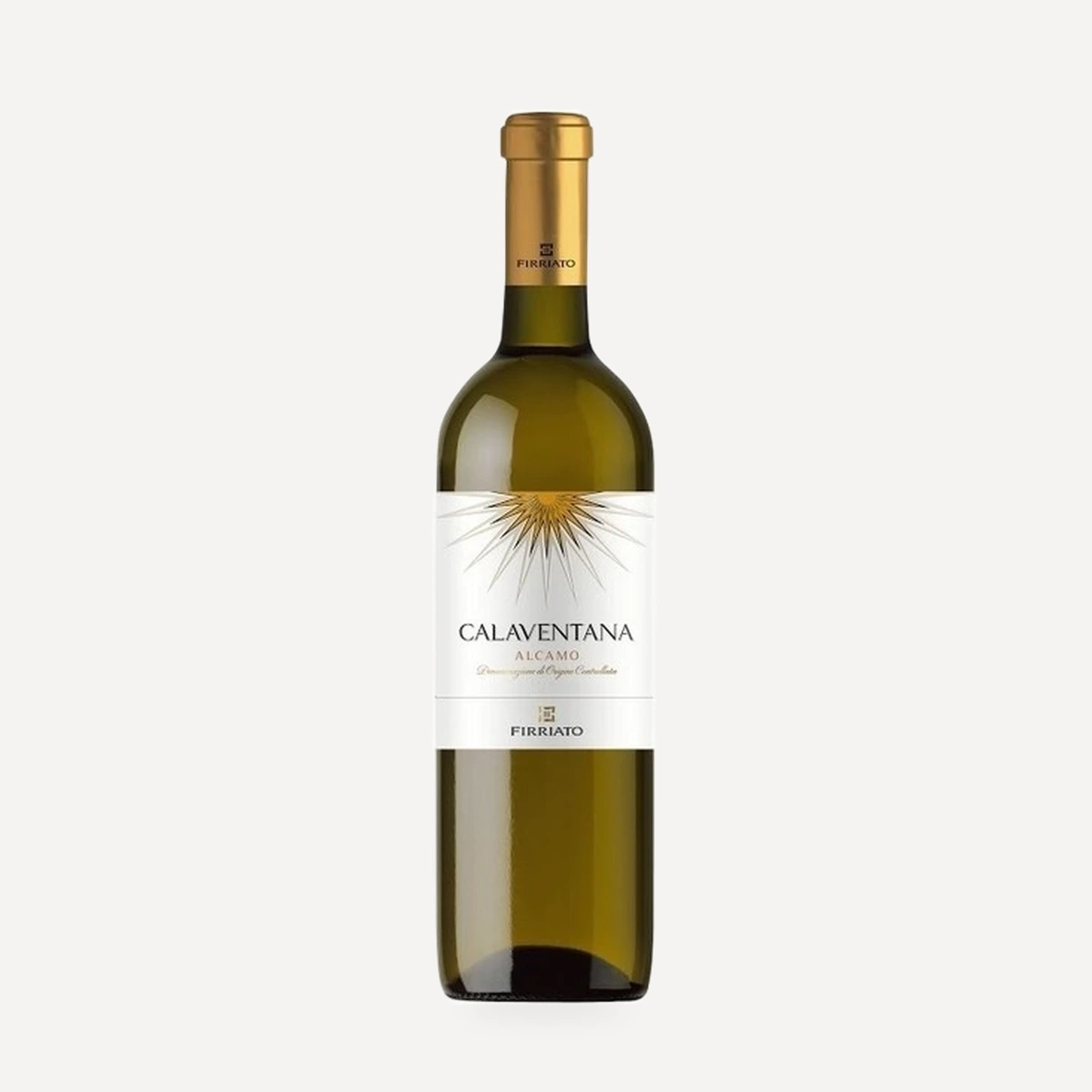
Calaventana Alcamo DOC
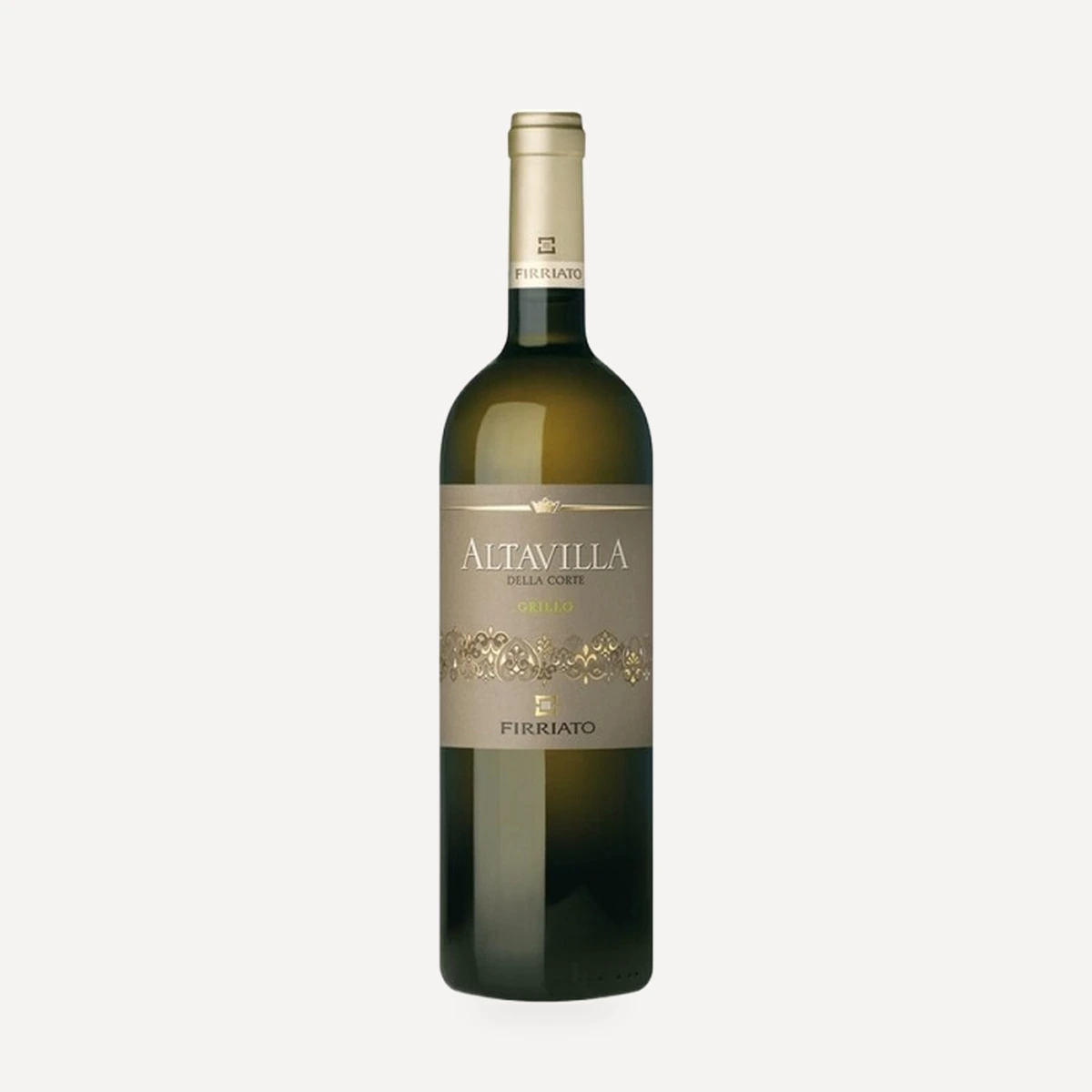
Altavilla della Corte Grillo Sicilia IGT
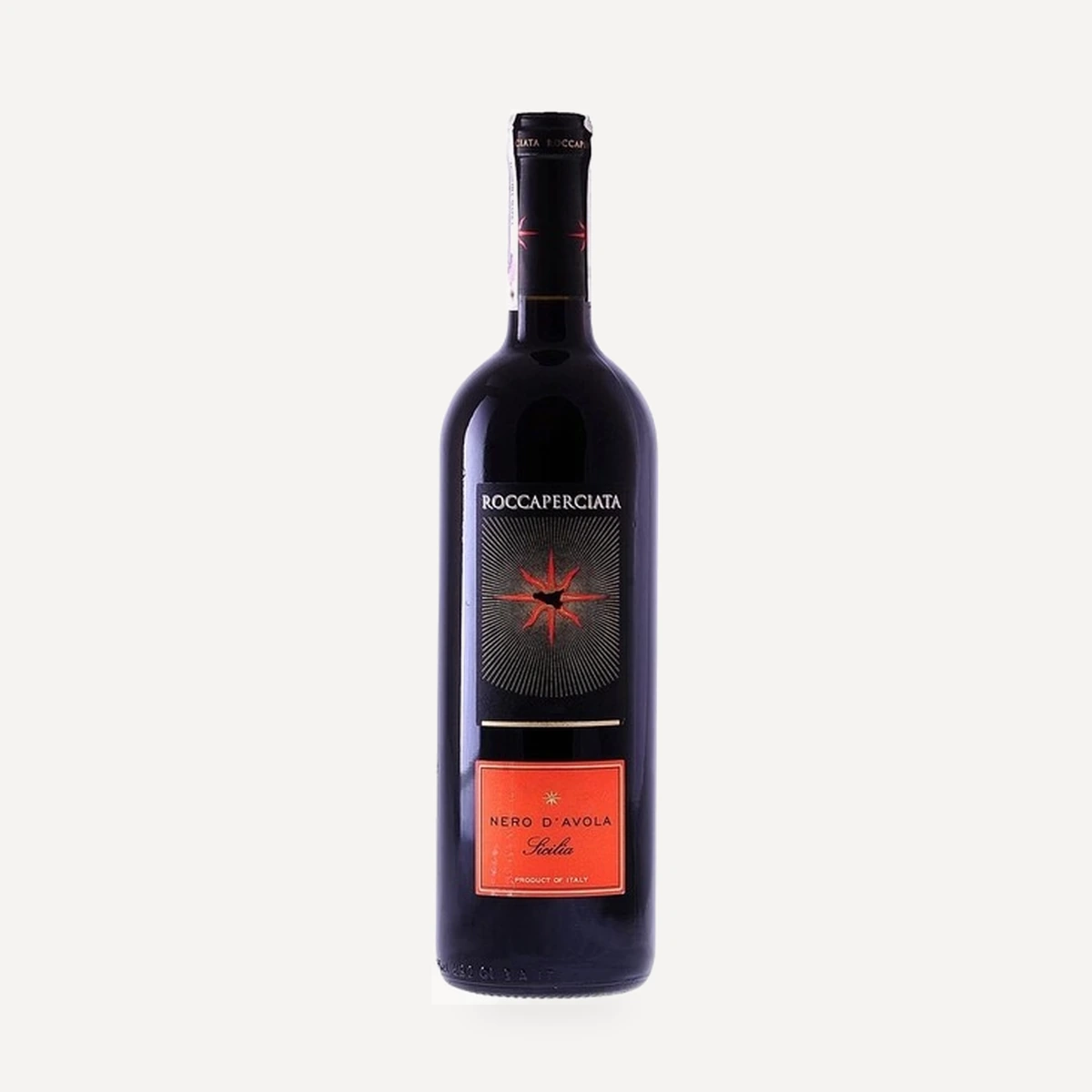
Roccaperciata Nero d'Avola Sicilia IGT
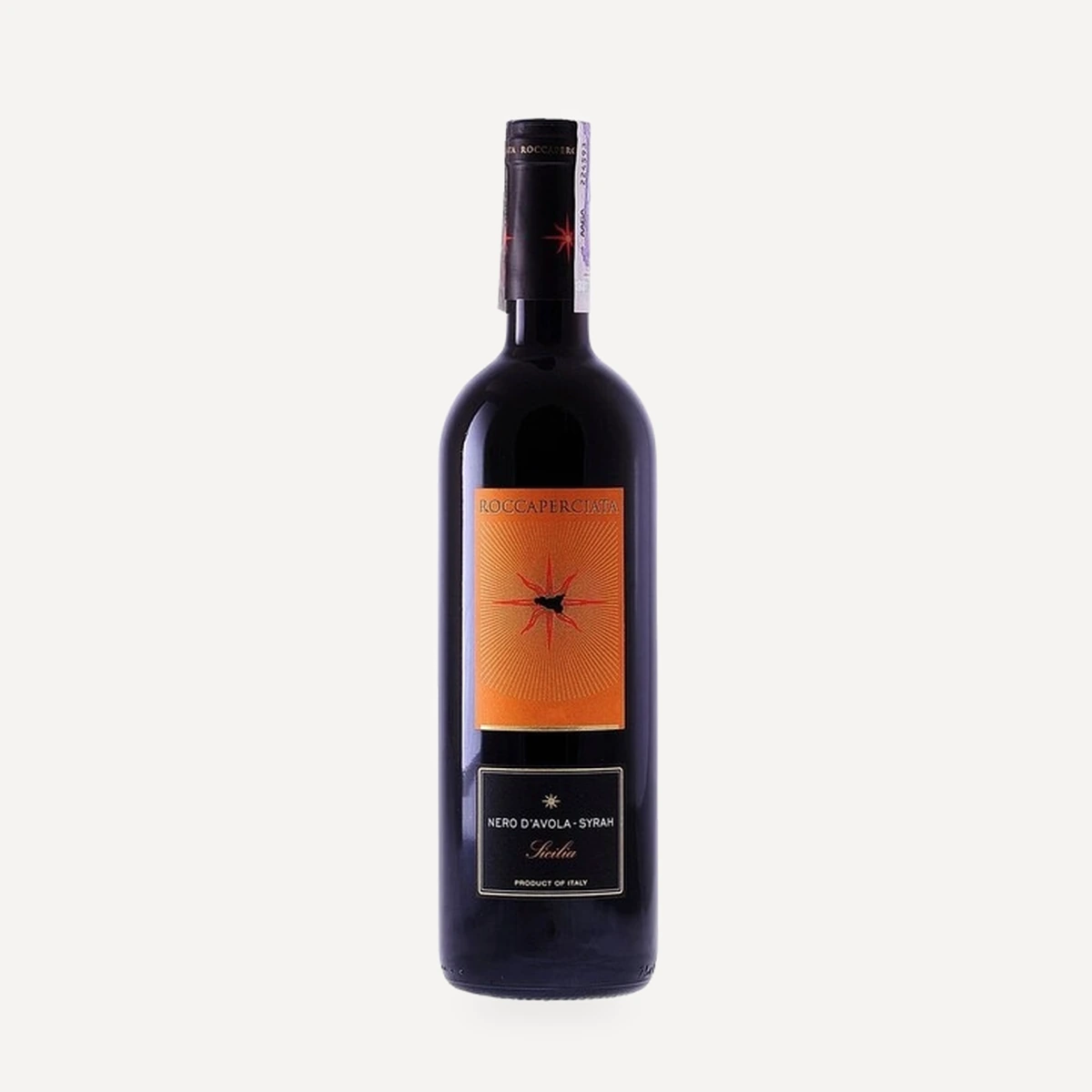
Roccaperciata Nero d'Avola-Syrah Sicilia IGT
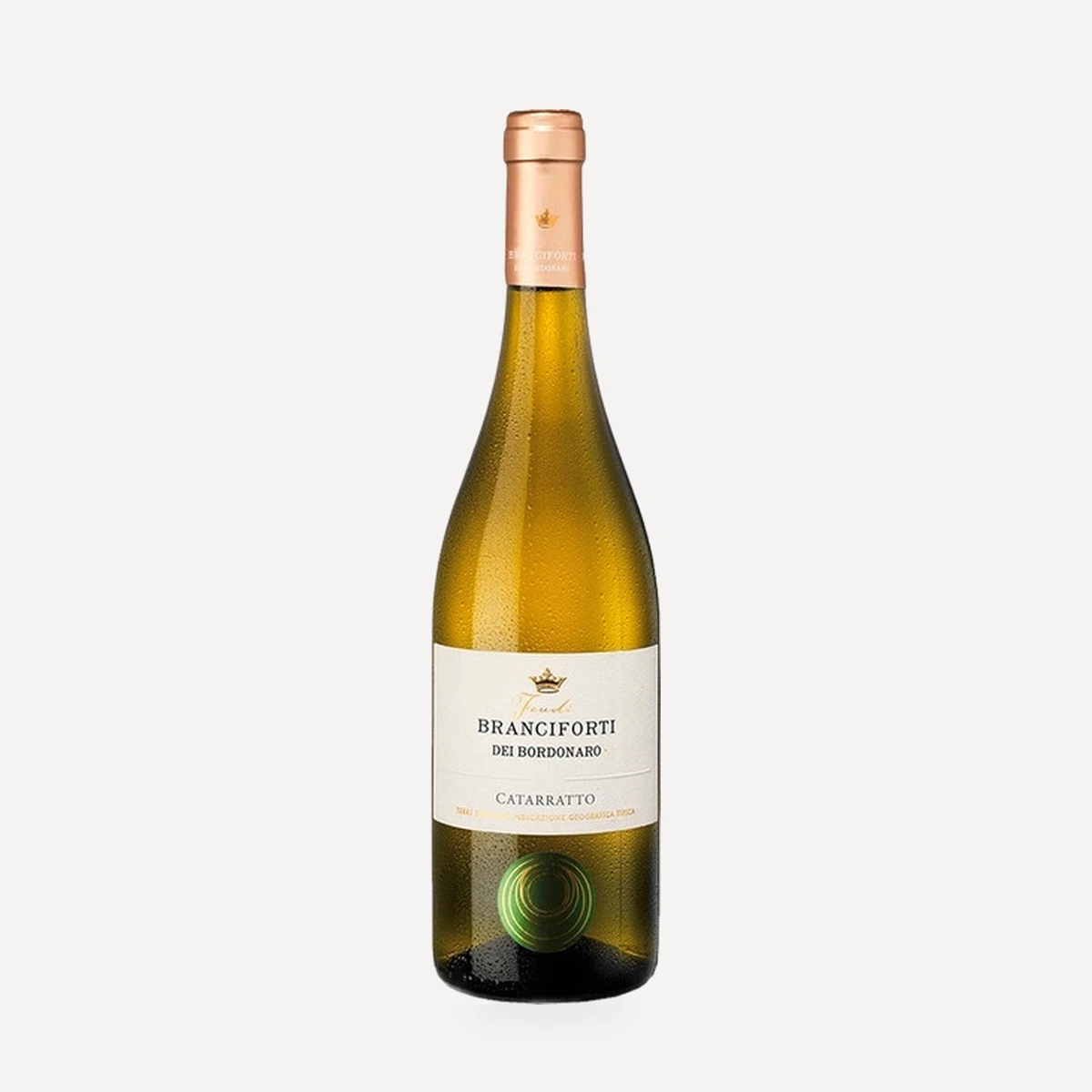
Catarratto Terre Siciliane IGT
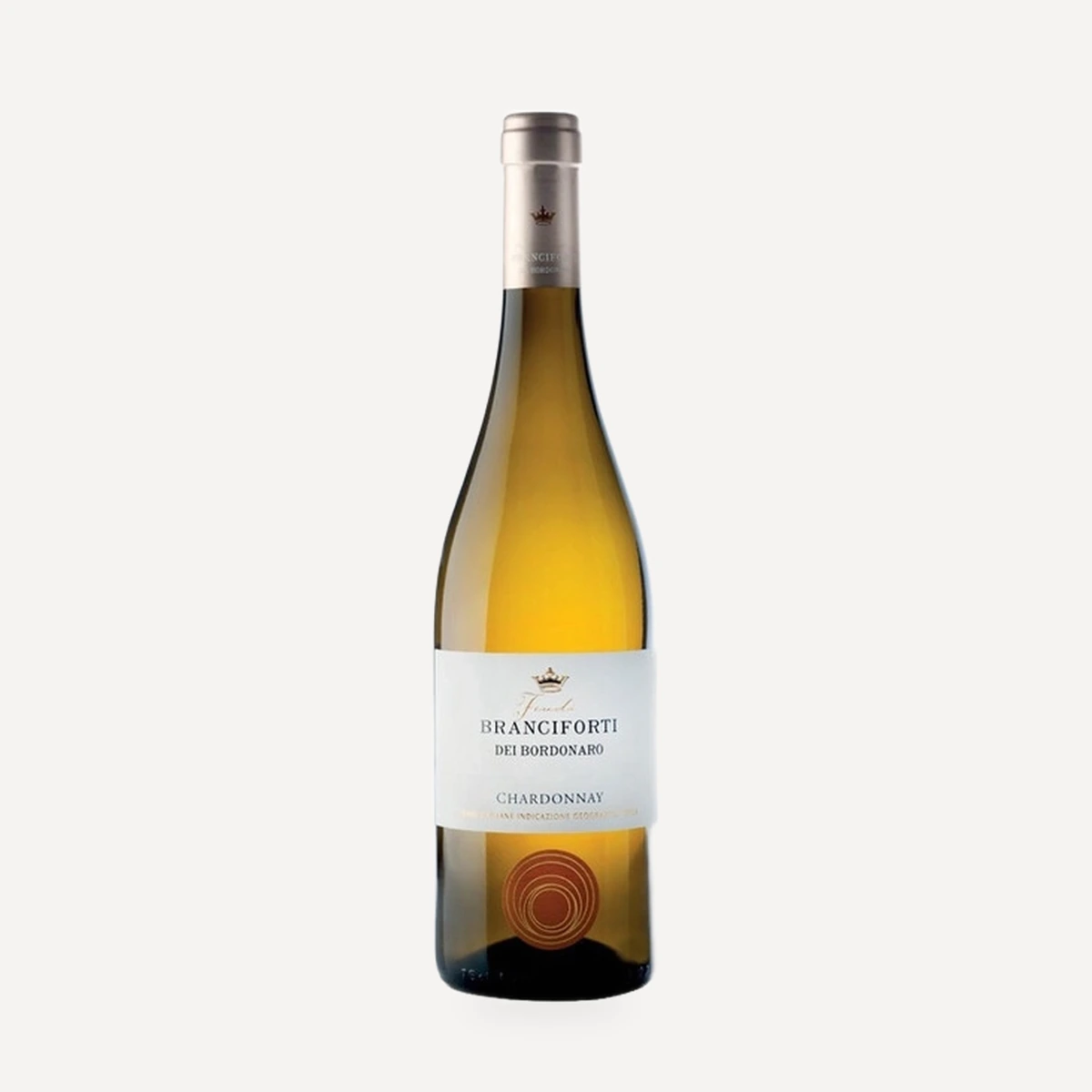
Chardonnay Terre Siciliane IGT
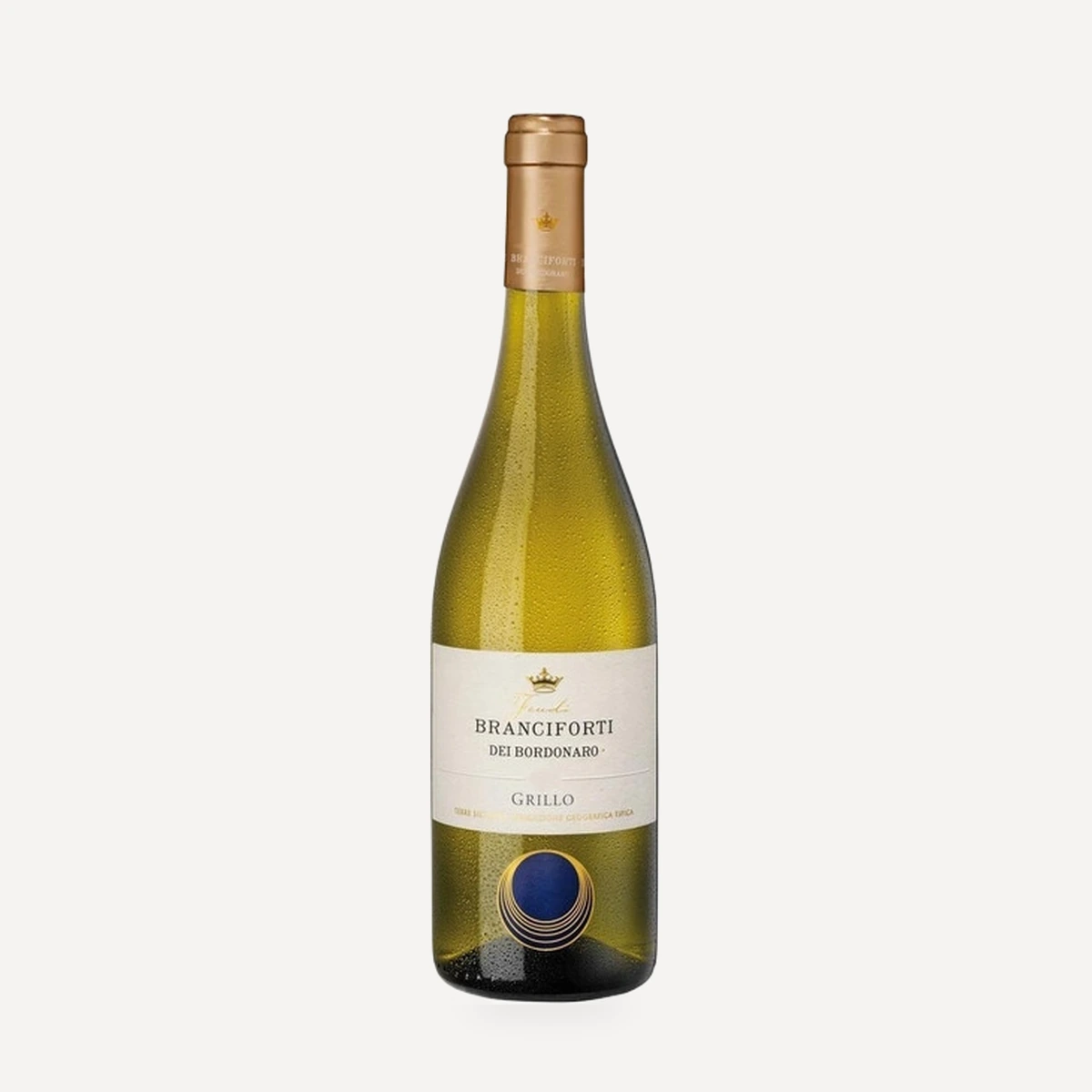
Grillo Terre Siciliane IGT
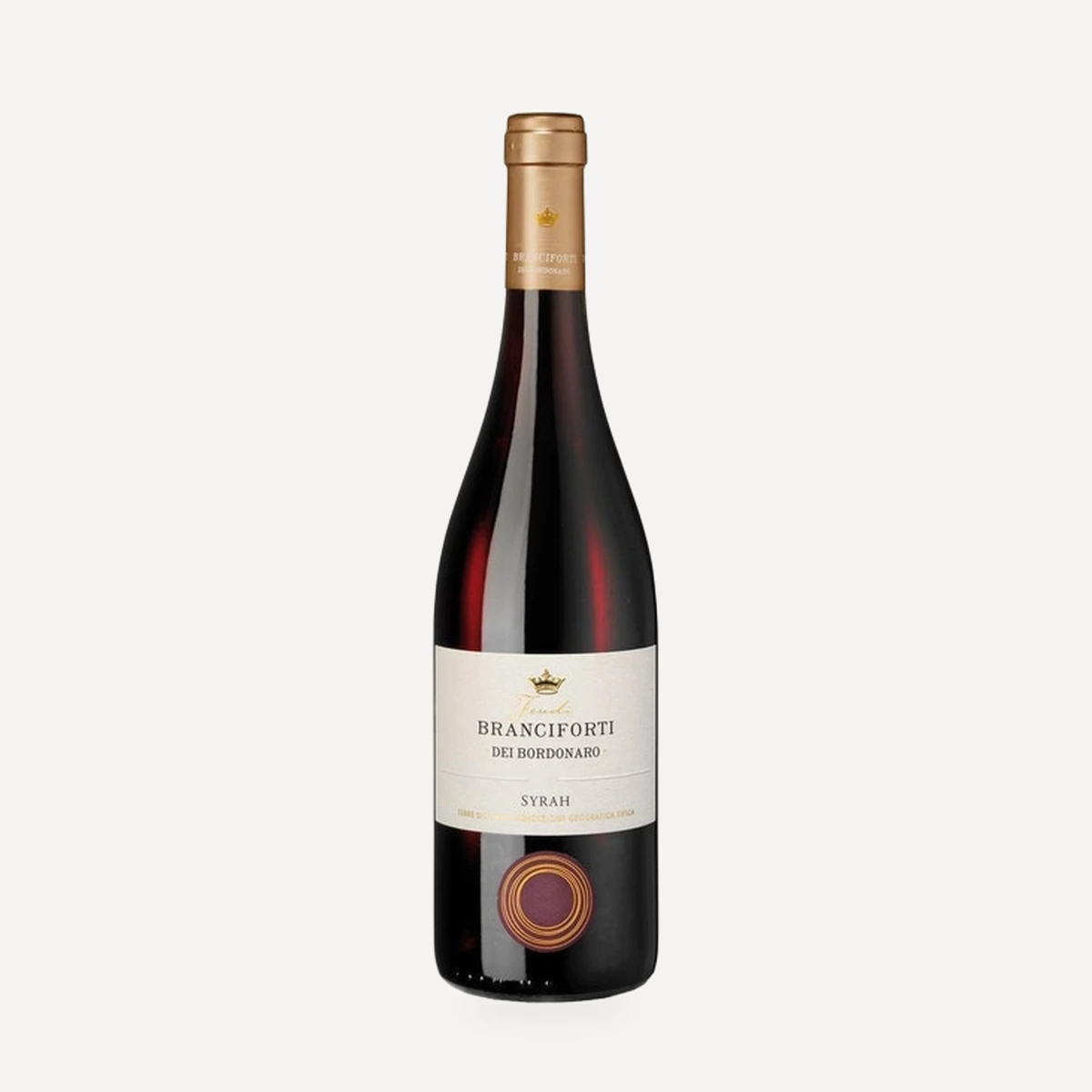
Syrah Terre Siciliane IGT
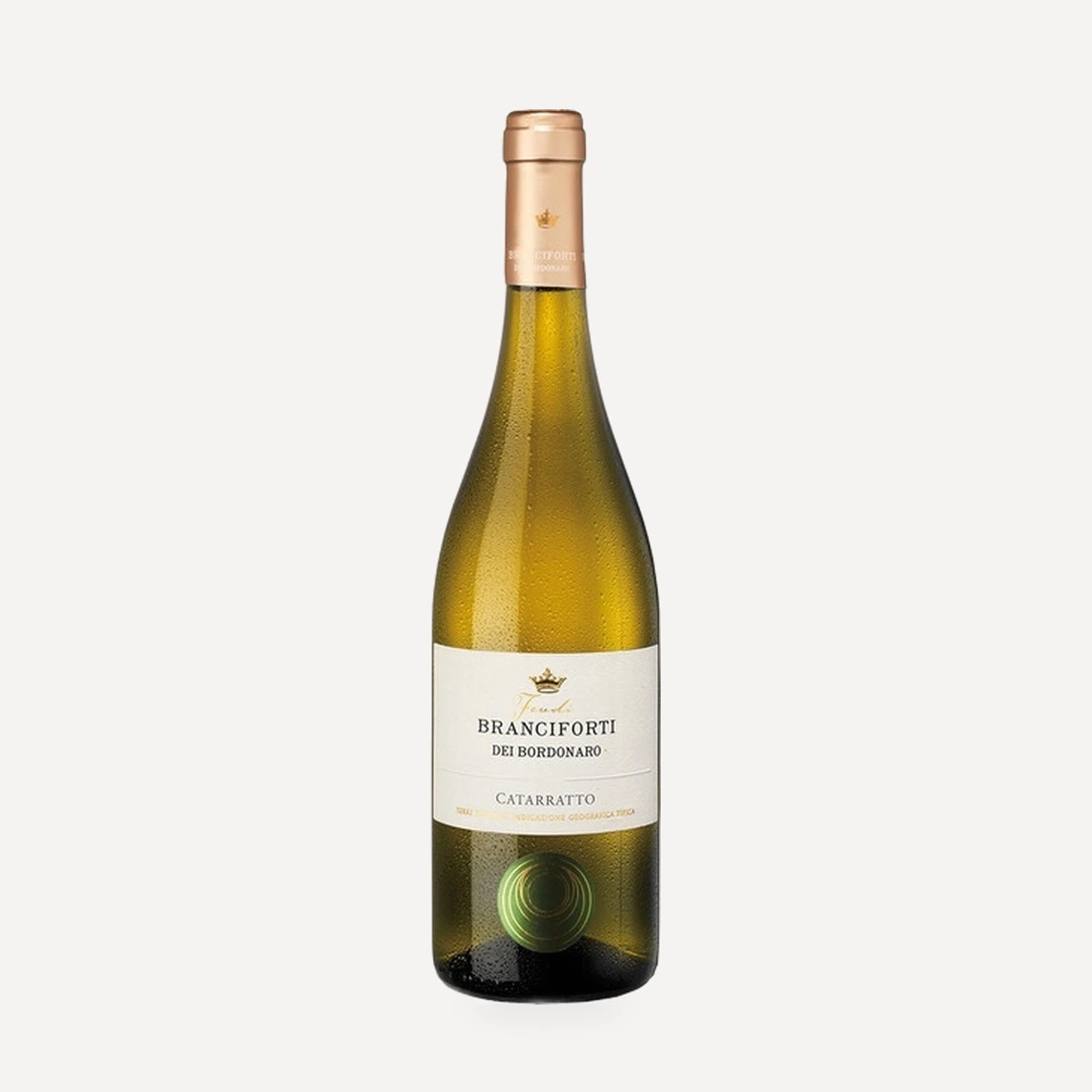
Branciforti Catarratto Terre Siciliane IGT
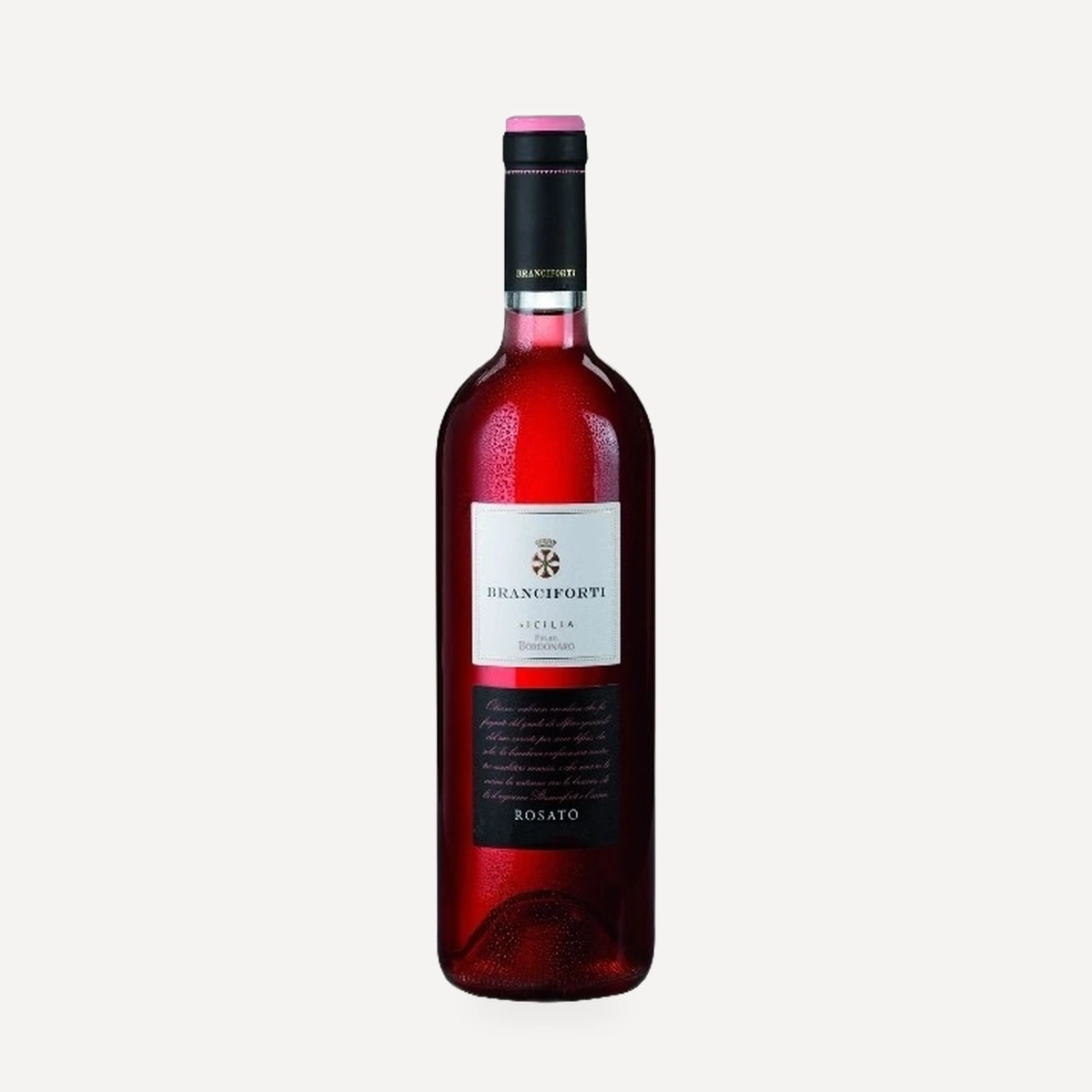
Branciforti Rosato Sicilia IGT
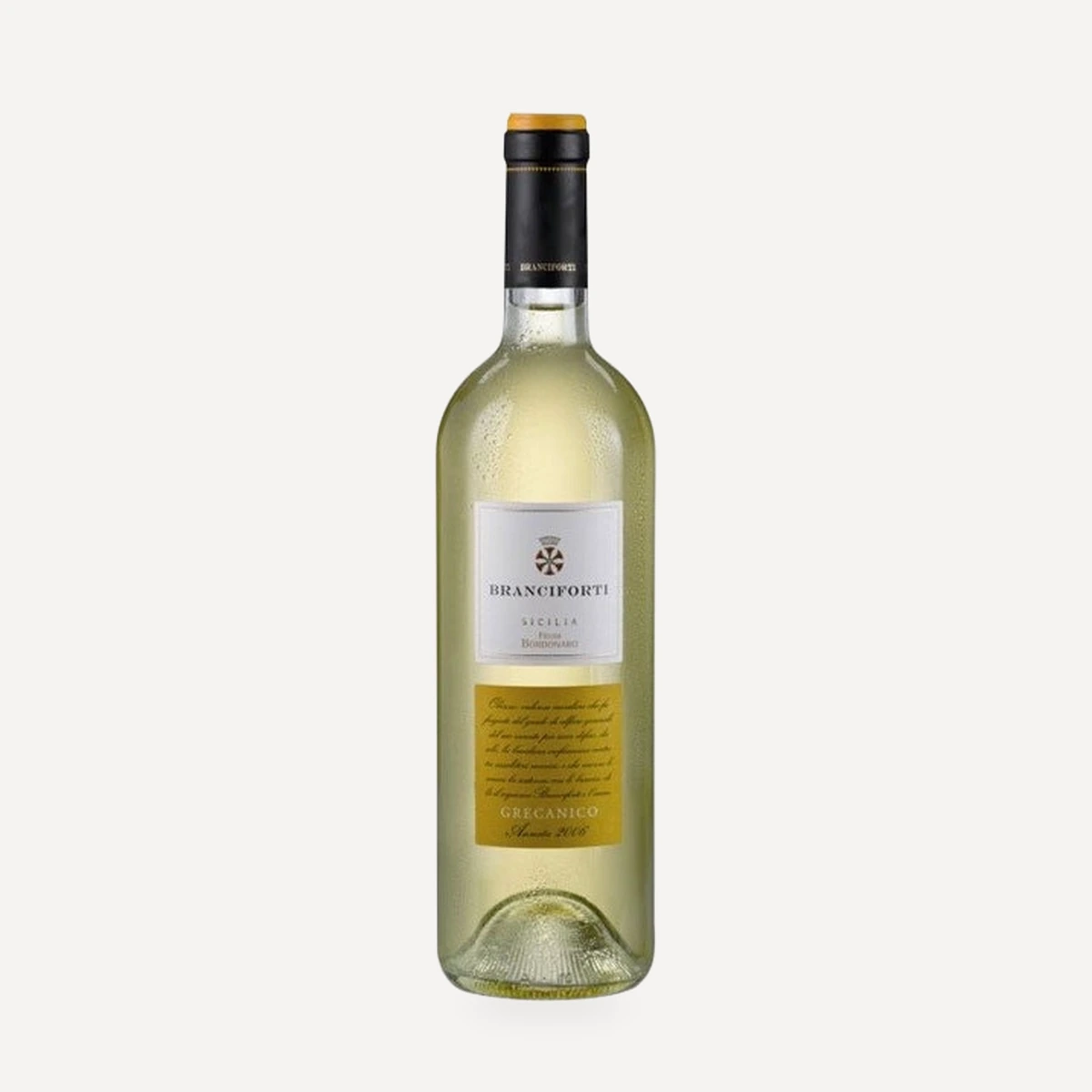
Firriato Branciforti White Sicilia IGT
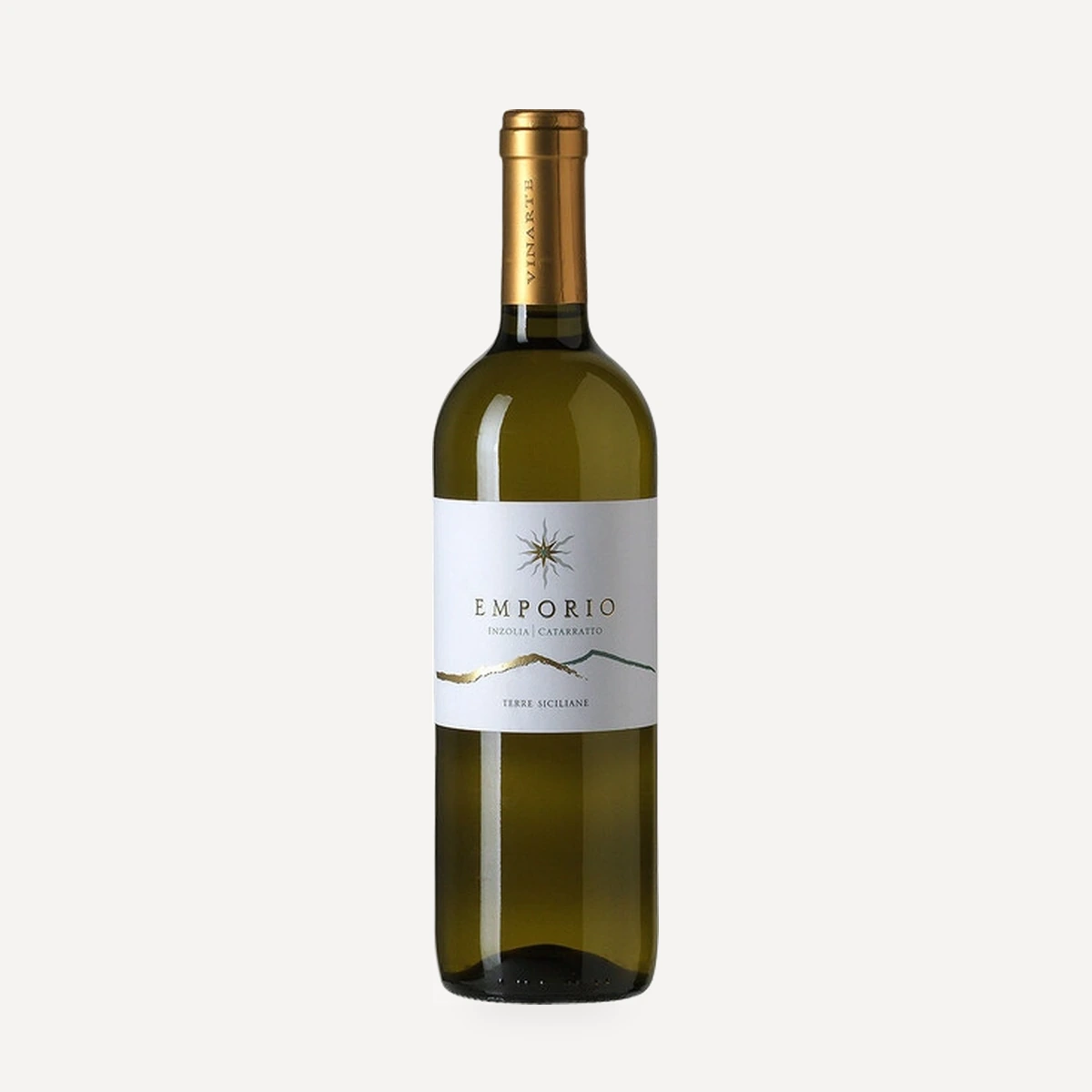
Emporio Inzolia Catarratto
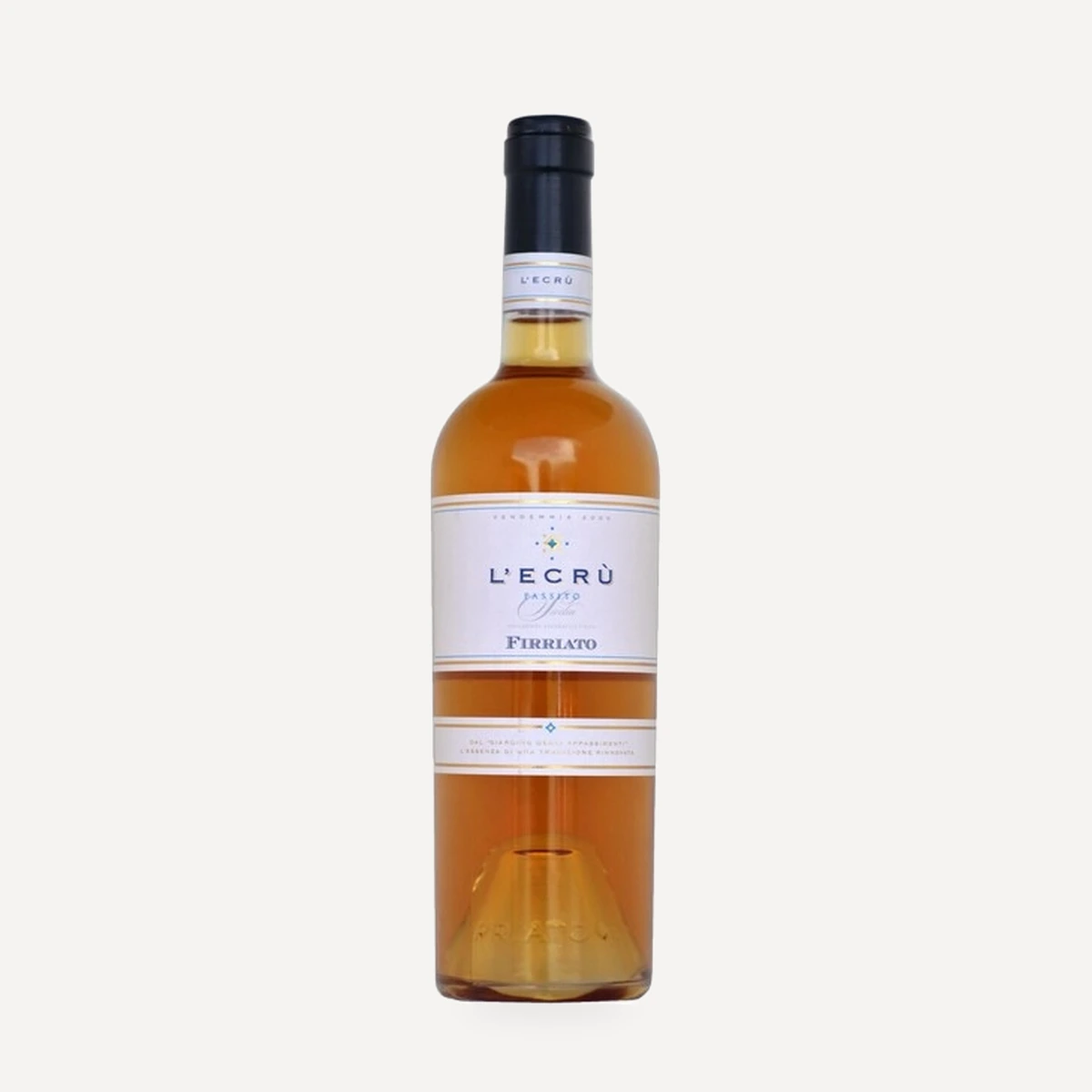
L'Ecru Passito Sicilia IGT
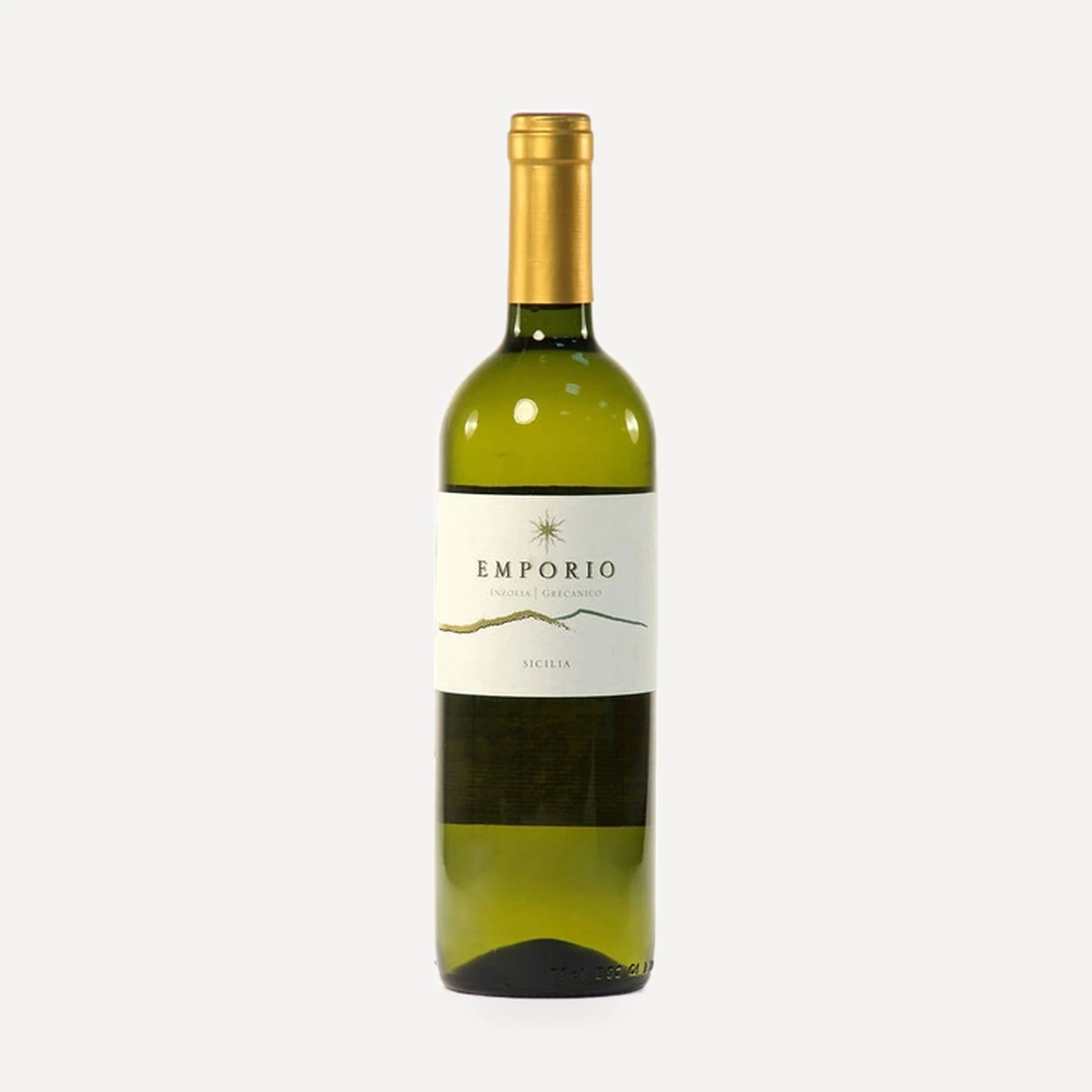
Emporio Inzolia Grecanico
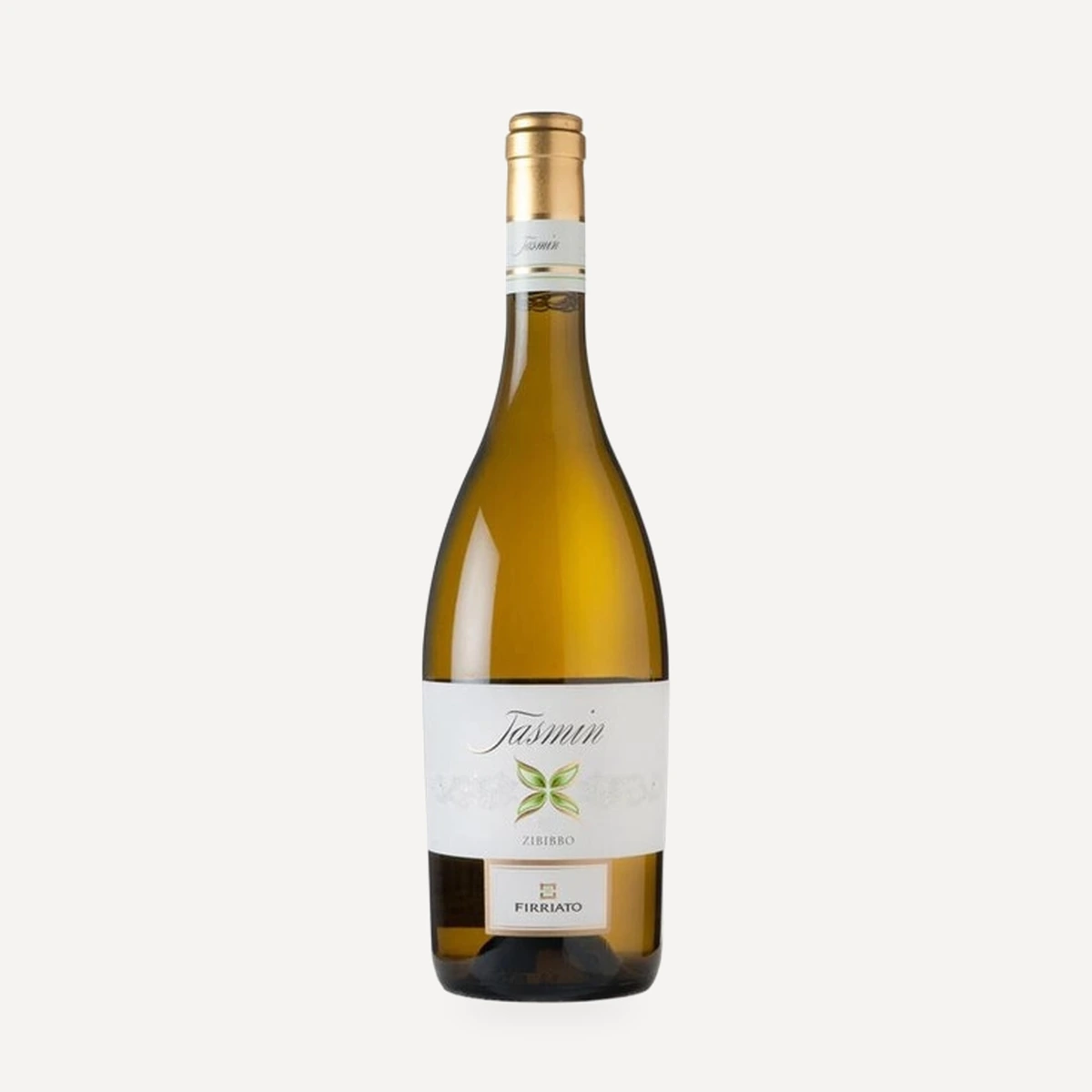
Jasmin Terre Siciliane IGT
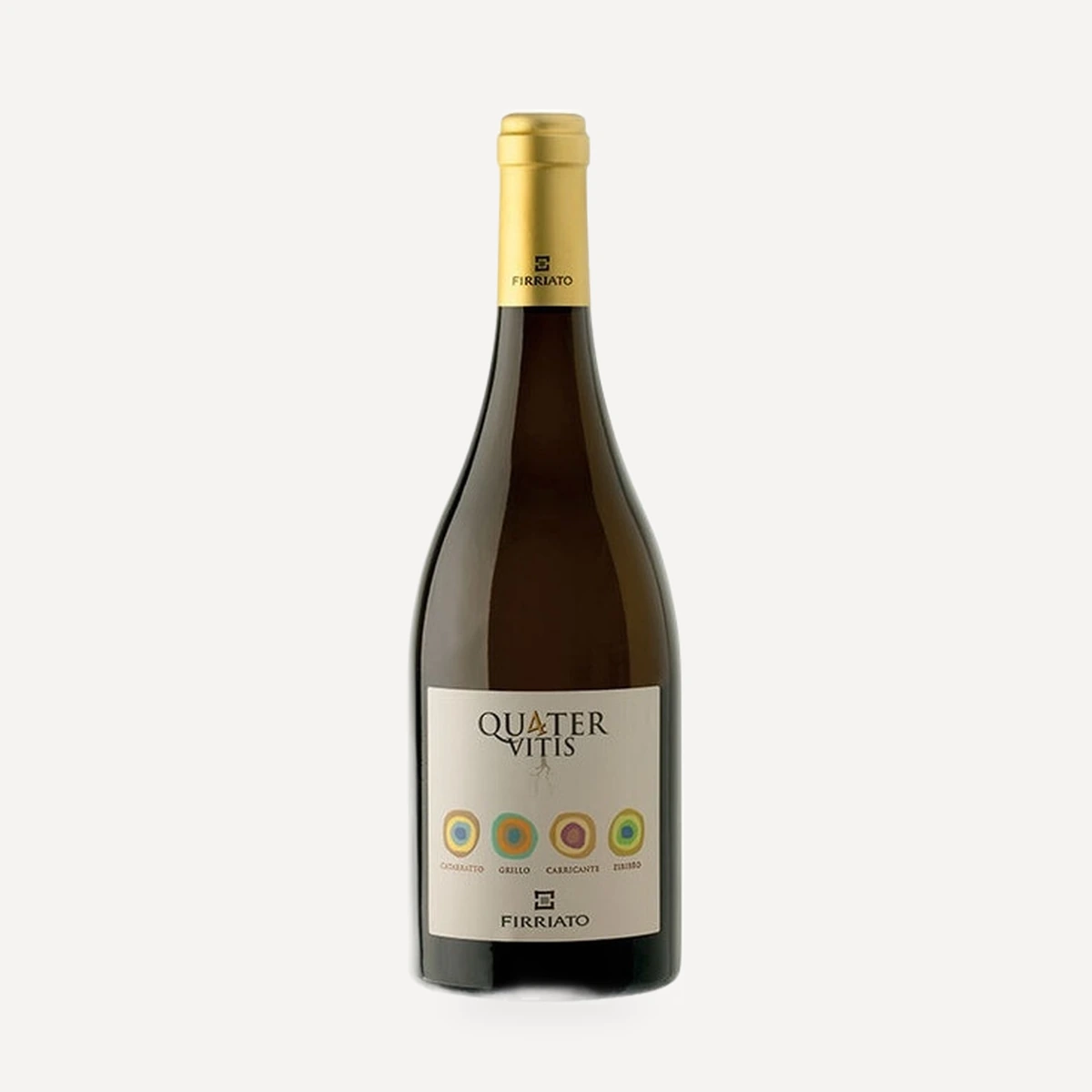
Quater Vitis Bianco Terre Siciliane IGT
Caeles Nero d'Avola
Cavanera Contrada Verzella - Ripa di Scorciavacca
Charme Clerí Bianco
Narì