Storia
The formative summer of 1968
In May 1968, 15-year-old Aldo Vaira joined the student demonstrations in Turin. After his father discovered his involvement, Aldo was sent away from the unrest to spend the summer on his grandparents’ farm in Barolo. Months among the vines and fields awakened his desire to build a life around nature, agriculture and the freedom of the countryside.
Organic beginnings and the first vintage
Aldo was still underage when he chose farming at a time of rapid industrial growth and rural depopulation. In 1971, while still a university student, he joined Suolo e Salute and adopted organic farming, becoming one of Piemonte’s early practitioners. G.D. Vajra was formally founded in 1972.
The 1972 growing season was severe, and abandoning the crop appeared to be the only practical option. Aldo persisted and vinified his first bottles. The phrase he wrote on the opening page of Marescalchi, his university oenology manual—“imagination at work”—became an expression of this formative period.
Massal selection and new varieties
Milena joined Aldo at the beginning of the 1980s. Together they followed an independent course based on experimentation, patient vineyard work and stylistic restraint.
In 1979, Aldo began assembling the Coste&Fossati collection of old Dolcetto biotypes. The selection and rescue work continued until 1985; cuttings, including distinctive red-stalk material, were grafted in the family’s historic Coste di Vergne and Fossati parcels.
Freisa was planted through massal selection in San Ponzio, at the foot of Bricco delle Viole, in 1980. The estate planted its first Rhine Riesling in Fossati in 1984–1985, creating what it considers the oldest Riesling planting in Piemonte. The material combined selections from historic Rhine, Pfalz and Alsace vineyards with quality-focused Geisenheim clones. A second Riesling site, Bricco Bertone in Sinio, followed in 2000.
The family also rejected excessive reliance on French oak, choosing instead to pursue finesse and elegance. Aldo’s position between tradition and innovation led to his characterization as both the most modern of the traditionalists and the most traditional of the modernists.
The next generation and an expanding range
Giuseppe was born in 1985, Francesca in 1987 and Isidoro in 1990. The first dry Freisa Kyè® was made in 1989. Bergera, another Freisa parcel on lighter alluvial soils, was established in 1998, while Tarditi in Novello was planted on sandy limestone in 2014.
In 1999, Aldo requested permission to plant Nebbiolo at the summit above Bricco delle Viole. The request was refused. The constraint became an opportunity to explore Pinot Nero at high elevation, using Burgundian massal material known as Pinot fin and Pinot très fin. The first wine from this project was released from the 2006 vintage under the name PN Q497, referring to the vineyard’s elevation of 497 metres.
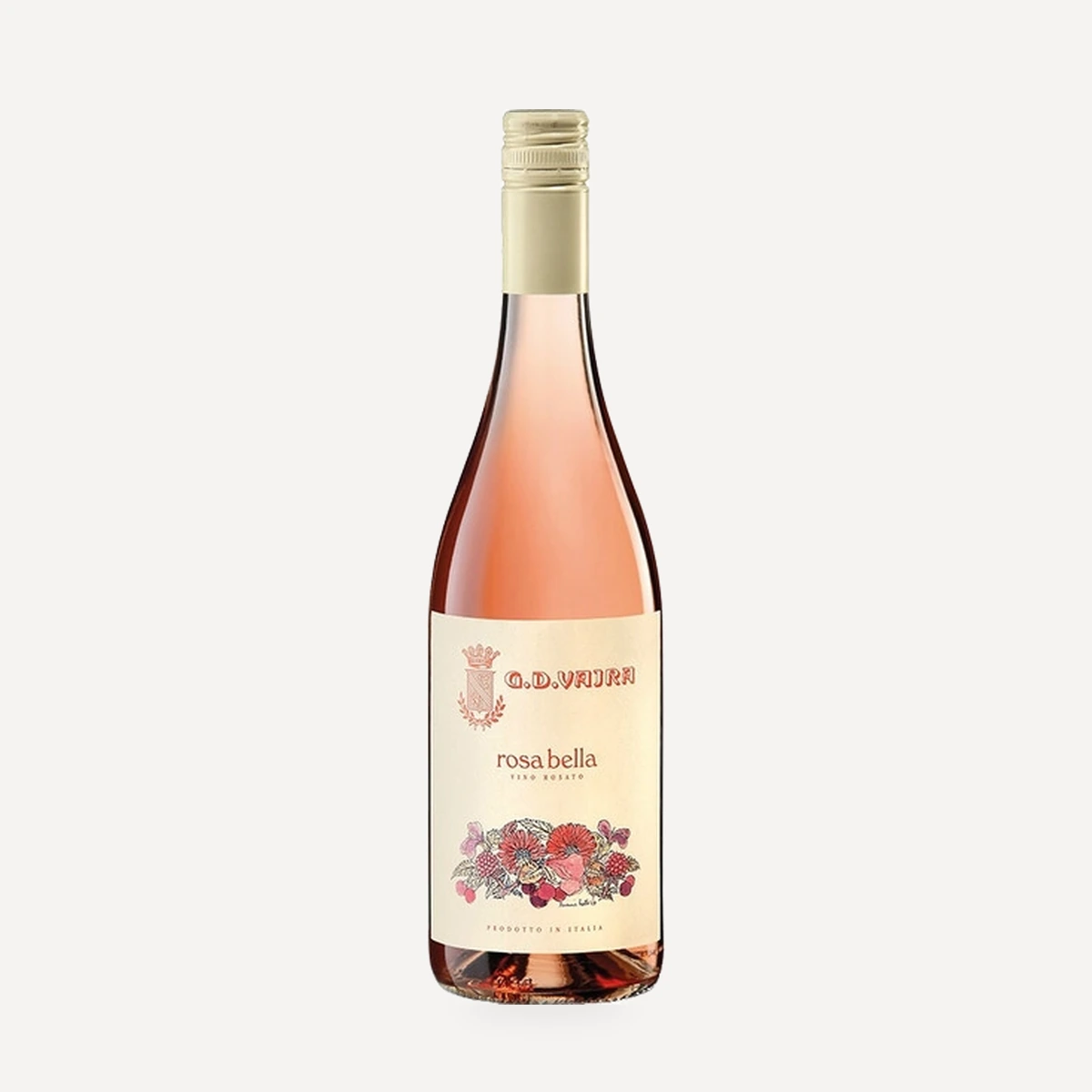
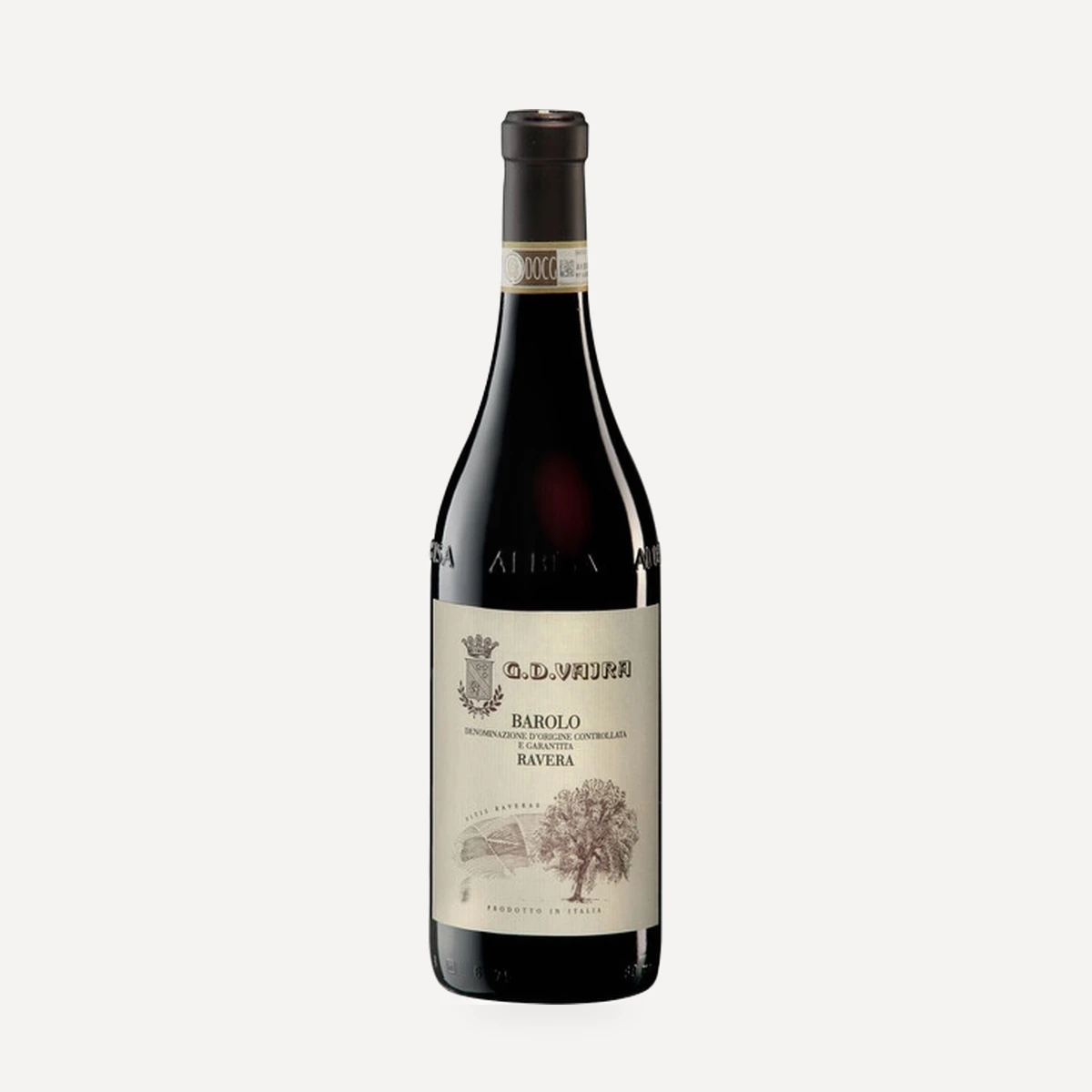
Rosabella, a still rosé centred on Nebbiolo with smaller contributions from Barbera and Dolcetto, was first produced between 2004 and 2007. Ravera returned as a single-vineyard Barolo with the 2010 vintage after more than a decade devoted to vine maturity and structural development.
Passing on the flame
Leadership is now shared by Aldo and Milena Vaira, working with Giuseppe, Francesca and Isidoro and the wider Vajra team. The family describes its present as a continuation of tradition through new dreams, research, discoveries, sacrifice and collective work. Individual responsibilities remain defined, but collaborators are encouraged to participate in the estate’s development through ideas and proposals.
Environmental and social initiatives have expanded alongside the family’s organic commitment. A photovoltaic installation was completed in 2023. In 2024 it supplied 31% of annual energy needs, while more than 90% of the electricity it generated was consumed on site. Grid-energy use fell by 6.09% from 2023, and 54.03% of purchased electricity came from renewable sources.
Terroir
G.D. Vajra’s approximately 90 ha of estate-owned vineyards are concentrated in the Langhe, with many sites at comparatively high elevations. The estate works across both Tortonian and Serravallian valleys and also encounters Messinian deposits, alluvial material, limestone, sandstone, clay, sand, marl and iron-rich soils.
Altitude, light and temperature
High elevation is central to the estate’s approach. Its Nebbiolo sites extend from roughly 280 to 550 m, while Barolo vineyards used for Albe lie between 380 and 480 m. Bricco delle Viole rises from 400 to 480 m on Barolo’s western ridge; Serradenari and N.S. della Neve sit around 500 m.
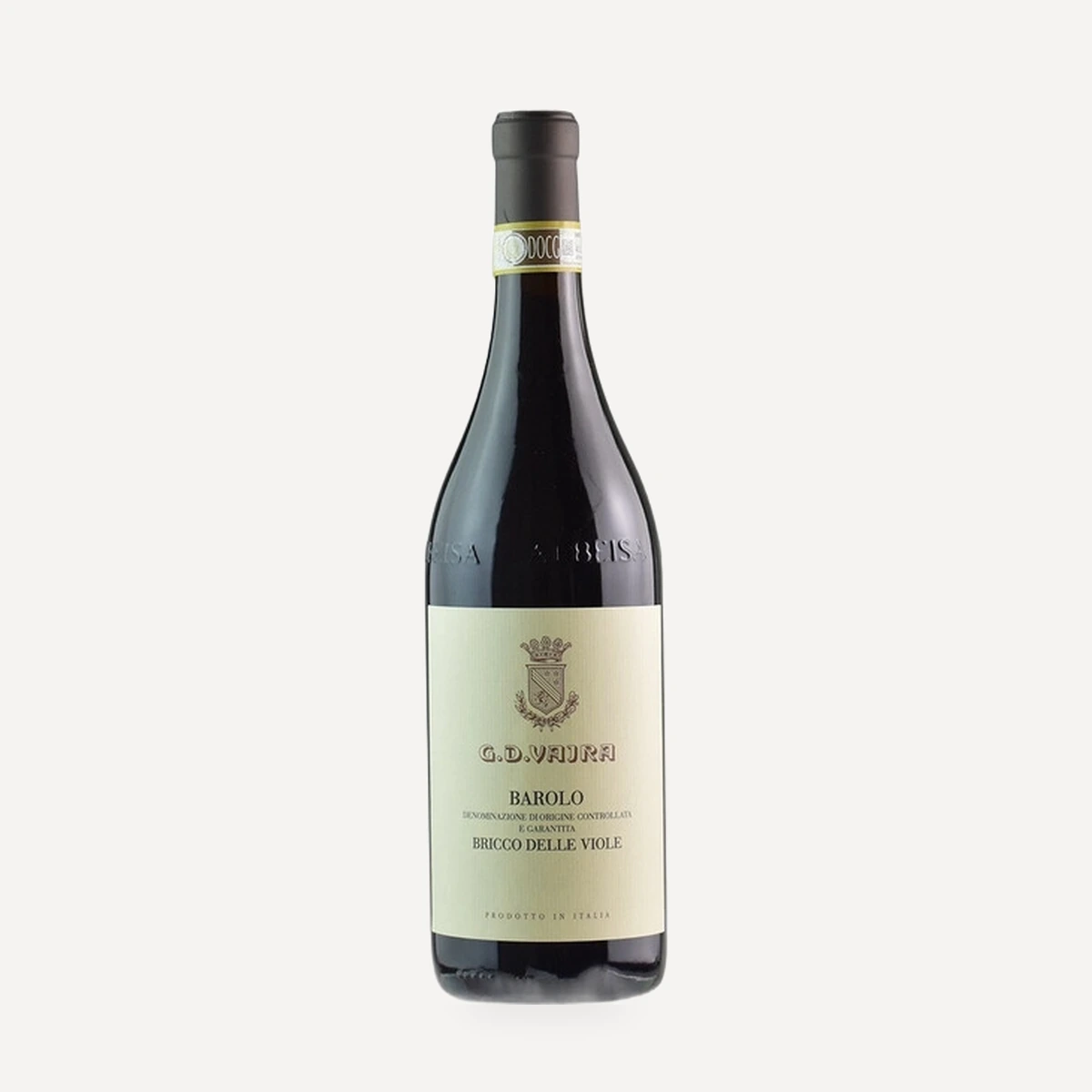
Bricco delle Viole forms a broad south-facing arc above the fog. It receives the first sunrise and last sunset, with unobstructed light through the day. The Alps and the nearby Tanaro River moderate this exposure, producing pronounced day–night temperature changes. Fruit ripens slowly while retaining delicate aromas and protection from excessive heat.
The estate’s elevated vineyards benefit from natural ventilation. Their altitude also limits thermal inversions and can extend hang time, supporting gradual phenolic ripening.
Geological diversity
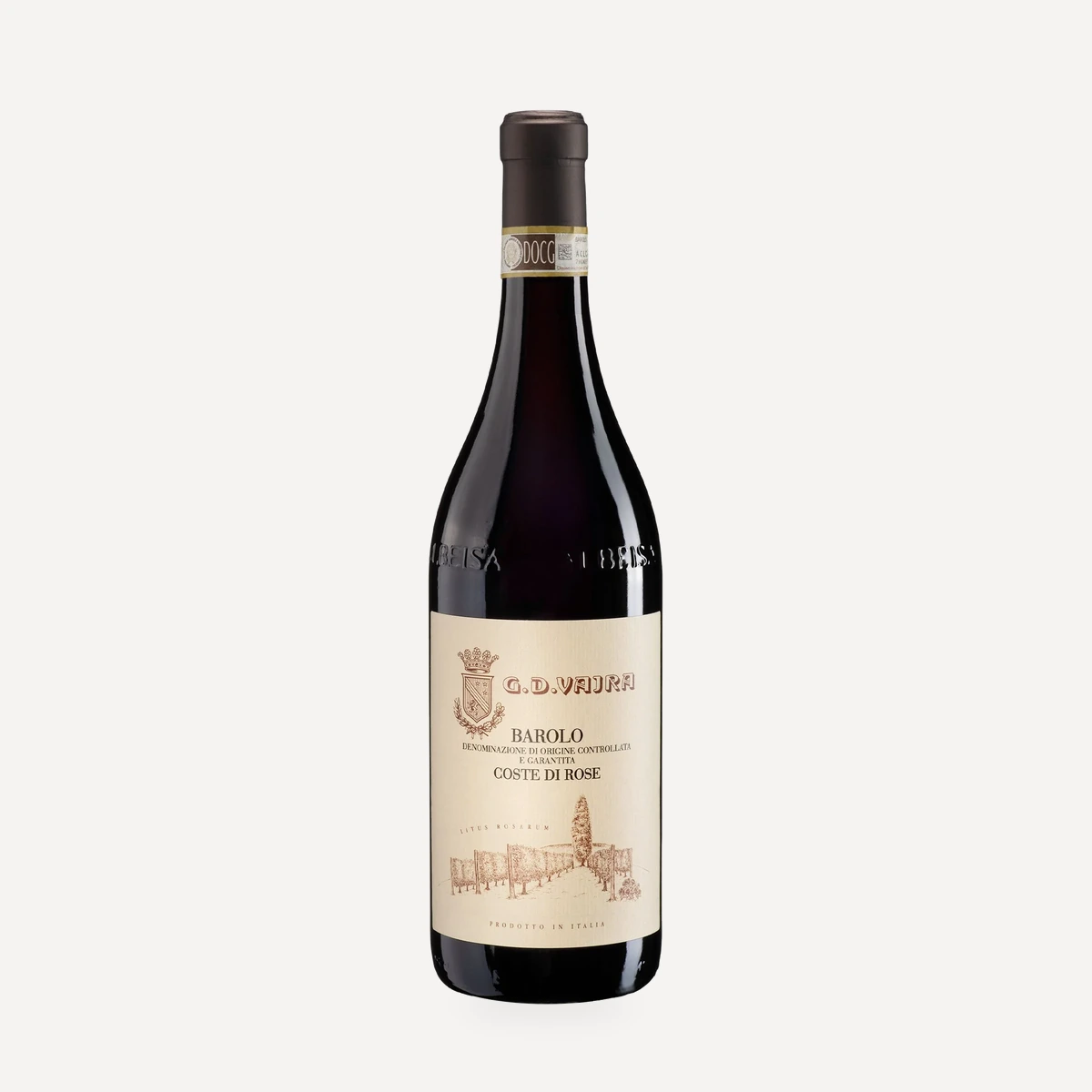
Bricco delle Viole is associated with Sant’Agata fossil marls and marine fossils. Ravera lies where Tortonian marls meet Serravallian sandstone and clay. Its layered, erosion-prone subsoil also includes Sant’Agata fossil marl and iron-rich sandy deposits. Coste di Rose is distinguished by sandy soil on a steep slope descending from Bosco della Fava toward Monforte d’Alba.
Fossati combines gravel, sand and exposed alluvial stones. Bricco Bertone in Sinio has limestone-rich Serravallian soils. San Ponzio stands on pure Tortonian marl; Bergera is lighter and alluvial; Tarditi is rooted in sandy limestone. The Pinot Nero sites Serradenari and N.S. della Neve share Sant’Agata fossil marls with Messinian deposits.
The western hills between Barolo and Novello provide high-elevation Dolcetto sites. Moscato is grown in steep, ventilated vineyards between Mango and Santo Stefano Belbo, where fine calcareous soils and mature vines support aromatic development.
Vinificazione
Organic cultivation began in 1971, when Aldo Vaira joined Suolo e Salute while still a university student. The estate is certified organic and Equalitas sustainable.
Permanent grass cover and spontaneous vegetation have been maintained for more than five decades. These practices preserve soil structure, reduce erosion, improve subsoil aeration and water retention, stimulate microbial life and encourage roots to explore deeper layers. The objective is a balanced, naturally resilient vineyard rather than reliance on a fixed recipe.
Vineyard work involves a high proportion of manual labour per hectare. Picking decisions are made site by site and, where necessary, through multiple passes to respect differences among parcels and individual vines. Grapes are harvested by hand, frequently in small baskets or crates. Selection may take place in three stages: on the vine, as intact bunches on sorting tables and berry by berry after destemming.
Research and observation extend beyond cultivated rows to the flora and fauna of surrounding fields and woodland. The aim is to strengthen soil vitality, biodiversity and the resilience of the whole agricultural ecosystem. High elevation and ventilation also form part of the viticultural strategy, moderating heat, limiting thermal inversions and allowing longer, gentler ripening.
The cellar combines traditional forms with close observation and restrained handling. Parcels are commonly harvested and fermented separately so that differences in ripening and site can be respected before blending.
Fruit is manually selected, with the most rigorous protocols comprising selection on the vine, whole-bunch sorting and a final berry-level inspection after destemming. Vertical vats designed for the estate are used for many red fermentations. Cap management is gentle, relying on measured punch-downs and pump-overs; temperatures for some fermentations are kept below 30°C.
Maceration is adapted to grape, site and vintage. Barolo can remain on the skins for approximately 36–49 days, sometimes finishing under a submerged cap. Other reds generally receive shorter but still gradual macerations. Spontaneous malolactic fermentation commonly follows in stainless steel, sometimes during the spring after harvest.
Barolo matures in large Slavonian oak casks rather than an oak regime driven by small new French barrels. Recent examples use 25, 40, 50 and 75 hl casks for approximately 22 months. The family’s decision to limit excessive French oak is tied to its pursuit of finesse, aromatic definition and elegance.
Stainless steel is central to wines intended to retain freshness and varietal clarity. Depending on vintage and purpose, neutral oak may make a minor contribution. Riesling is whole-bunch pressed, fermented slowly in stainless steel and aged on fine lees without malolactic fermentation. Rosé and lighter Nebbiolo employ short, delicate skin contact; a portion of whole clusters may be retained, and fermentation can finish away from the skins. Moscato is pressed promptly and fermented in small batches through the season to preserve aromatic freshness.
Filosofia
G.D. Vajra places land before vineyard and vineyard before wine. The family treats the farm as part of its home: a living environment requiring time, understanding, tenderness and dedication in both abundance and scarcity.
The estate’s high-altitude vocation seeks slow ripening, aromatic precision, freshness and an ethereal rather than forceful expression. Individual vineyards are expected to retain their own personalities, while the common stylistic aim is finesse, perfume and clarity.
Tradition is understood as something living that must be transmitted rather than preserved unchanged. This position permits historical research, old massal selections and large Slavonian casks to coexist with experimental varieties, custom vats, biodiversity monitoring and modern sustainability systems. Intervention is guided by observation and the needs of each site and vintage rather than a standard formula.
Family collaboration is another defining principle. Aldo and Milena describe teamwork as a parent’s greatest dream. Differences of opinion are accepted within a shared search for truth, and the next generation participates directly in leadership and experimentation.
The formal quality and sustainability policy places respect for nature, customers and employee well-being at the centre of operations. Annual improvement objectives encompass environmental performance, workplace quality, training, legal and safety compliance, process efficiency, supplier relationships and progressive Equalitas product certification.
Vini
Barolo Coste di Rose DOCG
Barolo Bricco delle Viole DOCG
Barolo Ravera DOCG
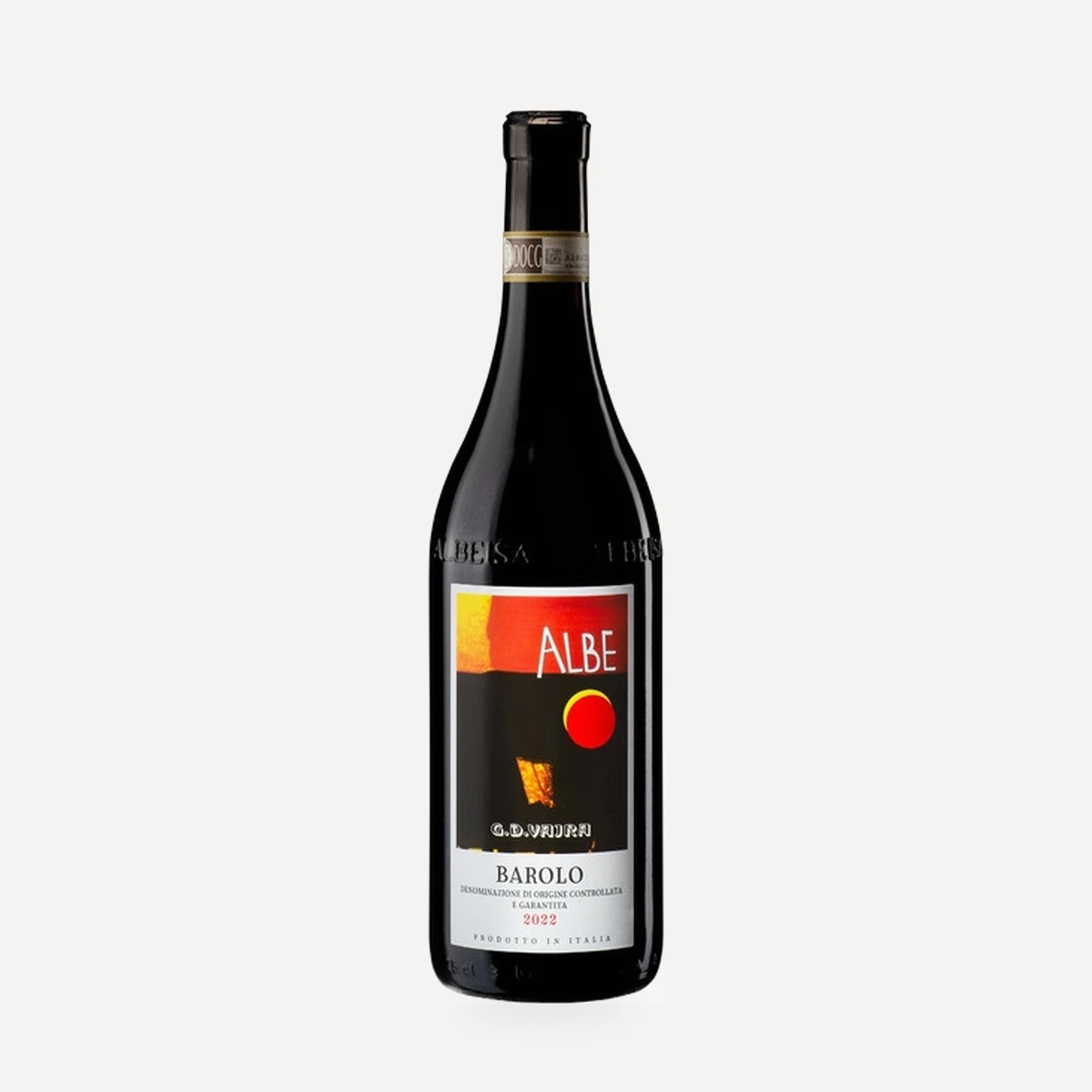
Barolo Albe® DOCG
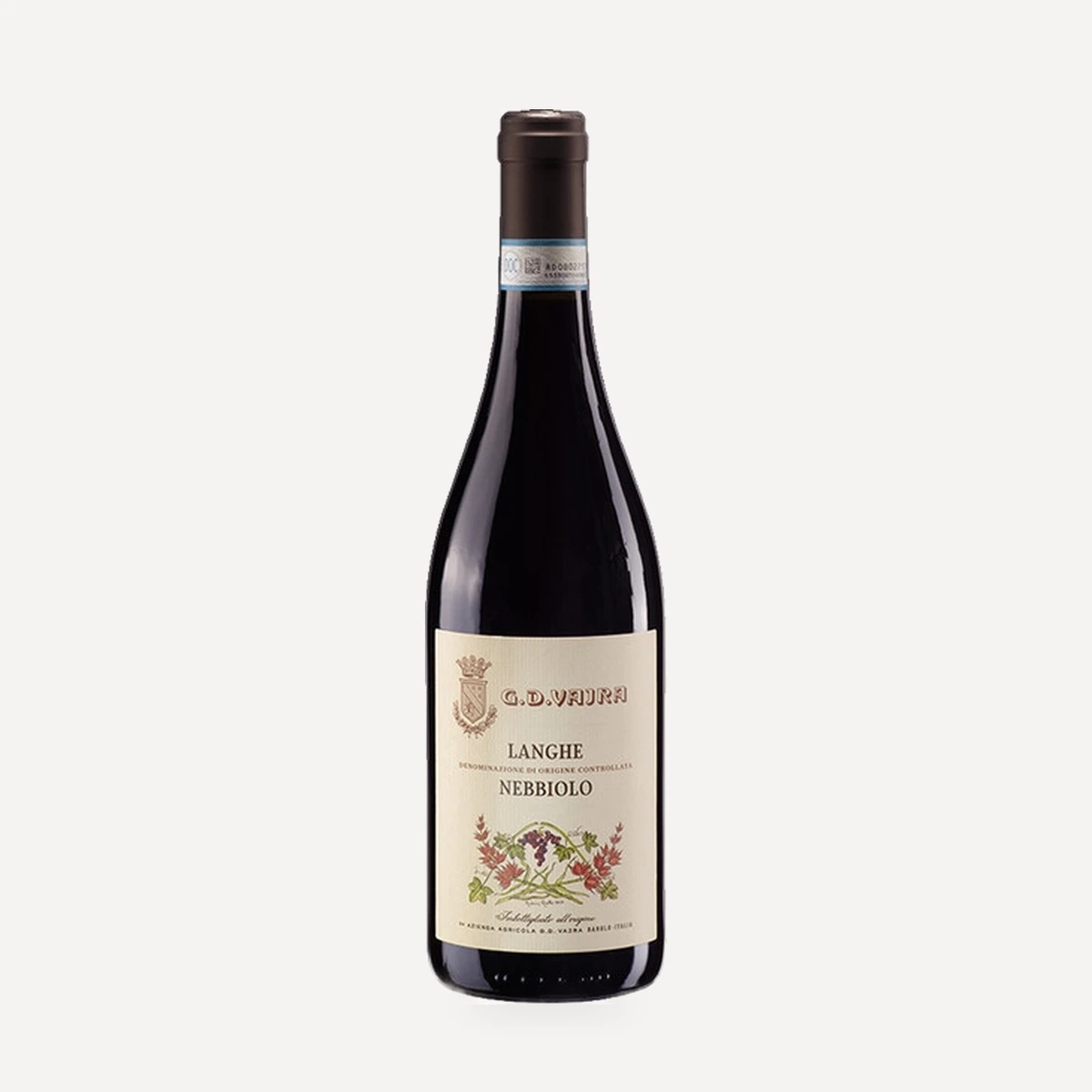
Langhe Nebbiolo DOC
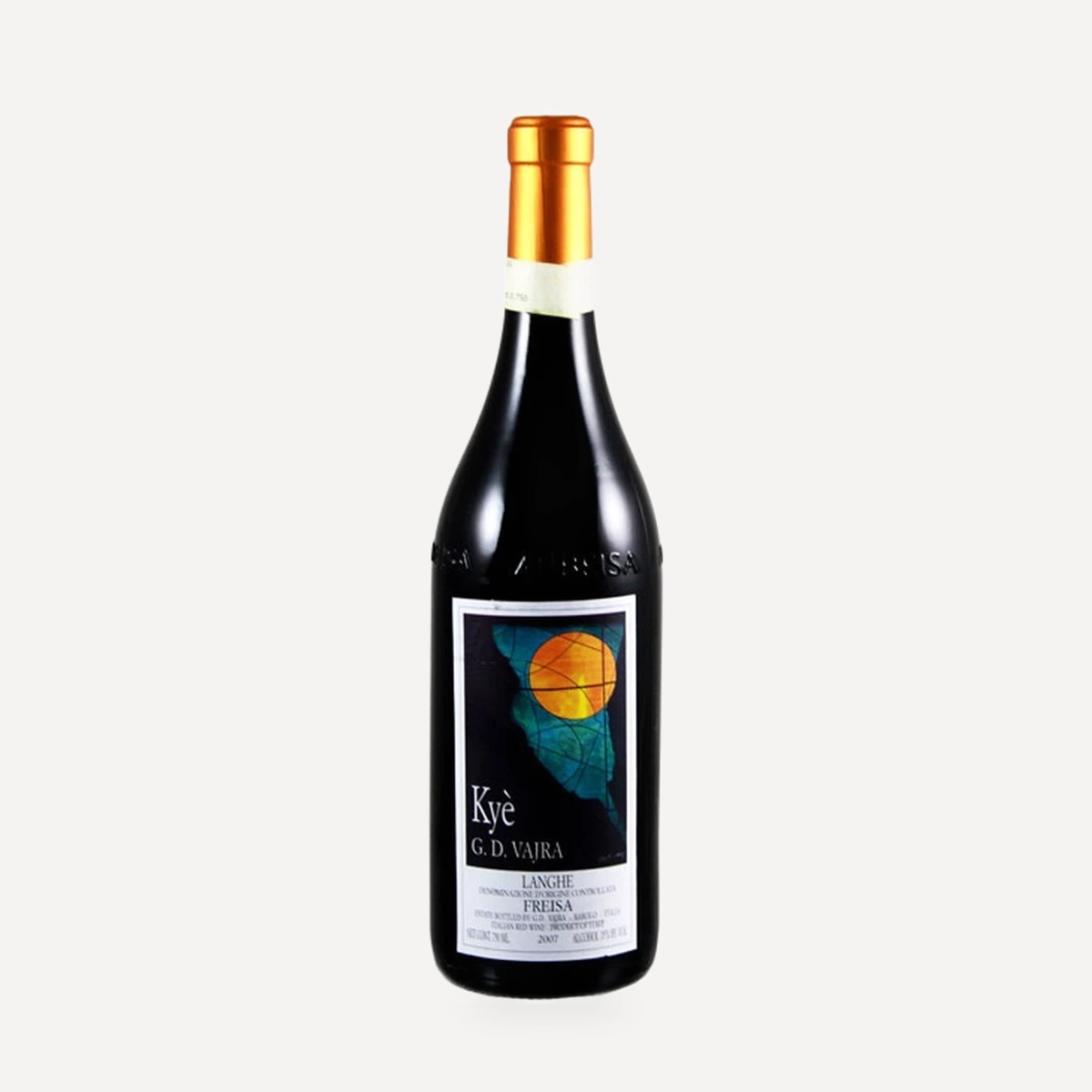
Langhe Freisa Kyè® DOC
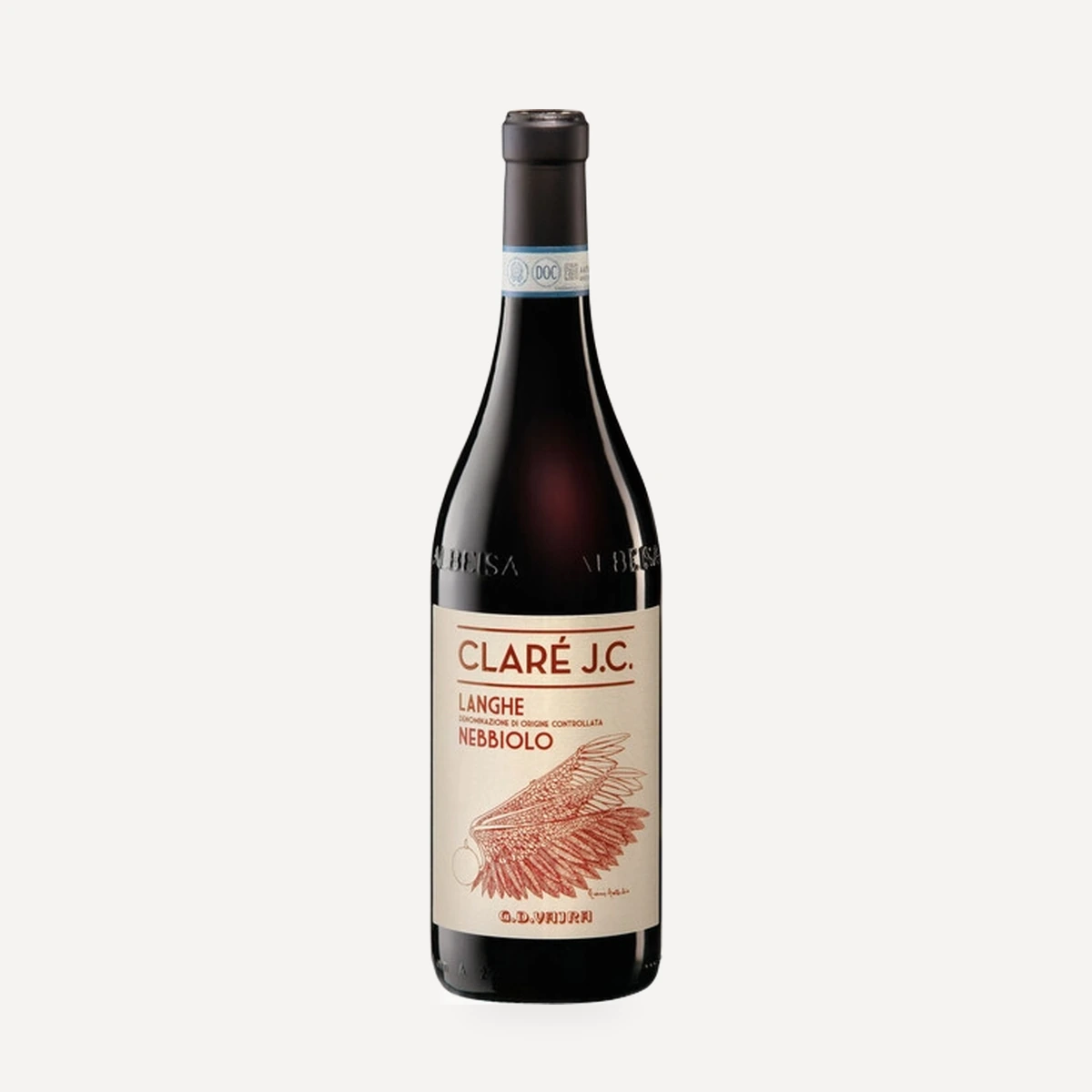
Langhe Nebbiolo Claré J.C. DOC
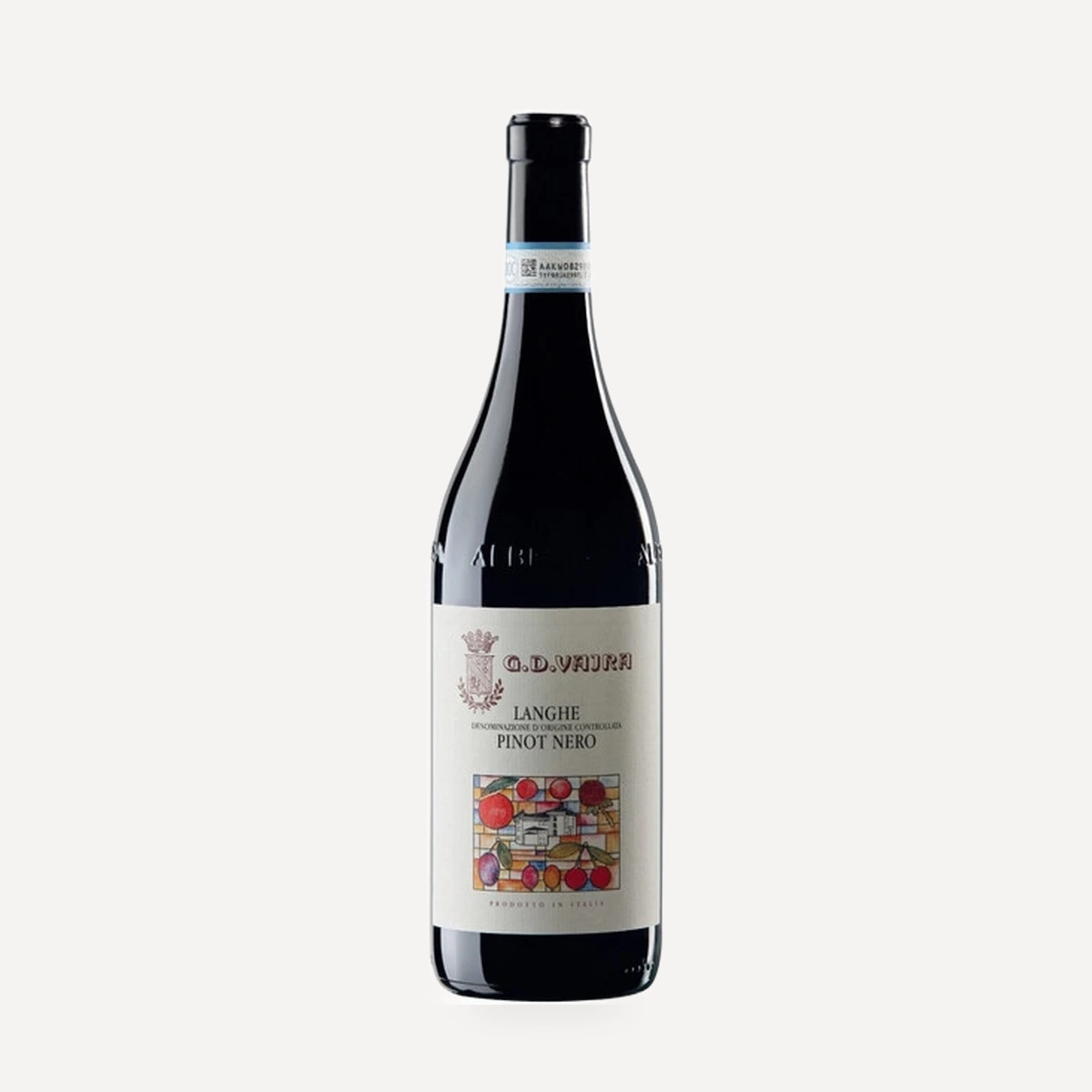
Langhe Pinot Nero DOC
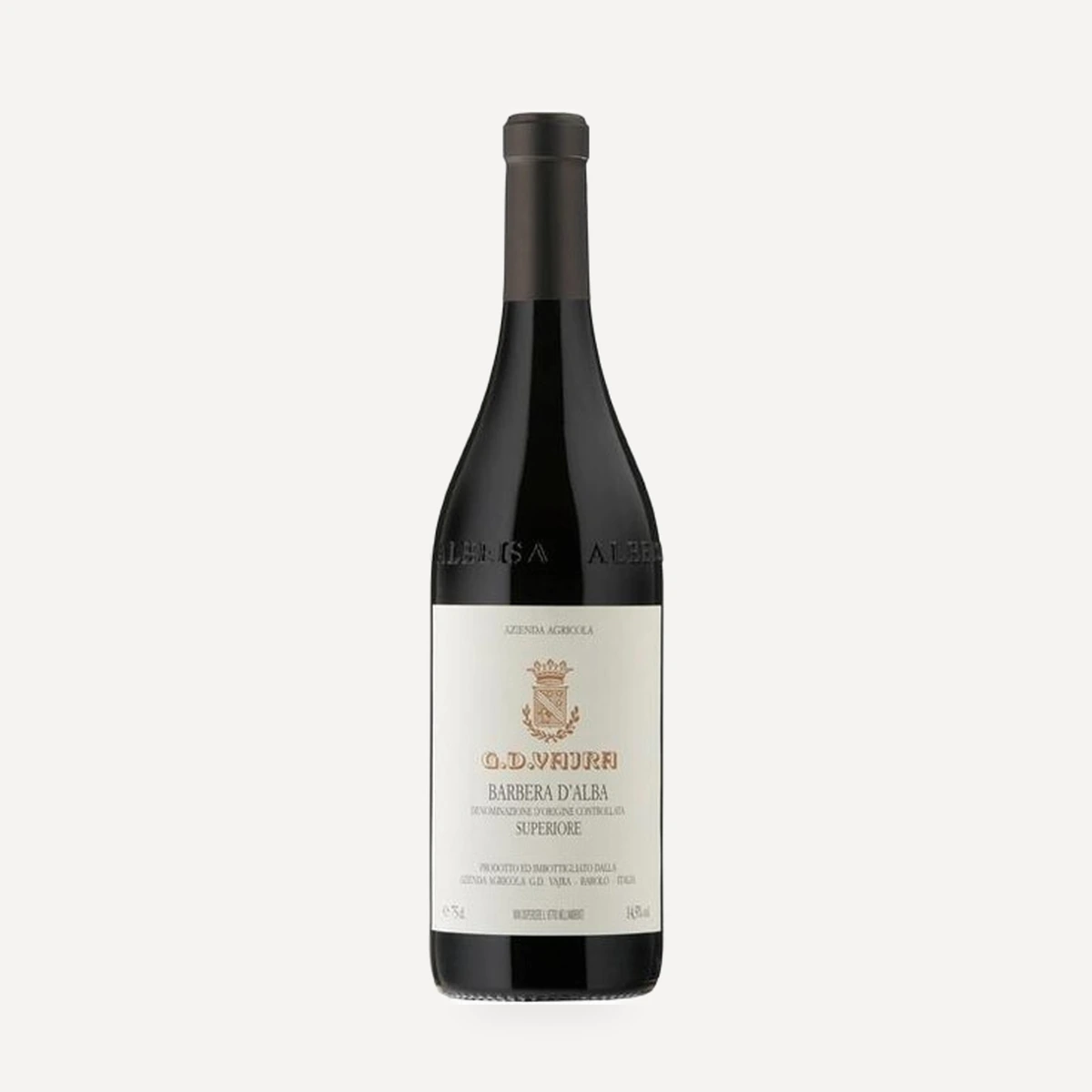
Barbera d’Alba Superiore DOC
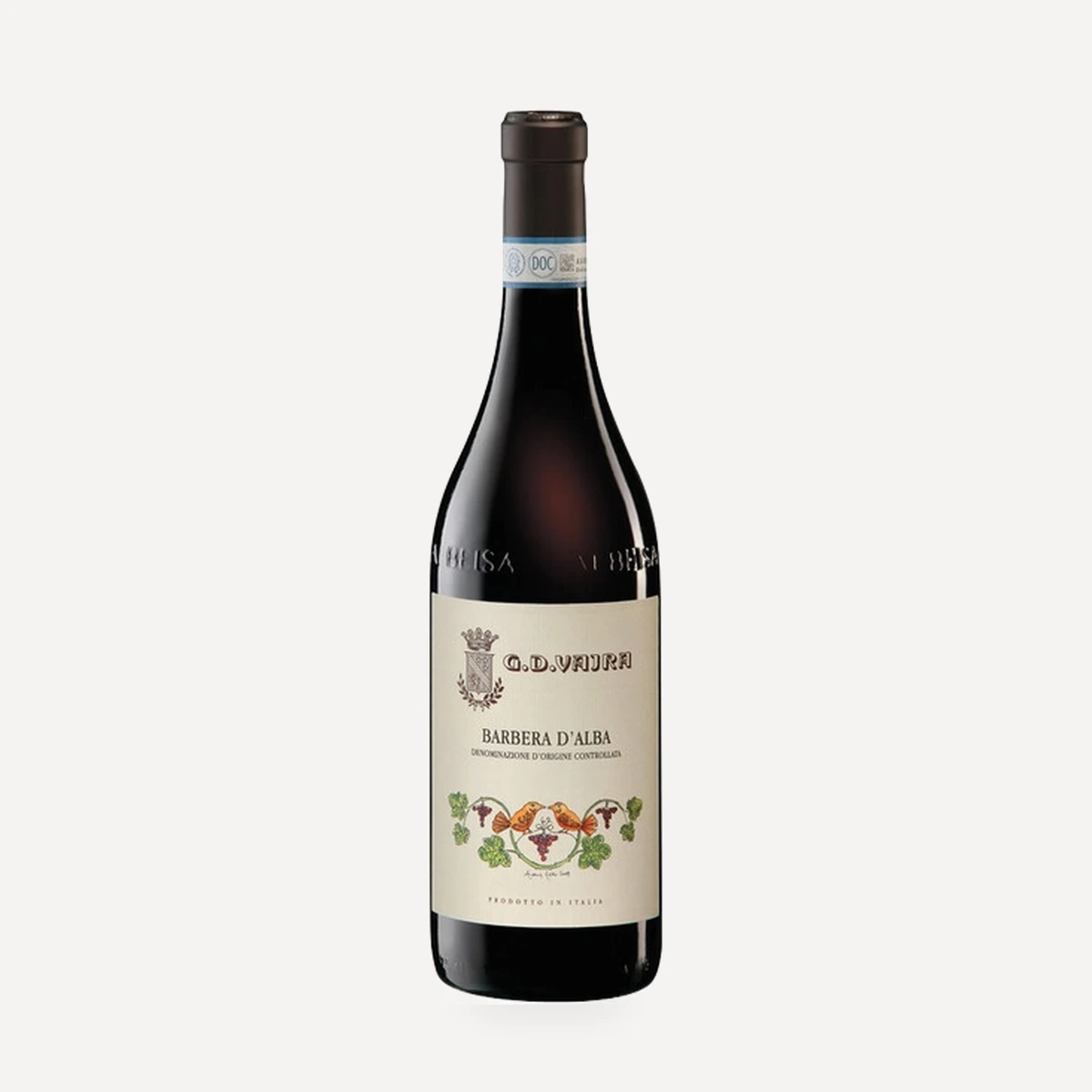
Barbera d’Alba DOC
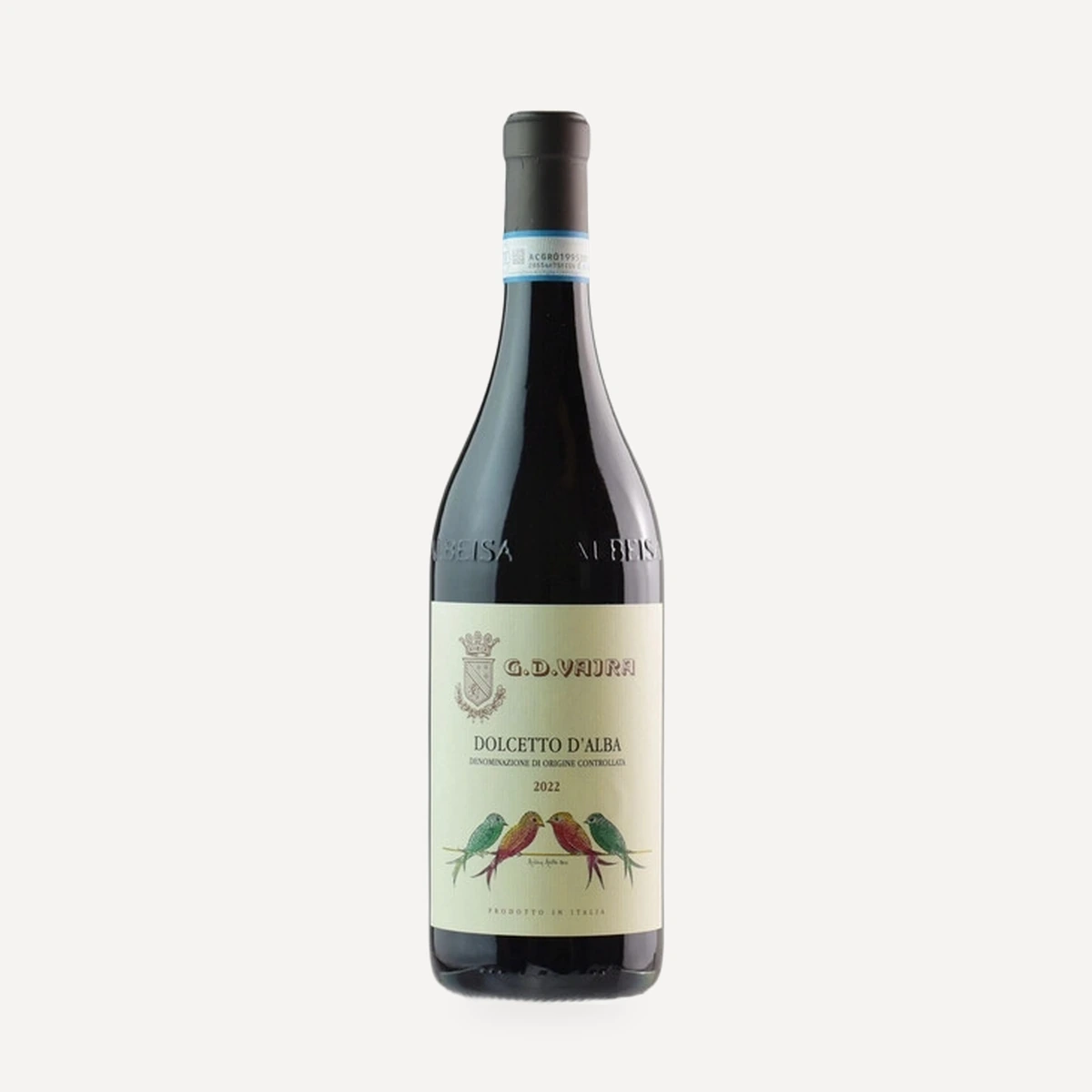
Dolcetto d'Alba DOC
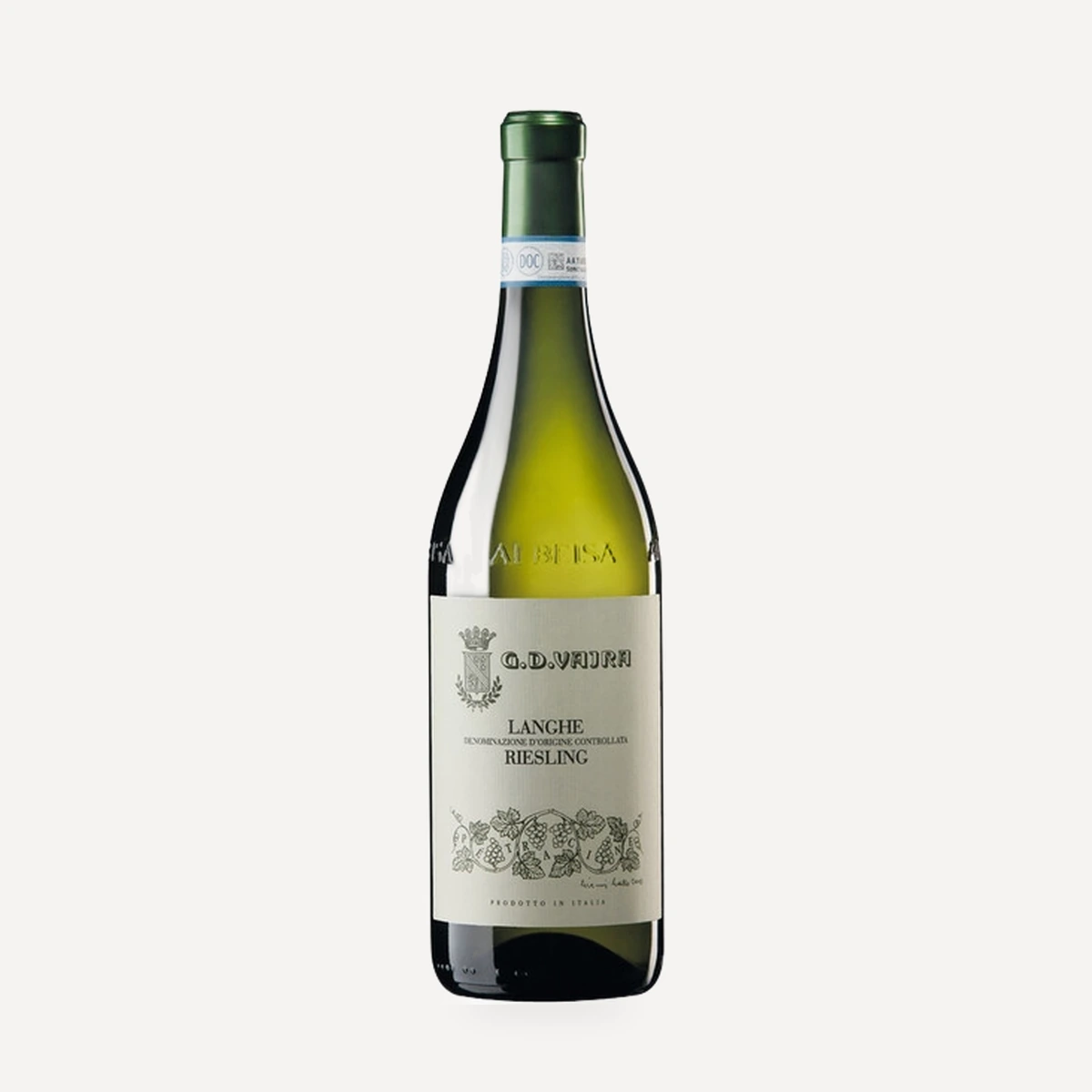
Langhe Riesling Pétracine® DOC
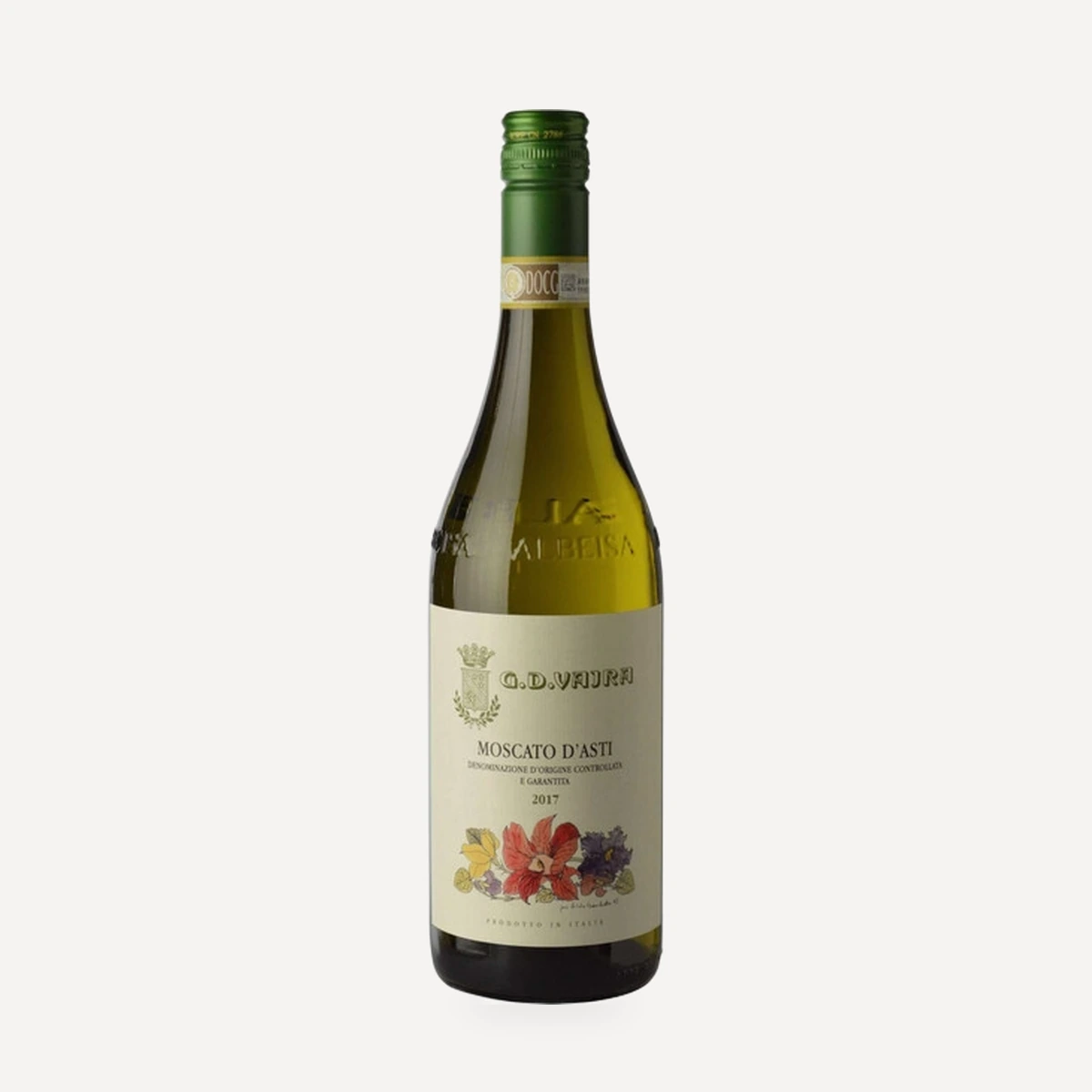
Moscato d'Asti DOCG
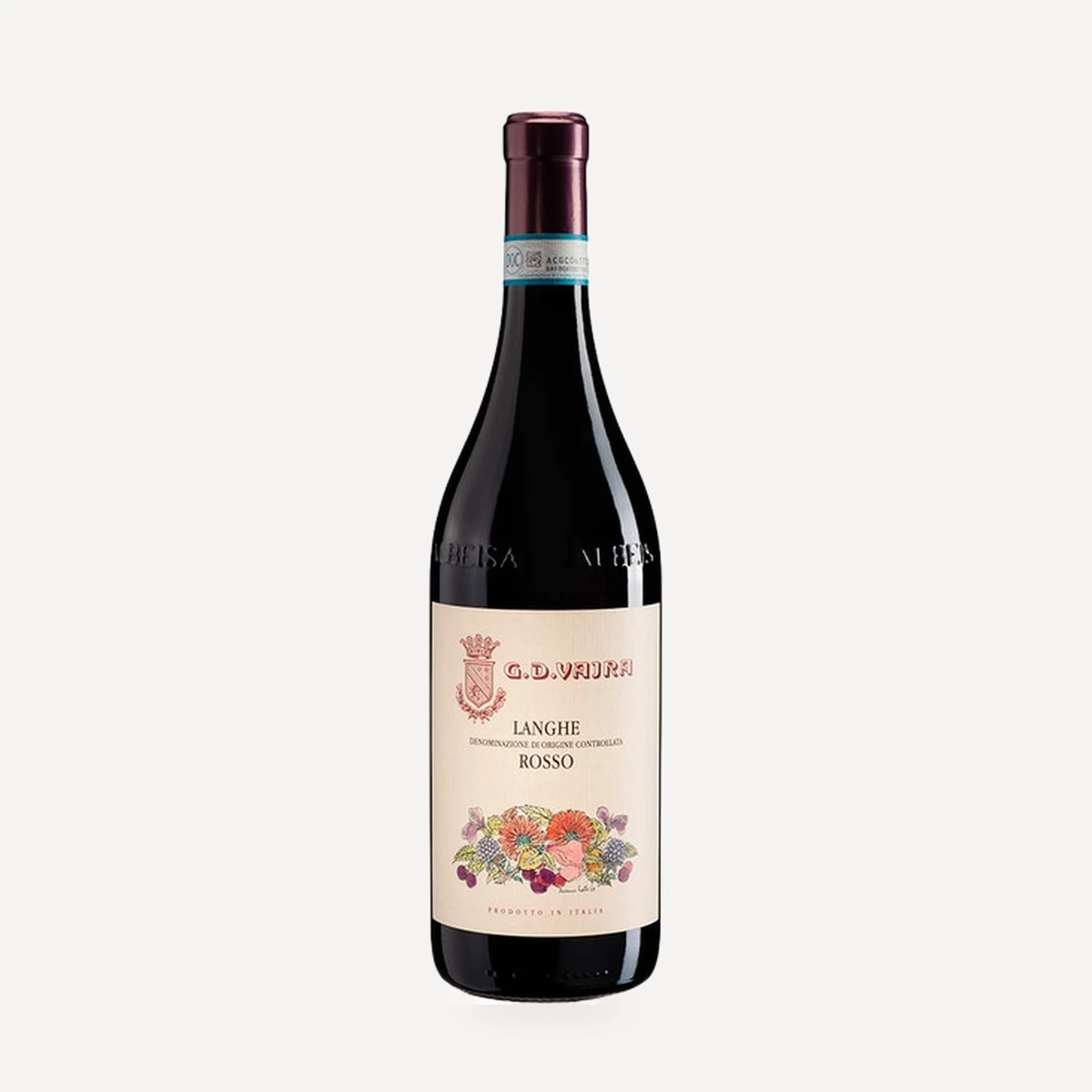
Langhe Rosso DOC
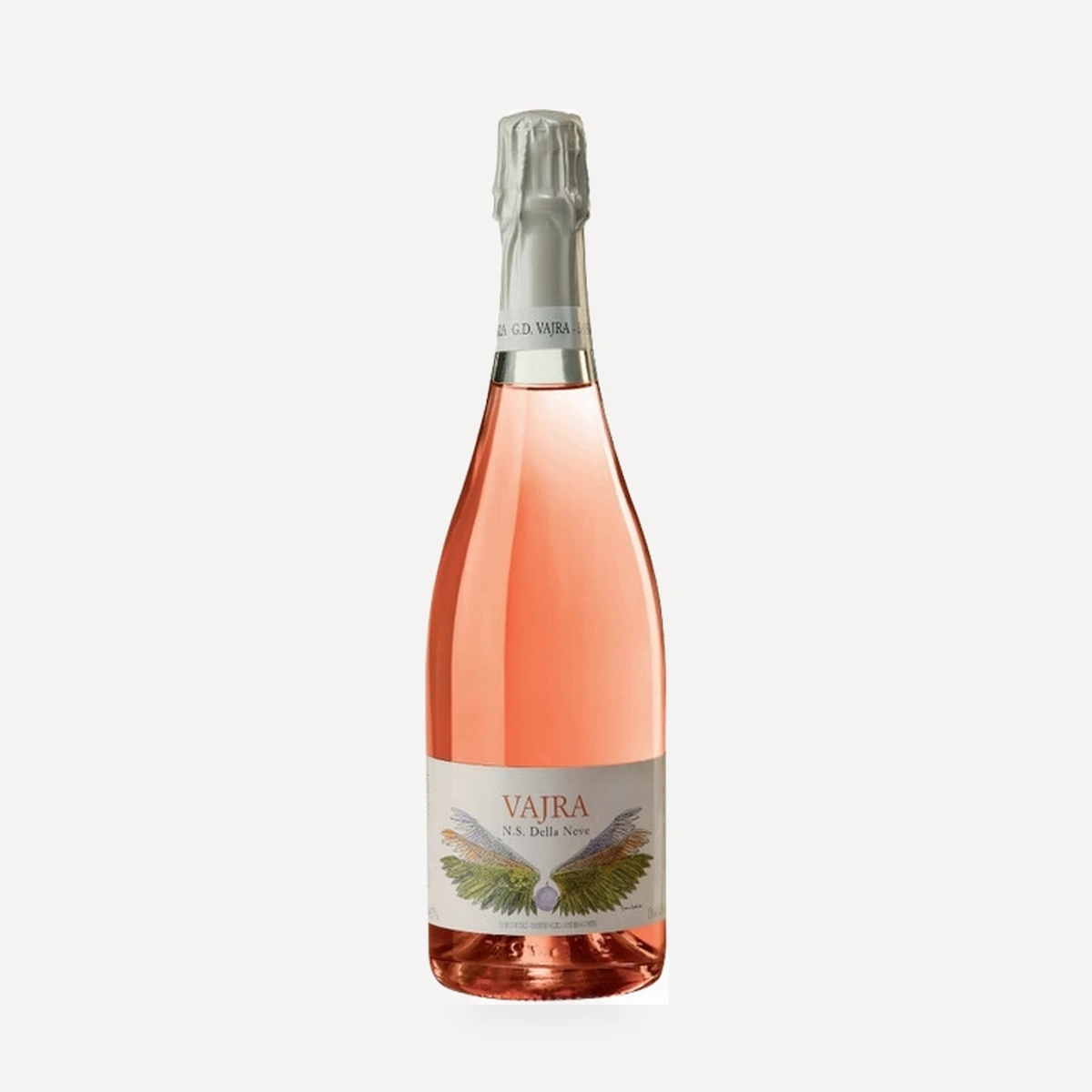
VSQ N.S. della Neve Spumante Rosato