Storia
A family estate across four generations
Gatti is a small family agricultural estate in Ponte di Piave. Its precise foundation date is not recorded, but Carolina Gatti identifies herself as the fourth generation to continue the family business. The family’s history spans at least the period between the two world wars, about which her father Lorenzo has preserved and recounted memories. Some of the estate’s Bellussera vineyards were planted by Carolina’s grandfather, others by Lorenzo, and the youngest with Carolina herself participating.
Carolina was born in May 1976 in the Raboso Piave area and joined her first harvest at the age of three. At 14 she enrolled at the Scuola Enologica di Conegliano, qualifying first as an enotechnician and then as an oenologist after completing a thesis on Raboso Piave. Her early experience included school-based winemaking in Friuli and Veneto, followed by work guided more directly by instinct in Ecuador and Peru. During this period she also experimented with wines of her own alongside those made by her father.
Return to the family business
Carolina eventually proposed working with Lorenzo in the family estate. She took on vineyard and cellar work directly, from winter labour to harvest and vinification. In the family structure described in 2008, Lorenzo was the winegrower, Carolina the oenologist, her brother Lino the agronomist and her mother Renata the person responsible for the poultry, vegetable garden and flowering plants. Decisions were discussed collectively, with each family member contributing a particular skill.
The estate was then farming 5 hectares of vines trained entirely as Bellussera, together with a small maize plot and land producing hay. Lorenzo also raised calves on estate-grown hay and ground maize; their manure was used in the vineyards. The family combined inherited practices, technology and experimentation while seeking to minimize chemical inputs in both vineyard and cellar.
Gino Veronelli’s interest in Lorenzo Gatti’s wines—particularly the 1999 Raboso—encouraged Carolina to push her interpretation of Raboso further. The first vintage of the later documented Raboso bottling was 2007.
2008–2011: direct communication and broader distribution
In April 2008 Carolina began publishing regular accounts of the estate, its land, wines, food and cultural interests. The 2008 harvest left Raboso del Piave on the vines after the other varieties had been brought in; the white musts were notably aromatic, while the red grapes had achieved strong colour and ripeness.
By 2010 the family was receiving visiting buyers and presenting its wines alongside local dishes. Lorenzo recounted the estate’s interwar history, Lino explained the making of Imbriago, and Renata prepared traditional food. During the same period Gatti’s wines began reaching markets beyond the immediate area, including London.
2012–2013: generational transfer and cellar renovation
In January 2012 responsibility for the estate formally passed from Lorenzo to Carolina. The transfer included the business administration, equipment, remaining wine and financial obligations. Carolina delegated much of the bureaucracy to a specialist office so that she could concentrate on grapes, must and cellar work during harvest. Lorenzo remained her principal collaborator, with Lino assisting when needed.
The winery underwent a summer-long renovation in 2012. The working rooms were refreshed with epoxy coatings, a new floor was installed, new concrete tanks were added and the entire crushing area was renewed. The smaller cellar in the old part of the property was also refurbished. Carolina planned cabinets made from old elm boards for her and Lorenzo’s bottle collections, and designated this older room for receiving visitors.
The hot 2012 season produced particularly successful reds and an especially satisfying Prosecco. The following year was much wetter: repeated rain through June forced repeated vineyard treatments, downy mildew struck approximately one Raboso bunch in two during flowering, and later heat scorched part of the young Prosecco vineyard, which required irrigation. Bacillus treatments and frequent monitoring were used against grape moths, while botrytis also appeared. Despite these difficulties, the crop was largely saved.
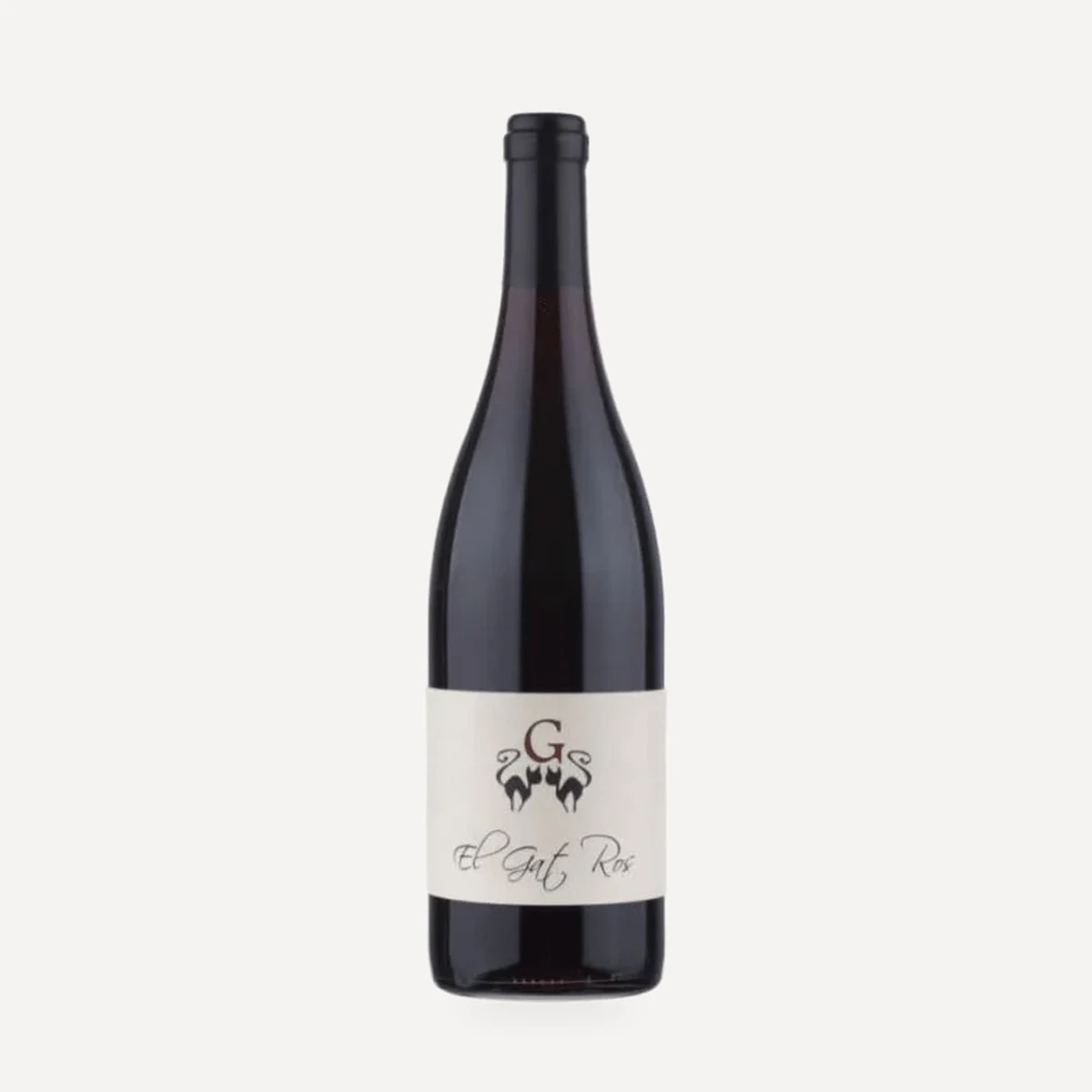
In 2013 the estate introduced El Gat Ros, a table red initially based on Cabernet Sauvignon 2010. During the same period it found importers in Australia, Hong Kong, Sweden and Portugal, while its wines were also being poured in Amsterdam.
2014–2016: independent classification choices
In 2014 Carolina decided to stop presenting the traditional bottle-refermented sparkling wine as Prosecco Colfondo DOC. Of 10,000 bottles from the same 2012 lot and bottling date, only 2,000 had been certified. Rather than continue contesting the decision, she released the wine as Vino Bianco Frizzante under the name Bolle Bandite, without changing the grapes, fermentation or refermentation process. She indicated that Raboso would likewise be released as table wine if its classification created similar obstacles. El Gat Ros was bottled in July 2014.
Gatti was included in the Vino Critico guide in November 2014. In 2015 Carolina reaffirmed her decision to continue the family estate voluntarily as its fourth generation, despite the high proportion of manual work demanded by Bellussera. That year’s harvest was generally satisfactory, although downy mildew affected Tocai and part of the Merlot. By November all musts had been pressed and the first coarse-lees rackings completed.
2017–2020: vineyard losses, difficult seasons and continuity
On 19 July 2017, almost the entire vineyard was damaged after the application of a commercially available product approved for organic farming. Carolina initially feared that no wine would be made from the vintage, although a reduced quantity was ultimately produced. The experience changed her approach to testing products: in 2018 she trialled new materials only according to her own observations and judgement. That season brought heavy rainfall and humidity reaching 92% for an entire week, creating intense downy-mildew pressure. She consequently limited travel during the most sensitive vineyard period.
The 2019 harvest ended on 28 October with Raboso. Finished wine volume was 30–35% below normal because the grapes were light and bunches contained berries affected by uneven flowering, millerandage and downy mildew. There were also isolated cases of sour rot and beneficial botrytis. Verduzzo underwent 24 days of maceration with repeated punch-downs and pump-overs but extracted less amber colour than usual; the Prosecco intended for Bolle Bandite retained high acidity, while the reds were aromatic but lighter in colour after a season lacking sufficient sunshine.
In March 2020 agricultural work continued through the first phase of the COVID-19 emergency. Carolina maintained the animals, fields, vineyards and cellar while limiting travel and protecting her parents, although orders and visits to the cellar stopped temporarily.
Terroir
The estate lies in the municipality of Ponte di Piave, approximately 20 km from Treviso, 28 km from Conegliano and 30 km from Venice. It occupies the flat Piave landscape crossed by the river and characterized by abundant water.
The vineyard soils are medium-textured and influenced by alluvial silt. A documented south-facing Raboso site has mixed clay and alluvial soil. One particularly clay-rich section dries faster during severe drought and may require emergency irrigation.
Morning fog and humidity are recurring features. The height of Bellussera places the productive zone approximately 1.8–4 m above the ground, helping reduce damage from spring frost and autumn fog. Its broad canopy shades the vines in hot periods. Wet years, however, can create severe downy-mildew pressure: 2013 brought rain through June, while humidity reached 92% for an entire week in 2018. The insufficient sunshine of 2019 contributed to high acidity in Prosecco and lighter colour in the reds.
Vinificazione
Gatti retains Bellussera as both a productive system and a part of the Piave landscape. The estate does not present itself as certified organic. Its approach combines inherited farming, experimentation and limited chemical intervention.
Approximately 80% of the vineyard work is performed by hand because the high, radial training system is not readily mechanized. Winter work includes hand pruning from a harvest wagon, cutting canes and adjusting the short fruiting arches. Bud load is restricted to moderate the Bellussera’s natural vigour and potential yield. Carolina also uses a brush cutter in grassed areas and clears the hedges surrounding the vineyards according to the lunar cycle.
No fertilizer is used. The cordon length and deep root systems help regulate canopy growth naturally, while manure from the family’s cattle historically supplied the vines. Estate hay and maize support the livestock, completing a small mixed-farm cycle. Birds nest in the Bellussera canopy, hares shelter in taller grass near the trunks, and pheasants perch on the cordons.
The elevated buds suffer relatively little spring frost, and the broad foliage shades vines during hot weather. Emergency irrigation is reserved for exceptional drought and is normally needed only in the clay-rich section. A young Prosecco vineyard also required irrigation after heat scorch in 2013.
Plant protection includes small amounts of copper, sulphur only when needed, seaweed and herbal decoctions described as biodynamic preparations, and Bacillus treatments against grape moths. The vineyards are monitored closely—sometimes several times per day—when downy mildew, botrytis, sour rot or insect pressure is high. The estate made its first sulphur-and-copper treatment of 2014 after long shoots, morning fog and humidity increased disease risk.
Harvesting the high Bellussera canopy is manual and physically demanding. Grapes are picked as each of the seven varieties ripens; late-ripening Raboso commonly concludes the harvest. In 2019 it was harvested on 28 October.
Carolina Gatti works without a fixed cellar protocol, adapting decisions to the fruit and vintage. Fermentations rely on indigenous yeasts present on the grape skins and in the cellar. Sulphur dioxide at crushing is kept very low; no processing aids or oenological stabilizers are used, and only a small quantity of metabisulphite is added.
Concrete is an important cellar material. The 2012 renovation added new concrete tanks and completely renewed the crushing area. A documented red-wine process involved 15 days of skin maceration with punch-downs, removal of the coarse lees and ageing on fine lees in concrete until bottling, followed by six months in bottle. In 2015 all musts were pressed before the first coarse-lees rackings removed the heavier sediment.
The sparkling wine undergoes fermentation and natural refermentation with indigenous yeasts. Cool conditions delayed the 2012 wine’s refermentation until August 2013. Before bottling it remained on its sediment, which was stirred frequently. The same base wine, grapes, fermentation and refermentation process continued after the wine was renamed Bolle Bandite and released as Vino Bianco Frizzante rather than Prosecco Colfondo DOC.
Long skin contact is also used for white grapes when desired. In 2019 Verduzzo macerated for 24 days with repeated punch-downs and pump-overs. The same vintage demonstrated the adaptive character of the cellar: the Prosecco retained pronounced acidity, while the reds were aromatic but less deeply coloured after a season short on sunshine.
Filosofia
Carolina Gatti’s approach is rooted in maintaining the family’s five-hectare scale, its old Bellussera vines and seven local varieties. She chose to continue the estate as the fourth generation and regards the labour-intensive training system as worth preserving despite its resistance to mechanization and its abandonment elsewhere.
Her stated aim is not maximum volume or ubiquitous distribution. Quality is tied to the time required by the individual vineyard, close observation and the freedom to price wine according to the work it embodies rather than an average market figure. She values coherence, enjoyment of the work and direct responsibility for both vineyard and cellar.
Tradition, technology and experimentation are used together. The family discusses decisions collectively, but cellar work is not governed by fixed protocols. Carolina favours indigenous yeasts, very low additions and vintage-responsive decisions. She also treats unsuccessful trials as reasons to revise practice: after the 2017 vineyard damage, she resolved to assess new products through her own careful observation.
Administrative classifications are secondary to the integrity of the wine. The 2014 decision to release the sparkling wine as Bolle Bandite rather than continue pursuing DOC approval preserved the grapes and production method while removing a certification process Carolina considered inconsistent. Her philosophy emphasizes loyalty to the work, land and wine over labels or shortcuts.
Vini
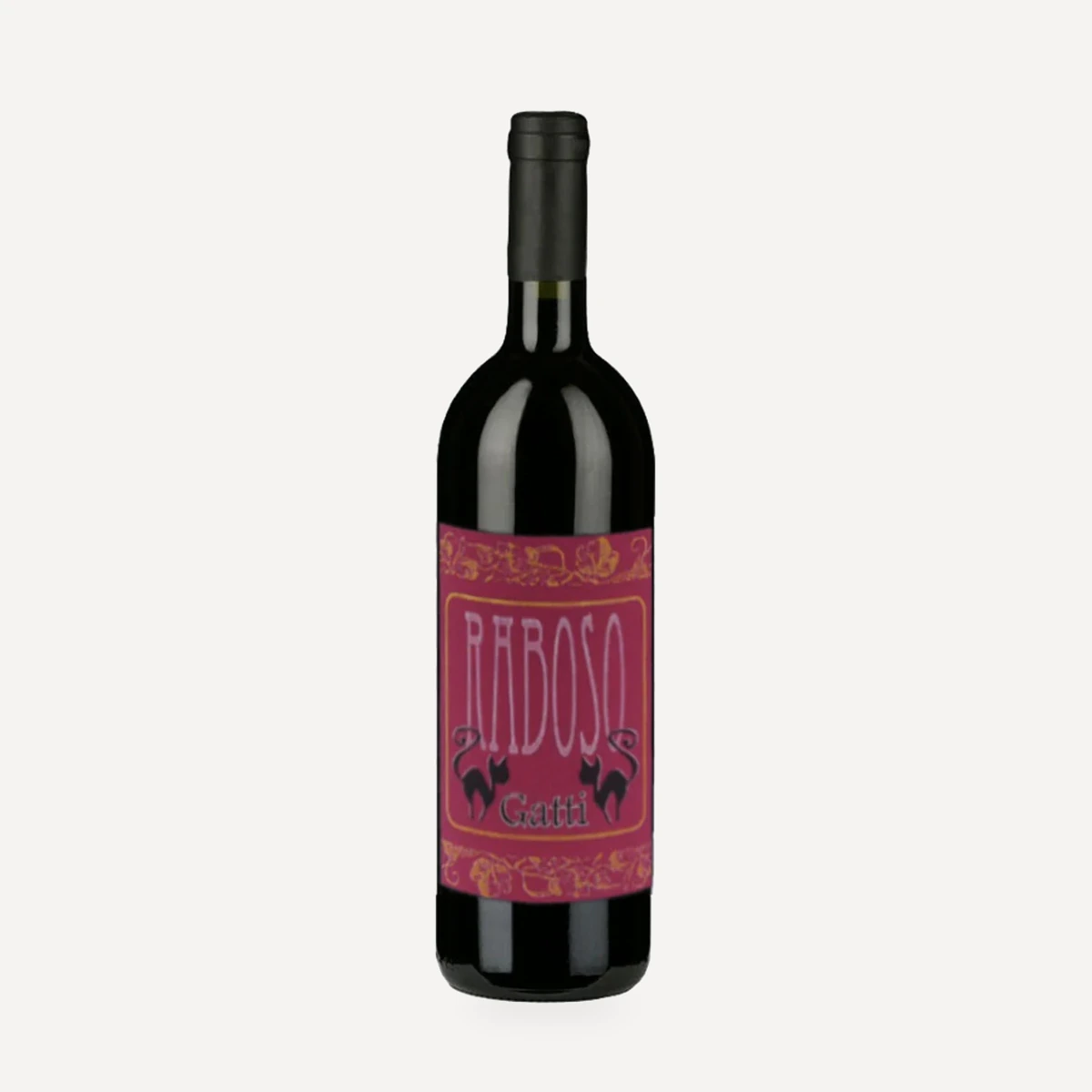
Raboso Marca Trevigiana IGT
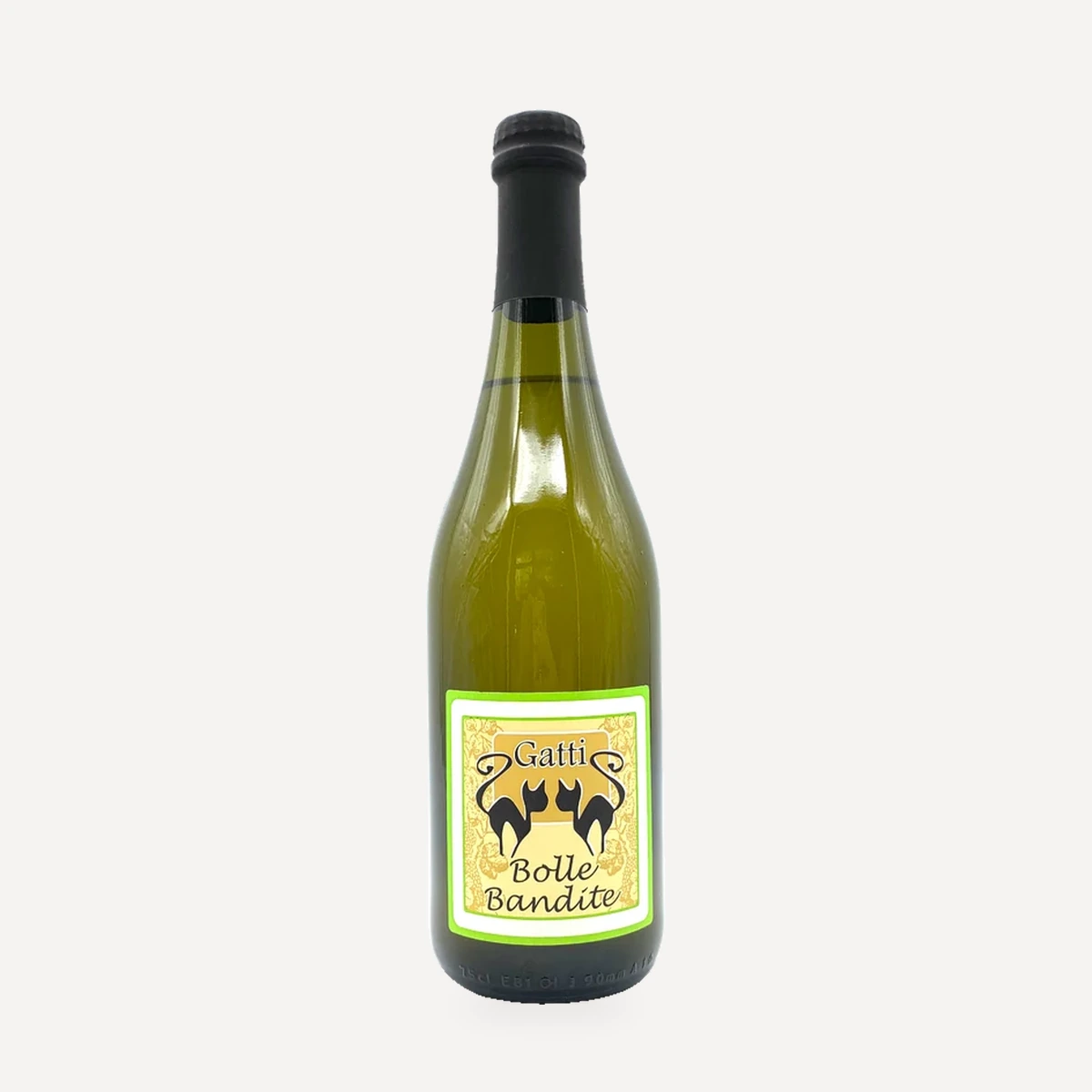
Bolle Bandite
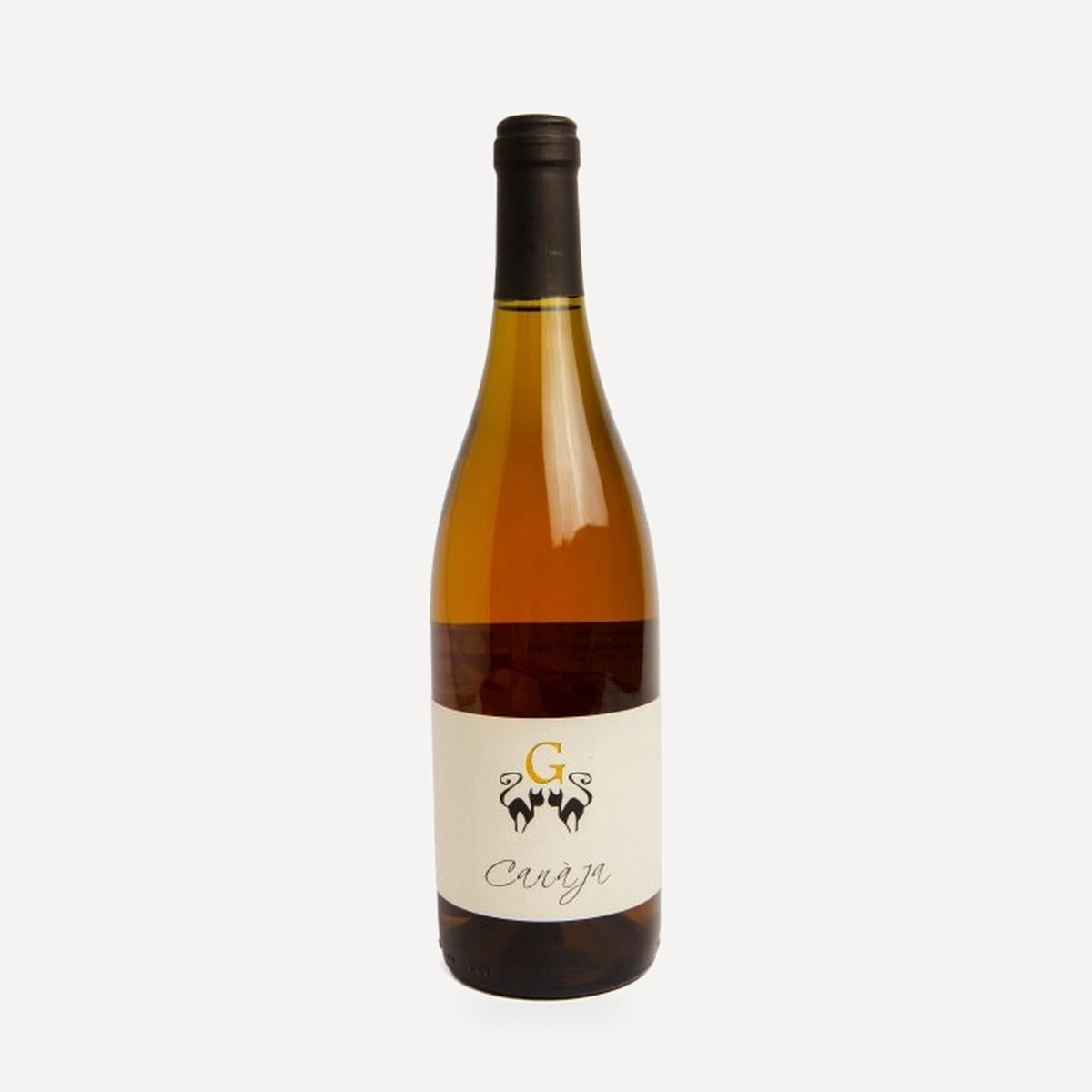
Canaja