Storia
Early twentieth century: the Tantini family estate
The Tantini family has owned the property since the early twentieth century. The holding now extends across Castelnuovo del Garda and Sona, in the Province of Verona, and comprises 19 hectares in total, including 11.5 hectares under vine, two rustic buildings, the winery and the agriturismo.
Second half of the 1990s: Giovanna Tantini takes direction
Giovanna Tantini has managed the estate since the second half of the 1990s. Her work has concentrated on enhancing the varieties associated with the territory and controlling the entire production chain herself, from the vineyard through vinification, maturation and bottling.
Her long-term Bardolino project began at a time when many producers were abandoning the denomination. The objective was to produce an elegant, ageworthy Bardolino while reconsidering the wine through perspectives from outside the immediate production area. This development was supported by oenologists Attilio Pagli and Laura Zuddas and agronomist Roberto Abate. It also involved sustained vineyard work, early adoption of sustainable practices, trials with different grape proportions and an eventual choice of 90% Corvina for the project. Participation in the Consorzio's work to enhance local wines formed another part of this path.
2002: winery construction and the first Bardolino releases
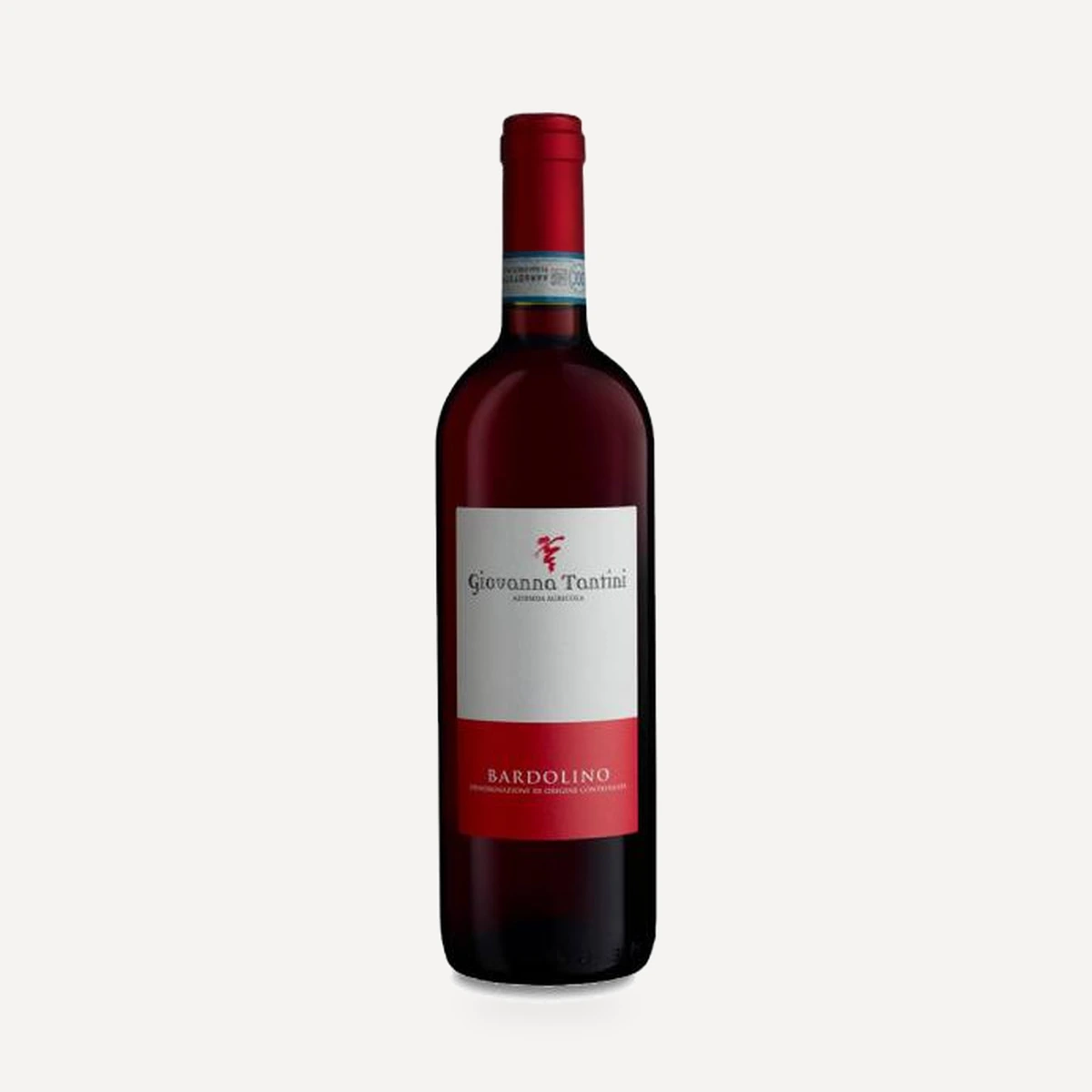
The estate winery was built in 2002. The same year marked the beginning of its Bardolino DOC and Chiaretto di Bardolino DOC production. Bardolino was developed around extended maturation: release takes place at least 18 months after harvest, following ageing in steel and bottle. This approach gradually demonstrated the wine's capacity to evolve, allowing two or three vintages to be offered concurrently and eventually leading to vertical tastings.
For Chiaretto, the work begun in 2002 progressively coordinated harvest conditions, grape temperature and the duration of skin contact. The rosé became the estate wine with the strongest reception in international markets.
2003: Ettore IGT
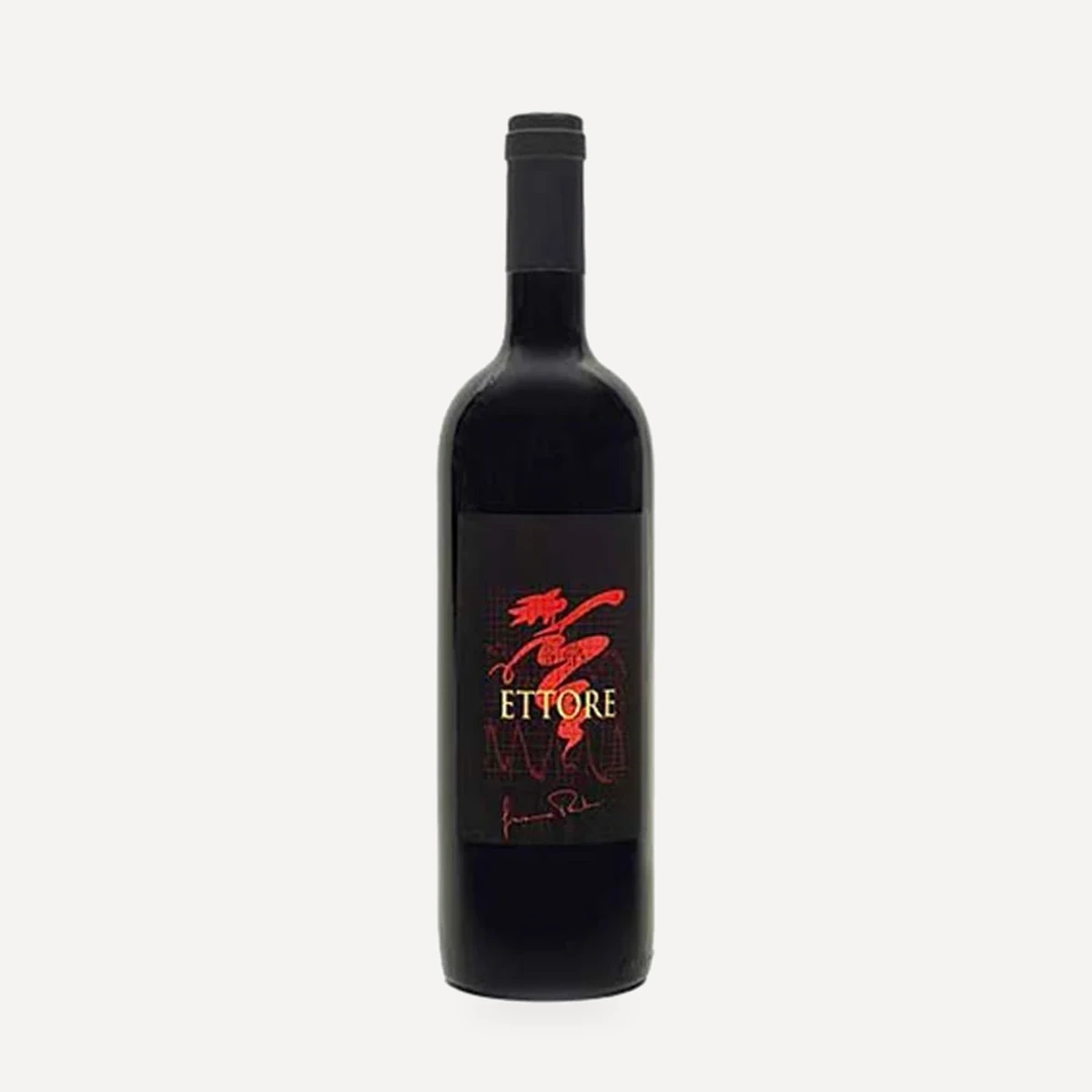
Ettore IGT was first produced in 2003 and dedicated to Giovanna's son, Ettore. It united Corvina Veronese and Merlot from two selected vineyard positions. The project explored separate handling of the varieties: Corvina was dried in 4 kg trays, while Merlot was vinified within an hour of harvest.
2008: Greta IGT
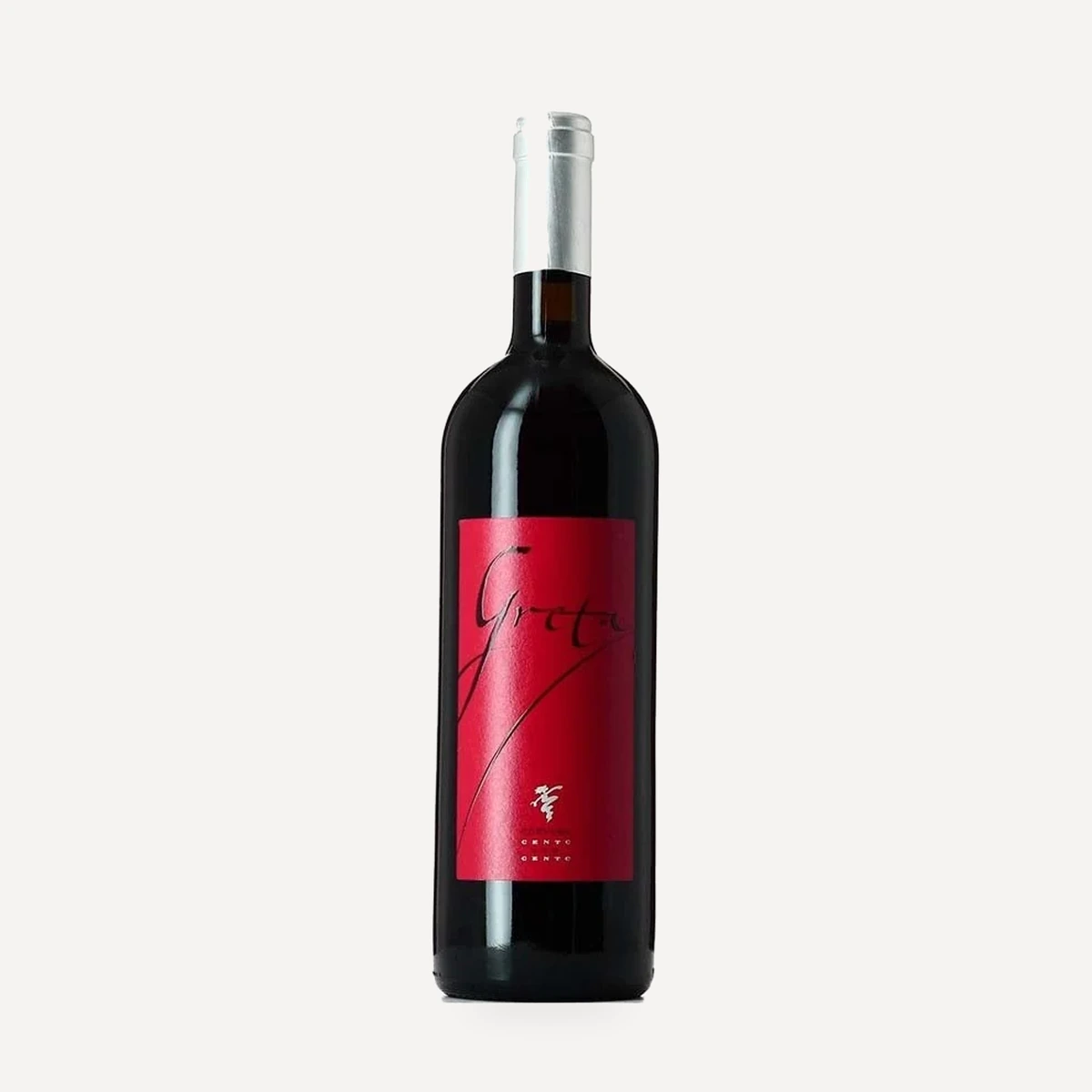
Greta IGT followed in 2008 and was dedicated to Giovanna's daughter, Greta. The wine represented a further estate challenge: a pure Corvina made from grapes left to wither on the vine and harvested in November.
2011: completion of the agriturismo
In 2011 the estate completed the renovation of the late nineteenth-century rustic building adjoining the winery. The work created two guest rooms and an apartment while retaining historic features, including a water well inside the building.
2013: Custoza and the beginning of the recorded Bardolino vertical
Custoza DOC entered the range in 2013, prompted by the availability of several white varieties. The project was conceived as a way to develop a complex denomination whose identity depends on the interaction of multiple grapes.
The 2013 Bardolino season began with slow budding and a cold, rainy spring, making canopy management difficult. Very warm conditions in July and August then brought the vines to harvest between the middle and end of September. The resulting wine already showed good body early in its development.
2014
The 2014 growing season was cool, rainy and marked by little sunshine until October. Giovanna chose to leave the fruit on the vines and postpone harvest until the end of October so that it could ripen. The decision became one of the defining examples of the estate's willingness to take risks in difficult vintages.
2015
Temperatures and precipitation were considered normal in 2015, preventing water stress. Warm weather prevailed from mid-June to mid-August. Early-October rain did not compromise the sanitary condition of the fruit, which reached harvest with good acidity and body.
2016
A hot summer with intermittent rain produced uneven bunch size and ripeness in 2016, making bunch selection particularly demanding. Harvest itself proceeded without unusual difficulty, and the vintage developed into a long-lived expression consistent with the intended Bardolino character.
2017
A short flowering period was followed by a very hot, dry summer. Leaves were retained around the bunches, especially Corvina, to protect the grapes from sunburn and dehydration. The fruit maintained good acidity, producing a full yet fresh Bardolino with strong ageing potential.
2018
Flowering lasted approximately 15 days in 2018. A warm summer led to harvest in mid-September. Selection focused on particularly loose bunches, which contributed structure to the wine.
2019
The 2019 summer was hot, but the vines reached harvest without particular difficulty. Healthy grapes could be selected, producing an elegant Bardolino intended for long development.
2020: first La Rocca cru
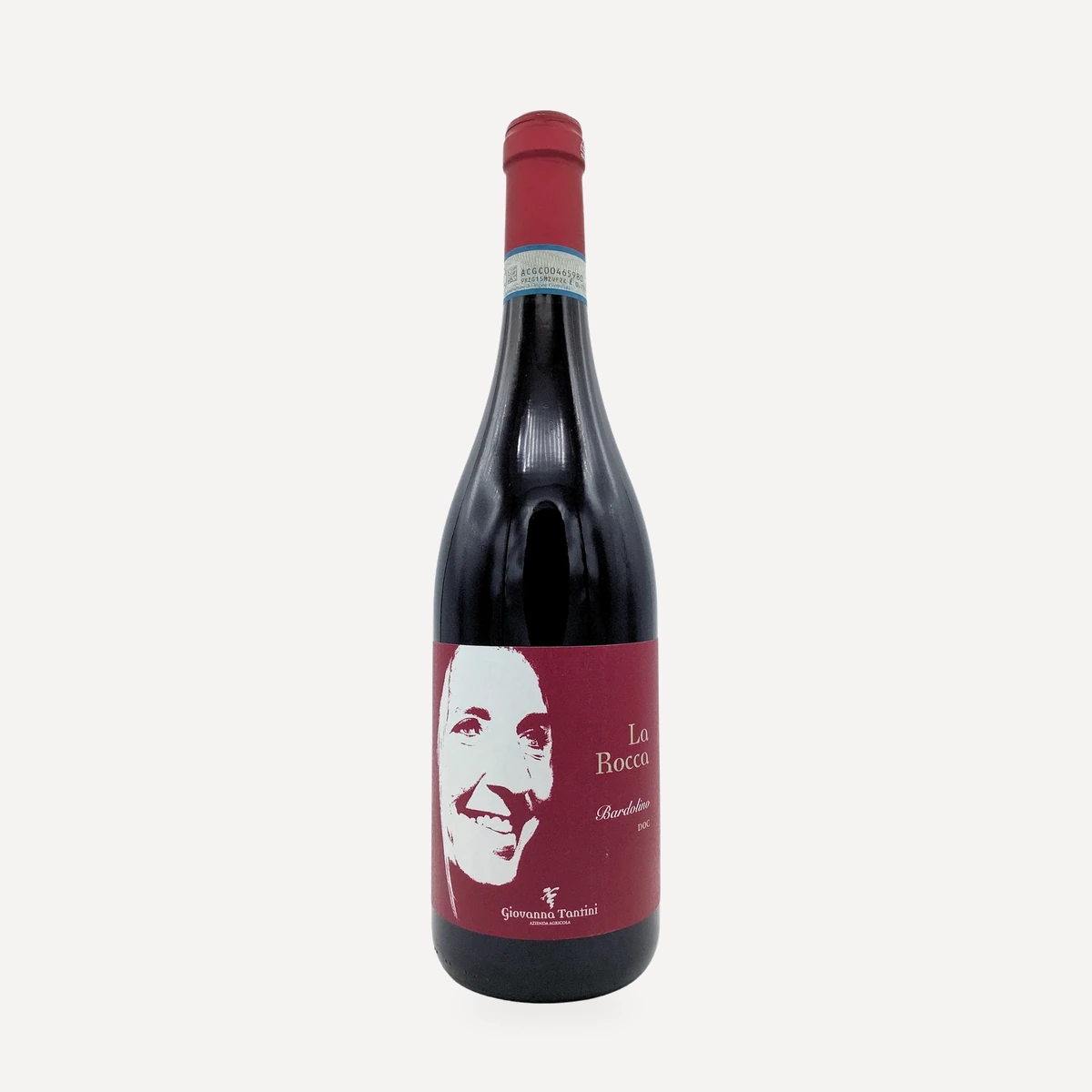
The 2020 season brought no major climatic complications. Corvina was harvested in mid-September, with a more stringent vineyard selection for the inaugural vintage of the La Rocca cru. La Rocca became the synthesis of Giovanna's two-decade Bardolino journey and the concluding wine in the estate's eight-vintage 2013–2020 vertical.
2022: twenty years of Bardolino development
By 2022, the project was presented as a twenty-year progression built through collaboration with Attilio Pagli, Laura Zuddas and Roberto Abate, continued vineyard commitment, sustainable practices, experiments with varietal composition and participation in collective work to enhance the area's denominations. Its central principle remained that each vintage is distinct and must be interpreted through precise harvest decisions rather than forced into a standard model.
Terroir
The estate extends across the communes of Castelnuovo del Garda and Sona, in the Province of Verona, on the terminal morainic hills overlooking Lake Garda. Its vineyard landscape was shaped by glacial activity and includes positions with views over the lake. The vineyard positions detailed for the wines lie at approximately 100 metres above sea level and face south.
Lake Garda moderates the mesoclimate, reducing continental extremes and contributing mild winters. Stable seasonal temperature variations, sustained sunlight and the lake's influence create conditions suited to vine cultivation.
The soils are alluvial but glacial in origin, with gravelly and calcareous components. Deep gravel deposits over limestone provide effective drainage. Silt and clay occur in relatively low proportions, making the maintenance of organic matter and balanced soil fertility an important consideration.
The lower Lake Garda area encompasses the territories associated with Bardolino, Custoza, Lugana and Garda. The estate's current production is centred on Bardolino, Chiaretto di Bardolino, Custoza and Garda Corvina, with additional IGT wines from selected single-vineyard sources.
Vinificazione
Viticulture is carried out directly by the estate's employees rather than outsourced. White varieties are trained to Pergola Veronese, while the red varieties use Guyot.
A strict green harvest controls the crop before final ripening. Canopy work and yield evaluation take place before veraison and harvest, followed by selection according to the grapes' maturation components. Only sound berries are admitted to production. Harvesting for the wines is performed by hand, generally into trays or small perforated crates.
The estate has pursued sustainable practices as part of its long-term vineyard development. Vintage conditions determine the work required: canopy management became particularly demanding in the cold, wet spring of 2013; harvest was delayed until late October during the sun-poor 2014 season; and in the very hot 2017 vintage leaves were retained around Corvina bunches to prevent sunburn and dehydration. Selection also responds to bunch morphology and uneven ripening, as demonstrated by the demanding bunch selection in 2016 and the preference for loose bunches in 2018.
Soil fertility is managed with attention to organic material because the freely draining gravel-over-limestone soils contain relatively little silt and clay.
The principal winery at Località I Mischi was built in 2002. A second, entirely underground cellar lies within the walls of Lazise's historic centre. Dating from the second half of the nineteenth century, it is reserved for the barrel maturation of Greta IGT and Ettore IGT.
All wines are produced exclusively from estate-grown fruit. Giovanna Tantini personally follows every stage, from the vineyard through vinification and maturation to bottling, while estate employees execute the production work. Grapes undergo a rigorous selection before entering the winery.
The guiding cellar approach is to respect the requirements of each variety and minimise intervention. Vinification and harvest decisions are adjusted to the character of the vintage. This is particularly important for Bardolino, where the estate regards harvest timing and grape selection as decisive expressions of each year's climate.
The winery works with temperature-controlled stainless-steel fermentation and maturation, large wooden casks, French barriques and 5-hectolitre tonneaux. Depending on the intended style, its techniques include separate vinification of varieties, cold maceration, brief maceration, carbonic maceration, soft pressing, static must clarification, spontaneous or inoculated malolactic fermentation, ageing on lees, selection of free-run wine and bottle maturation. Bardolino is held for at least 18 months after harvest, first in steel and then in bottle, before release. The two IGT wines mature in the historic underground Lazise cellar.
Filosofia
Quality is the estate's primary criterion: every decision is measured against whether it can improve the wine. Bardolino and Bardolino Chiaretto are treated as denominations capable of occupying a place among serious international wines, an ambition pursued through close attention to the needs of each grape variety and restrained intervention in the cellar.
The wines are intended as natural expressions of the family's history, the soils and the Lake Garda climate. The estate presents its understanding of local grapes as an evolving process rather than a completed formula, with study, research and repeated evaluation shaping the work.
Vintage identity is central to this outlook. Each year is considered unique, and difficult seasons demand choices that may involve delaying harvest, protecting bunches with foliage or intensifying selection. Extreme years are understood as occasions for creative, identity-defining decisions rather than conditions to be standardised away.
The philosophy also has a collective dimension. Giovanna's Bardolino project has included sustained participation in Consorzio activities and the belief that wine reflects not only soil and microclimate but also people and their shared development.
Vini
Bardolino DOC
Ettore IGT
Greta IGT
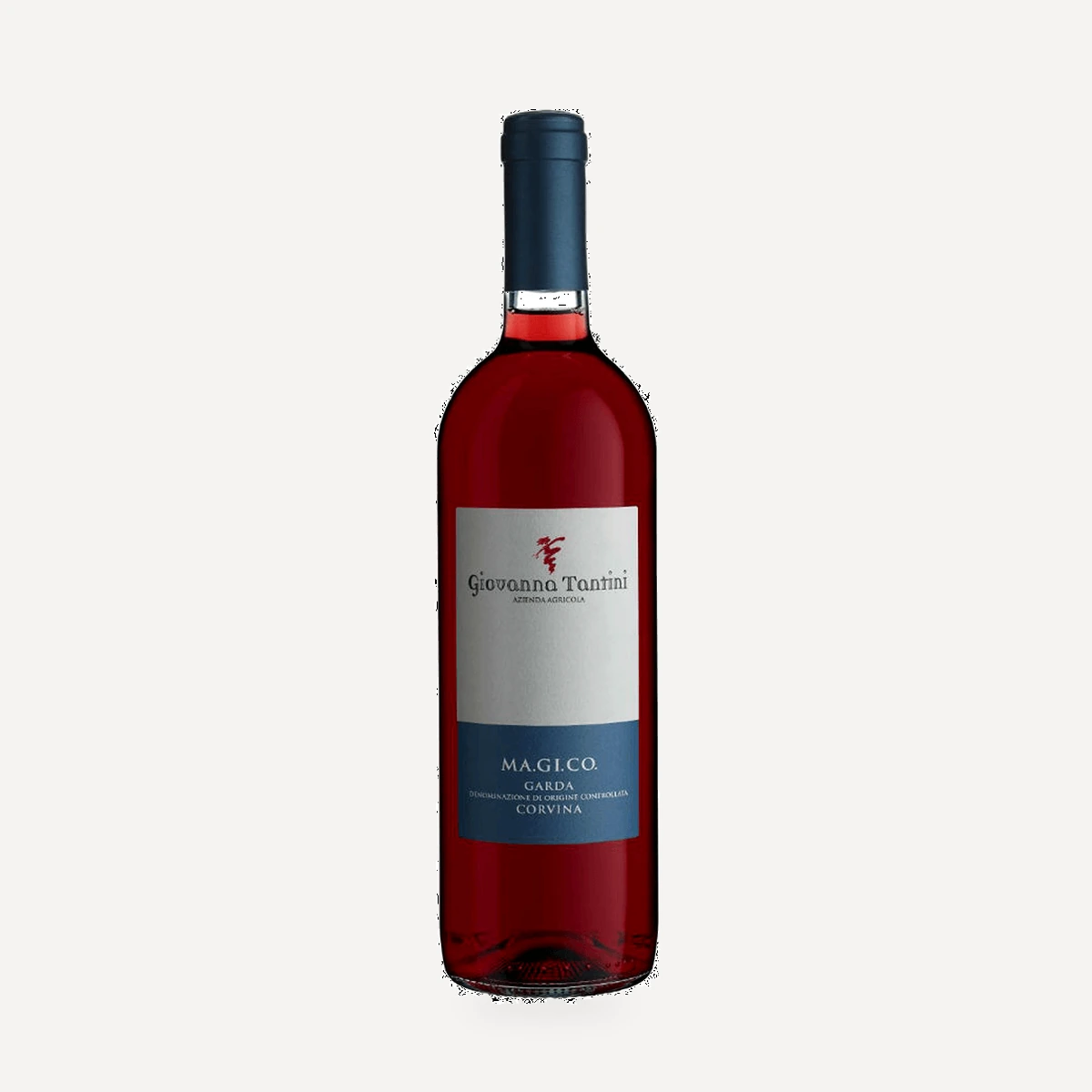
MA.GI.CO. Garda Corvina DOC