Storia
The mixed-farm beginnings
Gualdo del Re was established at Suvereto in 1953 as a mixed agricultural holding. Vines grew alongside olives and cereals, while its wine was made for family consumption rather than as the farm’s principal commercial activity.
Specialization in the 1980s
The estate began moving towards specialized wine production during the 1980s. Merlot, Cabernet Sauvignon and several rows of Pinot Nero were planted beside varieties already associated with the farm: Sangiovese, Vermentino and Aleatico. Vermentino production also dates from this decade.
The first vintage of the estate’s varietal Sangiovese, Gualdo del Re, was produced in 1989. It developed into an identifying expression of Sangiovese from Suvereto.
Barbara Tamburini and a new production model
Barbara Tamburini joined Gualdo del Re in 2000, shortly after completing her university studies. She reorganized production around rational, experimental methods and emphasized varietal purity through monovarietal wines. Her aim was to express both native and international varieties through the particular conditions of Suvereto.
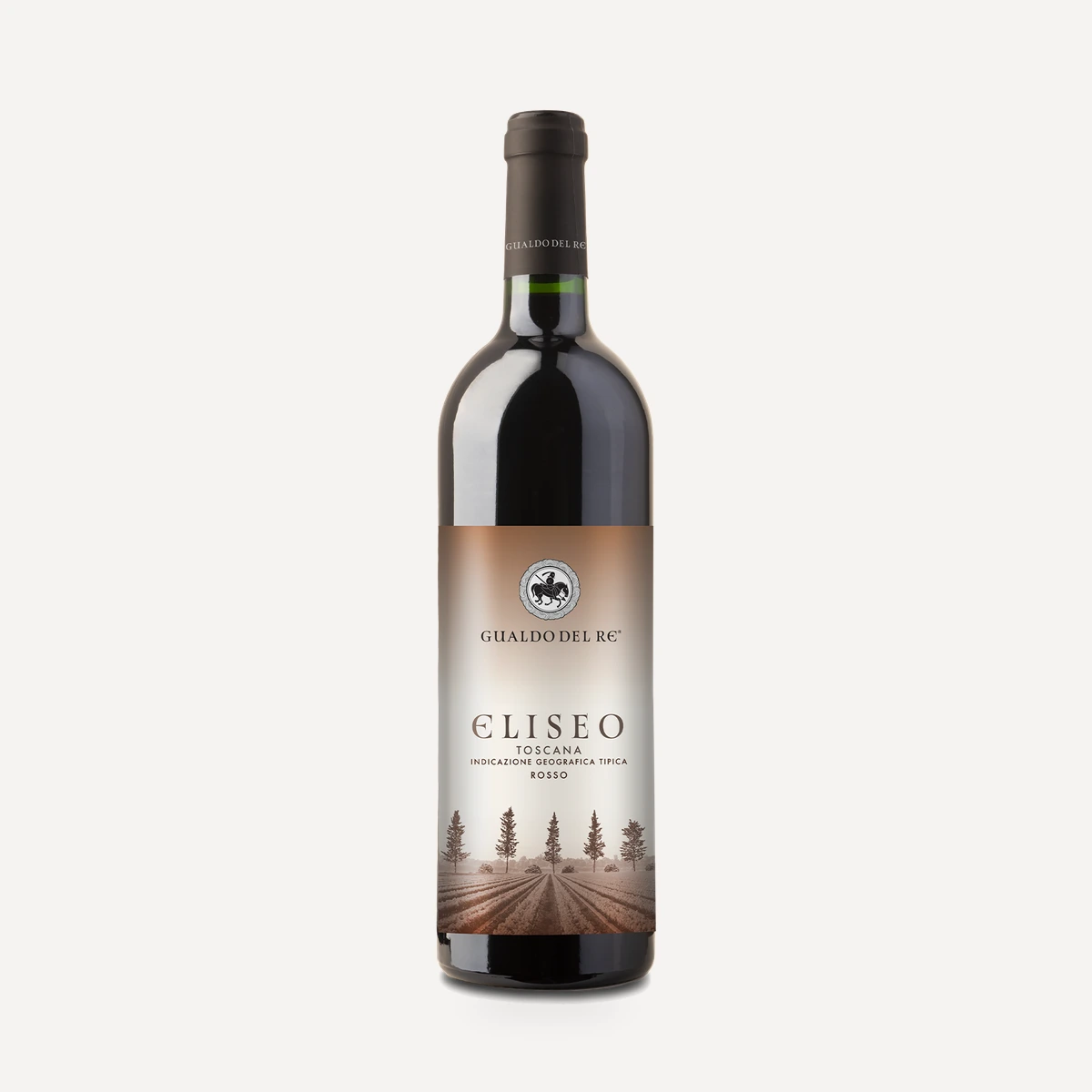
The 2000 harvest became the first vintage of I’Rennero vinified as pure Merlot, an approach conceived by Tamburini. I’Rennero subsequently became an estate icon and one of its principal crus. The current range’s Amansio Aleatico passito and the white and red Eliseo wines date from the 2001 vintage.
Tamburini’s research also advanced the local position of Pinot Nero. Her university dissertation, Valorizzazione del vitigno Pinot nero in Val di Cornia, examined the variety in Val di Cornia; this work contributed to Pinot Nero’s establishment at Suvereto and its inclusion among the cultivars authorized in the province of Livorno.
Cabraia
Cabraia was Tamburini’s first project followed from the planting of a vineyard through to bottling. The Cabernet Franc vineyard was planted in 2004. Cabraia’s first vintage was 2007, and the project reached bottling in 2009. The wine later evolved into a blend led by Cabernet Franc with a smaller component of Cabernet Sauvignon.
Recognition of the winemaker
In 2015 Tamburini was named “Queen of Merlot.” She was described as the only winemaker to place seven of her wines—including five different I’Rennero vintages—on the Mondo Merlot podium over five consecutive editions. In 2019, the Fondazione Italiana Sommelier named her Miglior Enologo d’Italia.
The Gestri era
A new chapter began in 2022 when Mauro Gestri, an entrepreneur of Pistoian origin, acquired Gualdo del Re. Mauro and his wife Barbara had spent a long period abroad before returning to Tuscany, fulfilling a personal ambition to reconnect with Mauro’s family region and its wine culture.
The transition was conceived as a continuation and further development of the work led by Tamburini. The Gestri family initiated a broad renovation and growth program encompassing the cellar and production facilities, the renewal of selected vineyards, the acquisition of additional plots, vineyard expansion and the development of hospitality.
The program envisaged planting the newly acquired land with massal selections of traditional varieties chosen through study and analysis. It also included modernization of Il Ristorante and Il Casale, together with a particularly substantial renewal of the cellar. The upgraded technical facilities were intended to support a more rational organization of the vineyards.
Barbara Tamburini retained full responsibility for the estate’s viticultural and winemaking activity, with a mandate to innovate and strengthen production while maintaining its sustainability and quality objectives.
Terroir
Location
The approximately 27 ha of vineyards form a single body at Notri, immediately south of the historic town of Suvereto. Here the Cornia River passes between the first ridges of the Colline Metallifere and creates the Val di Cornia. Suvereto occupies a natural amphitheatre enclosed by these hills, between the coast and the Apennines, with the sea and the island of Elba in front of it. The current wine-production areas are situated at approximately 100 m above sea level.
Two soil zones
Soil analysis and agronomic planning led to the vineyard body being divided into two principal zones, one for white varieties and one for red varieties.
The southern sector faces the Cornia River. Its pale, loose alluvial soils contain clay, sand and silt. Vermentino and Pinot Bianco are grown here; this sector is associated with freshness, aromatic intensity and complexity in the white grapes.
The northern sector derives from the Colline Metallifere. Its characteristically reddish, iron-rich soils contain stone, clay and silt. Sangiovese, Cabernet Sauvignon, Cabernet Franc and Merlot occupy this part of the estate. The Cabraia and I’Rennero vineyards are located within this northern area.
The rocky, iron- and clay-rich terrain marks the meeting point between the inland environment and ancient marine seabeds.
Climate
Suvereto has a warm, dry climate. Some cultivars consequently ripen early, making precise harvest timing important for each variety and vineyard.
Vinificazione
Gualdo del Re applies the principles of organic cultivation and describes its objective as a balance between varietal expression and crop load. Vineyard operations are conducted with respect for the vine and are intended to harmonize each plant’s natural generosity with the desired winemaking result.
Planting density is approximately 6,000 vines/ha. Careful canopy management and measured thinning are used to maintain a balanced yield per vine—neither excessive nor unduly low—and to promote complete bunch ripening.
The warm, dry conditions at Suvereto can bring some cultivars to early maturity. Harvesting therefore depends on precise timing for each variety and each vineyard.
Under the development program initiated after the 2022 acquisition, selected vineyards are being renewed and additional plots acquired. New surfaces are intended for massal selections of traditional varieties derived from targeted studies and analysis. Vineyard expansion is coordinated with the technical modernization of the cellar and a broader rationalization of vineyard organization.
Since 2000, Barbara Tamburini has overseen the complete relationship between vineyard and cellar. She introduced rational and experimental production methods while making varietal purity a central objective, particularly through monovarietal wines intended to render each grape immediately recognizable.
The winery contains dedicated vinification and maturation areas. Tamburini’s work combines research and experimentation with established practice, seeking a Tuscan identity in both native and international varieties. The approach has produced monovarietal expressions of Merlot, Sangiovese, Vermentino, Pinot Bianco, Pinot Nero and Aleatico, while Cabraia explores a Cabernet Franc-led blend with Cabernet Sauvignon.
Following the 2022 acquisition, the cellar was entrusted entirely to Tamburini. The Gestri family’s development program includes radical renewal of the cellar and its technical department, together with upgrades to the wider production structures. The new technical organization is intended to serve closer, more rational coordination of the vineyards.
Filosofia
The estate’s philosophy places territorial expression and varietal identity in a continuous relationship with the winemaker’s interpretation. The objective is not merely to show the grape variety, but to shape a coherent identity recognizable across the range.
Barbara Tamburini’s approach pursues a specifically Tuscan identity even in international grapes. It combines experimentation with tradition, technical rigor with practical sensitivity, and aromatic complexity and structure with the pleasure of a complete, satisfying drink. Identity and character are treated as inherent qualities of the varieties; the winemaker’s task is to heighten their distinguishing features while seeking elegance and emotional immediacy.
In the vineyard, balance is the organizing principle. The natural productivity of the vine is aligned with precise oenological goals through planting density, canopy work, measured thinning and variety-by-variety harvest timing. Sustainability, quality, continuity and development also frame the Gestri family’s renovation program.
Vini
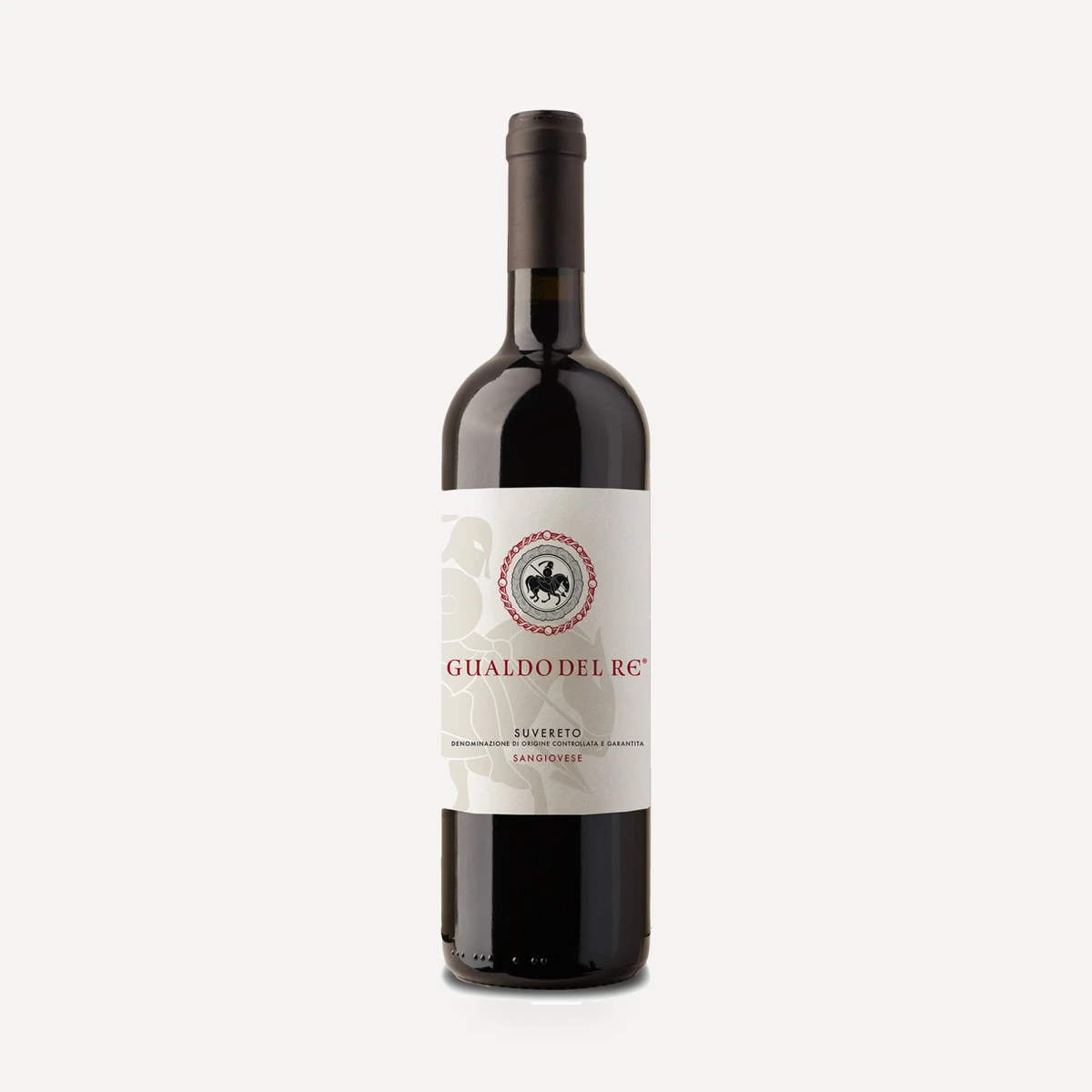
Gualdo del Re — Suvereto Sangiovese DOCG
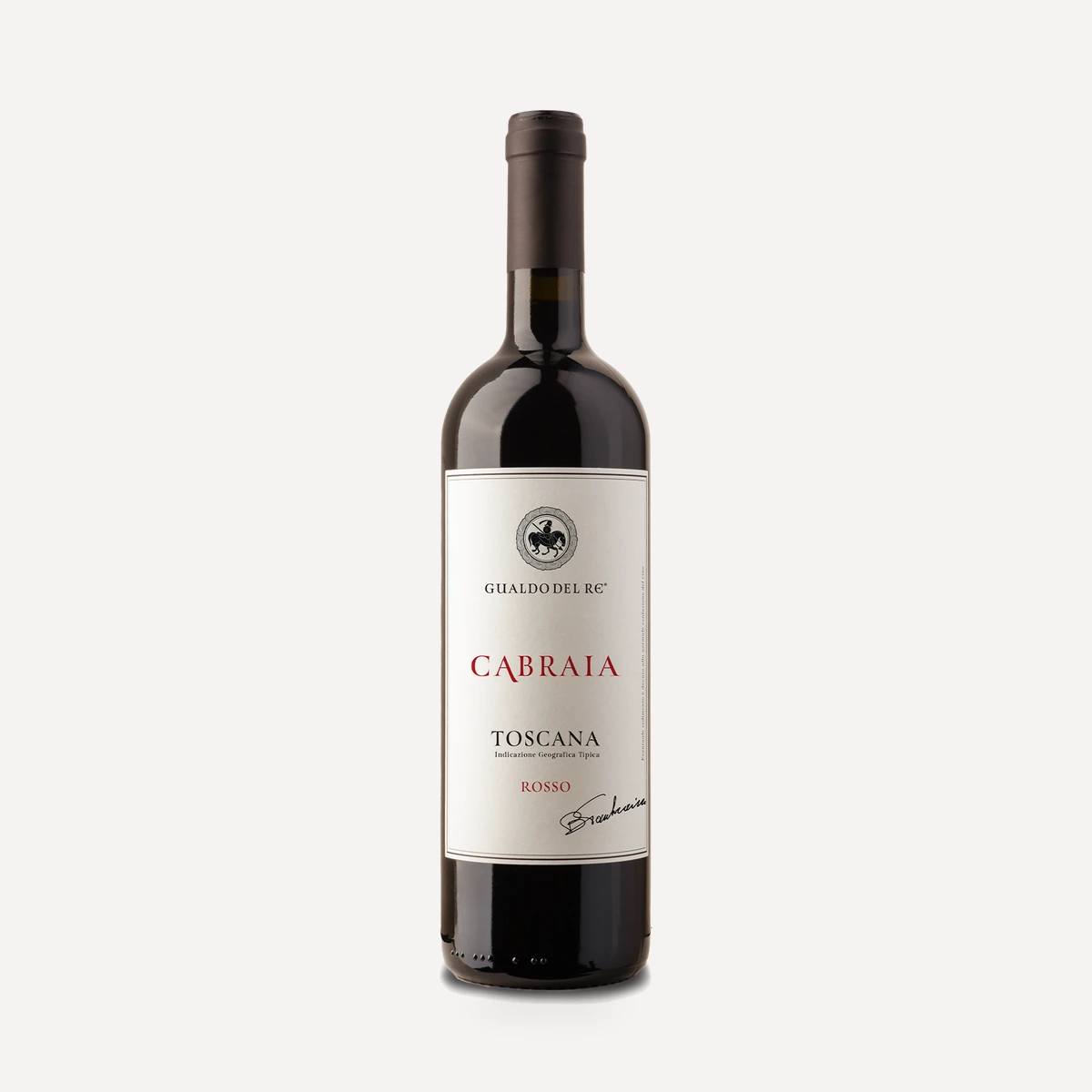
Cabraia — Toscana Rosso IGT
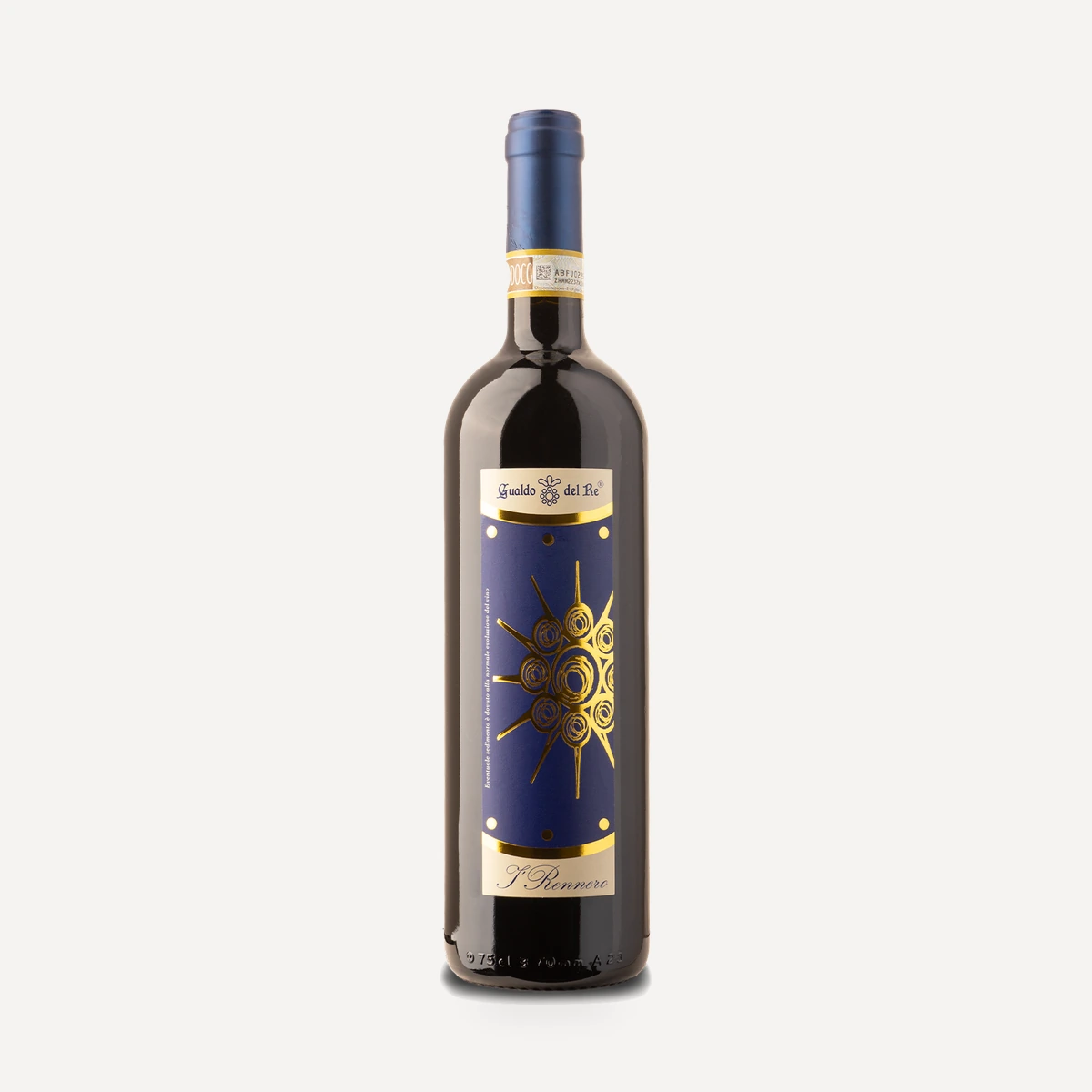
I'Rennero — Suvereto Merlot DOCG
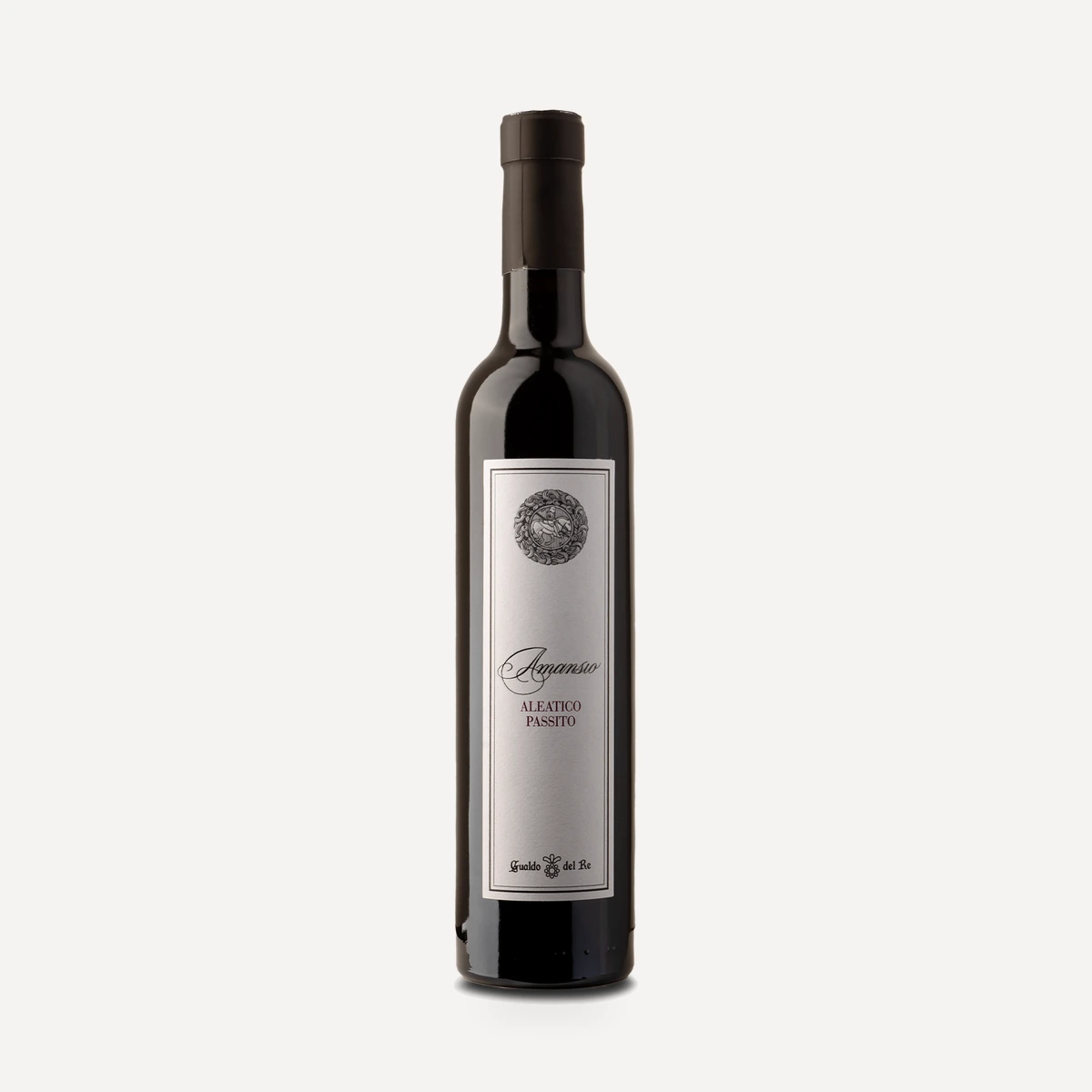
Amansio — Costa Toscana Aleatico Passito IGT
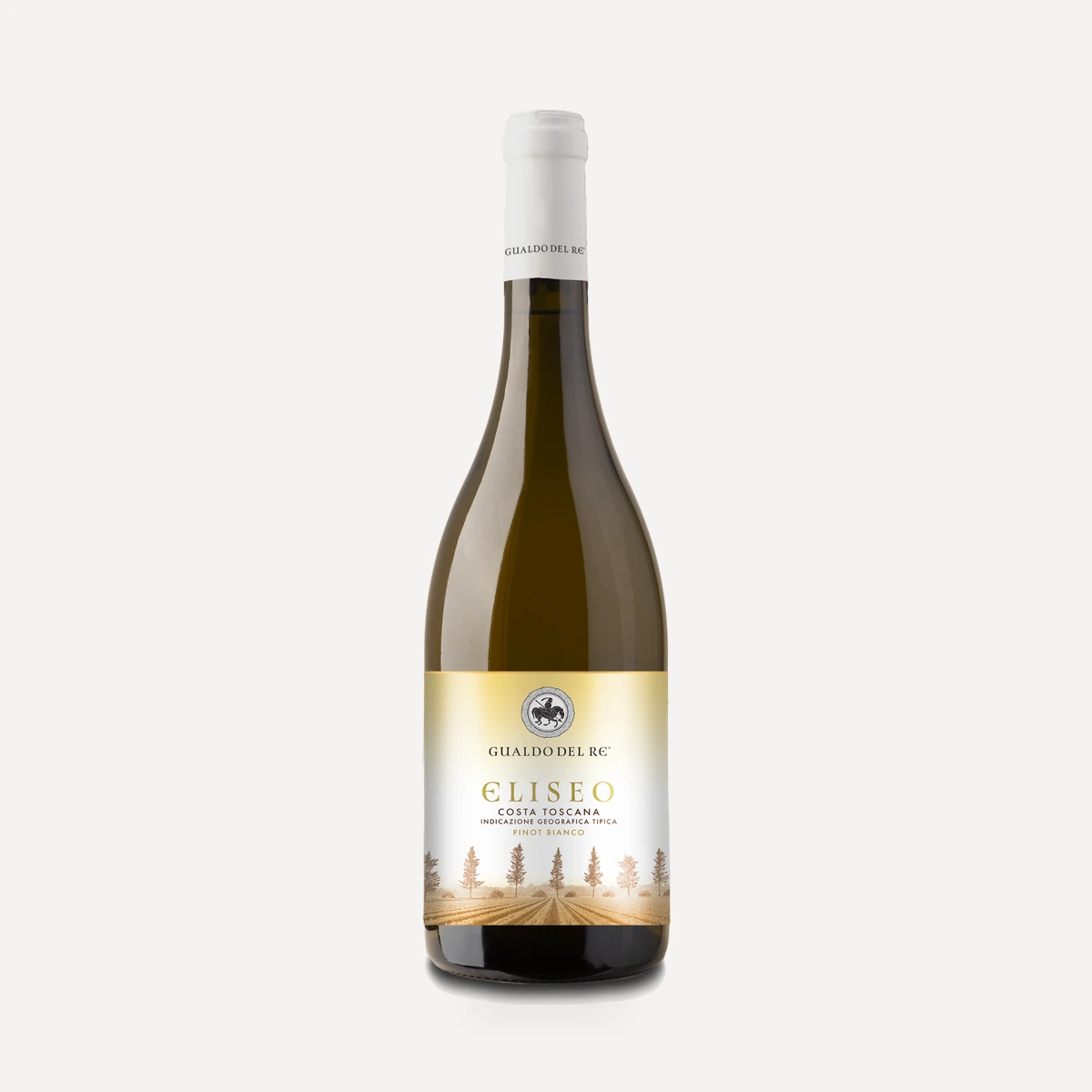
Eliseo — Costa Toscana Pinot Bianco IGT