Storia
1984: Rita Tua and Virgilio Bisti begin the estate
Tua Rita began in 1984 when Rita Tua and Virgilio Bisti purchased land and buildings at Notri, in Suvereto. Their original intention was to create a home in the countryside, live close to nature and cultivate their own land. Their interest in wine transformed that private project into a wine estate.
The property initially had 2 hectares of vines. These first vineyards were managed with exceptional attention and became part of an early Italian experience inspired by the small-scale “vin de garage” model. The estate’s name was created simply by reversing Rita Tua’s surname and given name.
1988–1994: formative vineyards and first wines
The Merlot vineyards later associated with Redigaffi were planted in 1988. In 1992 Tua Rita produced the first vintage of Giusto di Notri, a Cabernet-based wine named for the church of San Giusto in Suvereto and for the first estate vineyard at Notri. The first vintages of Perlato del Bosco Rosso and Perlato del Bosco Vermentino also date from 1992.
In 1994 Rita and Virgilio separated two barriques of Merlot from the rest of production. That lot became the first Redigaffi, named after a small stream near the property. The vintage marked the estate’s first major international success.
Expansion at the turn of the millennium
The original 2 hectares grew to 9 hectares within roughly a decade and reached 20 hectares at the beginning of the new millennium. Expansion followed the family’s growing confidence in the potential of the Val di Cornia, positioned between the Tyrrhenian Sea and the Colline Metallifere.
Lodano Bianco debuted in 1999 as Rita’s project: an atypical local blend of Traminer, Riesling and Chardonnay. Rosso dei Notri followed with its first vintage in 2000. In the same year, Redigaffi 2000 received 100 points from Robert Parker, becoming the first Italian wine to receive that score. Per Sempre debuted in 2001. Its Syrah reflected Virgilio’s determination to cultivate and experiment with the variety, and its name recalls his answer when asked which estate wine he preferred: “Syrah, forever.”
2003: a new winery and further vineyard development
A three-level winery was constructed in 2003. Its underground level was designed for wood maturation, while the ground floor housed vinification and the first floor accommodated laboratory, storage, offices and, subsequently, terracotta amphorae.
A dedicated Sangiovese vineyard was planted in 2003 with a selected clone intended to adapt to the dry climate and hot summers of the Tuscan coast. Its first harvest used exclusively for the corresponding wine took place in 2011. Palazzetto entered production with the 2009 vintage.
2010: transition after Virgilio Bisti
Virgilio Bisti died in 2010. His daughter Simena Bisti then became directly involved in management alongside her husband Stefano Frascolla. Stefano had already been central to the development of the estate’s image, marketing and commercial presence, complementing the founders’ agronomic and cellar work.
Giovanni Frascolla represents the third generation. Raised around the vineyards and his grandfather’s work, he later graduated in viticulture at Pisa and joined his father Stefano in the commercial direction of Tua Rita.
Experimentation, new territories and sustainability
In 2016 Tua Rita acquired vineyards on Pantelleria. One hectare planted to Zibibbo supplies the estate’s Passito di Pantelleria DOP, Sese, whose first vintage was 2016. The same year brought the first vintage of Keir Syrah, the estate’s first wine vinified in amphora. Lodano Rosso followed in 2017, and Keir Ansonica in 2019.
A formal corporate sustainability policy was adopted on 14 January 2022. Equalitas Sustainable Organization certification was first issued on 3 August 2023, covering cultivation, harvest, vinification, storage, blending, processing, bottling and conditioning of still wines. The certification also incorporates carbon-footprint, water-footprint and biodiversity indicators.
The estate has continued to expand. The latest vineyard presentation gives a total of 65 hectares, while the wider agricultural holding covers approximately 111.5 hectares and includes land in Suvereto, an agricultural body between Scansano and Campagnatico, and the detached Pantelleria vineyard. A first Suvereto DOCG release was planned for the market in 2026.
Terroir
Tua Rita’s principal vineyards lie at Notri in Suvereto, in the Alta Maremma sector of Tuscany and within the Colline Metallifere. The Val di Cornia position places the estate between the Tyrrhenian Sea and the metalliferous hills. The vineyards occupy gentle, sometimes visually almost imperceptible slopes and medium-hill terrain with steady gradients.
The principal soils are medium-textured and predominantly clayey, with abundant stones and rock fragments. Their composition also includes silt, sand and numerous mineral microelements. Several estate wine descriptions identify pink marble—a basic rock present in these soils—as part of the mineral matrix. Higher plots tend to contain more stones, while lower positions contain more silt. The estate associates this geological and mineral composition with ferrous aromatic nuances and saline character.
The detached agricultural body between Scansano and Campagnatico is predominantly associated with Sangiovese. On Pantelleria, the one-hectare Zibibbo vineyard grows on volcanic-origin soils in a setting shaped by sun, wind and sea.
No estate-wide altitude, detailed exposure or long-term rainfall figures are defined.
Vinificazione
Tua Rita combines sustainable vineyard management with preparation for organic status. The vineyards are not certified organic. Chemical fertilizers are excluded, while crop protection uses copper- and sulfur-based products. The estate reports no herbicide active ingredients and no insecticides of any kind; weeds are removed manually or through minimal cultivation, while animal pests are addressed with antagonist insects and targeted bacilli.
Planting layouts vary from 2.5 × 0.80 m, approximately 5,000 vines/ha, to 1.40 × 0.80 m, approximately 9,000 vines/ha. The principal training systems are spur-pruned cordon and Guyot; the vineyard presentation also distinguishes single and double spur-pruned cordons. Varieties are separated into dedicated parcels. Each parcel receives an internal code combining variety and planting year—such as Merlot 2008 or Syrah 2004—so that cultural operations and grape movements can be traced.
Soil management is conservative and designed to limit energy use. Harrows are used for soil cleaning. Ground cover may be maintained across the full surface or in alternating rows. During winter and spring, alternating rows are sown with grass and legume green manures; the unsown rows retain spontaneous vegetation. No superficial cultivation is carried out during summer.
Irrigation is limited to emergency support. Rainwater collected in two reservoirs during wetter months supplies water resources. Before new planting, the pedological and climatic suitability of the proposed area is formally evaluated.
Pest prevention begins with canopy and under-row management and with maintaining an appropriate balance between vegetative growth and crop load. The wider approach aims to create a complex agricultural ecosystem through ground cover, minimal cultivation and pollinating insects. Biodiversity monitoring follows the Biodiversity Friend® protocol and considers lichens on tree bark, aquatic invertebrate communities and soil invertebrates such as annelids, springtails, mites, isopods, myriapods and insects; the indicator is repeated on a three-year cycle.
Harvesting is manual for the estate’s principal wines, generally into small 15 kg cases. Grapes may be picked during the coolest hours of the night or early morning to manage fruit temperature. At reception they are selected on sorting tables before gentle pressing.
Winery layout
The present winery was constructed in 2003 on three levels. The underground floor, approximately 5 metres below ground, stores barriques, tonneaux and large casks. An automatic system maintains the space at 14–16°C and 70–80% relative humidity. Principal wines mature there for approximately 18 months.
The ground floor is the main vinification area, fitted with stainless-steel tanks of different capacities and wooden vats. Thermoregulated vessels and a heat exchanger reduce the temperature of must and wine, particularly during harvest. Insulated exterior walls and an insulated wooden roof support temperature control. An adjoining covered work area holds harvest equipment and additional storage tanks.
Part of the first floor houses terracotta amphorae. Amphora vinification provides natural temperature control and micro-oxygenation. The same floor contains a laboratory for routine must and wine analysis; samples are also sent to accredited laboratories for formal control. Its remaining spaces serve as offices and storage for enological products.
Reception, fermentation and extraction
Hand-picked grapes arrive in small cases and are selected on sorting tables. After gentle pressing, red grapes pass into truncated-conical wooden vats for fermentation. Maceration generally lasts 25–30 days according to the vintage, with targeted pumping-over and/or punch-downs. Recent cellar development has included a move toward infusion and away from pumping-over, while Syrah has at times incorporated a proportion of whole clusters.
Each vineyard has an identifying code and its grapes can be vinified separately to reveal and manage individual parcel characteristics. Decisions concerning alcoholic fermentation, maceration and malolactic fermentation are supported by tasting and chemical, physical and sensory analysis. Malolactic progress is monitored analytically.
Static clarification is used when fruit quality calls for it. Blending decisions are evaluated against enological objectives. Tartrate and protein stabilization, preservation needs, sulfur-dioxide levels, turbidity and any filtration are assessed according to the stability of each lot.
Maturation, gravity and bottling
At the end of vinification, wine moves by gravity into barriques. The general barrel-maturation minimum is 12 months, while principal wines may remain in barriques, tonneaux or large casks for about 18 months. Terracotta amphorae are used for Keir Syrah and Keir Ansonica; the method gives controlled oxygen exchange without adding oak character.
Every analysis, addition, transfer and blend performed on each lot is recorded. Bottling takes place only after the desired stability and sensory profile have been achieved. A dedicated line with an integrated bottle rinser can process 2,200 bottles per hour under controlled sanitation. Semi-finished and bottled wines are kept in an adjacent temperature-controlled warehouse. The estate carries the process from grapes to finished product, although part of winemaking may be outsourced under the scope of its Equalitas certification.
Filosofia
Tua Rita defines quality as a continuous process founded in the vineyard, supported by precision in the cellar and tied closely to the character of its land. The founders’ habit of inspecting the rows down to the last leaf remains an emblem of this attention to detail.
The estate’s wine philosophy joins experimentation and innovation with respect for natural rhythms. Its development has included international varieties, small-lot “garage wine” production, selected clones, parcel-by-parcel vinification and terracotta amphorae, while maintaining the objective of elegance across changing vineyards, vintages and techniques. Accumulated knowledge of the land and increasing vineyard maturity are treated as integral to the evolution of style.
Sustainability is defined through economic, environmental and social performance rather than vineyard practice alone. The family presents it as continuous improvement: protecting natural resources, monitoring measurable impacts, developing employees, ensuring safe and equitable work, engaging suppliers, and building partnerships with the surrounding community. Long-term value is linked directly to human capital, professional development and employee wellbeing.
Environmental priorities include avoiding herbicides and insecticides, increasing renewable-energy use, conserving water and energy, protecting spontaneous flora and fauna, reducing packaging impacts and monitoring biodiversity, carbon footprint and water footprint. The approach extends from vineyard to bottling and includes the health and safety of the finished product.
The family also treats hospitality as part of the estate’s identity. Visits are intended to connect vineyards, cellar work, maturation, local food and the Suvereto landscape rather than presenting wine in isolation.
Vini

Redigaffi

Per Sempre

Giusto di Notri

Keir Syrah
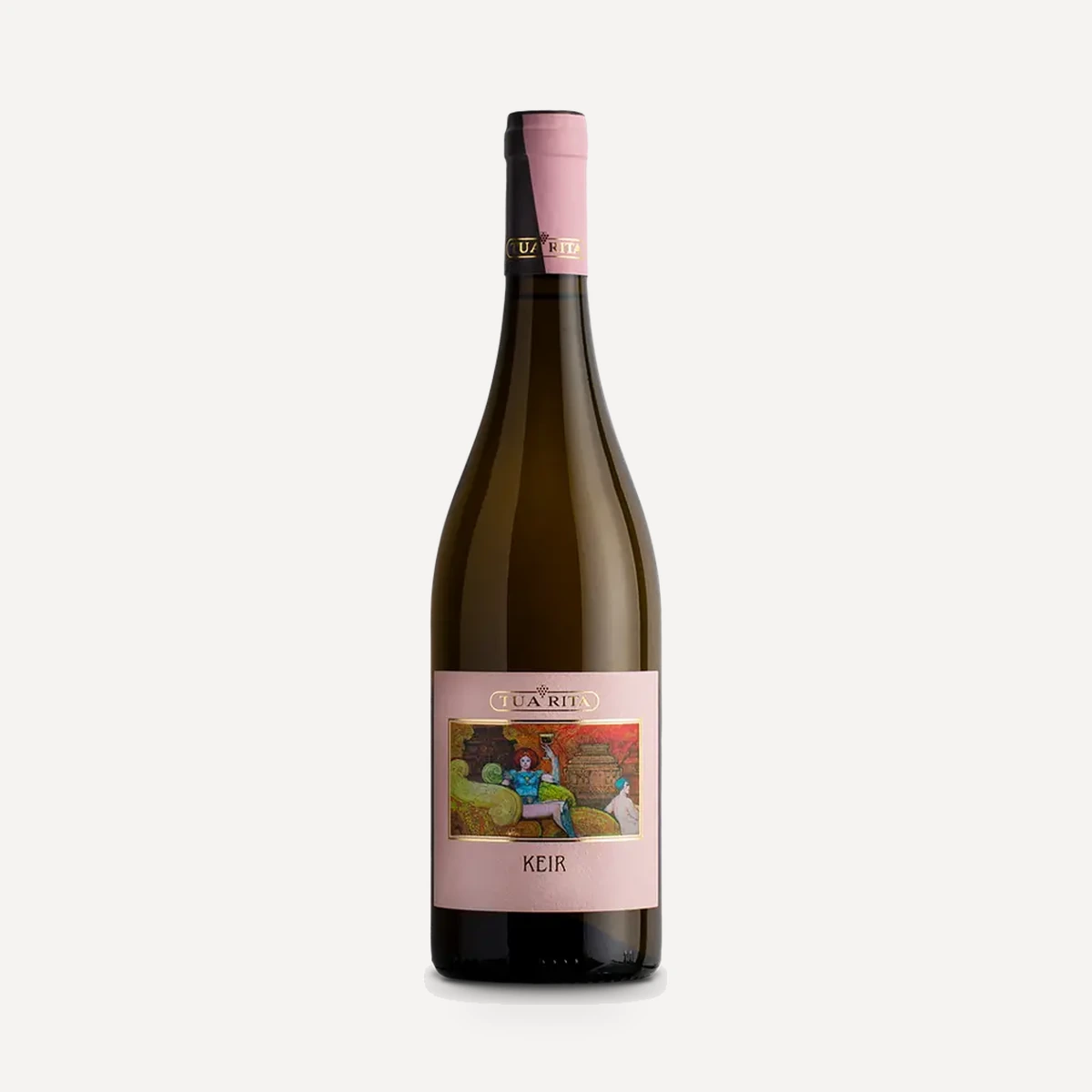
Keir Ansonica

Sese
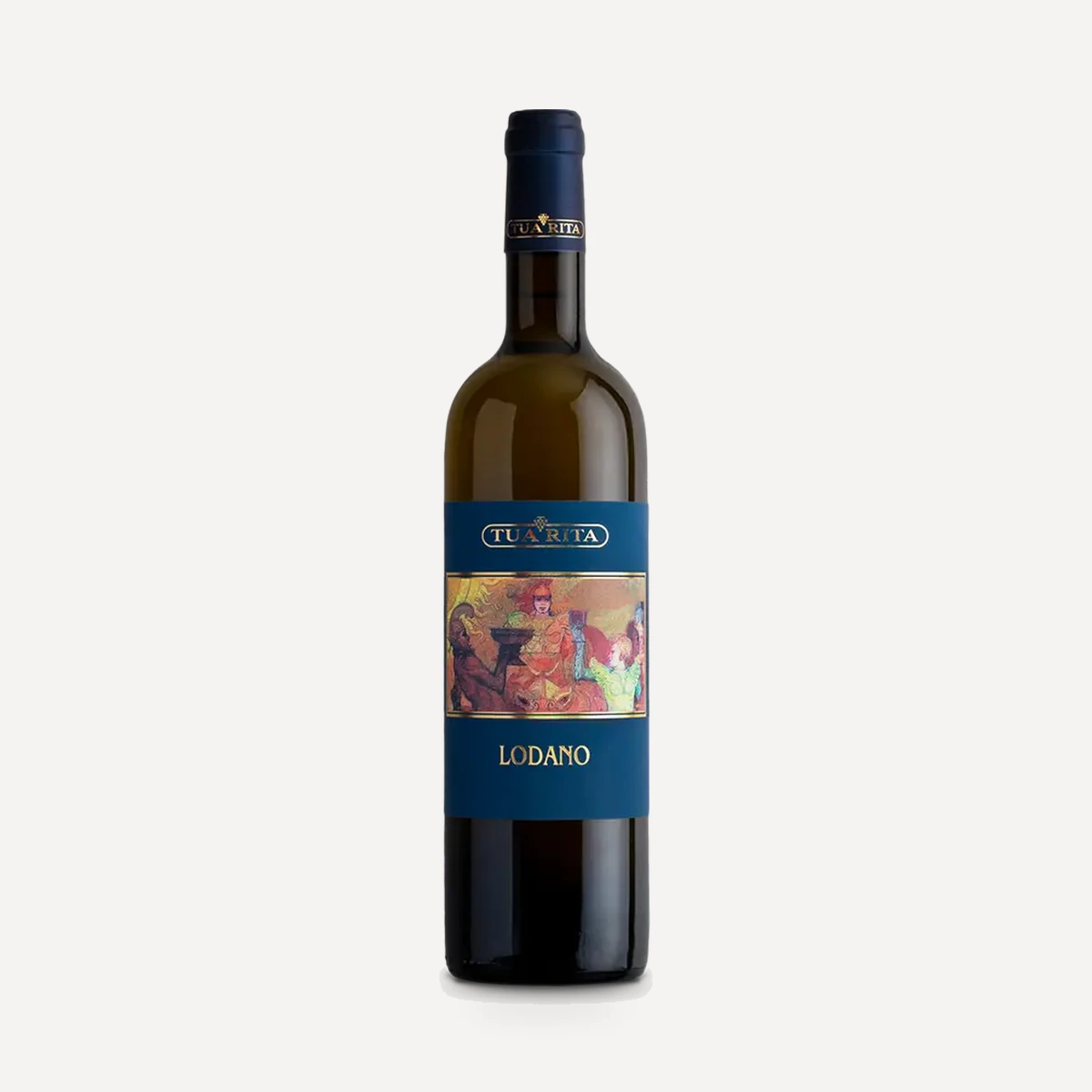
Lodano Bianco

Lodano Rosso

Perlato del Bosco Rosso

Perlato del Bosco Vermentino

Palazzetto

Rosso dei Notri
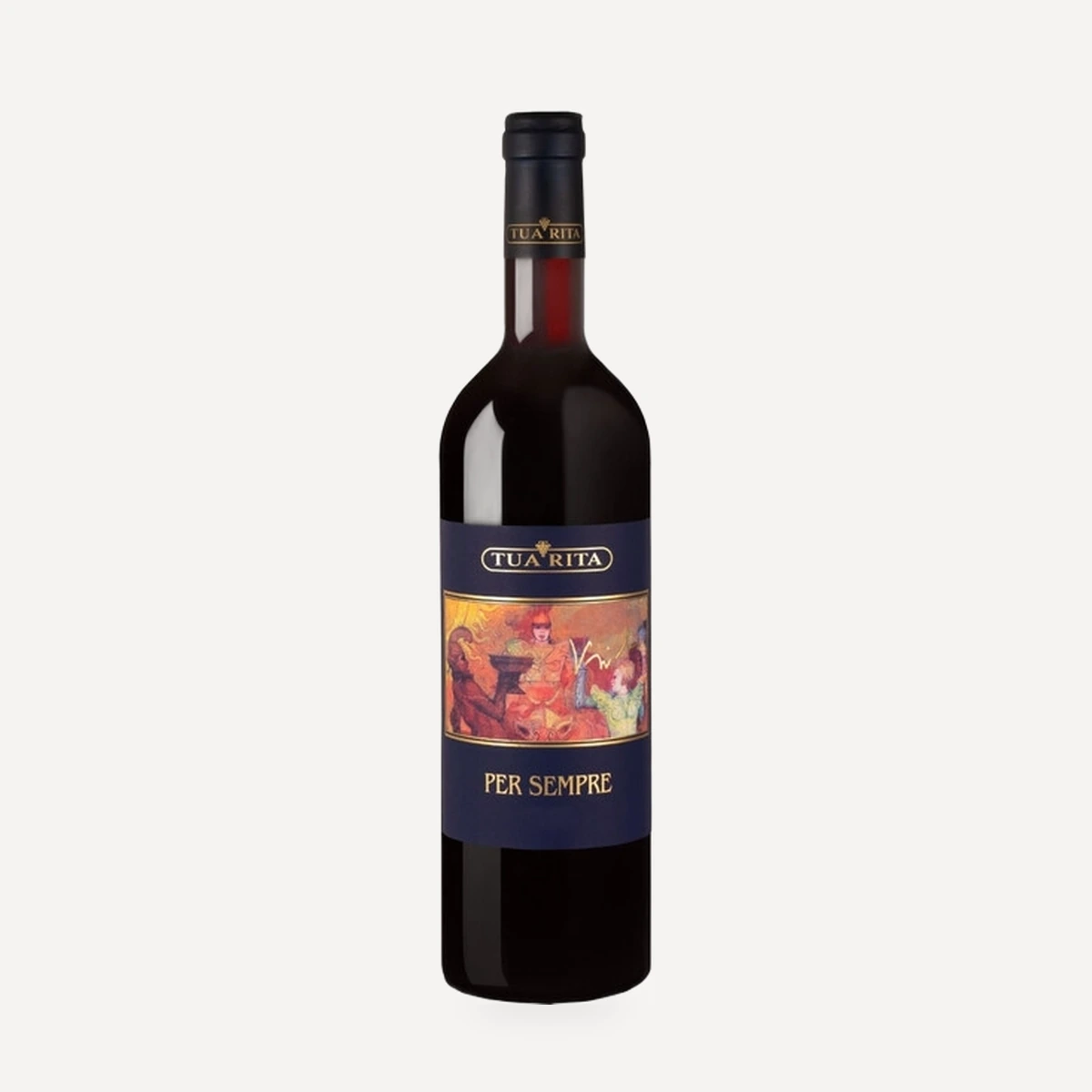
Per Sempe Syrah Rosso Toscana IGT
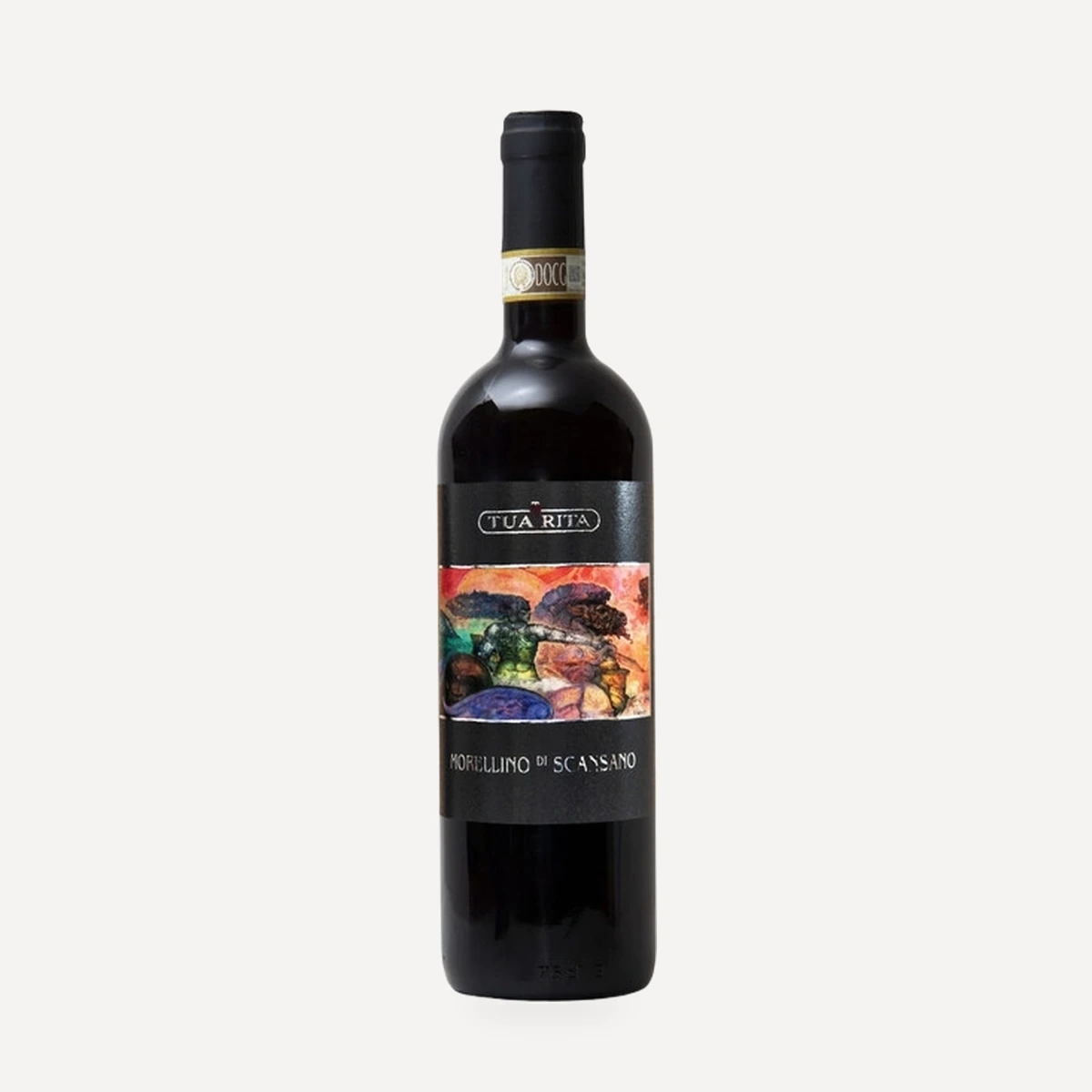
Morellino di Scansano DOCG