Storia
Founding a cooperative, 1960
La Guardiense was founded in Guardia Sanframondi on 8 March 1960 by 33 men: 28 farmers, two teachers and three doctors. Their decision to work collectively grew from agricultural pride, mutual support and a desire to secure fairer conditions for Sannio’s growers. Rather than remain dependent on merchants buying local grapes at depressed prices, the founders set out to control processing and create a business capable of returning value to its members, their territory and their work.
The founding members were Fabio Abate, Luciano Benevento, Luigi Ceniccola, Renato Ciarleglio, Francesco De Vincentis, Raffaele Del Vecchio, Ugo Di Blasio, Angelo Di Crosta, Pasquale Di Crosta, Filomeno Di Paola, Luciano Falato, Muzio Falluto, Pasquale Falluto, Sebastiano Falluto, Giovanni Foschini, Pasqualantonio Gambuti, Gabino Garofano, Ermenegildo Mancinelli, Silvio Mancini, Francesco Morone, Filippantonio Panza, Antonio Pascale, Michele Pascale, Silvio Pascale, Gioacchino Pigna, Rodolfo Pigna, Filippo Romano, Adamo Sanzari, Alfredo Sebastianelli, Carlo Sebastianelli, Luigi Sebastianelli, Elvio Silvestri and Giuseppe Tribisonna.
Financing and construction of the winery, 1961
On 4 August 1961, Gabriele Pescatore, president of the Cassa per il Mezzogiorno, signed a financing decree worth 134,641,000 lire for construction of La Guardiense’s enopolio. The grant covered 48% of the project, while the balance was to be financed through bank loans. Because the young cooperative owned no property that could serve as collateral, its administrators personally guaranteed the loans with their own assets.
The first board responsible for that decision comprised president Francesco Morone, vice-president Pasquale Falluto, secretary Ugo Di Blasio and councillors Luciano Benevento, Renato Ciarleglio, Luciano Falato, Giovanni Foschini, Pasqualantonio Gambuti, Ermenegildo Mancinelli, Michele Pascale, Gioacchino Pigna, Rodolfo Pigna, Filippo Romano, Luigi Sebastianelli and Elvio Silvestri.
First harvest and economic independence, 1963
La Guardiense received its first harvest on 10 October 1963. The intervening three years had required its members to learn the entire production chain and move beyond grape growing into processing and agricultural entrepreneurship. The harvest provided the first concrete proof that the cooperative could oppose the purchasing practices of merchants who had previously acquired Sannio grapes at very low prices and could instead seek fair compensation for members’ work.
International recognition, 1976
On 30 May 1976, president Francesco Morone accepted the Bacchus Prix International at the Campidoglio in Rome in the presence of Giulio Andreotti. The award reinforced the cooperative’s decision to pursue quality rather than volume and helped give Sannio wine wider recognition.
Diversification into sparkling wine, 1986
On 15 December 1986, the first sparkling wine made by La Guardiense was served at the conclusion of a conference on Campania’s cooperative wineries held in the cooperative’s assembly hall. This opened a new phase of product and production-line development and affirmed the area’s potential for both still and sparkling wines.
The ‘Ri-evoluzione’, 1997
Across its first six decades La Guardiense had only three presidents: Francesco Morone, Salvatore Garofano and Domizio Pigna. Pigna, an agronomist, was first elected president in 1997 and initiated a period of sustained expansion. His programme placed consumers and quality at the centre of company strategy, invested in member growers so that better grape growing would receive economic recognition, and focused attention on Sannio’s historic Falanghina and Aglianico varieties.
The resulting ‘Ri-evoluzione’ combined new cellar technology, a developing environmental-sustainability programme and greater attention to the territory and wine tourism.
Collaboration with Riccardo Cotarella, 2007
In 2007, Domizio Pigna promoted a collaboration with oenologist Riccardo Cotarella. It began a detailed study of the territory and its grapes, followed by changes spanning vineyard and cellar operations. The collaboration became the technical foundation for shared research involving management, technicians and member growers, including the I Mille programme.
Hospitality and community access, 2010
In 2010, La Guardiense began receiving wine tourists. Routes through the winery introduced visitors to its technologies and grape-processing methods, accompanied by wine, local food and the cooking of the cooperative’s ‘viticoltrici chef’, women winegrowers who preserve Sannio culinary traditions.
I Mille and the Wine Oscar, 2013
In 2013, the Fondazione Italiana Sommelier awarded its Oscar for Best Innovation in Wine to the experimental I Mille per l’Aglianico project. Coordinated by Riccardo Cotarella, the programme brought growers into a rigorous shared production protocol. It subsequently expanded from Aglianico to Falanghina as I Mille per La Guardiense. Its current scope is almost 80 ha and 120 winegrowers.
Integrated-production certification, 2018
In 2018, La Guardiense became the first winery in Campania certified under the national SQNPI integrated-production system. The programme introduced a rigorous agronomic and plant-protection protocol, targeted treatments, reduced chemical inputs and practices intended to preserve soil fertility, primary resources and vineyard biodiversity. Renewable energy from the winery’s photovoltaic installation was incorporated into processing operations.
Experimental estate at Pugliano, 2020
In 2020, the cooperative acquired the 9 ha Azienda Agricola Sperimentale at Pugliano. Conceived as a meeting place for growers’ experience and scientific research, it provides a dedicated site for testing how different terroirs and viticultural approaches can contribute to future wines. The property also supports the development of a Valle Telesina wine-tourism centre.
Governance, certification and investment, 2024–2026
On 7 January 2024, the members renewed the cooperative’s governing bodies. The eleven-member board comprised president Domizio Pigna, vice-president Silvio Di Lonardo and councillors Giuseppe Conte, Giovanni Foschini, Piero Foschini, Gino Gambuti, Cesare Iannicelli, Italo Maffei, Concetta Pigna, Ildo Romano and Mario Sebastianelli. Pigna, Di Lonardo, Giovanni Foschini, Concetta Pigna and Romano also formed the executive committee.
In 2024, La Guardiense began its certification programme under Equalitas – Sustainable Organization, with RINA Agrifood as certifier. The system integrates environmental, social and economic requirements and supports annual sustainability reporting. A 2024–2026 improvement programme addresses energy management, wastewater treatment and the recovery of production residues.
The cooperative planned further 2026 investment in high-efficiency cellar equipment: automated pumps for press must and clarified must, real-time turbidity measurement after flotation, resin-based physical stabilization, automated pump-over and cap-management systems for four 1,000 hl stainless-steel tanks, and controlled dosing of liquid processing aids.
Terroir
La Guardiense is based at Guardia Sanframondi in the Valle Telesina, in the Sannio Beneventano. The vineyard landscape lies between the Matese massif and Monte Taburno and extends over different elevations, slopes and exposures. The Calore River and the valley’s geomorphology organize a complex mosaic of alluvial, marly and volcanic environments.
The cooperative’s zoning work distinguishes eight principal units: the Calore alluvial plain; Calore alluvial terraces; Taburno alluvial fans; intermontane basins and plateaus; plateaus over ignimbrite; hills on the right bank of the Calore; old black hill soils; and forest and pasture areas.
The valley floor contains deep, fertile, silty-sandy alluvial soils. River terraces form a separate component of the landscape, while older hills carry dark, humus-rich soils developed over marl. The latter retain the structural legacy of former woodland and centuries of cultivation. Volcanic areas derive from Campanian ignimbrite and grey tuff produced by an eruption of the Campi Flegrei more than 30,000 years ago.
The zoning programme maps soil families and studies the interaction of variety, rootstock, soil and environment. Soil scientists, agronomists, technicians and member growers conduct field observations and interpret vine responses. The resulting site-specific model informs fertilization, cultivation, pruning, water management and separate harvests vineyard by vineyard.
Falanghina on volcanic soils is associated with pronounced aromatic freshness, mineral character and lively aromas. The volcanic substrate helps vines manage summer heat; its strongest results are observed in seasons without severe drought. Because the same variety responds differently to each soil and vintage, zoning is also used to identify the vineyards with the greatest potential in a given year.
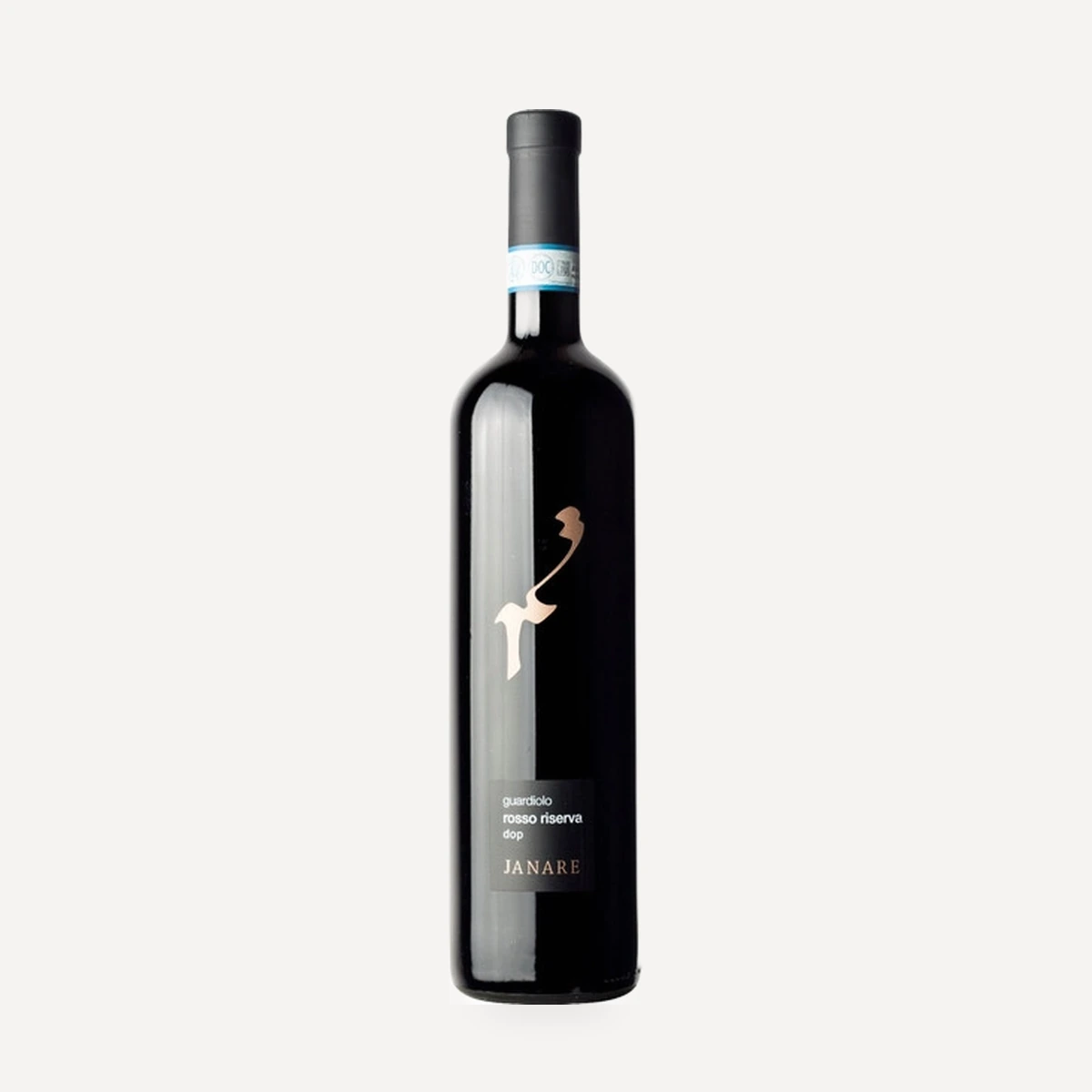
The Janare project applies the first viticultural zoning undertaken in Campania to approximately 500 ha selected from the cooperative’s 1,500 ha. Anima Lavica is focused exclusively on Falanghina and Aglianico from the Campanian-ignimbrite volcanic soils.
Vinificazione
La Guardiense has followed certified integrated production under SQNPI since 2018. Member growers work with the cooperative’s technical committee and apply crop-specific agronomic and plant-protection rules. The system restricts chemical products, favors targeted treatments, safeguards soil fertility and seeks to reduce environmental impact while maintaining grape quality and vineyard biodiversity. RINA Agrifood is the certification body.
The zoning programme translates soil and vine knowledge into site-specific decisions for fertilization, soil cultivation, pruning, water management and separate harvests. Field surveys are carried out with soil scientists, agronomists, technicians and growers, whose daily observation of individual vineyards contributes to the interpretation of vine–soil–environment interactions.
The I Mille programme studies the balance between fruit and foliage, the effect of regulating each vine’s natural production and the response of vines and grapes to progressively deeper defoliation. Precision-agriculture methods optimize soil and water use and reduce external inputs. The programme also connects the final stages of grape maturation to the first processing decisions so that technology can be chosen according to the oenological objective.
Mappiamo digitizes vineyard observations and uses calibrated predictive models to monitor each season in real time. It georeferences the membership and produces vineyard maps, gives operational agronomic guidance, supports objective harvest and vinification strategies and develops dynamic production traceability. An experimental group of young members uses the platform and an App Soci service for direct communication, decision support and online completion of vineyard records.
Innfares creates representative Falanghina del Sannio DOP ‘green laboratories’ in homogeneous terroirs. Physiological, productive and oenological performance is monitored across different conditions to define adaptive strategies, preserve Falanghina’s aromatics and acidity, and maintain quality during increasingly variable seasons. The project is also building agronomic-monitoring systems and a terroir register.
Veritas investigates the rhizosphere and the relationships among soil, microorganisms and roots. Its objective is to restore organic fertility and soil vitality so microbial populations can help control nematodes responsible for spreading vine viruses. The project also treats precision irrigation as a response to water stress and anti-frost irrigation as a tool against spring frost, with a structured water-management plan as a priority.
A dedicated member questionnaire records agronomic practices, certification compliance and traceability throughout the grape-supply chain. The Equalitas programme adds verified good-practice requirements for vineyards, cellar operations, employees and economic management.
La Guardiense’s facilities perform vinification, wine storage, bottling and sales for an annual output of approximately 150,000 hl and 6 million bottles. The cellar includes production areas, storage, a bottling room, offices, a historic winery and a barrel cellar included in visitor itineraries.
Harvest and vinification strategies are increasingly based on georeferenced field observations, predictive models and site-specific zoning. The Mappiamo platform monitors the season and supports objective decisions for grape reception and processing, while I Mille connects the final stages of ripening with the first winery operations so that technology can be selected for the intended result.
Winemaking materials used across the large cooperative operation include selected yeasts, yeast nutrients, enzymes, fining agents, stabilizers, color stabilizers, preservatives and antioxidants, filtration aids and food-grade gases. Fresh water comes exclusively from the public supply and is used chiefly for cleaning and sanitizing equipment and production areas and for rinsing bottles on the bottling line.
Photovoltaic panels serve the winery, bottling area and offices. In 2024 they produced 231,916 kWh for on-site consumption and fed 4,496 kWh into the grid; grid consumption was 1,717,552 kWh. The average bottle weight fell from 560 g in 2023 to 497 g in 2024. More than 70% of purchased bottles came from a supplier whose Maya glass contained over 70% recycled material, while most corrugated cartons used more than 70% recycled paper.
Pomace is increasingly sent for distillation into grappa. EPAL pallets are reused and regenerated, and packaging and other residual materials are directed toward certified recovery streams. The cooperative is progressively reducing plastic and non-recyclable bottling and packaging components.
A 2026 investment programme proposed automated centrifugal transfer pumps for press must, with level sensors to limit accidental air intake, and a second pump for clarified must after flotation, coupled to real-time turbidity measurement. Other planned equipment comprised resin-based physical stabilization, an additional nephelometer, automated pump-over and cap-management systems on four 1,000 hl stainless-steel tanks, and controlled dosing of liquid fining aids during transfer.
Filosofia
La Guardiense was created around cooperation: individual growers pool land knowledge, grapes, risk and technical resources so that value can return to producers and the wider Sannio community. Its founding idea was that agricultural prosperity should be shared rather than defended individually.
Since the 1997 ‘Ri-evoluzione’, the cooperative has made consumer focus and quality central to its strategy, coupled with better economic recognition for growers and the development of Falanghina and Aglianico. Its approach joins farmers’ accumulated experience with soil science, agronomy, oenology and digital technology.
The cooperative treats knowledge of terroir as the foundation of quality. Zoning is therefore an ongoing scientific process rather than a static map: soil families are mapped, vine responses are observed and the information is converted into vineyard-specific practices and separate production decisions. Vintage variation is addressed by identifying which sites offer the greatest potential under each season’s conditions.
Sustainability is framed across environmental, social and economic dimensions. Priorities include integrated farming, reduced chemical inputs, soil and water stewardship, renewable energy, lighter and more recyclable packaging, recovery of residues, worker welfare, transparent governance and stable value for members. The Equalitas system formalizes these objectives through measurable indicators and continuous improvement.
Research is deliberately participatory. I Mille brings growers into shared experimental protocols; Mappiamo connects young members to real-time technical advice; Innfares develops climate-adaptive Falanghina strategies; and Veritas links soil biology, water management and vineyard resilience.
Vini
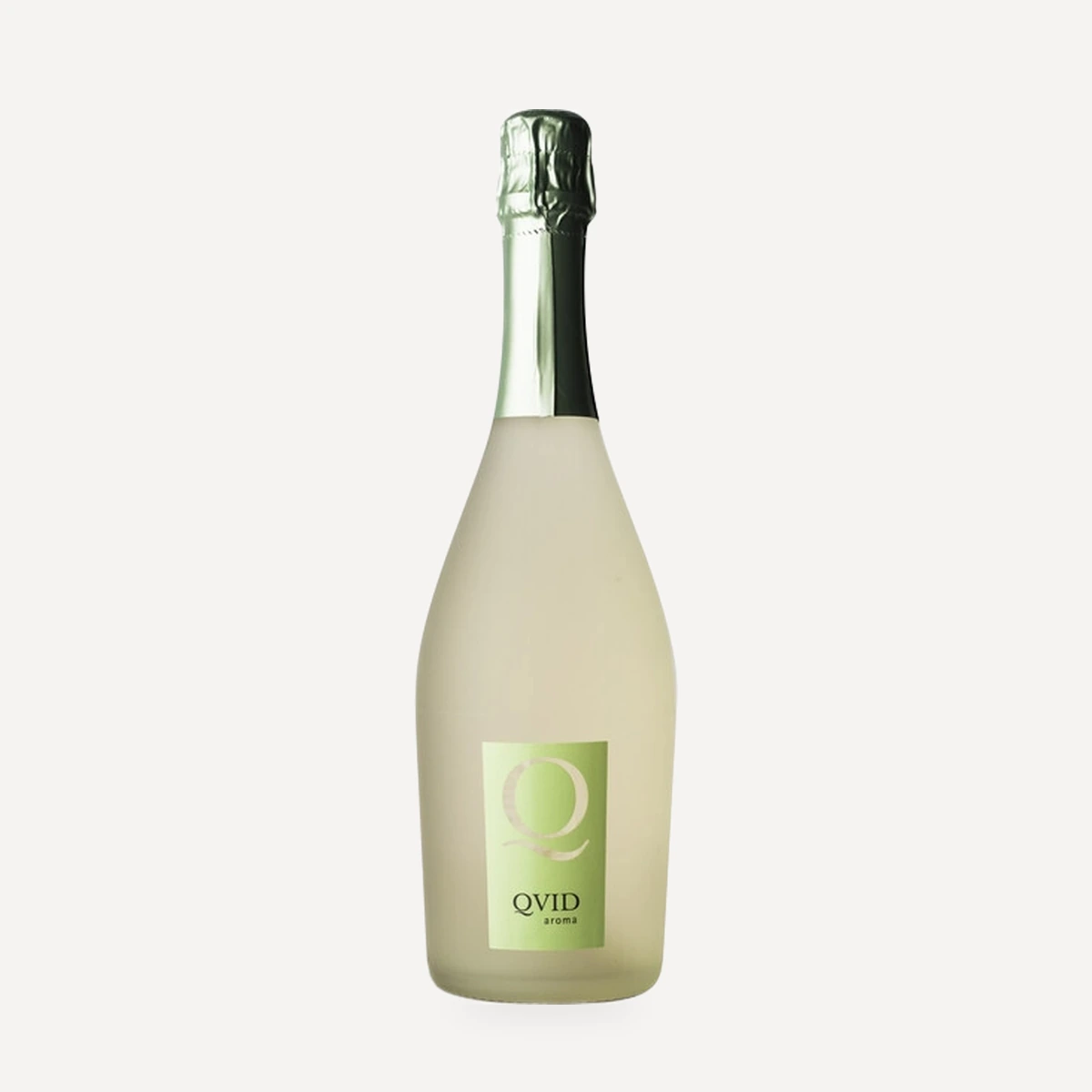
Quid Aroma
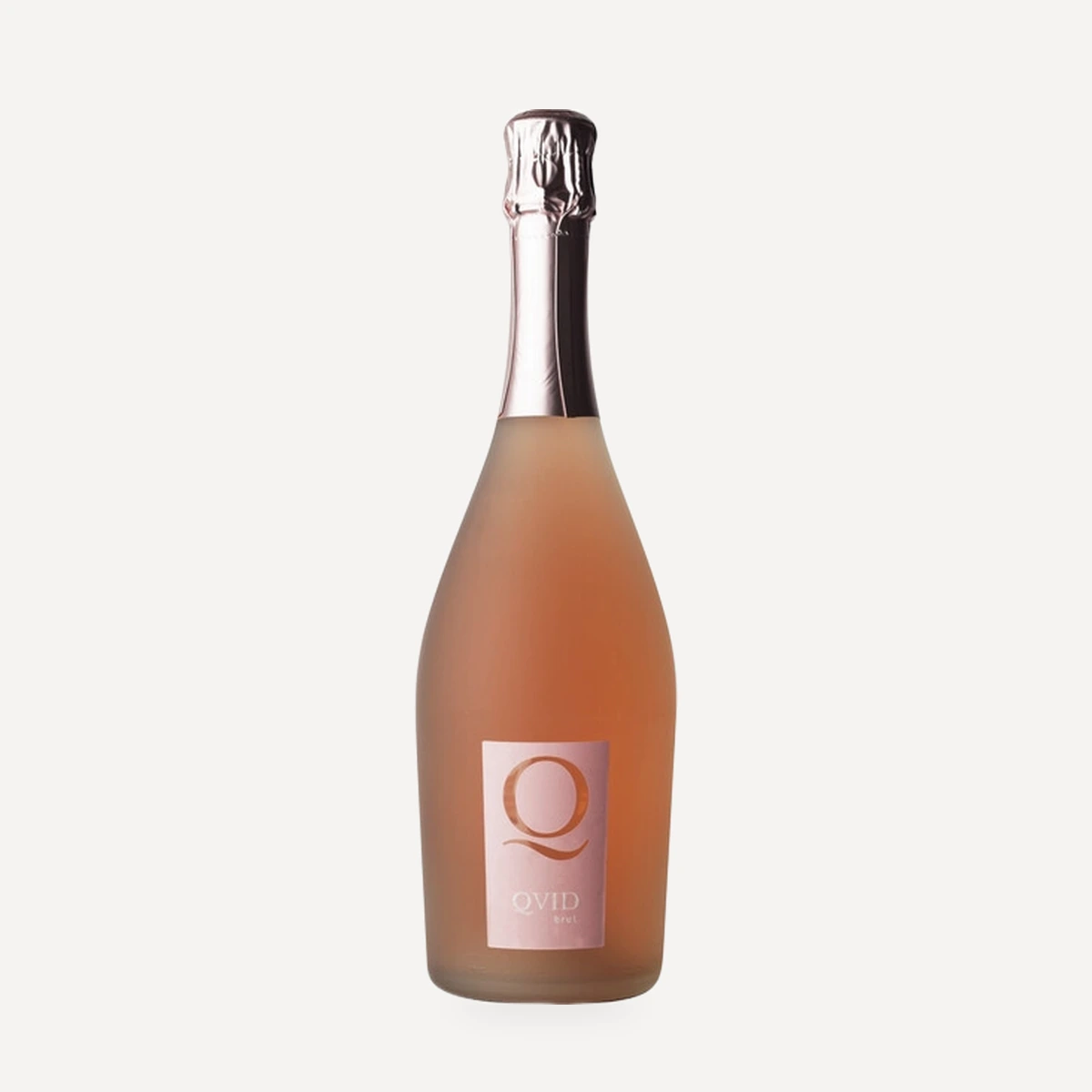
Quid Rosato Brut
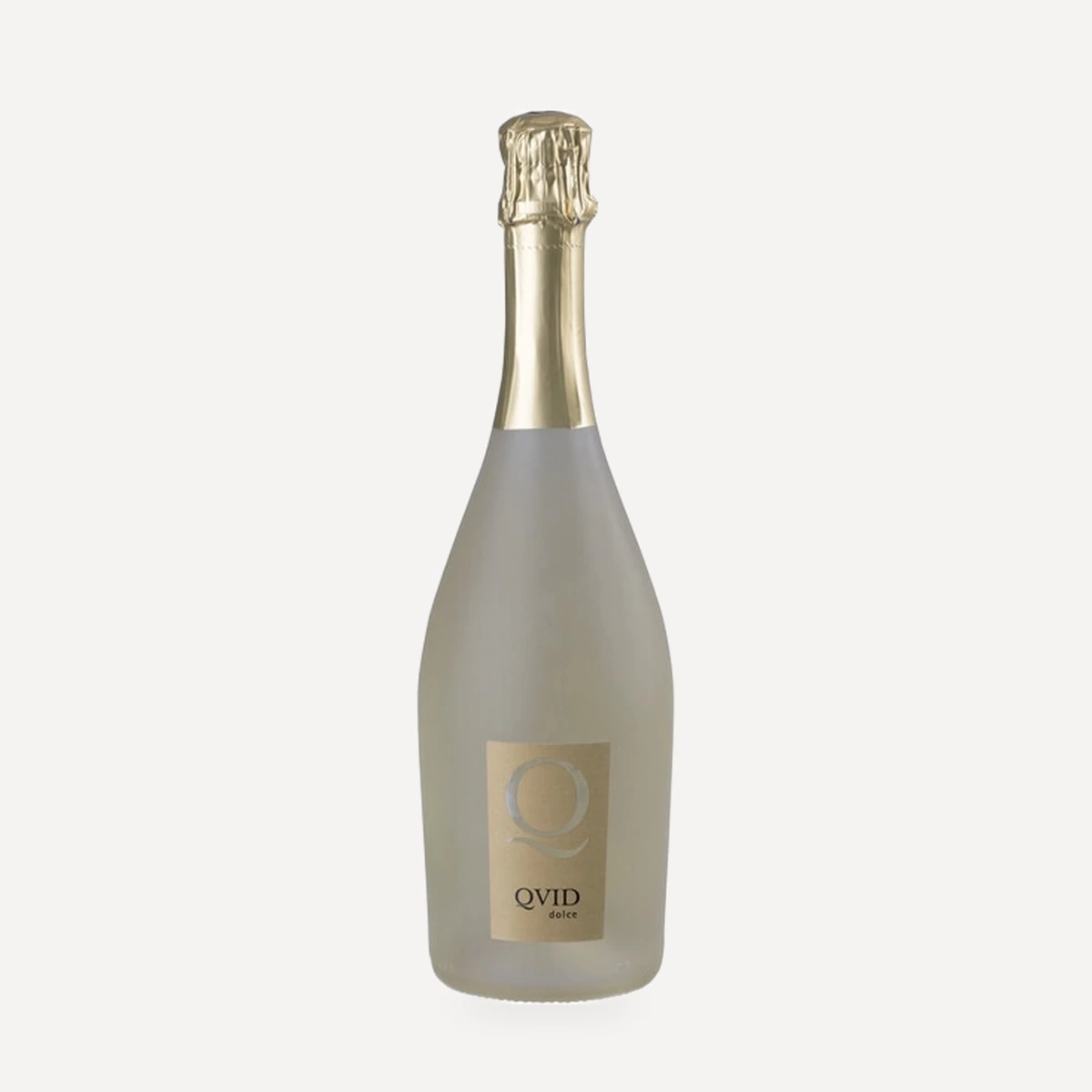
Quid Dolce
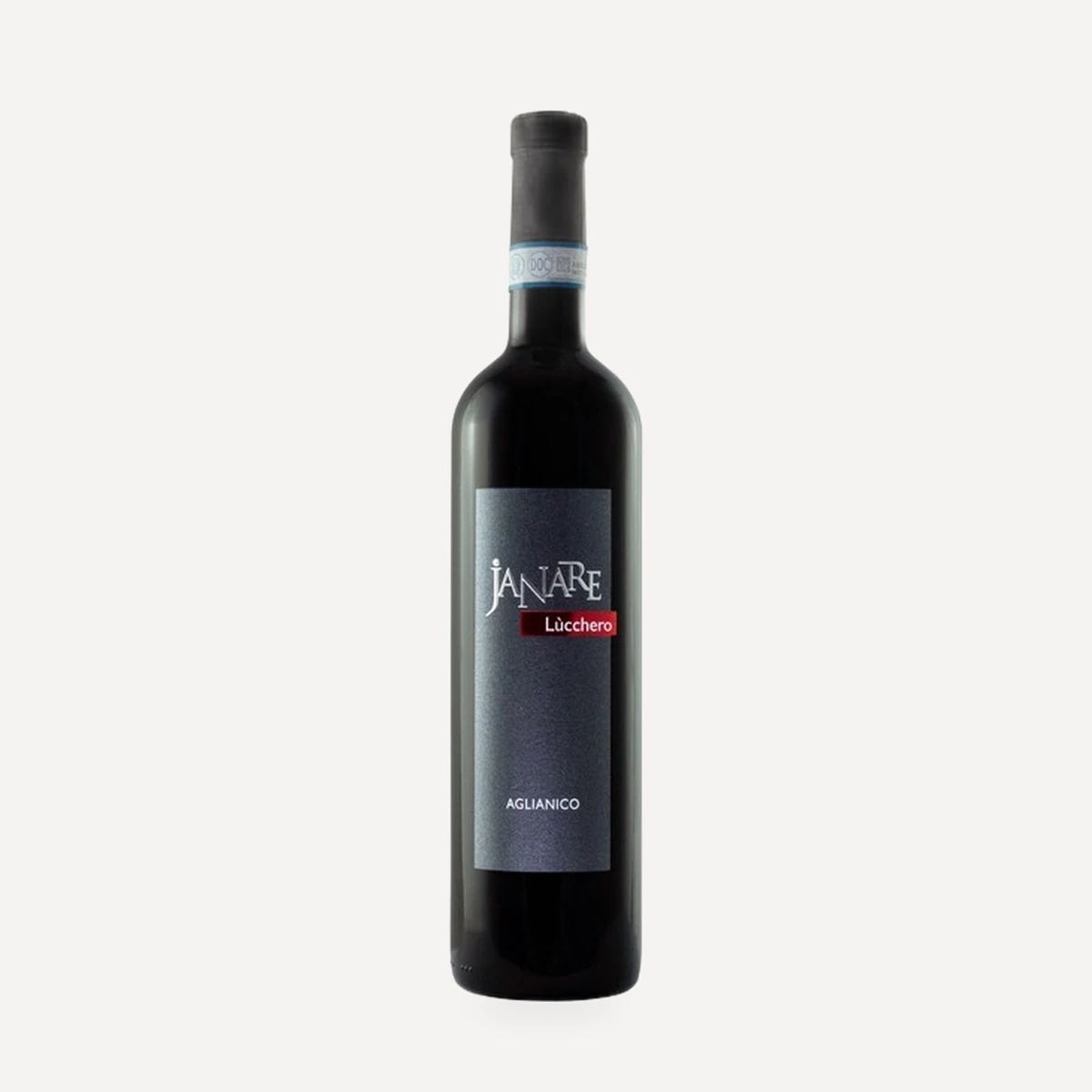
Lucchero Aglianico Sannio DOP
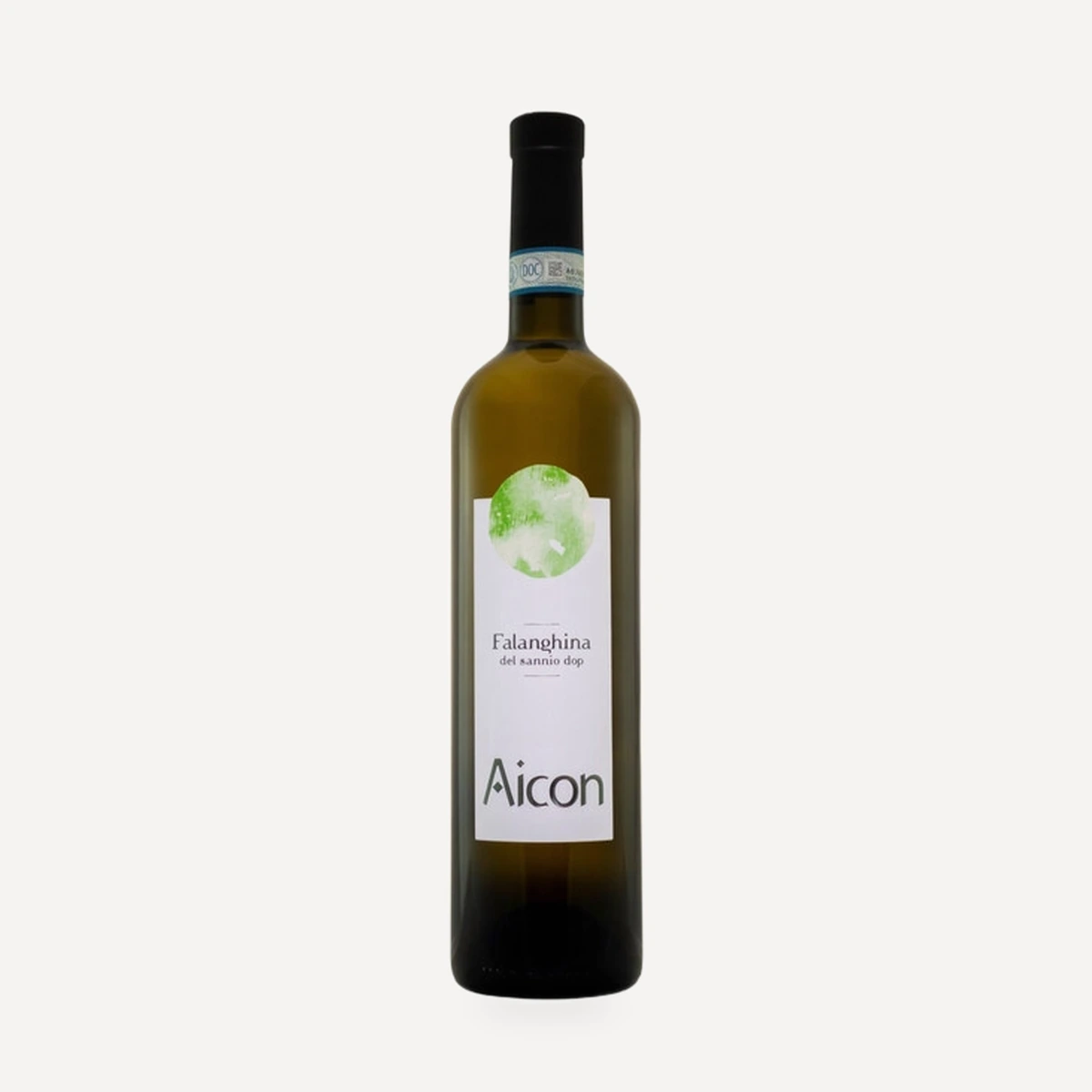
Aicon Falanghina del Sannio DOP