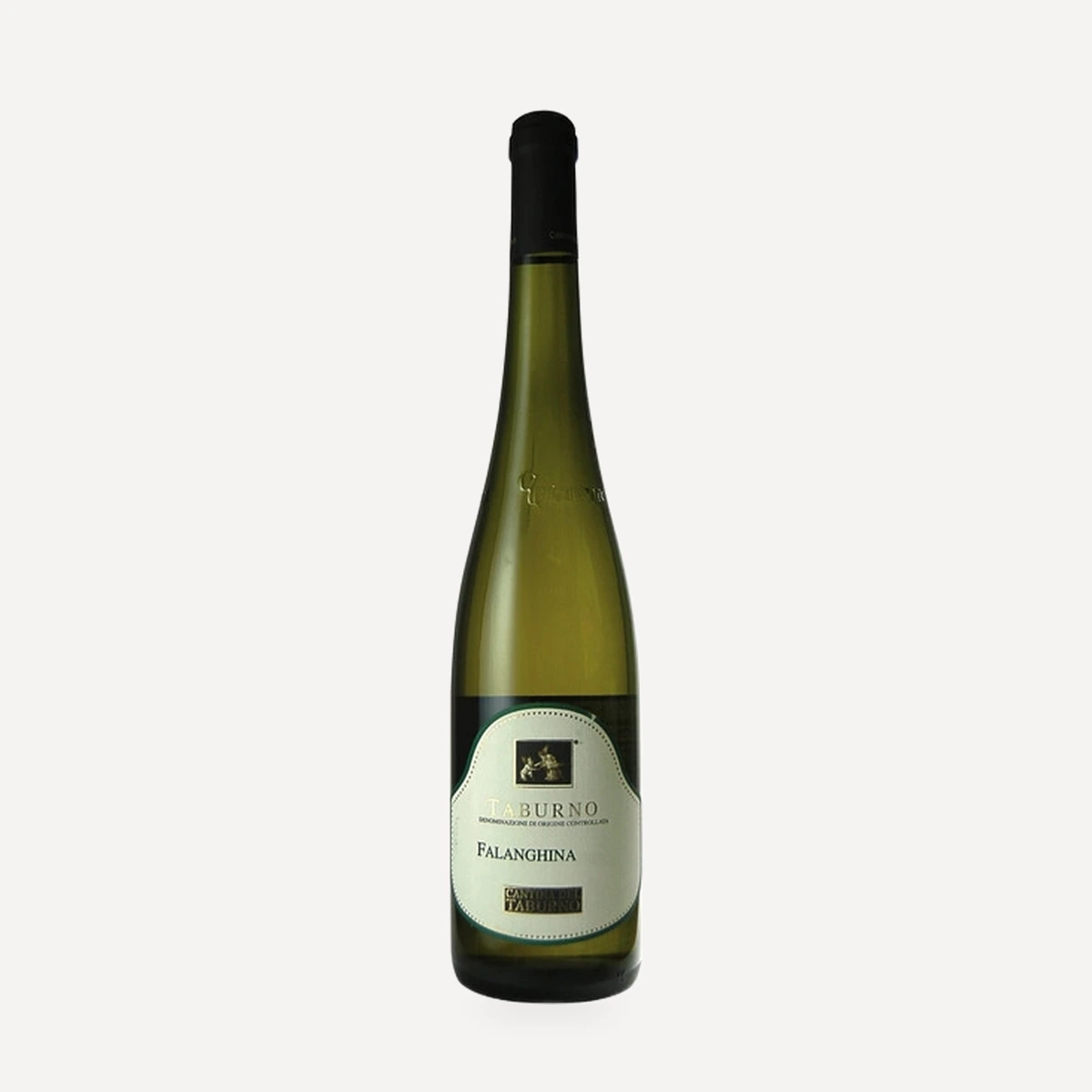
Storia
1972: the winery at Foglianise
Cantina del Taburno was built in 1972 in the municipality of Foglianise, on the slopes of Monte Taburno and within the Sannio Beneventano area. Its activity developed around grapes supplied by specialist winegrowers working approximately 600 hectares across twelve municipalities surrounding the mountain.
The winery became economically important to local viticulture through this extensive network of growers. Its production was conceived around the identity and agricultural history of Taburno, combining territorial varieties with agronomic and cellar work directed toward quality.
The historic barrel cellar
The winery retains an old barrel cellar in which red wines mature slowly in large oak casks and barriques. This space embodies the continuity between the area's established wine culture and the present production programme.
A renewed direction
By November 2025, the company described itself as pursuing a new, shared direction focused on raising the profile of Taburno, its grape suppliers and its identity while making the winery more modern and ambitious. Enzo Rillo, a Sannio entrepreneur and the winery’s administrator, represented Cantina del Taburno at the Bibenda 2026 awards ceremony, where Bue Apis 2019 received the guide’s 5 Grappoli distinction.
The sparkling-wine project
A collaboration with French sparkling-wine oenologist Nicolas Secondè gave the Metodo Classico programme a defined technical direction. Secondè works with Raffaele Di Marco, the winery’s technical director, to interpret sites of differing altitude and soil composition through rigorously selected base wines, careful blending and extended lees ageing.
At Vinitaly 2026, Cantina del Taburno presented new projects and its expanded sparkling-wine range, placing the programme within the winery’s broader modernisation and territorial-development strategy.
Terroir
Cantina del Taburno stands at Foglianise in the Sannio Beneventano, on the slopes of Monte Taburno. The mountain reaches approximately 1,400 metres and provides the geographic and climatic reference point for the surrounding vineyards.
The production area encompasses vineyards on slopes, hills and some flatter ground. Differences in elevation and exposure create a varied set of microclimates, allowing the same variety to produce different expressions from one location to another. Altitude promotes gradual ripening and helps preserve acidity and aromatic integrity. Day-to-night temperature variation supports aromatic development, while regular ventilation contributes to grape health and slower, more complete maturation. The climate combines Mediterranean conditions with inland influences and cooler evening air.
Soils vary across the area and include limestone, clay and mixed compositions. Calcareous soils are a defining feature of the mountain vineyards, while clay and mineral components contribute further variation. Differences in soil composition, altitude and exposure influence the structure, freshness and perceived savoury or mineral character of the resulting wines.
The centenary Aglianico vineyard at Contrada Pantanella occupies a southeast-facing hillside at approximately 350 metres above sea level. Its soil consists of calcareous clay marl. The vineyard lies about one kilometre from the winery and preserves an original clone locally described as Aglianico amaro.
Vinificazione
Viticulture is distributed among specialist growers working approximately 600 hectares around Monte Taburno. The approach is presented as mountain viticulture shaped by patience, respect for nature and close attention to altitude, exposure and local soils. Agronomic work is intended to respect the history and identity of the territory while supplying grapes suited to both white and red production.
Harvest protocols vary by project. Grapes destined for the Metodo Classico range undergo rigorous selection before pressing. In the centenary Contrada Pantanella vineyard, Aglianico reaches full maturity late in the season and is harvested manually in small containers, normally in the first ten days of November.
Cellar and maturation
The historic barrel cellar is used for the slow maturation of red wines. It contains both large oak casks and barriques, maintaining a connection between established cellar practice and the current range.
Metodo Classico programme
The sparkling-wine programme begins with rigorous selection at harvest. Grapes are softly pressed and the resulting must fractions are separated. Fermentations take place under temperature control to preserve aromatic integrity and purity and to create distinct base wines marked by finesse and mineral character.
Blending is treated as the decisive stage in defining balance, depth and stylistic consistency. The cuvées are selected carefully before secondary fermentation by the Metodo Classico process. The wines then remain on their lees for an extended period to develop complexity, persistence and a more refined texture. The programme is directed jointly by consultant Nicolas Secondè and technical director Raffaele Di Marco.
Filosofia
Cantina del Taburno defines its work through the production of wines that retain the history and identity of the territory. Its stated approach combines skilled agronomy, respect for nature and an emphasis on the native grapes and high-altitude conditions of Monte Taburno.
The winery’s territorial role extends to its network of grape suppliers and the economic effect of wine production across the surrounding municipalities. Its renewed direction seeks to enhance the profile of Taburno, support the identity of its growers and express that relationship through a more modern, ambitious and collaborative organisation.
In the sparkling-wine programme, tradition is paired with technical precision. Differences in soil composition and altitude are used to produce distinct base wines, while soft pressing, controlled fermentation, careful blending and prolonged lees ageing pursue a contemporary style without detaching the wines from their place of origin. More broadly, tradition is treated as a resource rather than a restriction: the objective is to make recognisable wines while retaining freshness, territorial character and vintage-dependent distinctions.
Vini
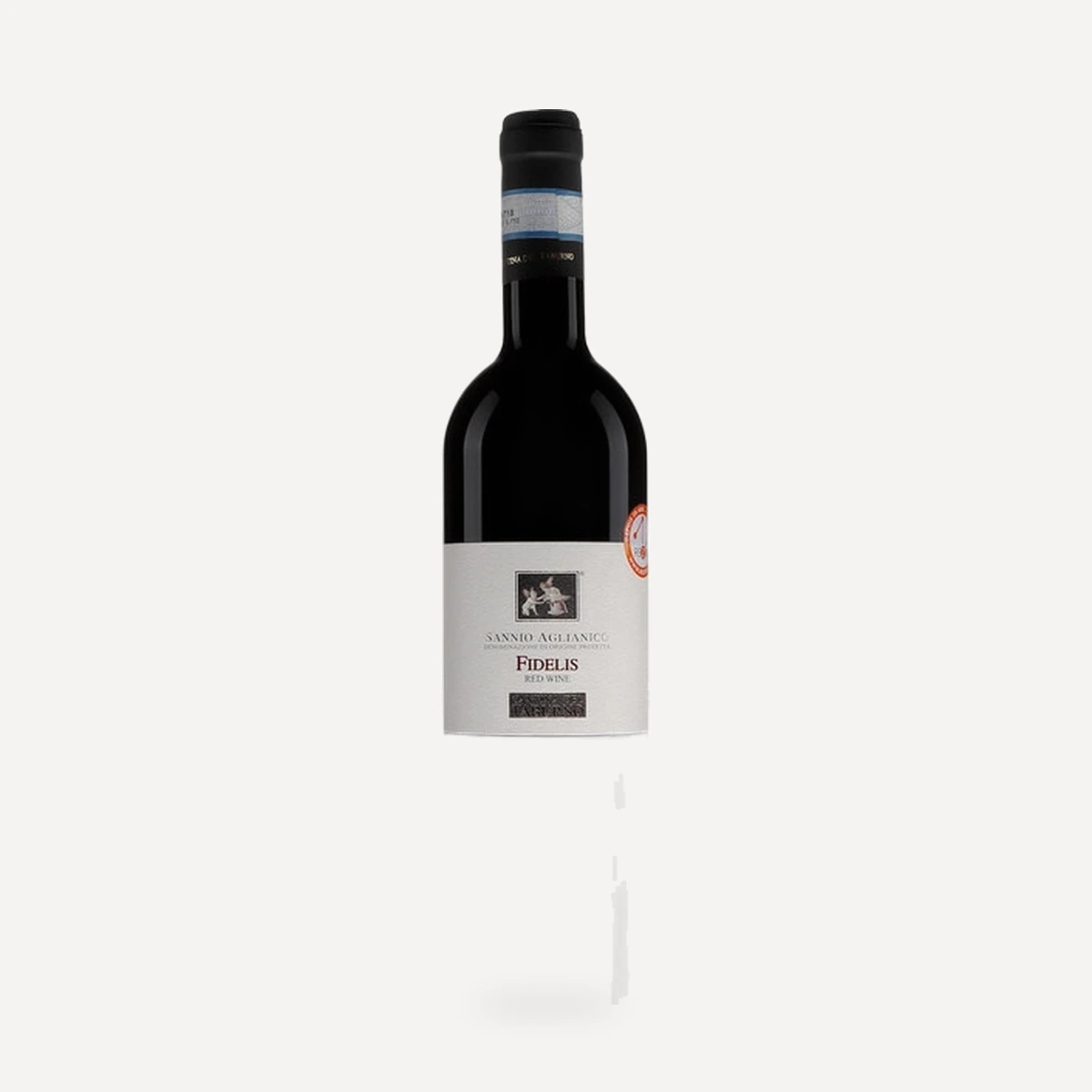
Fidelis Sannio Aglianico DOC
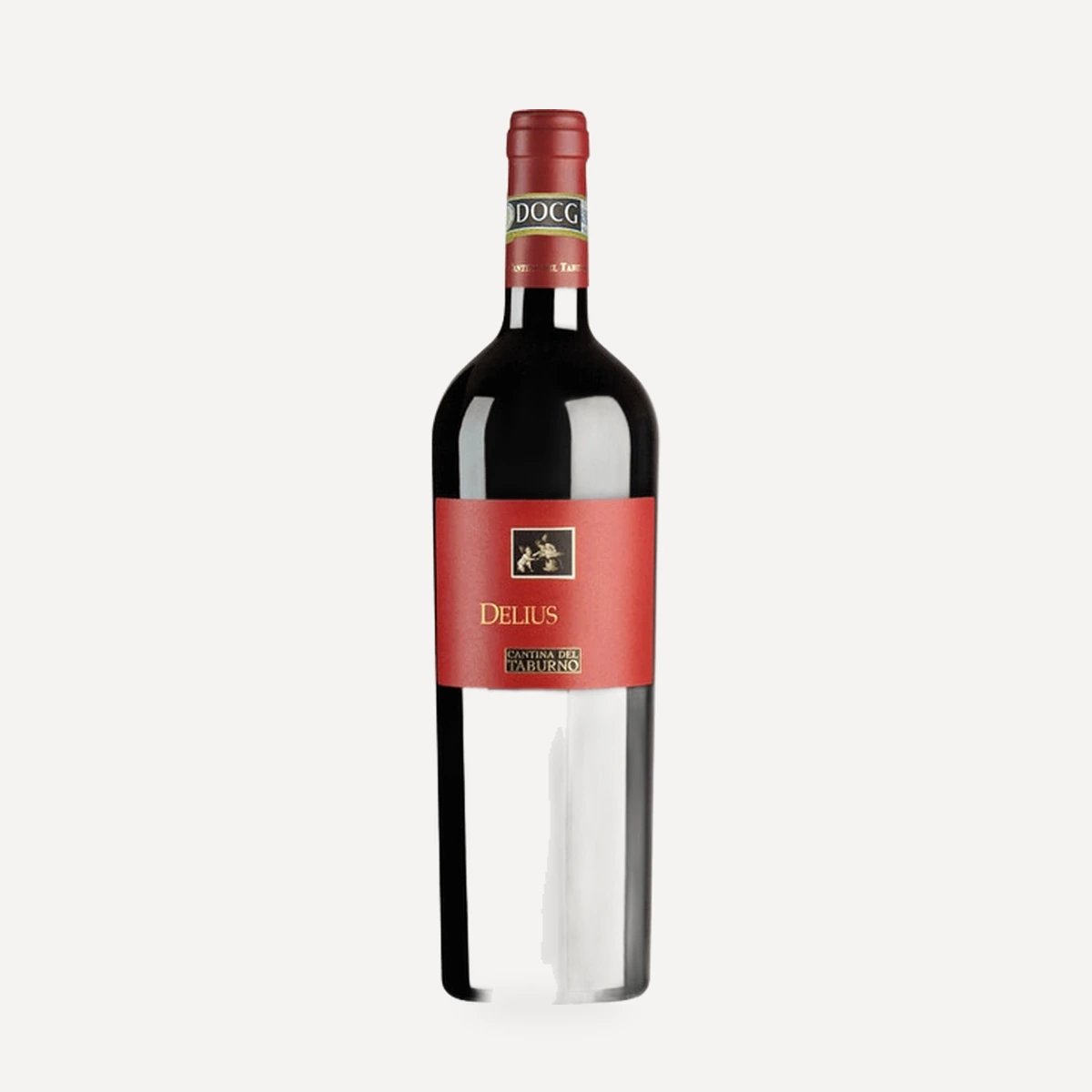
Delius DOCG
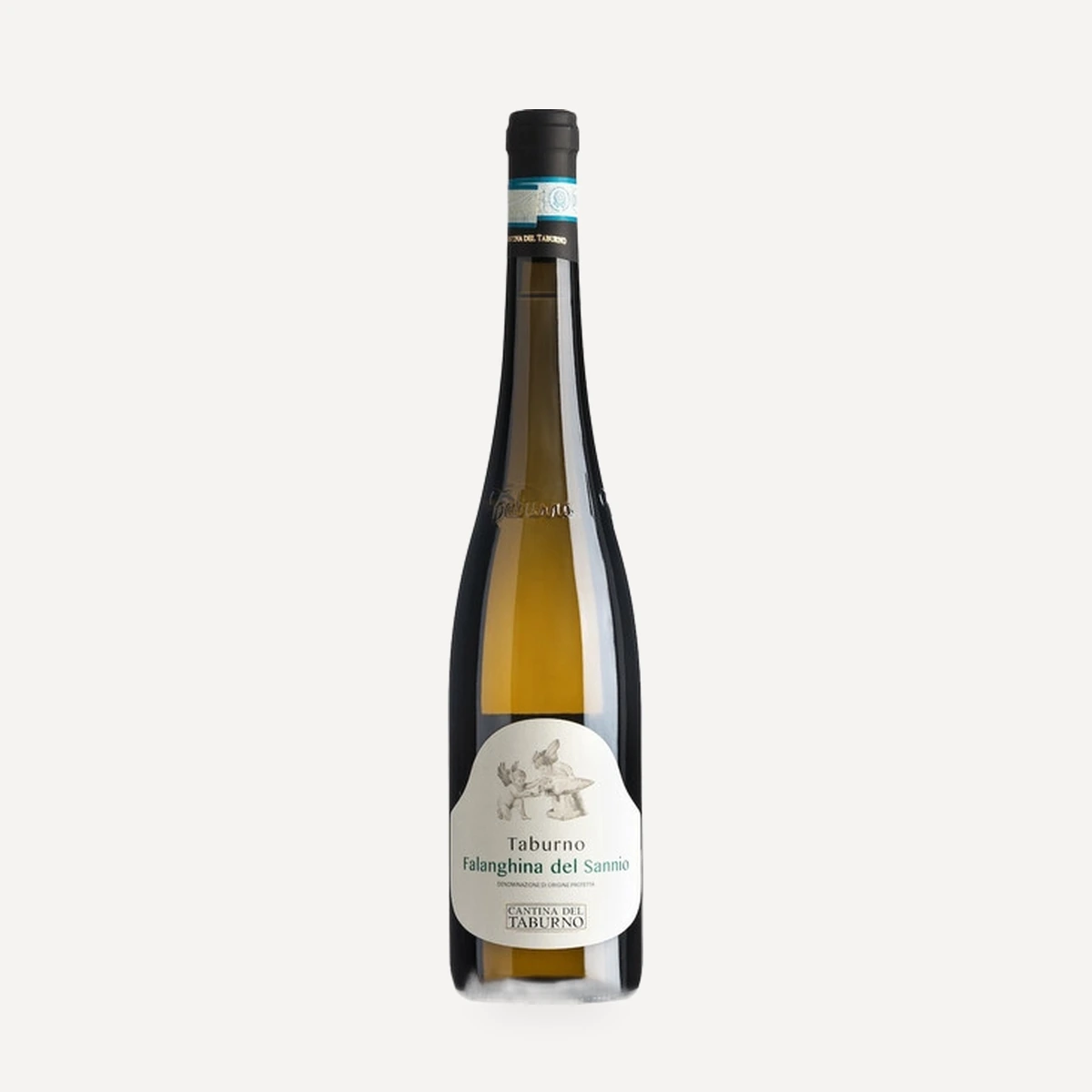
Falanghina del Sannio DOC
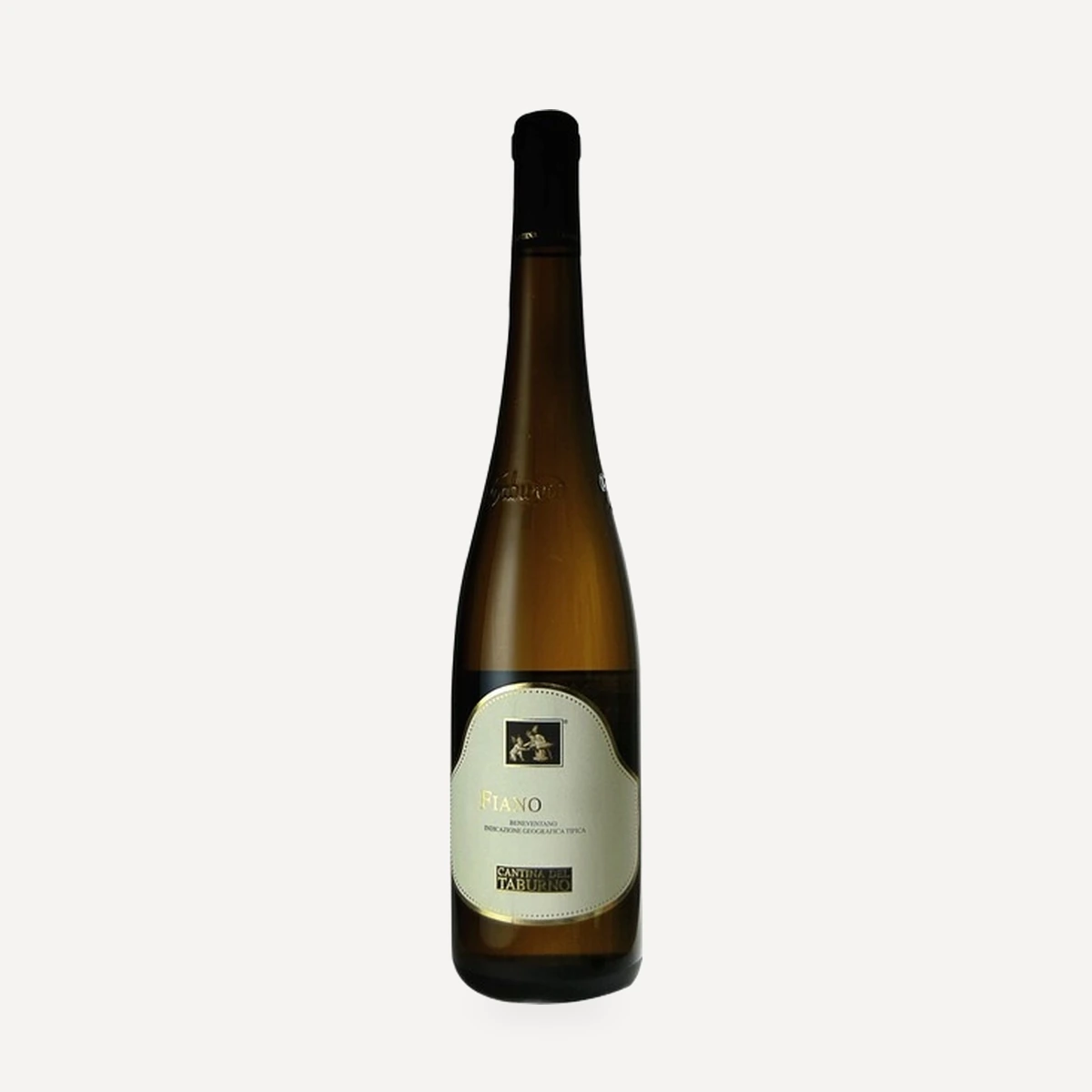
Fiano Beneventano IGT
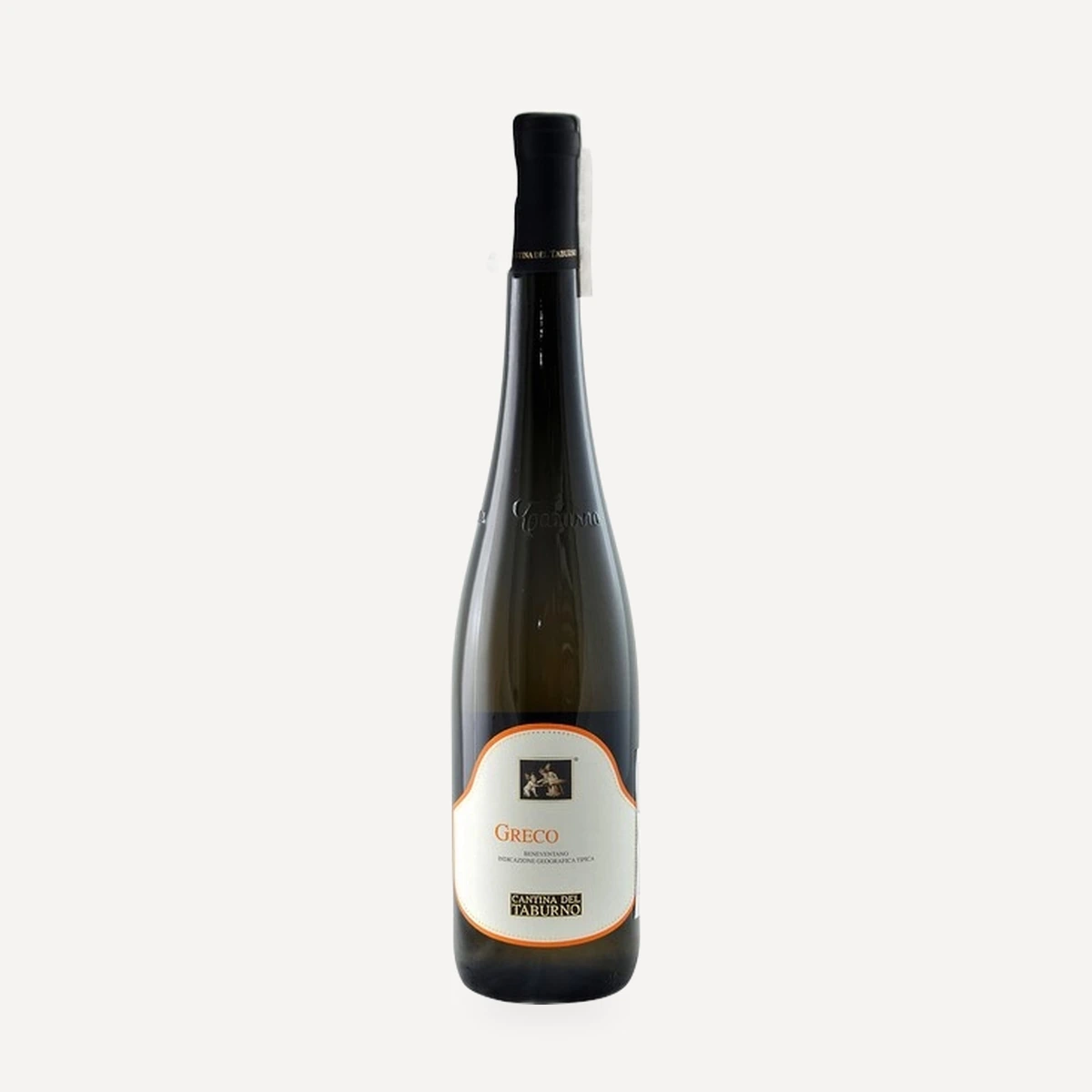
Greco Beneventano IGT