Storia
Origins in Irpinia
The family's connection with Irpinian viticulture reaches back to the early eighteenth century. Period documents associated with the mountains around Santo Stefano del Sole record this early activity. By the middle of the century, the Bourbon land register places the family in Irpinia and identifies Atripalda as its headquarters. The historic cellars remain there. Ten successive generations have continued the enterprise.
Commercial establishment and overseas expansion
In 1878 Angelo Mastroberardino, a Knight of the Order of the Crown of Italy and great-grandfather of Piero Mastroberardino, registered the business with the Avellino Chamber of Commerce. He began exporting the family's wines first within Europe. His son Michele subsequently undertook long journeys that opened markets in North and Latin America.
Phylloxera, war and the defence of native varieties
The family continued through the damage caused first by phylloxera and then by war. During the difficult middle decades of the twentieth century, pressure grew to replace local grapes with more productive, less distinguished varieties. Antonio Mastroberardino, later Cavaliere al Merito del Lavoro and father of Piero, opposed that change and developed a replanting programme centred on Irpinia's traditional grapes.
Fiano and Greco were both at serious risk after the Second World War and during the 1960s. Antonio's recovery work returned Fiano to widespread cultivation in the province of Avellino and encouraged interest beyond Campania; the same long-term effort preserved Greco. The family remained almost alone in Irpinia in defending this native-variety heritage until the 1990s.
Zoning, cru vineyards and clonal research
Until the end of the 1960s, difficult terrain, agronomic constraints and limited infrastructure encouraged the blending of grapes from several micro-environments. The family studied the expressive potential of each place but combined the best lots to obtain a balanced result.
In 1968 Antonio conducted an early zoning experiment in the Taurasi area, vinifying three separate crus from Montemarano, Castelfranci and Piano d'Angelo. Continued delimitation of sites laid the foundation for the family's cru programme, introduced from the late 1970s. Attention shifted from blending several environments toward drawing the fullest expression from selected individual sites. Radici Fiano di Avellino, Novaserra Greco di Tufo and Radici Taurasi emerged first, followed by More Maiorum, Naturalis Historia, Morabianca and Redimore.
The Montefusco estate was planted from the 1980s after years of trials with Greco and its territory; it became the source of Novaserra. At Mirabella Eclano, the Aglianico clone AV 02 was identified in 1982, passed mass-selection assessment in 1985 and entered the regional programme for clonal and ampelographic selection. Other work at Mirabella included propagation of the VCR 421 Antonio Mastroberardino Aglianico biotype from a century-old, ungrafted vineyard, trials with Falanghina, and mother-vine fields for Fiano and Greco clones.
The tenth generation
Piero Mastroberardino has directed the family activities since the mid-1990s. A tenth-generation winegrower, he combines company leadership with an academic career in business management and work as a writer and visual artist.
Pompeii
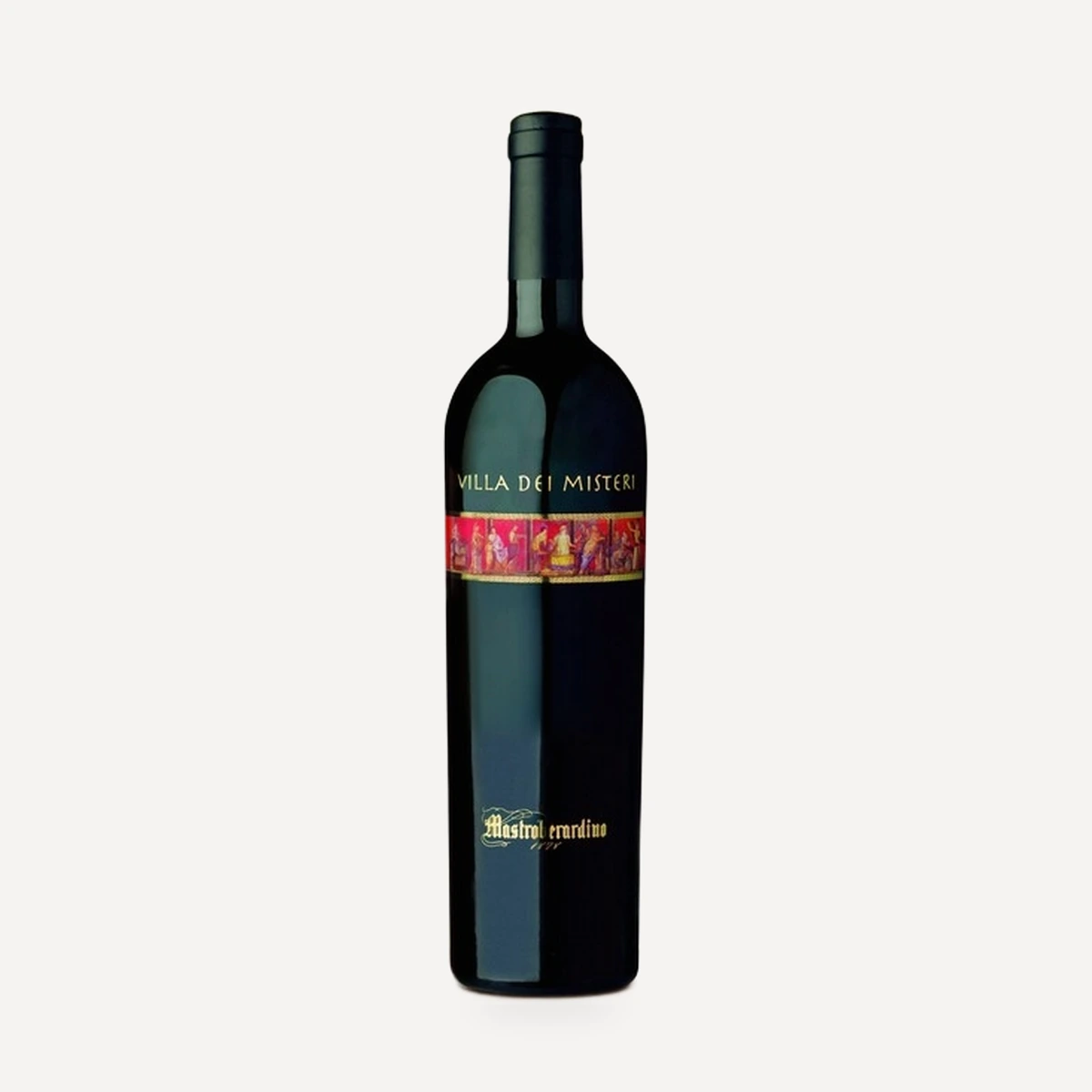
In 1996 the Archaeological Superintendence of Pompeii, under the patronage of the President of the Italian Republic, entrusted Mastroberardino with recovering ancient viticultural practices inside the archaeological site. Aglianico, Piedirosso and Sciascinoso were planted within the ancient city walls using methods modelled on Roman viticulture before the eruption of AD 79. The first Villa dei Misteri vintage, 2001, was auctioned and distributed internationally; proceeds supported restoration of the wine cellar at the Foro Boario archaeological site.
Stilèma and the recovery of historical practice
Around 2000 Antonio and Piero began the research that became Stilèma. It combined clones selected from pre-phylloxera vineyards with a reassessment of vineyard and cellar protocols from the periods when Irpinian wines had achieved major recognition: the late 1950s to early 1970s for Taurasi and the 1970s–1980s for Fiano and Greco.
Following Antonio's death in 2014, historical protocols and experimental wines were brought back into active use as a tribute to his stylistic work. The first concrete application came with the 2015 harvest through trials with Fiano and Aglianico. Unlike the single-site cru programme, Stilèma returned to blending selected family vineyards so that different territorial nuances could be combined.
Expansion to Cilento
In 2018 an Aglianico vineyard was established on Monte Stella in the municipality of Pollica, within Paestum IGT and the Cilento, Vallo di Diano and Alburni National Park. The high-altitude experiment produced its first fruit in 2021. The inaugural Serra di Molino a Vento 2021 was presented to the market in 2024, extending the family's work with Campanian Aglianico to a maritime mountain environment less than 3 km from the sea.
Terroir
Irpinia
Irpinia corresponds to the province of Avellino and is crossed by the Partenio and Terminio mountain chains. Their presence creates substantial pedoclimatic variation among the family's sites. The climate is continental, with severe winters, relatively cool summers and pronounced day–night temperature differences. Elevations among the documented Irpinian holdings range from approximately 350 to 600 m.
The three principal DOCG zones have distinct combinations of terrain. Fiano sites include clay at Manocalzati, loose volcanic sand at Montefalcione, clay-limestone rich in stones at Lapio, and sandy loam over deep clay and calcareous sandstone at Santo Stefano del Sole. Greco sites range from the clay-limestone and sulfur-associated ground of Tufo and Petruro Irpino to Montefusco's clay loam derived from sandstone and marl, with volcanic additions. Taurasi and Irpinia Aglianico vineyards occupy both gentler hills and colder mountain sectors, with clay, organic matter, calcareous stones, sandstone and marl in varying proportions.
Mountain Aglianico
Montemarano and Paternopoli lie near the Picentini mountains. Their continental, foothill conditions, strong temperature differences and slow ripening commonly delay harvest until November. Mirabella Eclano is milder and earlier, spreading across several hills between 350 and 450 m. Its deeper sandy-loam volcanic soils contain clay at depth and limestone through the profile; red varieties occupy sectors richer in organic matter and volcanic material, while white grapes are placed on more calcareous and clay-rich ground.
Greco di Tufo
The Tufo sector follows hills along the Sabato River. Tufo's former sulfur mining activity is associated with the sulfurous mineral character attributed to the place. Petruro Irpino, adjoining Tufo, has clay-rich, stony ground. Montefusco lies in an open, ventilated basin that receives light from dawn to sunset and avoids fog and stagnant humidity. At around 550 m, strong temperature differences during August, September and October support slow maturation. Its soils are siliceous-calcareous, moderately alkaline, poor in organic matter and nitrogen, enriched by volcanic material and well supplied with magnesium.
Vesuvio and Pompeii
Vesuvian vineyards occupy loose, mineral-rich, well-drained volcanic soils. The Tyrrhenian Sea, the volcanic complex, local relief and predominantly south-eastern exposures create ventilated, bright conditions. The Pompeii archaeological vineyard lies at 50 m on volcanic sand with a southern exposure.
Cilento
Serra di Molino a Vento is planted between 508 and 556 m on the western slopes of Monte Stella, overlooking Acciaroli and less than 3 km from the sea. The clay-limestone soils developed from marine flysch: thick alternations of sandstone, clay and limestone. Heavy, widespread clay, a relatively shallow profile and limited aeration contribute to water stress and can halt vegetative growth before veraison. Altitude lengthens the growing season, while sea breezes moderate temperatures and aridity. Western exposure and slope provide strong sunlight. Mediterranean scrub surrounds the site.
Vinificazione
The vineyards combine integrated and organic management. Biocompatible products are selected to reduce effects on both directly and indirectly connected ecosystems. Field margins are managed as habitat and food sources for pollinators and other beneficial organisms, while agronomic decisions are directed toward conserving viticultural biodiversity.
Training systems respond to variety and site. Fiano, Greco, Falanghina and other white grapes are principally Guyot-trained; Aglianico is generally spur-pruned cordon, while Vesuvio also retains raggiera and Pompeii uses Roman-inspired vigne a palo and alberello. Planting densities documented across the holdings range from approximately 2,500 to 7,000 vines/ha.
Research is integral to vineyard management. Mirabella Eclano contains old Aglianico vines, eight of the 25 Aglianico clones planted by the family and two hectares of mother plants for Fiano and Greco clonal research. AV 02 was identified there in 1982 and entered regional selection after assessment in 1985. The VCR 421 Antonio Mastroberardino biotype was selected and propagated from a century-old ungrafted Aglianico vineyard. Manocalzati supplied mass-selected Fiano material for replanting elsewhere; Montefalcione hosts trials involving density, rootstocks and training systems; Pietradefusi and Torella dei Lombardi extend experimentation with Aglianico.
Harvest timing varies substantially with altitude and exposure. The cold Montemarano and Paternopoli sectors mature slowly and are commonly picked in November. At the highest parts of Montemarano and Santo Stefano del Sole, autumn microclimates support on-vine drying and, in selected circumstances, noble-rot development. Manual harvesting is documented throughout the technical material for the principal varieties and experimental projects.
Environmental performance is monitored through the VIVA Sustainable Wine programme's four indicators: Territory, Air, Vineyard and Water. These assess socioeconomic and landscape effects; greenhouse-gas emissions across vineyard, cellar, distribution and consumption; agronomic impacts including crop-protection products, fertilisation, organic matter, erosion, compaction and biodiversity; and green, blue and grey water use. The programme is used for continuous reduction of carbon emissions and water and energy consumption. Staff receive sustainability training, and technical investment prioritises low-energy, efficient systems.
The historic cellars remain at the family's Atripalda headquarters. Production is supported by a quality-management system maintained under UNI EN ISO 9001:2008 and by environmental monitoring across the complete vine-to-consumer cycle.
A research programme isolates yeasts from grapes grown in the family's own vineyards. Candidate strains are selected after considering vineyard climate, soil and grape variety, with the objective of carrying territorial and varietal distinctions through fermentation while reducing external influences.
Stilèma provides the clearest general statement of cellar philosophy. Its protocols revisit the periods between the late 1950s and 1980s that shaped the family's Taurasi, Fiano and Greco styles. Rather than pursuing concentration and intensity, vineyard selection and cellar work seek elegance, delicacy and complex, persistent nuance. Selected grapes from contrasting family vineyards are blended to unite complementary micro-environments. The first applied trials were conducted with Fiano and Aglianico in 2015.
The range nevertheless includes multiple production paths. White and red wines are generally described as fermented in temperature-controlled stainless steel. The Stilèma whites use extended ageing on full fermentation lees, malolactic fermentation and, for a small component, used barriques; the precise proportions and periods vary by bottling. Aglianico projects use controlled skin maceration, malolactic fermentation and, where appropriate, oak and bottle ageing. Traditional-method sparkling projects employ whole-bunch gentle pressing or free-run juice, bottle refermentation and 30 months on lees. Sweet-wine research includes late harvest, on-vine drying and noble rot at high-altitude sites. The Pompeii project applies historically inspired vineyard training but uses controlled-temperature stainless-steel vinification followed by French-oak and bottle ageing.
Filosofia
Tradition is treated as a commitment to consistency and credibility rather than as resistance to change. The family's stated mission is to safeguard the identity, continuity and development of Campania's native viticulture while combining its historical character with research, experimentation and modern quality technology.
Native varieties and biodiversity occupy the centre of this approach. Aglianico, Fiano, Greco, Falanghina, Piedirosso and Coda di Volpe are preserved not simply as names but through work on older biotypes, mass and clonal selection, ungrafted material and adaptation to distinct sites. Research is intended to prevent productive genetic selections or external cellar influences from diluting territorial and varietal character.
Piero Mastroberardino presents Stilèma as an expression of Antonio's attachment to his land, grapes and wines in their original form. Its historical reference does not reproduce the past mechanically: it uses older material and protocols to find the modernity within earlier styles. Vineyard and cellar choices favour elegance, freshness, finesse and longevity over concentration alone.
Environmental responsibility encompasses vineyard ecosystems, field margins, pollinators, energy, water, greenhouse-gas emissions, biodiversity, staff training and the socioeconomic relationship with the local territory. Measurement through VIVA is used as the basis for continuing improvement.
Vini
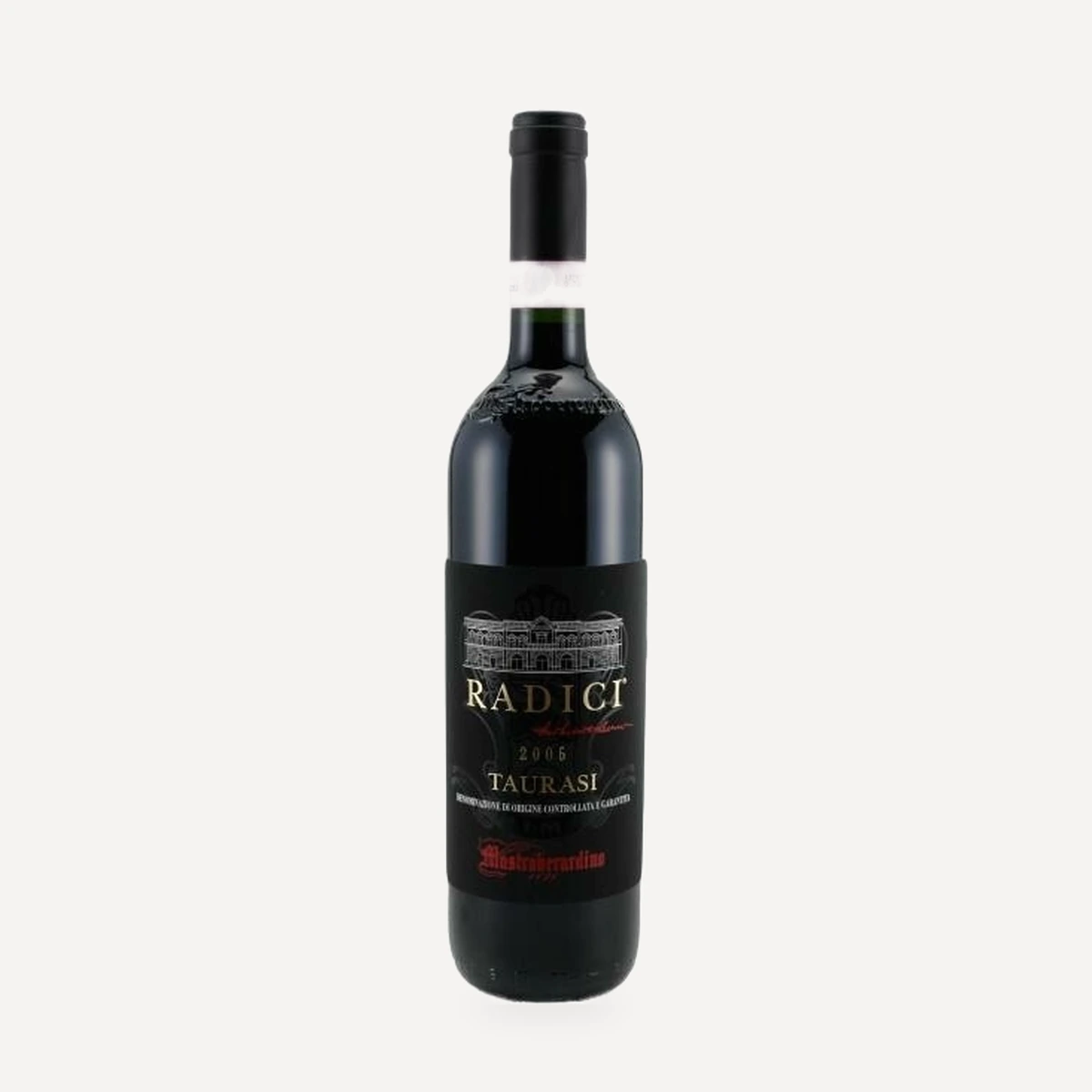
Radici Taurasi DOCG
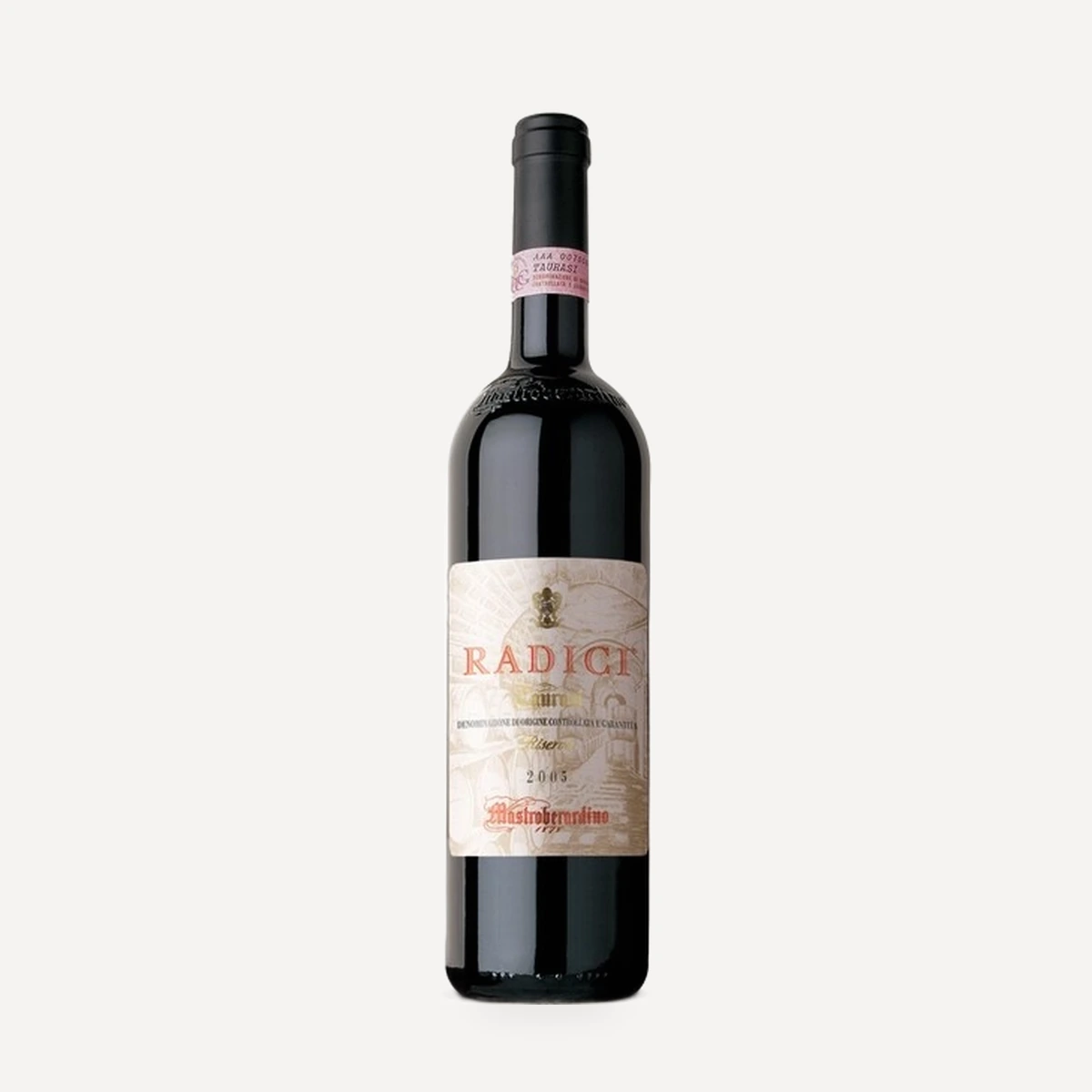
Radici Taurasi Riserva DOCG
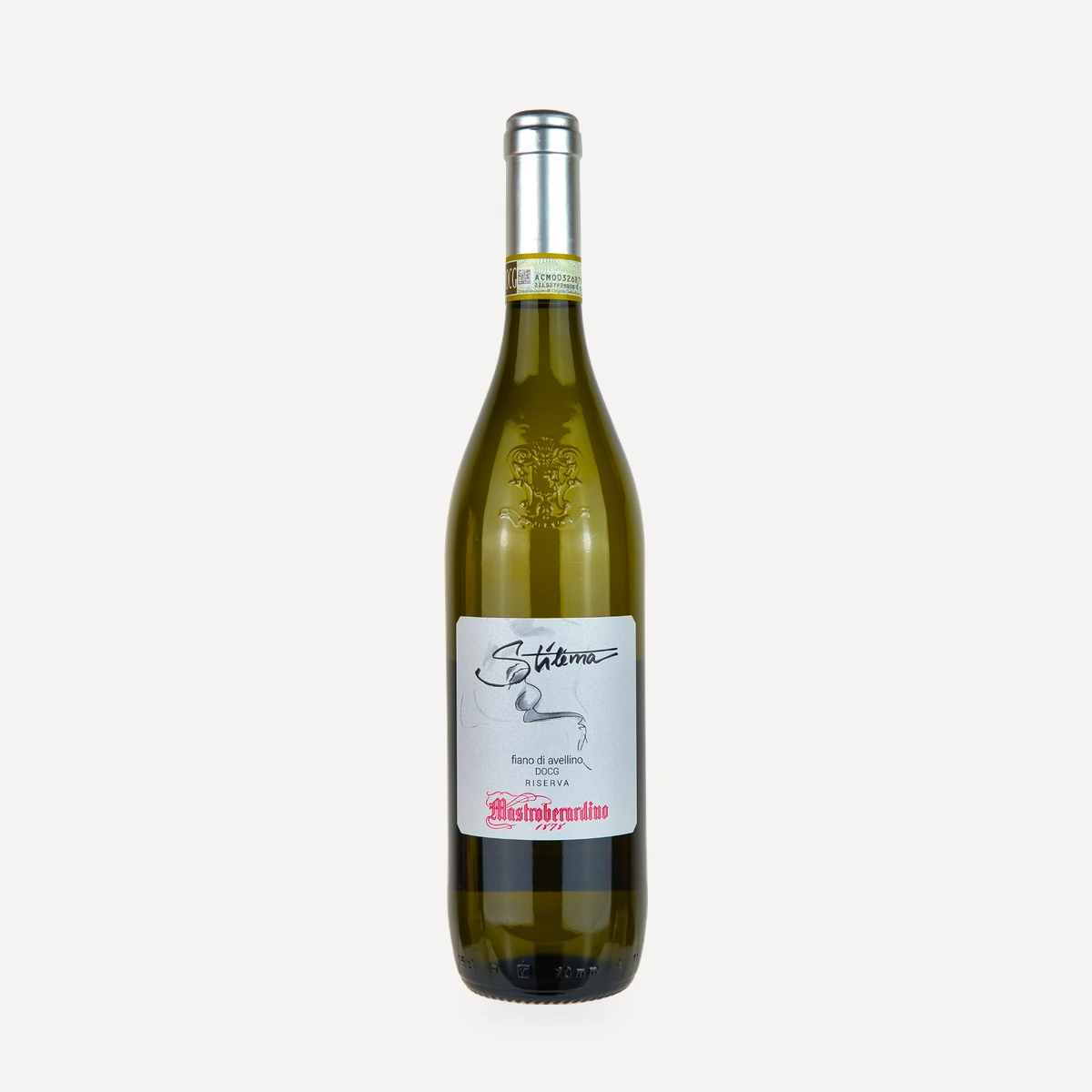
Stilèma Fiano di Avellino Riserva DOCG
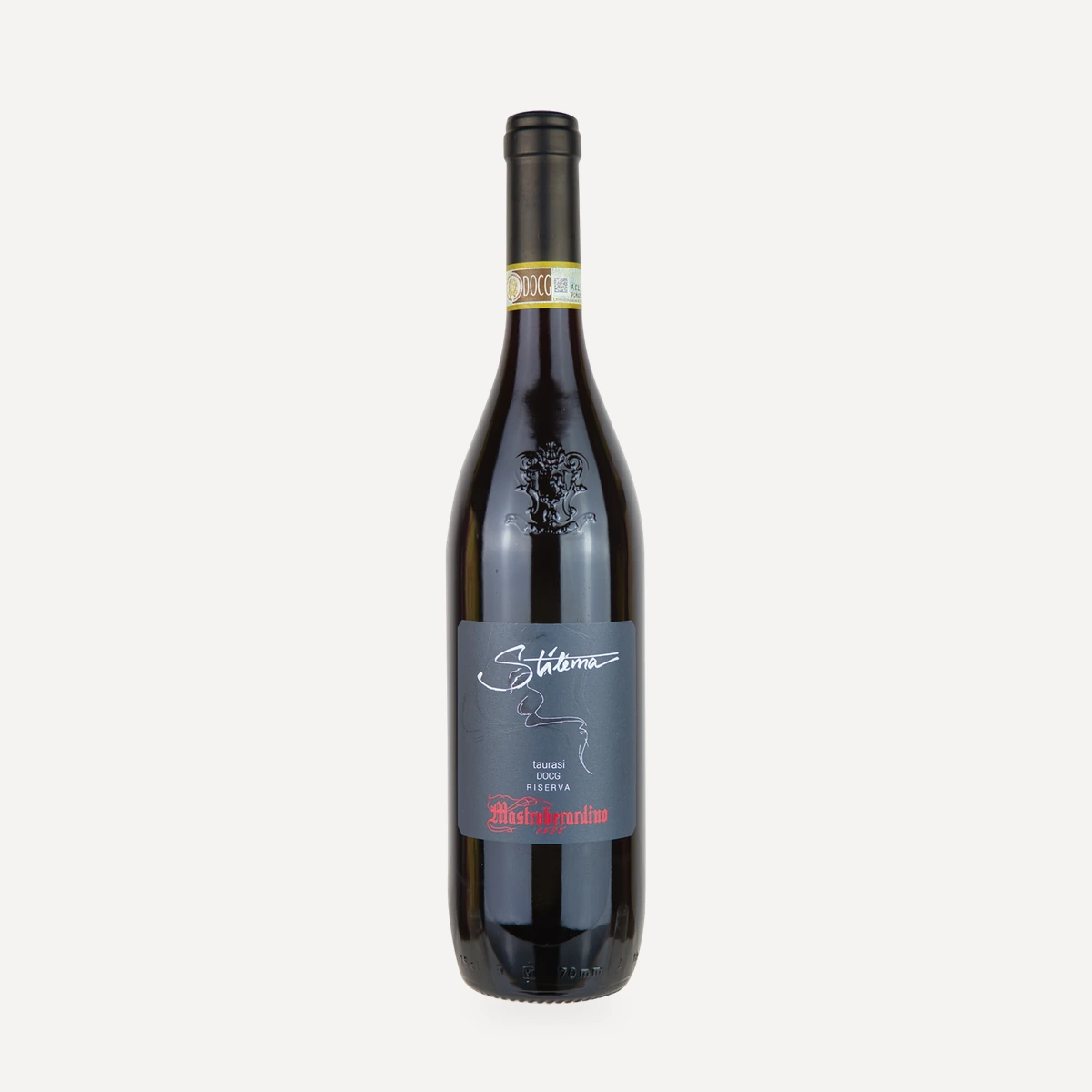
Stilèma Taurasi Riserva DOCG
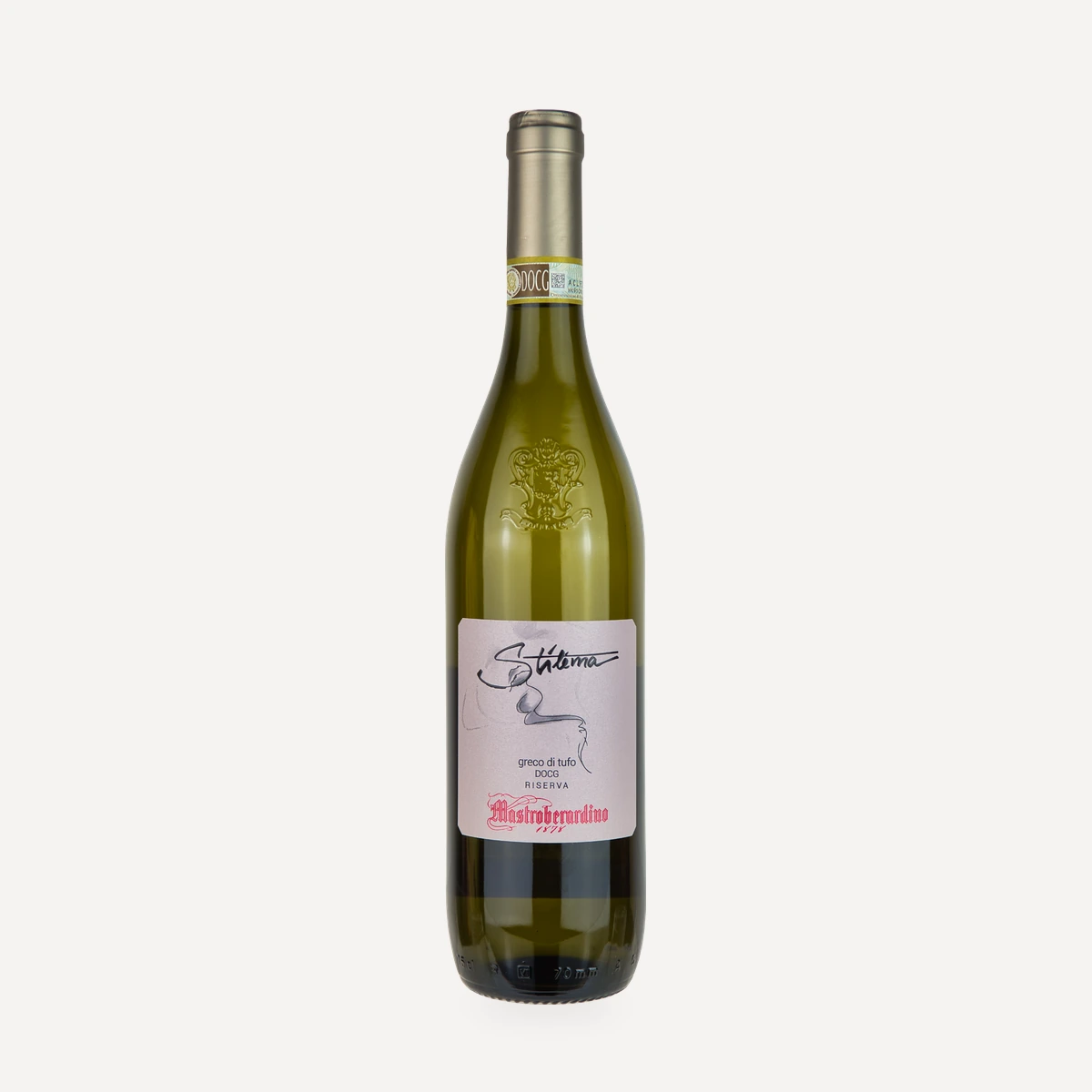
Stilèma Greco di Tufo Riserva DOCG
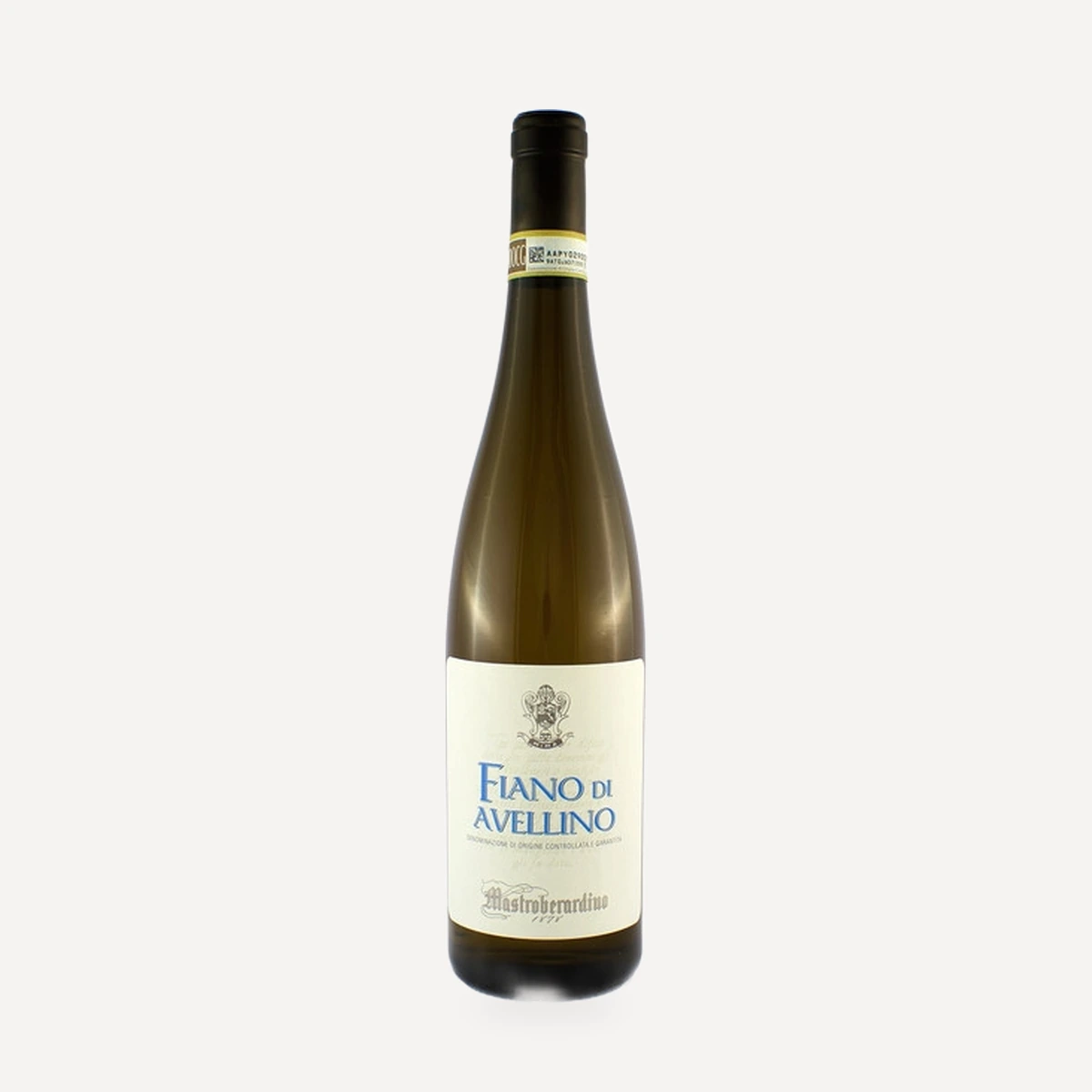
Fiano di Avellino DOCG
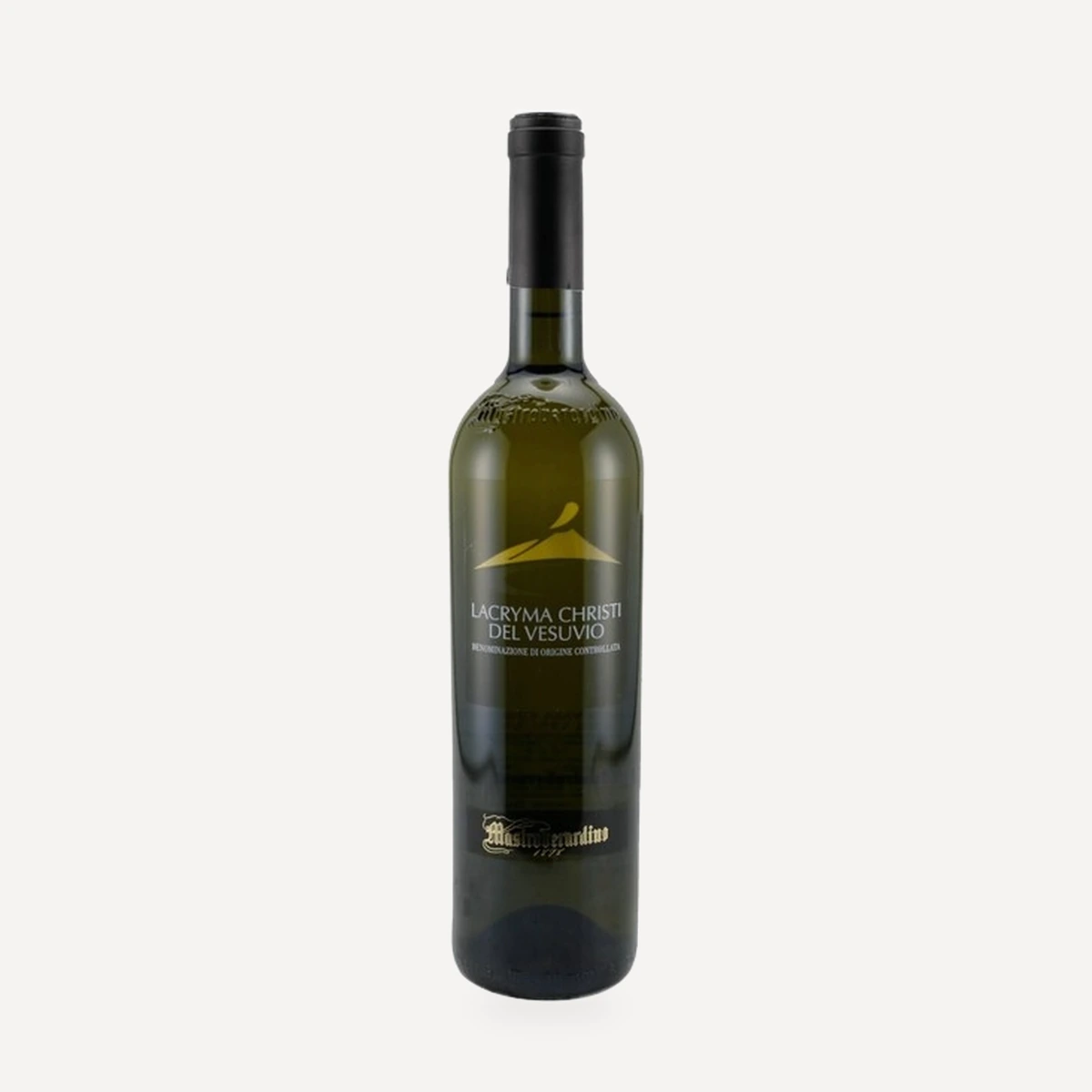
Lacryma Christi del Vesuvio Bianco DOC
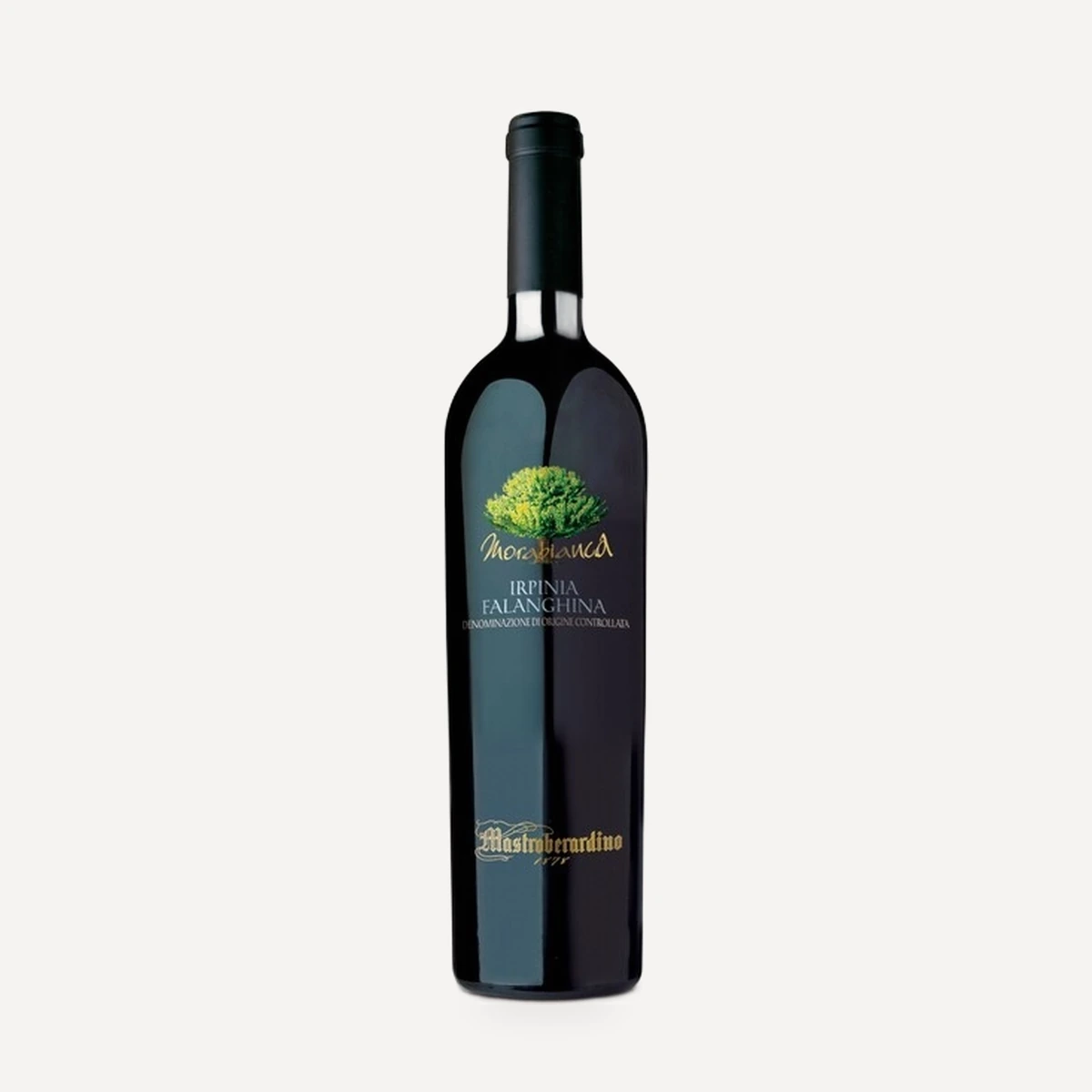
Morabianca Irpinia Falanghina DOC
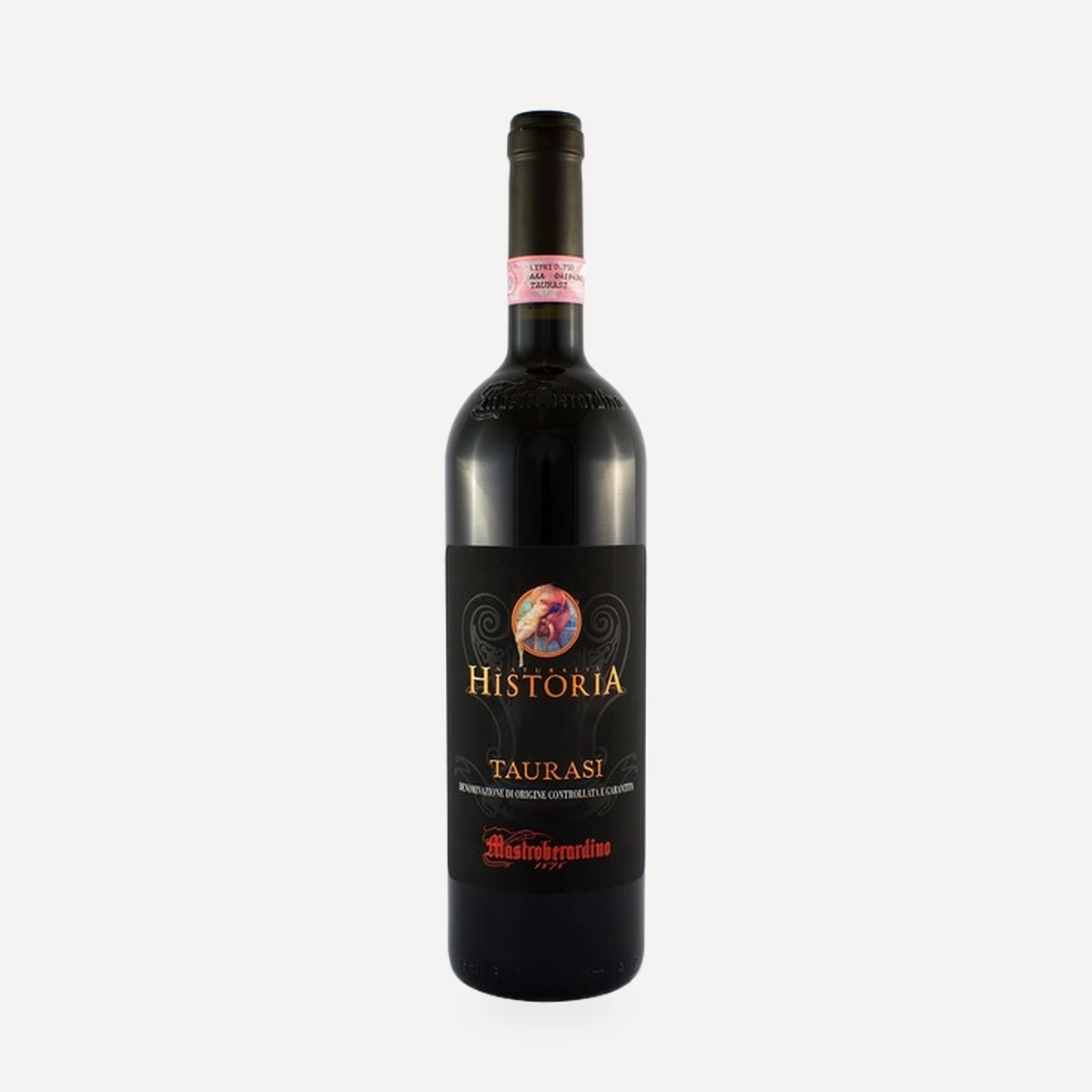
Naturalis Historia Taurasi Riserva DOCG
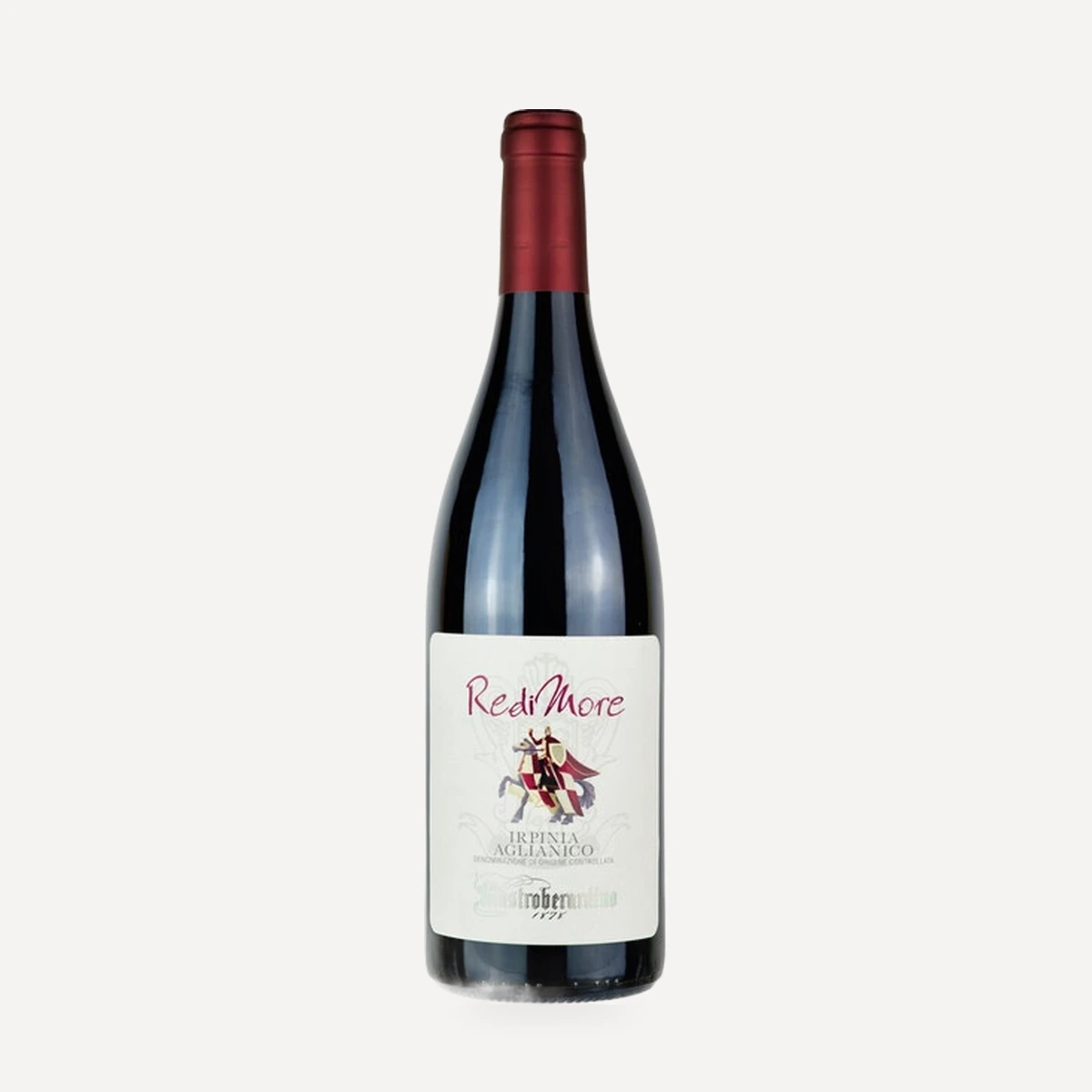
Redimore Irpinia Aglianico DOC
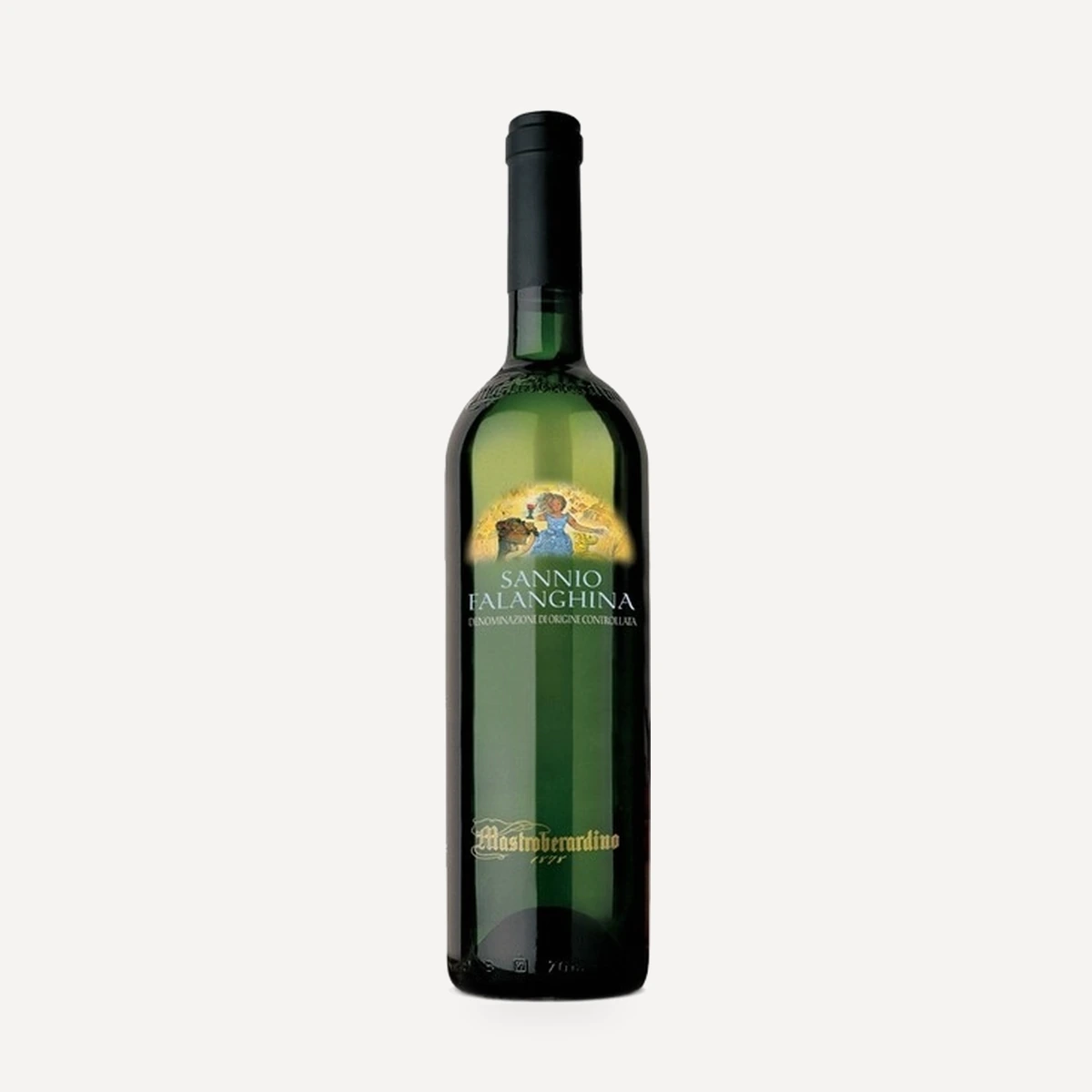
Falanghina del Sannio DOC
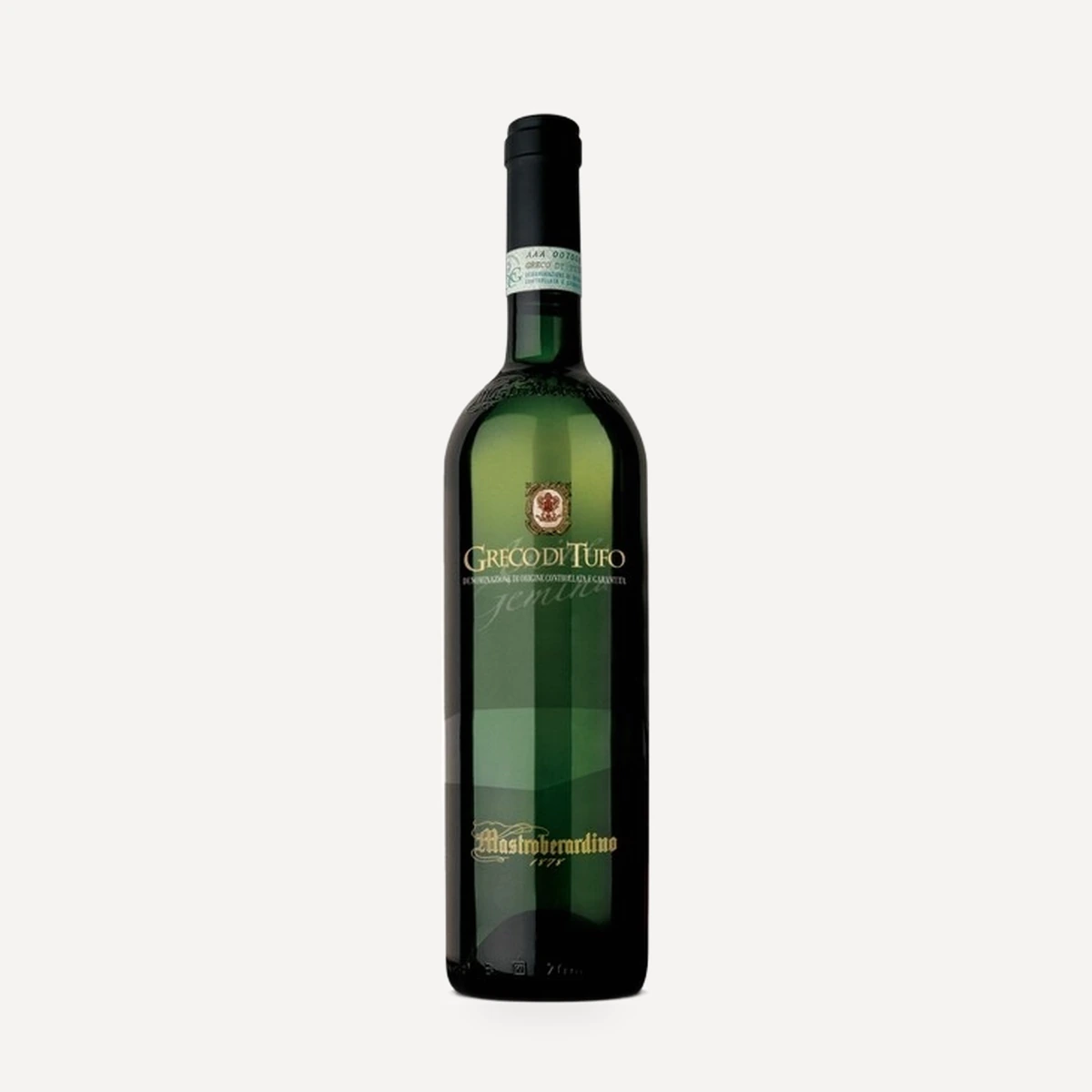
Greco di Tufo DOCG
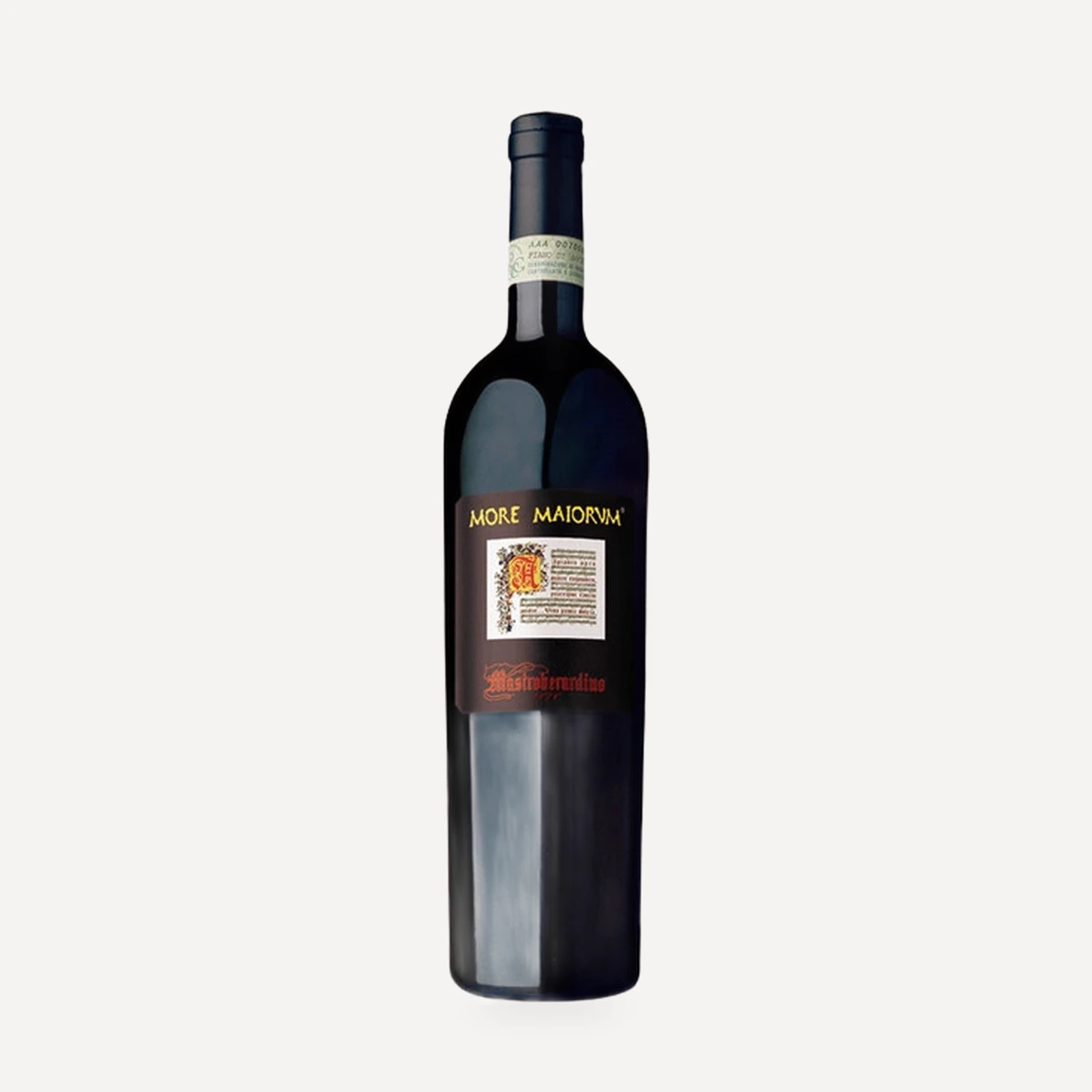
More Maiorum Irpinia Bianco DOC
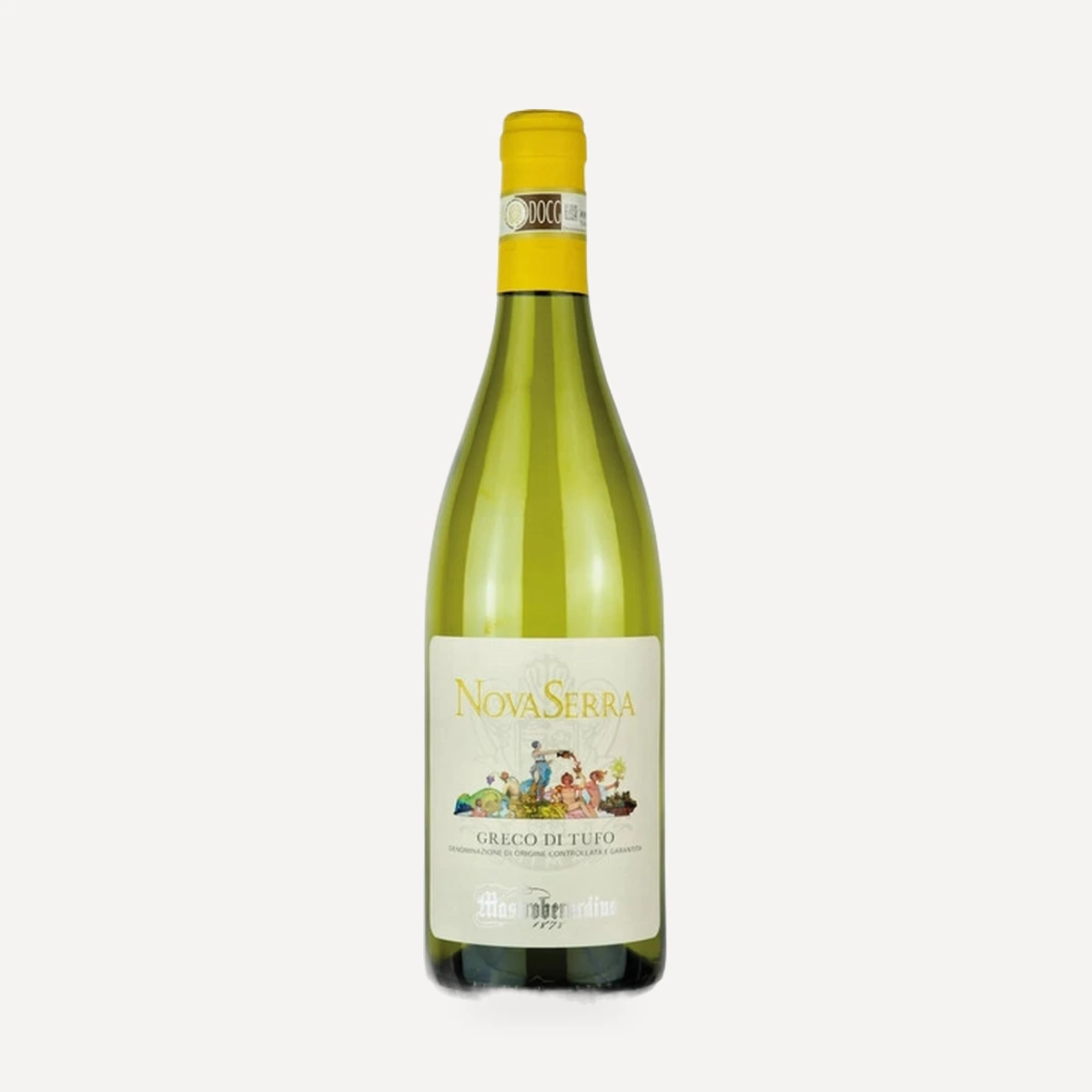
Novaserra Greco di Tufo DOCG
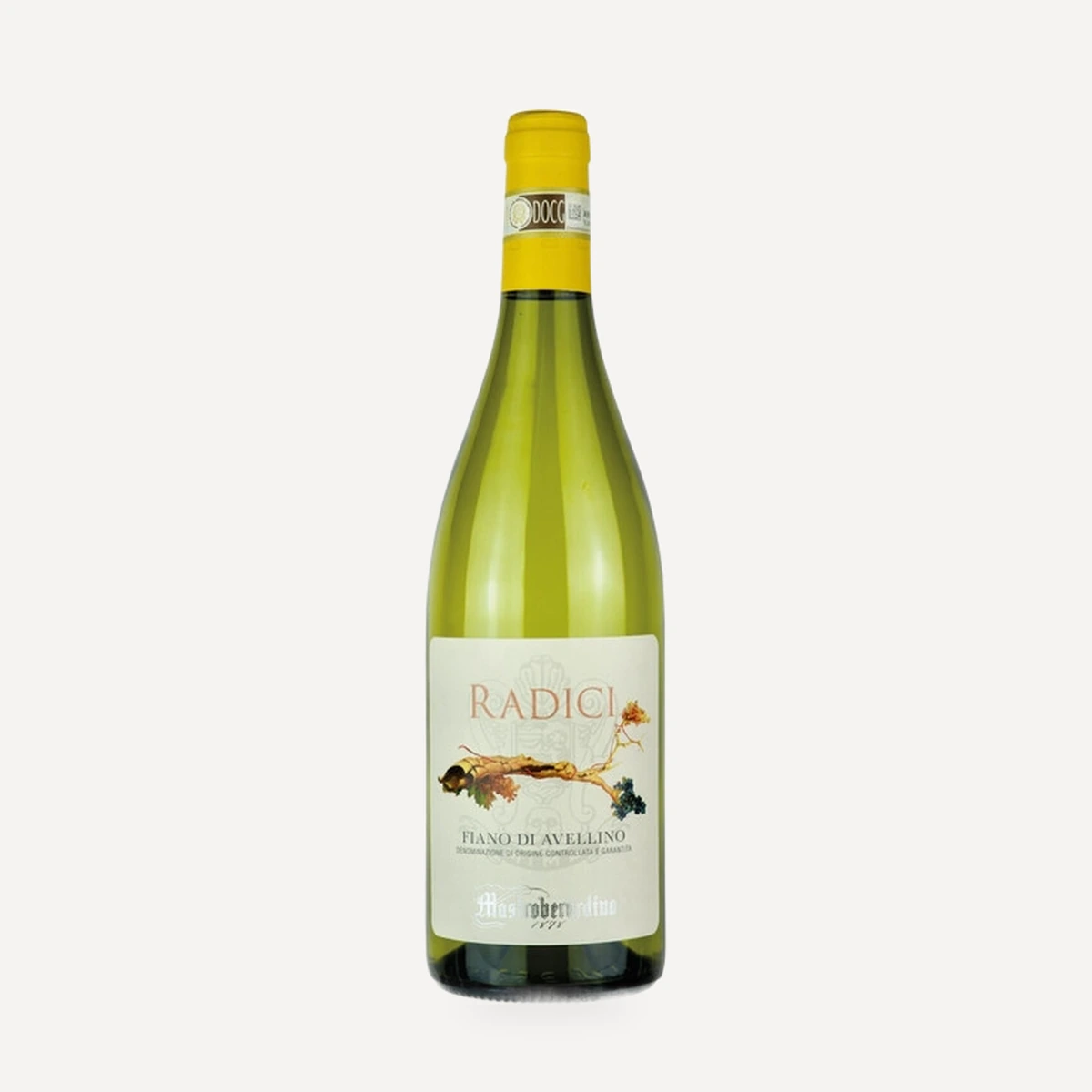
Radici Fiano di Avellino DOCG
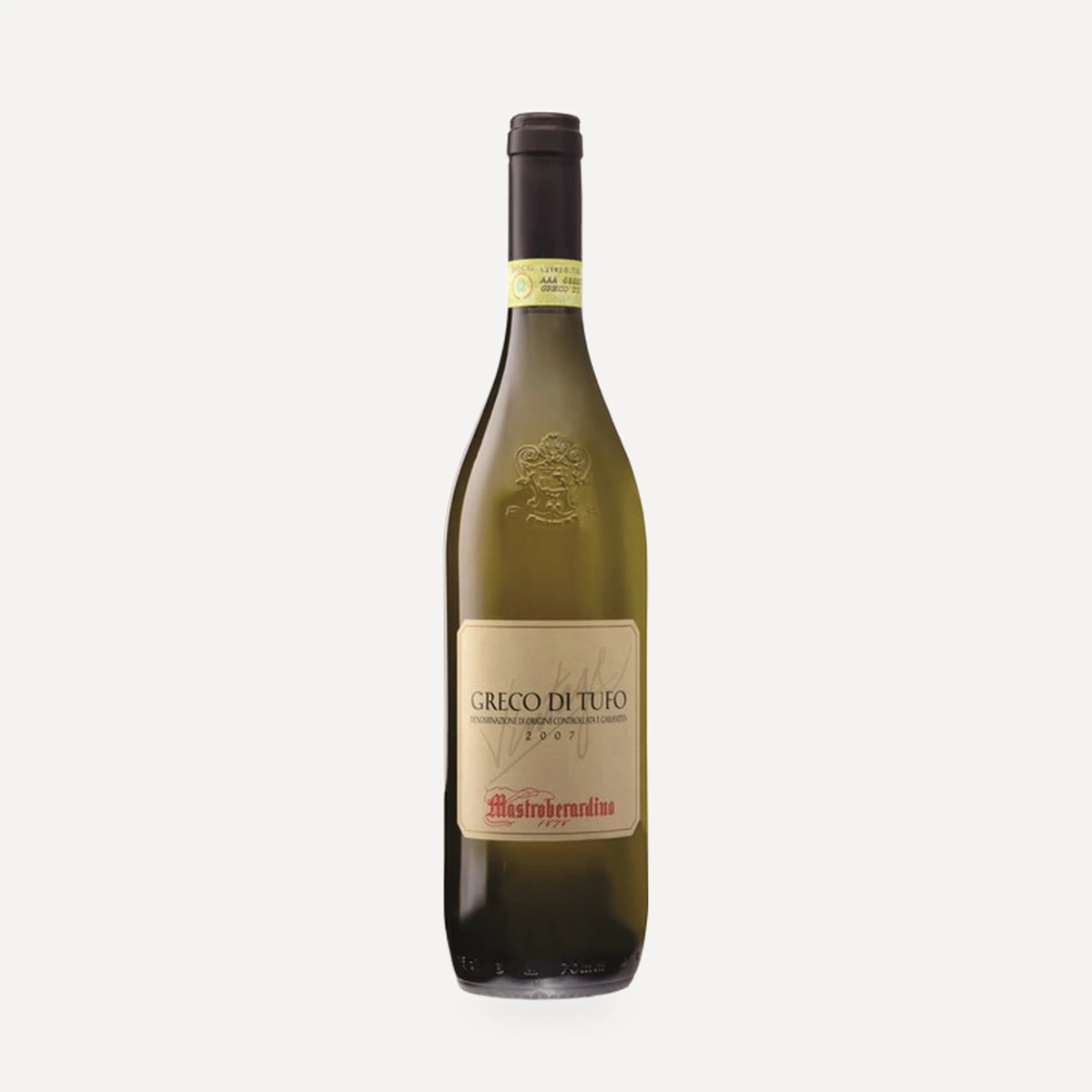
Greco di Tufo Vintage DOCG
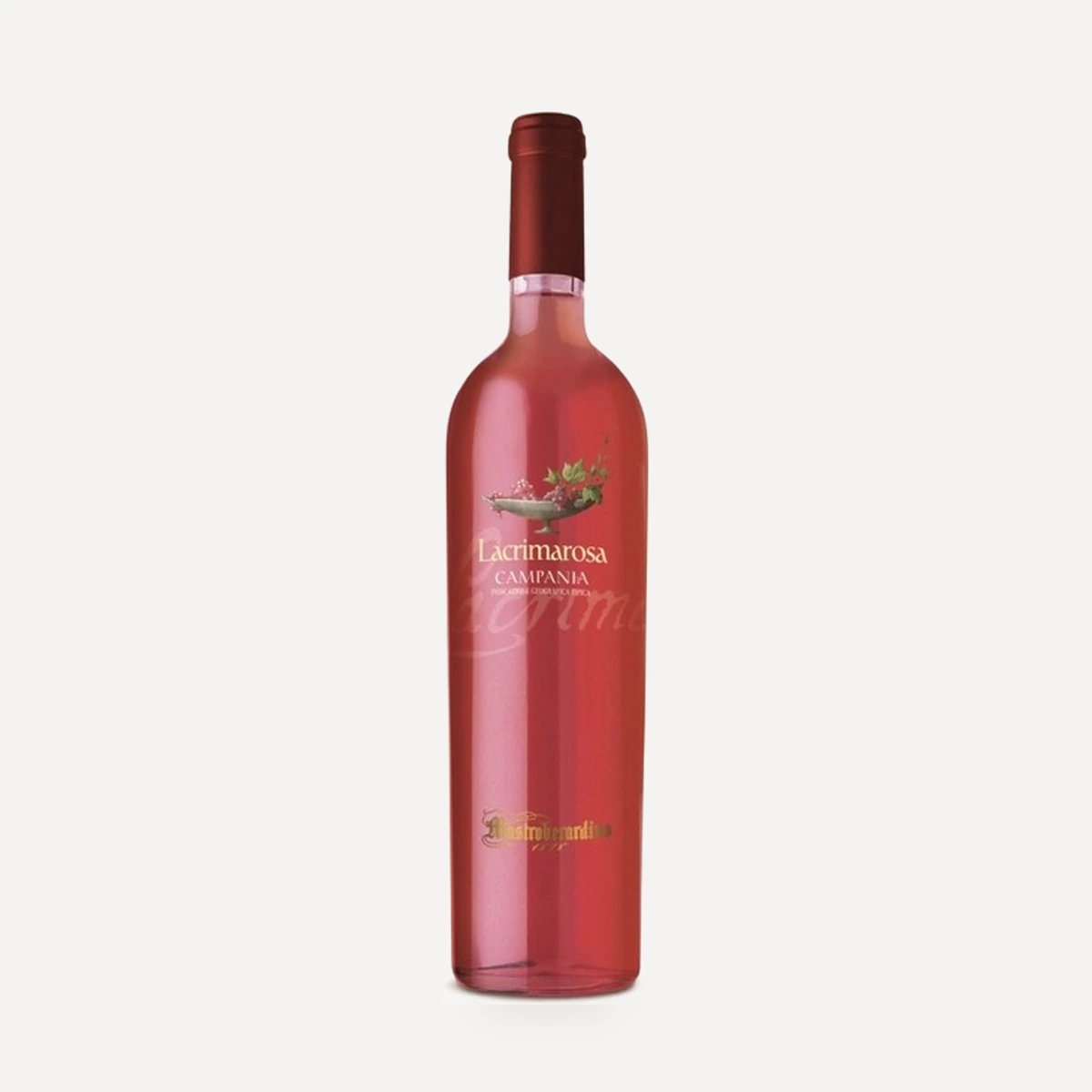
Lacrimarosa Irpinia Rosato DOC
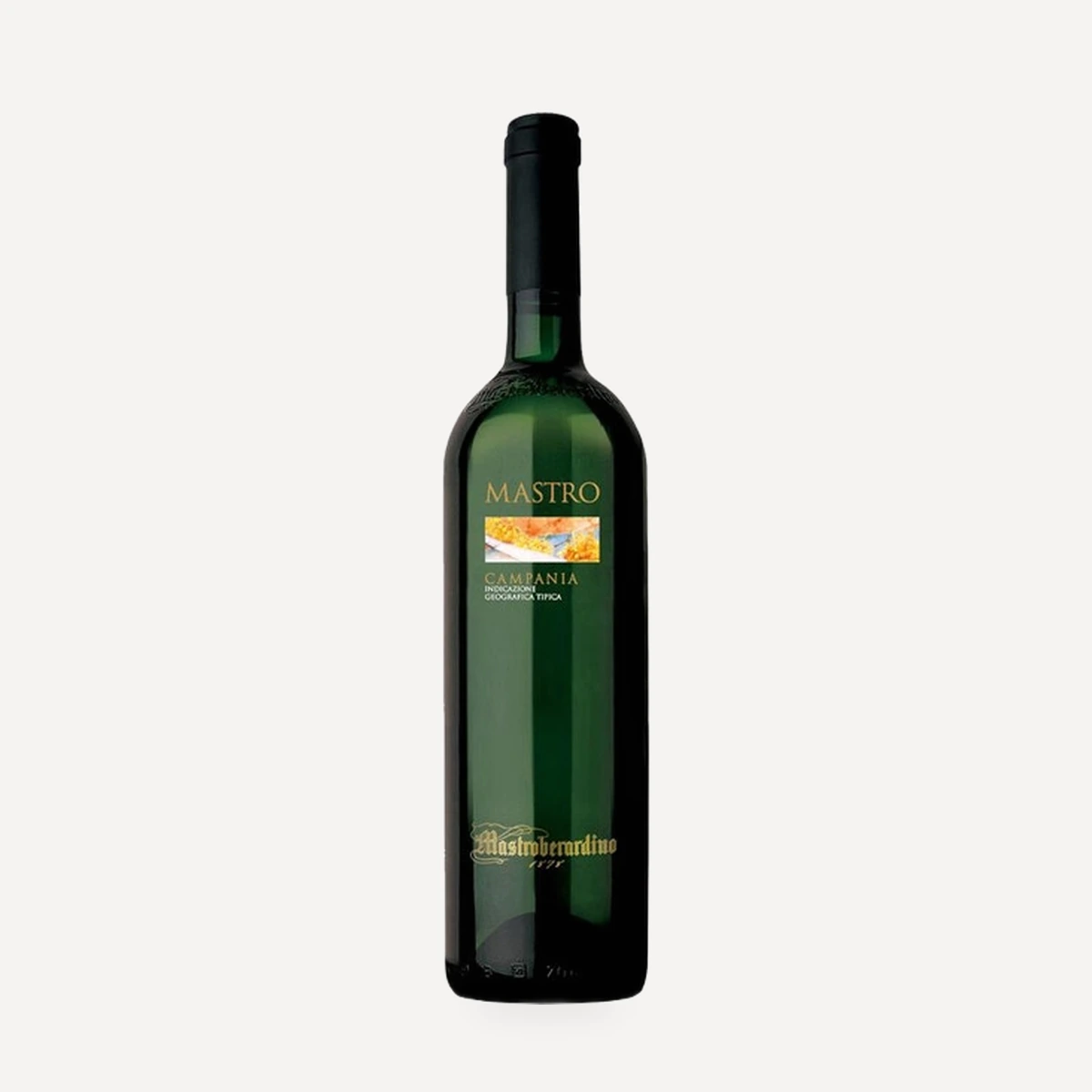
Mastro Bianco Campania IGT
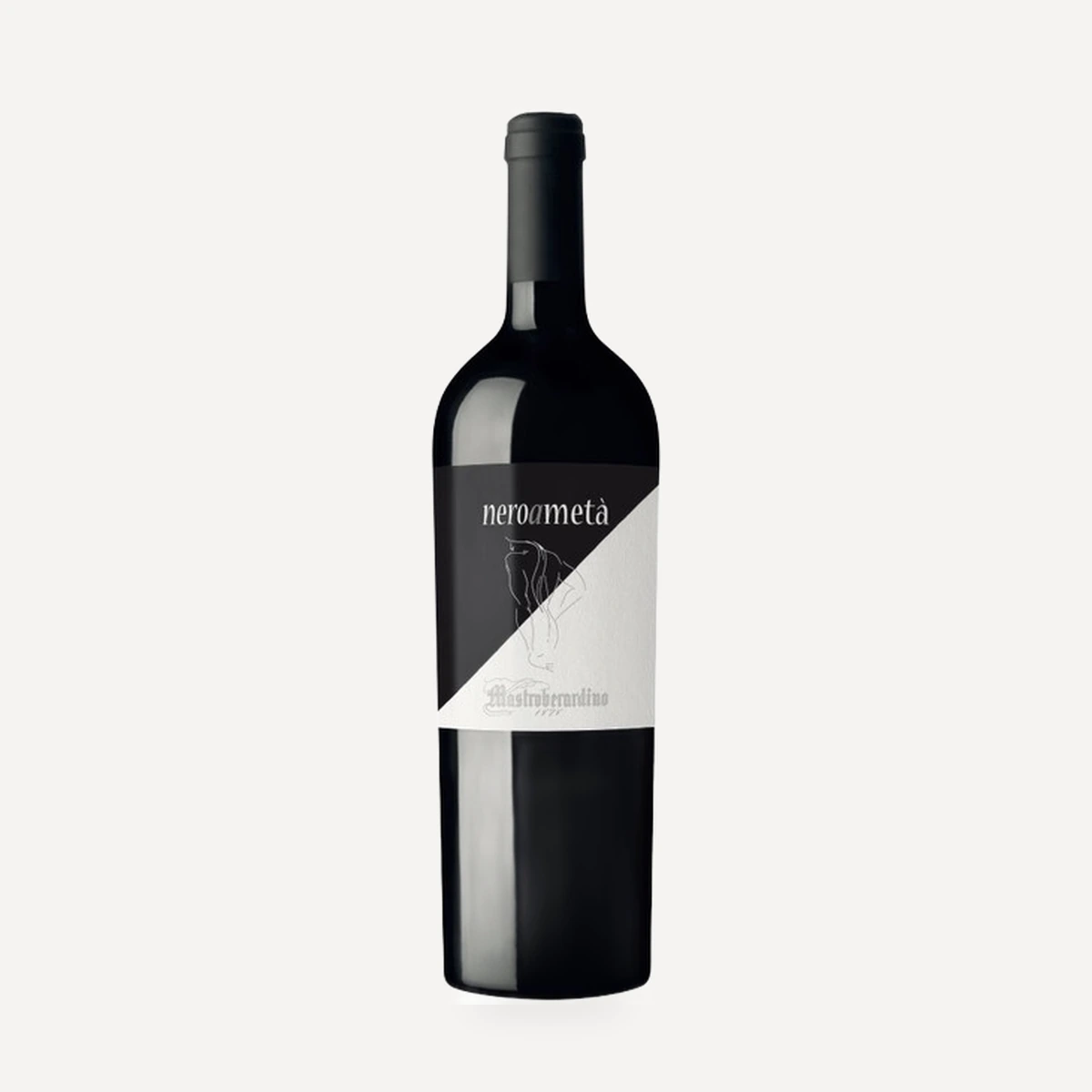
Neroametà Irpinia Aglianico vinificato in Bianco DOC