Storia
A family of growers
The Di Camillo family’s connection with farming and wine extends for more than a century and at least three generations. The family is locally known by the nickname Baldovino, a name associated with it for generations and now used for part of the wine range. Grandfather Luigi left both vineyards and old concrete tanks that remain central to the estate’s identity.
For many years, the family followed the cooperative model common in the Chieti countryside: it grew grapes primarily for delivery to the nearest cooperative winery, occasionally vinifying wine for sale in bulk. Domenico Di Camillo gradually rebuilt the family’s landholding by buying back small agricultural properties that had belonged to grandparents and other ancestors.
From bulk wine to direct sales
The transition from grape growing to an independent wine business was gradual. After negative experiences in which payment for large consignments failed to arrive, Domenico sought to reduce the family’s commercial risk through direct sales. The family first opened a shop in Chieti selling bulk wine, with Tiziana Di Camillo taking responsibility for the outlet. Domenico subsequently began bottling wine in the early 2000s.
The independent project that became I Fauri began in the late 1990s, after the family’s long period supplying the cooperative system. The original business name was Azienda Agricola Domenico Di Camillo, but the presence of other businesses with the same name encouraged the family to adopt a more distinctive identity.
The origin of I Fauri
During excavations for the replanting of a vineyard around 2002, the family uncovered remains associated with an early Christian monastery of the Roman period. A surviving architectural stone depicts two lions facing a ram, interpreted as a symbol of resurrection; this image became the estate’s logo. An inscription referred to the community of friars who founded and inhabited the monastery as the fauri. Roman wine vessels, or dolia, were also found by the family, linking the property with the area’s much older agricultural and winemaking past.
The third generation
Valentina and Luigi Di Camillo participated in estate life from childhood, although neither initially appeared certain to pursue the family profession. Luigi chose enology at Perugia and continued his education through the inter-university program associated with Padua, studying at Conegliano, San Michele all’Adige and Verona. His decision encouraged Valentina, who had already graduated in Pharmaceutical Chemistry and Technology and found work with a large company in Lazio, to change direction and study Enology and Viticulture at Mosciano Sant’Angelo.
Luigi returned home in 2006. Domenico then made a clear generational transfer: Luigi assumed responsibility for cellar production, while Valentina took charge of sales, marketing, hospitality and communication. Domenico concentrated on agronomy and the vineyards, and Tiziana continued to manage the estate shop and support the daily life of the team.
Cellar development and a changing style
The family restored and retained grandfather Luigi’s old concrete vats, adding modern stainless-steel fermenters while using wood sparingly. By 2019, production was divided between Ari—where the stainless-steel fermenters and large concrete vats stood—and Chieti, where final preparation and bottling took place. The family’s stated objective was to bring the complete process back to Ari, its place of origin.
During the later 2010s, the cellar moved away from an overtly academic style focused on technically polished wines and toward a more spontaneous, experimental approach. Concrete, previously associated chiefly with red-wine production, was extended to Cerasuolo and white wines. Spontaneous fermentations were adopted when conditions allowed.
Hospitality and organic certification
In 2018, the family began receiving guests at Baldovino, an accommodation project created in the Ari house where Valentina and Luigi’s grandfather was born. The project restored a building that had served the family for decades as a gathering and lunch place during harvest. By 2019, work was under way to enlarge the tasting room and add an all-season veranda, shop and swimming pool.
The vineyards entered organic conversion during the late 2010s. The process culminated in organic certification for the 2021 vintage, presented as a necessary step toward greater respect for the natural environment and vineyard ecosystem.
Terroir
I Fauri’s vineyards lie in the province of Chieti, across hills descending from the Maiella massif toward the Adriatic Sea. The average stated elevation is approximately 250 metres above sea level. The defining geographical contrast is between the nearby mountains and the coast: the family associates the mountains with strength and the Adriatic with acidity and freshness.
The vineyards are distributed among Chieti, Francavilla al Mare, Miglianico, Ari, Bucchianico and Villamagna. These are relatively small former peasant holdings inherited from ancestors or reacquired by Domenico, generally within about a 15-minute drive of one another. The spread of sites gives the estate multiple individual soils and expressions rather than one contiguous vineyard.
Clay-calcareous soils are documented at sites used for Montepulciano, Trebbiano, Passerina and Pecorino, including Villamagna, Miglianico, Chieti and Vigna Santa Cecilia at Francavilla al Mare. Sandy soils also occur at Francavilla al Mare, while a clay-sandy combination is associated with vineyards at Francavilla al Mare and Ari. The Francavilla holding was described as the largest, at approximately 10 ha. A separate sloping 4 ha vineyard adjoins the family’s old stone house at Villamagna.
The estate’s choice of sites is guided by the suitability and quality of the land. Each vineyard is treated as having its own identity and expression, while the overall aim is to combine varietal power and mountain influence with the freshness associated with the sea.
Vinificazione
The estate completed organic conversion with certification for the 2021 vintage. This was conceived as the conclusion of a long process intended to protect the natural environment and vineyard ecosystem and to bring sound, concentrated grapes to harvest.
Earlier descriptions characterize the vineyard regime as integrated management positioned between conventional and organic farming, with plant-protection interventions reduced to a minimum. The family’s approach emphasizes direct agricultural work, close supervision by Domenico Di Camillo and the selection of sites with appropriate soils and individual identities.
Training varies by vineyard and variety. Documented systems include the traditional Abruzzese tendone, single curtain and rows with spur pruning. Stated planting densities range from approximately 1,600 to 3,000 vines per hectare. Published yields for the principal sites range from about 8 to 12 tonnes per hectare, with approximately 13 tonnes per hectare reported for one entry-level Montepulciano source.
The working cellar is in Ari, the small Chieti-province commune where the Di Camillo family originated. Its core equipment combines old concrete vats inherited from grandfather Luigi—restored and carefully maintained—with modern stainless-steel fermenters. Wooden vessels have traditionally been used sparingly.
By 2019, fermentation took place at Ari in stainless steel and large concrete vats, while final preparation and bottling were carried out in Chieti. The family’s objective was to reunite the entire process at Ari.
Still white and red wines are principally vinified in stainless steel and concrete. The use of concrete was progressively expanded beyond red wines to include Cerasuolo and whites. The cellar’s stylistic development moved from a more academic, technically polished approach toward more spontaneous and experimental work; spontaneous fermentations are used when possible.
Wood is reserved for small quantities and favourable harvests. A limited Montepulciano selection, historically amounting to roughly 5,000–6,000 bottles, received time in wooden casks described in 5-, 10- and 12-quintal formats. The estate avoids routine or conspicuous oak influence because it does not want wood-derived aromas to obscure grape character.
In 2019, approximately half of production was bottled and the other half was sold as bulk wine through the Chieti shop. The overall bottled output was reported at approximately 200,000 bottles in 2018.
Filosofia
I Fauri defines itself first as a family and as a group of farmers, with wine understood as both a profession and a way of life. Its identity joins inherited rural knowledge with the decisions of a younger, formally trained generation.
The family’s stated objective is to preserve rural roots and local wine traditions while improving quality and communicating Abruzzo beyond the region. Valentina Di Camillo connects wine with memories of her father, grandfather and great-grandfather sharing handmade food and wine around the family table.
Varietal expression is a central principle. Oak is deliberately restrained so that it does not cover the aromas of the grapes. The wines are intended to express their varieties, land and farming traditions while remaining gastronomic, accessible and suited to everyday meals. The estate describes this accessibility not as a lesser ambition but as a reflection of its own habits as the first consumer of its wines.
The vineyards are understood through the contrast between the Maiella and the Adriatic: mountain strength and varietal power are balanced by coastal freshness and acidity. The diversity of the dispersed sites presents both a practical challenge and an opportunity to learn from distinct soils and identities.
Organic certification, minimal plant-protection intervention and respect for the vineyard ecosystem form the environmental dimension of this philosophy. In the cellar, restored concrete, stainless steel, limited wood and spontaneous fermentation where possible support a move toward less academic and more spontaneous expression.
Vini
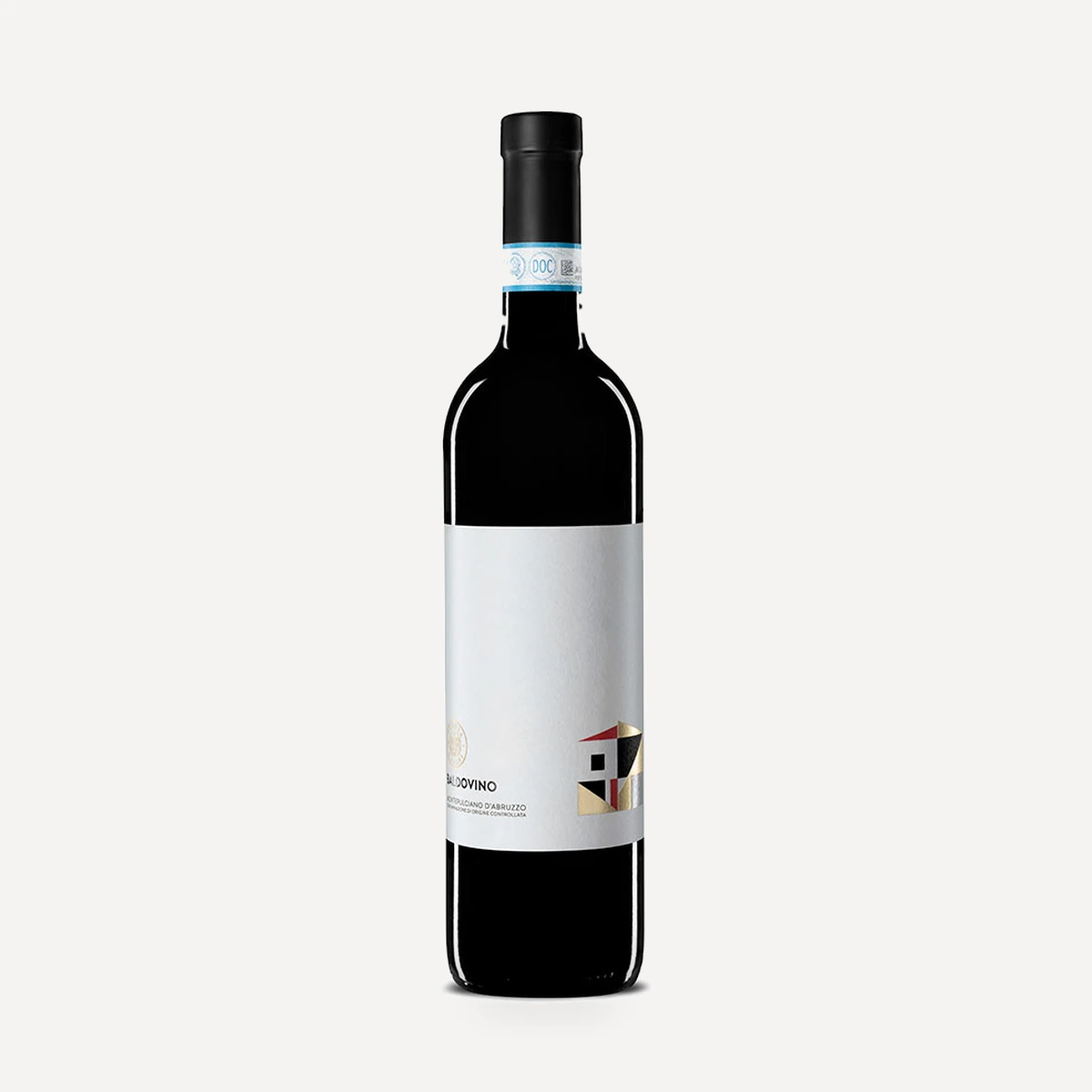
Baldovino Montepulciano
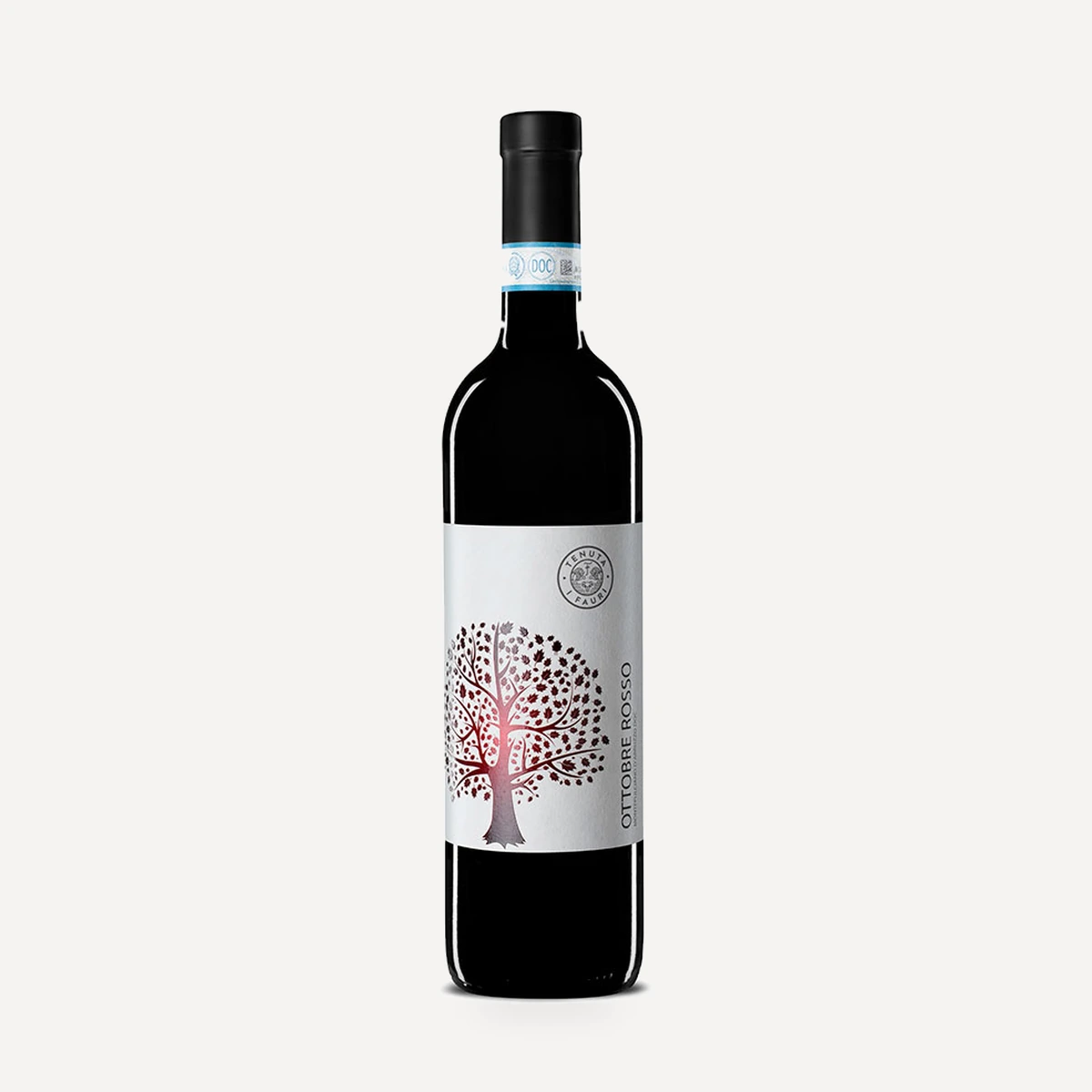
Ottobre Rosso
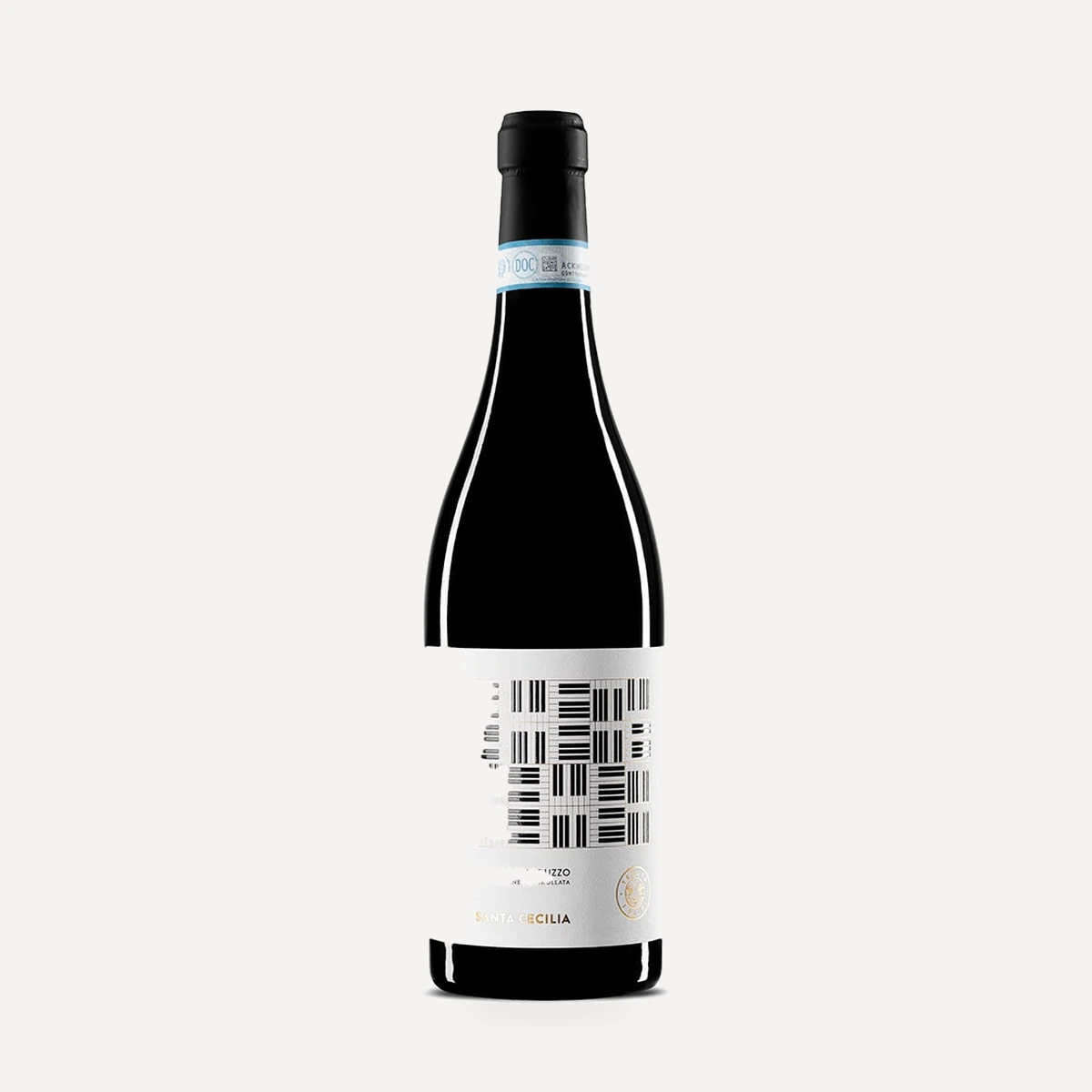
Riserva Vigna Santa Cecilia
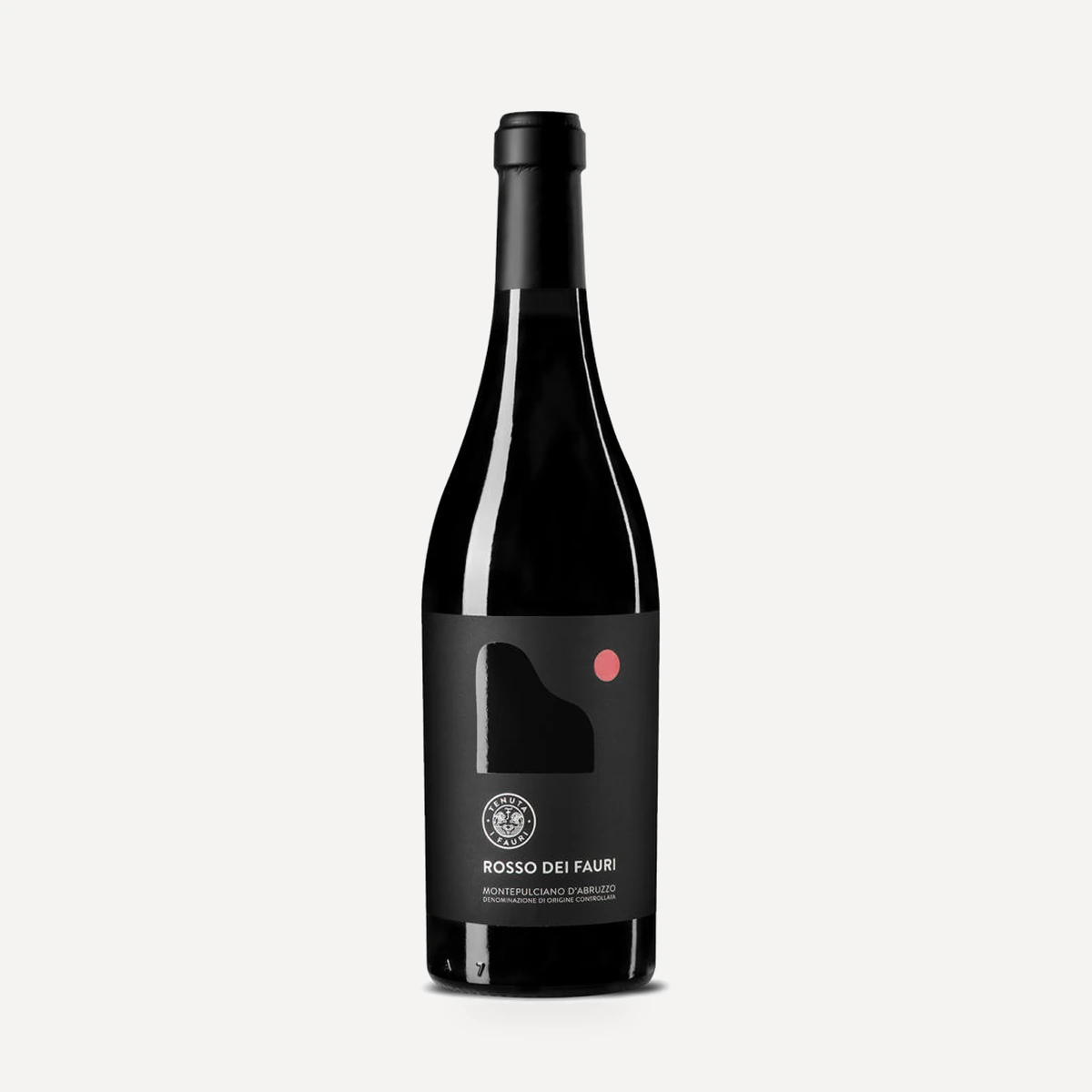
Rosso dei Fauri
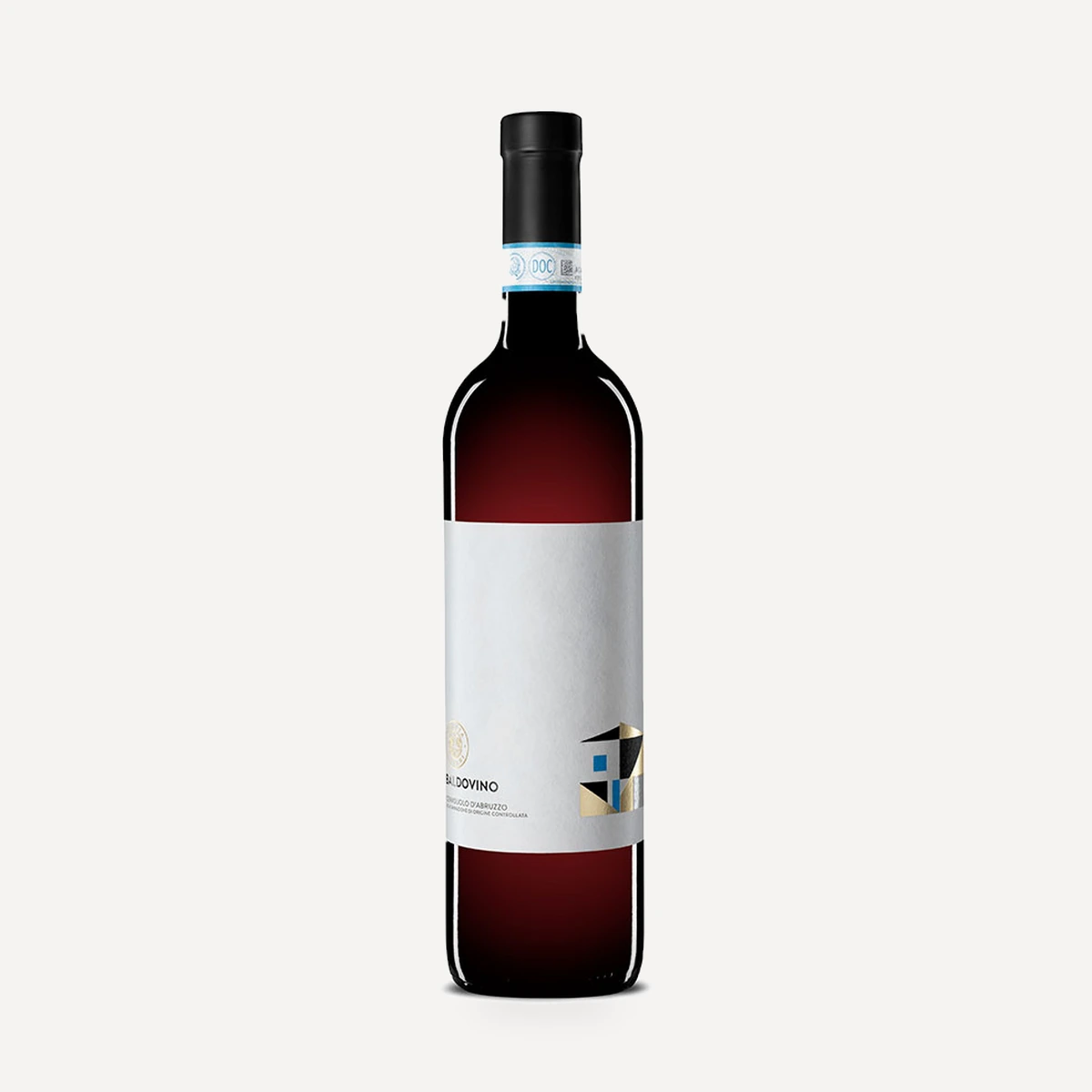
Baldovino Cerasuolo
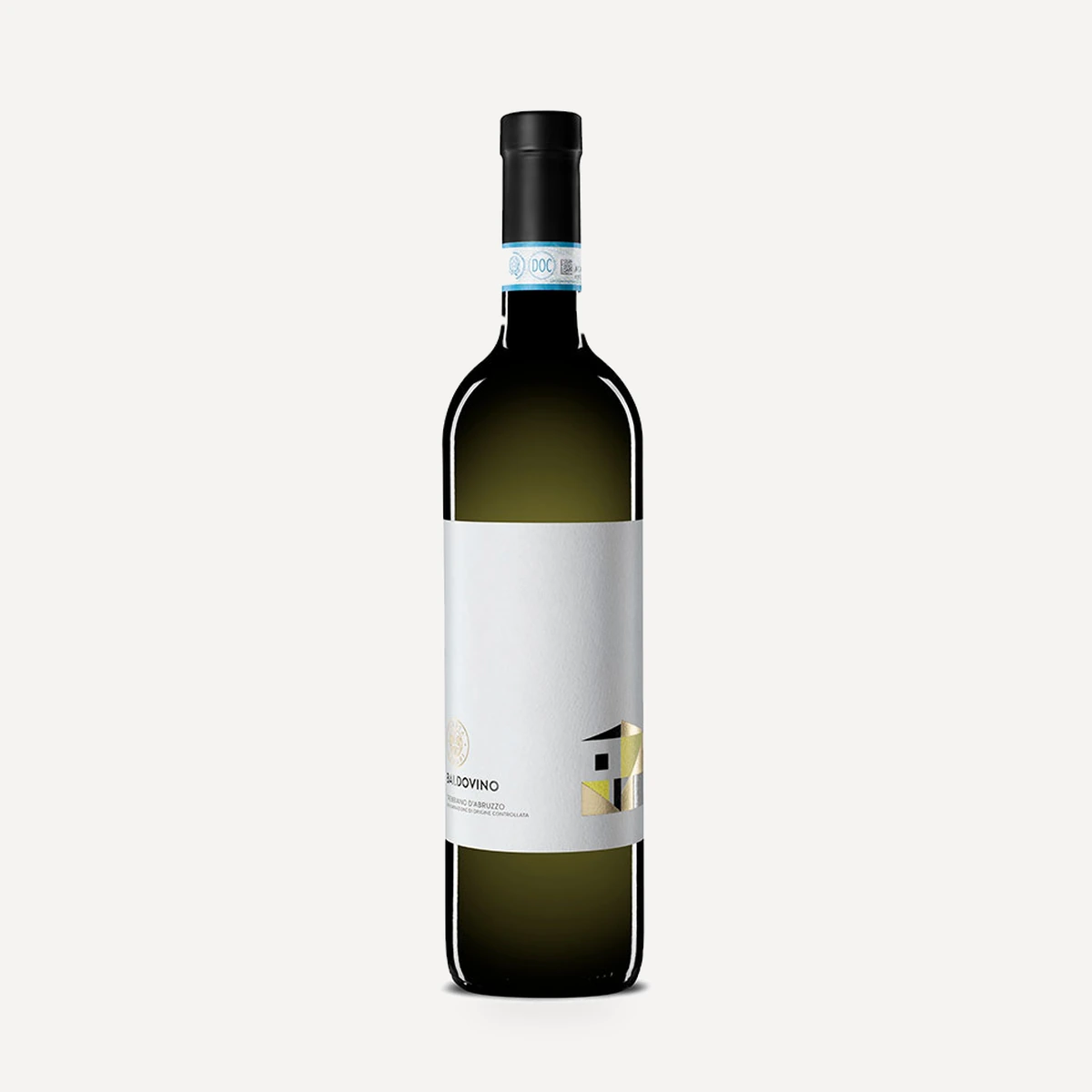
Baldovino Trebbiano
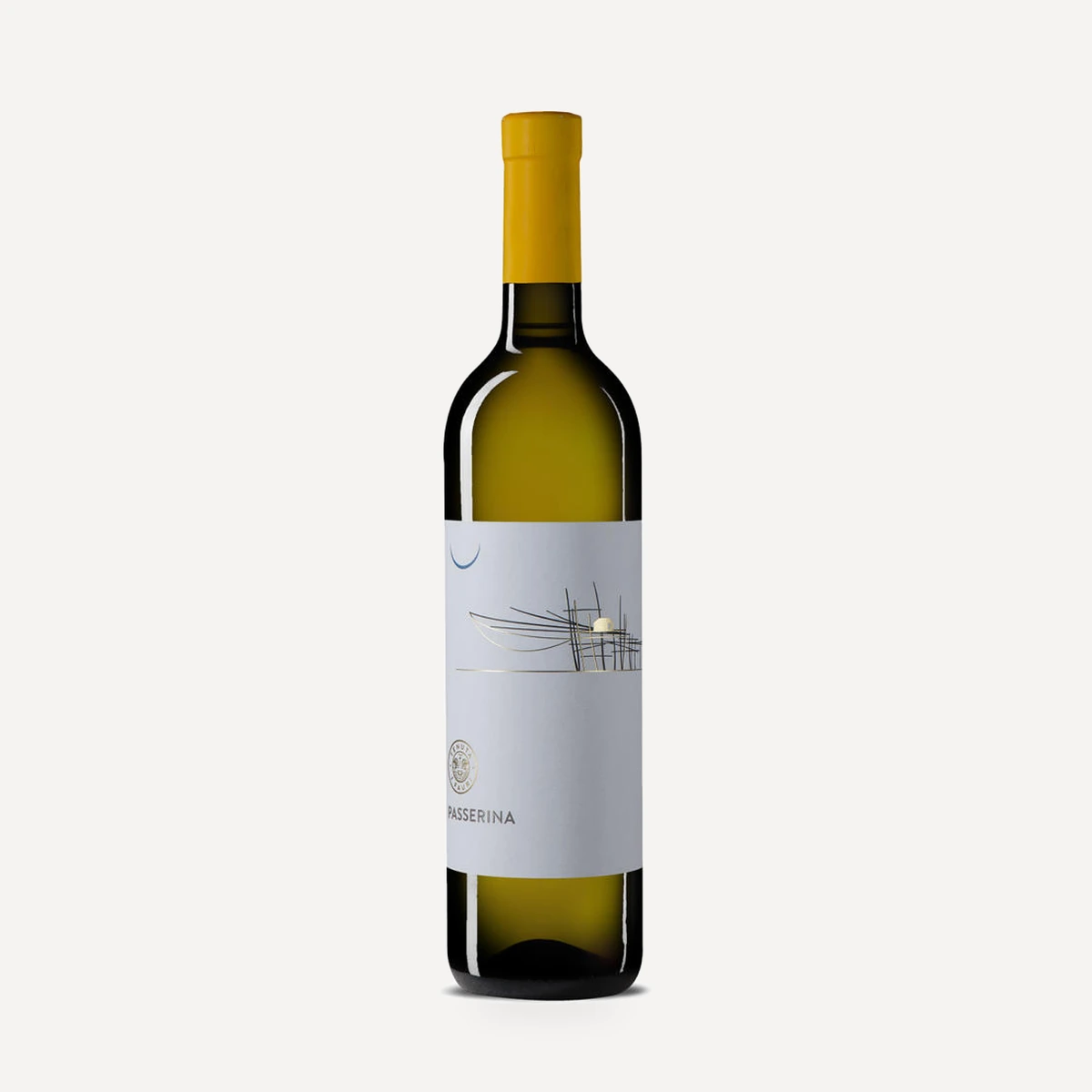
Passerina
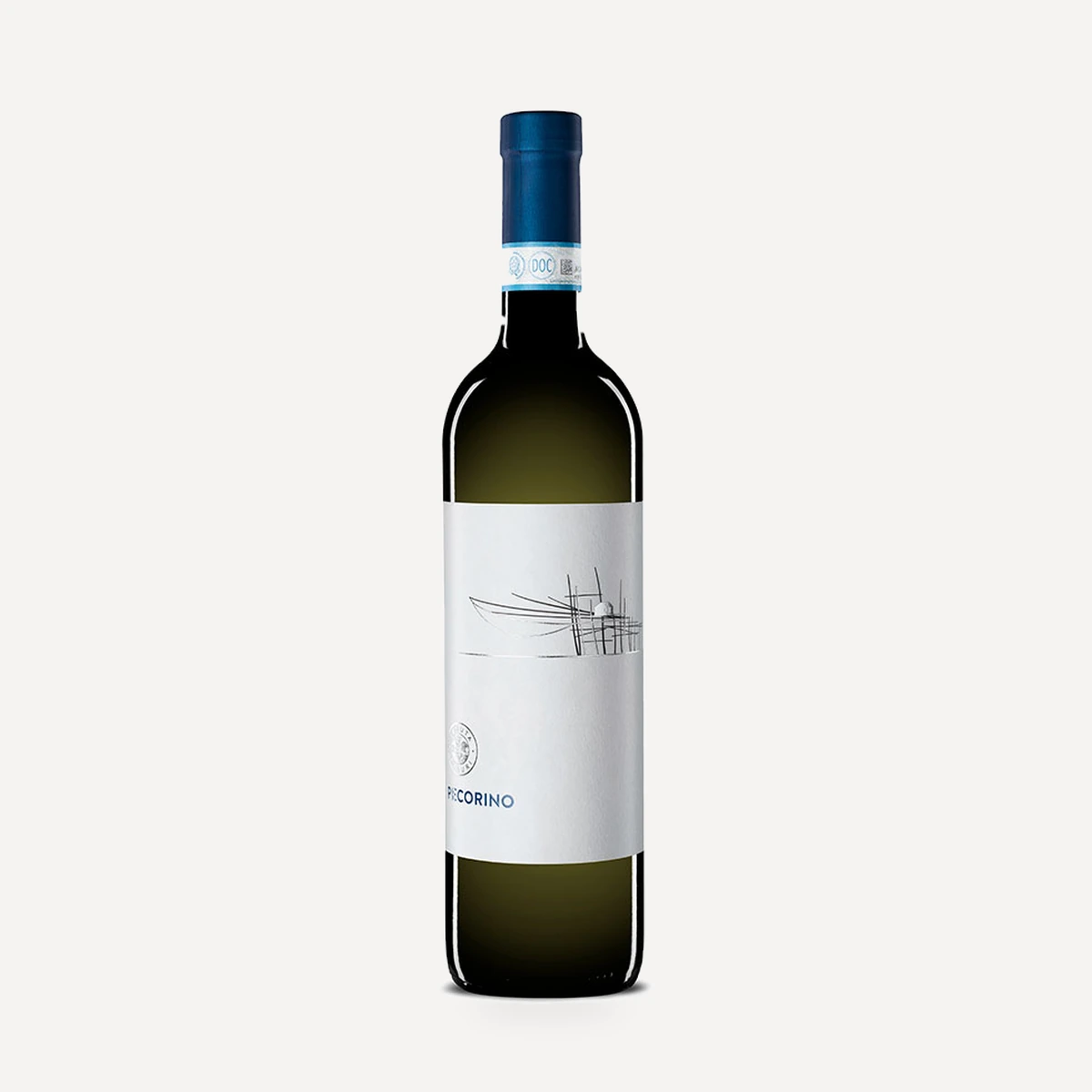
Pecorino
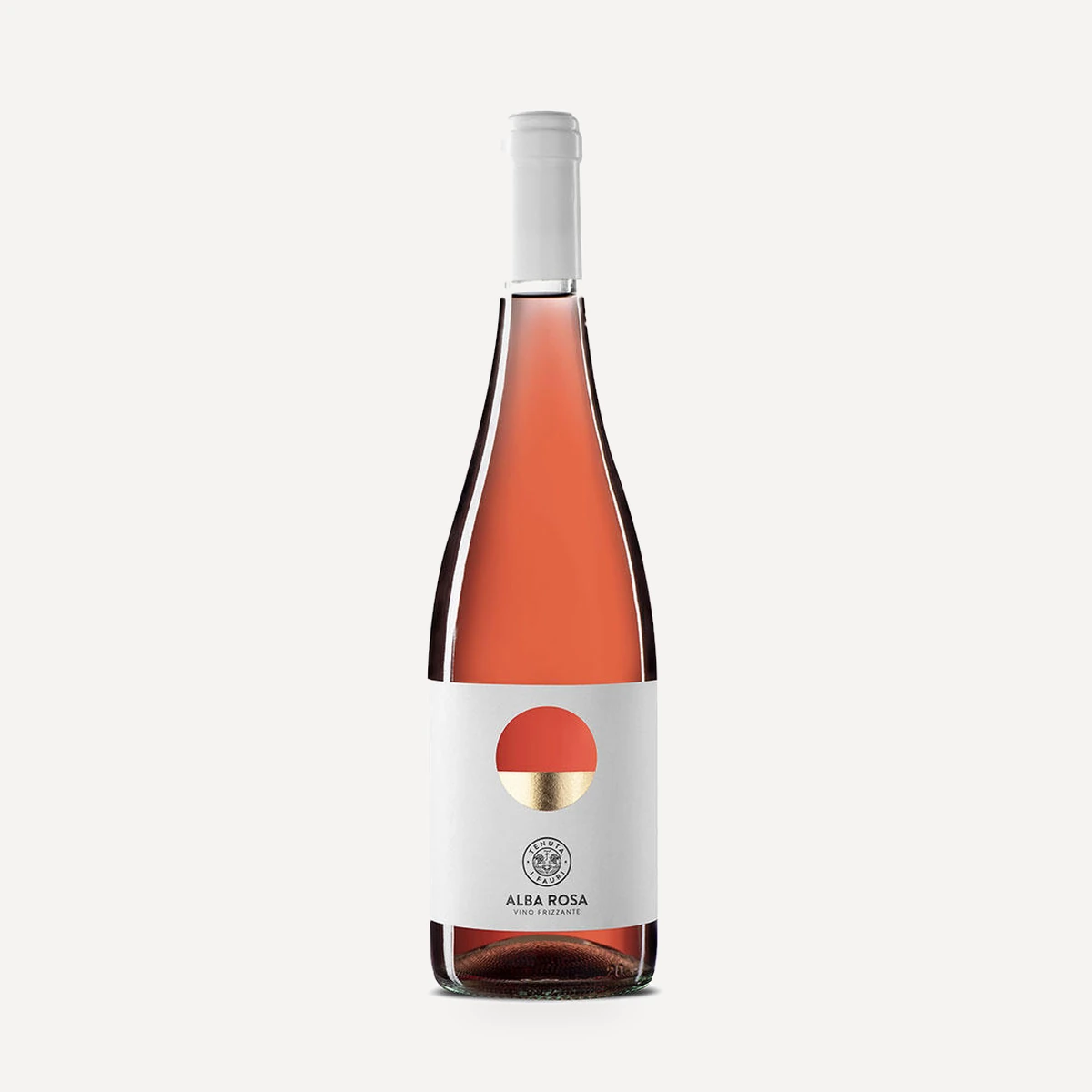
Alba Rosa Frizzante
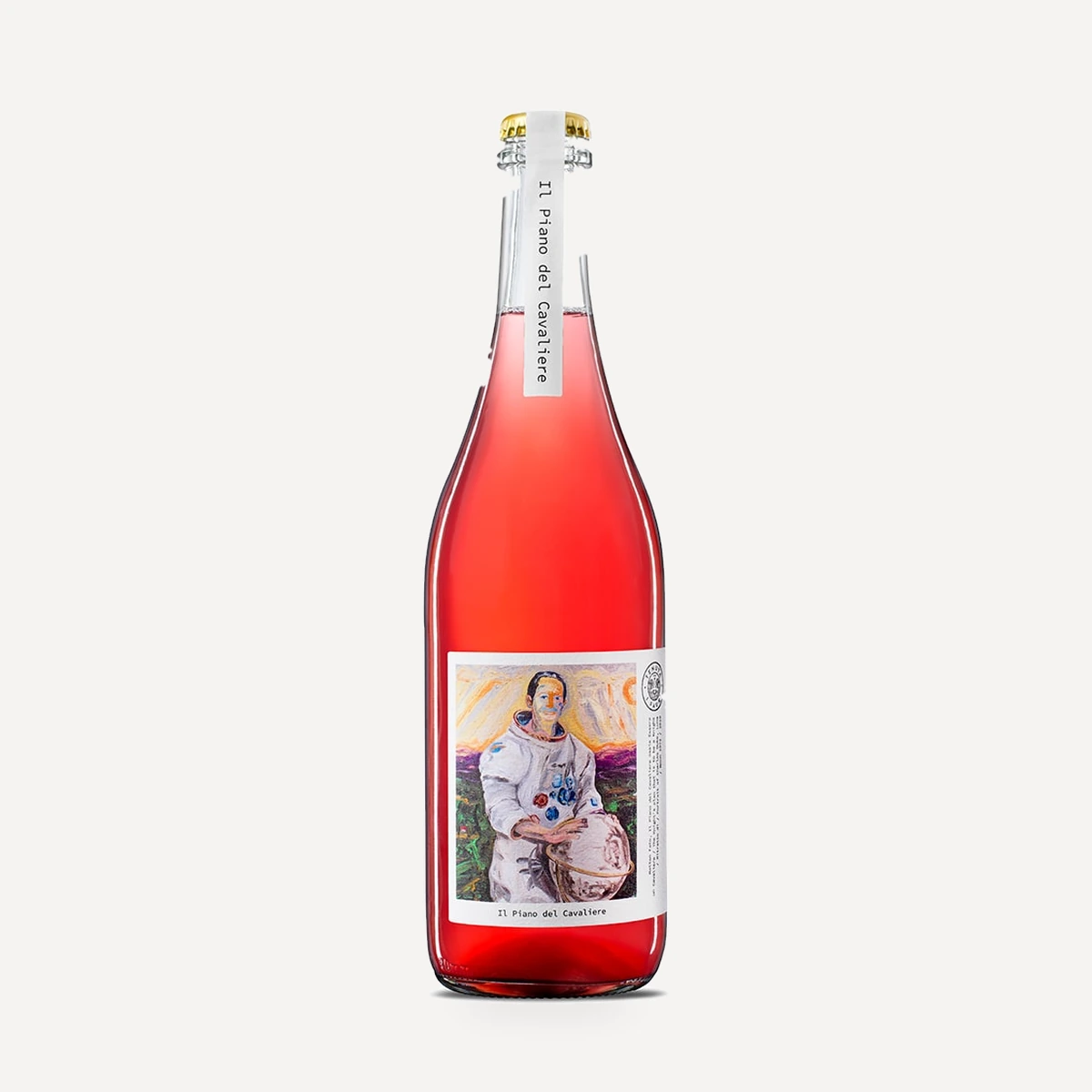
Il Piano del Cavaliere
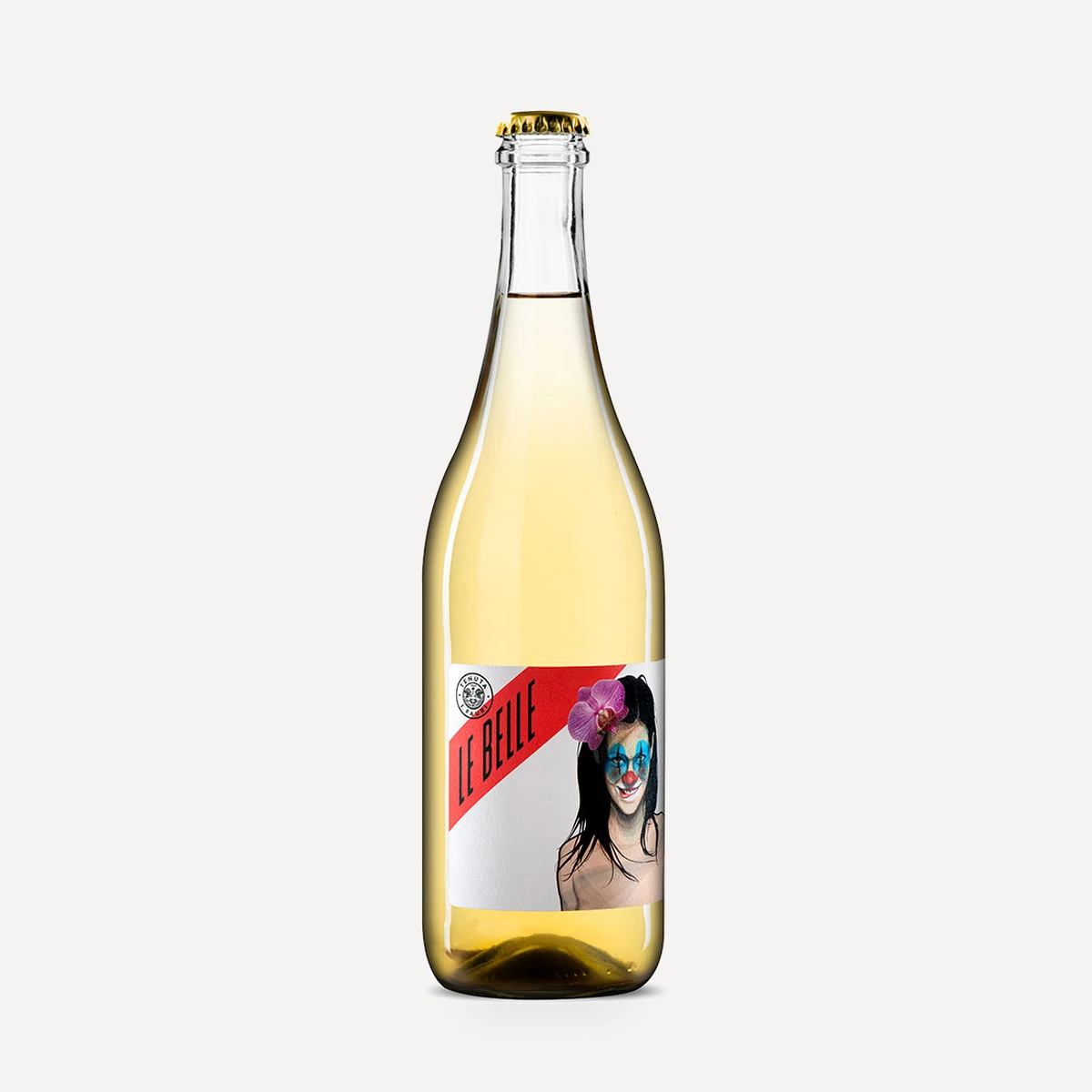
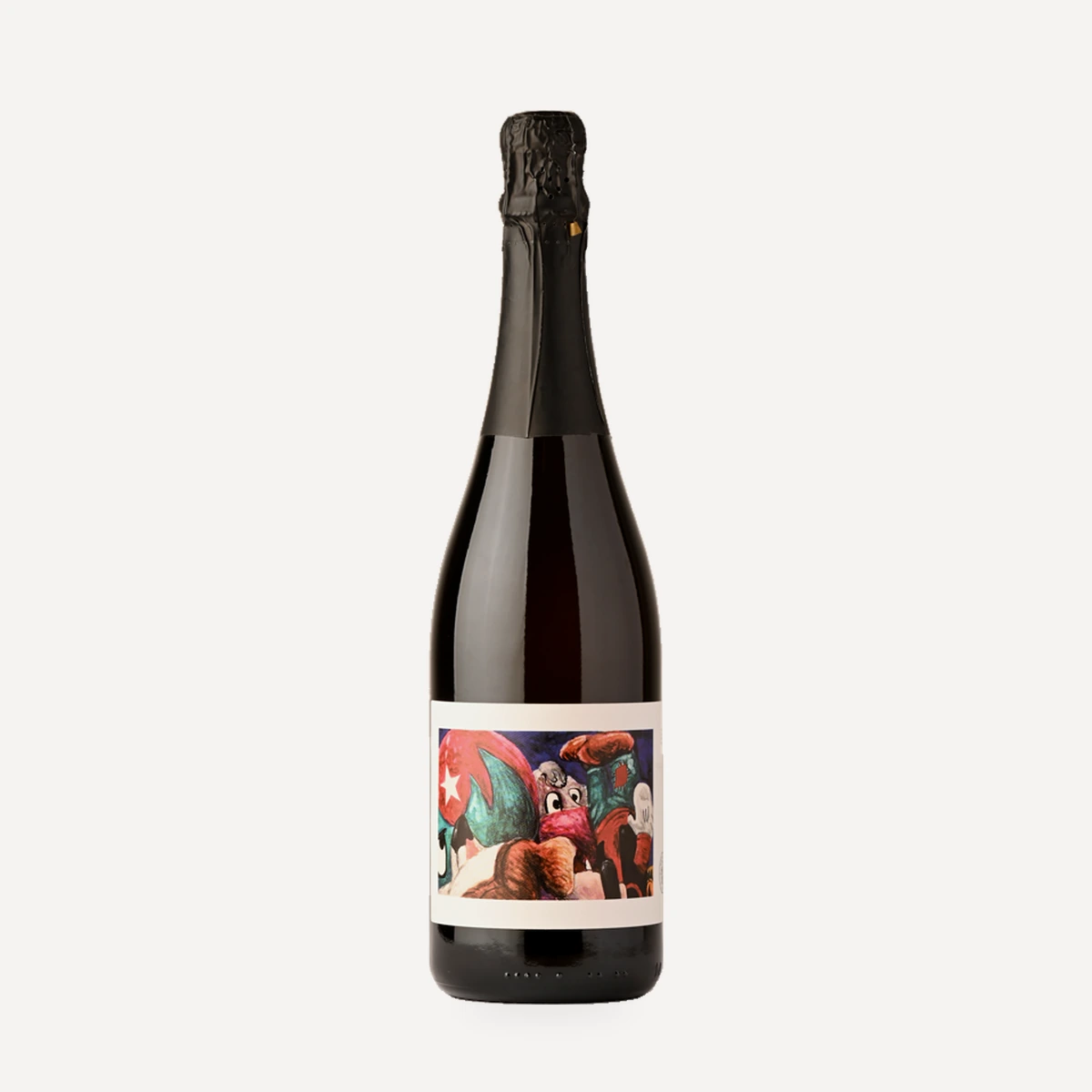
Le Belle – Vino Bianco Frizzante – Metodo Ancestrale