Storia
The search begins in 2011
Indomiti grew out of a personal search begun by Simone Ambrosini in 2011. At a point when he wanted a more direct and grounded way of living, he left for Australia and New Zealand without a fixed plan. Work on farms and with livestock restored his contact with the land, animals and physical agricultural labour. Wine subsequently emerged as the path through which that experience could be developed.
Training and the creation of Indomiti
After returning to Italy, Ambrosini studied Enology and Viticulture. He completed his degree and gained experience at several wineries, but eventually found that making wine for others no longer satisfied his ambition to build an independent project.
Indomiti was created from the ground up, without inherited vineyards, family property or substantial financial resources. Its first material step was the discovery of a vineyard in the Colli Berici, characterized by old pergolas, difficult slopes, woodland and exposed stone. Ambrosini began recovering the vines, working them day by day and producing the project’s first bottles.
The nomadic years
For a number of years, Indomiti operated as a deliberately small-scale, itinerant project. The vineyards, cellar and storage space were in different places. Production relied on shared cellars and rented facilities, requiring Ambrosini to adapt the work to the spaces available while the project developed incrementally.
A new phase in 2026
In 2026, Ambrosini purchased a ruin and surrounding abandoned land at Lapio, in the commune of Arcugnano in the Colli Berici. The wooded property marked a new beginning rather than the completion of the project. Its buildings and land are intended to be restored and regenerated over time.
Wine remains central to the undertaking, but the plan for Lapio is broader: a combined home, cellar and place of hospitality, integrated with grazed land, woodland, a vegetable garden and greater biodiversity. Ambrosini also intends to form a permanent team able to contribute labour, specialist knowledge and financial resources to the agricultural project.
Terroir
Indomiti is rooted in the hills of the Colli Berici. Its vineyards occupy hilly ground and are presented in close association with woodland, stone and challenging slopes. The first vineyard found by Simone Ambrosini included old pergolas within this rugged landscape.
The property acquired in 2026 lies at Lapio, in Arcugnano. It consists of an old ruin and abandoned land immersed in the woods, with open views across the surrounding landscape. The project for this site treats vineyard and wine production as parts of a wider environment that also encompasses forest, grazed ground, a vegetable garden and biodiversity.
Vinificazione
Agriculture is approached as sustained presence and observation. Work begins with reading the vine and its surroundings before intervening, accepting that the season cannot be completely controlled and allowing each growing cycle to guide decisions.
The stated direction is regenerative: the objective is to leave the soil more alive than it was found and to respect ecological balances that predate the project. Only measures considered genuinely necessary are used in the vineyard, with the intention of accompanying natural processes rather than forcing them. At Lapio, the vision expands beyond vines to include the recovery of abandoned land, woodland, grazing, a vegetable garden and increased biodiversity.
Wine is treated as a means of expressing a place, a growing season and the people involved in its production. Fermentations are guided by indigenous yeasts. The wines are made without fining or filtration, and cellar intervention is kept to a minimum.
The aim is not technical uniformity or an abstract idea of perfection. Variations and imperfections are accepted as part of a living wine and as elements that make each bottling unrepeatable. During Indomiti’s itinerant phase, production took place in shared or rented cellars, while vineyards, winemaking and storage occupied separate locations. The Lapio project is intended eventually to give these activities a permanent, integrated home.
Filosofia
Agriculture as presence
For Simone Ambrosini, agriculture is a way of inhabiting time rather than simply an occupation. Caring for vines requires observation before action, acceptance that natural systems cannot be fully controlled and attention to what each season can teach. Cultivation is therefore also understood as the practice of being present, listening and respecting long-established ecological balances.
The regenerative goal is to pass through a place without exhausting its capacity to remain alive or to continue telling its own story. This is framed as a long-term responsibility rather than a response to fashion.
Wine as a medium
Wine is the medium through which Indomiti seeks to convey place, vintage and human participation. The vineyard is accompanied rather than forced, while indigenous fermentation, the avoidance of fining and filtration and minimal cellar intervention are intended to preserve the wine’s vitality. Imperfection is accepted as evidence of individuality: the objective is a living wine rather than a standardized idea of perfection.
A place for land and people
For many years, Indomiti had no unified home. Vineyards, cellar and storage were dispersed among different locations and rented facilities. The Lapio property provides the possibility of putting down permanent roots.
The ambition extends beyond constructing a winery. The intended result is a place where agriculture, wine, nature and people meet: somewhere to stop, walk, share wine and rebuild a direct relationship with the land. Its success is conceived in terms of generating life through restored land, biodiversity, hospitality and community.
The meaning of Indomiti
The name does not express opposition for its own sake. It represents a refusal to let haste, habit or the pursuit of perfection determine how life and work are conducted. To be “indomiti” is to remain curious, continue asking questions and accept the labour required to make something meaningful. Wine is understood as a bridge between people and land, capable of forming relationships, slowing time and returning attention to what is essential.
Vini
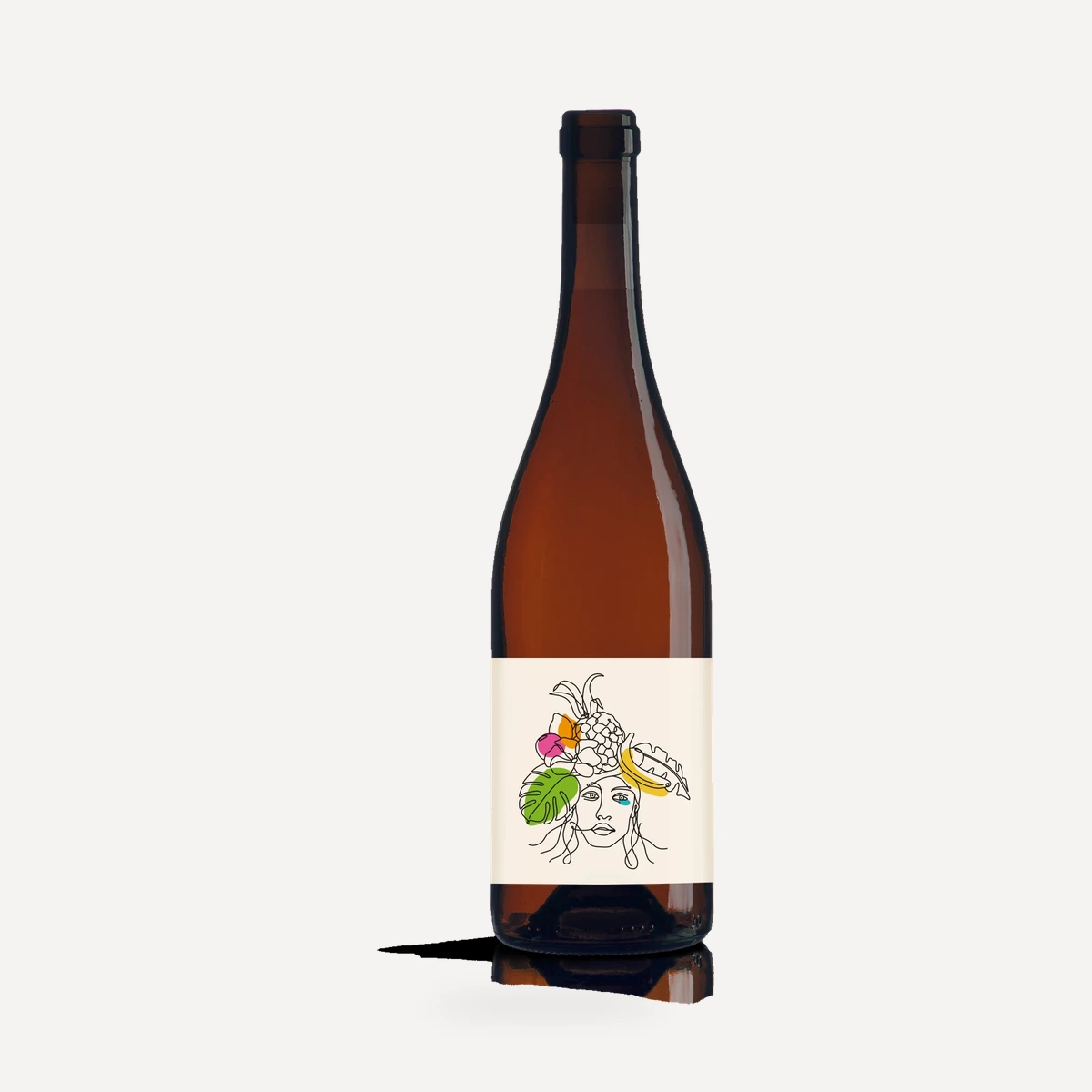
antropica
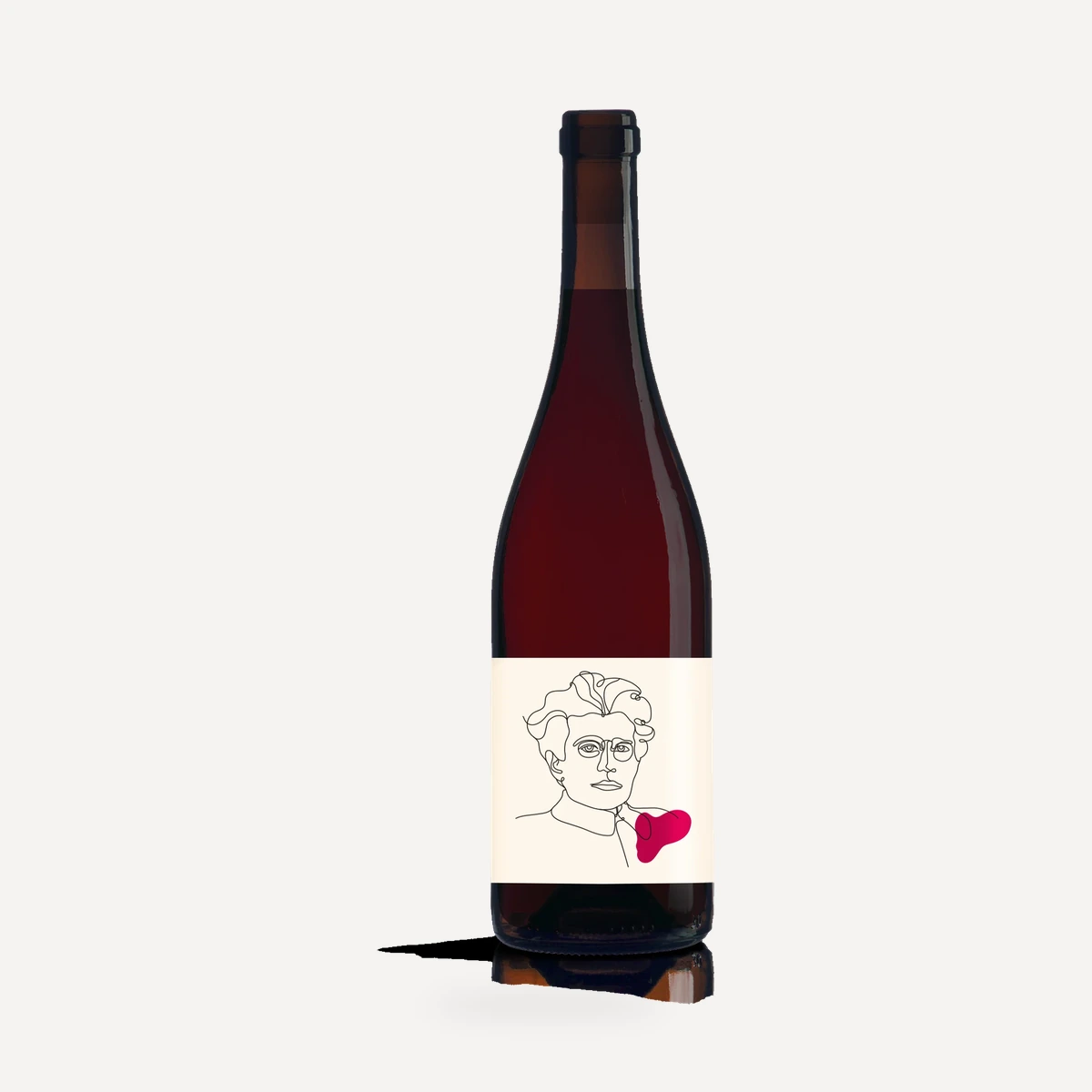
idealista
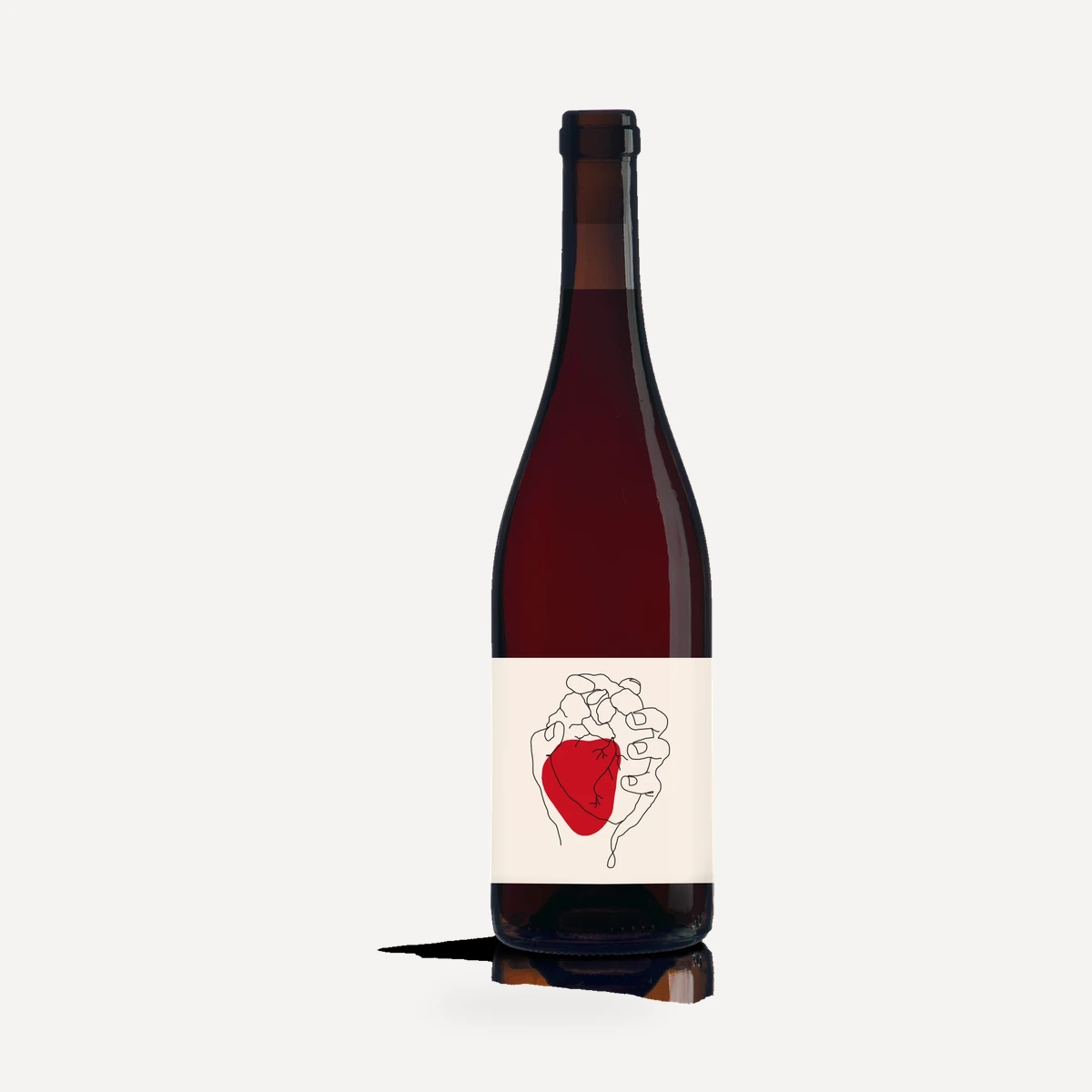
lottai

mistica

ramingo

rosso celeste