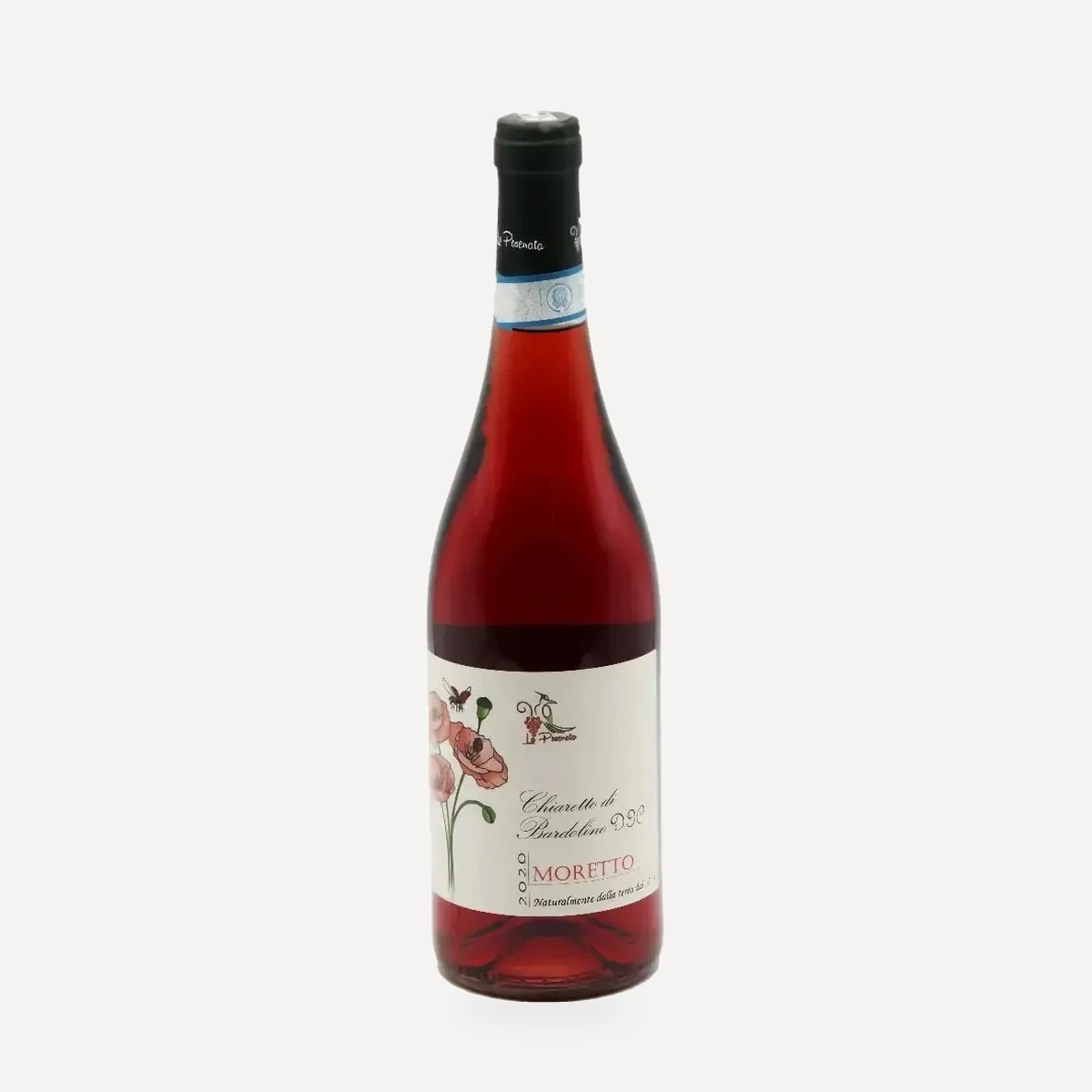
Storia
The origin of the name: 1778
The name La Pesenata comes from the local place-name Palù della Pesenata. The name was assigned in 1778, when Contessa Pesenati Falconi became the owner of the property.
The estate includes a historic cellar dating from the eighteenth century. It has been renovated, while six wall-mounted concrete tanks dating from the beginning of the twentieth century have been retained and prepared for renewed use.
The Benciolini property: 1868
In 1868, the Benciolini family acquired the villa and approximately 50 hectares of land. The family’s present agricultural holding occupies part of this historic property on the morainic hills of Lake Garda.
Organic conversion in the 1980s
During the 1980s, the Benciolini family decided to convert all its land to organic cultivation. The farm has consequently worked certified-organic land for several decades.
Planting the historic vineyard: 1996
The principal vineyard was planted in 1996 as a double pergola veronese, with 60% Corvina and 40% Rondinella. Until 2018, its management had been directed toward maximizing grape weight and volume, carrying four or five fruiting canes per vine and producing approximately 120–150 quintals per hectare.
Return to direct family management: 2019
Società Agricola La Pesenata was established in February 2019 after approximately 15 years during which contractors had worked the family land. Its purpose was to return the property—especially the vineyards—to direct cultivation by the Benciolini owners.
The company began with four family shareholders: Gianni Benciolini, his wife and two grandchildren in their twenties who chose to work the land with them. The current introductory account identifies three family shareholders: Gianni Benciolini, his wife and Andrea Castiglioni.
Direct management brought a gradual change in vineyard training and yield objectives. The number of canes per vine began to be reduced from four or five toward two, with the aim of lowering yields from 120–150 to approximately 60–80 quintals per hectare and improving grape quality. Biodynamic concepts and techniques were introduced alongside the long-established certified-organic regime.
The first harvest and first vinification took place in 2019. Production amounted to approximately 6,500 bottles. A portion of the still white and rosé wines was put through secondary fermentation in bottle at the end of that year to create the estate’s first traditional-method sparkling wine.
Growth in production: 2020–2021
Production increased to approximately 8,500 bottles in 2020 and 10,000 bottles in 2021. The estate simultaneously pursued lower-impact packaging, including bottles weighing approximately 350–400 g instead of the more usual 500–600 g.
First traditional-method release: 2022
The first traditional-method sparkling wine was disgorged and released at the end of 2022 after three years on its lees. What began as a very small trial subsequently developed into annual production of just under 1,000 bottles, using the estate’s still wines as base wines.
By 2022, La Pesenata was also seeking Demeter biodynamic certification and participating in Arena biodinamica, a group of biodynamic farms in the Verona area with which it produced biodynamic preparations.
Scientific and environmental projects: 2023–2024
The BioCO2-TRAPPING research project held its kick-off meeting on 2 February 2023. La Pesenata participated with the University of Padua and Euronewpack in research intended to capture industrial carbon dioxide and convert it through selected microorganisms into polyhydroxyalkanoates, the base constituents of bioplastics. The project’s final meeting took place on 6 December 2024.
In 2023, the estate’s supply of 100% clean electricity was credited with avoiding 1.1927 tonnes of carbon-dioxide emissions.
Present scale
La Pesenata now cultivates 8 hectares, including 4 hectares of biodynamically managed vineyard, and produces approximately 20,000 bottles in a year when weather conditions permit.
Terroir
La Pesenata lies at Palù della Pesenata in Colà di Lazise, in the province of Verona. Its land occupies the morainic hills of Lake Garda. The vineyard is treated as a historic estate site whose character and vintage variation the wines are intended to convey without invasive cellar correction.
The available geographical description is limited to this Lake Garda morainic setting; the estate does not define separate vineyard microzones.
Vinificazione
Organic and biodynamic farming
The Benciolini family converted all its land to organic agriculture in the 1980s, and the farm’s land has been certified organic for several decades. Since 2019, La Pesenata has introduced biodynamic concepts and techniques. In 2022 it was applying for Demeter certification and belonged to Arena biodinamica, a group of biodynamic farms in the Verona area that jointly produced preparations.
Manual work and yield reduction
Pruning, shoot topping, sucker removal and leaf removal are carried out by hand. After taking back direct control in 2019, the family began reducing the number of canes per vine from four or five to two. The corresponding objective was to lower yields from approximately 120–150 to 60–80 quintals per hectare. Early results included more vigorous vines, more uniform vegetation and an observed improvement in grape quality.
Soil fertility and ground cover
During winter, the vineyard receives humified natural manure from the farm’s biodynamic compost heap. The heap combines manure from the estate’s animals with plant residues from farm work; after humification, this material is returned to the vineyard. Green manure is sown and left in place until the beginning of seed formation.
Animals and mechanical intervention
Mechanical traffic through the vineyard is minimized. The farm was evaluating the use of a Comtois horse for operations compatible with animal traction. Two donkeys and two ponies graze among the vines occasionally. Three Ouessant dwarf sheep keep the grass short, while approximately 50 hens disturb and aerate the ground. Bees support the farm’s wider biodiversity.
Vinery Plastic Free
The five-year Vinery Plastic Free project responds to plastic-coated iron ties and plastic tubes left in the vineyard by earlier management. The program removes these persistent materials and sends the collected plastic to an authorized waste facility after weighing it.
New vine ties use iron wire covered with a photosensitive biodegradable sheath designed to break down in about one season without leaving pollutants. Green plastic tubes fastening the tops of vine trunks are to be replaced with natural willow or rubber ties. The program allocates three years to collecting old iron-and-plastic ties, one year to replacing iron-and-plastic ties, and five years to replacing plastic ties with willow or rubber.
Vinery Tree and agricultural biodiversity
Tall trees have been allowed to develop among the vines rather than postponing tree establishment until after the vineyard is replanted. The aim is to avoid losing roughly 15 years of tree growth and to recreate the mixed agricultural biodiversity of older landscapes. Species include downy oak, sessile oak, walnut, elm, hackberry, mulberry and elder. This approach accepts that some vines will grow close to trees.
The project takes inspiration from smaller historic fields bordered by ditches and tall trees. Willows once supplied natural ties, while mulberries served both as vine supports and as foliage for silkworms. Rebuilding agricultural biodiversity is one of the estate’s primary environmental objectives.
Harvest
Grapes are harvested by hand with careful bunch-by-bunch selection. They are placed in small trays holding approximately 5–6 kg and transported immediately to the cellar.
Historic cellar
Winemaking takes place in a renovated eighteenth-century cellar. Six concrete tanks installed against its walls date from the beginning of the twentieth century and have been retained for restoration to active use.
Harvest reception
Selected bunches are hand-harvested into small 5–6 kg trays and taken immediately to the cellar. Subsequent handling depends on the intended style.
White wine from red grapes
For a white vinification of red grapes, whole bunches go directly into the press. Very gentle pressing extracts only the free-run must, giving a yield of approximately 35% of grape weight. This must ferments spontaneously in a stainless-steel tank, initiated by a pied de cuve prepared several days earlier.
Rosé by salasso
For rosé production, the grapes are destemmed and crushed very gently, leaving approximately 15% of the berries whole. The crushed fruit enters a stainless-steel fermenter and macerates for about 10–12 hours. Part of the juice is then drawn off by the salasso method and allowed to complete fermentation.
The rosé receives only two rackings: one to remove sediment in December and another immediately before bottling at the end of February. It undergoes no fining, chemical stabilization, filtration or temperature control. A small quantity of potassium metabisulfite is added before bottling, while total sulphur dioxide is kept below the estate’s threshold of 30 mg/L.
Red wine
The solids remaining after the rosé juice is drawn off are combined with an additional quantity of crushed grapes. Fermentation is spontaneous, with approximately 12 days of skin maceration. After fermentation and maceration, the wine is run off and the remaining material receives very gentle pneumatic pressing, particularly to extract fermented juice from the berries left whole. Apart from running off the wine, only two sediment-removing rackings are performed.
Traditional method
Still white and rosé wines also serve as bases for bottle-fermented sparkling wine. Sugar is obtained by drying a small quantity of the estate’s own grapes. The wine undergoes secondary fermentation in bottle and remains in contact with its lees for approximately 24 months in the production description; the first release rested for three years, and the current range is generally held for two to three years before tasting and release. Bottles are then disgorged.
Minimal-intervention approach
The cellar’s stated objective is spontaneous, natural vinification. The wines are made without fining, chemical stabilization or filtration, with the intention of retaining their integrity and reflecting both terroir and vintage. Cellar temperature and humidity can be monitored remotely through a real-time environmental monitoring system.
Filosofia
La Pesenata describes its work through the idea that the earth is borrowed from future generations rather than inherited outright. Environmental responsibility therefore extends across farming, cellar work, packaging, energy use and scientific collaboration.
In the vineyard, the family favors organic and biodynamic cultivation, manual operations, lower yields, minimal machinery, living soils and the reintegration of animals and trees into the farm. Agricultural biodiversity is treated as a primary goal rather than as an incidental benefit.
In the cellar, the objective is to allow nature to carry out the transformation with minimal intervention. Spontaneous fermentation, gentle handling, few rackings and the avoidance of fining, filtration and chemical stabilization are intended to preserve the wine’s completeness and its expression of place and vintage.
Gianni Benciolini also presents wine as a source of conviviality capable of breaking down the social barriers that make people reserved and less sociable.
Vini
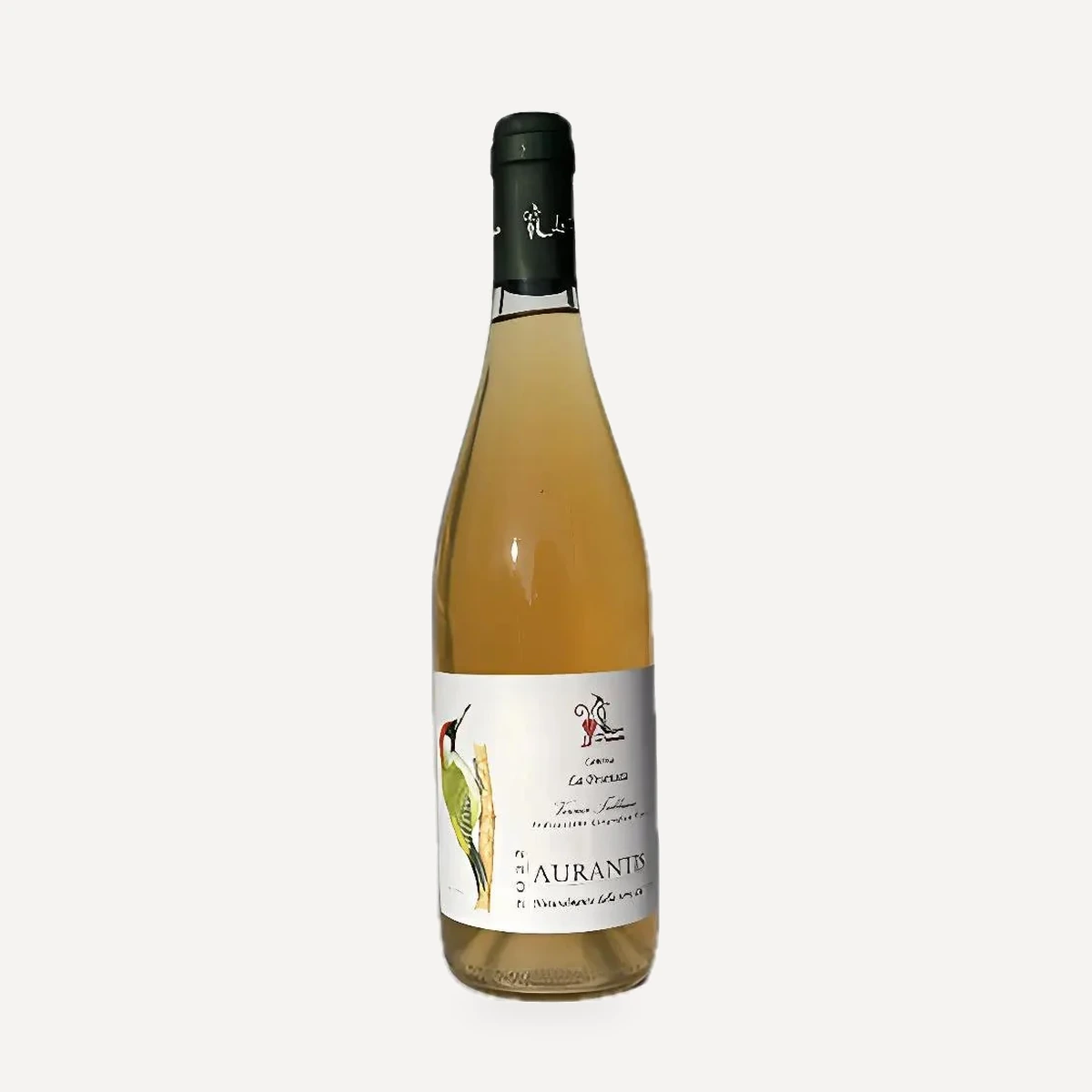
AURANTIS IGT Verona Bianco
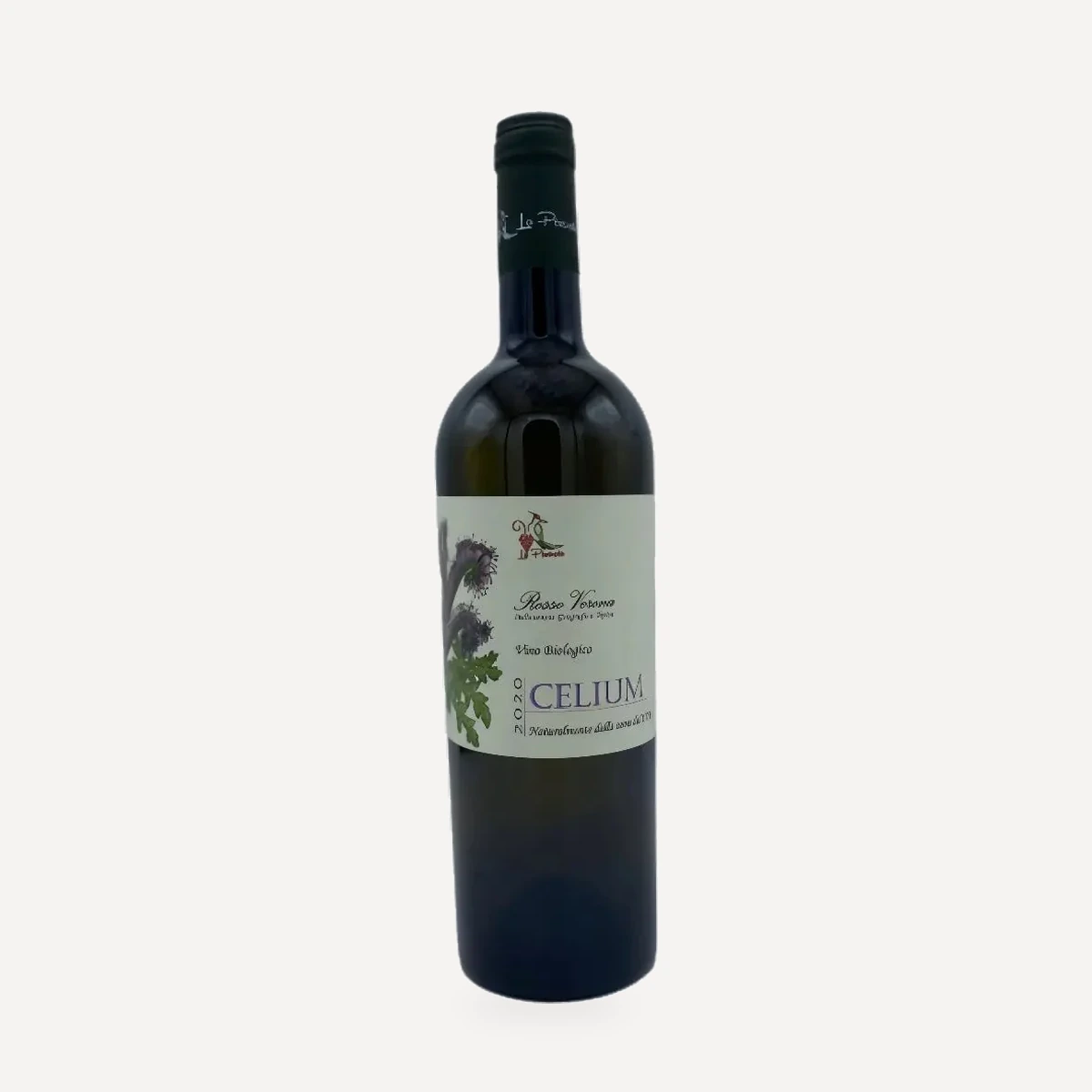
CELIUM IGT Verona Rosso
NARE' Metodo Classico Brut Nature
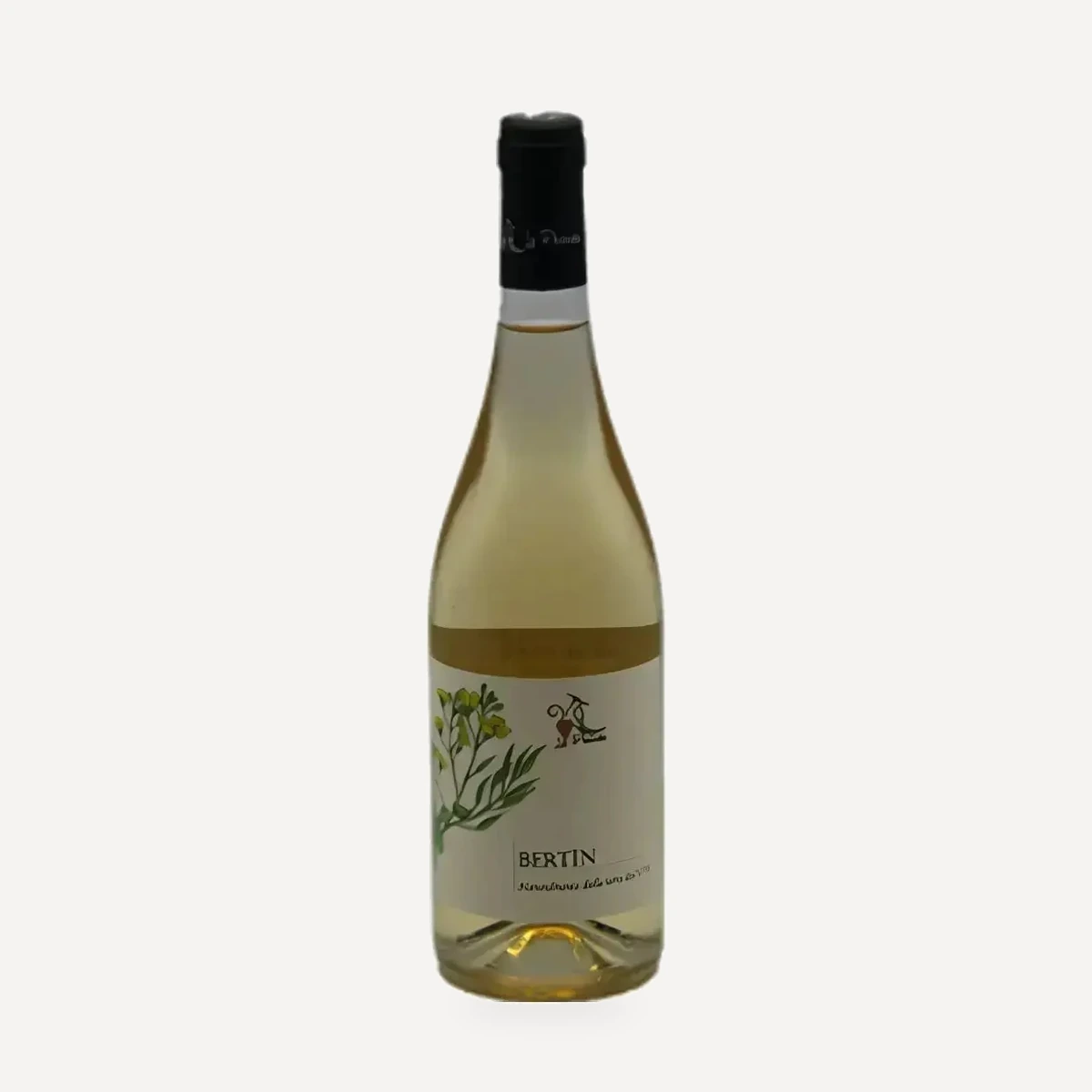
BERTIN IGT Verona Bianco
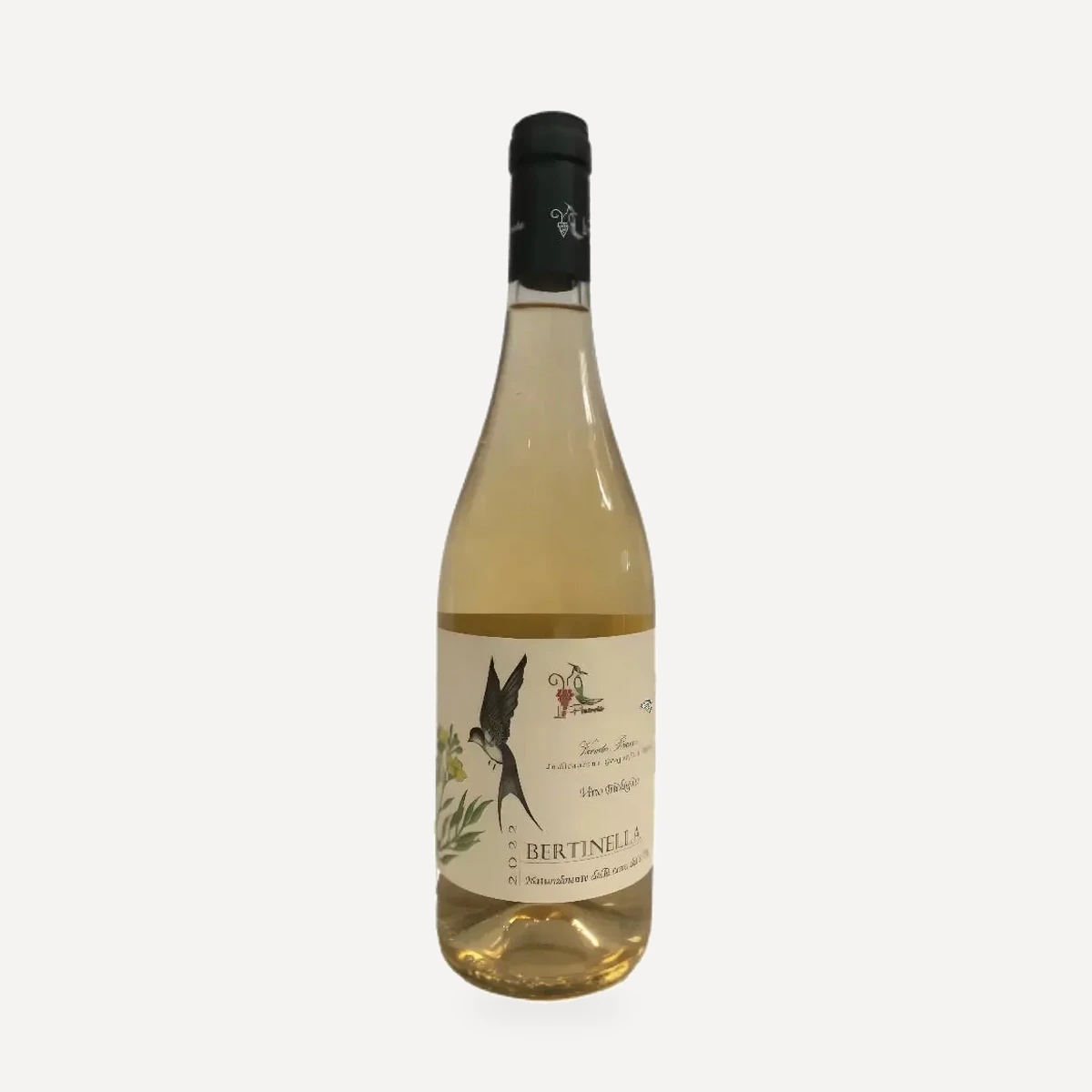
BERTINELLA IGT Veneto Bianco
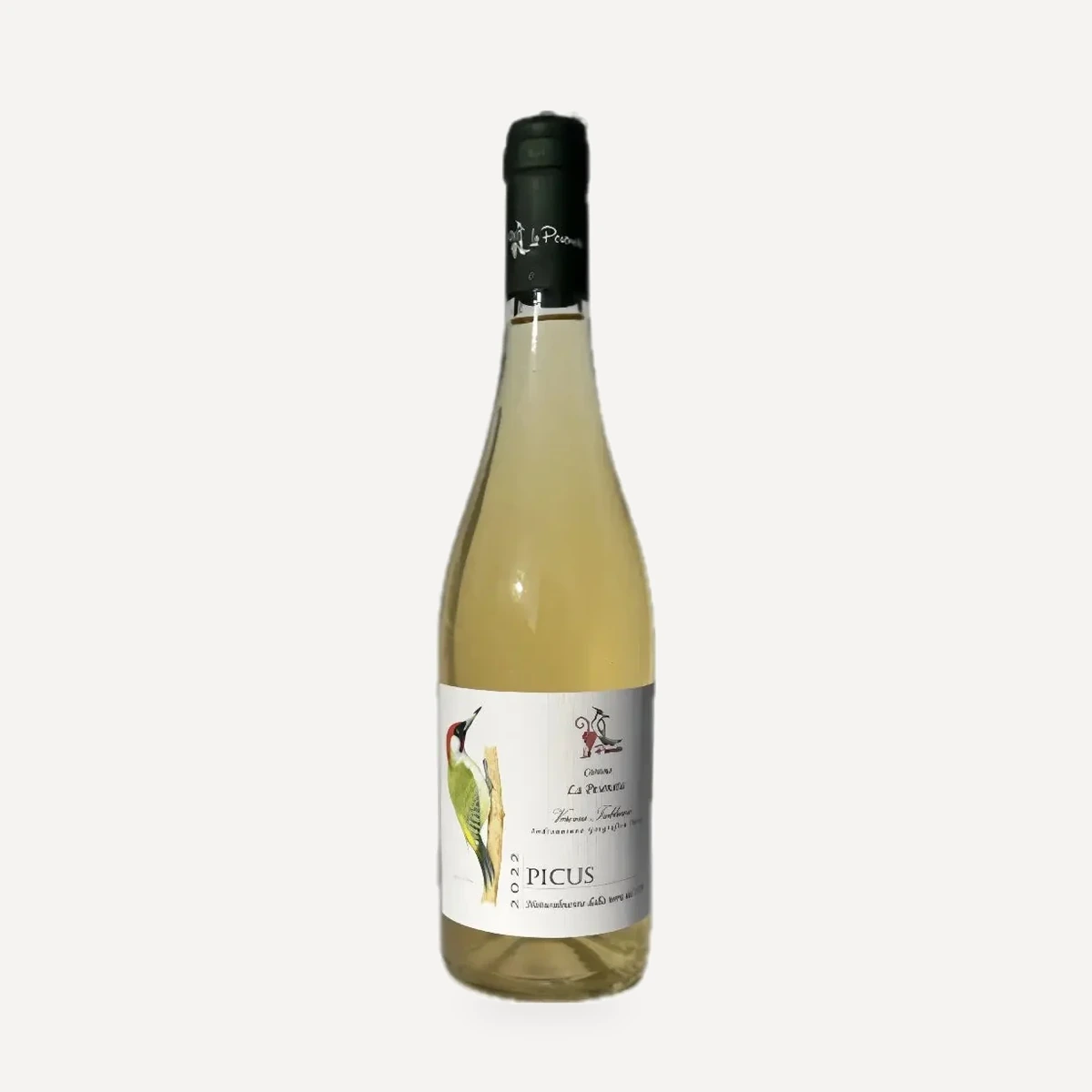
PICUS IGT Verona Bianco
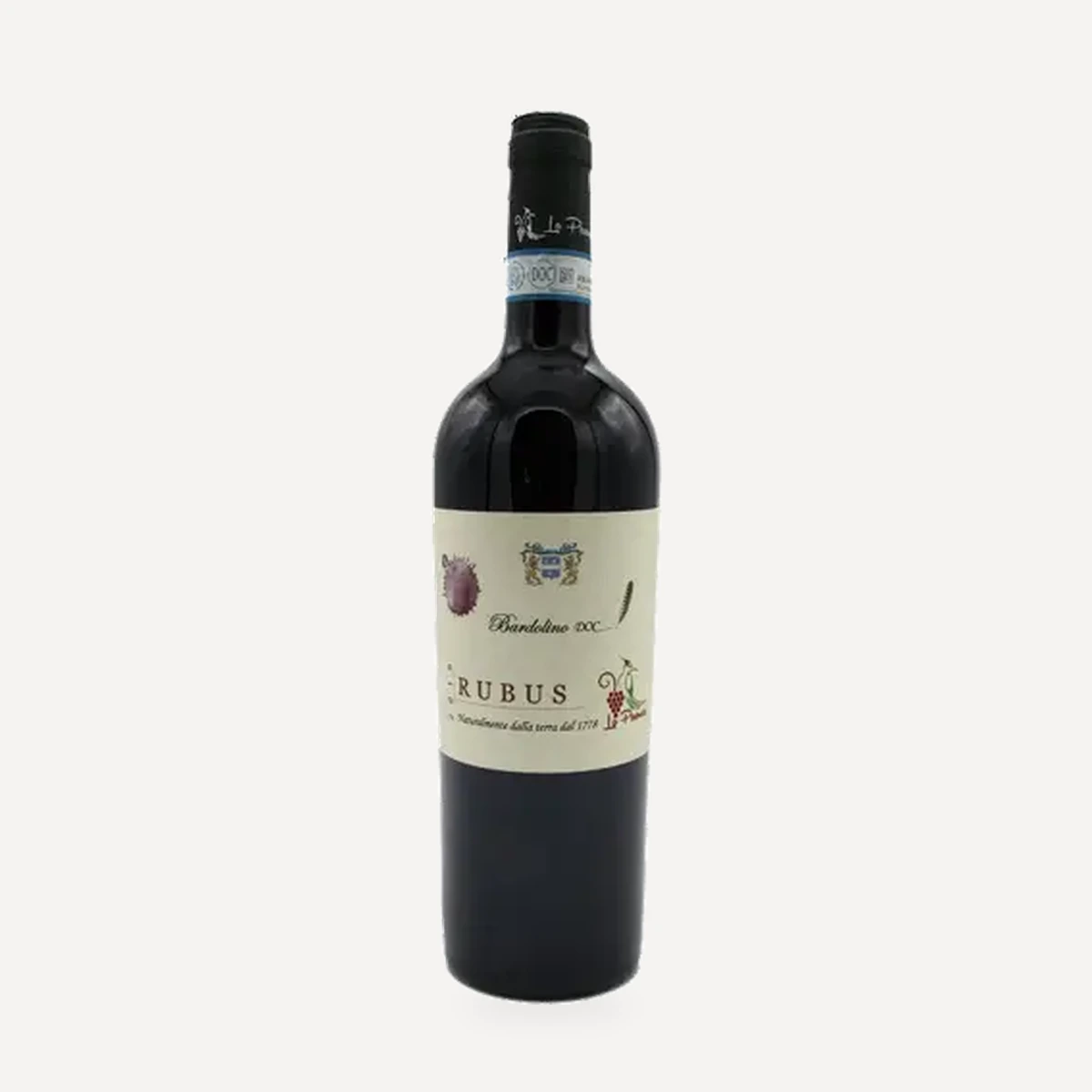
RUBUS Bardolino DOC