Storia
Medieval origins
The Lantieri de Paratico are an old noble family from the Brescia area whose presence in Franciacorta is first documented in 930 AD. Their noble suffix records the family’s earlier settlement at Paratico, a village beside Lake Iseo. In the 11th century they built a castle there. Family tradition holds that the exiled Dante Alighieri stayed in the castle and drew inspiration from the surrounding landscape—and, in one account, from the shape of its hill—when conceiving passages or the circular structure of Purgatorio.
The family tree includes Blessed Lucia Lantieri, a scholar of military tactics, and the engineer and mathematician Giacomo Lantieri. Giacomo’s adventurous life later inspired the book Servitore vostro umilissimo et devotissimo (Bonanno Editore, 1994).
Settlement in Capriolo and early wine trade
In the 16th century, following the arrival of the Republic of Venice, the Lantieri—who were allied with the Sforza—were expelled from Paratico and established themselves in Capriolo. Their association with wine was already well developed: they supplied the Gonzaga court in Mantua and the courts of Ferrara and Milan with Rubino di Corte Franca, a prized red described as an antecedent of the family’s present wines and as one of the early wines of its period to be sold in bottle.
The family’s vineyards continued in Franciacorta, but the winegrowing tradition was interrupted by the two world wars and by the subsequent division of the family properties.
1974–1976: creation of the modern estate
Giancarlo Lantieri, a physician, revived the family’s production as a personal passion in the mid-1970s and began constructing the present winery. The modern estate dates from 1974. Its first official Franciacorta appeared in 1975, at a time when Giancarlo was among the early local adopters of bottle-refermented sparkling wine.
In 1976 the estate worked with the young oenologist Cesare Ferrari to produce an early Franciacorta Pas Dosé. That pioneering, undosed wine later became an important point of reference for Fabio Lantieri and for the development of the Riserva Origines.
Late 1970s–1980s: the arrival of Chardonnay
Pinot Bianco was traditionally the principal white variety planted locally. Between the late 1970s and early 1980s, a shortage of Pinot Bianco planting material led nurseries to supply Chardonnay to local estates, including Lantieri. Chardonnay was therefore introduced unintentionally, but proved easier to manage and particularly expressive in the estate’s soils. It subsequently became the central variety in Lantieri’s sparkling-wine production.
The 1990s: Fabio and Patrizia
Fabio Lantieri joined the business with his wife Patrizia in the early 1990s. They transformed Giancarlo’s small, largely amateur undertaking into a structured family winery, expanding both vineyard holdings and production while deliberately retaining a family scale. A business that began with only a few thousand bottles grew to approximately 160,000 bottles of Franciacorta and 15,000 bottles of still wine annually.
2007–2013: Riserva Origines
The first Riserva Origines was based on the 2007 harvest, with a selection comprising 75% Chardonnay and 25% Pinot Nero. Whole bunches were pressed with particular care, the must settled naturally and fermentation proceeded at low temperature. The base wine remained on its fine lees for at least two months before racking, light filtration and stabilization. Tirage took place at the end of March 2008, with selected yeasts and 23 grams of refined cane sugar, followed by prolonged bottle ageing.
After tasting the wine without an expedition liqueur, Fabio chose to release it as a pas dosé, explicitly linking the decision to Giancarlo’s pioneering undosed wine of 1976. Origines emerged commercially in the early 2010s; a 2013 presentation described a production cycle of roughly five and a half years and at least 60 months on the lees.
Experimentation and the next generation
The estate planted approximately 1,500 Erbamat vines as part of its experimentation with the historic Franciacorta variety. In the favourable 2021 vintage, it produced an experimental traditional-method wine outside the DOC from equal parts Erbamat and Chardonnay. The project explored Erbamat’s late ripening, high acidity and possible usefulness as temperatures rise.
Fabio continues to guide the winery with Patrizia. Their daughters Gaia and Isabella now participate in the business, representing the third generation of the modern estate. The family’s contemporary work combines the historic cellars and residence at Capriolo with modern vinification spaces, expanded vineyards and continuing experimentation, including Erbamat and a Pinot Nero blanc de noirs project.
Terroir
The estate’s 25 ha of vineyards occupy the hills and a small valley between Capriolo and Adro. Some vines surround the winery, while others extend onto the lower slopes of Monte Alto. The vineyards lie approximately 240–280 m above sea level and face toward Val Camonica.
The vineyard landscape includes both hillside and lower-slope sites. Fresh air currents create pronounced day–night temperature changes. The proximity of the Oglio also affects the vineyards near the edge of the DOCG area: its influence makes the soils softer and less clay-dominant, contributing to differences between Lantieri’s wines and those from higher and more central parts of Franciacorta.
Soils vary substantially across the holdings. They range from clay-rich to calcareous compositions and include friable, loose rock and pale, rocky ground. The principal description is siliceous clay with abundant gravel or breccia and calcareous material. The estate relates this heterogeneity to differences in wine structure, aroma, freshness and minerality, and uses the results of local viticultural zoning studies to guide cultivation and vinification.
Vinificazione
Franciacorta grapes are harvested exclusively from estate-owned vineyards. Vineyard work is directed toward healthy fruit reaching full ripeness, followed by strict manual harvesting and selection of the best bunches. Harvest generally runs from mid-August to mid-September, depending on the vintage. Grapes are collected in plastic crates to prevent crushing and transported promptly to the winery to preserve freshness and integrity.
The estate formerly adopted fully organic cultivation for all grapes under an environmental project. More recent climatic conditions led Fabio Lantieri to conclude that the existing organic rules were no longer sustainable for these sites, economically or agronomically, and the family began developing a new sustainability protocol.
Environmental measures already implemented include renewable energy, a substantial reduction in atmospheric CO₂ emissions and lower water consumption through rainwater recovery. The estate also maintains approximately 1,500 Erbamat vines, using the late-ripening, high-acid variety in experimental work connected with rising temperatures.
Winery and fruit reception
The winery combines the historic complex and family residence in the medieval centre of Capriolo with modern production buildings. The old cellars have 17th-century vaults; newer spaces house contemporary vinification equipment. The estate performs the complete production sequence—from pressing and initial vinification through bottle refermentation, remuage and disgorgement—within this complex.
Hand-harvested grapes arrive rapidly in plastic crates to limit crushing. Whole bunches undergo soft pressing, with only the free-run or mosto fiore retained for the base wines. The must undergoes its first fermentation to develop the aromas and structure of the base wine. Across the Franciacorta range, fermentation is conducted at controlled temperature in stainless-steel vats, with small oak casks or barriques used for part of the production. Base wines may remain in contact with first-fermentation lees and undergo bâtonnage.
Blending, tirage and bottle fermentation
Base wines from different varieties, vineyards, vintages and sensory profiles are assembled into balanced cuvées. At tirage, sugar and yeast are added and the wine is bottled. A slow second fermentation in the bottle naturally produces carbon dioxide and the fine perlage.
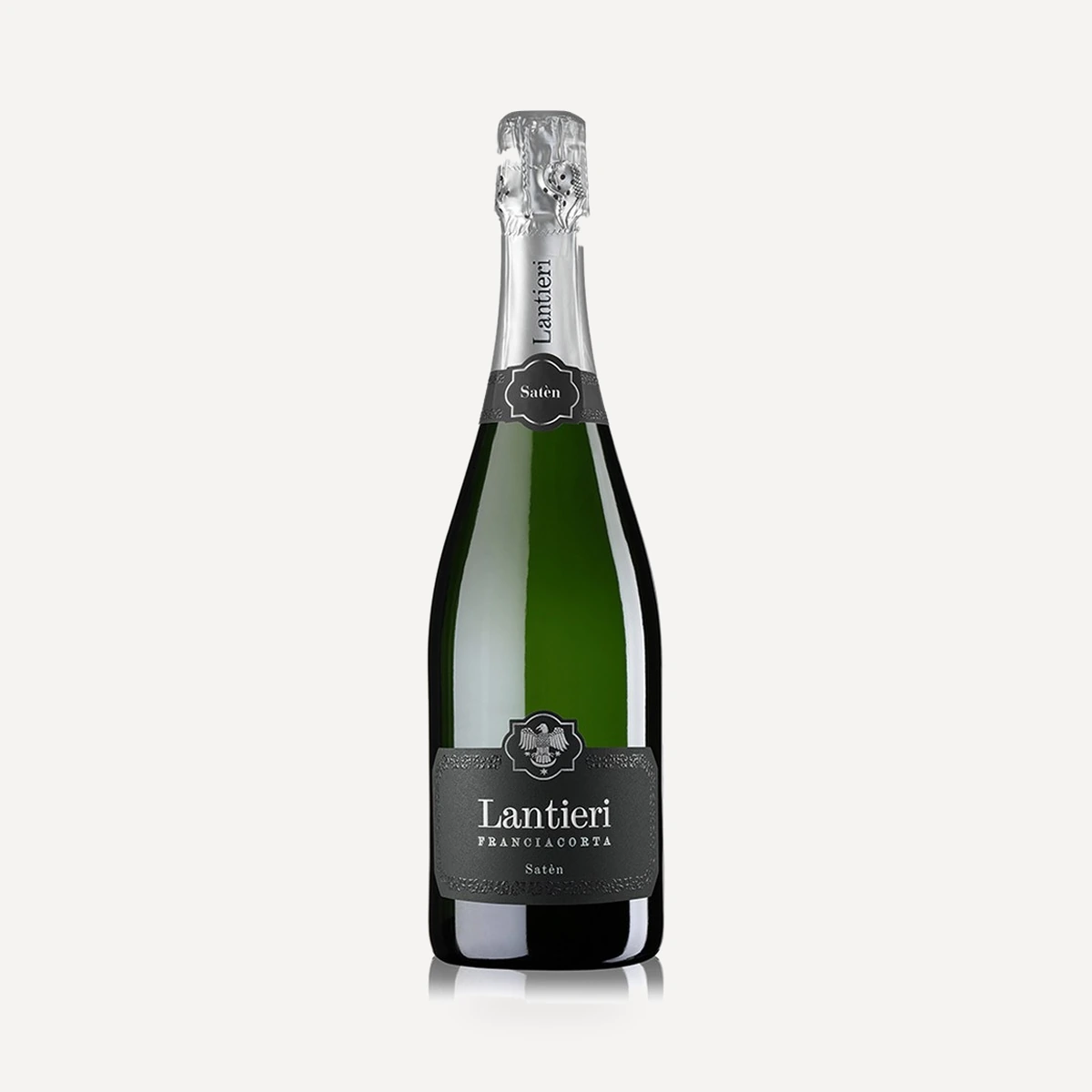
The stated minimum lees-ageing periods are 18 months for Franciacorta; 24 months for Franciacorta Rosé and Satèn; 30 months for vintage Franciacorta and vintage Rosé or Satèn; and 60 months for Riserva, Riserva Rosé and Riserva Satèn. Individual Lantieri cuvées may remain longer, including more than 60 months for Riserva Origines.
Finishing
After lees ageing, bottles are placed on riddling racks and gradually turned so that the sediment moves toward the neck. The neck is immersed in a refrigerating solution, creating an ice plug that traps the spent yeast. Disgorgement expels this plug and leaves the wine clear. The bottle is then topped with liqueur d’expédition, closed with a cork and wire cage, labelled, fitted with the DOCG state seal and packaged.
The estate defines the purpose of these operations as preserving product integrity and maximizing quality while expressing the freshness, mineral character, aromas and fruit derived from its vineyards.
Filosofia
Lantieri’s guiding values are tradition, passion and renewal. The family treats its local terroir as an inherited asset to be interpreted rather than a platform for expansion into other parts of Franciacorta. Fabio Lantieri has expressed a preference for preserving a family-scale business and for emphasizing the identity of the vineyards between Capriolo and Adro.
Cultivation and cellar practices are intended to heighten the characteristics of the estate’s varied soils while safeguarding the integrity of the fruit. Historic infrastructure and long family continuity coexist with modern production technology, experimental work with Erbamat and Pinot Nero, renewable energy and a reassessment of farming protocols in response to climatic change.
Quality is understood as a complete sequence beginning with healthy, fully ripe estate fruit and continuing through soft pressing, controlled fermentation, bottle refermentation, long lees ageing, remuage and disgorgement. Freshness, minerality, harmony and intact fruit expression are the recurring stylistic objectives.
Vini
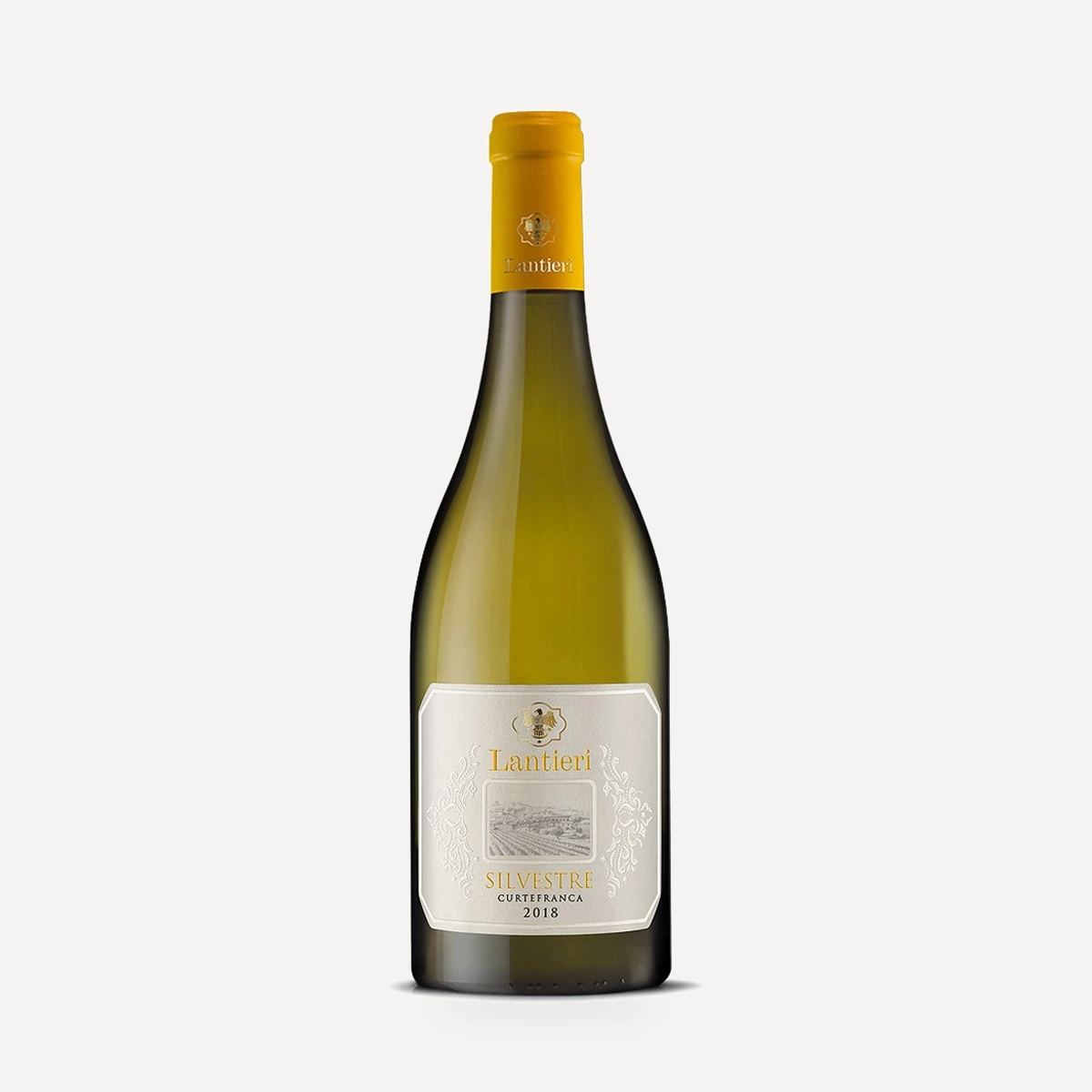
Curtefranca Silvestre Bianco D.O.C.
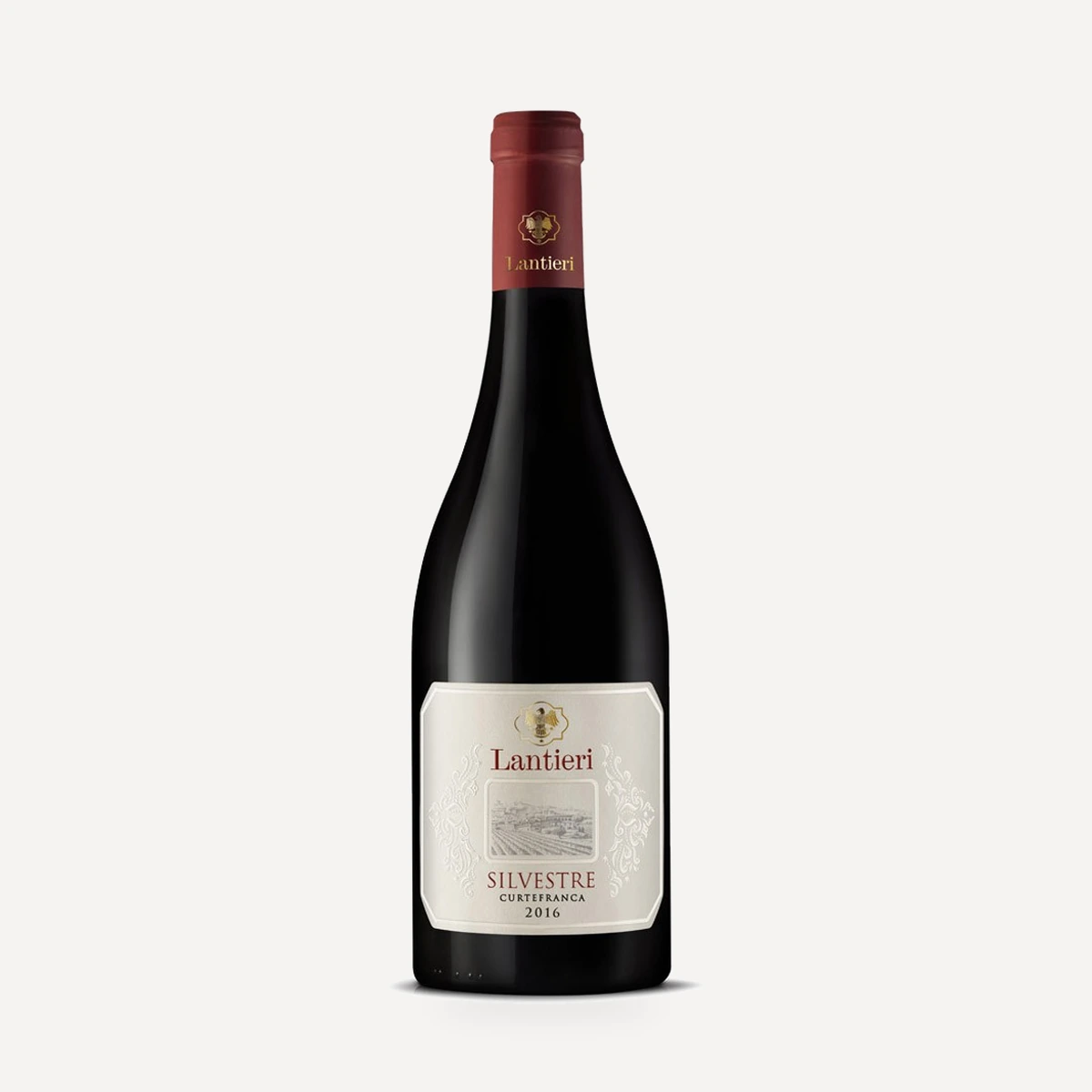
Curtefranca Silvestre Rosso D.O.C.
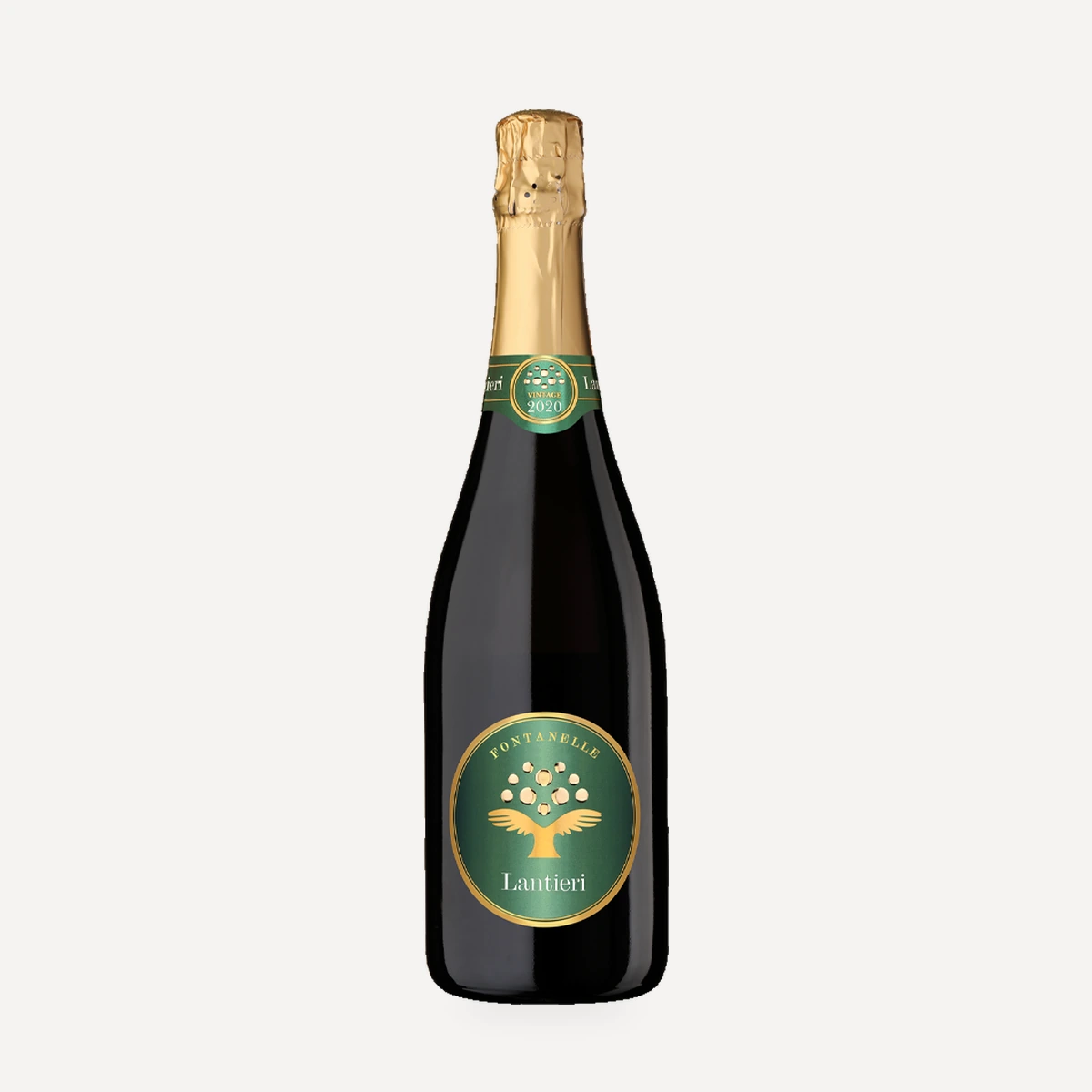
Fontanelle VSQ 2020
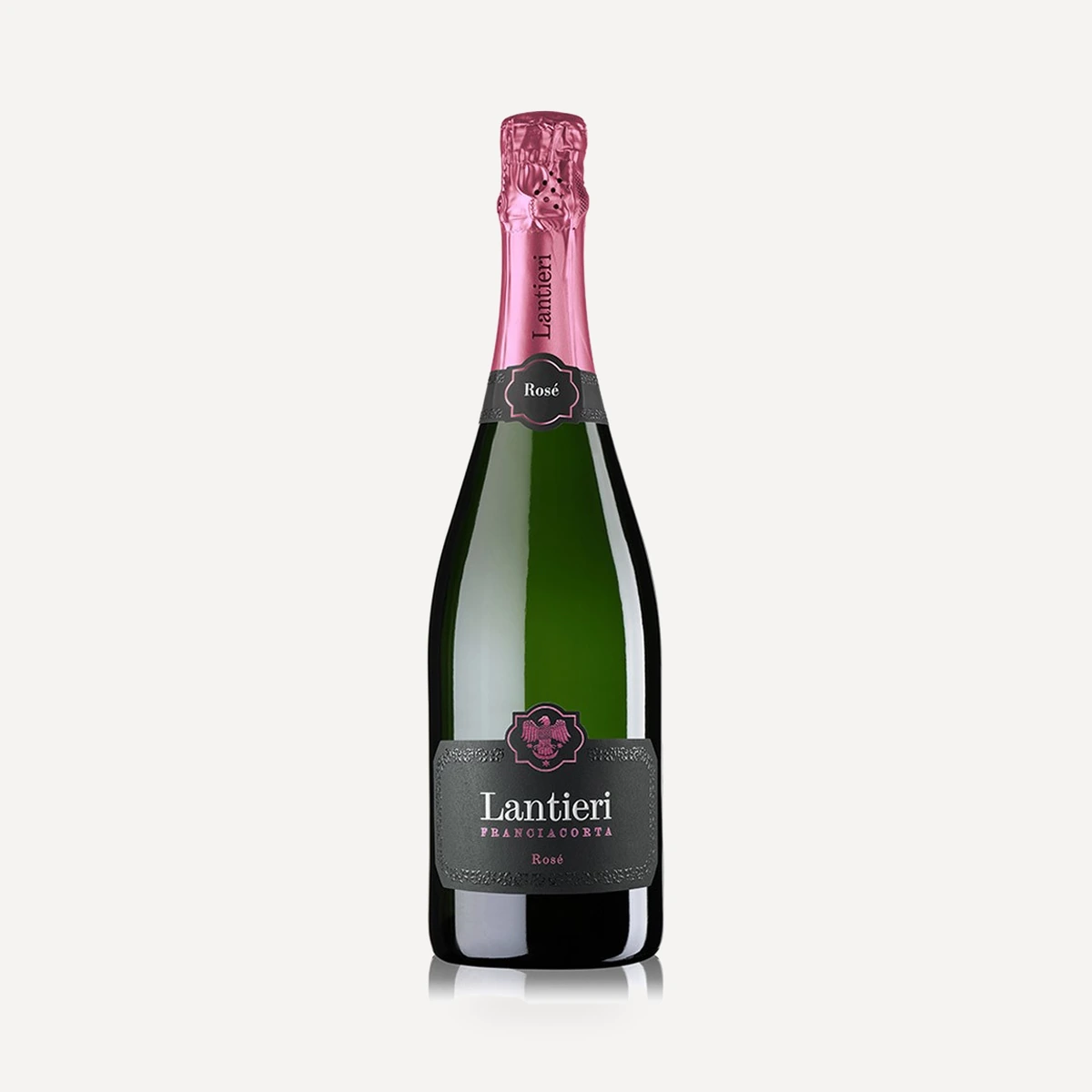
Franciacorta Brut Rosé D.O.C.G.
Franciacorta Cuvée Brut D.O.C.G.
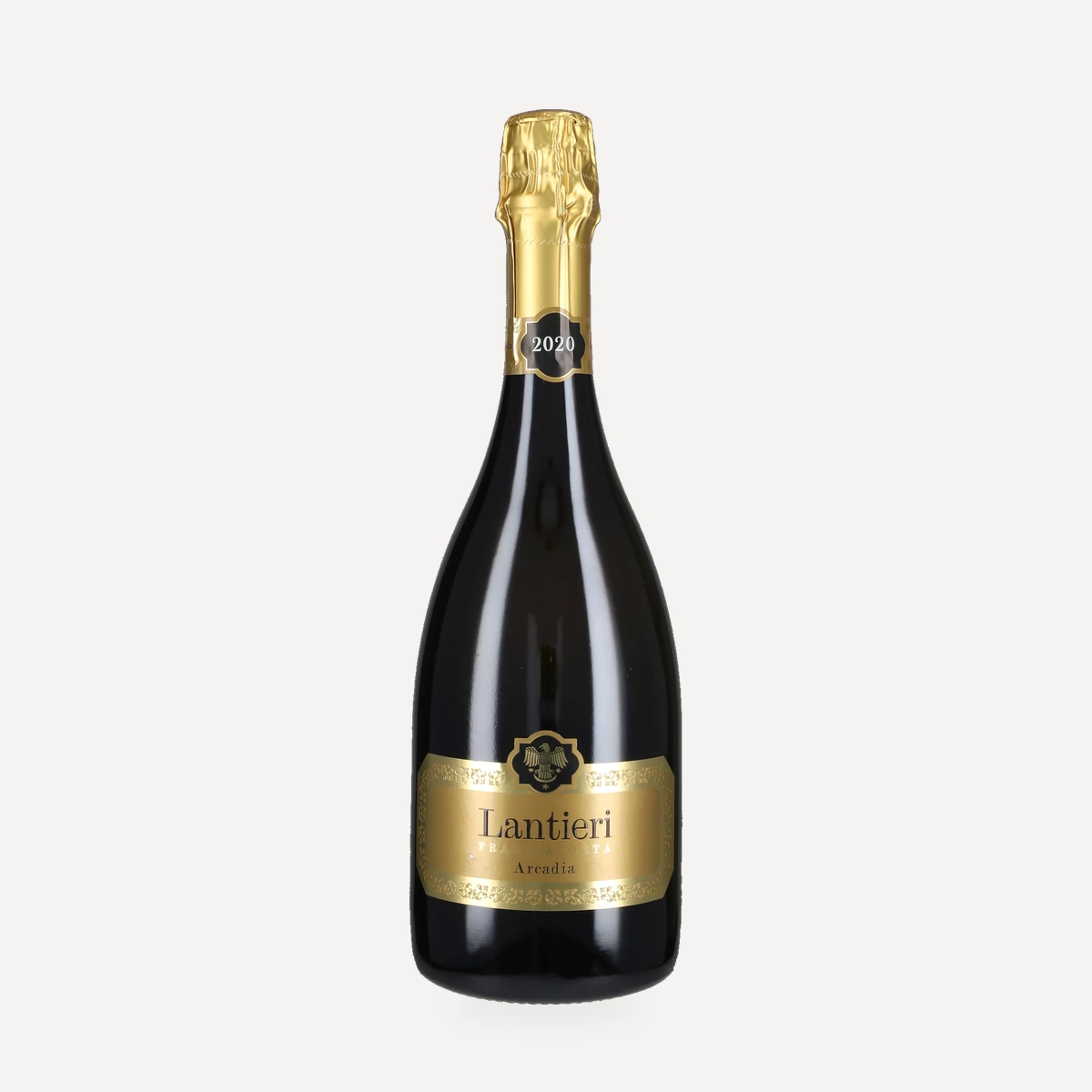
Franciacorta Extra Brut Arcadia D.O.C.G.
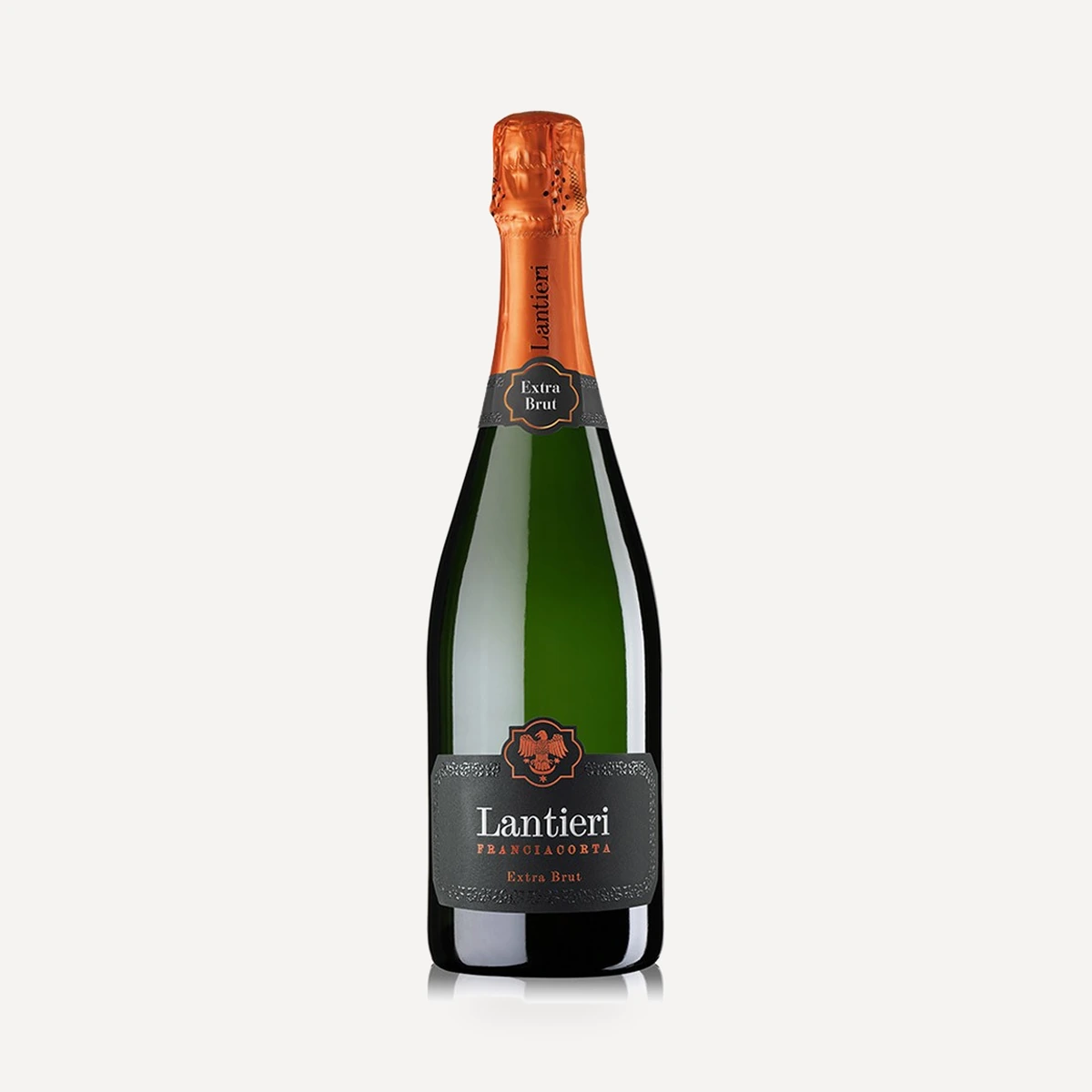
Franciacorta Extra Brut D.O.C.G.
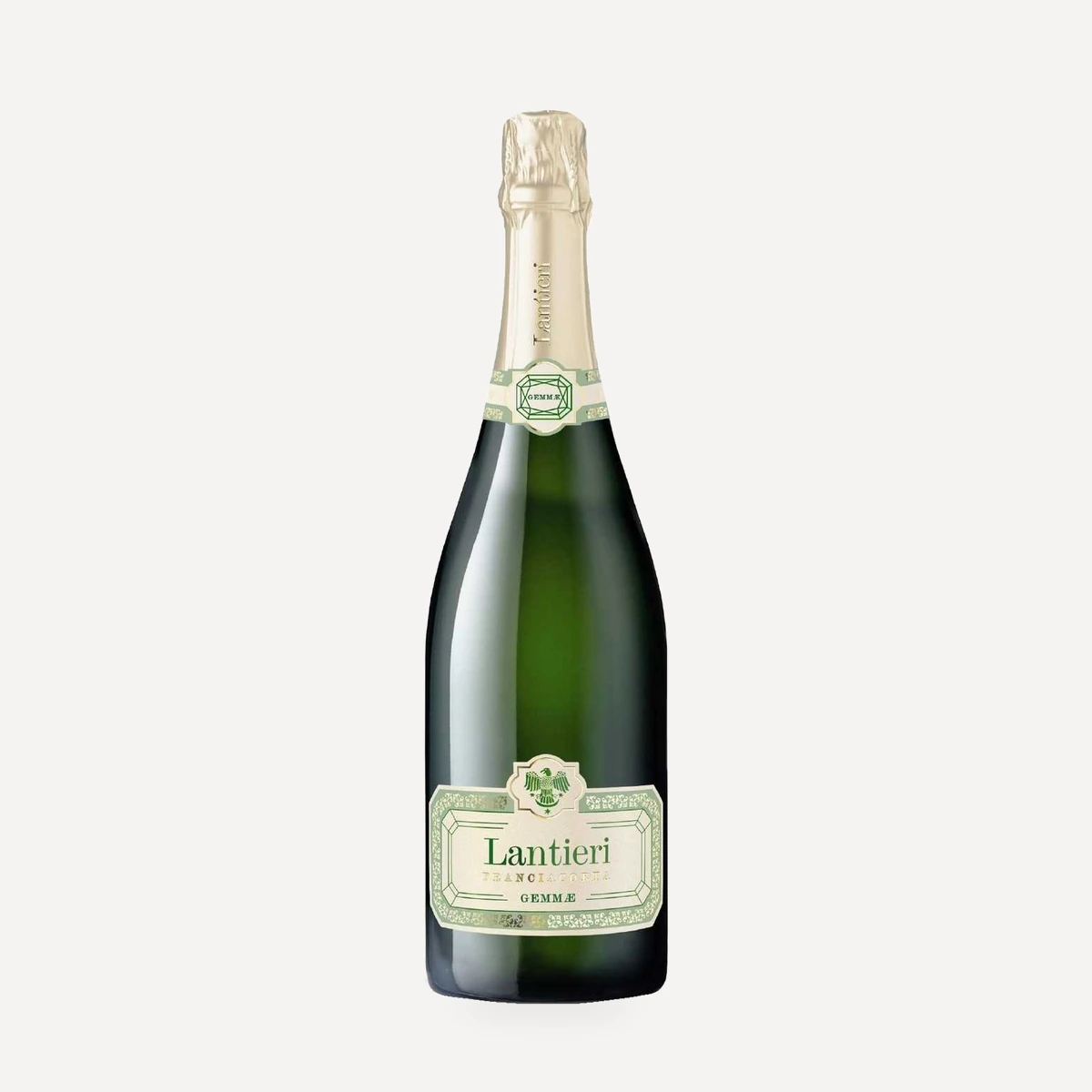
Franciacorta Gemmae Bio D.O.C.G.
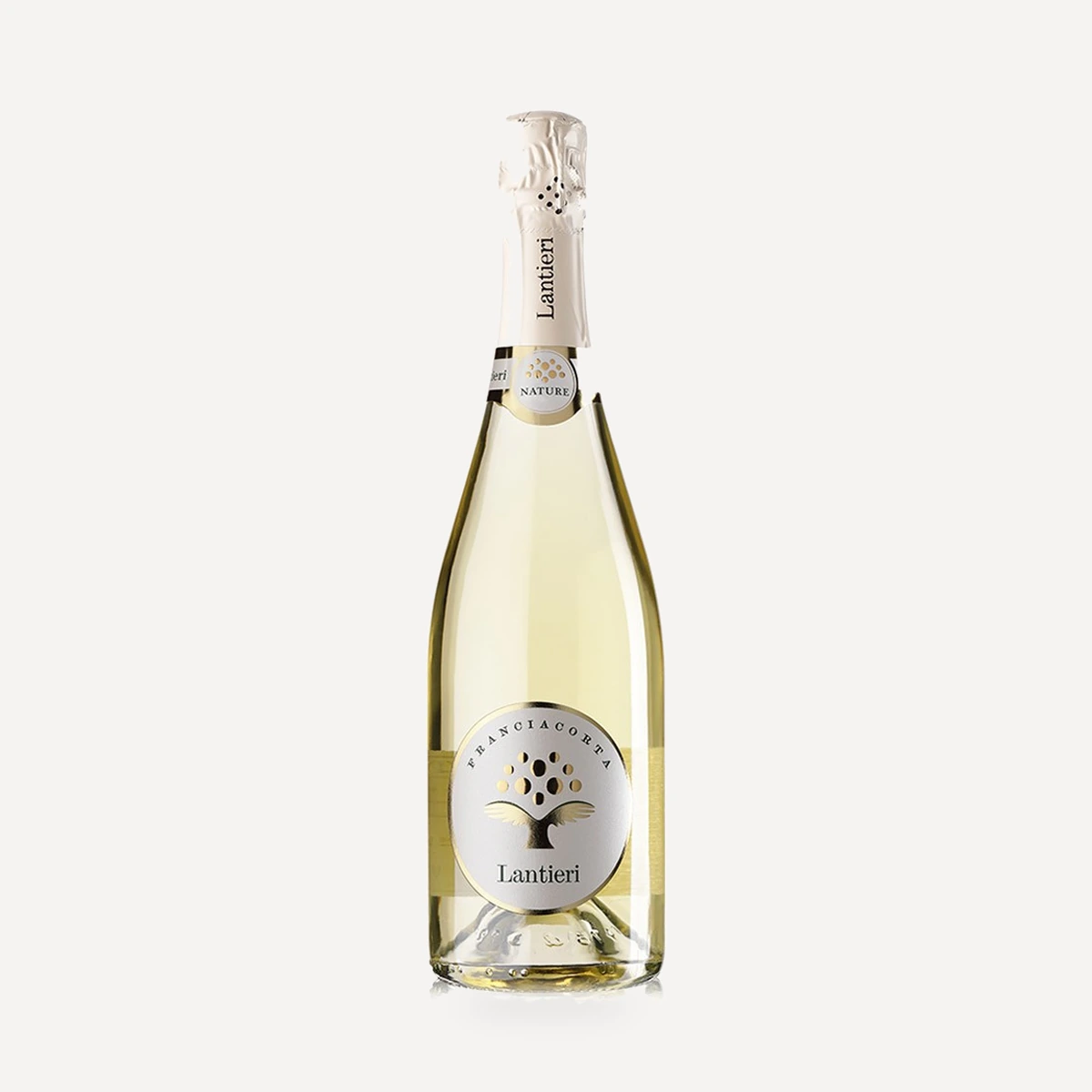
Franciacorta Nature D.O.C.G.
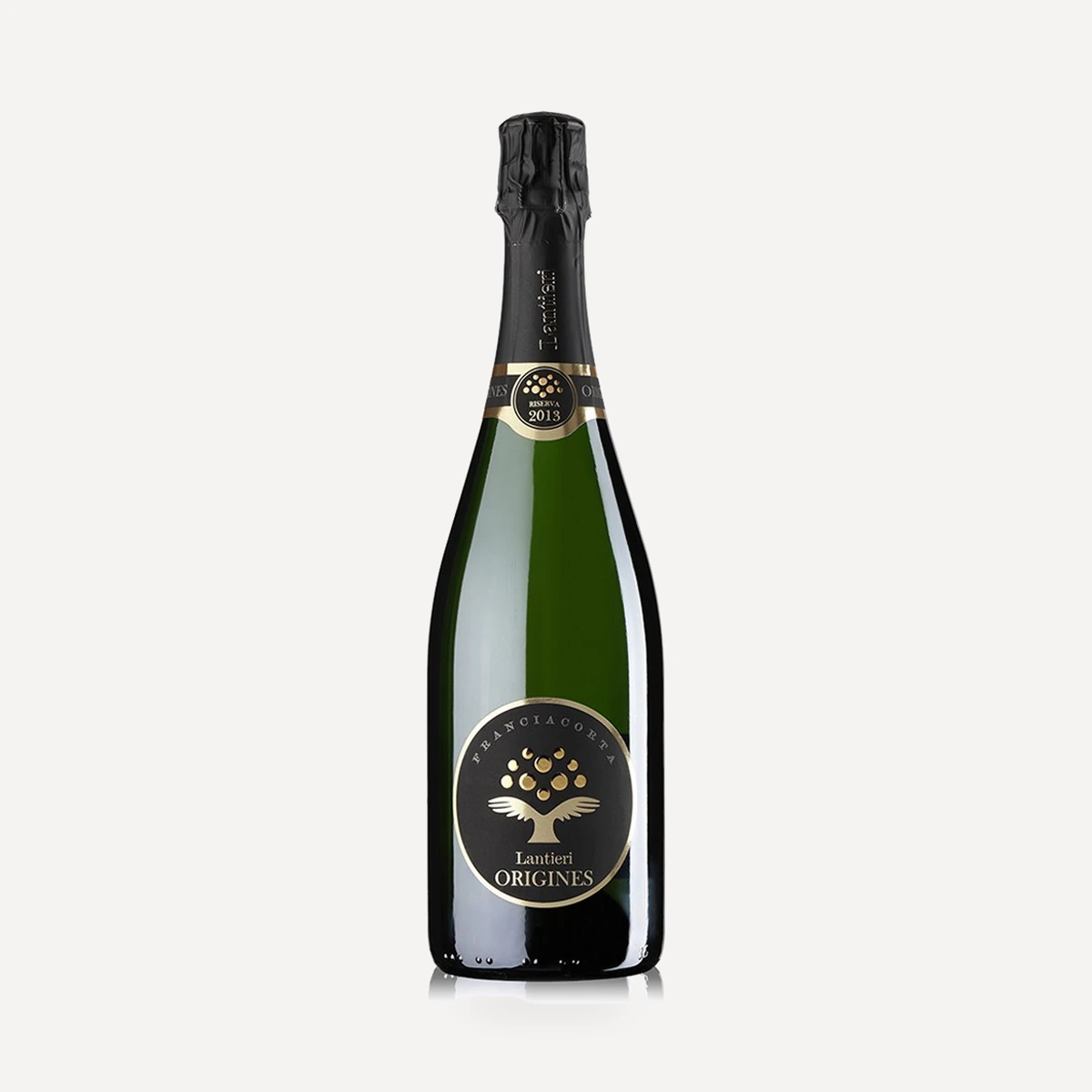
Franciacorta Riserva Origines D.O.C.G.