Storia
Origins: 1997–2003
Francesco Illy conceived Podere Le Ripi after a varied career in art, marketing and the family coffee business. One historical account dates the formal foundation to 1997, while the current account places the decisive encounter in 1998, when Illy was looking for a home in Tuscany and found a 50-hectare property near Castelnuovo dell’Abate. The land, inhabited by a shepherd and sheep, contained a ruined house but no vines. Illy restored the dwelling and initially regarded the property as his home.
Wine—particularly Brunello—was already a passion, although the long timescale of the wine business initially made him feel that he had entered too late. Curiosity eventually led him to plant the first vineyards. A few barrels confirmed his interest, and he continued planting and experimenting. Podere Le Ripi made its first wine from the 2003 harvest. Lupi e Sirene became both the first wine and the first Brunello, and its device, drawn by Illy, became the estate logo.
At the beginning of the 2000s, the property had 12 hectares of vineyard but authorization to produce Brunello from only one hectare. Two parcels—Lupi e Sirene and Amore e Magia—had already emerged as candidates for separate vineyard bottlings. The available Brunello entitlement was assigned to Lupi e Sirene. Amore e Magia was therefore released as Rosso di Montalcino while receiving Brunello-length ageing, an approach that helped establish Podere Le Ripi in the market.
Experimentation and the Bonsai project
Illy was repeatedly told that great wine required old vines with deep roots and that his young plantings would need decades to mature. He responded with a high-density experiment intended to force roots downward through competition. The resulting Bonsai vineyard was planted at 62,500 vines per hectare. Its square rather than row-based layout permits access to every vine because all operations must be performed by hand. Research excavations later found roots reaching approximately 3 metres, around twice the depth observed in a conventionally planted vineyard.
The experiment grew into two Bonsai plots and ultimately 1.4 hectares. Mature vines produce about 200 g of fruit each, normally one or at most two small bunches, and some bear no crop in difficult seasons. The project became both a wine source and a continuing investigation of root systems, planting density and soil management.
The Golden Cellar: 2003–2015
The cellar project took shape over twelve years from initial conception to inauguration. Seven years were spent on construction itself, reflecting the unusual design and the search for suitable materials. The building was conceived around the golden ratio of 1:1.618033 and made largely from porous brick and mortar. Approximately 90% of the originally possible reinforced-concrete structure was eliminated to avoid creating what the team regarded as a Faraday cage and to retain continuity with the surrounding environment.
The Golden Cellar opened in 2015, and that harvest was the first processed by the original team in the new building. Its wood and clay-brick surfaces were intended to support a diverse resident microbiology and create stable conditions for slow spontaneous fermentation and long maturation.
Biodynamics and the evolution into a farm
Podere Le Ripi began adopting biodynamic farming in 2012. The transition expanded the project from a wine-focused estate into what the team calls an agricultural organism: vineyards integrated with olive groves, fruit trees, woodland, gardens, water, bees and livestock. Organic and biodynamic certification was subsequently obtained under Demeter requirements.
In 2017, the team purchased Il Galampio on the opposite, western side of Montalcino. The acquisition extended the same working model to a contrasting terroir and enabled production from both the warmer eastern slope near Castelnuovo dell’Abate and the cooler, forested western slope.
In 2018, 6 hectares were assigned to a synergistic vegetable garden, orchards, beehives, lakes and grazing areas. An animal sanctuary was established around the same period with animals adopted from the meat industry. The estate was also designated a natural reserve intended to protect plant and animal life.
In 2020, five beehives represented the beginning of a much larger apiculture project. With Enzo’s arrival, the operation expanded to more than 200 hives moved in small groups among seasonal flowering sites between Monte Amiata and Montalcino. Honey, pollen and honey-based spirits became additional expressions of the mixed-farm model.
Appellation development and recent community model
Amore e Magia remained Rosso di Montalcino from the 2008 through 2014 vintages. Additional Brunello production rights eventually allowed it to become Brunello di Montalcino DOCG from the 2015 vintage.
The enterprise developed around a young, multidisciplinary team rather than external consultants. Several employees became company partners. In 2021 the workforce numbered 25 with an average age of about 27; the current team exceeds 30 people. Their work now spans vineyards, cellar, agronomy, gardens, animals, beekeeping, hospitality, sales and administration. The team describes Podere Le Ripi as a community business in which wine is a vehicle for cultivating a shared social and agricultural culture.
The 2021 season began with a severe frost following an Arctic air incursion. Temperatures reached approximately −6°C on the night of 7 April, permanently damaging an estimated 50–70% of the vines and cutting anticipated production by at least half.
Terroir
Two sides of Montalcino
Around 35 hectares of vineyards are distributed between the eastern and western sides of Montalcino. The original estate lies near Castelnuovo dell’Abate and the Abbazia di Sant’Antimo on the southeast/east side; the later western property lies amid extensive woodland.
Castelnuovo dell’Abate and the eastern slope
The eastern vineyards receive the first sunlight of the morning, helping dry the grapes early in the day. Air currents are channelled almost daily between Monte Amiata and the Montalcino ridge. Gusts, fast-moving clouds and the extinct volcano’s position influence local conditions: clouds can leave the area dry or shelter it from violent late-summer rain.
The terrain has oceanic origins and very high proportions of clay and silt, with abundant active limestone. High pH, salinity and compactability make the soils demanding. Geological movement lifted and displaced ancient seabeds through landslides and tectonic disturbance, producing a mosaic rather than a uniform profile. The warm, sunny setting and persistent wind support deeply layered Sangiovese, while requiring restraint to avoid excessive weight.
Olivastra Seggianese olive trees have been cultivated here for centuries, and old olive groves remain a defining part of the landscape.
Western slope
The west is cooler, more humid and receives direct light mainly in the afternoon. Medium-to-high forest extends for great distances around the vineyards, creating an isolated, undergrowth-scented environment. The landforms resemble lake bends and terraces rather than the eastern slope’s steps and gullies. They were shaped by the Ombrone River and by alluvial fans carrying eroded material from higher slopes.
The resulting soils are loose, deep and highly heterogeneous: clay and sand predominate, with silt and assorted draining stones that include alberese, galestro and Tuscan boulder material. Some selected sites contain galestro and quartz mixed with alluvial sand and silt. The combination can preserve freshness and produce less concentrated fruit in hot years.
Broader geological framework
Three soil rings are distinguished around Montalcino. The first is skeletal and freely draining, combining galestro, Monte Amiata volcanic rock and oceanic deposits. The second is older and poorer, composed of oceanic clay, limestone and marl; it yields less but is valued for personality. The third is alluvial, rich in sand and silt transported by erosion and therefore highly variable.
The estate’s philosophy treats resident indigenous yeast populations as an additional component of terroir because their development varies with vineyard, cellar, climate and vintage.
Vinificazione
Podere Le Ripi began biodynamic farming in 2012 and is certified both organic and biodynamic under Demeter requirements. Biodynamics is treated as an evolving farm system rather than solely a compliance standard, with soil vitality, humus formation, biodiversity and connections among living organisms at its centre.
Preparations 500 and 501 are core practices. Preparation 500 is sprayed on the soil to encourage vitality and balance. Preparation 501 is applied to leaves, flowers and grapes to intensify the plant’s relationship with sunlight and photosynthesis. Herbal teas, decoctions, farm compost and cow-horn manure are increasingly produced on the property. Compost and farm wastes are transformed into humus; cow-horn manure is buried for approximately six months to ferment. The team follows a lunar and constellation calendar whose root, leaf, flower and fruit days guide treatments, sowing, vineyard work and harvest.
The estate avoids monoculture by integrating vineyards with old olive groves, woodland, many fruit varieties, a synergistic vegetable garden, lakes, flowering plants, insects, fungi, bees and grazing animals. Six hectares have been reserved for this mixed system since 2018. Ancient fruit and vegetable varieties are maintained without synthetic molecules, while the garden also serves research and preparation production.
Animals include roughly 30 sheep and goats, donkeys, birds and a cow. They graze vineyard areas during the vines’ autumn and winter dormancy. The cow helps close the cycle for preparation 500, though the herd does not yet provide all the manure required. An animal sanctuary founded around 2018 included about 30 chickens, the donkeys Camilla and Tranquilla, goats, one cow, five sheep and the ram Rocco; its animals had been adopted from the meat industry.
More than 200 beehives are divided into small groups and moved between Monte Amiata and Montalcino to follow chestnut, honeysuckle, ivy, strawberry-tree and other seasonal blooms.
Bonsai requires its own manual regime. Low alberello vines carry only two or three productive buds. Shoots are braided through accapannatura instead of topped. Hand-distributed manure replaces organic matter; the upper 30 cm of compactable clay-silt soil is decompacted; straw and hay mulches conserve moisture, reduce compaction, suppress weeds and protect the unirrigated soil. All work in this square-planted vineyard is manual.
Grapes are picked by hand in accordance with the biodynamic calendar. Decisions rely heavily on tasting and full flavour development rather than a fixed date. Recent harvests have begun progressively earlier, sometimes in the first days of September. Fruit is placed in 15 kg crates and taken to the cellar at Castelnuovo dell’Abate for detailed manual selection. Morning fruit is processed immediately; afternoon fruit is cooled for 10–12 hours so that it enters the fermentation vessel at no more than 15°C.
The Golden Cellar
The cellar at Castelnuovo dell’Abate was conceived around the golden ratio of 1:1.618033 and inaugurated in 2015 after a twelve-year path from initial idea to completion. Seven years were devoted to construction. It is built predominantly from brick and mortar, with roughly 90% of a conventional reinforced-concrete structure removed. Porous brick, clay and wood were selected to let the building breathe and provide surfaces on which indigenous yeast and other microorganisms can establish themselves.
Reception and fermentation
Hand-picked grapes arrive in 15 kg crates and undergo manual selection. Fruit harvested in the morning is processed immediately; afternoon-picked grapes spend 10–12 hours in refrigeration and enter the fermenters at no more than 15°C to avoid an excessively vigorous start.
Fermentation is spontaneous and driven by microorganisms resident on grapes and in the cellar. Selected industrial yeasts and aggressive cellar chemicals are avoided. Fermentation takes place in wood—principally large, half-conical Vosges-oak vats, open casks and tonneaux. Open pump-overs are performed two to four times daily according to the progress of each lot.
The process is deliberately slow and variable. The resident yeast community carries out approximately 95–98% of fermentation during the initial months, at times alongside malolactic fermentation. A primary active phase may last more than 40 days as yeasts and bacteria alternate. When fermentation slows markedly, aeration stops and the vessel may be filled and sealed with the skins retained inside, resembling a submerged-cap or Piemontesina method. An earlier description places this transition at roughly the final 10 g of sugar: the submerged cap remains protected by carbon dioxide while yeasts complete their work without oxygen. This post-harvest phase can last one to two months.
Seasonal warming in spring commonly reawakens fermentation. Secondary and micro-fermentations may then continue for years as the final residual sugars are consumed. They are accepted as part of the wine’s evolution rather than eliminated through standardization.
Nothing is added apart from small quantities of sulphites. Dosage is adjusted to what each wine needs and is being progressively reduced. No external consultant directs vinification; responsibility rests with the long-standing estate team.
Maturation
After racking, wines begin maturation in large oak casks. Timing is vintage-specific: some lots remain in wood for as long as 40–41 months, while warmer vintages may require a change after 24–26 months. Unnecessary rackings are avoided, and temporary reduction or renewed fermentation is accepted as part of preserving vitality.
Once the interaction with wood is judged complete, the wine is moved to large concrete vats. Concrete provides slower micro-oxygenation and an intermediary resting stage between cask and bottle, allowing natural settling for another 12–24 months. Across wood and concrete, the principal micro-oxygenation phase can range from 18 to 48 months according to wine and vintage.
Bottling is scheduled for a suitable lunar phase and receives one final minimal sulphite addition. Brunello remains at the estate for a total of five years before release.
Terracotta
Trebbiano and Malvasia are vinified artisanally with prolonged skin contact in handmade terracotta amphorae for Canna Torta. The porous clay permits slow, continuous micro-oxygenation and spontaneous fermentation.
Filosofia
Podere Le Ripi defines itself as a biodynamic winery seeking to become a farm again: a living organism composed of agriculture, ecosystem, vineyard, community and culture. Wine remains central, but it is treated as one element within an interconnected farm rather than an isolated monoculture.
Francesco Illy’s business model rests on five linked dimensions: aesthetic, ethical, economic, ecological and social. Economic viability allows a model to last and be replicated; ecological responsibility makes continued life within its environment possible; ethics support durability; aesthetics create culture; and social health creates a team capable of evolving and spreading that culture.
The team aims to express Montalcino’s different places and vintages rather than reproduce a standardized taste. Sangiovese is viewed as a particularly transparent interpreter—a mirror between the grower and the land. Irrigation and rigid cellar protocols are resisted because they can make vintages too uniform. Indigenous yeasts are valued as part of place, while every growing season is given its own response.
In the cellar, the ideal is accompaniment rather than authorship. Quality is considered to originate in the vineyard and to be vulnerable to every subsequent intervention. Fermentation, reduction, microbial activity and long maturation are observed patiently; the team intervenes only when necessary, accepting more risk in exchange for less manipulation. Sebastian Nasello’s guiding aspiration is that nothing be added and nothing taken away, while recognizing the limited use of sulphites required in practice.
Socially, Podere Le Ripi describes itself as a community business. Young people arriving for internships or initial agricultural experience have remained, made homes in the area and developed new projects. Employees have become partners, work is shared across departmental boundaries, and expertise is developed internally instead of delegated to consultants. Wine is not regarded as the final goal but as a means of cultivating enthusiasm, participation, freedom, culture and a renewed rural community.
Curiosity is the unifying principle: it drives travel, collective tasting, exchange with artisans and producers, adaptation to climate change, and the continuing expansion into gardens, animals, bees, food and hospitality.
Vini
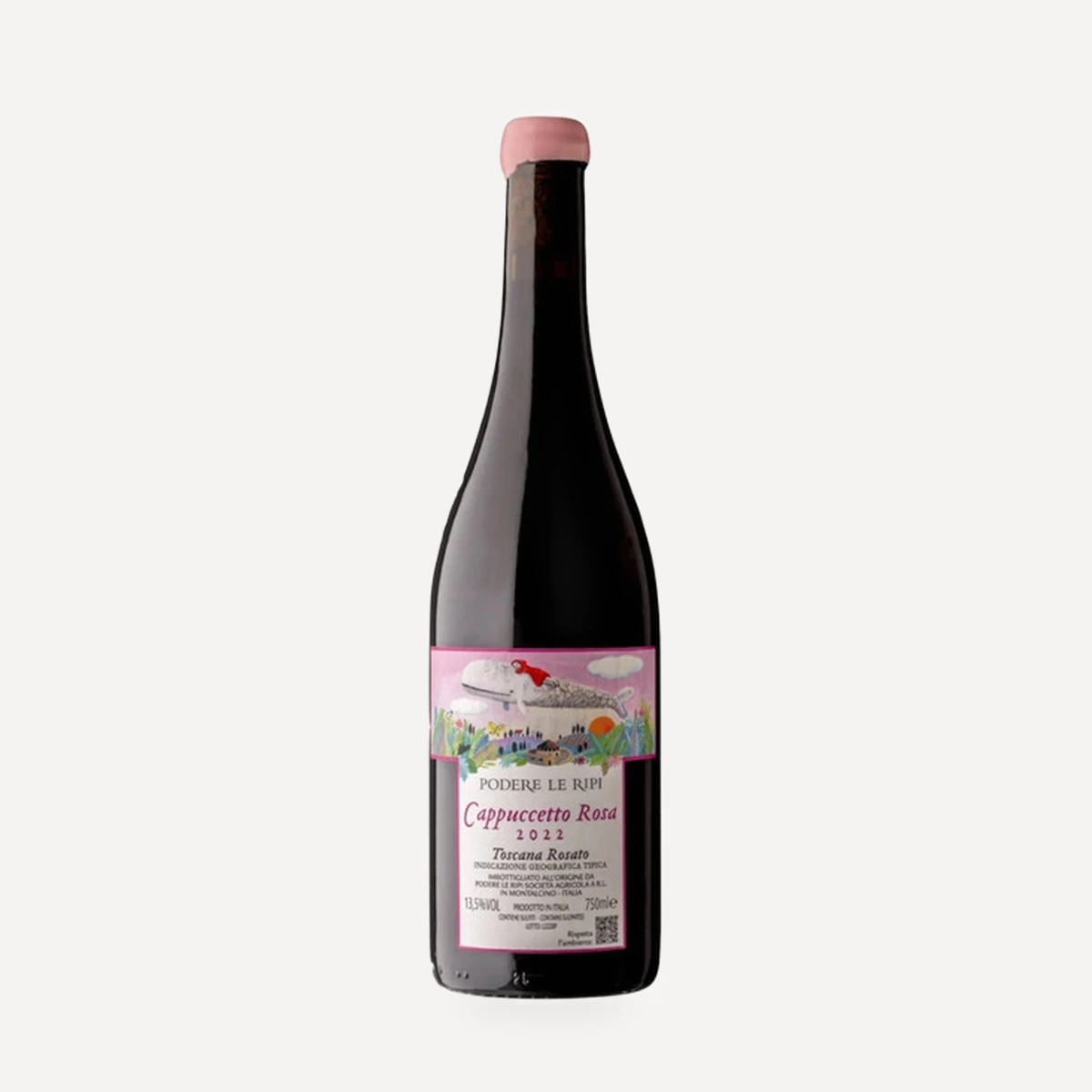
Cappuccetto Rosa
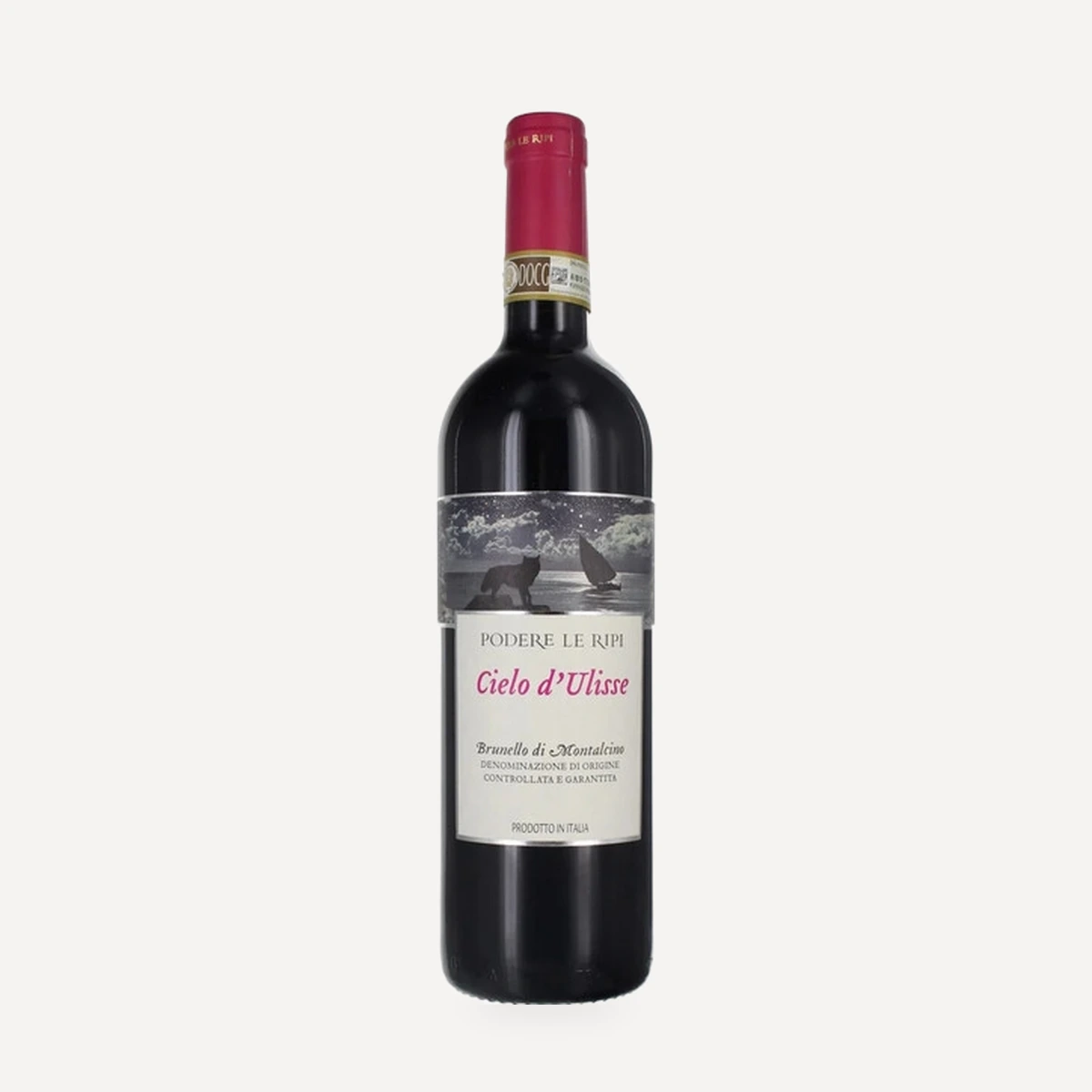
Cielo d'Ulisse
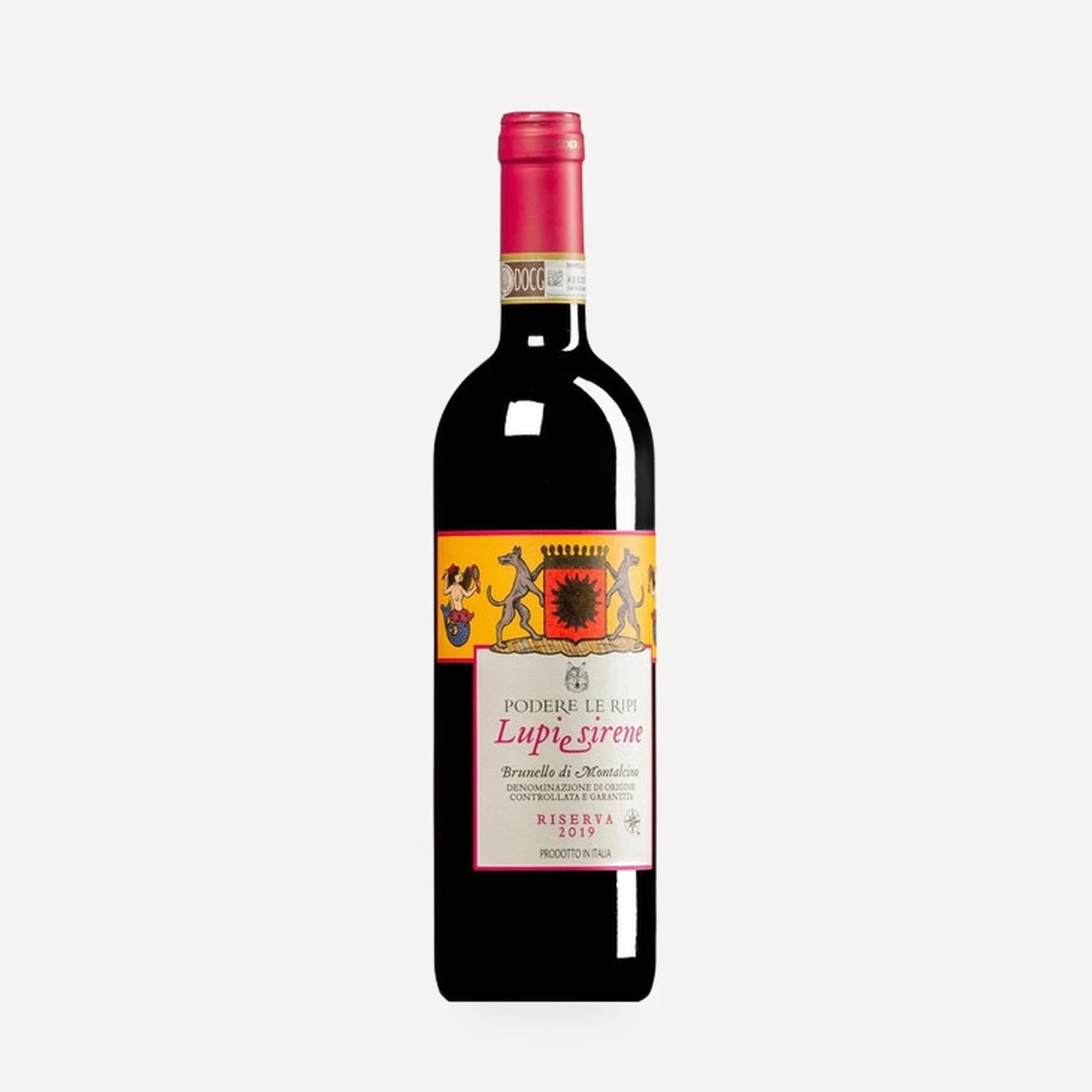
Lupi e Sirene Riserva
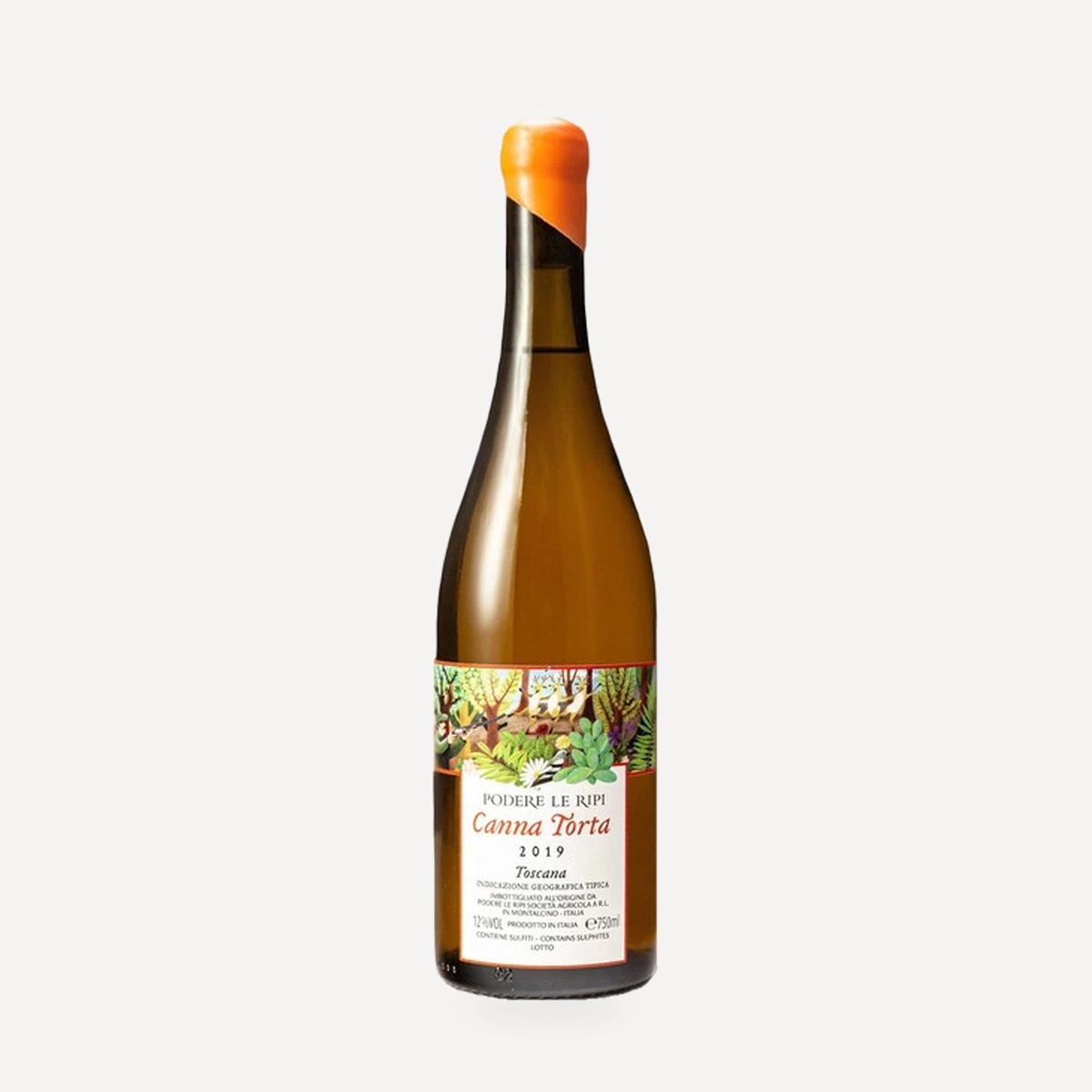
Canna Torta
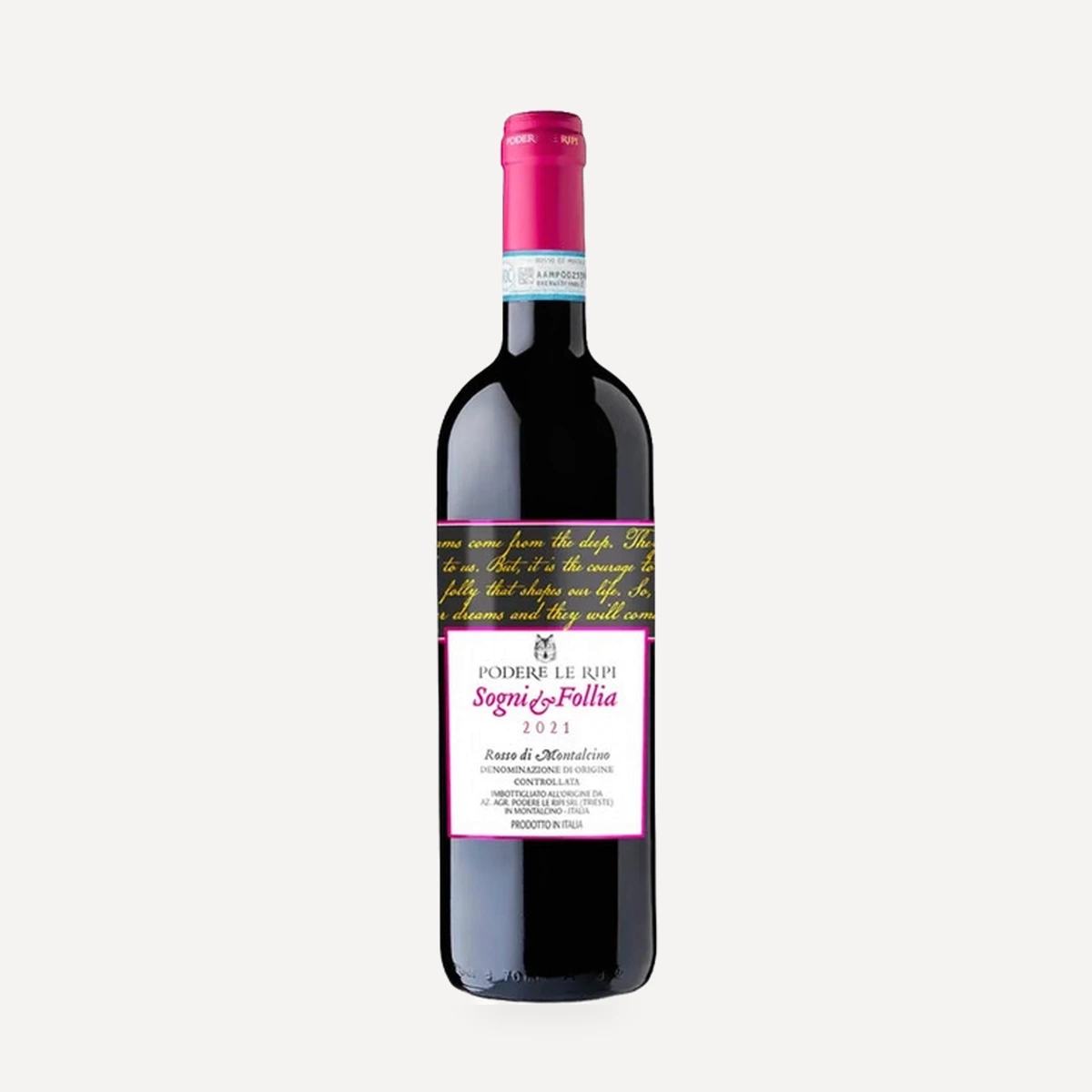
Sogni e Follia
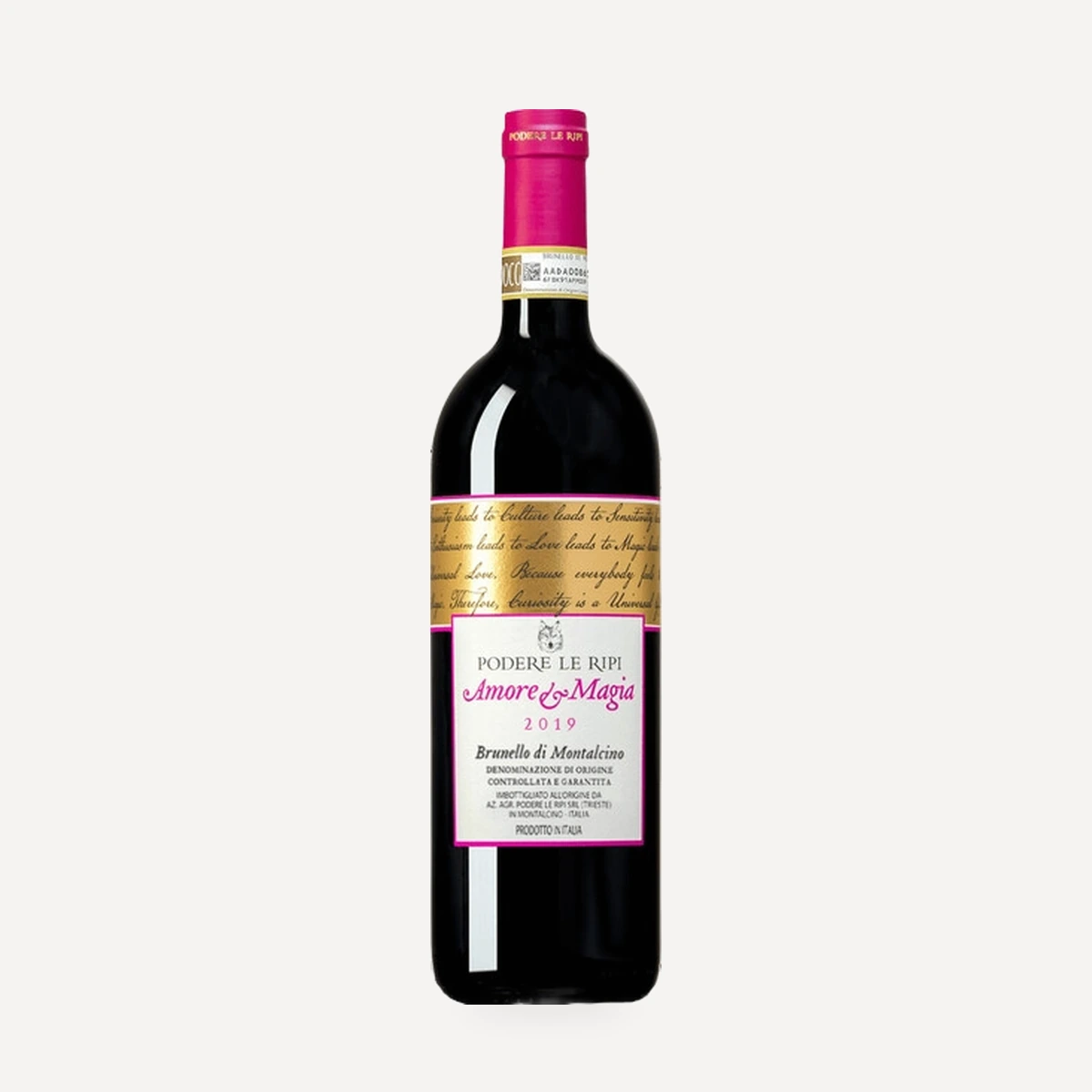
Amore e Magia