Storia
Medieval viticultural origins
The earliest known evidence of vines on the present Villa Angarano property is the Regestum possessionum comunis Vincencie of 1262. The document is significant because it records vines arranged in dedicated rows without the interplanted crops then common in the surrounding countryside.
Palladio and the Villa-Farm
In 1548, Giacomo Angarano commissioned his friend Andrea Palladio to design Villa Angarano. The plan treated the property as a unified Villa-Farm: both a noble residence and the operational centre of farming and landed-estate management. The vineyard still surrounds the villa in accordance with that agricultural design.
Palladio included Villa Angarano in I Quattro Libri dell’Architettura in 1570, describing the place as celebrated for its wines, fruit and the hospitality of its owner.
Viticultural continuity is traced through successive families: the Angarano, Formenti, Gradenigo, Pisani, Michiel and, finally, Bianchi Michiel families.
UNESCO recognition
In 1996, Villa Angarano entered the UNESCO World Heritage List as part of “City of Vicenza and the Palladian Villas of the Veneto.” The agricultural complex continued to serve simultaneously as a family residence, working farm, cultural venue and setting for events.
The five Bianchi Michiel sisters
In 1998, Ruggero Bianchi Michiel’s five daughters inherited the property. Giovanna, the second of the five sisters, assumed a leading entrepreneurial role in the challenge of renewing its wine activity while preserving the connection between the villa and its farmland.
A major business transformation followed in 2003. Intended to reposition the enterprise in an increasingly quality-focused market, it included vineyard replanting and the creation of a renewed wine operation. Vineyard documentation records plantings in 2003, 2005 and 2006.
Le Vie Angarano
In 2020, the sisters involved the latest family generation, viewing the land as essential to the life and prosperity of the entire complex. Working closely with winemaker Marco Bernabei, they opened a new phase under the Le Vie Angarano project. The project continues the estate’s historic Villa-Farm model: residence, land and agricultural production managed as an inseparable whole.
Terroir
The estate lies at Bassano del Grappa, at the eastern edge of the Breganze DOC area. Its vineyards occupy the foot of Monte Castellaro, where the Valsugana reaches the plain and the Altopiano di Asiago begins. Monte Grappa forms the background, while the Brenta runs beside the property. Soft hills and century-old olive groves surround the vines.
The eight-hectare vineyard extends immediately beside the Brenta on alluvial, clay-rich soils. Individual blocks are described as medium-textured or ranging from medium-textured to relatively loose. Elevations documented for the planted blocks are 118–120 m above sea level, with predominantly north–south rows and one east–west Chardonnay block.
A pronounced difference between daytime and nighttime temperatures combines with a morning wind that travels from north to south. This creates the estate’s particular microclimate and helps maintain varietal character. The proximity of the river, together with the alluvial-clay soils, is associated with acidity, structure and ageing capacity in the resulting wines.
Vinificazione
The estate is certified organic, although no certifying body or certification date is identified. Vineyard work is followed throughout every phenological phase, with interventions adjusted to the weather in order to maintain vegetative and productive balance and deliberately limited yields.
The team has attended biodynamic training and incorporated selected principles intended to improve balance, without presenting the entire operation as biodynamically certified.
Pruners have been trained in the Simonit & Sirch Method. Its slow, targeted approach keeps cuts on young wood and seeks to preserve the vine’s vascular continuity. The intended results are lower exposure to trunk and wood diseases, a longer productive life for the vine, fewer phytosanitary interventions and lower environmental and operating costs.
Across the documented blocks, planting density is 4,400 vines/ha. Training includes spurred cordon and double or single inverted Guyot, generally retaining 8–10 buds. Documented yields range from 60 to 90 q/ha. Harvesting is manual and includes bunch selection. It begins with Chardonnay in early September, continues with Merlot, Vespaiola and native varieties through September, and reaches Cabernet Sauvignon around mid-October. Grapes destined for natural drying are collected in small 2 kg containers.
The vinification cellar combines stainless-steel equipment and daily monitoring with knowledge inherited from earlier generations. The estate’s documented fermentations use temperature-controlled steel, with regimes adapted to grape and style.
White production includes fermentation at 14–16°C. Chardonnay undergoes alcoholic fermentation for 20–25 days before approximately nine months in oak in contact with fine lees. Dry Vespaiola is fermented sur lies in steel at 14–16°C for at least four months.
Red grapes may be vinified separately by plot. Documented fermentations and macerations last approximately 15–18 days. Native red varieties ferment in steel at 20–25°C. Merlot production includes cap breaking or punching down followed by maceration in steel at 25–28°C. Cabernet Sauvignon is processed separately by plot in steel before extended maturation in French oak barriques and subsequent bottle ageing. Other red production uses French oak for approximately 10 months or, for the current Merlot Riserva presentation, 12–16 months followed by four months in bottle.
For sparkling production, grapes are vinified at a low, controlled temperature for about 30 days to preserve primary aromas. The wine remains with fine lees and undergoes a long Charmat process lasting more than 60 days at low temperature, retaining fine lees from the first fermentation. Approximately 60 days of bottle maturation follow.
The barrel room occupies a vaulted historic space within the agricultural court. Here wines rest in seasoned oak barriques and blends are assembled. The estate’s approach joins modern monitoring and stainless steel with barrel maturation and inherited cellar practice.
Vespaiola selected for Torcolato is naturally dried through the winter in the well-ventilated granary extending along the upper floor of the west barchessa. The grapes are pressed in February at a yield of 25–30%. Fermentation takes place in oak barriques with nearly a year on fine lees, followed by 24 months in new barriques.
Filosofia
Le Vie Angarano presents the villa, its farmland and wine production as one indivisible agricultural entity. The guiding idea follows Palladio’s Villa-Farm model: the residence is not separate from cultivation but remains the centre of the property’s agricultural life.
The Bianchi Michiel family describes attachment to one’s origins as enduring even when family members live or grow elsewhere. In this view, inheritance combines roots with the freedom given to the next generation. The involvement of younger family members in 2020 was intended to renew the project without interrupting the connection established by earlier generations.
Its stated working ideal is cyclical renewal: work is transformed into passion and, through the vine and must, into wine. In practice, this is expressed through limited yields, phenological monitoring, manual selection, organic certification, vine-preserving pruning and the combination of contemporary cellar control with inherited knowledge.
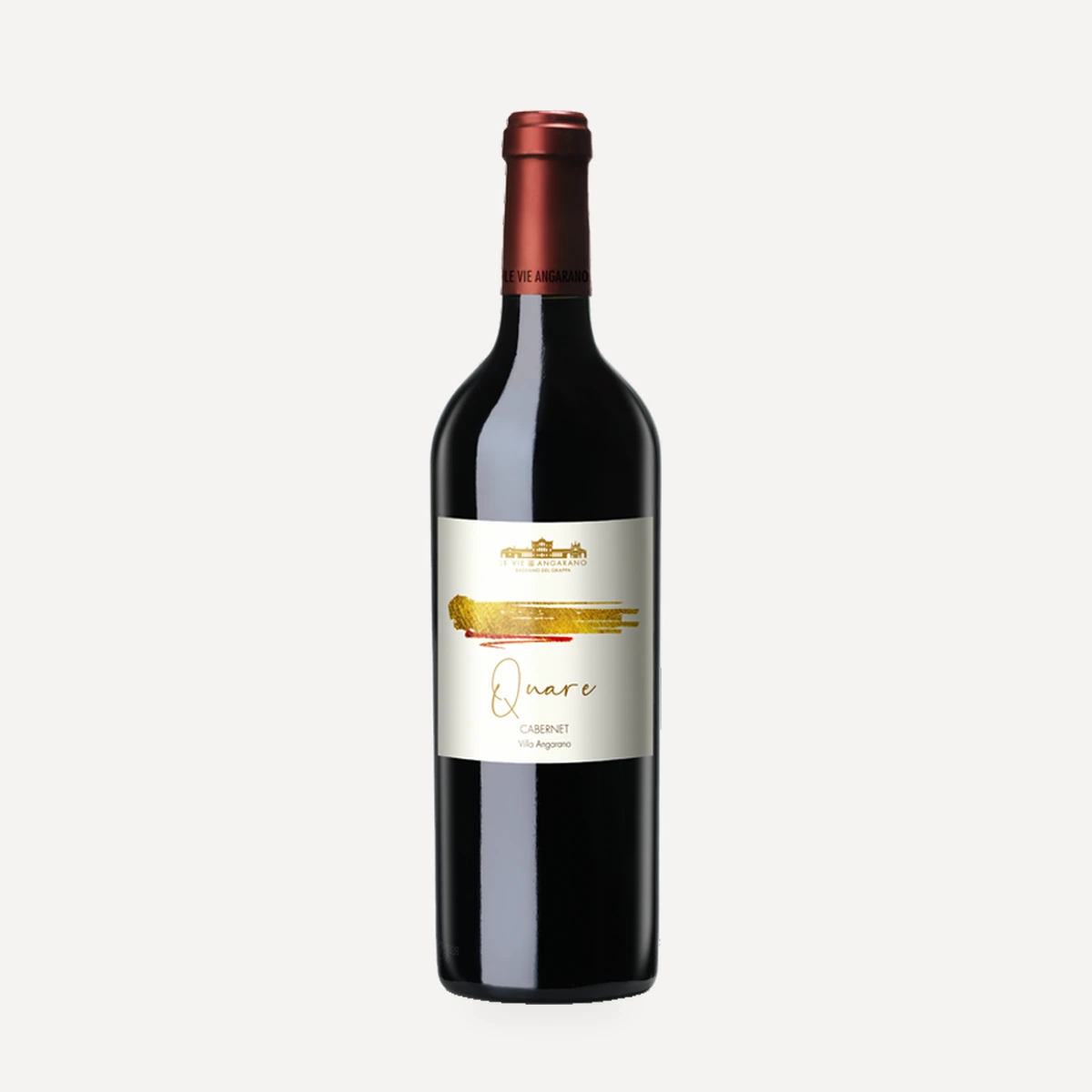
The visual identity follows the same nature-and-art theme. Label designs reduce ploughed fields and vineyard rows to a small number of unsymmetrical brush lines. A strong transverse line differentiates the ranges and is intended to represent energy, movement and a willingness to break established patterns.
Vini
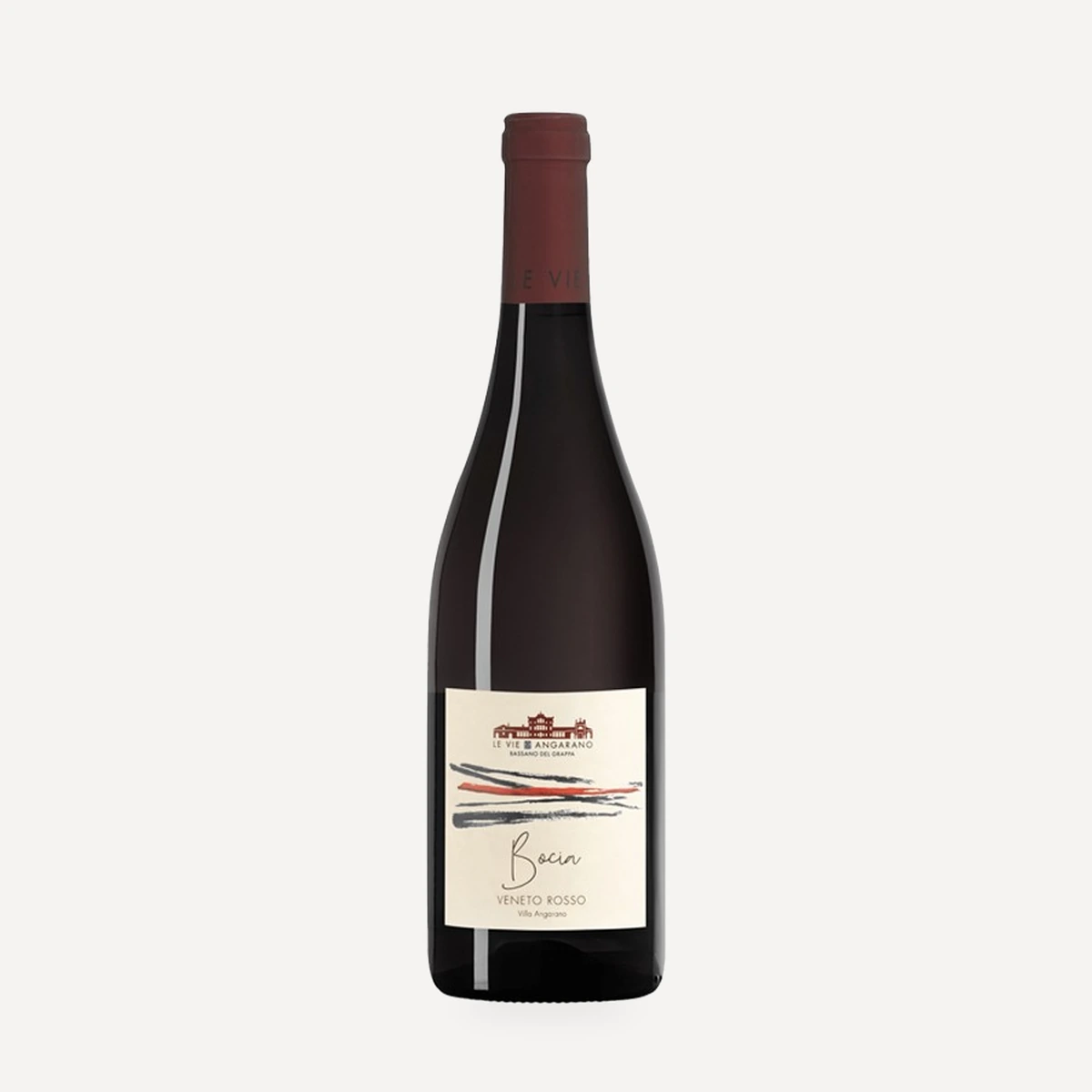
Bocia
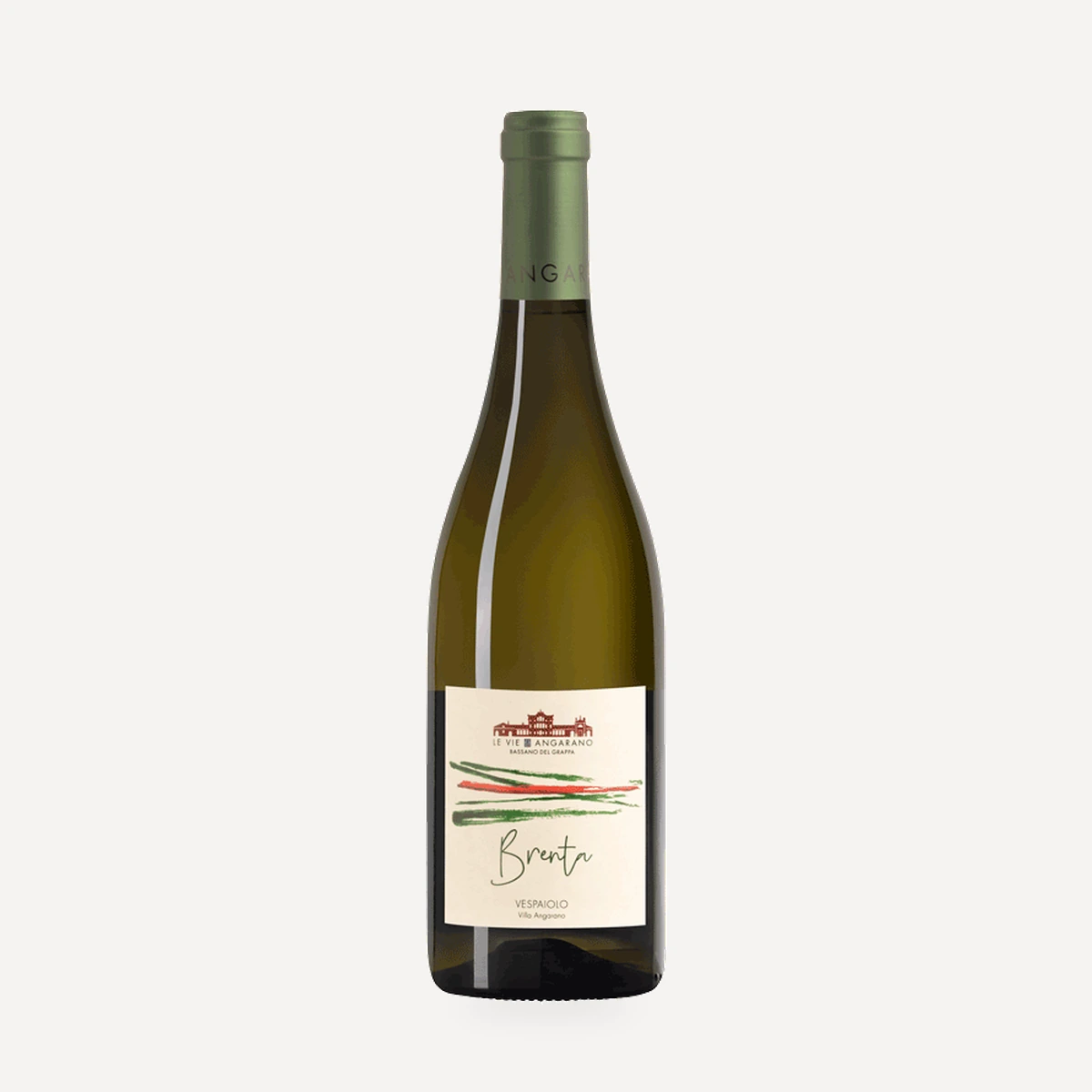
Brenta
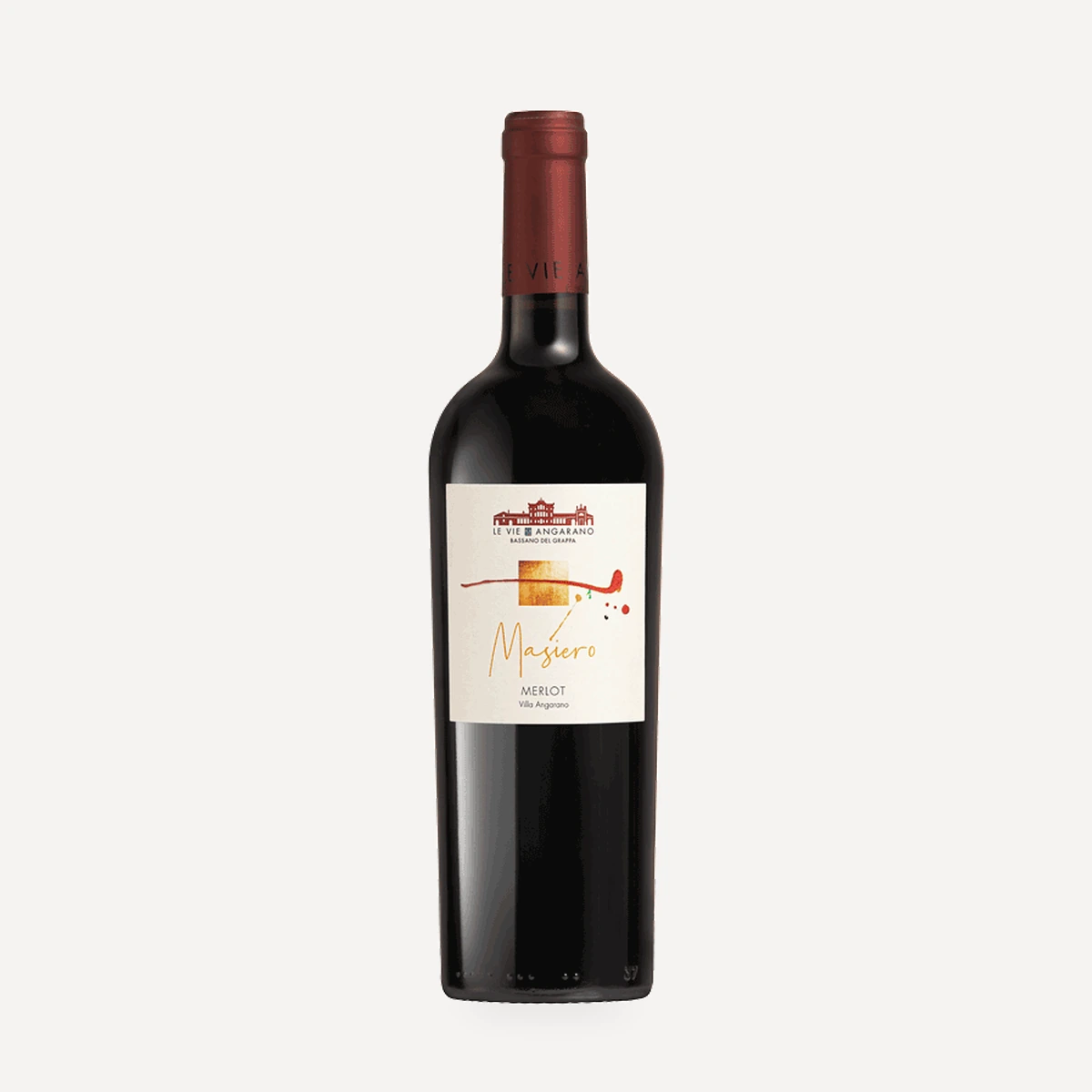
Masiero Riserva
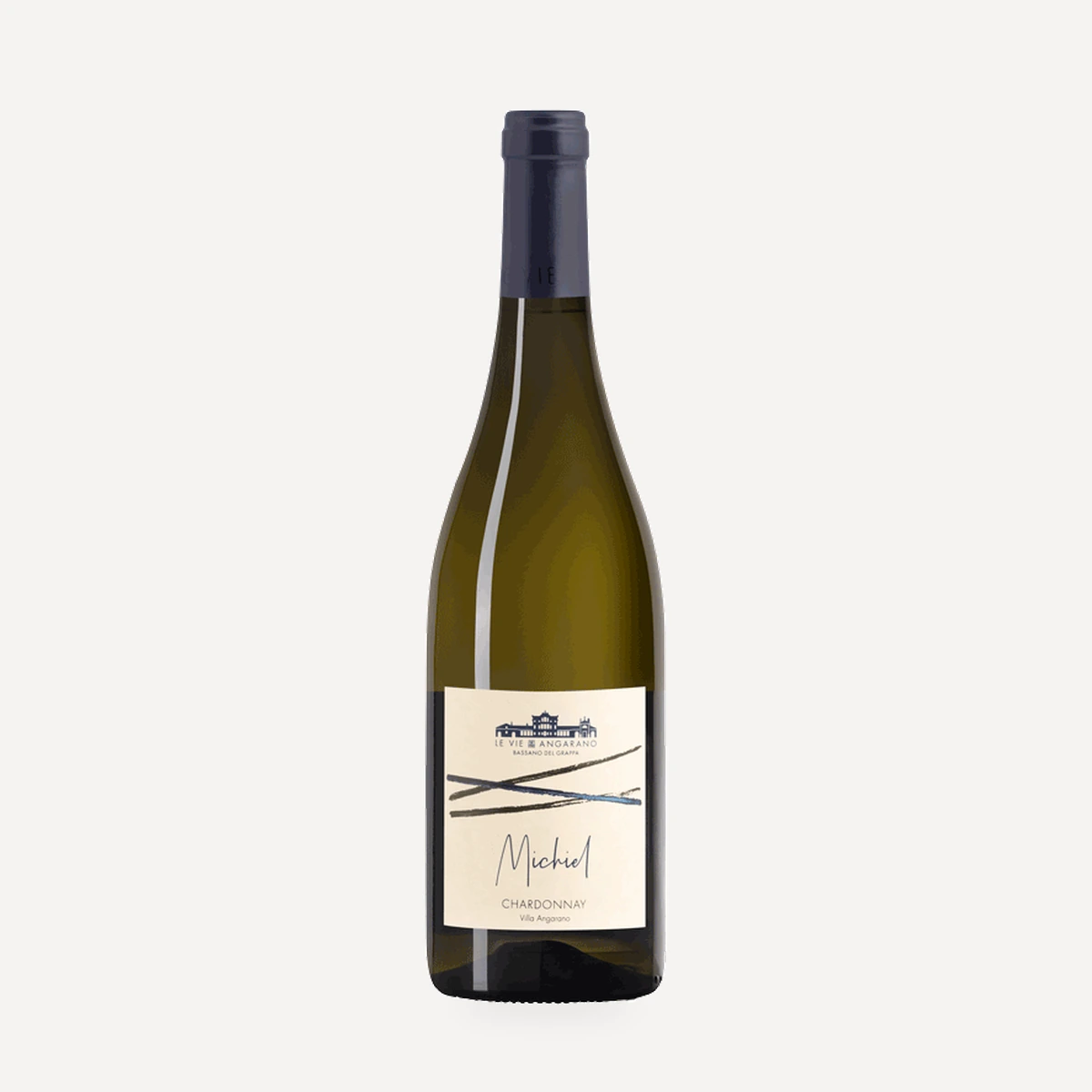
Michiel
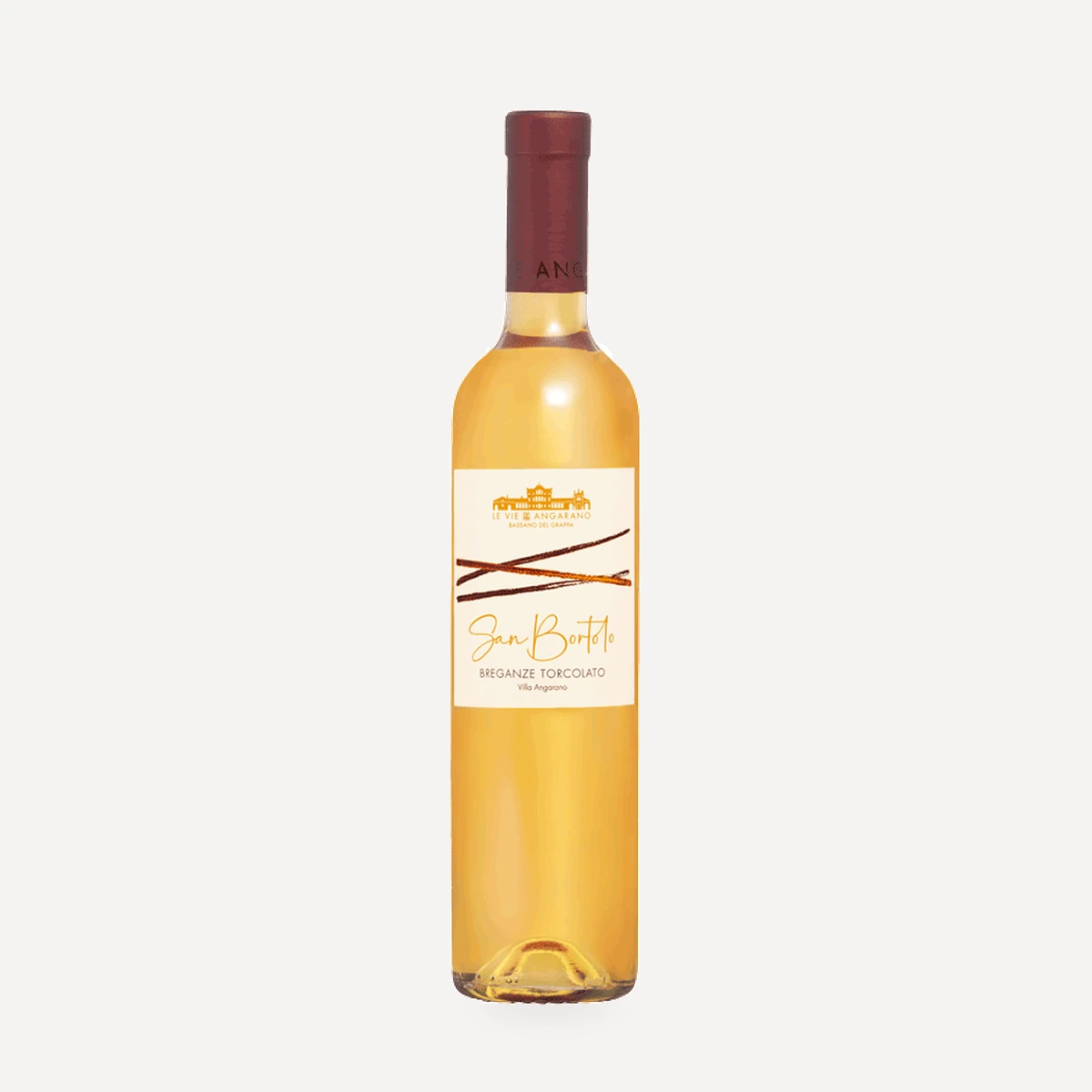
San Bortolo
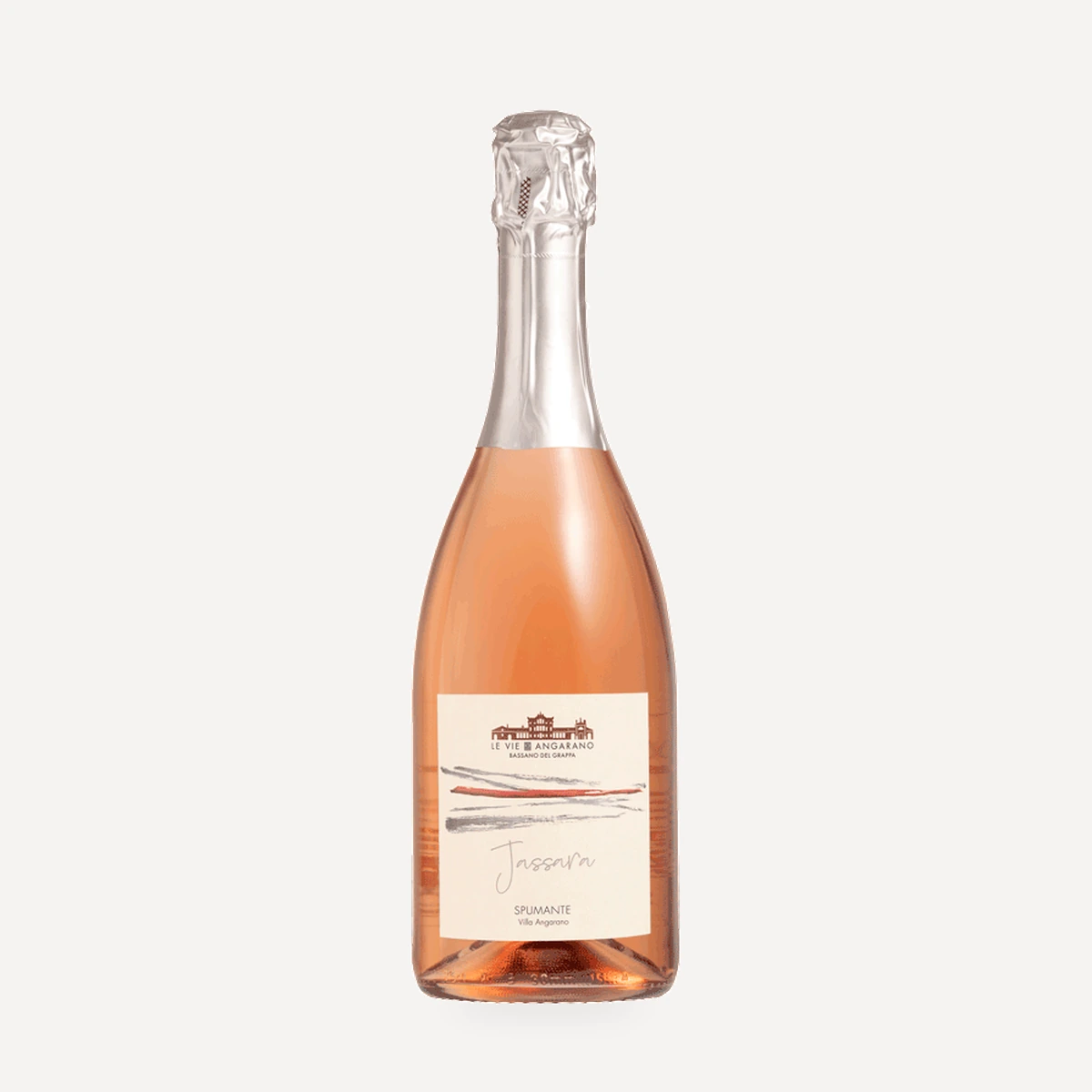
Jassara
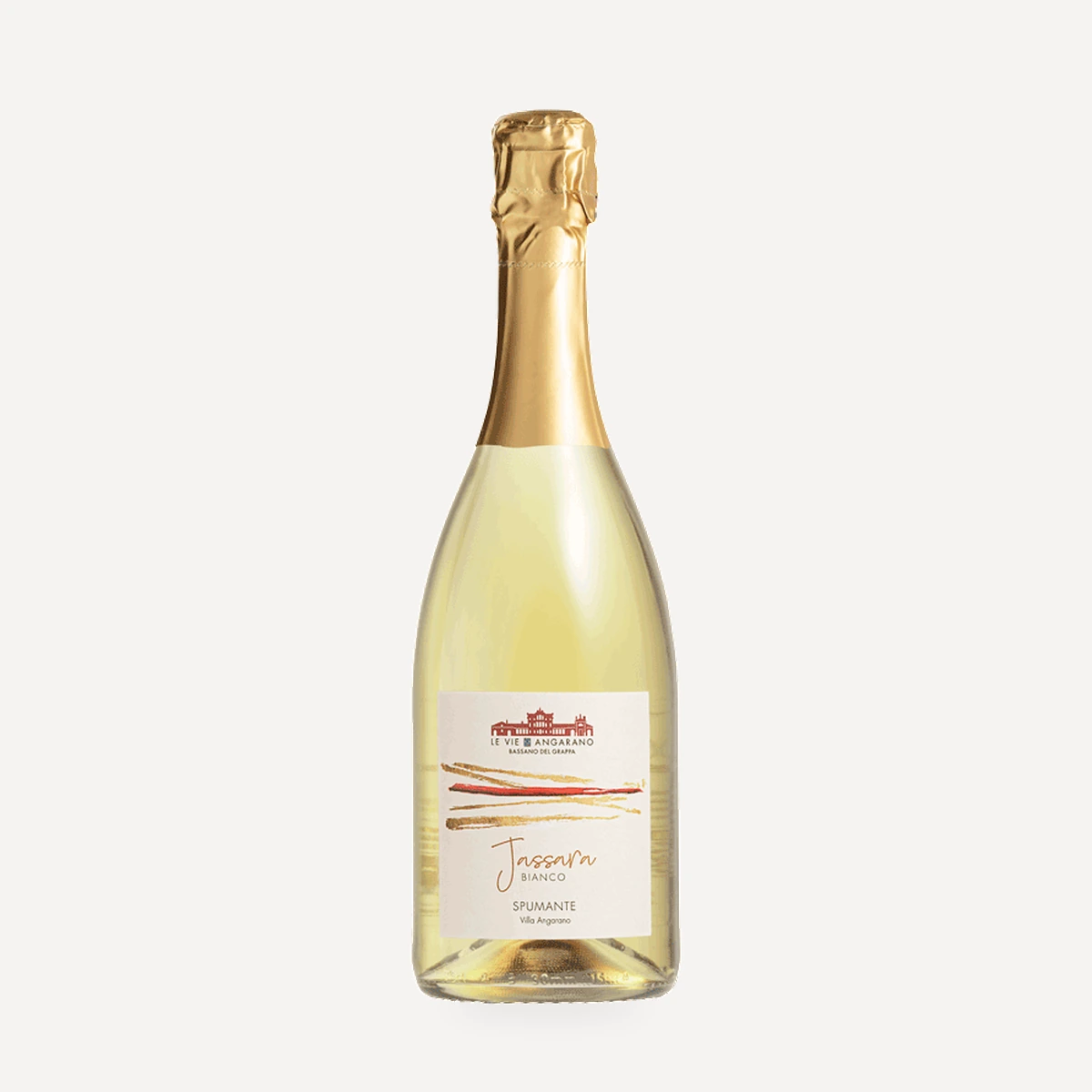
Jassara Bianco