Storia
The beginnings in 2011
Maeli began its venture in 2011 with the purpose of presenting the Colli Euganei through its wines in Italy and abroad. The original mission was the study and enhancement of Moscato Giallo, particularly its capacity to produce markedly different styles on the volcanic soils of the hills.
Elisa Dilavanzo’s interest developed from dissatisfaction with the conventional image of Fior d’Arancio as merely an inexpensive, excessively sweet wine for desserts, ceremonies and gift hampers. Tasting different Colli Euganei examples persuaded her that Moscato Giallo was much more multifaceted. The Bisol brothers, Valdobbiadene Prosecco growers with a family winegrowing history extending across 21 generations and an interest in small-scale wine projects, supported the mission from its beginning.
Maeli subsequently developed five interpretations of Moscato Giallo: sweet sparkling wine, traditional-method brut nature, ancestrally bottle-refermented semi-sparkling wine, dry still wine and passito. Elisa Dilavanzo conceived La Via del Moscato Giallo, a tasting journey intended to present these five expressions together. Wines are normally released no earlier than two years after harvest so that maturation can develop aromatic complexity, structure and character.
Development of the range and public activity
The Moscato Giallo project was complemented by two Colli Euganei Bordeaux-style red wines based on Merlot, Cabernet Sauvignon and Carménère, and by a rosé sparkling wine recovering old local varieties. By 2019, events at Baone included a night harvest followed by grape crushing and an explanation of the route from vineyard to cellar. The winery also began using its premises for cultural, gastronomic and charitable initiatives; in March 2019 it hosted the opening stage of a Care&Share campaign supporting disadvantaged children in India.
2020: organic certification and lockdown
The vineyards and wines obtained organic certification in 2020. On 23 February 2020, Vò—then the location identified for Maeli’s vinification cellar—became one of the first 11 European municipalities placed under lockdown during the Covid-19 outbreak. Maeli responded by developing new ways to present and distribute its wines, opening new markets through technology and introducing at-home virtual tastings.
When activity could resume, the winery opened daily and hosted artistic and cultural programming centred on wine. Its recurring formats combined tastings with concerts, literature, comedy, local food and outdoor experiences.
2021: expansion at Terre Bianche del Pirio
In May 2021, Maeli acquired a further 11 ha of vineyards and 20 ha of woodland in Terre Bianche del Pirio, above Villa Vescovi. The purchase enlarged the vineyard base in the area central to its Moscato Giallo project and reinforced its stated responsibility to safeguard the volcanic landscape.
The increased grape supply prompted work to enlarge the cellar and accommodate the fruit from the additional 11 ha. The production plan combined artisanal and innovative winemaking techniques. The hospitality area was also redesigned with new outdoor spaces overlooking Valle San Giorgio and one of the oldest volcanic ridges of the Colli Euganei, with spring 2022 identified as the anticipated opening season for this new phase.
2022–2024
The 2022 program brought visitors directly into the Pirio vineyards through picnics, concerts and guided discussions of nature-conscious viticulture. On the night of San Lorenzo, 10 August 2022, Maeli held its first harvest of the year in the Pirio vineyard. A December 2022 biodiversity initiative paired wine gifts with buckwheat and Persian clover seeds, linking the project to flowering plants, pollinating insects and cultivated biodiversity.
Maeli returned to Vinitaly in 2022 in the organic-wine pavilion and was selected for MicroMegaWines. It returned to the MicroMegaWines area at Vinitaly from 14 to 17 April 2024, within a selection curated by Ian D’Agata for small wine productions considered representative of their places of origin.
Terroir
The Colli Euganei
Maeli’s vineyards lie within the Colli Euganei Regional Park in the Province of Padua, Veneto. The hills rise from the Po Valley and have a geological history shaped by two volcanic phases. Submarine basaltic eruptions occurred during the Paleogene, approximately 43 million years ago. A second eruptive cycle during the Oligocene, around 30–35 million years ago, brought acidic, viscous magmas to the surface; these later formed rocks including rhyolite, trachyte and latite.
The wider geological mosaic includes sedimentary rocks formed from ancient deep-sea deposits—Rosso Ammonitico, Biancone, Scaglia Rossa and Marna Euganea—alongside volcanic rhyolite, trachyte and latite. The Moscato Giallo sites combine trachyte, limestone and clay with layers of marl and silt.
Terre Bianche del Pirio
Most of the 18 ha of vineyards are at Luvigliano di Torreglia in Terre Bianche del Pirio, principally on Monte Pirio. Here Moscato Giallo roots into marl fragments and calcareous rock interspersed with trachyte; another description characterises the ground as volcanic marl and limestone permeated by trachytic sands. The vineyards receive sunlight and warmth for much of the day, while Monte Pirio shelters them from cold northerly currents.
The hills’ varying gradients, vineyard exposures, soils, microclimates and temperature swings create differences even between slopes of the same hill. From Pirio, the landscape opens toward the Venetian Lagoon on one side and the Dolomites on the other.
Vegetation and biodiversity
Mediterranean plants and fruit trees grow alongside long-established olive trees and vines. Around Monte Pirio, the vegetation includes holm oak, strawberry tree, broom, prickly pear, dog rose and wild blackberry. Across the hills, soil and climatic differences permit both mountain or sub-mountain species adapted to cooler conditions and thermophilic species associated with warm, dry environments.
Chestnut woodland is the most widespread forest formation, accompanied by mixed oak and black-locust woods. Mediterranean scrub, rocky grass communities and semi-natural dry grasslands dominate parts of the southern Colli Euganei, where natural eutrophic lakes are also present. This mixture of habitats underpins the flora and fauna surrounding the vineyards.
Vinificazione
Maeli’s vineyards and wines have been certified organic since 2020. The viticultural approach treats the vineyard as a living, healthy habitat capable of resisting increasingly aggressive and specialised pathogens. It responds to pressures associated with climate change, expanding monoculture and introduced species by strengthening the vineyard system rather than concentrating solely on direct pathogen control.
Soil vitality and the microbiome are central. Green manure and grassing aerate the soil through plant roots and maintain organic matter, supporting plant resilience and health. Naturally occurring beneficial organisms are introduced to activate soil life and occupy ecological space, making pathogen establishment more difficult and reducing their aggressiveness through biological competition.
Chemical products are avoided, and flowers are planted between the rows to broaden plant diversity and support insects useful to the vineyard. Buckwheat and Persian clover seeds used in the 2022 biodiversity initiative reflected the same emphasis: flowering clover attracts bees and other life among the rows. These practices work in conjunction with the natural biodiversity of the Colli Euganei Regional Park and are intended to obtain healthy, high-quality grapes with minimal environmental impact.
Harvest events show grapes being picked by hand, including nocturnal harvesting in the Pirio vineyard and supervised picking in Baone. These public occasions also connected the harvest with immediate pressing and an explanation of the fruit’s movement into the cellar.
Maeli combines artisanal cellar practices with selected innovative techniques, while seeking to preserve the character of each harvest and its raw material. Grapes arrive healthy and are handled manually. Cold maceration is used to extract the finer aromatic components of the fruit.
Fermentations occur spontaneously with indigenous yeasts carried by the grapes, allowing the fruit, its site and the vintage to remain perceptible. Filtration is avoided whenever possible to retain the wine’s material and textural character. Sulphite use is kept very low, and some wines receive no added sulphites.
The broader range demonstrates several cellar paths for Moscato Giallo: sweet sparkling wine; traditional-method brut nature; ancestral-method wine bottled with its own yeasts and refermented in bottle; dry still wine; and passito. The flagship sweet sparkling wine is matured first on fine lees and subsequently in bottle. The red range includes barrique maturation for D+.
Maturation is an important part of the house approach: releases normally occur no earlier than two years after harvest, giving the wines time to develop aromatic complexity, structure and character. Following the acquisition of another 11 ha at Pirio in May 2021, cellar spaces were expanded to receive the larger grape volume.
Filosofia
Maeli’s central purpose is to study and enhance Moscato Giallo as an expression of the volcanic Colli Euganei. The project seeks to move the grape beyond a narrow association with simple dessert wine by showing its versatility in five forms: sweet sparkling, traditional-method brut nature, ancestrally bottle-refermented, dry still and passito.
Nature and raw material guide work in both vineyard and cellar. Maeli describes a healthy vineyard not as a passive crop requiring continual attack on individual pathogens, but as a living habitat whose soil, microbiome, plant diversity and beneficial organisms can strengthen its own defences. The aim is high-quality fruit with the lowest practical environmental impact while returning value to the landscape that sustains the vineyards.
In the cellar, artisanal techniques are intended to retain the identity of the grapes, site and individual harvest. Indigenous fermentation, restrained sulphites, selective non-filtration, cold maceration and patient maturation support that goal. The decision to release wines at least two years after harvest reflects a belief that time is necessary for aromatic complexity, structure and character to emerge.
The estate also presents itself as a custodian of Terre Bianche del Pirio. Its acquisition of vineyards and woodland was accompanied by a commitment to protect the volcanic landscape through sustainable cultivation, biodiversity and hospitality that connects visitors directly with the vineyards.
Vini
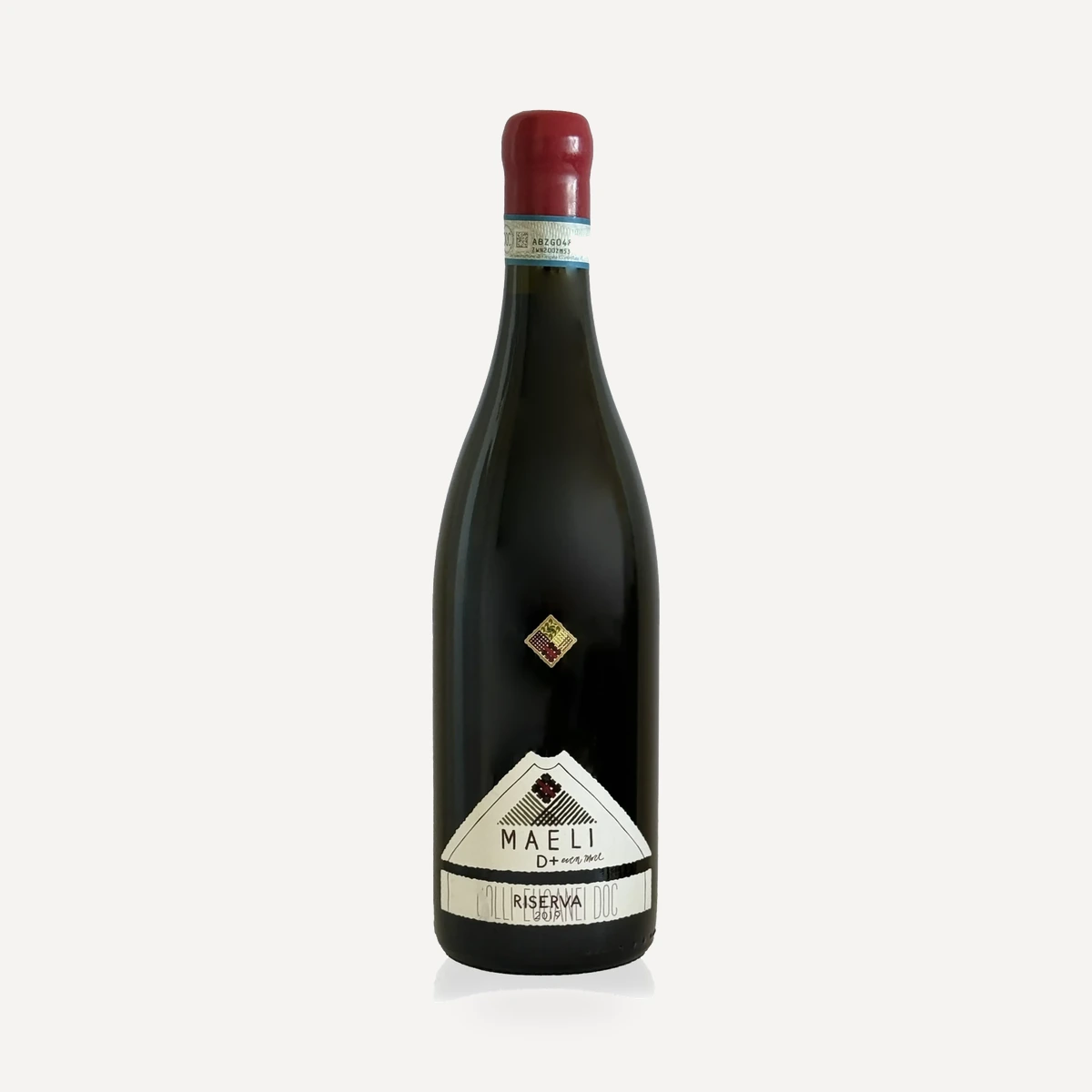
D+ – Colli Euganei Rosso DOC
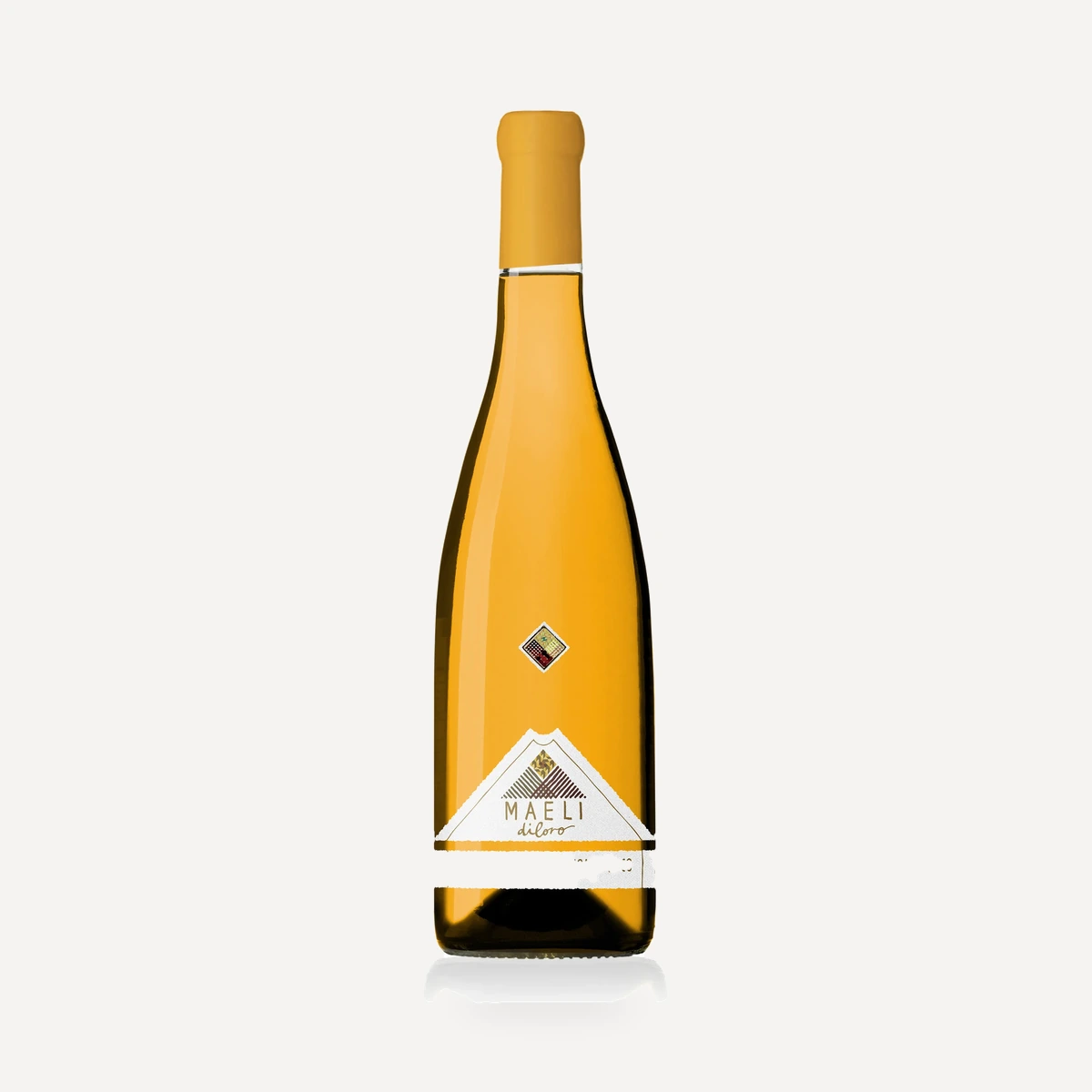
Diloro – Fior d’Arancio Colli Euganei DOCG Vino Passito
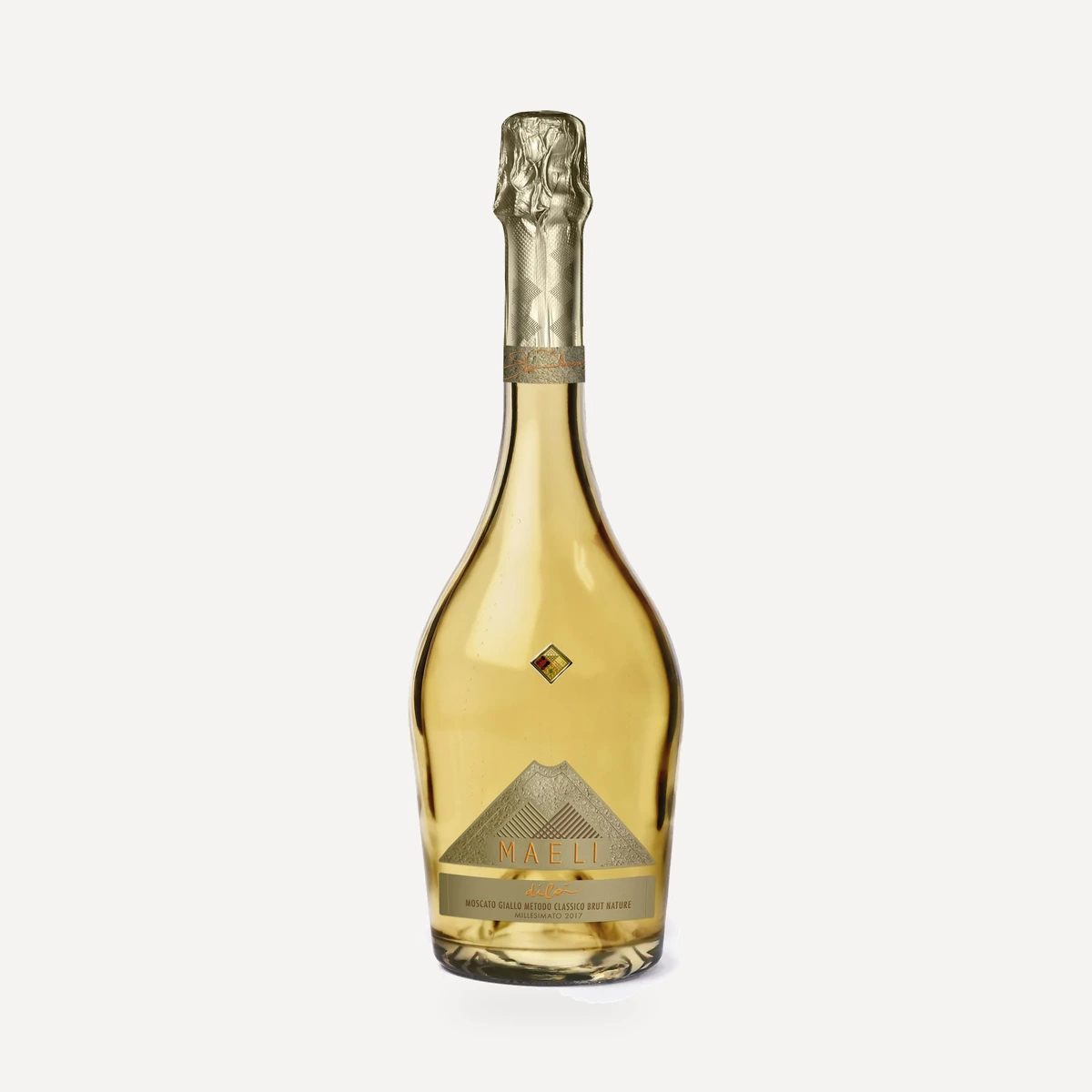
Dilà – Moscato Giallo Metodo Classico Vino Spumante di Qualità Brut Nature
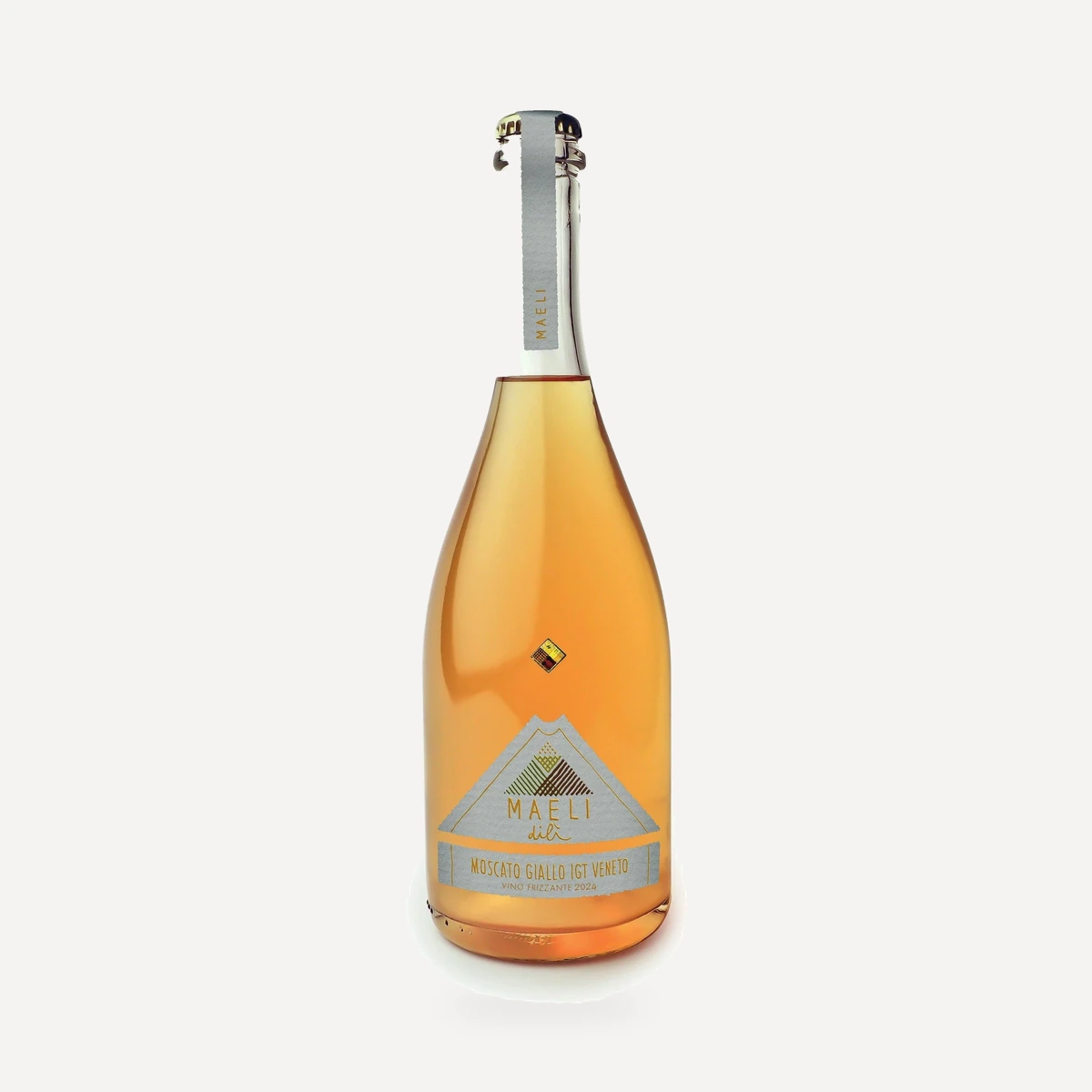
Dilì – Moscato Giallo Vino Frizzante Bio
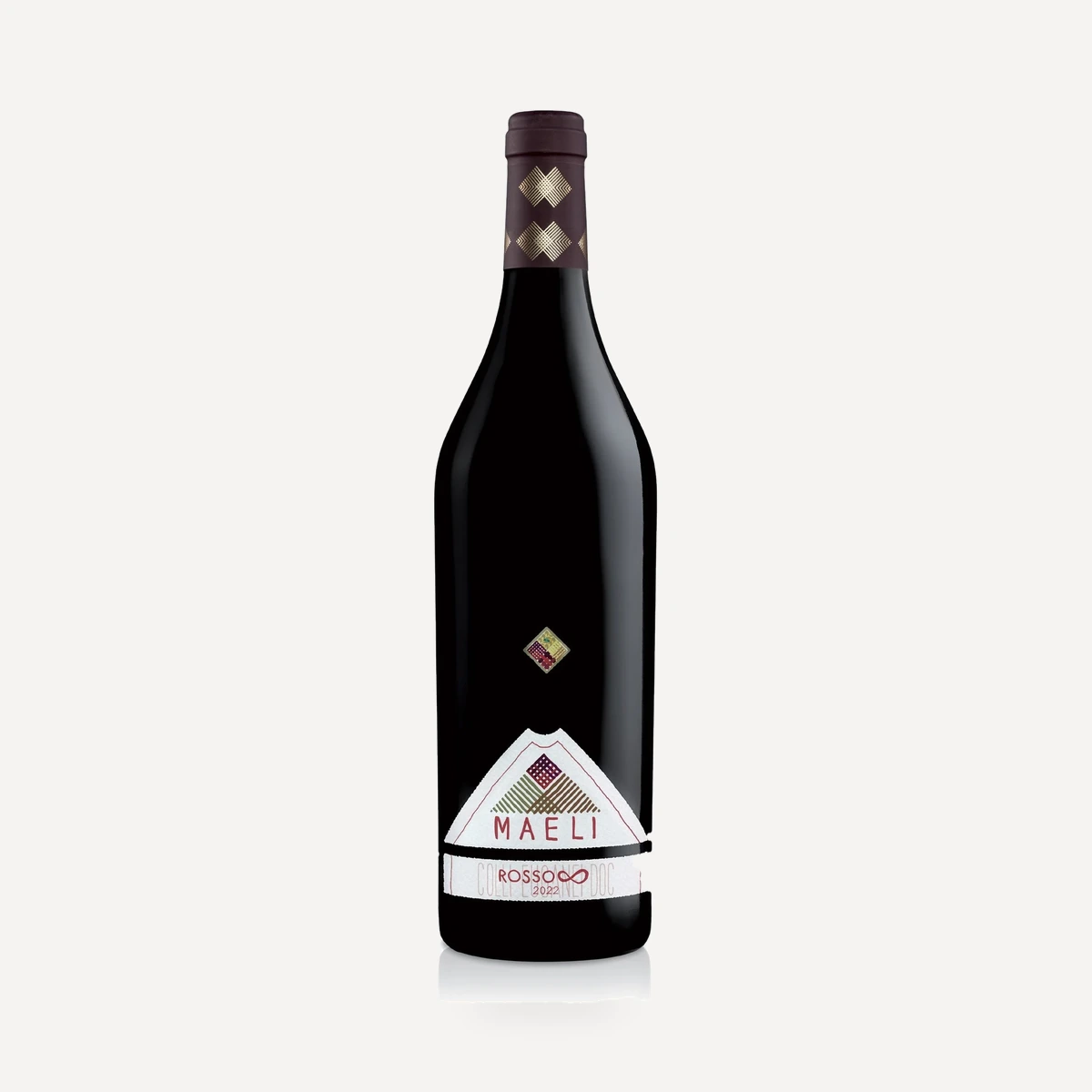
Rosso Infinito ∞ – Colli Euganei DOC Bio
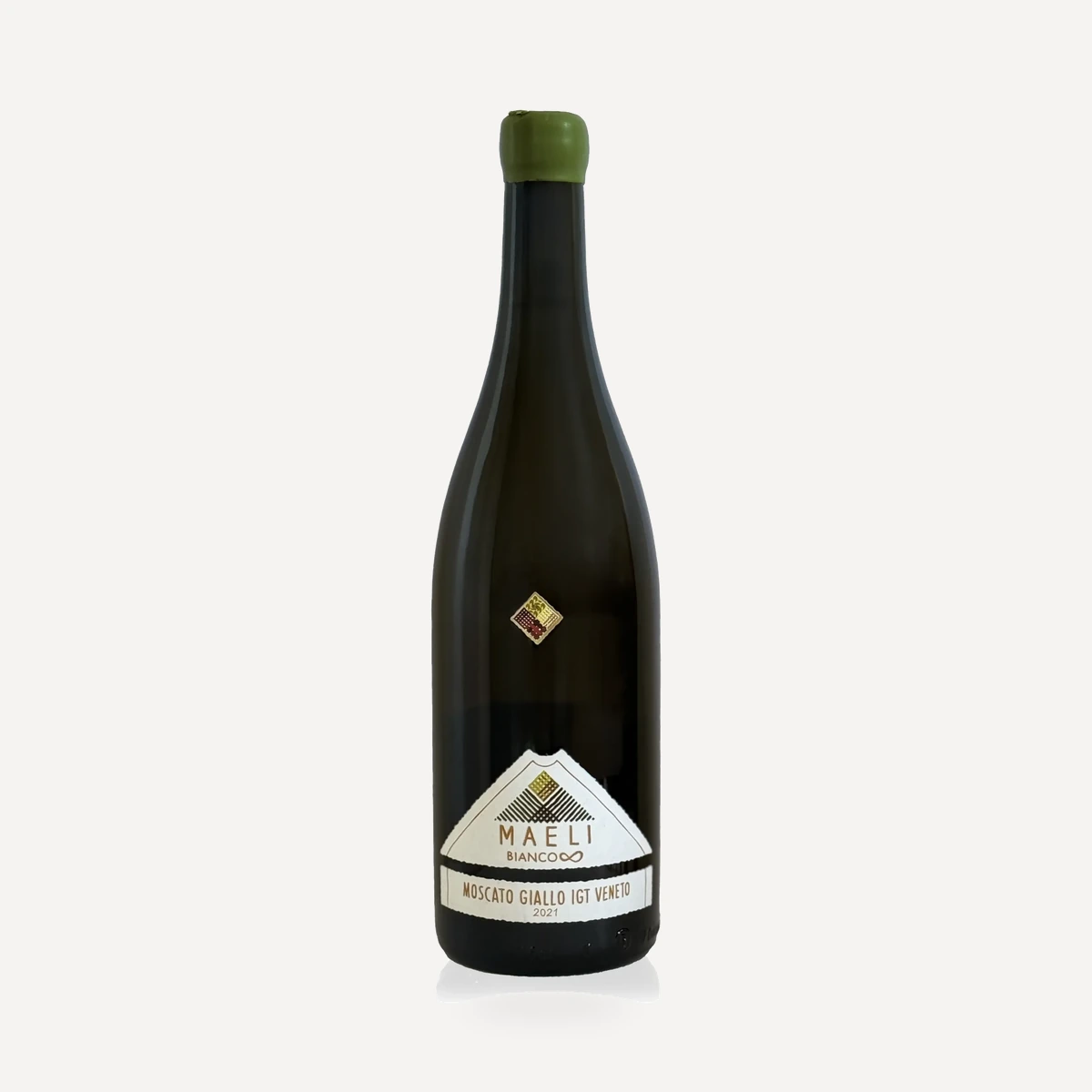
Bianco Infinito ∞ – IGT Veneto Bio
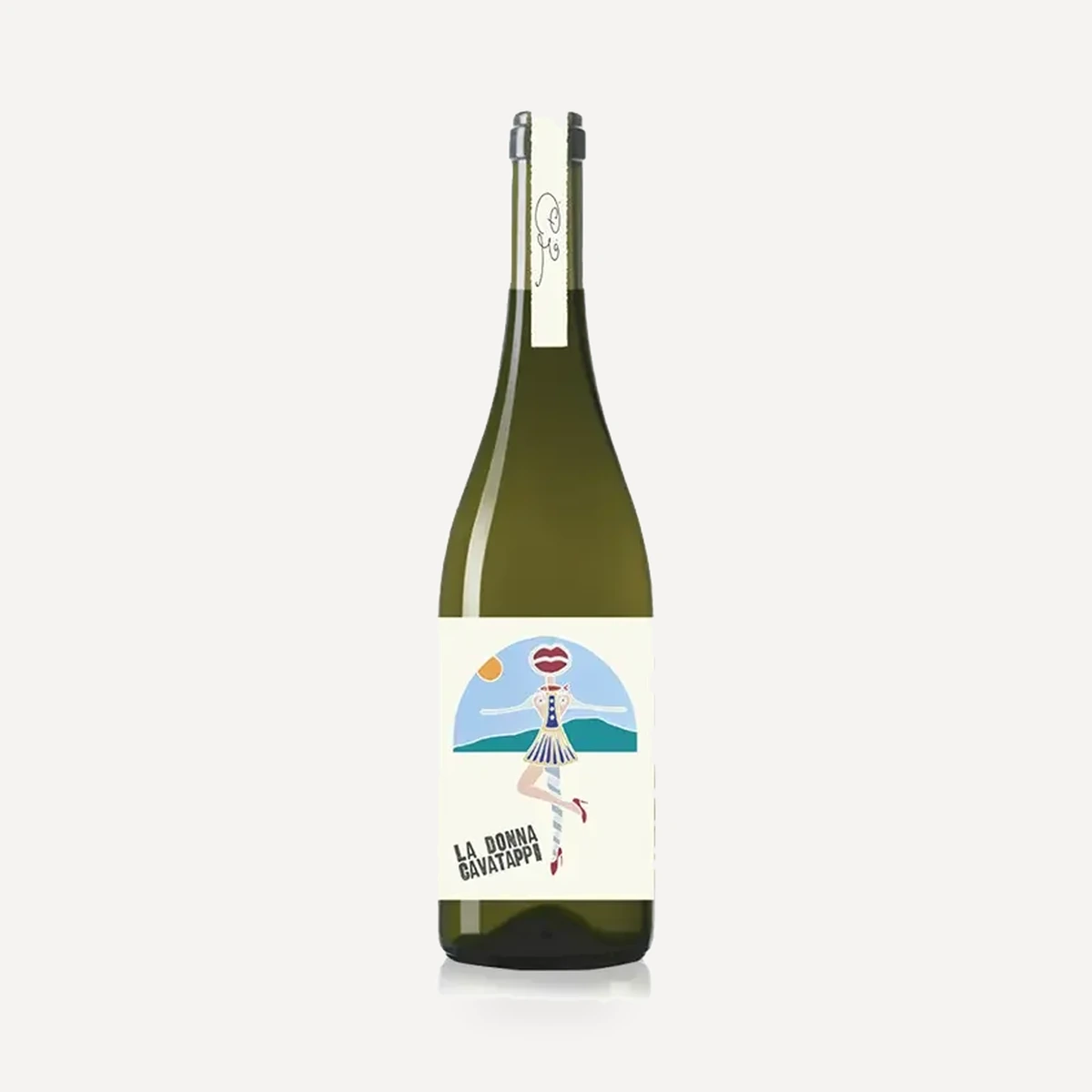
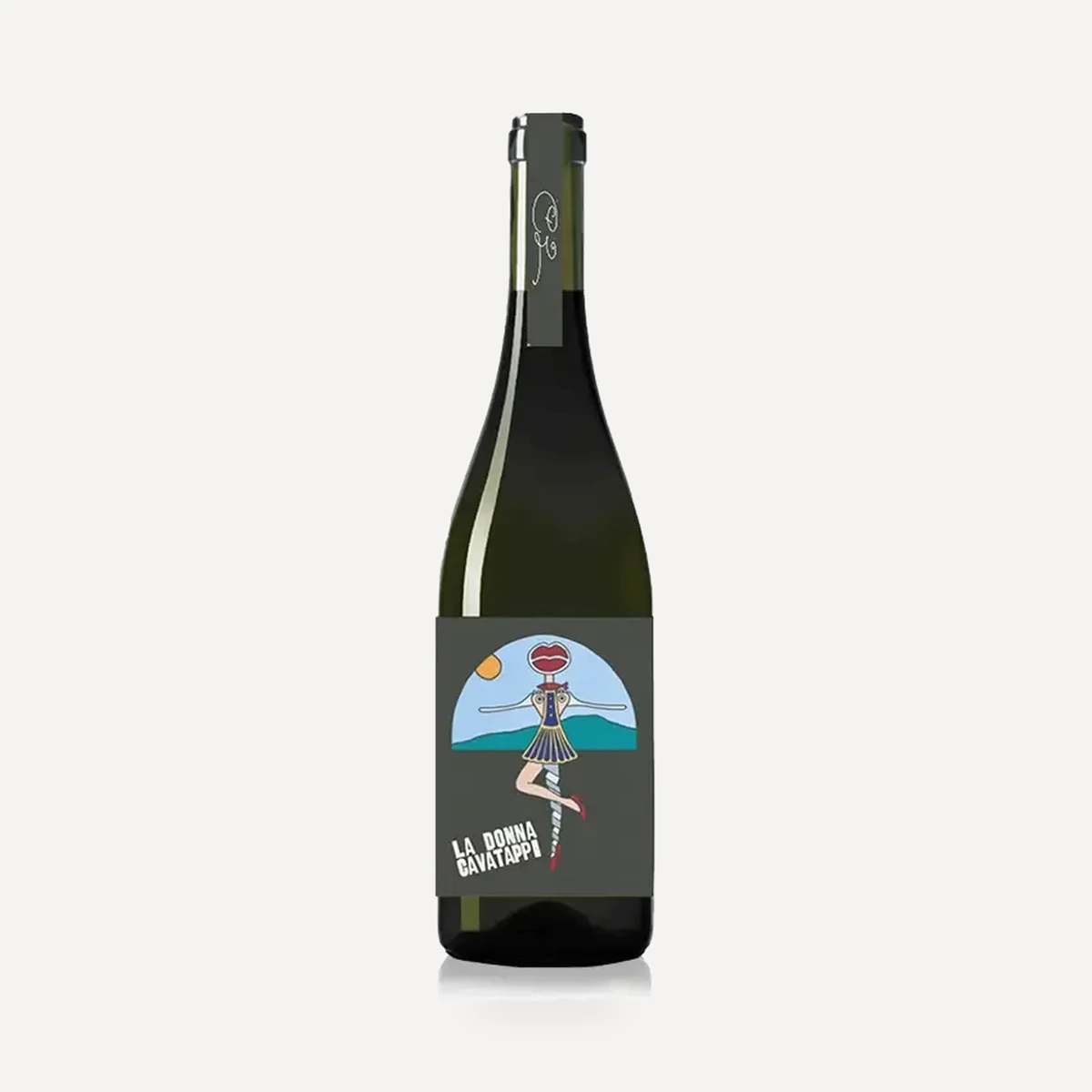
La Donna Cavatappi Bianco
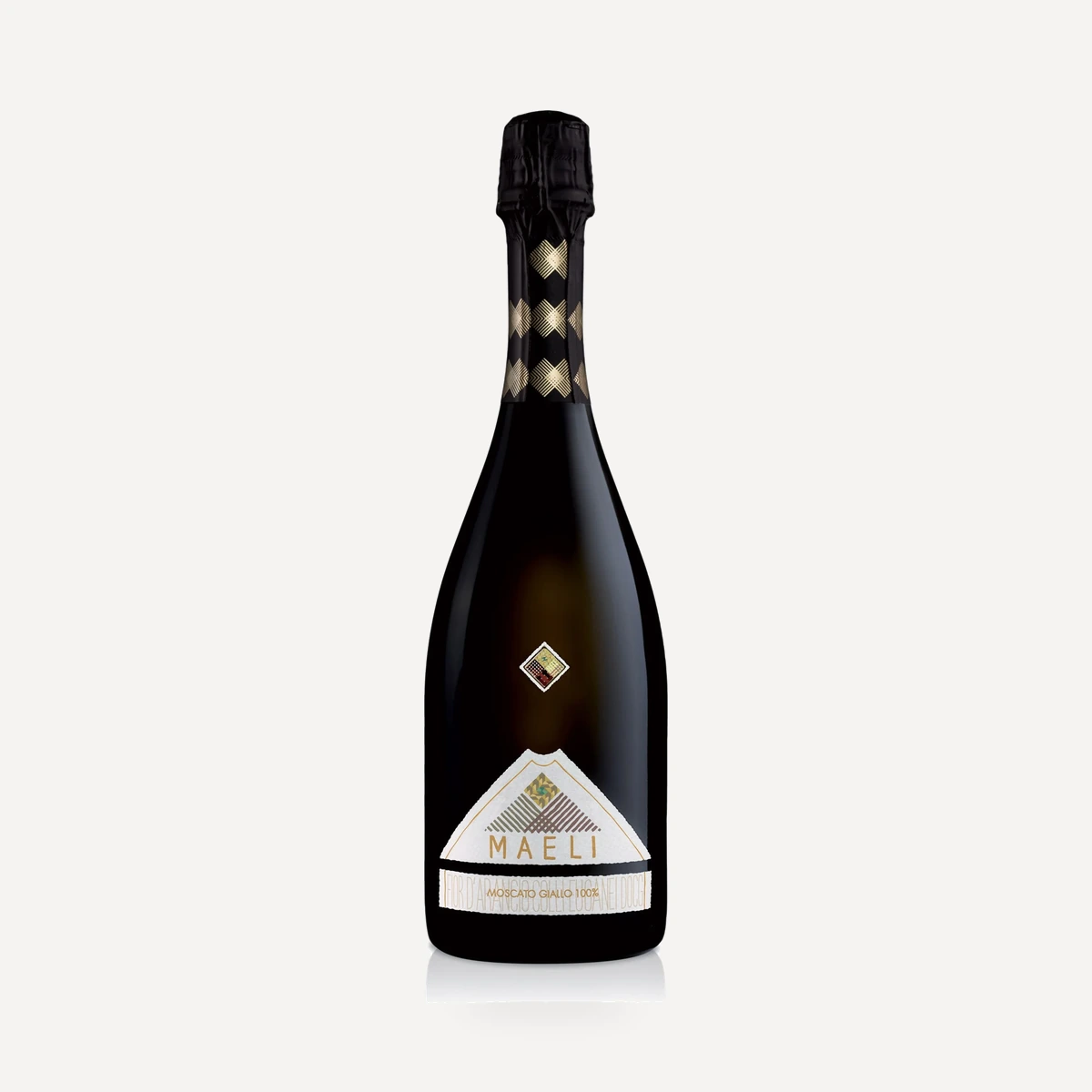
Maeli Fior d’Arancio – Spumante DOCG Bio
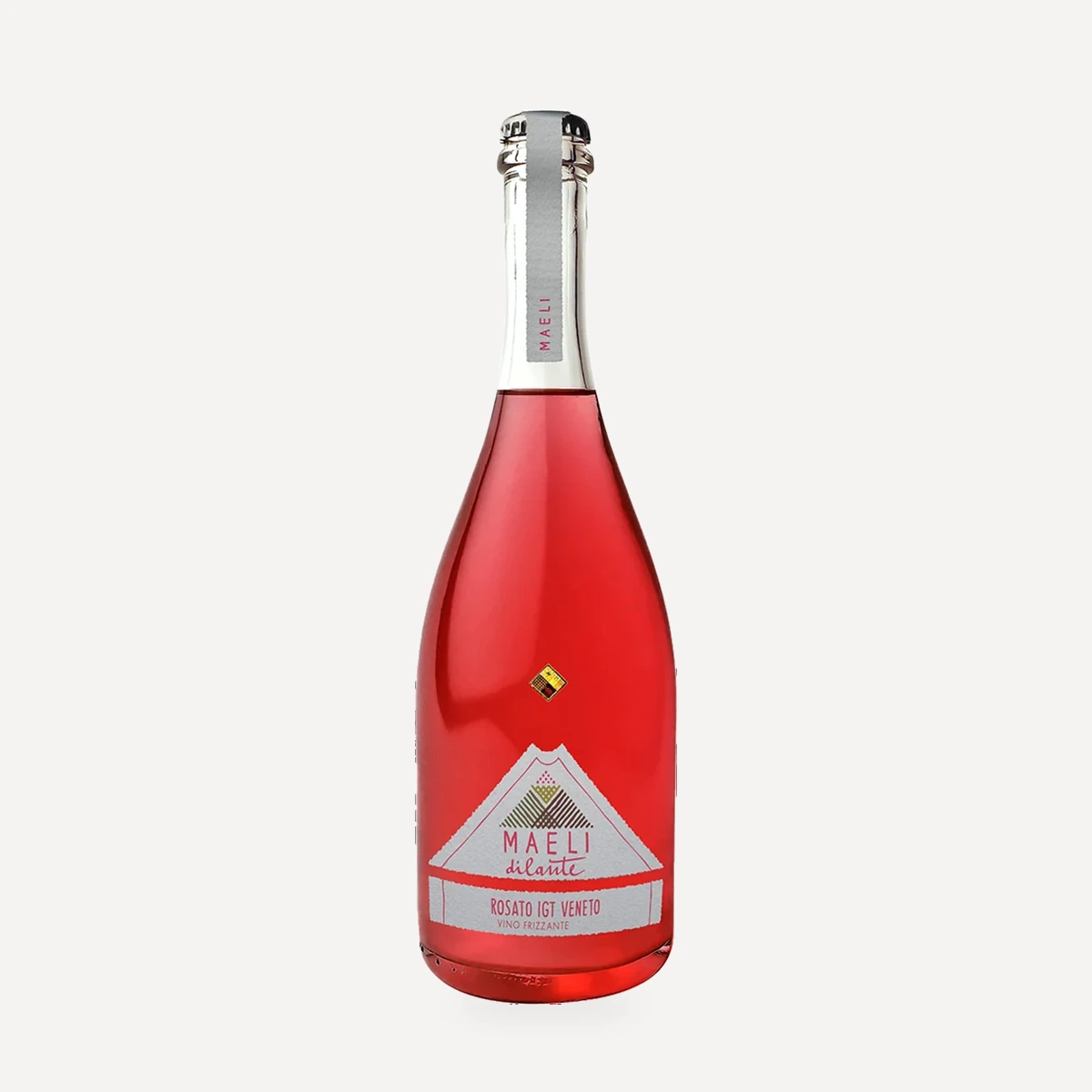
Dilante – Veneto IGT Vino Rosato Frizzante