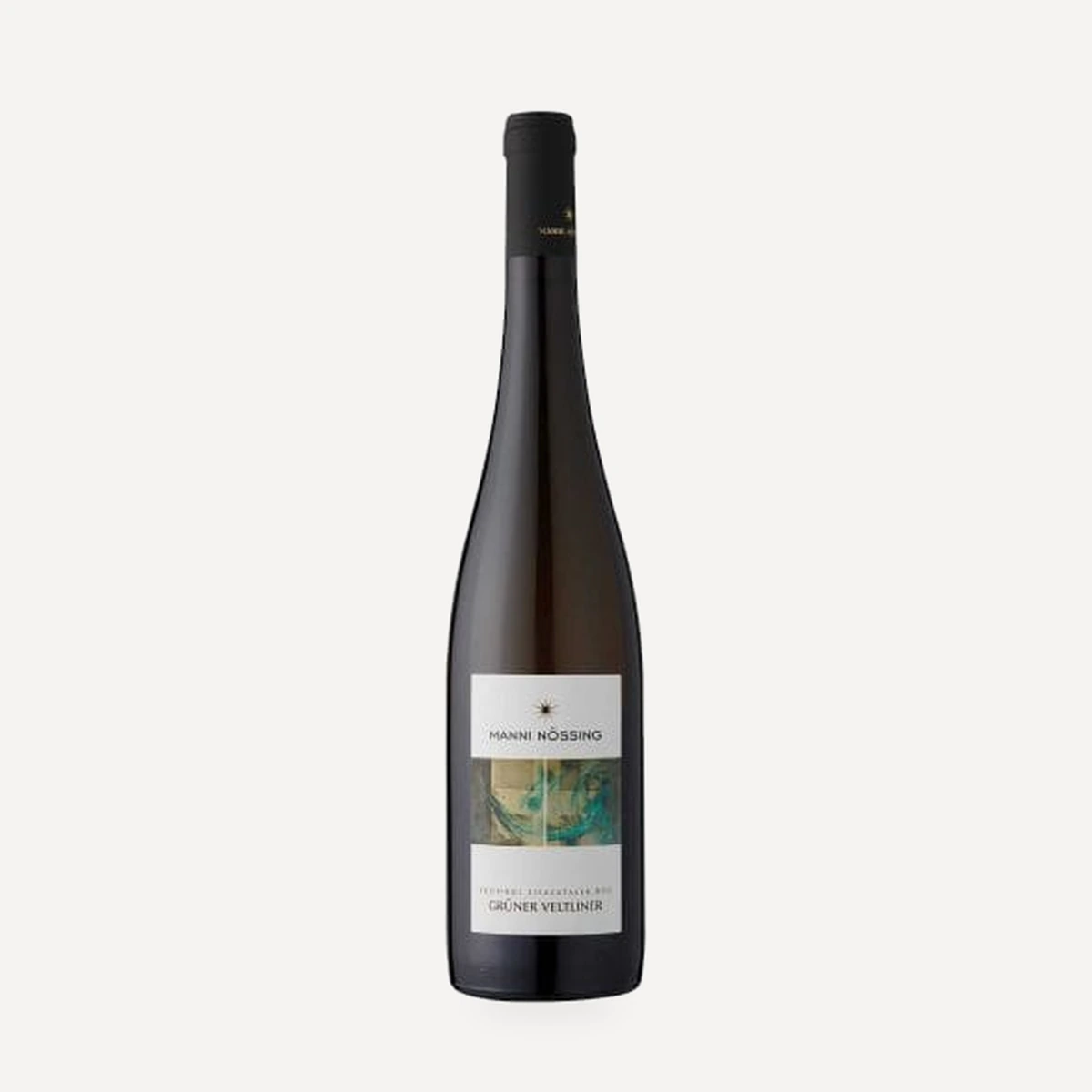
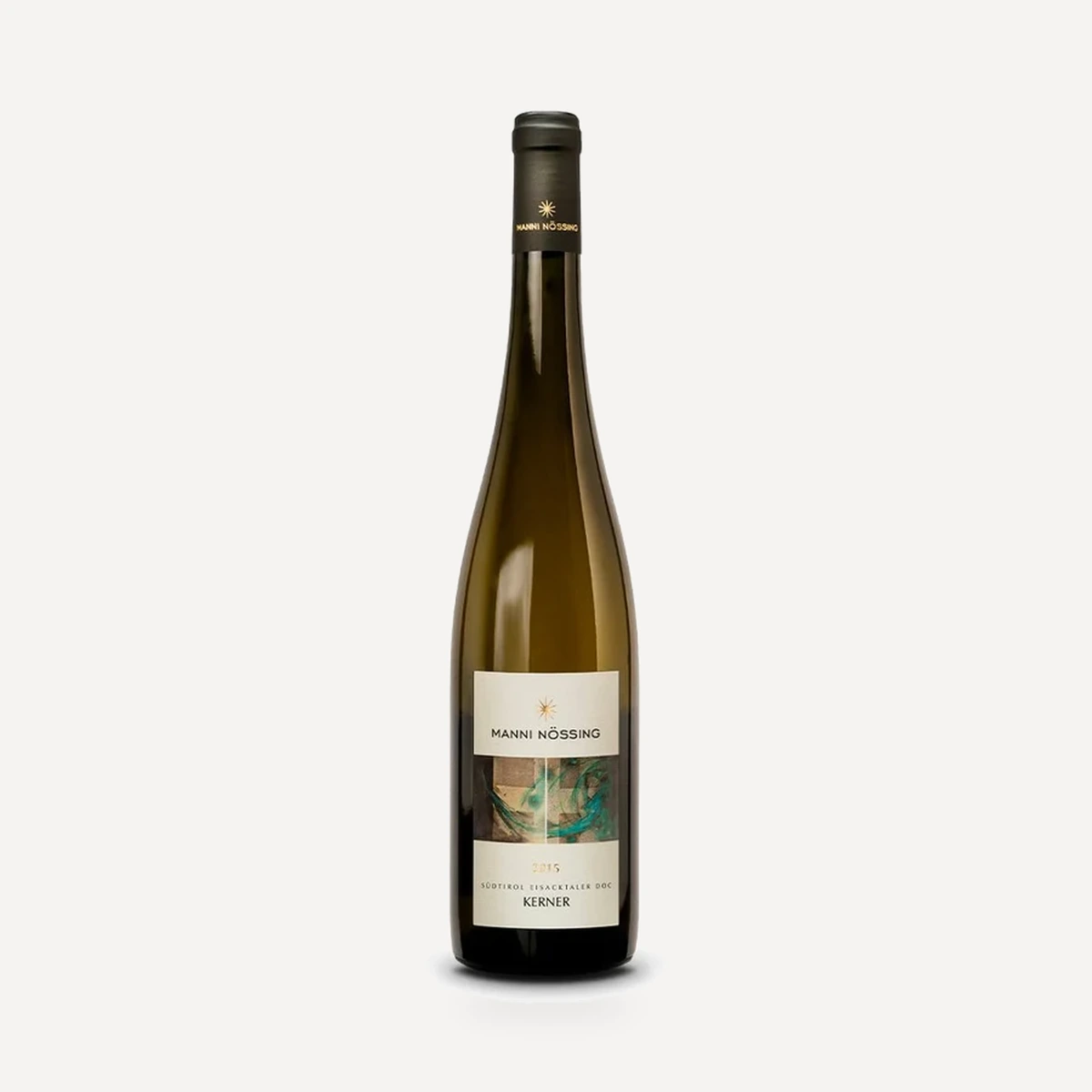
Questo vino
Vineyard and terroir
The estate grows its white varieties in the Eisack Valley. Vineyards across the valley are generally steep and situated between 500 and 900 m, with warm days, cold nights, and predominantly sandy, mineral soils; individual microclimates vary from site to site. Müller Thurgau is associated with South Tyrol's higher vineyards. Because it ripens early, cooler positions are considered important for producing fresh wines.
Grapes
Müller Thurgau. Genetic analysis identifies Weißer Riesling and the table grape Madeleine Royale as its parents; Sylvaner is not a parent.
Label / history
Hermann Müller created the crossing at Geisenheim in 1882. The name Müller Thurgau was adopted in 1913, referring to Müller's native Swiss canton of Thurgau and his later work at the Wädenswil research station. Six South Tyrolean estates conducted early trials between 1928 and 1932, including Pacherhof at Neustift. The variety became established in the Eisack Valley through the viticultural development program of the 1950s, reaching 8 hectares there by 1960. It is now grown in high-altitude sites throughout South Tyrol, although its area in the Eisack Valley has declined.