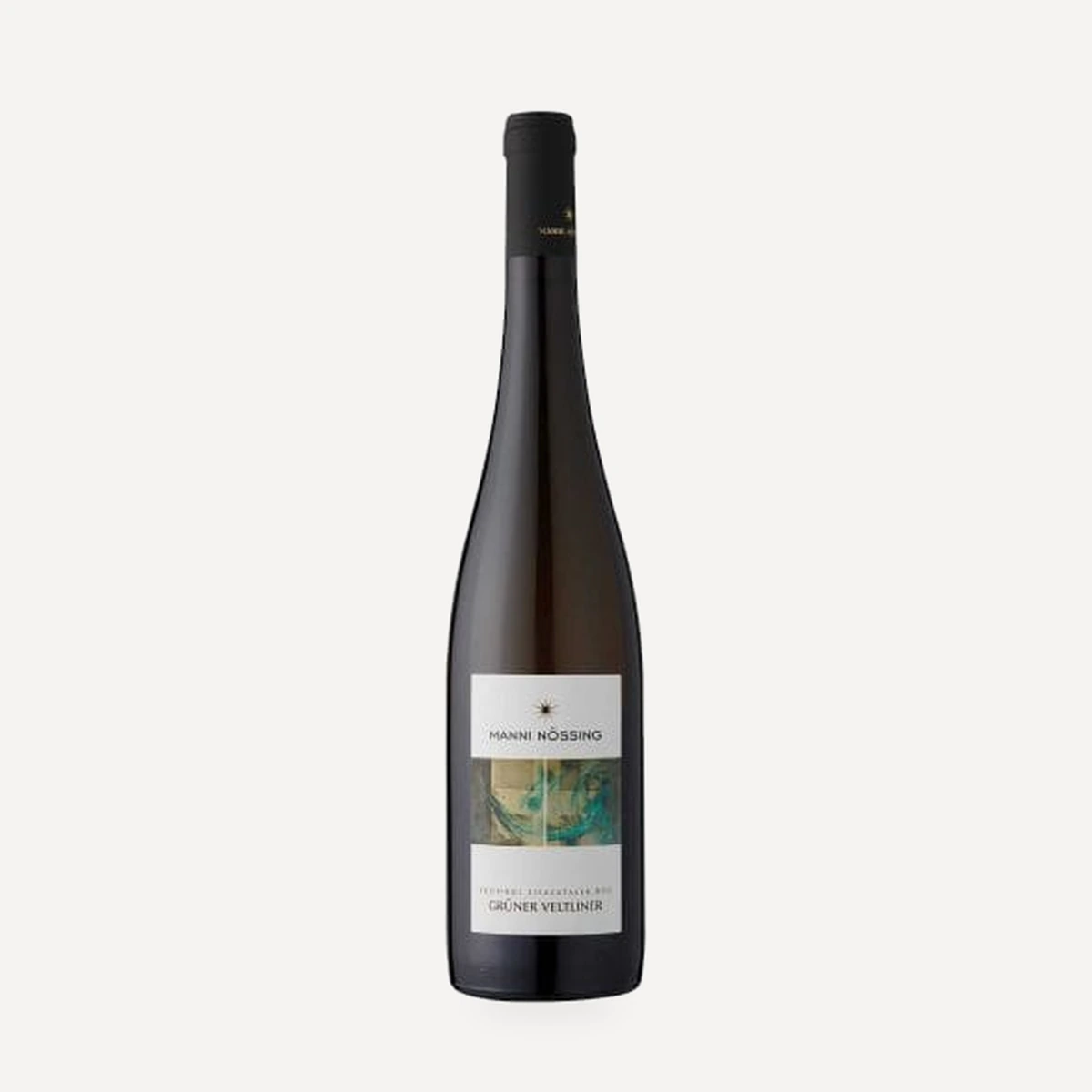
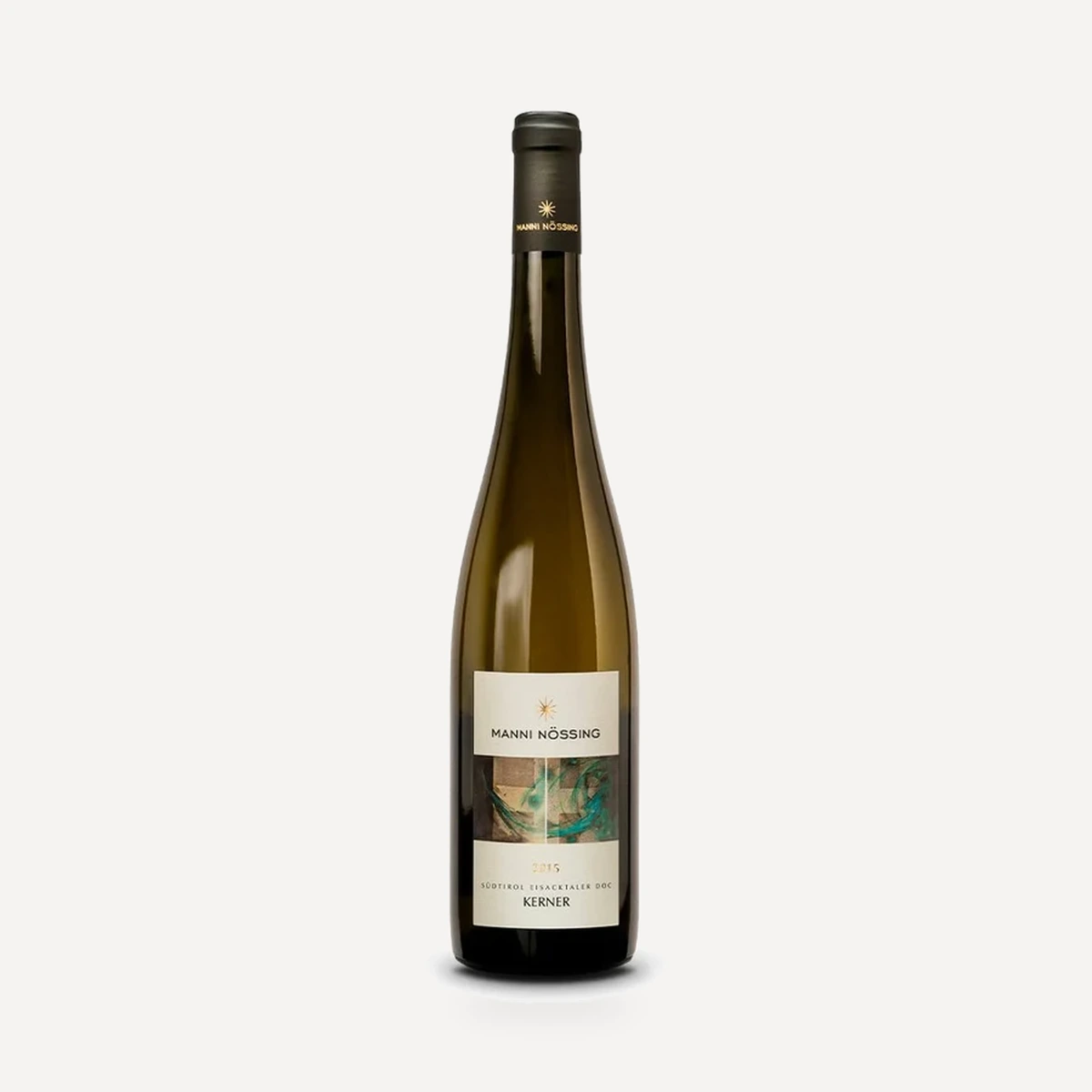
Questo vino
Vineyard and terroir
The estate works six hectares in the Eisack Valley. Its vineyards are generally steep and lie between 500 and 900 m, with warm days, cold nights, and predominantly sandy, mineral soils. Local Riesling is associated with slate-derived soils.
Grapes
Riesling, also known locally as Rheinriesling and formally described as Weißer Riesling. The variety is adapted to cool sites.
Tasting profile
The regional expression is characterized by high acidity, fine and elegant fruit aromas, and a taut, mineral profile on slate-derived soils.
Label / history
Riesling reached South Tyrol around 1840. In the Eisack Valley, Franz von Guggenberg tested it at Seeburg after 1850 and planted 800 vines in 1857. His son Otto became a prominent Brixen wine producer around 1890, and his bottled Rieslings were widely known.
Cultivation declined after the First World War. Around 2001, Riesling entered the production rules for the Eisack Valley DOC, prompting renewed interest from 2006 onward. The valley's Riesling area grew from 18 hectares in 2013 to 34 hectares.