Storia
From livestock farming to wine
Manni Nössing grew up in a family that owned and worked the Hoandlhof, a farm positioned on a hill above Brixen. Livestock farming originally sustained the property; winegrowing subsequently replaced that former agricultural focus.
1999 — establishment of the wine estate
The wine estate was established and its vineyard planted in 1999. At a time when cooperatives and larger cellars represented the established winemaking model in the Eisacktal, Nössing chose to vinify his grapes independently. From the beginning, his objective was to express origin and character through an individual style rather than subsume the fruit within a larger collective production system. This independent approach soon earned him the nickname “the rebel.”
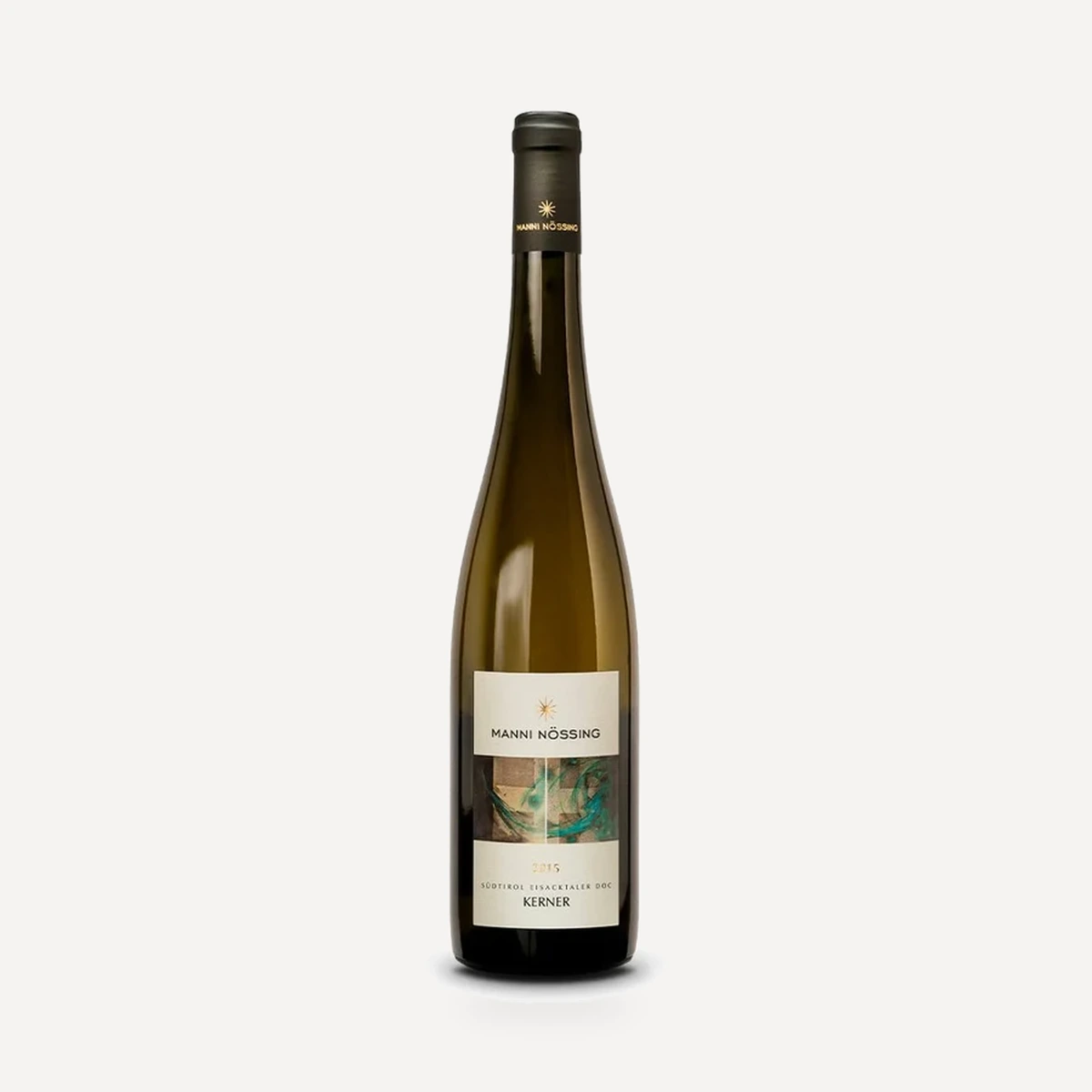
2003 — the first Kerner
Nössing released his first Kerner in 2003. That debut received Tre Bicchieri from the leading Italian wine guide cited in the estate’s account. Kerner subsequently became closely associated with Nössing, who has long been called “Mr. Kerner” both within Italy and abroad.
The estate today
Manni Nössing now works 6 hectares, producing white wines from Sylvaner, Grüner Veltliner, Kerner, Müller Thurgau and Riesling. The tasting room at Hoandlhof regularly serves as a meeting place for winegrowers, wine specialists and enthusiasts to exchange ideas. This role has recast Nössing from a local rebel into one of the driving figures in the Eisacktal’s developing wine culture.
Terroir
Hoandlhof stands on a hill above Brixen, within the Eisacktal of South Tyrol. The valley’s vineyards are generally steep and lie mostly between 500 and 900 metres above sea level.
Warm days alternate with cold nights. The soils are described as sandy and mineral, while microclimatic conditions change from one vineyard to another. This combination of slope, elevation, diurnal temperature variation and site-specific microclimates underpins the freshness and individuality sought in the estate’s white wines.
The five varieties associated with the estate have differing regional site preferences. Sylvaner performs best in sunny positions at 500–700 metres; Grüner Veltliner favors the valley’s warmer sites at approximately 500–650 metres; Kerner is suited to cooler, sunny elevations from about 600 metres up to 900 metres; early-ripening Müller Thurgau is associated with higher, not excessively warm positions; and Riesling is adapted to cooler sites, with elevated acidity and fine fruit expression. Riesling grown on the slate-derived soils of the Eisacktal is associated with a taut, mineral character.
Filosofia
Manni Nössing’s central aim is to make wines whose origin and character can be tasted. Independent vinification was fundamental from the estate’s beginning, allowing him to develop an individual style rather than follow the established cooperative model of the valley.
His outlook is closely tied to working among the vines and within nature. Wine should communicate provenance and possess its own identity; in his formulation, it is made to be drunk rather than looked at. The wines are conceived as characterful whites grown in their place of origin, while vintage and site differences are accommodated through the valley’s varying microclimates.
Nössing also treats wine culture as a collective process of learning and exchange. Hoandlhof’s tasting room brings growers, specialists and enthusiasts together, reflecting his motto that this is how a genuine wine culture is created.
Vini
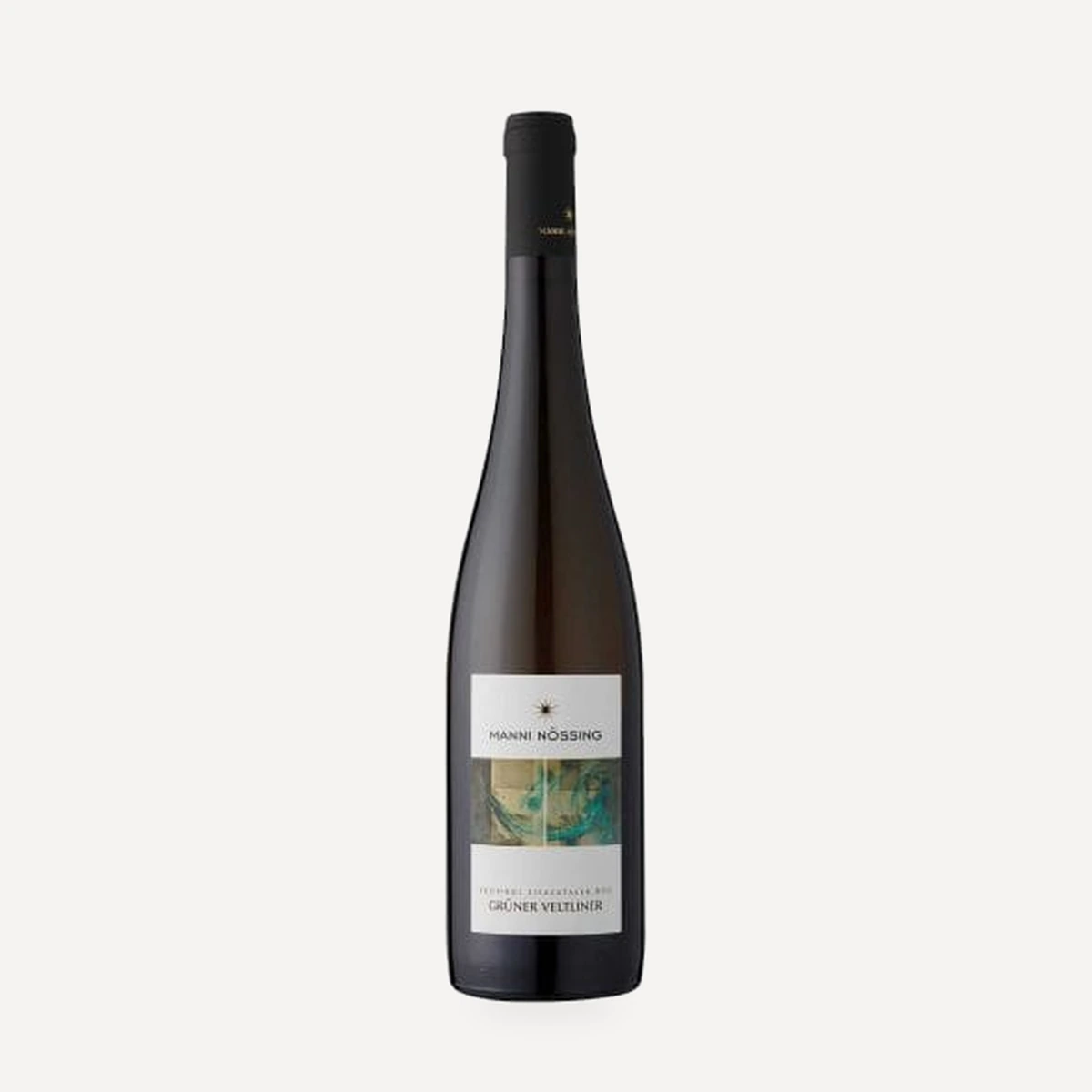
Grüner Veltliner