Storia
Origins and establishment in Pessione
In 1847, the Michel, Re, Agnelli e Baudino distillery was founded in Turin. Alessandro Martini and Teofilo Sola joined the business several years later.
In July 1863, Martini and Sola took over the distillery, renamed it MARTINI, Sola e C.ia and invited Luigi Rossi to become their partner. Rossi, an herbalist and liquorist, created the formula for MARTINI Rosso. The three entrepreneurs founded Martini & Rossi in Turin, then the capital of the recently established Kingdom of Italy.
In 1864, the partners selected Pessione, a hamlet near Turin, for the production operation. The company rented an eighteenth-century villa opposite the railway station on the line linking Turin with Genoa and its port. Expansion began immediately. Production has continued at Pessione for more than 160 years, and the location remains the centre of the manufacturing operation.
Recognition, sparkling wine and international expansion
In 1865, MARTINI, Sola e C.ia received its first gold medal at the Dublin International Exhibition. The accompanying diploma portrayed an allegorical winged Victory, later used as inspiration for a redesigned label. This distinction began a long sequence of international awards.
In 1871, Martini & Rossi received its first award certificate for sparkling wine. Its production then included Vino Canelli Spumante, subsequently renamed Asti Spumante. The company developed the sparkling-wine category and refined its techniques in collaboration with enologist Federico Martinotti, inventor of the tank-fermentation method that bears his name.
The first foreign subsidiary opened in Buenos Aires in 1883 and incorporated its own production plant. Further branches, warehouses and facilities followed, while Pessione retained its central role in the Martini & Rossi production system.
By 1908, figures certified by the Italian government supported the company’s claim that Martini & Rossi was the world’s largest vermouth factory by production volume.
MARTINI Bianco was introduced in 1910. It became known as the “Queen of Vermouth” and was associated with contemporary fashion and elegance.
Corporate identity and new forms of communication
Martini & Rossi organized the Grand Martini & Rossi Cycling Trophy in 1925, its first major venture into sports sponsorship. In 1929, the company was reorganized as a global corporation and introduced a coordinated visual identity centred on the newly registered “ball and bar” trademark.
Promotional campaigns accompanied the Giro d’Italia in 1934 and 1936. Martini & Rossi subsequently sponsored leading cycling competitions elsewhere in Europe.
Immediately after the Second World War, the first Terrazza MARTINI opened in Paris in 1948. The concept linked prominent locations with celebrities as a new form of brand communication. Nine Terrazzas opened between 1948 and 1965. The Milan Terrazza, inaugurated in 1958, remained an enduring part of the concept.
Also in 1958, four Rossi di Montelera cousins, then owners of Martini & Rossi and all active sports enthusiasts, founded the Martini International Club. It promoted motor racing, offshore powerboat racing, winter sports, horse riding, fencing, golf, tennis and skiing.
MARTINI Racing
The MARTINI Racing Team emerged from the International Club in 1968. Initially focused on endurance racing and Formula 1, it represented a more active model of sponsorship in which Martini & Rossi participated in team strategy and operations. The endurance programme debuted with Porsche that year.
Martini & Rossi supported the first women’s football world cup in 1970. MARTINI Racing won the Le Mans endurance race for the first time in 1971, the year associated with the introduction of its blue, light-blue and red racing stripes.
The Formula 1 programme began with Tecno in 1972. In 1973, Martini & Rossi entered offshore powerboat racing through an agreement with champion Carlo Bonomi; the team won world championships in 1973 and 1974. The company’s powerboat involvement continued for more than twenty years and included drivers such as Renato Molinari.
MARTINI Racing partnered with Brabham in Formula 1 from 1975 through 1978, winning the German and Brazilian Grands Prix in 1975. Its endurance programme secured the World Championship for Makes in both 1976 and 1977. Rally participation began with Porsche in 1978, and a Formula 1 partnership with Lotus followed in 1979.
From 1980 through 1986, MARTINI partnered with Lancia in endurance racing and won the 1981 World Championship for Makes. The Lancia MARTINI Racing rally partnership dominated from 1982 through 1992, including six consecutive championship seasons from 1987 to 1992.
The racing colours appeared on Alfa Romeo 155 touring cars between 1992 and 1996, first in the Italian Touring Car Championship and then in Germany’s DTM, with drivers including Nicola Larini and Alessandro Nannini. MARTINI returned to rallying with the Ford Escort from 1994 through 1996, then with the Ford Focus from 1999 through 2002.
The brand returned to Formula 1 with Ferrari from 2006 through 2008 and partnered with Williams from 2014 through 2018.
Product development, archives and contemporary stewardship
MARTINI Rosato appeared in 1980, made with a new base combining red and white wines. Around the turn of the millennium, MARTINI developed a series of internationally distributed television campaigns featuring prominent celebrities and combining glamour with humour.
The Martini & Rossi Historical Archives received official recognition from the Italian Ministry of Culture in 1999 as being of relevant historical interest. The archive preserves company and predecessor records extending back to 1847.
Beppe Musso joined Martini & Rossi in 1993 and became Master Blender in 2011. Livio Prandi, whose career with the company extends beyond thirty years, became Sparkling Wine Master Blender in 2017. Alessandro Garneri joined in 2006 and was appointed Master of Botanicals in 2023.
A contemporary bottle design was subsequently introduced, drawing on the arched walkways of Turin and contributing to a reduction in the range’s carbon footprint. Across vermouth and sparkling-wine production, responsibility for the formulas and house style has passed through nine successive production masters, beginning with Luigi Rossi.
Terroir
Martini & Rossi’s historic production base is in Pessione, a hamlet within Chieri near Turin in Piedmont. It stands opposite the railway station on the route connecting Turin with Genoa and its port.
The sparkling-wine operation works with many of approximately 300 small growers in the Asti region, collectively called the Conferenti. Moscato Bianco for MARTINI Asti comes from Piedmontese hills described as high and sunny. The aromatic composition of incoming musts varies with the harvesting area and with each vintage’s weather, making geographical and seasonal assessment part of the blending process.
MARTINI Prosecco is produced in the foothills of northern Italy. The botanicals used across the range have both local and international origins and may include flowers, leaves, seeds, bark and roots.
Vinificazione
Sparkling-wine production is supported by longstanding relationships with Asti-region growers. Experience in the vineyards, knowledge of the different growing territories and trust between the production team and winegrowers are treated as essential parts of the work.
The Sparkling Wine Master Blender follows key stages in the vineyard and at harvest. The Master Blender responsible for vermouth visits the territories supplying base wines, examines the grapes and maintains direct communication with suppliers. Musts are assessed in relation to their harvesting areas and the weather conditions of each vintage before selection and blending.
Pessione production centre
Production has continued at Pessione since 1864. The present operation preserves separate specialist responsibilities for vermouth, botanicals and sparkling wine, supported by technical and quality-control teams.
Vermouth and botanical work
The Master Blender is the enologist responsible for creating MARTINI vermouths and supervising daily production. Beppe Musso coordinates a Pessione team of approximately 30 people and combines production oversight with raw-material selection and product development. His work includes visits to the territories supplying base wines, inspection of grapes and discussions with suppliers.
Vermouth production combines wine with selected botanicals, herbs and spices. Botanical components may be flowers, leaves, seeds, bark or roots and arrive from both local and international suppliers. Alessandro Garneri first evaluates each material by smell; chemical analysis and tasting follow as quality checks. He works with the Master Blender to protect the established formulas while researching new extraction methods and organizing botanical information systematically. A specialist technical team supports quality control.
Blending requires the aromatic notes of wine and herbs to be balanced into the intended profile. The Riserva Speciale range draws on original Martini & Rossi recipes and traditional Turin production methods while combining this inheritance with contemporary technical practice.
Sparkling-wine production
Livio Prandi supervises every principal stage of sparkling-wine production using traditional methods alongside contemporary technology. His remit covers vineyard work, harvest, processing, must evaluation, blending and fermentation. He works with many of the approximately 300 small growers of the Asti region.
Musts can differ substantially according to their harvesting areas, while each vintage is shaped by the weather. Prandi assesses these factors and selects the musts before creating the blend. Fermentation follows blending and is managed to maintain the range’s intended freshness, fragrance and balance. Approximately 20 people form the dedicated sparkling-wine team at Pessione, working throughout the year.
The sparkling-wine tradition extends to 1871, when the company was producing Vino Canelli Spumante and collaborated with Federico Martinotti to refine the tank-fermentation technique later named after him.
Filosofia
Martini & Rossi frames craftsmanship as a living continuity rather than a fixed historical formula. Nine successive production masters, beginning with Luigi Rossi, have transmitted practical and theoretical knowledge directly to selected apprentices. The objective is to preserve recognizable technique, style and taste while continually updating the work.
The current masters combine distinct forms of expertise. Vermouth blending joins enology, creativity and product development; botanical work unites sensory judgement, agricultural awareness, laboratory analysis and extraction research; sparkling-wine production combines accumulated vineyard experience with contemporary technology and vintage-by-vintage assessment.
Tradition and innovation are treated as complementary. Established formulas and the intended style of each product are protected, while extraction methods, information management, quality control, blending decisions and new-product research continue to evolve. Long-term relationships with winegrowers and botanical suppliers are integral to maintaining raw-material quality.
Vini
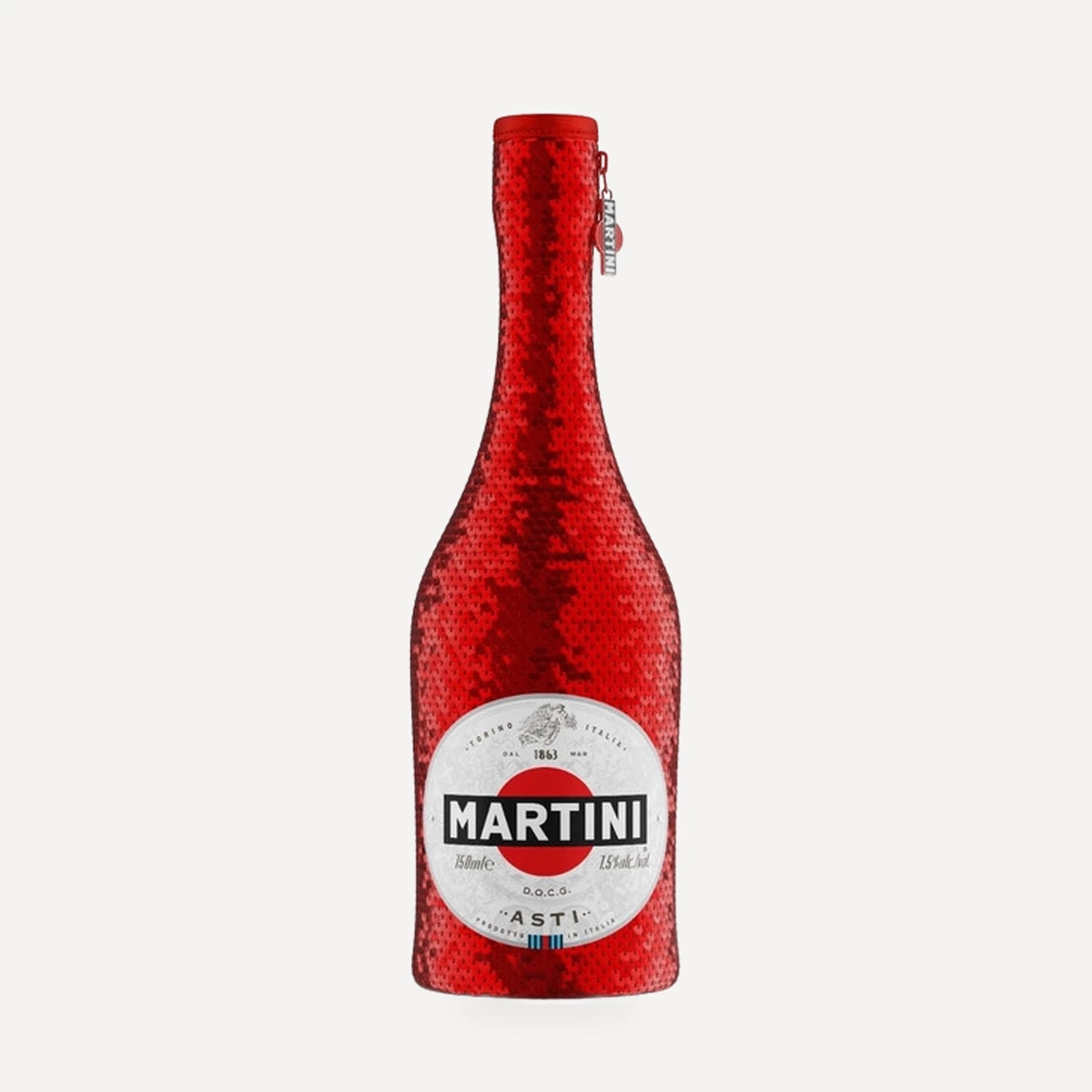
MARTINI Asti
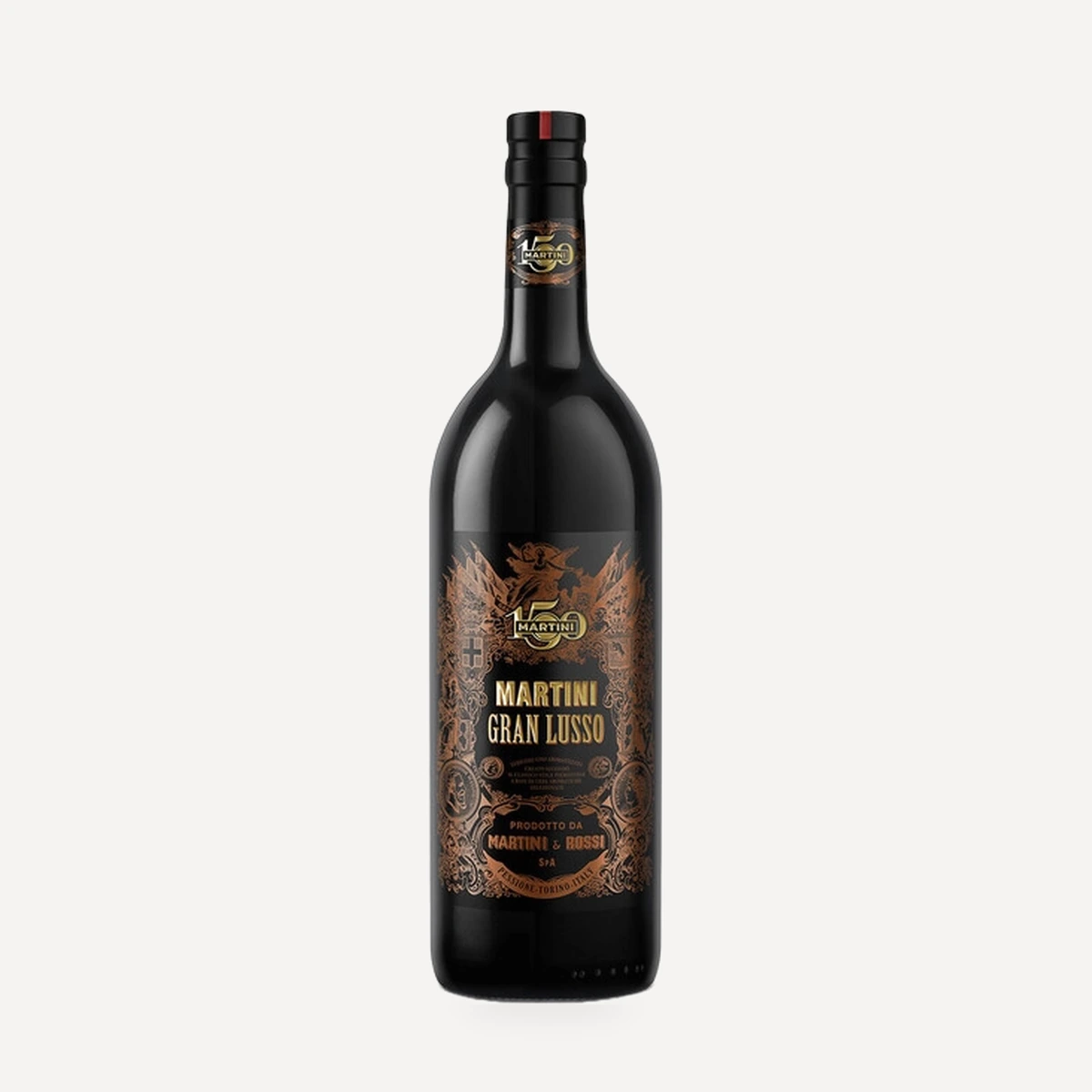
Gran Lusso
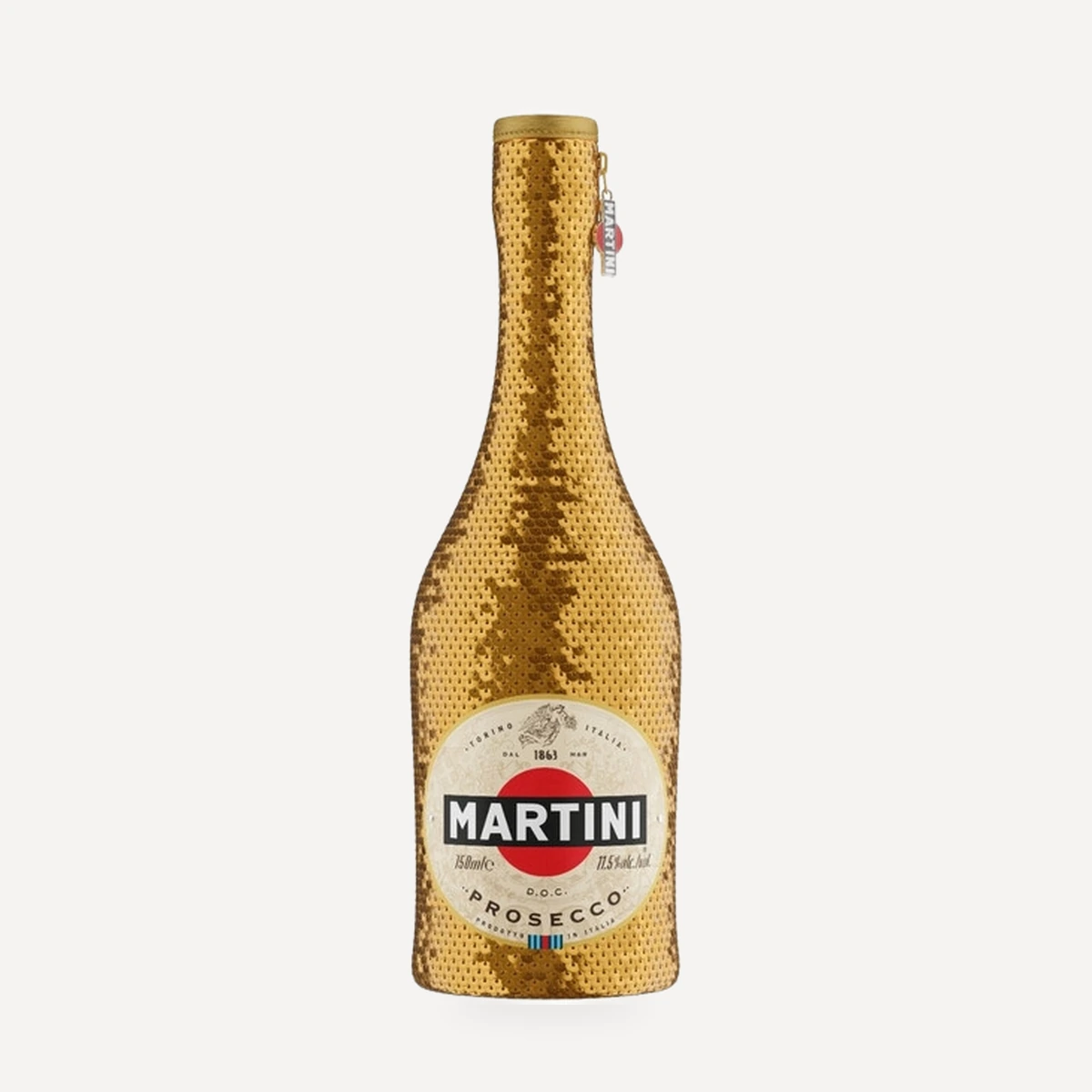
MARTINI Prosecco