Asti
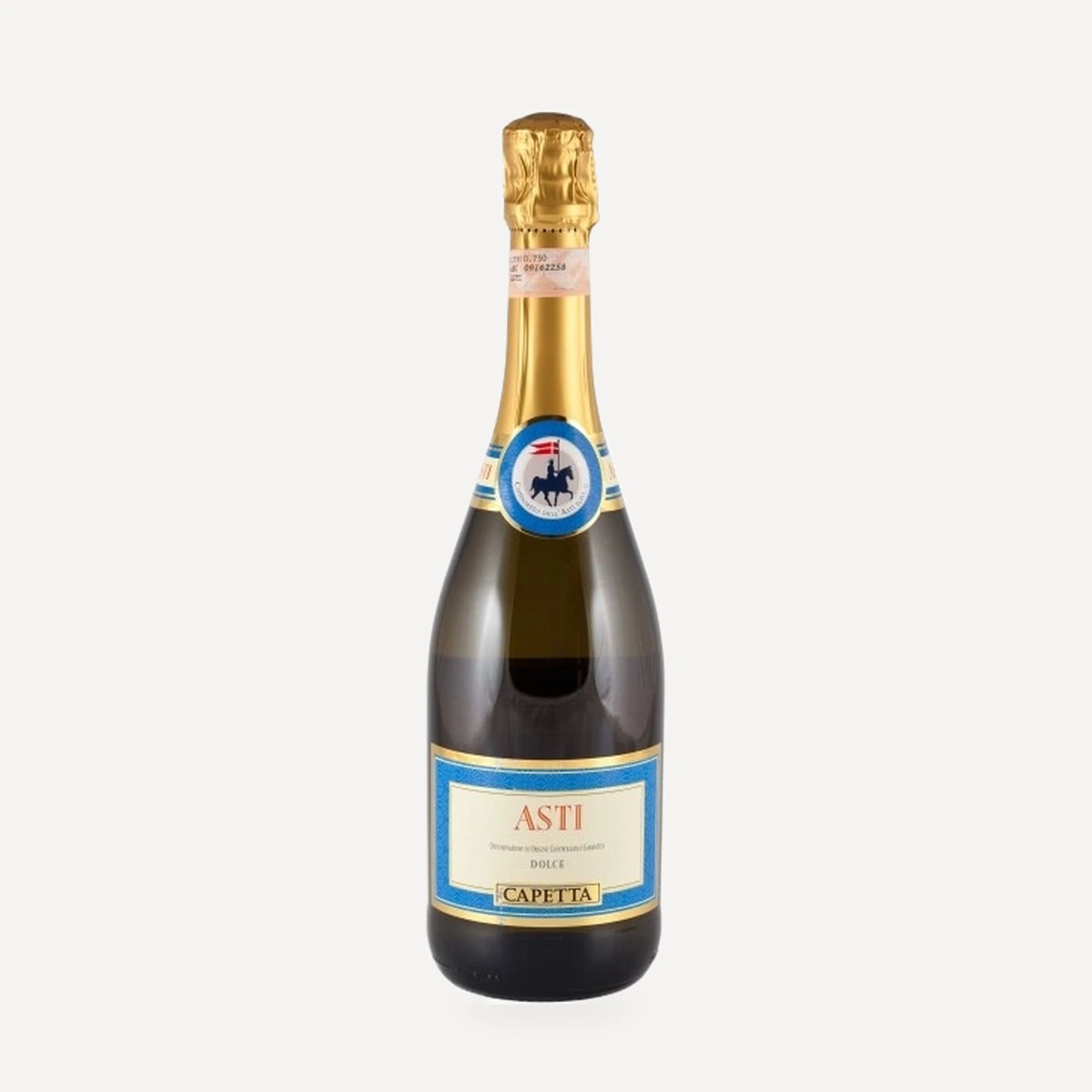
61 cantine e 221 vini. One grape, Moscato Bianco, and two very different wines. Asti — or Asti Spumante — is fully sparkling; Moscato d'Asti is gently frothy, lower in alcohol and sweeter, with a Vendemmia Tardiva version from late-picked grapes. Both come from 52 communes in the provinces of Asti, Cuneo and Alessandria, on vineyards no lower than 165 metres. Continua a leggere ↓
- Livello
- DOCG
- Regione
- Piemonte
- Uve
- Moscato Bianco, Barbera, Chardonnay
- Tipologie
- Spumanti, Rossi, Dolci
- Produttori
- 61
Cantine che producono Asti
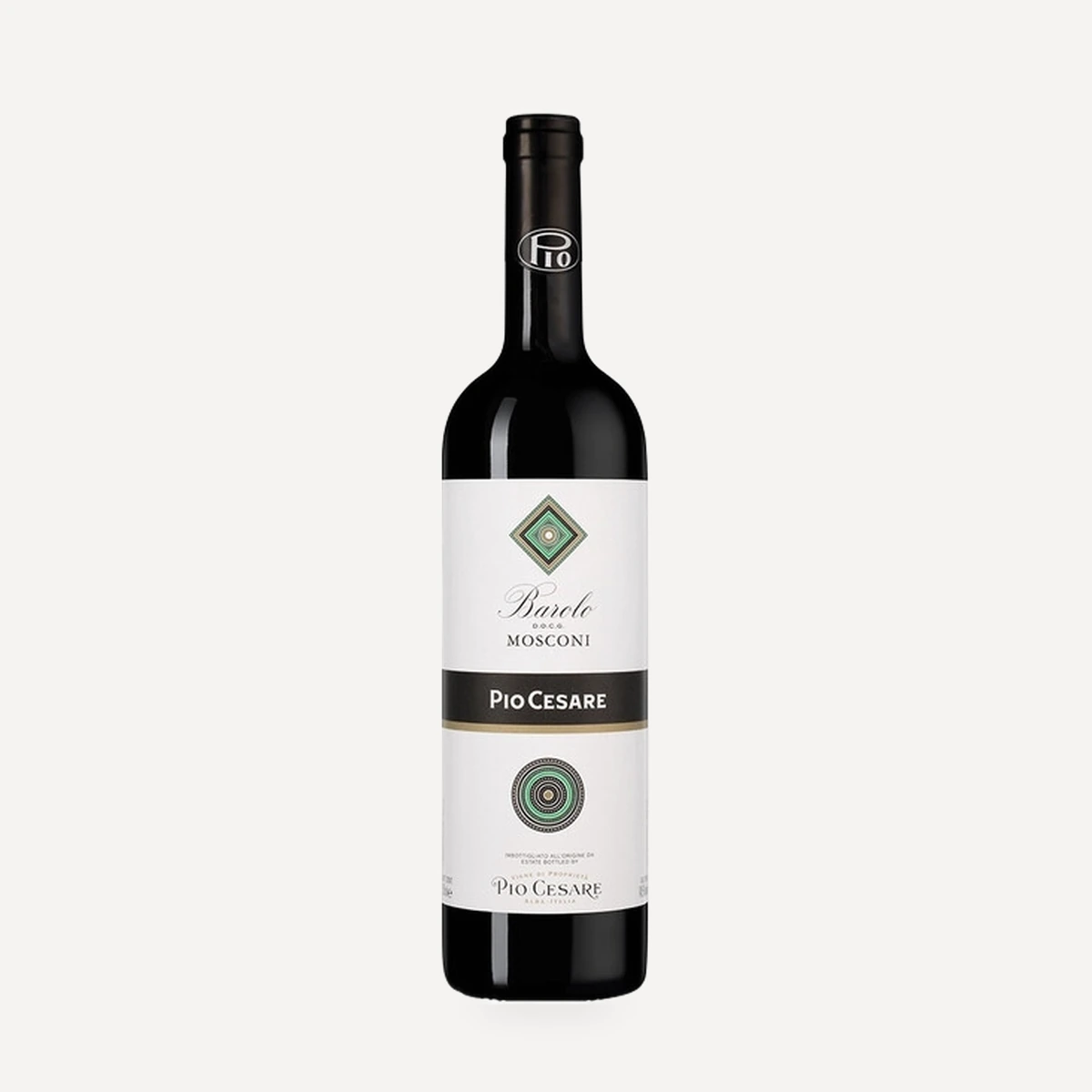 Pio Cesare Langhe · 22 vini11 Tre Bicchieri, l’ultimo nel 2025 · Barolo Mosconi DOCG
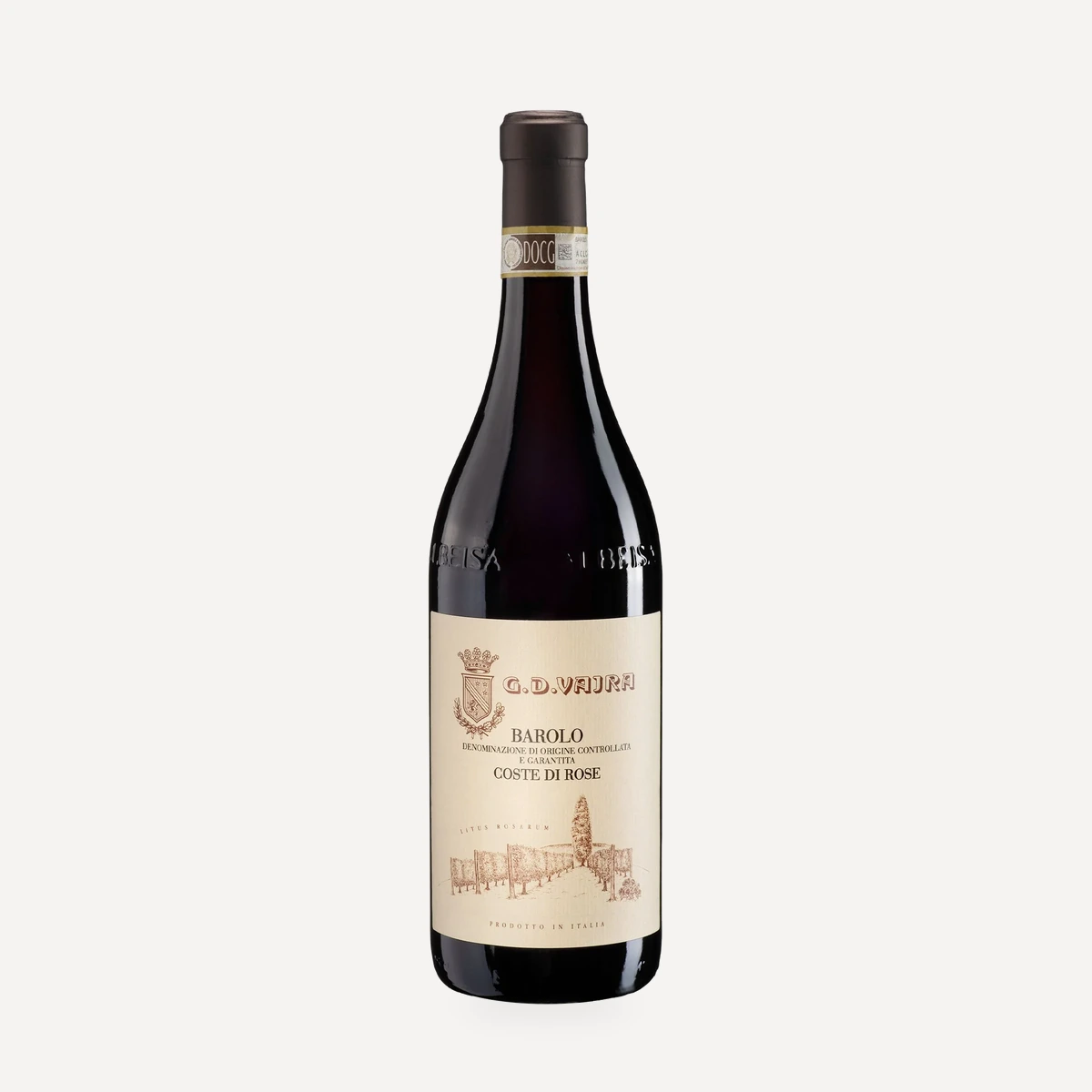 G.D. Vajra Langhe · 20 vini6 Tre Bicchieri, l’ultimo nel 2026 · Barolo Coste di Rose DOCG
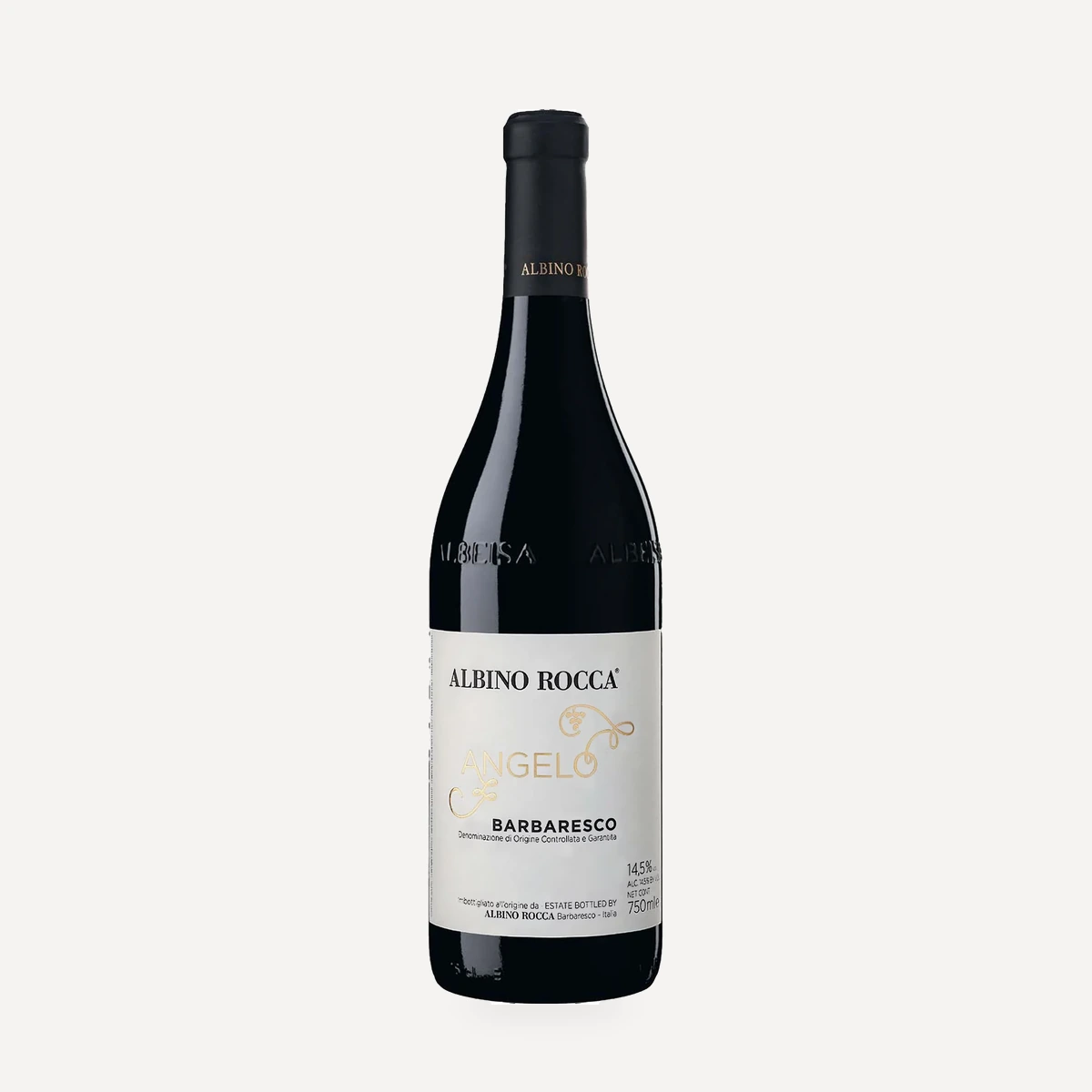 Albino Rocca Barbaresco · 16 vini3 Tre Bicchieri, l’ultimo nel 2024 · Barbaresco Angelo DOCG
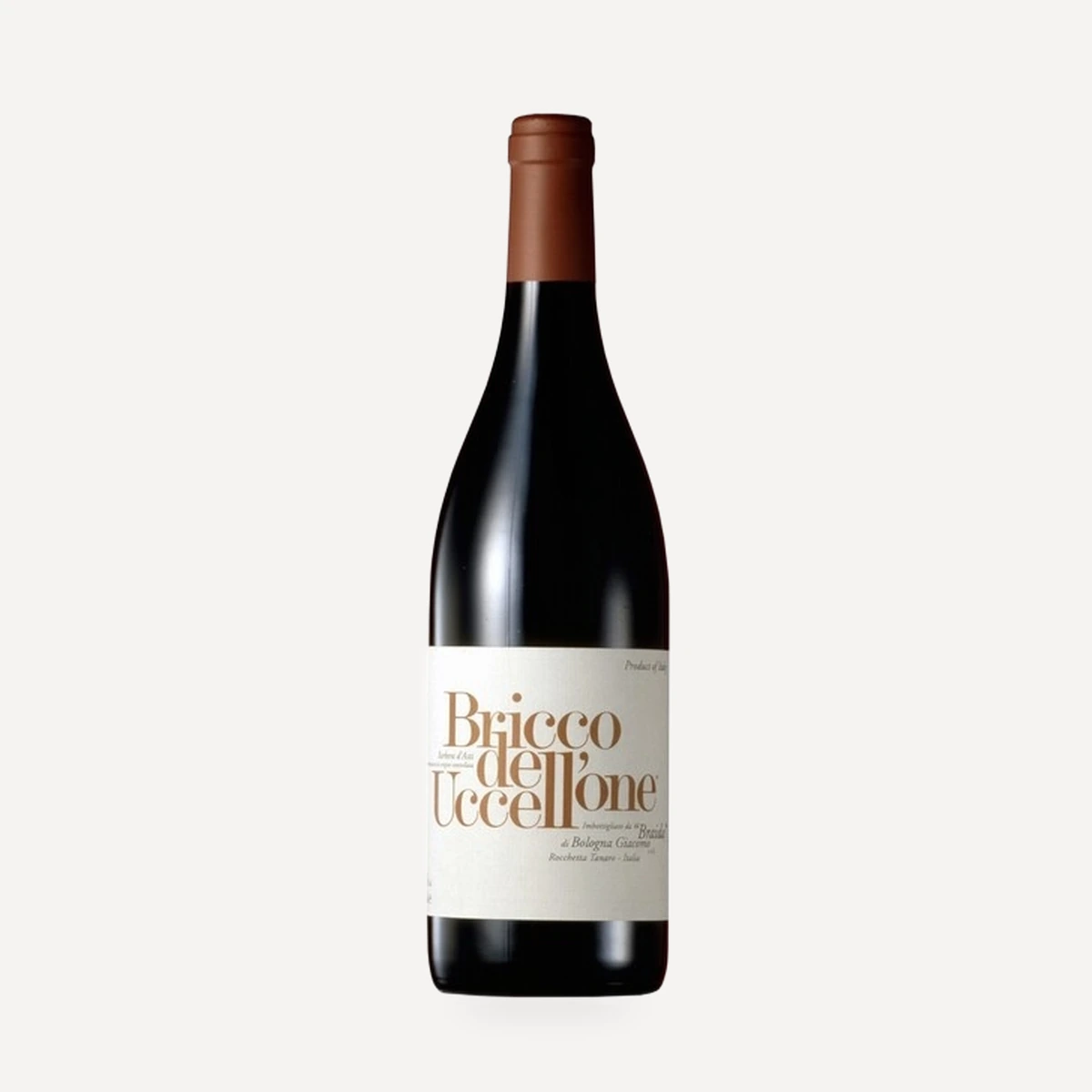 Braida Barbera d’Asti · 16 vini6 Tre Bicchieri, l’ultimo nel 2024 · Bricco dell’Uccellone Barbera d’Asti DOCG
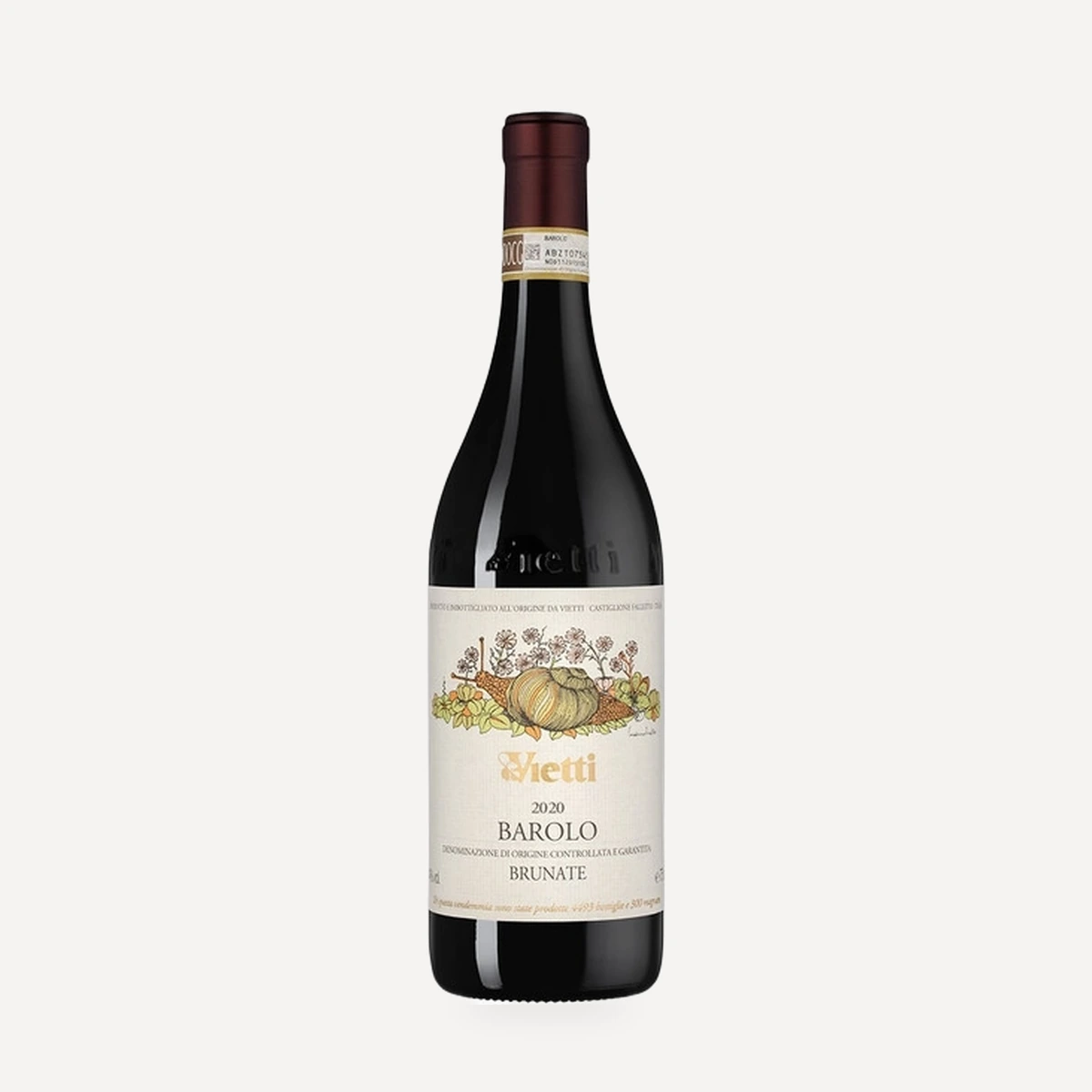 Vietti Barolo · 25 vini15 Tre Bicchieri, l’ultimo nel 2026 · Barolo Brunate
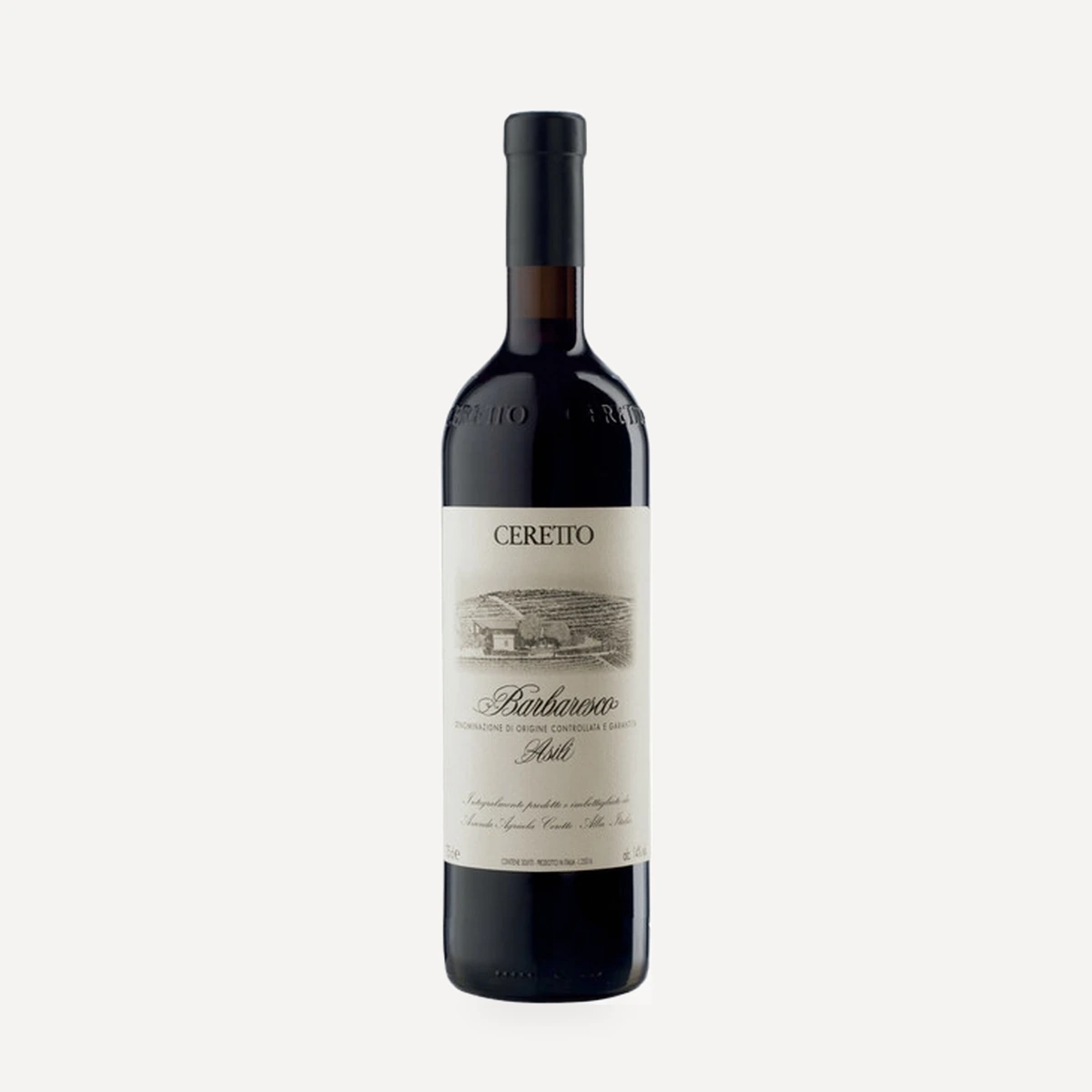 Ceretto Barolo · 23 vini6 Tre Bicchieri, l’ultimo nel 2023 · Asili
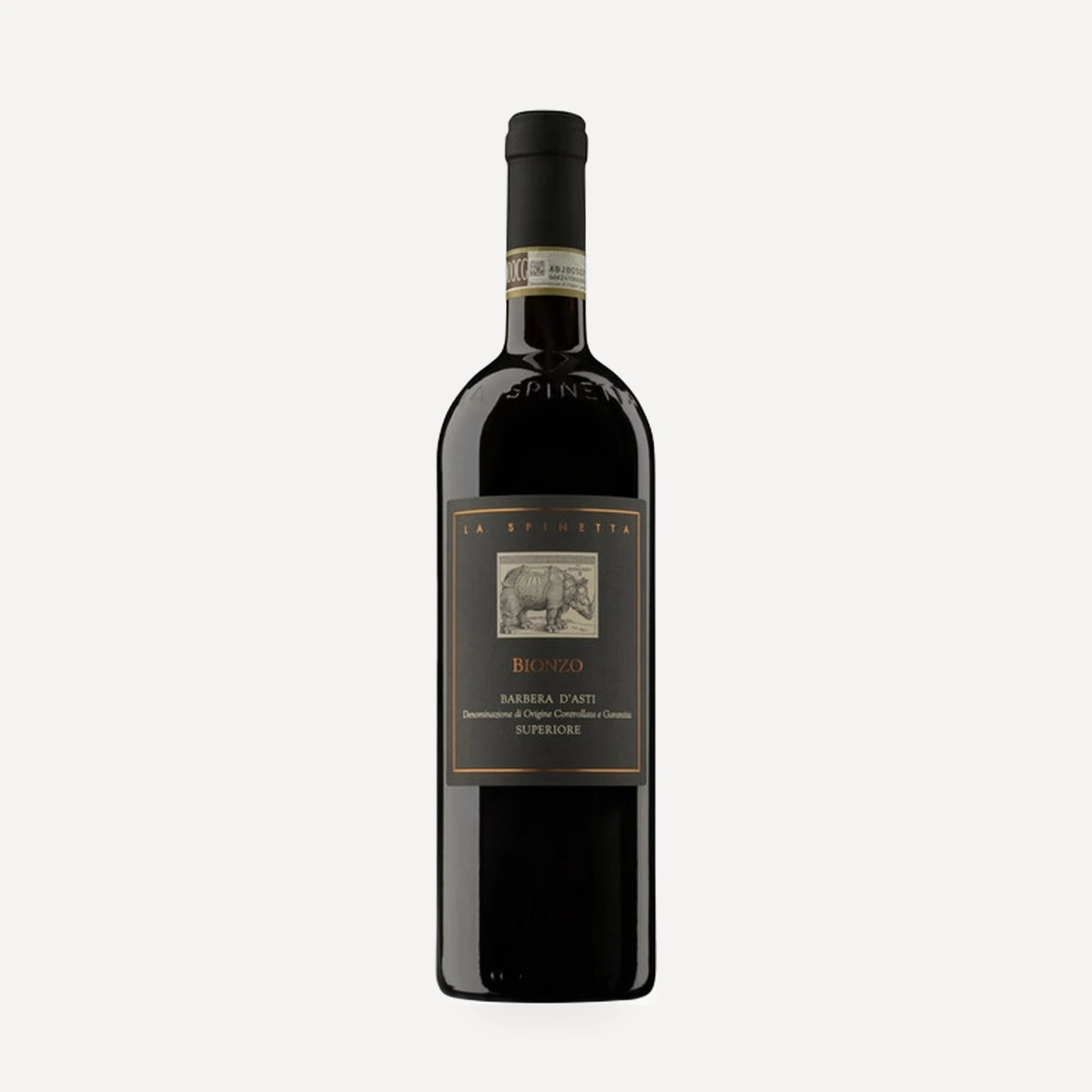 La Spinetta Barbaresco · 28 vini2 Tre Bicchieri, l’ultimo nel 2012 · Barbera d’Asti Superiore Bionzo DOCG
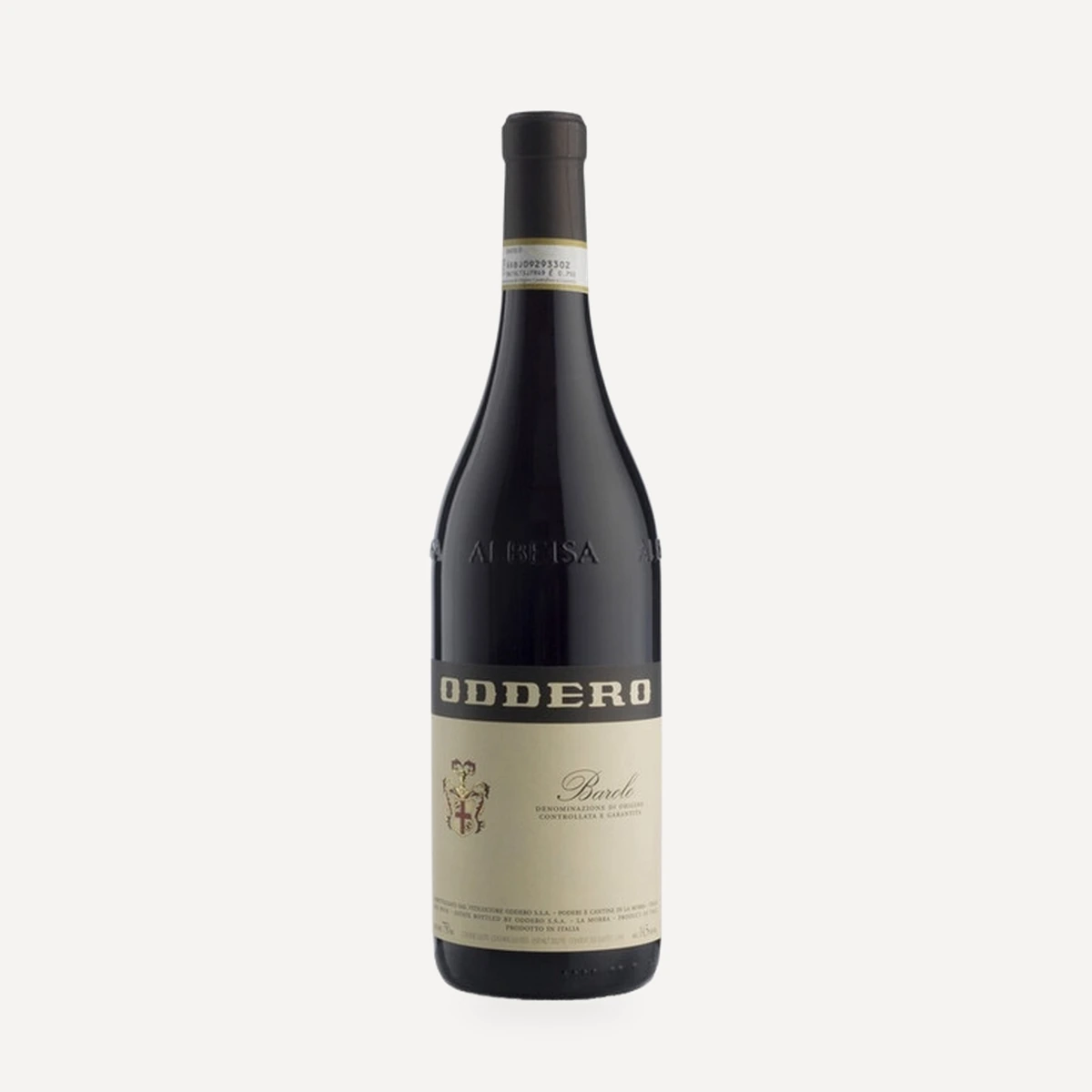 Oddero Barolo · 15 vini1 Tre Bicchieri 2014 · Barolo DOCG
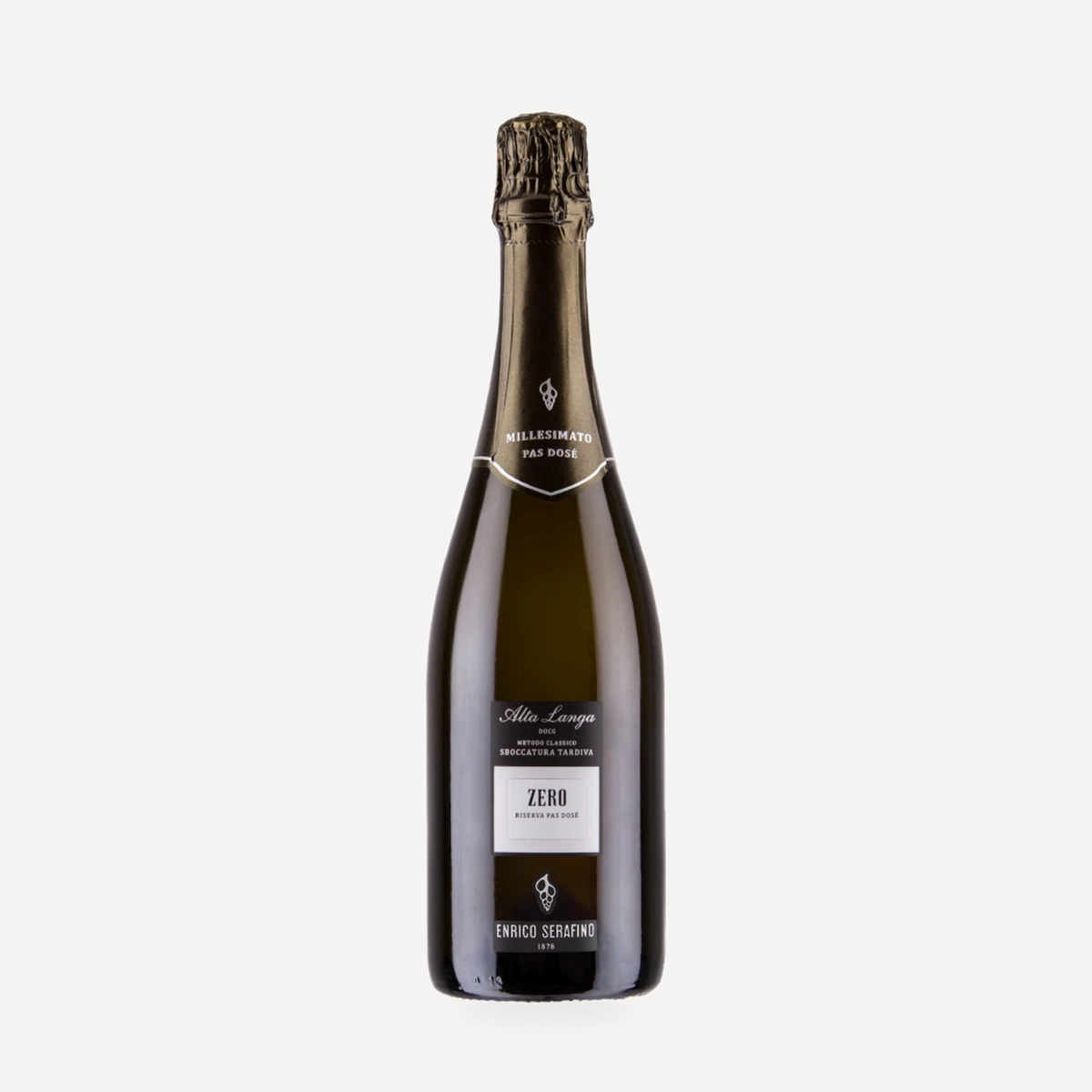 Enrico SerafinoAlta Langa · 29 vini5 Tre Bicchieri, l’ultimo nel 2023 · Zero Pas Dosé Alta Langa DOCG
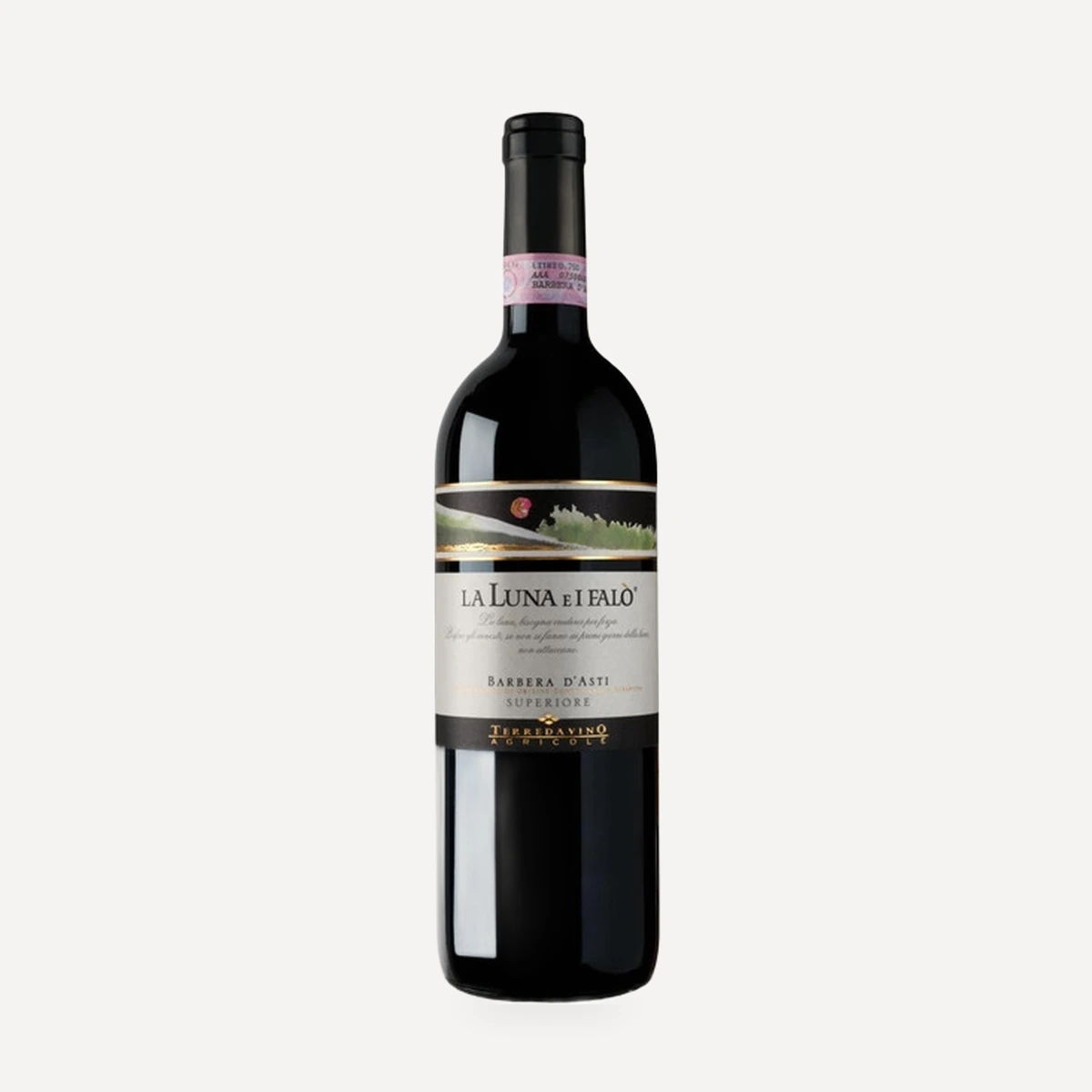 Vite ColteMonferrato · 37 vini18 premi DWWA, l’ultimo nel 2026 · Barbera d’Asti Superiore La Luna e i Falò DOCG
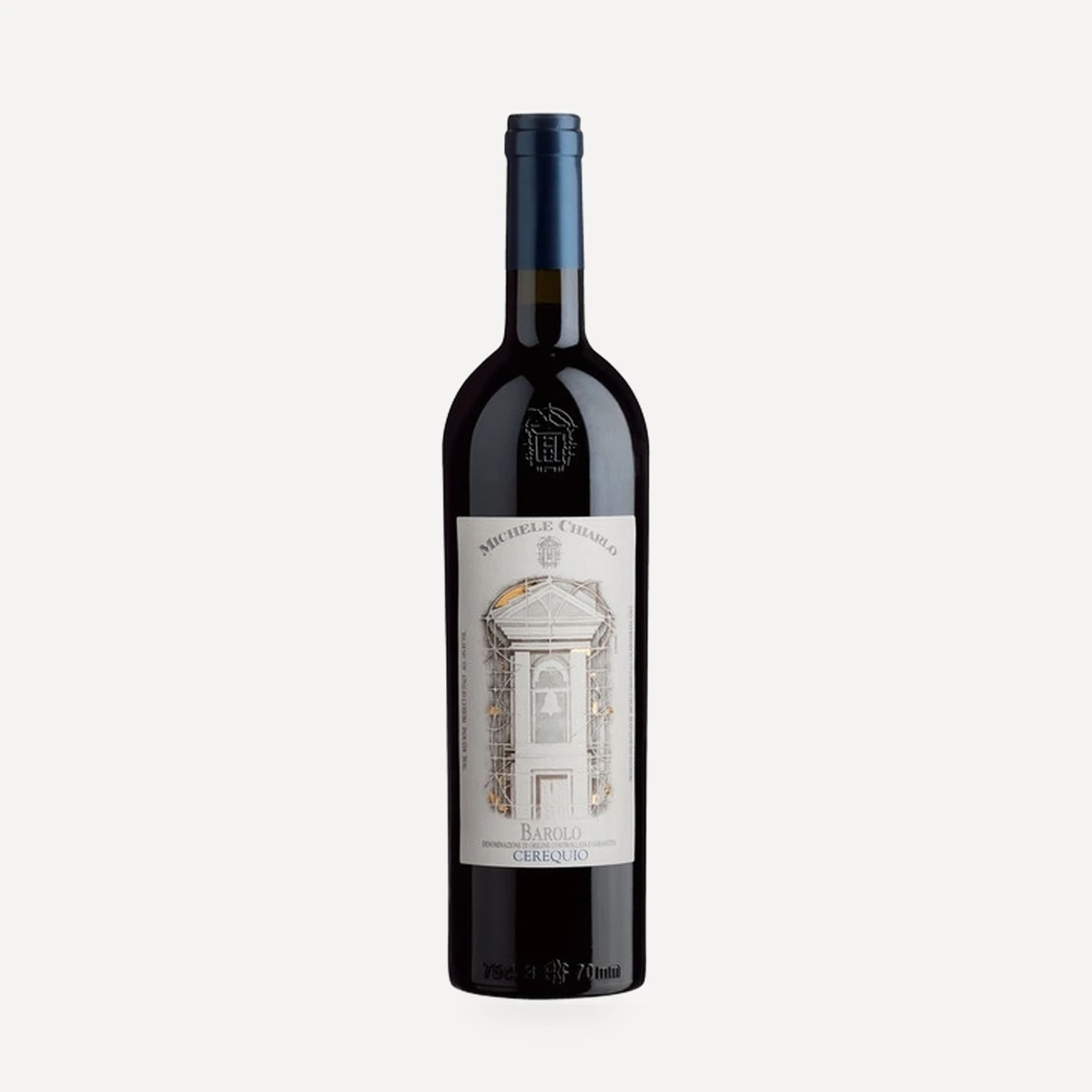 Michele ChiarloBarolo · 34 vini10 Tre Bicchieri, l’ultimo nel 2026 · Barolo Cerequio
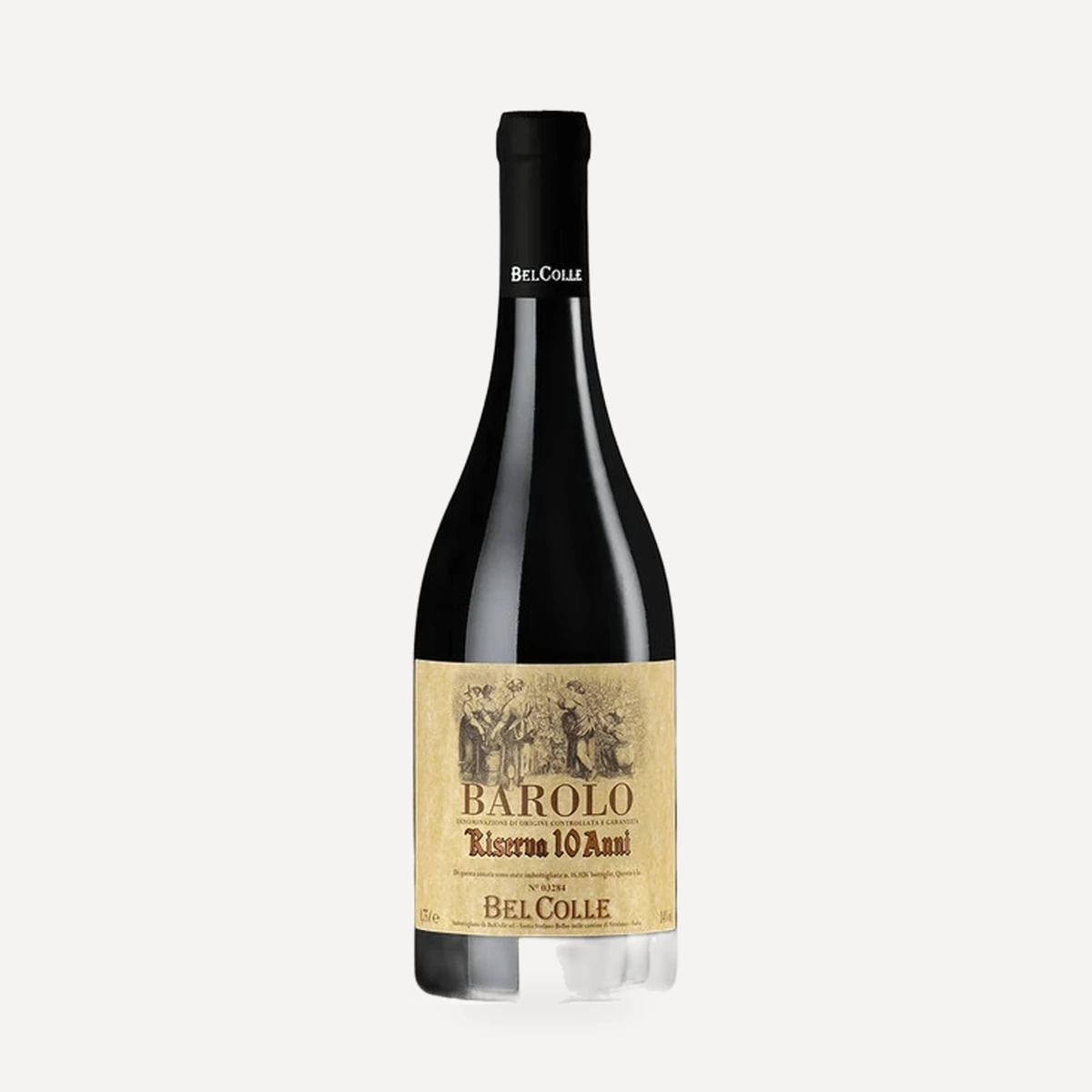 Bel ColleBarolo · 28 vini11 Tre Bicchieri, l’ultimo nel 2026 · Barolo Riserva 10 anni DOCG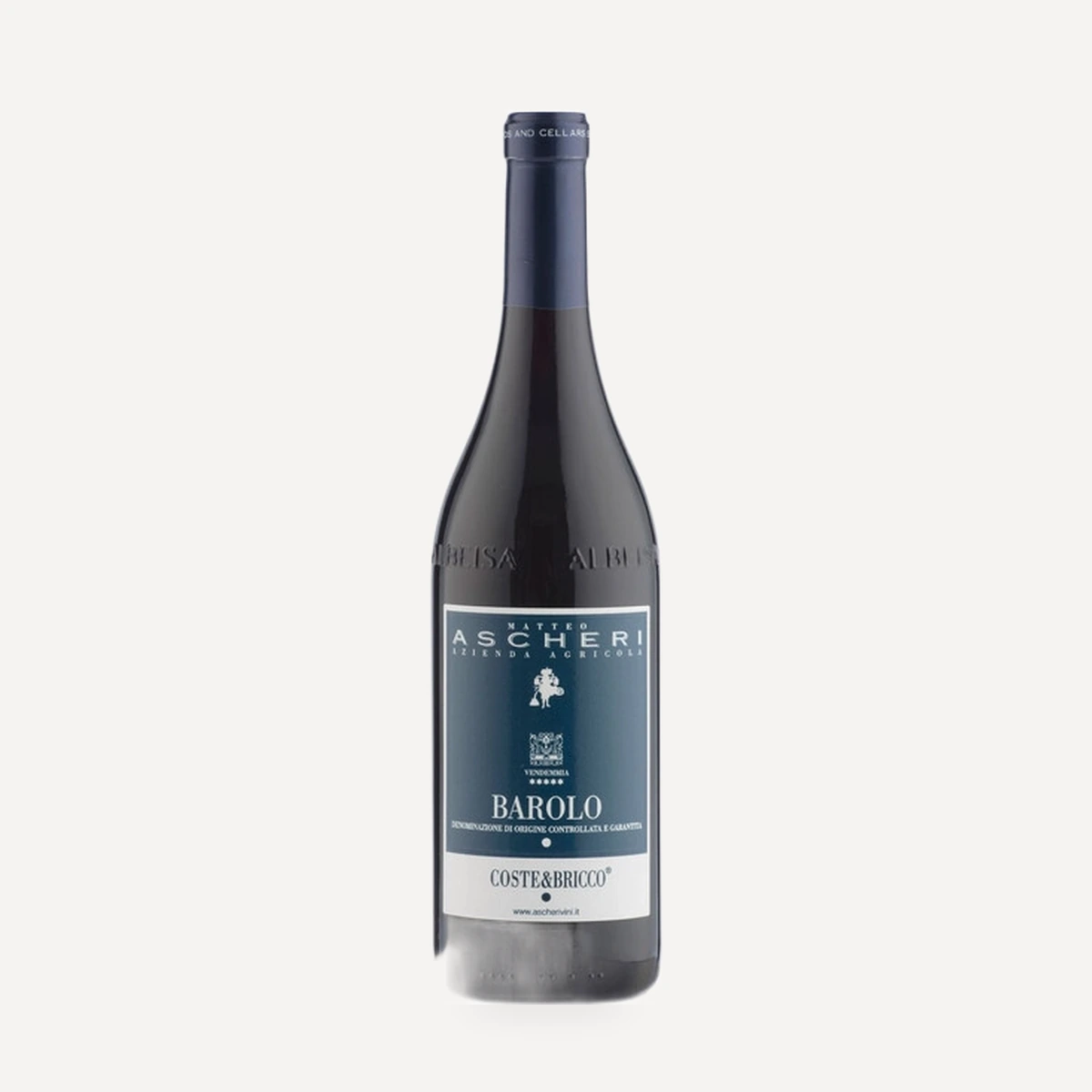

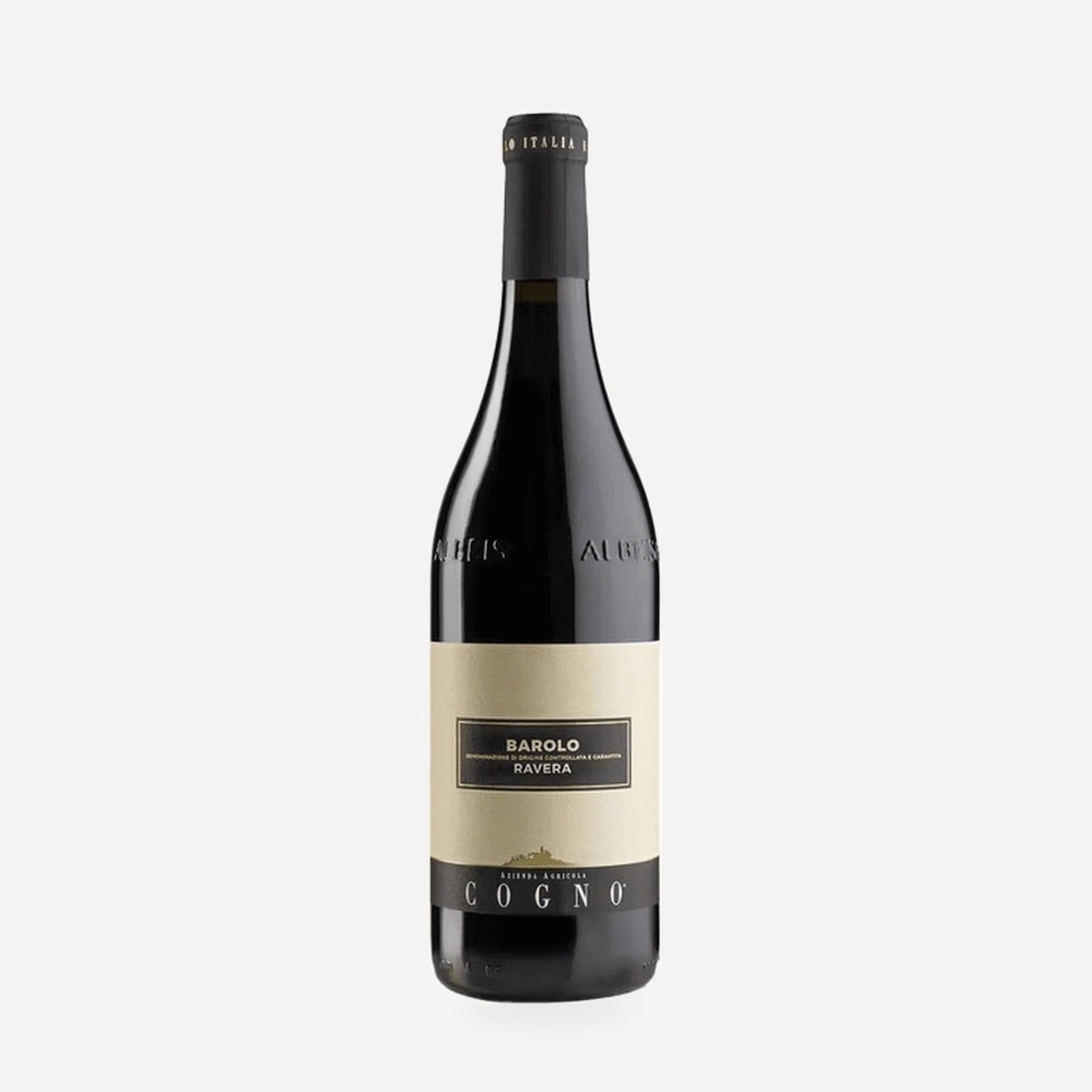
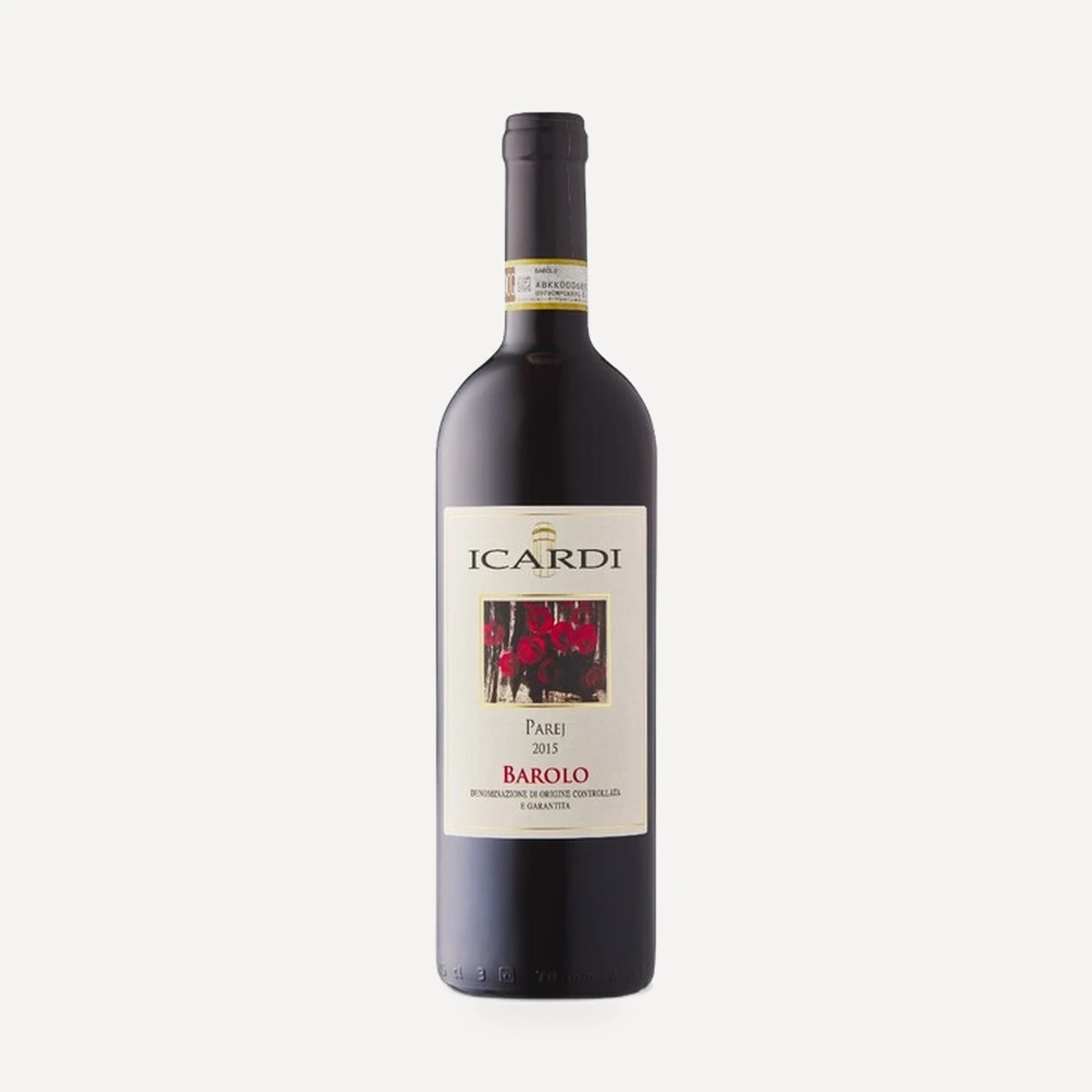
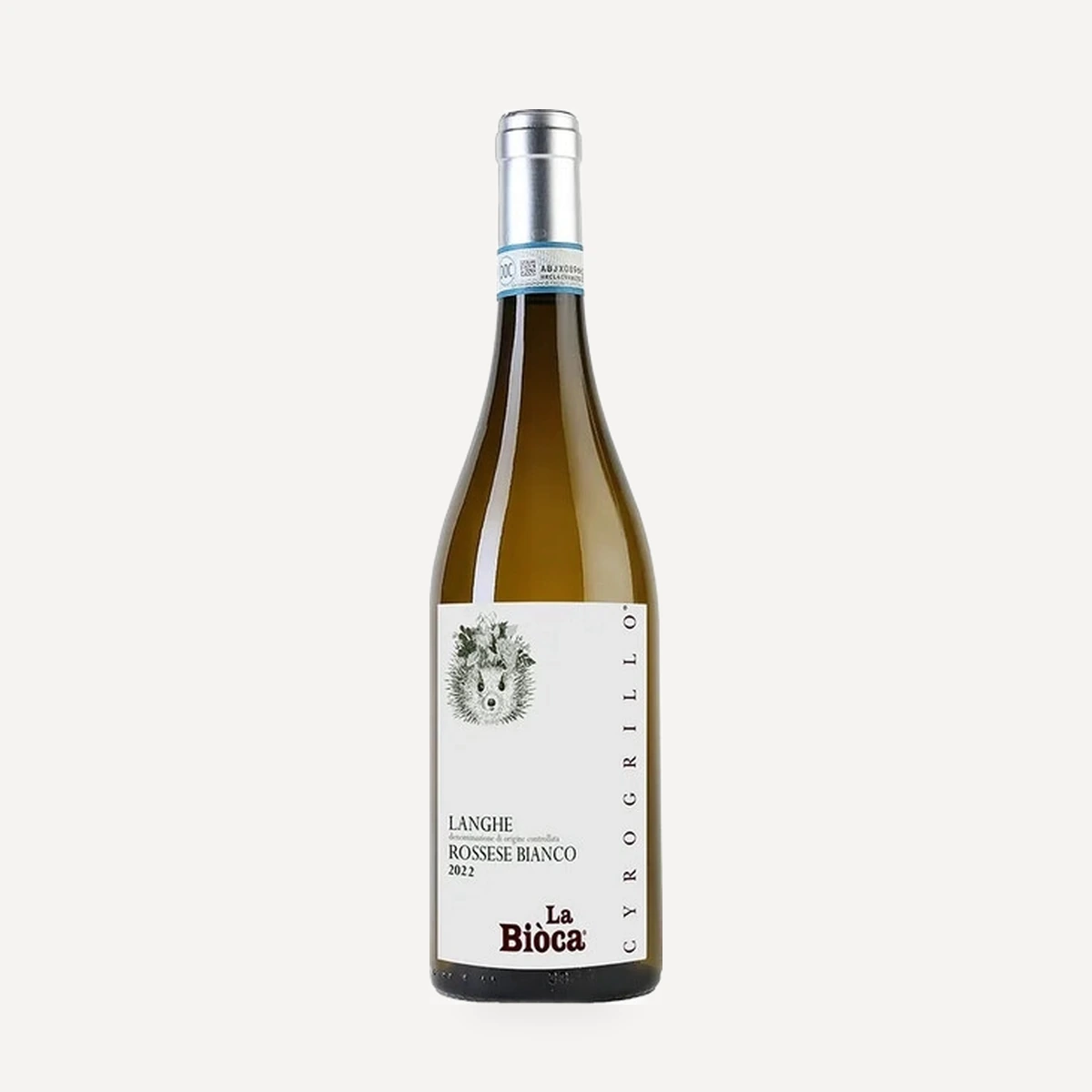

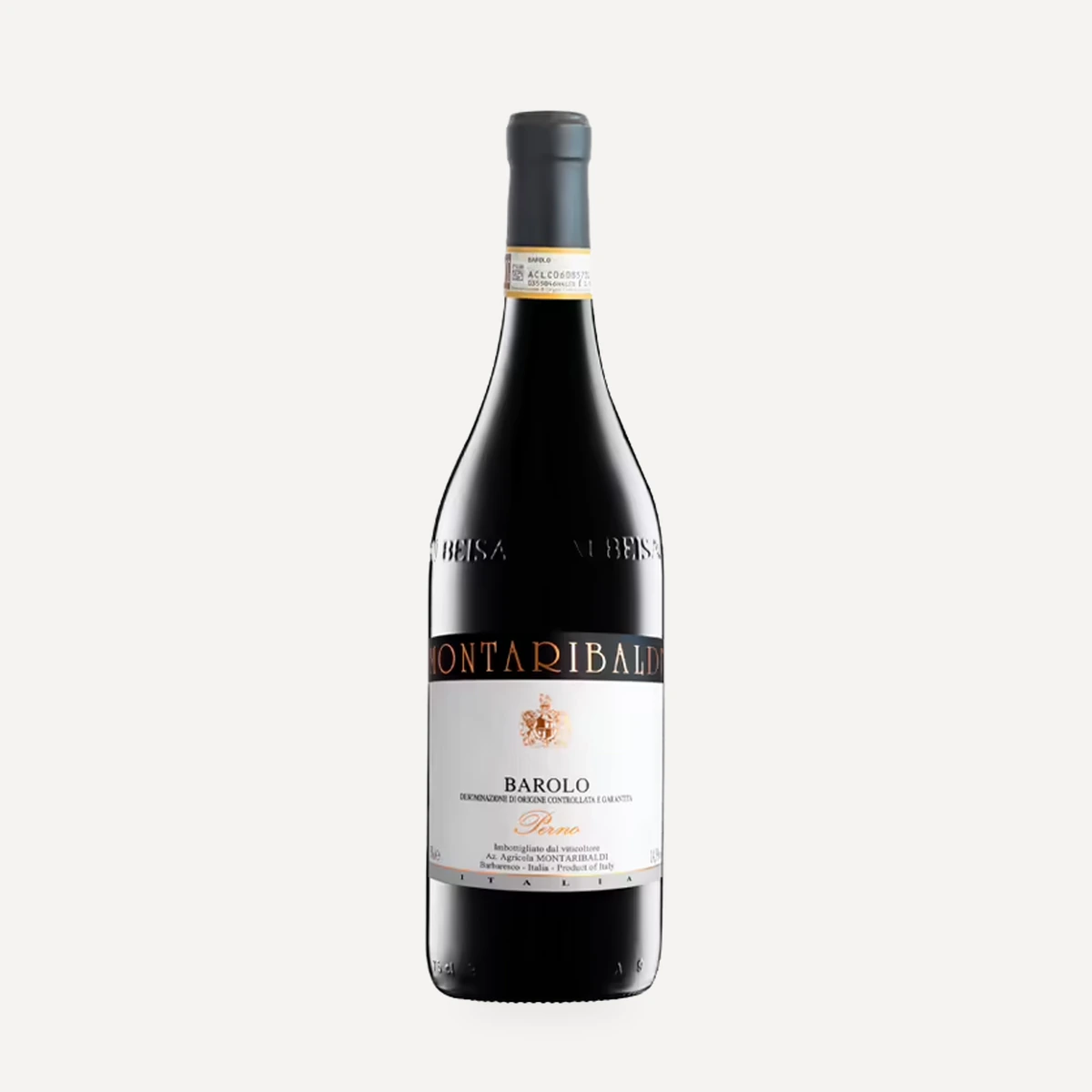
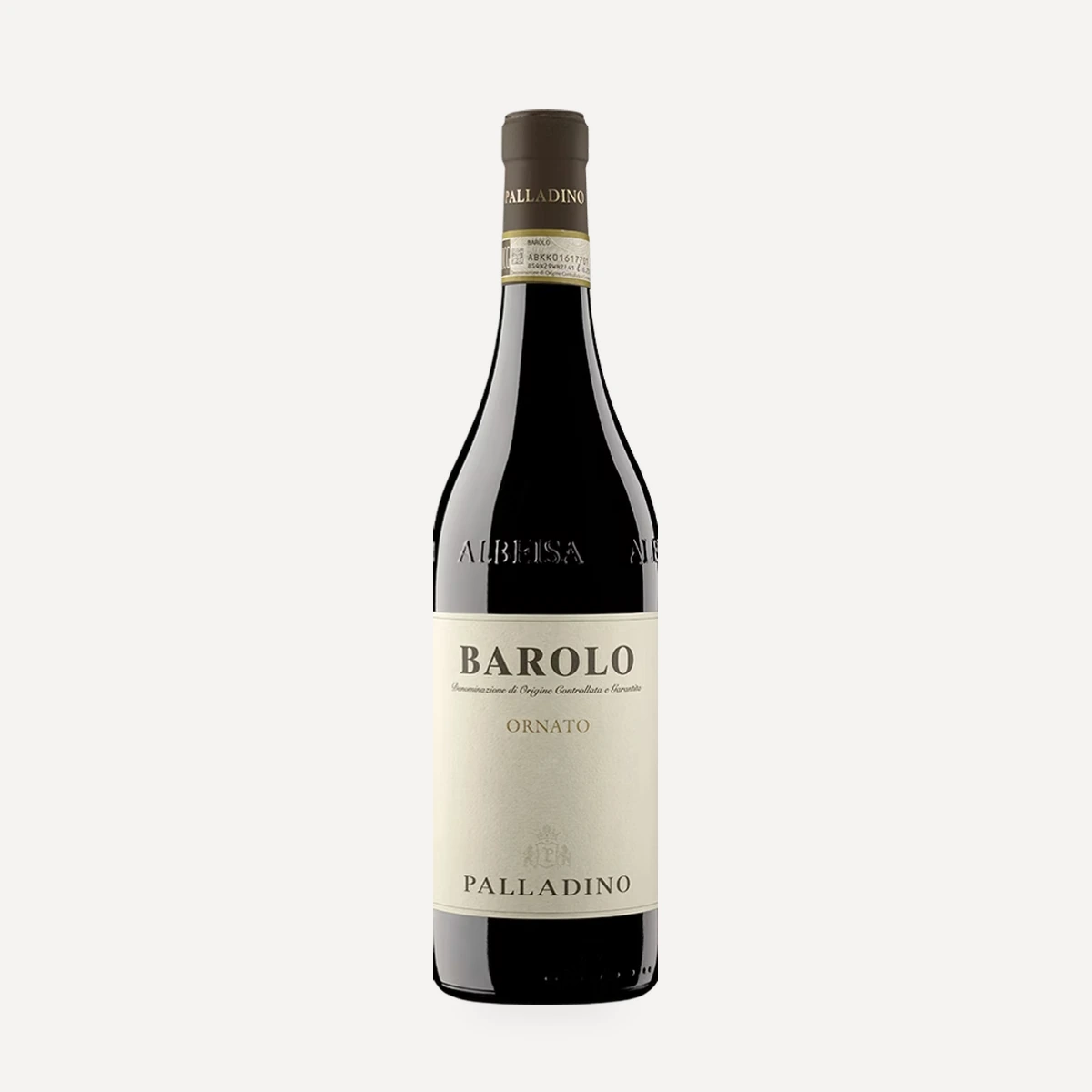
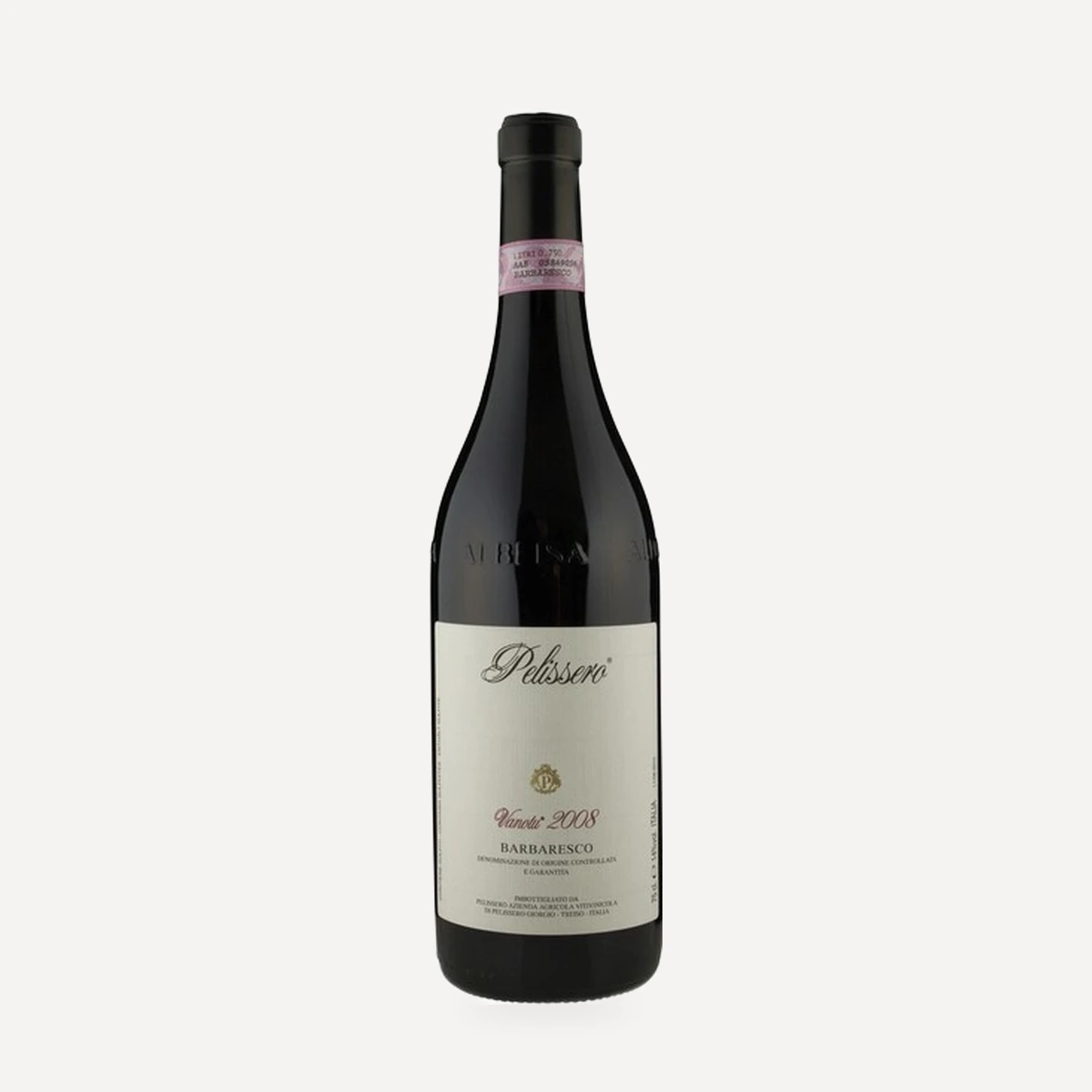
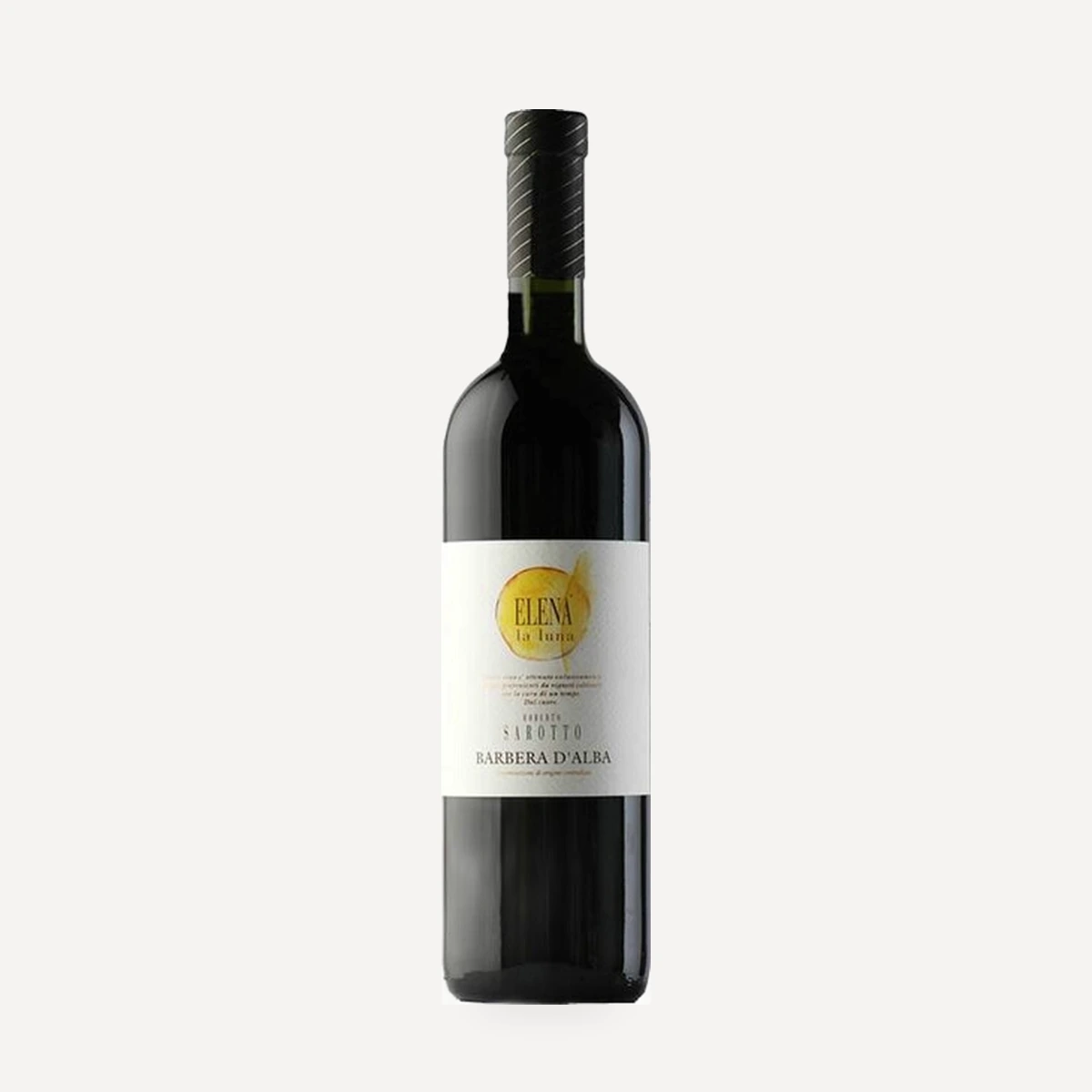

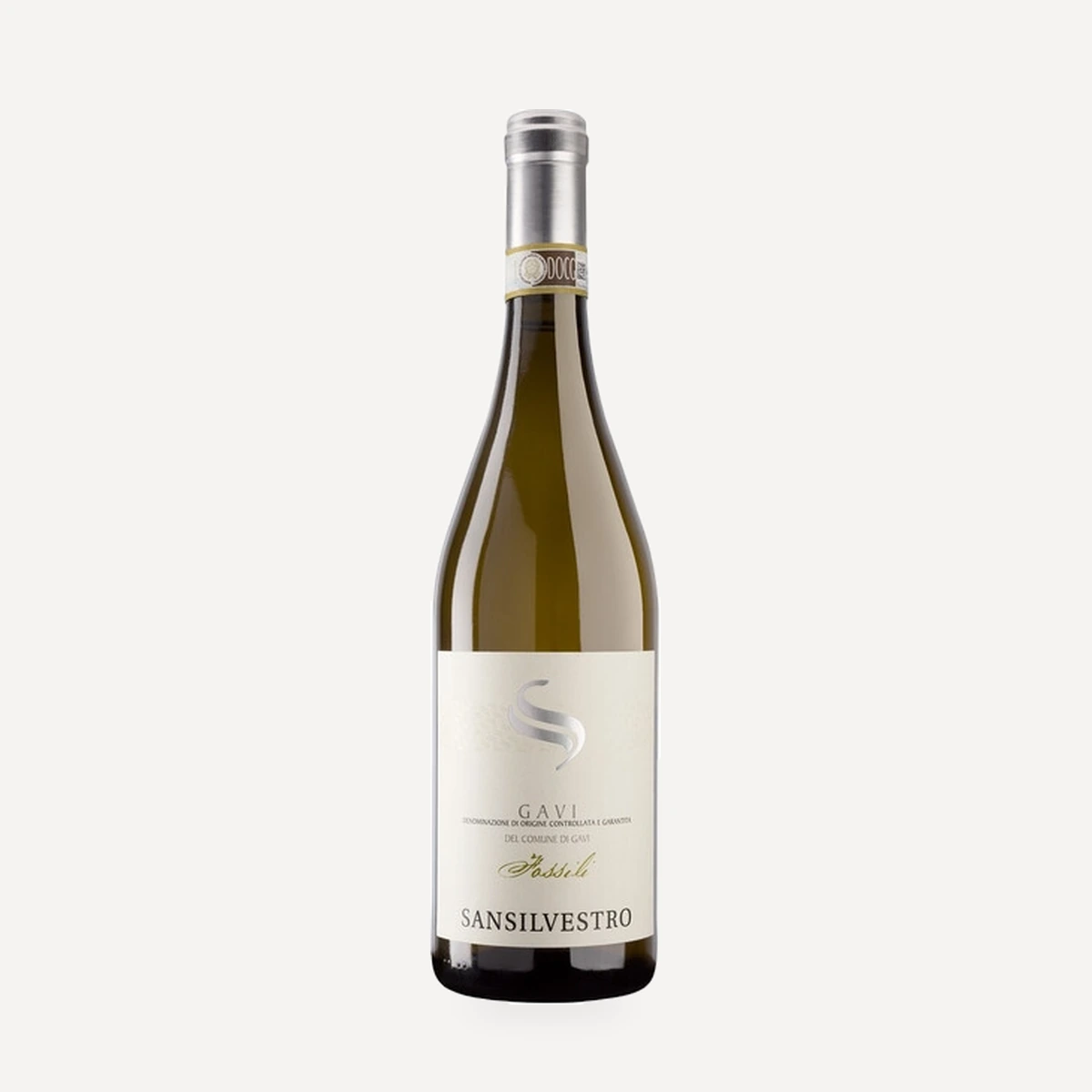

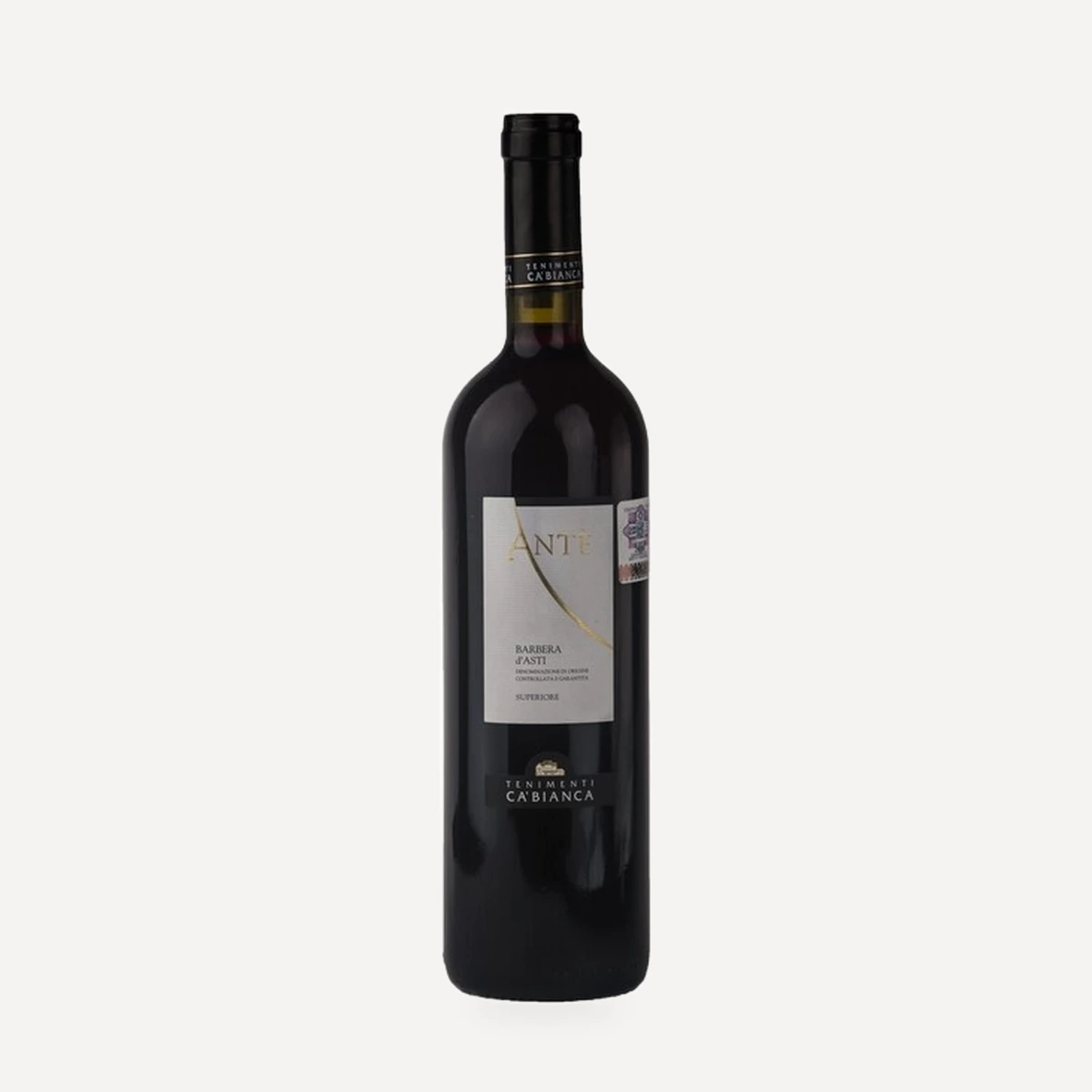
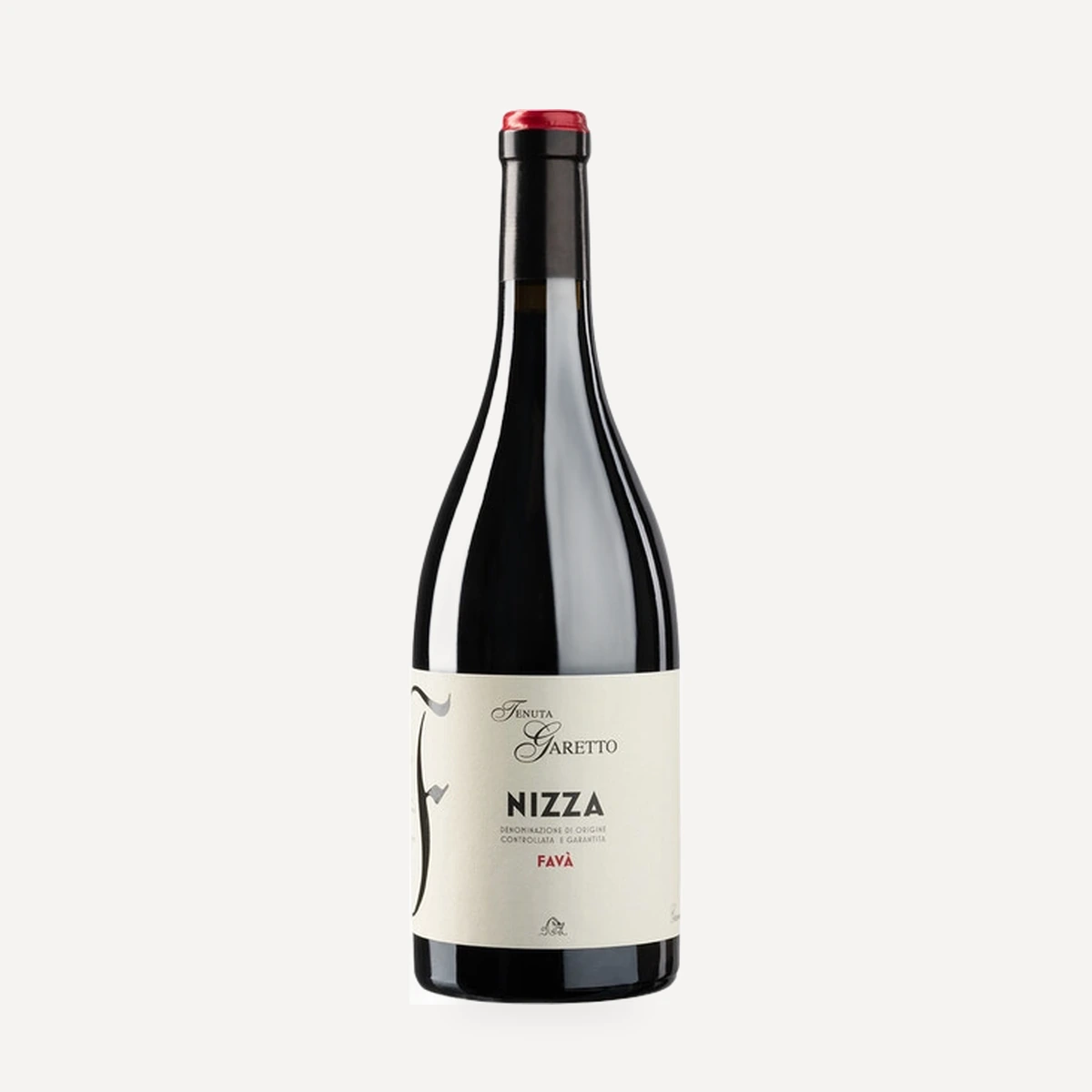
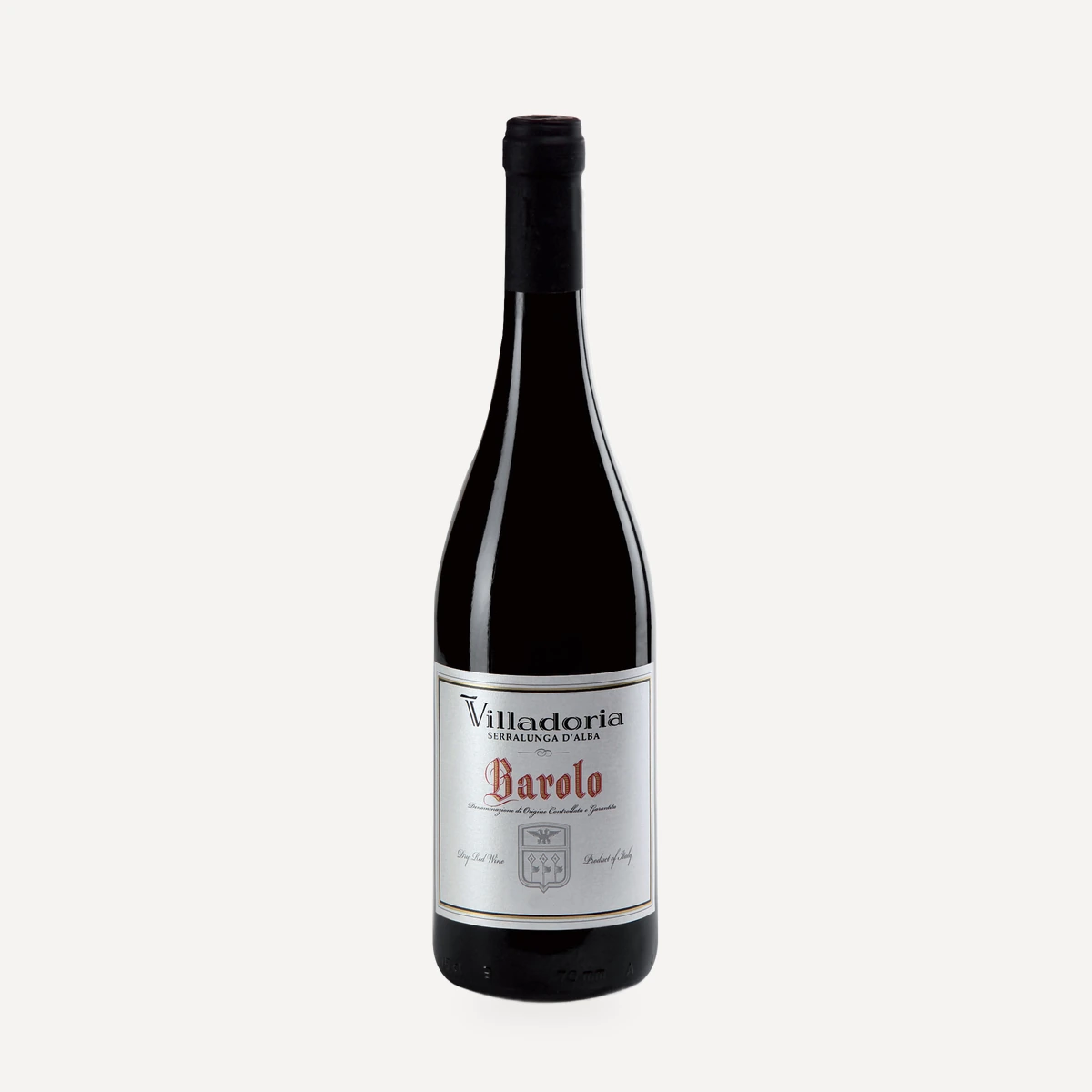
Vini di Asti
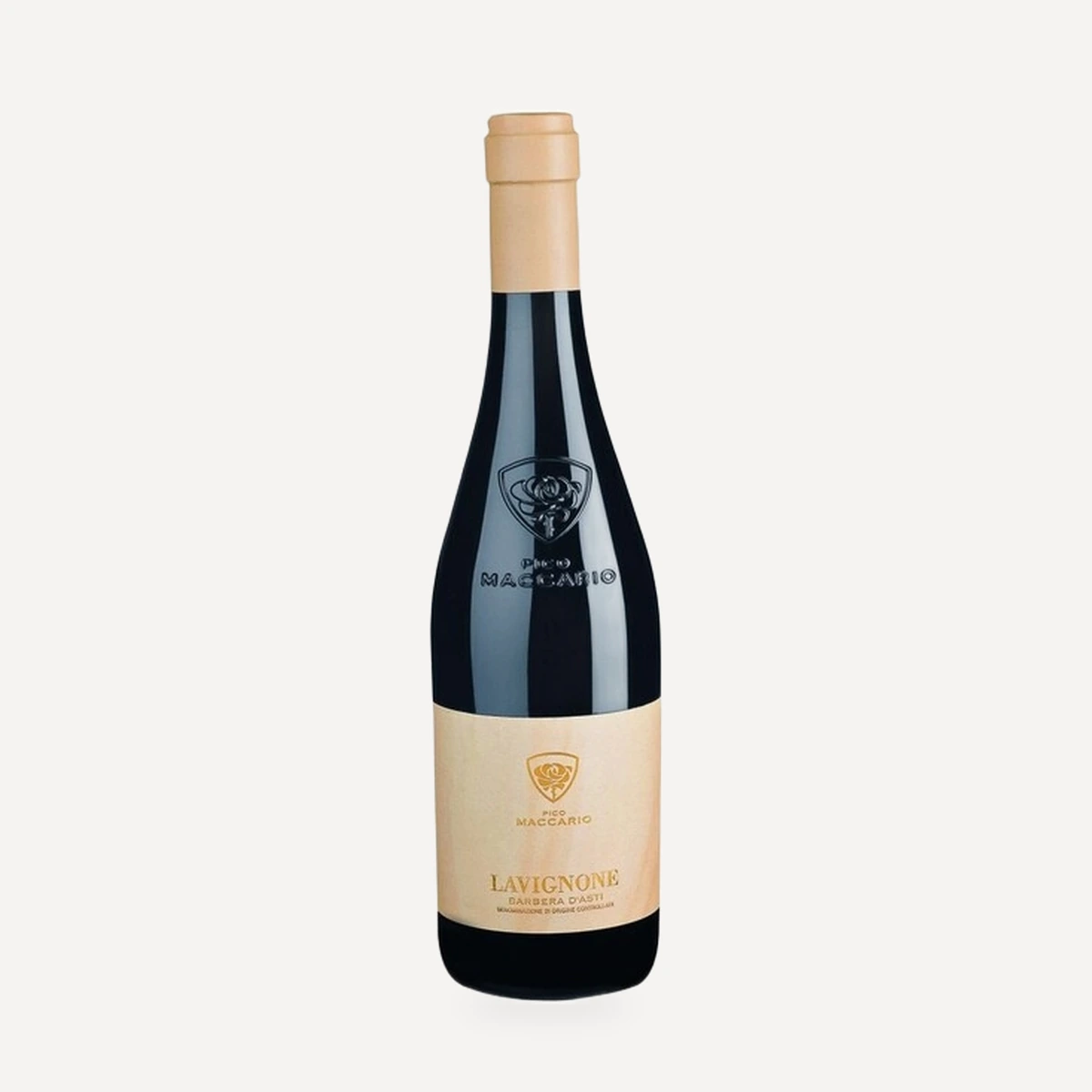
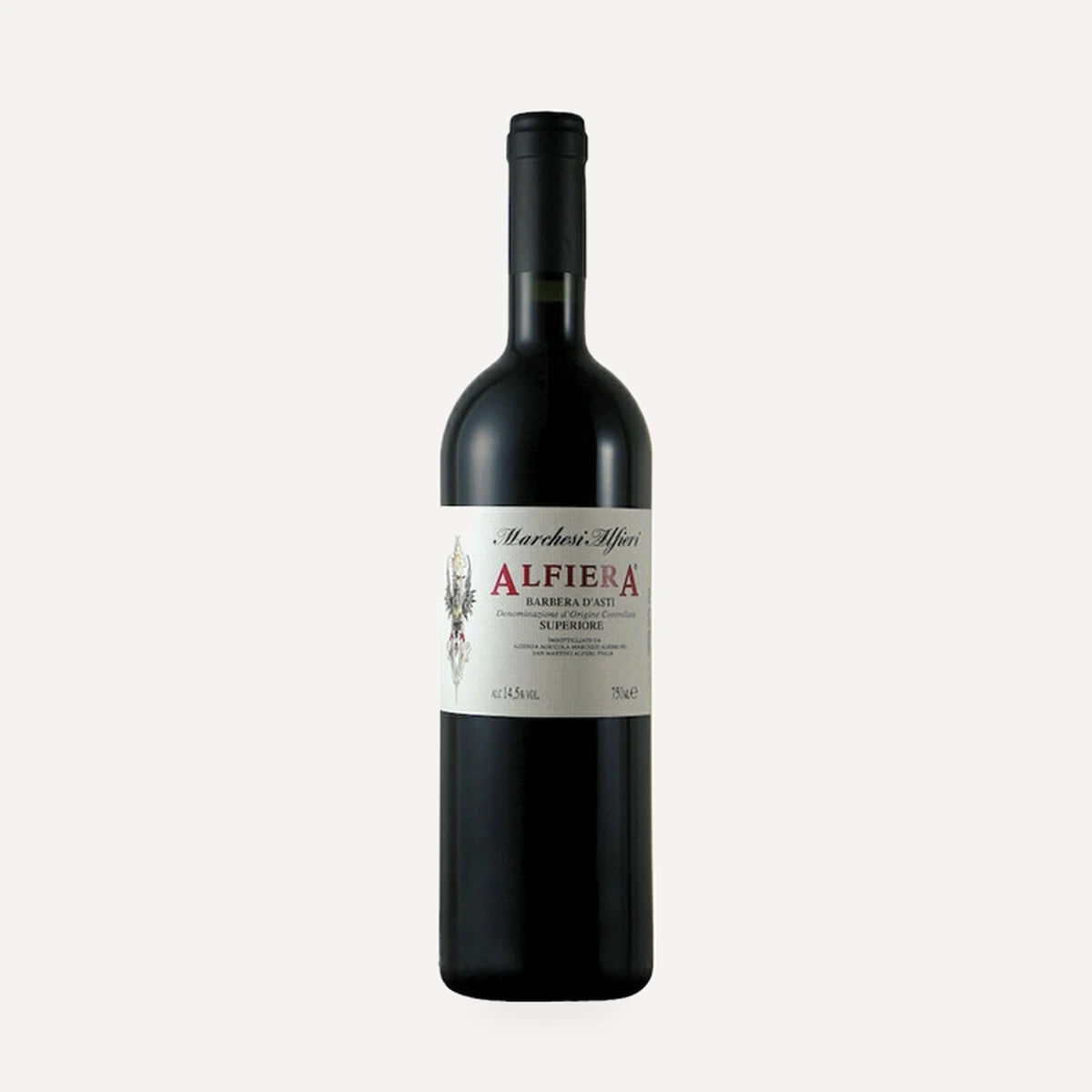
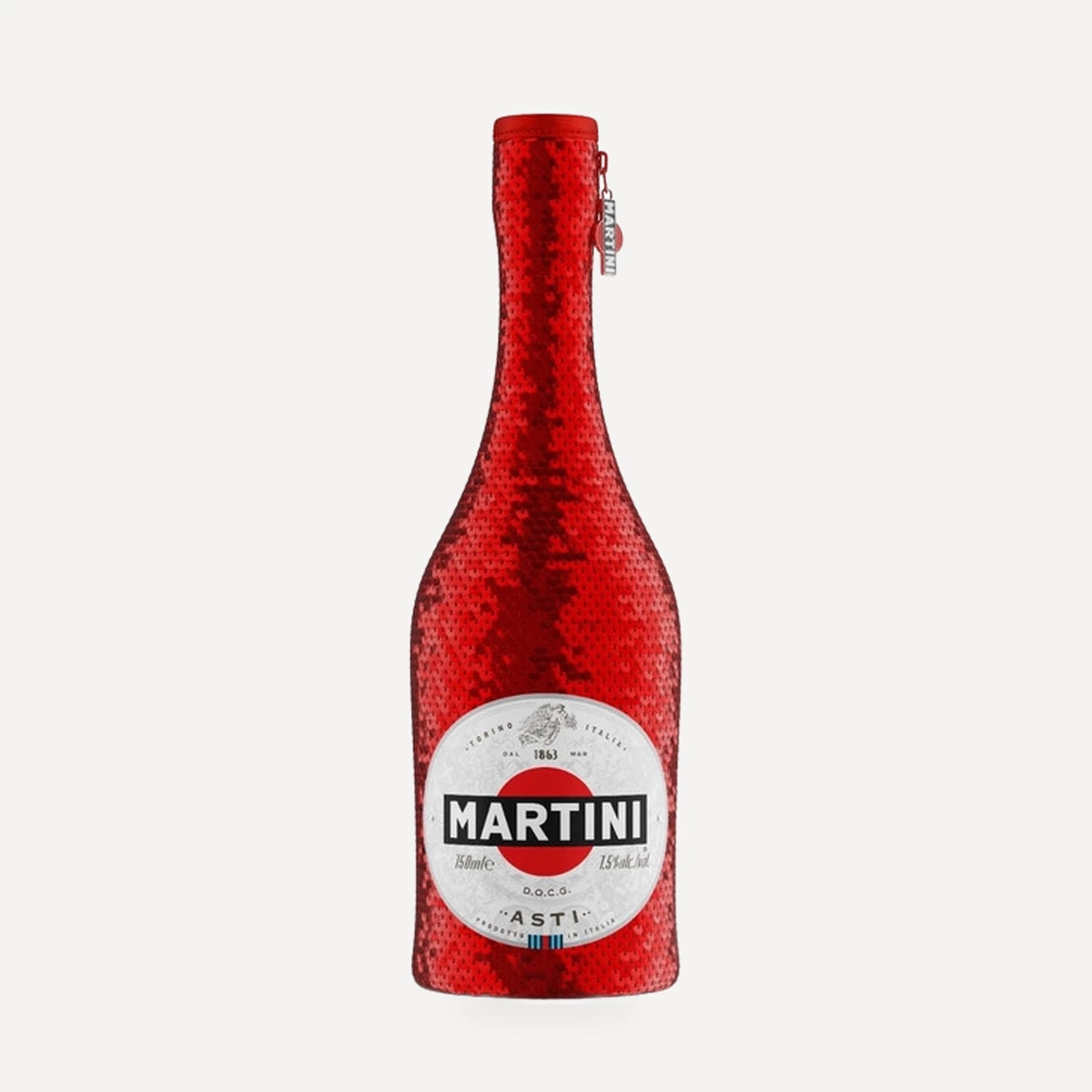
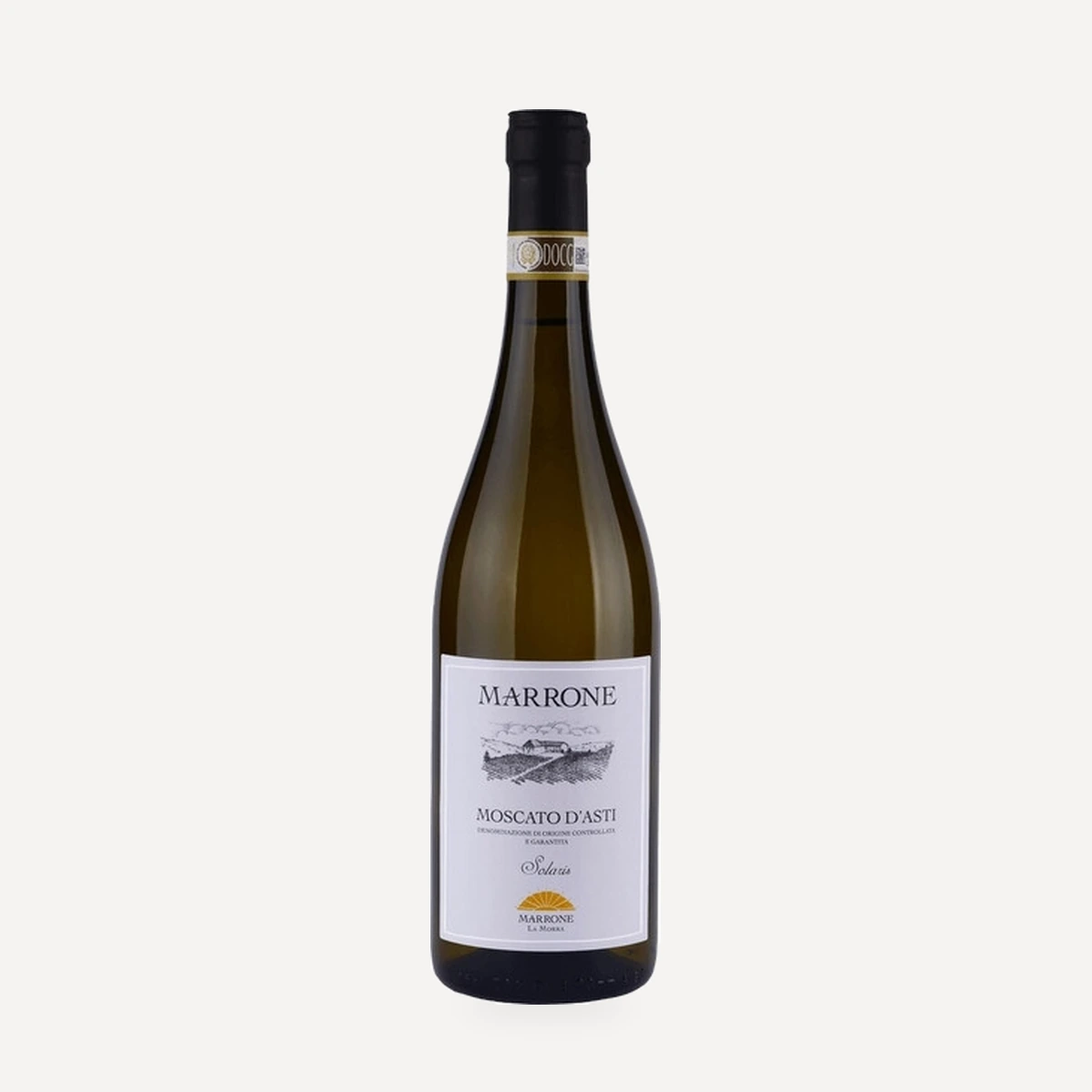
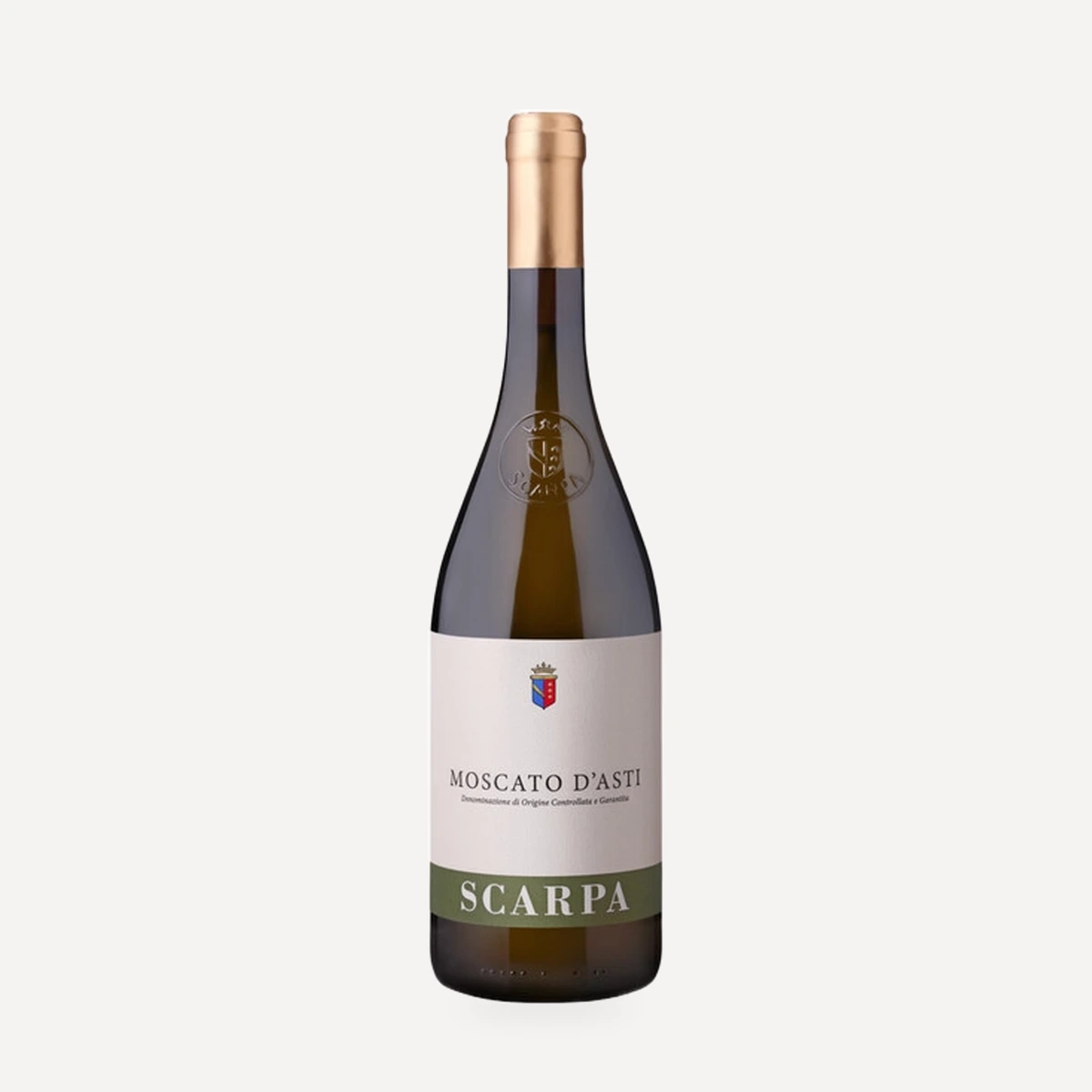
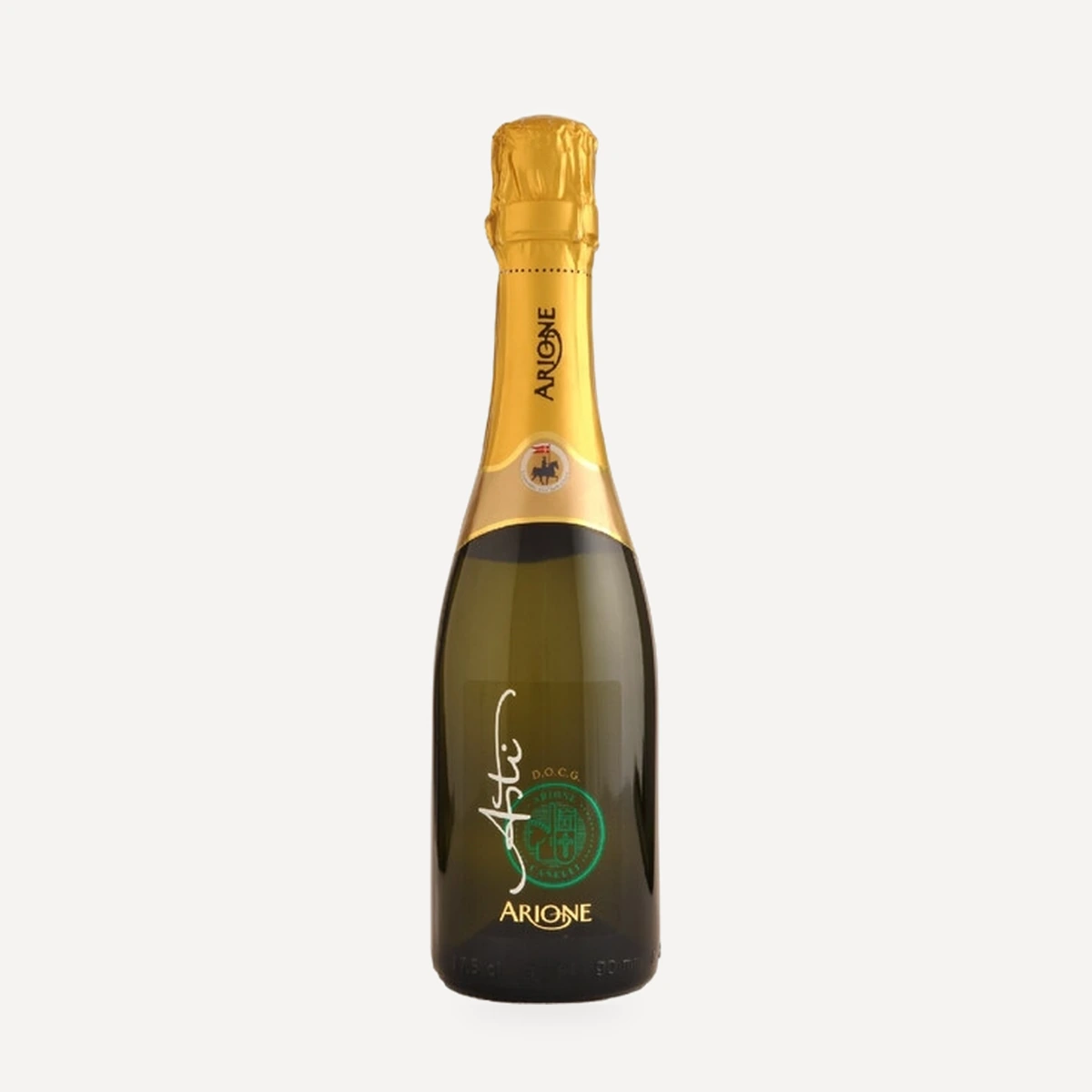
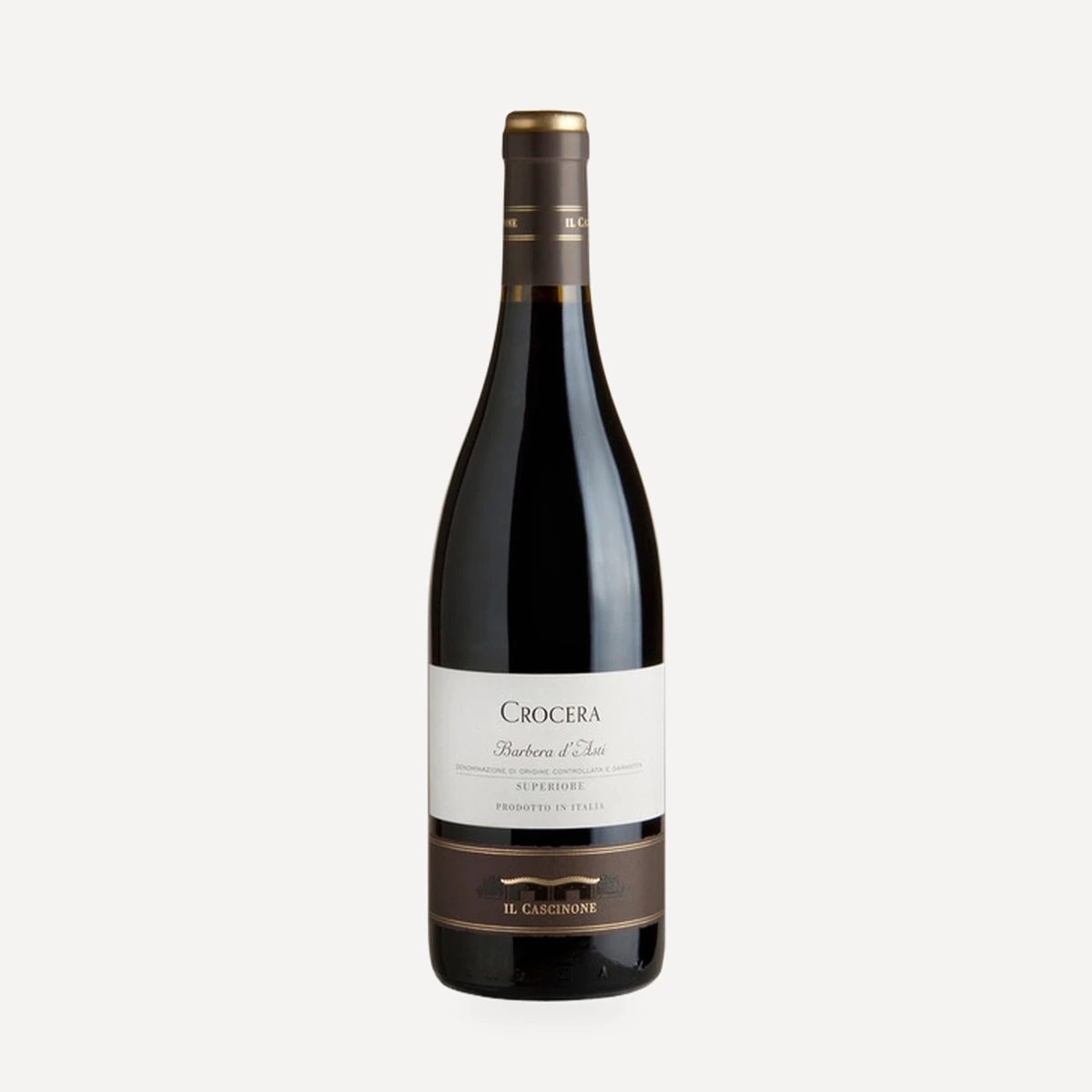
Asti in breve
Moscato Bianco is at its most aromatic on calcareous soil, and the zone is a patchwork of chalky, clayey and sandy ground that the growers say shows in the scent of the grapes. Most of the vines are pruned to Guyot, which keeps their vigour in check.
Asti Spumante is usually made in pressurised tanks by the Martinotti method, with a minimum of a month for the second fermentation and bottle rest; a Metodo Classico version ferments in the bottle instead. The technique was developed here: the rules name Gancia, Martinotti, Mensio, Garino-Canina and Marone among the figures who built the area's sparkling-wine know-how. Asti became a DOC in 1967 and a DOCG in 1993. The subzones of Canelli, Santa Vittoria d'Alba and Strevi may add their names to Moscato d'Asti.