Storia
Origins in La Morra
The Ascheri family’s winegrowing origins lie in Borgata Ascheri in La Morra, where the first vines were planted and the first wines made in the early nineteenth century. The family also devised the “metodo Ascheri” for supporting vines. Unlike the exclusively wooden supports commonly used until the middle of the nineteenth century, the system introduced iron wire, which subsequently became an indispensable material in vineyard construction. Lorenzo Fantini documented the method in Monografia sulla Viticoltura ed Enologia nella Provincia di Cuneo in 1879.
The move to Bra in 1880
In 1880 the cellar moved from La Morra to Bra for logistical reasons. Rail carried the principal flow of goods, and Bra offered connections with Turin and Genoa. The town had consequently become an important distribution center for Barolo. The cellar remains at Via G. Piumati, 25 and is the last surviving urban winery in Bra.
Expansion of the vineyards
The original La Morra vineyards principally supplied grapes for Barolo, Langhe Nebbiolo, Barbera and Dolcetto. The estate subsequently expanded into selected sites in Verduno, Serralunga d’Alba and Bra. Today the vineyards cover 40 hectares in scattered plots with differing soils, exposures and microclimates.
The oldest identified planting at Rivalta, between La Morra and Verduno, dates from 1973. Further plantings followed in 1998, 1999, 2000, 2001, 2003 and 2005. The steep Montalupa site at Bra was planted in 1993 and became the experimental vineyard where Matteo Ascheri pursued Syrah and Viognier outside the property’s traditional varietal framework. The Serralunga d’Alba estate was planted with Nebbiolo in 1995, 1996 and 1997.
Seventh generation and hospitality in Bra
The family is now in its seventh generation. Matteo Ascheri defines the production direction; Cristina Ascheri is the operational center of the enterprise; Giuseppe Ascheri represents the new generation; and oenologist Giuliano Bedino has worked with the family for more than 25 years.
The Bra premises also developed through diversification. Osteria Murivecchi opened in 1993 in the former Barolo-aging cellars. Albergo Ascheri opened above the winery in 2005, and the three-level SPA Gallery followed in 2022. Together with the winery, these businesses form a hospitality complex around the shared courtyard on Via Piumati.
Terroir
The estate’s 40 hectares are distributed among scattered plots in La Morra, Verduno, Serralunga d’Alba and around Bra. Their differing exposures, soils and microclimates provide a broad range of growing conditions.
Serralunga d’Alba
The Serralunga estate lies at 280–350 m with south and southwest exposures. Its calcareous profile comprises marly-silty soils alternating with sandstone-derived sands. Nebbiolo occupies the site.
La Morra and Verduno
The Rivalta vineyards extend across the communes of La Morra and Verduno at 310–370 m. Southwest and southeast exposures accompany calcareous, marly-clayey soils. Nebbiolo, Barbera, Dolcetto and Pelaverga are planted here. The Barolo MGAs Ascheri and Pisapola are located within this area.
Bra
Montalupa stands on a steep, south-facing Roero hill visible from Bra, at 265–305 m. The soil is marine sand interlayered with gravel and marl and has a good limestone content. Its setting became the basis for the estate’s experimental work with Syrah and Viognier.
Vinificazione
The vineyards cover 40 hectares divided among plots that are often separated from one another. Management is adapted to their varying exposures, soils and microclimates rather than imposed uniformly.
The approach emphasizes sustainability and natural balance. Soil is managed to retain fertility and reserves, while vines are monitored through vegetative growth and ripening so that healthy, intact bunches can reach the cellar even in difficult seasons. Chemical treatments are reduced to a minimum in favor of daily observation and manual intervention.
Green manure contributes organic matter to the soil. Permanent grass is maintained between rows, and the canopy is managed without excessive leaf removal, preserving shade during heat waves. Productive load is adjusted when required to balance ripening and polyphenolic development.
All vineyard and cellar workers are employed directly. This gives the internal team the ability to intervene when individual vines and sites require attention. Each worker is responsible for a particular vineyard. Harvesting is strictly manual, and each picking crate carries the name of the person who filled it.
The three documented vineyard groups use simple Guyot training. Planting density is 4,400 vines/ha in Serralunga and Rivalta and 5,500 vines/ha at Montalupa.
The Bra cellar was conceived as a place to protect and preserve what the vineyards produce without distorting its defining characteristics. Intervention is reduced to a minimum, and cellar work consists of a small number of rational, technically motivated actions supported by experience and cultural knowledge.
Technology, wood influence and additives are deliberately limited to keep the vineyard, variety and vintage legible in the finished wine. Decisions are framed as technical rather than ideological or commercially driven. The goal is not stylistic standardization but an interpretation that preserves the memory of each harvest and combines natural concentration with balance, elegance and finesse.
Directly employed cellar workers handle activities including racking, topping casks, dosing and packaging. Their long-term employment is intended to build experience, continuity and precise knowledge of the production process.
Filosofia
Matteo Ascheri defines the objective as making wine that expresses the vineyard, the grape from which it is made and, above all, the family’s ideas. The preferred attributes are elegance and finesse together with natural concentration and balance.
The estate compares this approach to acoustic rather than electronic music: removing layers of technological mediation makes the underlying voice clearer. Each vintage is treated as a live performance—a personal response to vineyard, variety and season—rather than material to be standardized through cellar tools.
“Growing less and growing better” summarizes the development strategy. In the vineyard, this means close attention to soils, vegetative development, ripening and the condition of each bunch. In the cellar, it means few, considered interventions. These choices are presented as pragmatic and technical rather than ideological.
Human and social capital forms another part of the philosophy. Direct employment, stable relationships and professional growth are treated as both ethical and practical commitments. The higher cost of maintaining an internal team is accepted in exchange for continuity, accumulated experience and the ability to respond promptly to individual vineyards.
A related strand is social inclusion. The collaboration with 8pari supports employment and inclusion for people with disabilities and mental-health conditions, emphasizing dignity, equal opportunity, solidarity and positive working relationships.
Vini
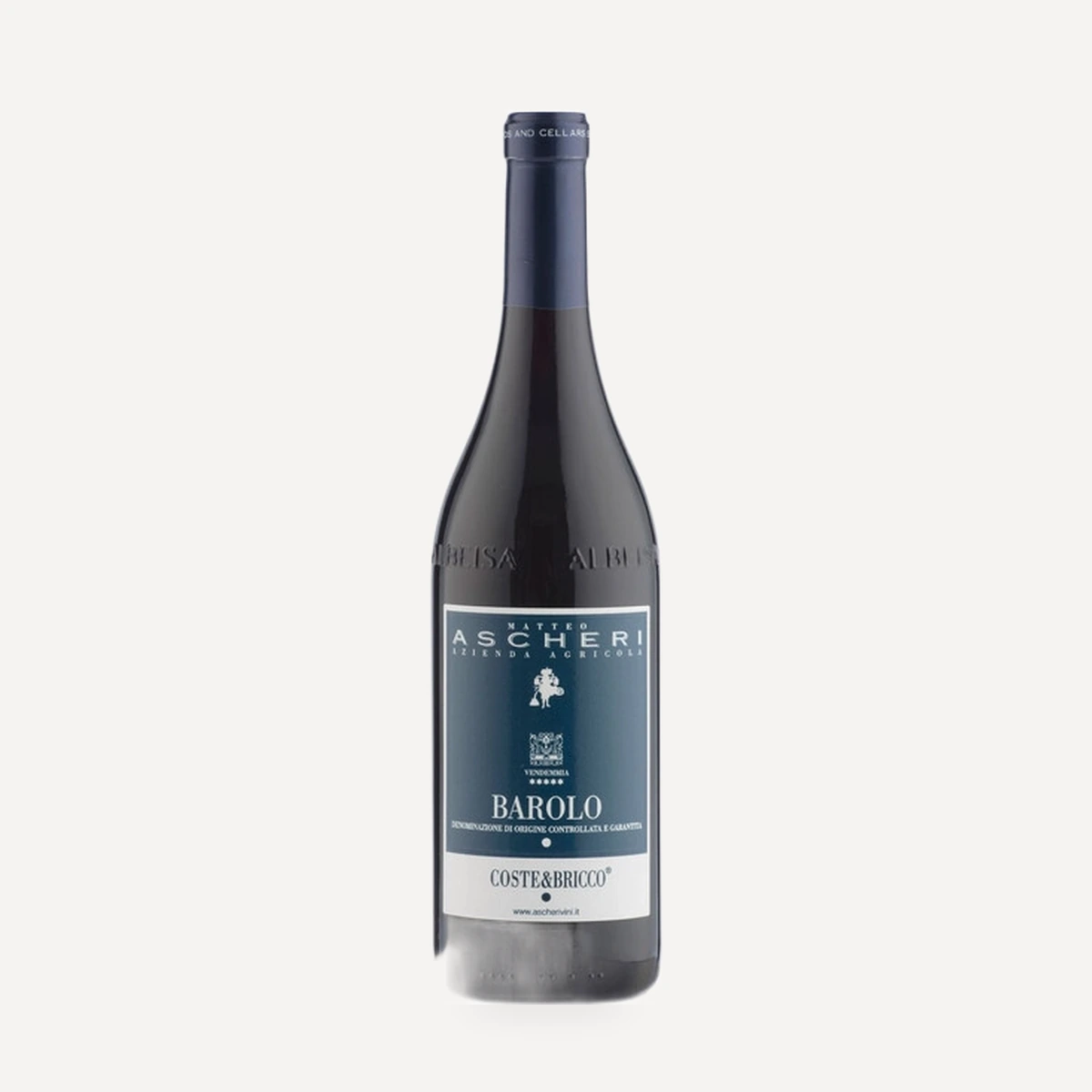
Coste & Bricco® Barolo
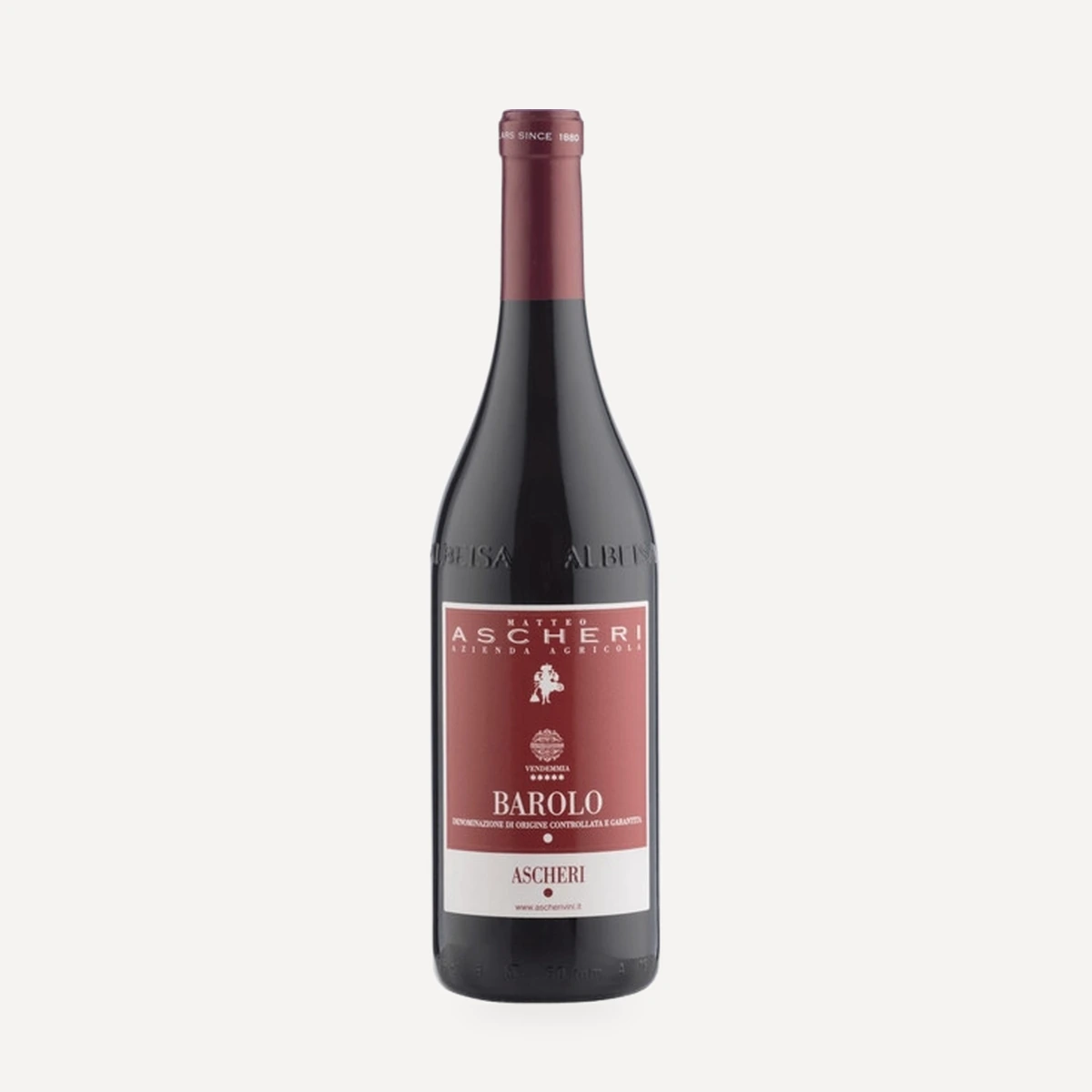
Barolo Ascheri MGA
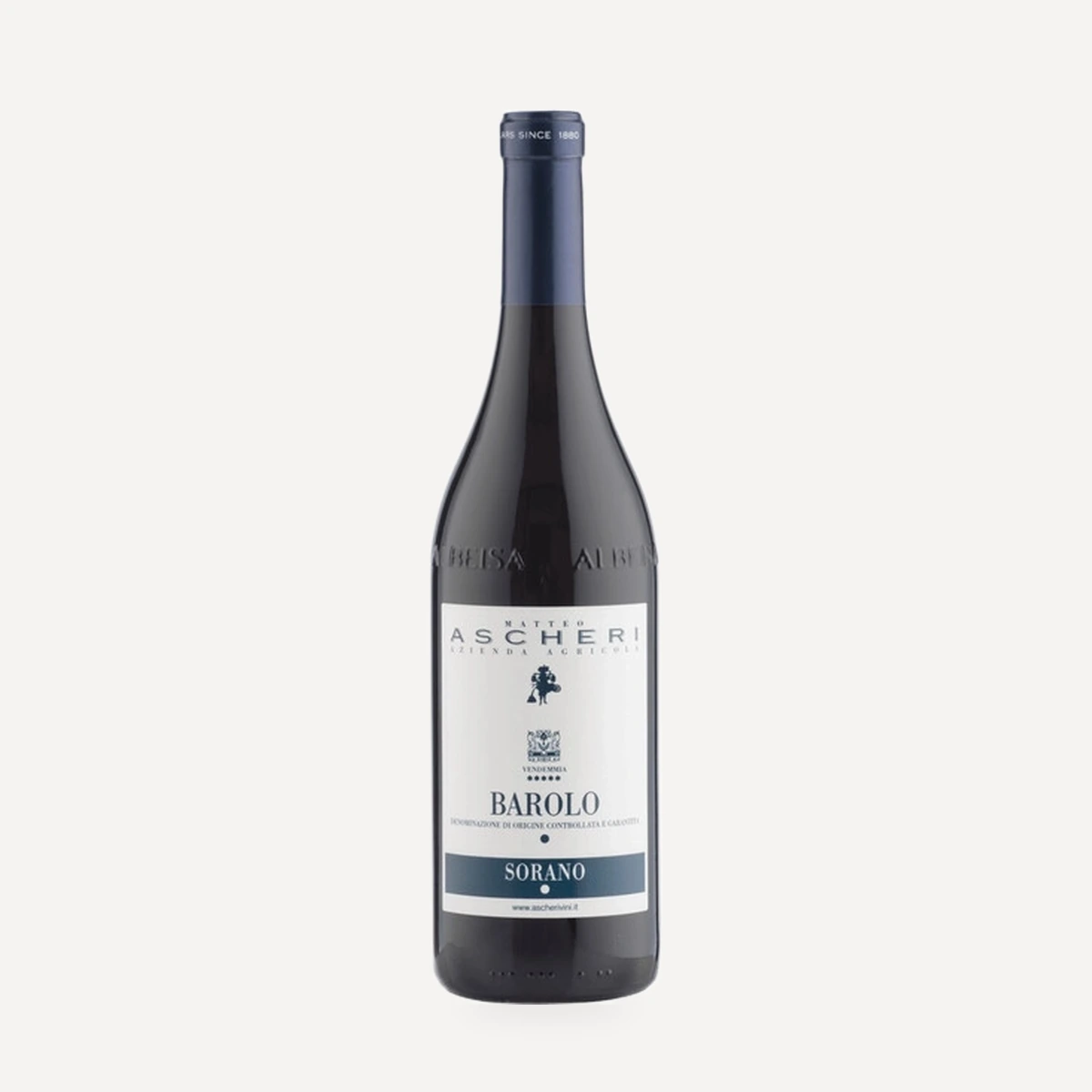
Barolo Sorano
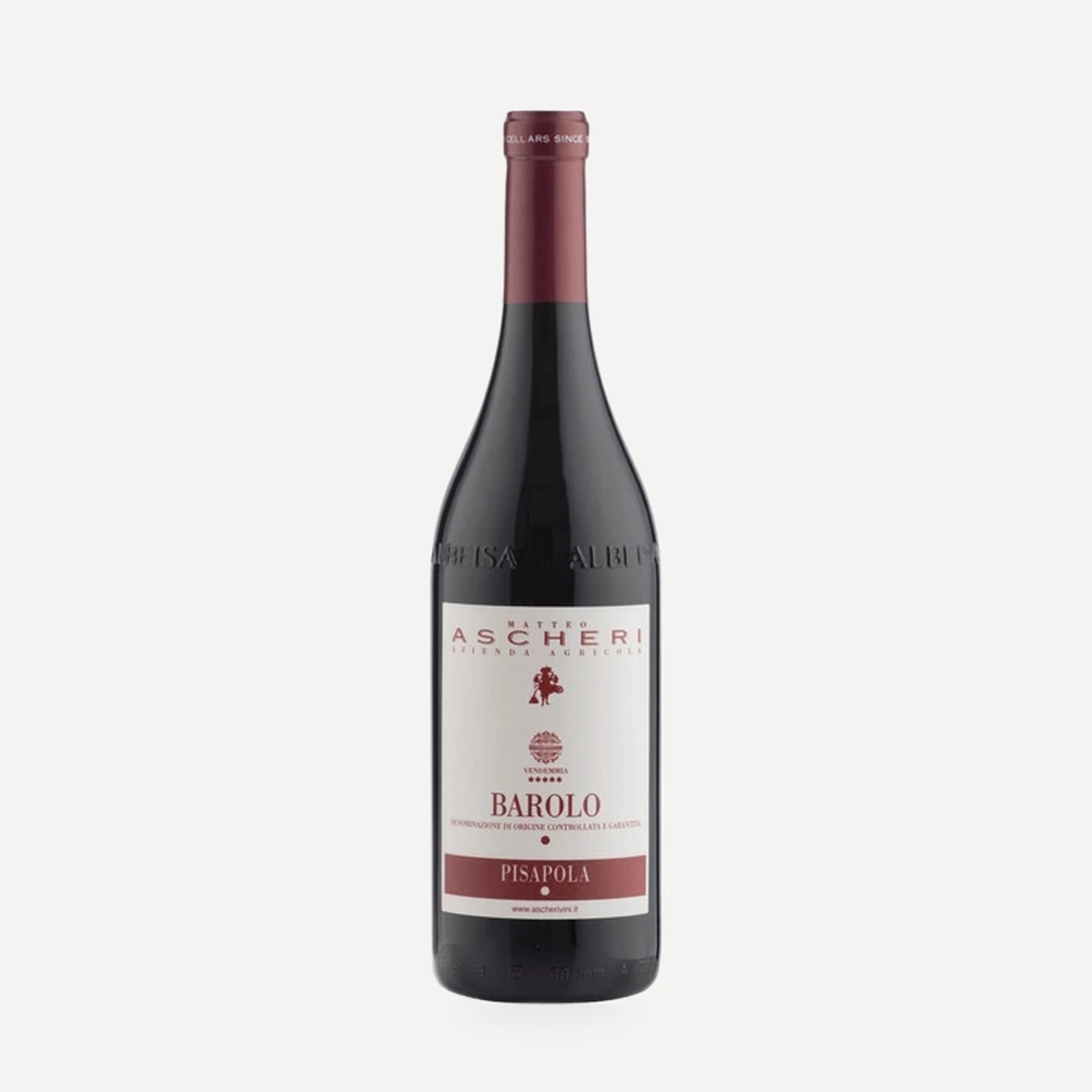
Barolo Pisapola
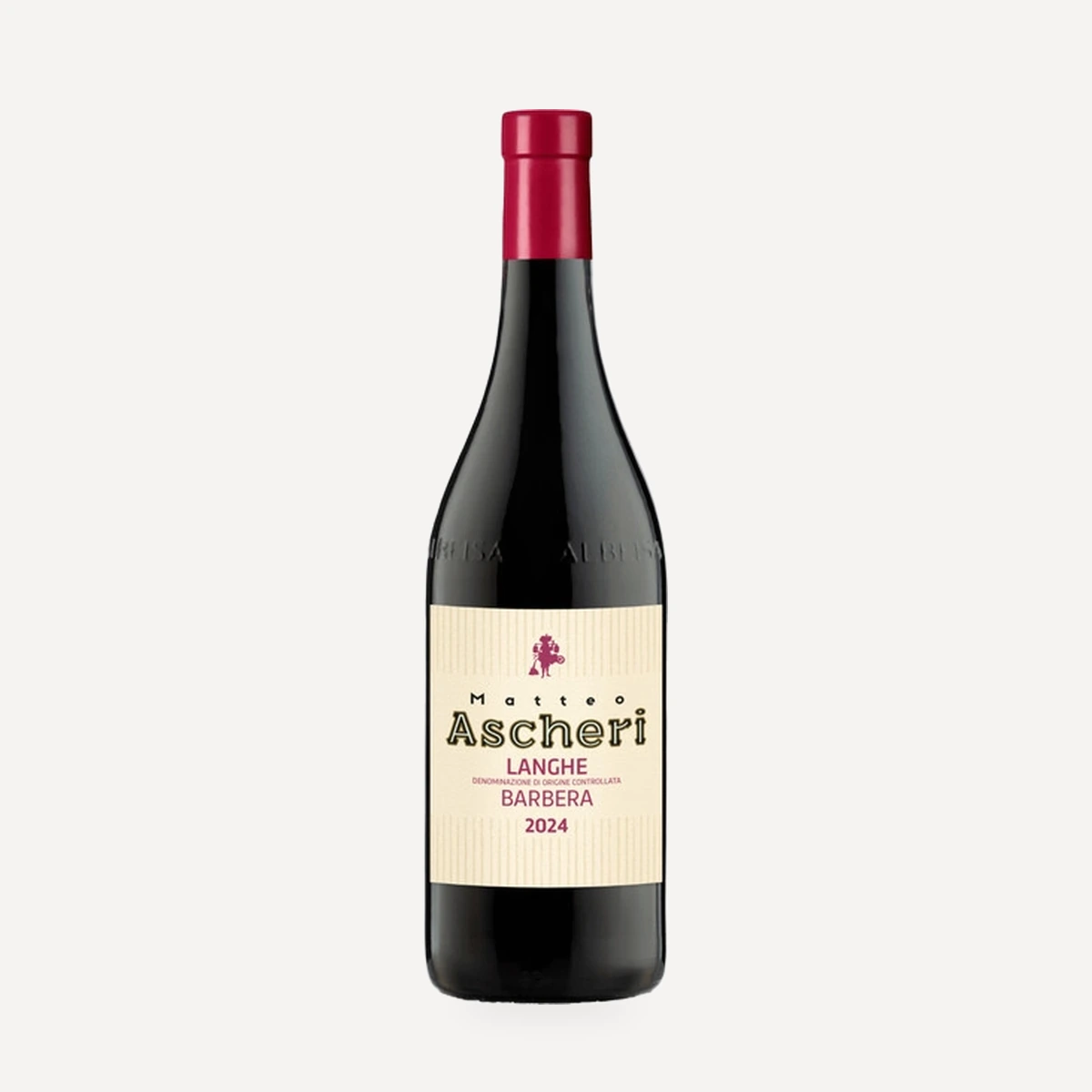
Langhe Barbera
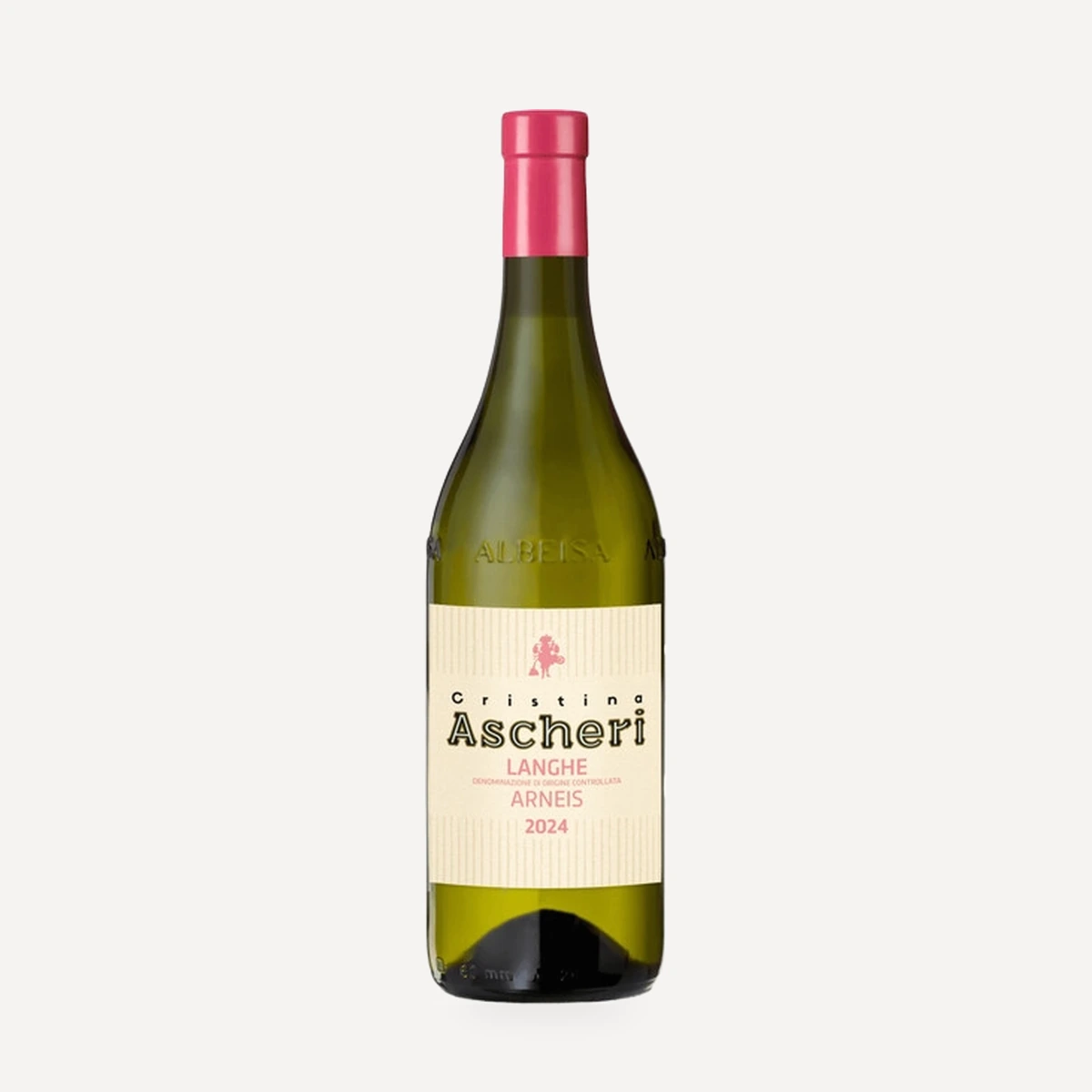
Langhe Arneis
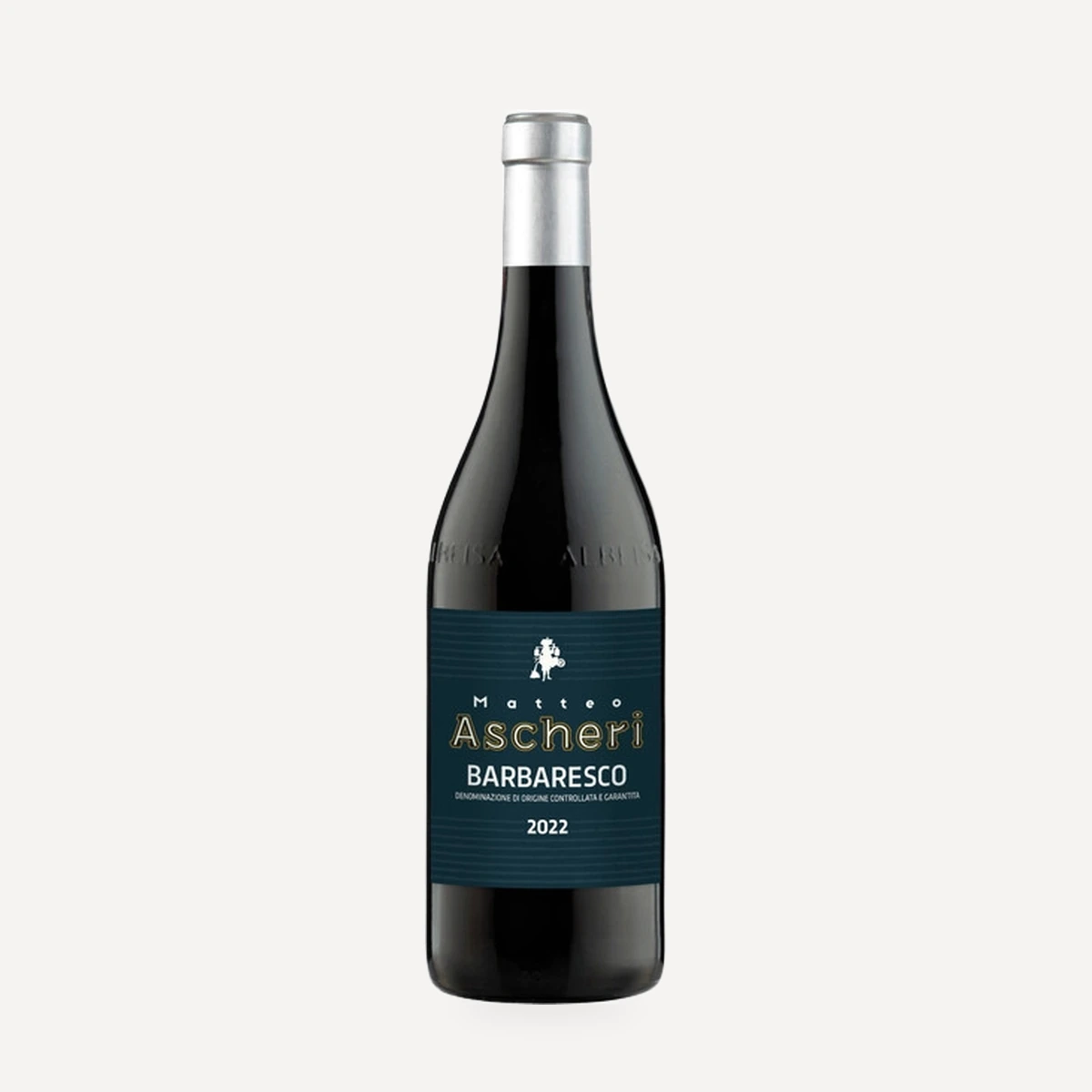
Barbaresco DOCG
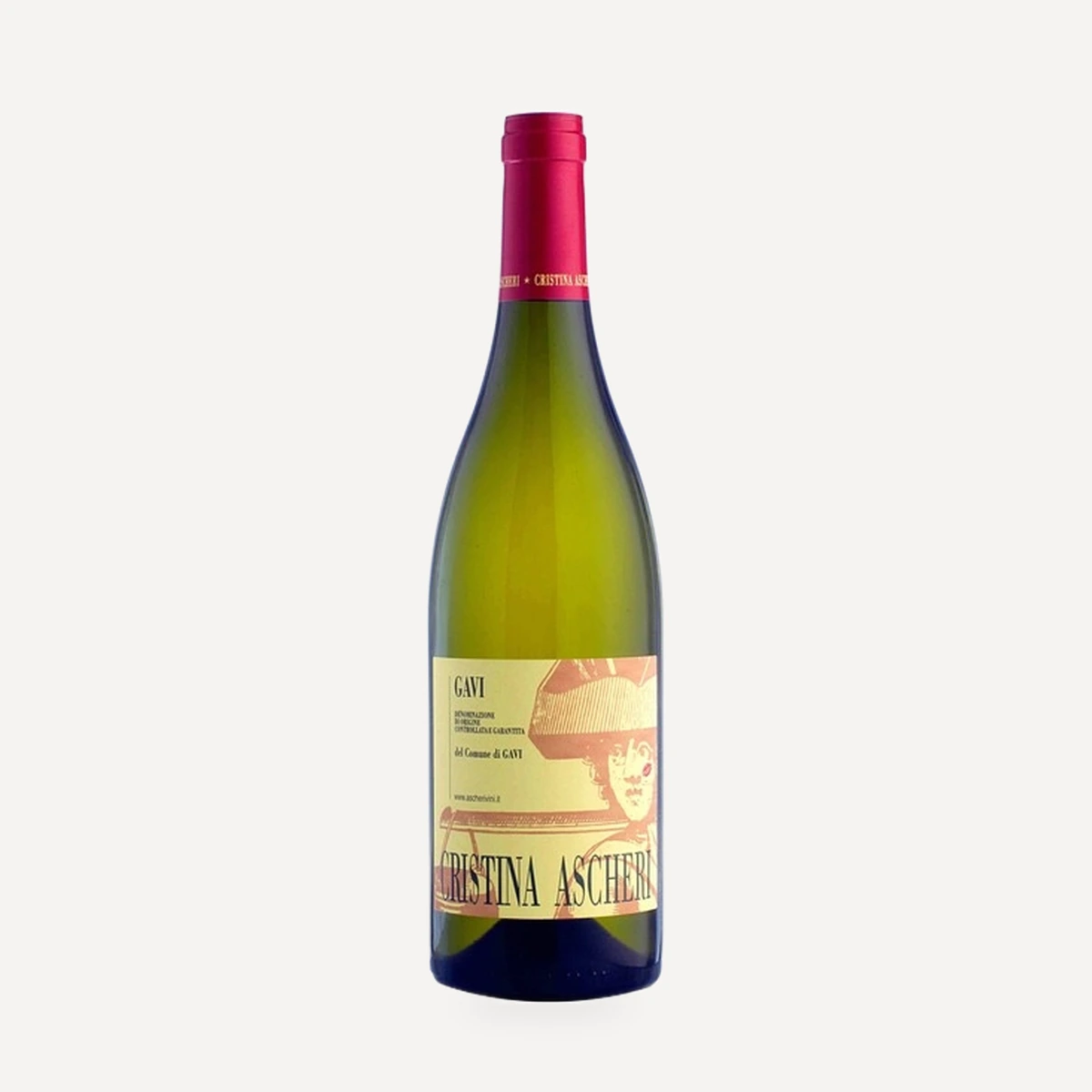
Gavi del comune di Gavi
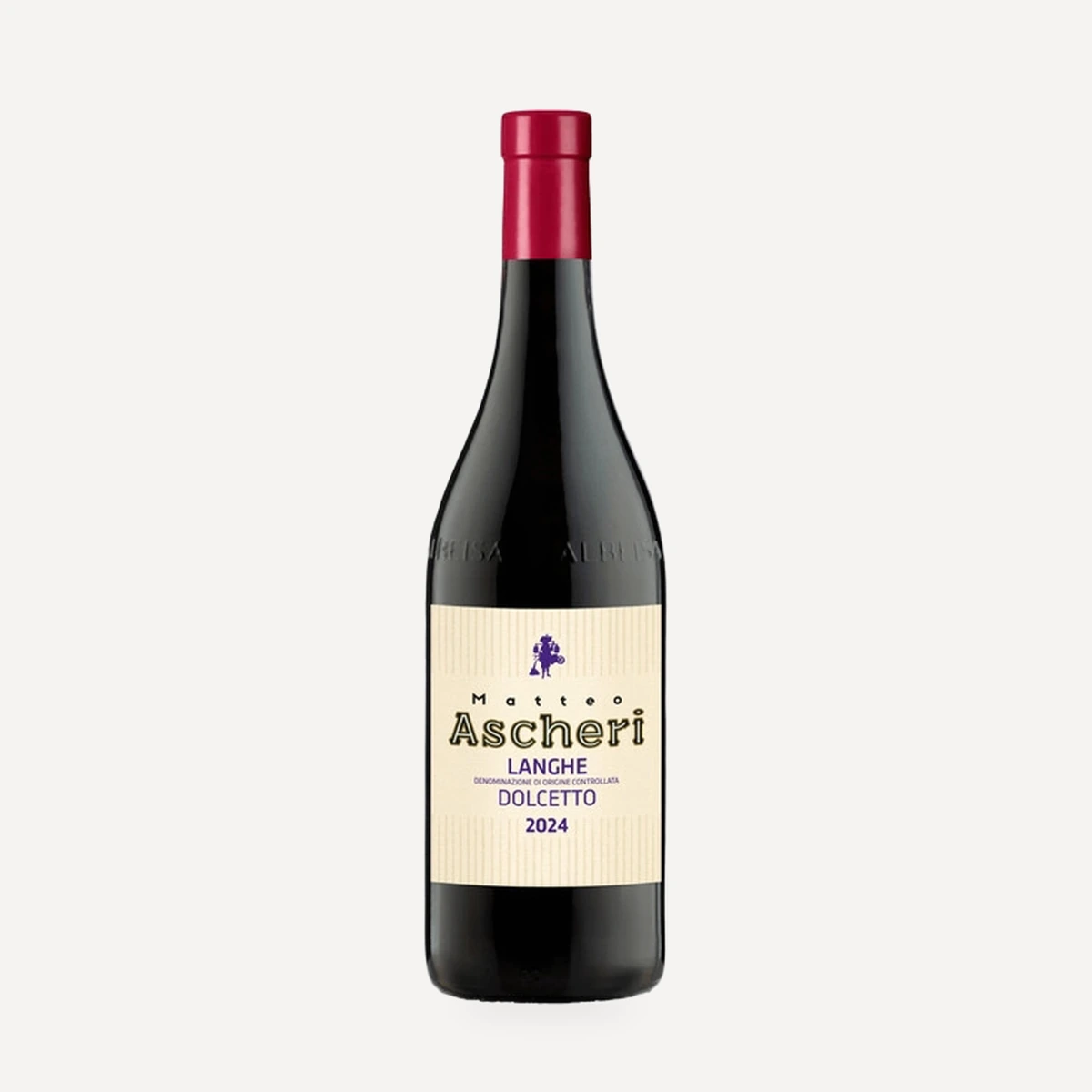
Langhe Dolcetto