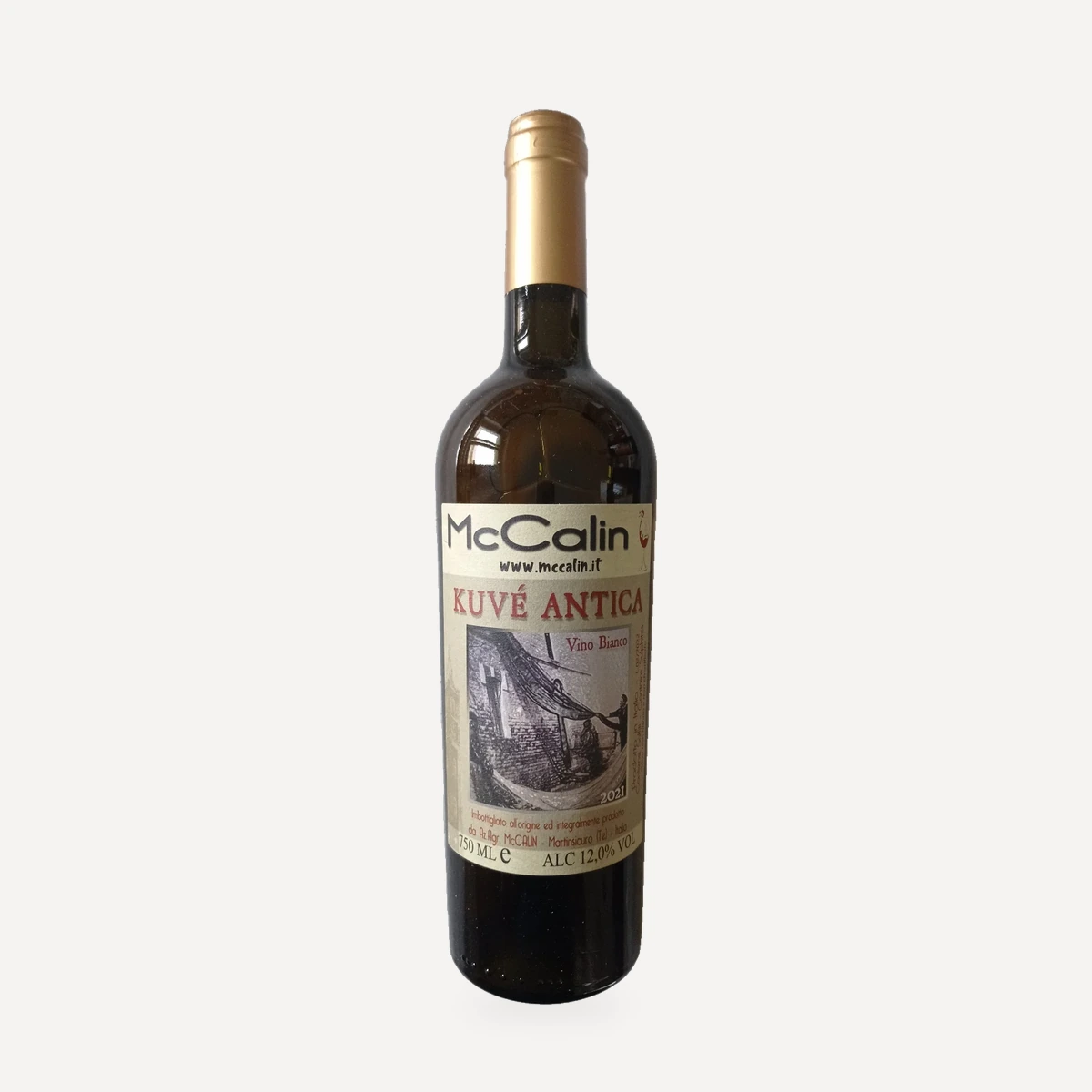
Storia
From a hobby to McCalin
McCalin began as a hobby that developed into a consuming personal passion. The artisan wine project has operated under the McCalin name since 2015, with Federico Nardi personally carrying out the work and making the decisions both in the vineyards and in the cellar.
The name preserves a family connection: “McCalin” is the name of the family line, written as it is pronounced in the local dialect.
Development of the vineyards
The project has concentrated on recovering old vineyards and old grape clones. Its holdings now comprise five small, old vineyards covering approximately two hectares. Each vineyard is handled as an individual source, with separate labels intended to express differences among sites rather than subsuming them into a single estate blend.
The vineyards are identified as Cru 1, Cru 2, Vignanima, Vignaquiete and Vigna Bop. Hail prevented the production of Komandante from Vignanima in 2019.
Production growth
Approximately 2,940 bottles were bottled in 2021. In 2022, McCalin acquired Vigna Bop, expanding the vineyard base and raising production to approximately 5,000 bottles. The new parcel became the source of the Bianco Bop, Orange Bop and Rosso Bop labels.
Terroir
McCalin works approximately two hectares divided among five small, old vineyards: Cru 1, Cru 2, Vignanima, Vignaquiete and Vigna Bop.
Its interpretation of terroir operates at the scale of each individual “fazzoletto,” or small patch of vineyard. Different exposures, soils and humidity create distinct results even when the parcels receive the same care. The production structure is designed to retain those differences: each vineyard normally gives rise to its own wine or group of wines rather than being incorporated into a common blend.
The recovery of old vineyards and old grape clones is central to this site-focused approach. Seasonal conditions and the manner of maturation are also understood as contributors to the different facets expressed by each parcel.
Vinificazione
Federico Nardi personally carries out the work in the vineyards and makes the related decisions. The five small, old parcels are managed with the same general care but are kept distinct so that differences in exposure, ground and humidity remain perceptible.
Vineyard treatments are limited to sulfur and copper. The stated priorities are increasing environmental attention and the protection of vineyard soils. The vines are allowed broad freedom of expression, with intervention used to contain them when necessary rather than to impose a rigid model.
The longer-term viticultural work includes recovering old vineyards and old grape clones. All of the wines are produced from grapes grown in McCalin’s own vineyards.
Federico Nardi personally conducts the cellar work as well as the work in the vineyards. The entire chain—from the estate-grown grapes to cellar production—is treated as an artisan process.
Fermentations use seasonal yeasts. The wines are neither fined nor filtered and are made without corrective additives. The approach allows the natural transformation of the grapes to proceed while retaining active observation and supervision in the cellar.
Lots are generally organized by vineyard rather than assembled into a common estate mass. LiberoArbitrio, the Cerasuolo made from Montepulciano, is identified as the sole wine originating from a combined mass. This parcel-by-parcel structure is intended to preserve the different character contributed by each vineyard, the season and maturation.
Filosofia
McCalin’s declared objective is to reveal and accentuate the qualities of its land through the most natural approach possible. The project treats winegrowing and cellar work as a single artisan chain under the direct responsibility of Federico Nardi.
The vine is regarded as inherently free and somewhat anarchic: intervention may contain it when required, but should not suppress its capacity for expression. In the cellar, natural transformation is similarly allowed to unfold under attentive supervision rather than being redirected through corrective products, fining or filtration.
Terroir is interpreted at a deliberately small scale. Differences in exposure, soils and humidity matter even where vineyard care is identical, so individual parcels are normally given separate identities. Producing many labels may be commercially inconvenient, but it is preferred as a means of showing the different character of the vineyards. Each wine is understood as a small, season-dependent microcosm whose expression also changes with maturation.
The broader philosophy joins attachment to the territory, grapes and cellar with environmental attention and soil protection. McCalin calls its unadorned, passion-driven view of wine “Enosofia” and sets the simplicity and poetry of wine against expert-led media culture.
Vini
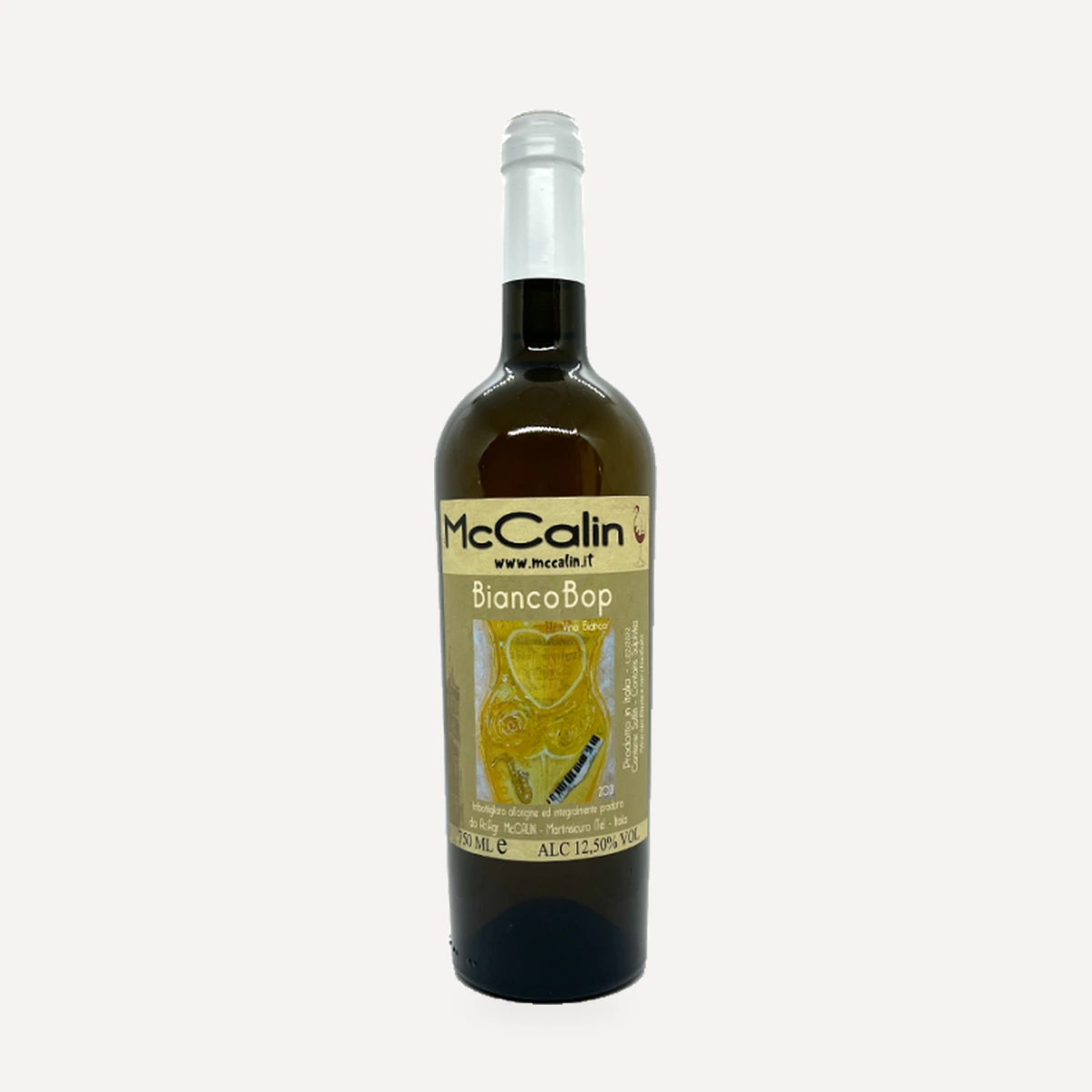
Bianco BoP
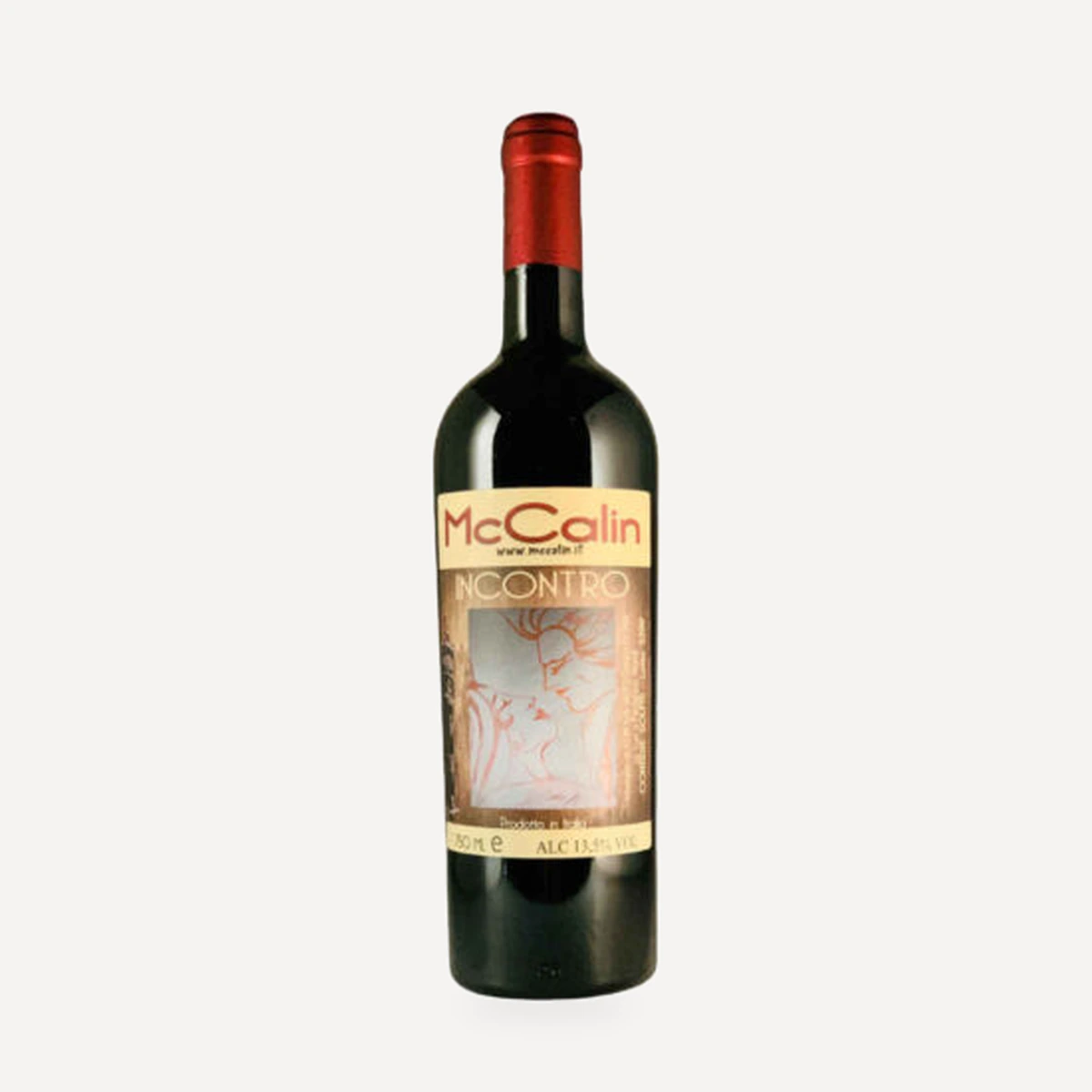
Incontro
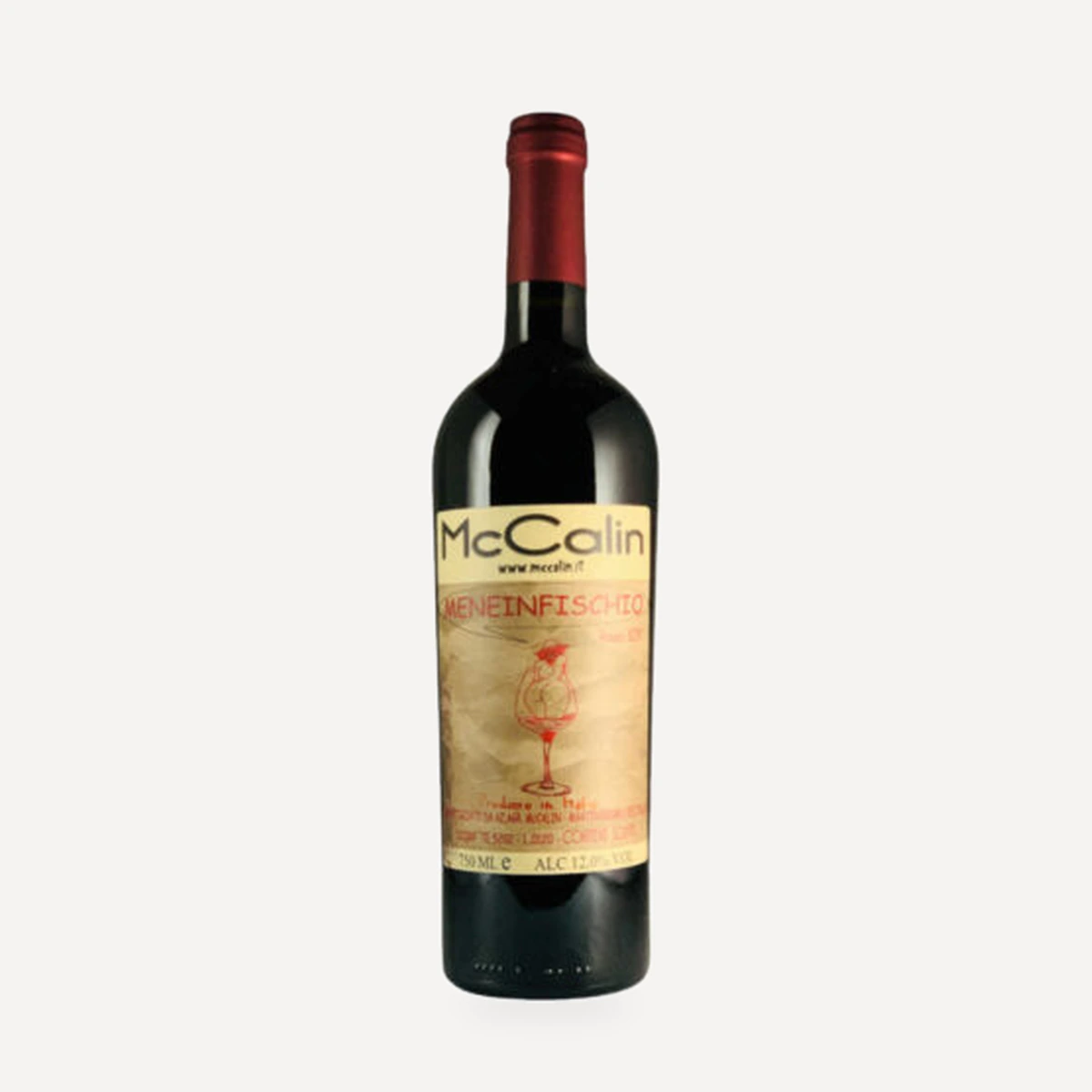
Meneinfischio
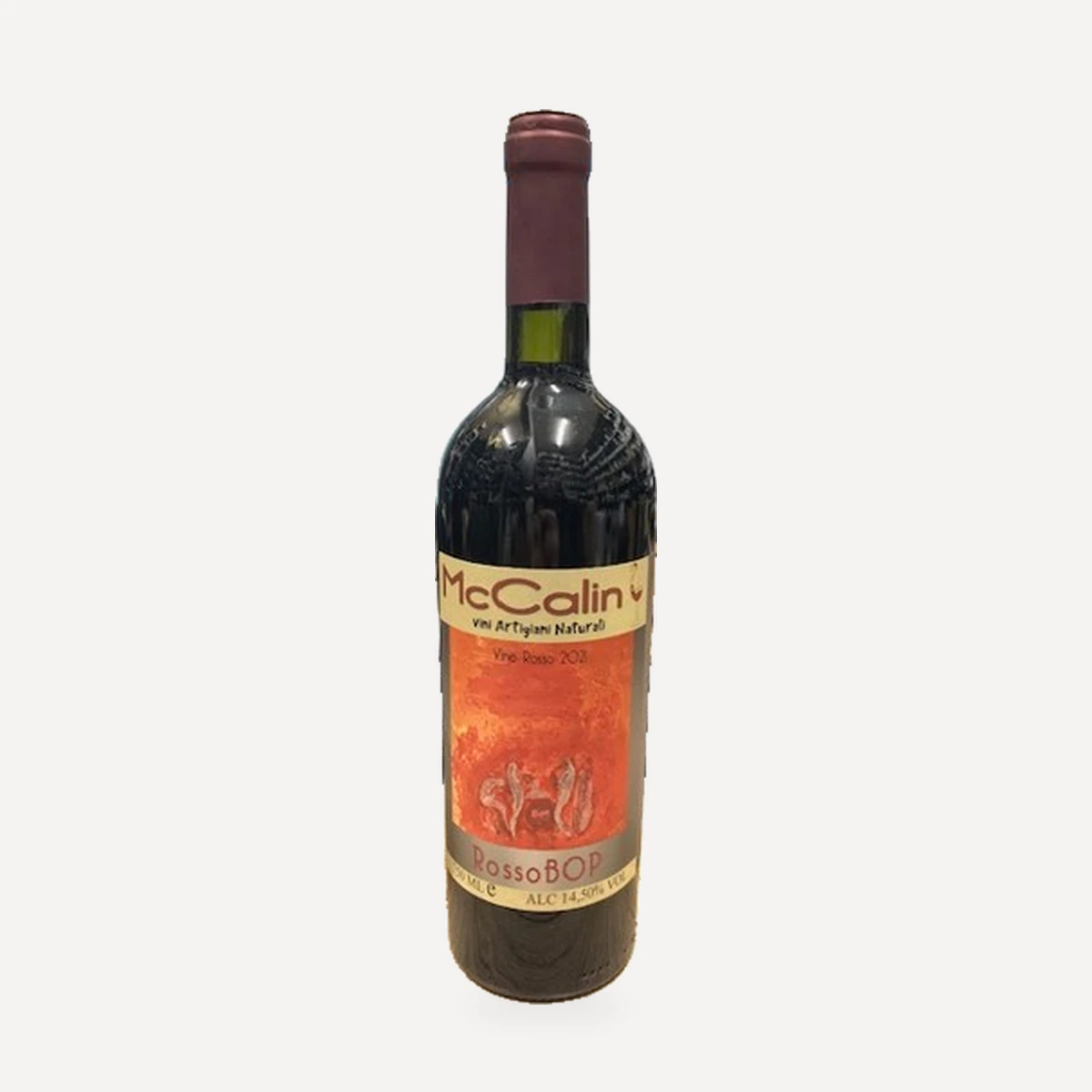
Rosso Bop
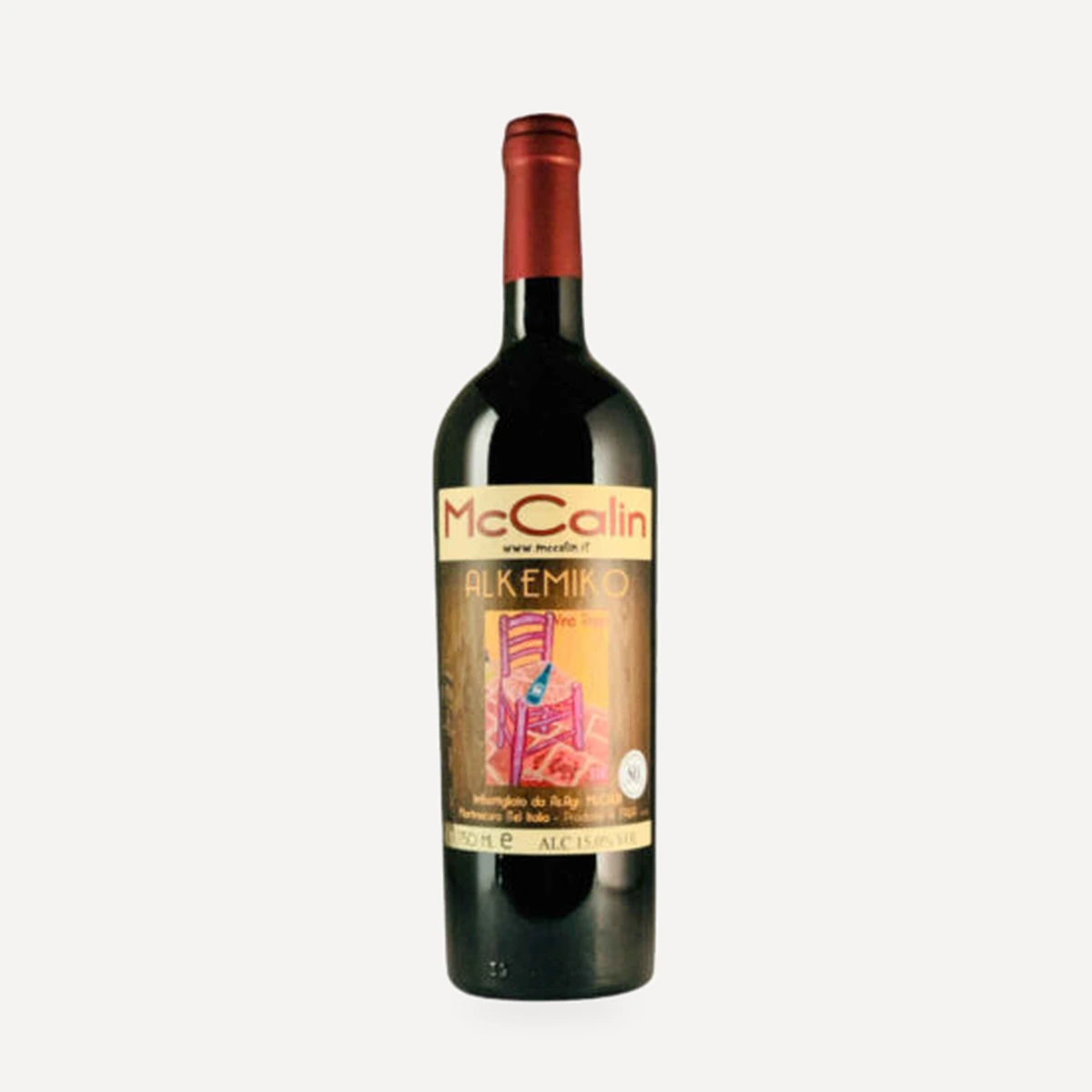
Alkemiko
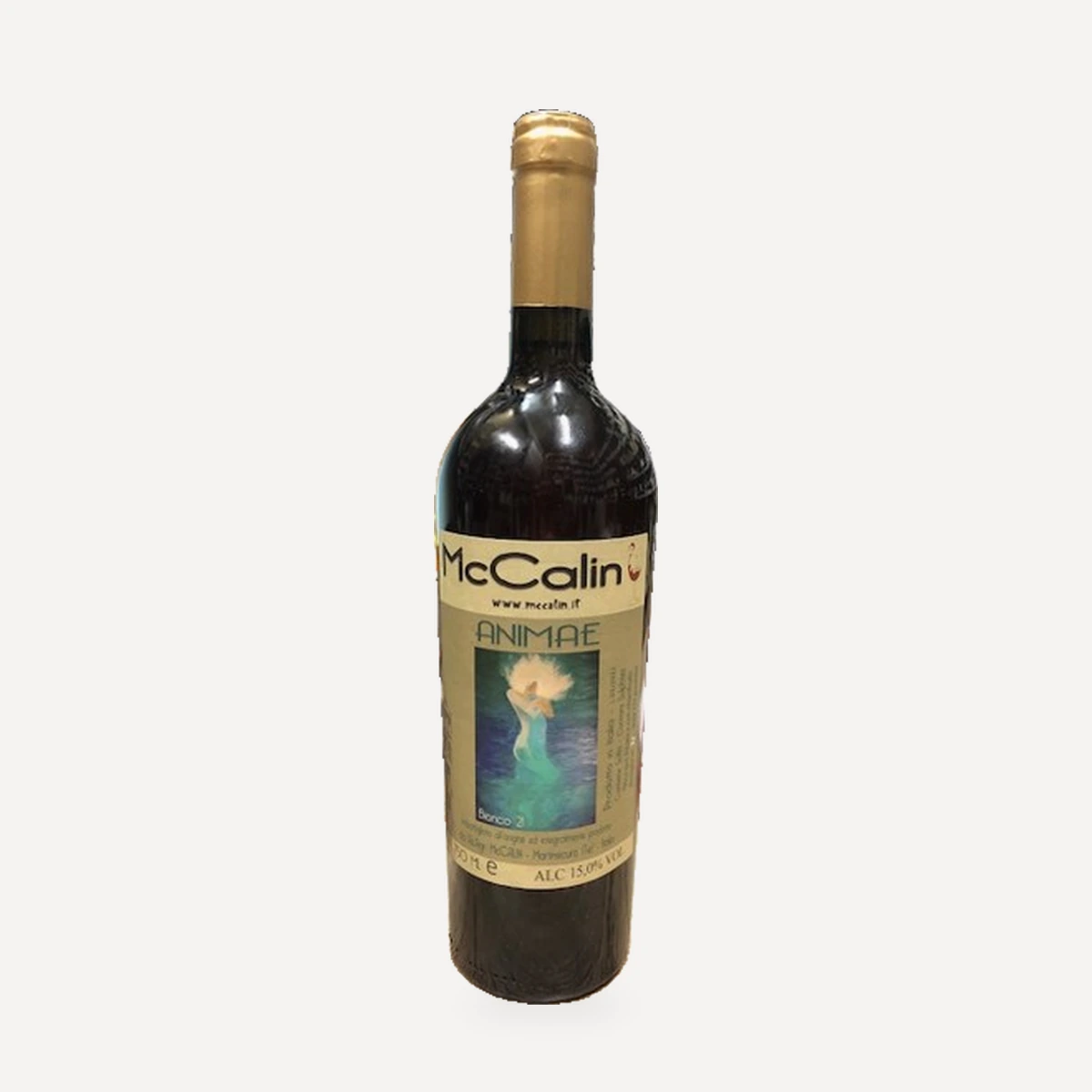
Animae