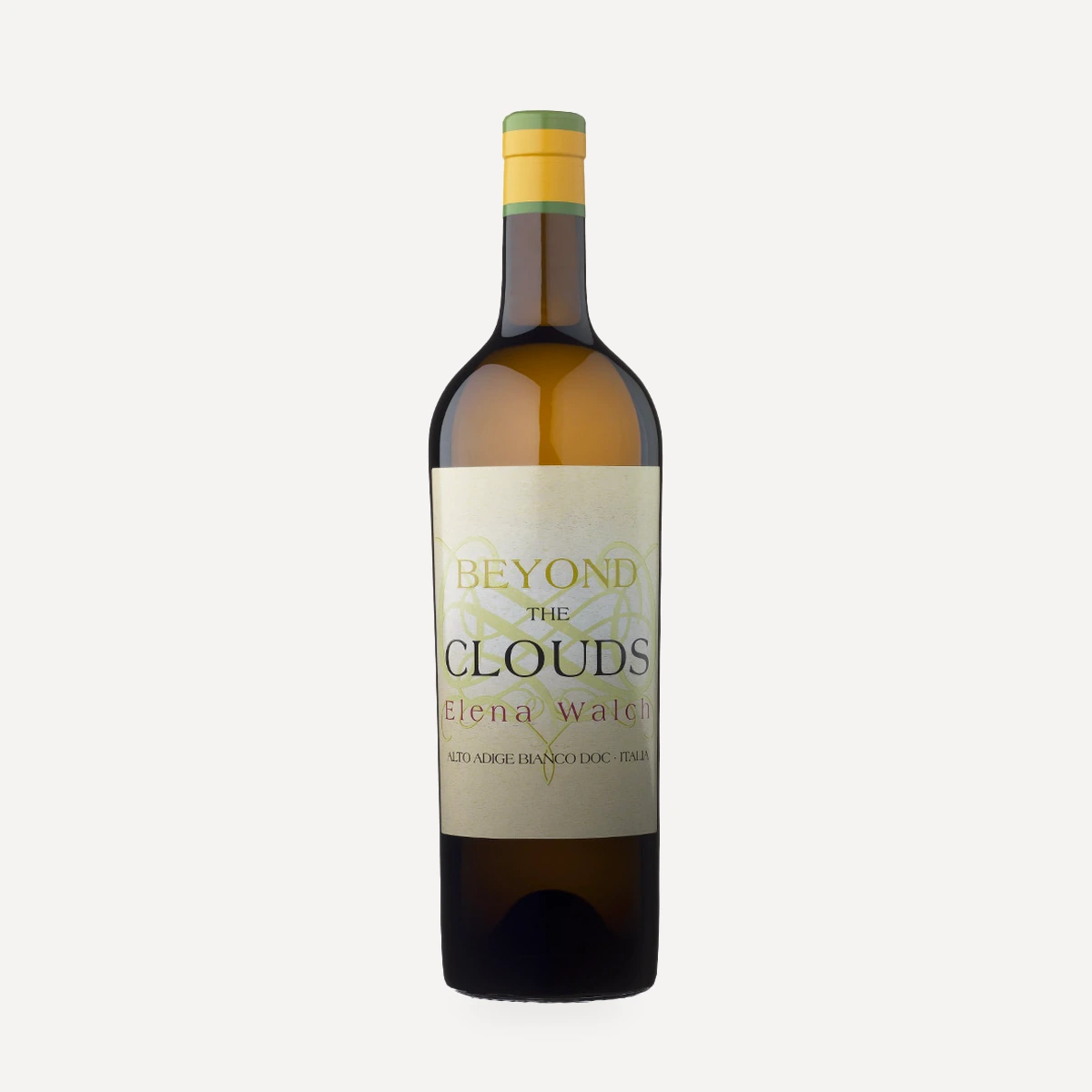
Questo vino
Vineyard and terroir
The grapes come from a single estate below Tyrol Castle in Tirolo, at 550 m. The 29-year-old vines grow in light, permeable morainic soil. Yield is regulated to 42 hl/ha, and selected Pinot Bianco clones are used.
Grapes
Pinot Bianco.
Vinification
The fruit undergoes gentle whole-cluster pressing and natural sedimentation. Fermentation and the first 12 months of maturation take place in large oak casks and stainless-steel tanks. After assemblage, the wine remains on fine lees in stainless steel for another four years, followed by four months in bottle.
Ageing
The name reflects the extended maturation: one year involving large oak and stainless steel, followed by four years on fine lees in stainless steel. The wine is released only after more than five years of cellar ageing and a final four months in bottle.
Technical data
The 2020 release has 14.3% alcohol, 5.3 g/L total acidity and 1.99 g/L residual sugar.
Tasting profile
Brilliantly clear and vivid lemon yellow. The nose is rich and complex, combining citrus fruit, herbs and a lightly smoky nuance. The palate is harmonious and full-bodied, with a distinctive character and an exceptionally long finish.
Serving and pairing
Serve at 12–14°C. Store bottles horizontally in a dark, odour-free place at no more than 15°C and ideally 50–70% humidity.
Label / history
Cellar master Stefan Kapfinger conceived the wine as a Pinot Bianco Riserva capable of spending five years maturing on fine lees, exploring the ageing potential of the estate’s principal white variety.