Storia
The Burggräfler cooperative
Meran’s cooperative history begins in 1901, when a small group of winegrowers founded the Burggräfler Winery in Marlengo. Its creation established the first institutional foundation of the present winery and linked local growers through a shared cellar.
The Merano winery
A second cooperative, the Cantina Merano Winery, was founded in Merano in 1952. For the following decades, the Burggräfler and Merano wineries operated as separate local institutions.
Merger and reconstruction
In 2010, the two historic cooperatives merged. The combined organization brought together growers from Merano, the surrounding villages and the Vinschgau and became a major cooperative base for winegrowing in western South Tyrol.
Support from the membership made it possible to renovate and extend the winery in Marlengo. Architect Werner Tscholl designed the renewed building as a progression from the deep wooden-cask and barrique cellars, through grape-receiving and processing areas, to a glass pavilion and panoramic vinotheque. The reconstructed winery reopened in June 2013, marking the beginning of a new operational era.
Sparkling wine and the Merano site
Chief Winemaker Stefan Kapfinger first created Brut Riserva DOC 36 in 2015. It introduced a traditional-method sparkling-wine program based on bottle fermentation and 36 months on the fine lees.
The historic former headquarters of Cantina Lagundo, between the Portici and Via Galileo Galilei in central Merano, was subsequently restored and modernized under Werner Tscholl’s direction. After 24 months of work, it became a modern sparkling-wine cellar and the 200 m² City.Vinothek, providing a dedicated setting for traditional-method production, tastings and retail.
Energy investment
In 2023, a photovoltaic installation with a nominal output of 136.74 kWp was fitted to the roof of the Marlengo headquarters. The project was financed through the European Union’s NextGenerationEU program and Italy’s PNRR agricultural-solar investment scheme.
Terroir
Two contrasting growing areas
The cooperative unites Meraner Land and the Vinschgau, two markedly different environments within a 300–900 m elevation range. The sites receive more than 1,940 hours of sunshine per year.
Merano and its surrounding villages occupy sunny, fertile and comparatively gentle hills. Alpine freshness meets Mediterranean warmth in a landscape where snow-covered peaks overlook cypresses, palms and palm-lined promenades. The growing area lies on the southern side of the Alps and is open toward the south.
The Vinschgau is more extreme. Its vineyards include exceptionally steep slopes, lean soils and elevations reaching 900 m. Hot days alternate with cool nights, while the wider climatic pattern includes frosty nights, snowfall, strong winds, light breezes, extended dry periods, mild morning sun and intense midday heat.
Mountain shelter and microclimates
The Merano basin and lower Vinschgau sit in a protected position at the heart of the Alps. The high Texel Group forms a northern barrier, while the basin opens southward. Strong day–night temperature differences support the development of intense, fruit-driven grapes.
Soils, geology and climatic conditions change substantially over short distances. The vineyard landscape encompasses multifaceted soil types, complex geology and numerous microclimates. Site, soil structure and climate are evaluated together so that each variety can be matched to an appropriate location.
Vinificazione
Vineyard work remains heavily manual, particularly on steep slopes and terraces. The annual cycle begins with winter pruning, calibrated to the variety and the quality of the wood in order to establish the desired production level. Fruiting canes are then bent and tied to wire trellises to encourage even budding and orderly shoot development.
Once shoots reach about 20 cm, weak, duplicated or overcrowded growth is removed by hand. Side-shoot removal regulates the number and distribution of shoots and therefore the intended yield; unwanted basal shoots emerging from old wood are removed at the same time. Growing shoots are threaded into the wire framework, and tips extending above the top wire are cut back.
In June, depending on variety, foliage around the bunches is thinned by hand. Greater exposure to light and air reduces disease pressure and supports grape health. Grass between rows is mown several times during the year to avoid an unfavourable bunch-zone microclimate; strimmers are commonly required on terraced and steep land.
Where needed during the growing season, growers sow clover, broad beans, melliferous plants, poppies and other species. These cover plants naturally support soil fertility and nutrient supply while encouraging greater diversity of flora and fauna.
Every member vineyard is inspected several times each year—in spring or summer and again before harvest—to verify compliance with the cooperative’s quality requirements. Necessary improvements are discussed with the grower and can be implemented promptly. Ripening is monitored in relation to weather, site, berry softening and colour change, including differences between the sunny and shaded sides of a vine.
Harvest is conducted by hand in family-run vineyards, with each bunch individually checked. The grapes are then delivered into the care of the cellar team.
Cellar organization
The Marlengo winery is arranged vertically through distinct functional zones. Wooden-cask and barrique cellars occupy its deepest level; grape-receiving and processing areas sit above them; and a glass pavilion and panoramic vinotheque complete the upper part of the building. Oak, extensive glazing and differently coloured cellar spaces are central elements of Werner Tscholl’s design.
Manual work continues after the grapes enter the cellar. Lots are handled as gently as possible, with teamwork, close attention and lot-specific decisions. Traditional practices are combined with modern, gentle methods so that variety and origin remain recognizable.
The audited production scope encompasses fermentation, racking, blending, maturation and filtration of wine, sparkling wine and liqueur wine, followed by filling into new or reusable glass bottles and KEGs. Some processes are outsourced. The cellar fills approximately 1.3 million 0.7-litre bottles per year, divided evenly between red and white wine production.
Across the ranges, maturation vessels include small stainless-steel tanks, larger steel vessels, large wooden casks, small oak barrels, tonneaux and barriques. The selection varies by grape, site, range and intended style.
Traditional-method sparkling wine
The sparkling-wine program began with Brut Riserva DOC 36, first created in 2015. Chardonnay, Pinot Bianco and Pinot Nero from selected vineyards around Merano are assembled and undergo traditional bottle fermentation. The wine remains on its fine lees for 36 months. A dedicated sparkling cellar now operates in the restored historic premises in central Merano.
Distillation
Local grape marc is used for grappa. Distillation proceeds slowly in copper stills according to traditional local craftsmanship. The program includes distillates based on Pinot Nero, Gewürztraminer, Goldmuskateller and passito marc.
Filosofia
Quality in the vineyard, in day-to-day work and in the finished glass forms the cooperative’s central priority. Its stated aim is for the grapes’ origin to remain perceptible: wine should stay true to its roots and express transparency, character and authenticity.
Chief Winemaker Stefan Kapfinger advocates minimal intrusion into the identity of the raw material. His principle of “less is more” means allowing the wine to find its own course while combining established practice with modern, gentle techniques. Each grape lot is treated as having its own personality, requiring patience, intuition, sensitivity and experience.
The cooperative model joins knowledge accumulated by older generations with the ideas of younger growers. Families pass vineyard skills and attachment to the land from one generation to the next, while the board defines continuity, foresight, innovation, authentic wines, rising quality standards and fair prices as shared goals.
Vineyard identity is understood at a fine scale: varied soils, complex geology and closely spaced microclimates are treated as reasons to match varieties carefully to individual locations. Manual care and the collective commitment of growers are presented as the basis of quality.
Vini
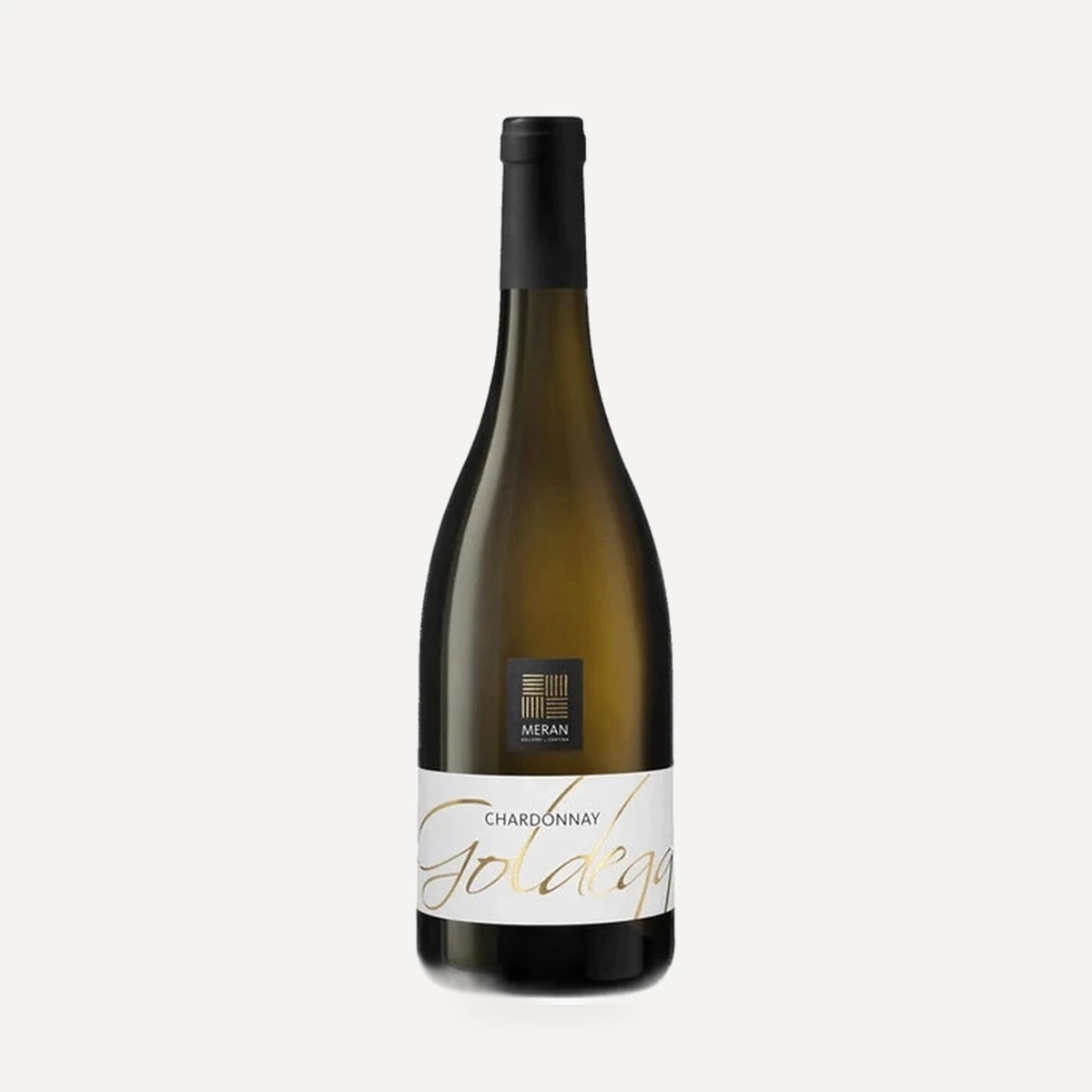
Chardonnay Riserva Goldegg Sudtirol Alto Adige DOC
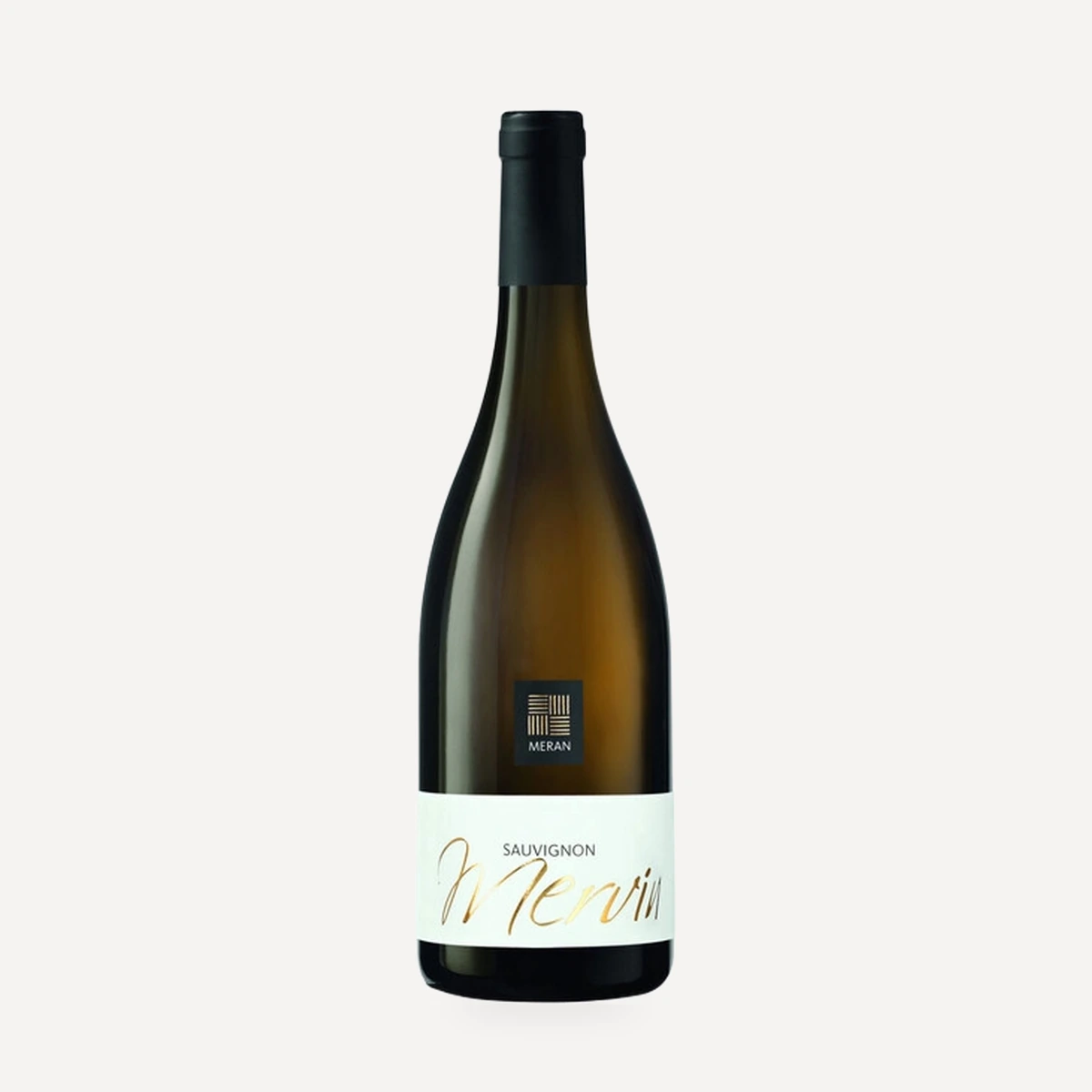
Mervin Sauvignon Blanc Trentino Alto Adige DOC
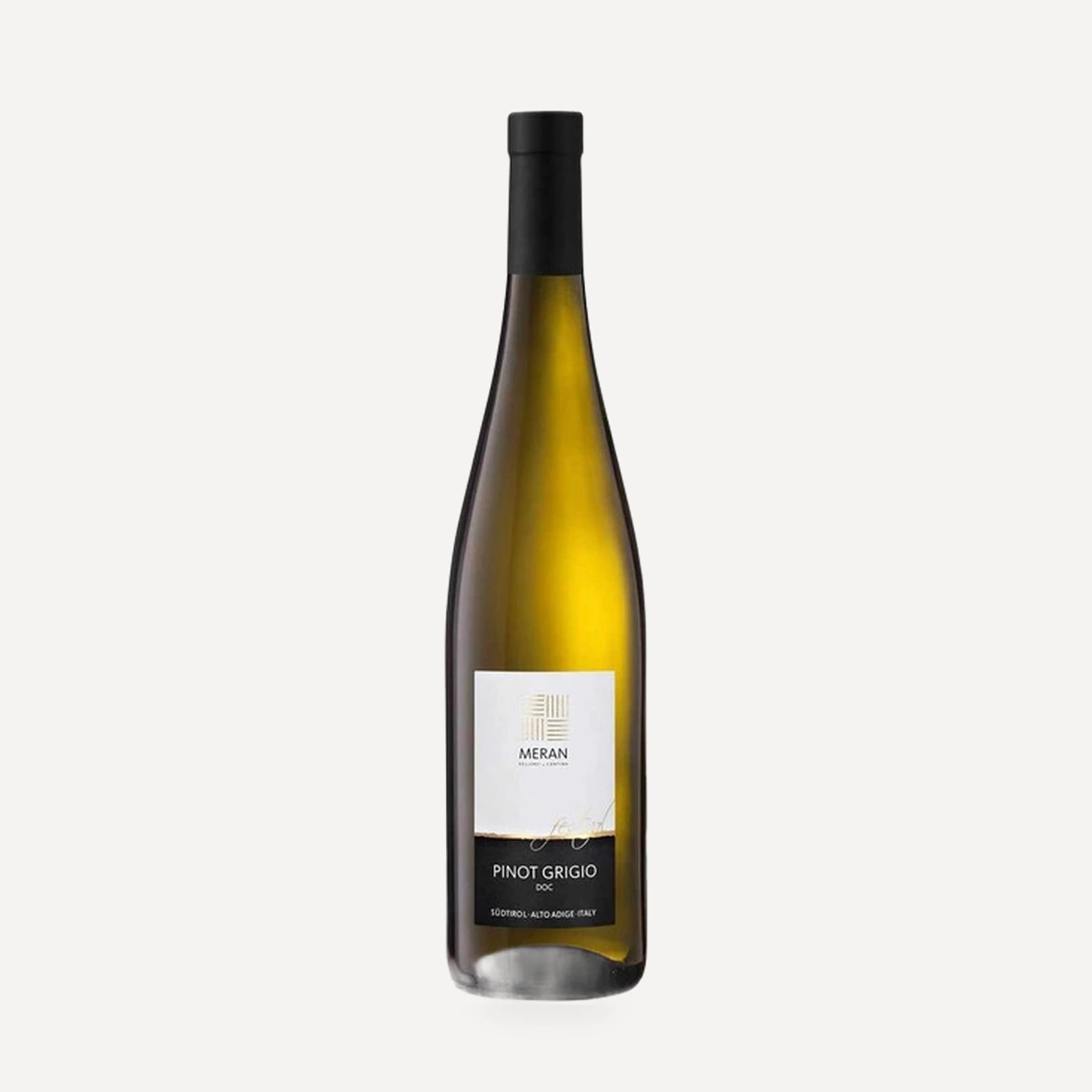
Festival Pinot Grigio Sudtirol Alto Adige DOC
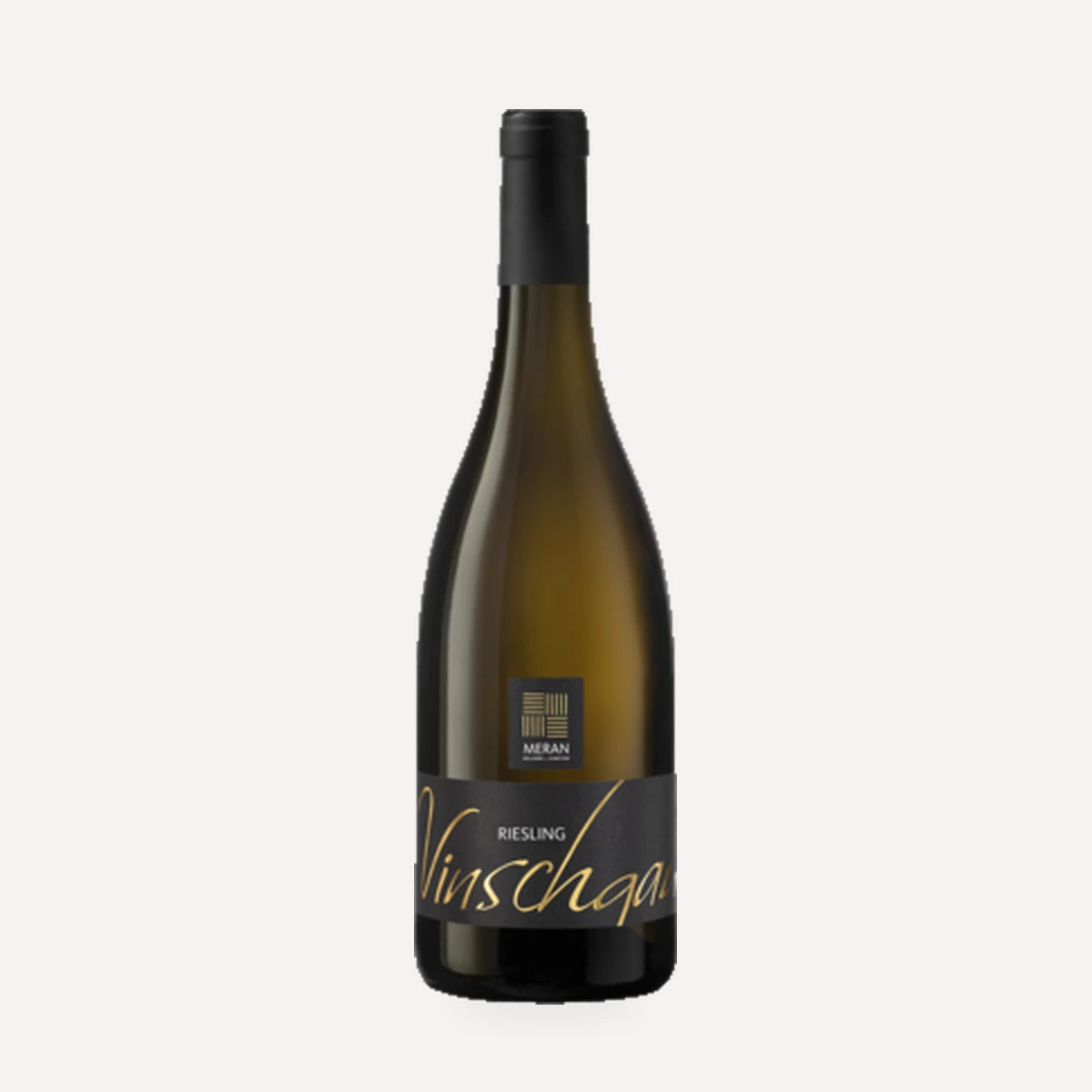
A.A. Valle Venosta Riesling DOC
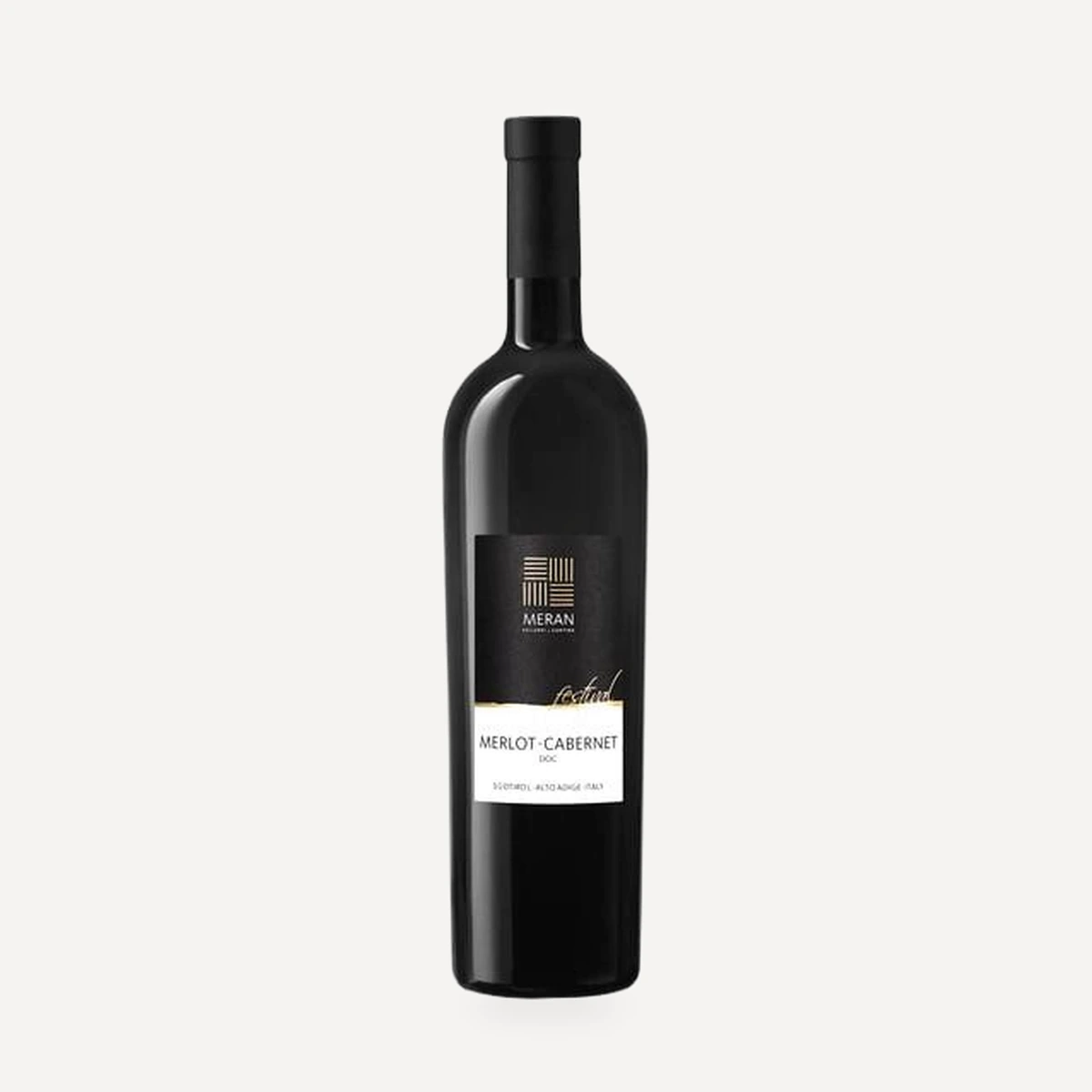
Festival Merlot-Cabernet Sudtirol Alto Adige DOC
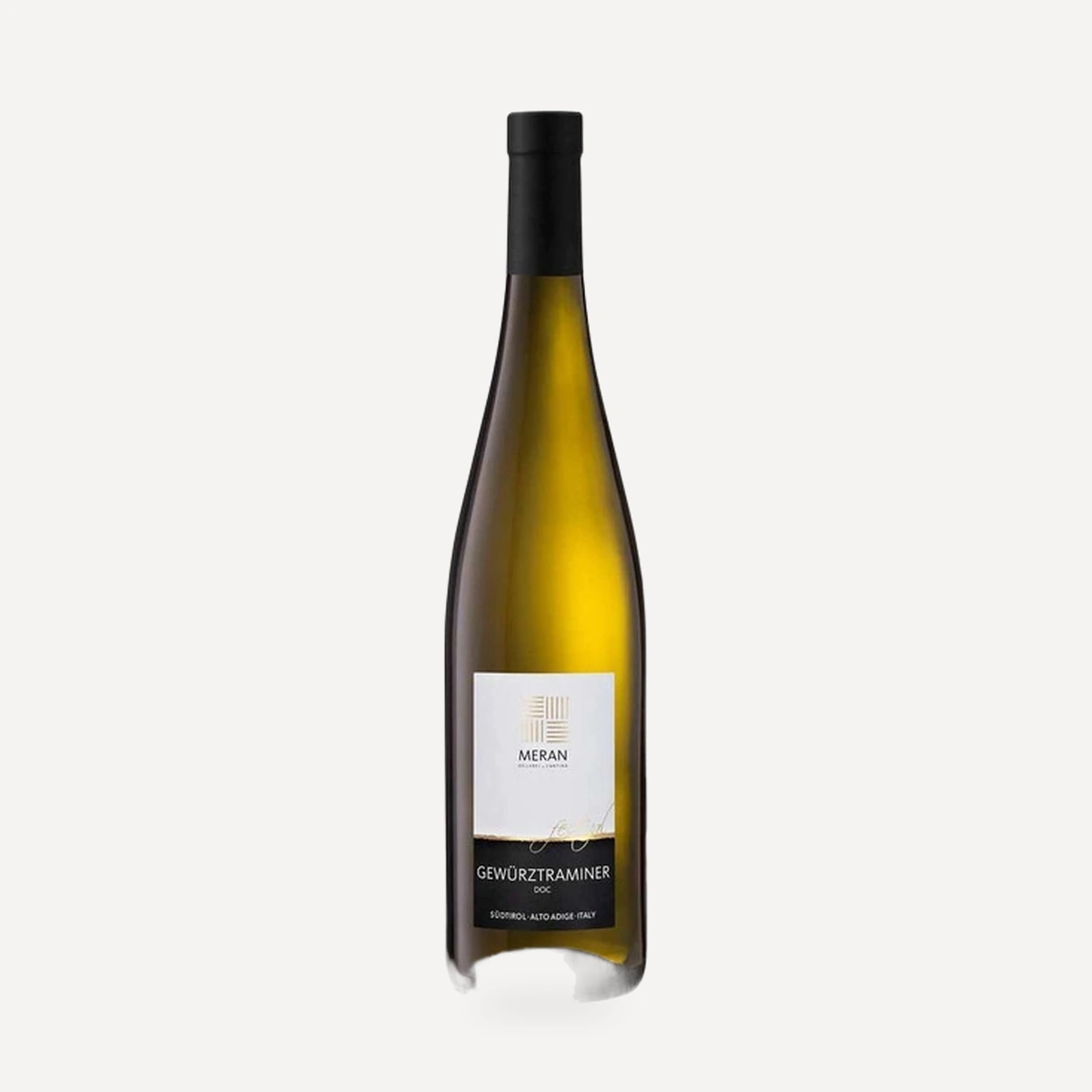
Festival Gewurztraminer Sudtirol Alto Adige DOC
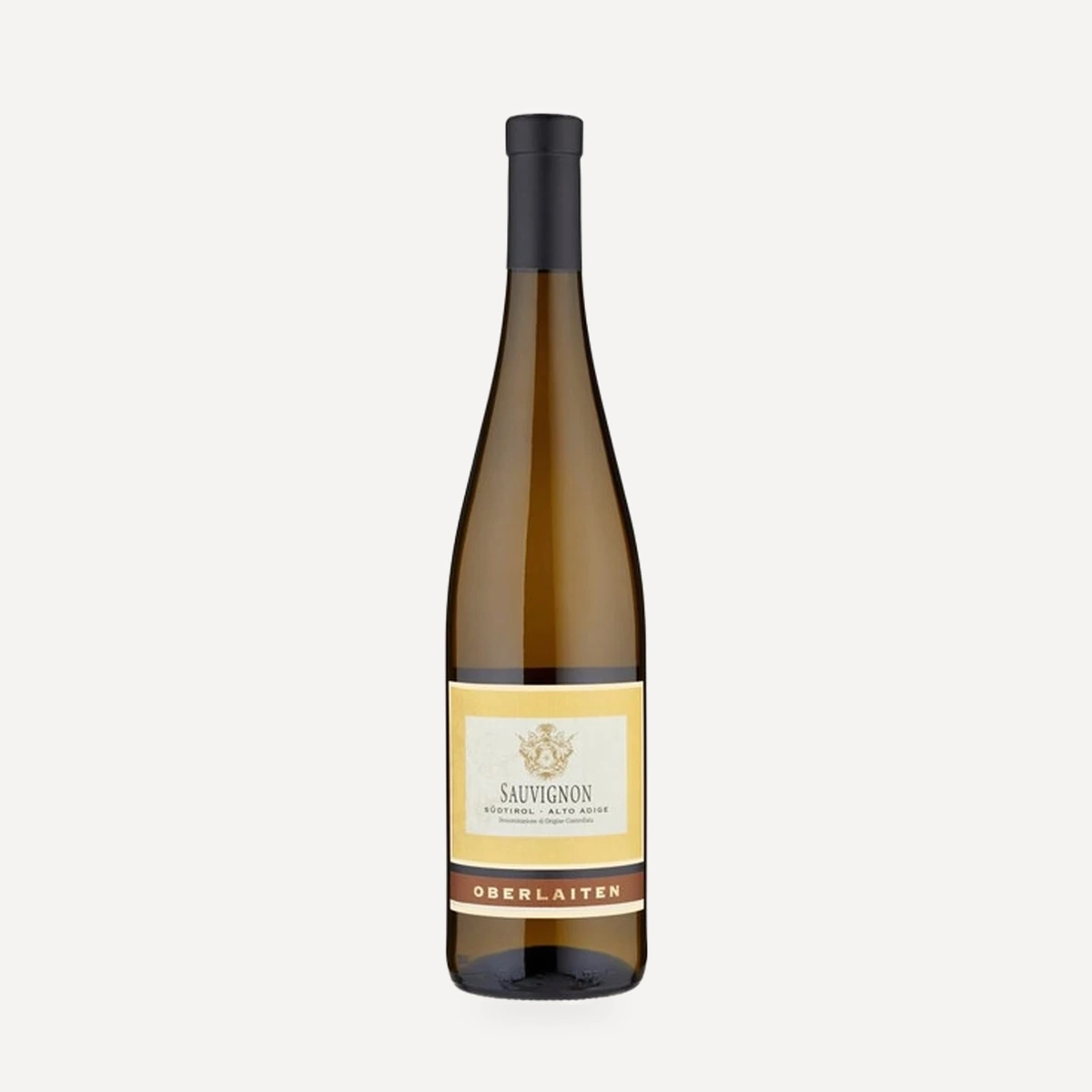
Oberlaiten Sauvignon Alto Adige DOC
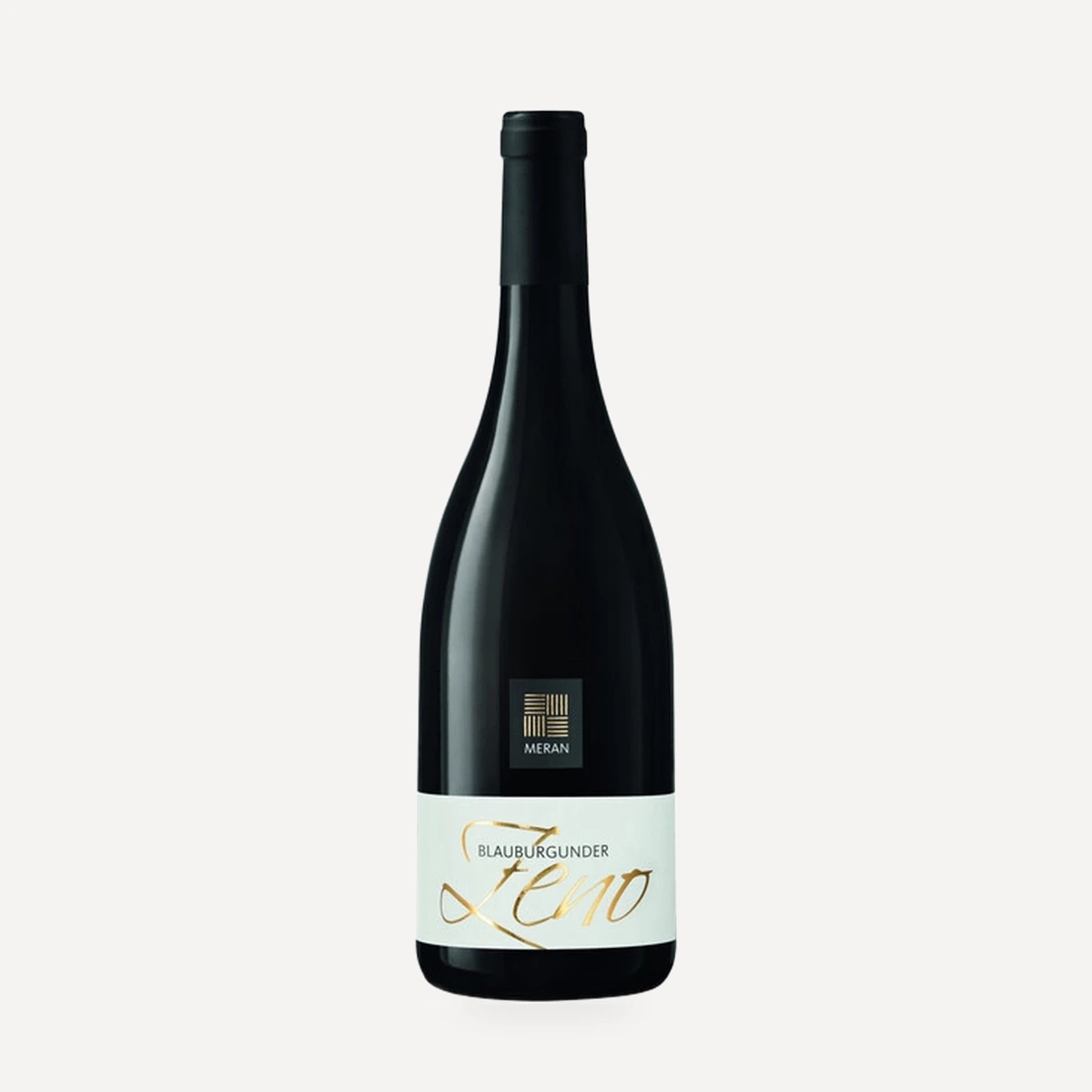
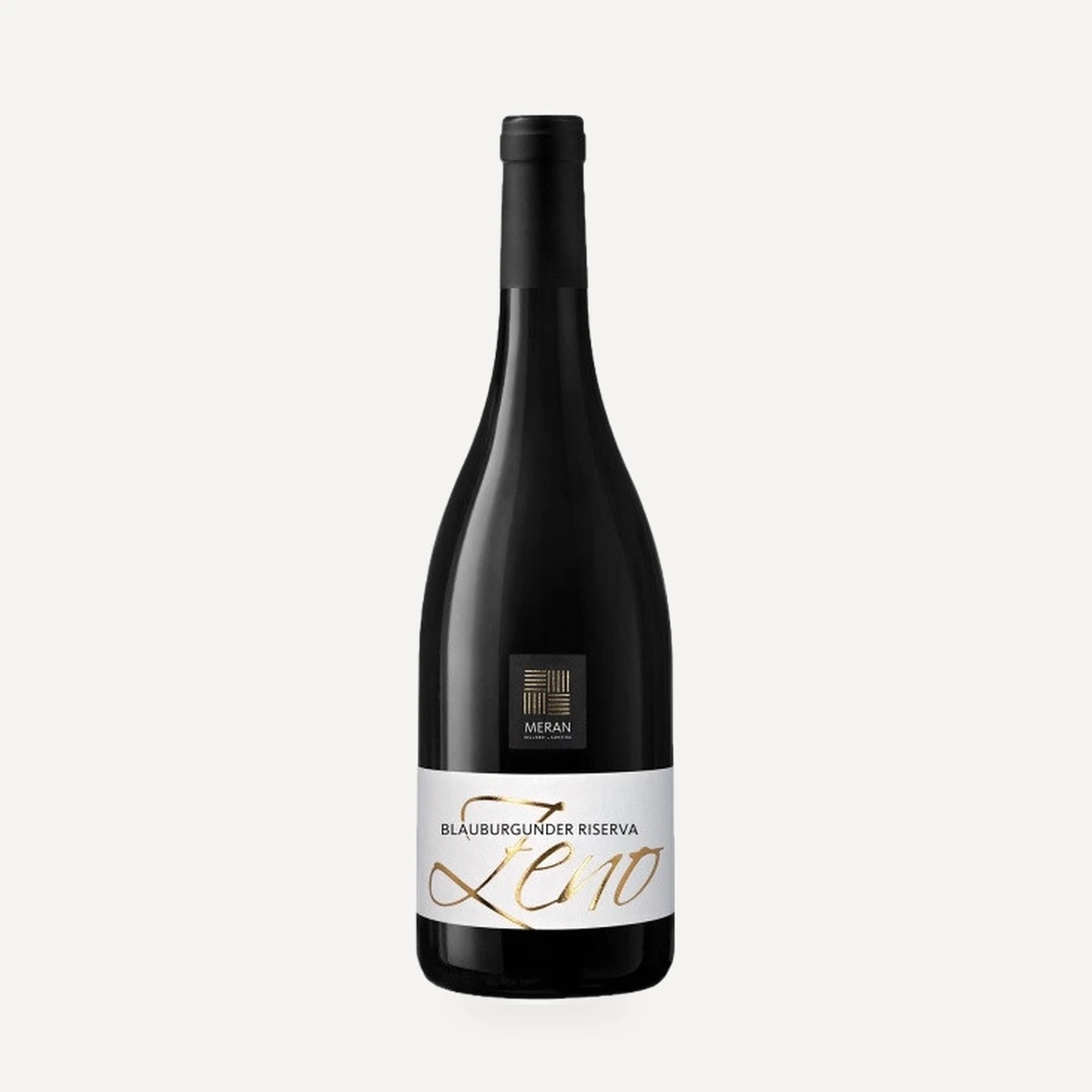
Zeno Blauburgunder Riserva Trentino Alto Adige DOC
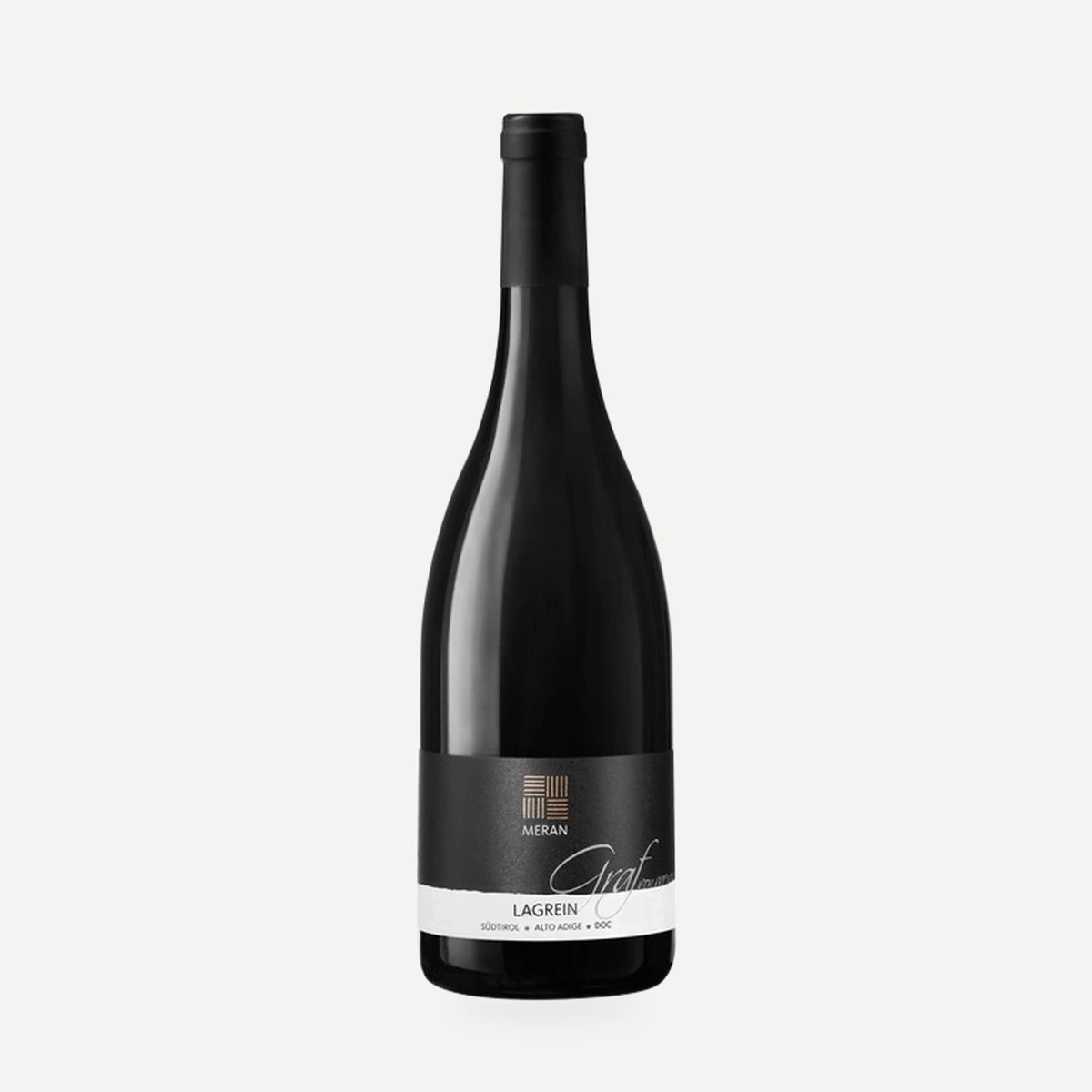
Graf Lagrein Sudtirol Alto Adige DOC
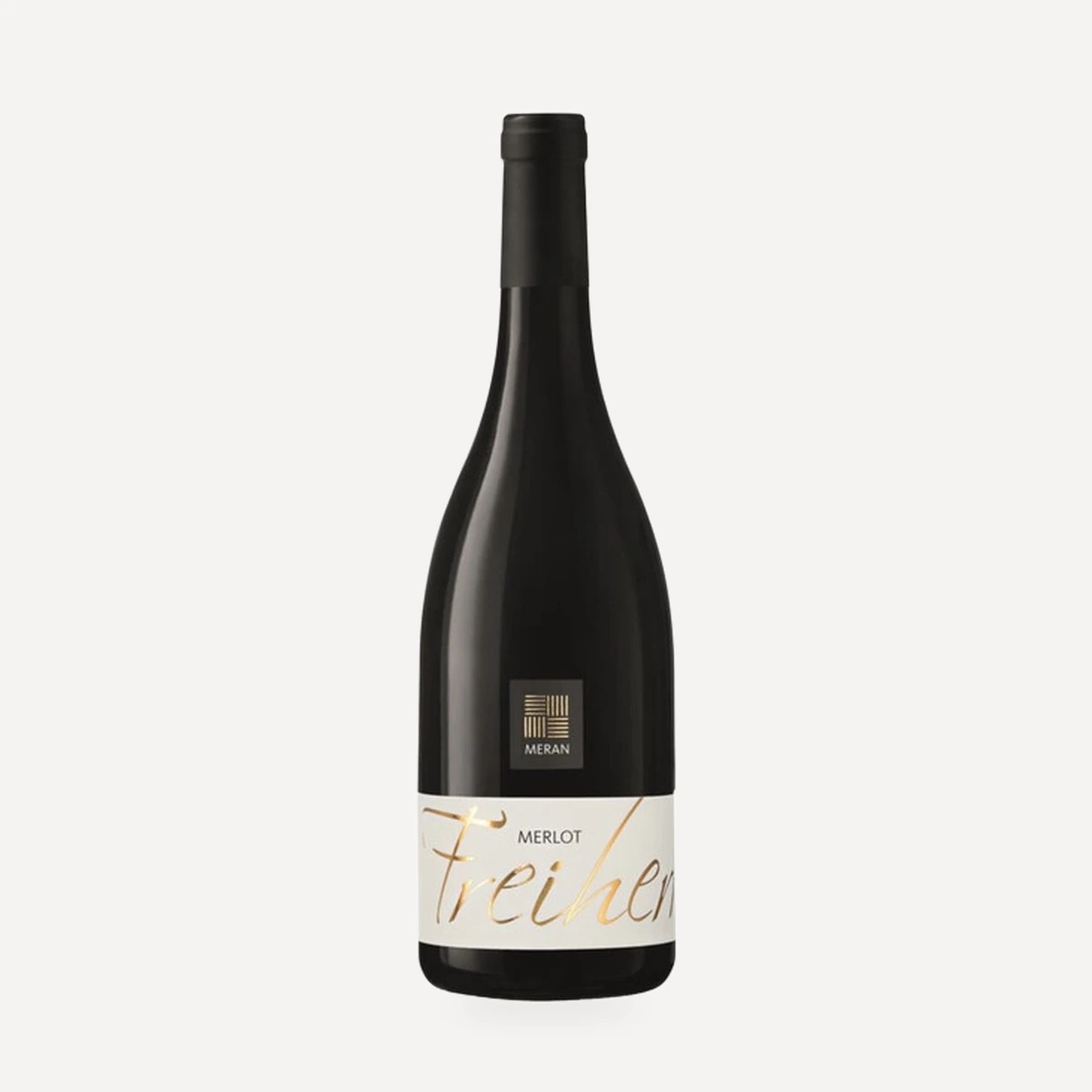
Freiherr Merlot Riserva Trentino Alto Adige DOC
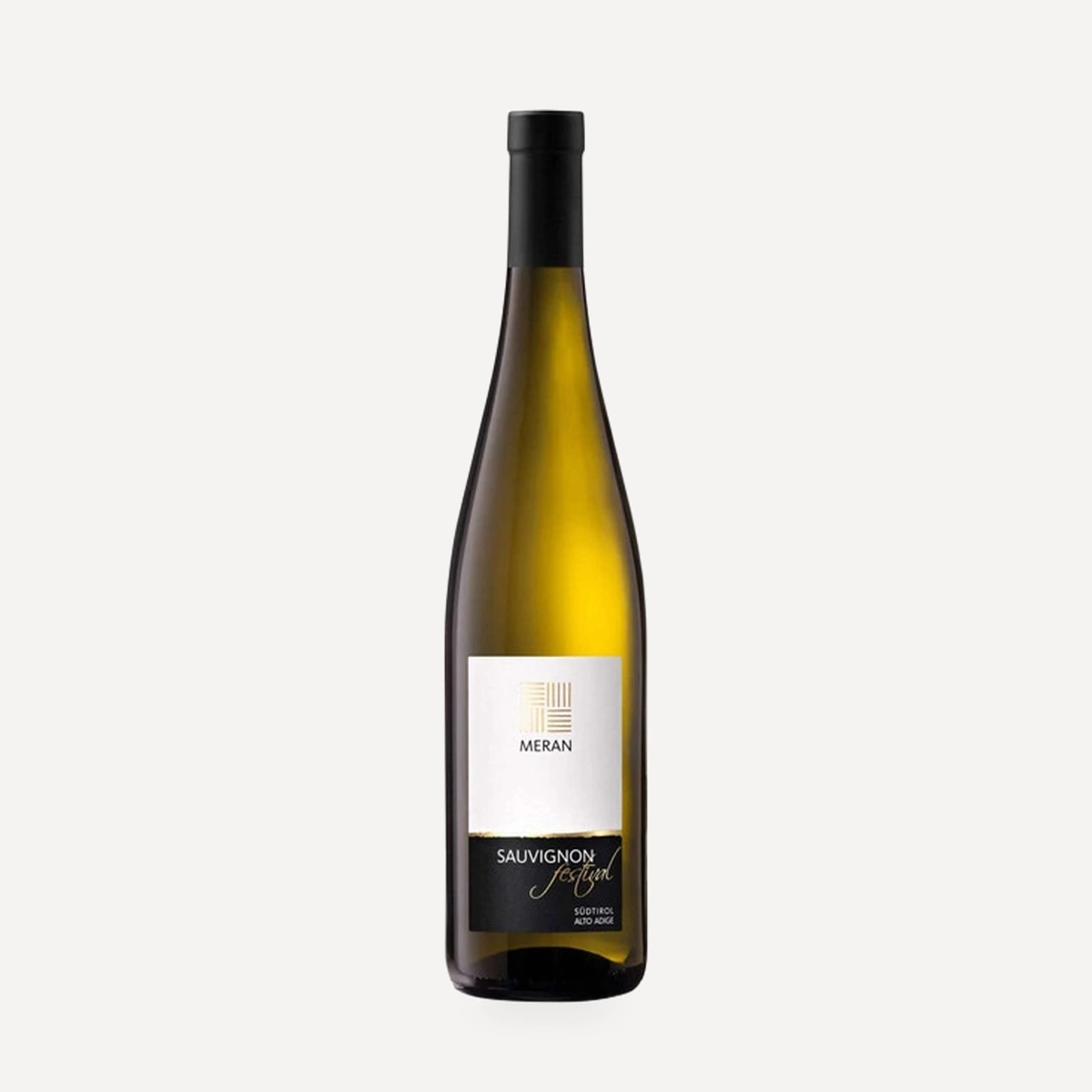
Festival Sauvignon Blanc Sudtirol Alto Adige DOC
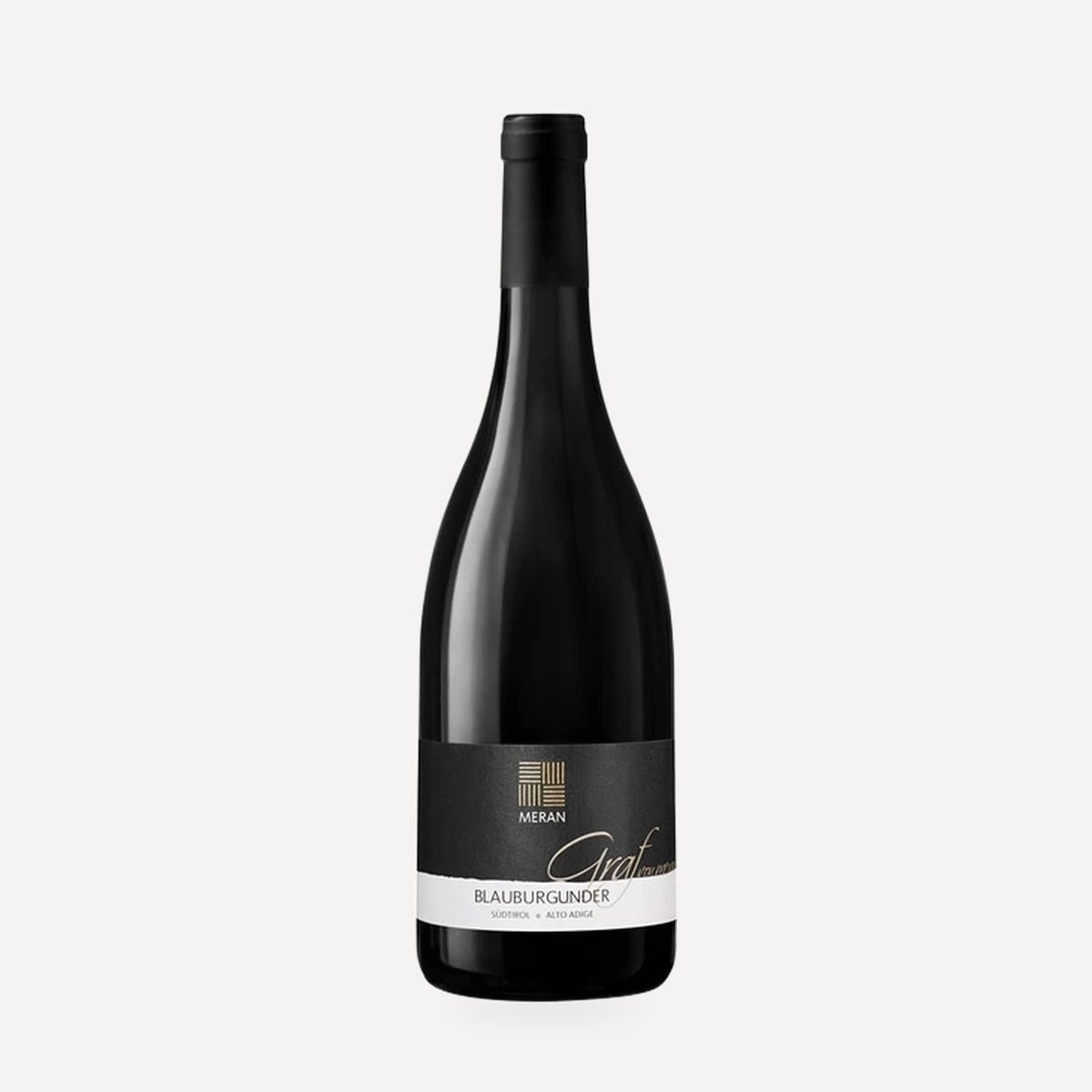
Graf von Blauburgunder Sudtirol Alto Adige DOC
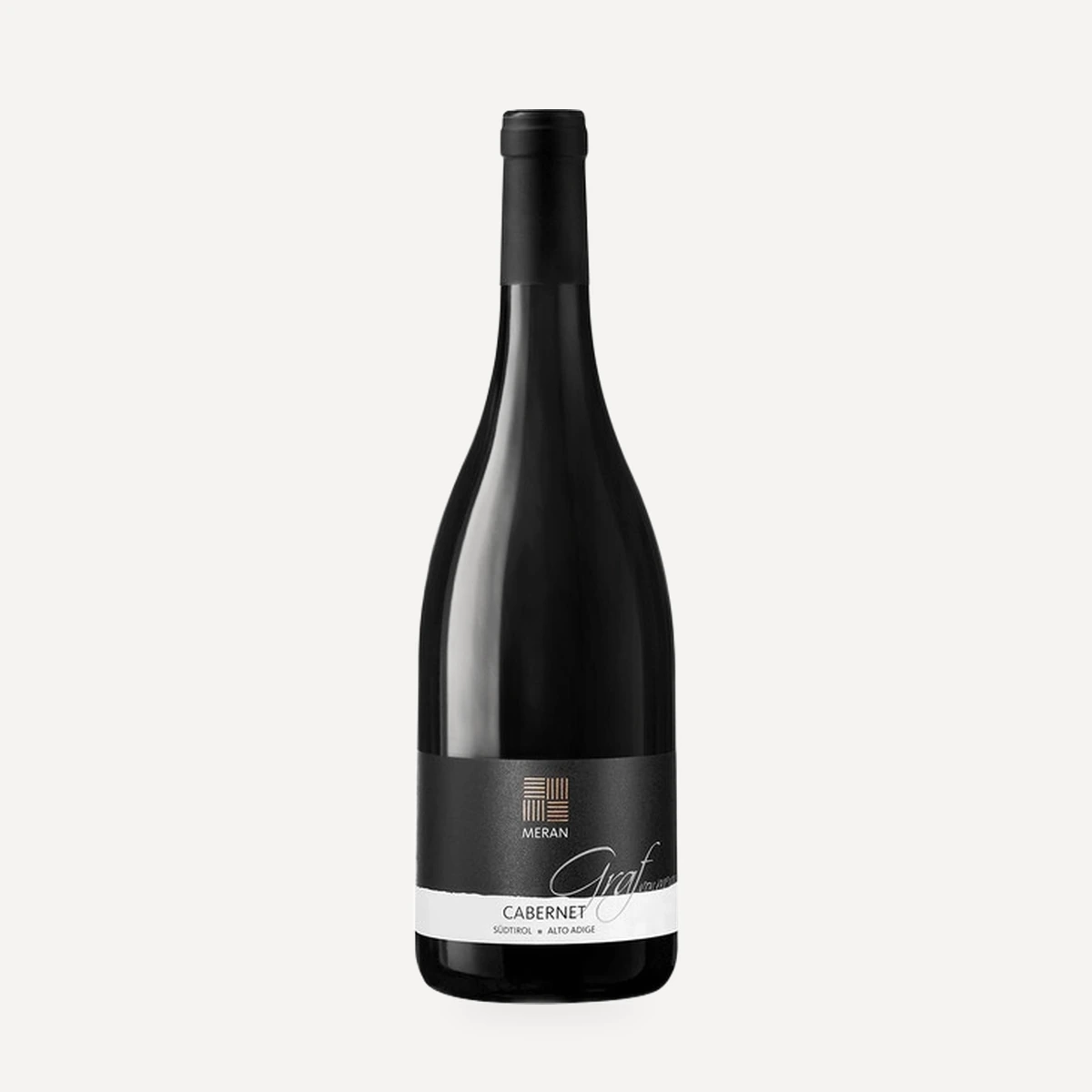
Graf Cabernet Riserva Sudtirol Alto Adige DOC
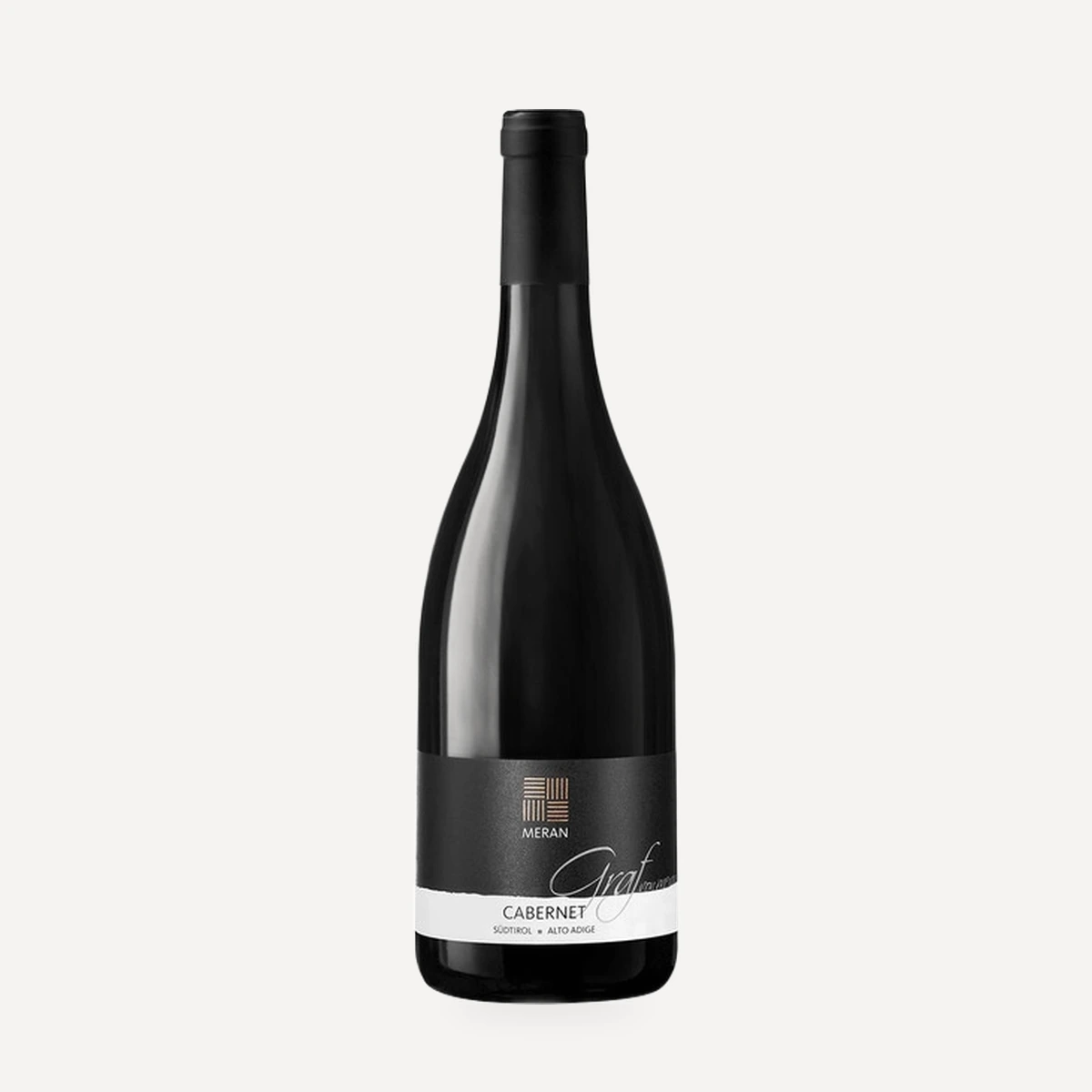
Graf von Cabernet Riserva Sudtirol Alto Adige DOC
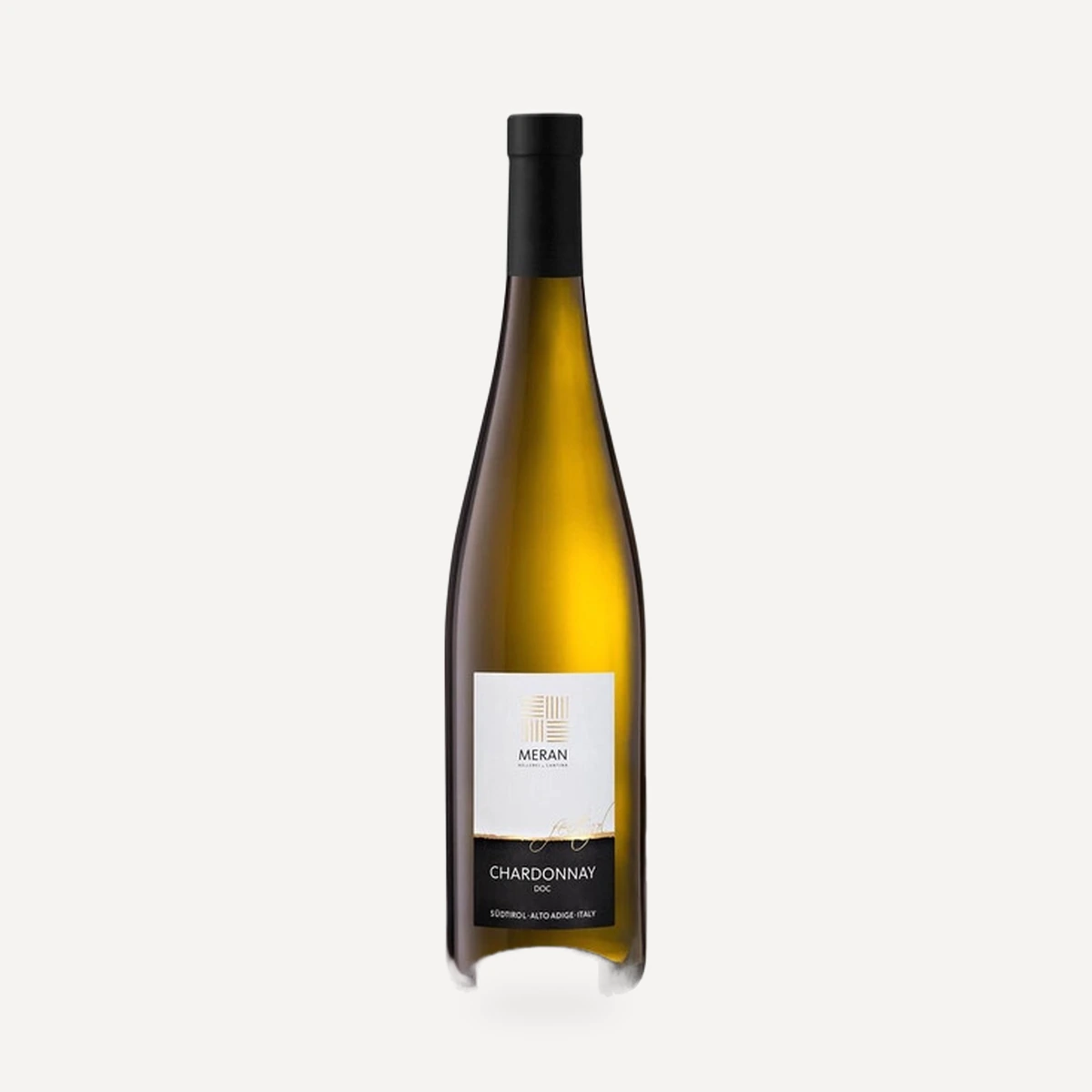
Festival Chardonnay Sudtirol Alto Adige DOC
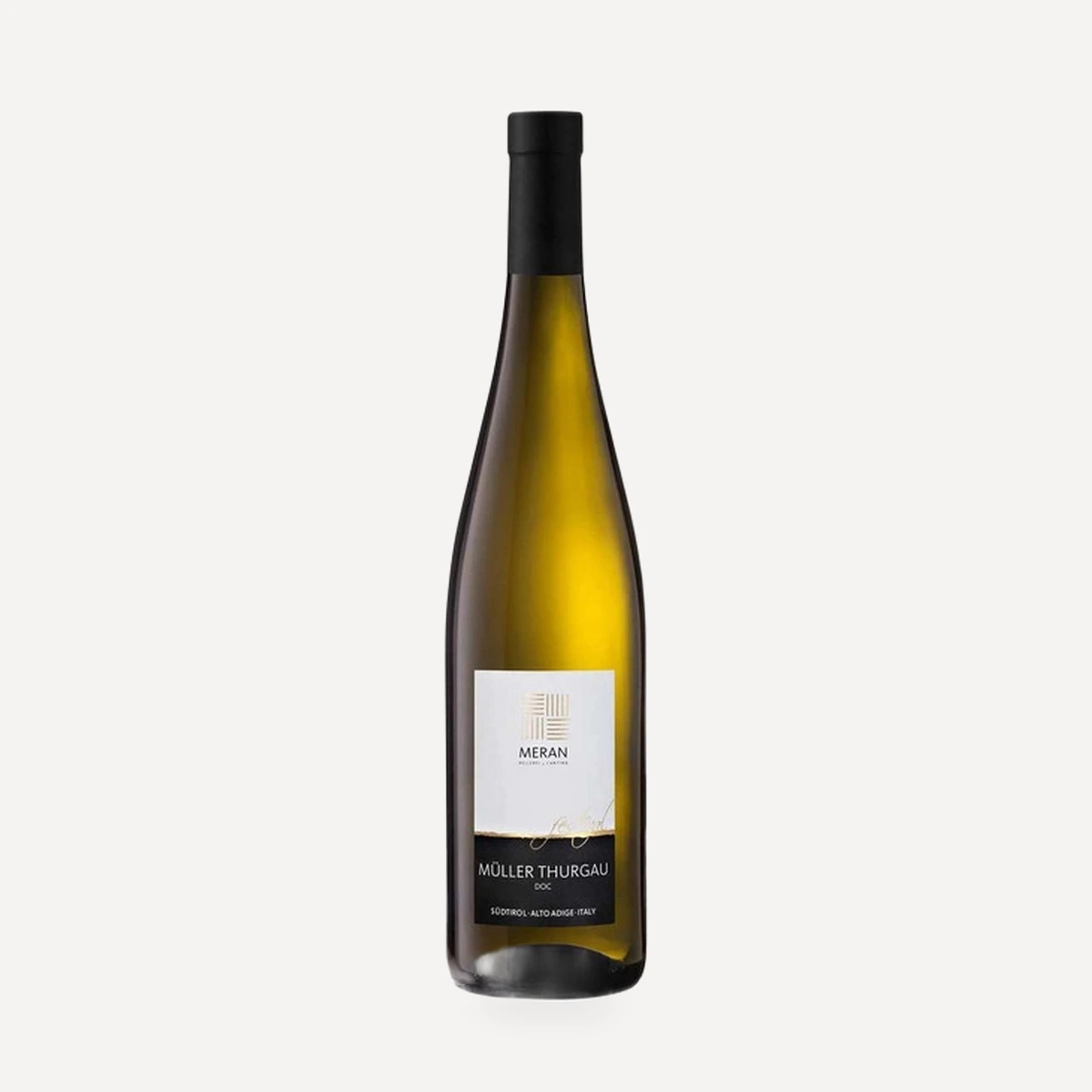
Festival Muller Thurgau Sudtirol Alto Adige DOC
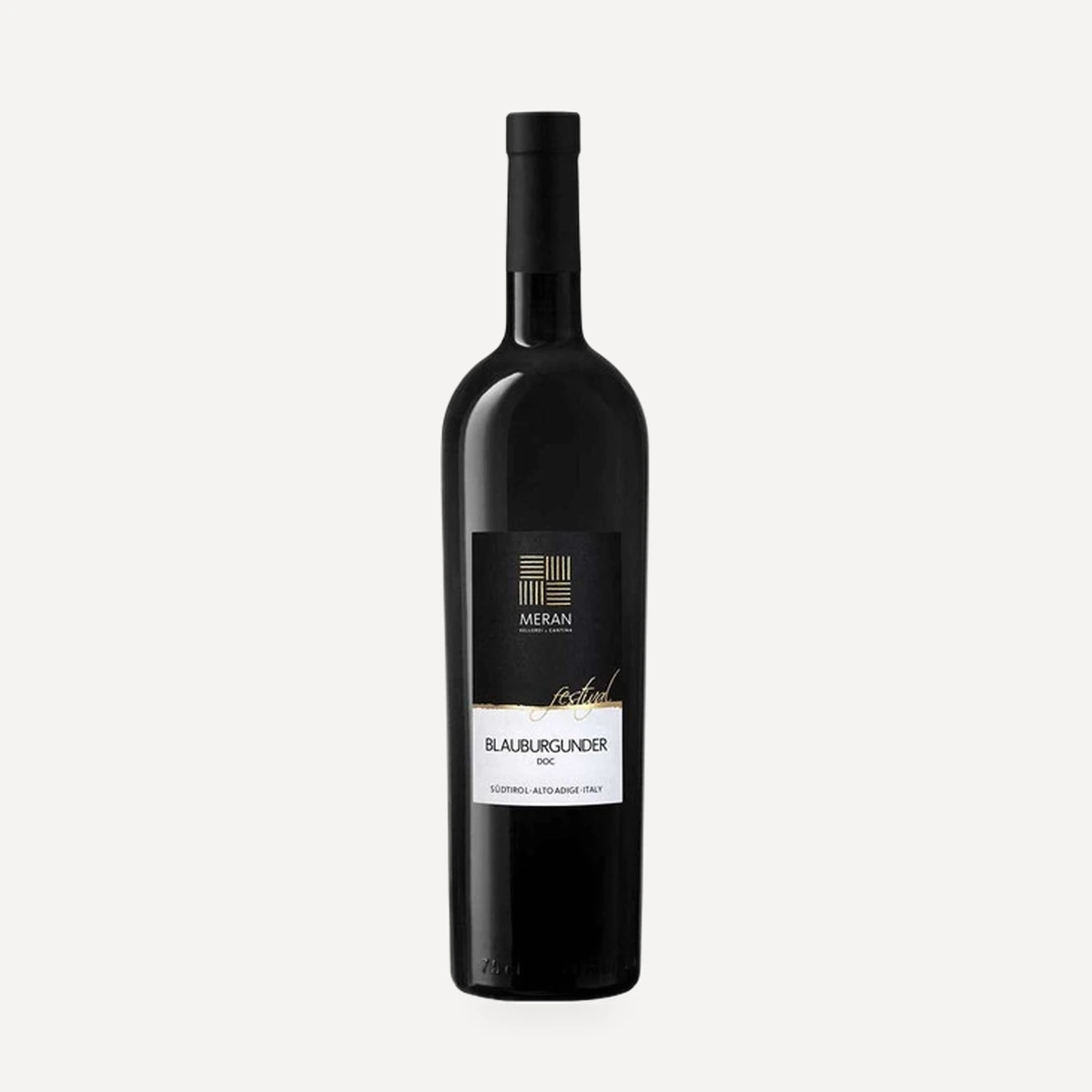
Festival Pinot Nero Sudtirol Alto Adige DOC
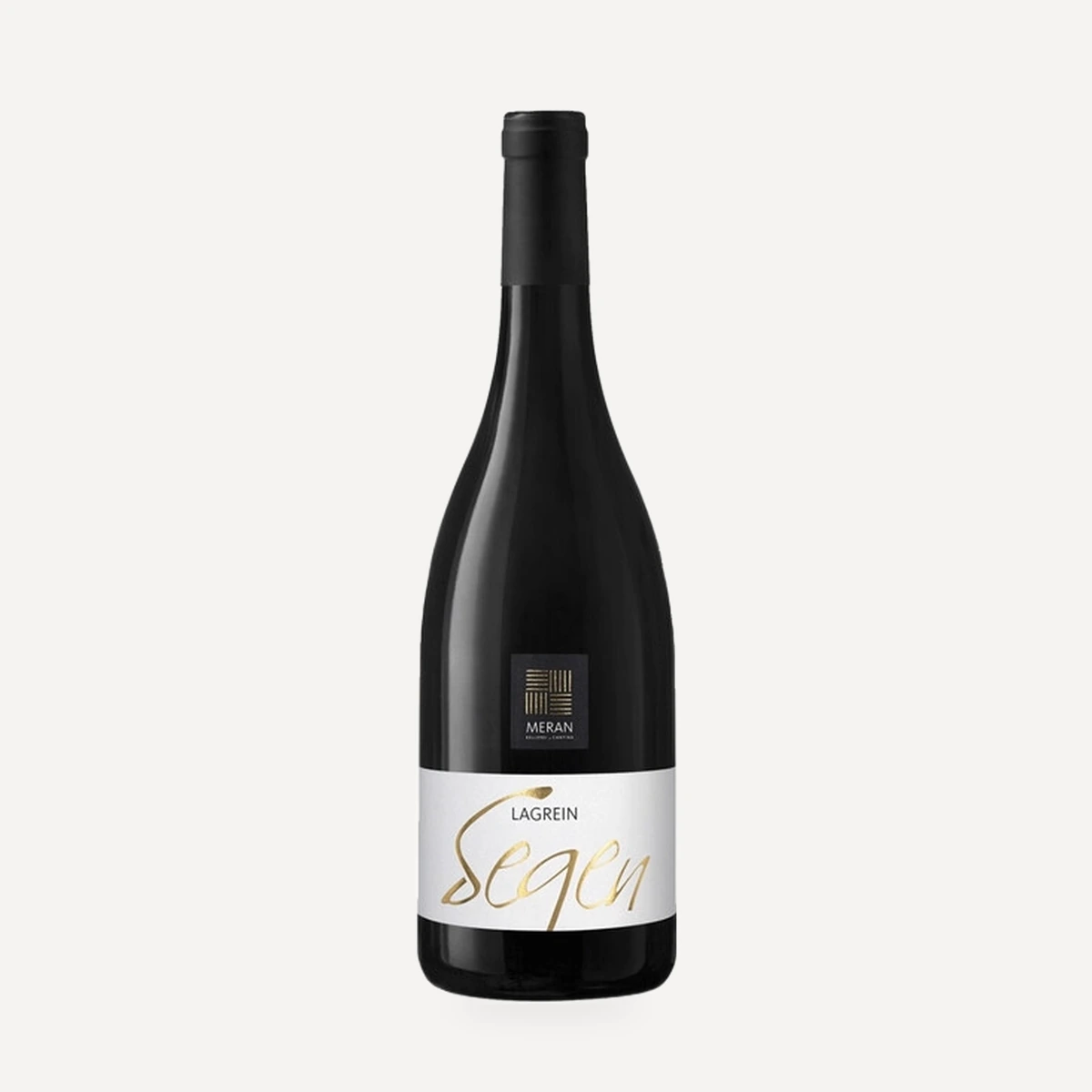
Segen Lagrein Riserva Trentino Alto Adige DOC
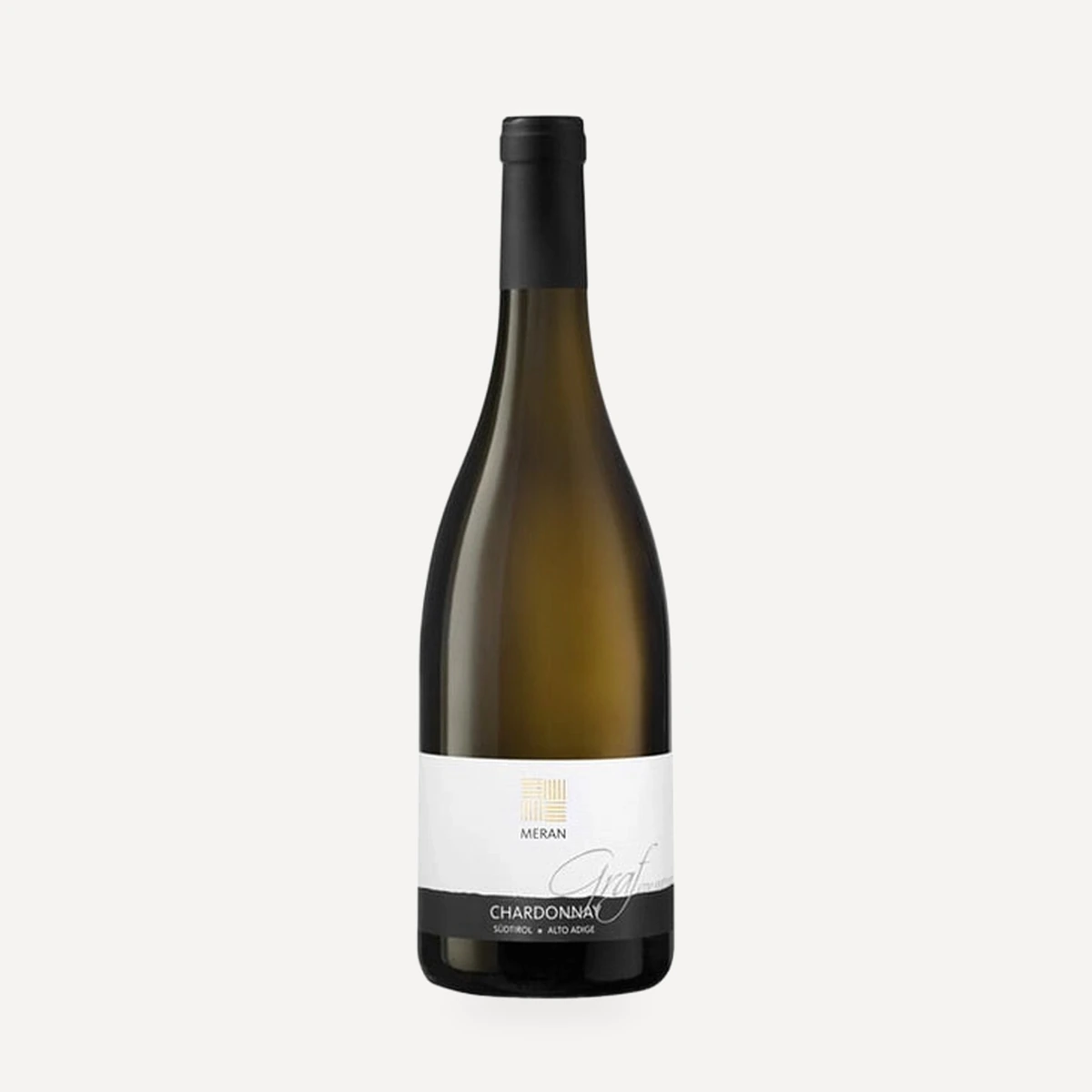
Graf von Chardonnay Sudtirol Alto Adige DOC
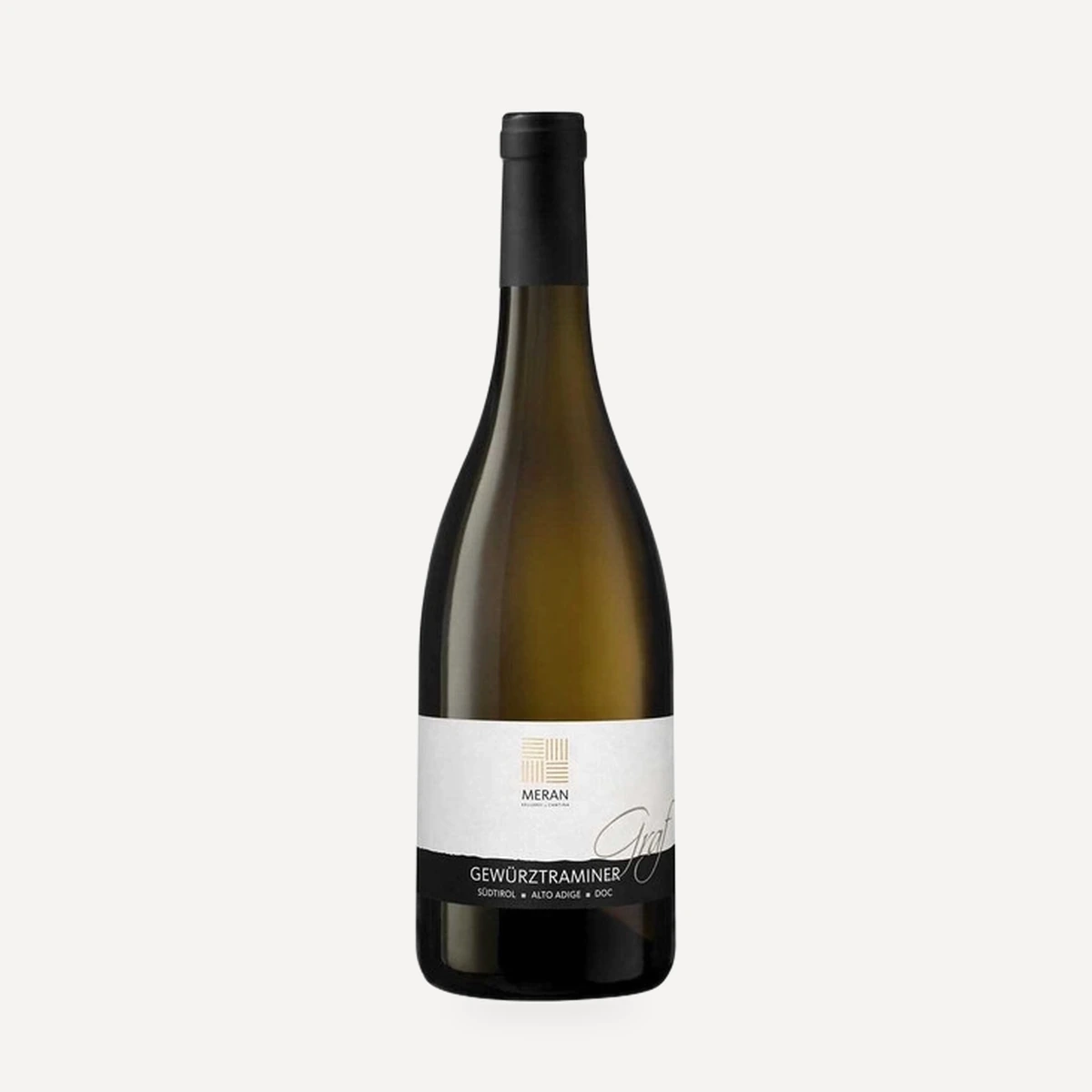
Graf Gewurztraminer Sudtirol Alto Adige DOC
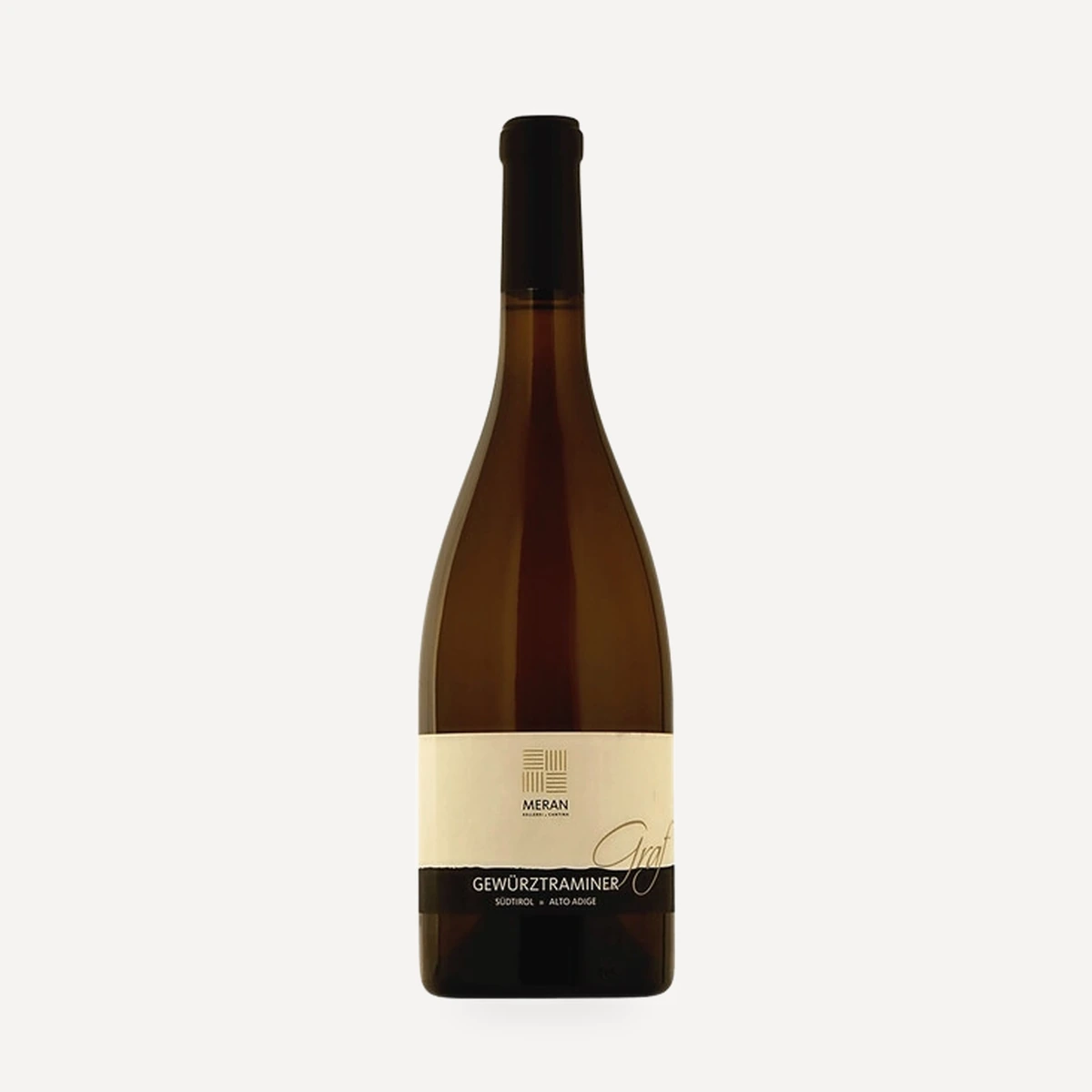
Graf von Gewurztraminer Sudtirol Alto Adige DOC
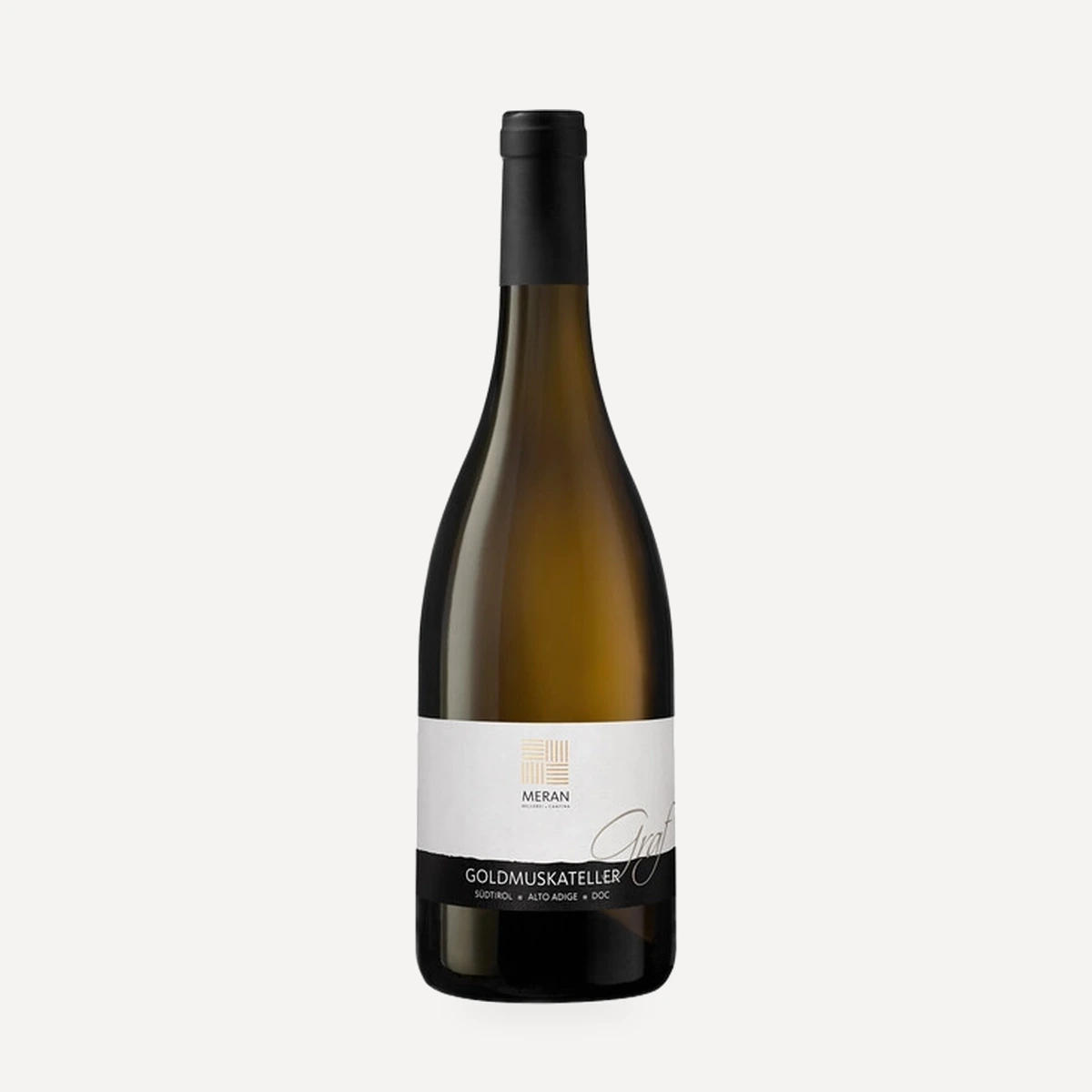
Graf Moscato Giallo Sudtirol Alto Adige DOC
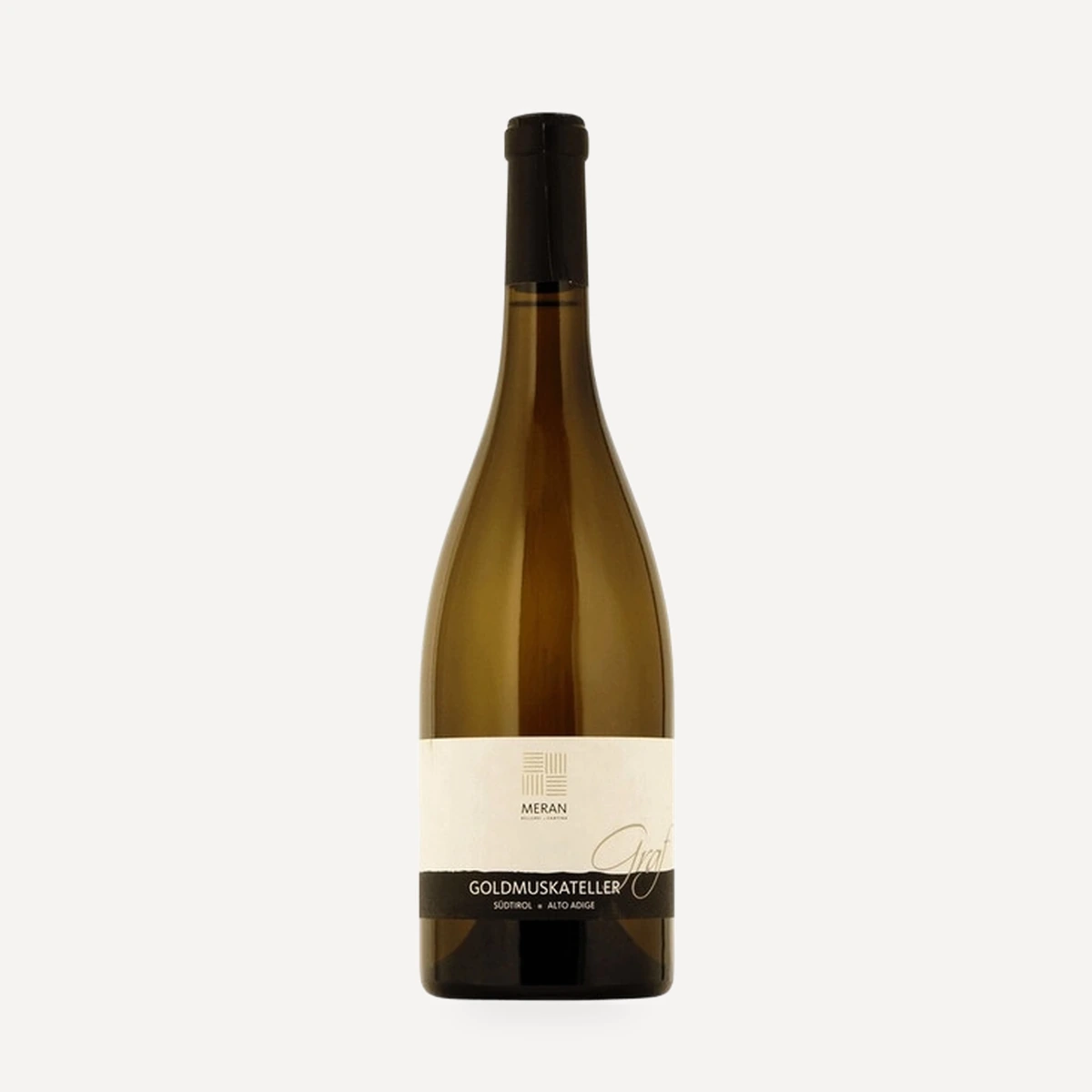
Graf von Goldmuskateller Sudtirol Alto Adige DOC
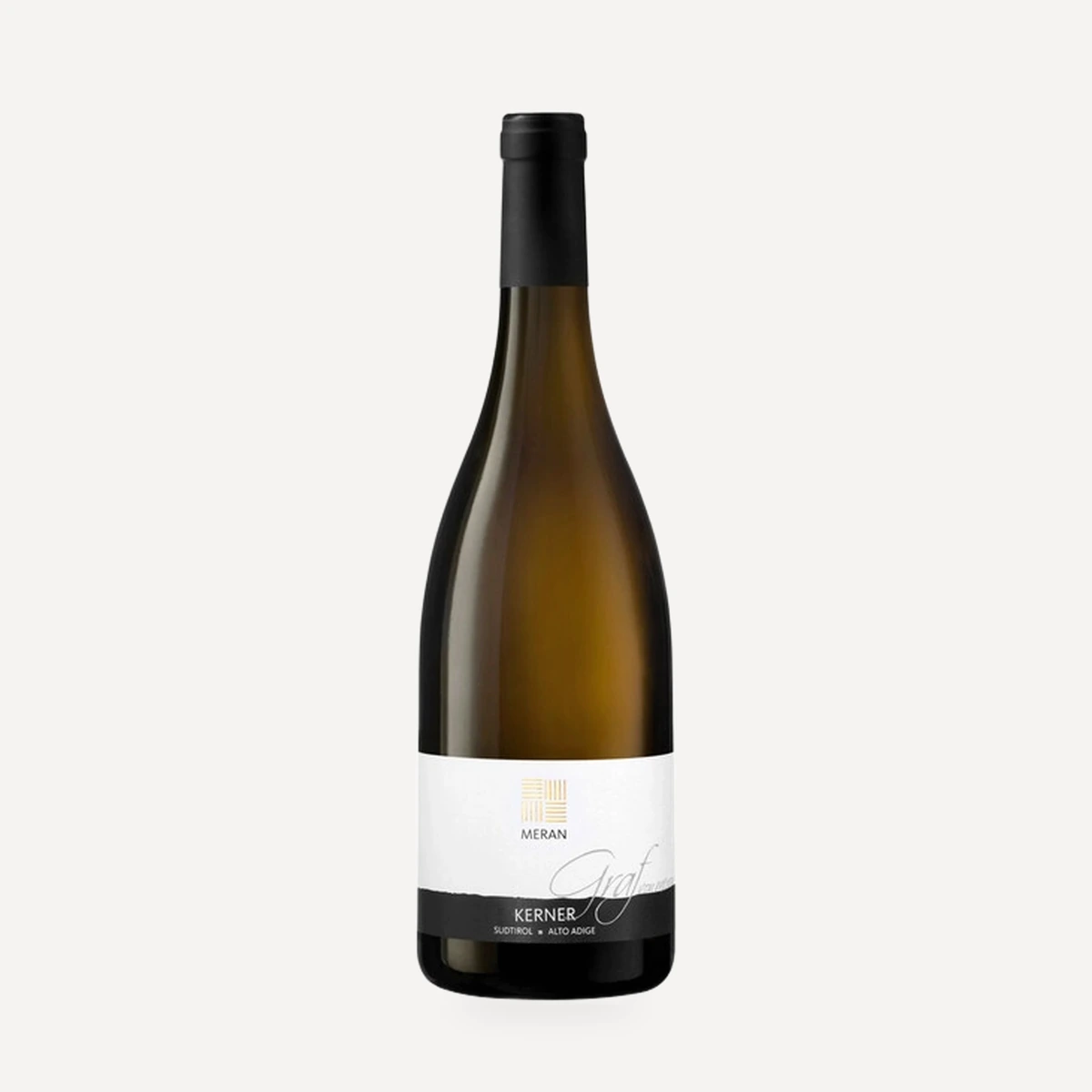
Graf Kerner Sudtirol Alto Adige DOC
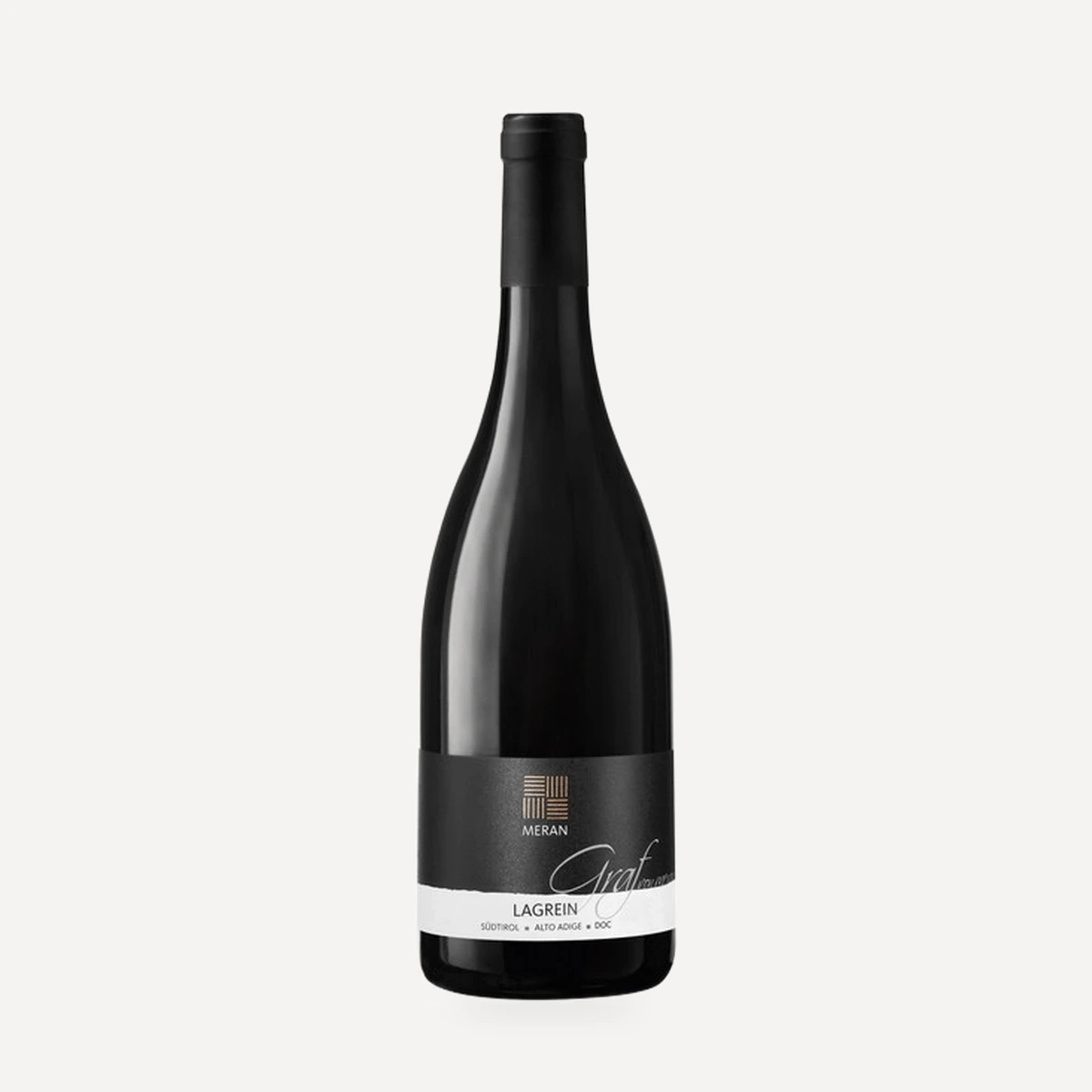
Graf von Lagrein Sudtirol Alto Adige DOC
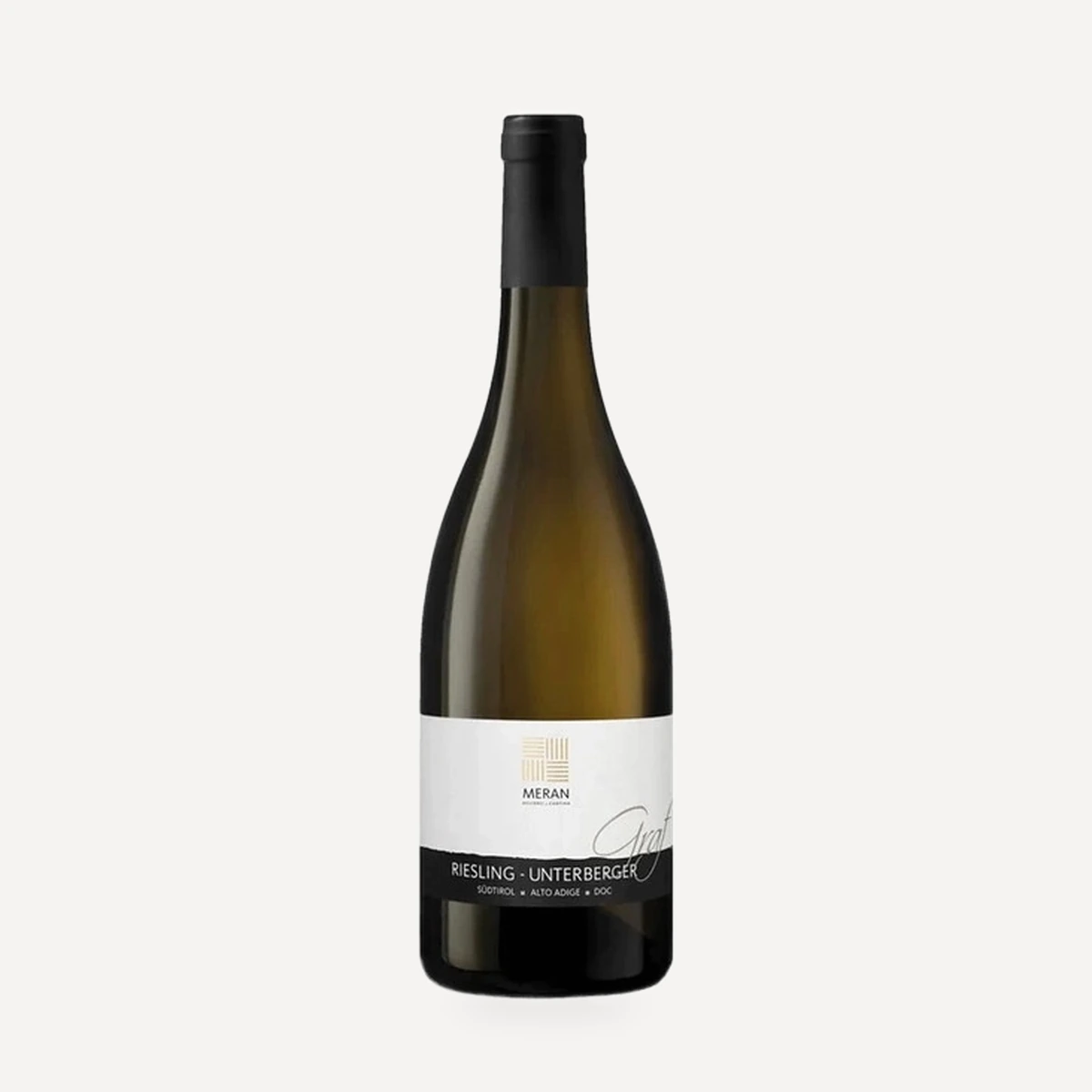
Graf Riesling Sudtirol Alto Adige DOC
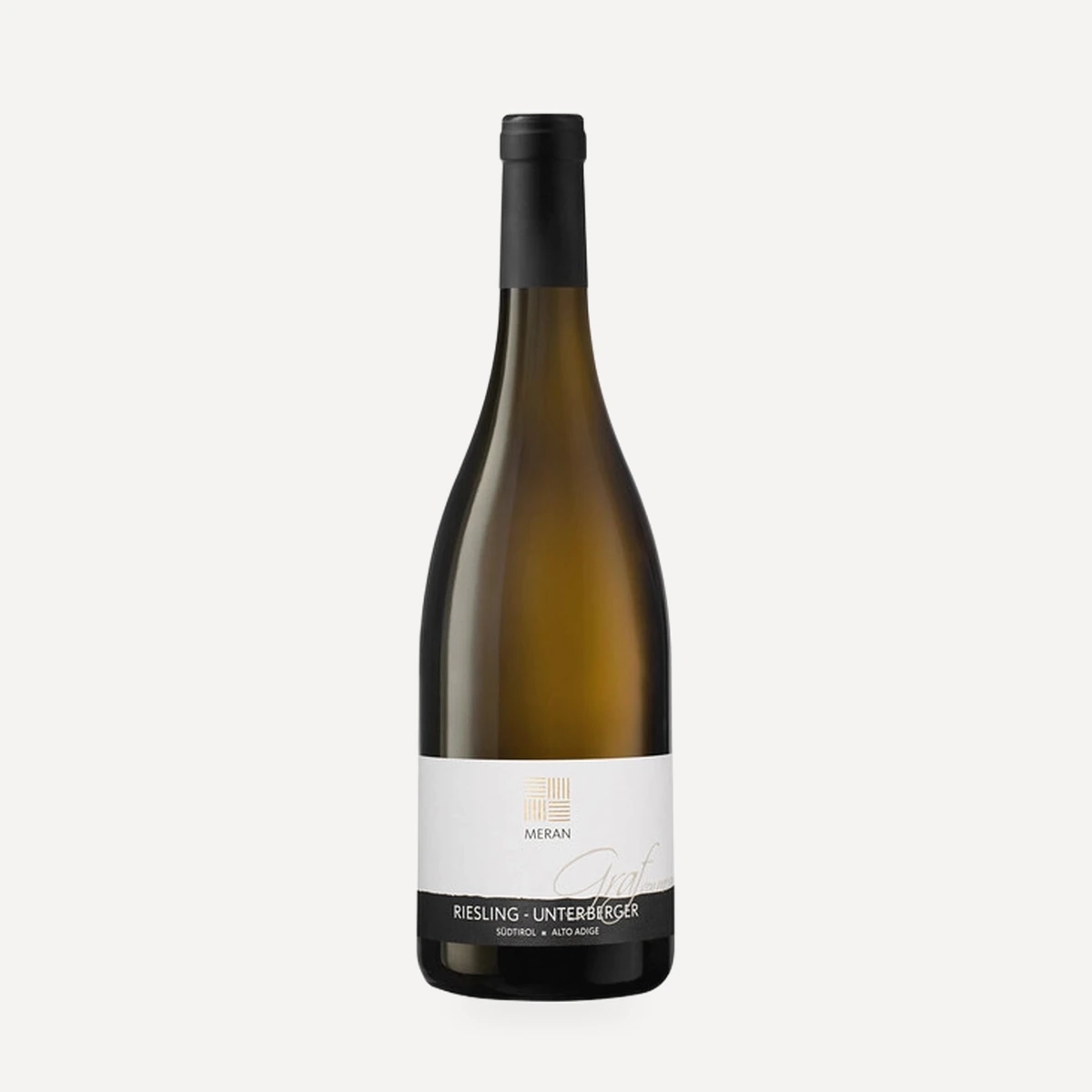
Graf von Riesling Sudtirol Alto Adige DOC
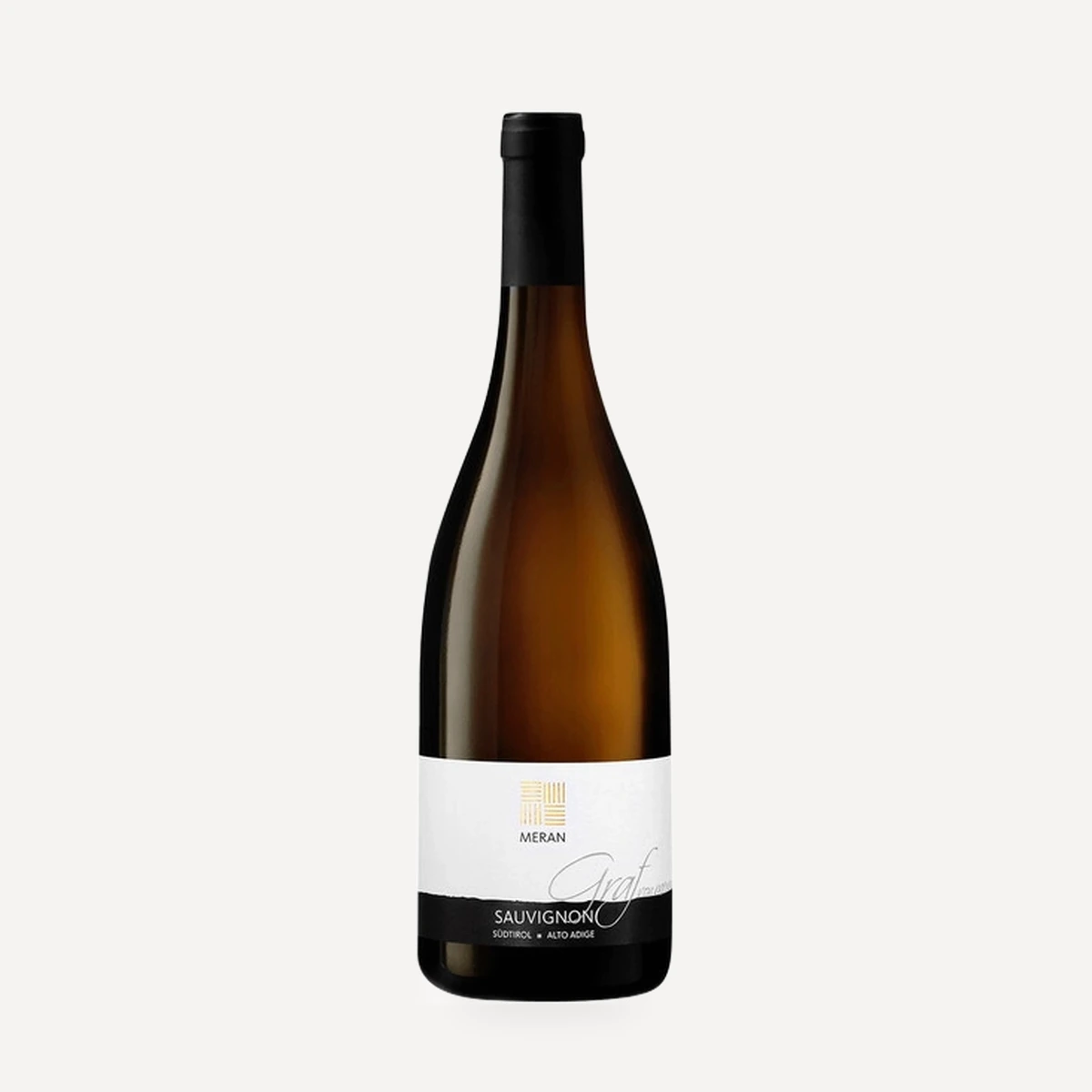
Graf von Sauvignon Sudtirol Alto Adige DOC