Storia
Roots in Col San Martino
Graziano Merotto was born into a family of farmers devoted to wine production in Col San Martino, then a rural village of meadows and hillsides. His ambition was to give Prosecco greater stature through sustained experimentation with natural fermentation. The work grew from a youthful passion into a profession grounded in direct knowledge of the vineyards, manual work and an artisan’s experience, while remaining open to advanced cellar technology.
1972: foundation and Sur Lie production
Graziano founded his winery in 1972. Its first production was a Sur Lie wine made from Glera, establishing natural fermentation as the starting point of the estate’s identity.
Late 1970s: the first autoclave
The first autoclave entered the cellar at the end of the 1970s. Graziano then began experimenting with the Martinotti–Charmat method under the guidance of oenologist and poet Piero Berton. Colbelo’s origins date to 1979; it subsequently became one of the longstanding reference points of the estate’s Valdobbiadene DOCG range.
1980s: an early Classic Method chapter
Graziano’s interest in Pinot varieties led him to Classic Method production during the 1980s. Using his first pupitres and the equipment required for bottle refermentation, he produced a very small, almost private collection of bottles.
Early 1990s: La primavera di Barbara
La primavera di Barbara was created as a high-quality Prosecco and named after Graziano’s daughter, Barbara. It became a longstanding flagship, combining Glera with the locally grown Perera variety.
1997: Rosso Dogato
The first Rosso Dogato appeared in 1997. Its name refers to its prolonged contact with French-oak staves—doghe in Italian—in tonneaux and barriques. The historic hot-air-balloon label expressed the idea of going beyond established limits. The wine also marked the estate’s commitment to a small production of long-aged Cabernet Sauvignon.
2001: registration of the Merotto brand
Graziano officially registered the Merotto brand in 2001. He also adopted the slender, lively, customized bottle that remains associated with the brand.
2009: Cuvée del Fondatore
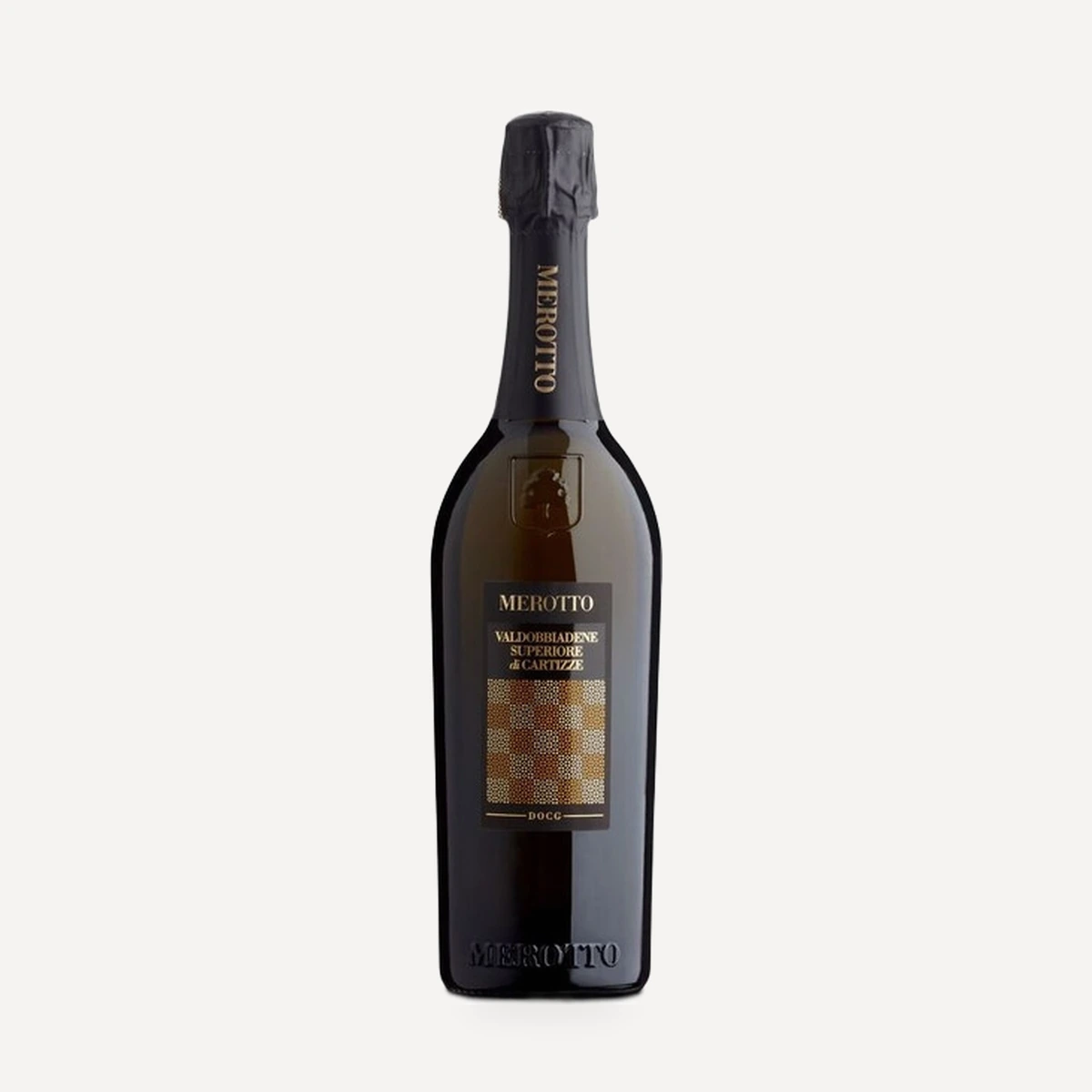
After decades of vineyard and cellar work, the first Cuvée del Fondatore Graziano Merotto Rive di Col San Martino Brut was created in 2009. Graziano based the project on a selection from a historic Riva and on the knowledge accumulated over approximately 30 harvests. The underlying principle was that producing good wine begins with intimate knowledge of its land.
2015: the first Castè vintage
The first vintage of Castè Extra Dry was produced in 2015 from Colle il Castello, the hill immediately behind the winery. Graziano selected this single vineyard for its distinctive topography, morphology and conglomerate soil, seeking a direct expression of Prosecco Superiore DOCG.
2018: Integral
Integral Extra Brut was introduced in 2018 to express the territory in an especially dry style. Its Glera was selected exclusively from the estate’s oldest vines, including a historic Col San Martino vineyard whose vines average more than 40 years of age.
2019: opening of Merotto Space
Merotto Space opened in 2019 as the estate’s hospitality venue. It brought together tastings, direct sales, educational vineyard walks, company meetings and private themed events close to the winery and the Rive di Col San Martino.
2020: B. Giussin
The 2020 vintage began a new Pinot Bianco project. Graziano had long cultivated a substantial Pinot Bianco holding in Col San Martino and had spent several harvests experimenting with individual parcels to refine the intended style. The resulting B. Giussin took its name from the area containing the estate vineyards.
2021: the fiftieth-anniversary cuvée
Graziano created Cuvée del Fondatore 50 Graziano Merotto in 2021 to commemorate 50 years of work, sacrifice and personal vision. The limited Prosecco Superiore DOCG was conceived as a wine capable of extended evolution.
2025: return to the Classic Method
Rosélla Metodo Classico Pas Dosé was introduced in 2025 from the 2022 vintage, more than 40 years after Graziano’s first Classic Method experiments. Made entirely from Pinot Nero, it renewed the estate’s early bottle-fermentation chapter. Its name and dedication honor Graziano’s wife, Rossella, while connecting the project with the estate’s roots and future ambitions.
Terroir
Setting
The winery is based in Col San Martino in the municipality of Farra di Soligo, Province of Treviso, Veneto. Its principal sparkling-wine vineyards lie within the Conegliano Valdobbiadene zone, a band of 15 municipalities between the Venice area and the Dolomites. Other identified production areas include Pieve di Soligo, the Cartizze hills at Santo Stefano and Giavera del Montello.
Relief, exposure and climate
The Conegliano Valdobbiadene landscape is markedly hilly and naturally steep. Differences in slope, solar exposure and soil structure create a succession of small, distinct terroirs, including the Rive and Cartizze. The slopes remain well ventilated and have a mild microclimate, with an average annual temperature no higher than 12.3°C. Cartizze combines favorable solar exposure with saline winds associated with the Adriatic Sea.
Soils and geological origin
The hills contain rocky, sandy and clay-rich soils. Their rugged structure generally limits water stagnation. The zone juxtaposes material derived from the melting of Dolomite glaciers, rich in mineral sediments, with deeper and more permeable soils of marine origin. Colle il Castello, the Castè vineyard hill behind the winery, is distinguished by conglomerate soil and a steep, angular profile.
Denomination context
Conegliano–Valdobbiadene has been formally associated with Prosecco production since the second half of the 19th century and the establishment of Italy’s first oenological school. The local protection consortium was established in 1962, the DOC followed in 1969, and DOCG status was obtained in 2009. The wider vineyard landscape subsequently received UNESCO World Heritage recognition. Within the DOCG rules, grapes must originate in the cadastral territory of the original 15 municipalities; both vinification and secondary fermentation take place in the Province of Treviso.
Vinificazione
Graziano Merotto’s approach is rooted in direct, manual vineyard work. He has personally tended vines by hand for more than 50 years, observing seasonal vineyard development and grape maturation. Harvesting for the Martinotti–Charmat production sequence is carried out by hand.
The steep rows are characterized as heroic viticulture. Educational walks from Merotto Space cross the estate vineyards and emphasize the relationship between work on these slopes and the resulting wines. Site selection is parcel-specific: the estate isolates a historic Riva, the six-parcel Castè vineyard, old Glera vines averaging more than 40 years, a small Glera–Perera vineyard, and experimental Pinot Bianco and Pinot Nero parcels. Old-vine selection is central to Integral, while the Castè project is tied to the topography and conglomerate soil of Colle il Castello.
Cultivation is framed as meticulous work renewed with each harvest and continued through every phase of vinification. No organic, biodynamic or other farming certification is identified.
Martinotti–Charmat process
The principal sparkling-wine process begins with grapes harvested by hand. The bunches are destemmed and lightly crushed, followed by gentle pressing to separate skins and seeds from the must. Primary fermentation takes place in steel vessels.
Secondary fermentation—the presa di spuma—occurs in pressure-sealed autoclaves, normally made of steel. Precisely controlled additions of sugar and yeast initiate the natural reaction that produces carbon dioxide; no additive is used to create the foam itself. Selected wines remain in contact with their yeasts for defined periods to develop greater sensory complexity.
After secondary fermentation, the sequence comprises isobaric filtration, cooling in autoclave, final filtration, bottling under controlled isobaric pressure, corking and labeling. Both vinification and secondary fermentation for Conegliano Valdobbiadene DOCG take place in the Province of Treviso. Before bottling, the denomination also requires organoleptic analysis by a commission of oenologists at the authorized Chamber of Commerce.
The cellar’s first autoclave arrived in the late 1970s, initiating Graziano’s experiments under Piero Berton. The method itself is presented under both names: Federico Martinotti theorized fermentation in sealed tanks at controlled temperature in 1895, while Eugène Charmat constructed a practical autoclave 15 years later.
Other cellar traditions
Classic Method production first appeared in the estate during the 1980s, when Graziano used pupitres to make a very small quantity of bottles. The approach returned more than 40 years later with a pure-Pinot-Nero Pas Dosé.
Still-wine work includes controlled-temperature fermentation, skin contact and the use of both steel and oak. The estate’s long-aged Cabernet Sauvignon tradition employs extended red-wine maceration, large-format wooden casks and subsequent bottle refinement. Across the cellar, the stated objective is to combine artisan knowledge and contemporary technology while adapting decisions to each harvest and vineyard selection.
Filosofia
The estate defines winegrowing as a continuous, meticulous practice rather than a fixed recipe: vineyard decisions are renewed with every harvest and carried through each stage of vinification. Its aim is to preserve the value of agricultural work and the tailored craftsmanship behind every wine.
Graziano’s central conviction is that good wine requires an intimate understanding of the land from which it comes. This principle explains the emphasis on historic hillsides, old vines, individual cadastral parcels and repeated experimentation before a project is released. The wines are intended to bear a recognizable personal signature while reflecting differences among sites and grape varieties.
The estate’s self-image combines humility, persistence and manual knowledge with technological precision. Traditional gestures, Sur Lie origins, pupitres and extended experience coexist with temperature control, steel vessels and autoclaves. Innovation is treated as a means of interpreting the territory: dry Glera, single-vineyard expressions, Pinot-based sparkling wines and limited still wines all arose from a willingness to move beyond established conventions without severing ties to Col San Martino.
Family connections are incorporated into the estate’s identity through wines dedicated to Graziano’s daughter Barbara and his wife Rossella. The fiftieth-anniversary cuvée similarly frames continuity through Graziano’s work, sacrifices and long-term vision.
Vini
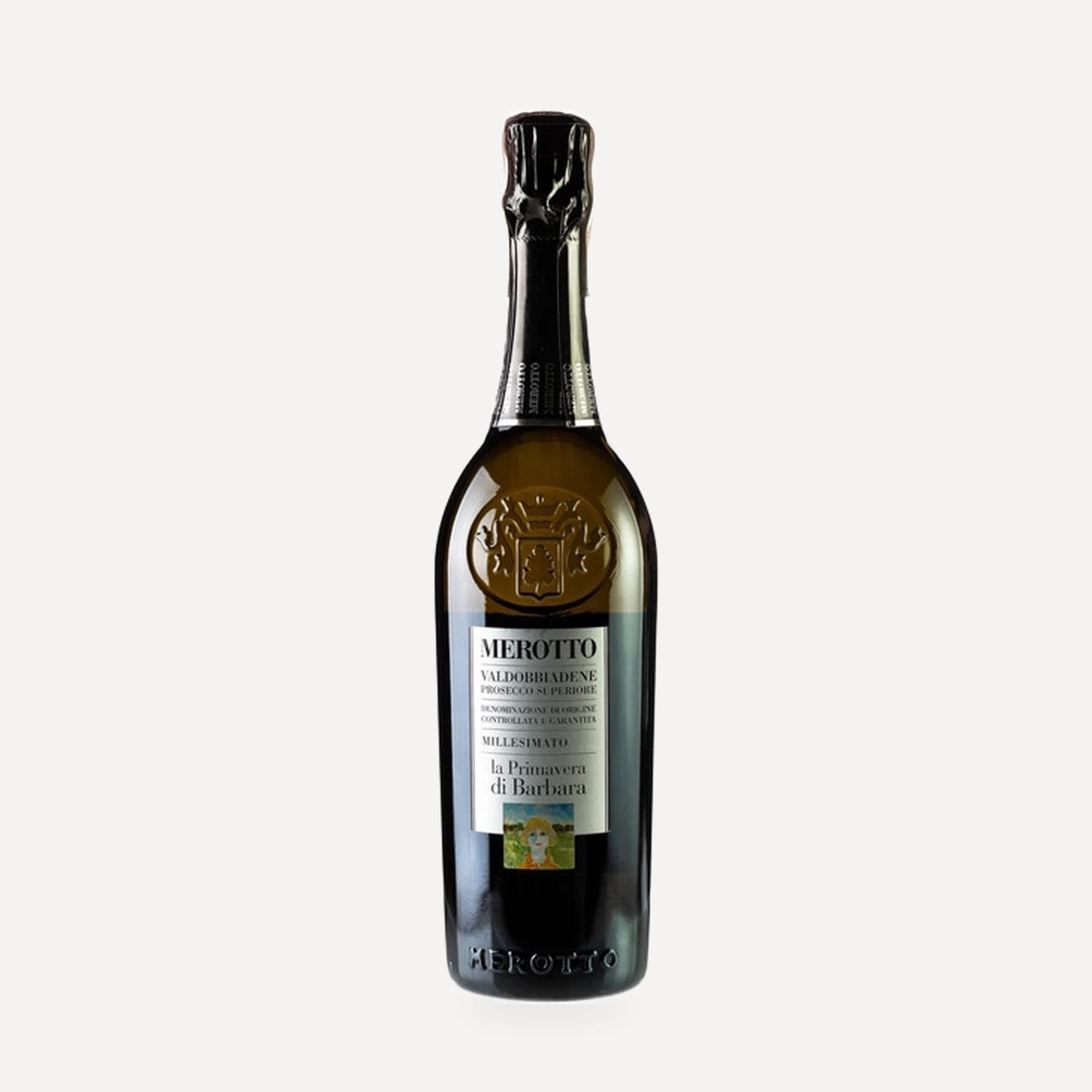
La Primavera di Barbara Valdobbiadene Prosecco Superiore DOCG
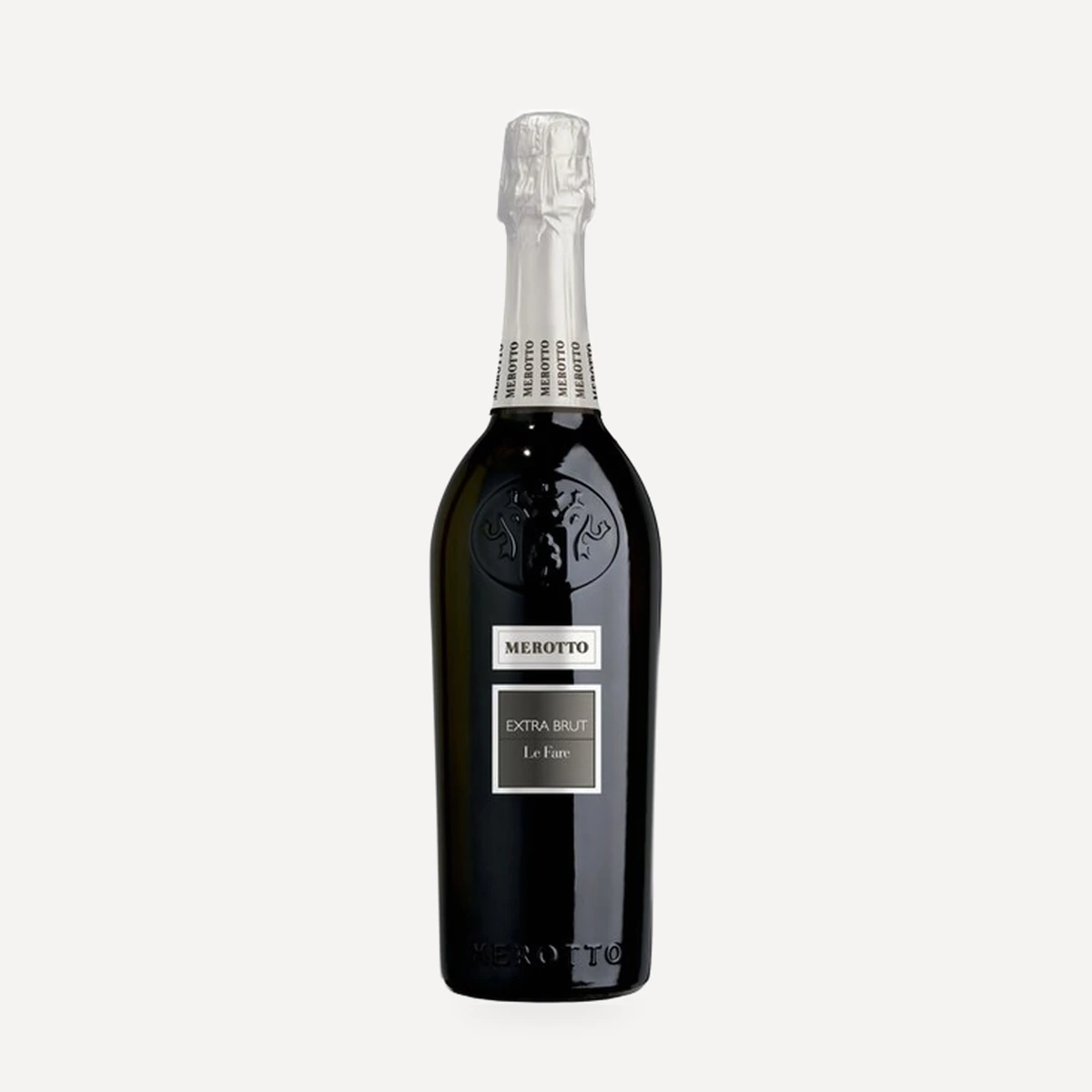
Le Fare Extra Brut
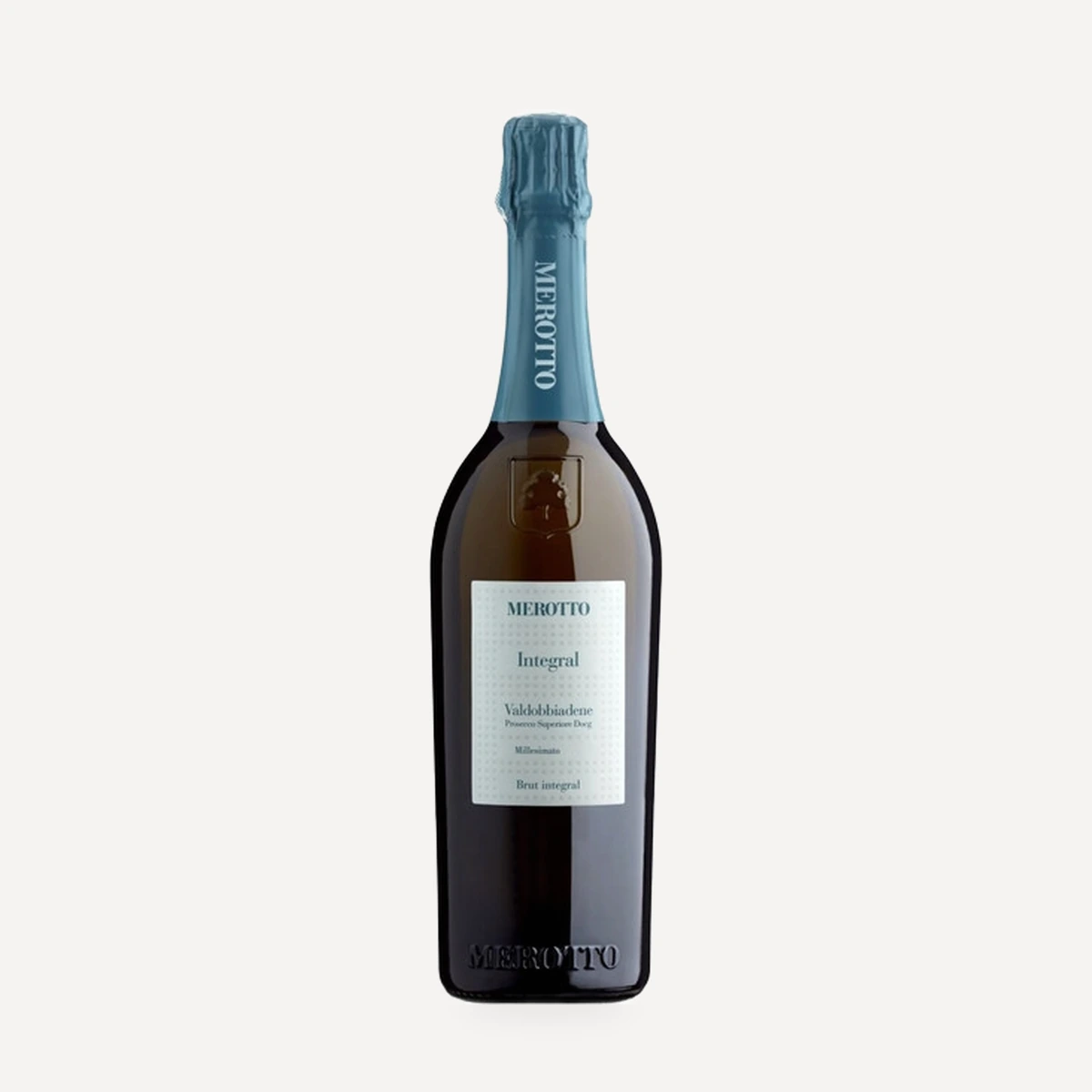
Integral Valdobbiadene Prosecco Superiore Brut DOCG
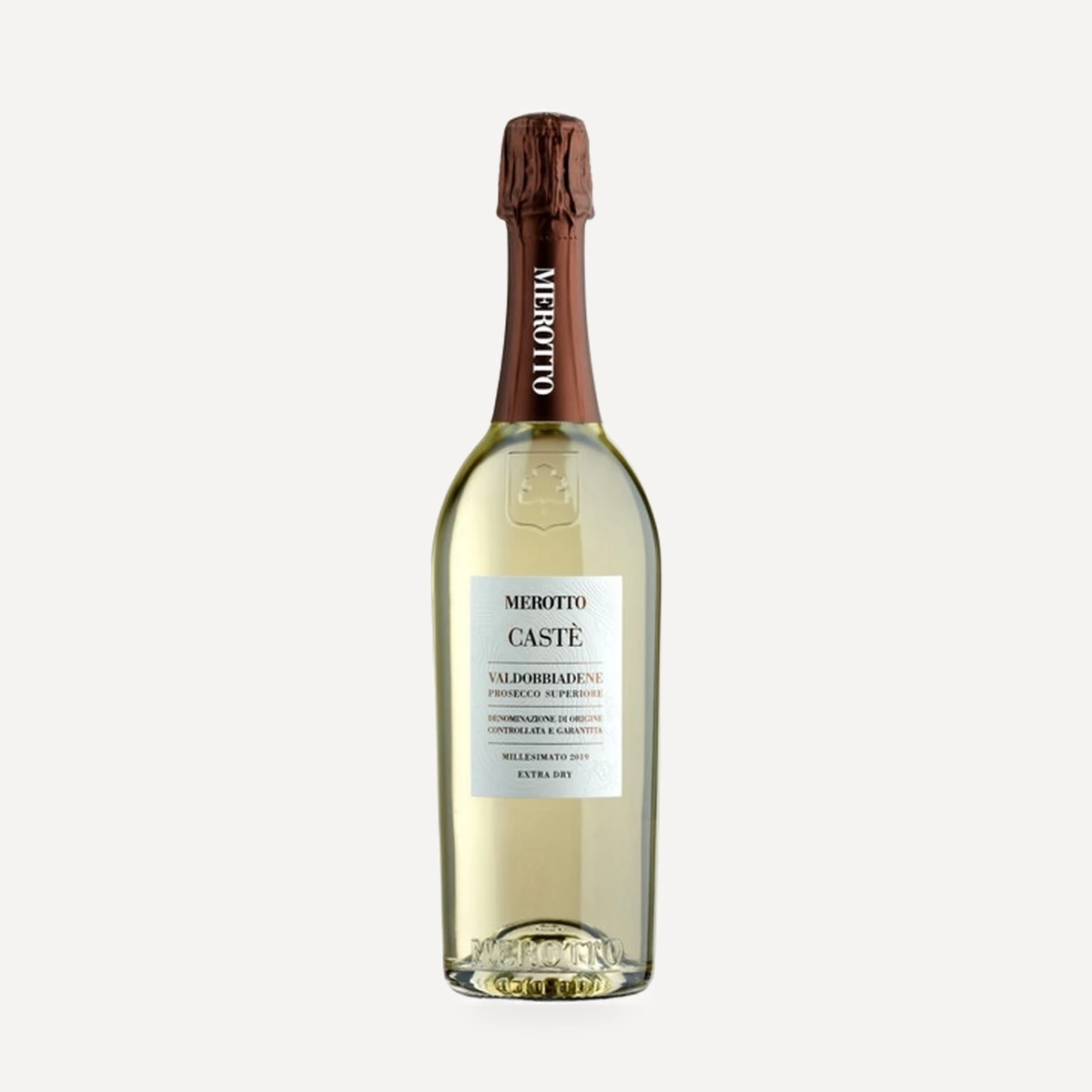
Caste Valdobbiadene Prosecco Superiore Extra Dry DOCG
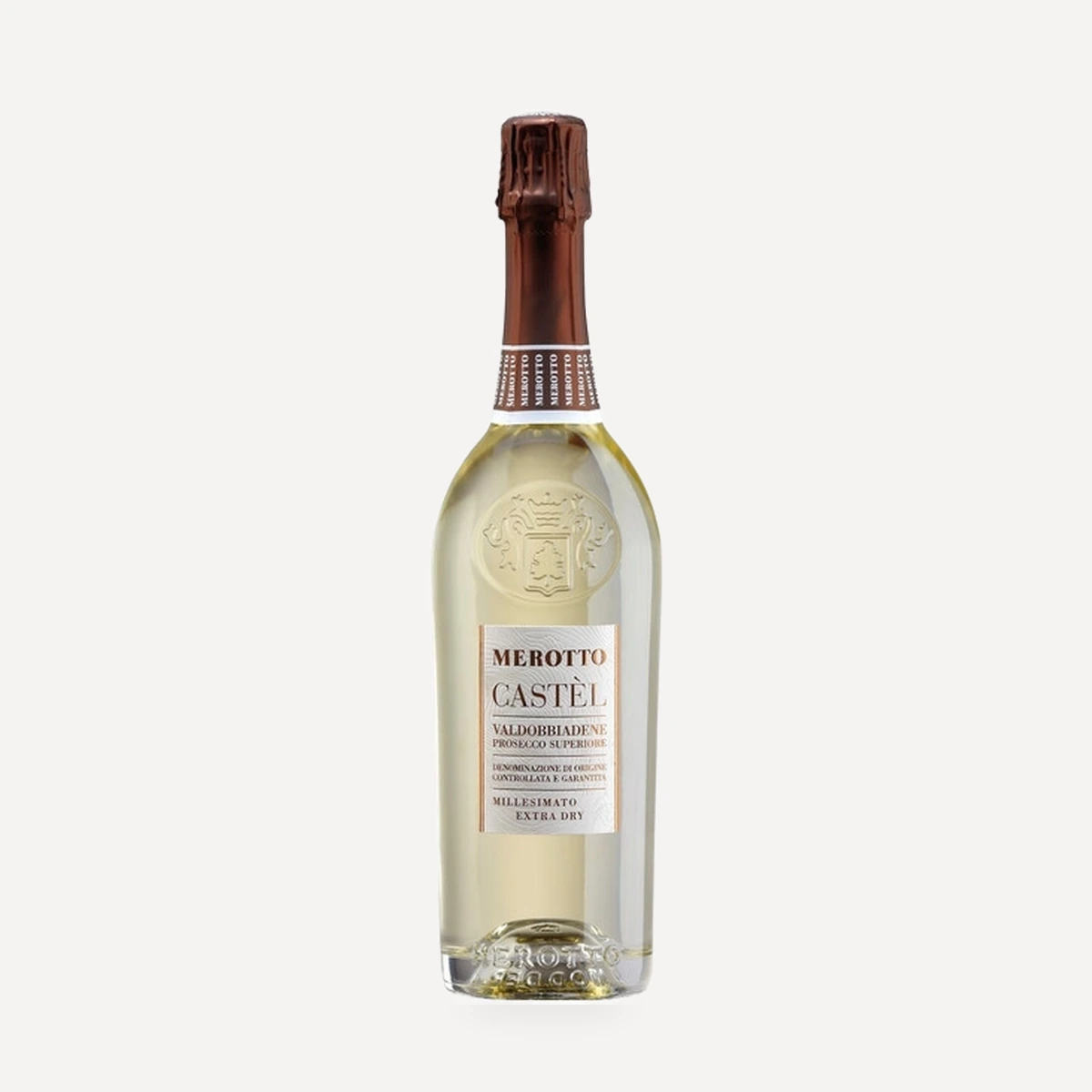
Castel Valdobbiadene Prosecco Superiore Extra Dry DOCG
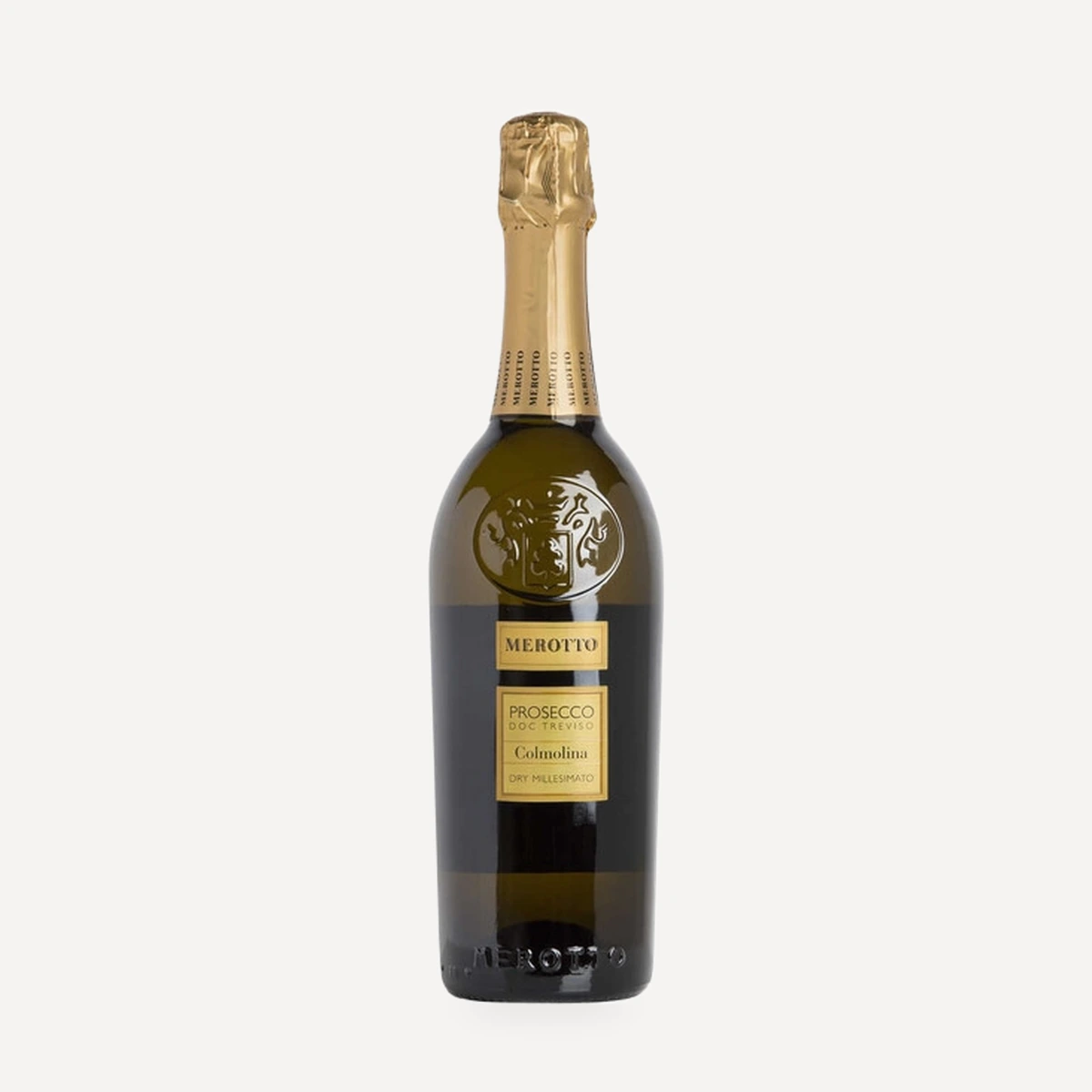
Colmolina Prosecco Treviso Dry Millesimato DOC
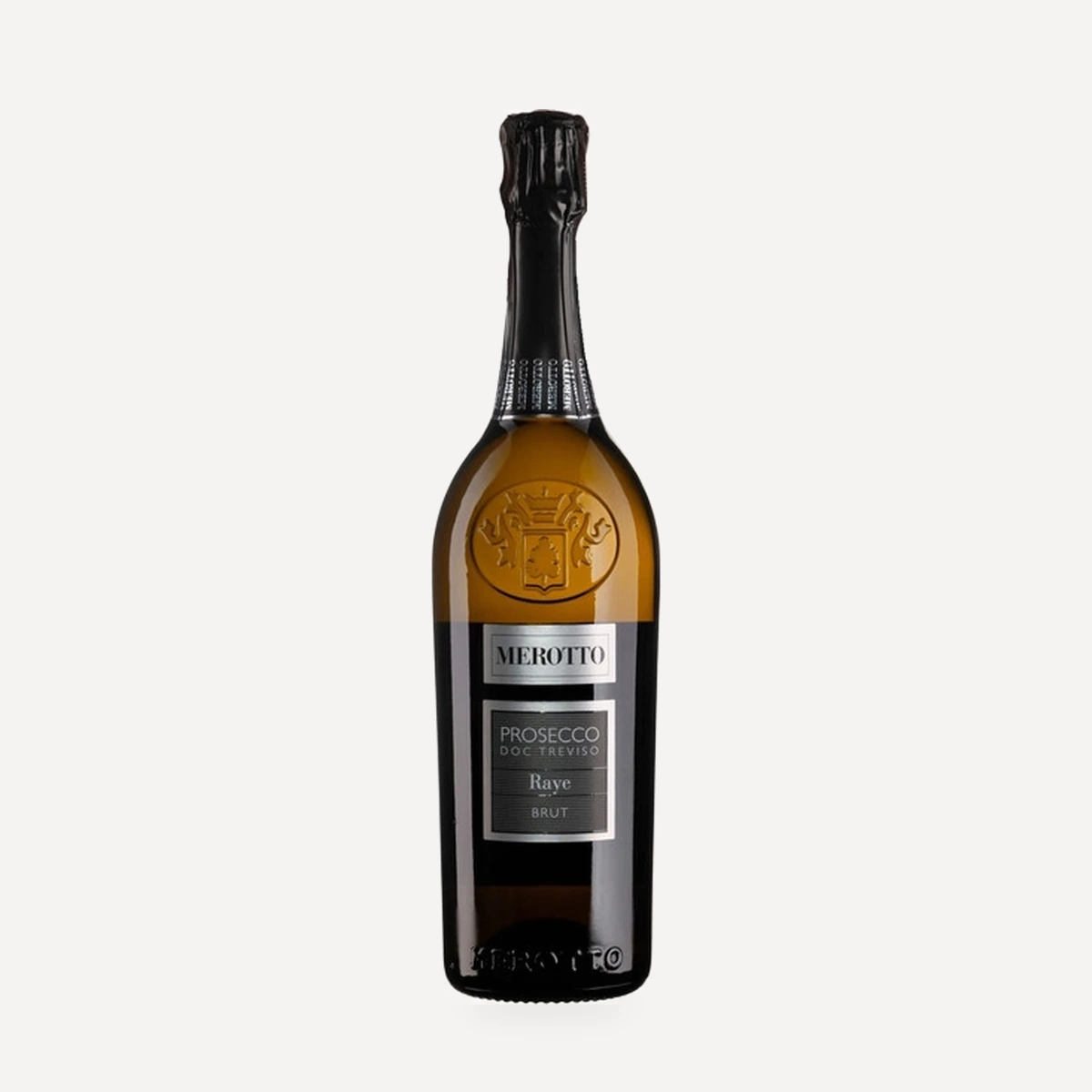
Raye Prosecco Treviso DOC
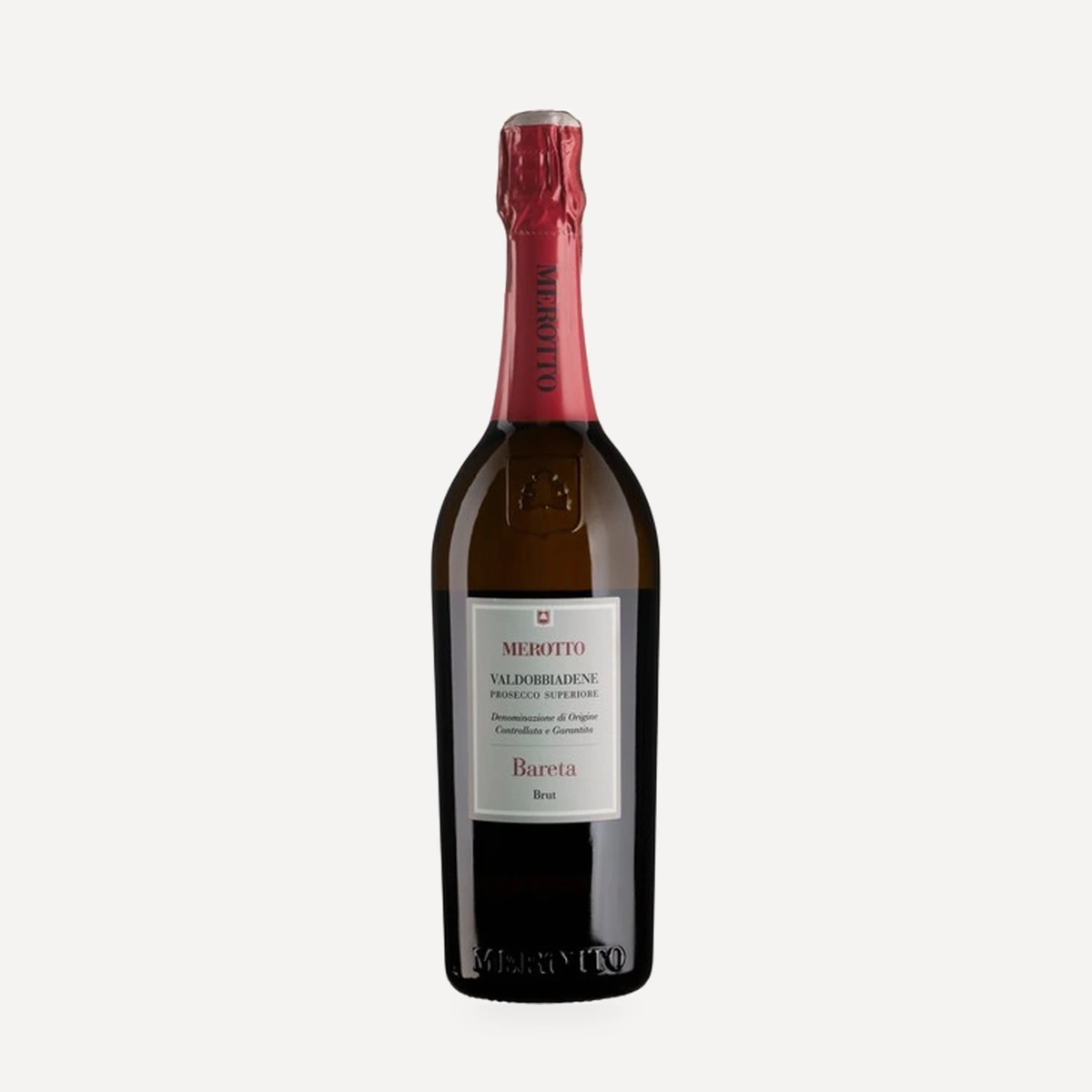
Bareta Valdobbiadene Prosecco Superiore DOCG
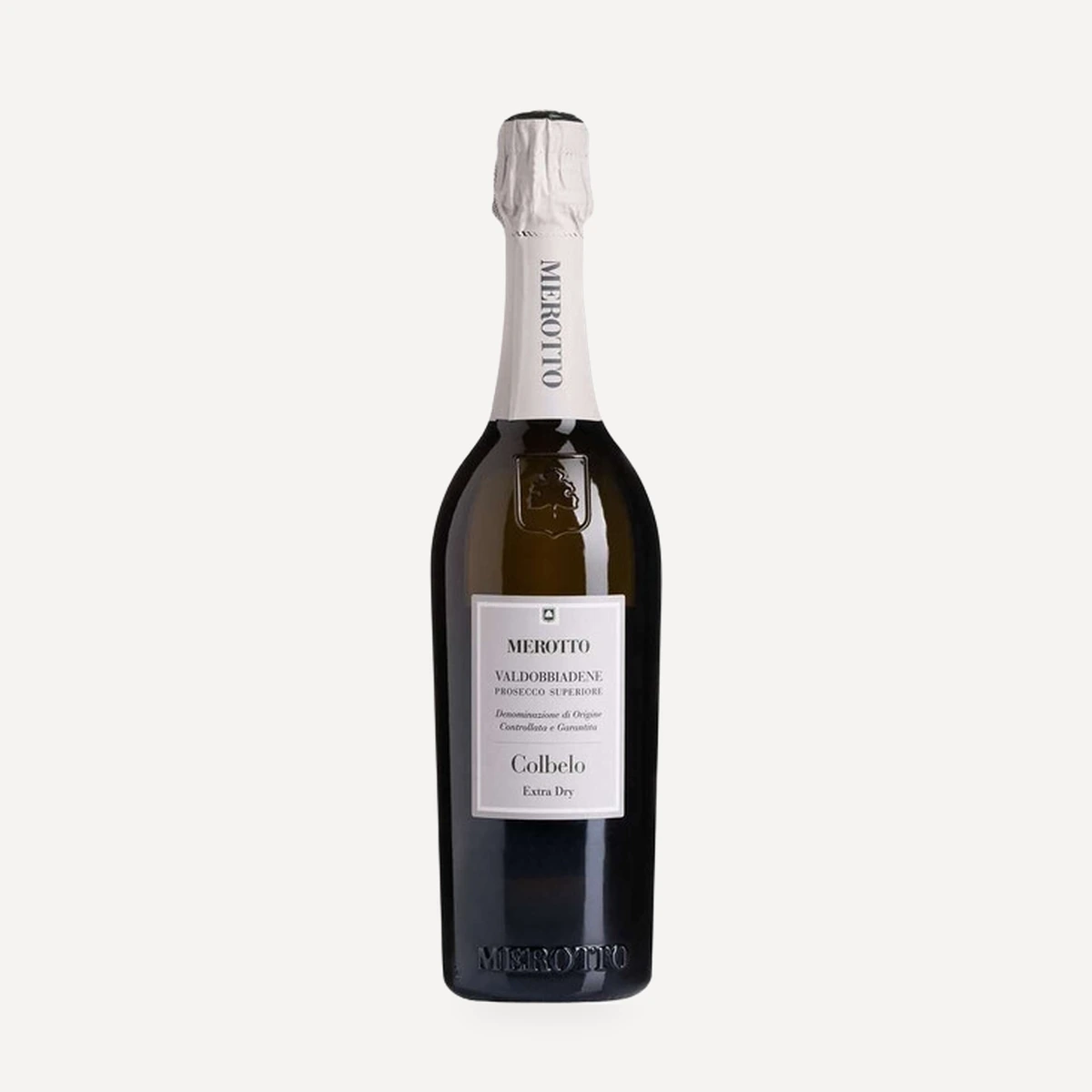
Colbelo Valdobbiadene Prosecco Superiore DOCG
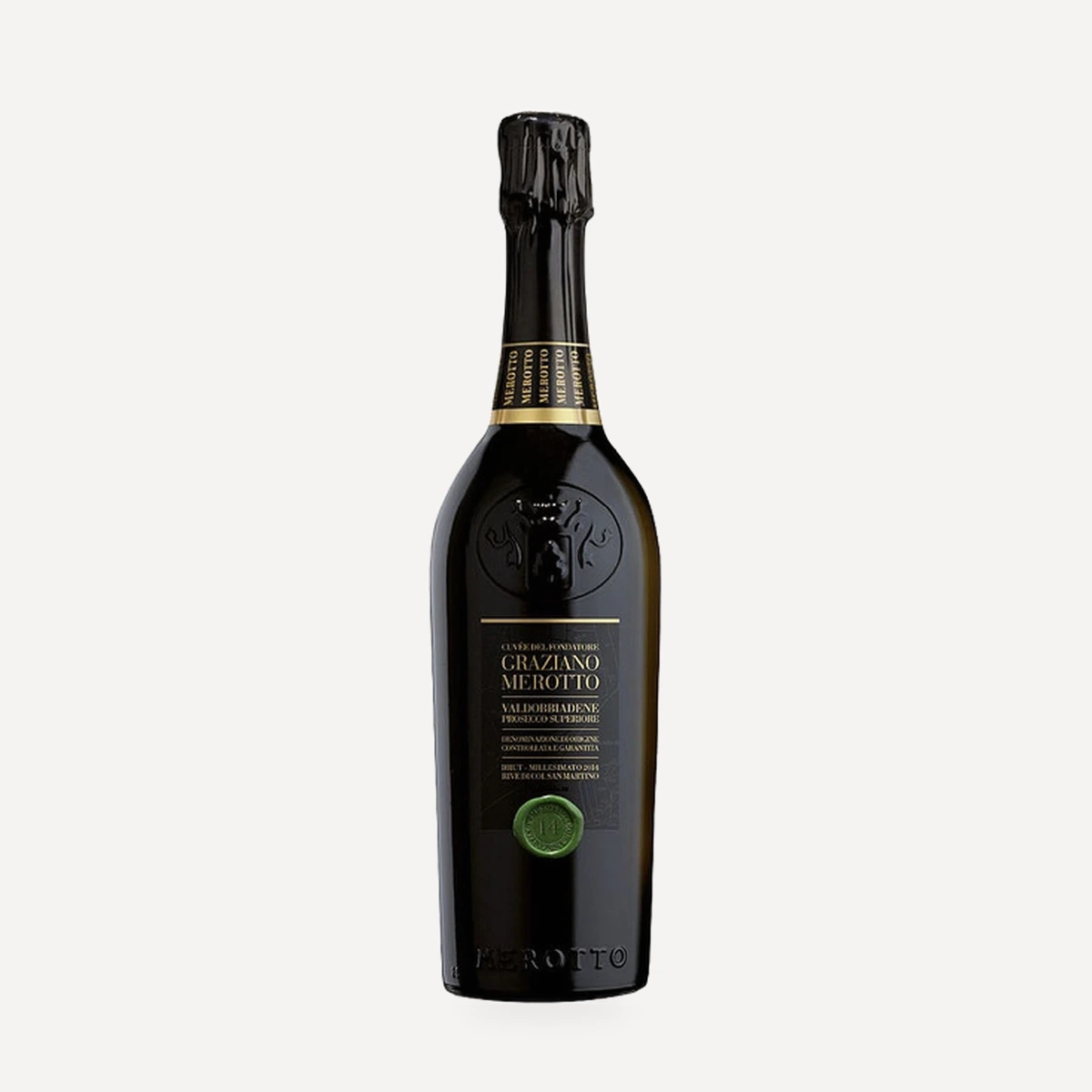
Cuvee del Fondatore Valdobbiadene Prosecco Superiore DOCG
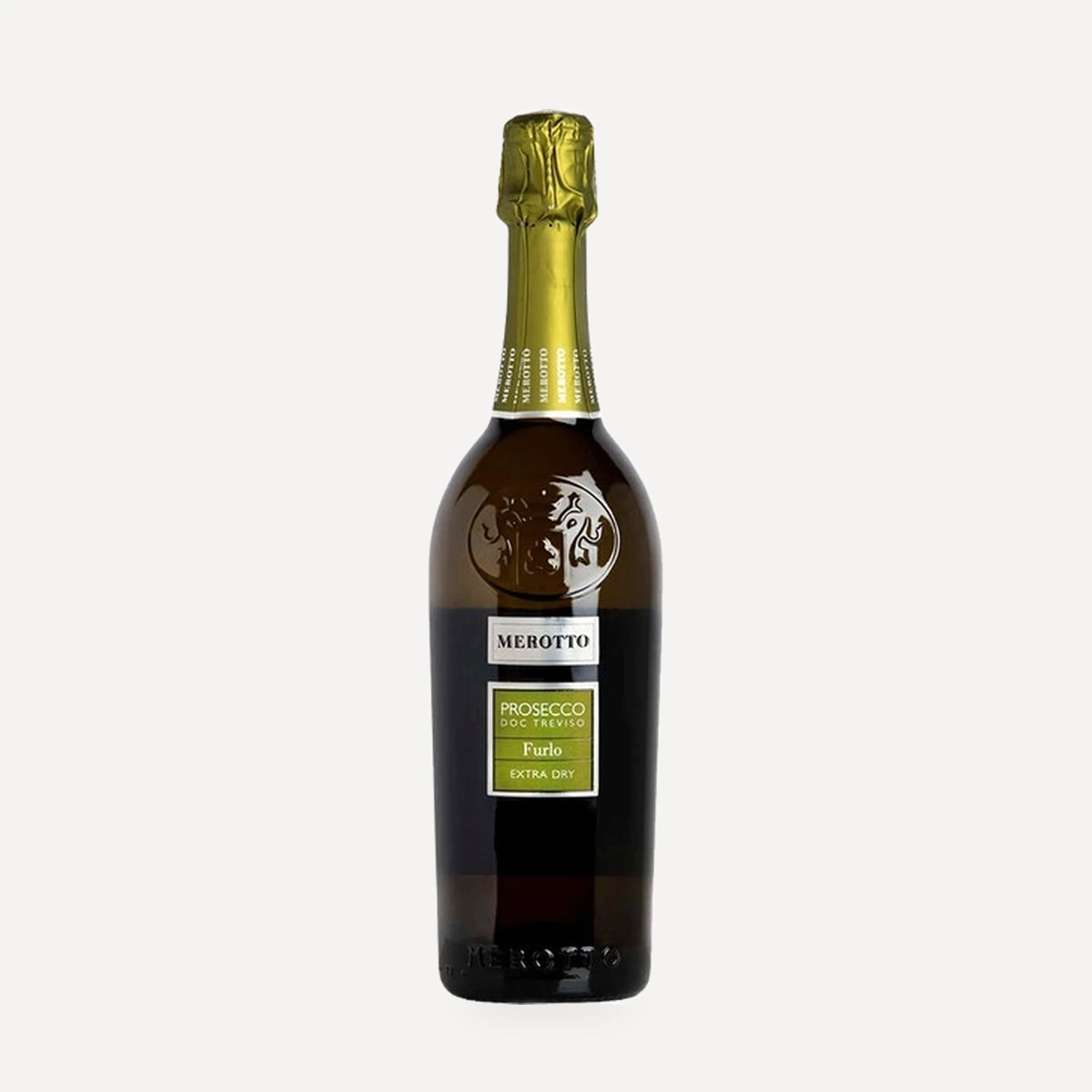
Furlo Extra Dry Prosecco Treviso DOC
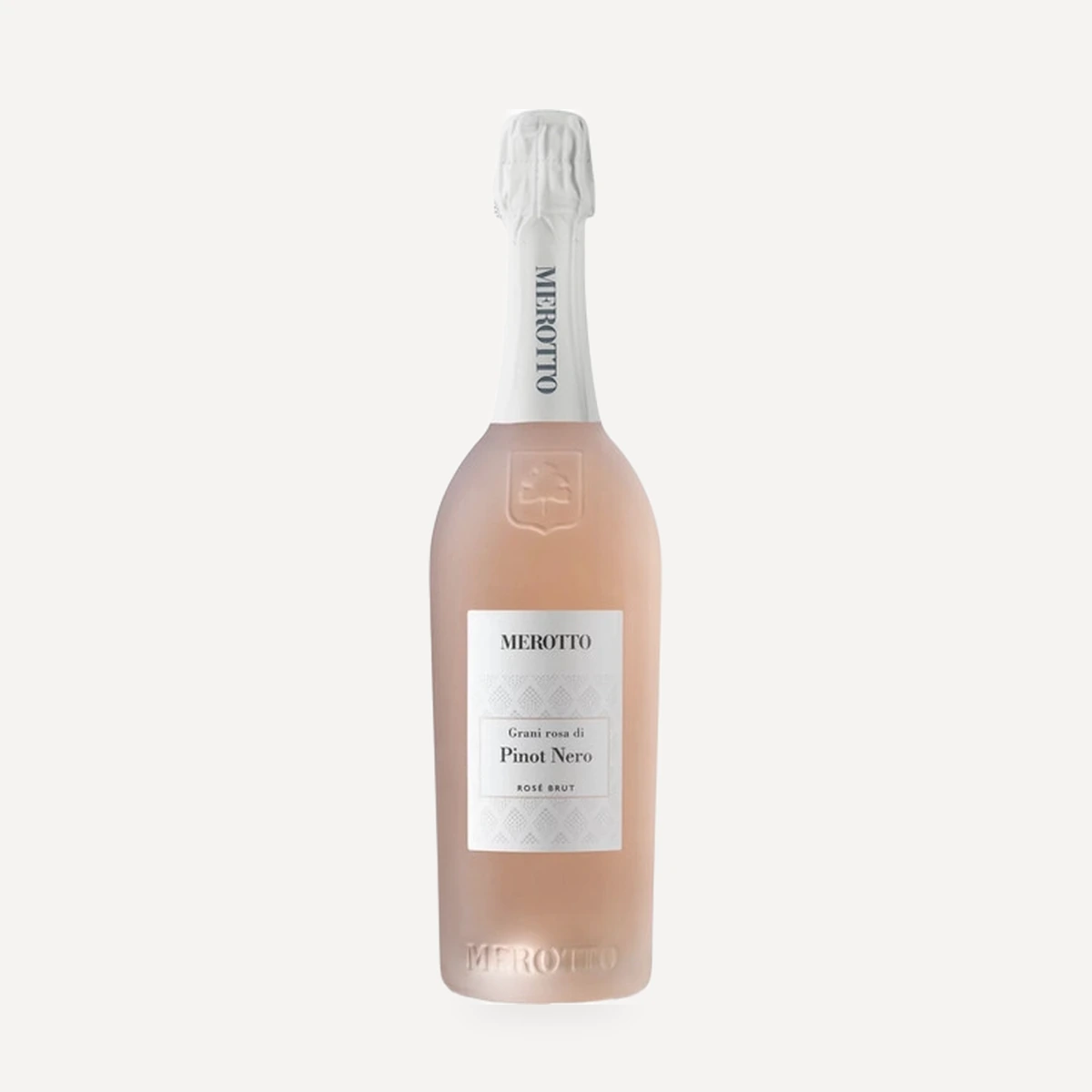
Grani Rosa di Nero Rose Brut Gran Cuvee
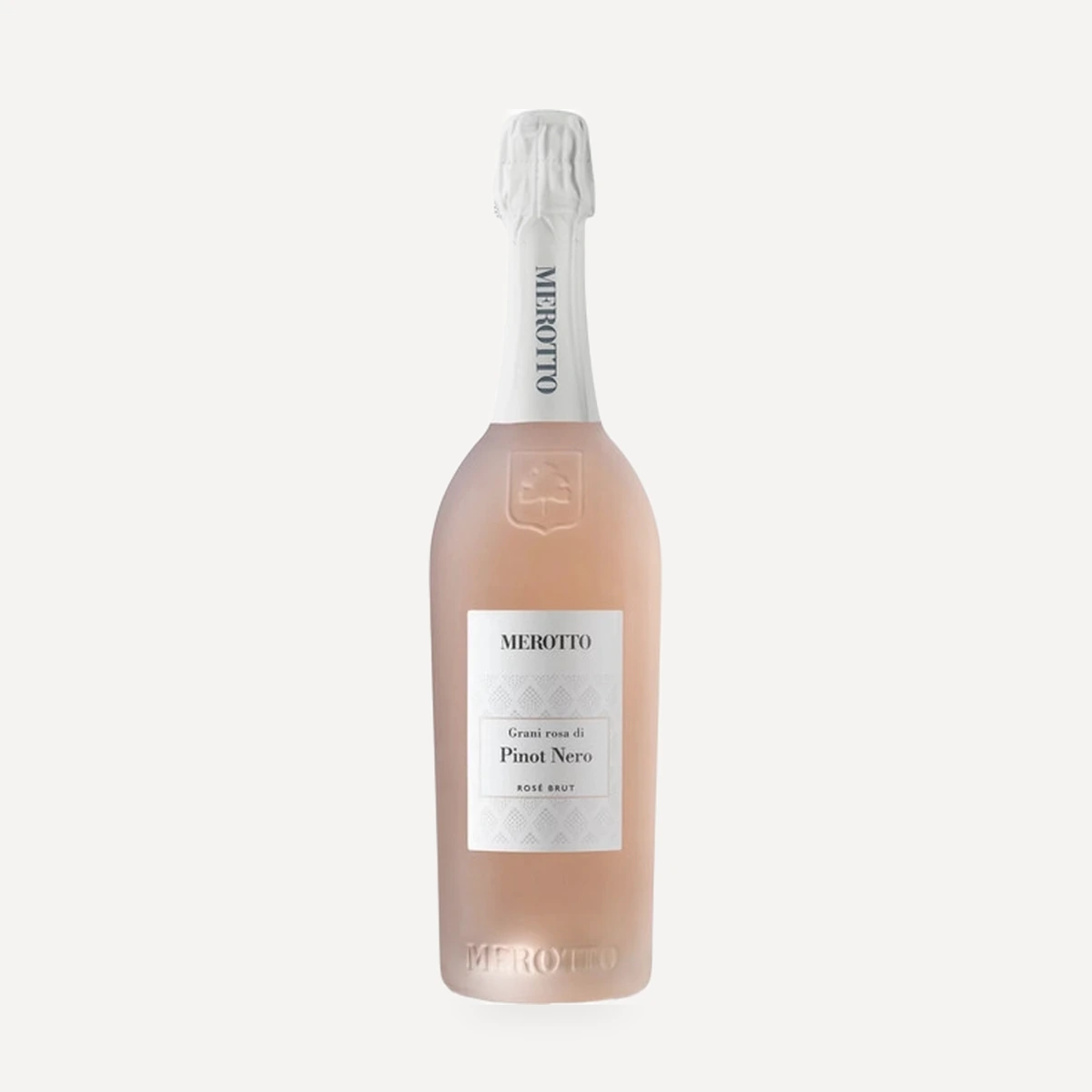
Grani Rosa di Pinot Nero Rose Brut