Storia
Ancient roots of Contrada Monacesca
The estate takes its name from Benedictine monks who fled persecution by the Lombards in northern Italy and settled in this part of inland Matelica. Around AD 900 they built a small church and convent. These buildings remain at the heart of the estate hamlet and provide its historical and architectural point of reference.
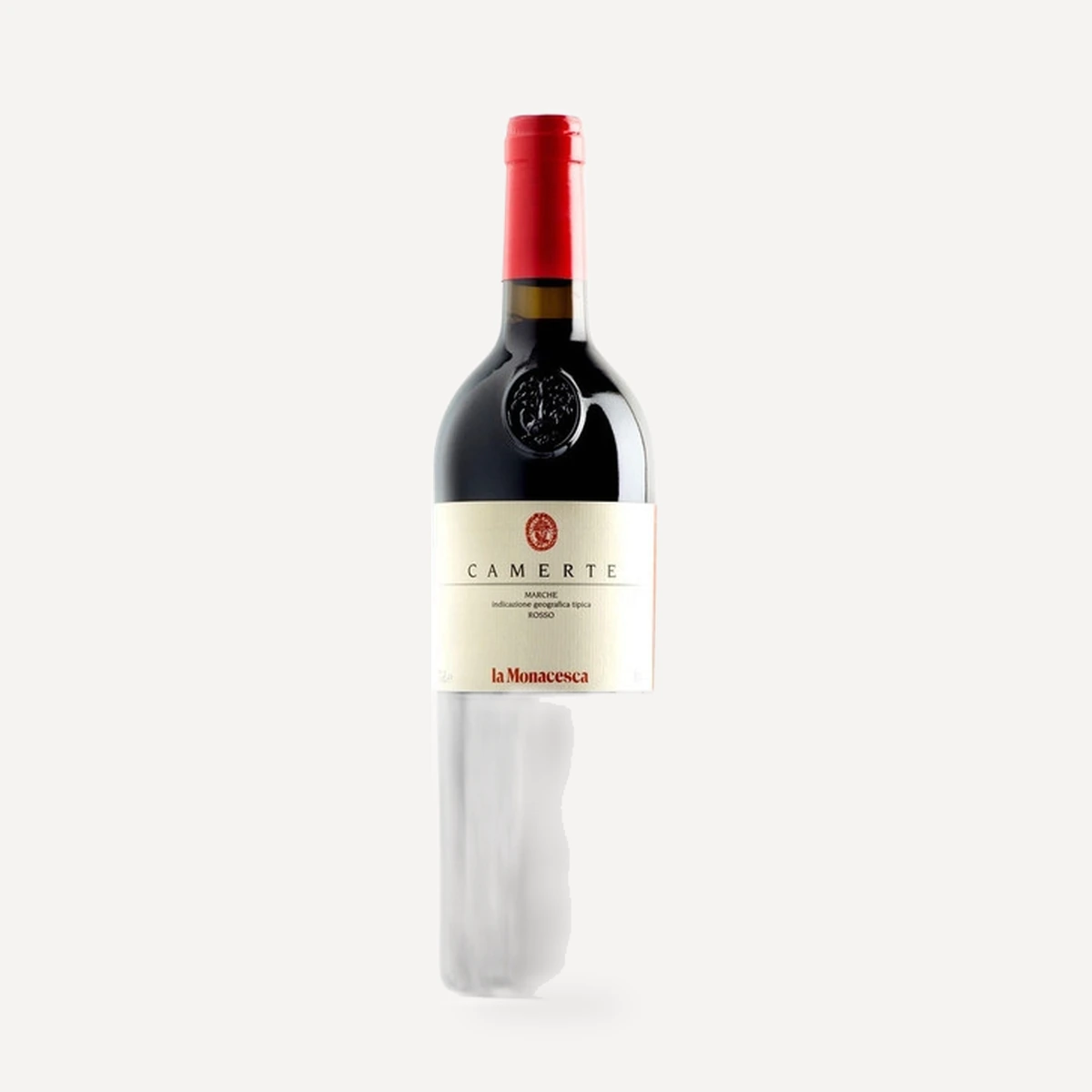
The wider viticultural history of the Valle Camertina reaches much further back. Verdicchio has been cultivated in the valley since the 7th century BC, while notarial records dated 1579 provide later documentary evidence of the tradition. The Matelica area also had a lesser-known red-wine tradition by the early 20th century, a heritage subsequently referenced by La Monacesca through its work with Sangiovese Grosso and Merlot.
1966: the Cifola family begins its winegrowing project
La Monacesca’s family winegrowing tradition began in 1966 under Casimiro Cifola. The estate’s vineyards and historic stone buildings in Contrada Monacesca became the setting for a project centred above all on Verdicchio and its expression in the inland Matelica landscape.
In 1967, Verdicchio di Matelica became the first wine of the Marche to obtain DOC recognition. This regional milestone followed one year after the beginning of La Monacesca’s family project.
The second generation
Responsibility passed from Casimiro Cifola to his son Aldo. Building on many accumulated harvests, the second generation established a more precise and clearly defined house style. Its approach combined continuity with an explicitly forward-looking wine project intended to bring out the character of the territory.
The family’s work with Verdicchio also led to Mirum, conceived as a fuller, more structured white capable of extended evolution. The wine was dedicated to Casimiro, whose nickname was “Miro.” After 30 harvests of Mirum, the anniversary was marked by a one-off special cuvée assembled from vintages spanning 2010 through 2018.
Terroir
Alta Valle dell’Esino and Valle Camertina
La Monacesca lies in inland Matelica, within the Alta Valle dell’Esino and the Valle Camertina. Unlike the other valleys of the Marche described in the estate’s geographical account, the Valle Camertina is closed to the sea. Its axis runs north–south, and its continental microclimate is strengthened by the Monti Sibillini.
The landscape is hilly and undulating. Continental breezes move through the valley, while Mediterranean sunlight reaches the vineyards. Winters are cold and summers hot. This combination contributes to aromatic development and savoury character, while the relatively elevated vineyard positions influence ripening, acidity and freshness.
Soils
The valley occupies what was once a saltwater basin. Its soils are fossil-bearing, clay-rich and calcareous, a composition associated with mineral character and complexity. Individual vineyard blocks are generally described as predominantly clay or clay, while one block at approximately 370–400 metres combines clay and sand in equal proportions.
Verdicchio in Matelica
Verdicchio is the predominant local white variety. The interaction of continental conditions, Mediterranean sunlight, elevation and fossil-derived clay-limestone soils is presented as the basis of Matelica’s distinctive expression. Typical acidity is balanced by grape maturity, and the variety is valued for aromatic complexity and an ability to evolve over extended ageing.
Vinificazione
Verdicchio is cultivated mainly at about 400 metres above sea level in predominantly clay soils, with rows generally oriented north–south. It is trained on espalier using archetto or capovolto systems. Merlot, Sangiovese Grosso and Syrah are trained to spur-pruned cordon; documented red-variety blocks include north–south and north-east–south-west orientations, while the Syrah–Sangiovese sparkling-wine block runs south-east–north-west on soil composed equally of clay and sand.
Harvest timing varies by grape and intended expression. Grapes for sparkling production can be picked at the end of August. Merlot follows around mid-September, while Verdicchio selections range from late September through the first and third decades of October. Syrah is harvested in early October, and Sangiovese Grosso around mid-October. The latest Verdicchio selection undergoes slight overripening before harvest.
Cellar approach
Stainless-steel tanks are central to La Monacesca’s handling of Verdicchio. They are chosen to retain the variety’s organoleptic character. Fermentation is actively controlled, with both temperature and pressure monitored; human oversight remains an essential part of this stage.
The estate varies maturation according to the intended expression. Terra di Mezzo receives especially prolonged ageing in stainless steel before release, allowing part of Verdicchio’s evolutionary development to occur in the cellar. Mirum is made only in selected strong vintages from slightly overripe Verdicchio and receives lengthy maturation. The anniversary Mirum 30 Anni was a single special cuvée blending material from vintages between 2010 and 2018.
The range also includes traditional-method sparkling wines. For red wine, small oak barrels are used for the maturation of the Sangiovese Grosso–Merlot blend.
Filosofia
La Monacesca defines its project around the expression of territory through a combination of history, tradition and innovation. The Cifola family’s stated objective is to recognise the nuances of the soil and use the full potential of each site while maintaining a precise stylistic identity.
Time, patience, sustained work and experience accumulated among the vineyards are treated as prerequisites for balance. In the cellar, technical control does not replace people: fermentation temperature and pressure are monitored closely, but human sensitivity and judgement remain central.
Verdicchio forms the core of this philosophy. Stainless steel is preferred to retain the variety’s character, while long maturation is used when the vintage and selection call for a more structured, age-worthy interpretation. Authenticity, local identity and fidelity to the Valle Camertina’s native wine culture underpin the estate’s presentation of its work.
Vini
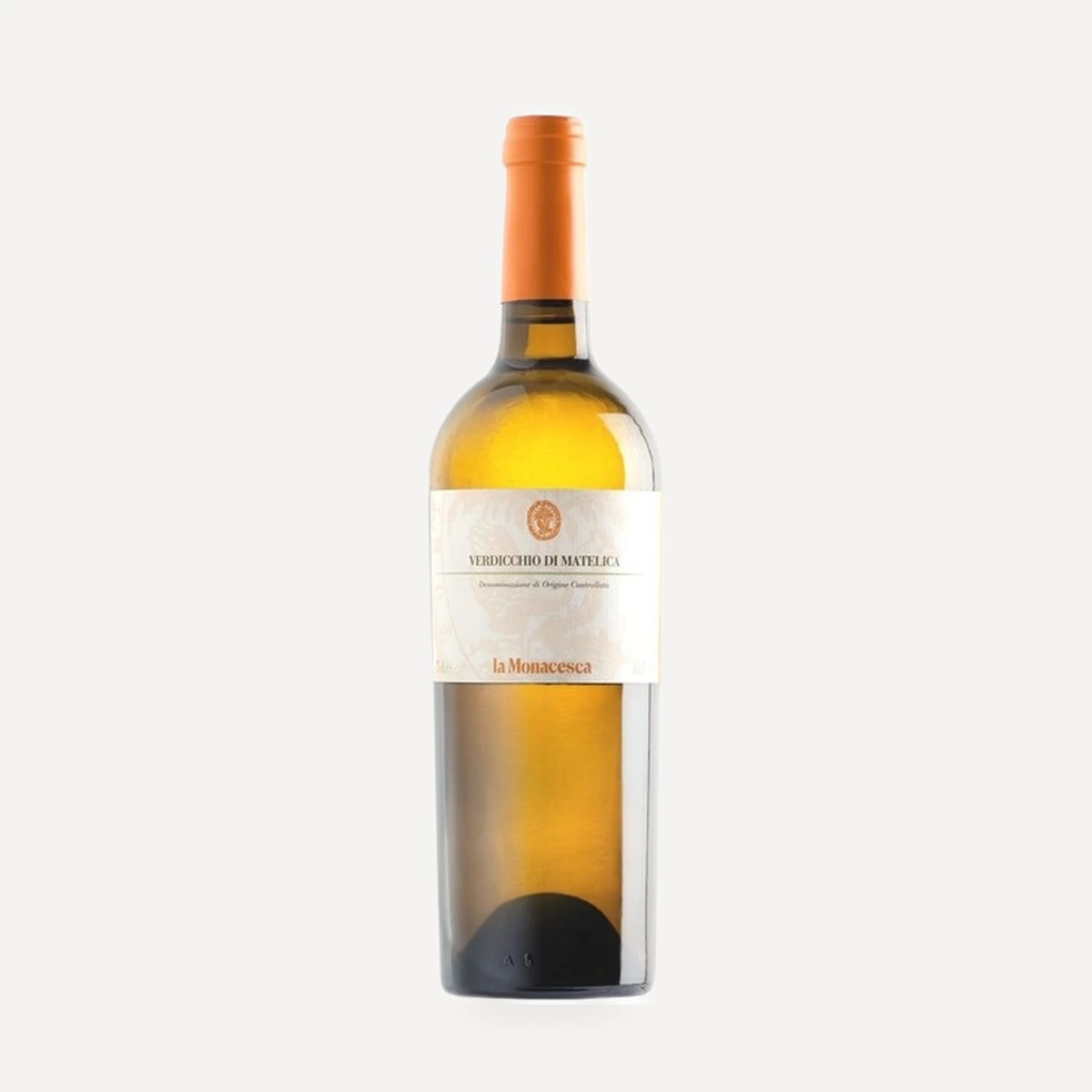
Verdicchio di Matelica DOC
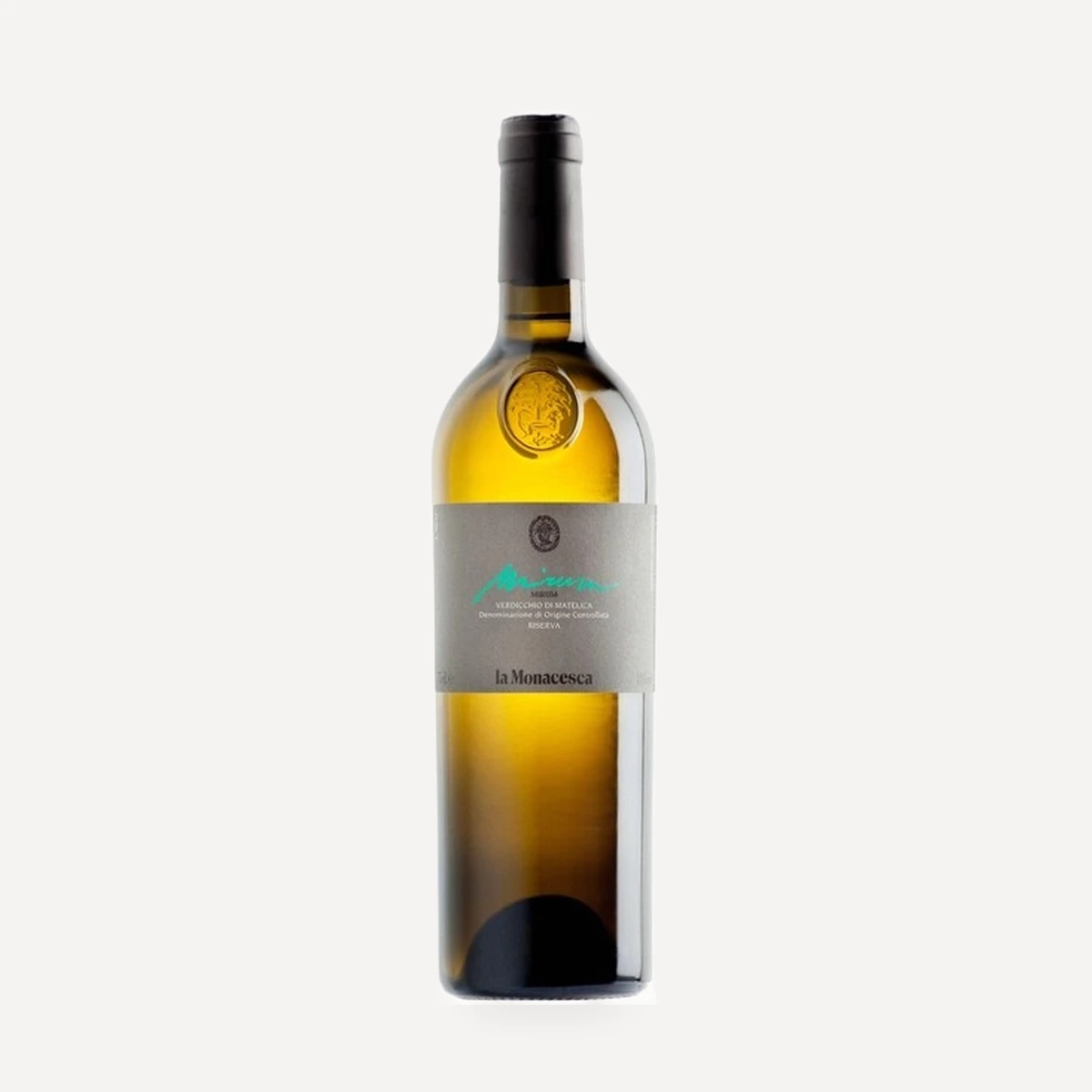
Mirum
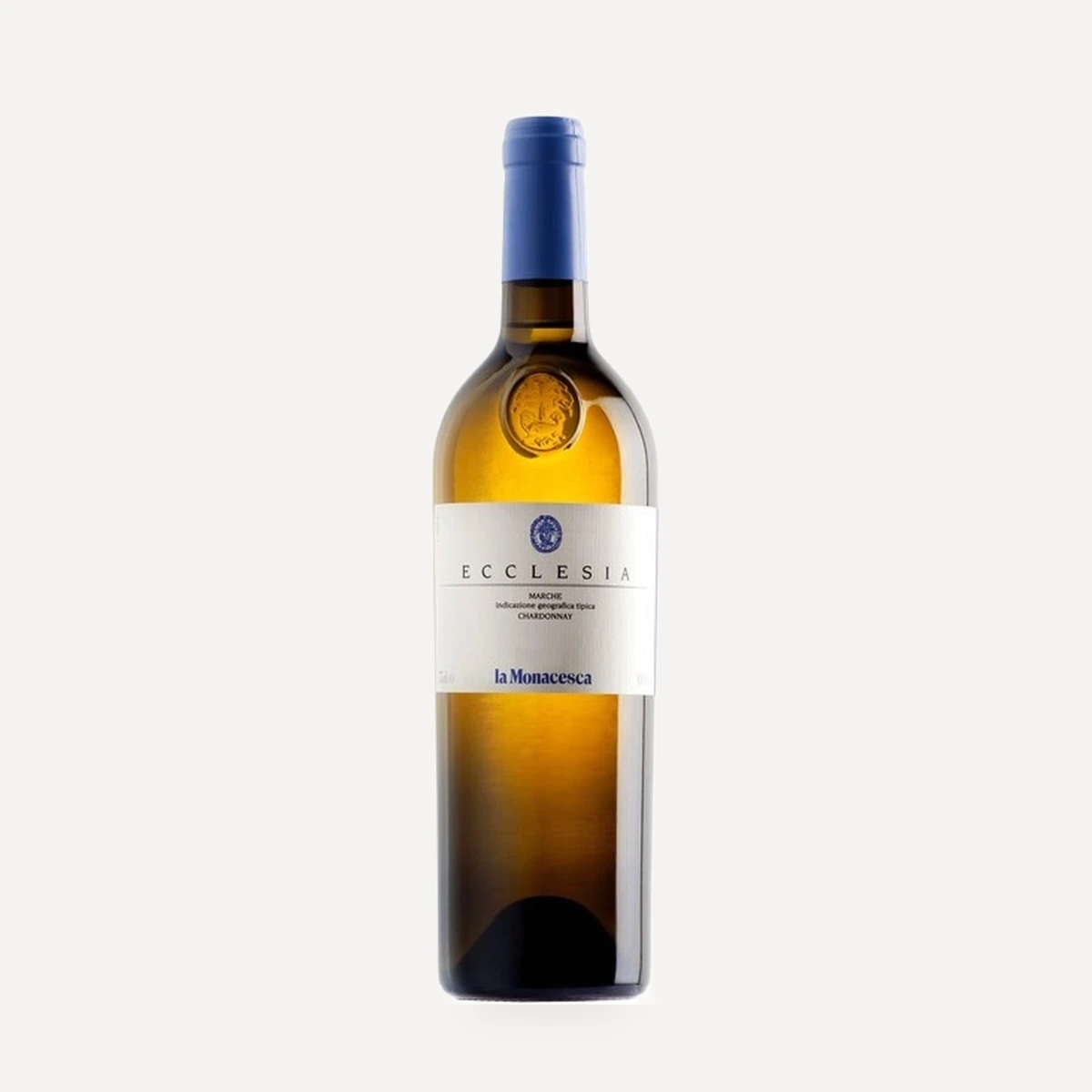
Ecclesia