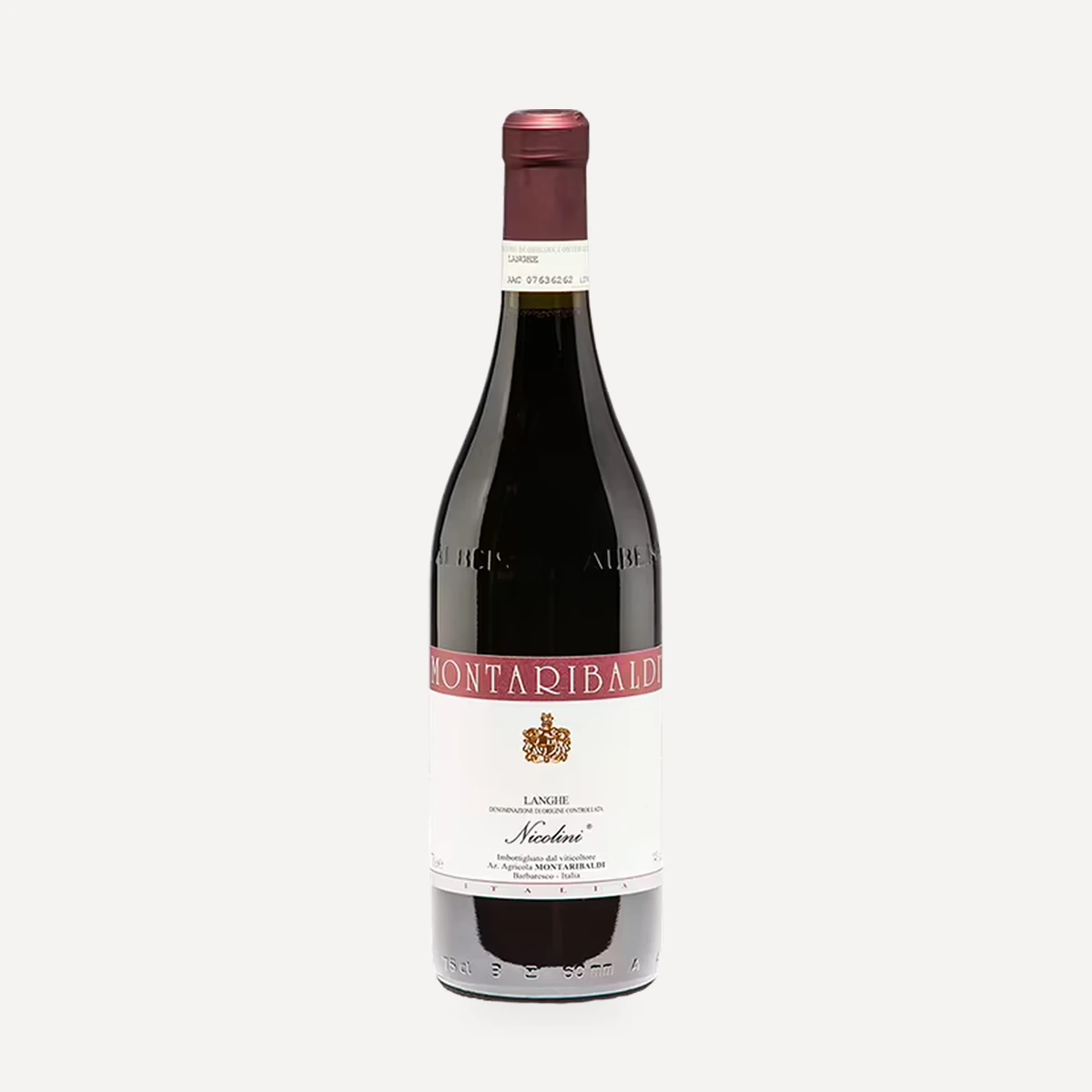
Questo vino
Vineyard and terroir
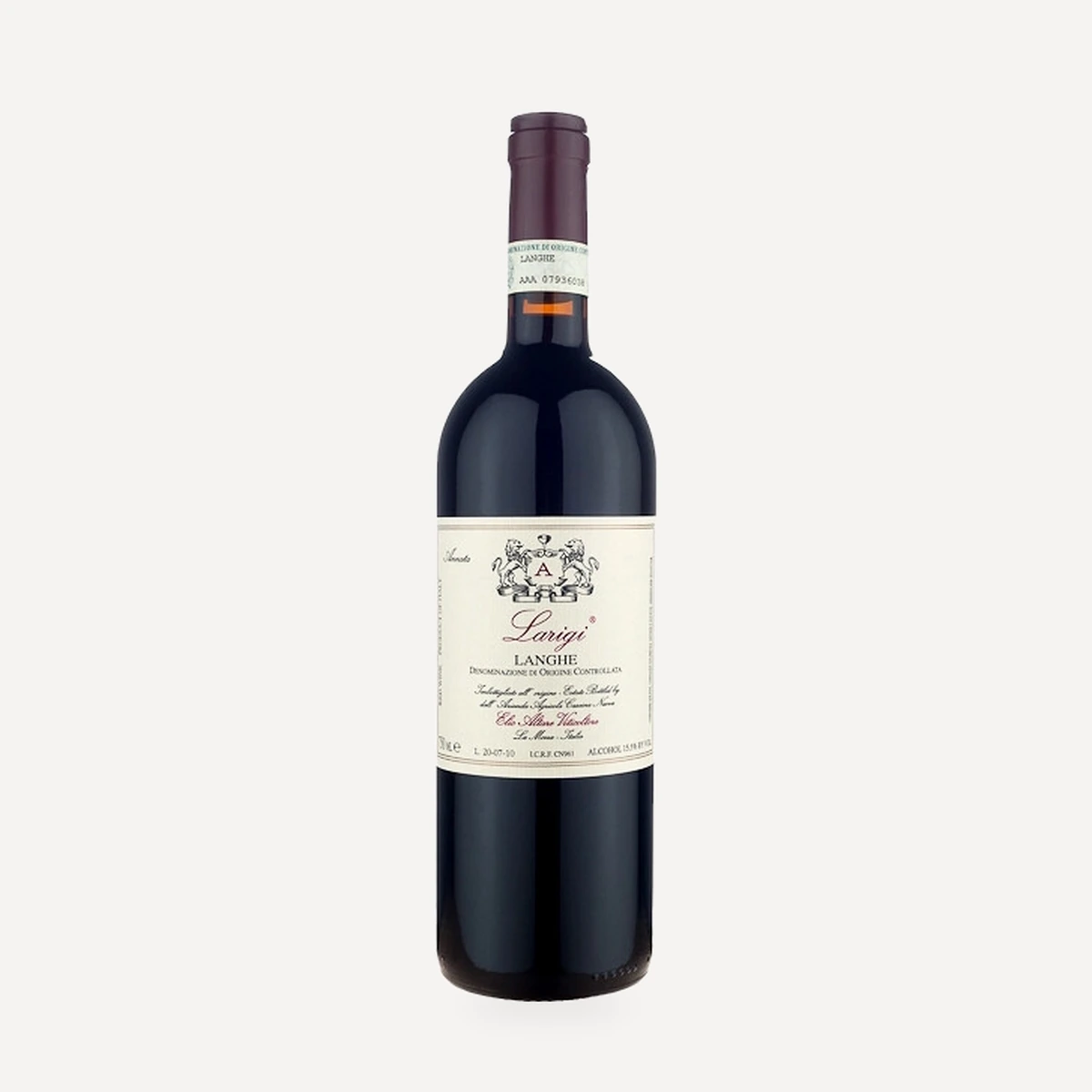
The vineyards lie at 250–300 m above sea level and are trained on trellises with Guyot pruning. The vines were planted in 1970 at a density of 4,000–4,500 vines per hectare. Published exposure information differs: the wine page gives east and west, while the technical sheet gives south.
The geological base combines the Lequio Formation—alternating sandstone of varying cementation, sand and compact marl—with S. Agata fossil marls. These grey-blue marls vary in sand content and include local sandy-conglomeratic layers. The hillside soils are fine, calcareous Typic Ustorthents.
Grape yield is 9,000 kg/ha, corresponding to a wine yield of 6,300 L/ha.
Grapes
A blend of Dolcetto, Nebbiolo and Merlot. Exact proportions are not specified.
Vinification
Each variety is vinified separately in temperature-controlled stainless-steel tanks. Dolcetto ferments for 4–6 days at 26–28°C. Merlot and Nebbiolo each ferment for 6–8 days at 27–29°C. Following fermentation, each component remains in stainless steel on its lees for at least two months.
Malolactic fermentation is described as lasting around two months, sur lies, at 20–22°C. The wines subsequently rest for 3–4 months at low winter temperatures, encouraging suspended material to settle and naturally clarifying the wine. The final blend is assembled according to the character and development of its components.
Ageing
The assembled wine matures for approximately 12 months, with part of that period spent in oak barrels. It is bottled more than a year after harvest, then rests for several additional months in the cellar before release.
Technical data
- Appellation: Langhe D.O.C.
- Training system: trellis
- Pruning: Guyot
- Planting density: 4,000–4,500 vines/ha
- Grape yield: 9,000 kg/ha
- Wine yield: 6,300 L/ha
Tasting profile
Brilliant ruby red with purple reflections. The complex, fruit-led bouquet combines cherry jam, red berries and black berries with spice associated with maturation in wood. The palate is full and well balanced, with developed tannins and good structure.
Serving and pairing
Serve at 18°C with red meat or medium-aged cheese.