Storia
1968 — the family estate begins
Montaribaldi was established in 1968 as a family winery in Barbaresco. Pino and Carla Taliano are identified as the founders, and viticulture and winemaking have subsequently continued through three generations of the family.
1994 — Luciano and Roberto take over
In 1994, brothers Luciano and Roberto Taliano assumed responsibility for the business from their parents. They set out to make wines that reflected both their own conception of the estate and the places where the grapes were grown. Their work brought Montaribaldi into national and international markets while retaining its identity as a farming family rooted in the Langhe.
The brothers progressively developed the principle expressed as Vini di Vigna—“Vineyard Wines.” Under this approach, each wine is linked to one or more dedicated vineyards. Grapes may be redirected between cuvées when the conditions of a particular harvest require it, but the stated objective remains the strongest possible expression of the vineyard work and the vintage.
2014 — twenty years under the brothers
Montaribaldi marked the twentieth anniversary of Luciano and Roberto’s management without staging an elaborate anniversary celebration. Instead, it supported the creation and safety adaptation of La Stanza del Sollievo at the gym of the Gianburrasca psycho-rehabilitation community in Scagnello, working with Cooperativa Operatori Sociali C.O.S. The protected, padded room was designed for individually planned multisensory activities, emotional expression and safer management of acute behavioural crises among minors with serious neuropsychiatric or behavioural difficulties.
2015 — a change in relations with wine guides
Beginning in 2015, Montaribaldi stopped routinely sending requested samples to guides and trade periodicals whose representatives did not visit the estate. The decision was presented not as a rejection of professional criticism or a reaction to scores, but as an argument that an agricultural wine should be assessed in the context of its vineyards, farming decisions, vine health and production methods rather than only as an isolated sample in a glass.
March 2020 — Winelness
During the slowdown caused by COVID-19 in March 2020, the family developed the Winelness communication project. The name combines “wine” and “wellness,” and the project explored the family’s reasons for drinking wine, moderate consumption, calories and cost per serving. It accompanied the estate’s established discussions of local varieties, vineyard work, cellar practice and the Langhe and Roero landscapes.
The present family enterprise
Montaribaldi remains a family agricultural estate based at Strada Nicolini Alto 12 in Barbaresco. Luciano Taliano serves as G.M., while Roberto Taliano is Production Director. The wider family and a team responsible for sales, accounts, hospitality and vineyard care support the business. Its contemporary portfolio extends across the Langhe, Roero and Asti areas and includes separately vinified Barbaresco and Barolo MGA sites alongside other Piedmontese denominations.
Terroir
Montaribaldi is based in Barbaresco in the Langhe and works vineyard sites across the Langhe, Roero and Asti areas. Its documented sites range from approximately 200 to 450 m above sea level, with exposures including south, south-west, west, east and south-east. The estate treats altitude, exposure, air circulation and geological composition as the principal causes of variation between sites and vinifies five prestigious MGA vineyards separately to retain those distinctions.
Geological formations and soils
Many of the Langhe sites lie on Marne di S. Agata fossili, composed of grey-blue marls of varying sand content with local sandy-conglomeratic intercalations. Other vineyards derive from the Lequio Formation, an alternation of sandstone, sand and compact marl. The Roero Arneis site at Vezza d’Alba is associated with Asti sands, described as sandy-clayey alternations, while the Costigliole d’Asti Barbera site lies on Cessole Marls, with arenaceous-marly alternations and upper intercalations of marly limestone.
Across these formations, the recurring soil classification is fine, calcareous Typic Ustorthent developed on hillsides.
Site-specific microclimates
The Marcarini site receives favourable sun in the earlier part of the day and becomes cooler in late afternoon. Pajorè is affected by particular air currents and shows earlier vegetative development than nearby Montaribaldi; dedicated clones and site-specific canopy management are used there. Rio Sordo has distinctive air circulation and a microclimate associated with a pronounced spicy expression. Starderi is associated with wines that begin with freshness and accessible tannin before revealing greater structure and aromatic complexity with age.
The MGA system is treated as the means of translating the fine-scale differences created by elevation, sunlight, airflow and geology. Nebbiolo is regarded as particularly responsive to these variations, and Marcarini, Pajorè, Rio Sordo, Starderi and Perno are therefore isolated and vinified separately.
Vinificazione
Pruning and vine balance
The annual cycle begins with winter pruning in January and February, while the vines are dormant. Approximately 80% of the aerial growth is removed to control form and production. Montaribaldi uses Guyot pruning with a willow-head variant, concentrating cuts on the head of the vine and on young wood between one and three years old while avoiding more invasive cuts into wood aged ten to twenty years.
During humid days in February, the fruiting cane is bent almost 90 degrees, tied to the first trellis wire and directed east. The tight bend restricts sap flow, encourages more uniform vertical shoot growth and improves the future clusters’ exposure to sunlight.
Green work
Shoot thinning takes place in May when shoots are approximately 30 cm long. Superfluous shoots are removed to direct the vine’s energy toward the selected growth and create an even, well-exposed leaf wall.
Rapid growth in May and June is managed by positioning and tying shoots within the trellis. Timing varies with weather, cultivar and trellis construction. Once the canopy rises above the top wire, shoot tips are trimmed so that a larger share of nutrients is directed toward the clusters.
After positioning is completed in June, secondary lateral shoots around the fruiting zone are removed by hand. This improves light exposure and reduces fungal-infection risk. The timing and intensity are not standardised: each season determines whether, when and how the operation is performed.
Ground cover, soil and biodiversity
Permanent spontaneous ground cover is encouraged and controlled by mowing rather than routine removal. Competition between grass and vines moderates production, while the sward maintains soil organic matter, limits erosion, supports biodiversity and contributes to carbon sequestration.
Hedges, uncultivated margins and field borders are retained or widened as refuges for beneficial insects, buffer zones and elements of landscape diversity. Vineyard management is holistic: decisions consider interactions among plants, climate, diseases, soil and the intervention itself.
Grape stems, part of the pomace and racking deposits are collected and returned to the vineyards as natural fertiliser. Compost for young vines is produced from cattle manure inoculated with earthworms and repeatedly turned to aerate the material during composting.
Crop protection
Vineyard interventions follow the Piedmont Region’s integrated-production rules and are intended to be targeted and functional. Predictive models and insect traps are used to anticipate or monitor Plasmopara viticola, Oidium tuckeri Berk, Botrytis cinerea, Lobesia botrana and Scaphoideus titanus. Treatments follow an economic intervention threshold and are applied only when disease or pest incidence passes the defined level. The combination of monitoring and agronomic work is intended to reduce agrochemical use substantially.
Yield and harvest decisions
Yield is regulated throughout the season through pruning, shoot selection, canopy work and competition from the grass cover rather than bunch thinning. The objective is to reach harvest with balanced production without an invasive green harvest.
Each vine is treated individually when decisions are made about winter pruning, green pruning, crop load and the height and timing of mowing. This is intended to protect vine health and longevity as well as the current crop.
Ripeness is assessed analytically and visually. Harvest timing is set from the measured maturity level, with a preference for waiting as long as conditions permit and avoiding premature picking that would sacrifice qualitative potential.
A restrained cellar approach
The production philosophy begins with mature, healthy grapes and calls for gentle handling once they reach the winery. The objective is to preserve what the vineyard and season have produced rather than reshape the raw material through corrective processing. The winery includes dedicated vinification rooms and wood-ageing cellars.
Filtration and stabilisation
Filtration is kept to a minimum because, although it reduces turbidity and suspended particles, Montaribaldi considers it capable of diminishing sensory character. The estate accepts the possibility of occasional sediment in bottle in order to retain more of the wine’s original qualities.
Conventional tartaric stabilisation can chill wine to approximately −4 to 0°C. Montaribaldi instead applies a mild treatment at 5–10°C, using natural winter cold. This less intensive approach likewise accepts the possible formation of small tartrate deposits.
Sulfur management
Sulfur use is rationalised through careful vinification and repeated analytical control. The resulting sulfite content is described as approximately half the general European limit and about two-thirds of the limit applicable to wine made from organic grapes.
Dedicated vineyard lots
Each wine is made from grapes assigned to one or more dedicated vineyards. Vineyard lots may be harvested and vinified separately, particularly for the five MGA sites. Final grape allocation can change slightly with the conditions of the vintage so that each bottling remains the strongest available expression of the year’s vineyard work.
Cellar equipment and ageing formats
Documented production uses temperature-controlled stainless-steel tanks, stainless-steel storage, pneumatic pressing for white and aromatic lots, sealed pressure tanks for partially fermented wines, 225 L barriques and traditional oak vessels of 2,000–3,000 L. The estate also works with lees contact, malolactic fermentation, bâtonnage for selected lots, isobaric bottling for lightly sparkling wines and bottle maturation in its cellar. These operations vary by vineyard and wine rather than forming a single standard recipe.
Filosofia
Montaribaldi defines its identity through the expression Vini di Vigna—Vineyard Wines. The phrase signifies wines that should communicate their precise origin, the grape variety, the sensory character of the site, the family’s recognisable style and consistent standards across vintages.
The estate explicitly distinguishes this programme from organic, biodynamic and “natural wine” categories. It considers certification alone insufficient to ensure health or quality, favours scientifically based integrated production over biodynamic methods and argues that preserving grapes during transformation requires informed protection rather than an absence of intervention.
Its two stated objectives are quality and eco-sustainability. Quality rests on controlling production per vine without bunch thinning, waiting for full grape maturity and avoiding cellar treatments that strip wine of varietal and vineyard character. Eco-sustainability rests on Piedmont’s integrated-production rules, biodiversity, constant vineyard observation, predictive disease models, pest traps, permanent spontaneous ground cover, reuse of winery by-products and renewable energy.
The environment of the Langhe, Roero and Asti areas is treated as both an ethical responsibility and the economic foundation of the estate. Soils, vineyards and the species inhabiting their surroundings are considered inseparable from the wines. The vineyard is therefore managed as a connected agroecosystem rather than a set of isolated compartments.
Vintage variation is preserved within the Vineyard Wines framework. The destination of a parcel’s fruit may change when the conditions of a particular harvest require it; consistency is pursued by selecting the most appropriate expression of the available grapes, not by imposing an identical recipe every year.
Montaribaldi also frames itself as a farming enterprise whose products cannot be fully understood apart from the health of the vineyards, the agricultural decisions behind them and the people who performed the work.
Vini
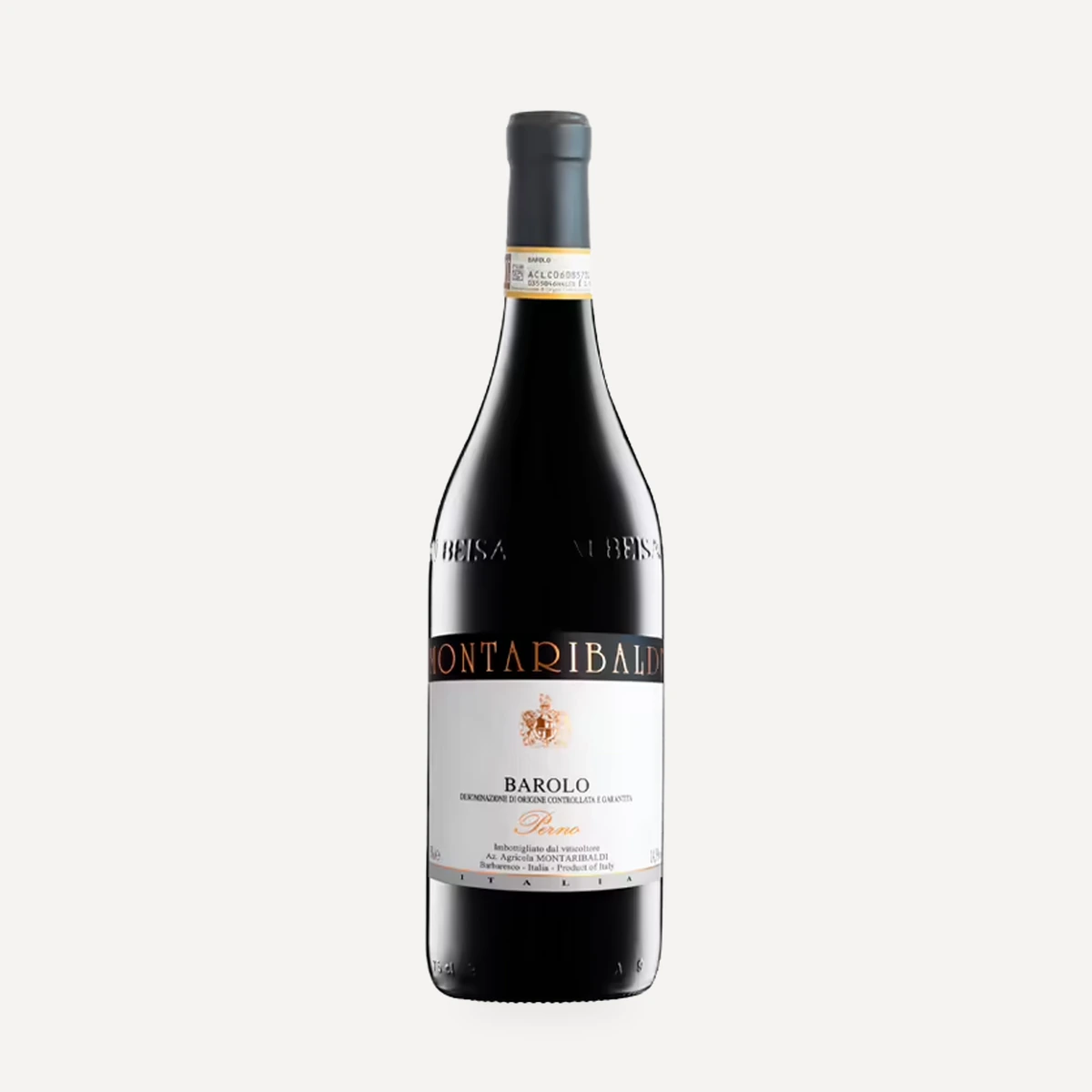
Barolo Perno DOCG
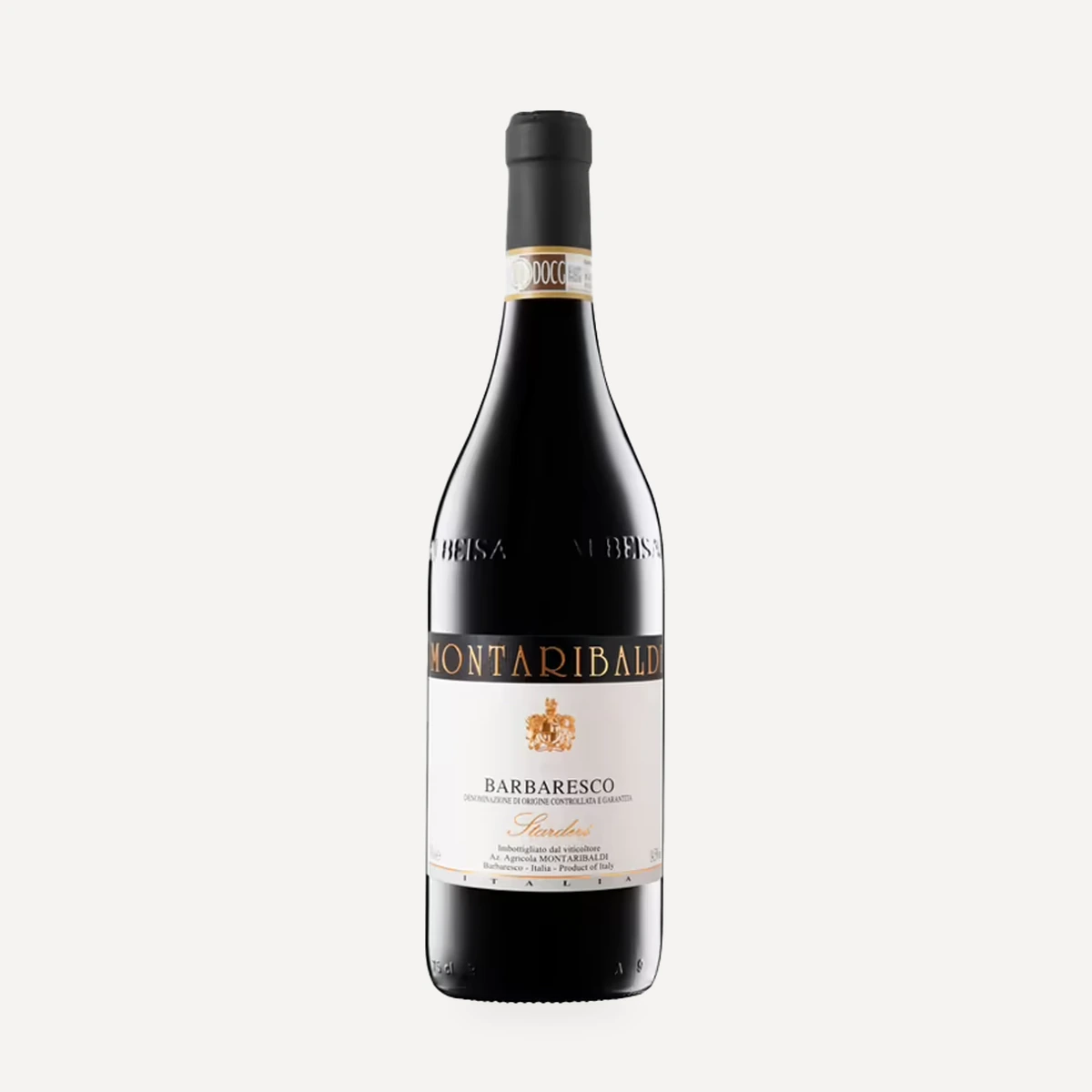
Barbaresco Starderi DOCG
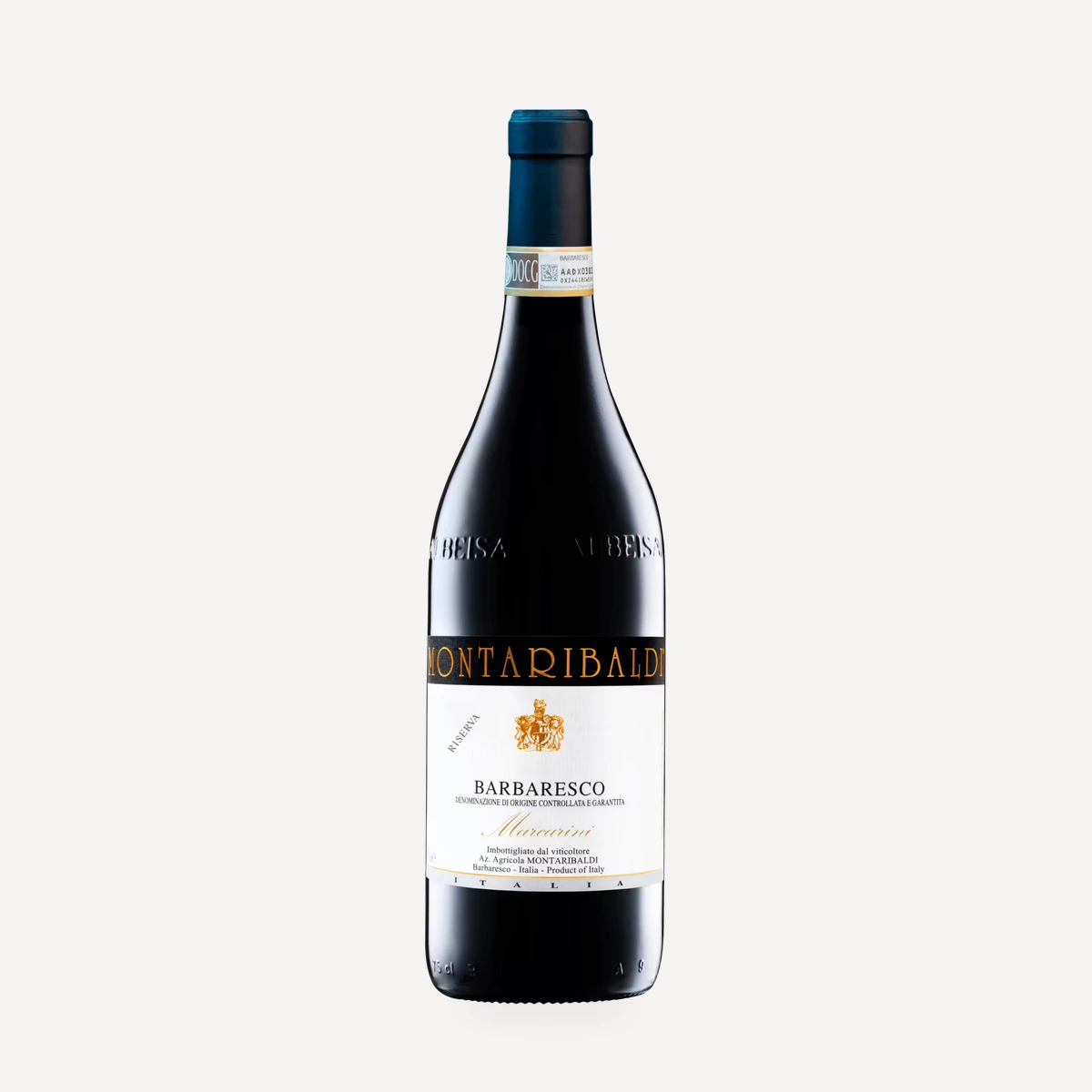
Barbaresco Riserva Marcarini DOCG
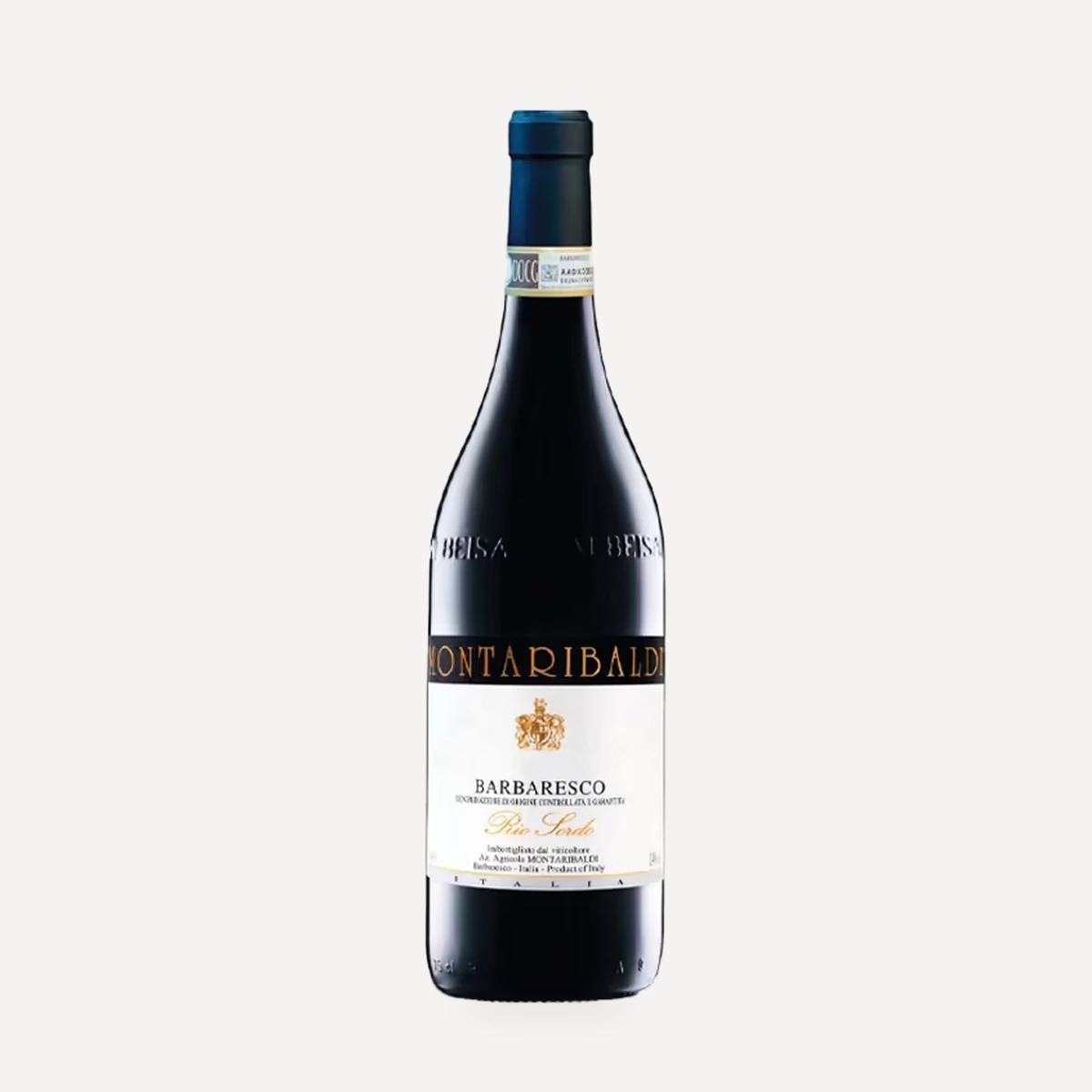
Barbaresco Rio Sordo DOCG
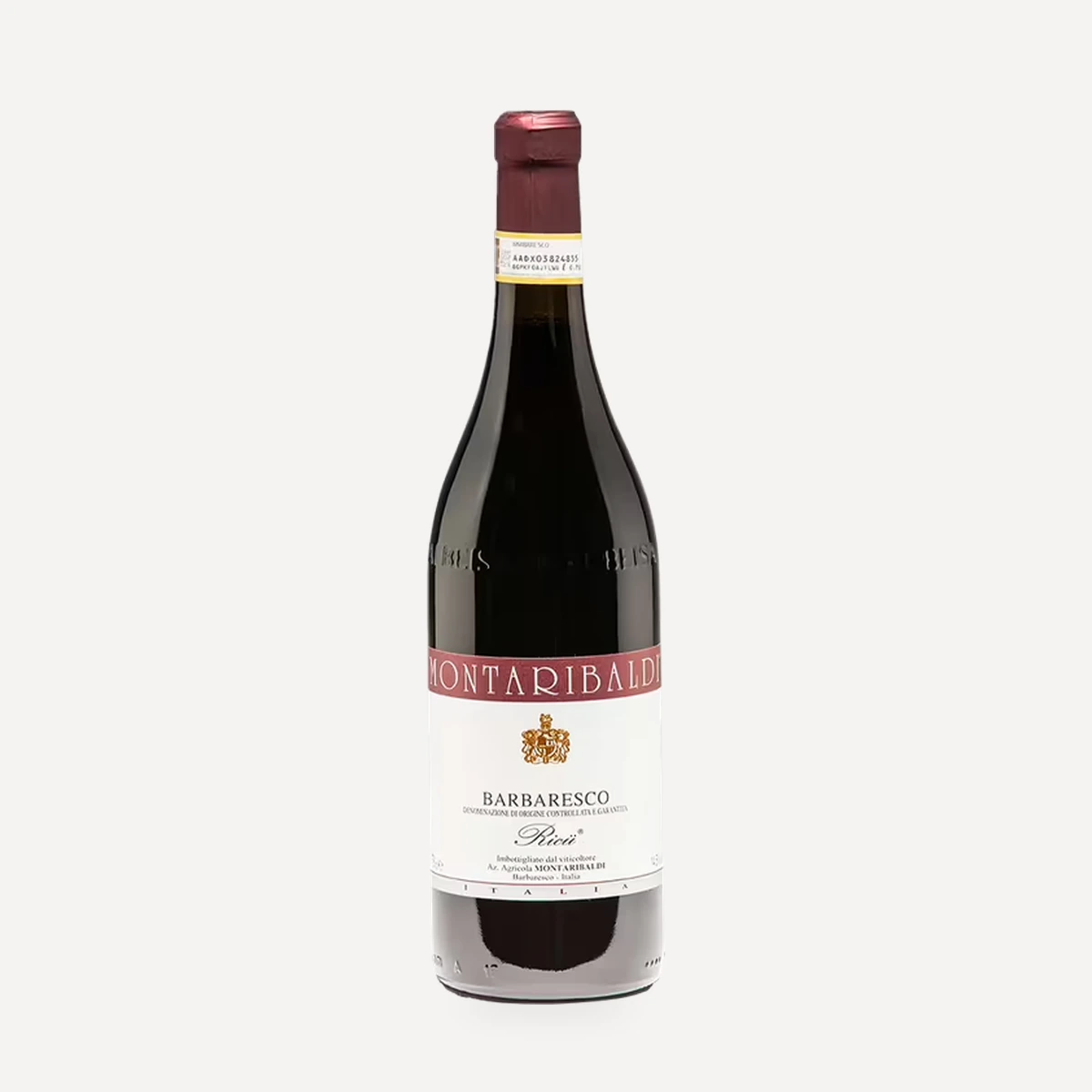
Barbaresco Ricü DOCG
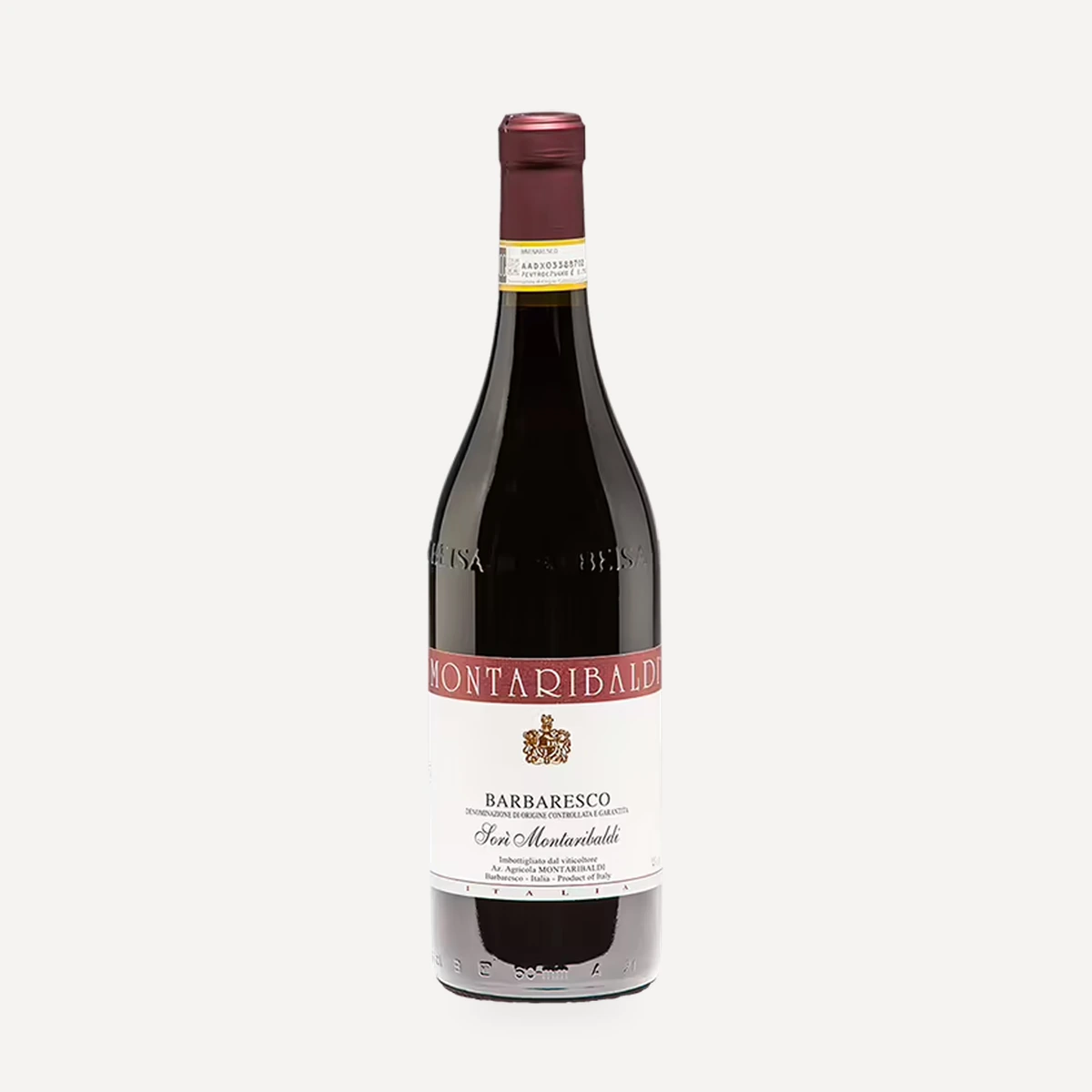
Barbaresco Sorì Montaribaldi DOCG
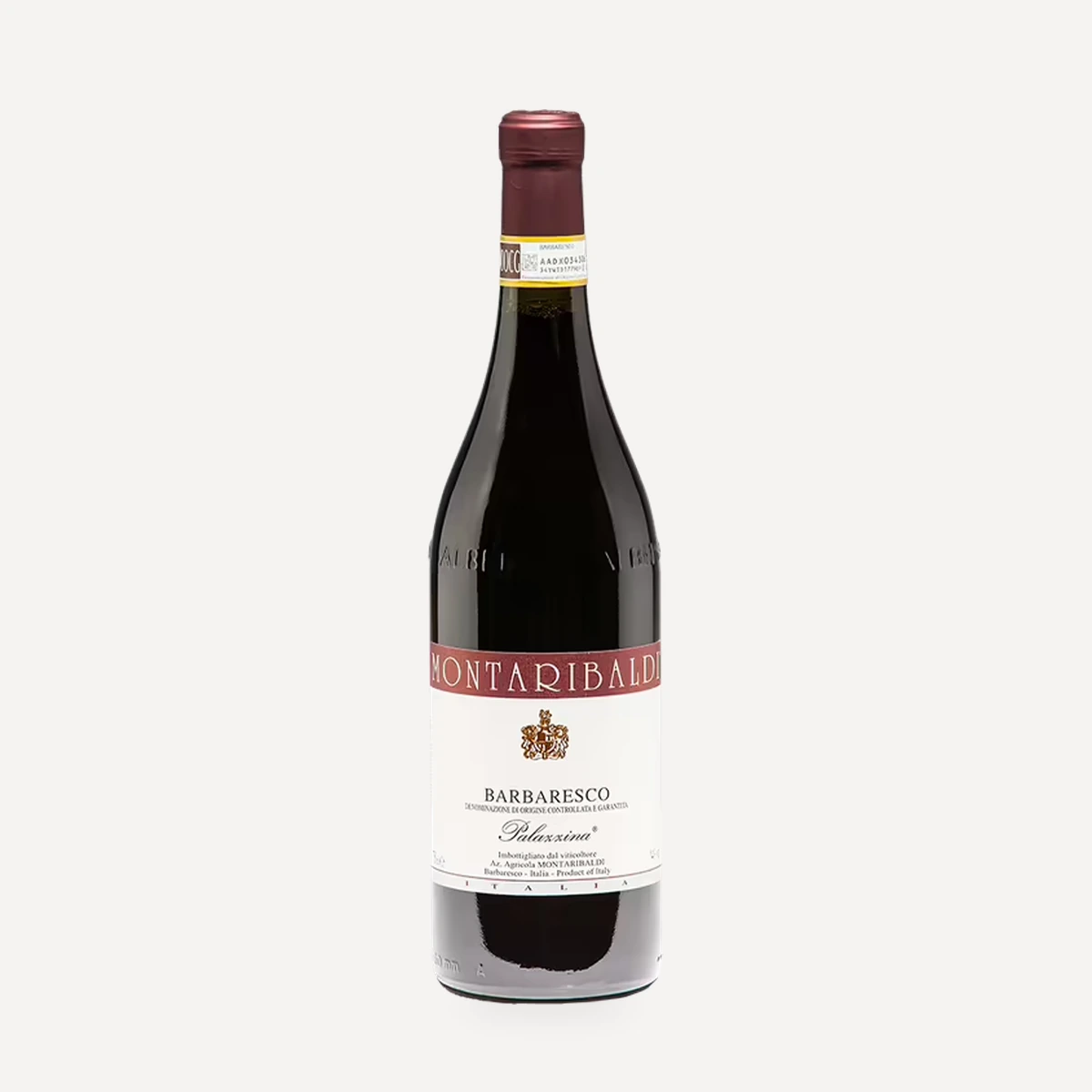
Barbaresco Palazzina DOCG
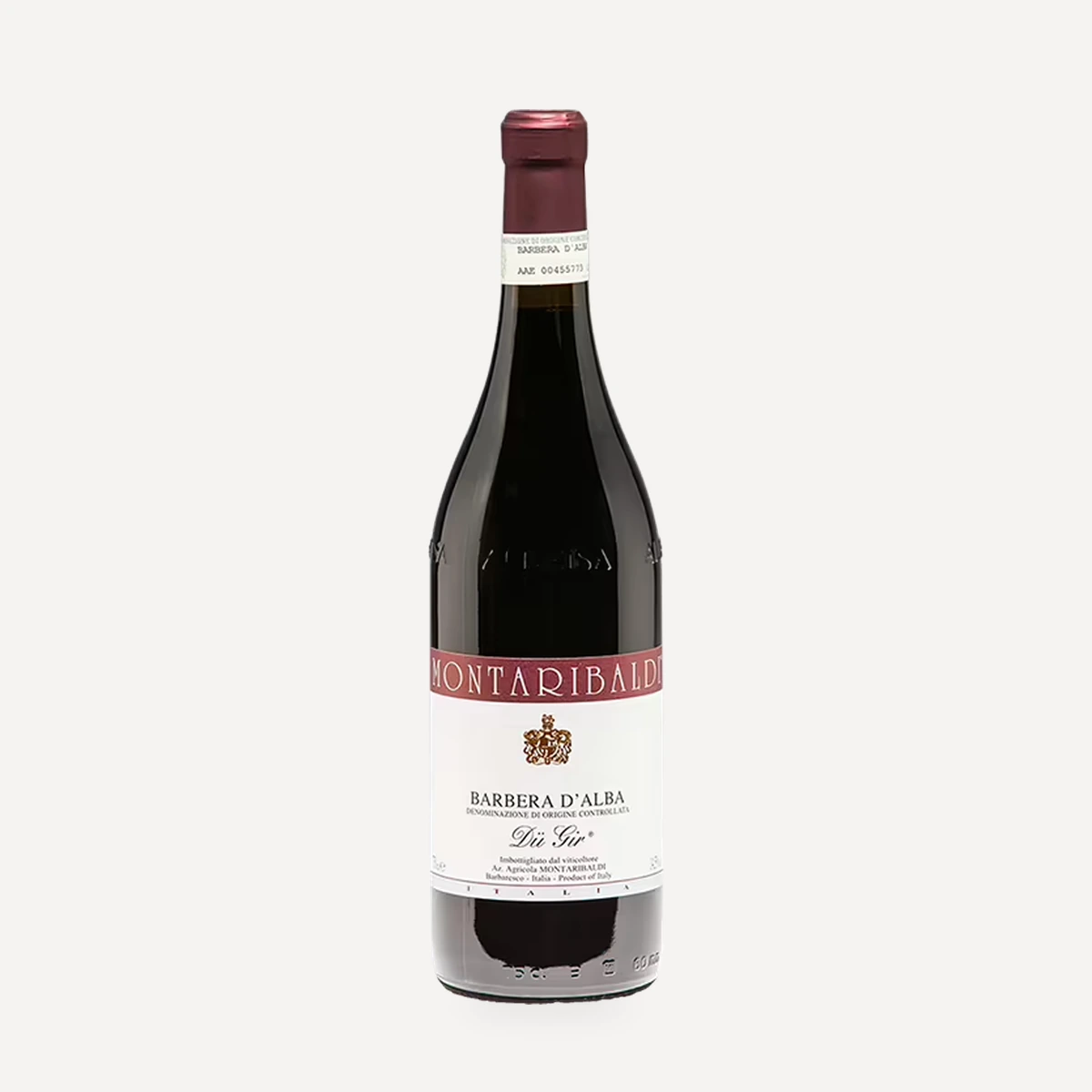
Barbera d’Alba Dü Gir DOC
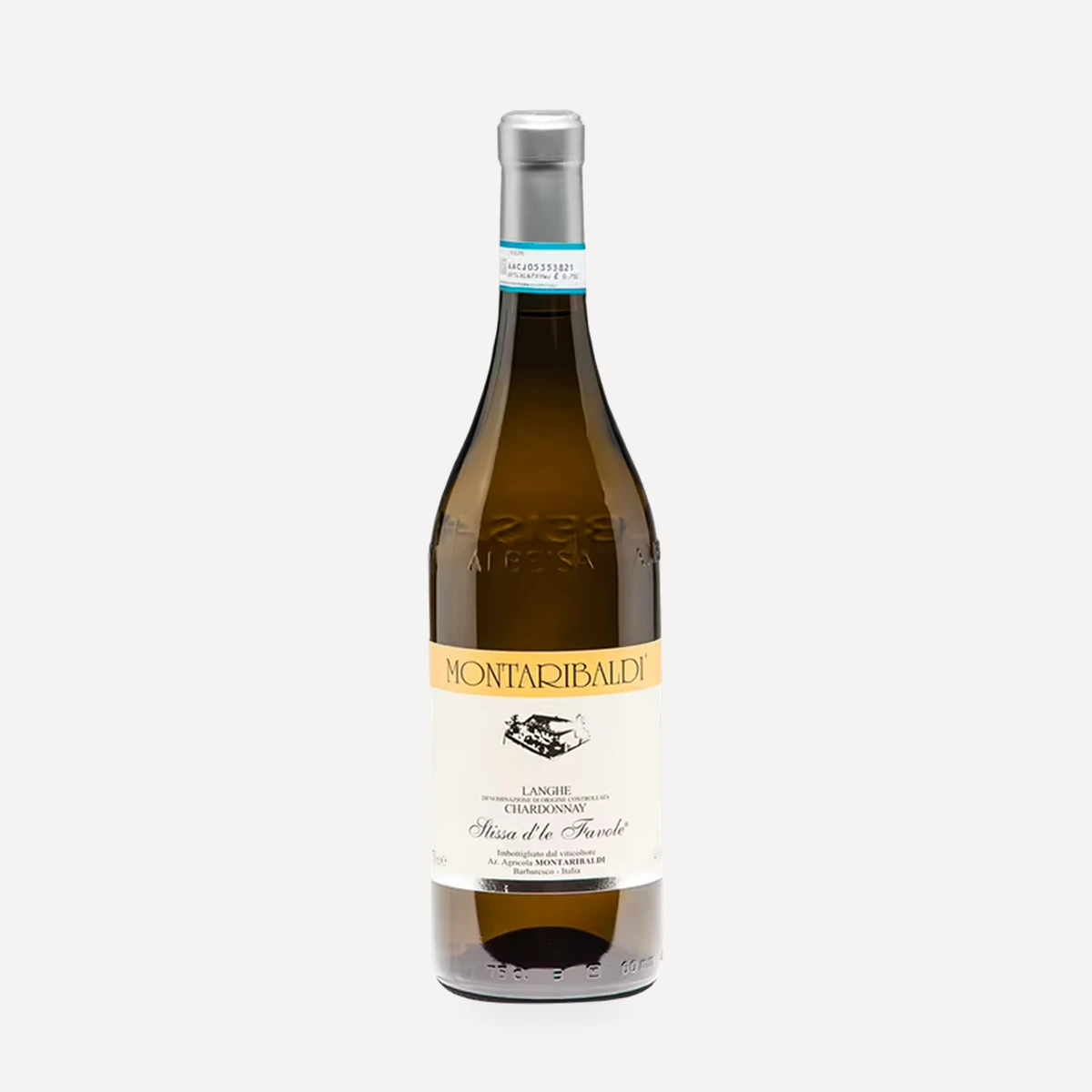
Langhe Chardonnay Stissa d’le Favole DOC
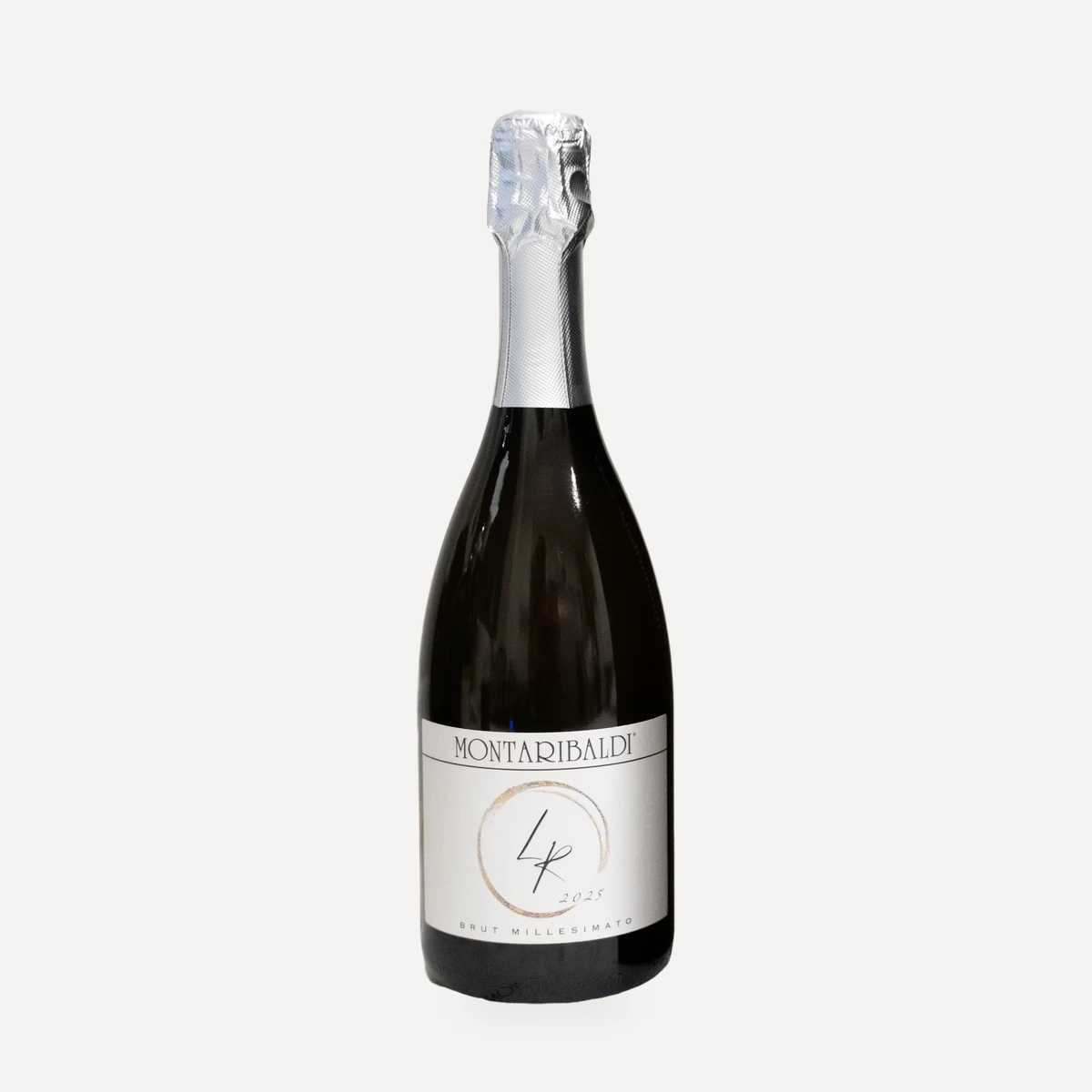
Brut Millesimato LR
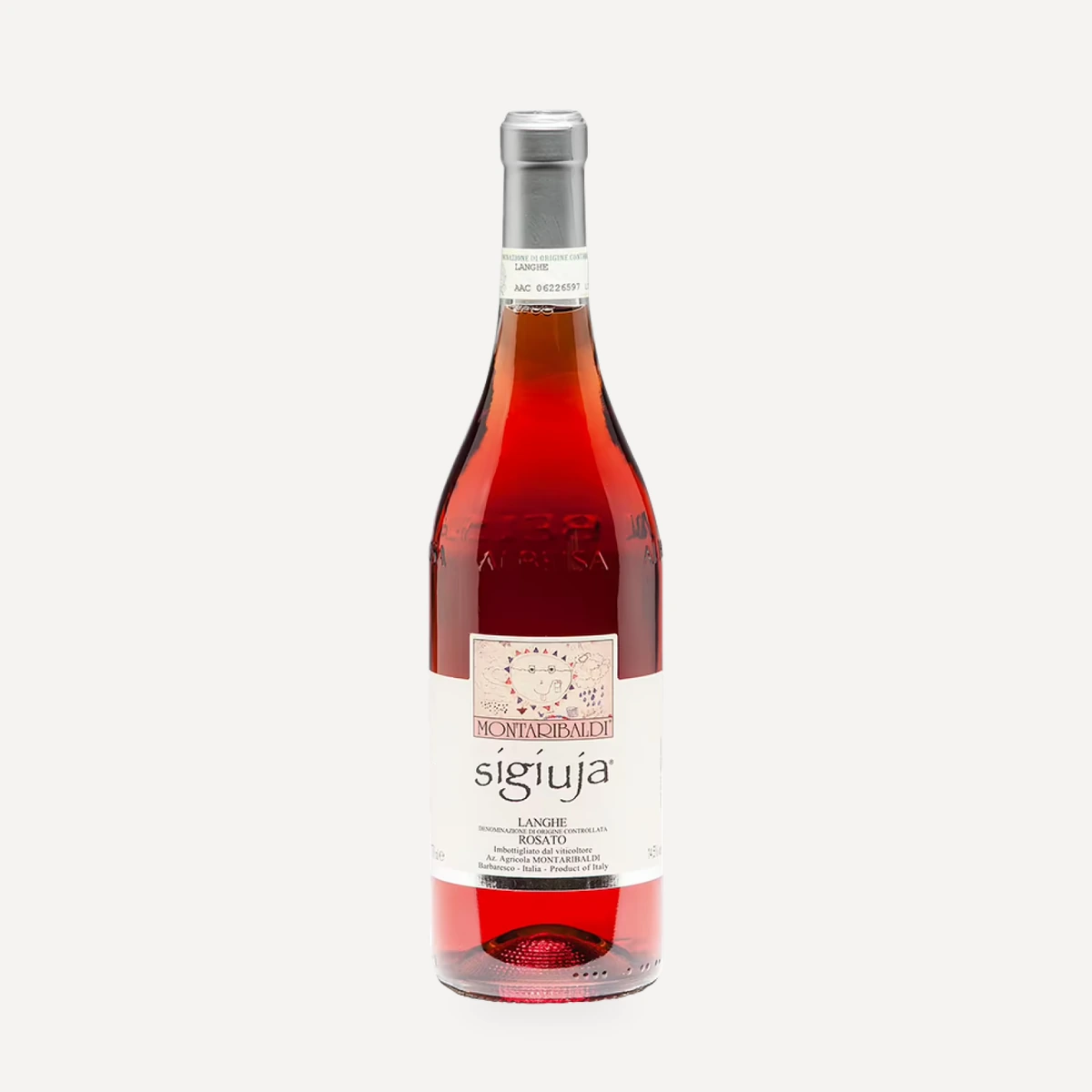
Langhe Rosato Sigiuja DOC
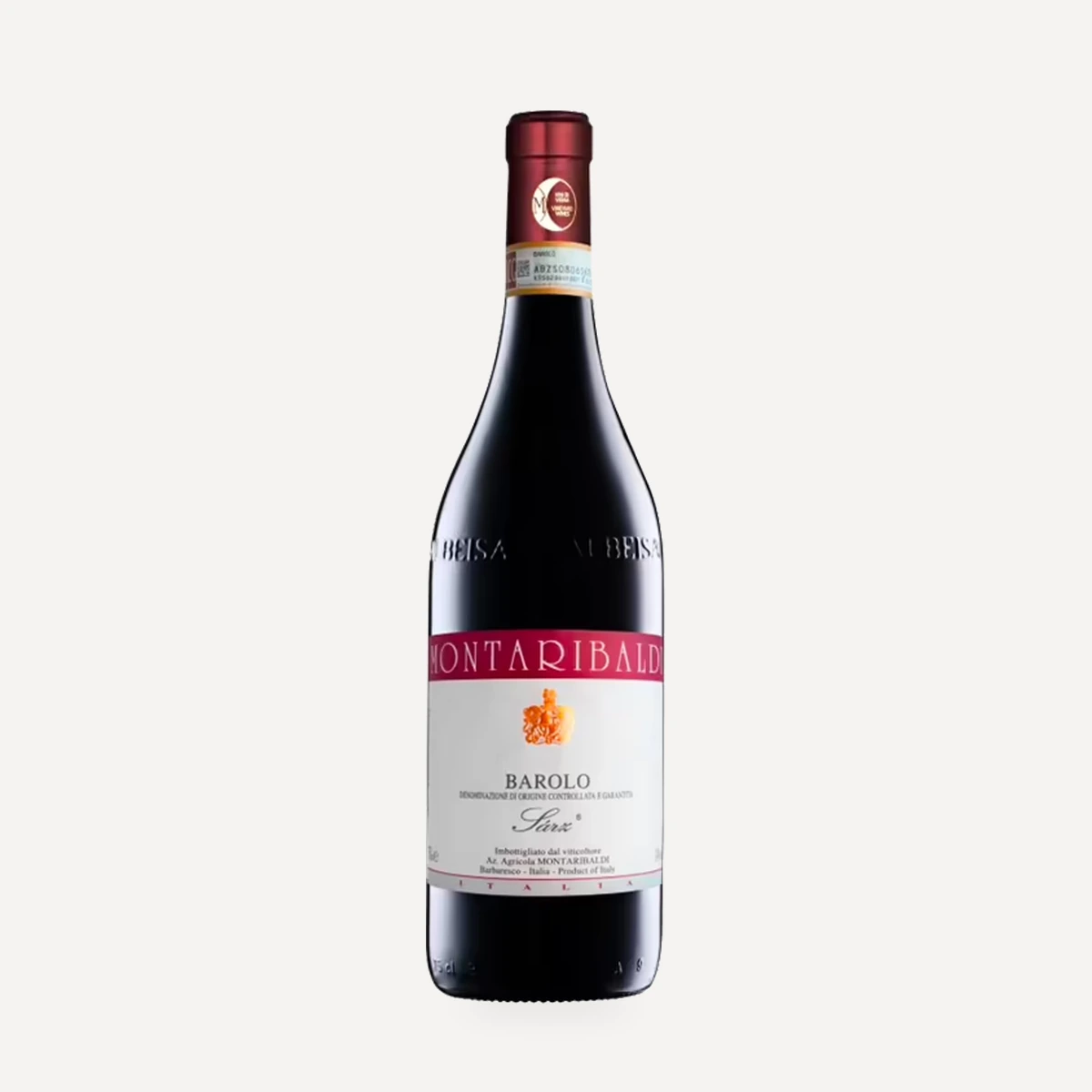
Barolo Sàrz DOCG
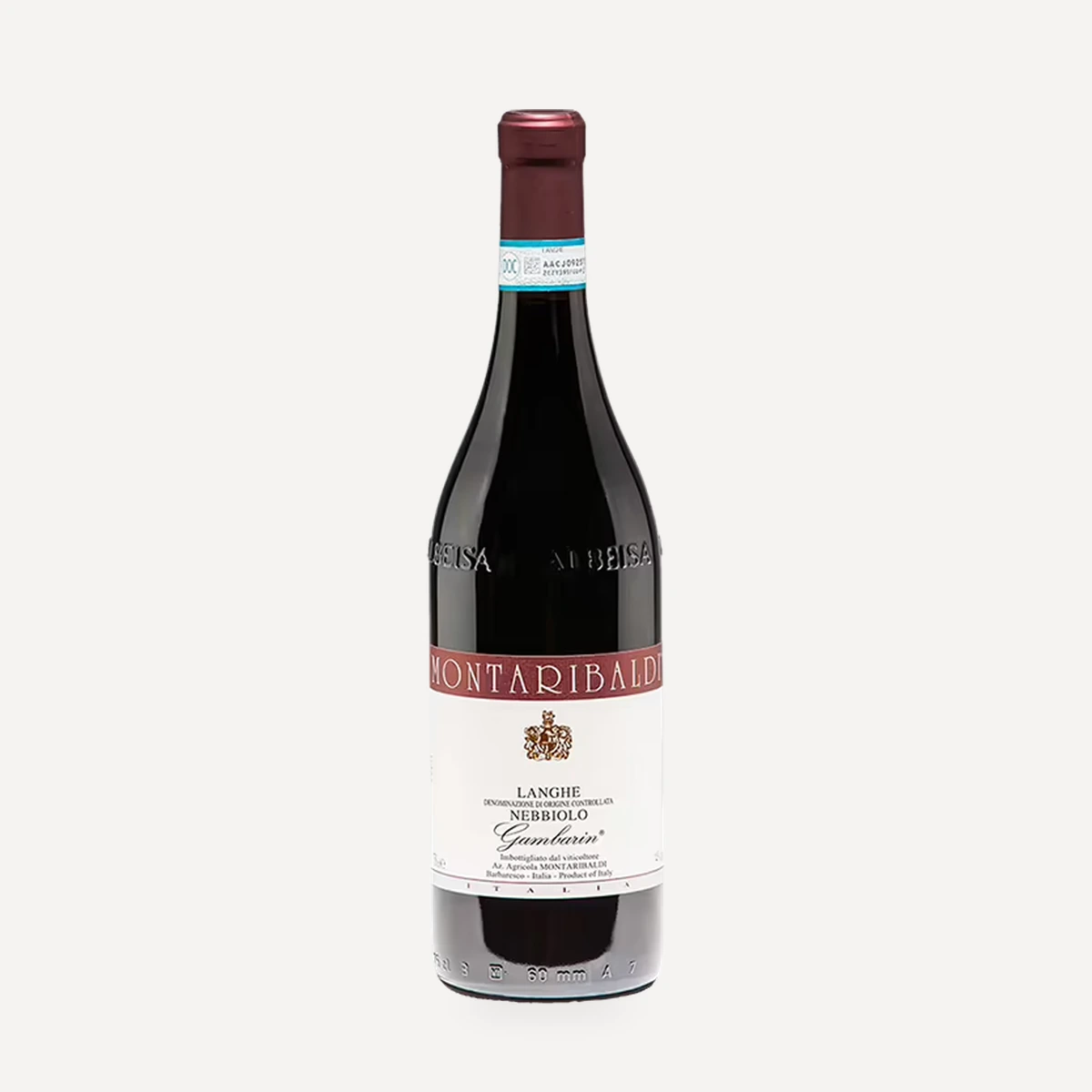
Langhe Nebbiolo Gambarin DOC
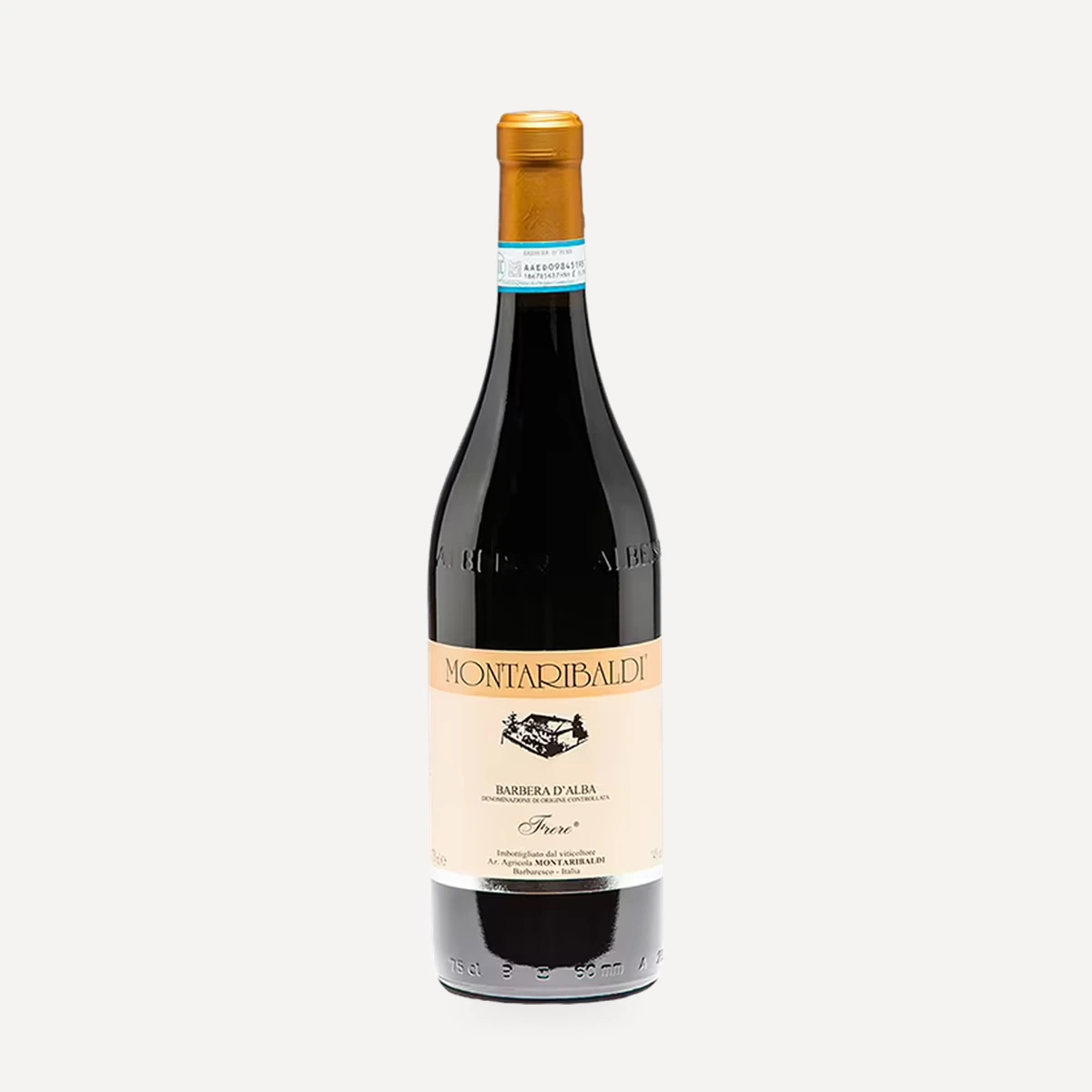
Barbera d’Alba Frere DOC
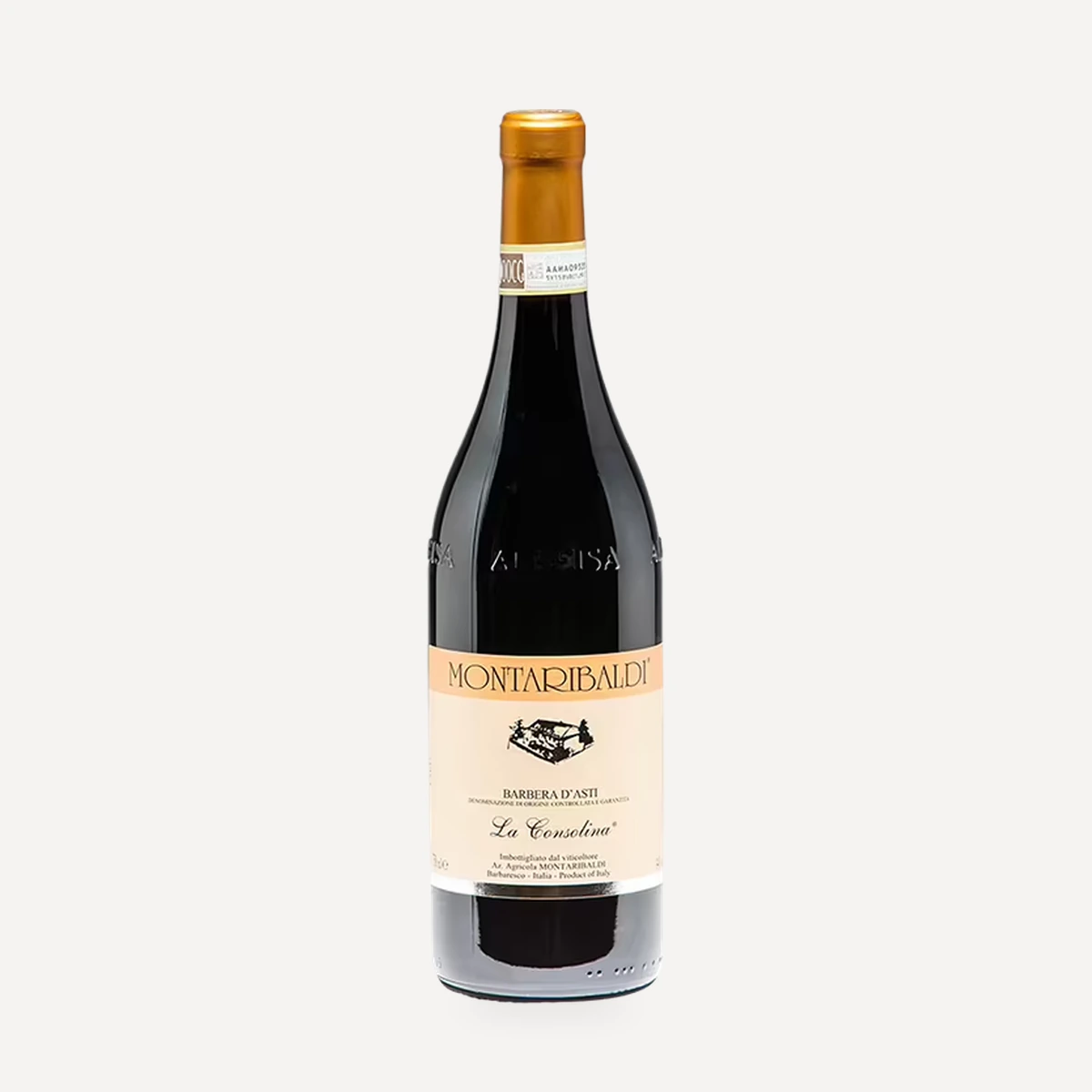
Barbera d’Asti La Consolina DOCG
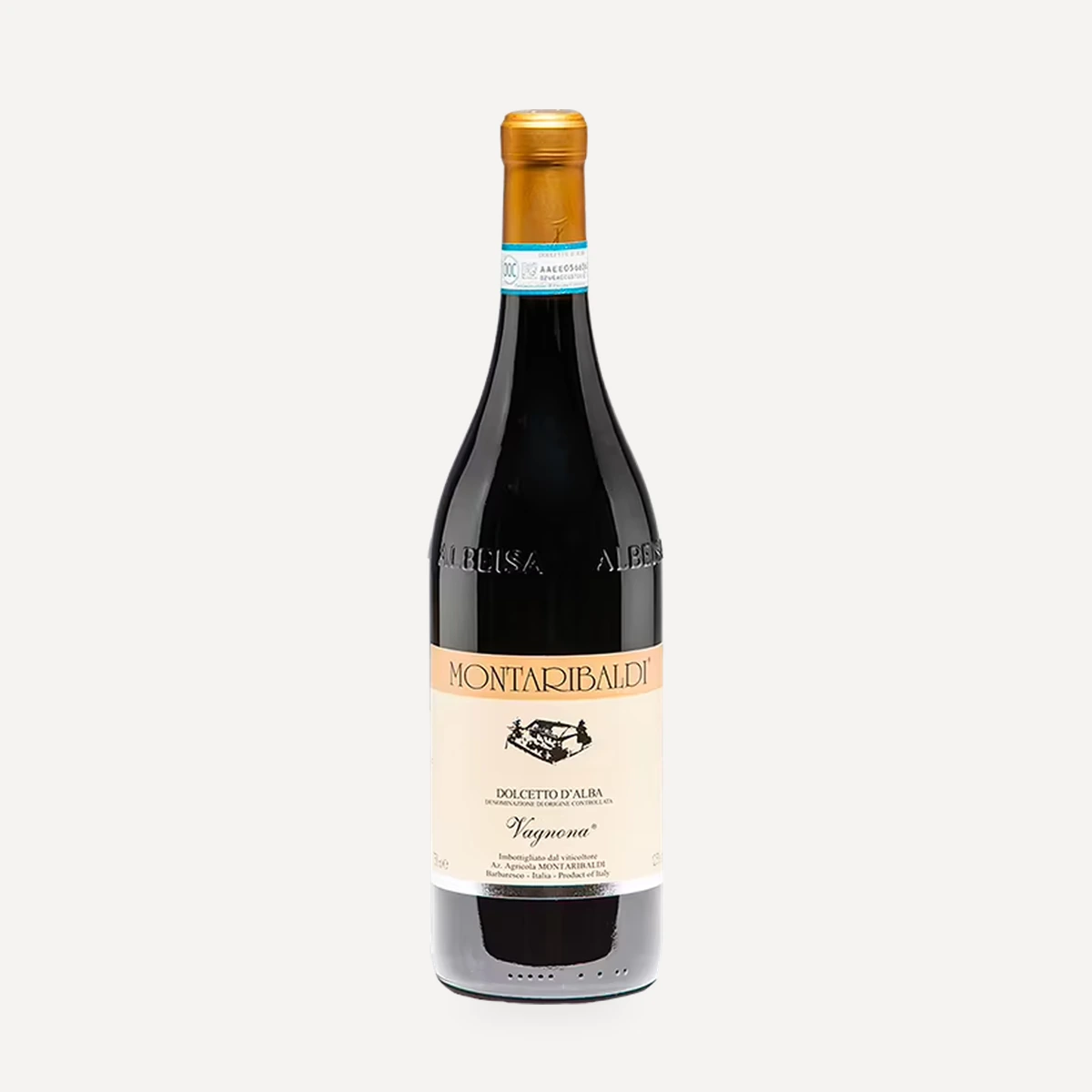
Dolcetto d’Alba Vagnona DOC
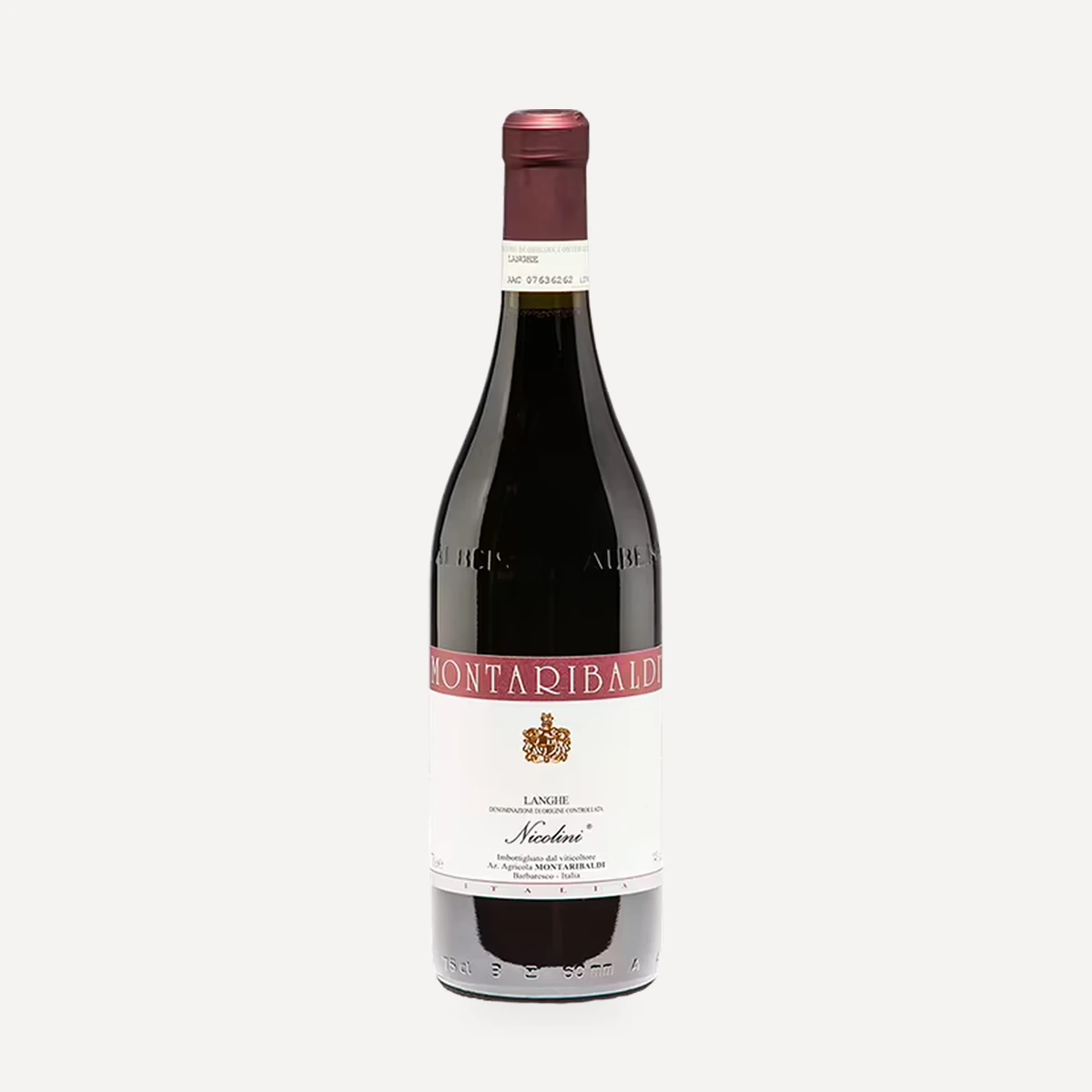
Langhe Nicülin DOC
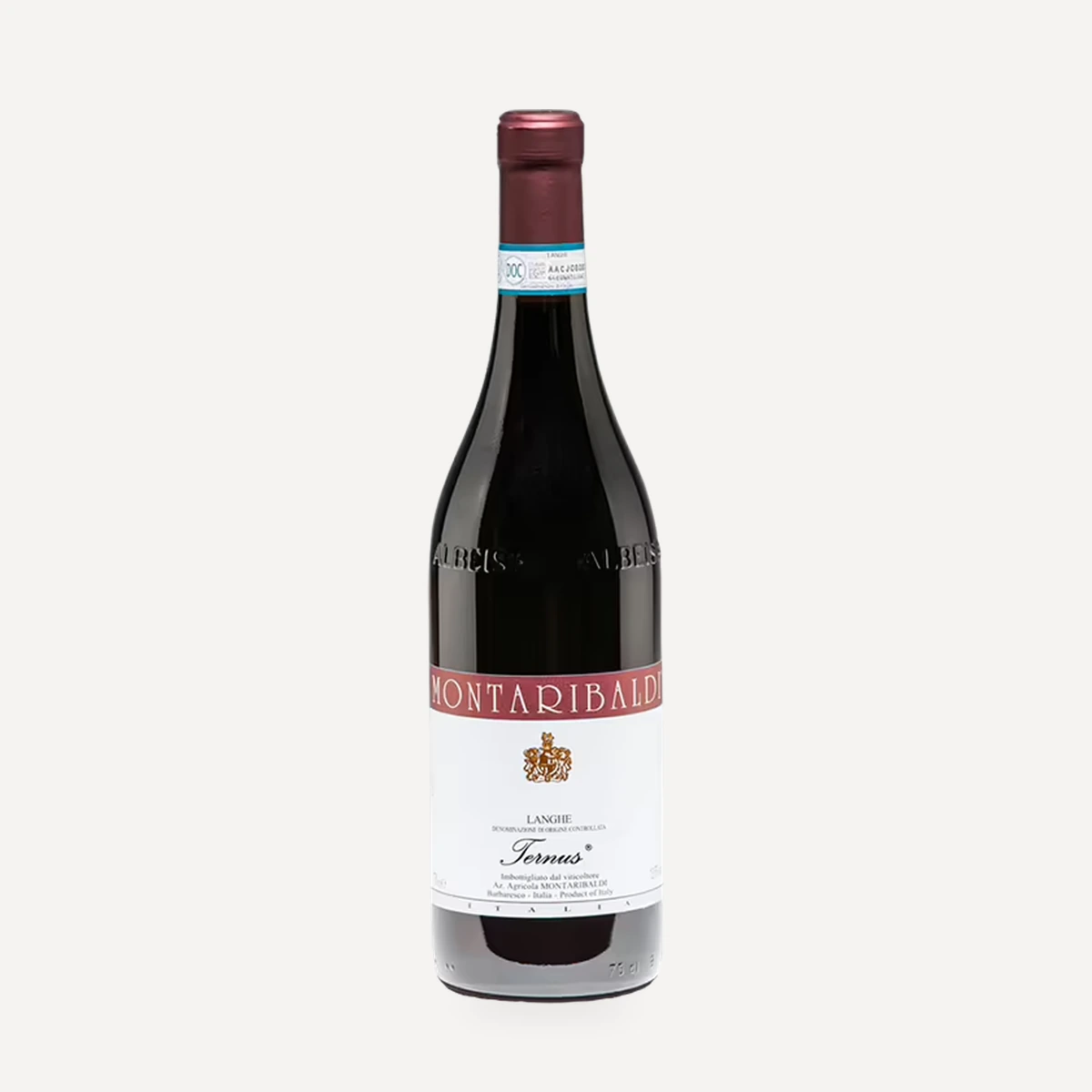
Langhe Ternus DOC
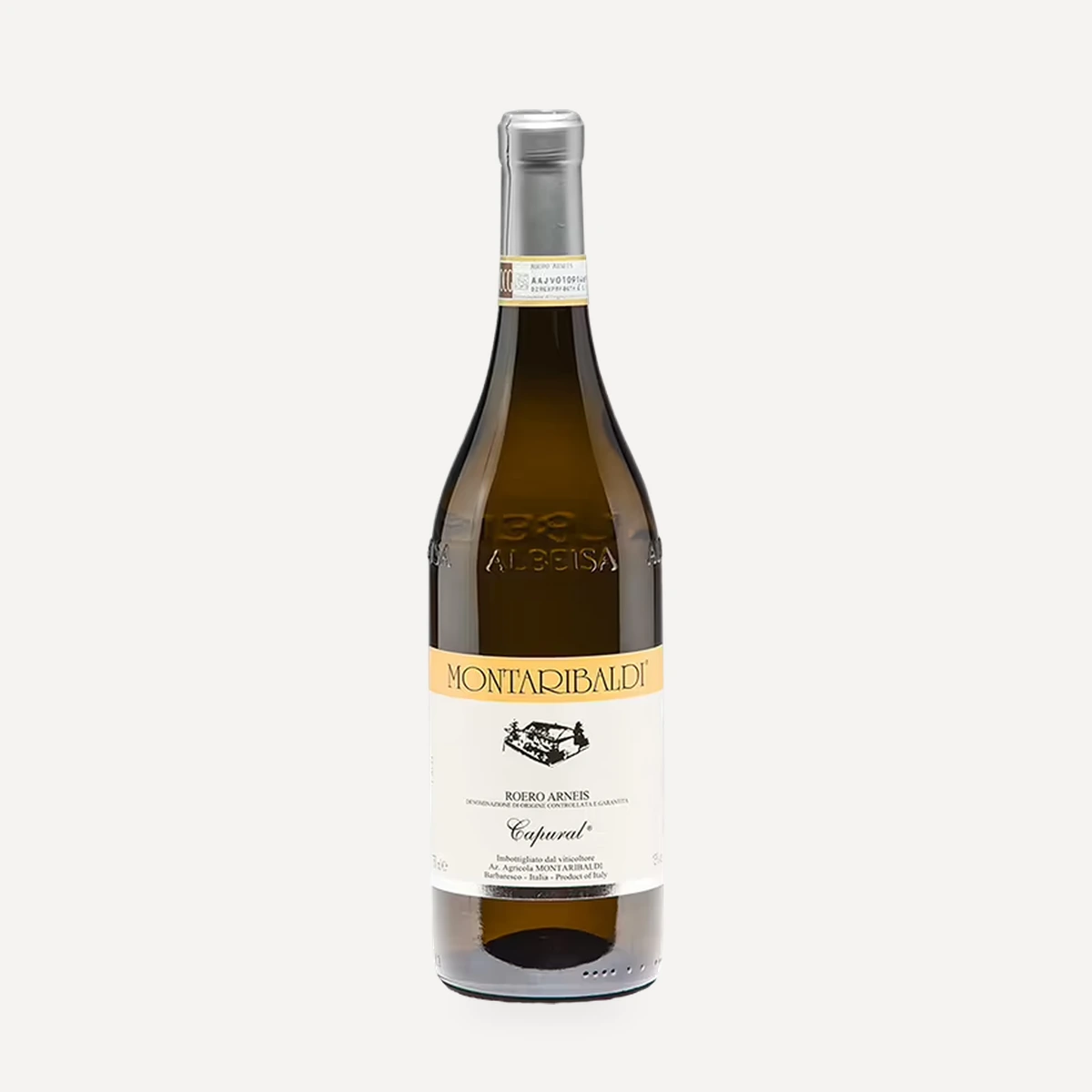
Roero Arneis Capural DOCG
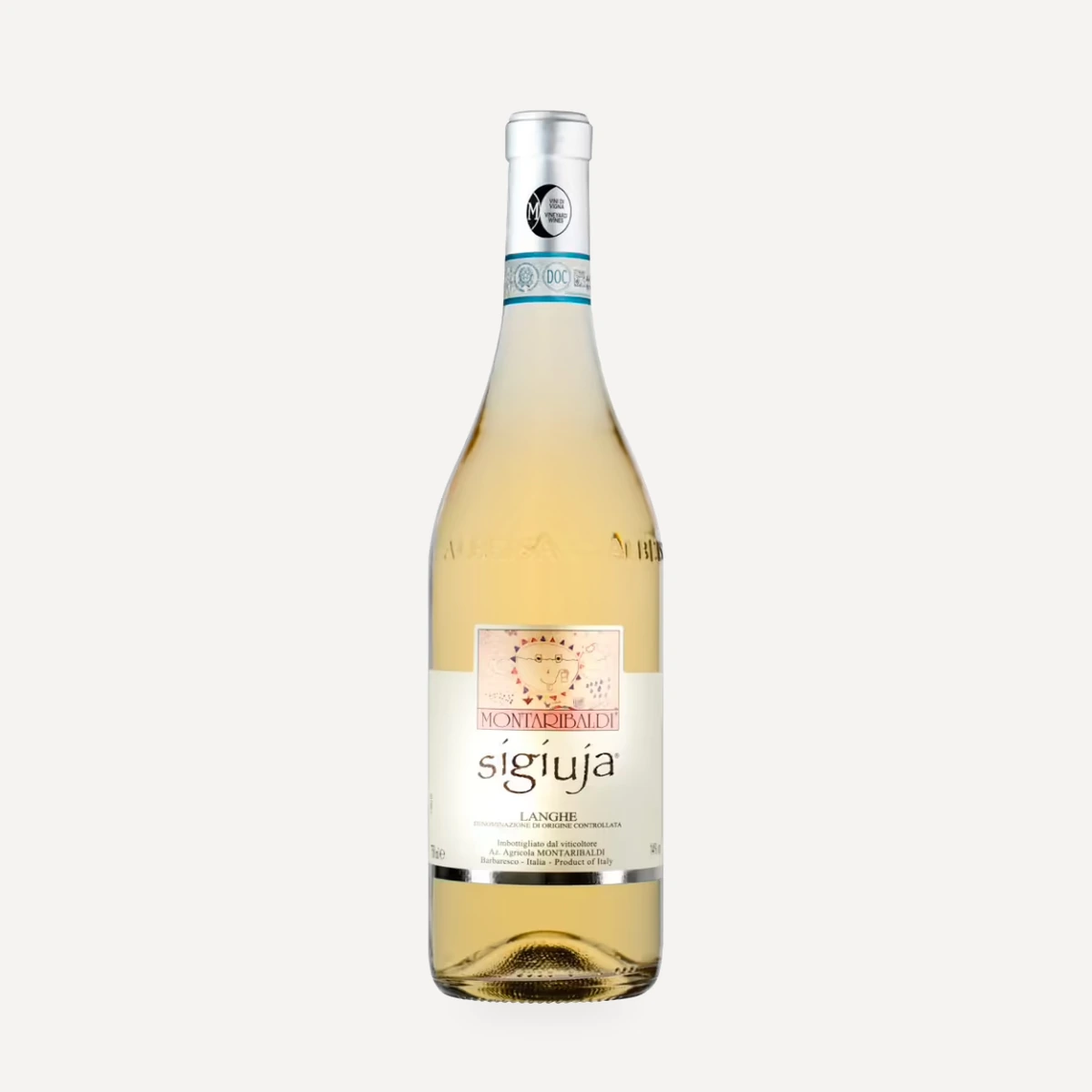
Langhe Sigiuja White DOC
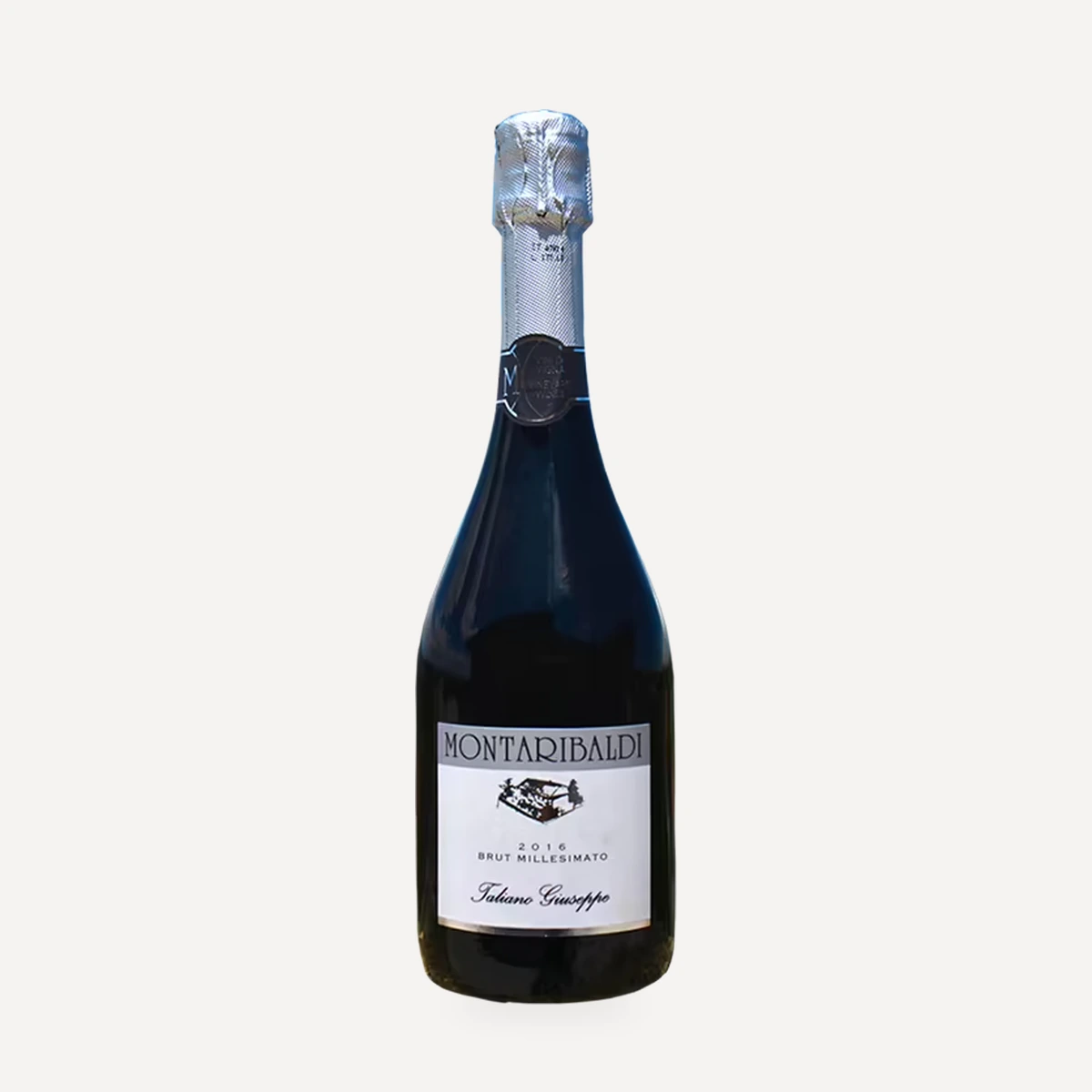
Brut Taliano Giuseppe
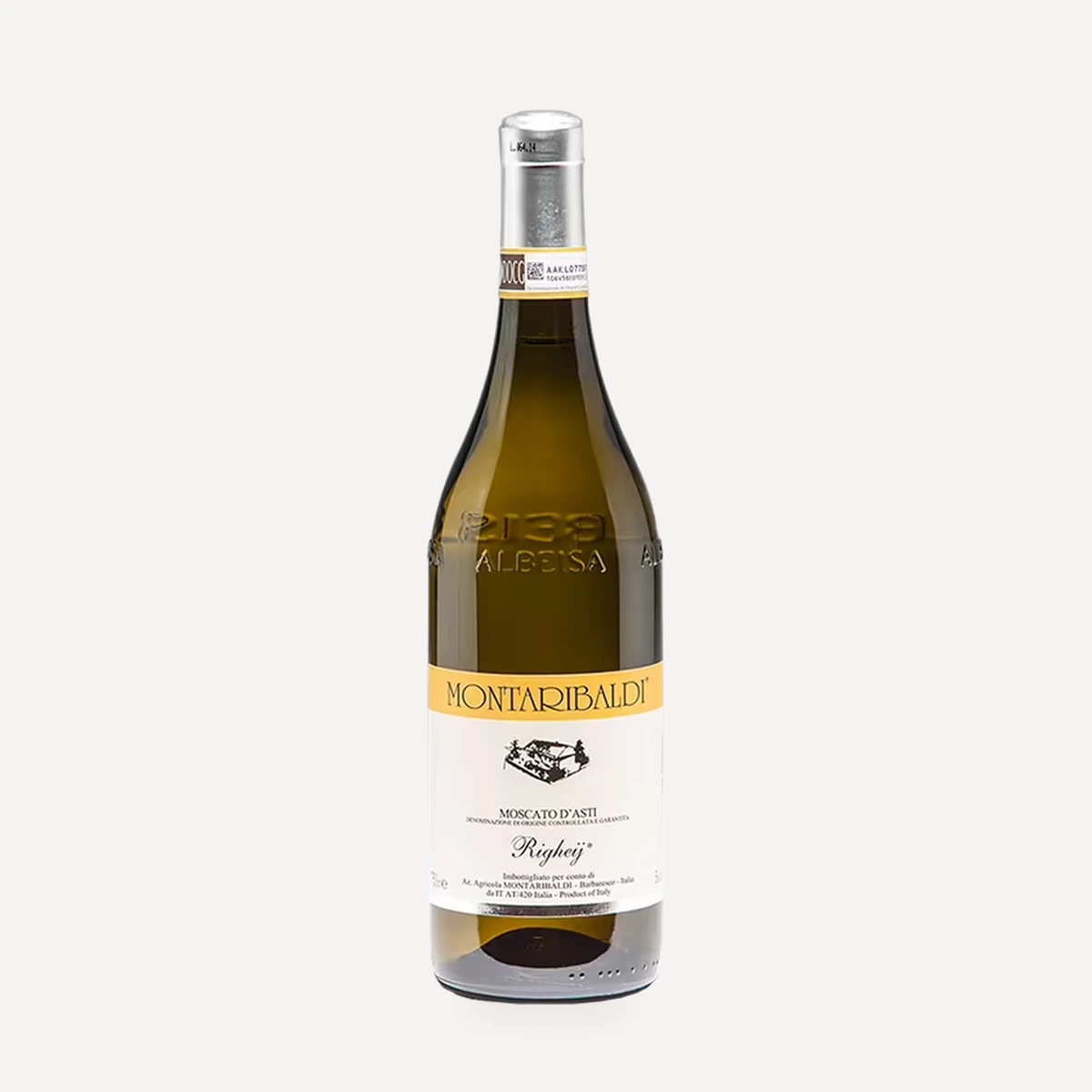
Moscato d’Asti Righeÿ DOCG