Storia
Acquisition and vineyard development
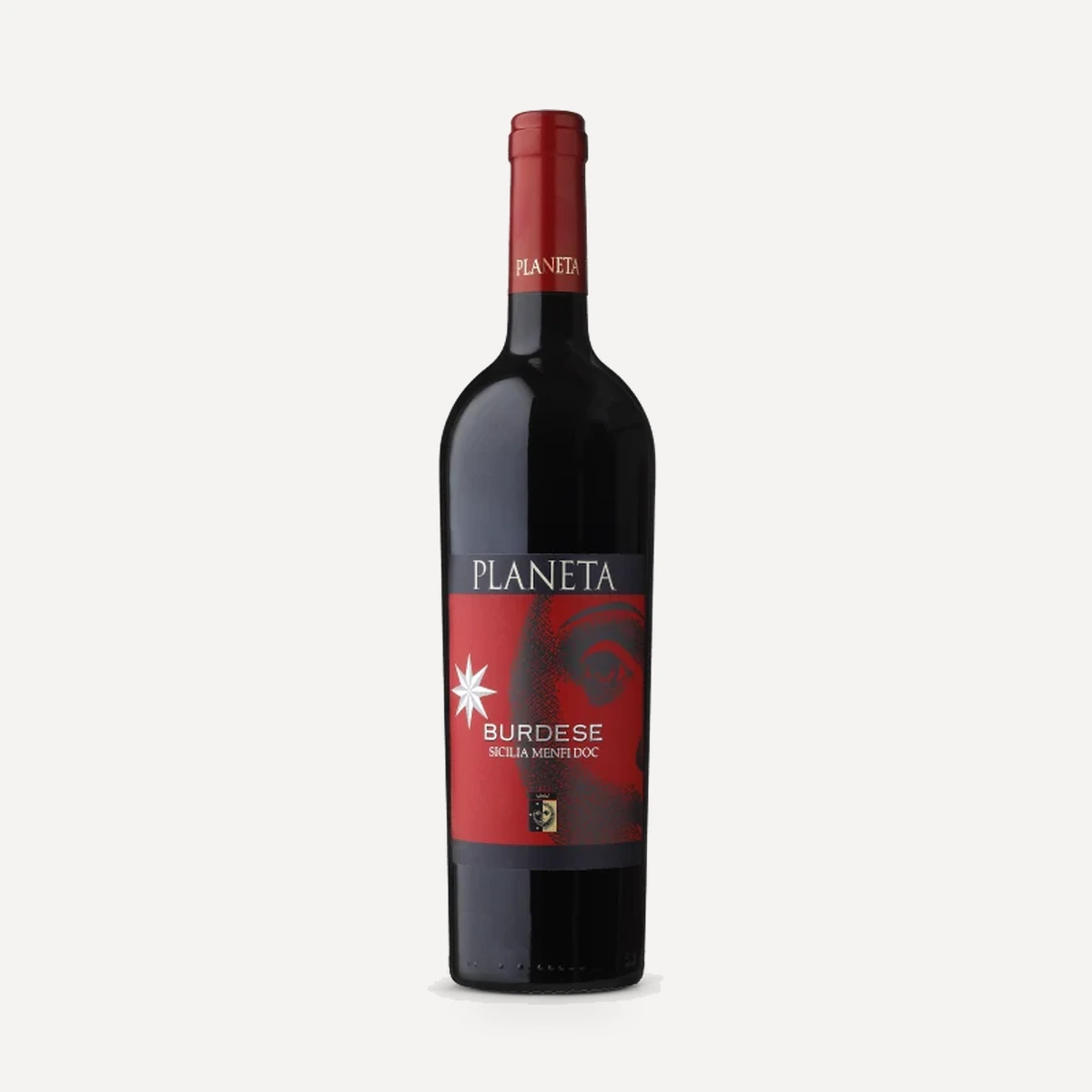
Planeta has owned Monte Cirami since 2003. The estate takes its name from the hill on which it stands, a few kilometres from Ulmo in the Menfi territory. Vineyard development in the wider setting preceded the winery: Merlot was planted at Ulmo in 1987; the first vintage of Sito dell’Ulmo followed in 1995; the Maroccoli vineyard was planted in 1999, the same year as the first vintages of Maroccoli and Burdese. The first vintage of Didacus Cabernet Franc was 2016.
Creation of the winery
Monte Cirami winery was established in 2021 in Sambuca di Sicilia, after the organic-conversion period in Menfi had been completed. A historic building on Monte Cirami was restored and adapted as a specialised cellar for four premium red wines. The first harvest handled in the new facility was 2022. Its interior was reorganised while preserving the historic building’s inherent spatial harmony, bringing traditional architectural character together with current production technology.
Organic certification
In 2022, every area cultivated by Planeta—including vineyards, olive groves, almond groves and cereal fields—held organic certification. Monte Cirami’s four-red-wine production is entirely organic.
Terroir
Monte Cirami occupies the hill of the same name in the territory of Sambuca di Sicilia, Sicily, a few kilometres from Ulmo. The winery stands at about 450 m above sea level and looks toward Lake Arancio and the Sicilian Channel. The four red wines associated with the cellar draw on distinct sites in and around this western Sicilian landscape.
Piano del Sommacco lies at 450 m and has a soil composition of 46% clay, 22% loam and 32% sand. Maroccoli is described at 370–430 m, depending on the vineyard parcel referenced, with a limestone-rich, moderately structured soil that is slightly chalky and contains abundant lime. Ulmo, on the banks of Lake Arancio, lies at 195 m; its medium-textured soils range from medium-deep to deep, contain abundant pebbles, are moderately calcareous and include zones of dark vegetable soil. The Dispensa component used alongside Maroccoli for Burdese lies at 75 m on moderately deep, moderately calcareous soil tending toward chalk, with almost no structure.
Vinificazione
The vineyards are managed under organic-agriculture criteria and the SOStain® sustainability protocol. Menfi completed its organic-conversion period in 2021; all cultivated Planeta land was organically certified in 2022.
Permanent or seasonal ground cover includes clover, vetch, yellow mustard and spontaneous plants; at Ulmo the mix also includes berseem clover, subterranean clover and beans. These covers are used to build soil organic matter and nitrogen and to sustain the vitality of soil microfauna. Vine health is protected with minimal quantities of sulphur and copper. Pest pressure is managed with beneficial insects and mating disruption; at Piano del Sommacco and Maroccoli, natural restorative treatments also include zeolite, kaolin and plant extracts.
Training is by espalier. Piano del Sommacco, Maroccoli and the Burdese source vineyards use spurred-cordon pruning, while Ulmo uses Guyot.
Monte Cirami is devoted to the organic production of four premium red wines. A historic building at approximately 450 m above sea level was restored for the purpose, with its internal layout adapted to retain the building’s natural harmony while accommodating modern production equipment.
Concrete tanks form the core of the cellar. Grapes can enter and fill these tanks either by conveyor belt or by gravity. The cellar’s techniques are directed toward retaining as much of the grapes’ original character as possible.
Filosofia
Monte Cirami’s production concept is to preserve the original character of the grapes as fully as possible. Its building expresses the same balance: the historic structure and its spatial harmony were retained while contemporary production techniques were integrated within it.
The wider agricultural approach treats sustainability as an ongoing direction encompassing economic viability, ecological care and social equity. Agriculture is understood not merely as respecting its surrounding environment but as coexisting with it. Intervention is kept as limited as practicable, while research, regional resources and landscape conservation form part of the same program. SOStain® is approached as a process of continuous improvement with measurable objectives rather than a finite endpoint.
Vini
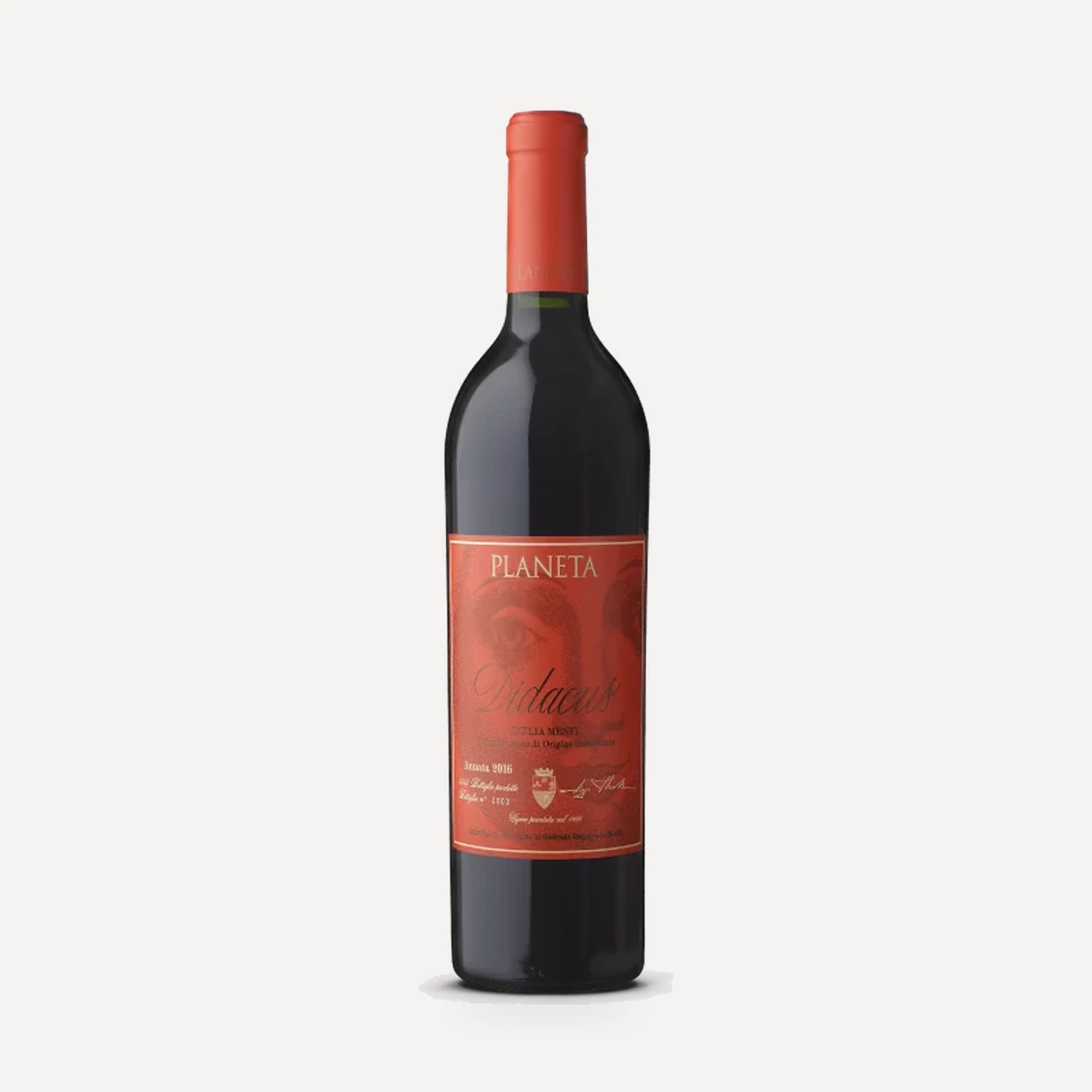
Didacus Cabernet Franc
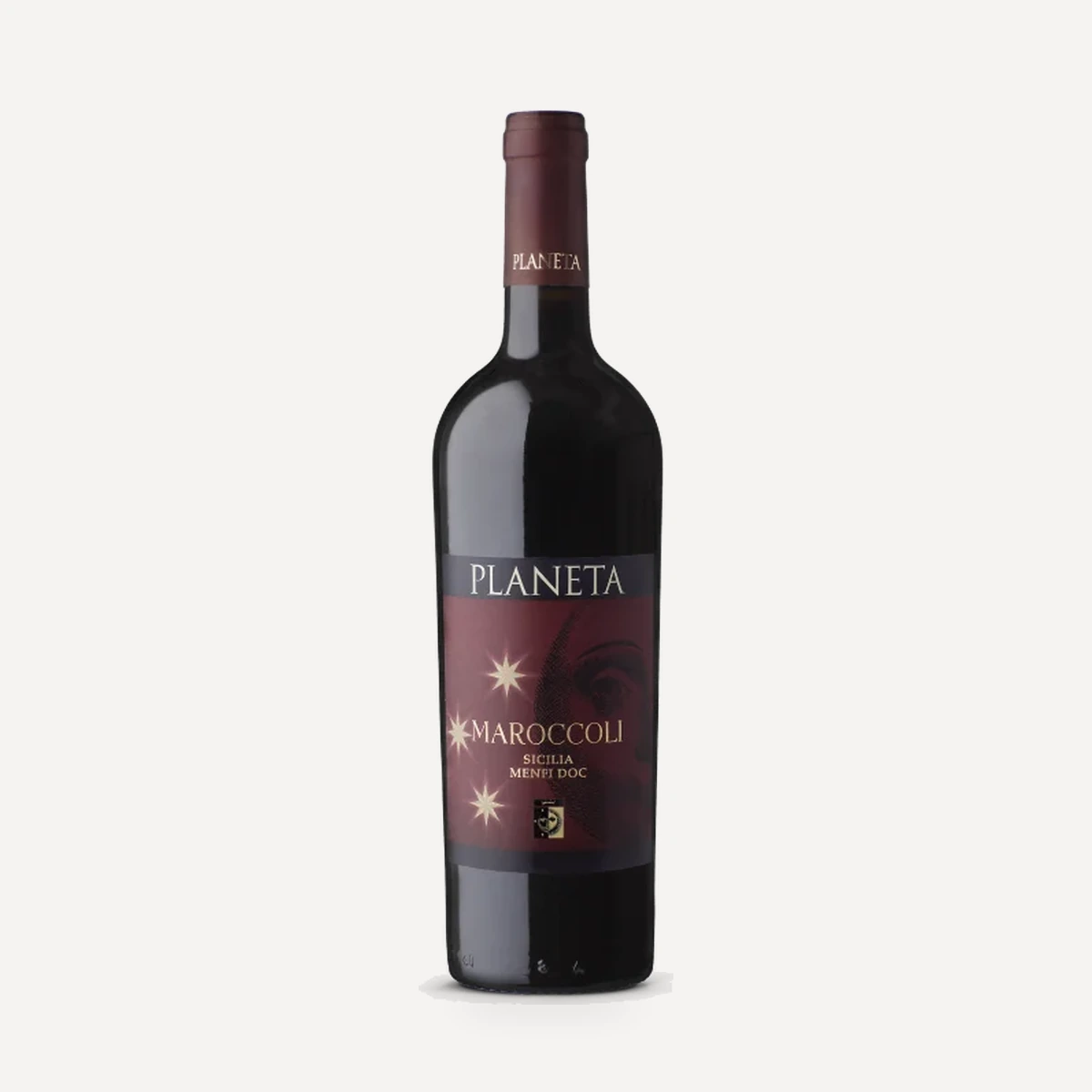
Maroccoli