Storia
The protected landscape
In 1989, the area surrounding Monte Versa was designated a natural park, protecting a landscape shaped by ancient volcanic activity, marine formations and mineral-rich soils.
2006 — the beginning of Monteversa
Monteversa began in 2006. Its creation was motivated by the particular places, exposures and soils of Monte Versa, a hill in the Colli Euganei. The project adopted the motto Vini di suolo, vini di radice—“wines of soil, wines of roots”—to express its focus on site and the relationship between vines and their soils.
2010 — organic certification
The estate obtained organic certification in 2010. Organic principles subsequently became the declared framework for both vineyard and cellar work, encompassing natural pest antagonists, pruning intended to support vine longevity, reduced-yield training systems, manual harvesting and careful cellar practices.
The present range
The range is built around wines from Veneto IGT, Colli Euganei DOC and Colli Euganei DOCG. The vineyard is represented as 21 numbered plots, with individual wines drawing on specific parcels according to grape variety, exposure and intended style. Production also includes organic extra-virgin olive oil and grappa.
Terroir
Monte Versa and the Colli Euganei
Monte Versa is a hill in the heart of the Colli Euganei, near the Venetian Lagoon. The vineyards occupy a setting where vines grow and bear fruit over volcanic rock. Across the estate’s identified production parcels, the stated elevation is 120 metres above sea level, while exposures include east, north, northeast and northwest.
Volcanic and marine origins
Ancient eruptions of lava-forming magma created the characteristic hills. The volcanic formations emerged from the sea and contain abundant mineral components, including trachytes, rhyolites and laccoliths. Biancone and scaglia rossa are particularly prominent on Monte Versa.
The vineyard soils are described consistently as calcareous and clay-rich, with earth and stony material over the volcanic foundation. Their calcareous-clay character derives from the surface sedimentation of ancient coral banks, linking the soils to the area’s marine origins.
Climate
The proximity of the Adriatic Sea moderates the winter months. This winter mildness combines with the soil conditions and the hill’s varied exposures to create the vineyard environment. The microclimate and progression of the seasons are central to the character associated with the place.
The surrounding landscape has held natural-park status since 1989.
Vinificazione
Monteversa follows organic viticulture and has been certified organic since 2010. The approach is presented as a natural response to the environment surrounding the vineyards and is intended to safeguard fruit quality while expressing the soils.
Pests are controlled with the assistance of natural antagonists. Both winter pruning and green pruning are performed with vine longevity as a guiding objective.
The vineyards use Guyot and cordon spur-pruned training systems, sometimes in combination. These systems are associated with deliberately lower yields in pursuit of quality and site character. Documented planting densities are 4,000–5,000 vines per hectare, while stated crop loads range from 1–1.5 kg to 2–2.5 kg per vine, depending on parcel and grape selection.
Harvesting is carried out entirely by hand. For the selected Tai, picking is timed to the intended level of ripeness.
Cellar work follows organic principles and is conducted with close attention to the expressive potential of the harvested grapes and the imprint of the individual vintage.
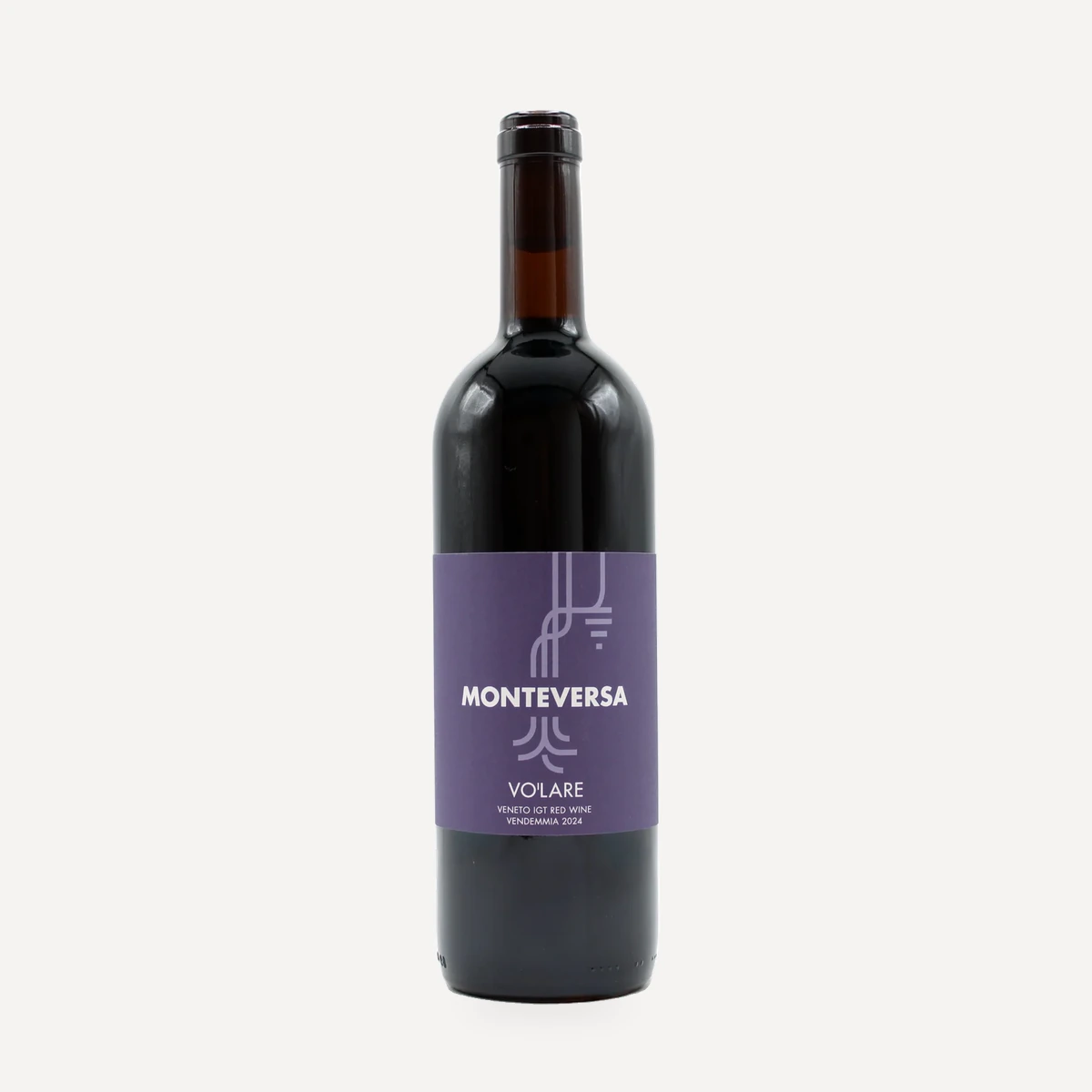
Fermentation is spontaneous throughout the documented wine range. Vinification takes place in stainless steel. Maturation varies by wine: stainless steel is used for Primaversa, Versavó Bianco, Animaversa Bianco, Vo’Lare and Fior d’Arancio; concrete is used for Tai; and a combination of barriques and concrete is used for Versacinto Rosso and Cabernet Sauvignon.
Primaversa undergoes refermentation in bottle and is presented with the characteristic light haze associated with its lees. The production approach otherwise emphasizes careful handling rather than a standardized cellar formula, with élevage selected according to the fruit and intended expression.
Filosofia
Monteversa’s motto is Vini di suolo, vini di radice—“wines of soil, wines of roots.” It frames the estate’s aim of making and maturing organic wines whose identity can be traced to their places, exposures and soils.
The intended qualities are recognizability, finesse and elegance. In both vineyard and cellar, organic practice is used to bring the fruit and soil to the foreground. Sacrifice, determination and dedication are presented as necessary to reveal the potential of the vineyards.
Cellar work is deliberately meticulous and attentive. Its purpose is to release and heighten the expressive capacity of the original grapes while retaining the particular imprint of each vintage.
Vini
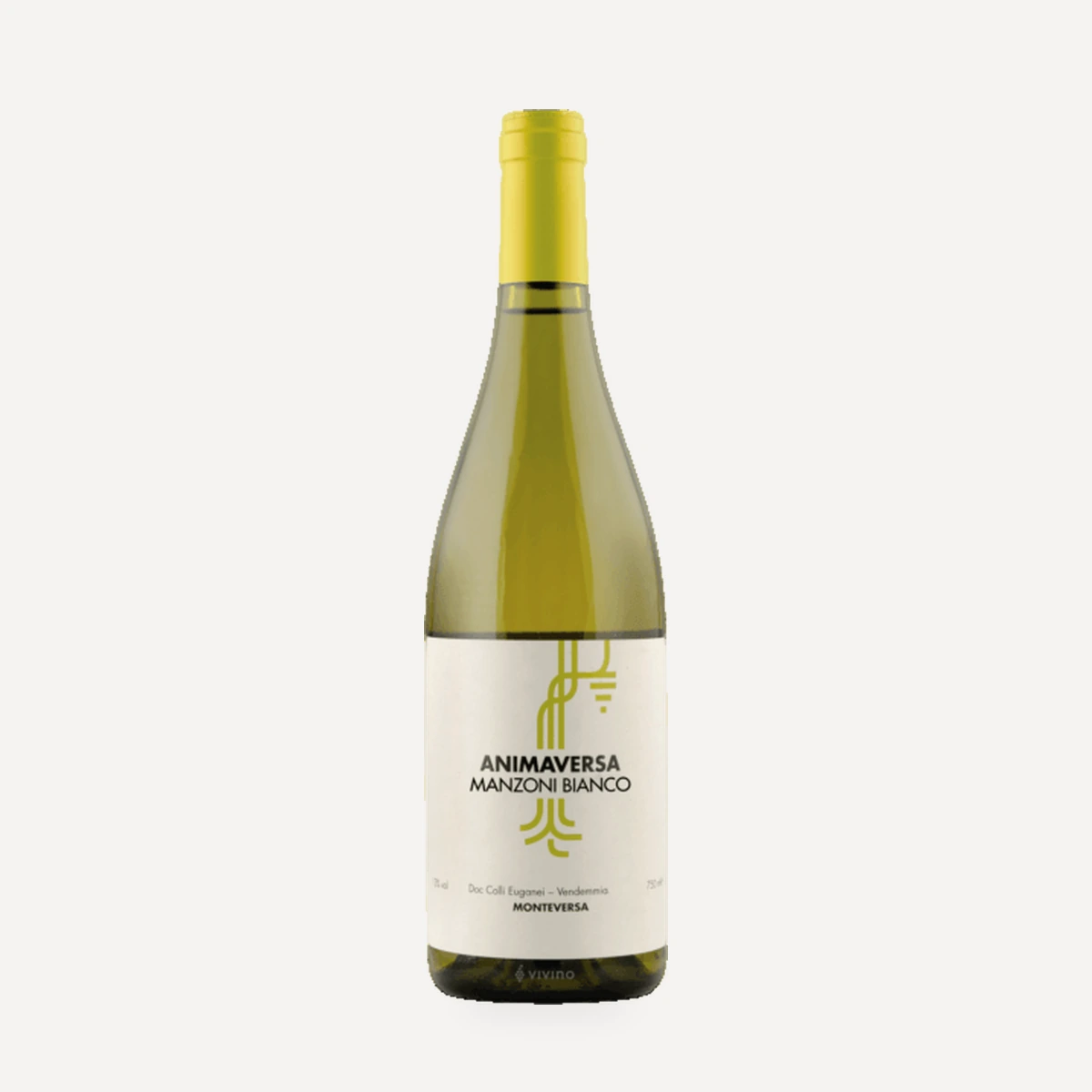
Animaversa Bianco
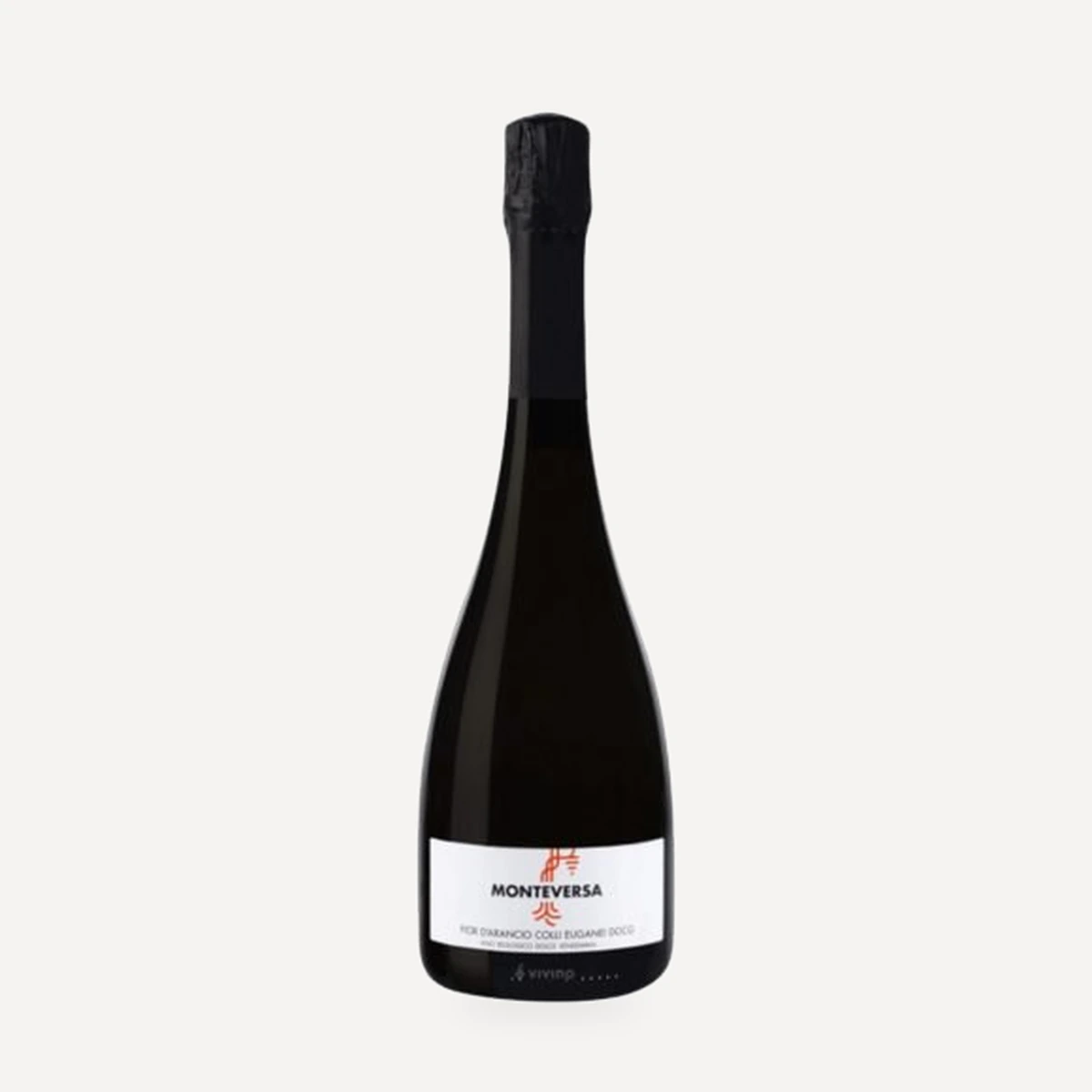
Fior d’Arancio
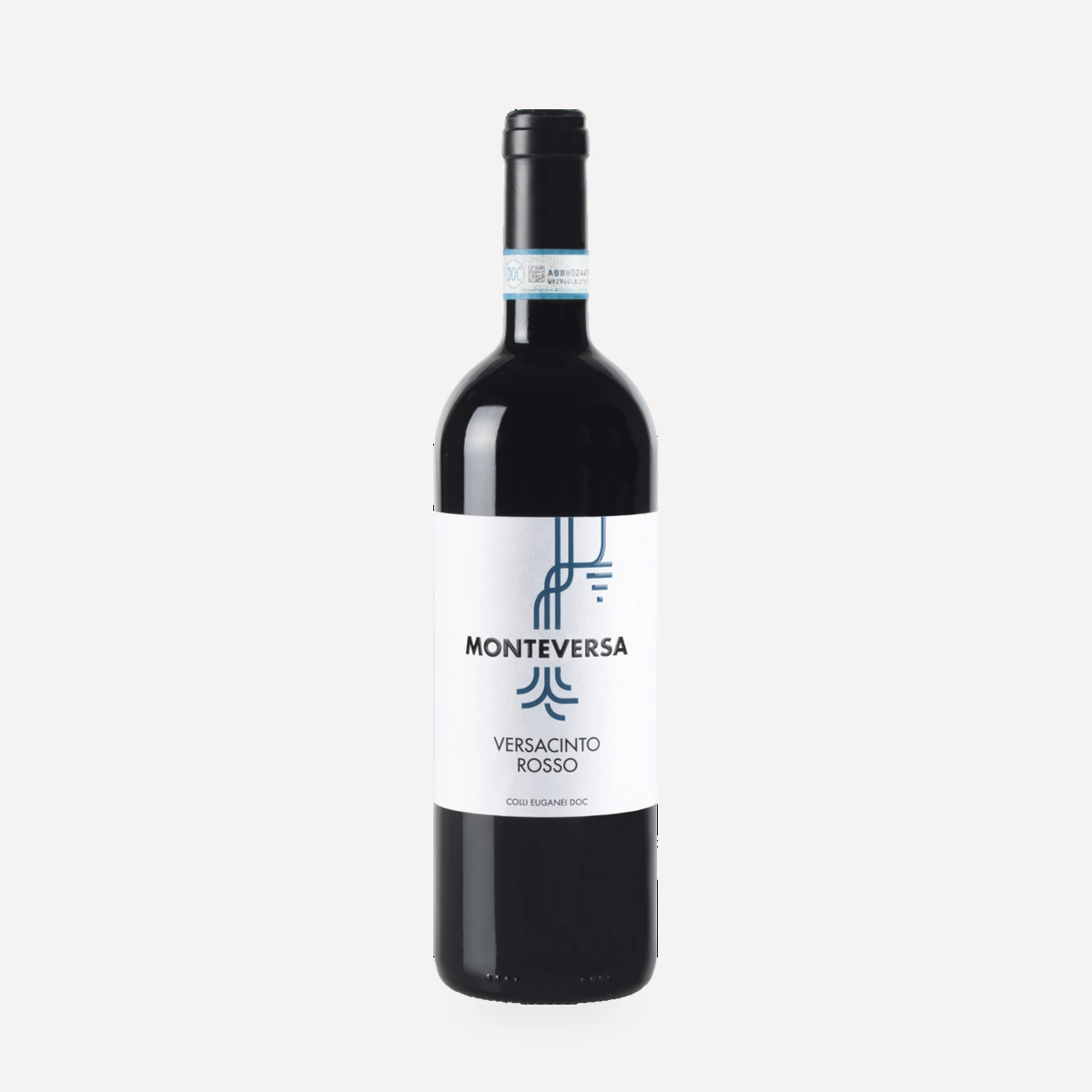
Versacinto Rosso
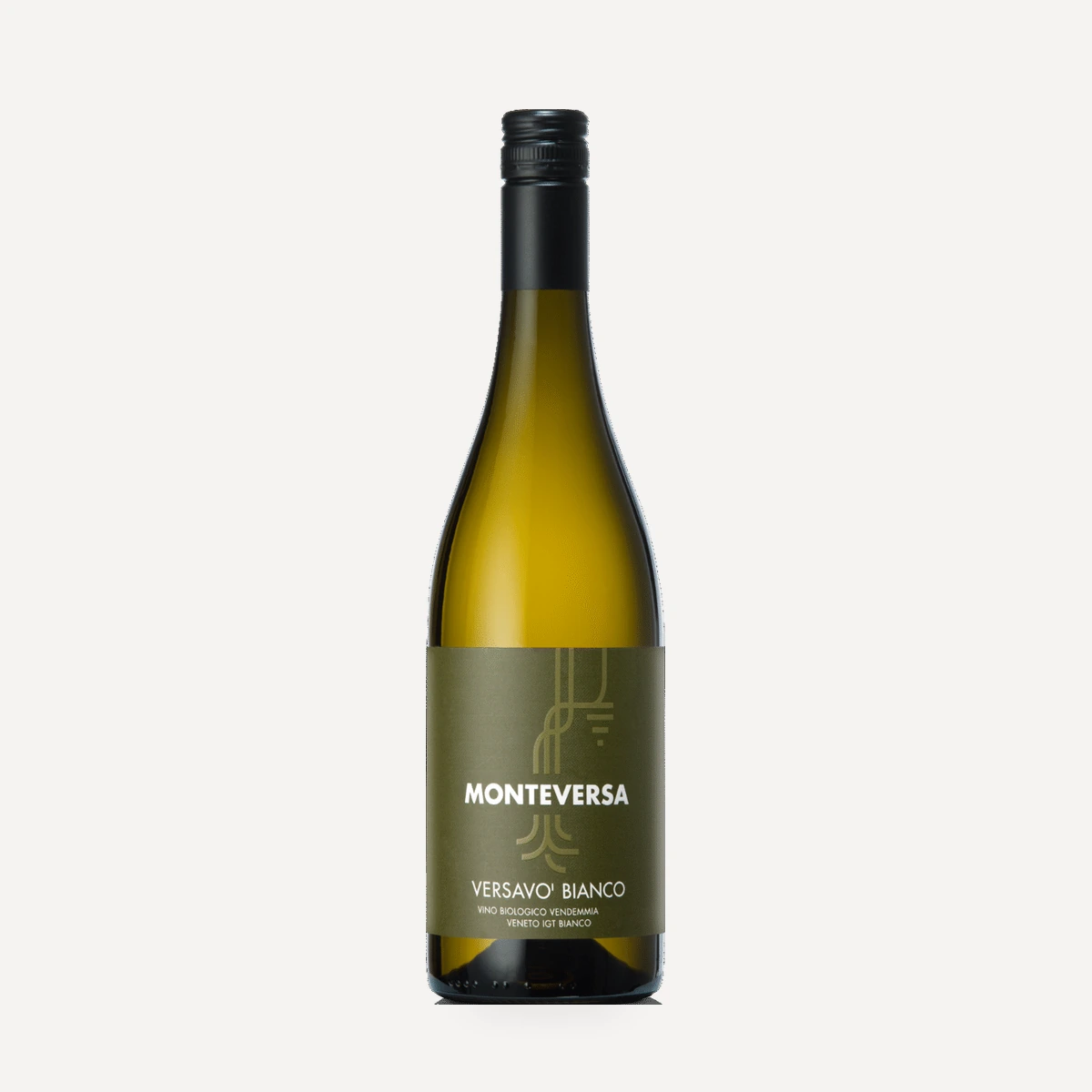
Versavó Bianco