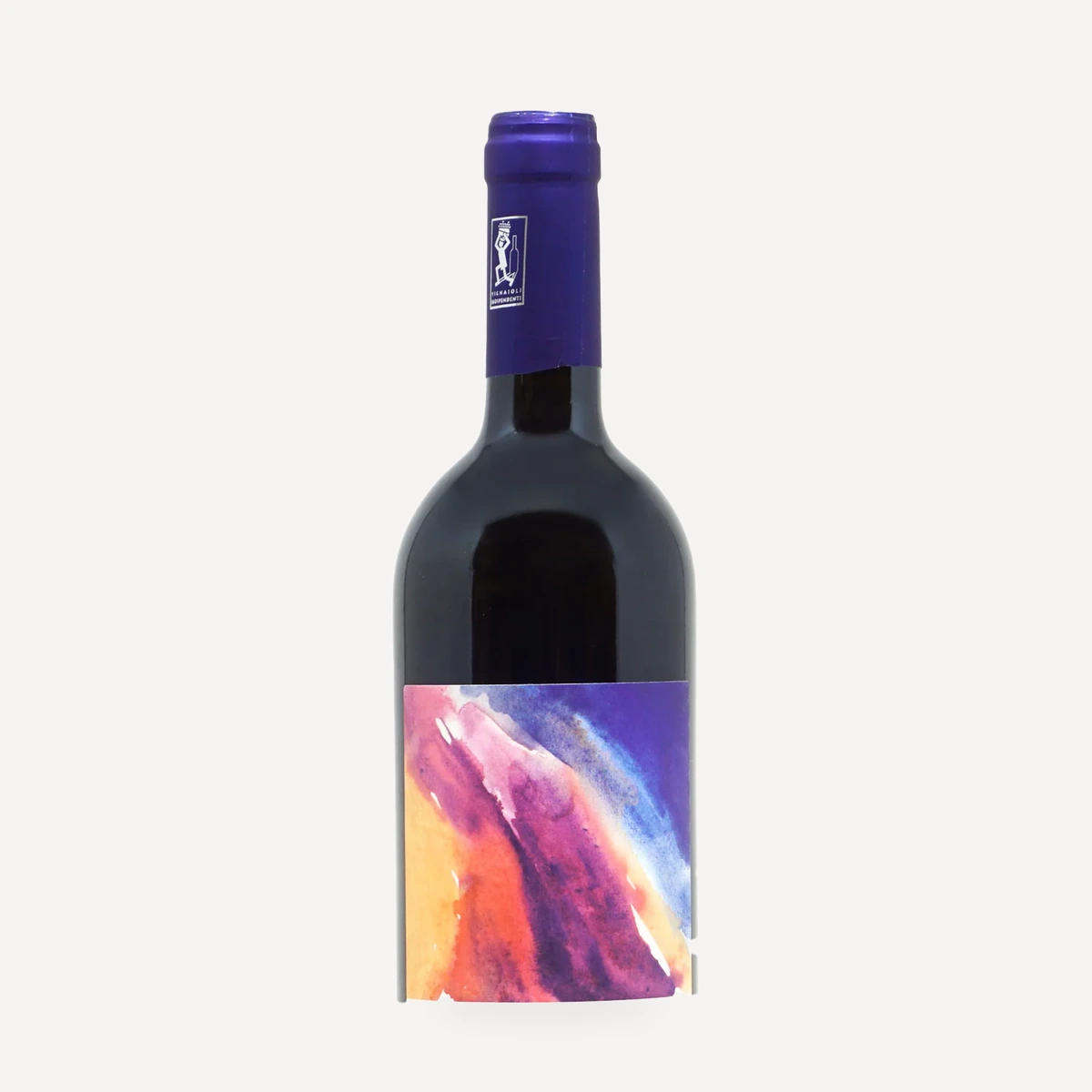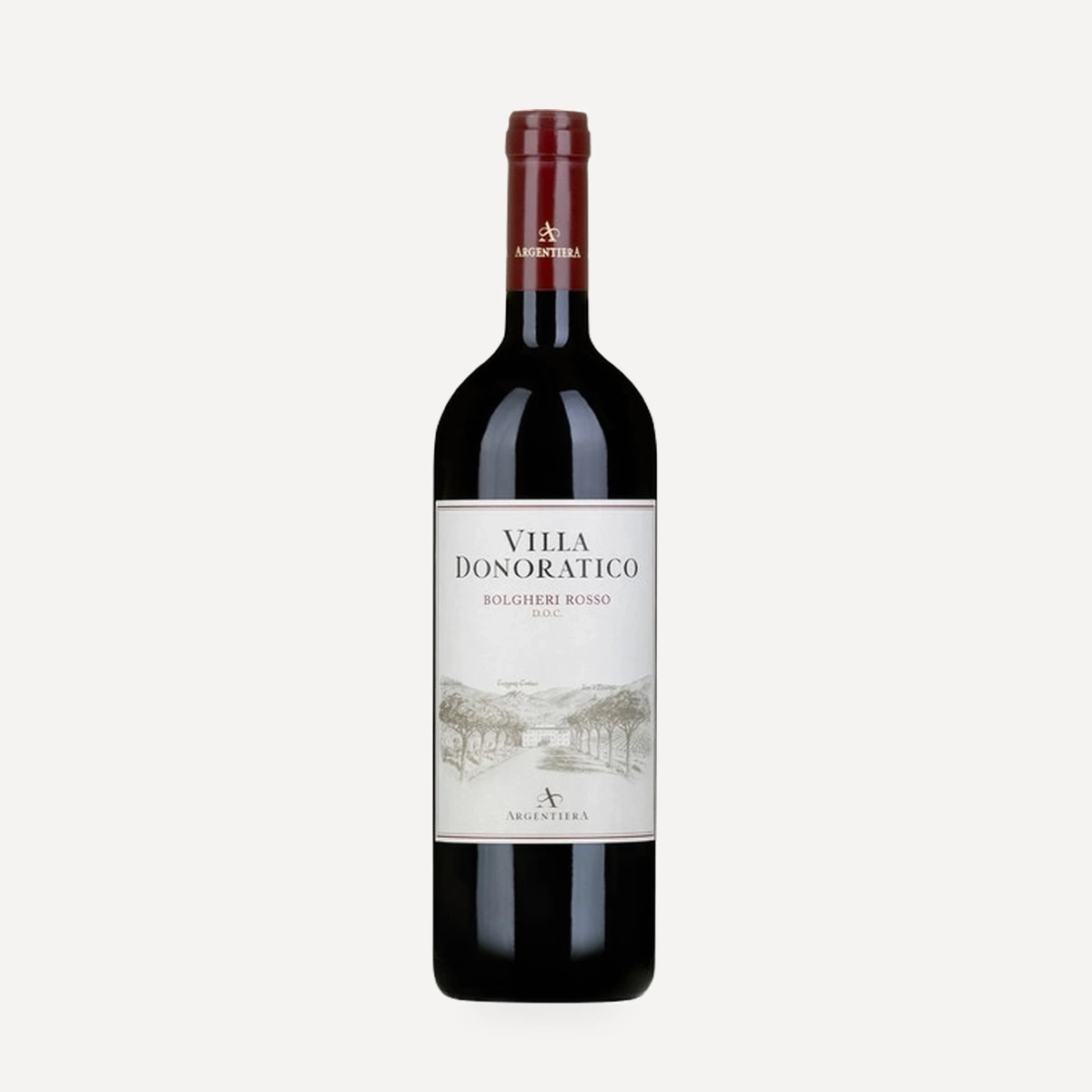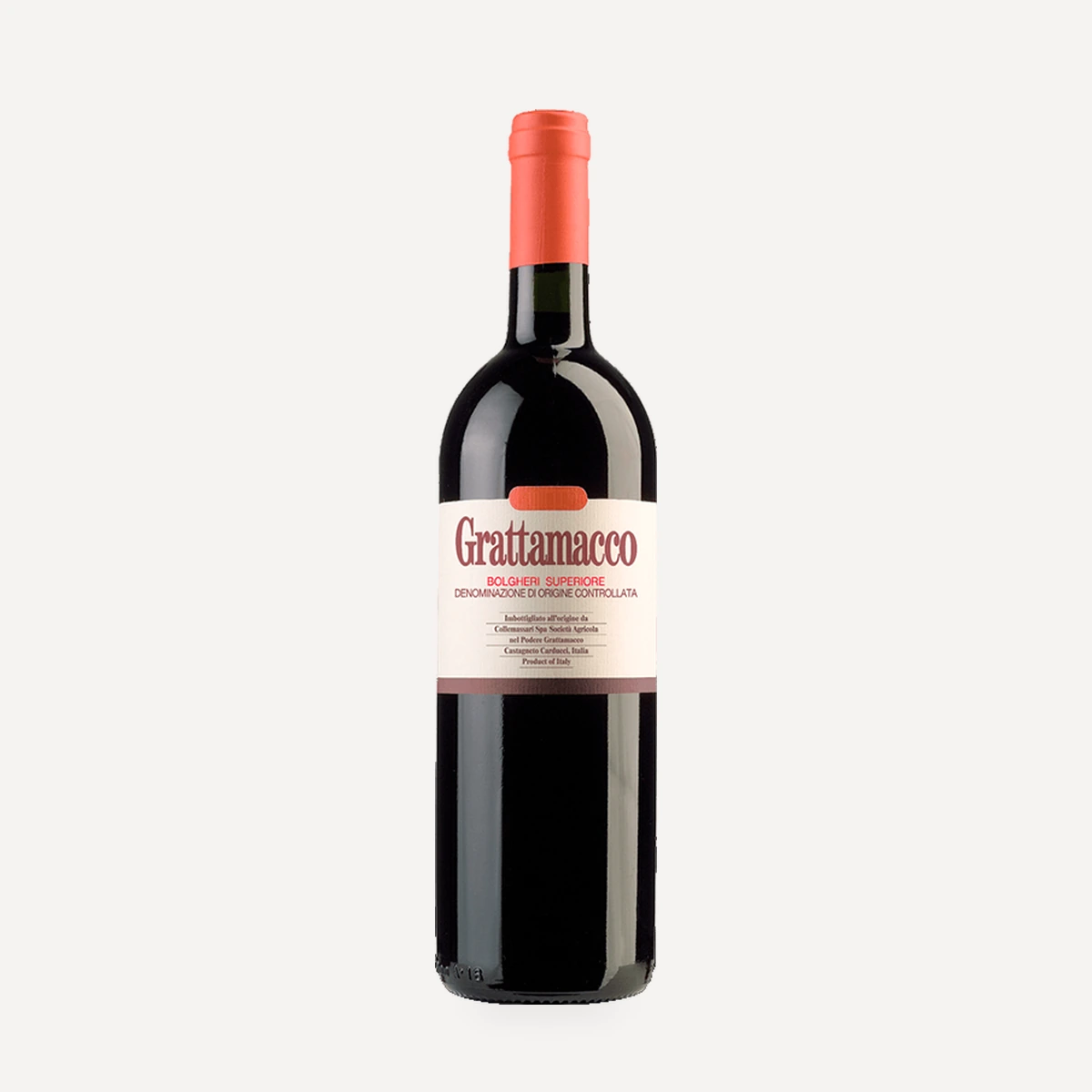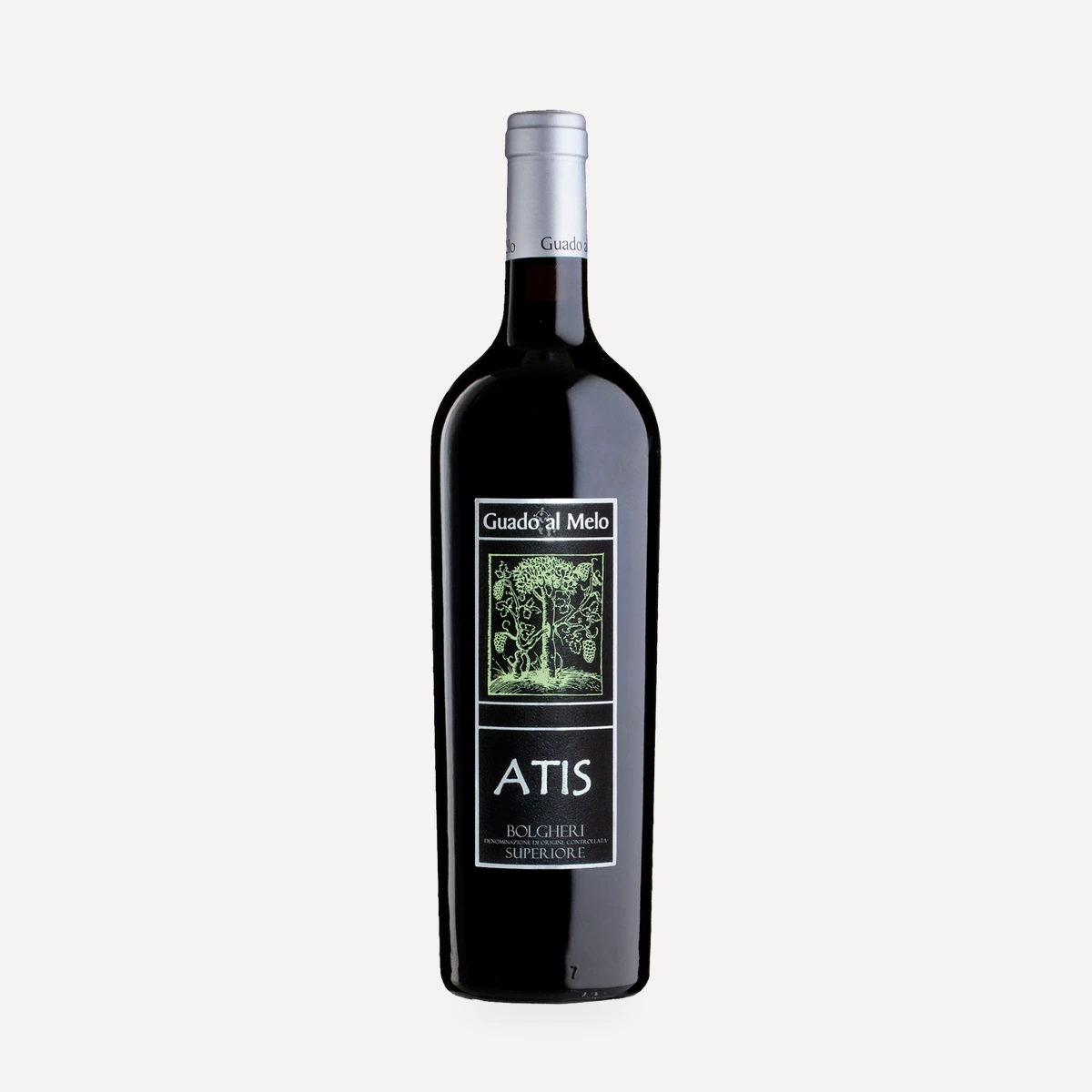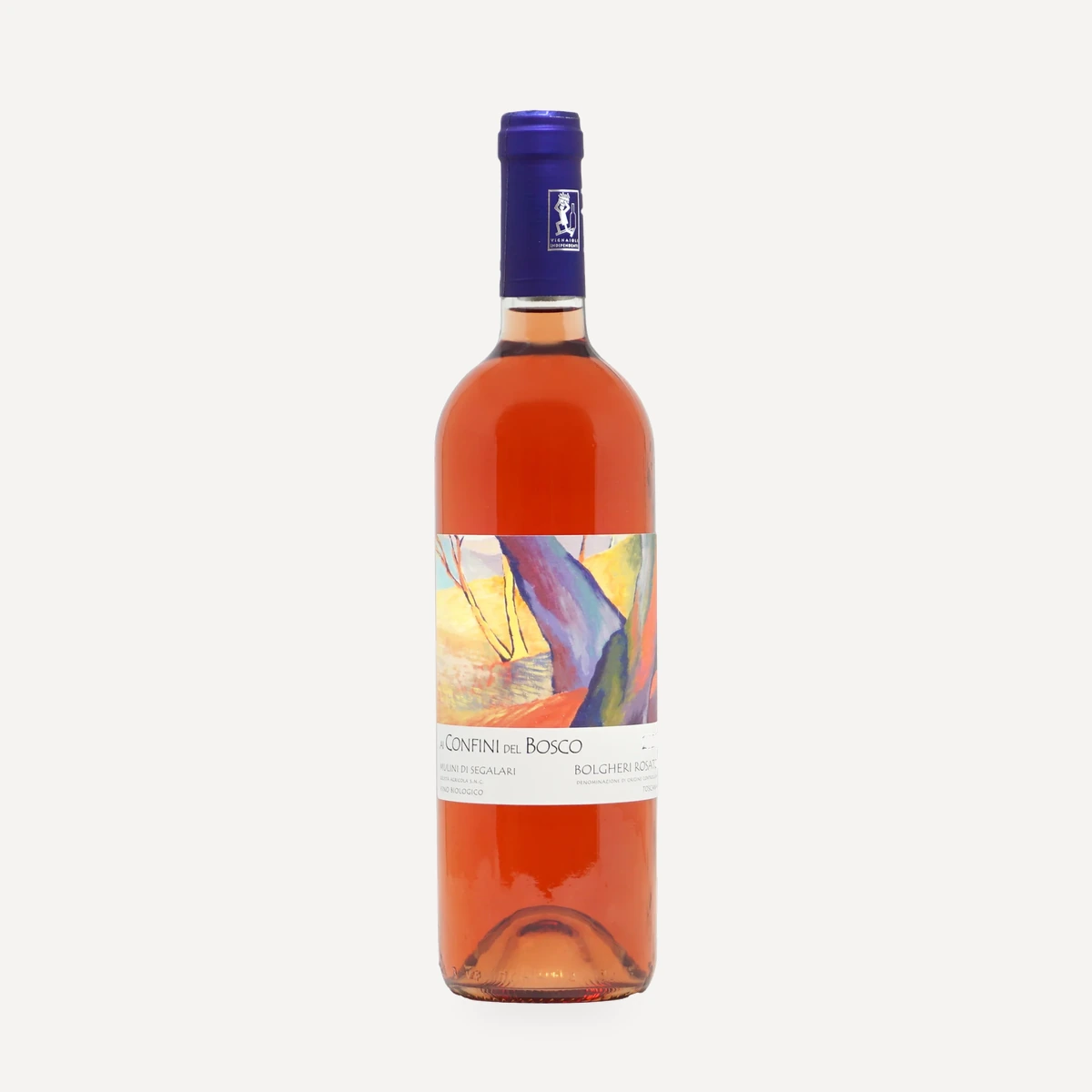
Questo vino
Vineyard and terroir
The grapes come from estate vineyards at Felciaino 115a in Castagneto Carducci, at 90–120 metres above sea level. The notably heterogeneous soils are predominantly clay-loam. The hilly vineyard area is bordered by a stream, creating a temperate and ventilated microclimate with pronounced day-to-night temperature variation.
The spur-cordon-trained vines are spaced 80 cm apart in rows 220 cm apart, for a density of 5,680 vines per hectare. Rows follow the natural hillslope and run north–south. Yield is approximately 50 quintals per hectare.
The vineyards are certified organic by ICEA and biodynamic by Demeter. They are cultivated without chemical fertilisers or systemic products, using green manure and mycorrhizal symbiosis to support soil fertility. Copper treatments are limited to 3 kg/ha, alongside sulphur. The vines are not topped in June and receive estate-made decoctions of nettle, Inula viscosa and horsetail.
Grapes
Blend proportions vary by vintage. The latest published vintage, 2024, comprises 40% Sangiovese, 30% Merlot, 15% Syrah and 15% Petit Verdot.
Vinification
Harvest ran from early September to mid-October, following the ripeness of each grape variety. The fruit was picked by hand and transported to the cellar in small crates.
The destemmed, crushed grapes retained almost one-third whole berries and remained on their skins in a stainless-steel fermenter for almost one night. After separation from the skins, the free-run must fermented with indigenous yeasts for approximately ten days at low temperature. Following racking, the fine lees were kept in suspension by bâtonnage every seven days.
Technical data
The 2024 vintage has 12.5% alcohol and total SO₂ of 50 mg/L. Production was 1,300 bottles.
Vintage notes
The 2024 growing season alternated markedly, with varied weather and intense, prolonged heat waves. A mild, rainy winter led to early budbreak in March, when maximum temperatures already exceeded 25°C, and rapid shoot growth followed. Cooler-than-average days alternated with rain during spring; accumulated water reserves then helped the vines withstand the hot, dry summer while supporting healthy bunch formation.