Storia
Family roots and the estate house
The earliest documented traces of the Nardello family in Monteforte d’Alpone date from the middle of the 16th century. A notarised deed dated 6 May 1608 records the purchase of the house on Via IV Novembre, which remains the estate’s historic headquarters. The property passed from the Boniotti family of Verona to Leonado and Zuane (Giovanni) Nardello.
Later cadastral assessments document the family’s ownership of arable land, meadows and land planted with vines in the districts of Rubian Zoppega and Novella. Cultivation of the land—and, in time, specialisation in viticulture—became a continuing family occupation. An Austrian land register from 1847 forms part of the surviving documentary record.
This continuity preserved a substantial core of inherited vineyards. The estate now encompasses approximately 14 hectares, most of it described as historic family property. Vines in almost all the vineyards average about 40–50 years of age, and the average reaches approximately 50 years in certain plots.
Early family winemaking and the interruption of production
Great-grandfather Gaetano Maria began making wine and was followed by his grandson Domenico. Their cellar occupied part of the family country house and its old courtyard, once a working village farm, and was equipped with large wooden vats.
As the equipment became obsolete, it was gradually taken out of service. In the mid-1970s, the next Gaetano Nardello—the father of Daniele and Federica—stopped vinification. The family continued growing grapes, delivering the harvest to private bottlers instead of producing wine at the estate.
Daniele and the return to estate-labelled wine
Daniele completed a university diploma in Viticulture and Oenology at the University of Milan in 1996. He subsequently gained professional experience in Australia and with wineries in his home area.
In 2000, he introduced Meridies, his first label. Its name pays tribute to the family vineyards’ position at the southern end of the Soave Classico zone, on Monte Zoppega and Monte Tondo.
Federica’s involvement
Federica earned a degree in Economics in 2001 and began her professional career in administration and accounting with companies in Milan. She had participated in the family business from the production of its earliest bottles, concentrating particularly on commercial matters. Her involvement progressively developed into a full commitment to the project, which she connected with the recovery and renewed appreciation of her family’s roots and the Soave territory.
Renovation of the historic headquarters
The historic family property on Via IV Novembre underwent renovation in 2009, continuing its role as the estate’s headquarters.
Terroir
Location and elevation
The vineyards occupy two nearby but distinct hills at the southern edge of the Soave Classico production zone: Monte Zoppega in Monteforte d’Alpone and Monte Tondo in Soave. Both rise approximately 100–120 metres above sea level. Their position at the extreme southern end of the Classico area inspired the name Meridies for the estate’s first Soave Classico.
The inherited vineyard sites are associated with favourable exposure to sunlight. Sun exposure is treated as a central element of the family’s viticultural tradition and as an important contributor to the fullness of the resulting wines.
Volcanic formations and soil variation
The area’s volcanic strata display a range of colours, from dark-grey and black basalt to copper and ochre tones, with clay inclusions. The two hills nevertheless have distinct soil profiles.
Monte Zoppega has deeper, darker soils rich in clay and basaltic rock. Nardello associates this profile with richness, fullness and pronounced extractive and mineral depth. Monte Tondo contains more sandy and silty components and is associated with gentler aromatic and palate expressions and brighter acidity.
The estate’s interpretation of terroir considers wine the combined result of sunlight, soil, climate and human work.
Soave’s protected area
The Soave district was delimited as a typical production zone in 1931 and recognised by Royal Decree in 1936. It became Veneto’s first DOC area in 1968, while Recioto di Soave became the region’s first DOCG in 1998.
Vinificazione
Most of the established vineyards retain the traditional pergola veronese training system. Over time, the older pergolas have been modified gradually to control excessive vigour and improve qualitative balance.
The principal objective of this adaptation is to expose the bunches to sunlight and prevent stagnant humidity. The resulting new-generation pergola is intended to preserve the productive balance of each vine, protect the integrity of both bunches and plants, and reduce the need for fruit-protection products. It also avoids excessive green cutting that would unnecessarily reduce active photosynthetic leaf area.
New plantings are trained to Guyot. Here too, the central objective is vegetative equilibrium, so that canopy growth and production remain in harmony.
The estate’s vineyards are predominantly mature: vines in almost all sites average approximately 40–50 years, while the average approaches 50 years in some plots.
Filosofia
Nardello’s approach is rooted in continuity: inherited land, mature vines and family work are treated as a viticultural patrimony rather than simply productive assets. Sunlight occupies a central place in this outlook, both as the origin of natural development and as a practical factor governing vineyard exposure and canopy design.
The viticultural objective is balance. Pergola veronese vineyards are adapted to moderate vigour, preserve healthy bunches and maintain sufficient photosynthetic leaf area, while new Guyot plantings are managed according to the same principle of equilibrium between vegetation and production.
The estate understands wine as the outcome of four interacting elements—sun, soil, climate and human work. Daniele Nardello describes viticulture and oenology as a passion that has shaped his daily life, not merely as subjects of study or professional disciplines. Federica’s commitment is connected with recovering and re-evaluating the family’s origins and its relationship with the Soave district.
Vini
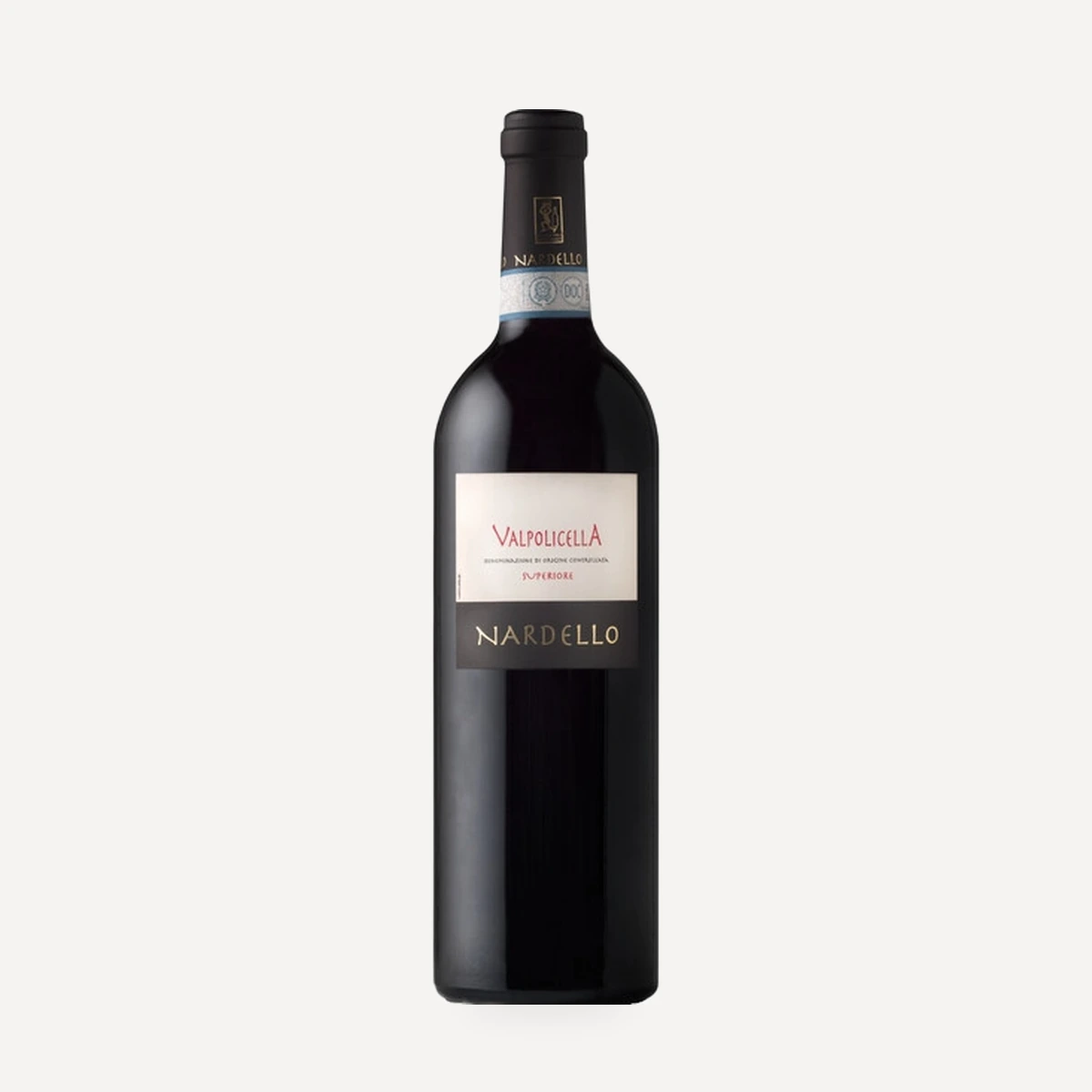
Valpolicella Superiore DOC
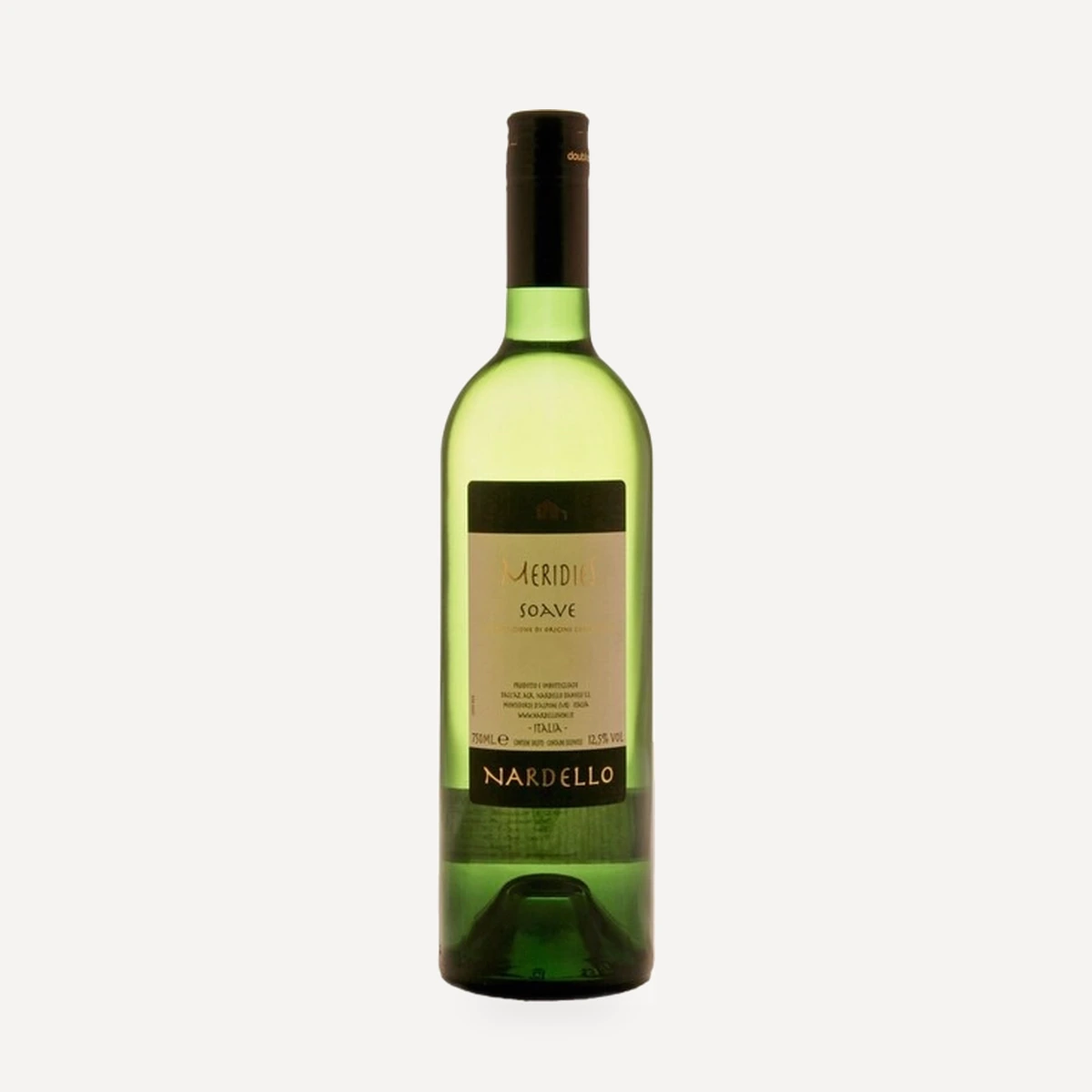
Meridies Soave Classico DOC
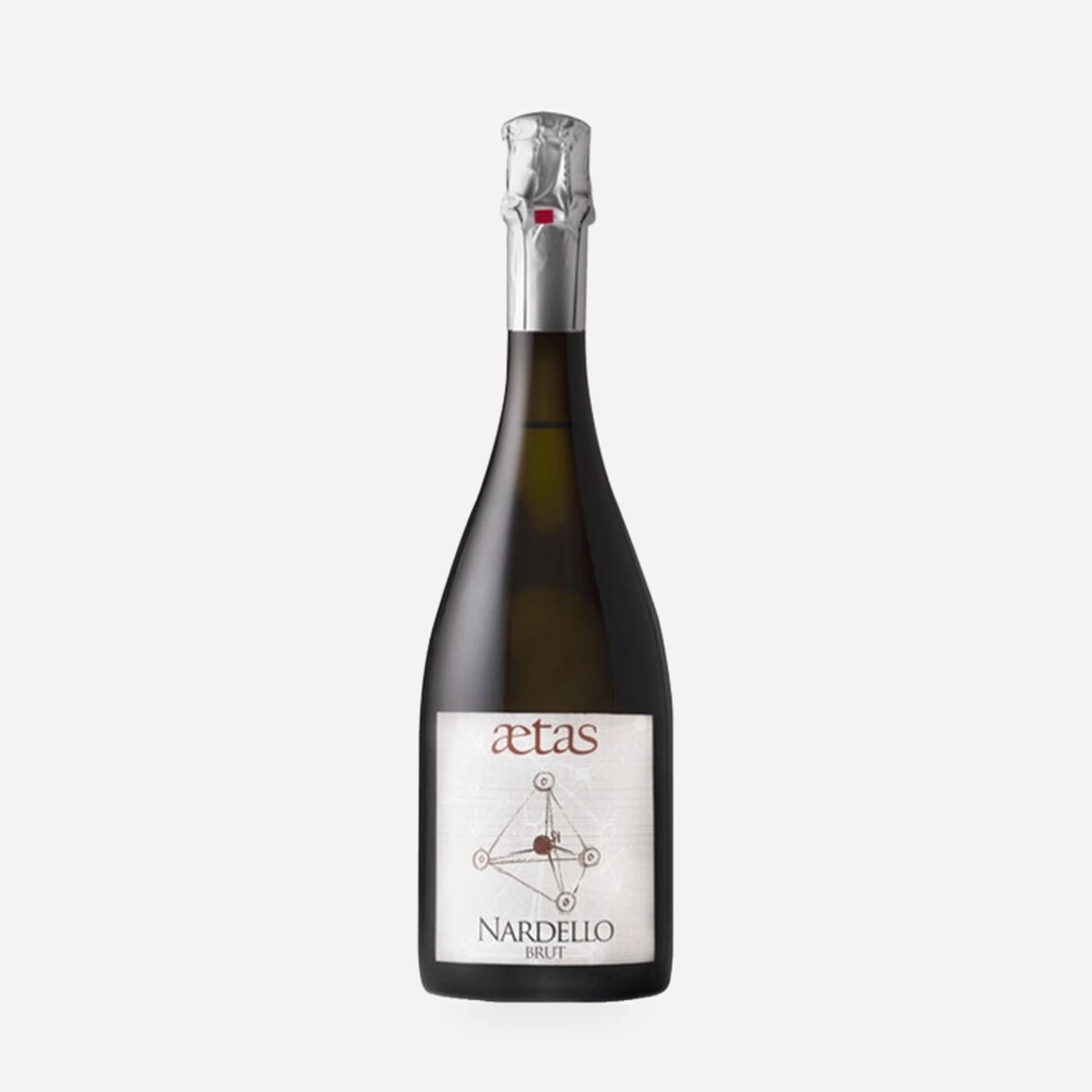
Aetas Brut
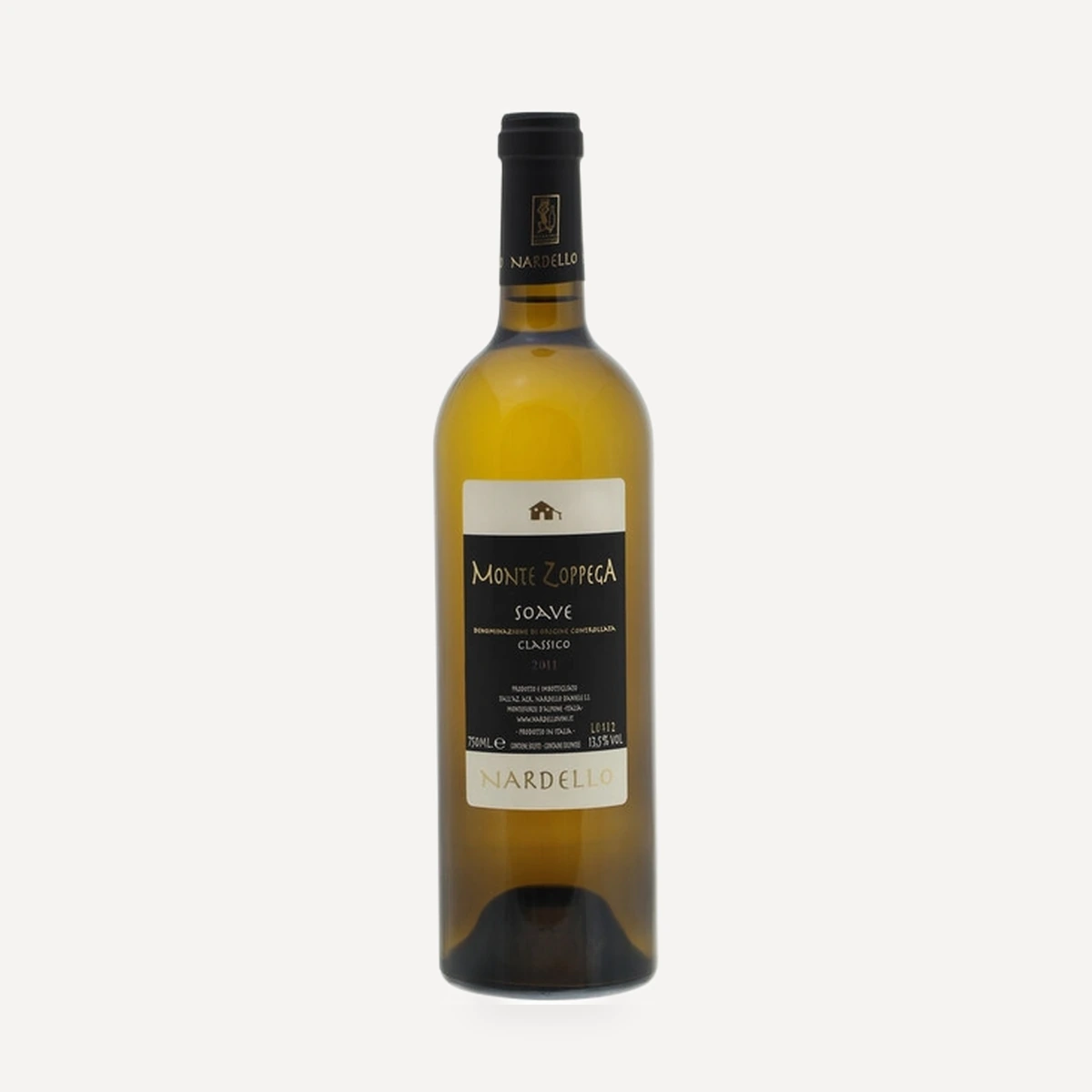
Monte Zoppega Soave Classico DOC
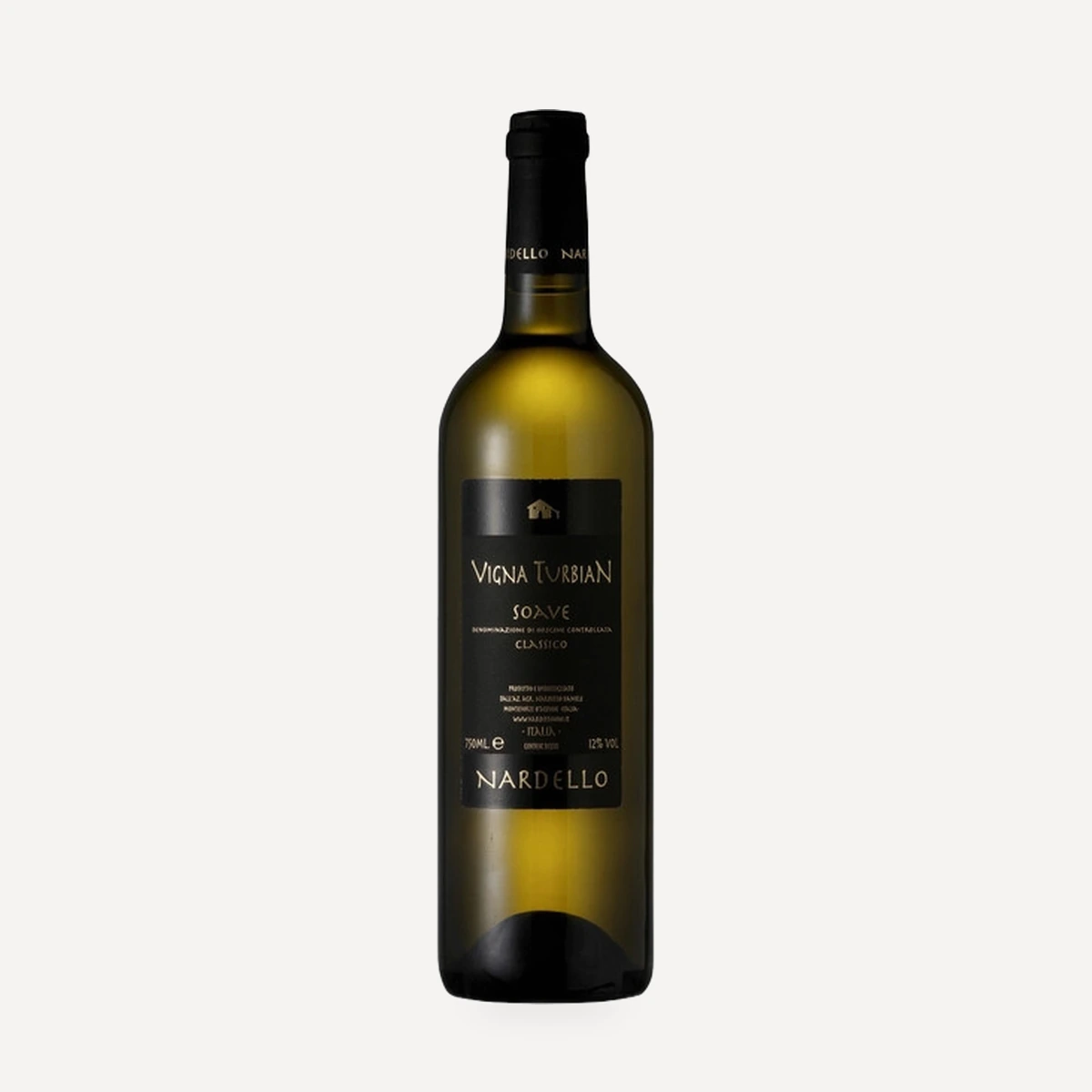
Vigna Turbian Soave Classico DOC