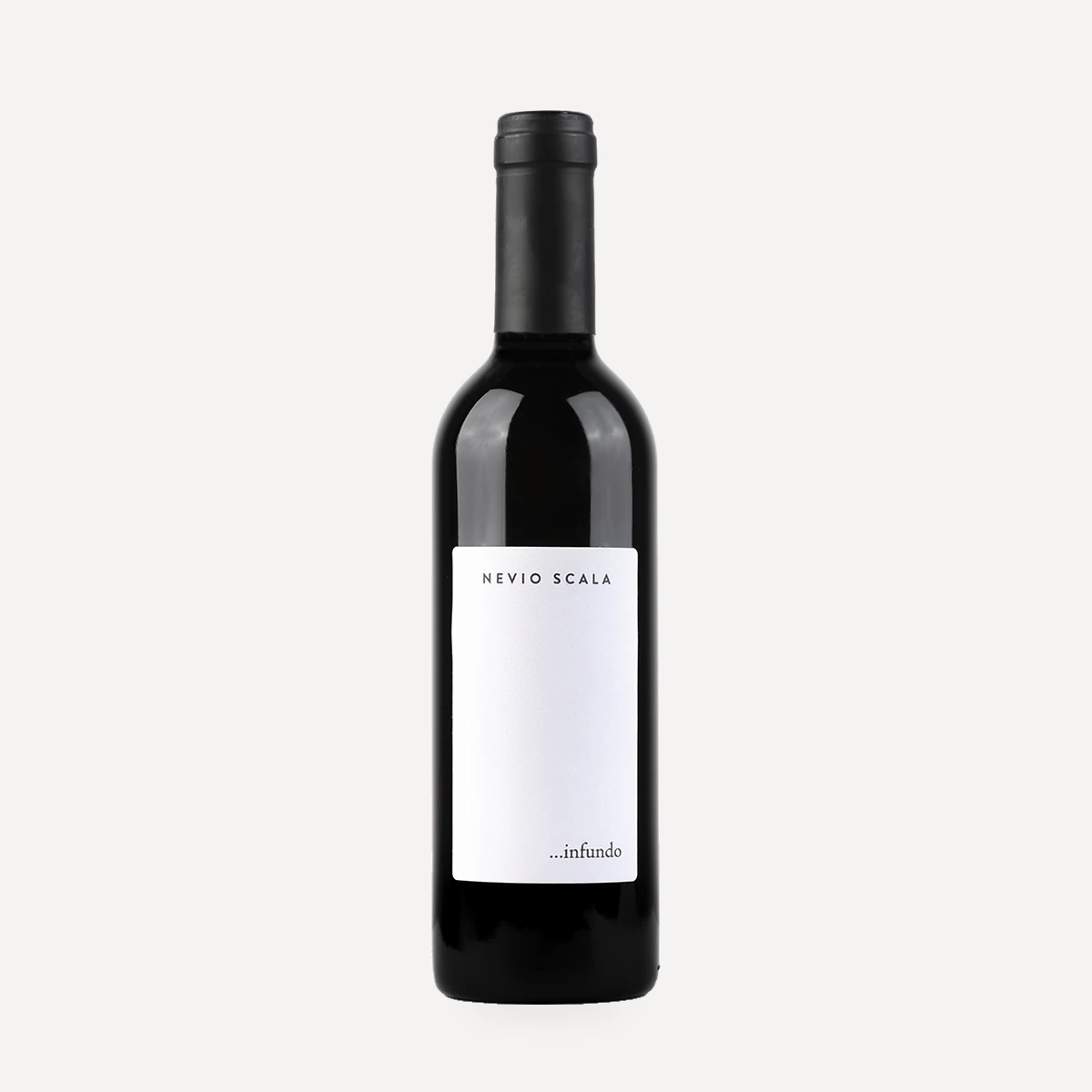
Storia
The family arrives at Boaria Oselanda
The first step toward the present farm dates to 1929. In that year, Angelo Scala left Minerbe in the province of Verona with his wife Giuseppina, their sons Leonida and Francesco, and about six oxen. They walked approximately 25 kilometres to Boaria Oselanda, a farm belonging to the noble Albrizzi family in Lozzo Atestino, near the boundary between the provinces of Padova and Vicenza.
The family began as tenant farmers on an estate rich in water at the foot of the Colli Euganei. Every member of the household contributed to cultivating land then devoted principally to tobacco and maize. Over time, the family redeemed the property field by field, turning the tenancy into a family holding.
Nevio Scala, football and the farm
Francesco's son Nevio spent two long periods away from the farm pursuing a professional football career. From 1965 to 1981 he played for clubs including Milan, Inter, Roma, L.R. Vicenza and Fiorentina. From 1987 to 2004 he worked as a coach for Reggina, Parma, Borussia Dortmund, Shakhtar Donetsk and Spartak Moscow. His brother Giorgio followed the farm's development during these absences.
The contrast between professional football and agricultural work reinforced Nevio's attachment to the land. It also led him toward an ecological model centred on restoring and protecting the farm's natural resources.
The 1997 turning point
In 1997, the family planted an olive grove on Monte Lozzo. From the mountain, Nevio could see an almost uninterrupted plain of industrial fields and urban development. The woods, hedgerows, tree-lined avenues, mixed vineyard plantings and vines trained on living trees that he remembered from childhood had largely disappeared. This became a decisive stimulus for restoring diversity to the farm.
Recovery of the vineyards
A project to recover the vineyards associated with Nevio's father, Francesco, began in 2013. The family first identified which soils were best suited to each variety. The first new vineyard was planted at Valbona, on volcanic ground at the foot of Monte Lozzo, with Garganega, Merlot and Cabernet Franc.
The most recent replanting described for the project took place at Corte, beside the winery. Its sandy, alluvial soils were assigned to Moscato Bianco and Moscato Giallo.
The renewed agricultural company developed as a diversified organic farm rather than a vineyard monoculture. Its approximately 120 hectares now encompass vineyards, arable fields, woodland, a wetland and rural buildings. The farm also grows olives, wheat, barley, legumes, sunflower, rapeseed, sugar beet and hemp.
The winery and public opening
Sacha designed and repeatedly refined the winery project. In autumn 2022, the old stable was restored and incorporated into the winery's hospitality facilities. The business became an agriturismo and opened a wine bar and osteria where visitors could sit at the counter, beneath the old arches or among the vines.
The farm also became an educational farm in 2022, creating programmes for schools and guided activities for adults. Vineyard walks, cellar visits, tastings and food-and-wine excursions extended the family's agricultural project into education and rural hospitality.
Terroir
From Monte Lozzo to the plain
The estate lies at the foot of the Colli Euganei, entirely within the commune of Lozzo Atestino and close to the boundary between the provinces of Padova and Vicenza. Its land extends from the isolated Monte Lozzo into the surrounding plain.
The Colli Euganei began forming more than 150 million years ago with sedimentary rocks. Successive calcareous and clay formations were followed by volcanic activity that produced rhyolite, trachyte and latite, together with more fluid basaltic intrusions. Atmospheric erosion, the retreat of surface and marine waters, and centuries of human intervention shaped the present landscape.
Monte Lozzo stands on the southwestern side of the Colli Euganei. Its geology is dominated by marly limestone formations, scaglia rossa and trachyte. The estate's olive grove lies on the mountain at approximately 150 metres above sea level.
A composite geology
The farm combines several geological environments: trachyte and scaglia rossa on Monte Lozzo; volcanic-calcareous sediments at Valbona; and alluvial sand at Saline, deposited by a former northern branch of the Adige or by a watercourse belonging to the Bacchiglione–Brenta system.
The estate occupies a channel between the Monti Berici and the Colli Euganei. This position influences the local airflow and creates a distinctive microclimate for its crops. The historic farm name, Boaria Oselanda, evokes the currents associated with the passage of migratory birds.
The more westerly land is sandier and lies in the area known as Saline. These soils are associated with the mineral and savoury character sought in some of the wines. Corte likewise has sandy soils formed by the bends of former watercourses, while Valbona and Pra’ del Rovere have volcanic ground.
The surrounding plain was reclaimed from ponds and marshes beginning in the late Middle Ages. The estate uses the expression Le Terre Emerse for both the ancient rocky, volcanic hills and the reclaimed agricultural land.
Vinificazione
The farm is certified organic by ICEA. Organic certification is treated as a starting point rather than an endpoint: synthetic chemical products are excluded, and soil, water and air are managed as resources that must remain productive over the long term.
The agricultural holding is understood as a complex organism in which monoculture must not prevail. Its vineyards are divided into three separate blocks interspersed with hedgerows, woods, a wetland and green corridors. These features provide habitat and movement routes for micro-, meso- and macrofauna and are intended to help the farm move toward ecological balance.
Viticulture forms part of a broader rotation and biodiversity strategy. Alongside vines and olives, the farm grows wheat for breadmaking, barley for malt, legumes that replenish nitrogen, sunflower and rapeseed for seed oil, sugar beet and hemp. Maintaining soil fertility is the primary agronomic objective, supporting healthy, high-quality crops.
Copper and sulphur use in the vineyards is targeted for reduction through locally adapted protocols derived from observation of the vineyard environment. The approach combines scientific research from universities and experimental centres with empirical observation and trial-and-error on the farm.
Harvesting described across the range is manual. Certain lots receive additional selection in the vineyard, including grapes intended for prolonged drying and special red selections. Manual vineyard work and pruning are carried out by the permanent farm team.
The production complex includes dedicated areas for fermentation and vinification, a barrel room and a fruttaio for drying grapes. The restored former stable now houses the public-facing osteria and tasting area.
Grapes are harvested by hand. Depending on the intended wine, they are destemmed and either pressed gently in a pneumatic press—up to 0.8 bar in the documented sparkling-wine process—or transferred to tanks for skin-contact fermentation. Fermentations are spontaneous and proceed without selected yeast.
The cellar works with stainless steel, concrete and wood. Stainless steel is used for both white and red fermentations; concrete is used for fermentation, maturation and final blending; and French-oak tonneaux are used for selected portions or individual lots. Skin contact varies by wine, from approximately five days to ten days in the documented processes. Some wines are fermented as whites after pressing, while others ferment directly on their skins.
Concrete maturation is central to the cellar. Documented periods range from about five months on indigenous lees to nine, sixteen or twenty-six months, according to the lot. Periodic bâtonnage of the fine lees is used for several wines. Selected red lots may place a small proportion—approximately 3–5% in the documented examples—in oak tonneaux before blending.
Bottle-refermented wines are produced in more than one way. One method bottles wine while the first fermentation is still active, retaining the naturally generated carbon dioxide. Another adds a small quantity of dried Garganega must from the same vintage at bottling to initiate a second fermentation in bottle. Bottling without added sulphur dioxide is specified for several wines.
For passito production, suitable bunches are selected in the vineyard and taken to the fruttaio. Drying continues until the first waxing moon after the spring equinox. Cold temperatures and circulating air concentrate the sugars and encourage noble mould on the grape skins.
Bottle maturation after cellar ageing is also part of the programme, with documented periods ranging from six months to substantially longer for selected red wines.
Filosofia
Nevio Scala's project is built around care for the land and an ecological understanding of the farm. The holding is treated as a living, complex organism whose equilibrium is dynamic and must be continually renewed. In this model, the farmer acts as a conservator: observing seasonal change, protecting fertility and guiding the agricultural system without exhausting soil, water or air.
Biodiversity is both an agronomic tool and a defining value. Vineyards remain only one component of a landscape that also includes olives, field crops, woodland, wetland, hedges and green corridors. Restoring some of the diversity remembered from Nevio's childhood is a direct response to the spread of simplified industrial agriculture across the surrounding plain.
Sustainability encompasses environmental, ecological, social and economic responsibilities and is regarded as an ongoing objective rather than a completed status. This includes reducing vineyard copper and sulphur, applying socially responsible employment practices and contributing to the cultural life of the surrounding community.
The project rejects uncritical use of fashionable terms such as organic, innovation and tradition. Its approach combines formal scientific research with close observation and empirical trials. Errors are accepted as part of the process through which practical knowledge is generated.
Each vintage is understood as the result of interaction among the territory, the year's weather and the characteristics of the plant varieties. The wines are intended to convey that interaction, the seasonal cycle, the people working on the farm and the wider project of restoring the land, rather than functioning solely as market commodities.
Vini
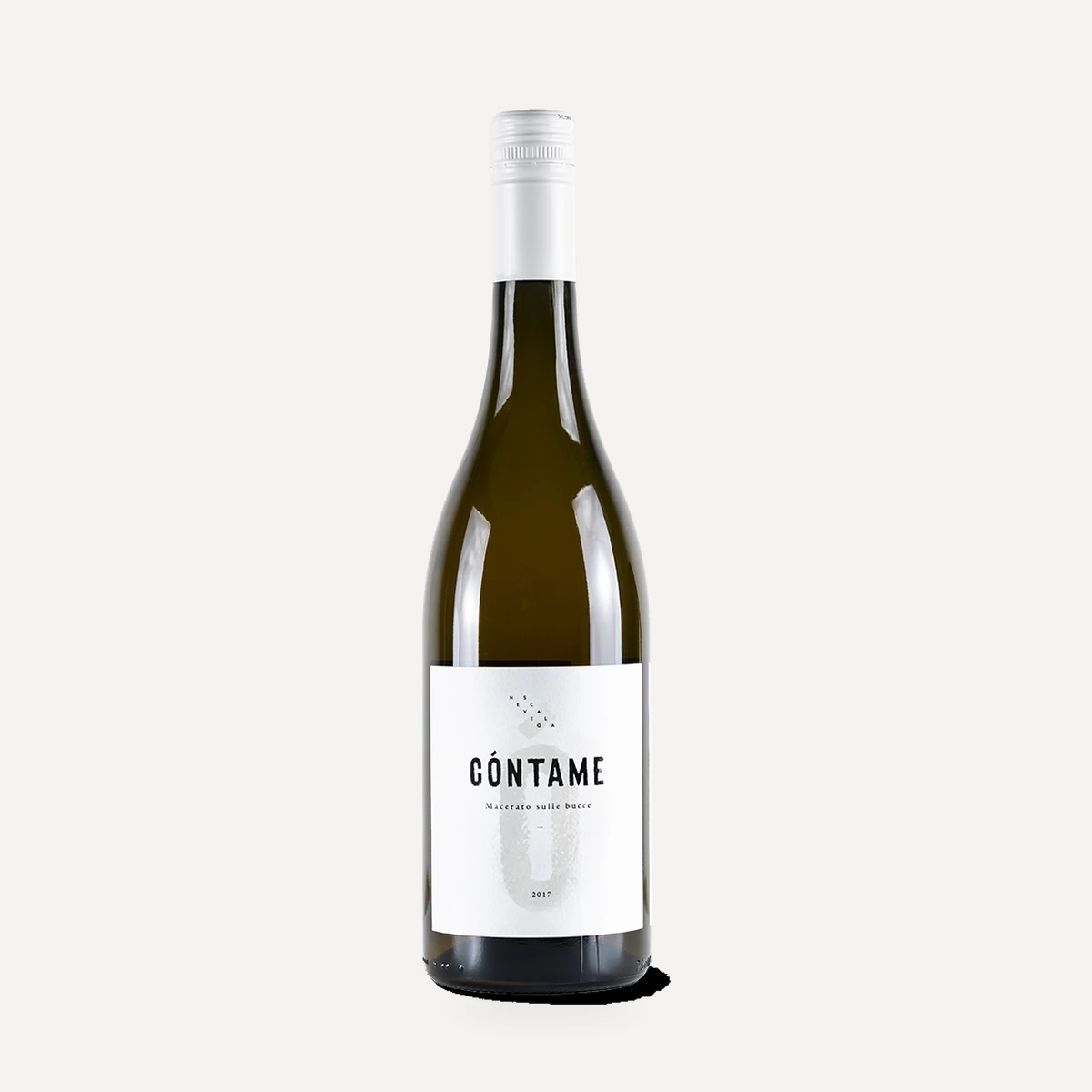
Cóntame
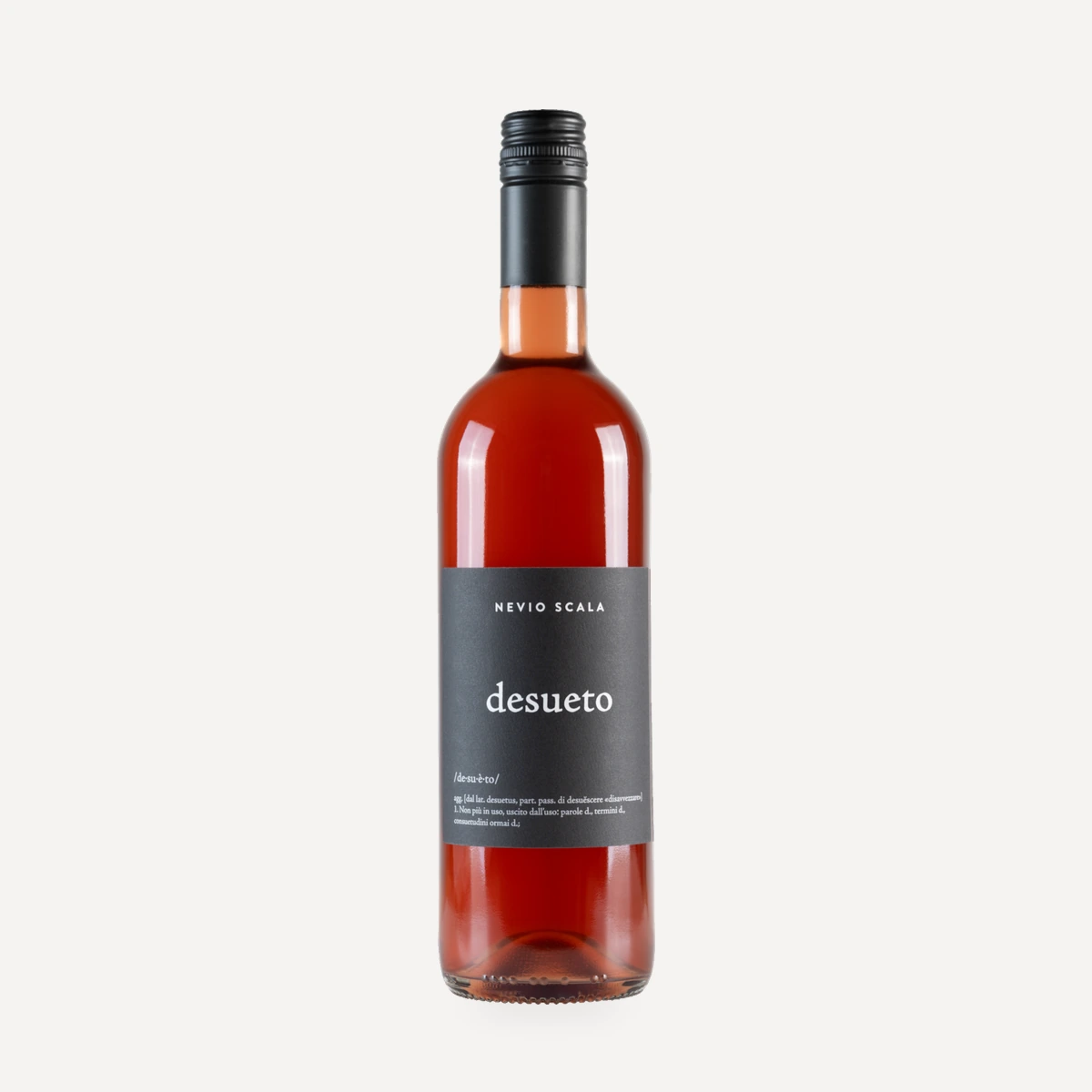
Desueto
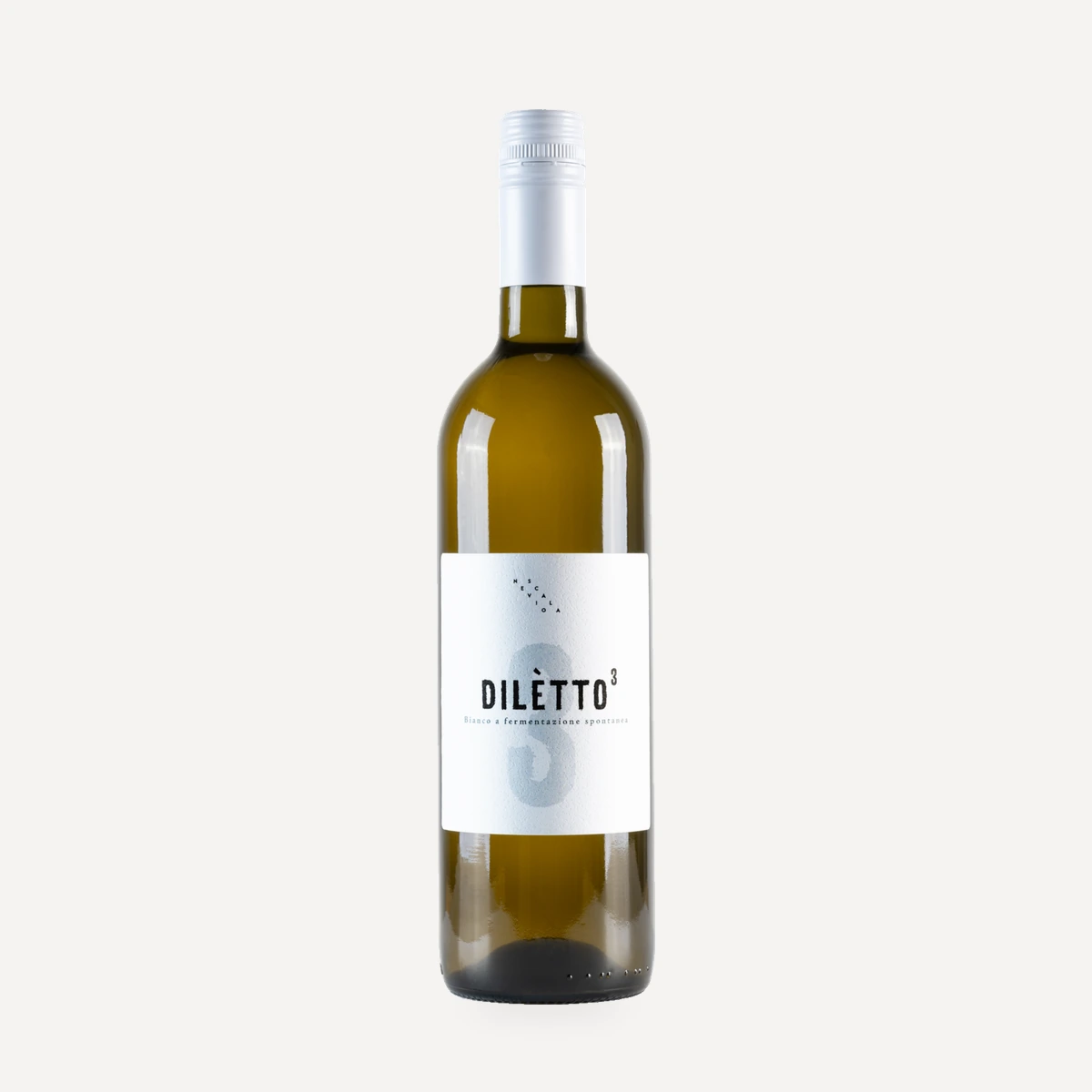
Dilètto al Cubo
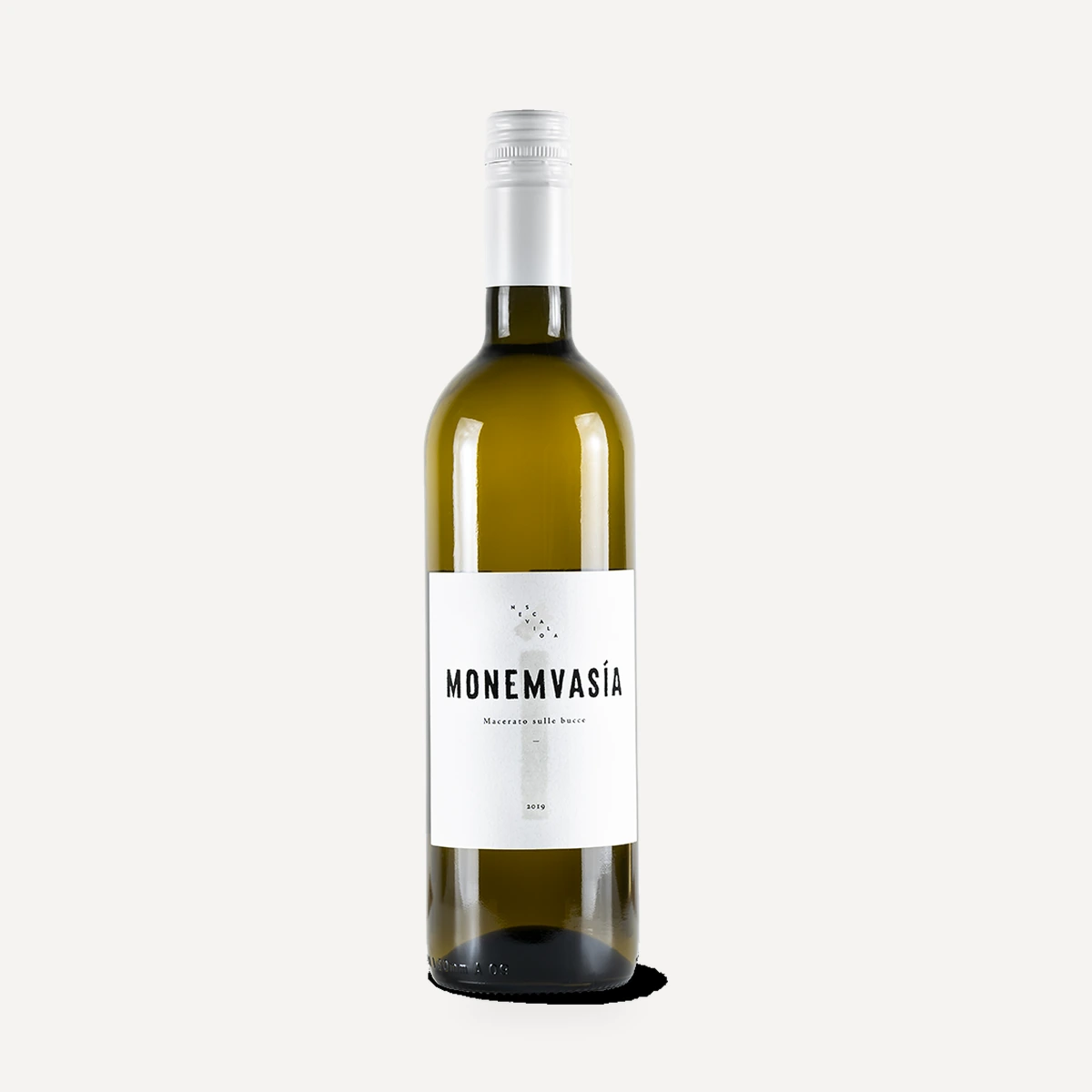
Monemvasìa
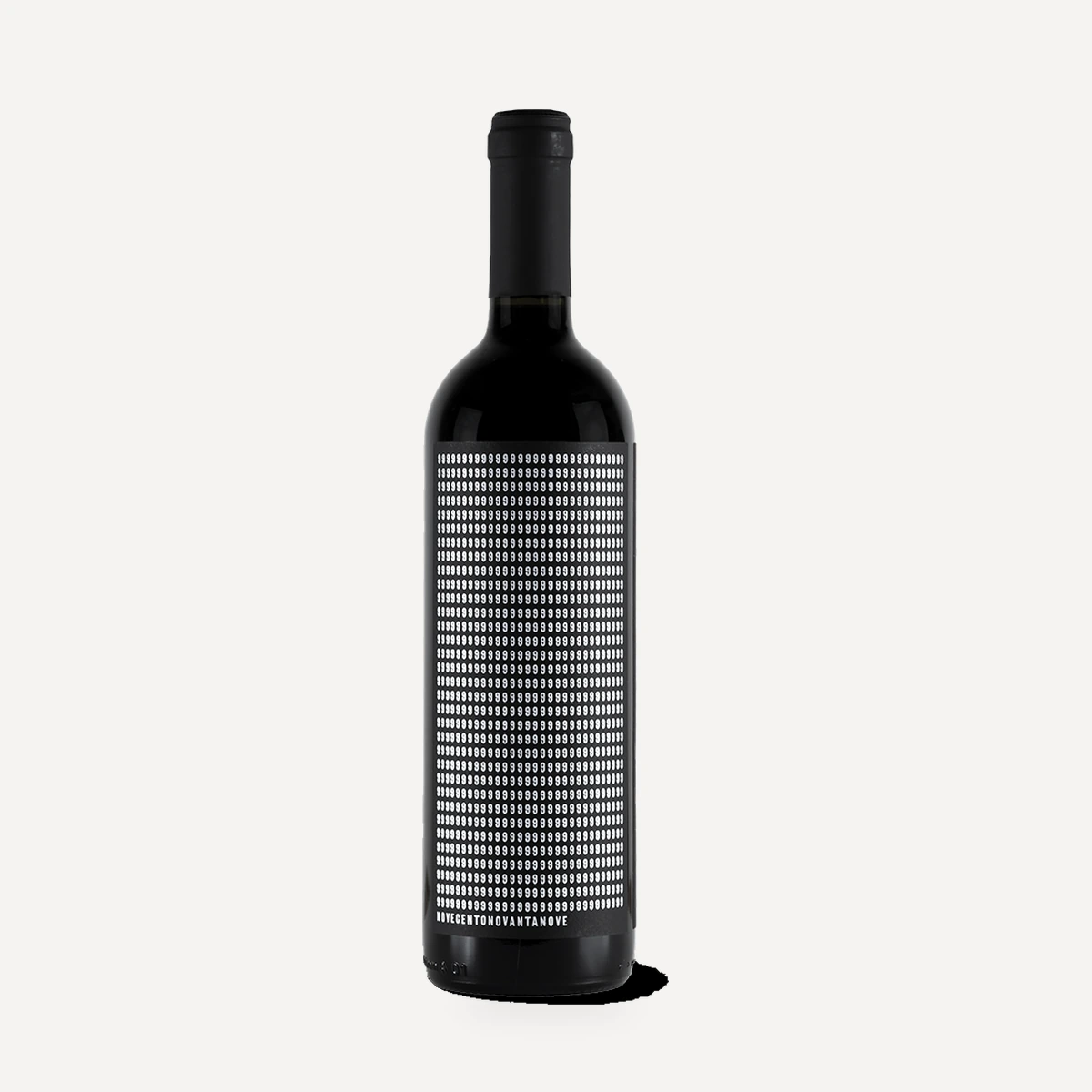
Novecentonovantanove
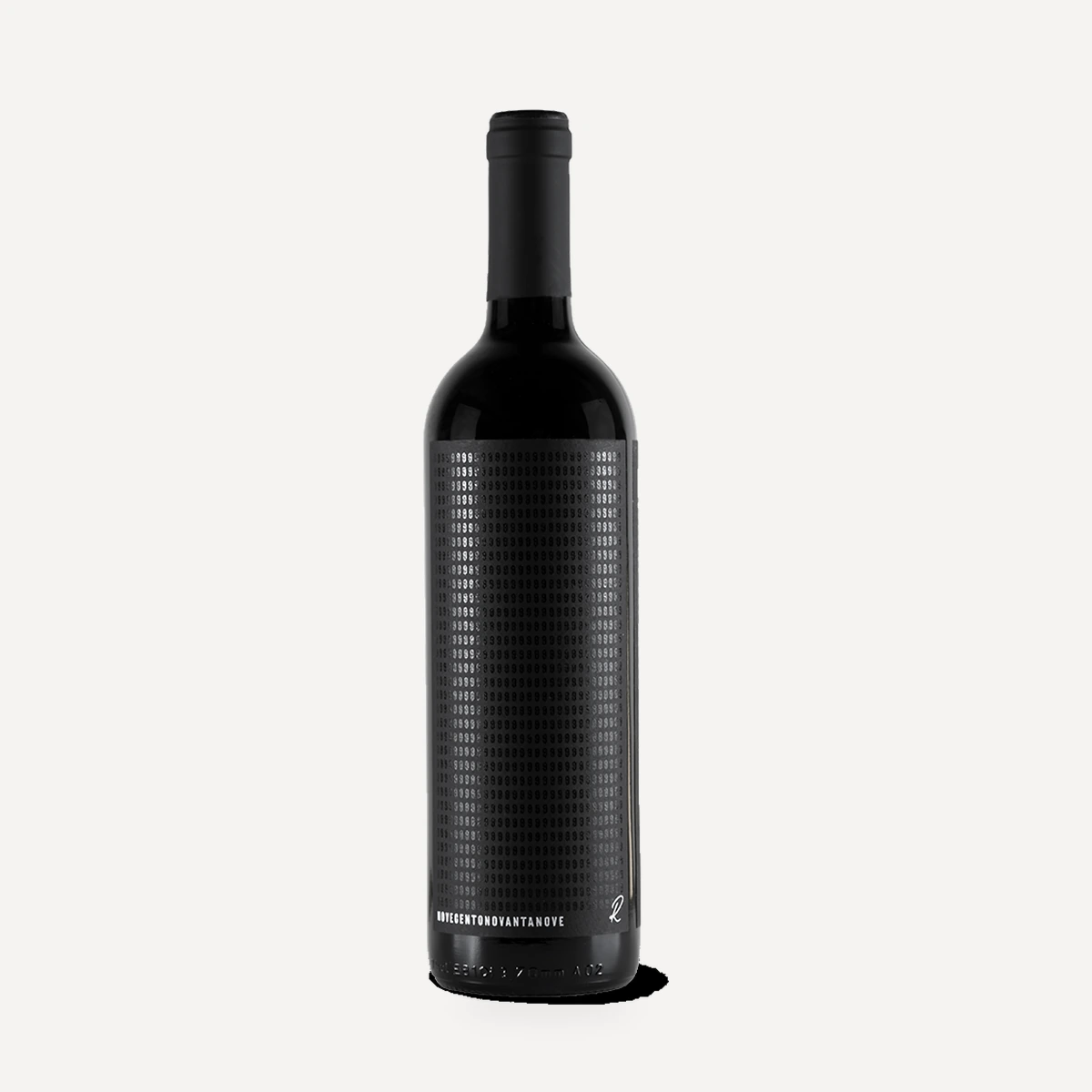
Novecentonovantanove ‘R’
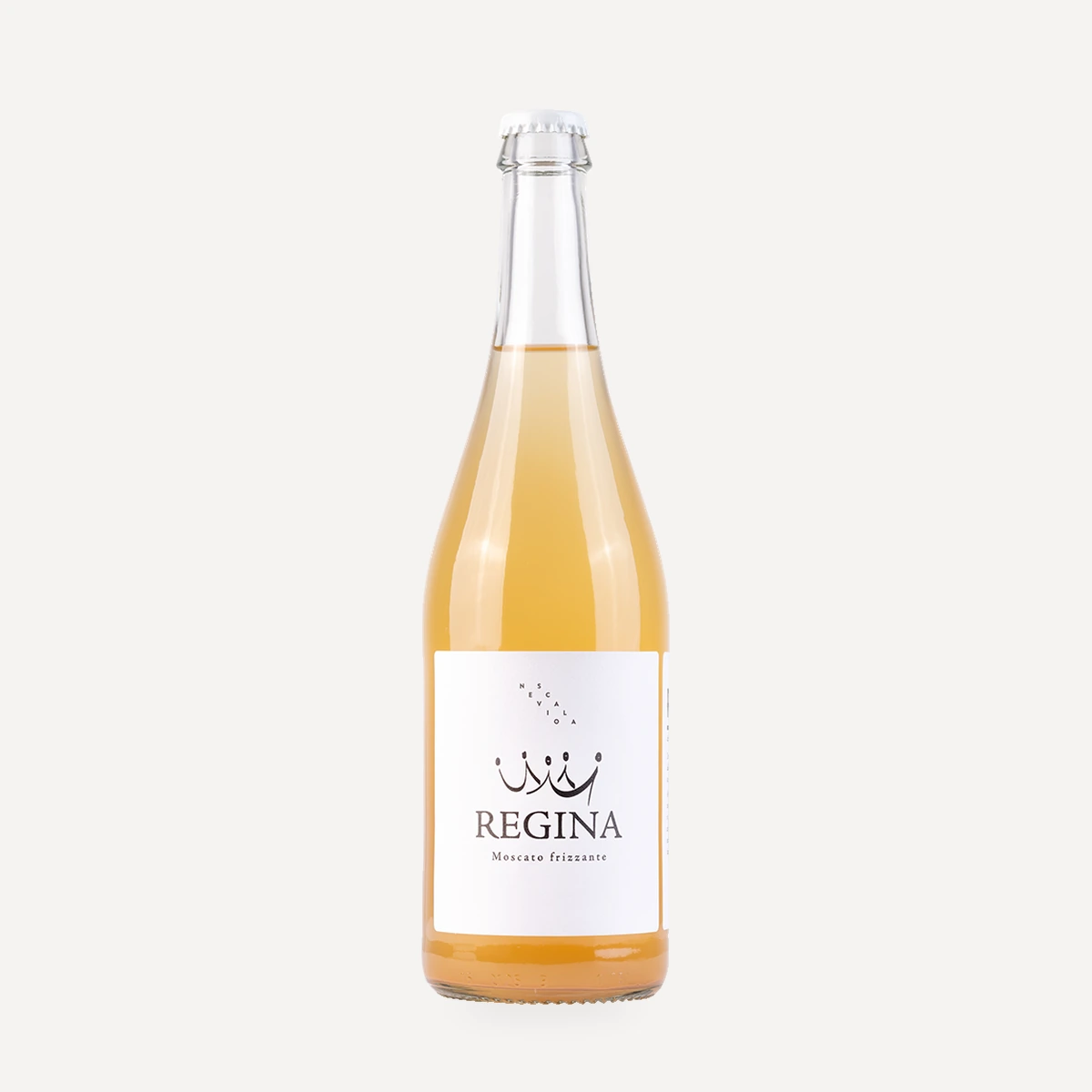
Regina
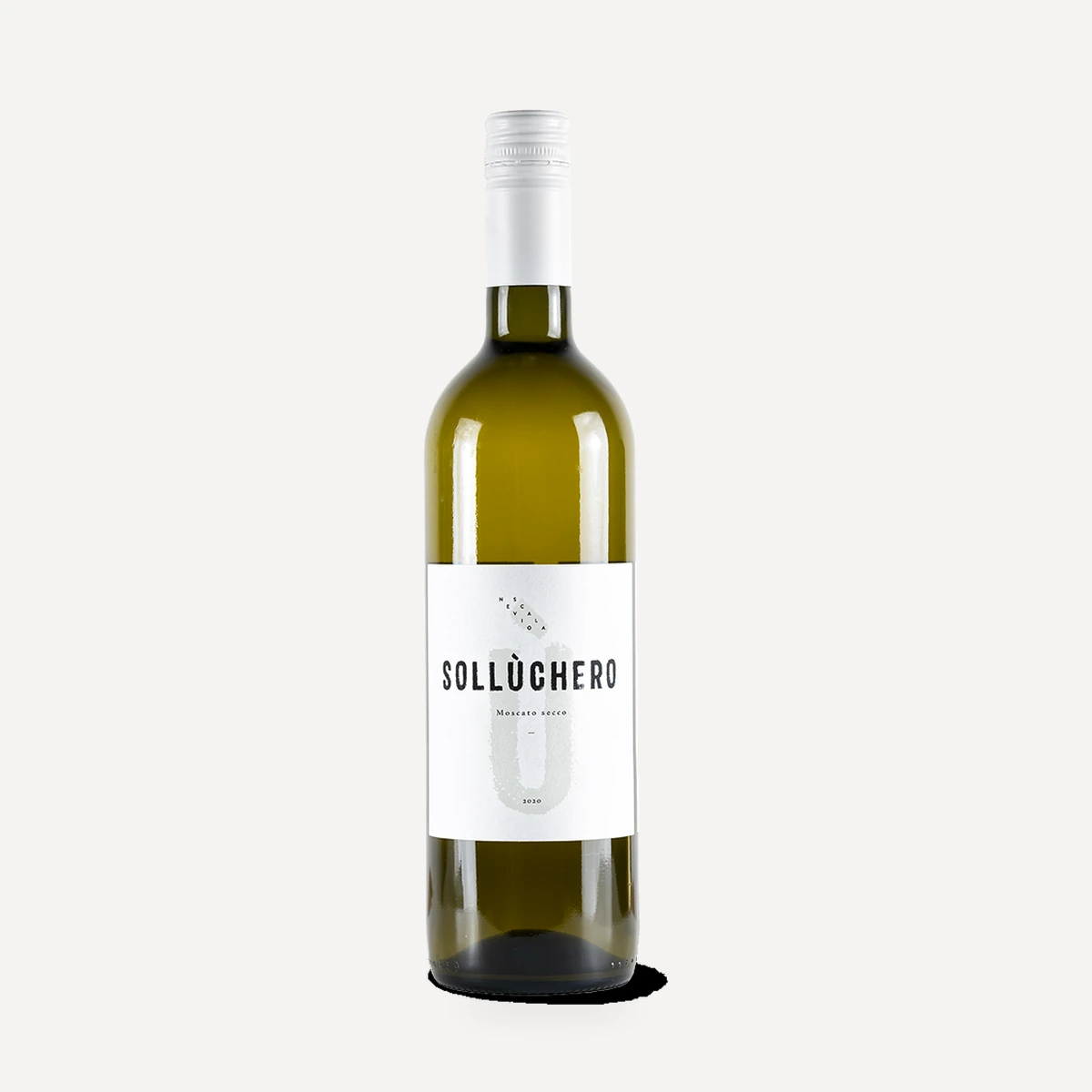
Sollùchero
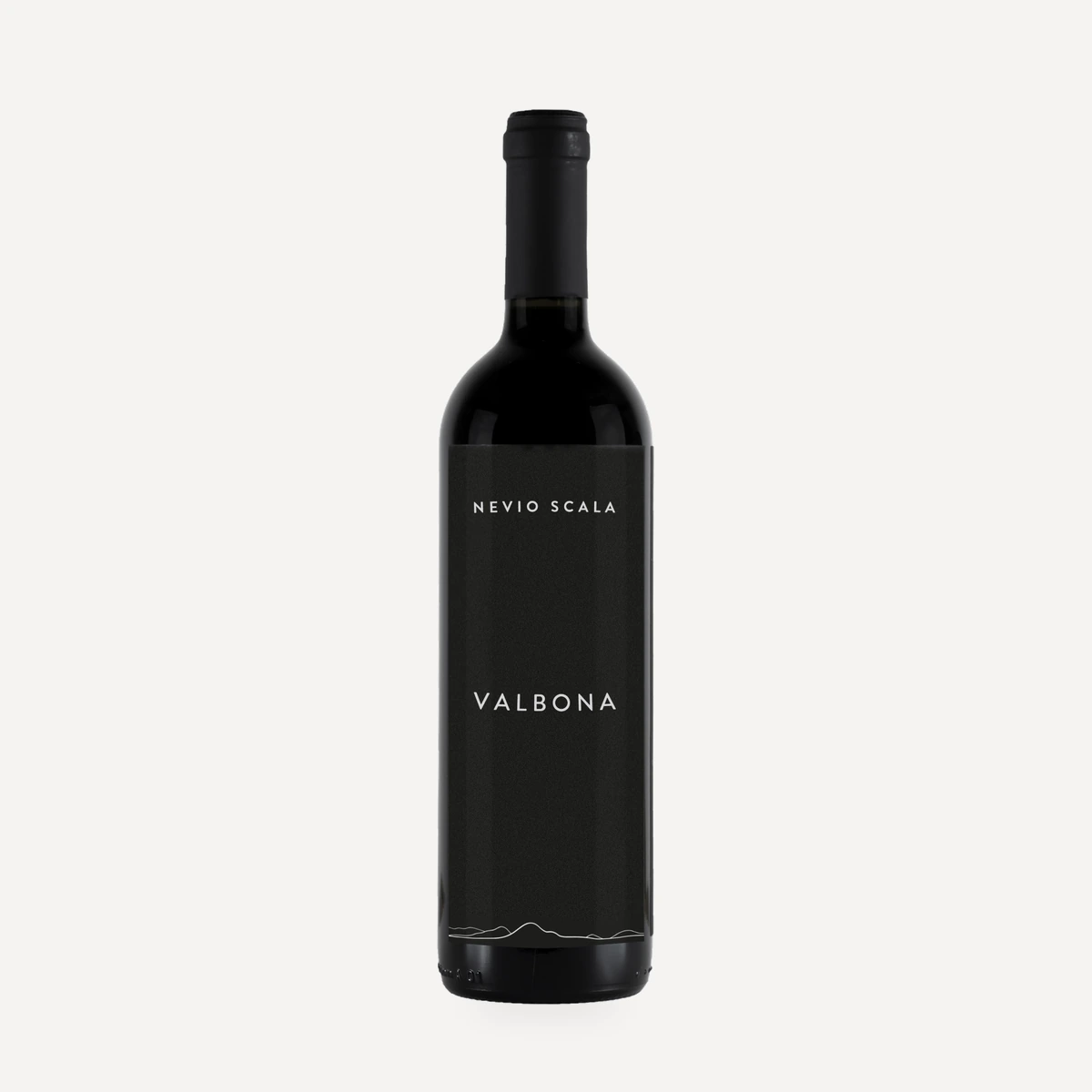
Valbona