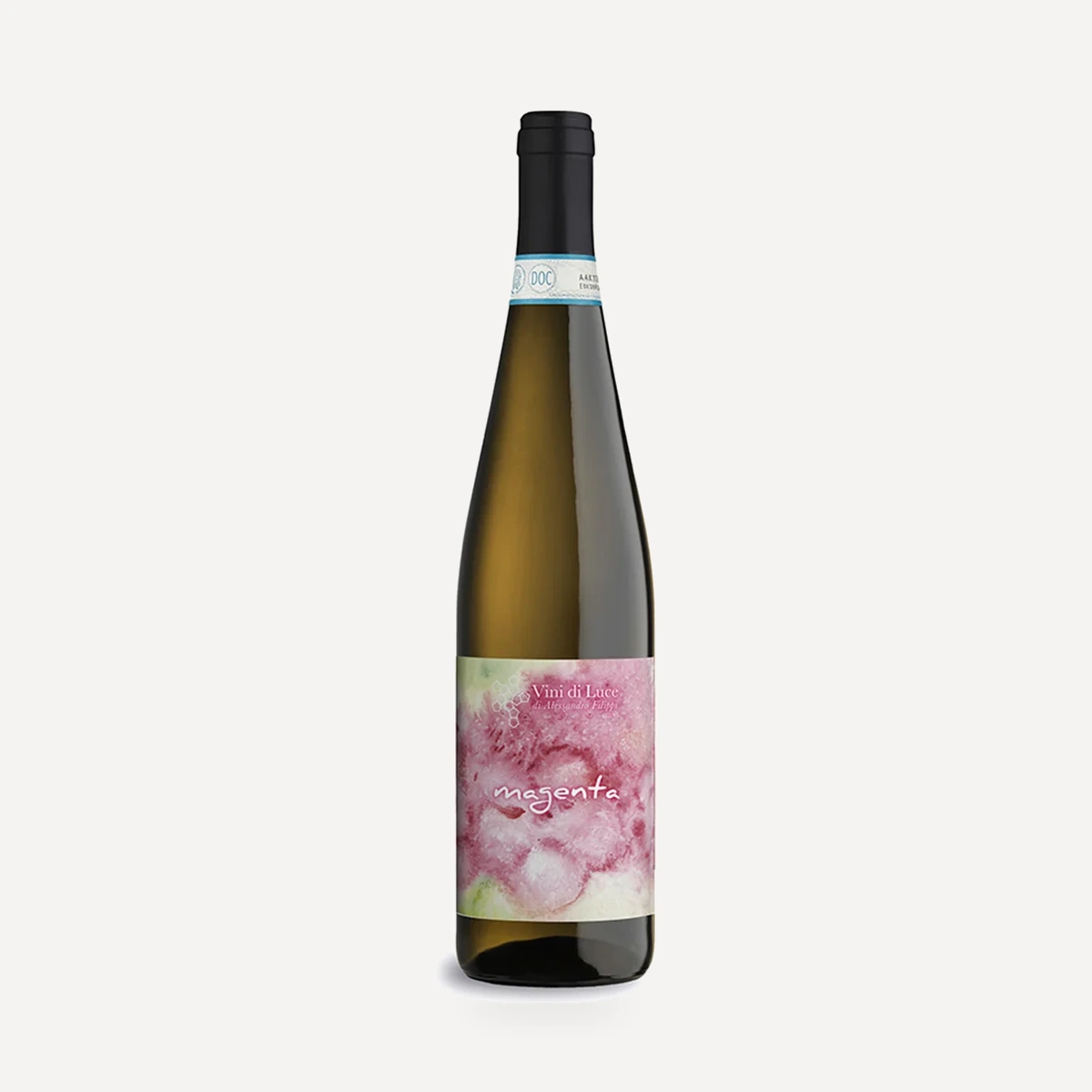
Storia
Origins at Cantina Ericina
Nous-Vino Nuovo grew out of events at Cantina Ericina, a Sicilian agricultural cooperative that brought together small winegrowers and farms in the province of Trapani. Cantina Ericina had historically produced inexpensive bulk wine, including wine intended for distillation. When the market changed, it attempted to reposition itself by investing in a warehouse and bottling facility and recruiting new expertise.
Among the people brought into the project was Veneto oenologist Alessandro Filippi. He was already developing an approach intended to go beyond conventional organic and biodynamic practice, later formalized as the Vini di Luce method. Filippi began introducing Cantina Ericina’s members to this new conception of grape growing and winemaking. Paolo Venza, then president of Cantina Ericina, had been exploring natural wine with Filippi since 2011.
2014: closure of Cantina Ericina
Cantina Ericina closed in 2014. Members who had begun adopting organic cultivation and Filippi’s emerging method decided not to abandon that work. They concluded that the approach was sound but required a new organizational framework.
2015: foundation of NOÛS – Cooperativa Vino Nuovo
NOÛS – Cooperativa Vino Nuovo was created in 2015 to unite growers around two principal aims: safeguarding their territories and producing wine conceived as wholesome for the consumer. The name and the idea of “new wine” were linked to the biblical image that new wine requires new wineskins. Producers from Marsala, Soave and Valle d’Aosta joined the former Cantina Ericina members. Alessandro Filippi participated both as consultant and as a producer with vineyards in Soave.
The cooperative’s first two years relied on member self-financing and unpaid work. Technical specialists supplied advice and assistance, small growers supplied grapes and other raw materials, and administrators contributed their labour and experience. There was no public funding or large outside investor behind the project.
Development into a national multi-product cooperative
The founders envisaged an internal economy based on sharing knowledge, goods, professional services and responsibilities. The cooperative developed services covering agronomic advice, access to natural agricultural products, harvesting, processing, storage, promotion and commercialization in Italy and elsewhere in Europe. Scientific committees were incorporated into the model to study and refine the cultivation techniques promoted by the cooperative.
New members subsequently joined from across Italy. Activities expanded beyond winegrowing to grain, olives, vegetables, honey and other agricultural products. The cooperative also entered international markets. Its shared production framework remained the Vini di Luce method, applied to cultivation, milling, pressing and vinification.
Member-estate milestones
Azienda Regalbesi covers 5 ha of arable land, 2 ha of olive groves and 5 ha of vineyards in the Agro Ericino near Monte Erice. Paolo took over management of this family farm in 2006, after graduating in Agricultural Science and Technology in 2003 and working at Valderice, and began converting it to organic farming in 2007.
Agricola San Giorgio was founded by Sara and Alessandro at Soave in 2014. Its volcanic Castelcerino vineyard supplies Garganega for the cooperative’s Magenta wines and also functions as an experimental field for natural agricultural products.
Azienda Agricola Campara Pamela operates in the Monti Lessini at San Mauro di Saline. Pamela and Michelangelo began marketing their naturally produced, organically certified wines as Cantina Monte Moro in 2023; the wines had been certified organic from 2022.
Mario Navetta’s mixed farm at Valderice was inherited through a family line that includes his grandfather’s return from the United States in 1904. Mario later rejected chemical products, converted to organic farming and became a founding member of NOÛS.
Azienda Agricola Filippi at Ca’ degli Oppi has operated since 1995. Chiara and Marco gradually converted its crops after the birth of their daughters, completing the transition to organic production in 2001.
In 2018 the cooperative documented field trials and vineyard observations at Castelcerino and Contrada Regalbesi. These included low-copper disease-resistance treatments, the rediscovery of a vine growing through an olive tree, assessments of ripening in Catarratto, Nero d’Avola and Syrah, and detailed work on the viticulture and vinification of the Magenta range. In October 2018, the cooperative presented wine, flour and pasta at the Biologic fair in Verona, where Filippi spoke about the Vini di Luce method.
By 2019, its published vineyard work encompassed Castelcerino in Veneto, Agro Ericino in Sicily and Claudio Sgarro’s Nero di Troia vineyard at Carapelle in Puglia. The cooperative continued participating in natural-wine events, including VinNatur Tasting in 2022, 2023, 2024, 2025 and 2026, Verona Natural Wine in 2025 and VinNatur Nova in Genoa in 2026.
Terroir
A cooperative spanning distinct Italian territories
NOÛS is not organized around a single contiguous estate. Its winegrowing members work in several Italian regions, with the most detailed descriptions devoted to Castelcerino in Veneto, the Agro Ericino in western Sicily and Carapelle in Puglia.
Castelcerino, Soave
The Garganega vineyard at Castelcerino lies at approximately 350 m on a ventilated slope. One account describes an easterly exposure, while the detailed Magenta account specifies south-east, facing the sunrise. Morning sun and earlier afternoon shade reduce summer heat relative to west- or south-west-facing sites. Wind further moderates perceived temperature. These conditions allow picking to be postponed until the berries achieve the desired maturity while retaining freshness and acidity.
The soil is volcanic and basaltic, with a particularly clay-rich component. The cooperative links this substrate with the wines’ freshness, acidity, salinity and mineral character. Ventilation also contributes to a relatively favourable environment for limiting vine disease.
Agro Ericino and Contrada Regalbesi, Trapani
The Sicilian vineyards lie in the Trapani area at the western end of Sicily. Sites associated with members Paolo and Alberto Venza are described at an average altitude of 350–400 m and are exposed to persistent wind. The resulting day–night temperature variation is associated with freshness in the grapes.
The terrain is calcareous and lies near the Custonaci marble basin. At Contrada Regalbesi the soil is specifically described as clay with a calcareous component, visible in pale stones emerging at the surface. The area is close enough to the sea to receive its influence but not directly on the coast, and remains well ventilated. These conditions are associated with marked savoury and mineral characteristics.
The annual weather pattern is treated as an essential component of each vintage. In 2018, rain during the third week of August produced unusually fresh conditions and visible grass between the rows shortly before harvest.
Carapelle, Foggia
Claudio Sgarro’s Nero di Troia vineyard lies on flat land at Carapelle, near Foggia. Its calcareous rock is described as material derived from the erosion of the nearby Gargano.
Vinificazione
Agricoltura della Luce e del Carbonio
The Vini di Luce method incorporates an agronomic system called Agricoltura della Luce e del Carbonio. Its starting point is the cooperative’s interpretation of balance in natural ecosystems, particularly the relationship between carbon, nitrogen, organic matter and microbial life. Vineyard soils receive plant-derived organic carbon, useful microorganisms, plant extracts and herbal preparations applied both to roots and foliage.
Soil vitality is supported by sowing specific mixtures of grasses and other improvement plants and by supplying humus and microorganisms. At Castelcerino, alternate rows were used for green manure over several years. Grasses were favoured over legumes to maintain the intended carbon-to-nitrogen relationship, while particular legumes were selected for their proposed contribution of aroma precursors. Fertilization is concentrated in autumn, when falling leaves, earthworm activity and microbial processes provide the model for soil management.
A simple field assessment is used as an initial indicator of soil balance: the upper 3–4 cm are smelled and compared with nearby woodland soil. A forest-floor aroma is treated as a sign of adequate organic matter, organic carbon and microbiological activity.
Disease management and natural preparations
Synthetic pesticides and other synthetic chemical products are excluded. The cooperative uses self-produced fertilizers based on plant extracts and microorganisms, respects beneficial insects that act as antagonists to pathogens and drastically reduces copper and sulphur. Herbal preparations are cold-extracted to preserve their active constituents and may be mixed with dynamically treated “Rigenera” water. During the growing season, the programme also uses microalgae, yeast-cell walls and microbial products.
At Castelcerino in 2018, individual treatments used 30–100 g/ha of metallic copper, generally just over 30 g/ha and reaching 100 g/ha on only two occasions. The full treatment included copper hydroxide, magnesium, trace elements, microalgae, Micror Active and an Alfa Plus infusion made from alfalfa, horsetail and chamomile. An herbal preparation was incorporated every two treatments, approximately every 15–20 days. Following substantial rain, the team waited several days before evaluating the vines; downy-mildew lesions dried without visible sporulation, while grapes remained healthy.
At Regalbesi, two Bardan Plus herbal treatments were used on Catarratto. Bardan Plus was intended to support berry growth, balanced vegetation and nutrition in difficult climatic conditions. Micor Fogliare was applied to foliage, Micor Radici to soil and Micor Active supplied yeast-cell walls and microalgae. Very small quantities of copper and sulphur were used. A leafhopper attack in Nero d’Avola was stopped with natural methods.
Pruning, canopy and biodiversity
Large pruning wounds are avoided because older wood is considered difficult for the vine to heal. The objective is to reduce susceptibility to wood diseases, including esca, and promote vineyard longevity. The canopy is kept open through the retention of suitable arms so fruit and vegetation can develop without excessive shade, foliage or interlocking growth between vines.
A balanced vine normally receives only one light green-pruning intervention, and only when necessary in particularly wet years. Cuts are kept light to avoid interrupting vegetative activity or causing stress.
Beneficial insects are protected. The naturally occurring “vigna maritata” at Castelcerino—where a vine grew through an olive tree—was retained for observation after showing fewer disease symptoms than nearby boundary vines.
Harvest decisions
Ripeness decisions combine analysis of sugar, acidity and pH with tasting the berries and seeds. A soft seed with non-astringent tannins is treated as an indicator of complete maturity. Garganega for the Magenta wines is usually harvested between 10 and 20 October, depending on the year. Soave Magenta and Magenta sulle Bucce are picked into crates. Grapes destined for Recioto are arranged in smaller trays as a single layer and dried for at least 7–9 months.
General cellar approach
Winemaking follows the Vini di Luce principle that the oenologist should intervene only when necessary and at the appropriate moment. Processes are deliberately slow, avoid forcing the wine and seek to retain vintage and site character. Sulphite additions are low. Industrial enzymes, aroma-altering yeasts, fining agents and invasive filtration are excluded from the general protocol.
Magenta white-wine process
Garganega arrives in crates and is loaded manually into a pneumatic press. Gentle pressing is followed by natural cold settling without enzymes. Coarse material is removed after settling, and the clear must is generally transferred to concrete tanks.
An indigenous starter is prepared about 7–10 days before harvest. Selected ripe grapes are destemmed and fermented with their skins on a small scale to capture yeasts from the berry surface. Once active, this pied de cuve is added to the main must.
Fermentation proceeds naturally and slowly. Because it begins after mid-October, temperature control is rarely required. It lasts around one month and may run longer depending on the vintage. The wine remains with its yeast sediment after fermentation; repeated stirring extracts proteins, beta-glucans and aromatic compounds associated with texture and site expression.
The wine settles and stabilizes naturally until bottling, normally in July or August of the following year. Bentonite is not used because of the accompanying loss of protein, aroma and colloids. Other fining agents and tartrate stabilizers are also excluded. A light filtration may be performed if necessary. Bottle maturation generally lasts one year and may extend to 18 months depending on the vintage.
Skin-contact and ancestral variations
For Magenta sulle Bucce, most free-run must is removed for the standard Magenta, leaving a higher skin-to-must ratio in the remaining portion. Skin contact lasts approximately 24–48 hours according to the year; the lot is then pressed and fermented separately.
Bolle di Magenta originated when fermentation slowed with approximately 10–12 g/L residual sugar. Rather than adding fermentation aids, the must-wine was chilled to stop fermentation and bottled in March or April with the first spring moon. Fermentation resumed in bottle, converting the remaining sugar into alcohol and carbon dioxide. This ancestral method is not disgorged, remains below 3 atmospheres and retains its yeast deposit.
Sulphur dioxide for the Magenta process is limited to small additions at crucial stages: in the must, after fermentation and lightly before bottling. The refermented Bolle bottling omits the final bottling addition because active yeast provides protection.
Other documented cellar practices
The cooperative’s general wine descriptions confirm low sulphite use throughout production, avoidance of industrial enzymes and fining, and rejection of invasive filtration. Product information also documents concrete or steel fermentation according to wine and vintage, natural or selected non-aromatic yeasts, lees contact and light filtration, but these parameters vary between individual bottlings.
Filosofia
NOÛS presents itself as a union of small producers defending land, inherited agricultural knowledge and products that preserve local identity. Its organizational philosophy is cooperative rather than estate-centred: members share knowledge, goods, labour, technical services and routes to market so that small farms can remain economically viable without surrendering their crops to standardized industrial production.
The name NOÛS is Greek and is interpreted by the cooperative as “divine intelligence that organizes the world.” The founders associated this idea with an internal economic system based on sharing rather than division. “Vino Nuovo” also evokes the image of new wine requiring new wineskins: the new cooperative was intended to provide the structure that the members’ evolving agricultural approach could not find at Cantina Ericina.
The agricultural philosophy is to observe and accompany natural rhythms rather than force them. The cooperative seeks to restore living soil, encourage plants’ own resistance, retain beneficial insects and allow vintage differences to remain perceptible. It explicitly regards year-to-year variation as a natural expression of weather and territory rather than something to be corrected into a uniform style.
In the cellar, Alessandro Filippi summarizes the desired role of the oenologist as damaging as little as possible of what the vineyard has created. Additives and corrective products are regarded as capable of covering aroma, changing identity and shortening a wine’s potential life in exchange for immediate accessibility. Rigorous observation and timely intervention are nonetheless considered necessary to prevent fermentation problems or faults.
Claims concerning “vital energies,” biodisponibility and possible health effects form part of the cooperative’s own holistic philosophy. These concepts are explicitly acknowledged in its writing as outside recognition by mainstream science. The stated mission is to produce natural food that the body can readily assimilate, while wine is framed as food only when consumed responsibly.
Vini
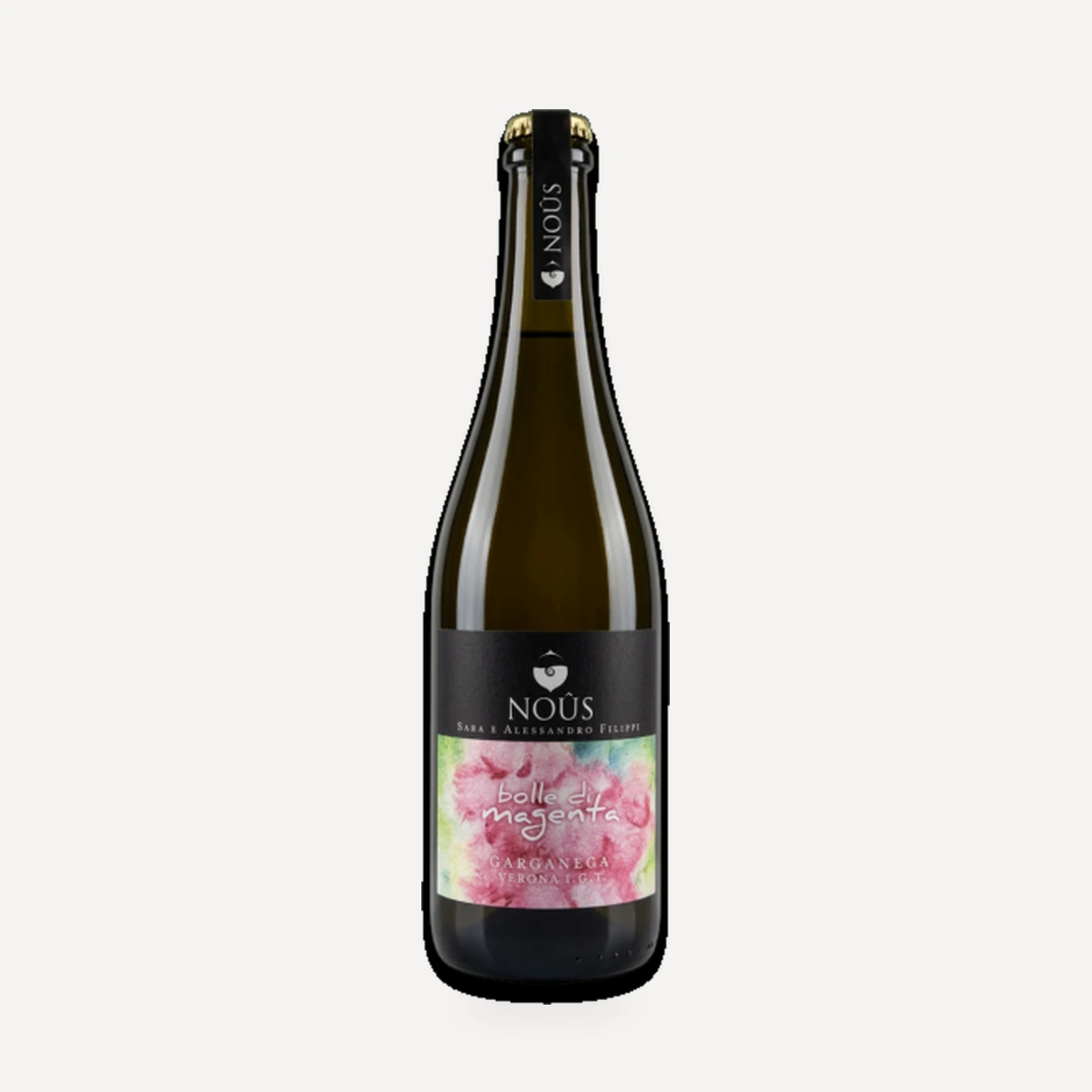
Bolle di Magenta - Garganega frizzante IGT Verona
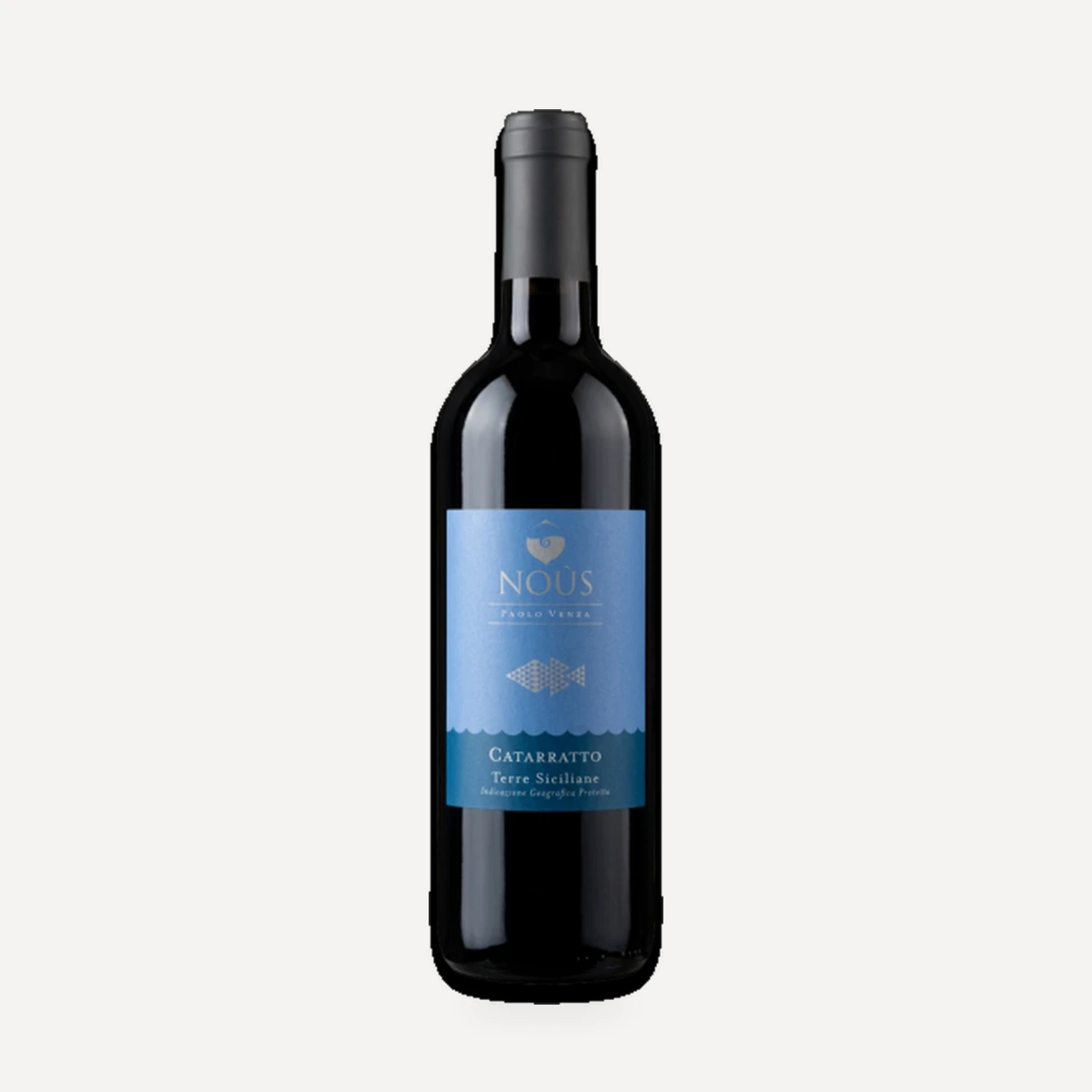
Catarratto IGP Terre Siciliane
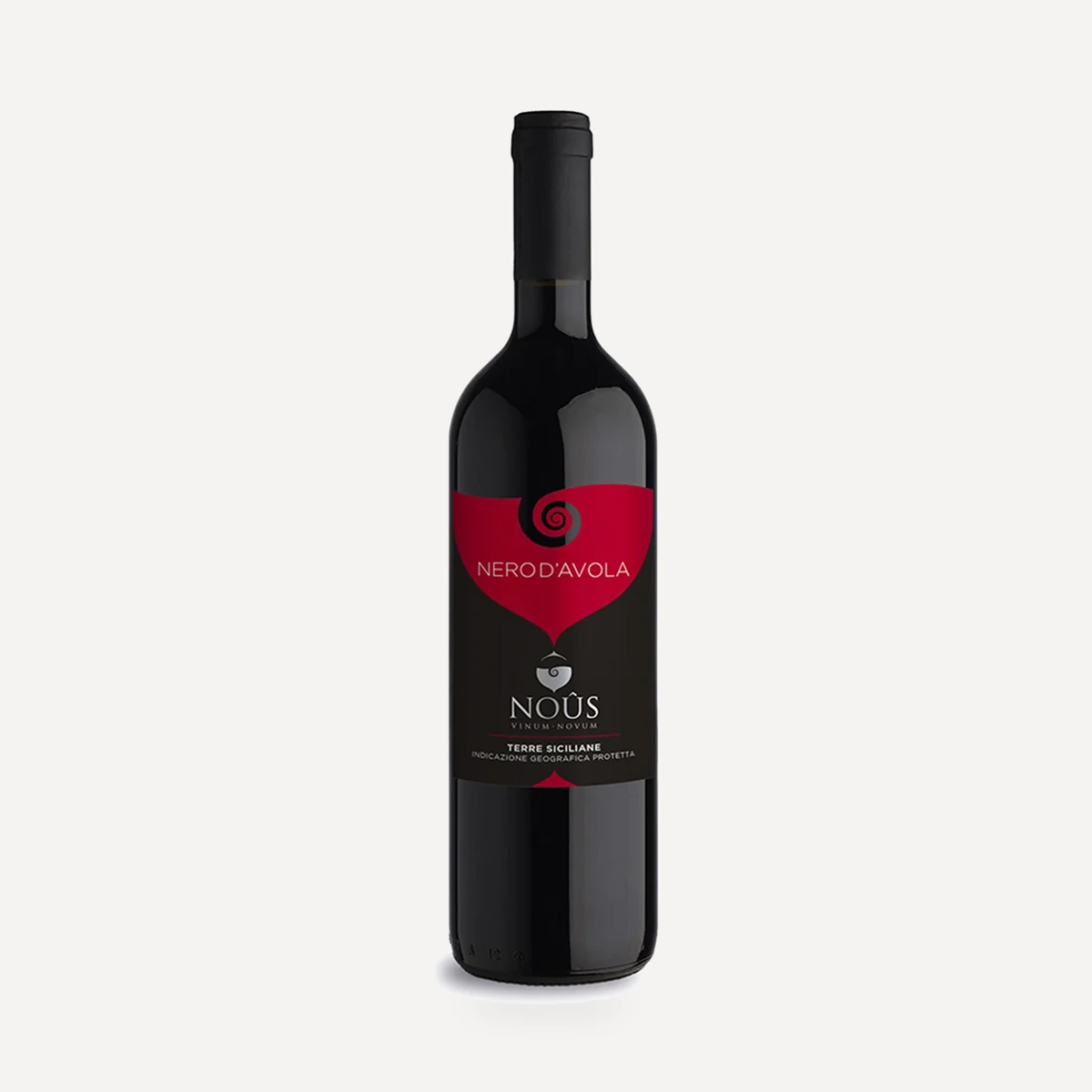
Nero d'Avola Noûs IGP Terre Siciliane