Storia
Origins: Giovanni, Domenica and Locanda Aurora
Orsolani’s history began in the late nineteenth century. Giovanni Orsolani and his wife, Domenica, returned from America because they missed their native Canavese. They opened a restaurant called Locanda Aurora. Domenica managed the kitchen, while Giovanni cultivated vines and made wine in the cellar for the inn’s customers.
1894: the beginning of a four-generation enterprise
The family dates its winegrowing history to 1894. Four generations of Orsolani have subsequently taken care of the cellar. The family summarizes this continuity through seriousness, respect, work and attachment to the territory; its more recent presentation also emphasizes craftsmanship and the cultivation of an indigenous variety.
1968: Erbaluce sparkling-wine tradition
In 1968, the cellar began its tradition of transforming Erbaluce into sparkling wine. More than fifty years later, Metodo Classico sparkling wines remain a central expression of the family’s work with the variety.
2009: protection of the Erbaluce di Caluso name
In 2009, the name Erbaluce di Caluso received worldwide protection equivalent to that accorded to a geographical name. For the family, this legal recognition confirmed the close association between Erbaluce and its territory.
The present estate
The fourth-generation family now concentrates exclusively on wine and sparkling-wine production. Its wines are made almost entirely from estate vineyards situated in the traditional production zones. Annual output is approximately 150,000 bottles, with Erbaluce accounting for about 90%. Orsolani is also a member of the Comitato Grandi Cru d’Italia, whose members work to enhance the value of their production and growing territories.
Terroir
Canavese landscape
Orsolani’s vineyards lie in the traditional production areas of Canavese in Piemonte. Canavese comprises 120 communes and a landscape of mountains, lakes, gentle hills and open countryside, interspersed with castles, royal residences, ancient churches, sanctuaries and Liberty-style villas.
Glacial geology
The hilly terrain originated during the Ice Age. Its gently profiled moraines consist of material carried down from the surface of the mountains of Valle d’Aosta by glaciers. The resulting soils contain abundant minerals in the form of sand and stones shaped during their movement.
Climate
The climate is particularly mild. The mean annual temperature is slightly below 13 °C, while temperatures can reach 25 °C in August, a crucial month for grape ripening.
A long winegrowing landscape
Viticulture in Canavese predates the Roman conquest, when forces led by Terenzio Varrone defeated the indigenous Salassi. The combination of morainic hills and a mild climate is presented as the foundation of this long agricultural tradition.
Vinificazione
Orsolani seeks to reduce its impact on the land while protecting the health of workers and consumers. Vineyard fertilization uses only organic fertilizers, while plant-protection products are selected for low environmental impact. Most vineyard operations are performed by hand, reducing tractor use.
The photovoltaic installation supplying energy for vineyard and cellar operations makes the estate almost self-sufficient in energy and avoids approximately 200 quintals—20 metric tonnes—of CO₂ emissions per year.
The cellar produces still, sparkling and passito wines, with Erbaluce forming the core of production. The use of oenological products is deliberately limited.
Orsolani began making sparkling Erbaluce in 1968 and continues to use the Metodo Classico for this category. Extended contact with the lees is part of the sparkling-wine approach. The cellar also vinifies dried Erbaluce grapes for passito, continuing a practice associated with the area’s ancient tradition of grape drying. The winery includes a barrel cellar and a dedicated tasting room.
Filosofia
Orsolani’s guiding objective, followed since 1894, is to improve wine quality while respecting both the territory and the characteristics of the grape variety. The family describes its production ethic as one of minimal intrusion, intended to preserve the health of the land, its workers and consumers.
Tradition and personality are treated as complementary rather than opposing values. The family’s identity is expressed through four generations of continuity, craftsmanship and a particular commitment to the indigenous Erbaluce grape. Its historical formula—seriousness, respect, work and territory—places disciplined production and attachment to Canavese at the centre of the estate’s approach.
Vini
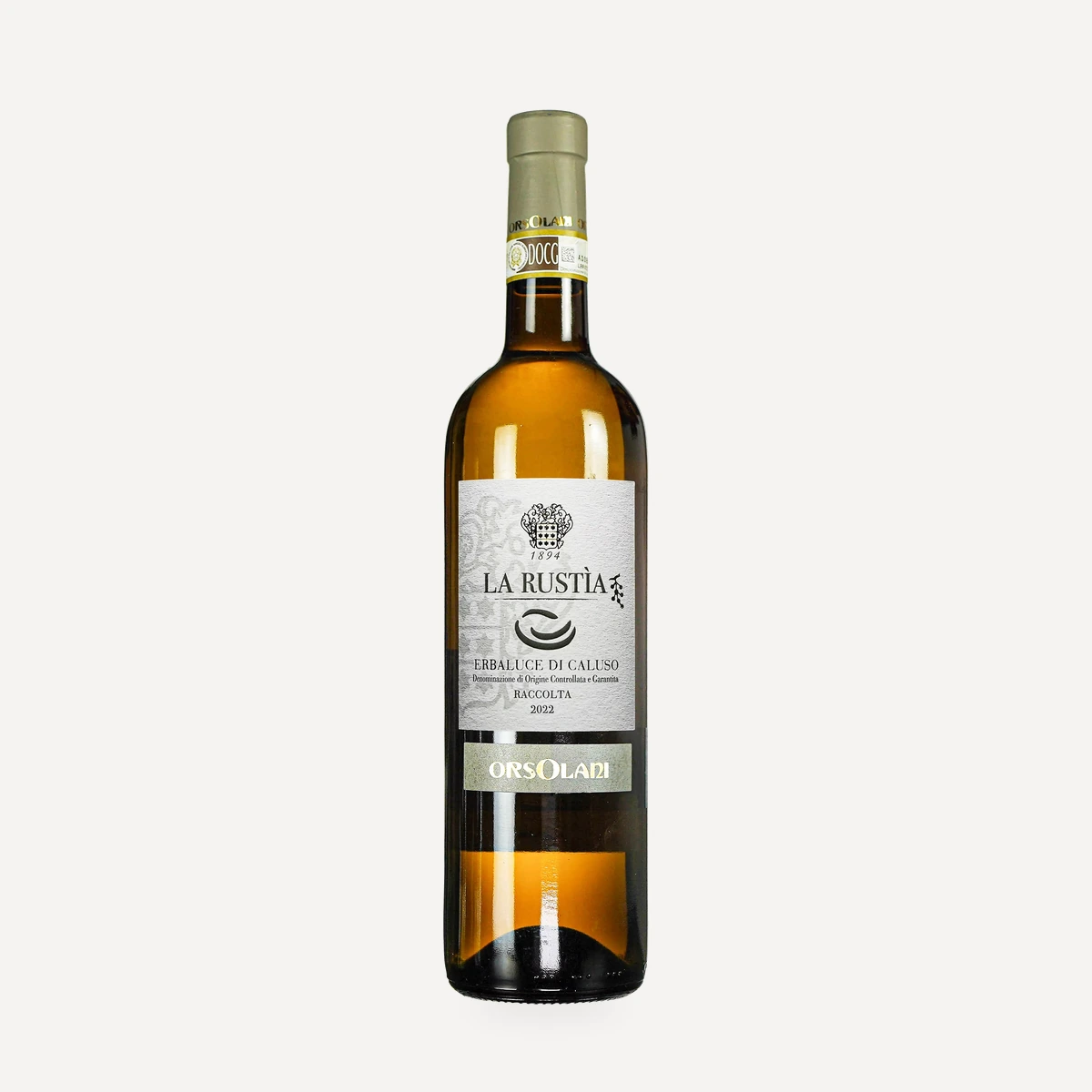
La Rustìa Erbaluce di Caluso DOCG
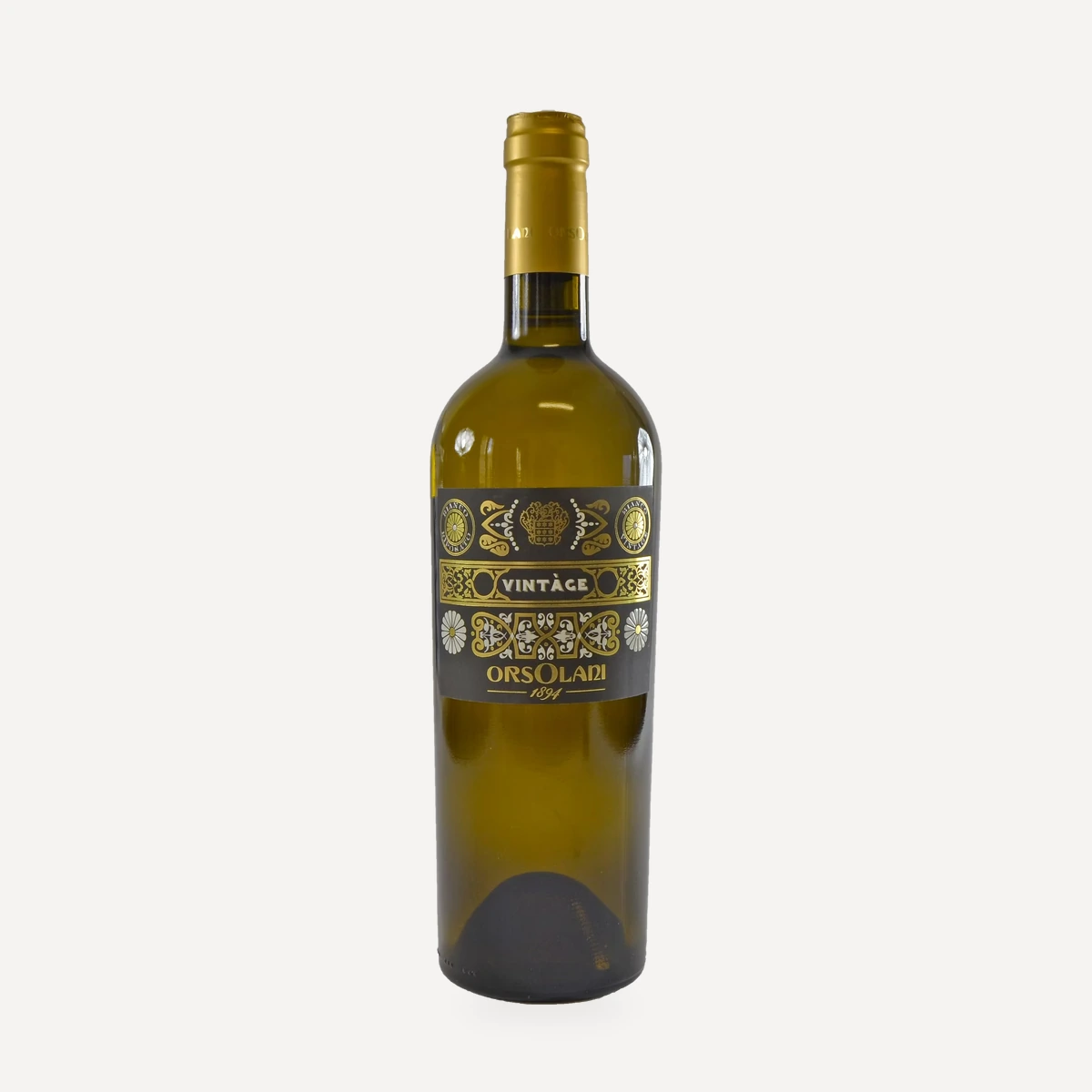
Vintàge
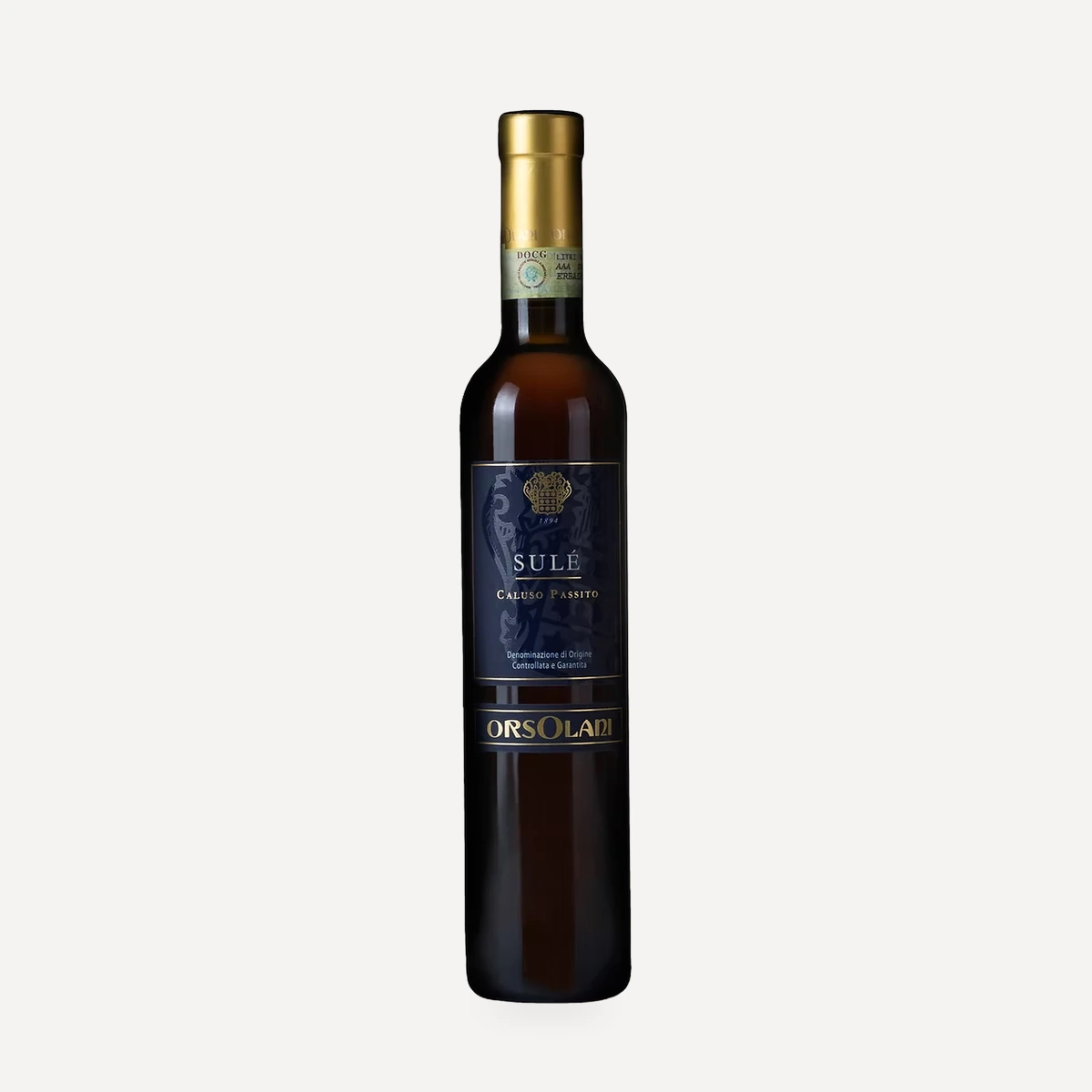
Sule' Caluso Passito DOCG
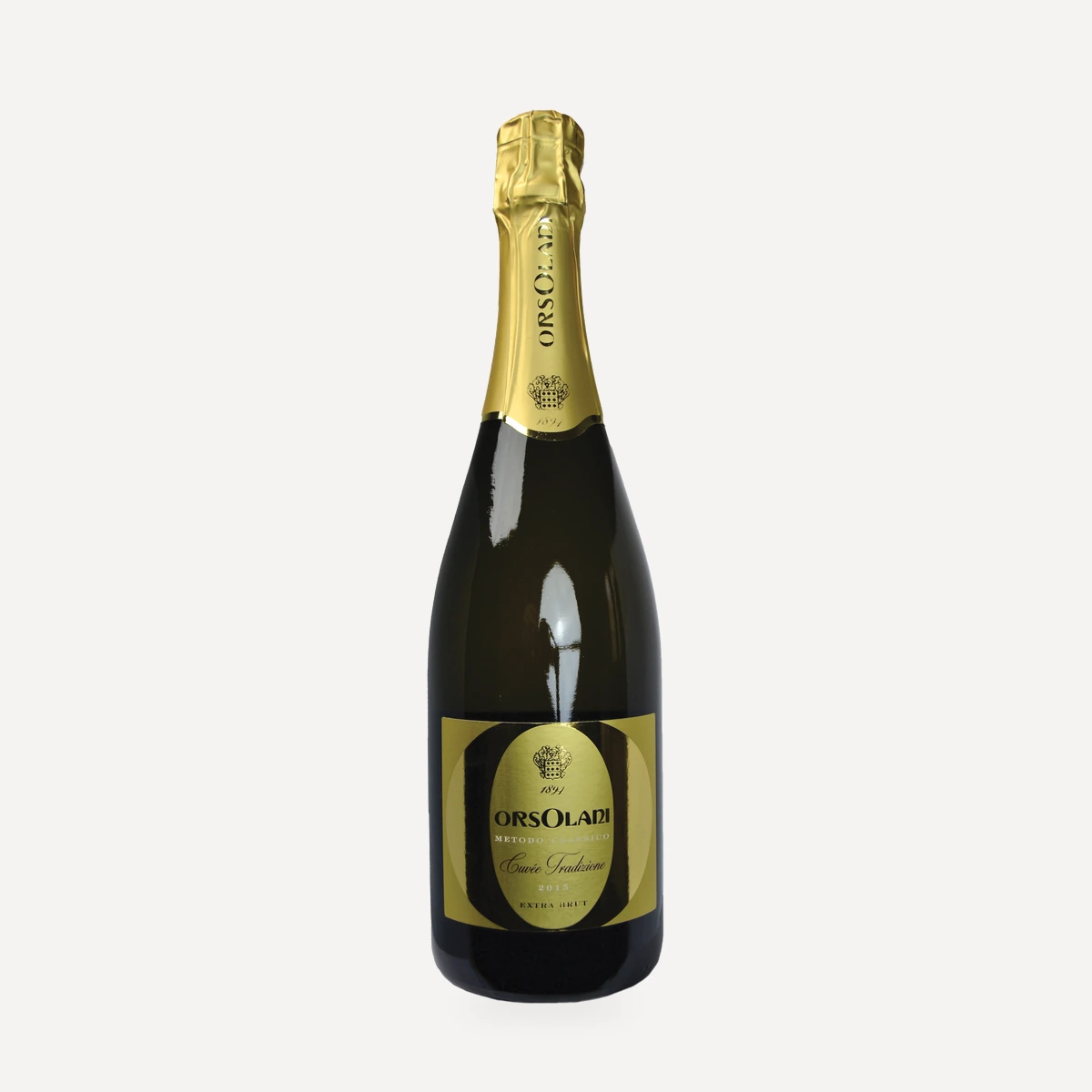
Cuvè Tradizione DOCG
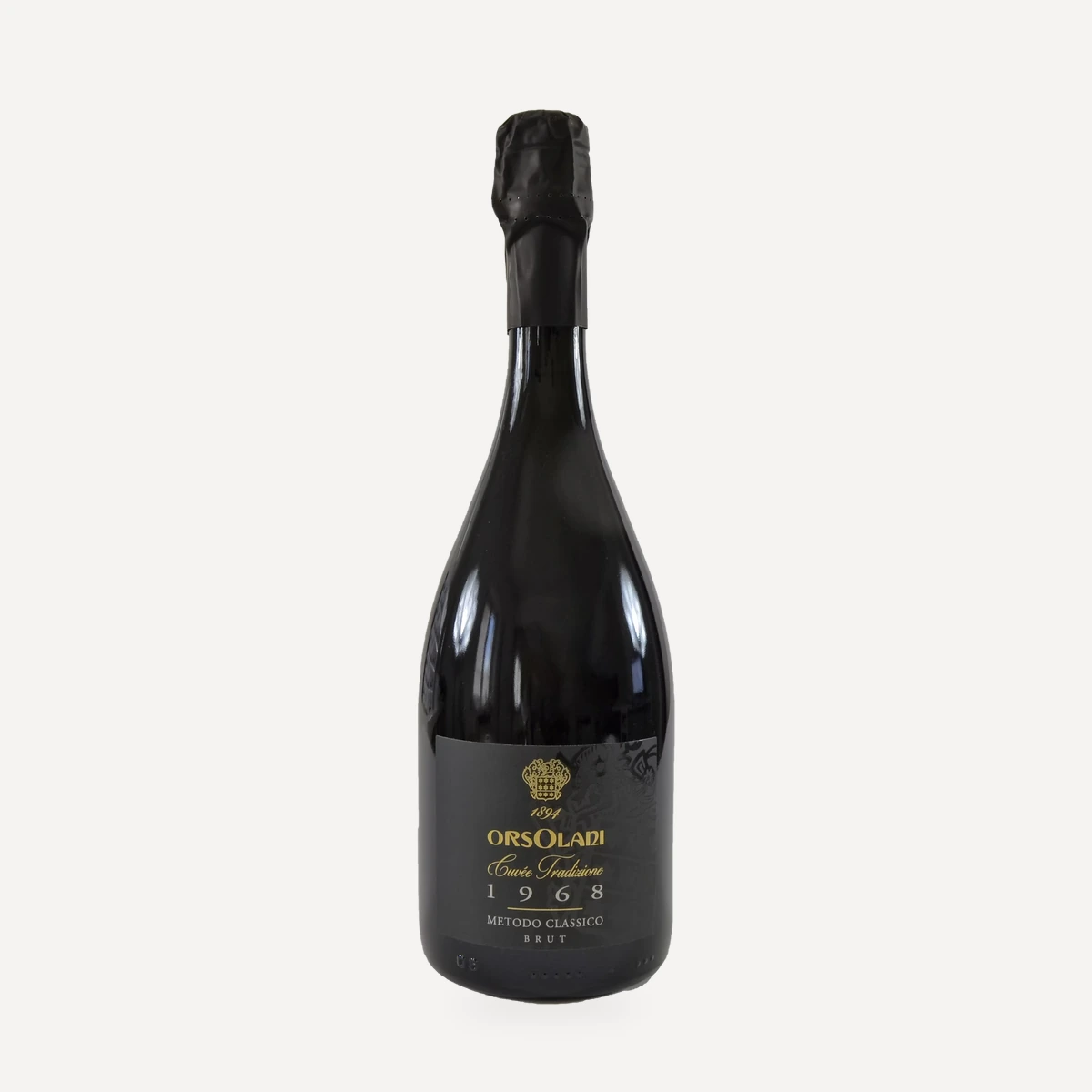
Cuvée 1968 Caluso Spumante Brut Metodo Classico DOCG
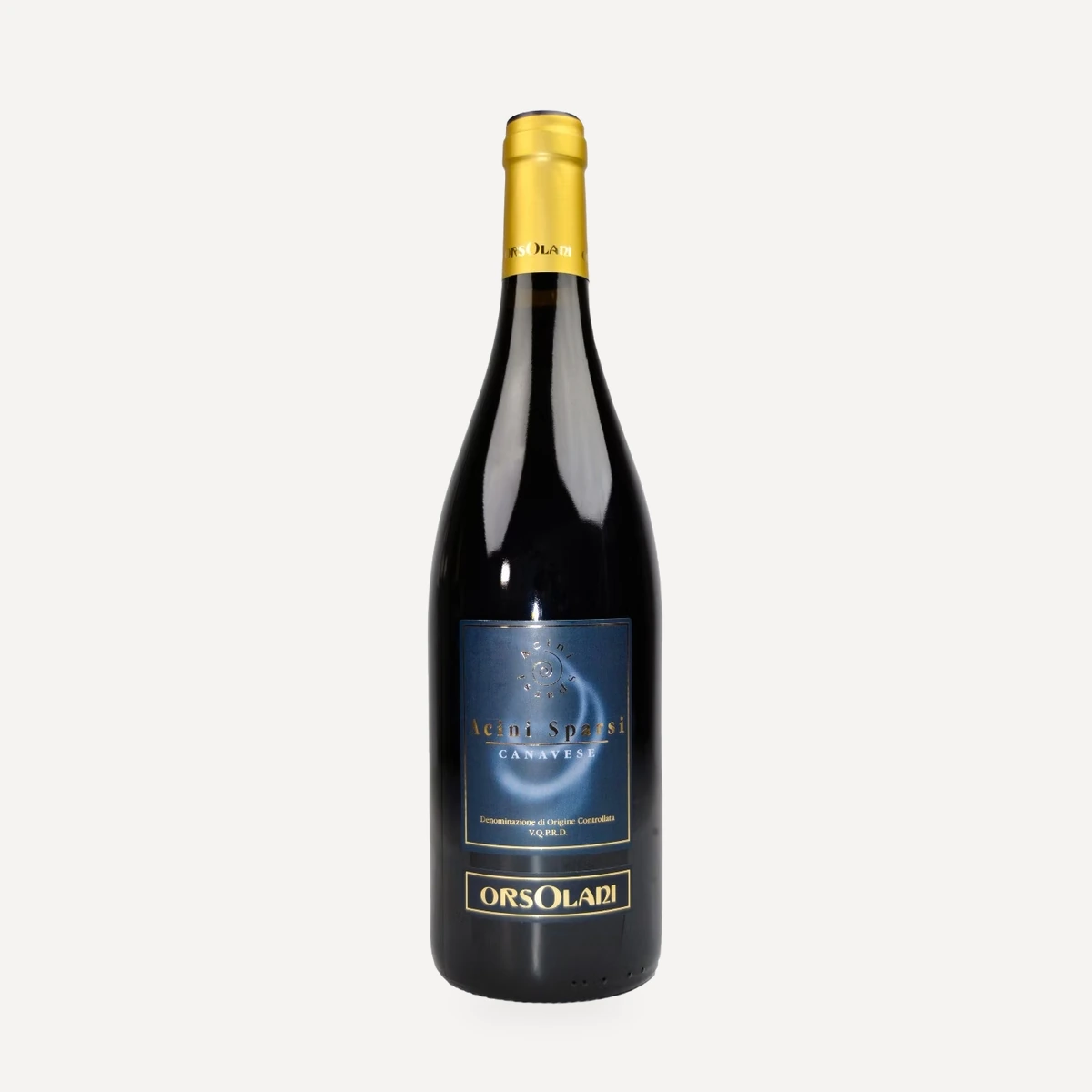
Acini Sparsi
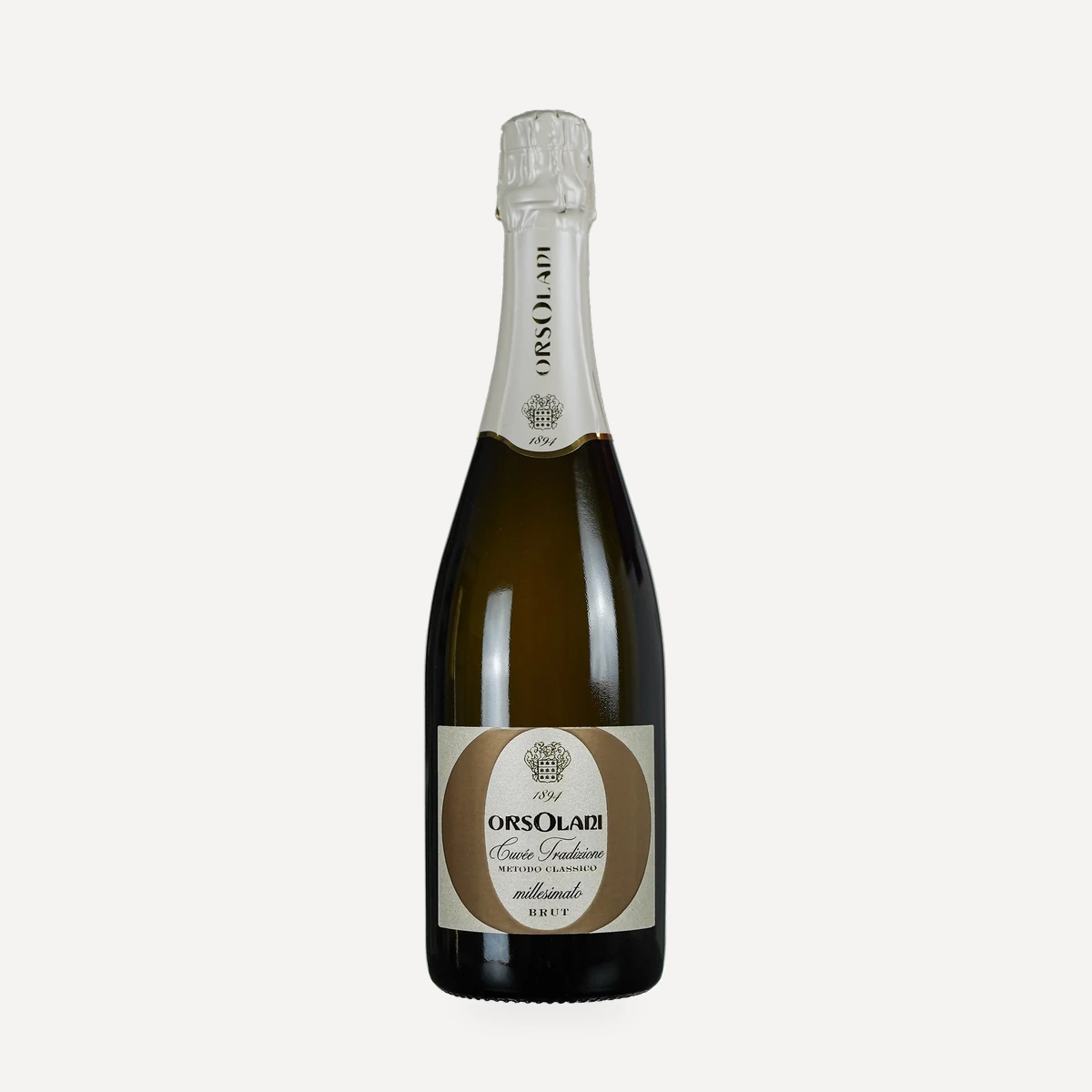
Cuvée Tradizione Metodo Classico Brut