Storia
1980: incorporation
The company was legally constituted on 17 January 1980. Its shareholder structure developed around Piedmontese winegrowing: 12 regional cooperatives, one producers’ association and 17 individual agricultural enterprises. The members collectively own approximately 4,000 hectares, while the more selective Vite Colte project works with 180 growers and 300 hectares.
During the 1980s, as the Piedmont Region introduced an Integrated Crop Defence Plan, the organisation began encouraging its growers to move away from conventional agriculture and toward integrated, more sustainable vineyard management. This direction subsequently evolved alongside the Technical Standards for Integrated Defence connected with the European Union’s Rural Development Plan.
2000–2001: a new winery in Barolo
The purpose-built winery at Via Bergesia 6, below the town of Barolo and the area’s renowned cru vineyards, was inaugurated in 2000. Architect Gianni Arnaudo designed it around new production technology, landscape integration and a contemporary interpretation of Langhe rural architecture. The company records 5 January 2001 as the formal start of its activity in vinification, maturation, bottling and sale of Piedmont DOC and DOCG wines, together with bottled-wine storage.
2006: international recognition for the architecture
In 2006 the complex received the sixth Dedalo-Minosse International Prize for Architecture in Vicenza. It was one of 15 works selected from more than 500 international projects. The selected designs were exhibited in the Basilica Palladiana and subsequently in the Italian Pavilion for the opening of the 10th Venice Architecture Biennale.
The same year, the project appeared at the Milan Triennale in the exhibition Around 50, which presented 50 architects from five continents. It was later included in Le Cattedrali del Vino during the 13th International Architecture Exhibition of the Venice Biennale, an initiative organised by the Rome Order of Architects with Gambero Rosso.
2007–2016: organic certification and the Vite Colte identity
Selected organic wines have been certified since 2007. Integrated production became certifiable under the SQNPI standard in 2014. In 2016 Vite Colte was established as the company’s premium brand for wines distributed through the Italian Ho.Re.Ca. channel. Its model joins a formal vineyard protocol, the work of a team of agronomists and the experience of participating growers.
2021–2023: broader sustainability reporting
The introduction in 2021 of a sustainability-certification framework for the wine supply chain gave the organisation a further objective beyond integrated and organic vineyard management. Vite Colte began a voluntary sustainability-reporting programme for the 2023 financial year and pursued certification of its production organisation under the SOPD Equalitas standard.
2024: certification, research and investment
On 14 March 2024 Vite Colte obtained SOPD Equalitas “Sustainable Organization” certification following an audit by Valoritalia. Its organic certification was reconfirmed by Valoritalia on 8 October 2024. IFS Food and BRCGS Food certifications were also renewed during the year, and an ESG assessment completed on 2 December returned a B rating, described as a good level of sustainability.
More than €600,000 was invested in sustainability-related improvements in 2024. A 500 kW photovoltaic installation comprising five inverters and 1,250 modules was completed in August, and an older refrigeration installation was replaced with an A++ heat pump. Internal sustainability-accounting systems were improved, while responsible-consumption information and pictograms were added to label QR codes.
The winery also joined LivingSoilLL, a Horizon Europe research project conducted with the University of Turin and other European research institutes. Its scope includes locally adapted soil-management techniques intended to prevent degradation, reduce dependence on intensive fertiliser and pesticide use, increase water storage, and improve soil biodiversity and resilience.
Terroir
Vite Colte works across Piedmont’s principal winegrowing areas rather than from a single contiguous estate. Its 180 participating growers cultivate 300 hectares selected for the project.
Langhe and Barolo
The winery stands in Barolo, in the Langhe. Vineyards in the commune of Barolo lie at approximately 280–380 metres. Their marine sedimentary geology belongs to the Piedmont Tertiary Basin and includes calcareous-clay marl interlayered with marl, sand or sandstone. Sant’Agata Fossil Marl predominates: a silty grey, sometimes bluish, clay-rich sedimentary rock containing variable amounts of limestone.
Barbaresco sources lie at approximately 200–280 metres on Sant’Agata Fossil Marl and coarse-textured clay. Other Langhe vineyards used for Chardonnay average about 400 metres and range from south-east to south-west exposure. The altitude preserves acidity and supports longevity.
Alta Langa
Pinot Noir and Chardonnay grow at elevations from 500 metres to above 600 metres on calcareous marine sedimentary soils with alternating marl and sand. Higher sites delay harvest by at least 10–15 days relative to vineyards below 300 metres. The cooler conditions slow phenolic and sugar ripening, helping preserve malic acidity, low pH and aromatic development. Suitable sites are limited and dispersed, and altitude is assessed together with exposure and soil.
Gavi and Tortona
Cortese vineyards in the municipality of Gavi, province of Alessandria, stand at approximately 250–300 metres. Their predominantly sandy-marl soils consist of deep marl alternating with sandstone and range in colour from light brown to very pale tones.
Timorasso is cultivated on favourable soils and exposures in the hills surrounding Tortona, also in Alessandria province. The variety has been associated with these hills since the Middle Ages.
Roero, Nizza and other Barbera sites
Arneis is grown in loose, silica-rich Roero soils under a distinctive local microclimate. Nizza’s Tertiary-age soils are calcareous, alkaline, poor in organic matter and dry in summer. The selected Nizza area covers approximately 2–3 hectares.
Some Barbera d’Alba vineyards occupy sandy, loose and soft soils formed roughly five million years ago. Marine fossils remain from the withdrawal of the Padana Sea; the surface contains almost no limestone and is predominantly siliceous. Favorita comes from steep hillside vineyards whose soils also contain a substantial silica component.
Vinificazione
The Vite Colte protocol combines grower experience with agronomic research. Participating vineyards must be at least 15 years old. The prescribed practices include low yields per vine, pruning regulated by bud number, correct plant nutrition, manual canopy management, complete hand harvesting and close attention to choosing the harvest date. Growers act promptly and monitor progress with the company’s agronomy team.
Since the 1980s, vineyard management has progressively shifted from conventional agriculture toward integrated crop protection. Integrated production has been eligible for SQNPI certification since 2014. Vineyards supplying Vite Colte follow integrated-defence principles; part of the area is farmed organically under ICEA certification, while other vineyards are in conversion. Selected organic wines have held certification since 2007, most recently reconfirmed by Valoritalia in October 2024.
Growers are remunerated according to vineyard area rather than the volume of grapes delivered. This system is designed to remove an incentive for maximum yield and support the low-yield standards of the protocol.
The LivingSoilLL research programme extends this work into soil health. Its objectives include preventing degradation, reducing the impact of intensive fertiliser and pesticide use, increasing soil-water storage, strengthening biodiversity and improving resilience through locally adapted management practices and better soil literacy.
Vite Colte’s Barolo facility performs vinification, maturation, bottling, finished-wine storage and sales for Piedmont DOC and DOCG wines. Must and wine are protected from the external environment in readily washable stainless-steel tanks; oak vessels are used for maturation. Refrigeration maintains the required temperatures in fermentation tanks. Insulated storage warehouses provide controlled conditions for finished products.
The portfolio employs temperature-controlled fermentation, stainless-steel and oak maturation, lees ageing, bottle ageing and traditional-method sparkling-wine production as required by the different denominations and styles. White-wine practices represented across the range include soft pressing, short cold maceration, fermentation at approximately 16–18 °C and lees maturation. Red-wine practices include skin maceration, controlled fermentation, malolactic fermentation in steel and maturation in barriques, large oak vessels or both. Traditional-method sparkling production includes separate handling of Pinot Noir and Chardonnay, blending, addition of liqueur de tirage, extended bottle ageing on lees, riddling and disgorgement.
Production follows a HACCP-based quality and food-safety system alongside IFS Food and BRCGS Food requirements. Animal-derived additives and processing aids have not been used for years; consequently, the entire wine range is technically eligible for vegan certification.
Winery by-products are managed separately. Lees are transferred to a distillery for grappa production, while wastewater from tank, filter and equipment cleaning is collected and sent to an authorised treatment plant. Packaging policy prioritises recycled-content glass, paper and cardboard and progressively lighter bottles.
Filosofia
Vite Colte defines wine quality as the product of the vineyard and of a continuous exchange between generations and disciplines. Rural knowledge, accumulated experience, tradition and meticulous Piedmontese working habits are combined with scientific research and innovation.
The shared protocol seeks an absolute and consistent quality standard through sustainable, selective vineyard management and fully ripe, healthy fruit. Individual responsibility remains central: every grower is expected to follow the protocol, respond promptly in the vineyard and work closely with the agronomy team.
The organisation’s broader mission is to make wines that express Piedmont while respecting the environment and promoting sustainable cellar practices. Its declared values are sustainability, quality, integrity and continuous innovation. Environmental responsibility is treated together with economic durability and social solidarity, including fair remuneration for small family farms, employee welfare and the redistribution of value within the region and production chain.
Vini
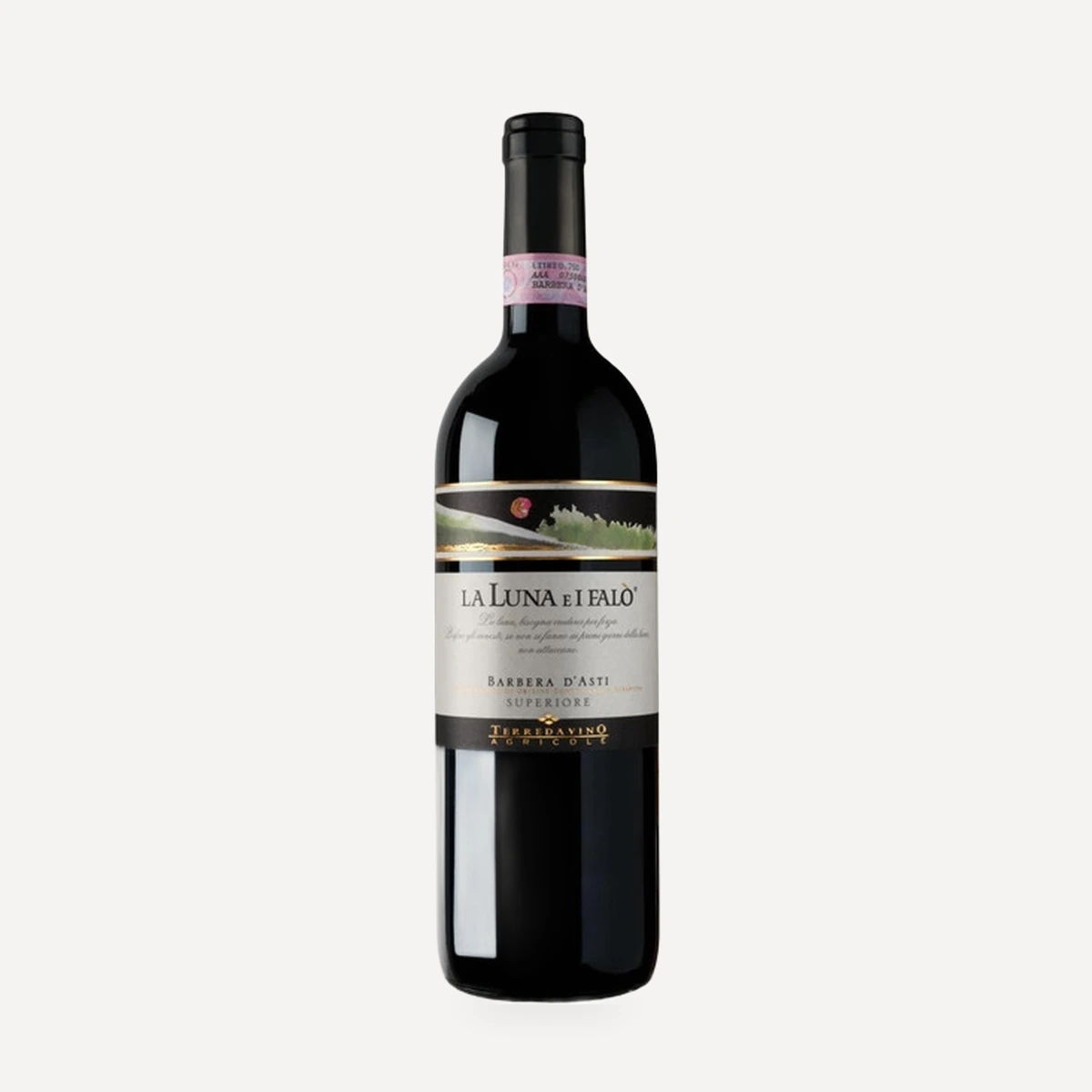
Barbera d’Asti Superiore La Luna e i Falò DOCG
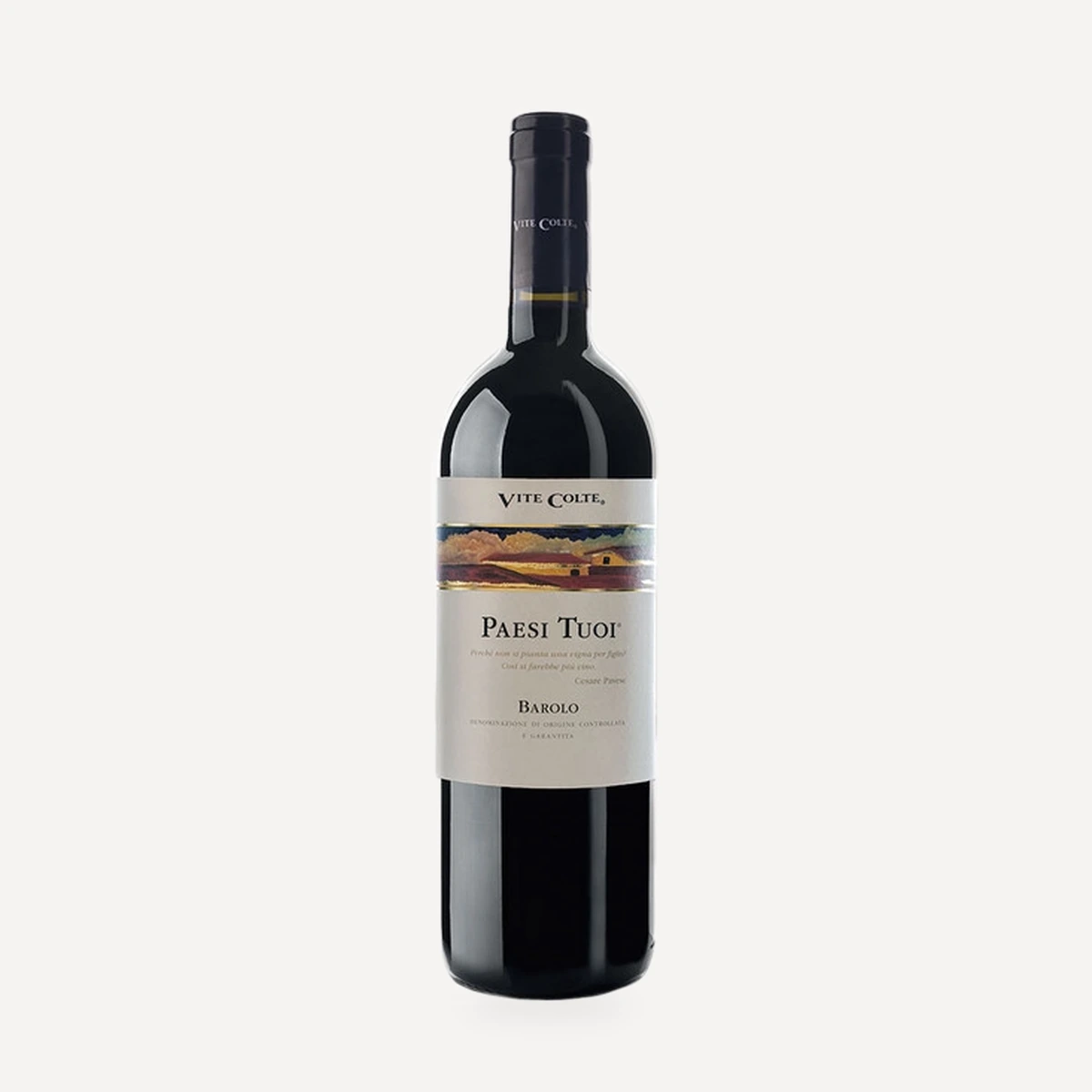
Barolo Paesi Tuoi DOCG
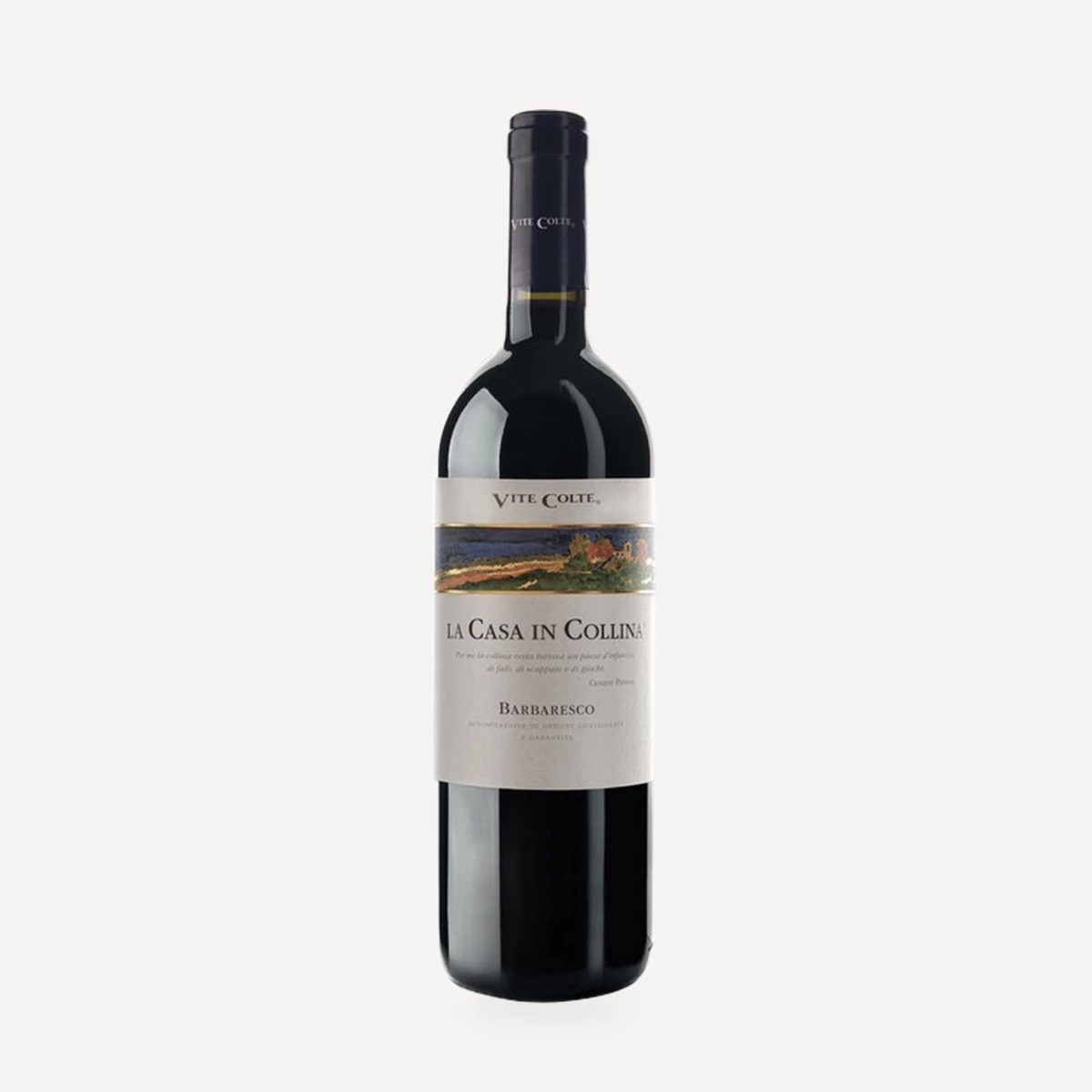
Barbaresco La Casa in Collina DOCG
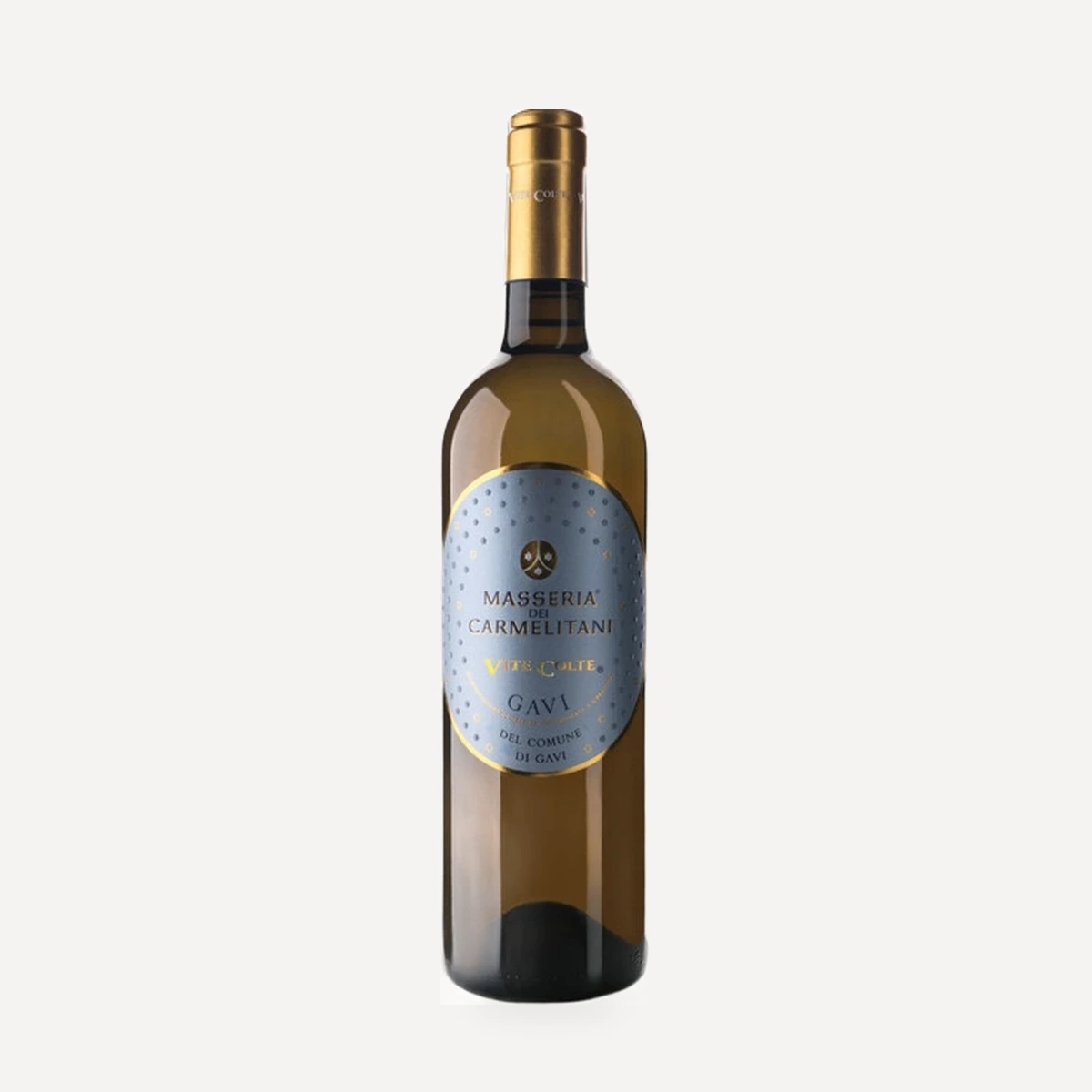
Gavi del Comune di Gavi Masseria dei Carmelitani DOCG
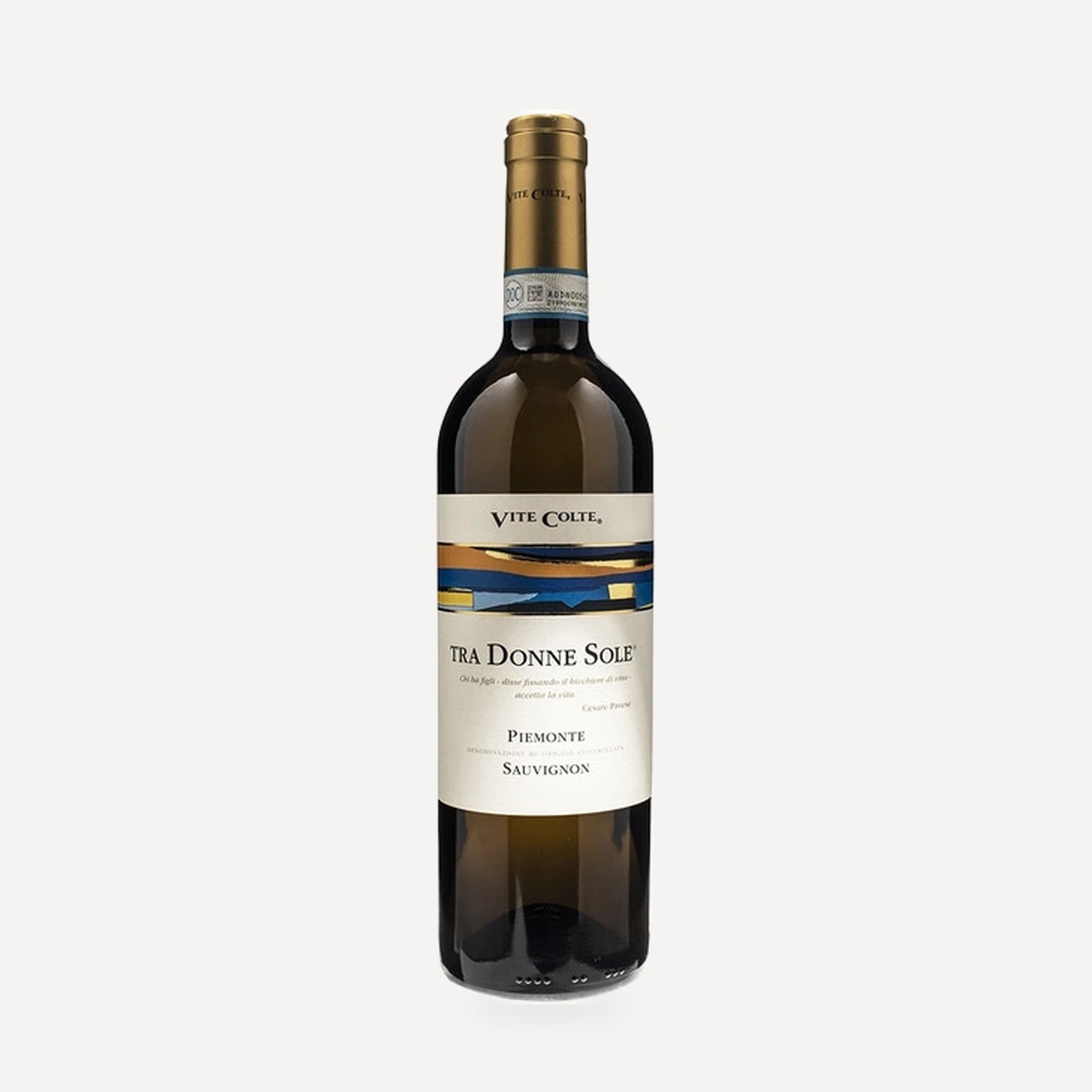
Piemonte Sauvignon Tra Donne Sole DOC
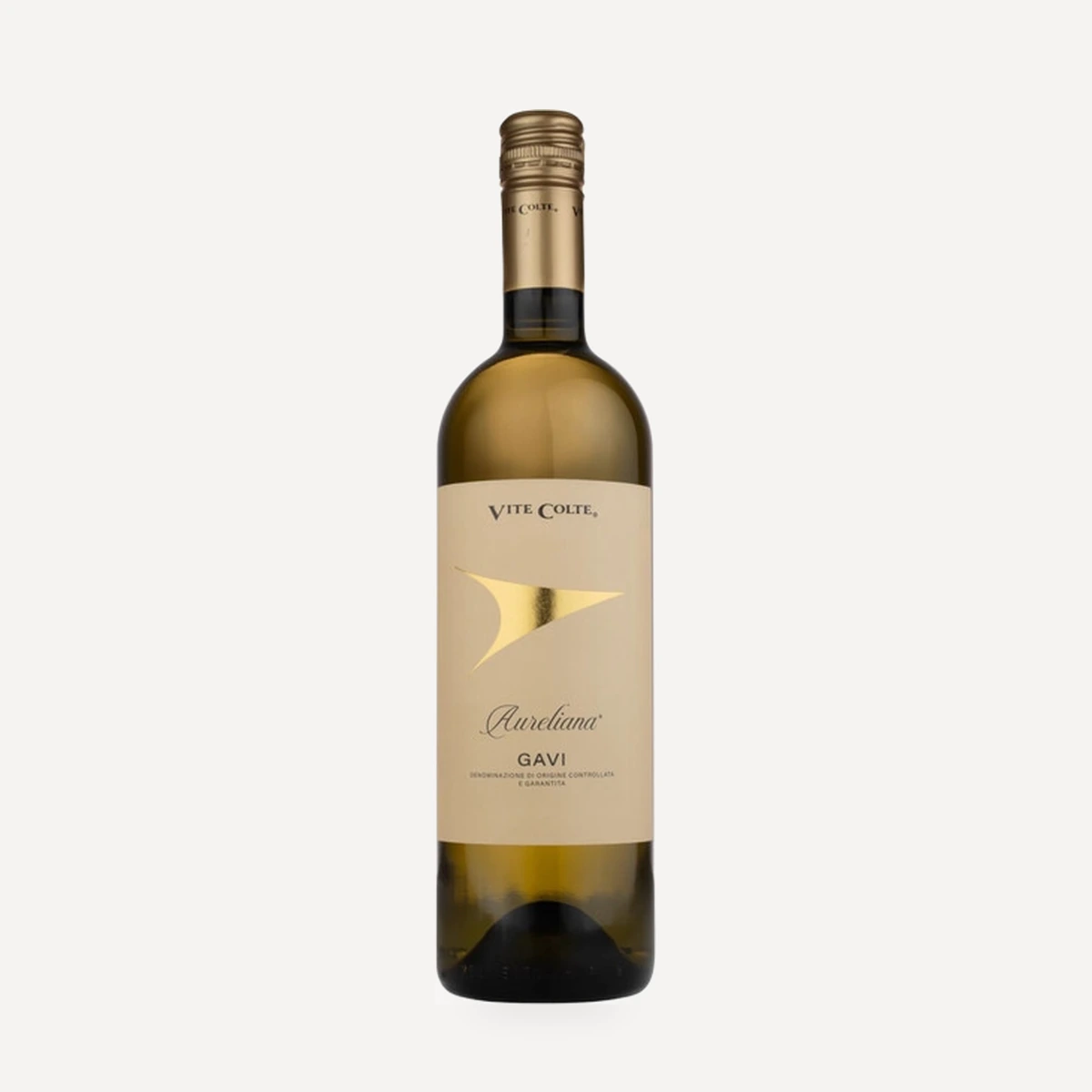
Gavi Aureliana DOCG
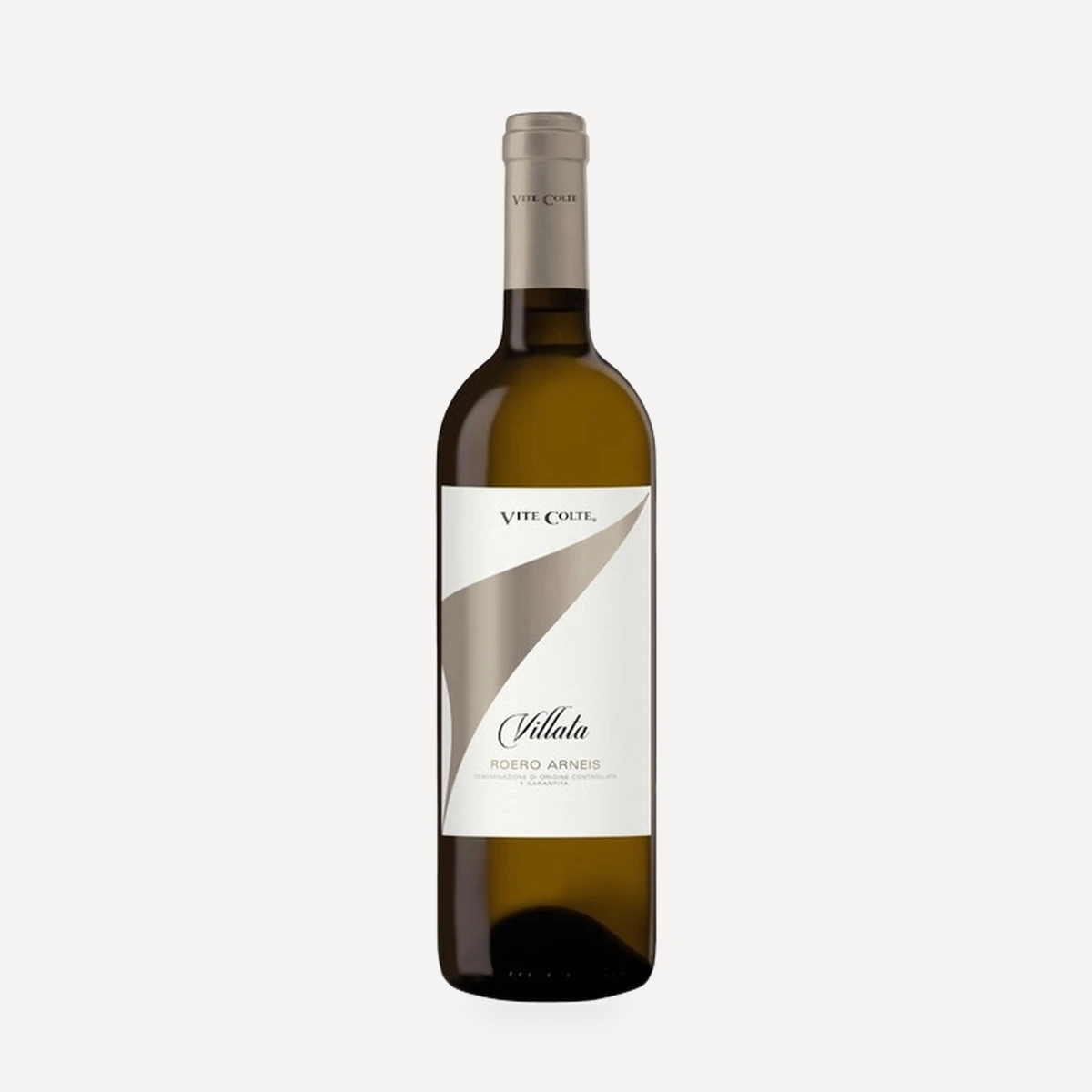
Roero Arneis Villata DOCG
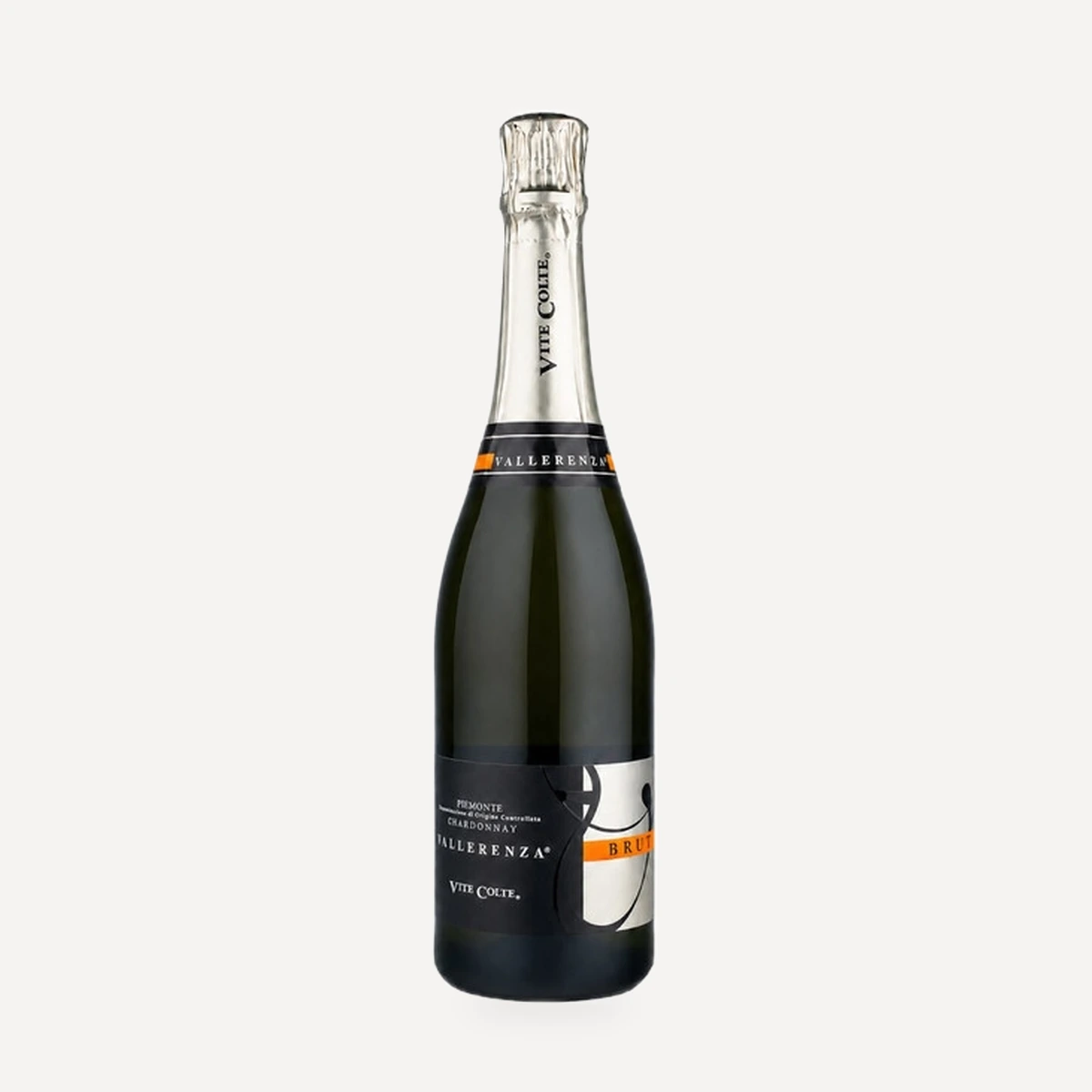
Piemonte Chardonnay Brut Vallerenza DOC
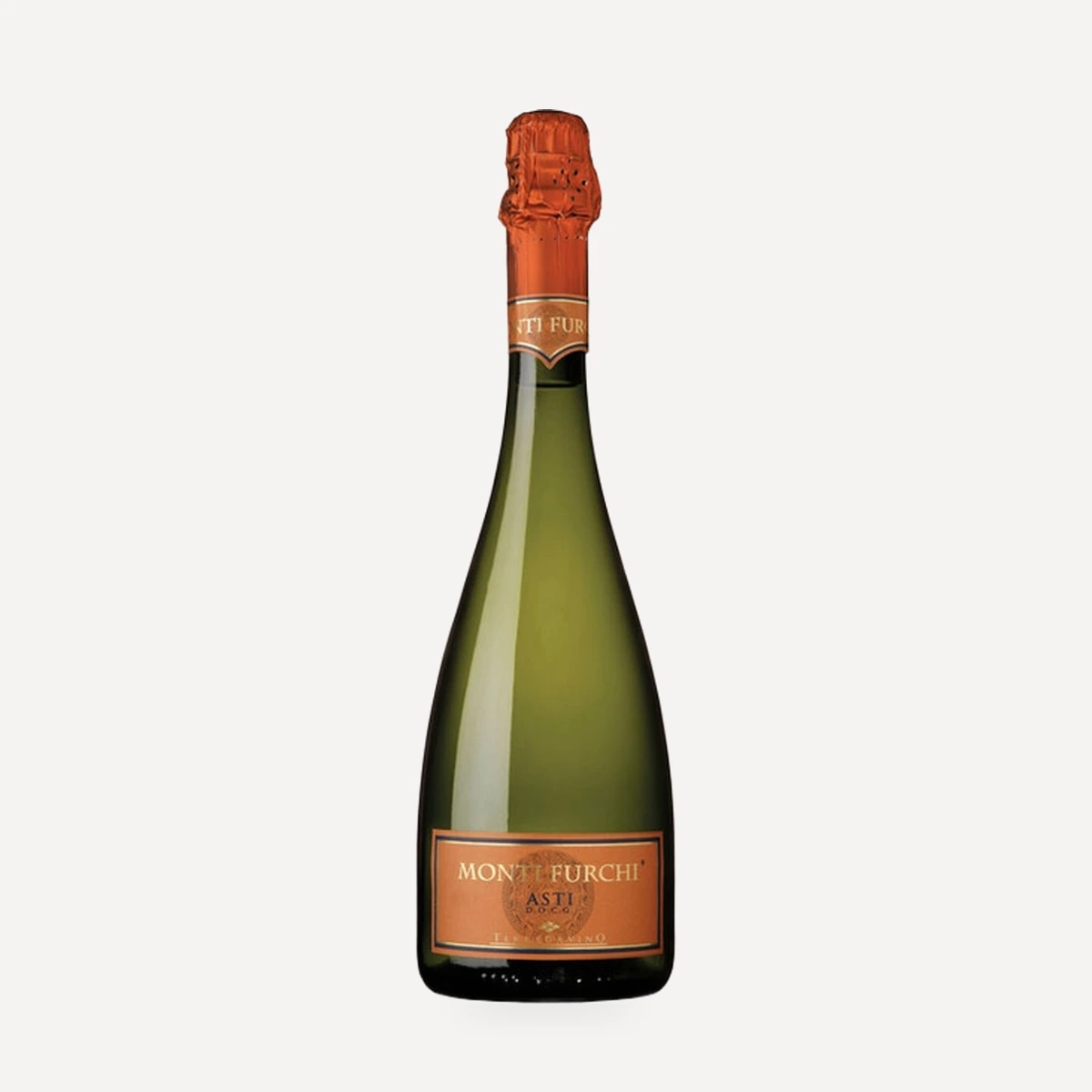
Monti Furchi Asti DOCG
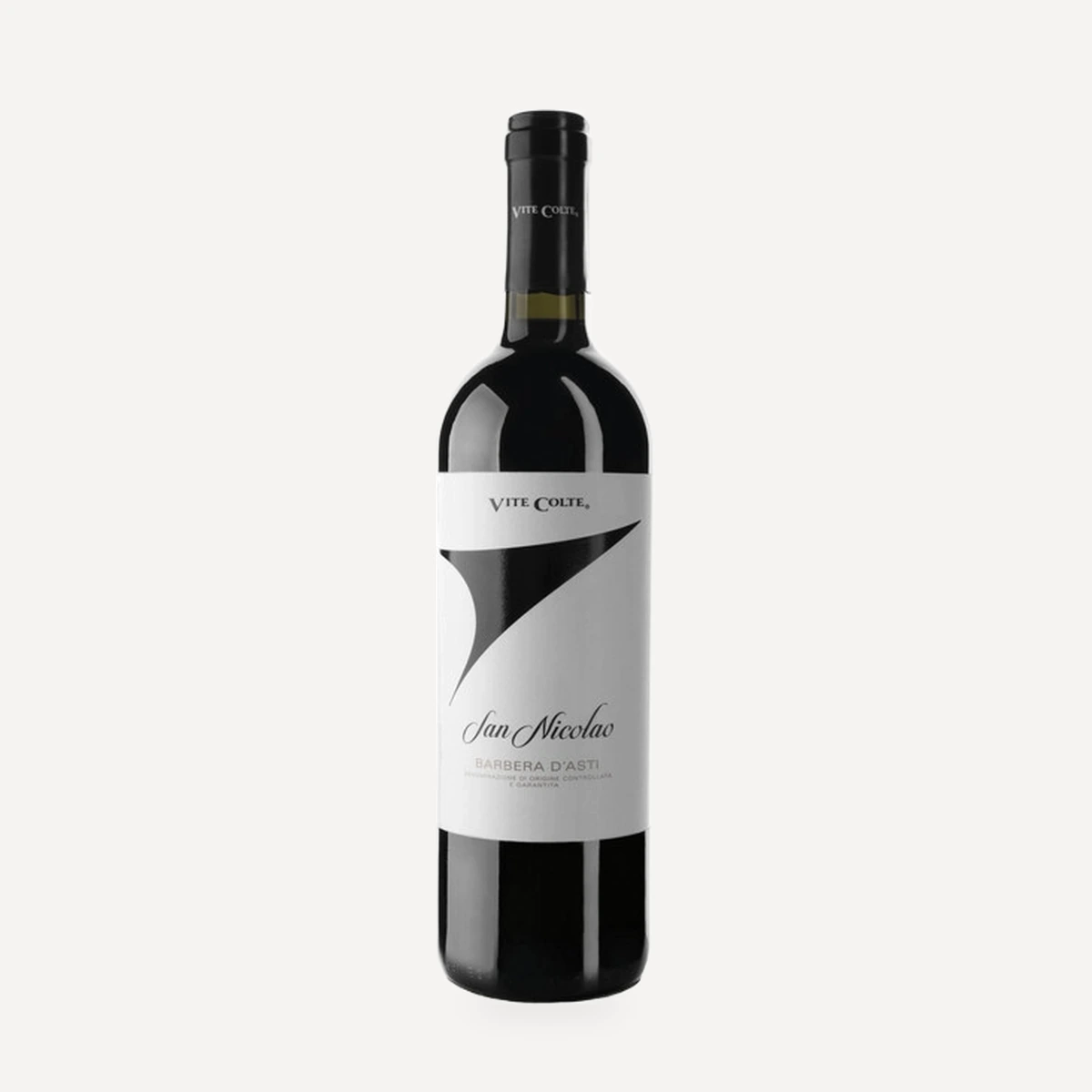
Barbera d’Asti San Nicolao DOCG
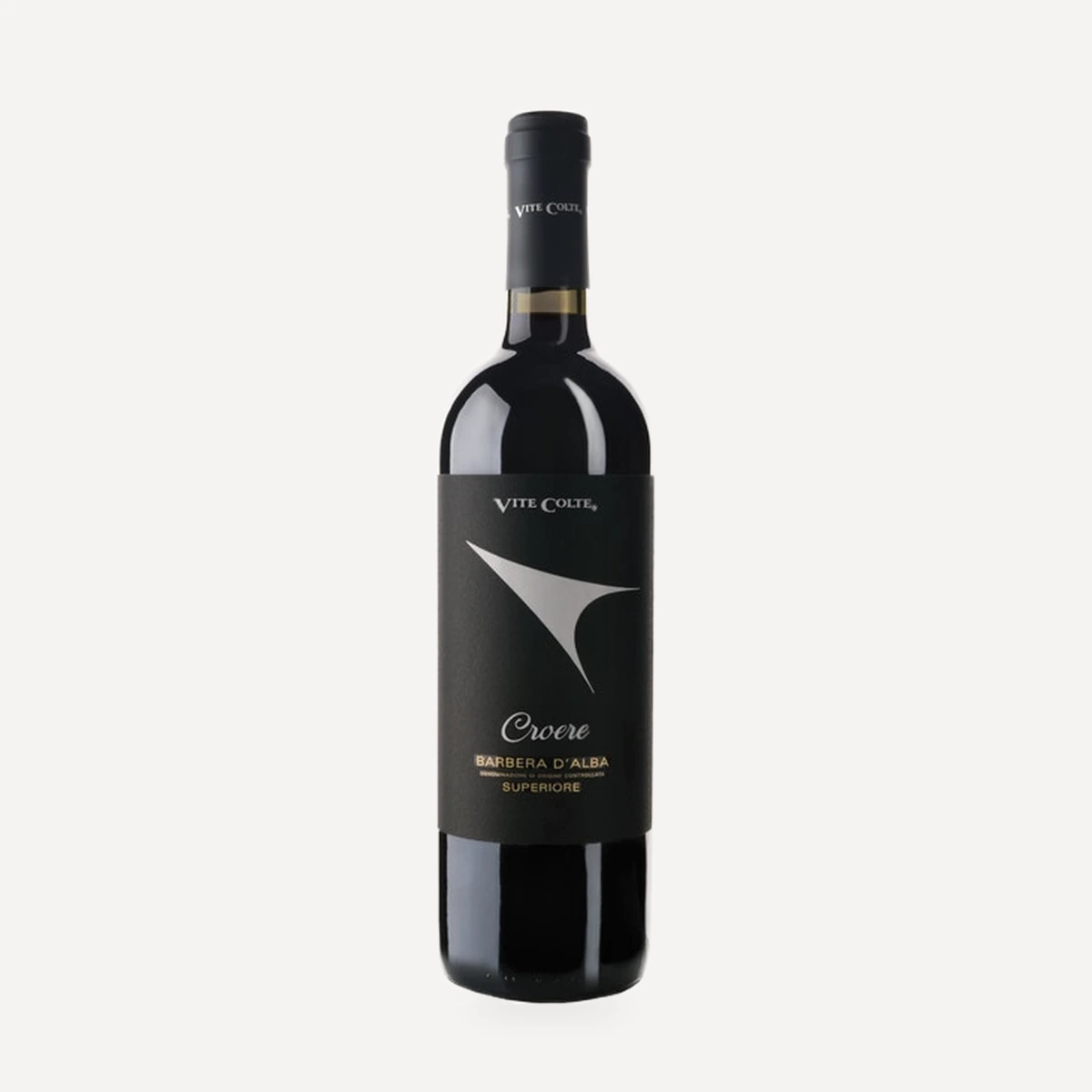
Barbera d’Alba Superiore Croere DOC