Storia
Family roots and foundation
Valentino Paladin developed his attachment to vines and wine as a child, accompanying his grandfather in the fields and later in the cellar. In 1962, he opened the family's first winery premises at Motta di Livenza, near Treviso. From the outset, Paladin was a family enterprise. Valentino built it around passion, research, dedication and respect for tradition, with the aim of expressing the character of the Lison-Pramaggiore area.
The move to Annone Veneto
In the mid-1970s, the family moved the winery to Annone Veneto, at the eastern edge of the Venetian territory near Friuli. The town stands along the ancient Roman Via Postumia and historically served as a postal station on that route.
Valentino's children Carlo, Lucia and Roberto Paladin subsequently contributed new energy to the development of the business. They continued the family's work in Veneto while retaining its emphasis on territorial identity, research and the traditions inherited from their father. The values established by Valentino have also begun to engage the family's next generation.
New vineyards and research
In 1977, the family acquired its first land at Annone Veneto. The purchase also marked the birth of the distinct Bosco del Merlo agricultural estate. Older vineyards on that property were progressively replaced by modern plantings through collaboration with the Istituto Sperimentale per la Viticoltura di Conegliano.
Paladin later developed a programme called Viticoltura Ragionata, combining vineyard observation, research and more environmentally efficient management. Its work included satellite mapping of vine vigour, plant-by-plant management, organic fertilisation, variable-rate nutrient distribution, direct measurement of vineyard carbon absorption and trials designed to reduce sulphur dioxide throughout the production chain.
Villa Paladin
In the spring of 2001, Paladin inaugurated its new headquarters at Annone Veneto. The building, conceived in the style of an early-19th-century Venetian villa while incorporating modern structural and climate-control technology, was surrounded by vineyards. It brought together management, commercial and administrative offices, an underground barrique cellar, a wine shop and reception and tasting rooms. The first-floor hall was designed for dinners, events and press conferences.
Sustainability and education
In 2021, Paladin obtained EQUALITAS certification. The standard evaluates sustainability across environmental, social and economic dimensions and complements the four pillars of the family's 4V programme: Vite, Verde, Vino and Vita—vine, the natural environment, wine and life.
On 6 July 2021, the family presented Il Tempo della Vite, a planned 10,000 m² educational vineyard park developed with the universities of Padua, Milan and Bolzano and with CREA. Conceived as an open-air laboratory, it was designed to explain the evolution of vine training and the scientific and environmental future of viticulture.
Terroir
Paladin's vineyards extend across Eastern Veneto and Friuli, close to the meeting point of the two regional cultures and along the ancient route of the Via Postumia. The Roman road was built in the 2nd century AD under the consul Postumio Albino to connect the northern ports of Genoa and Aquileia.
The soils are calcareous clay, formed through the action of the Tagliamento River during the last glaciation. Their mineral composition is associated with a pronounced territorial character in the grapes and is considered particularly suitable for international varieties.
The estate occupies an agricultural landscape shaped by long-established viticulture. The vineyards are described as garden-like plantings within a rural setting that retains traces of earlier cultures. Archaeological finds discovered in the family's vineyards at Lison attest to historic wine production in the area. The local association with wine reaches back to Roman times: in the 1st century AD, Pliny described the wider territory as an extensive vineyard and recorded ships carrying amphorae of wine from Adriatic ports toward Rome. Centuries later, wine was traded throughout the dominions of the Republic of Venice.
Vinificazione
Paladin calls its research-led approach Viticoltura Ragionata, or reasoned viticulture. It combines quality objectives with ethical and environmental considerations and treats the vineyard as a collection of individual plants rather than as a uniform block.
A Research & Development group comprising Luigi Bersini, Leonardo Valenti and Carlo Paladin defined study and operational priorities. Vineyard work was supported by satellite technology combining GPS and vigour maps. With advice from Paolo Dosso of Studio di Ingegneria Terradat, the vineyards were mapped according to vine vigour, allowing operations to respond to the different levels of development observed within each area.
Organic fertilisation is used both to replace nutrients removed by the crop and to maintain soil structure and fertility. Paladin developed a dedicated variable-rate fertiliser machine with Casella. Guided by GPS and vigour maps, it supplies each vineyard zone only with the nutrients considered necessary, reducing within-vineyard variability. Paladin presented this as Italy's first application of variable-rate technology to vineyard fertilisation.
The environmental research programme included two studies into viticultural carbon footprint. Paladin installed a field station designed to measure, rather than estimate, the vines' absorption of carbon dioxide. The wider research also incorporated self-monitoring of the production chain to identify inefficient stages, reduce waste and lower environmental impact.
Harvest and transport practices were redesigned to limit oxidation and sulphur use. An inert atmosphere is maintained from harvest through grape delivery and the transfer of must into tanks. This hyper-reductive approach allowed sulphites to be eliminated during harvesting and transport. White grapes are harvested at night and reach the winery at temperatures no higher than 15°C, helping preserve their aromas.
The 4V programme organises sustainability around four connected fields: Vite, respect for the vine; Verde, protection of the natural environment; Vino, sustainable wine production; and Vita, protection of life and the social sphere. EQUALITAS certification, achieved in 2021, evaluates the environmental, social and economic dimensions of this work.
Production is organised to protect grapes and must from oxidation from the moment of harvest. The chain is inerted from picking and transport through arrival at the cellar and transfer of the must into tanks. This hyper-reductive system removes the need for sulphites during harvesting and grape transport while helping retain primary aromas. White grapes are picked at night and delivered at no more than 15°C.
Vineyard and cellar studies pursue a continuing reduction in sulphur dioxide without abandoning established sensory and quality standards. The winery also includes an underground barrique cellar, where wines mature and refine in oak barrels. Paladin presents scientific research and modern production resources as tools to be applied in a way that remains consistent with local and family traditions.
Filosofia
Paladin's identity is rooted in family, land and culture. The principles inherited from Valentino Paladin—passion, research, dedication and respect for tradition—remain the framework for its work and have been passed from his children toward a third family generation.
Tradition and innovation are treated as complementary rather than opposing ideas. Innovation is intended to respect the customs of the territory and family and, when successful, to become part of that tradition. Scientific research, precision technology and new technical resources are therefore applied alongside accumulated experience and close observation of nature.
The stated quality objective is to produce wines with a recognisable territorial identity, consistent standards and respect for consumer health. Wine is also understood as an expression of technical, agricultural, historical and architectural culture and as an instrument of conviviality.
Sustainability extends beyond vineyard and cellar operations. Through the 4V framework, Paladin connects care of the vine and natural environment with sustainable production and responsibility toward people and society. Its broader ambition is to reduce waste and environmental impact while steadily improving efficiency and quality throughout the production chain.
Vini
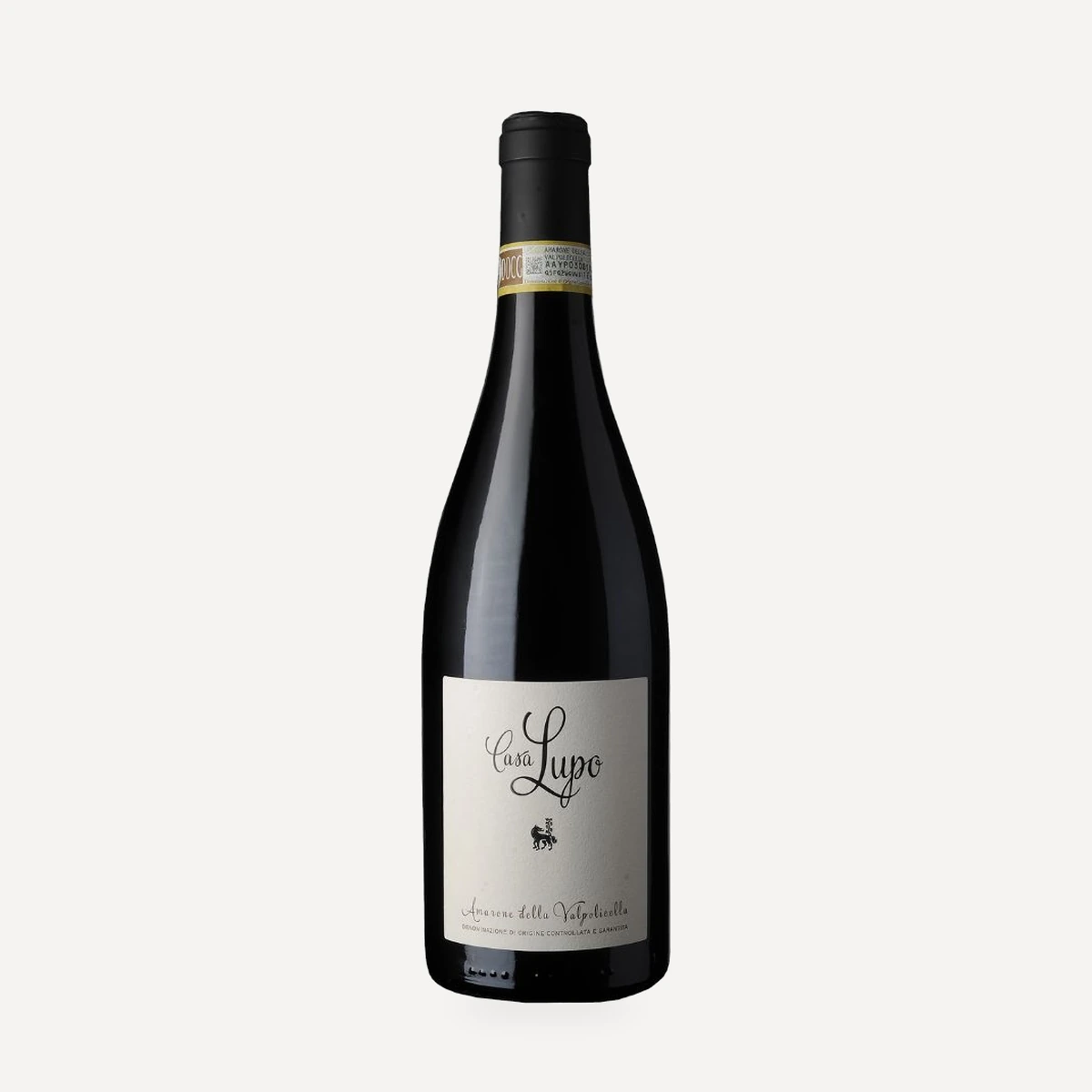
Casa Lupo Amarone DOCG
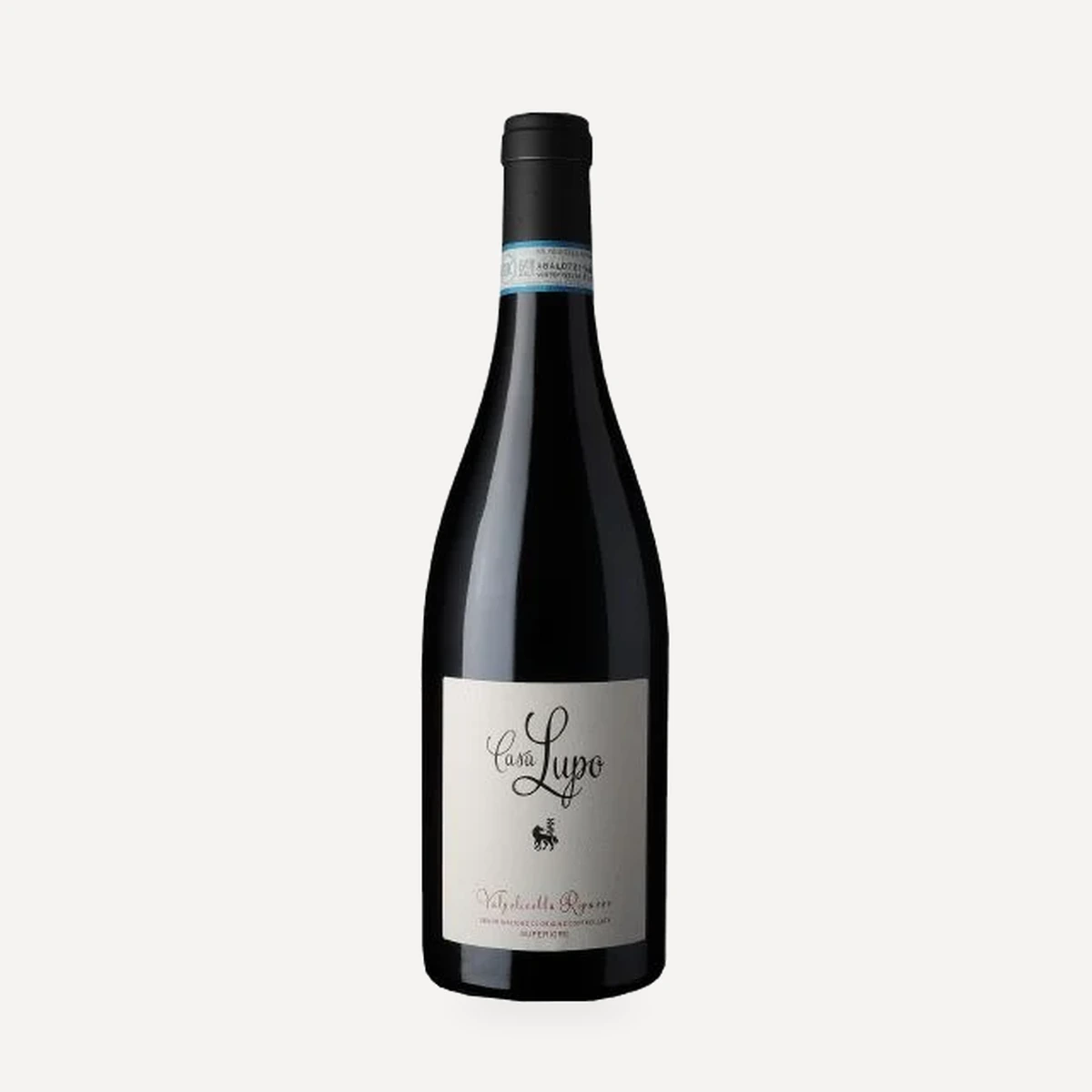
Casa Lupo Valpolicella Ripasso DOC
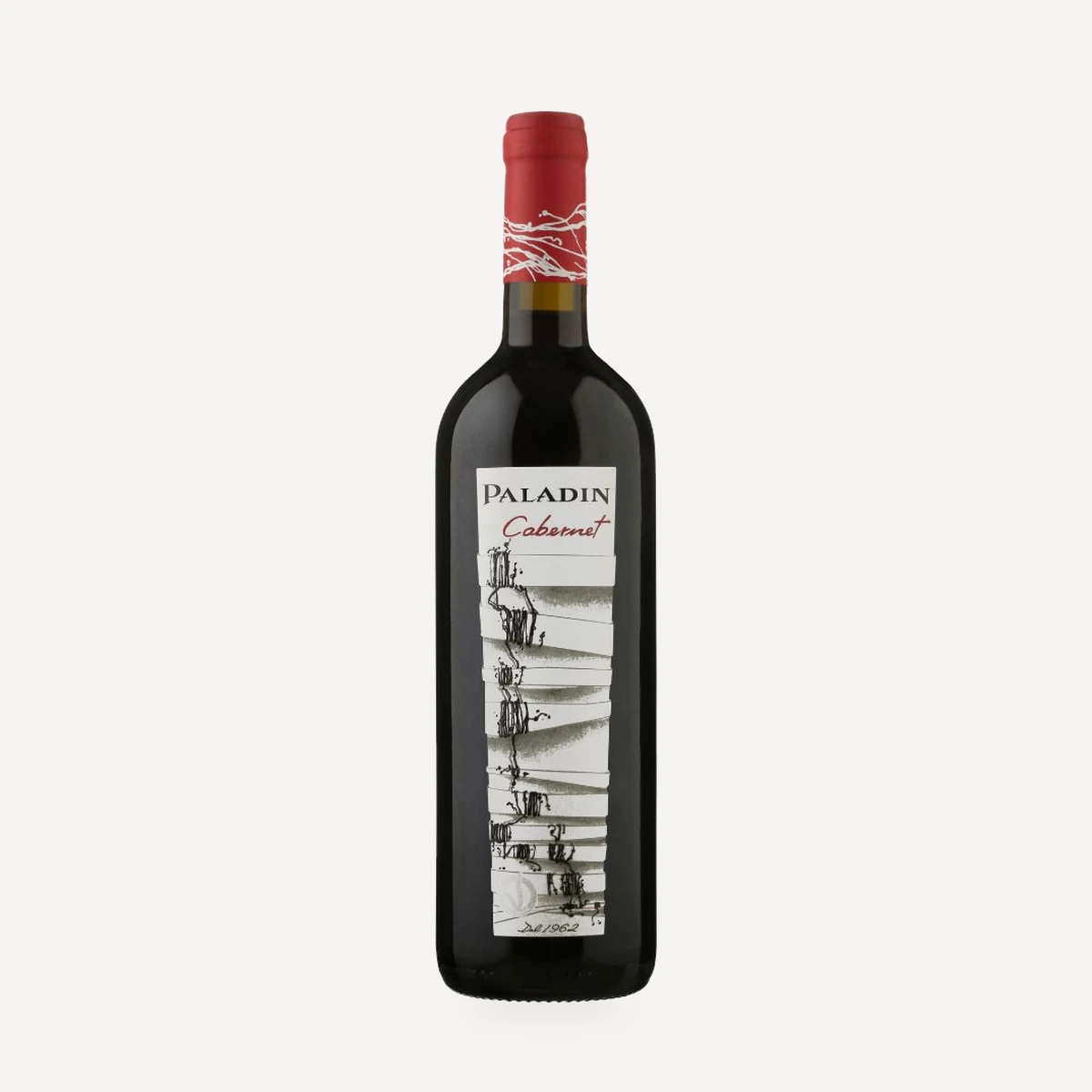
Cabernet IGP Veneto
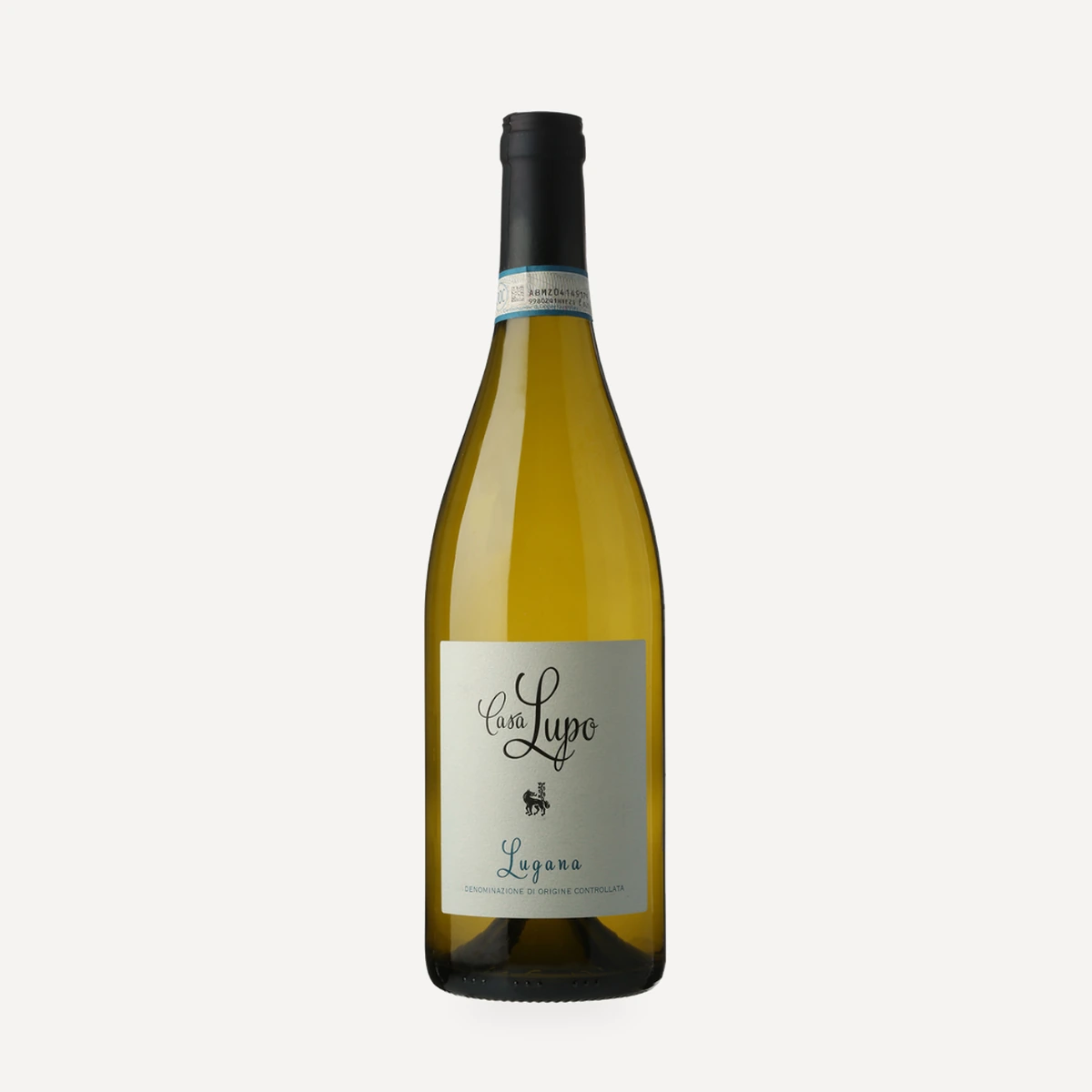
Casa Lupo Lugana DOC
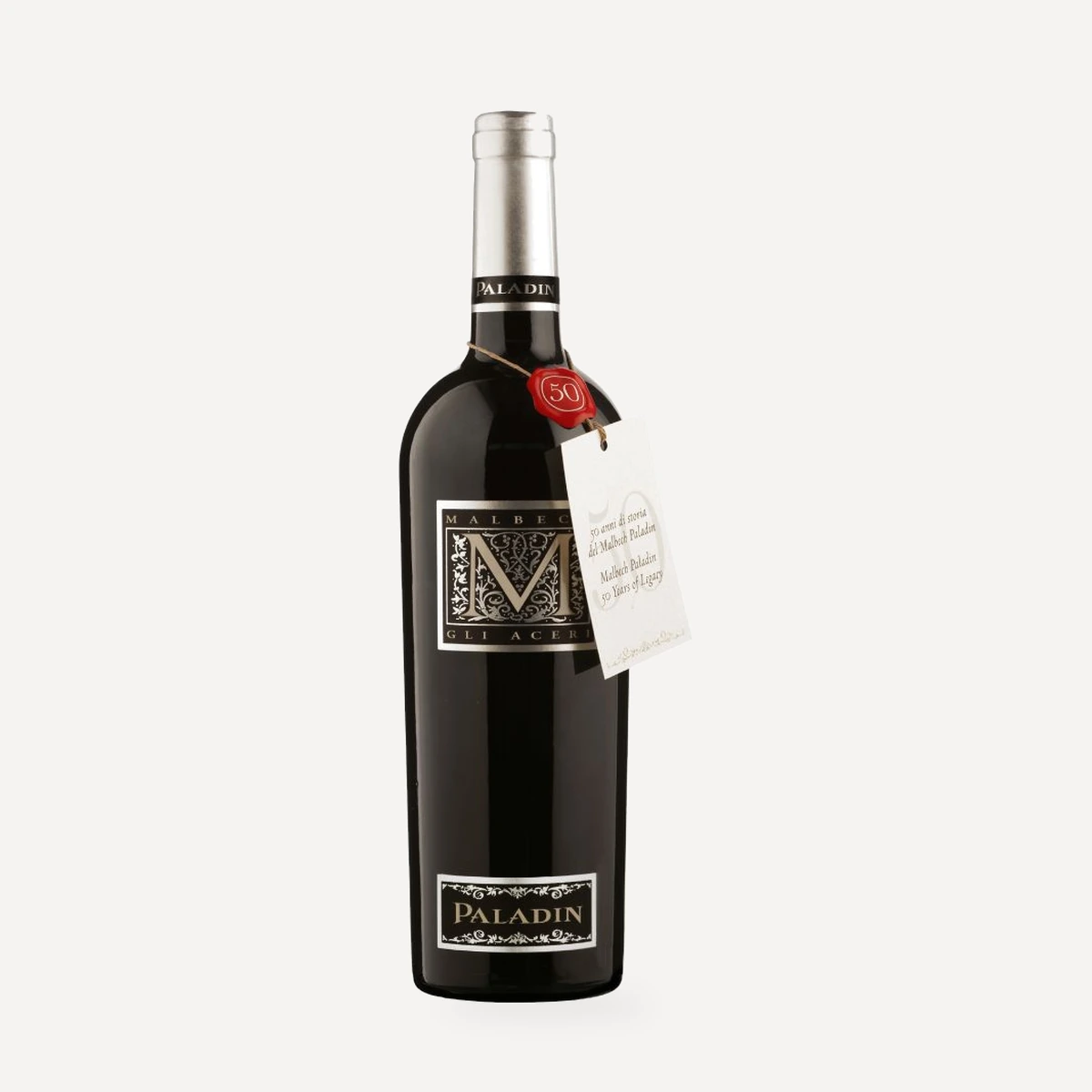
Malbech Gli Aceri IGP Veneto
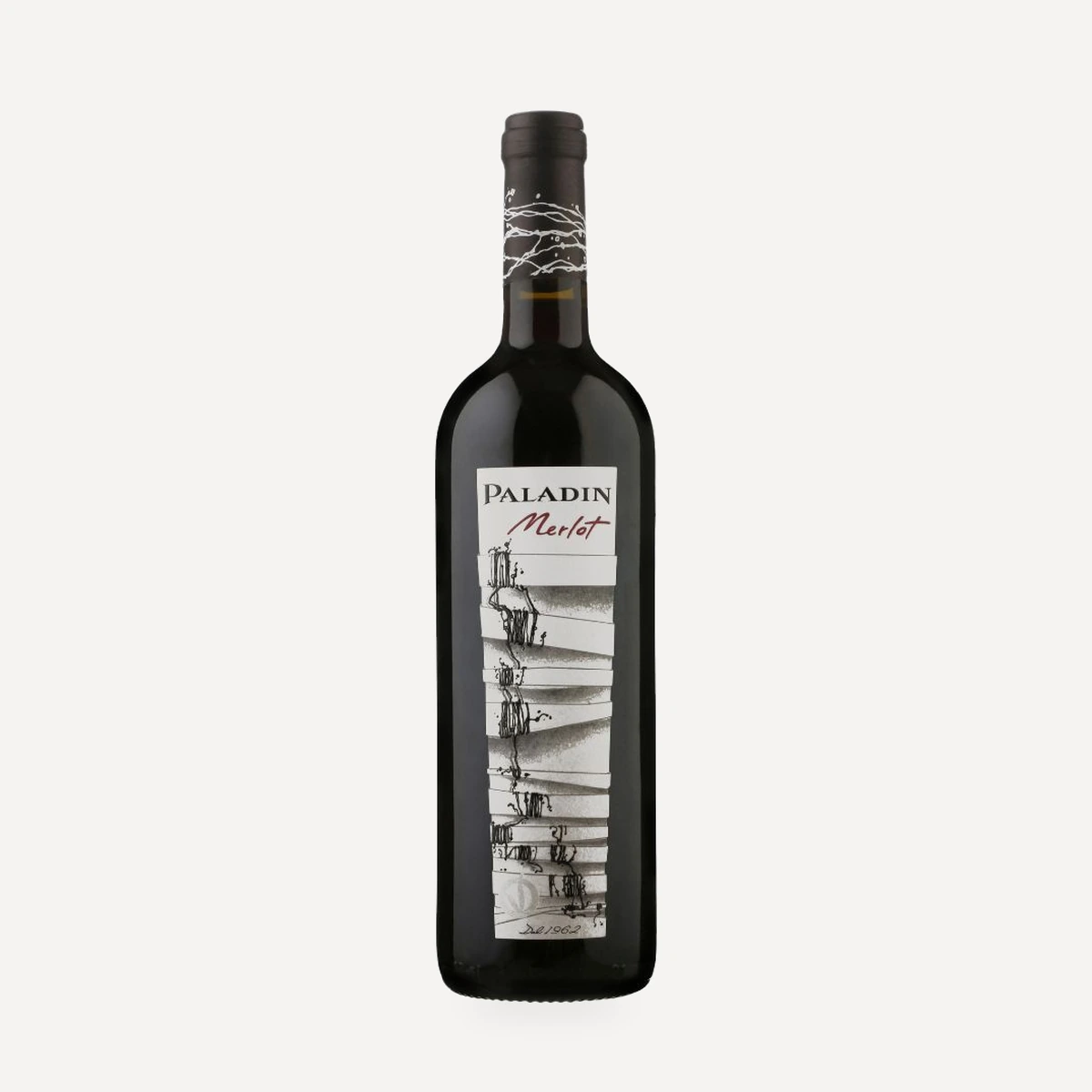
Merlot IGP Veneto
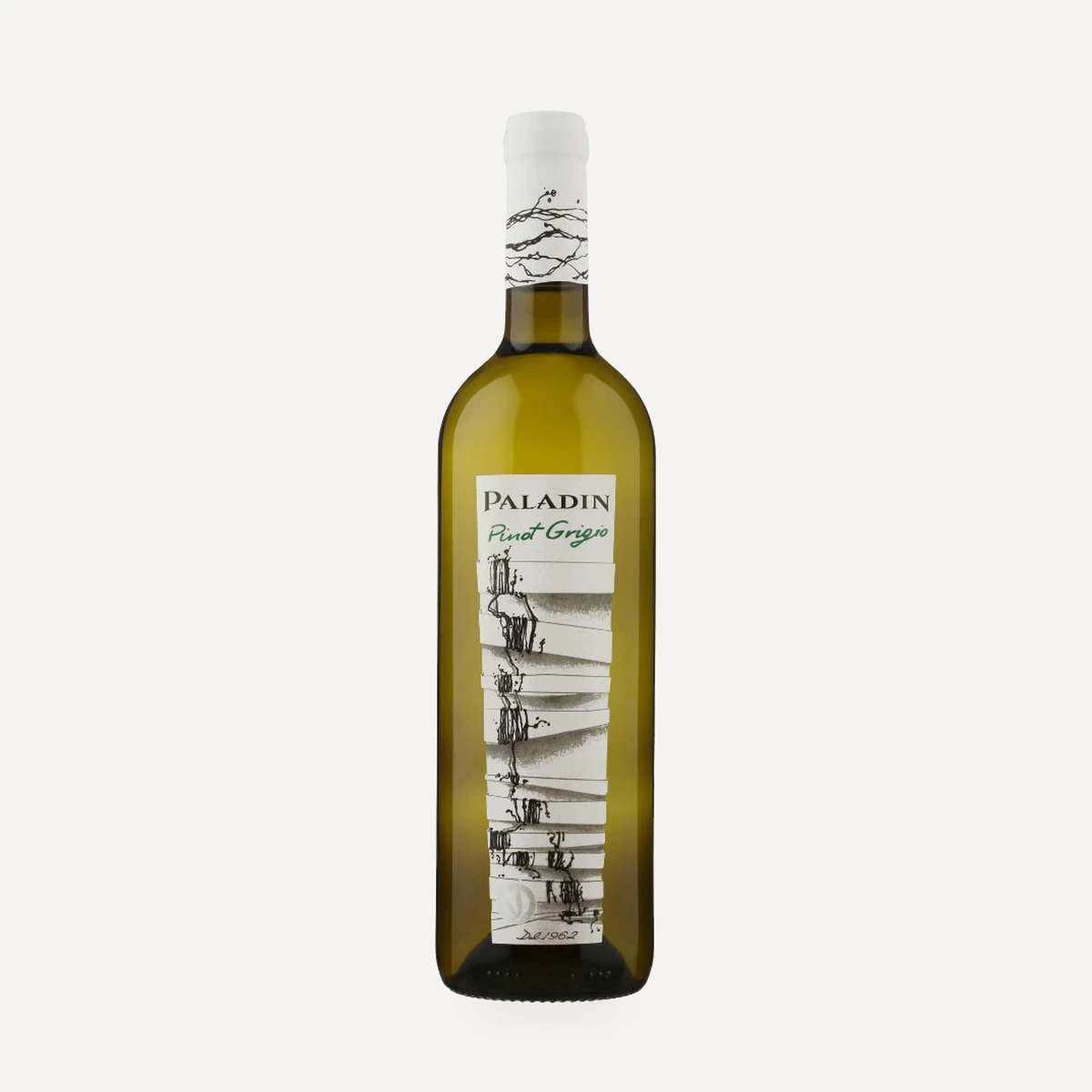
Pinot Grigio DOC Delle Venezie
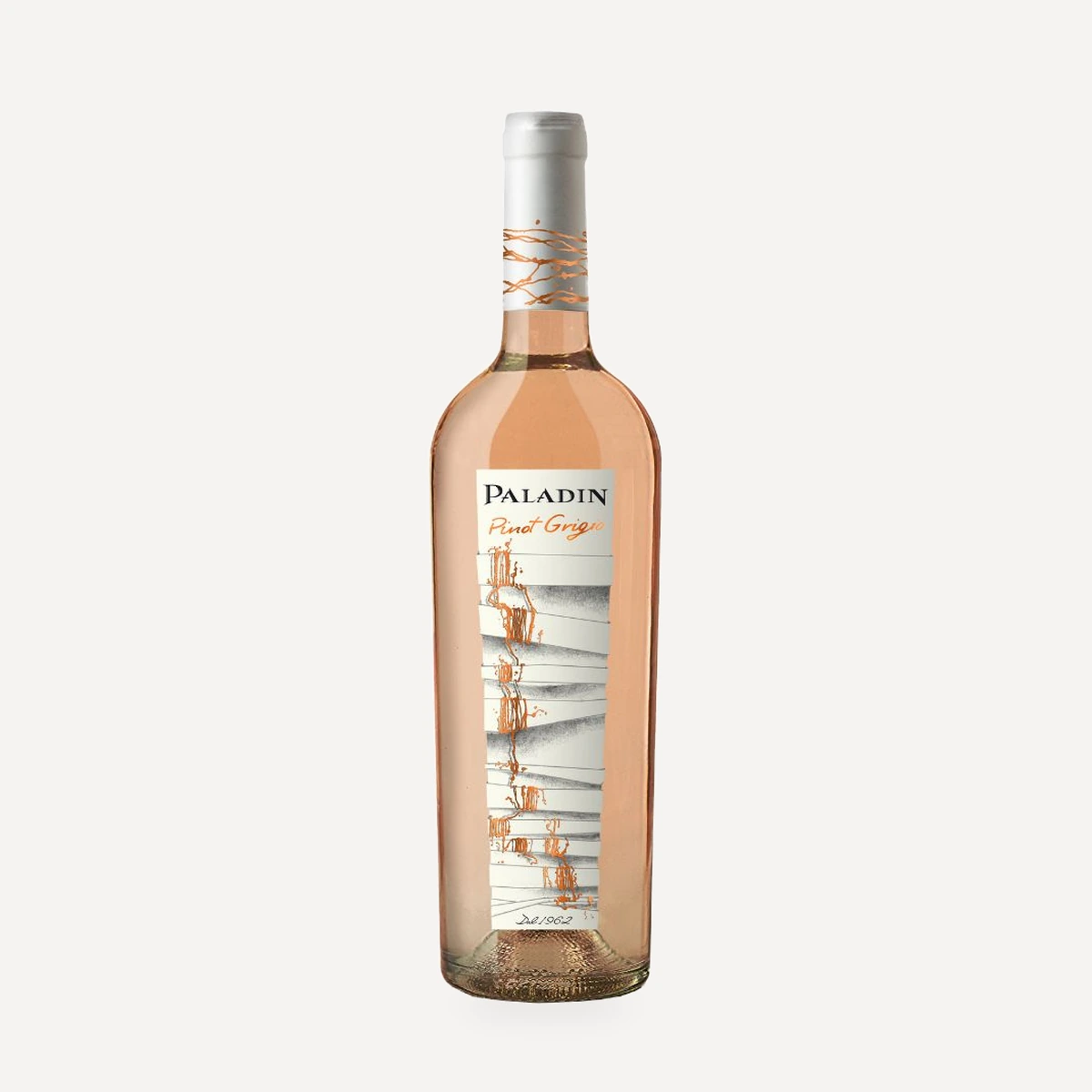
Pinot Grigio Rosè DOC Delle Venezie
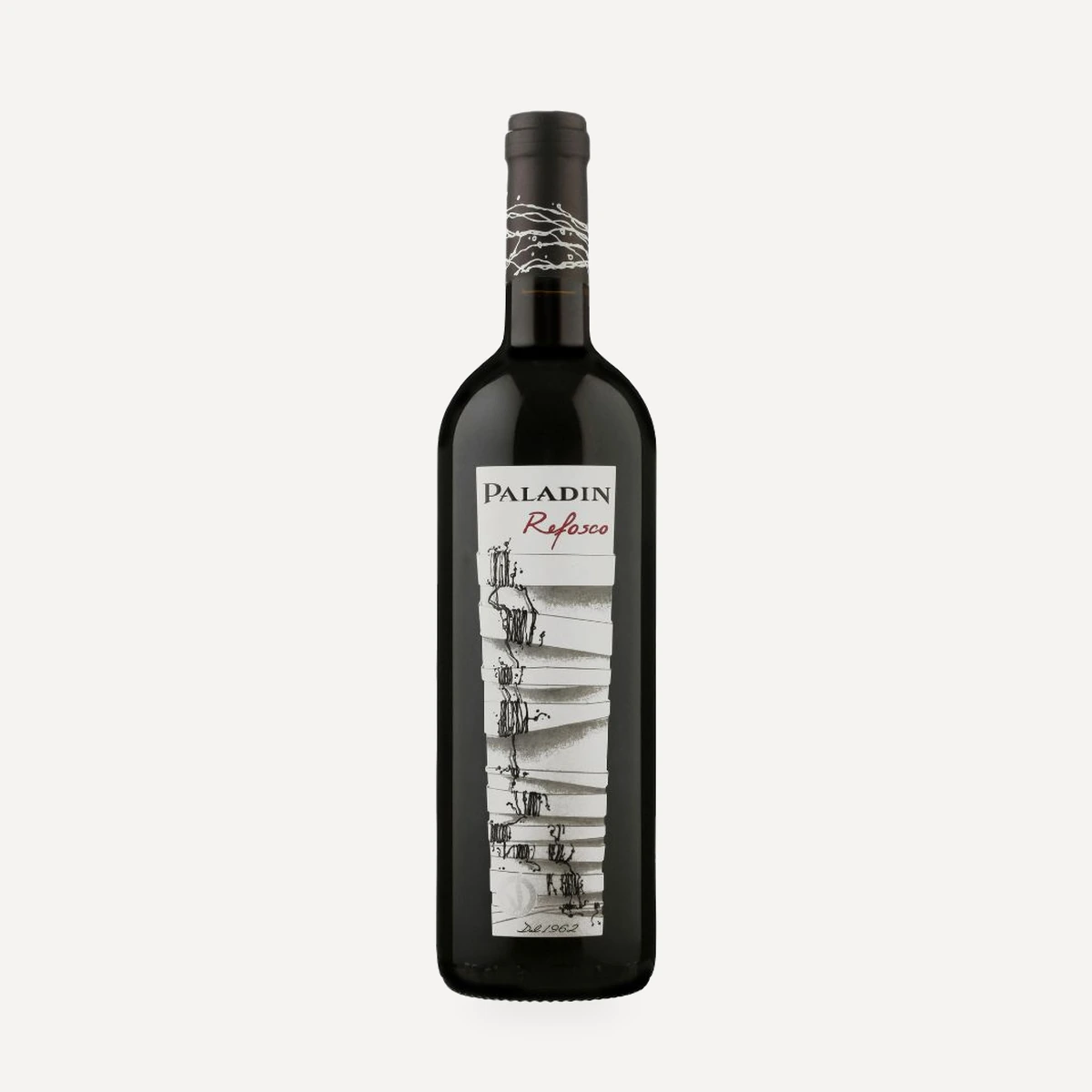
Refosco DOC Friuli
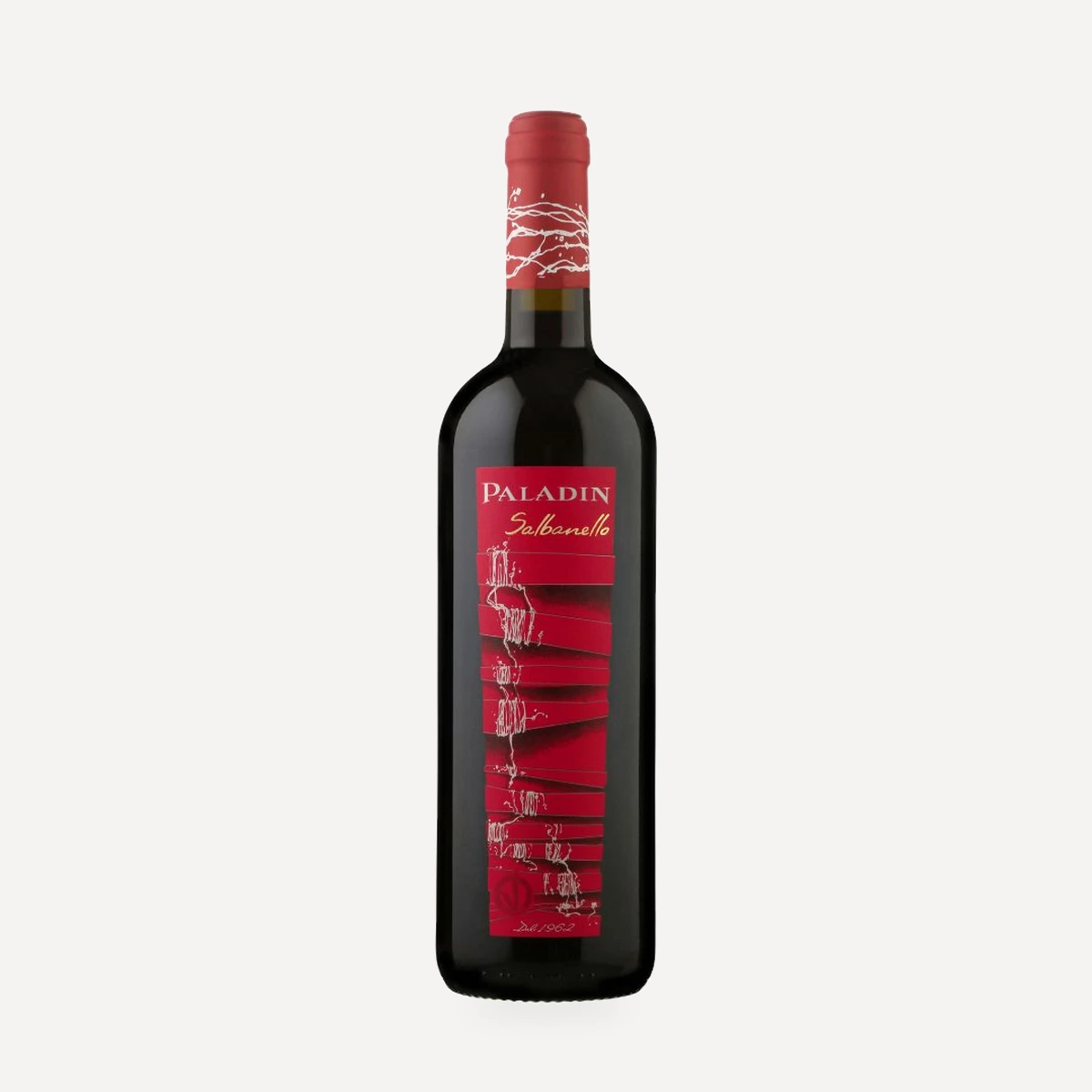
Salbanello IGP Veneto
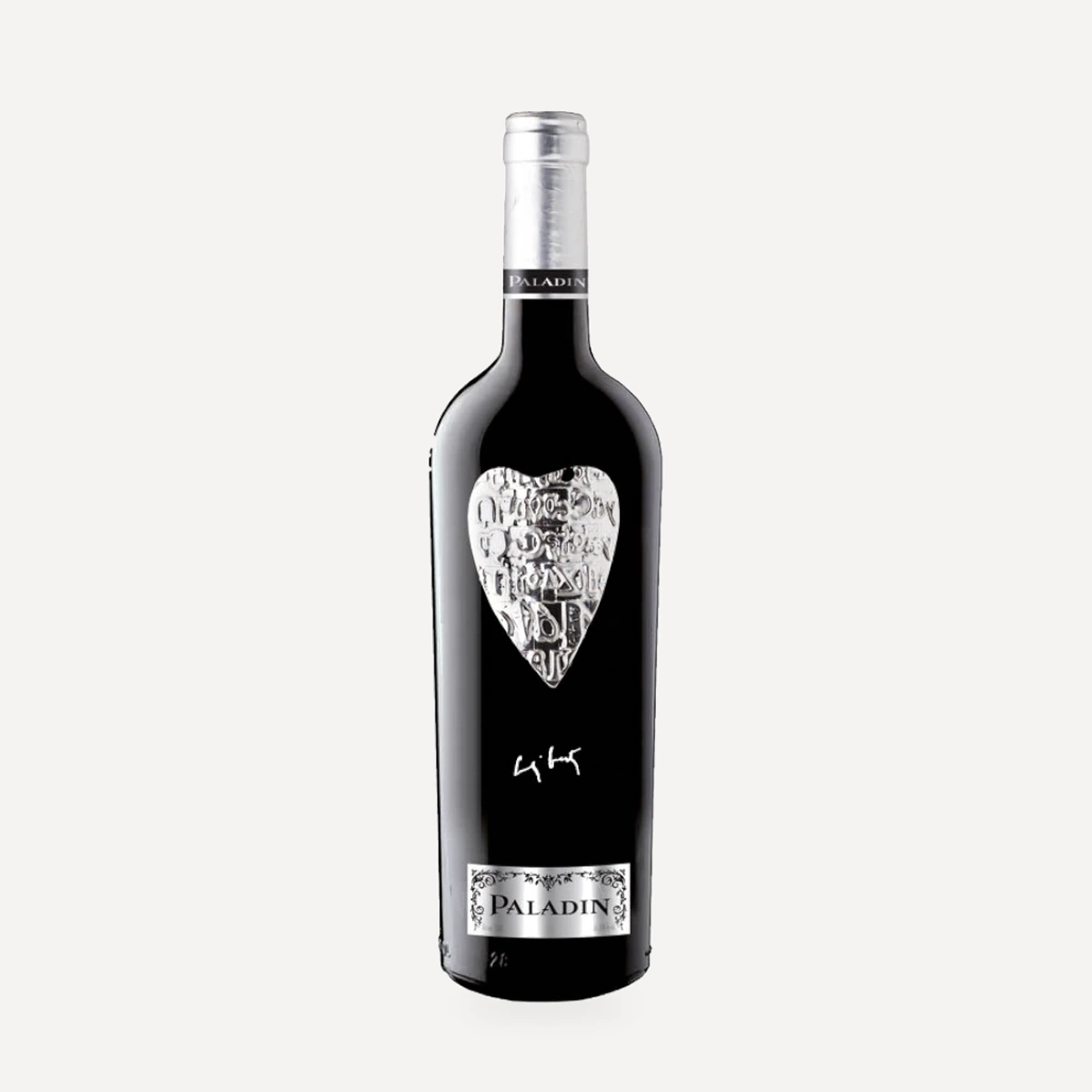
Wine&Art Etichetta Argento IGP Veneto
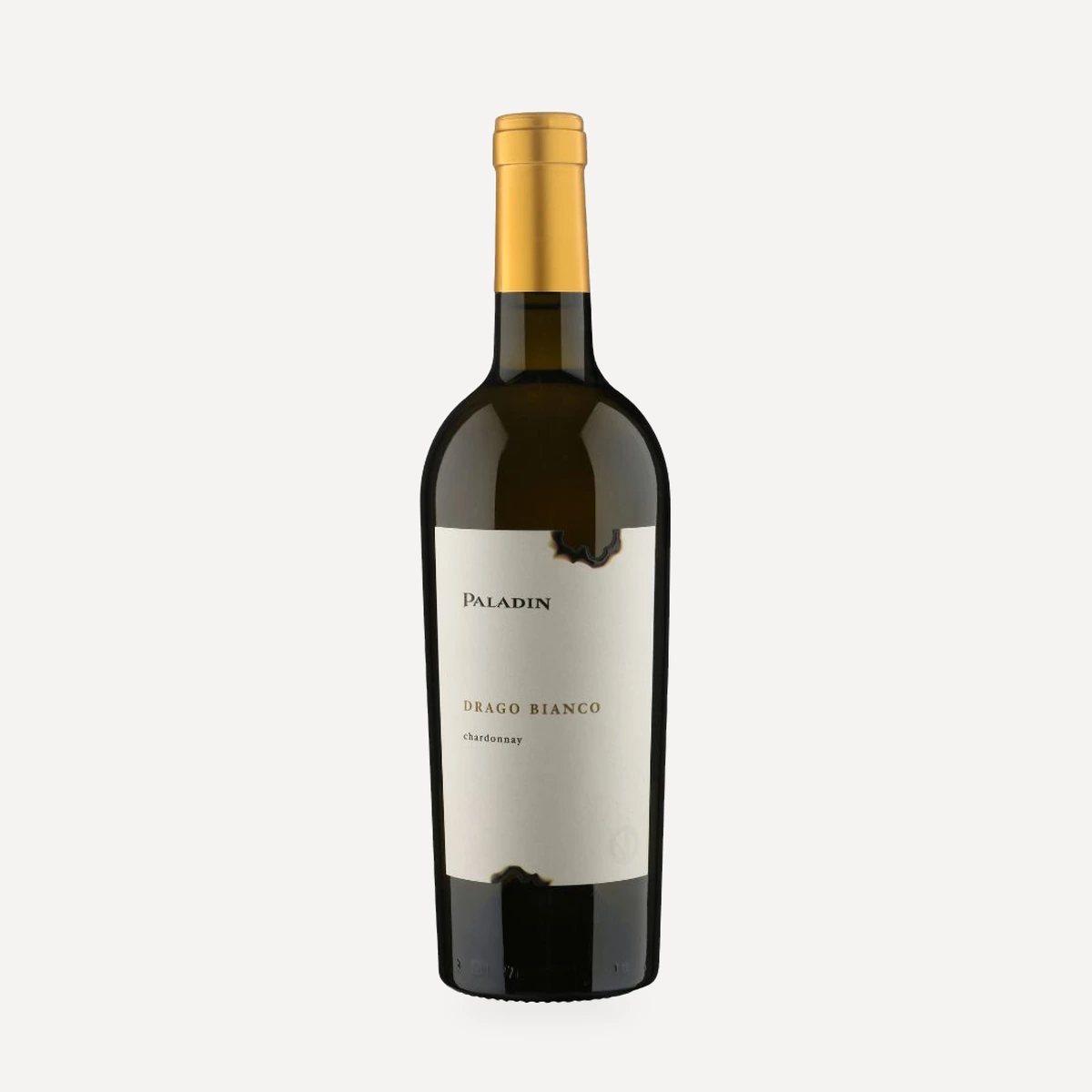
Chardonnay Drago Bianco
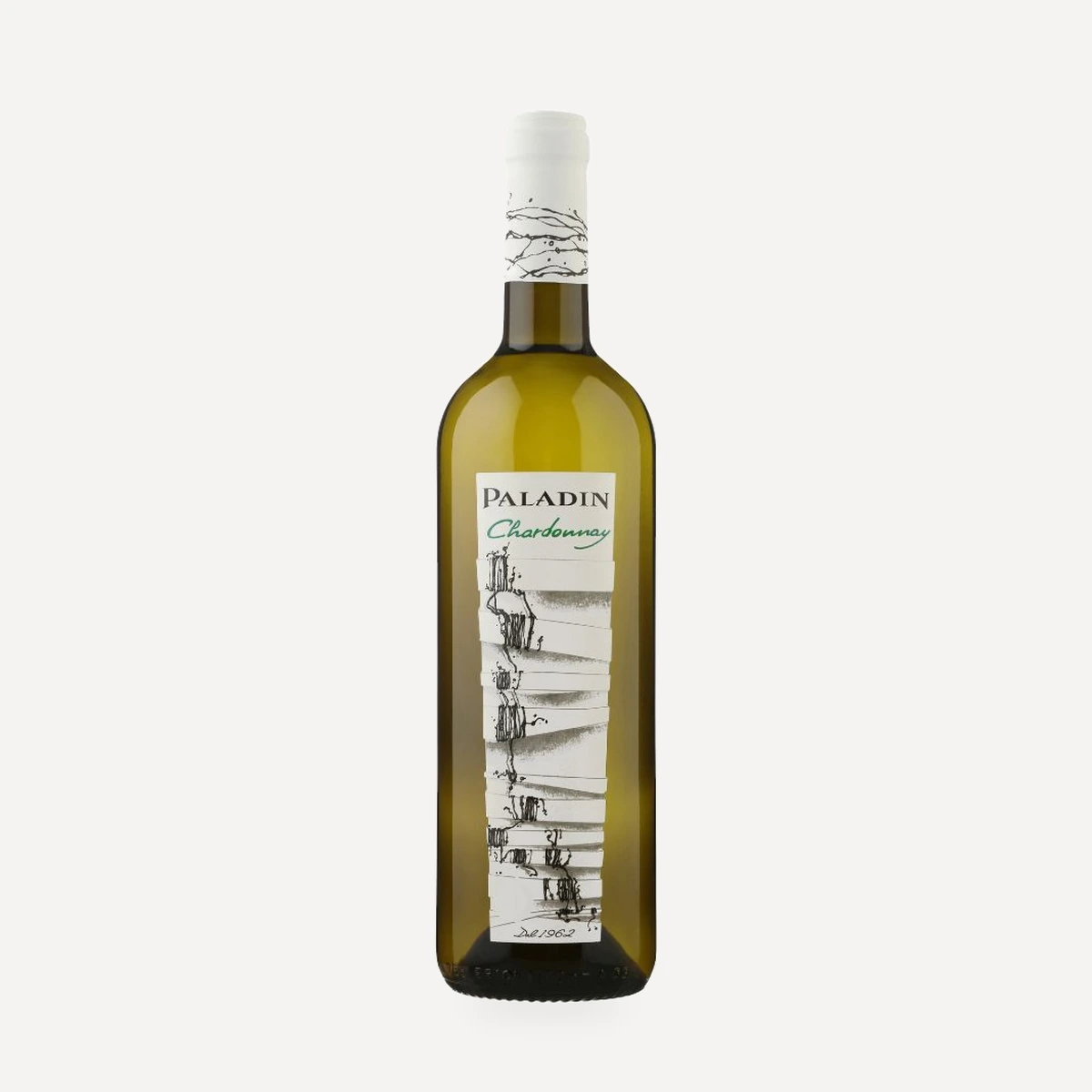
Chardonnay Paladin
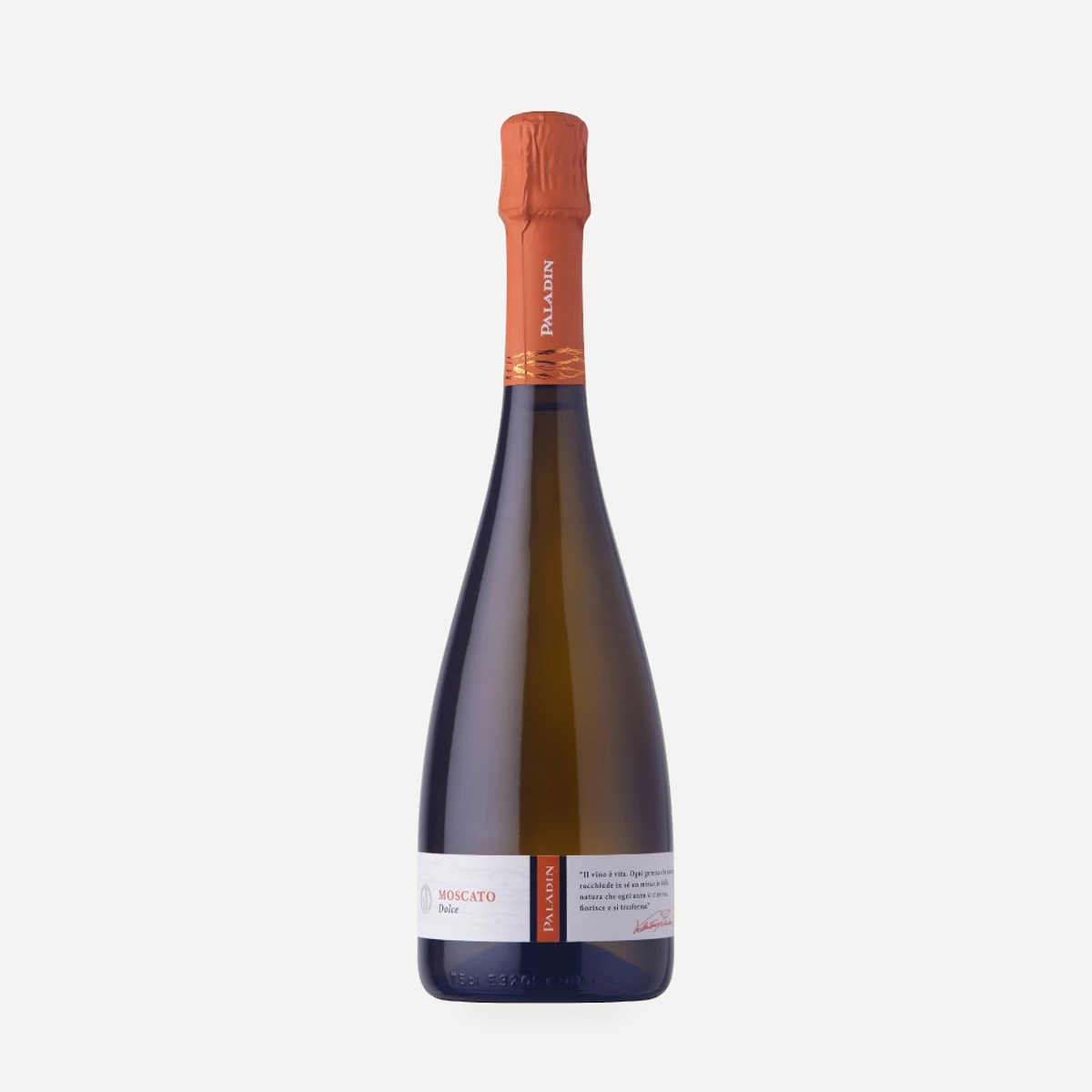
Moscato Vino Spumante Dolce
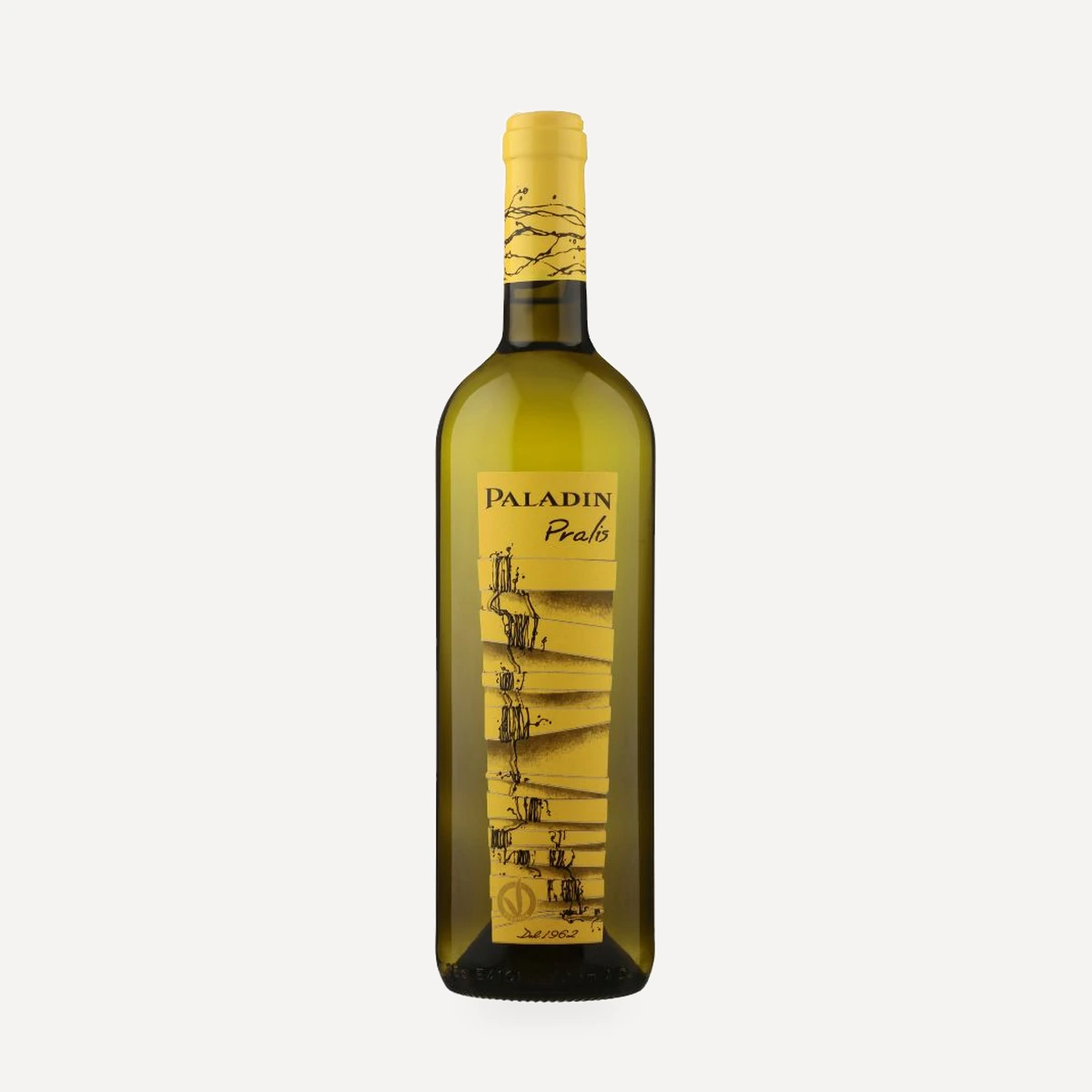
Pralis