Storia
A winery among the volcanoes
Patria is based in Solicchiata, within the municipality of Castiglione di Sicilia, on the northern side of Etna. Its identity connects the historic character of Torrepalino with contemporary wine production, framed by Etna, Monte Mojo and views across the vineyards toward the Alcantara Valley.
Earlier layers of the site
The winery incorporates several older layers of local history. Its Slavonian-oak barrel hall occupies the place where an Aragonese watchtower once stood. The underground visitor route exposes red earth, caves and the stratification of successive lava flows beneath the eastern forecourt.
The Fondaco stands on the historic Roman consular road. Formerly associated with the passage and hospitality of travellers, it has been adapted as a multipurpose complex with a conference room, dining room and tasting area.
2005: Arena Palici
Arena Palici, a lava-stone amphitheatre overlooking Etna and the Alcantara Valley, was built in 2005. It became a venue for cultural and artistic events. One hundred grape varieties grow around its tiers; selected grapes from this collection are used to prepare the liqueur d’expédition for Pàlici sparkling wine.
Contemporary facilities
The production complex combines the historic spaces with a laboratory equipped for chemical, physical and microbiological analysis. Its operation incorporates ISO safety standards and sophisticated analytical instruments. The estate also maintains an enoteca, tasting and dining areas, a panoramic terrace and the underground archaeological and geological itinerary.
Terroir
Etna and the Alcantara Valley
Patria’s principal winery stands at Solicchiata on the northern side of Etna, with Monte Mojo nearby and the Alcantara Valley opening below the vineyards. The Etna North holdings occupy high elevations and are rooted in volcanic material rich in minerals, with ash and lapilli among the dominant components. Individual vineyard descriptions also identify soils rich in potassium and iron.
The Etna North estate is described at elevations between 600 and 1,200 metres, while named production sites extend from approximately 550 to 750 metres. The vines generally face south-east, receiving abundant sunlight. Cool mountain breezes moderate summer temperatures and shape a high-altitude microclimate associated particularly with Nerello Mascalese and Carricante.
Coastal and inland Sicilia
At Gela, vineyards lie between sea level and 100 metres on clay- and sand-rich coastal soils. The climate is warm, the growing season is long and sunlight is abundant. Proximity to the sea brings cooling summer breezes. Cabernet Sauvignon, Merlot, Syrah and Chardonnay are associated with this estate.
Palma di Montechiaro is another low-lying coastal site. Its Grillo vineyards stand at 20–50 metres on calcareous-clay soils close to the sea, with strong sunlight and marine breezes.
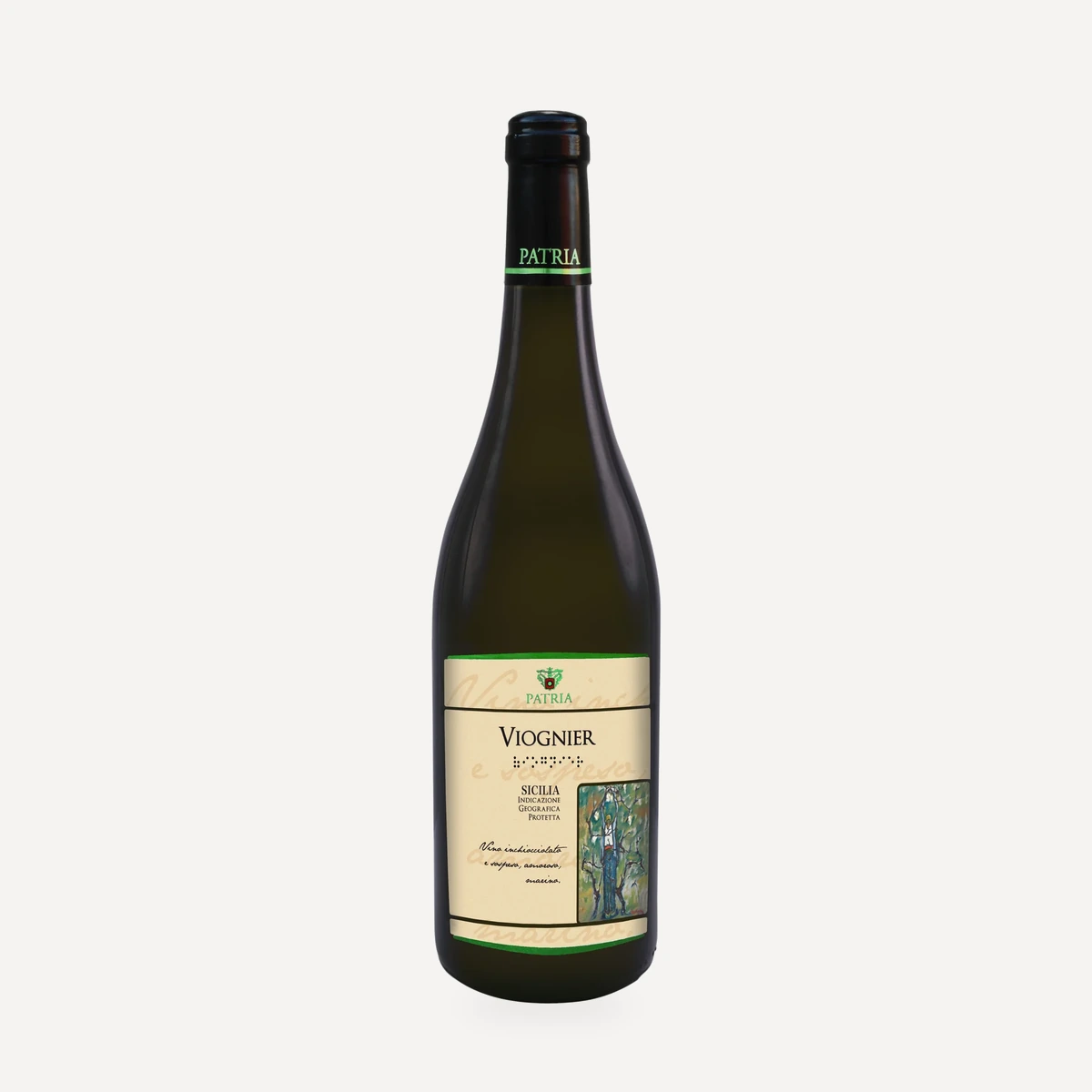
Corleone occupies an inland hill environment. The general estate description places the vineyards at 200–400 metres, although individual Corleone wine materials identify Viognier at 550 metres and Catarratto at 600 metres. Clay soils are associated with Viognier, while the Catarratto material describes a medium-textured soil.
San Michele di Ganzaria lies at approximately 450 metres. Its calcareous-clay soils support Nero d’Avola, Petit Verdot and Chardonnay. At Bronte, vineyards at approximately 700 metres grow on volcanic soils rich in potassium and iron; Merlot and Syrah are linked to this site.
Vinificazione
Most vineyards described in the technical materials are trellised and spur-pruned to cordon. Selected older Etna parcels retain the traditional alberello system, including vineyards used for reserve wines and the Nerello Mascalese destined for Allegracuore.
The Vulcano range is based on selected fruit from Etna vines more than 80 years old. Other identified parcels range from approximately seven to 25 years in average vine age. Harvest dates vary by site and variety: August for early-ripening inland and coastal white grapes; August or September for Carricante-based whites; September for Pinot Noir and sparkling-wine Nerello Mascalese; September or October for Cabernet Sauvignon and Syrah; and October or November for Etna reds.
Organic wines form part of the Femina collection. Identified organic releases include Etna Bianco, Etna Rosso, Etna Rosato, Grillo and Nero d’Avola. The organic Grillo material bears the EU organic mark. No estate-wide organic status, certification body or initial certification date is identified.
Arena Palici functions as a small ampelographic collection: 100 grape varieties grow around the amphitheatre’s tiers. Selected grapes from these vines contribute to the liqueur d’expédition used for Pàlici.
Winery and quality control
The historic barrel hall stands on the former site of an Aragonese watchtower and contains Slavonian-oak vessels. Its stated capacity is 8,500 hL. The analytical laboratory is equipped for chemical, physical and microbiological testing and operates with ISO safety standards.
White and rosé production
White-wine protocols include approximately 24 hours of cryomaceration at 4–5°C, gentle pressing and fermentation with selected yeasts in stainless steel. Fermentation commonly lasts 10–15 days at 16–20°C. Identified organic white wines do not undergo malolactic fermentation. Stainless-steel maturation ranges from one to two months, followed by at least 30 days in bottle.
The current Etna Rosato method uses approximately 14 hours of skin contact, gentle pressing and fermentation of the free-run must without skins. Selected yeasts ferment the must in steel for about 15 days at 16–18°C. The wine then spends time in stainless steel and bottle.
Red-wine production
Red-wine methods vary by variety and range. They include fermentation and maceration with skins in stainless steel, generally at 22–24°C for roughly 10–20 days. Some Etna reds ferment in rotating horizontal steel tanks, while the Syrah protocol uses whole-berry maceration. Selected yeasts are specified throughout the published technical materials.
Maturation vessels include stainless steel, large Slavonian-oak casks, Slavonian-oak barriques and, for Merlot, French-oak barriques. Etna reds may mature for six to 12 months in large Slavonian casks, followed by four to 12 months in bottle. Other reds receive six to 13 months in barrique and an additional two to six months in bottle.
Sparkling, perpetual and alcohol-free methods
Pàlici is made by the traditional method. The identified white and rosé versions spend a minimum of 36 months on the lees in temperature-controlled surroundings, followed by at least four months in bottle after disgorgement. Pros.it uses a second fermentation in autoclave by the Charmat method and a minimum six-month maturation before at least 30 days in bottle.
Allegracuore is a perpetual-method red based on Nerello Mascalese. After gentle pressing, it ferments with selected yeasts in steel for about seven days at 28°C, ages through a perpetual system in Slavonian-oak casks and receives at least 60 months in bottle.
Patria Zero results from a decade of research with the University of Catania. Its process combines an innovative fermentation with natural carbon dioxide recovered directly from Patria wines, producing a beverage with 0% alcohol.
Filosofia
Patria presents its identity through the relationship between volcanic landscapes, Sicilian agricultural traditions, contemporary technology and artistic expression. The Etna winery is conceived as a meeting point between the historical character of Torrepalino and modern oenology.
The Vulcano collection places old Etna vines and rigorous grape selection at its centre. Sensi joins wine with painting, poetry, Braille and other sensory cues. Femina is framed around elegance and delicacy, Brio around freshness and conviviality, and the Dessert collection around sweet and passito styles.
Across the visitor spaces, production facilities and labels, cultural continuity is treated as part of wine production rather than as decoration alone. The lava-stone amphitheatre, underground lava itinerary, historic Fondaco, artworks and old-vine releases all connect the wines with Etna and wider Sicilian culture.
Innovation is represented by temperature-controlled production, laboratory analysis and the decade-long university collaboration behind Patria Zero. These projects are positioned alongside traditional alberello vineyards, Slavonian-oak maturation, the classic method and the perpetual cask system.
Vini
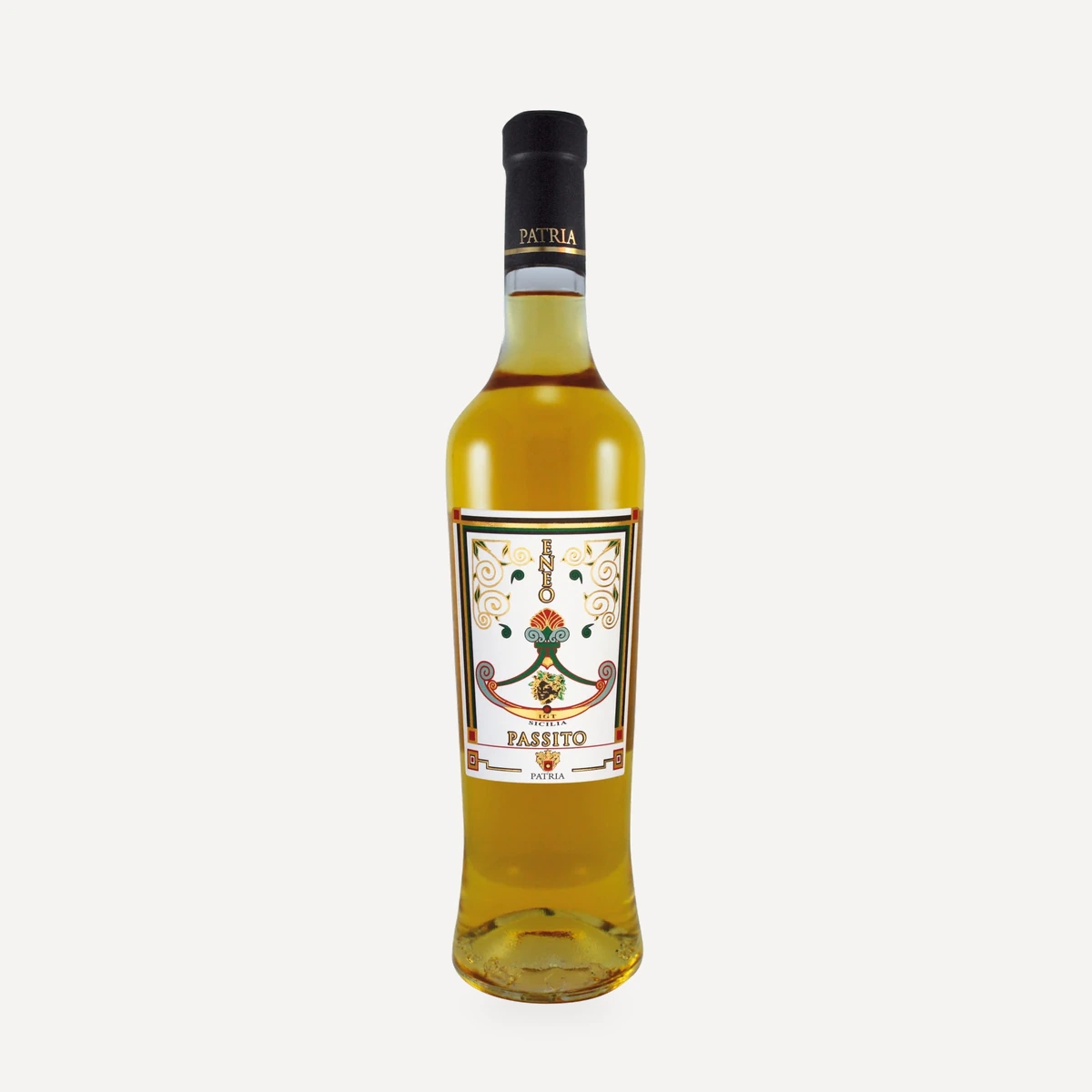
ENEO Passito Moscato
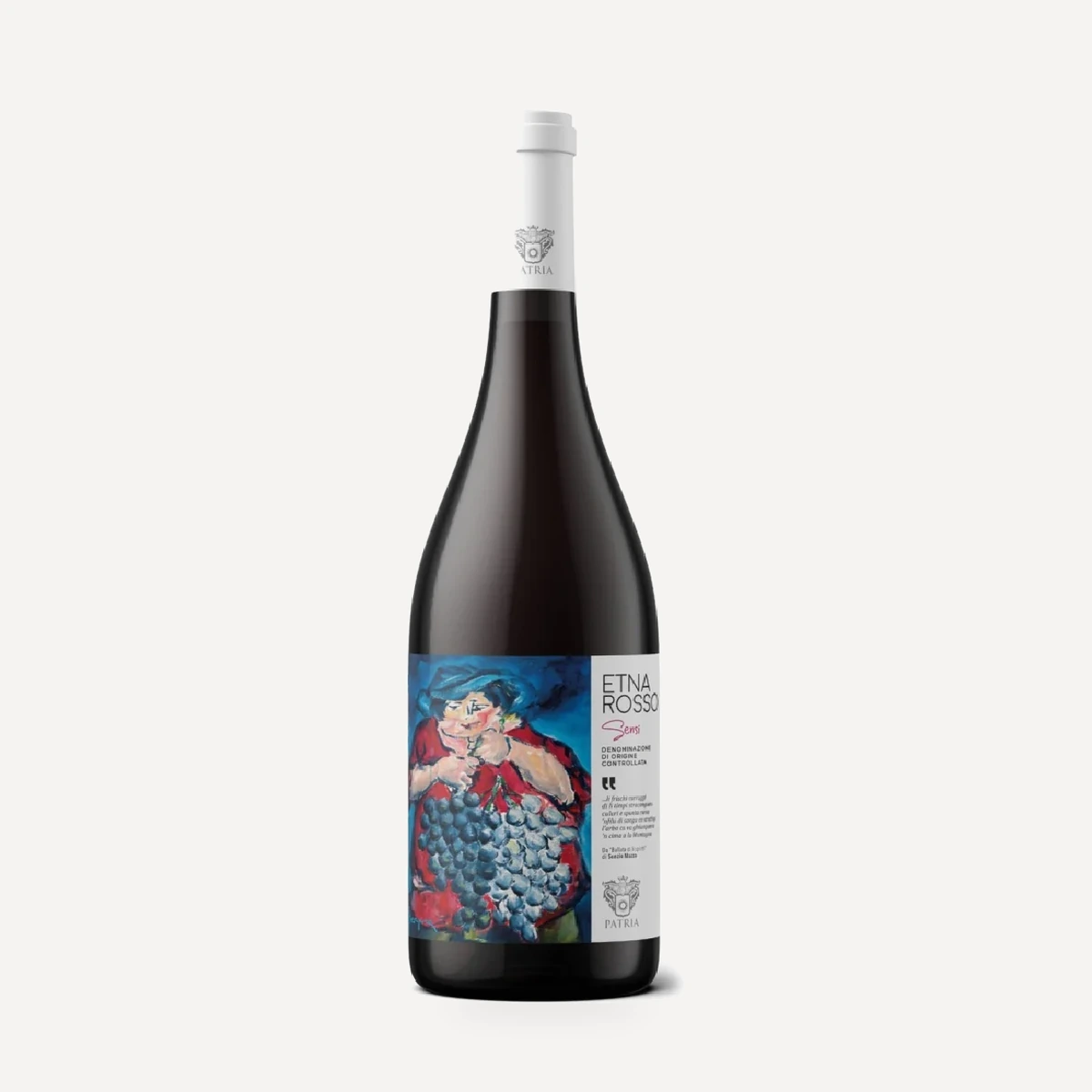
Etna Rosso Sensi
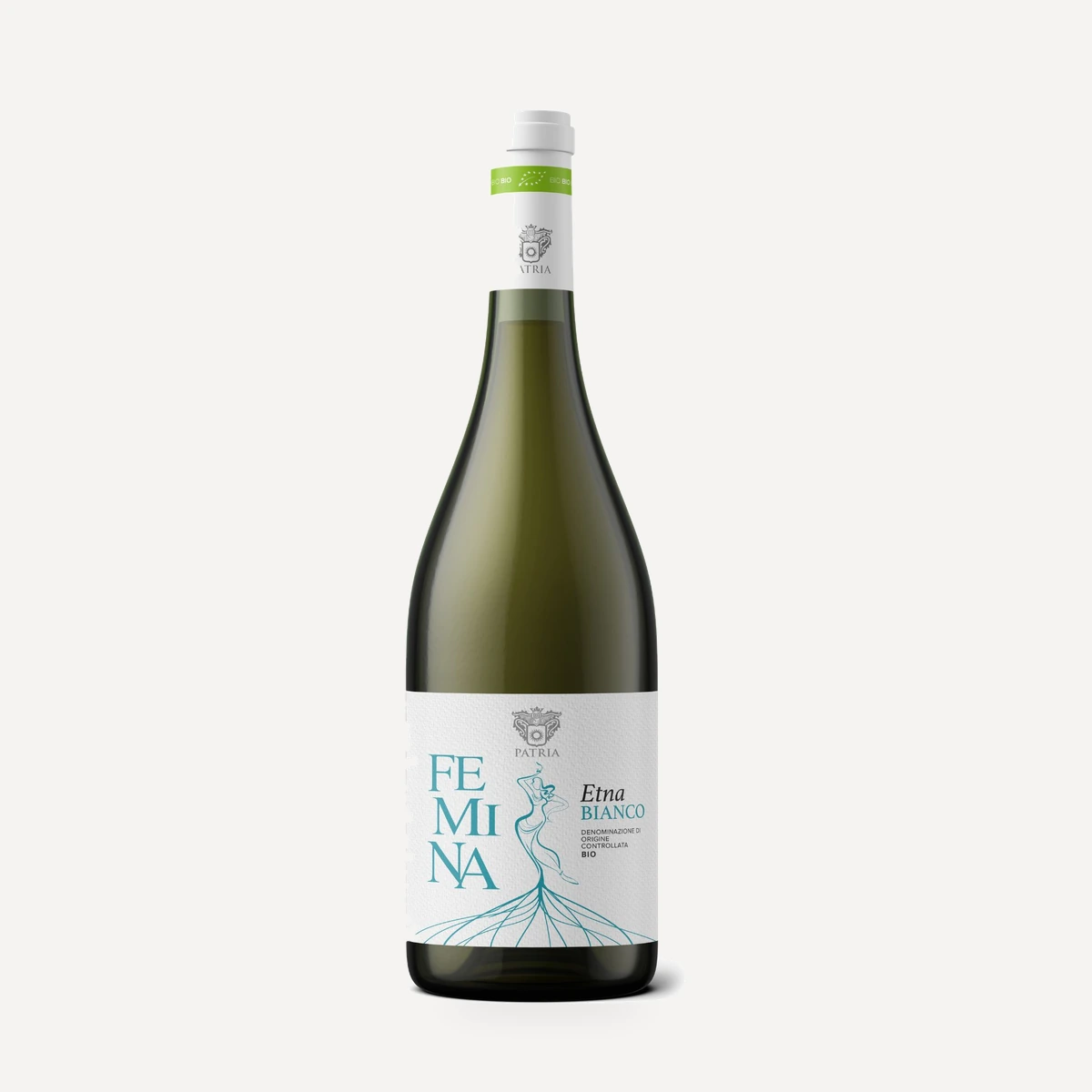
Femina Etna D.O.C. Bianco Bio
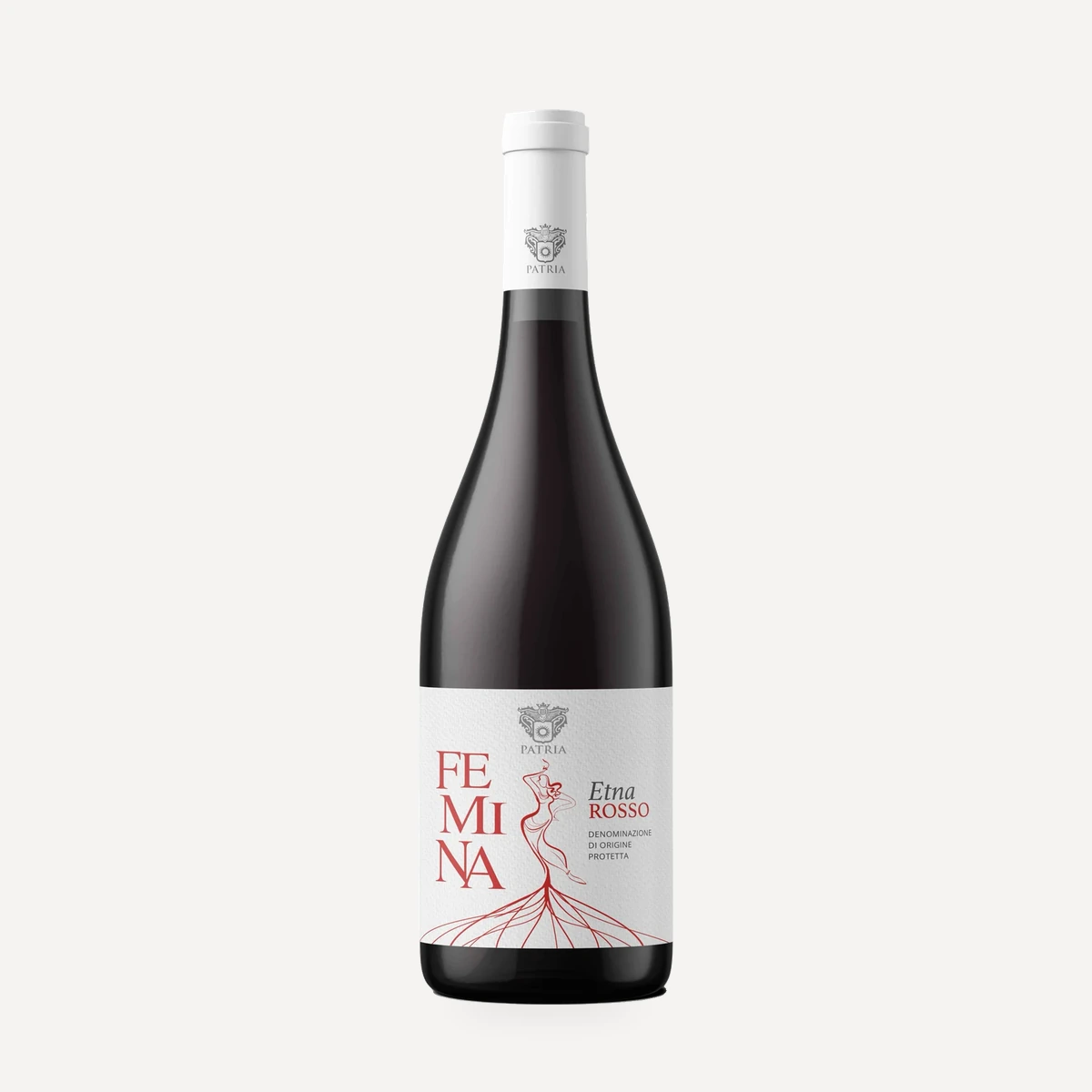
Femina Etna D.O.C. Rosso Bio
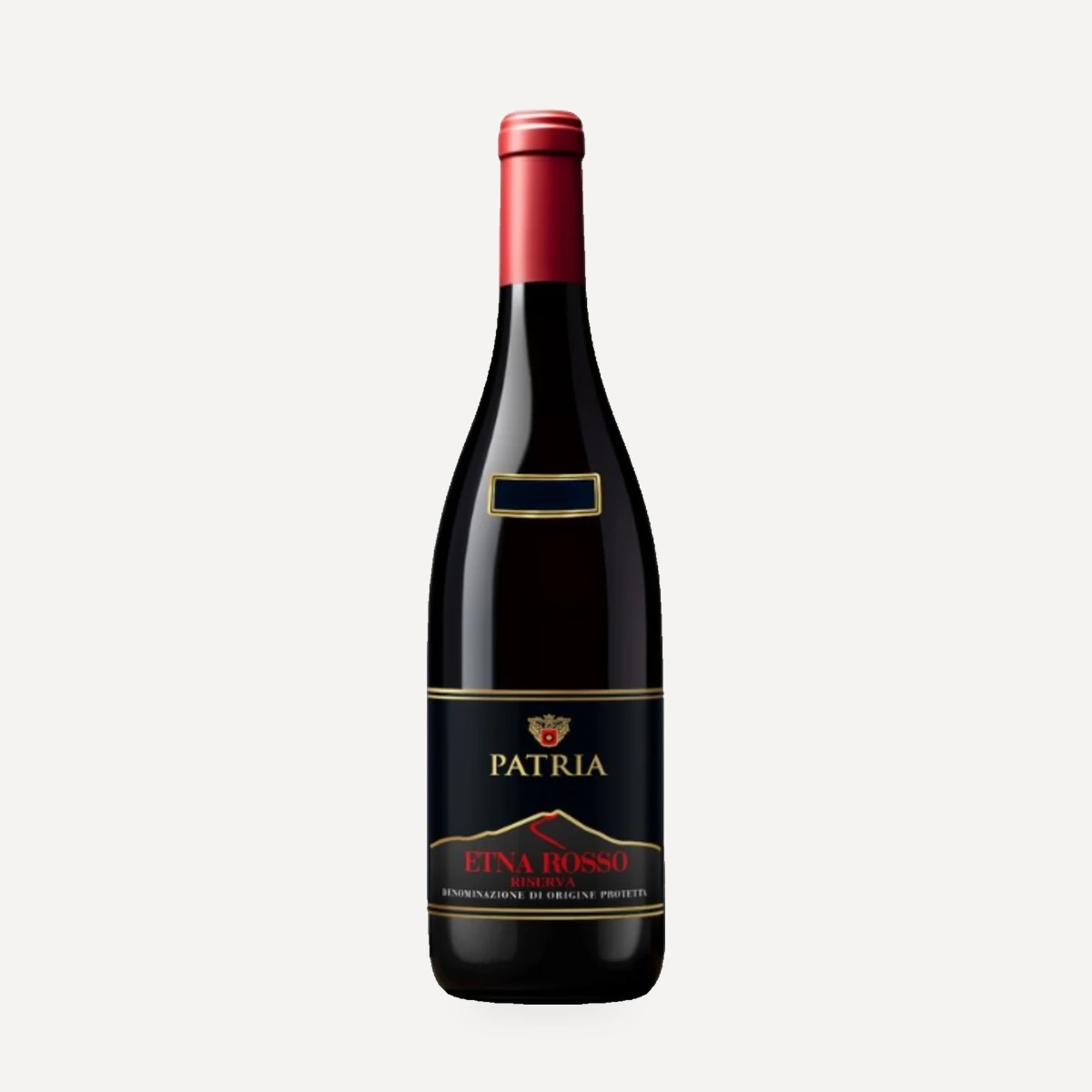
Etna DOC Rosso Riserva 2012
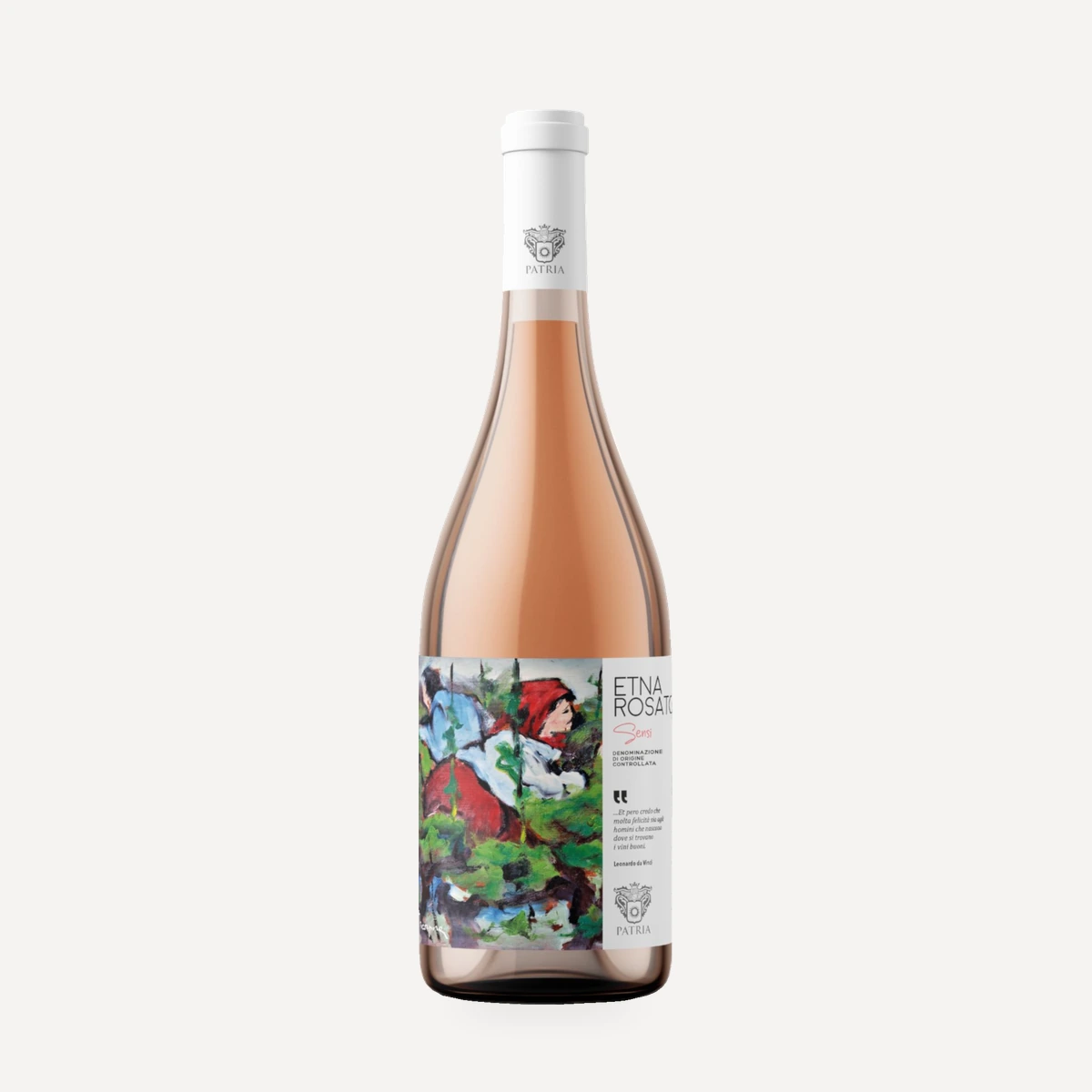
Etna Rosé Sensi
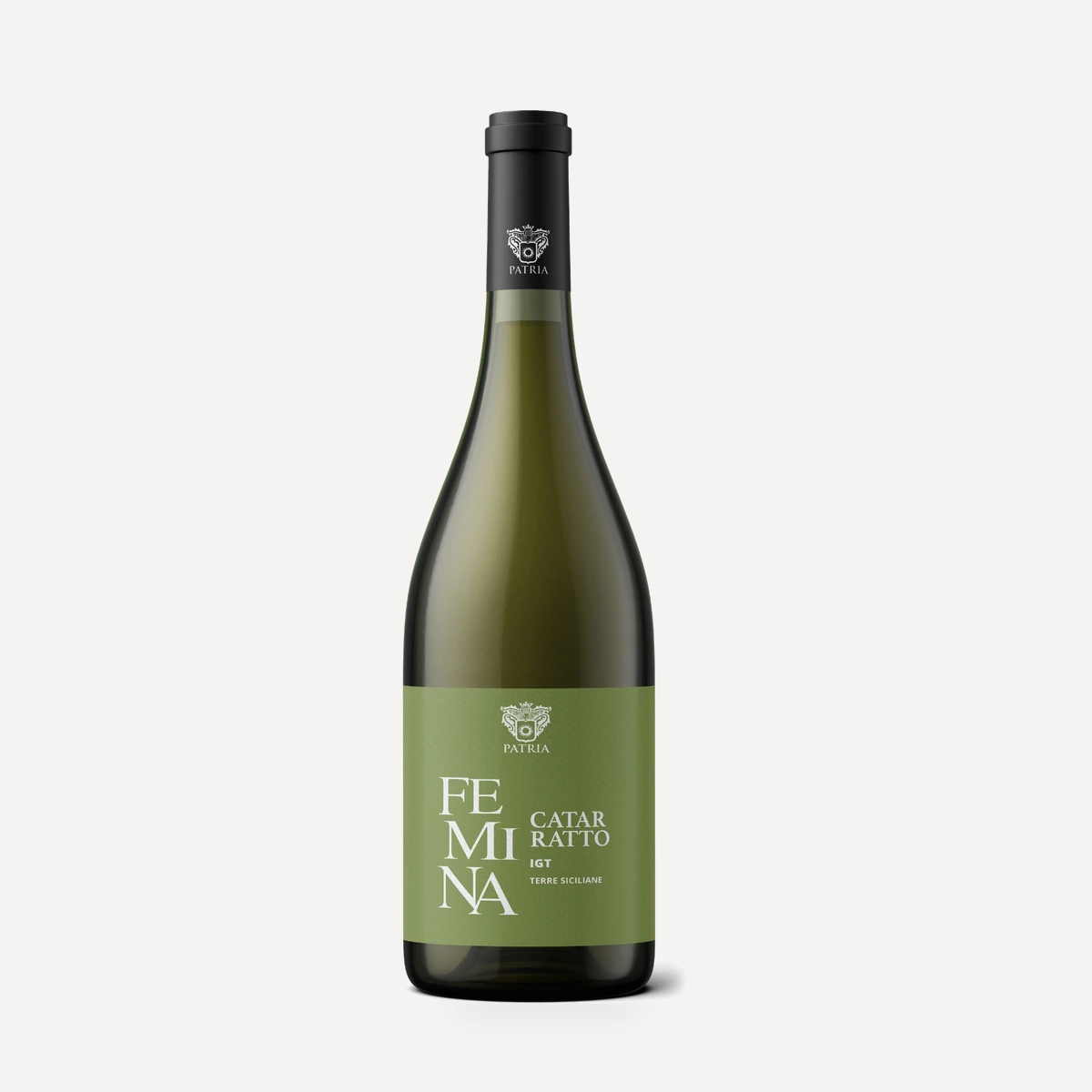
Femina Catarratto
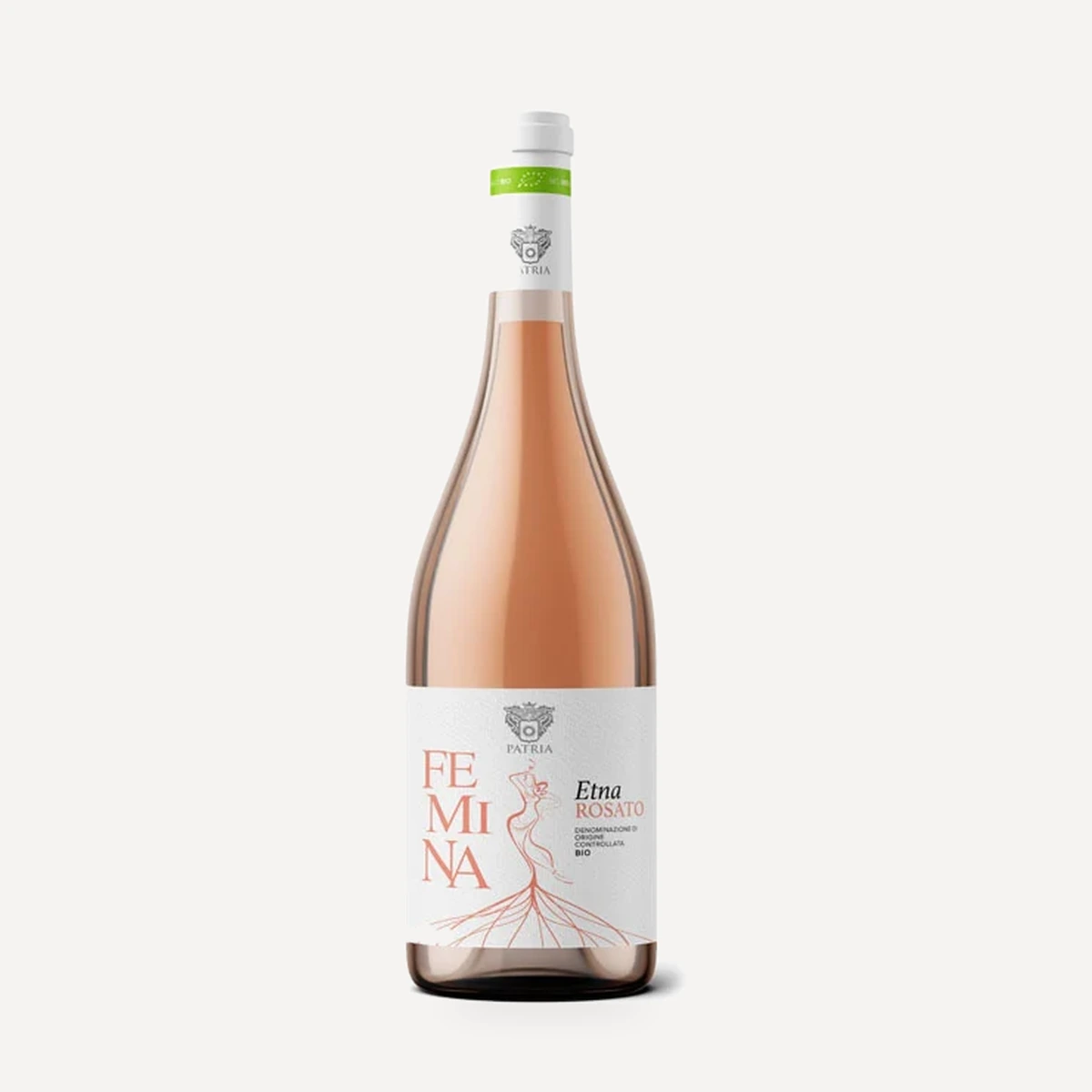
Femina Etna D.O.C. Rosato Bio
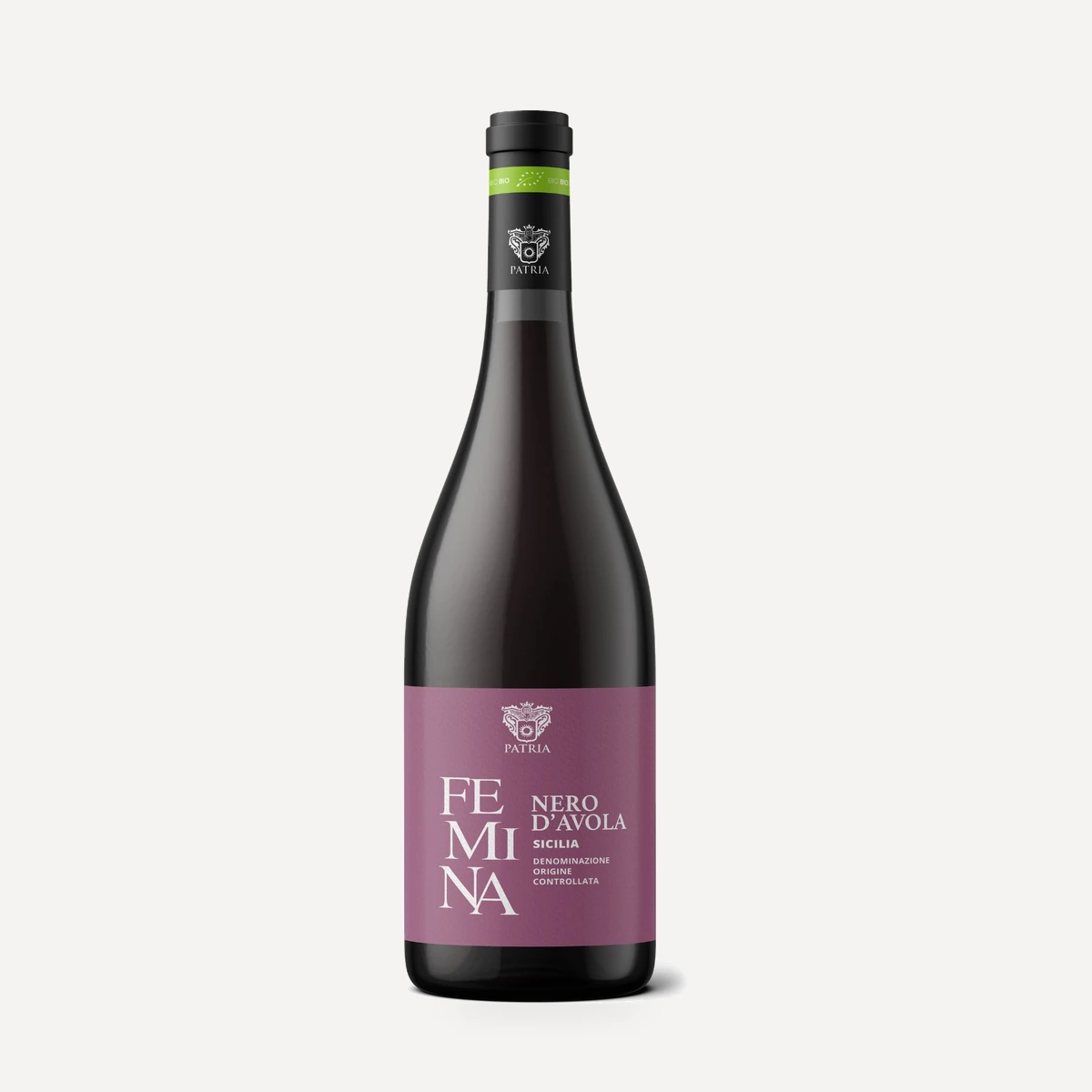
Femina Nero d’Avola Bio
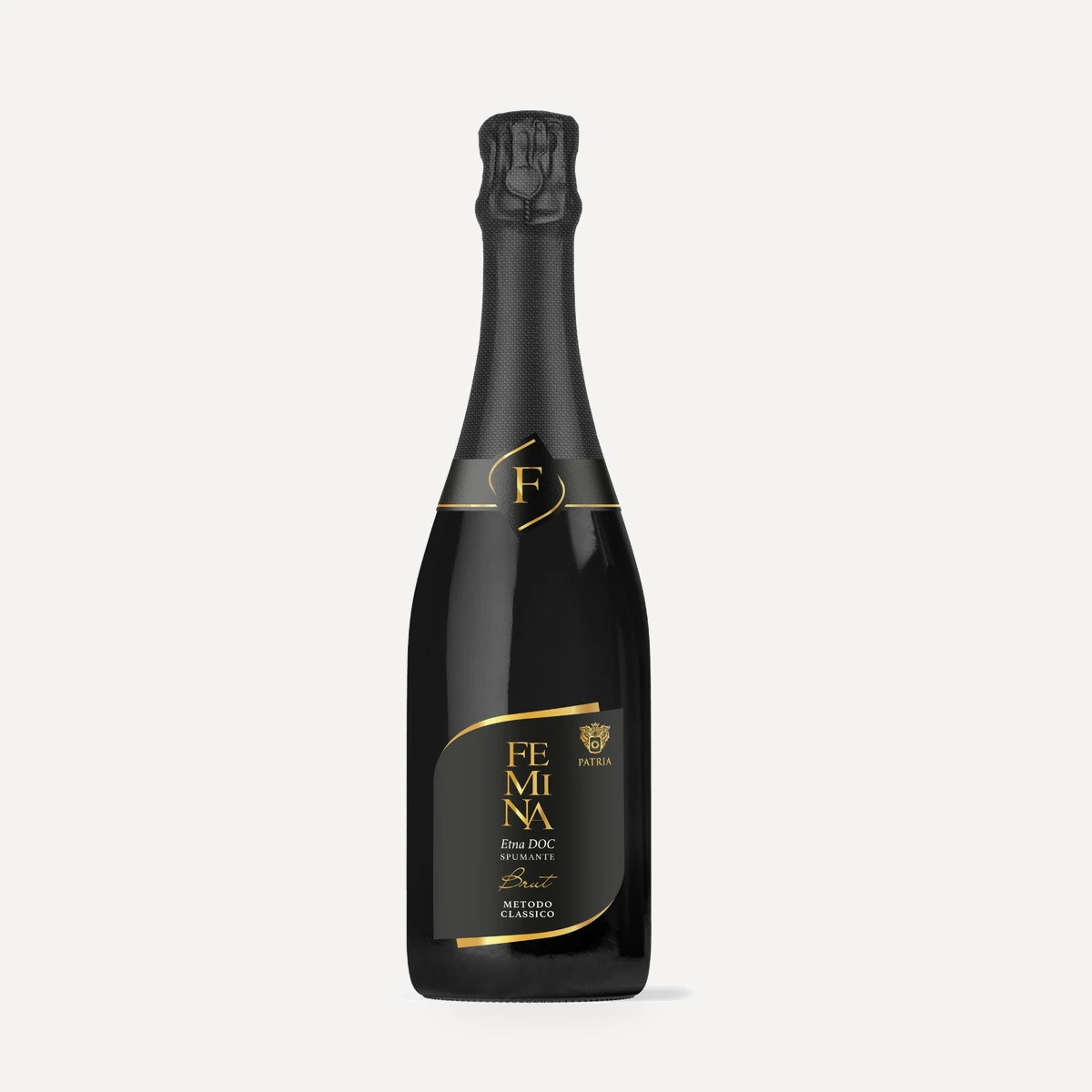
Femina Spumante Metodo Classico Bianco
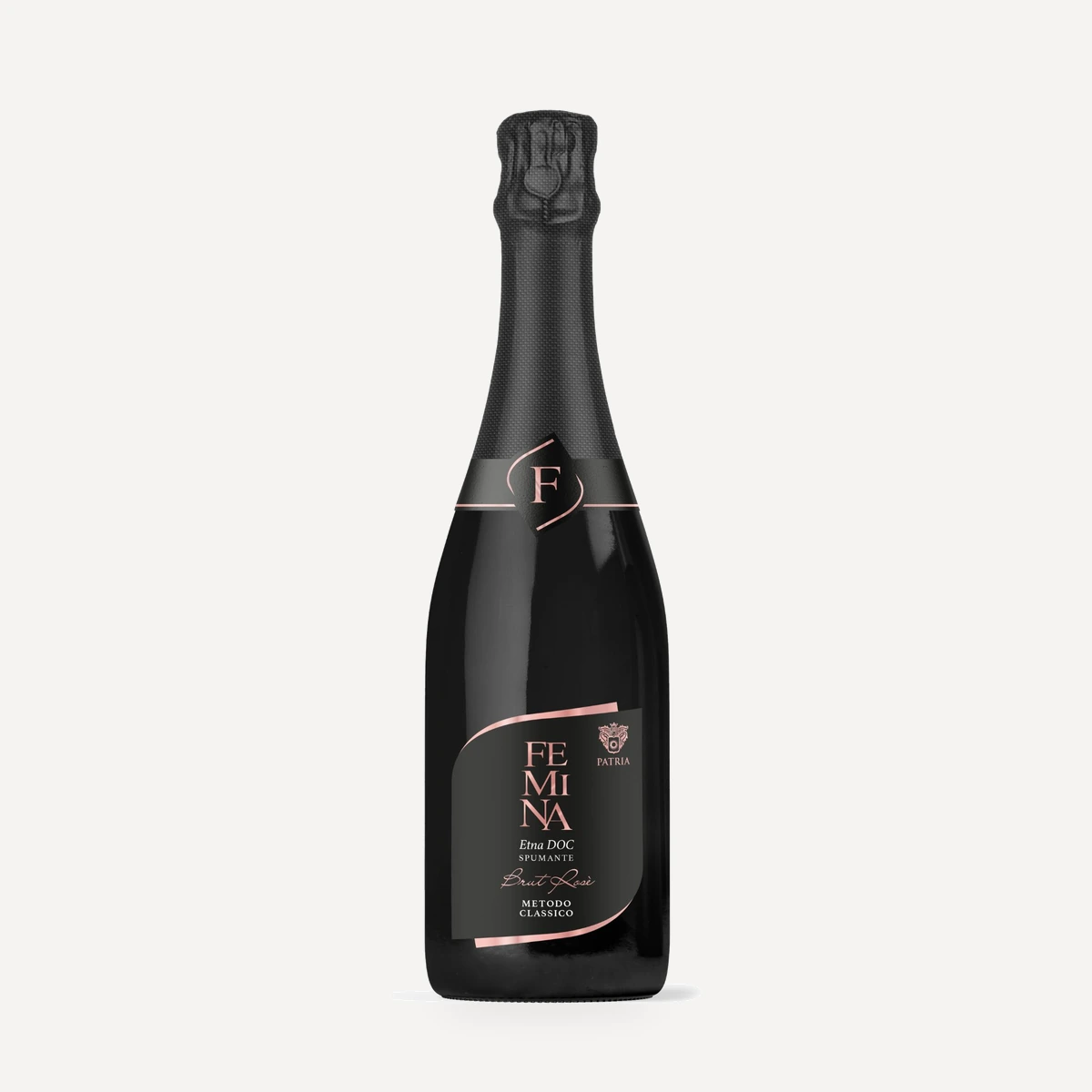
Femina Spumante Rosé D.O.C. Metodo Classico
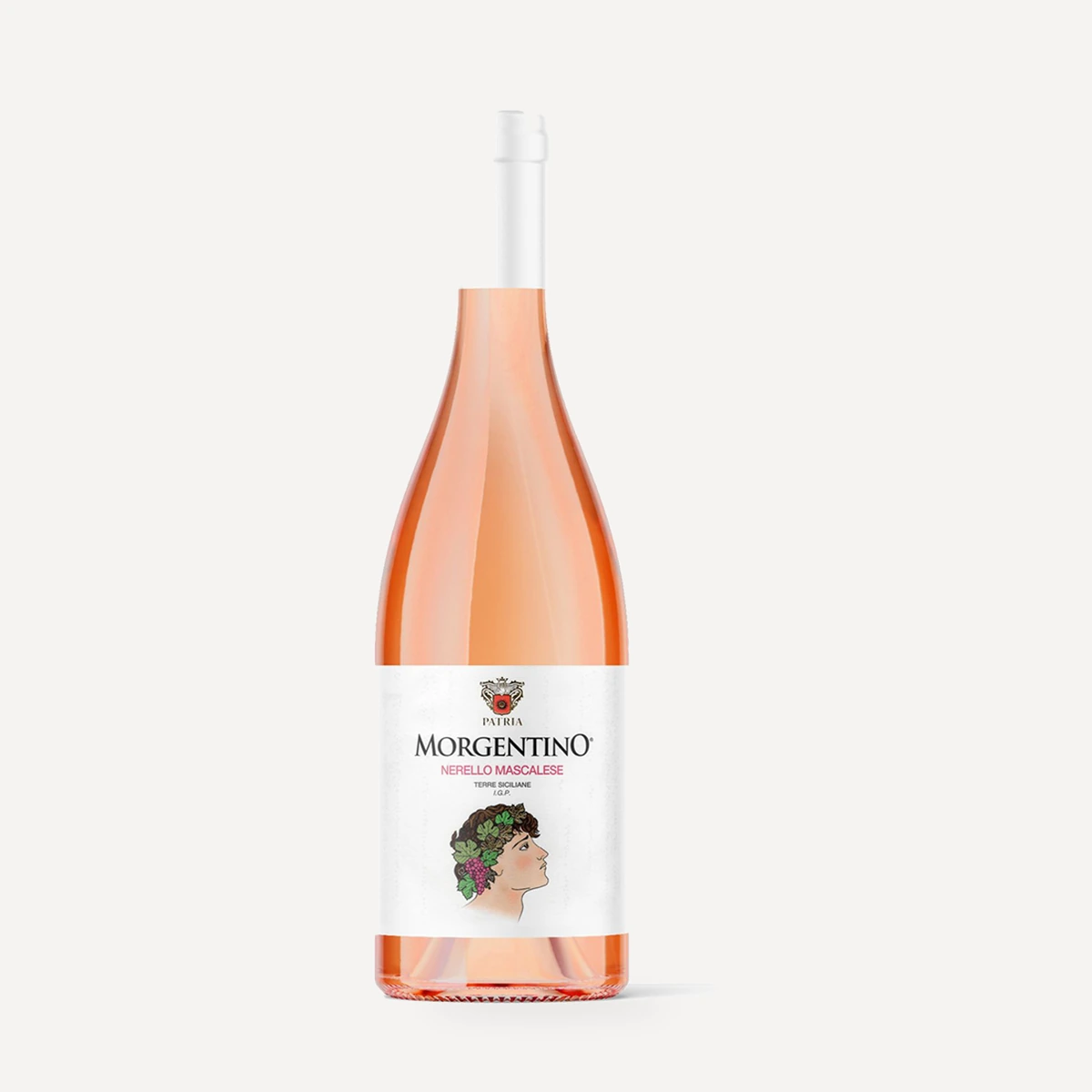
Morgentino Rosato Frizzante
Morgentino Rosso Frizzante
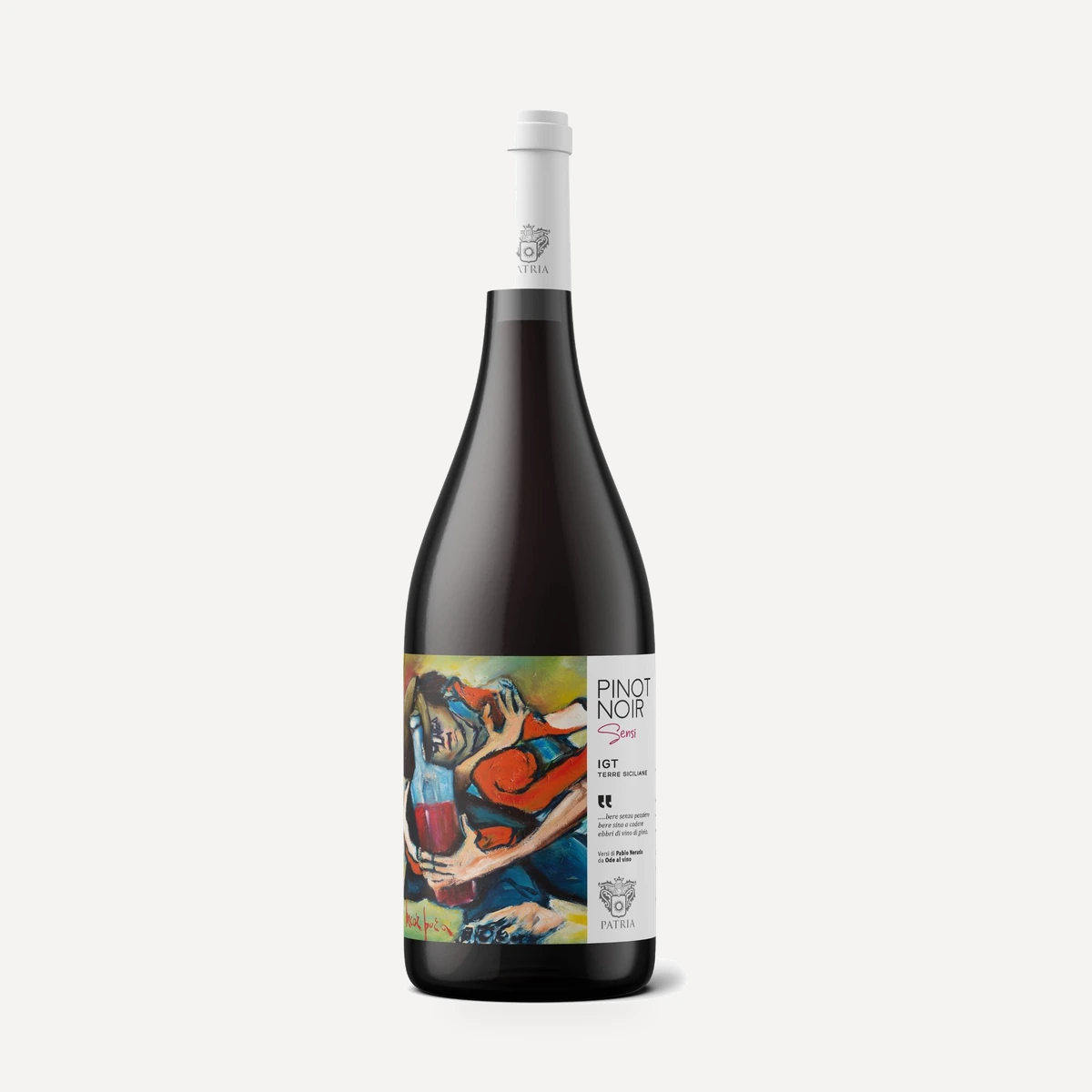
Pinot Noir Sensi
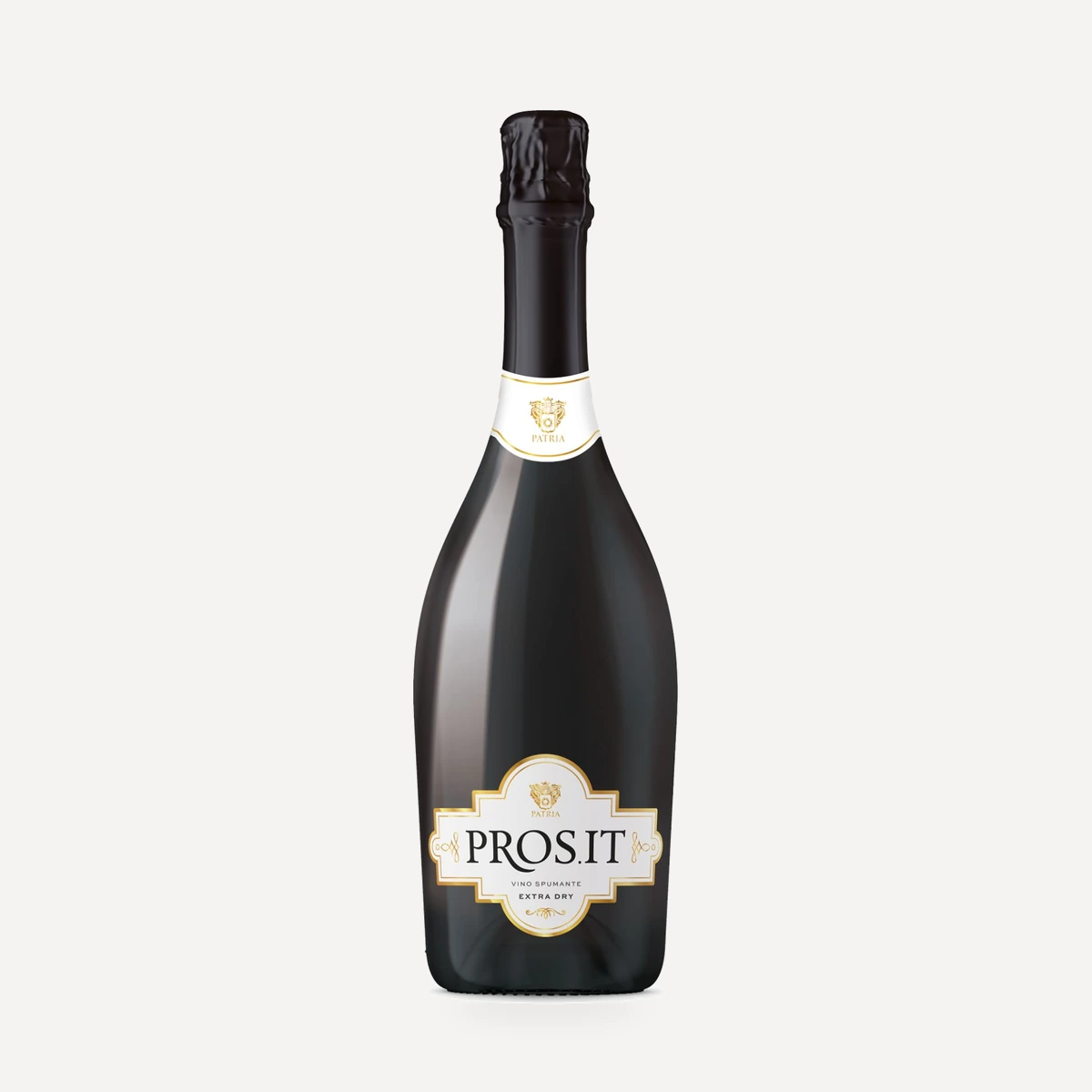
Pros.it Vino Spumante Extra Dry
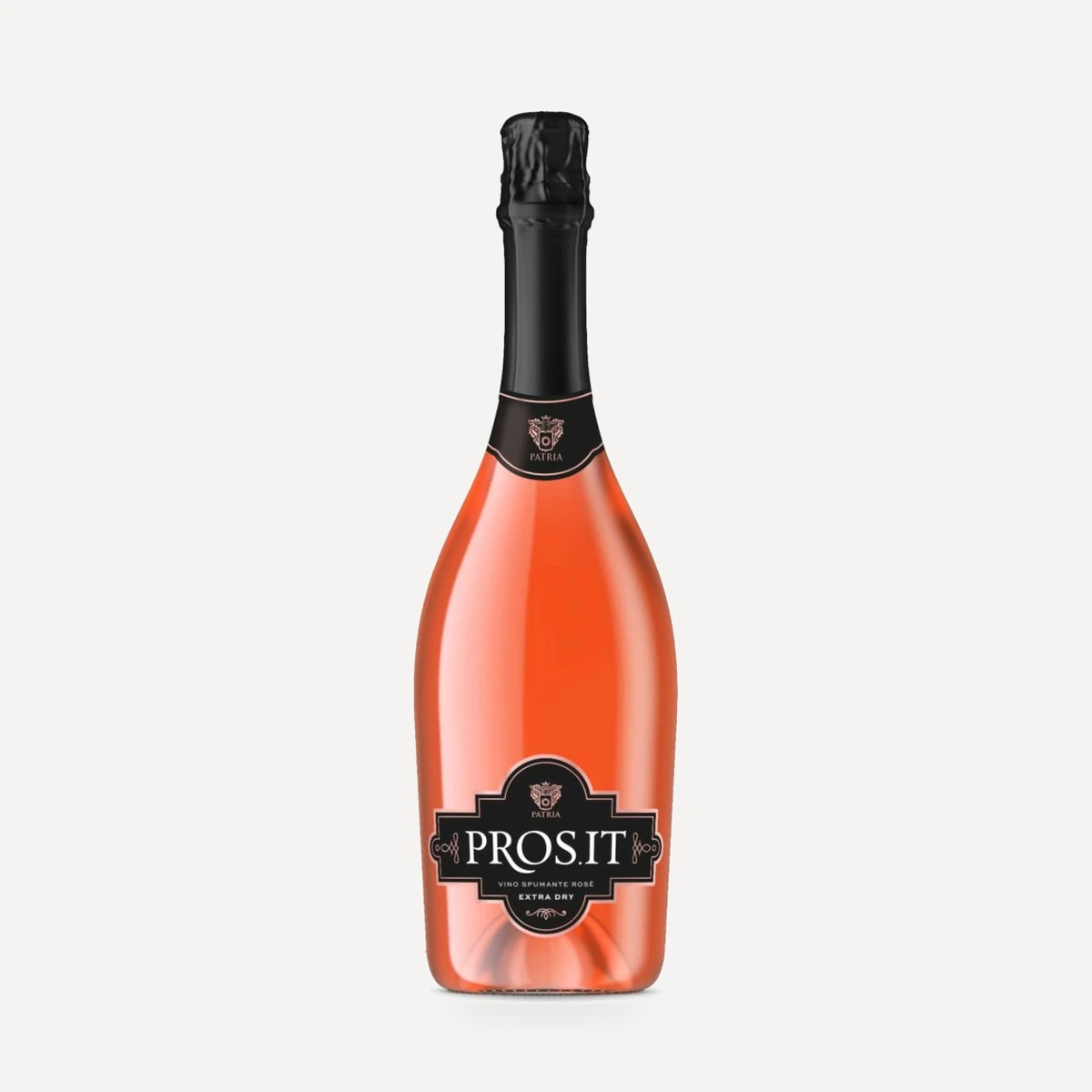
PROS.IT Vino Spumante Rosé EXTRA DRY
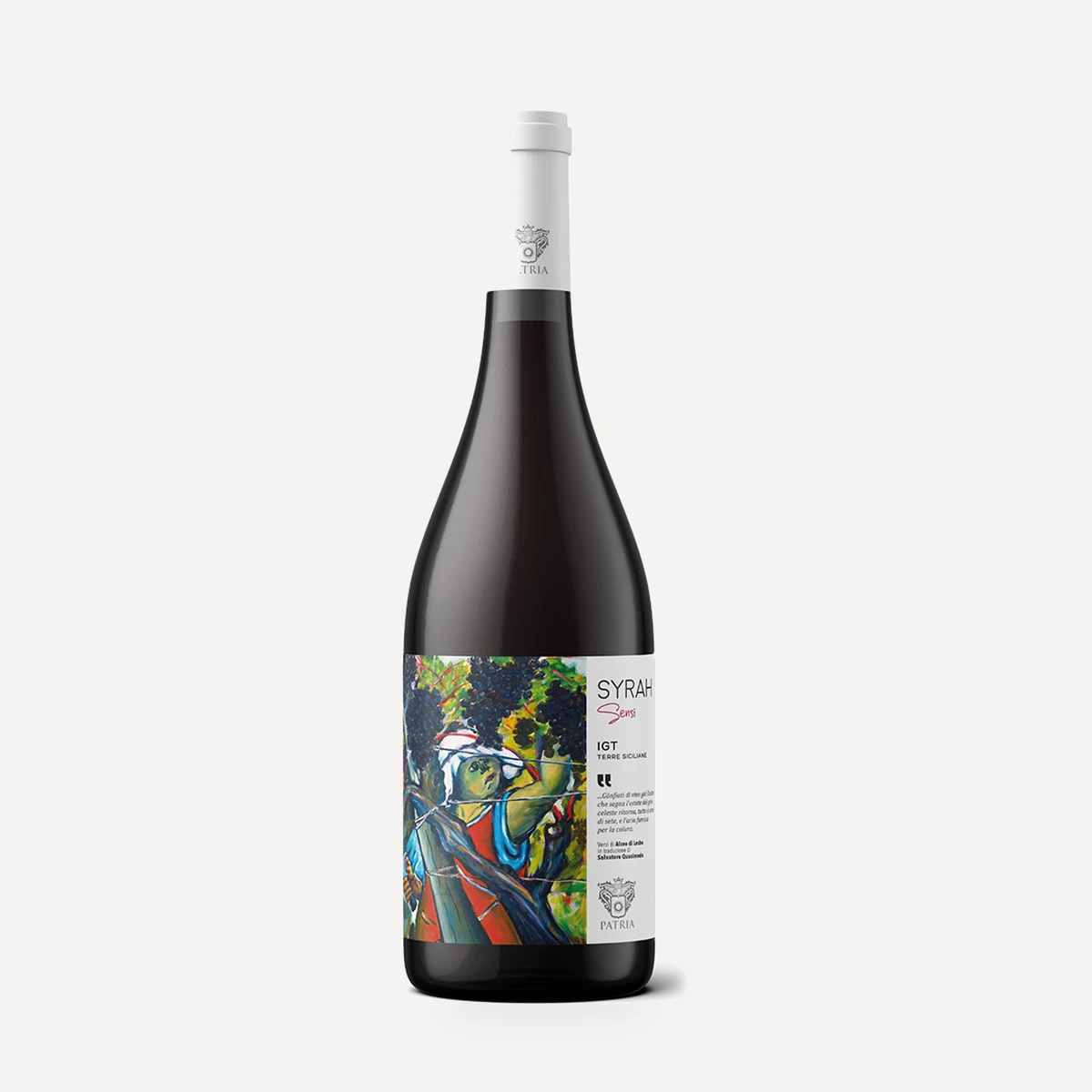
Syrah Patria I.G.T. Terre Siciliane