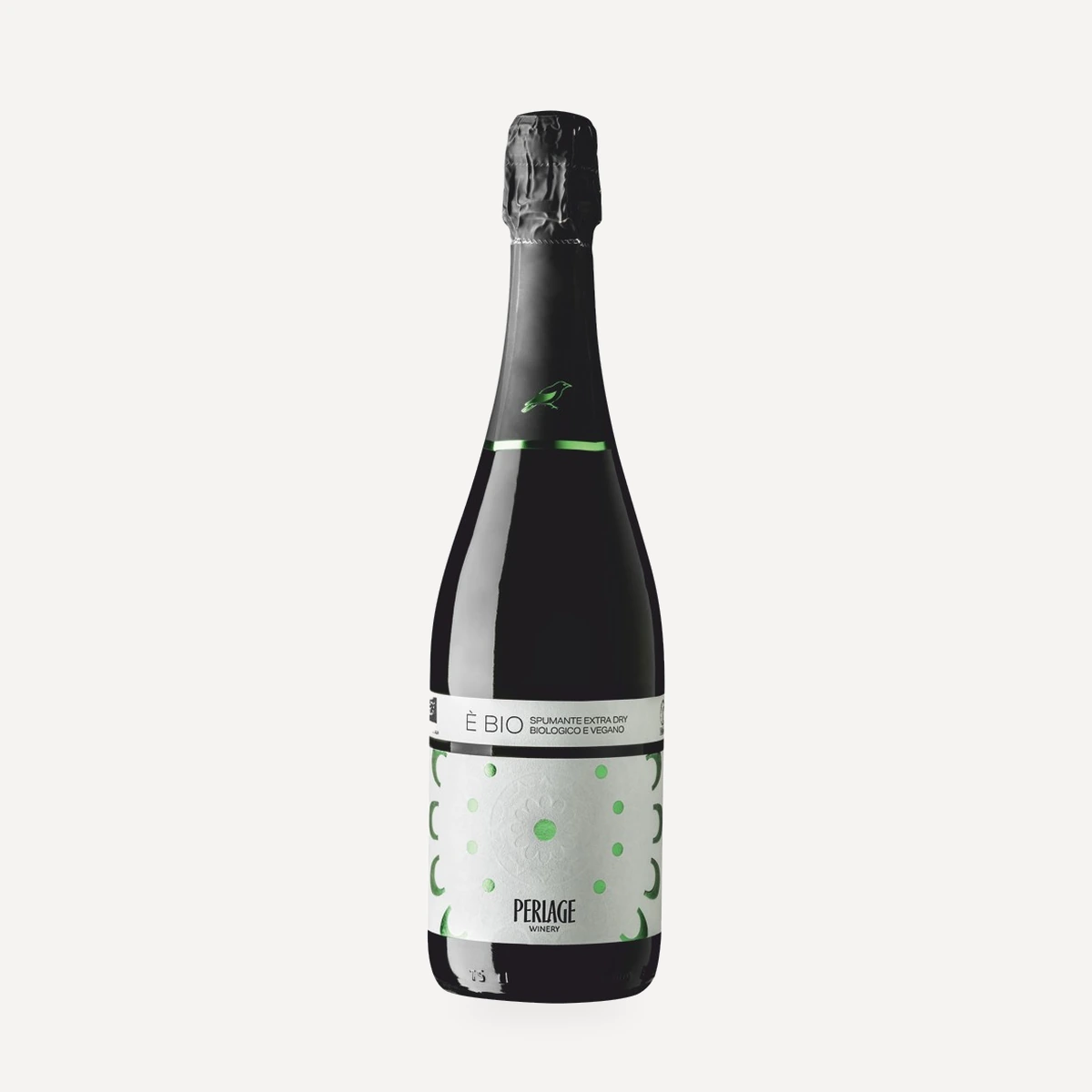
Storia
Agricultural roots
After the Second World War, during Italy’s period of economic expansion, Afra De Rosso and Tiziano Nardi were farmers and livestock breeders in Farra di Soligo. With seven children to support, they diversified their activity and intensified vine cultivation to create a viable future for the family. They initially followed the conventional viticultural practices of the period, but Tiziano became concerned about the effects of chemical pesticides on the environment, local residents and wine drinkers. The family consequently resolved to adopt an organic approach.
The original family farm covered 7 ha and produced both milk and wine. During the 1970s, the Nardi family left livestock farming and concentrated exclusively on winegrowing. In 1981, the first 6,000 m² of vineyard were converted to organic cultivation. At the time, technical literature on organic viticulture was scarce, so methods had to be developed through direct field trials.
1985: Perlage is founded
In 1985, Afra and Tiziano transferred assets to their children during their lifetime. Their seven children—Antonio, Geminiano, Dino, Rosanella, Ivo, Claudio and Flavio—founded Perlage, beginning with Riva Moretta, the family’s historic vineyard in the Conegliano Valdobbiadene Prosecco Superiore DOCG hills. The founders sought to make healthy, high-quality wines while maintaining an ecological balance in both vineyard and cellar.
Organic conversion initially brought higher costs, a sharp reduction in yields and considerable difficulty keeping grapes healthy. Trials conducted first at Riva Moretta and subsequently across the family’s farming activity gradually refined the necessary techniques; production and grape quality eventually recovered. Strong export sales and continuing product innovation helped compensate for the difficult early years.
Dino, Ivo and Claudio Nardi became the principal leaders of Perlage’s development. Claudio focused on vineyards, winery administration, structural investment and technology; Dino and Ivo joined him in research into new vineyard and production methods. During the 1990s and early 2000s, exports reached as much as 90% of sales.
Certification, biodynamics and technical innovation
Perlage formally adhered to the organic specification in 1991. Its organic commitment was conceived as an ethical choice intended to protect the environment, the territory and human health rather than simply as a commercial strategy.
Biodynamic production followed in 2004, extending the company’s work with natural cycles, biodiversity, herbal preparations and lunar rhythms. In 2008, Perlage produced Animae, presented as the first Conegliano Valdobbiadene Prosecco Superiore DOCG made without added sulphites. The project required yeasts with low natural sulphur production and vinification and sparkling-wine processing protected from oxygen.
Experimentation on Sgajo, conceived as the world’s first vegan Prosecco, began in 2012. Animal-derived clarification aids such as albumin and casein were replaced with pea- or yeast-derived proteins. Sgajo was introduced in 2014, and in 2016 the entire Perlage range obtained vegan certification.
The company’s research also produced the first biodynamic Valdobbiadene Prosecco Superiore DOCG in its account of its innovations, progressive reductions in sulphite use and a traditional-method sparkling wine from Incrocio Manzoni described as the first of its kind made in Conegliano Valdobbiadene.
A formal sustainability model
Perlage completed the B Impact Assessment and obtained B Corp status as the first Italian winery to do so. The current corporate account dates certification to 2017 and places Perlage among the first 25 Italian companies certified at that time. The assessment integrated environmental performance with governance, employee welfare, community relations and transparency.
After a training process for shareholders begun in 2018, the shareholders’ meeting unanimously approved new articles on 13 December 2019, converting Perlage S.r.l. into a Società Benefit. Five common-benefit purposes were written into its corporate framework, covering regeneration and organic conversion of the territory, resource efficiency and renewable energy, inclusive working conditions, healthier and more responsible lifestyles, and collaboration with organisations sharing the same aims.
In December 2019, Perlage also joined the B Corp Net Zero 2030 commitment to accelerate emissions reductions and pursue carbon neutrality by 2030. In 2020, its circular-economy work received a dedicated recognition. It subsequently participated in the testing of UNI/TS 11820 for measuring organisational circularity, recording an overall circularity level of 59% in the October–November 2021 trial.
Generational transition
Claudio Nardi died in 2022. Born in 1961, he had combined vineyard management and winery administration with responsibility for major structural and technological investments. His approach joined detailed technical knowledge, patience and experimentation with an early commitment to organics and environmental sustainability.
The third generation entered Perlage in 2022. Anna, Sandro and Michele Nardi assumed responsibilities in administration, brand representation, sales, planning and governance, while Tobia Nardi continued the family’s vineyard work through the separately incorporated 7Nardi farm. The first wine project attributed to the third generation was Tiziano Nardi – Cuvée del Fondatore, a tribute to their paternal grandfather.
Recent development
Equalitas certification was achieved in 2024, adding a third-party standard that integrates environmental, social and economic sustainability. Perlage also joined the Sustainable Wine Roundtable in 2024 and completed its first organisational greenhouse-gas inventory. Its B Impact Assessment score reached 104.1, with a 4% improvement over the previous year.
For the 2024 reporting year, Perlage recorded production capacity of 2,506,980 bottles across 36 wines and distribution in 29 countries. The company employed 24 people; 52.72% of sales were international and 47.28% domestic, while Prosecco DOC and DOCG represented 45.58% of bottles sold.
Perlage celebrated its fortieth anniversary on 21 June 2025 with more than 250 employees, growers, friends, relatives, officials and Italian and international guests. A new logo commemorating Afra and Tiziano Nardi was presented. A field maple was planted as a symbol of the company’s future commitments; its projected absorption was given as up to 190 kg of CO₂ annually and 3,800 kg over 20 years.
Terroir
Perlage’s winery stands in Farra di Soligo on the Strada del Prosecco, within the Conegliano Valdobbiadene Prosecco Superiore DOCG hills. The Venice Lagoon is approximately 70 km away and the Dolomites Park approximately 90 km away.
The hills originated through the uplift of ancient seabeds. Their soils consist principally of marine conglomerates, marl and sandstone. This geological composition is associated with marked mineral and savoury qualities in the grapes, particularly Glera.
The growing zone combines well-exposed hillsides, abundant and frequent rainfall, generally mild temperatures from April through October and pronounced day-to-night temperature changes during ripening. Glera is the central local variety and has been cultivated in the Conegliano and Valdobbiadene hills since the early nineteenth century.
Slopes can reach gradients of 70%. Winter pruning, seasonal vineyard work and harvest consequently require manual labour, and work on these hills is estimated to require about five times the effort needed on level vineyards. The resulting growing conditions are associated with acidity, verticality and sapidity.
The UNESCO cultural landscape is characterised by three elements. East–west ridges form the distinctive hogback topography. Growers created narrow terraces, generally 80–100 cm wide, supported by grassed banks rather than stone walls; their roots stabilise the soil and assist drainage. Vineyards, woodland, uncultivated ground and villages form a varied mosaic that supports ecological diversity. The Prosecco Hills of Conegliano and Valdobbiadene were inscribed as a UNESCO World Heritage cultural landscape on 7 July 2019.
Vinificazione
Perlage’s agricultural supply is entirely organic. Synthetic pesticides, synthetic fertilisers, chemical herbicides and other synthetic vineyard chemistry are excluded; permitted products of natural origin are used under the organic specification. Organic certification covers the chain from vineyard to sale, while growers and deliveries are subject to technical and quality controls.
The company has no vineyards of its own and therefore implements its agricultural policy through long-term collaboration with certified-organic contributing growers, especially the separately incorporated 7Nardi farm. Growers are selected for their commitment to vineyard care and environmental protection. Variety and site are matched with reference to soil character, moisture and exposure. Andrea Gallina monitors ripening through periodic vineyard visits, and grapes are tested when delivered.
The steep Conegliano Valdobbiadene hills demand manual pruning and hand harvesting. At 7Nardi, organic soil care, pruning, phytosanitary protection, manual harvest and bunch selection are integrated into grape production. Fertility is supported with organic inputs, while chemical weedkillers are excluded.
Biodynamic production has formed part of Perlage’s work since 2004. Relevant practices include herbal preparations, protection of biodiversity and attention to lunar cycles. Products or ingredients represented as biodynamic are covered by Demeter certification.
Biodiversity policy rests on three priorities: involving contributing growers in organic and regenerative practices; strengthening local ecosystems with hedges, flowering areas and ecological corridors; and educating growers, staff and the community. Functional ground cover, melliferous species and habitat for pollinators form part of this work.
Perlage and its partners test PIWI disease-resistant varieties to reduce fungicide requirements and improve resilience to climatic change. Bronner has been planted as a white PIWI variety. In 2021, PIWI vineyards covered 2.38 ha and yielded 15,625 kg of Bronner grapes, producing 12,500 litres of wine.
The Plastic Free Vineyard programme began in 2019 with Legambiente and the Cerletti wine school in Conegliano. Students collected and classified vineyard plastics such as ties, bags and material transported by wind or rain. Subsequent trials introduced biodegradable ties and other compostable or lower-impact materials. In the biodynamic trial vineyard at Farra di Soligo, recovered plastic was reduced by 92.7%.
The EnoBee project plants mixtures of melliferous flowers to support bees and other pollinators. Two bee hotels were installed at Riva Moretta for solitary bees. Where one floral planting failed because of weed competition, the cut vegetation was recovered by a local farmer as animal fodder.
The BioChar pilot at Riva Moretta combines certified-organic compost with biochar produced by pyrolysis. Its aims are to retain carbon in the soil and improve fertility, structure and water-holding capacity. The WATER project addresses responsible water management and soil regeneration in hillside vineyards inside the UNESCO core zone.
Remote data-sensing and weather stations assist vineyard monitoring, disease forecasting and adaptation to increasingly variable climatic conditions. Perlage also belongs to PIWI International, sharing scientific and agronomic experience concerning fungus-resistant grape varieties.
Perlage’s core activities are vinification, maturation, bottling and distribution of organic wines. Cellar work is conducted with low-impact protocols and reduced sulphite use, supported by renewable energy, process monitoring and programmes to lower water and chemical consumption.
Sparkling wines made by the Martinotti–Charmat method undergo secondary fermentation in temperature-controlled autoclaves. Base wine is transferred to the autoclave with yeast and a small quantity of organic cane sugar; fermentation converts sugar into alcohol and naturally produced carbon dioxide. The organic cane sugar used for relevant sparkling wines is supplied through Altromercato’s fair-trade chain and originates in Thailand, while the grapes are Italian.
The Animae project, begun in 2008, eliminated added sulphites by selecting yeasts with low natural sulphur production and conducting vinification and sparkling-wine processing without oxygen to limit oxidation of Glera wine.
Vegan production excludes animal-derived processing aids. Albumin, casein and gelatine are not used. When clarification is necessary, bentonite and pea protein replace animal proteins; fermentation yeasts are selected without animal-derived emulsifier E491. Experimentation began in 2012, and the whole range became vegan-certified in 2016.
Thermal management uses separate glycol and chilled-water circuits; the chilled-water circuit is switched off and emptied during winter. Insulated autoclaves minimise heat loss. Improved yeast management shortens fermentation, refrigeration and machine time. Automatic shutdown systems turn off equipment and forklifts while inactive.
The MORE research project tests yeasts capable of carrying out secondary fermentation at 17°C rather than the conventional 14°C target, seeking to reduce refrigeration energy while preserving process quality. It joins scientific, consortium and production partners and is intended to produce protocols that can be replicated across the region.
Liquid nitrogen used during vinification is now supplied externally rather than generated on site. It is produced with certified renewable electricity; the change was calculated to reduce the associated emissions by 84% compared with standard liquid nitrogen.
An 80 kWp photovoltaic installation produced 80,875 kWh in 2024, of which more than 97% was consumed on site. Total electricity use was 519,657 kWh, or 0.207 kWh per bottle, down from 0.252 kWh per bottle in 2023 even as bottle production rose by 17%.
Water is used for vinification, bottling and equipment cleaning. In 2024, net use was 4,170 m³, entirely from the public water supply, equal to approximately 1.66 litres per 0.75-litre bottle or 0.287 m³ per hectolitre of internally produced base wine. Automatic tank washing uses 3–4 hl per tank; tangential-filtration cleaning uses 3 hl per cycle. Microfiltration cleaning uses 90 hl per complete cycle with 5 litres of soda and 2.6 litres of peracetic acid. A newer external cleaning product reduces water consumption by 10%, while drip-saving spray guns and immediate post-use cleaning limit water and chemical demand. Tanks, autoclaves, microfiltration equipment and pipes follow validated HACCP and GMP cleaning procedures, with conductivity testing for chemical residues. Wastewater is treated before discharge to surface water.
Lees and grape marc are sent to distilleries for recovery as alcohol, natural tartaric acid and grappa. Grape stalks are composted as vineyard nutrients. Corks are recovered with the nonprofit I Sogni and transformed into design objects. Label-backing paper is recycled through RafCycle and can return as paper for back labels. Packaging work includes lighter bottles, recycled and compostable materials, reduced or reusable transport packaging and more efficient logistics.
Filosofia
Perlage’s mission is to provide an innovative alternative to conventional viticulture through high-quality wines produced with organic and sustainable methods. Its stated ambition is to integrate sustainability throughout the business, joining wine quality with a positive effect on the environment and the surrounding community.
The original organic decision was rooted in an ethical concern for soil, microorganisms, plants, animals and human health. Innovation, ecological responsibility and social responsibility remain the principal values: protecting soil fertility and ecosystems; supporting and enhancing the local territory; working with schools, associations and community bodies; maintaining rigorous quality controls; improving products and processes; and creating safe, inclusive working conditions.
Tradition and modernity are treated as complementary. Local varieties and the character of the territory are central, while research, monitoring technology and scientific partnerships are used to improve production, reduce inputs and respond to climatic instability. In the cellar, the objective is to preserve the natural qualities of the grapes through careful vinification and sparkling-wine production rather than impose a uniform style.
Sustainability is understood as a continuing management practice rather than a static certification. Environmental and social performance is evaluated alongside financial performance, with periodic recertification, public impact reporting and measurable improvement goals. Società Benefit status makes the creation of social and environmental value a formal part of corporate strategy.
Perlage’s relationship with the land is based on shared responsibility with growers because it does not own vineyards directly. Long-standing partnerships, technical support and common organic and regenerative standards are intended to keep soil, biodiversity and the UNESCO landscape viable for future generations.
The company also links wine production to responsible design, circular use of resources, inclusive employment, staff well-being and community education. Its packaging, energy, water, agricultural and research projects are intended to turn this broad view of responsibility into measurable operational changes.
Vini
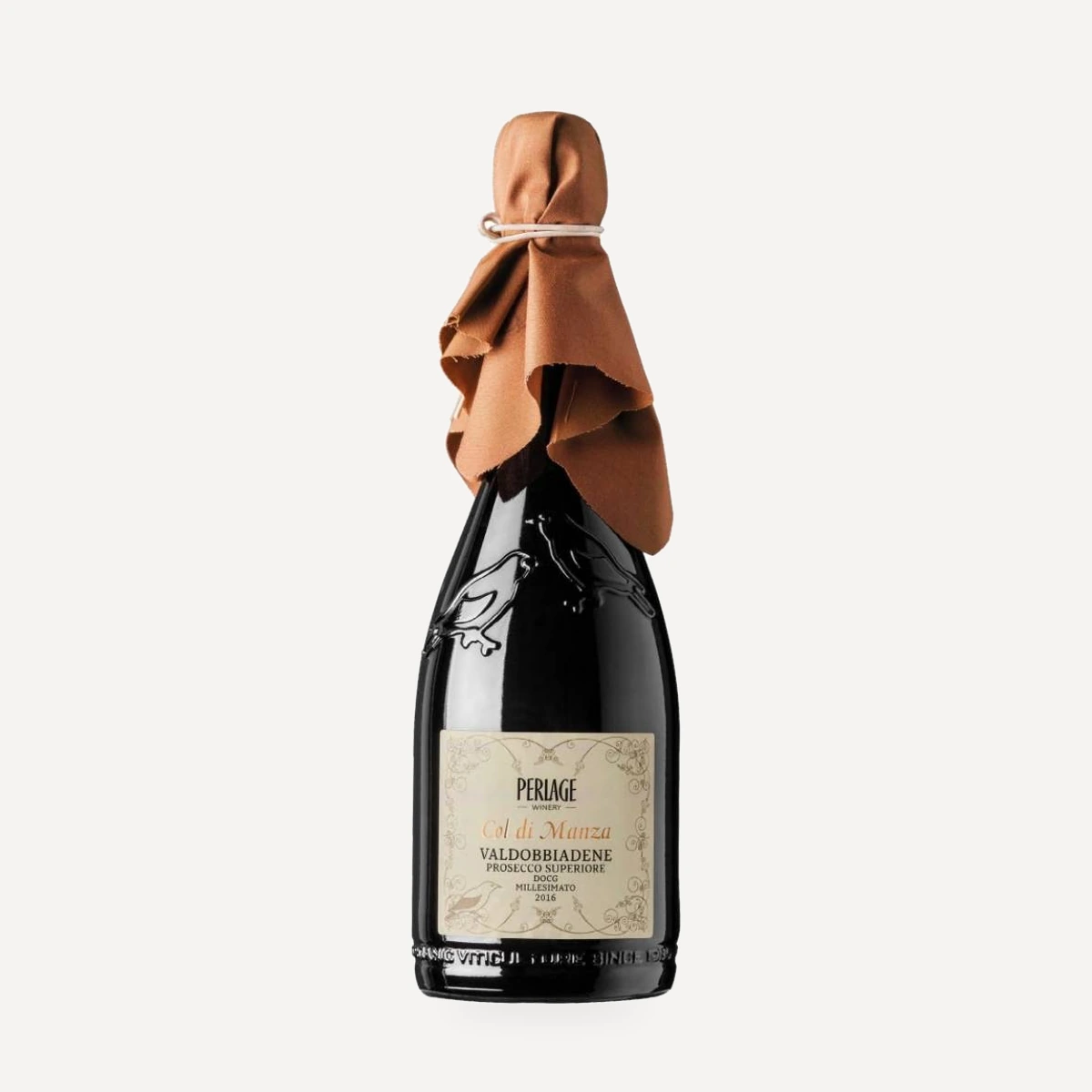
Col di Manza
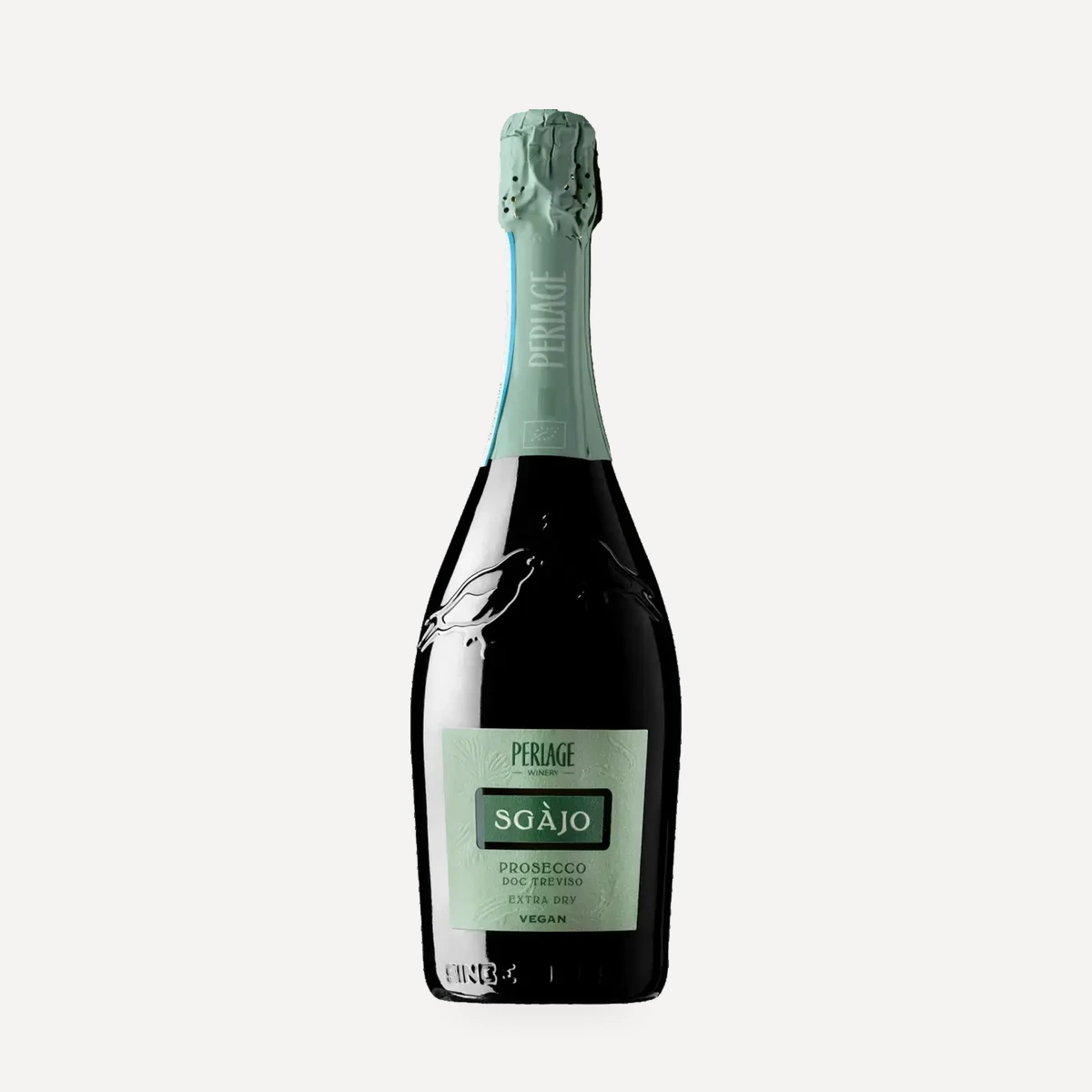
Sgàjo
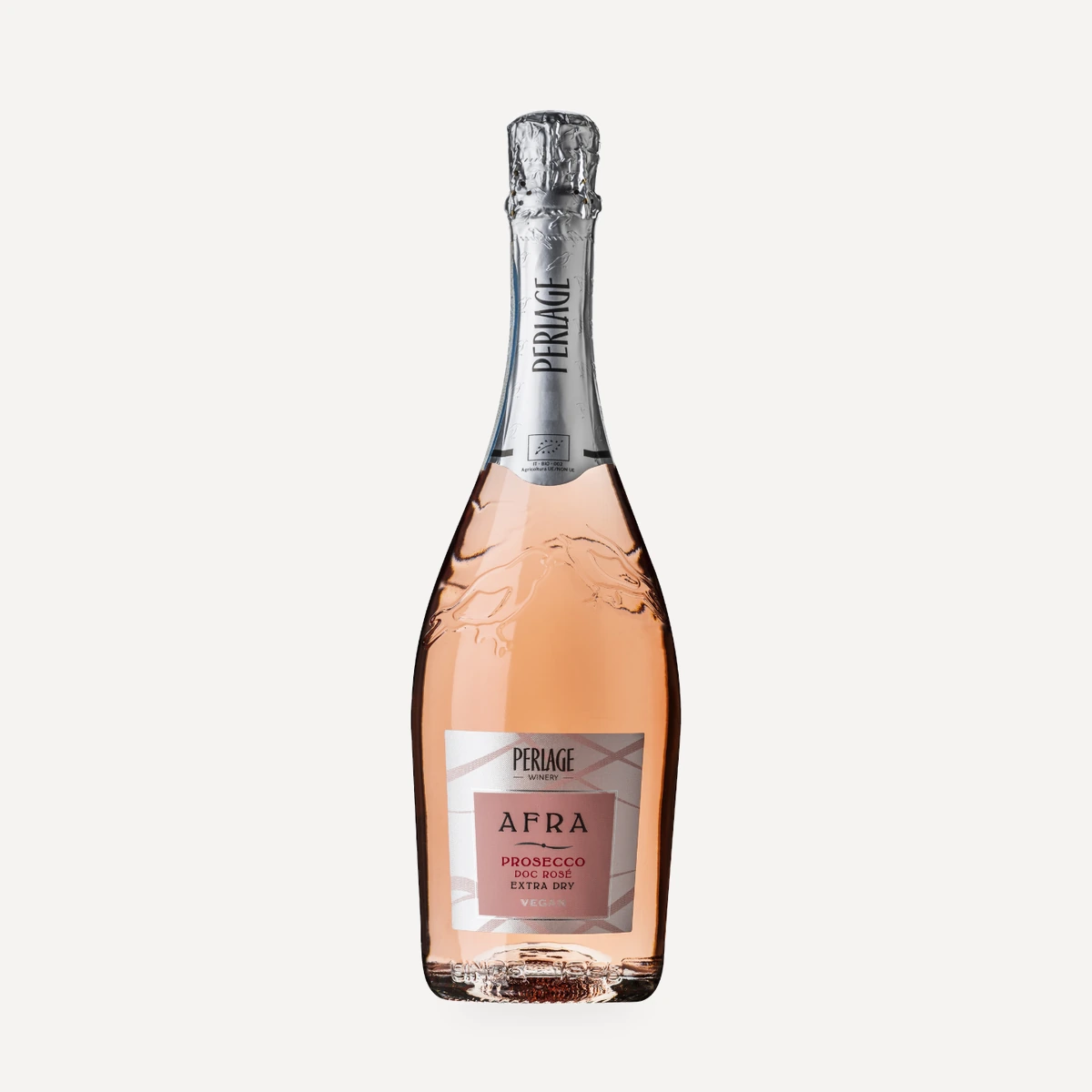
Afra
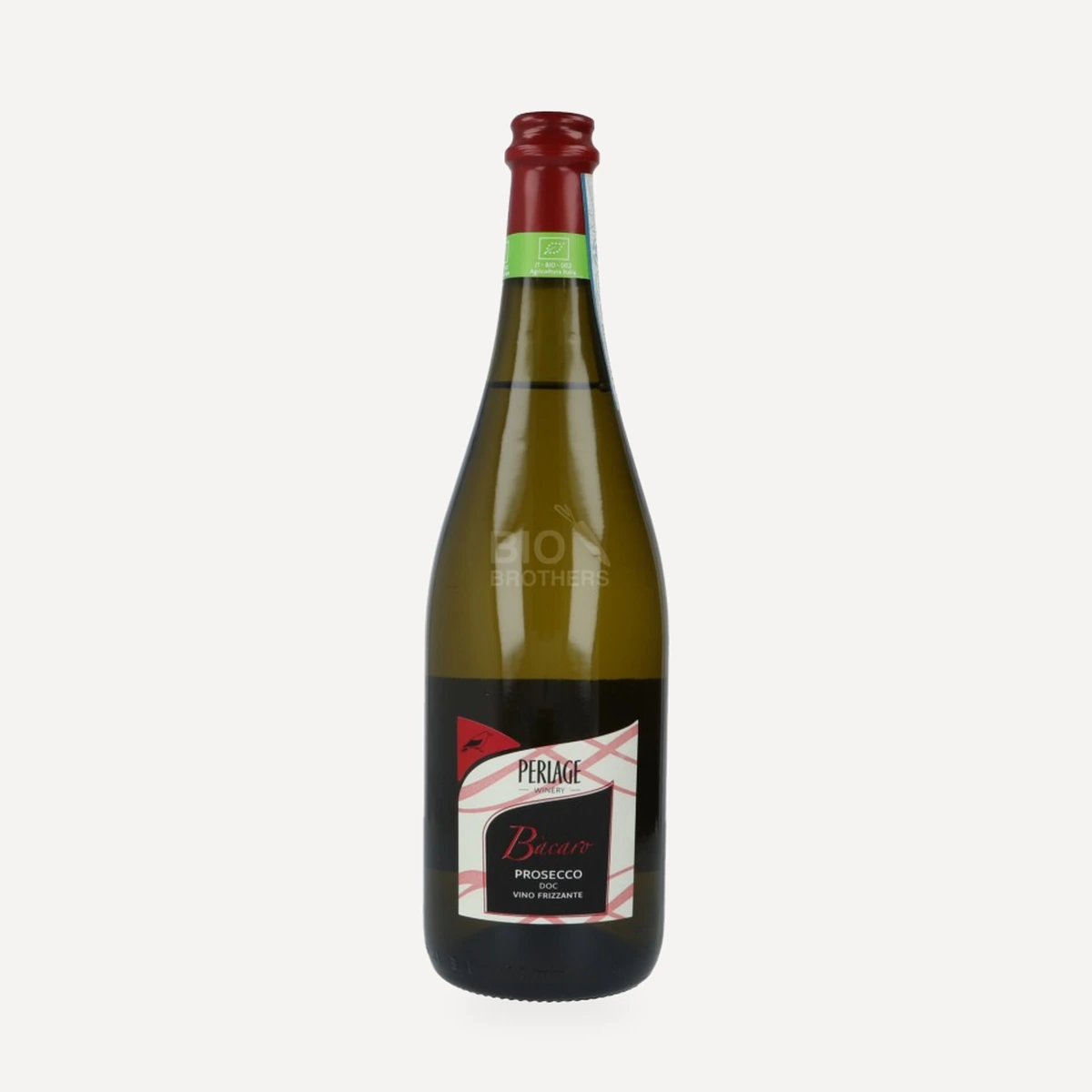
Bacaro
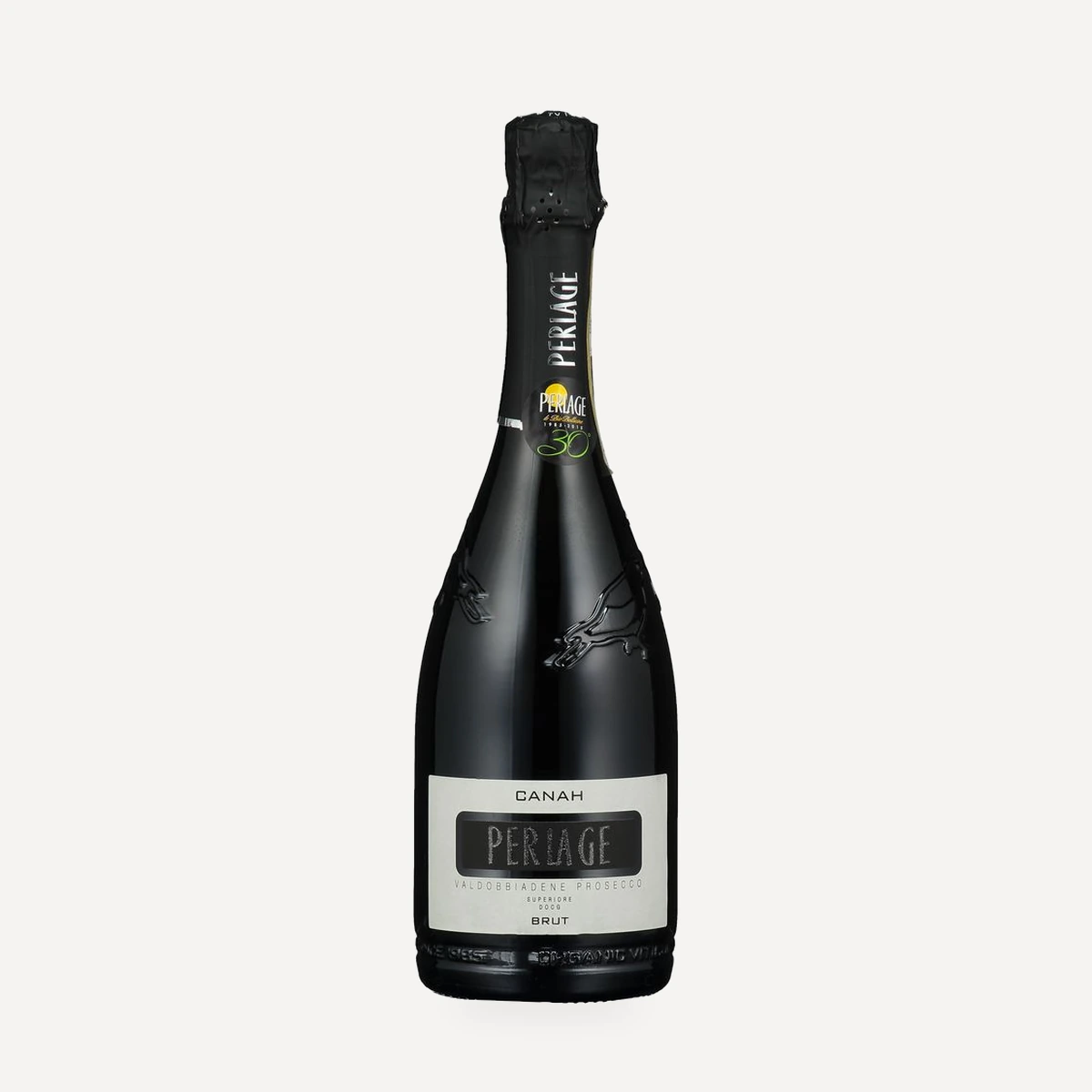
Canah
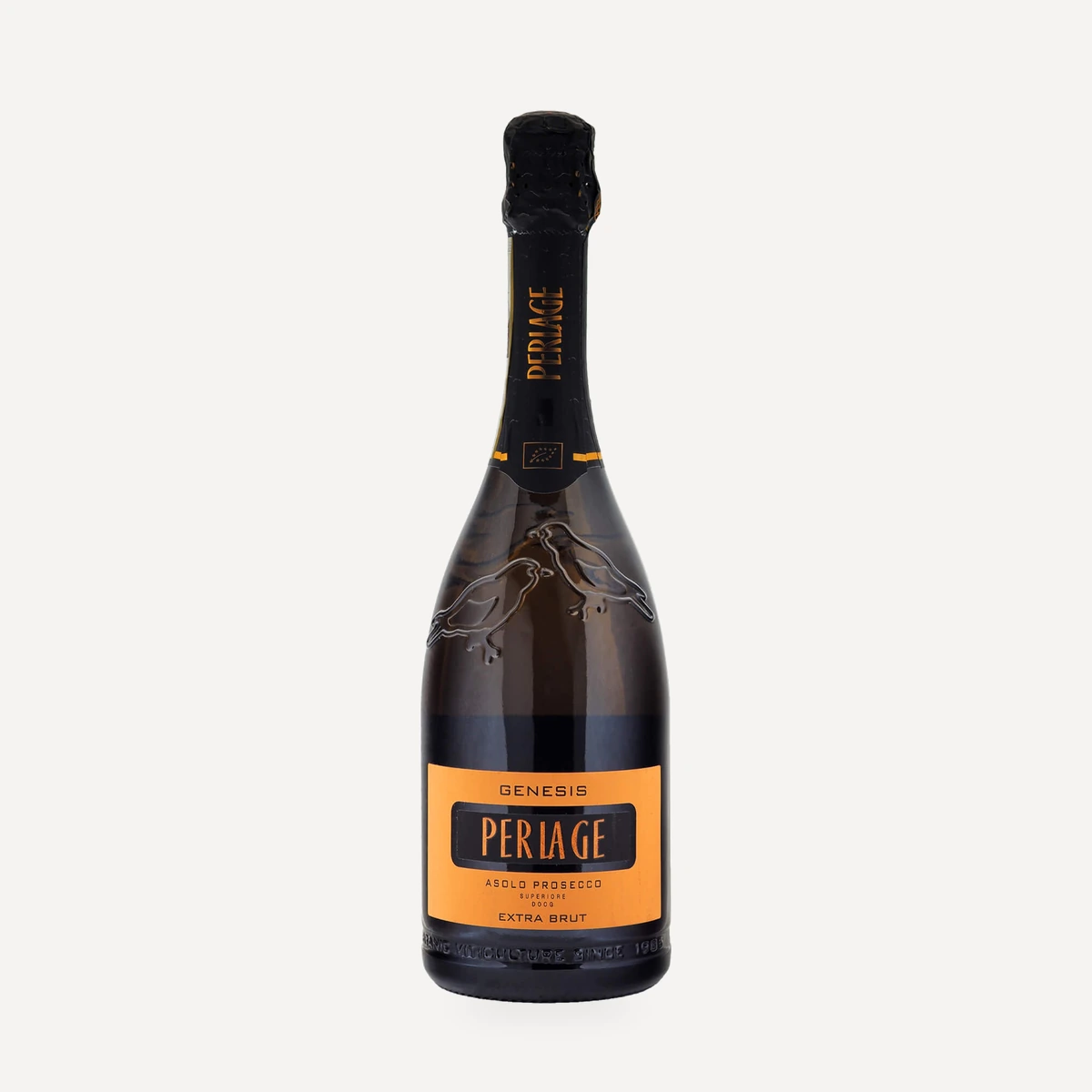
Genesis
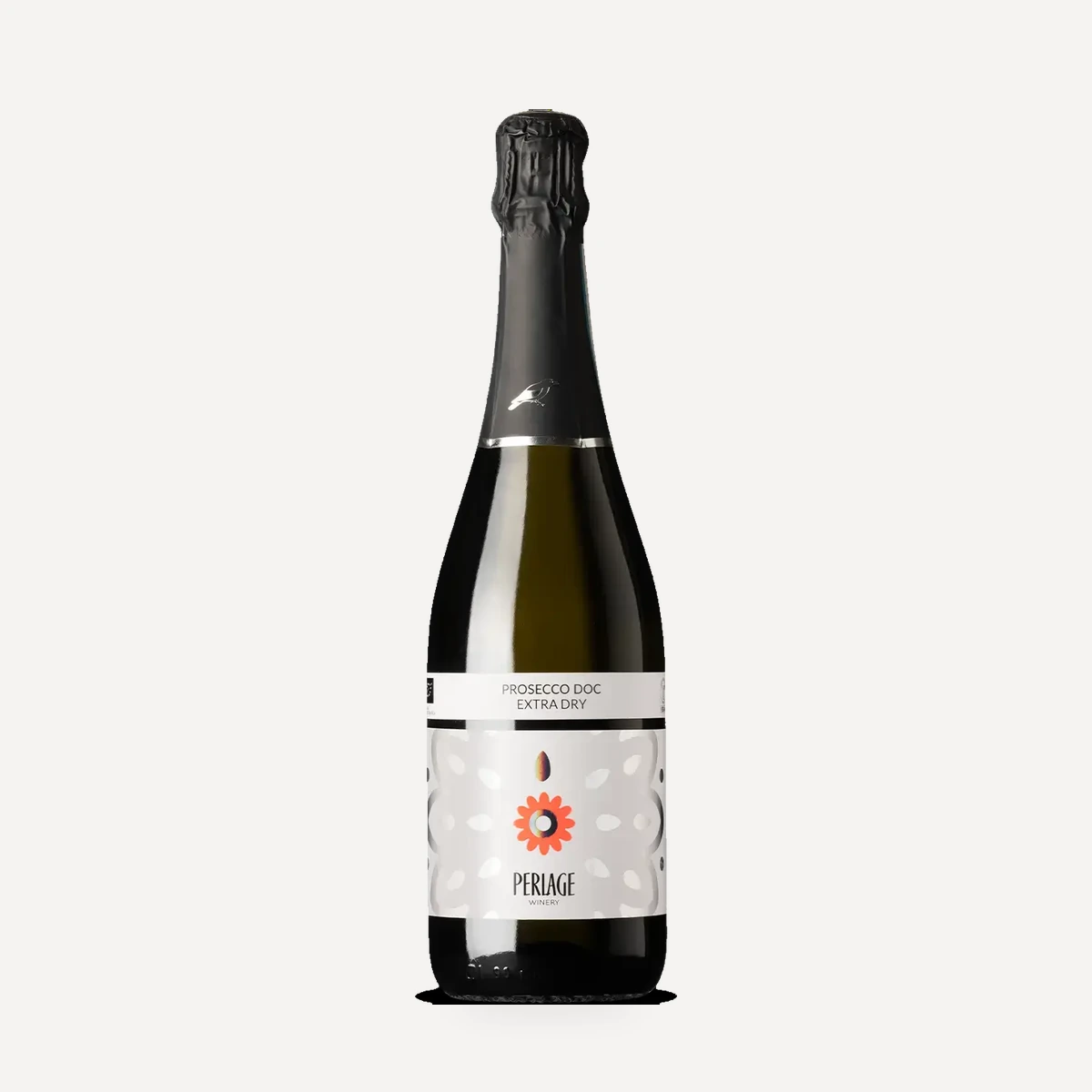
Holi
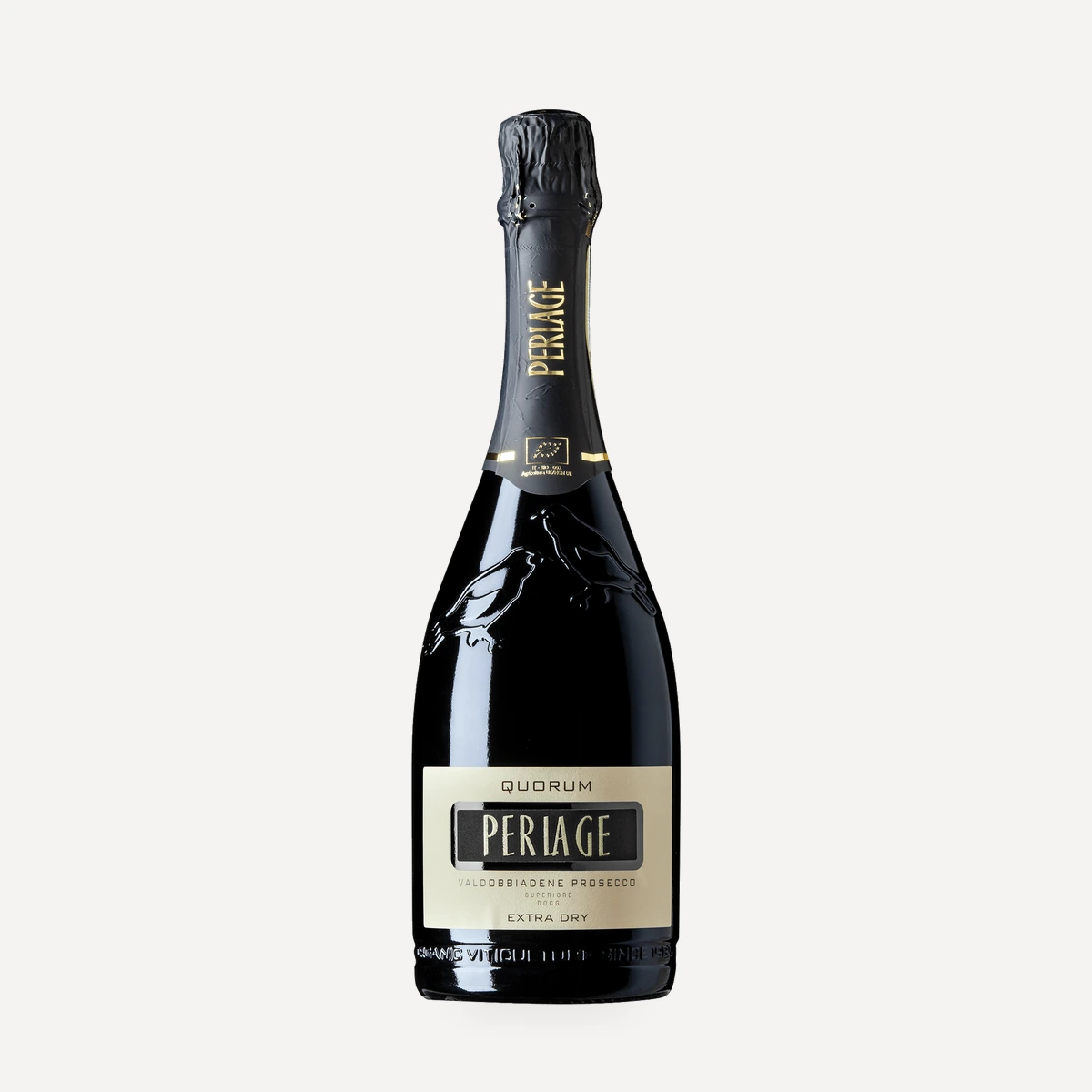
Quorum
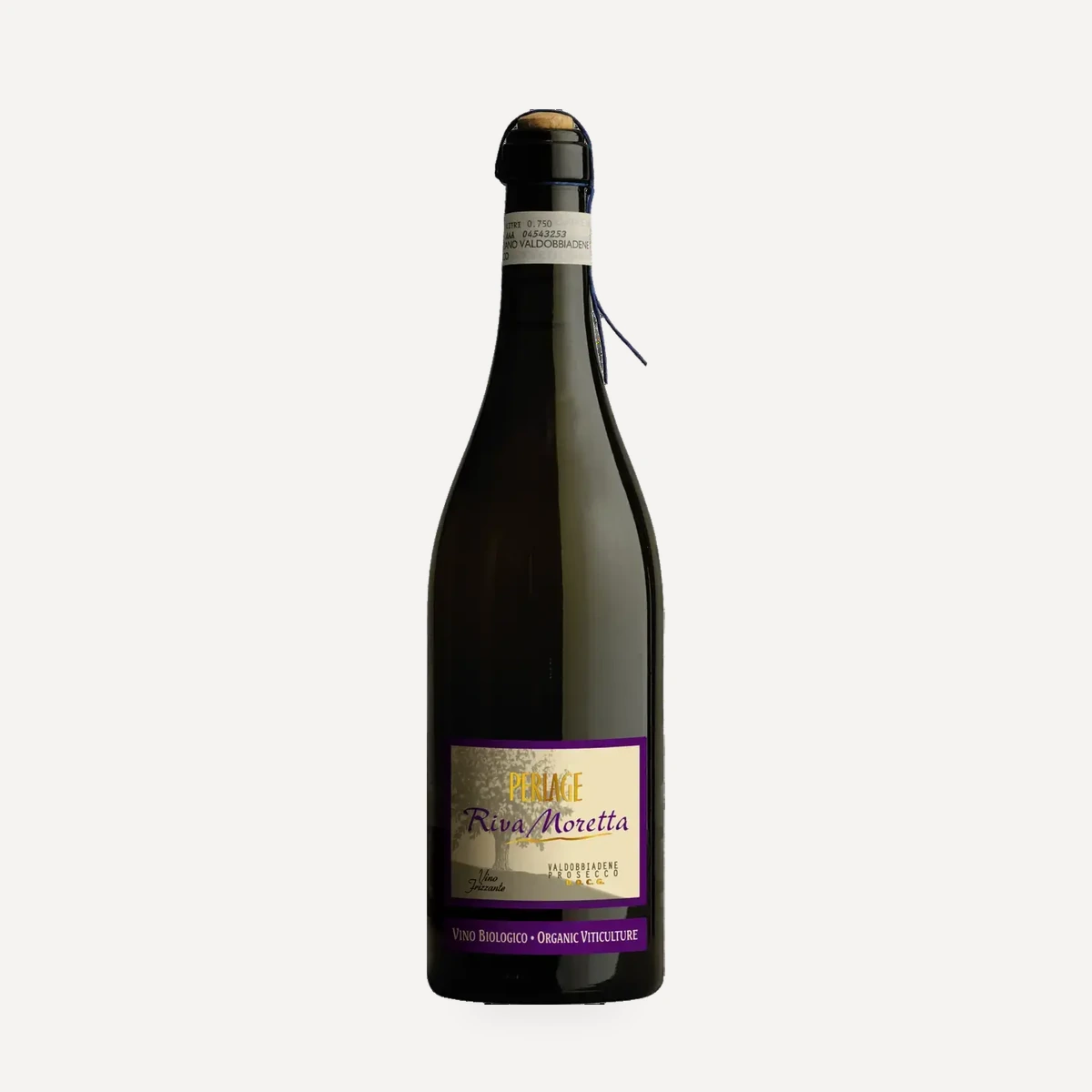
Riva Moretta
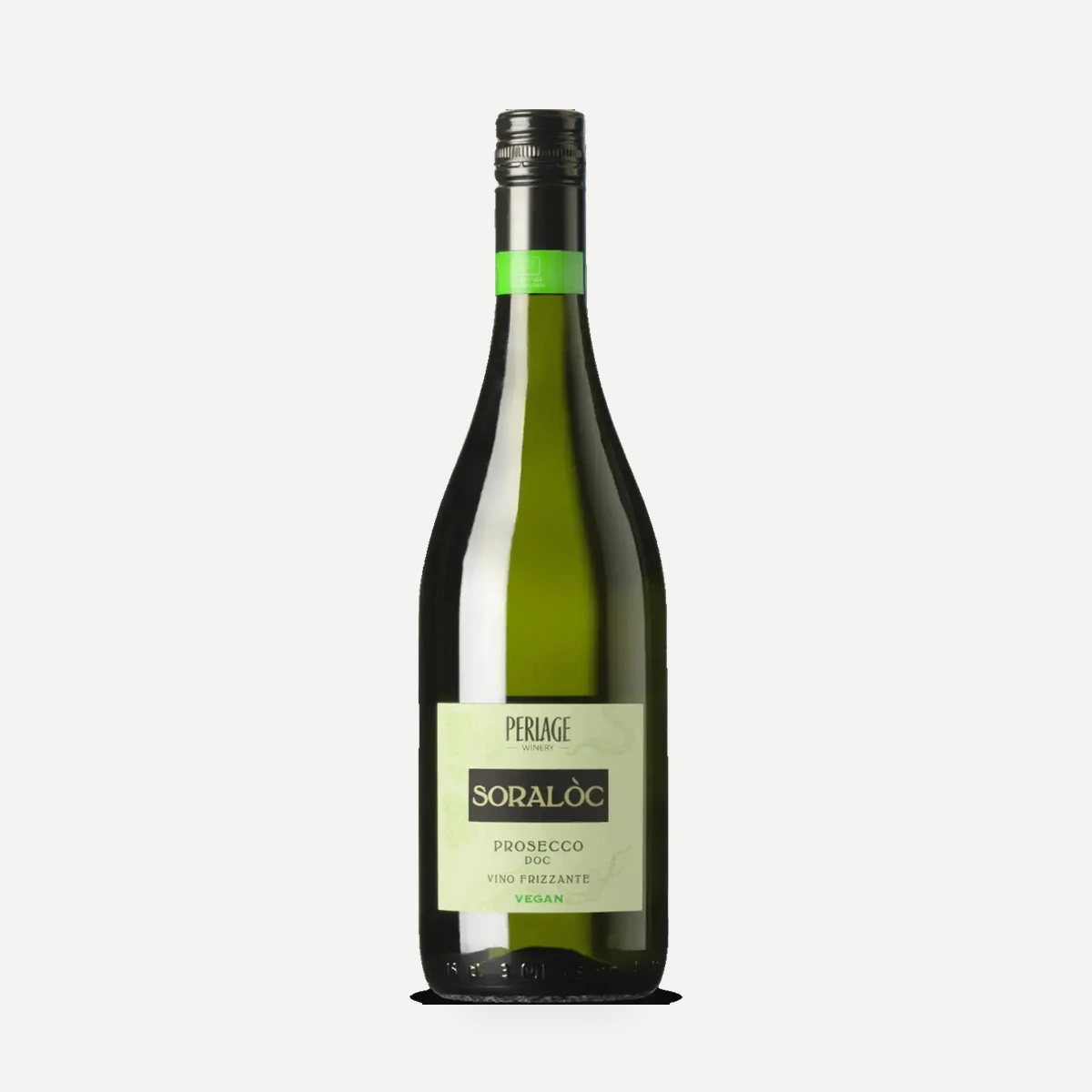
Soralòc
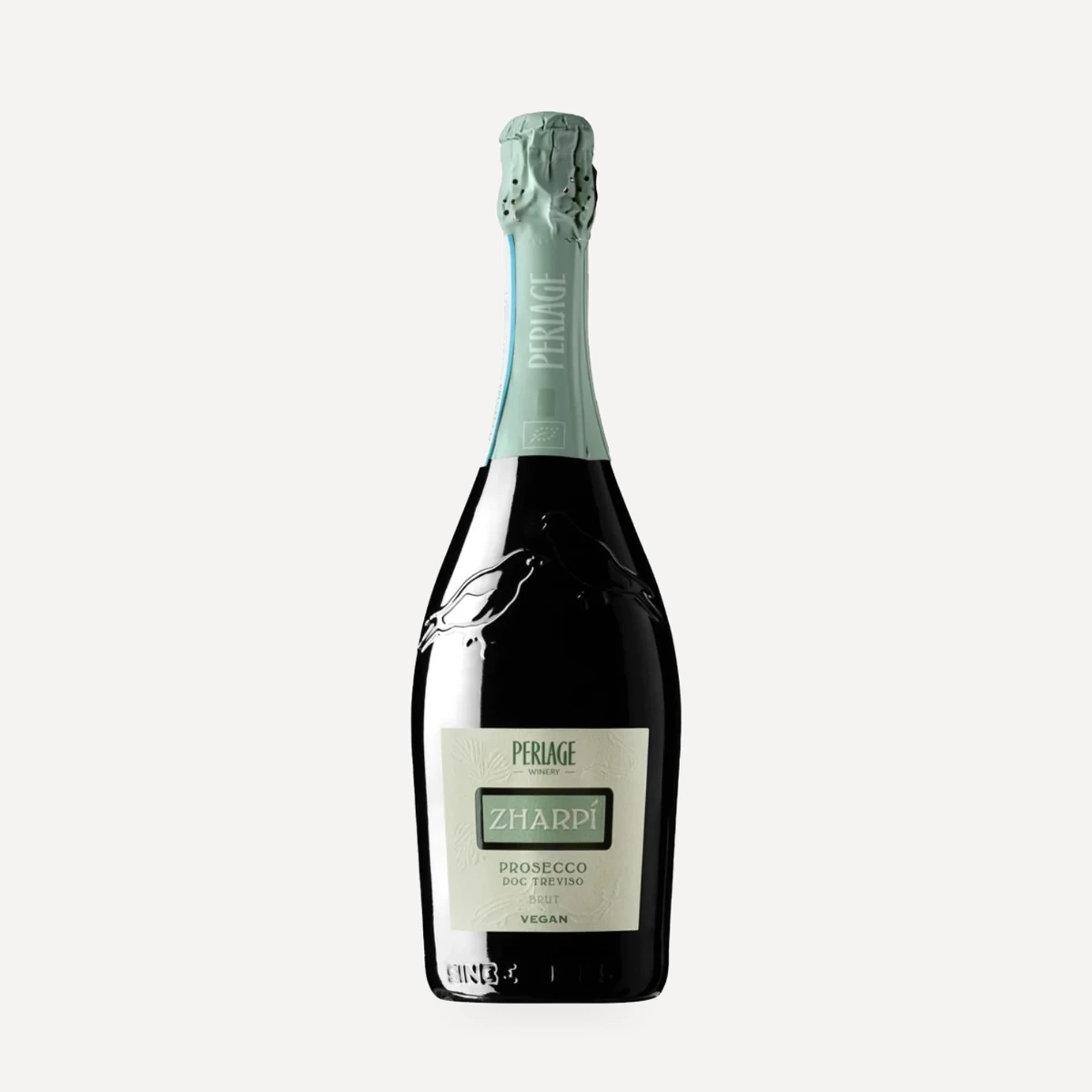
Zharpì
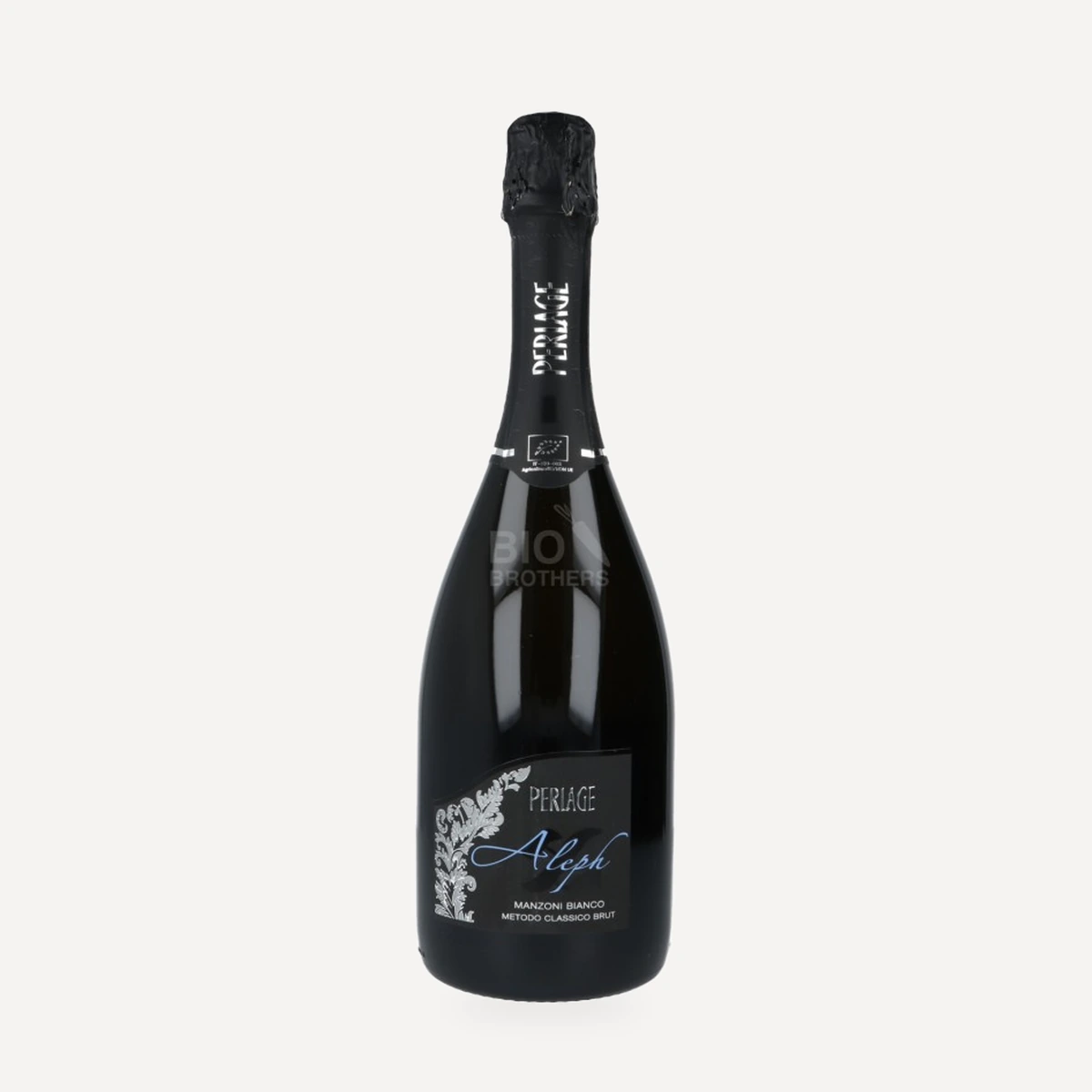
Aleph
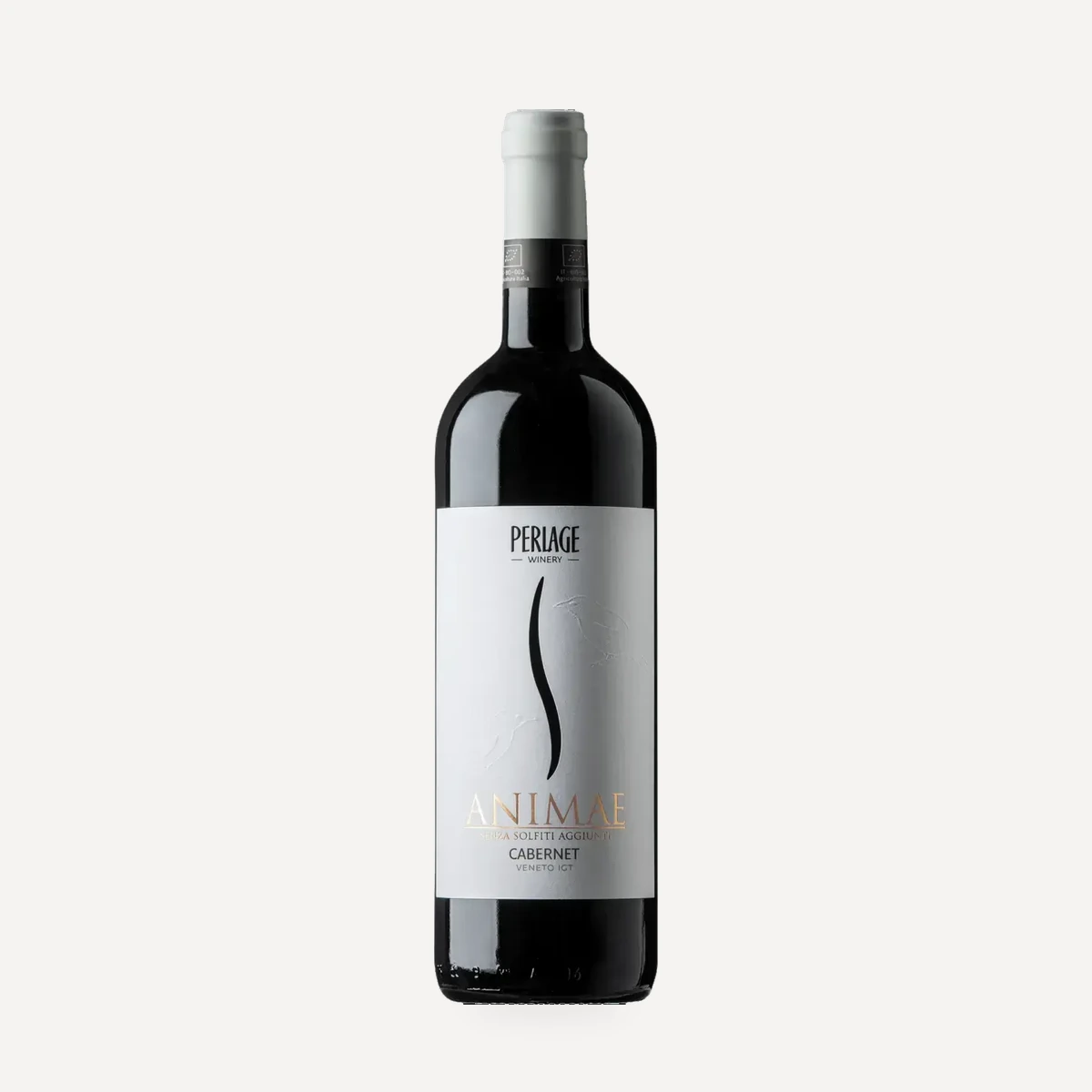
Animae Cabernet
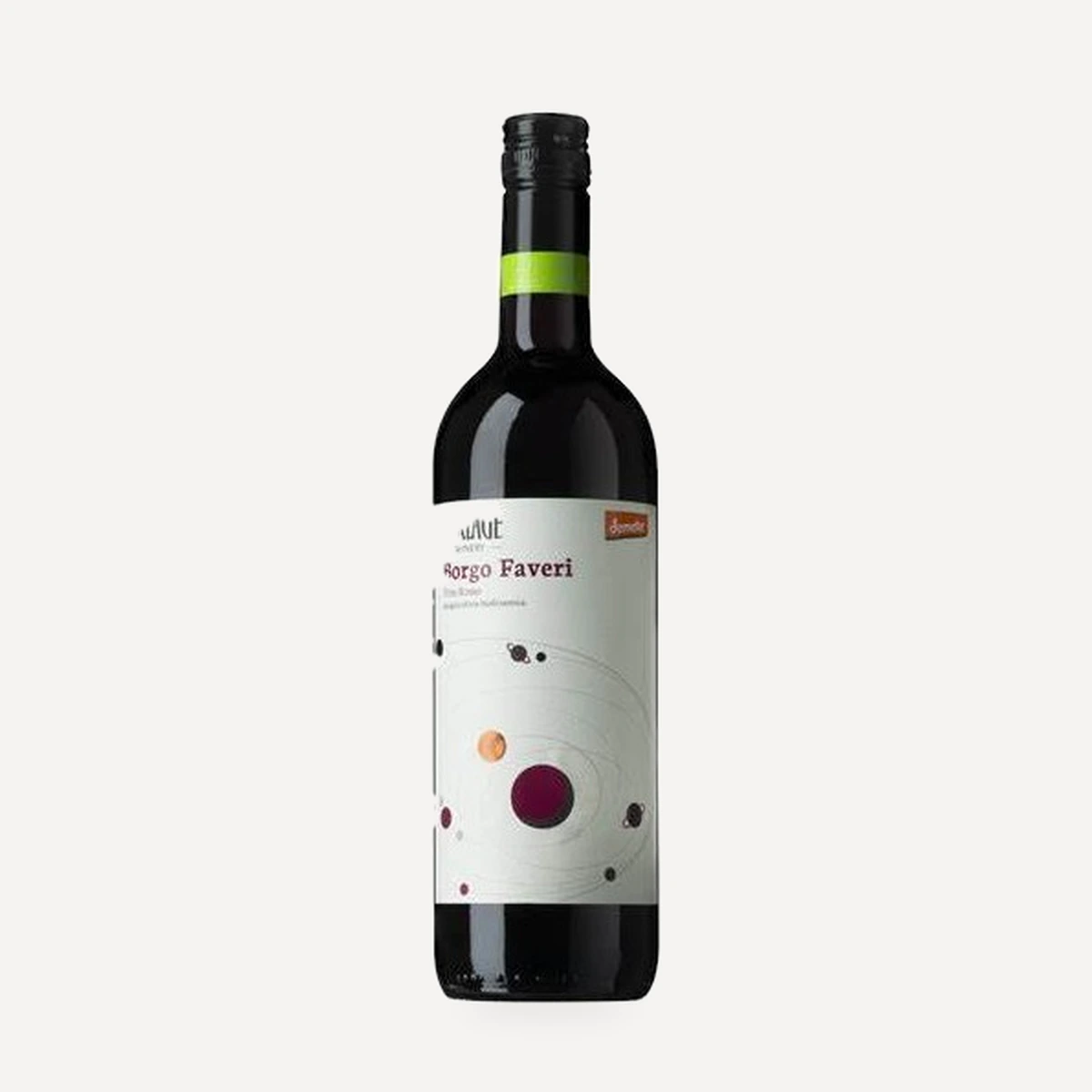
Borgo Faveri Red
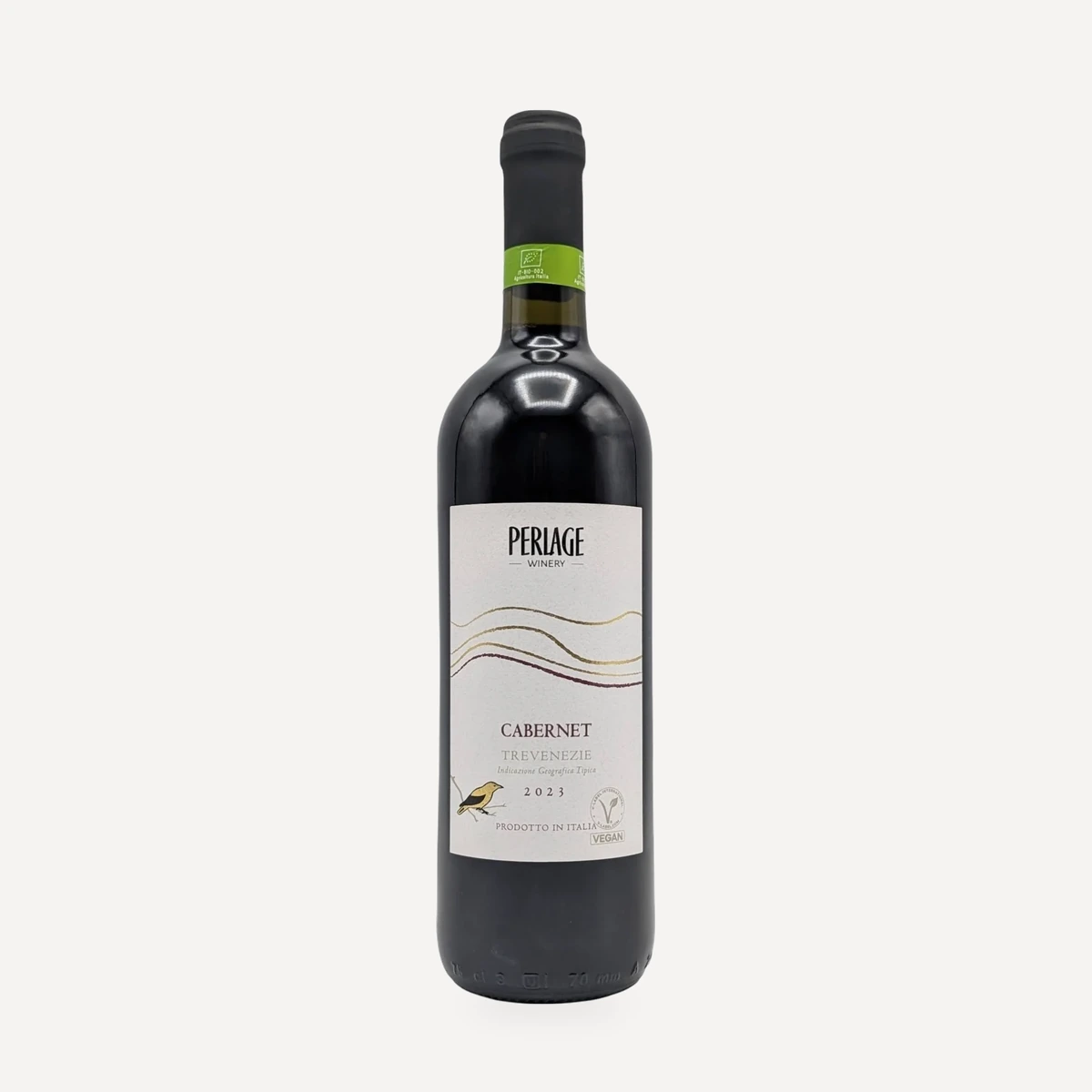
Cabernet
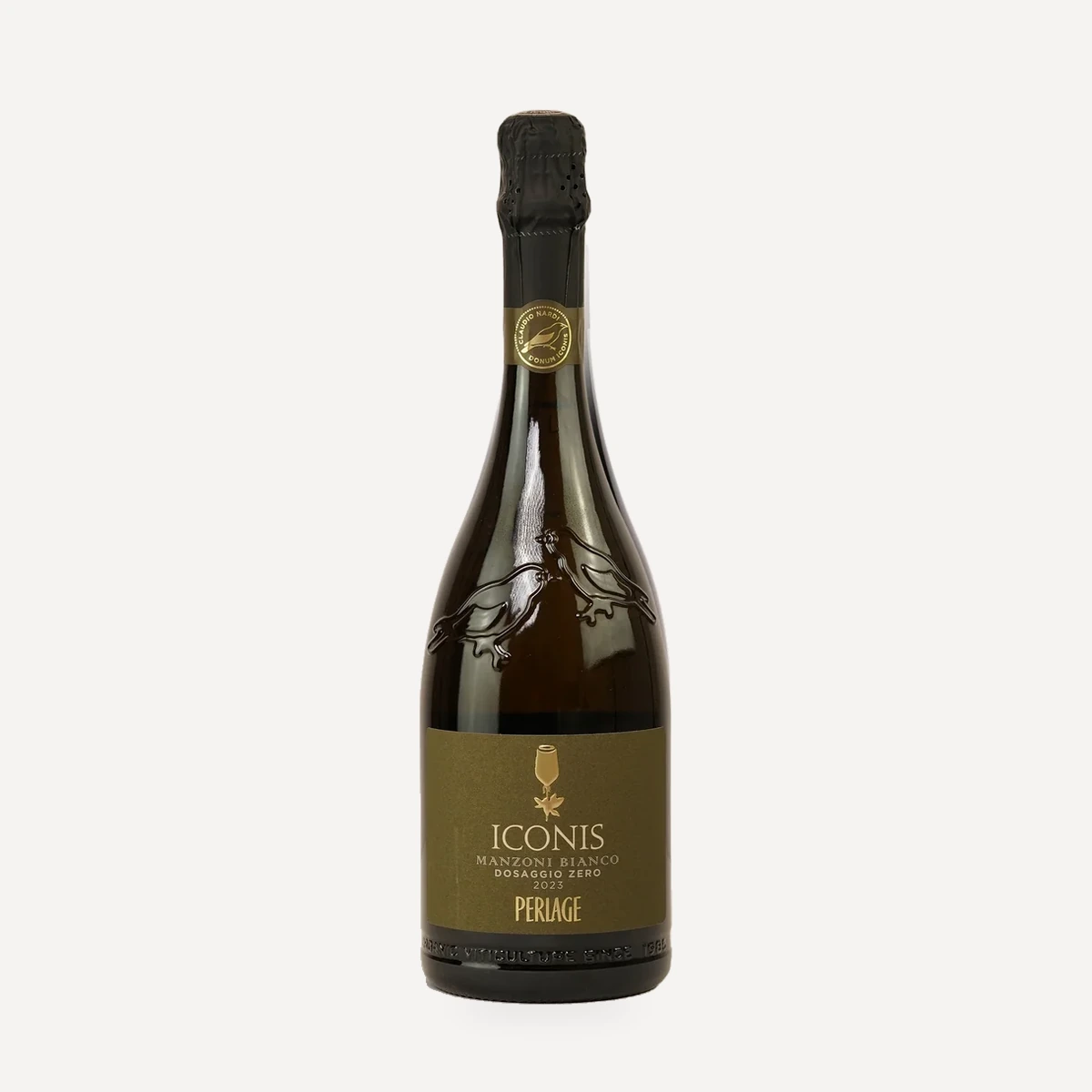
Iconis
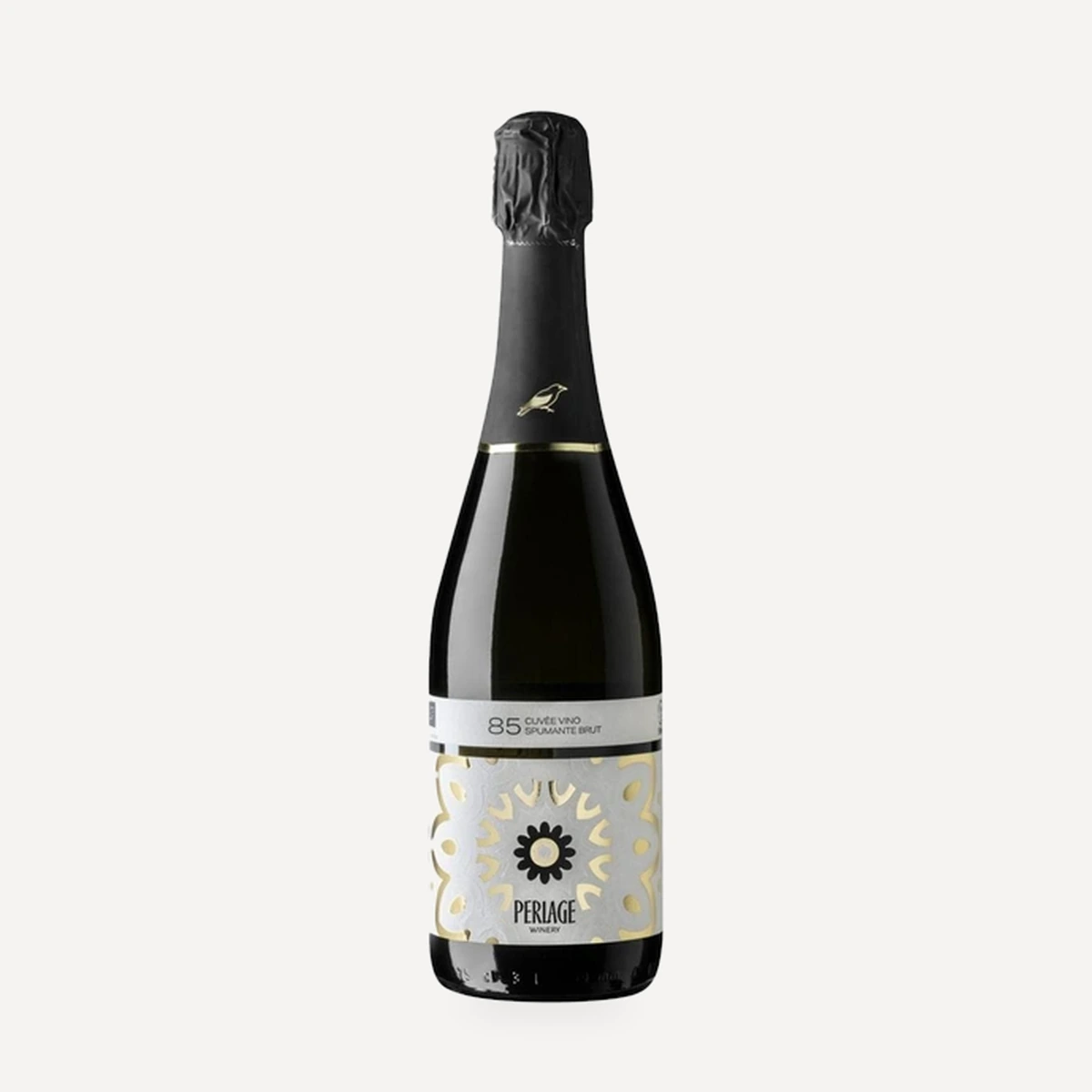
Ottantacinque
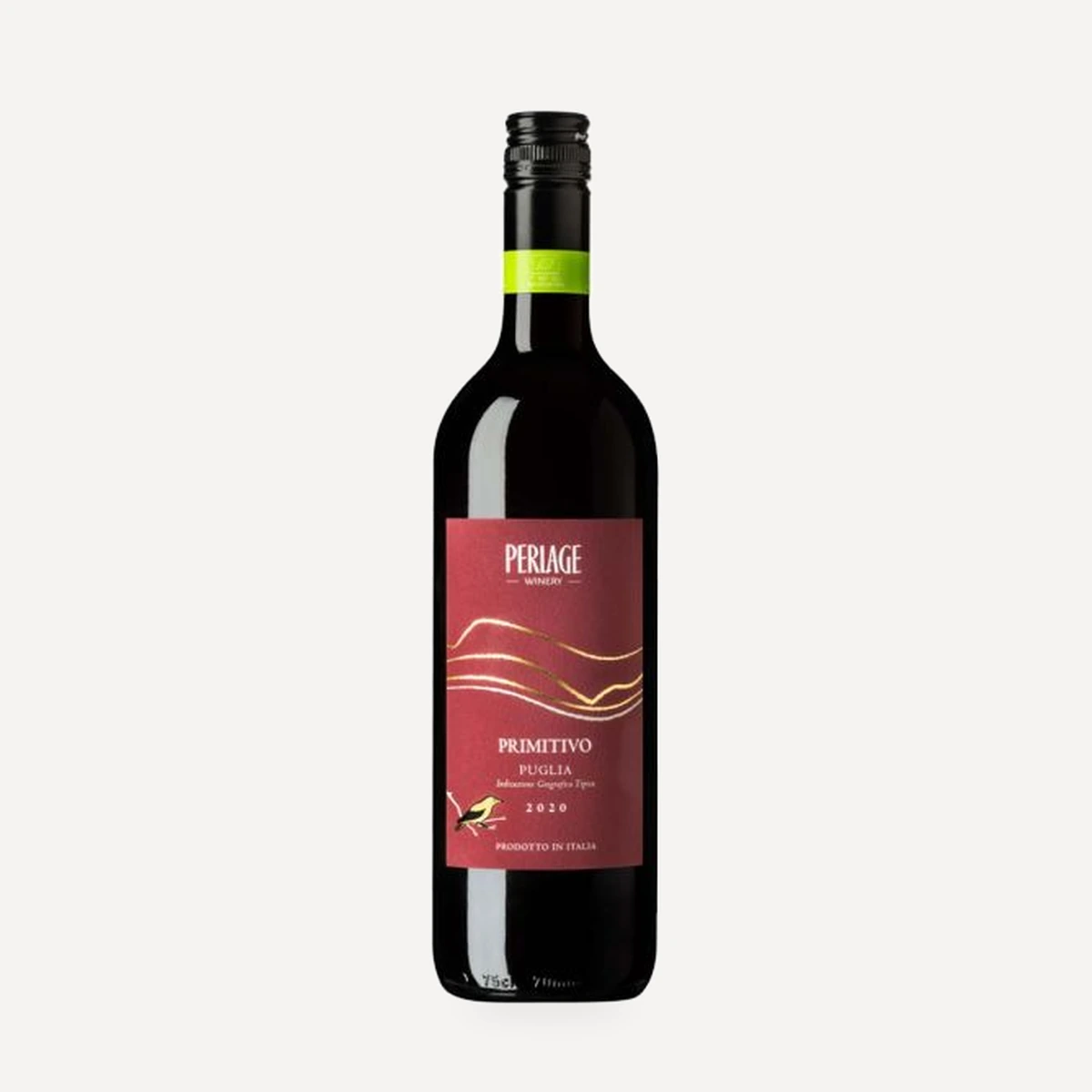
Primitivo
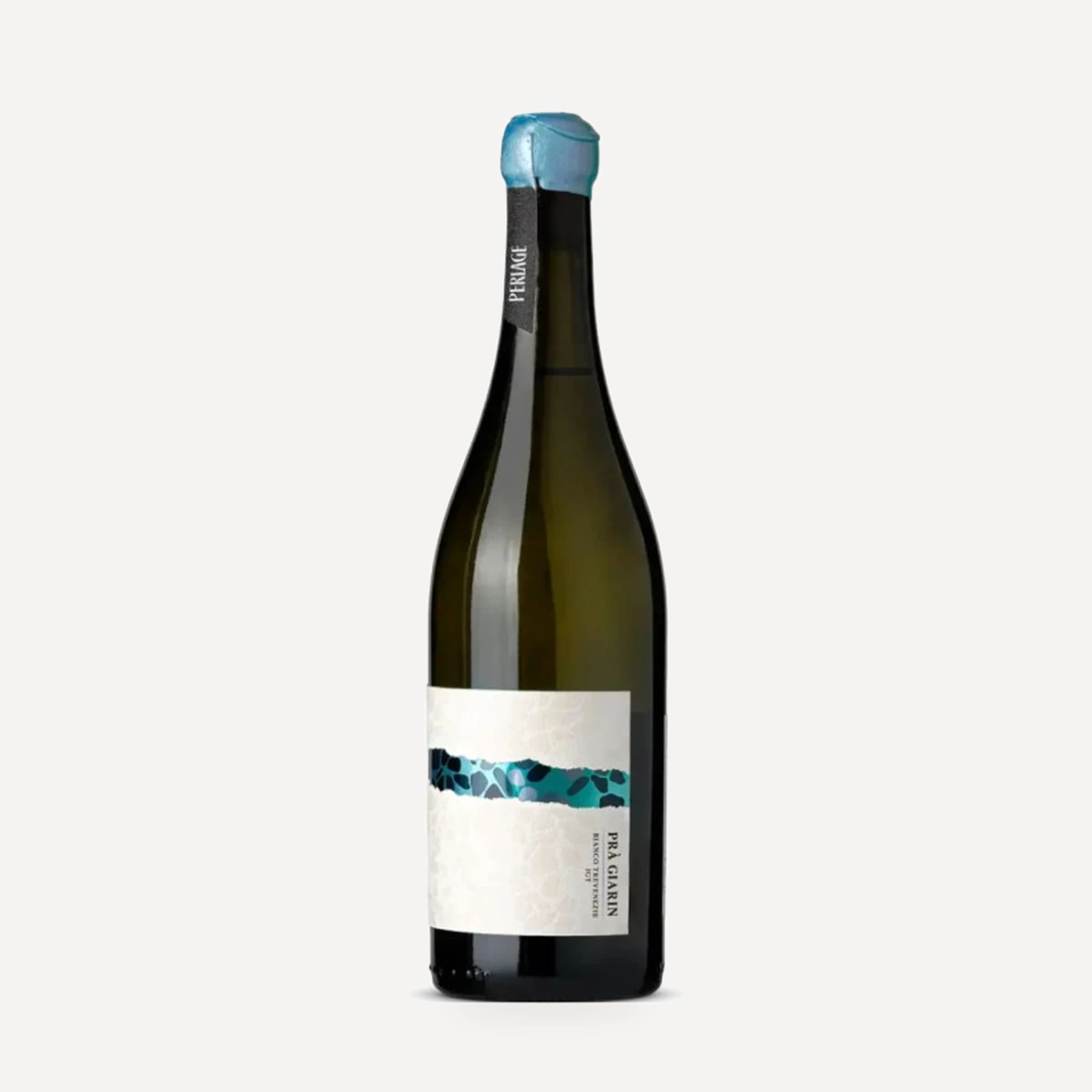
Prà Giarin
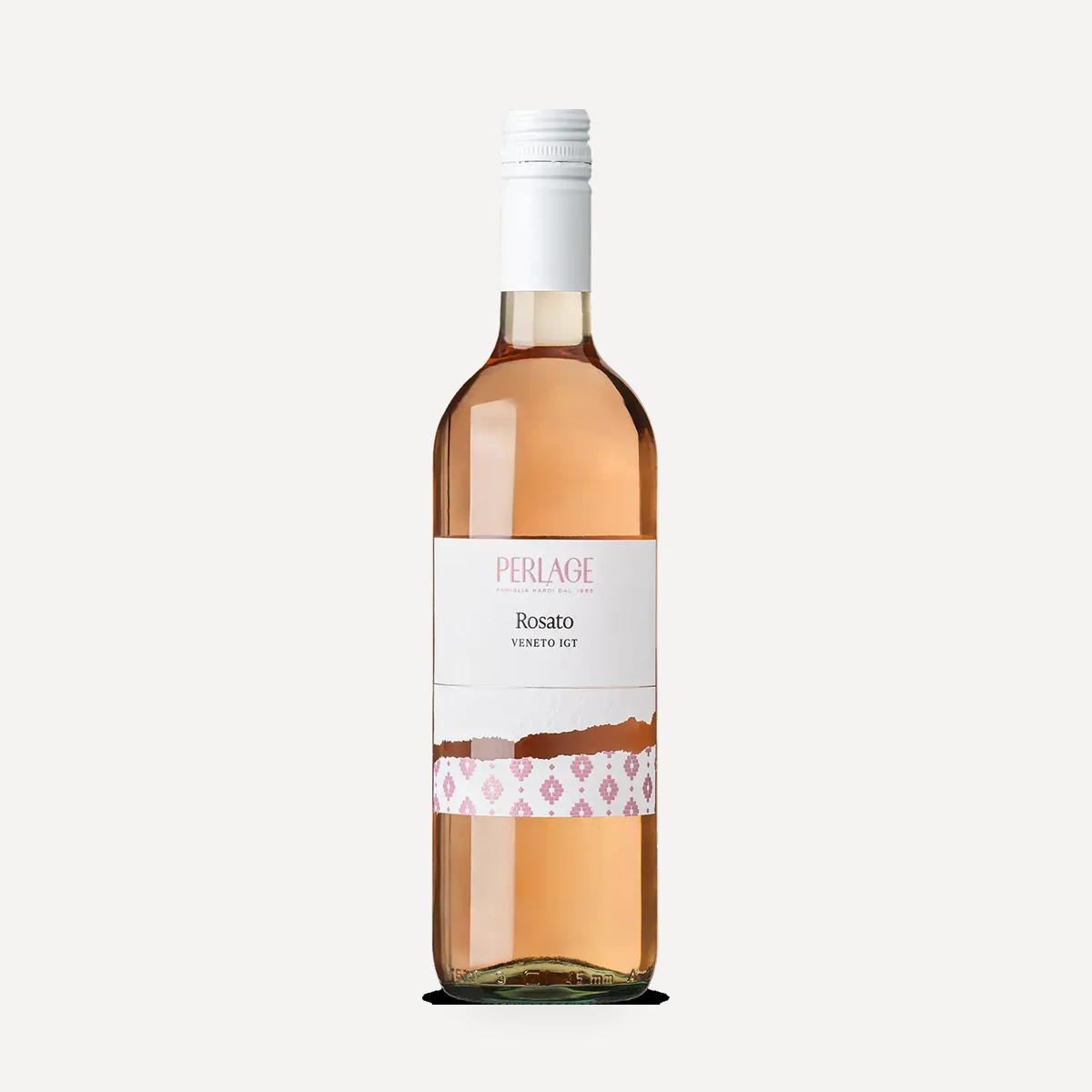
Rosé
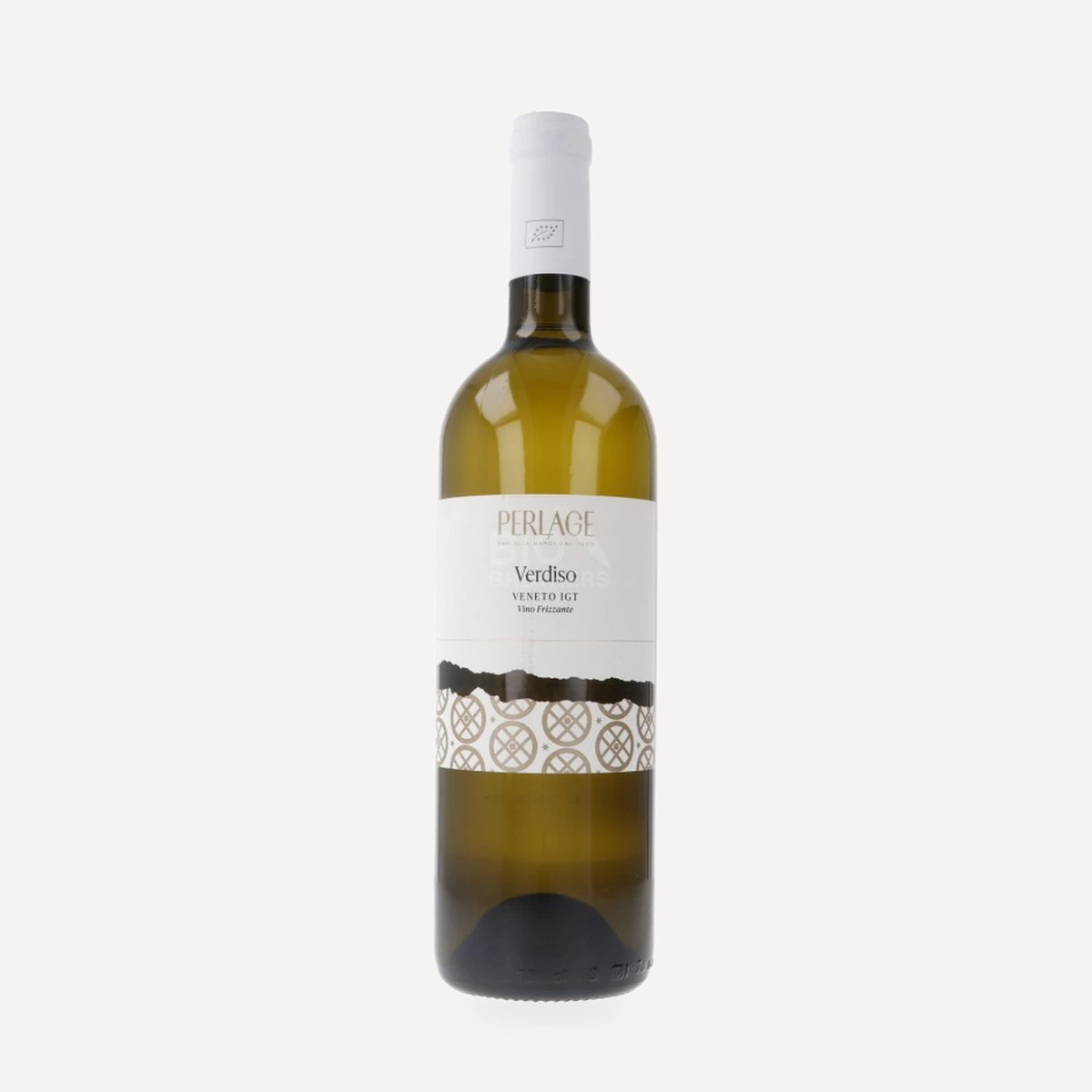
Verdiso