Storia
Two family holdings in the 1960s
The family’s wine production began during the 1960s. The two grandfathers, Silvio Tognetti—known as Cìo Bacaro—and Gregorio Pialli each owned small vineyards. They operated independently, vinifying and selling their respective wines. Tocai Rosso and Garganega were the characteristic varieties associated with both holdings.
1999: the founders retire
In 1999, Silvio Tognetti and Gregorio Pialli both ended their activities. Their separate vineyard properties nevertheless remained the foundation for the next phase of the family enterprise.
2001: creation of the present estate
The next generation began transforming the business in 2001. The two inherited properties were brought together under a single winery, initially concentrating exclusively on the vinification of Tocai Rosso di Barbarano. The vineyards were converted to organic farming from the beginning of this reorganization.
Parcel-based development
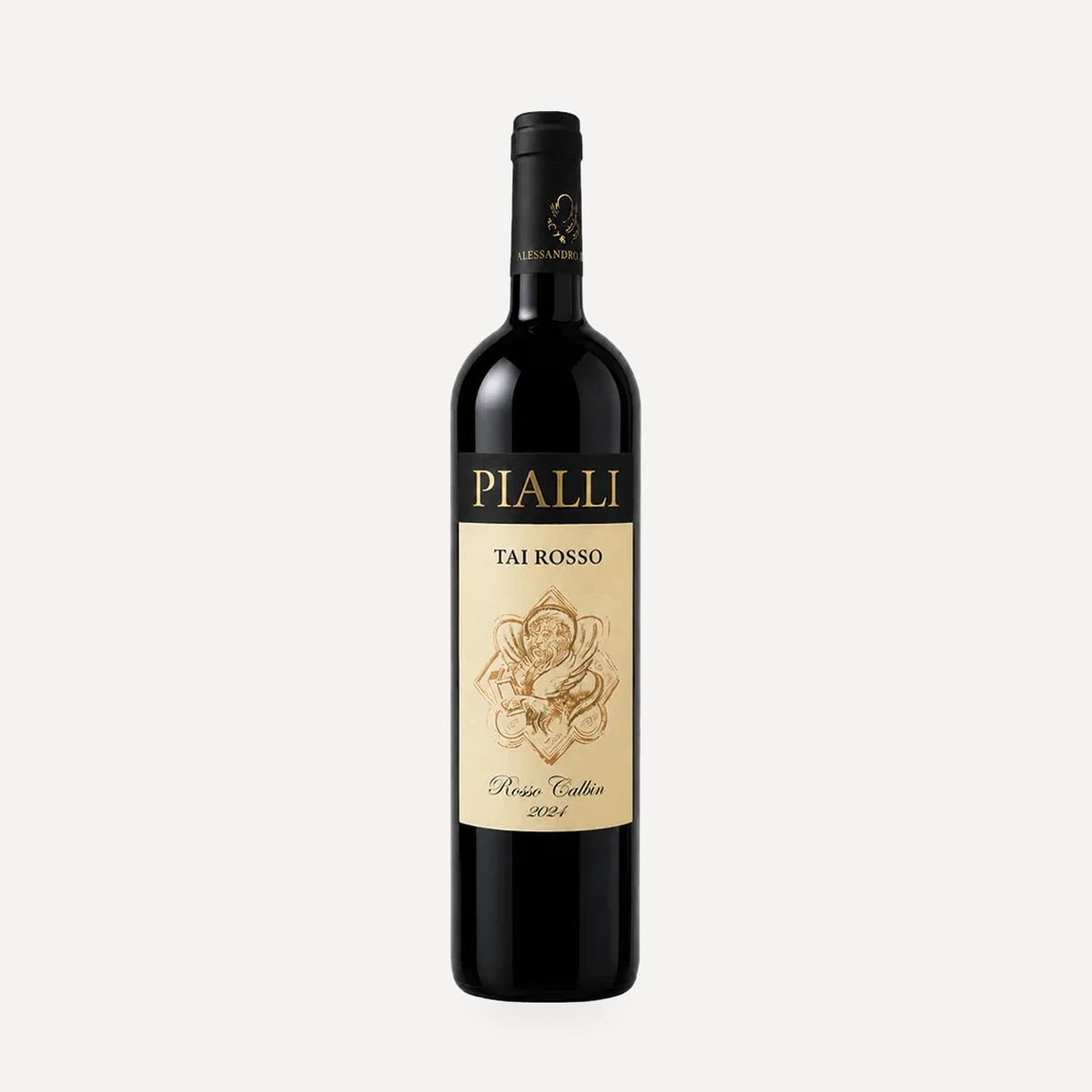
Years of trials and experimentation led Pialli to interpret Tai Rosso through the estate’s contrasting soils and exposures. The property now comprises seven parcels, and four expressions of Tai Rosso have been developed to communicate their different terroirs. Garganega, one of the two varieties cultivated by the grandfathers, subsequently returned as a new focus for later vintages.
The estate currently farms 4.5 hectares of vineyards. Total annual output varies substantially with the vintage, ranging from approximately 13,000 to 20,000 bottles.
Terroir
Pialli’s vineyards lie on the eastern side of the Colli Berici at Barbarano Mossano, in a landscape formed from an ancient marine sedimentary structure rich in fossils. The hills reach approximately 440 metres at their highest points.
The estate occupies part of an ancient reef where the former sea shaped slopes and near-vertical rock faces. Its soils change markedly over short distances. The spectrum extends from the red clay commonly encountered in the Colli Berici to intensely calcareous white and pink flakes. Calcareous marl and skeletal red clay are also documented within the vineyard sources used for the Tai Rosso range.
Seven parcels provide differing soils and exposures. Their contrasts underpin four interpretations of Tai Rosso developed after years of trials. Within the documented vineyard material, one Tai Rosso source averages approximately 100 metres in elevation and has south-oriented rows. The Colli Berici are described as the northernmost Italian cultivation area for the wider family of genetically related Mediterranean varieties to which Tai Rosso belongs; Pialli associates this northerly position with freshness and versatility in its wines.
Vinificazione
Pialli defines its approach as minimalist viticulture, with agriculture understood as the protection of nature, its balances and the organisms living within the vineyard. Both plant-protection treatments and mechanical vineyard operations are reduced to what the estate considers the minimum necessary.
Organic conversion began when the two family properties were united in 2001. Although organic rules permit up to 4 kg of metallic copper per hectare annually, Pialli reports using less than 2 kg/ha per year across its five most recently assessed vintages. Copper treatments are alternated with biodynamic and natural preparations, including algae and microorganisms.
Harvesting documented for the Tai Rosso sources is manual, using small crates. The vineyard work also emphasizes low yields per vine, careful selection and environmental restraint. For the Gregorio interpretation, the best bunches are selected before a drying period of approximately 30 days.
Pialli works with spontaneous fermentations driven by indigenous yeasts. Practices documented across its Tai Rosso production include hand-picked fruit, skin maceration in stainless-steel tanks and maturation in wood. The vessels employed across the range include older oak, 500-litre French-oak barrels, larger wooden vessels and, in one interpretation, a combination of French oak and cherry wood. Some wines also receive subsequent bottle maturation.
The duration and intensity of extraction and maturation vary by interpretation. Documented examples range from roughly one week to three weeks of skin contact in stainless steel, while a particularly concentrated Tai Rosso undergoes a fermentation extending beyond two years and approximately 36 months in old oak. Another wine is matured for 18 months in 500-litre French-oak barrels followed by 12 months in bottle. These variations are used to respond to parcel character and vintage differences rather than impose one uniform recipe.
Garganega is explored through white vinification, skin-contact or orange-wine methods and dried-grape production.
Average total sulphur dioxide across the wines is approximately 25 mg/L. The guiding principle is to add sulphur only when necessary to preserve the wine’s quality and provide a sound drinking experience.
Filosofia
Pialli’s philosophy joins inherited practice with continued experimentation. Tradition is interpreted through knowledge and awareness, while preserving the defining character of each variety and the differences between vintages.
In the vineyard, the central objective is to safeguard natural balances and the organisms inhabiting the site. Plant-protection treatments and mechanical interventions are deliberately minimized, and permitted organic inputs are used at levels below the regulatory maximum. Biodynamic preparations, algae and microorganisms broaden this low-input approach.
In the cellar, the same principle appears in spontaneous indigenous-yeast fermentations, parcel-sensitive choices of extraction and maturation, and restrained sulphur additions. Sulphur is added only when it is considered necessary to maintain quality and ensure a sound tasting experience.
Tai Rosso is treated as the principal vehicle for reading the estate’s differing soils and exposures. Four interpretations emerged from years of trials across the seven parcels. Garganega represents both a return to the family’s earlier production and a field for exploring white, skin-contact and dried-grape styles.
Family continuity also extends to hospitality: the estate presents welcoming visitors and guiding them through its land as an expression of the same commitment applied to its vineyards.
Vini
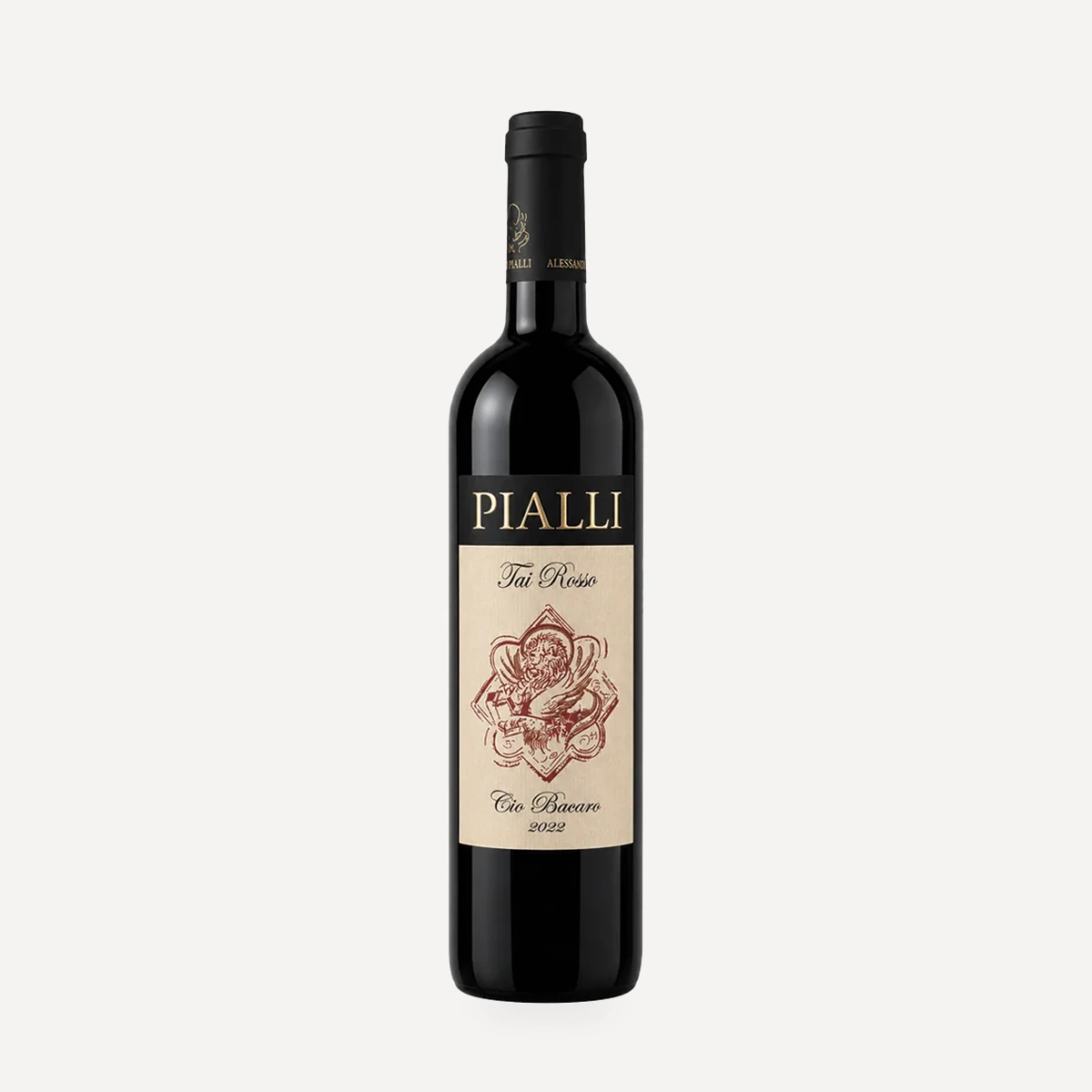
Cio Bacaro
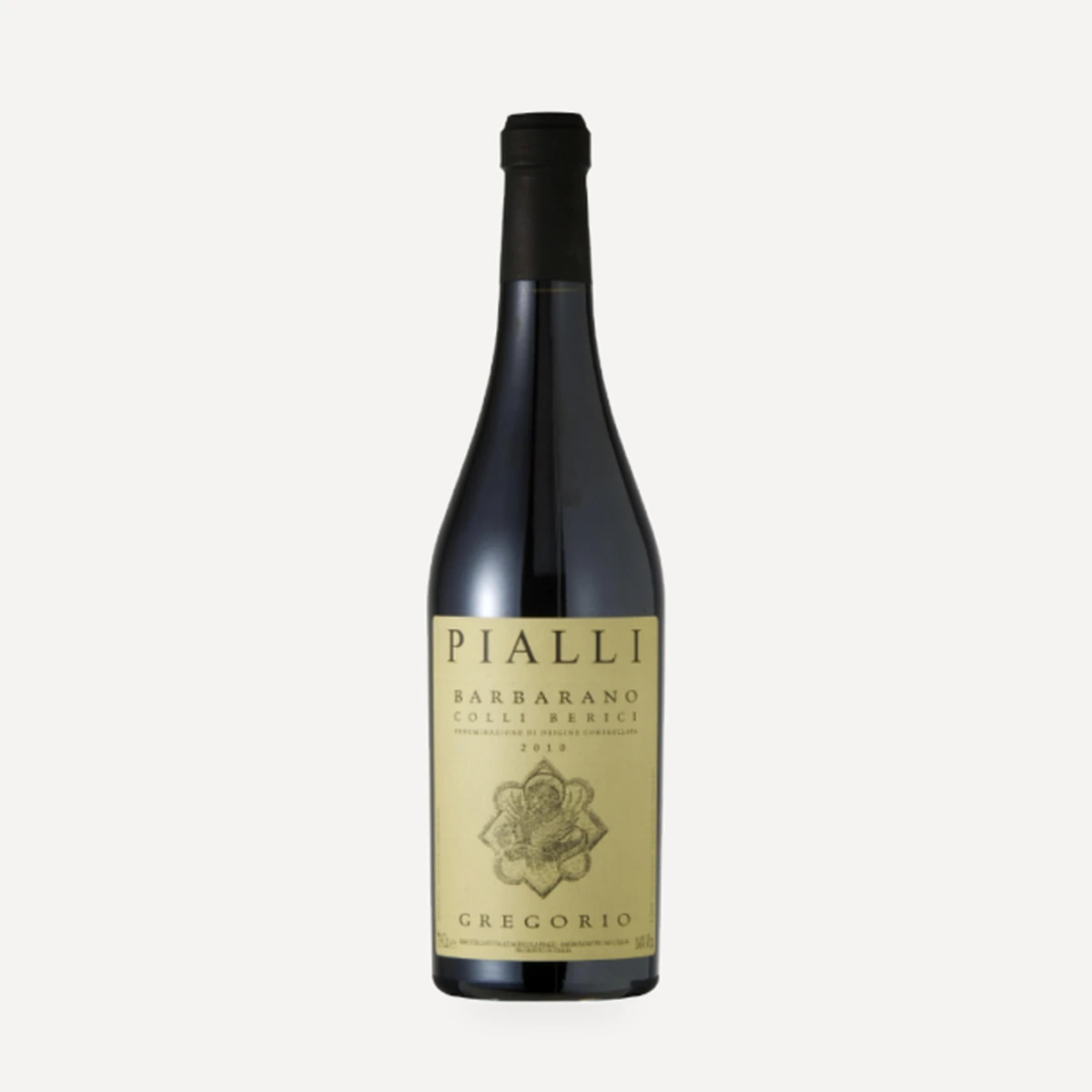
Gregorio