Questo vino
Vineyard and terroir
The fruit comes from Vigna 3 and Vigna 5, both planted in 2001 with a southern exposure and trained to cordone speronato (spurred cordon). Planting density is 4,200 vines per hectare in Vigna 3 and 4,444 vines per hectare in Vigna 5.
Grapes
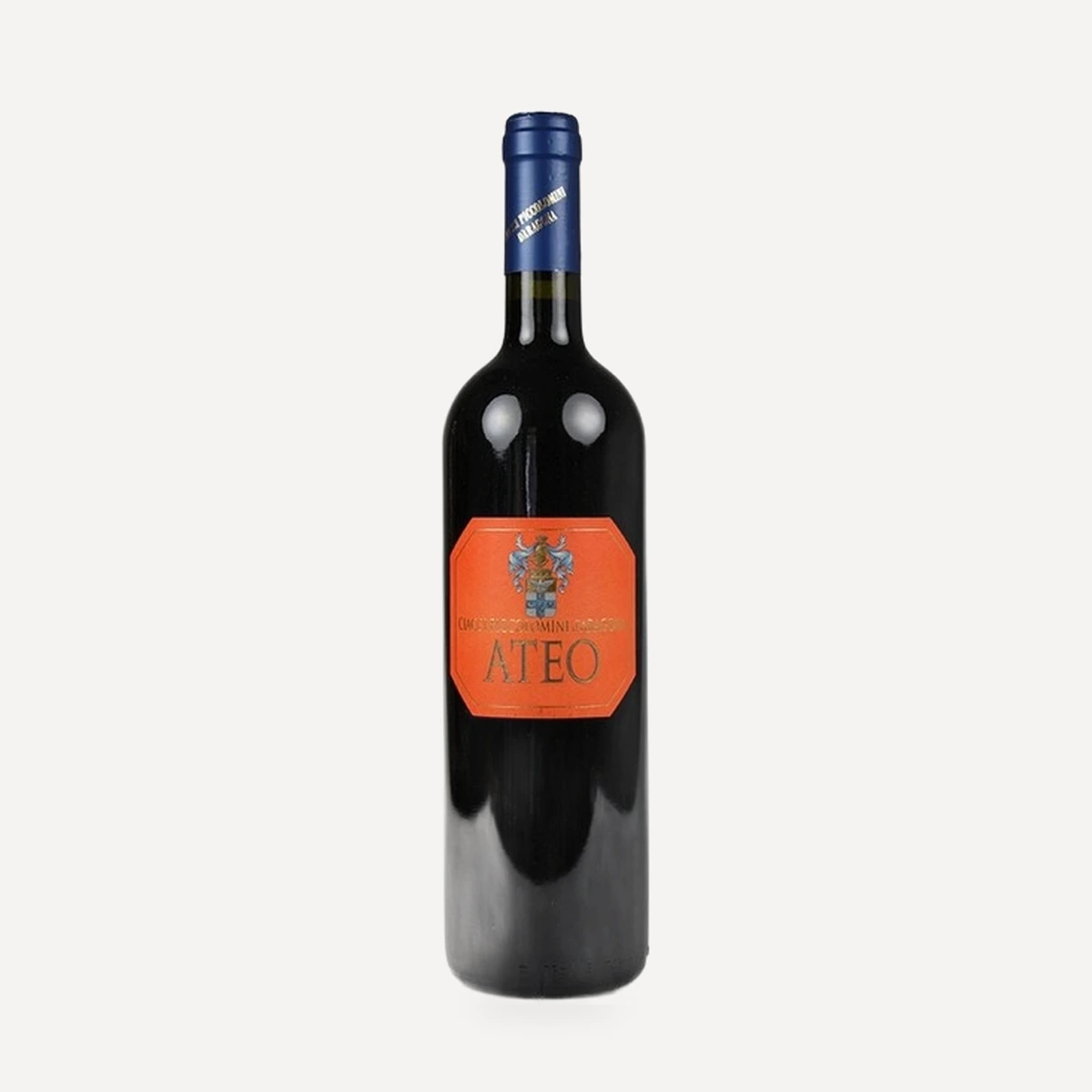
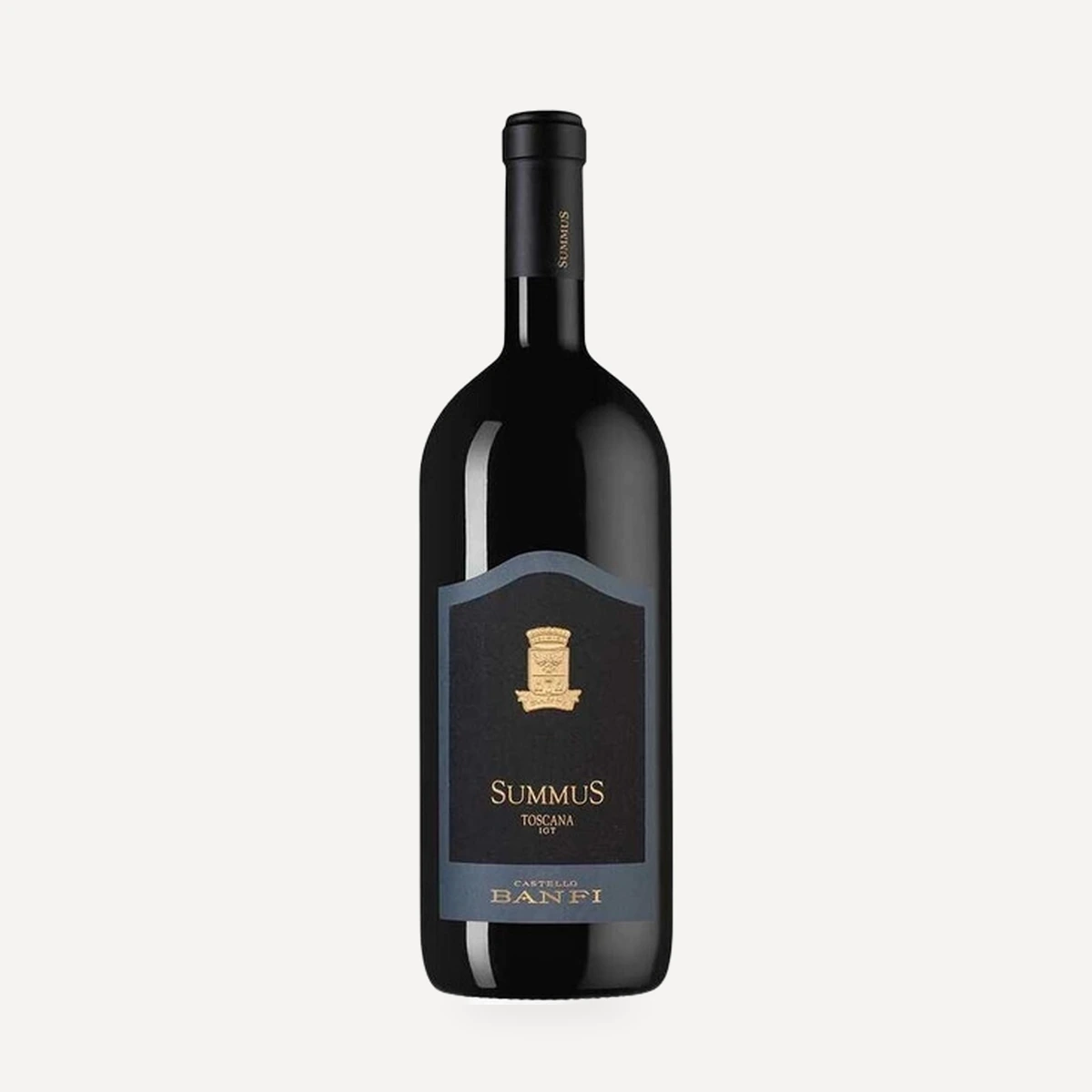
Blend proportions vary by vintage. The latest published vintage, 2020, is 50% Sangiovese, 30% Cabernet Sauvignon and 20% Merlot.
Vinification
Harvest normally takes place between 25 September and 10 October, according to the grapes’ degree of ripeness. Selection begins manually in the vineyard and continues in the cellar, bunch by bunch. For the 2020 vintage, the second selection was performed on sorting tables immediately after the grapes arrived at the winery.
The 2020 must fermented in temperature-controlled stainless-steel vats at 22–26°C and remained in contact with the skins for 12 days. After maceration, the skins were pressed and the wine was transferred directly to wood.
Ageing
For 2020, 60% of the wine matured in 40-hL French oak casks and the remaining 40% in third-use barriques. The wood-ageing period lasted 12 months. The wine was then allowed to settle for approximately two months in stainless-steel vats before bottling in April 2022.
Technical data
- Vintage: 2020
- Alcohol: 14.33%
- Dry extract: 35.9 g/L
- Total acidity: 4.8 mg/L
- Volatile acidity: 0.57 g/L
- Training system: spurred cordon
Vintage notes
The 2020 growing season was generally warm. Spring prompted early canopy growth, while summer drought placed the vines under physiological stress. Careful soil cultivation and intensive attention to the vines enabled healthy, fully ripened fruit to reach the cellar.