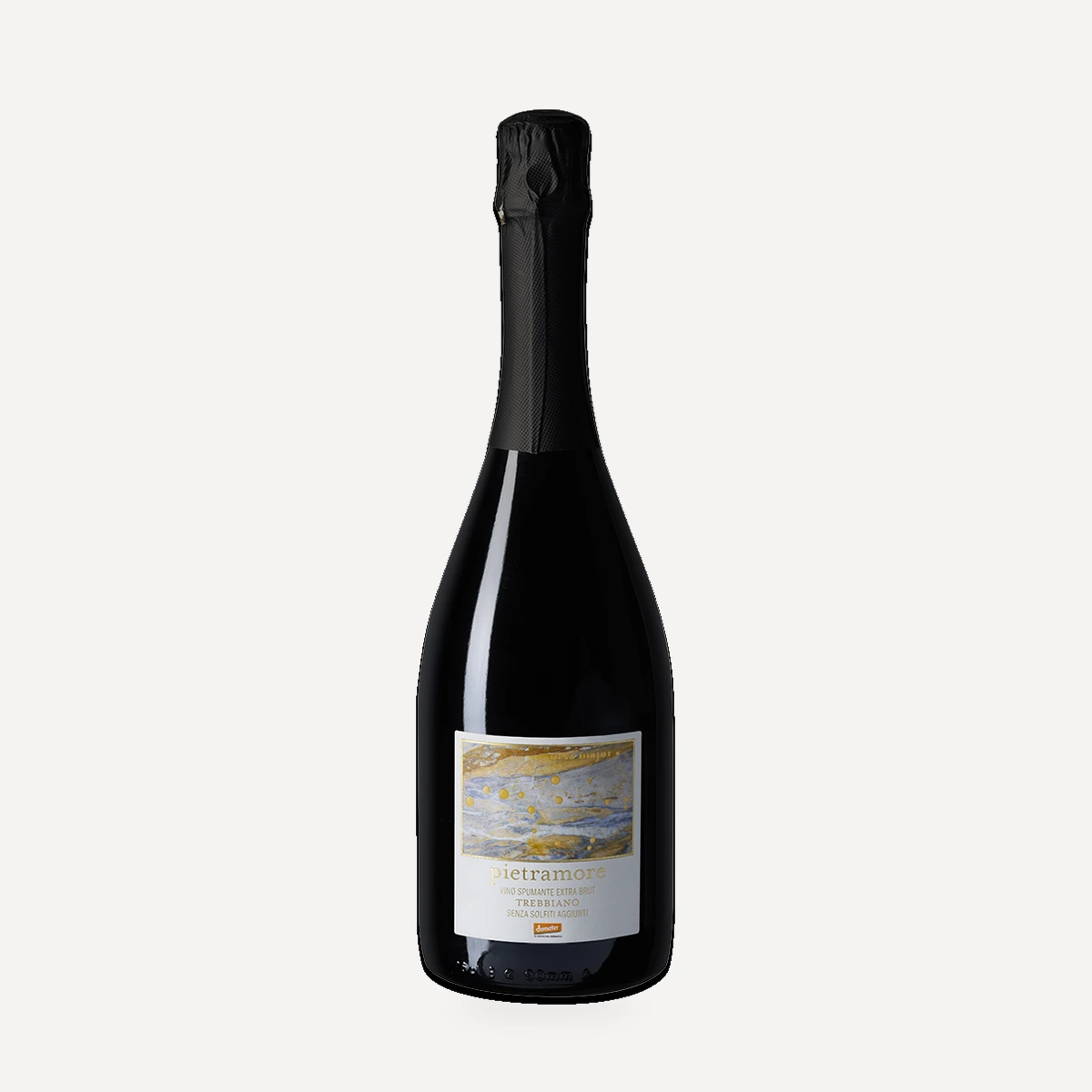
Storia
Establishment in 2011
Maria Pia Leone began Pietramore with her partner, Massimiliano Bartolomei, in 2011. The name joins the Italian words pietra—stone—and amore—love, expressing Maria Pia’s attachment to and respect for the soil.
An Abruzzo estate
Pietramore developed around more than 70 hectares of organically and biodynamically cultivated vineyards in Abruzzo. Its places extend through the hills of the provinces of Chieti, Teramo and Pescara, between the Maiella mountains and the Adriatic Sea. The estate’s agricultural identity also embraces olive growing and cattle, integrating wine production into a broader biodynamic farm.
Biodynamic and vegan direction
The estate adopted biodynamic farming alongside organic and vegan production principles. Its stated aim is to sustain soil fertility, plant health, biodiversity and the natural relationship between the vineyard and its surroundings while limiting external intervention. Demeter certification supports this approach, while green manure, the biodynamic calendar and the exclusion of chemical pesticides and fertilisers shape the work in the vineyards.
By 2017, Pietramore was presenting its wines internationally at BIOFACH in Nuremberg, Natural & Organic Products Europe in London, Vinitaly in Verona and a trade event in Surry Hills, Australia. Two wines also received gold medals at MUNDUS VINI BIOFACH 2017.
Terroir
Pietramore’s vineyard landscape extends across more than 70 hectares in Abruzzo, with its places associated with the hills of Chieti, Teramo and Pescara. The vineyards lie in the broader corridor between the Maiella mountains and the Adriatic Sea, a position associated with varied soils and microclimatic conditions.
The documented source areas reveal several combinations of soil and exposure. Vineyards in the provinces of Chieti and Teramo include medium-textured clay soils with south-eastern exposures. Chieti sites also include medium-textured soils tending toward limestone, with north-western, north-eastern and south-eastern exposures. A Trebbiano source vineyard at Orsogna, in the province of Chieti, stands at 350 metres above sea level on loose, medium-textured soil with a north-western exposure.
Vinificazione
All of Pietramore’s more than 70 hectares of vineyards are farmed biodynamically, with organic cultivation and vegan production principles. Vineyard work is scheduled with the biodynamic calendar so that agricultural operations follow natural phases and timing.
The estate seeks to preserve soil fertility and vitality, build plant resilience to disease and parasites, limit external intervention and encourage biodiversity. Leguminous plants are grown between the rows as green manure, providing vineyard nutrition from material produced on the farm and avoiding chemical fertilisers. Chemical pesticides are also excluded. Wild flora and beneficial insects are encouraged as part of the vineyard ecosystem.
Cattle range on the property and provide manure used for biodynamic preparation 500. Manual harvesting is documented throughout the estate’s principal vineyard sources. The farming system is Demeter-certified; the wines are also presented as organic and vegan.
Grape processing follows the estate’s organic-vegan principles and is intended to preserve the relationship among variety, site and the conditions of each growing season. Across the published range, grapes are harvested by hand. The cellar uses temperature-controlled fermentation, steel tanks, lees ageing and bottle maturation, while selected cuvées also involve French barriques, skin contact, spontaneous fermentation or secondary fermentation by the Charmat–Martinotti method. The precise sequence varies by wine rather than following a single estate-wide recipe.
Filosofia
Pietramore presents wine as the expression of a balance among sky, earth and people. Its biodynamic philosophy treats the soil and the life developing within it as one system, with human work intended to support the health of the land and preserve the ecosystem.
The estate links fertility and soil productivity to natural, lunar and cosmic rhythms. Cultivation is organised around the cyclical character of nature, while intervention from outside the farm is kept as limited as possible and biodiversity is encouraged. Its declared objective is to allow place, grape variety and the conditions of each vintage to remain perceptible, accepting that every year produces a distinct result.
Organic-vegan production is framed as an ethical choice as well as a technical one: environmental balance, plant and soil health, climate concerns and respect for nature guide both grape growing and subsequent processing. The estate also treats sustainability as measurable business practice, extending it to employees, suppliers, customers and responsible economic growth.
Vini
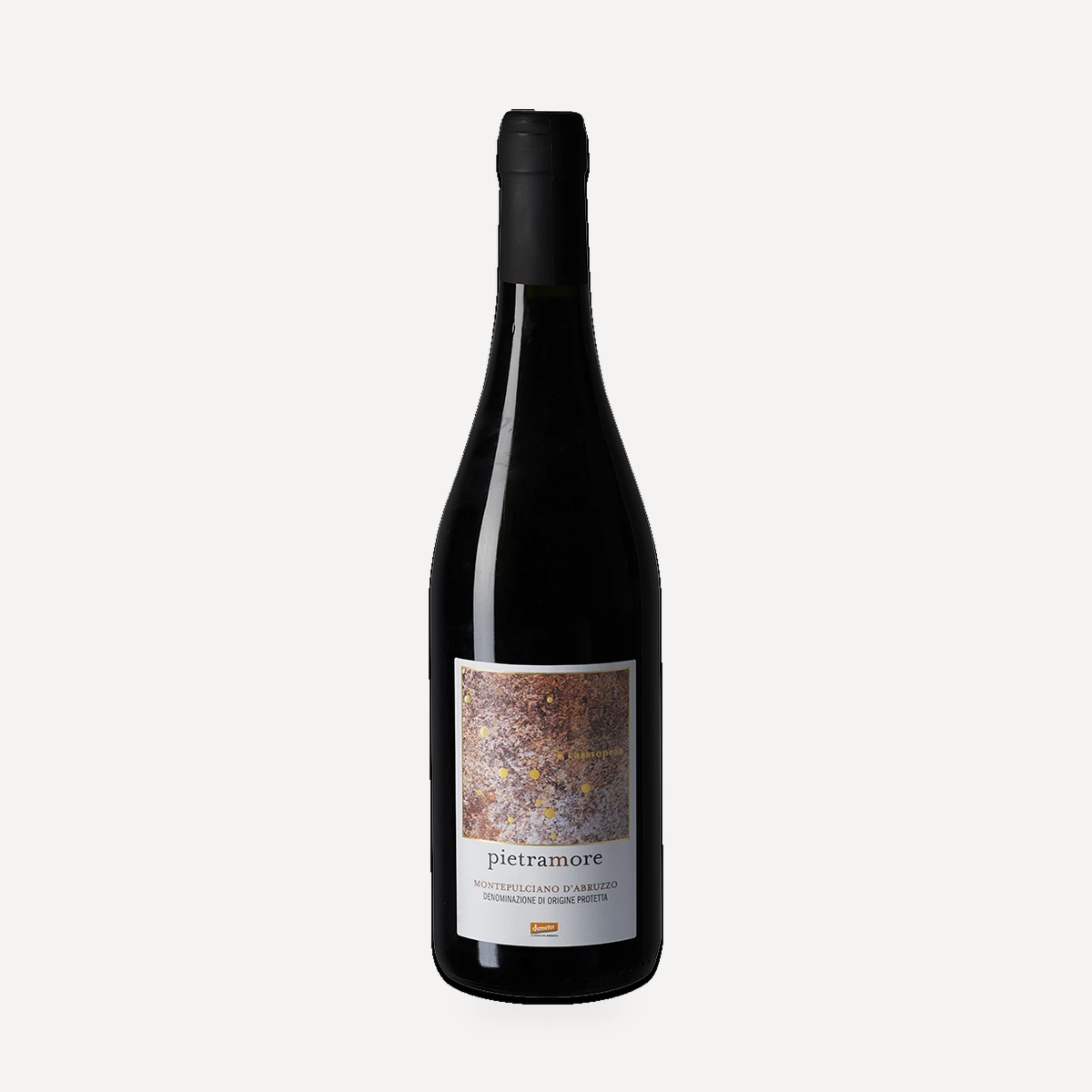
Montepulciano d’Abruzzo DOP
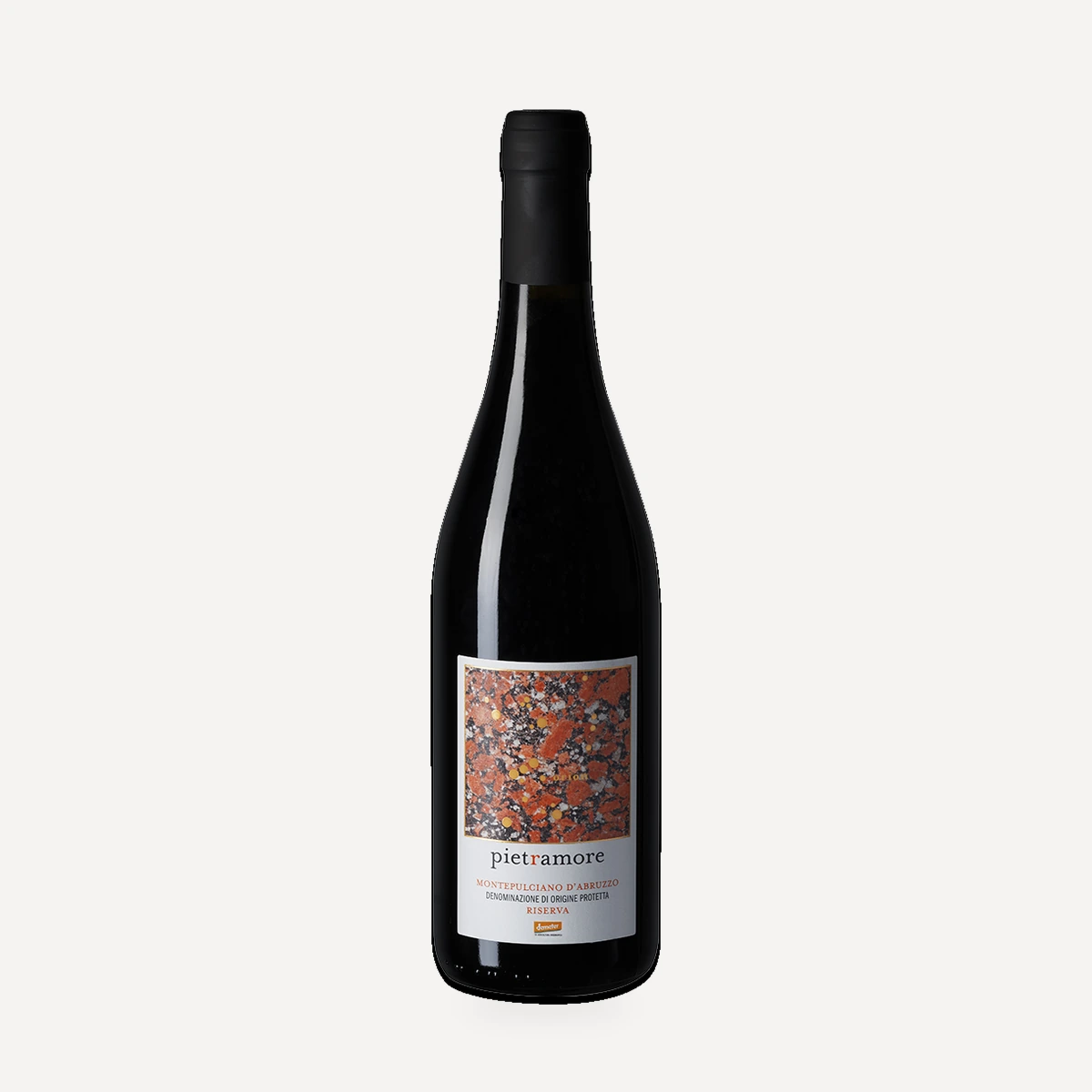
Montepulciano d’Abruzzo DOP Riserva
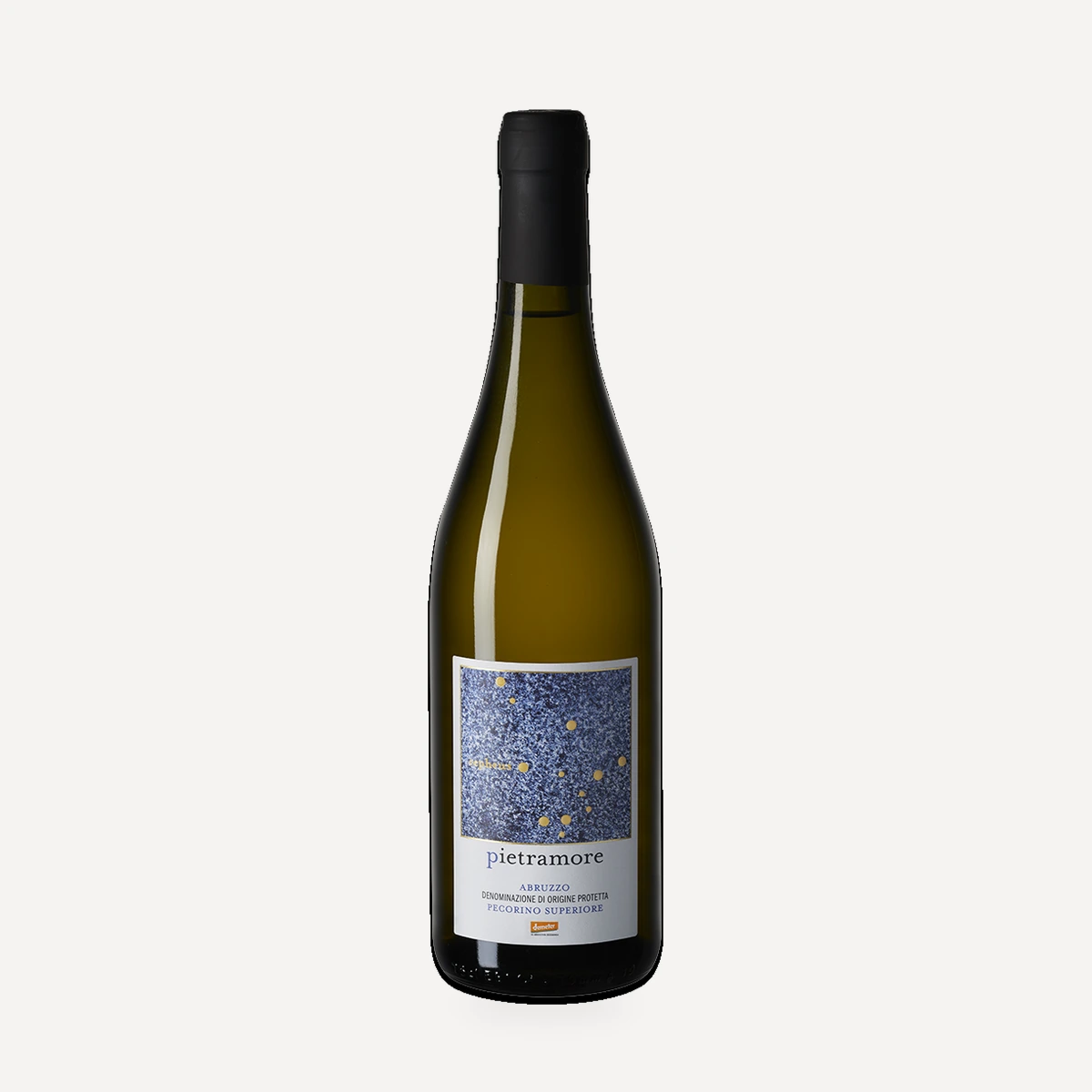
Abruzzo DOP Pecorino Superiore
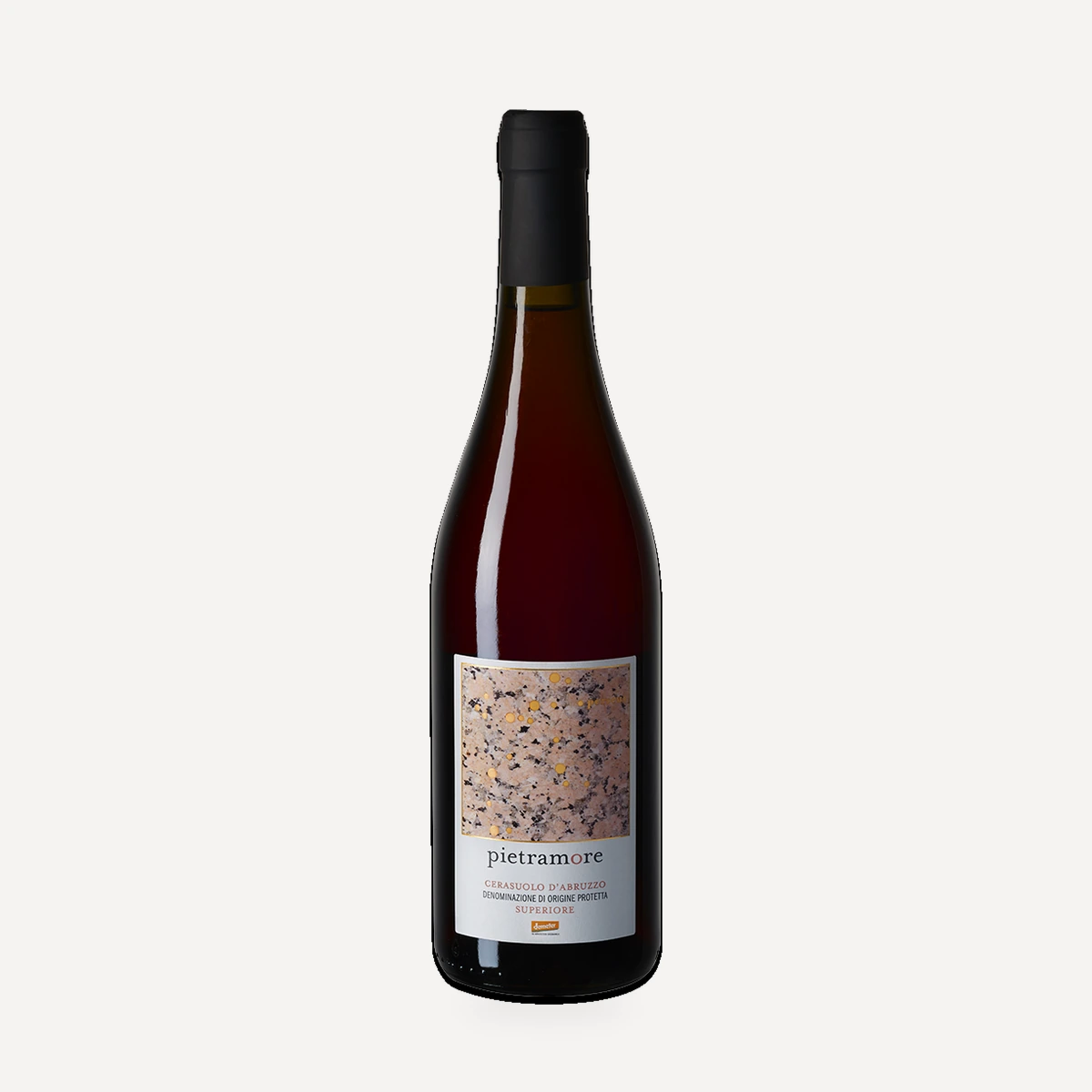
Cerasuolo d’Abruzzo DOP
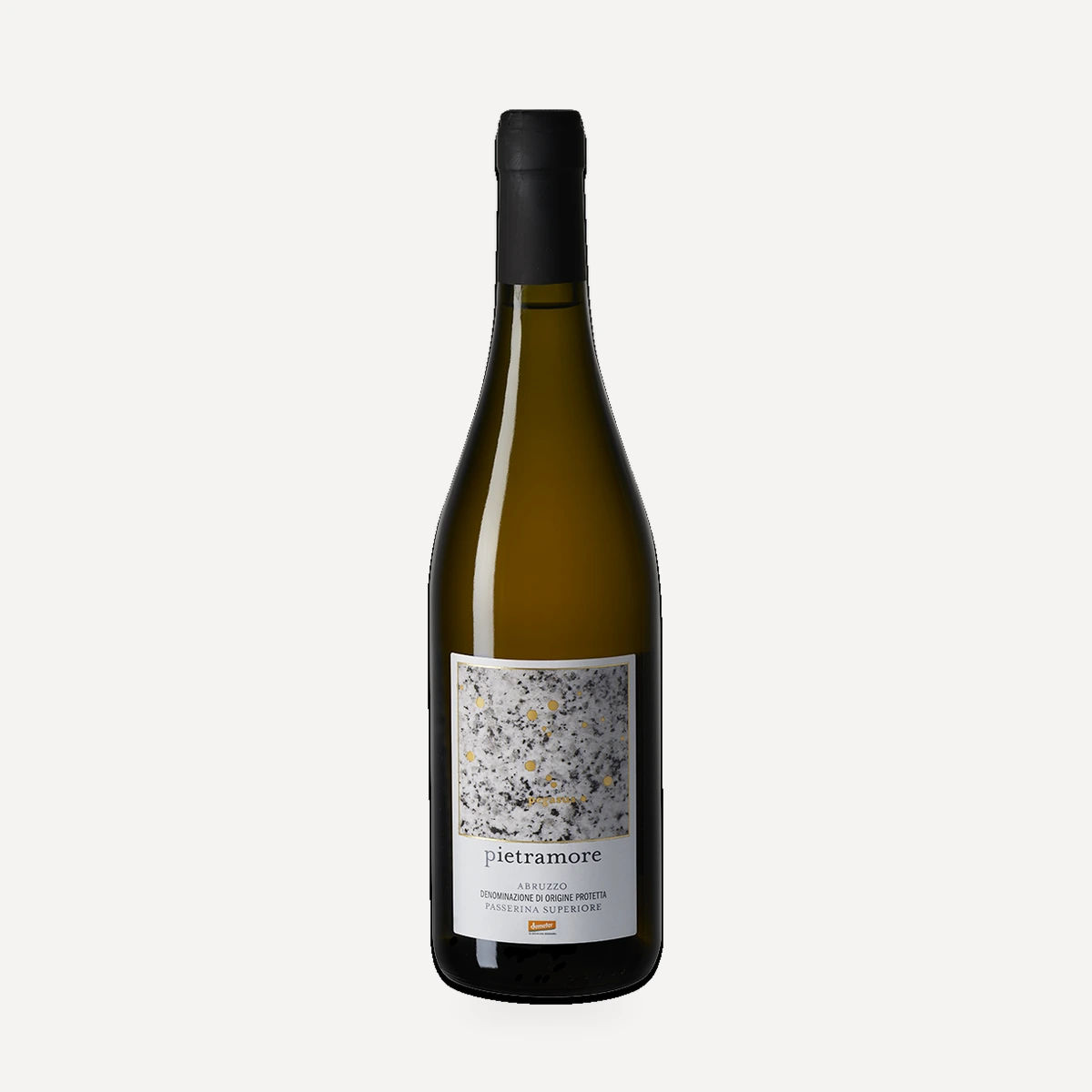
Abruzzo DOP Passerina Superiore
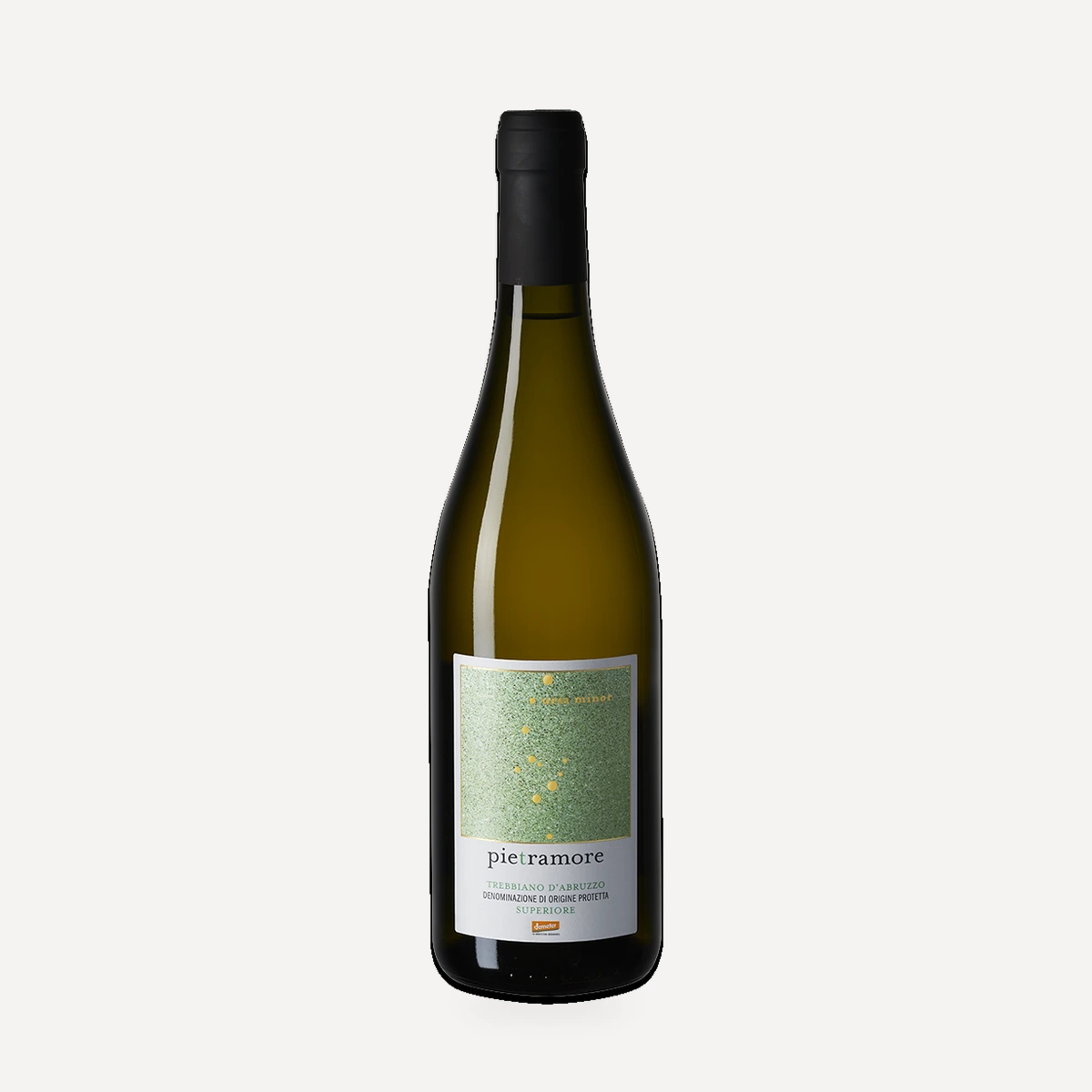
Trebbiano d’Abruzzo DOP Superiore